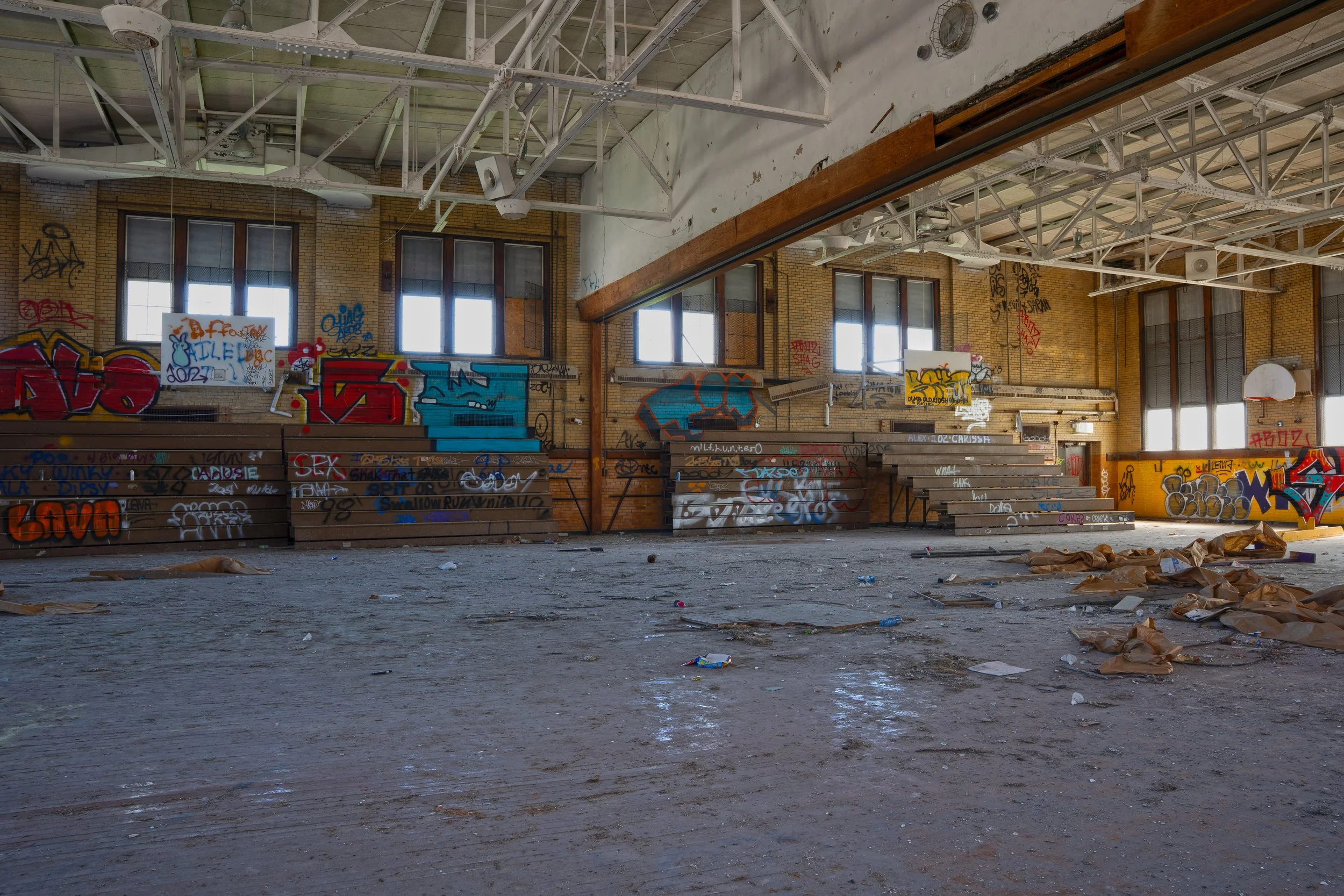
Whittier Middle School
701 Crapo St, Flint, MI 48503
-Abandoned 2009
|High Resolution page S+Tripod|
Locate it!
History of Whittier Middle School
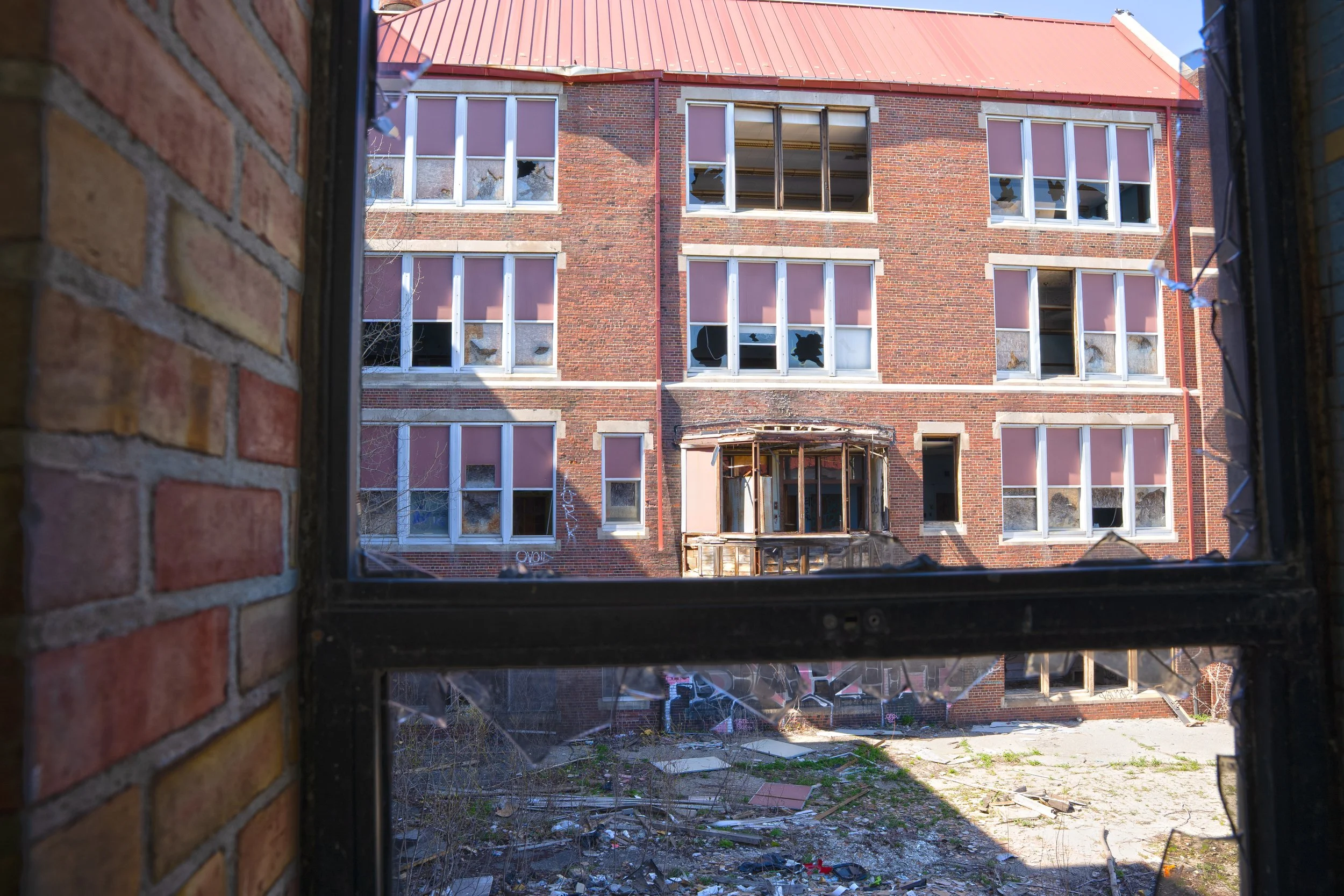
Whittier Middle School was built in 1924, under the direction of Malcomson & Higginbotham. Both the Whittier and Flint Central schools made up a larger 28.5 acre complex connected to each other in many ways. In Whittier’s early years throughout the 1920s famed educator Frank Manley, Manley possessed a progressive, egalitarian ethos preaching that individuals should be treated with dignity and respect regardless of their religious, ethnic, or socioeconomic background. He emphasized that whether an individual was a "Jew, Gentile, Black or White, capitalist or laborer," they were unique and deserving of individualized support. When Manley arrived in Flint in 1923, he found a city brimming with industrial success and athletic enthusiasm, eager for the kind of unifying spirit he sought to instill. He began his teaching career at Whittier Junior High School, moving subsequently to Flint Central High School, and eventually ascending to direct the physical education programs across the entire Flint Public Schools system. As Flint’s education system grew in the 20s, Whittier took on a unique culture with one of the staples of the student culture, being the school's official publication, The Whittier Greenleaf. Founded and established in 1924 the very year the school opened The Greenleaf served as the definitive voice of the Whittier pupil body. Operating under the guidance of dedicated faculty advisors such as Miss Hult, Mr. Homer L. Gammill, Mrs. Lucile Wilson, and Mrs. Swisher, the newspaper and subsequent yearbook iterations documented the minutiae and milestones of adolescent life in Flint. The Greenleaf was published every two weeks during the school year, and remarkably, it was entirely set up and printed by the junior high pupils themselves who were enrolled in Printing I and II vocational classes. While academics and arts were central to the Whittier experience, the institution achieved profound regional and national recognition for its role as the foundational feeder system for the Flint athletic pipeline. The junior high athletic programs at Whittier, born from Frank Manley's physical education ethos, were rigorous and highly competitive. They served as the crucial developmental crucible for students who would go on to achieve legendary status at Flint Central High School and, subsequently, in collegiate and professional arenas. By the late 1960s the school had obtained a large black student population as the Great Migration brought people of color to Flint looking for high paying union jobs. In 1967, Christopher Paul Curtis achieved a historic milestone by becoming the first African American student to be elected to the student council at Whittier in the school's 32 year history. In the 70s Flint alongside many other schools districts throughout the US were forced to desegregate schools. Interestingly and not seen in many schools, Whittier engaged in a successful dual enrollment program with local parochial schools. Seventh and eighth grade students from institutions like Little Flower attended Whittier on a half day basis to utilize the public school's specialized, resource intensive facilities for art, music, science, physical education, and mathematics, while receiving their core academic instruction at their private school. This shows Whittier even into the 70s was a powerhouse of a school alongside the rest of the district. However in the 70s into the 80s GM would pull out a lot of its union jobs out of the city, destroying the tax base of Flint as people moved out of the city. In a desperate, strategic response to stem the tide of student attrition, Flint Community Schools attempted to differentiate its remaining core assets through highly specialized, magnet style curricula. It was during this period of restructuring that Whittier Middle School underwent a complete rebranding, as Whittier Classical Academy. As enrollment continued to decline into the 2000s the school was closed in 2009 alongside Flint Central, as repairs for the buildings grew too large, for the district at the time a 21 million dollar deficit had plagued it. Similar to Flint Central many plans to renovate the schools fell through, throughout the 2010s and in 2026 both Flint Central and Whittier will be demolished for a new High School complex on the same sites of the schools.
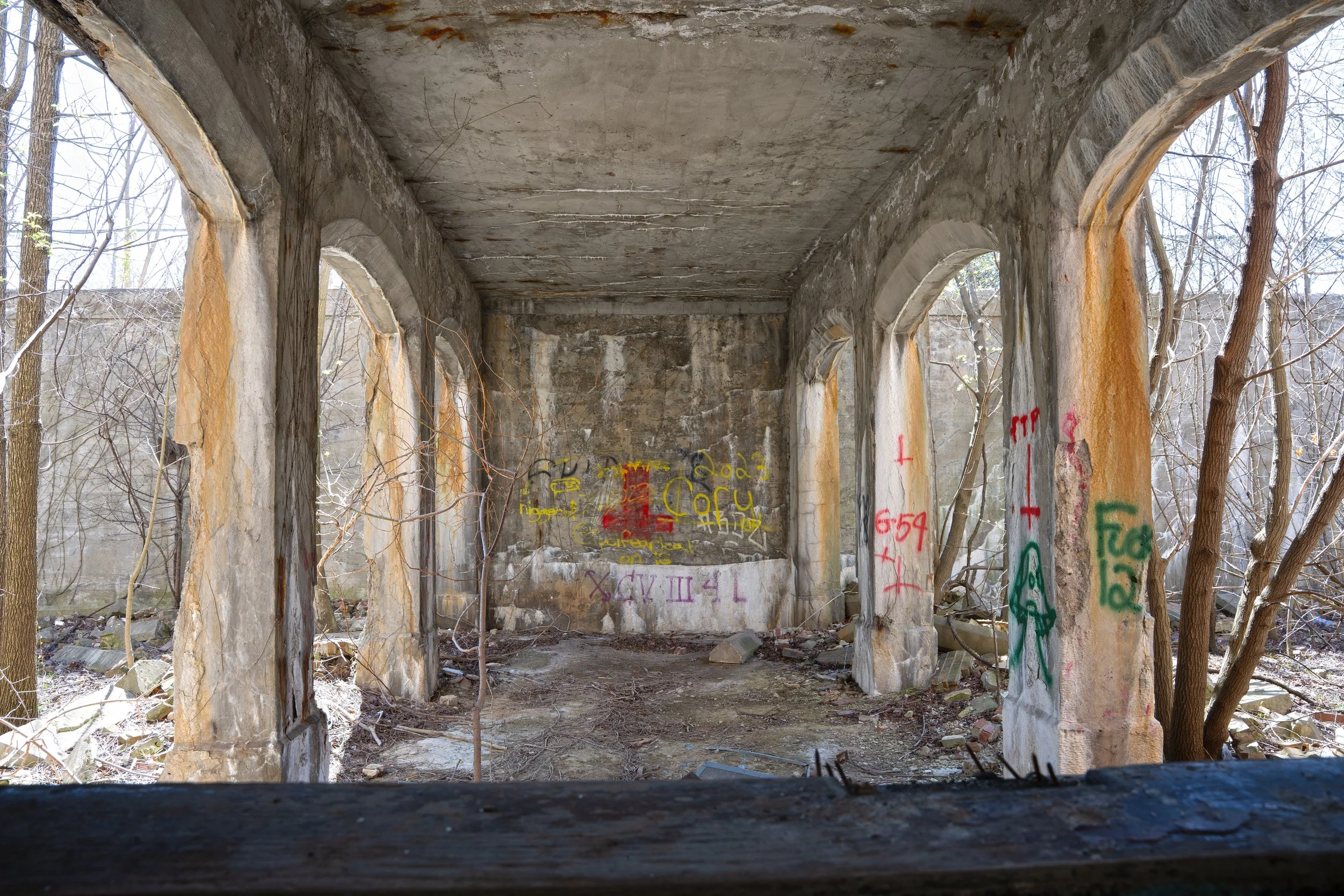
Recollection from the author
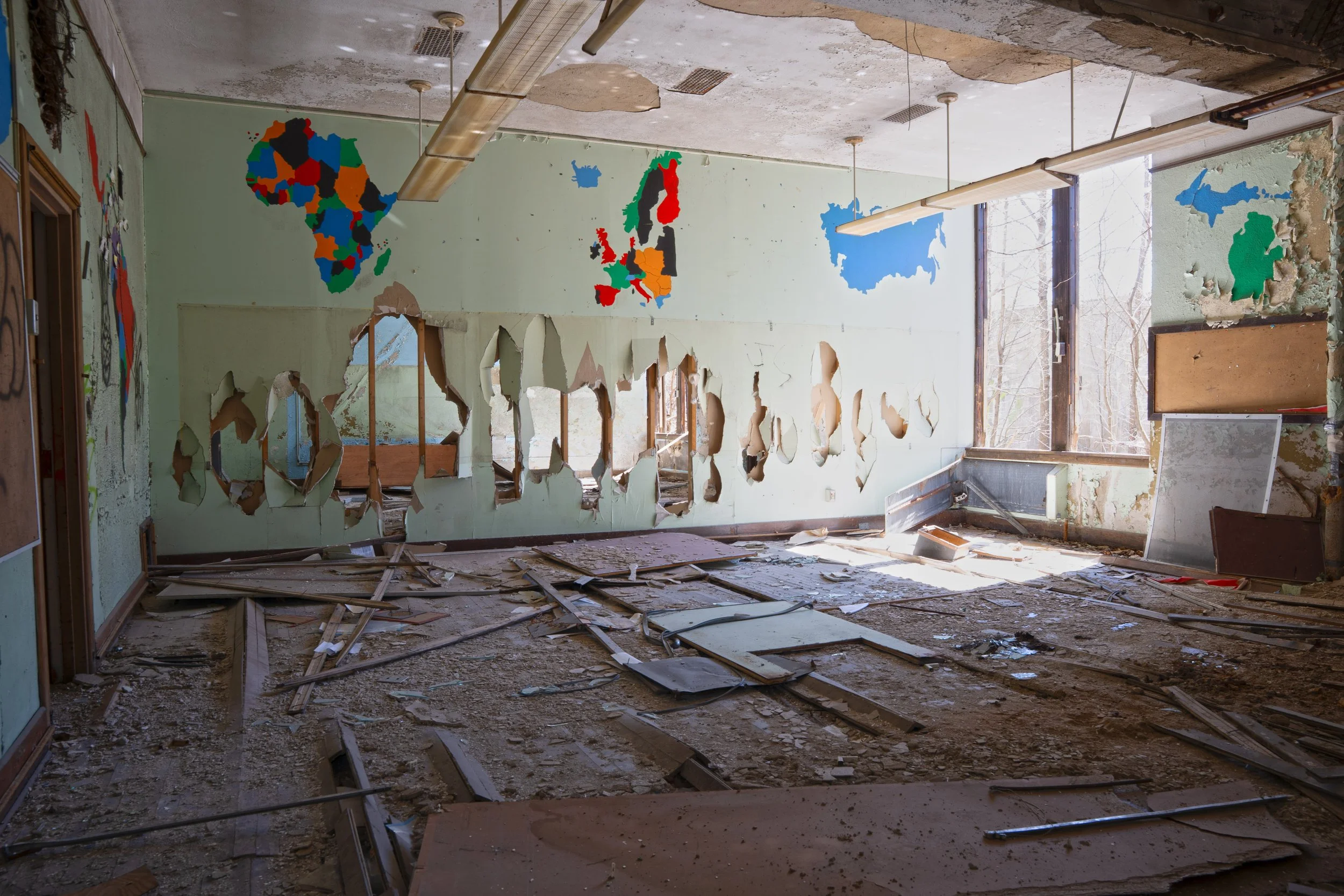
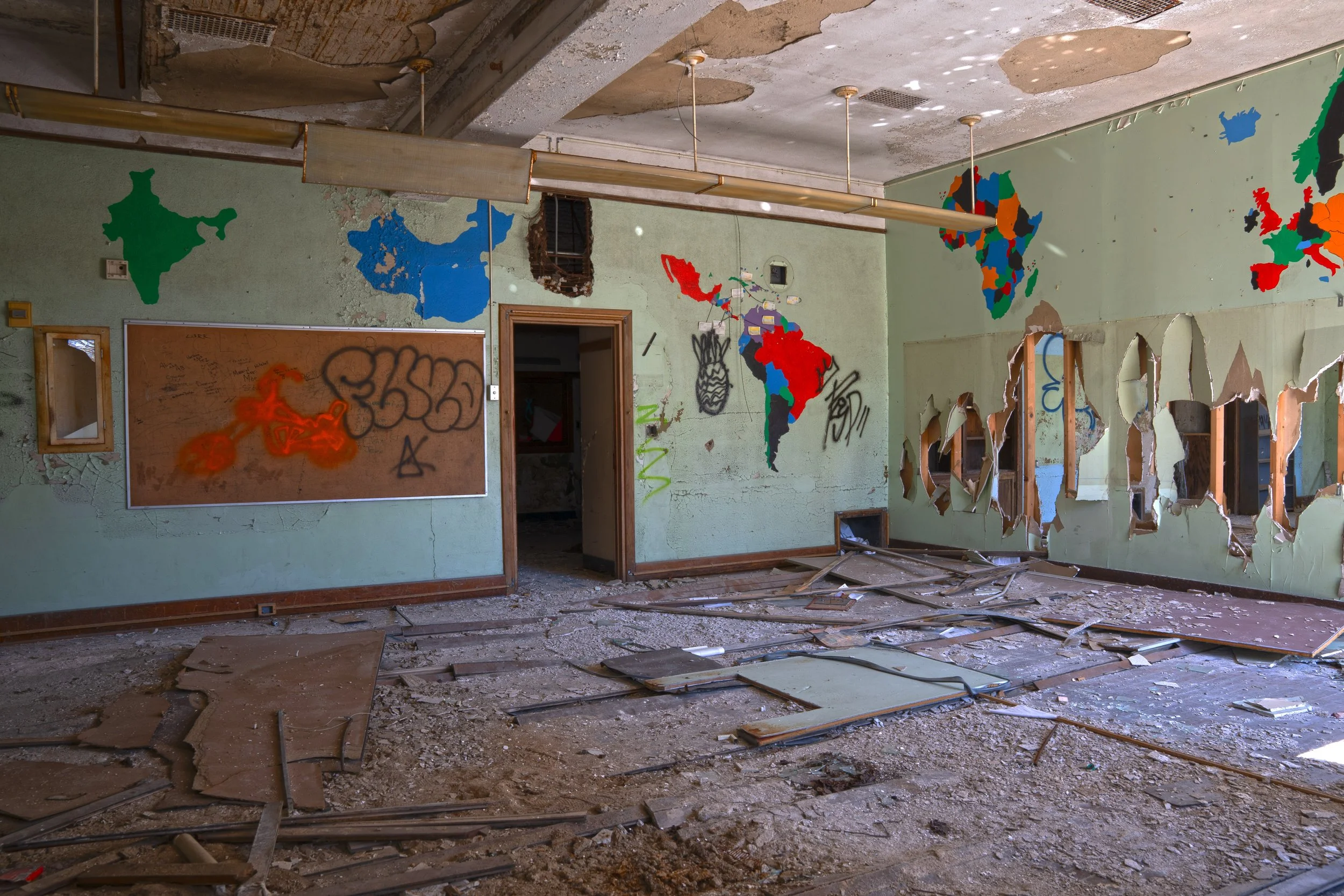
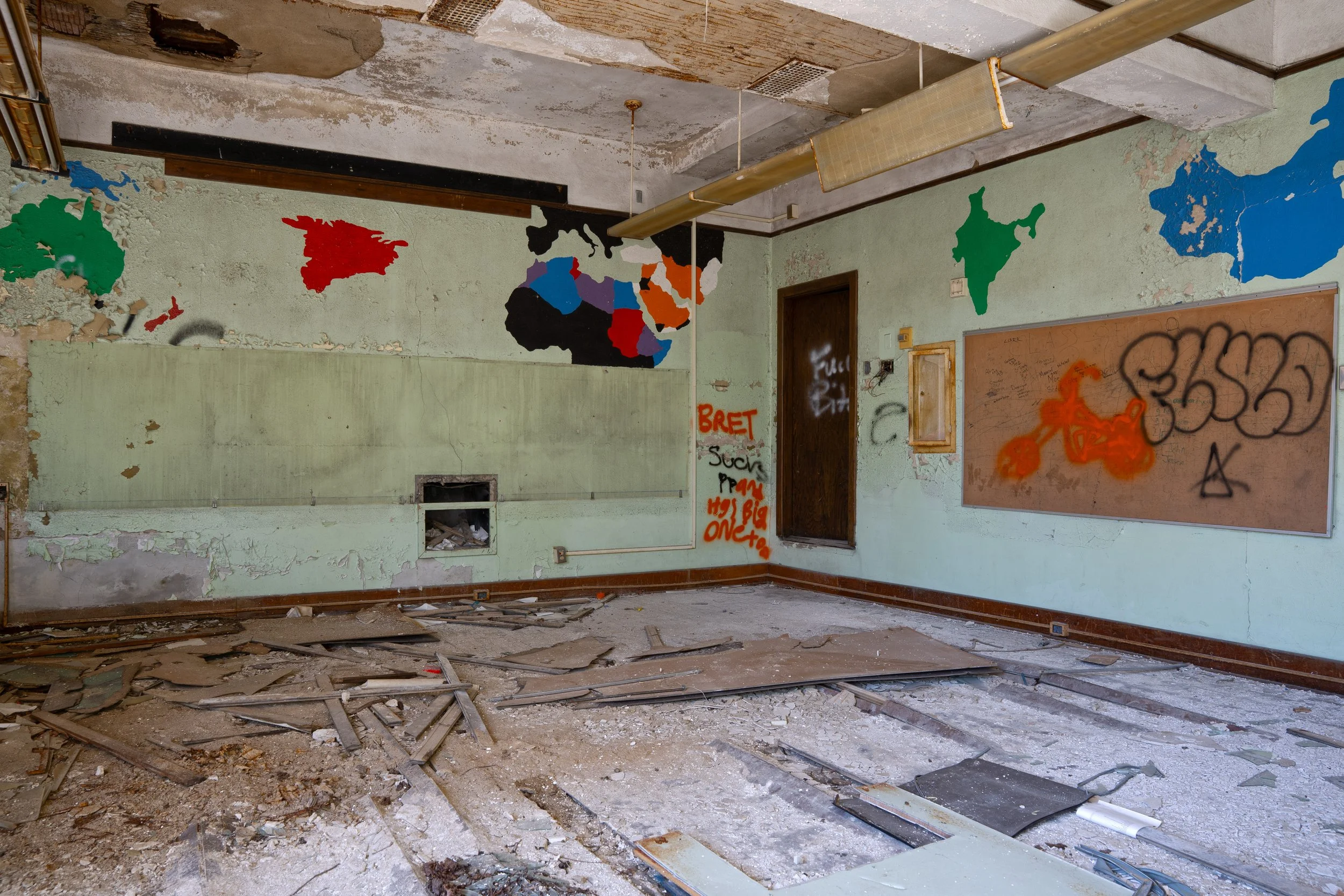
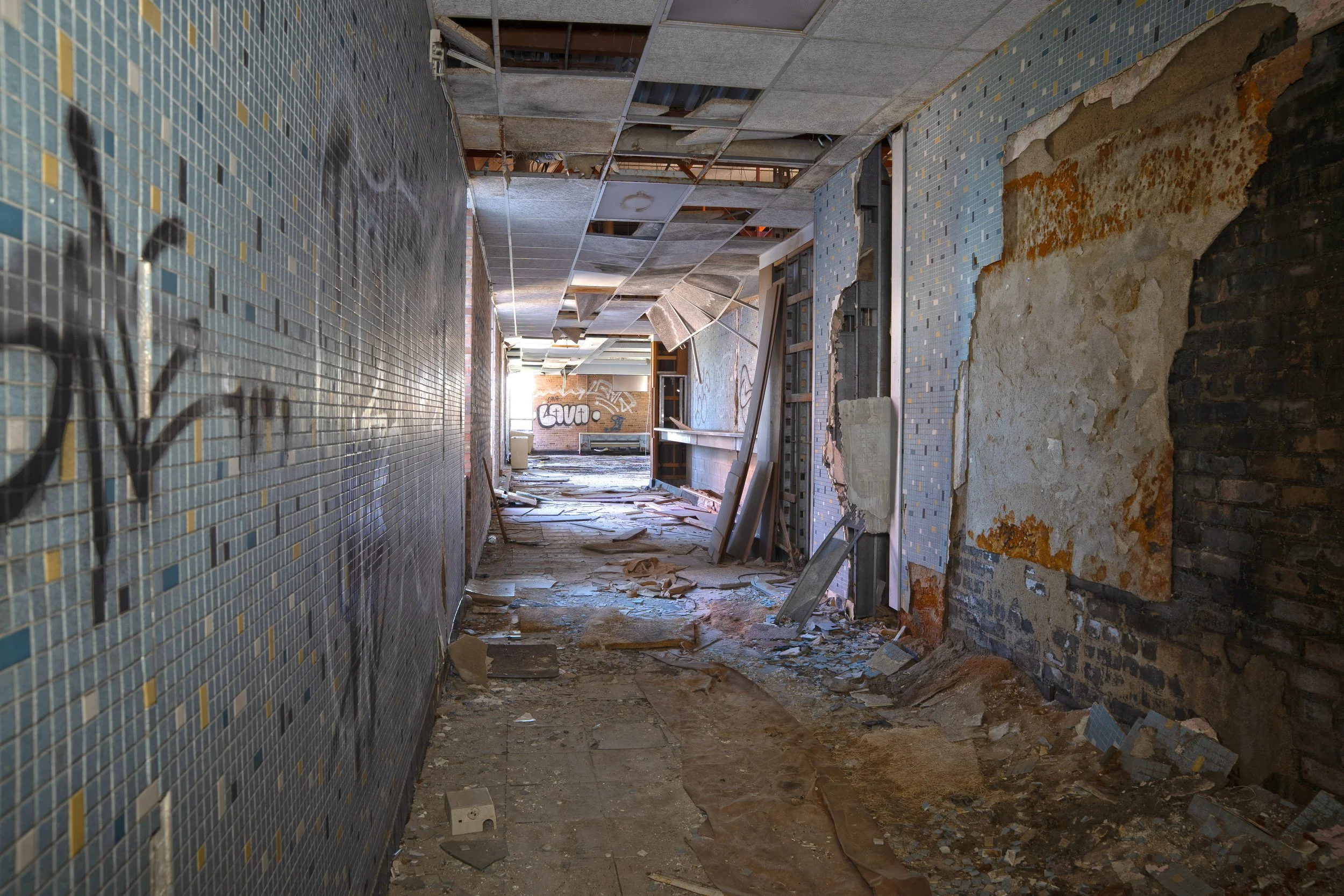
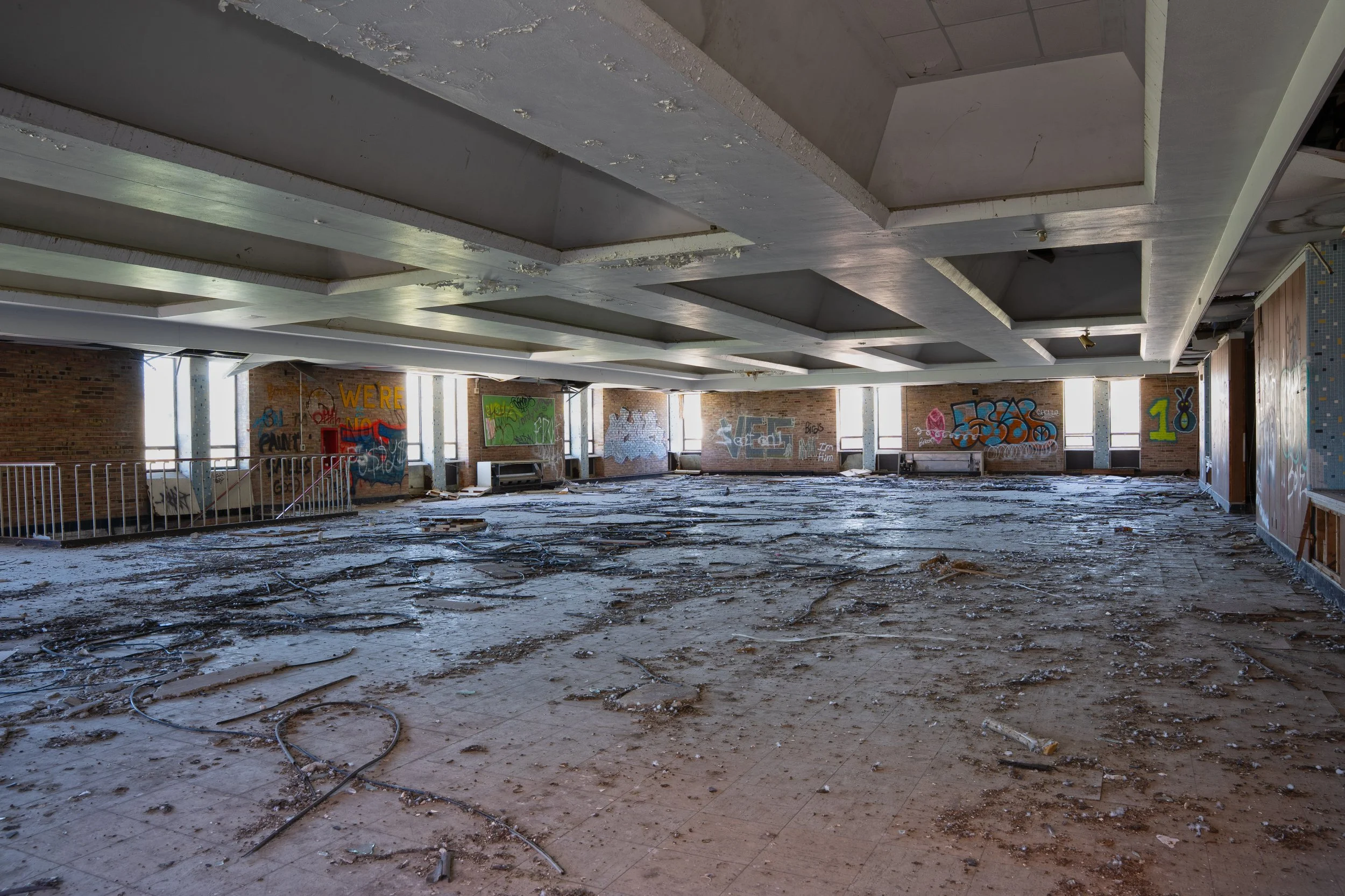
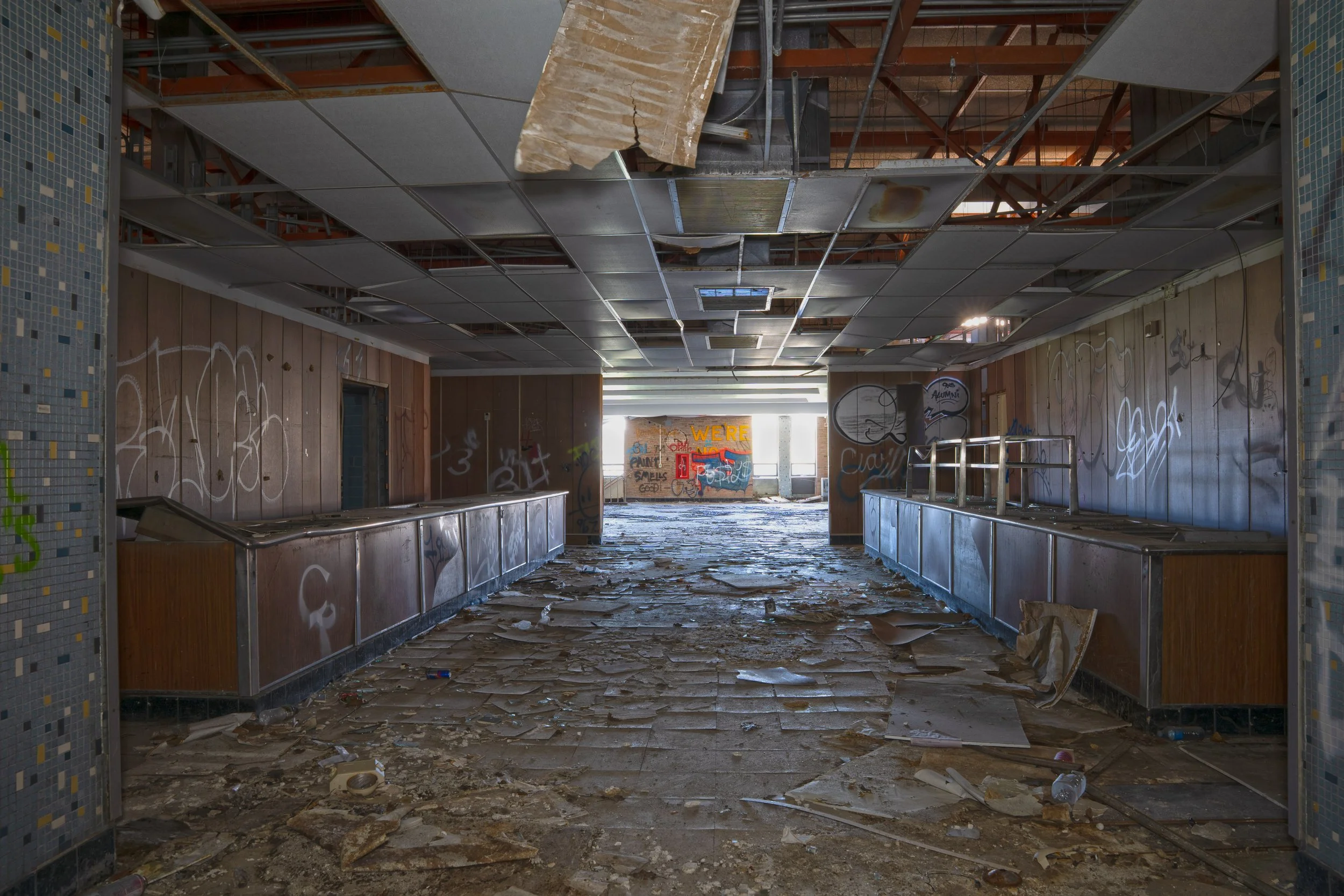
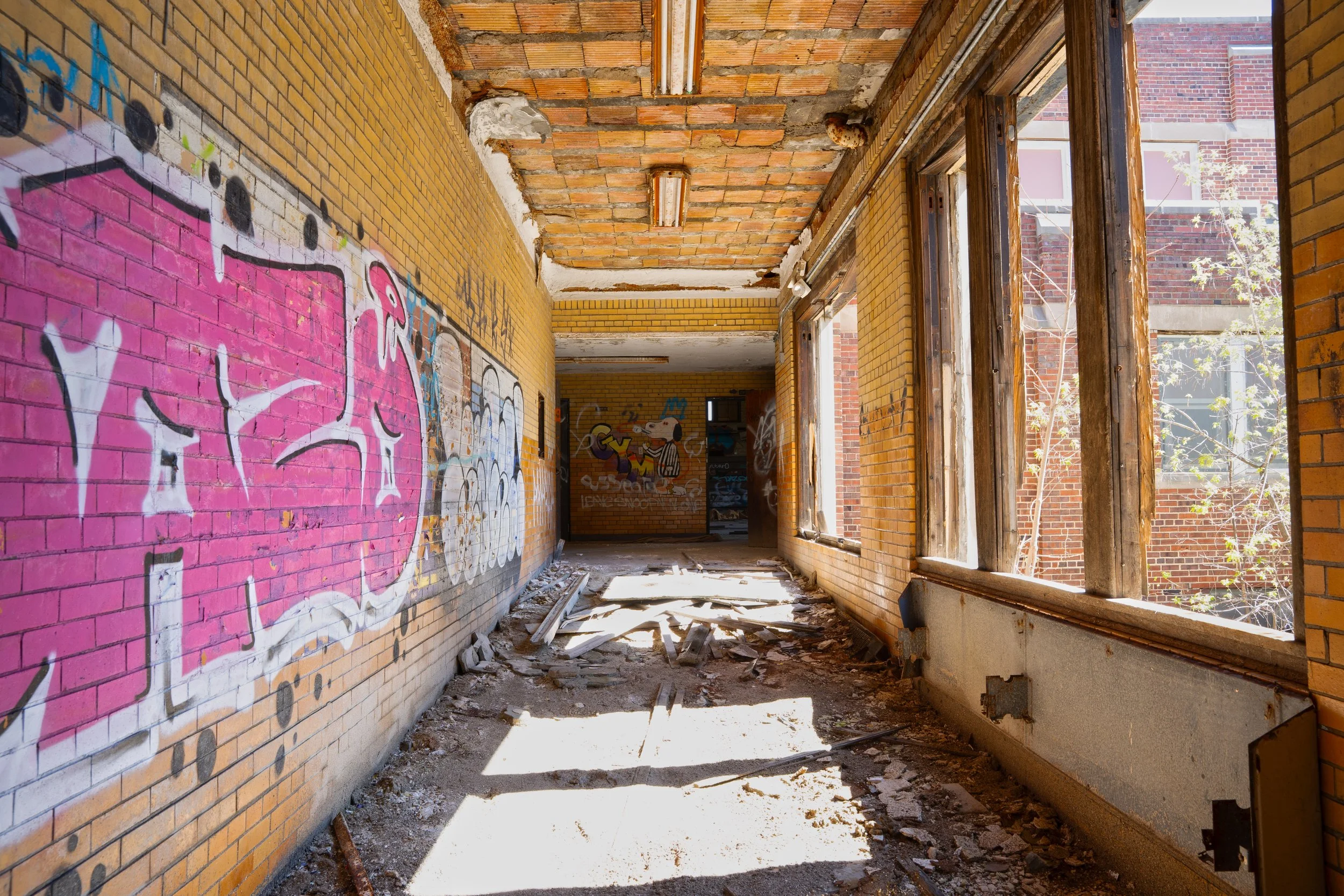
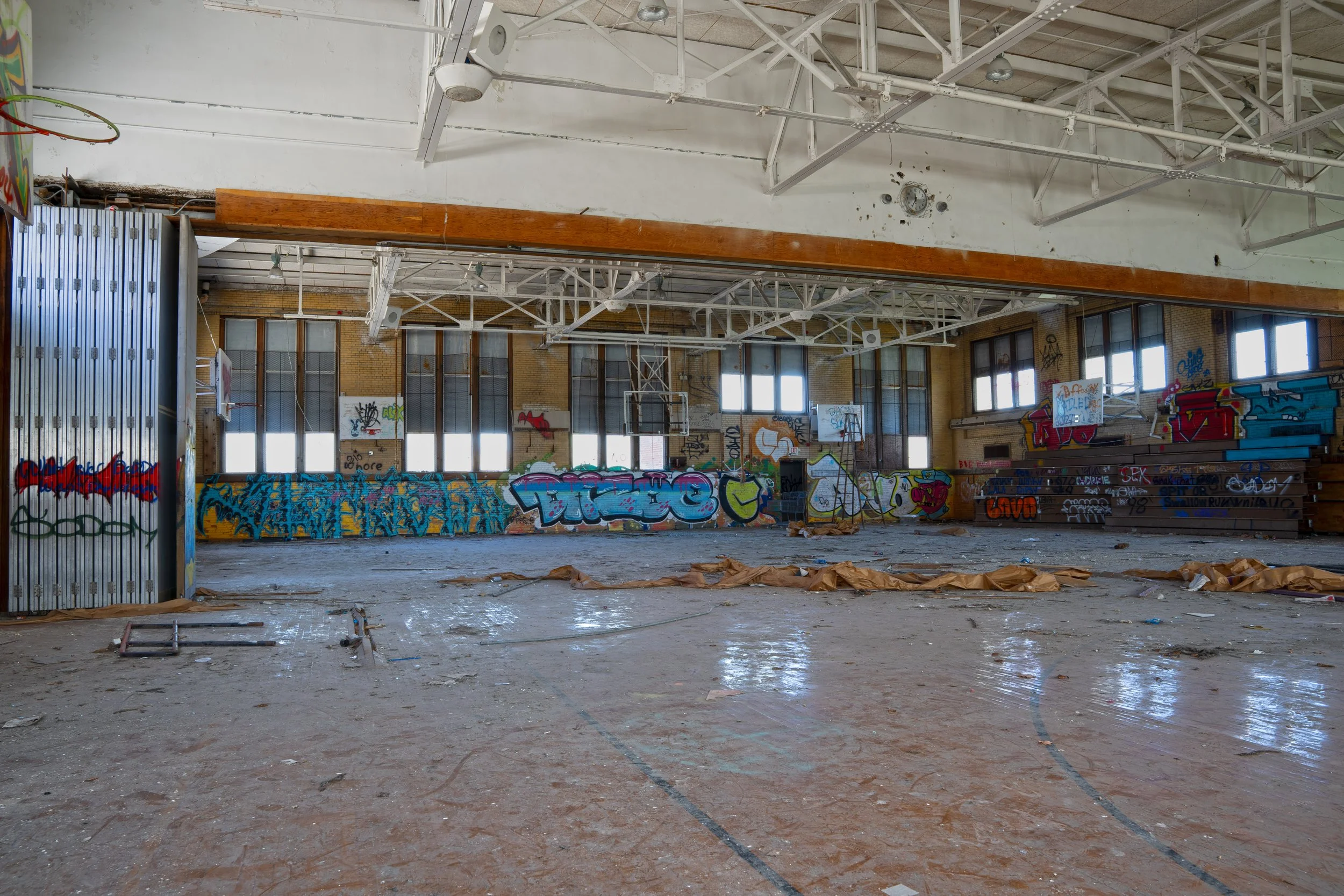
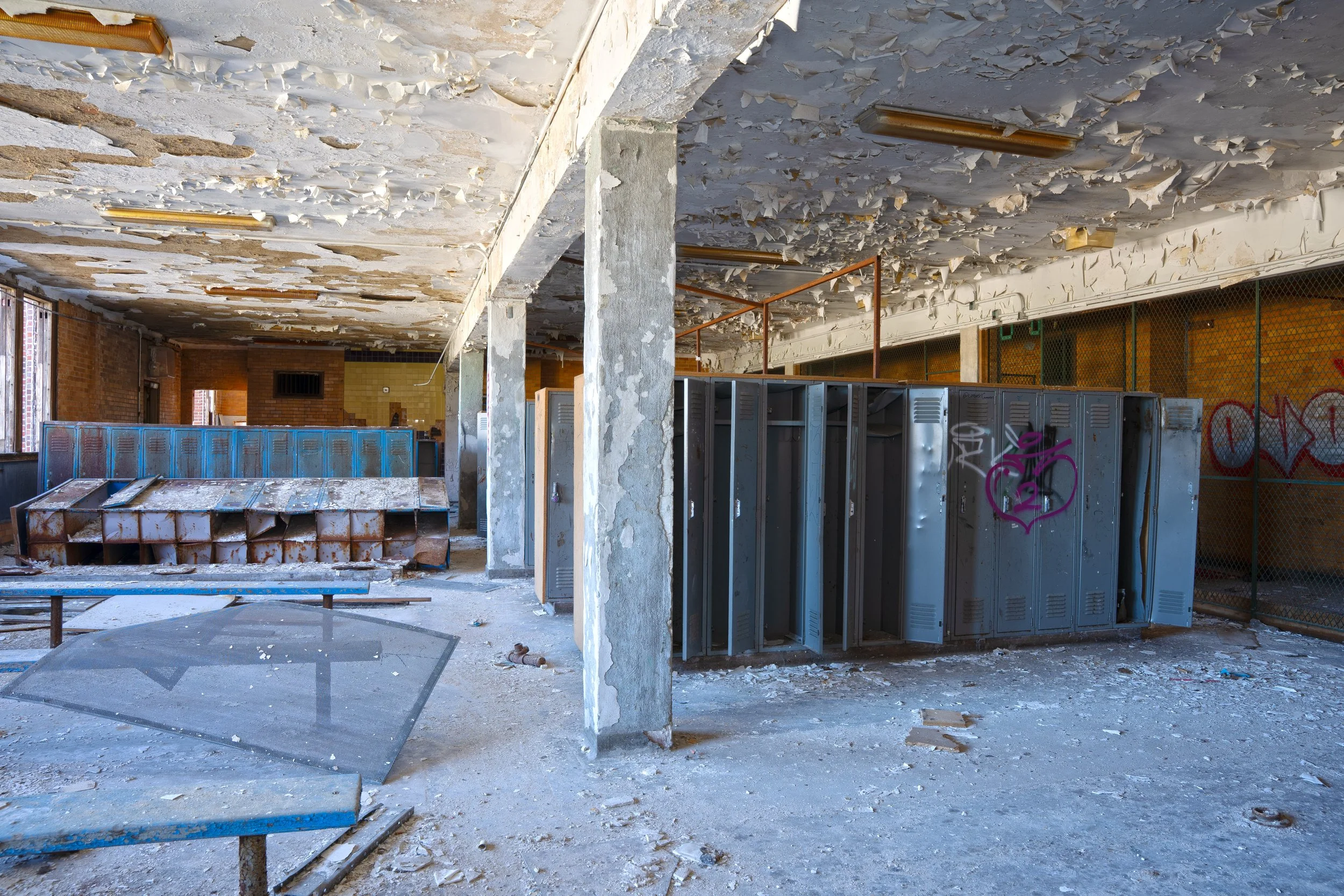
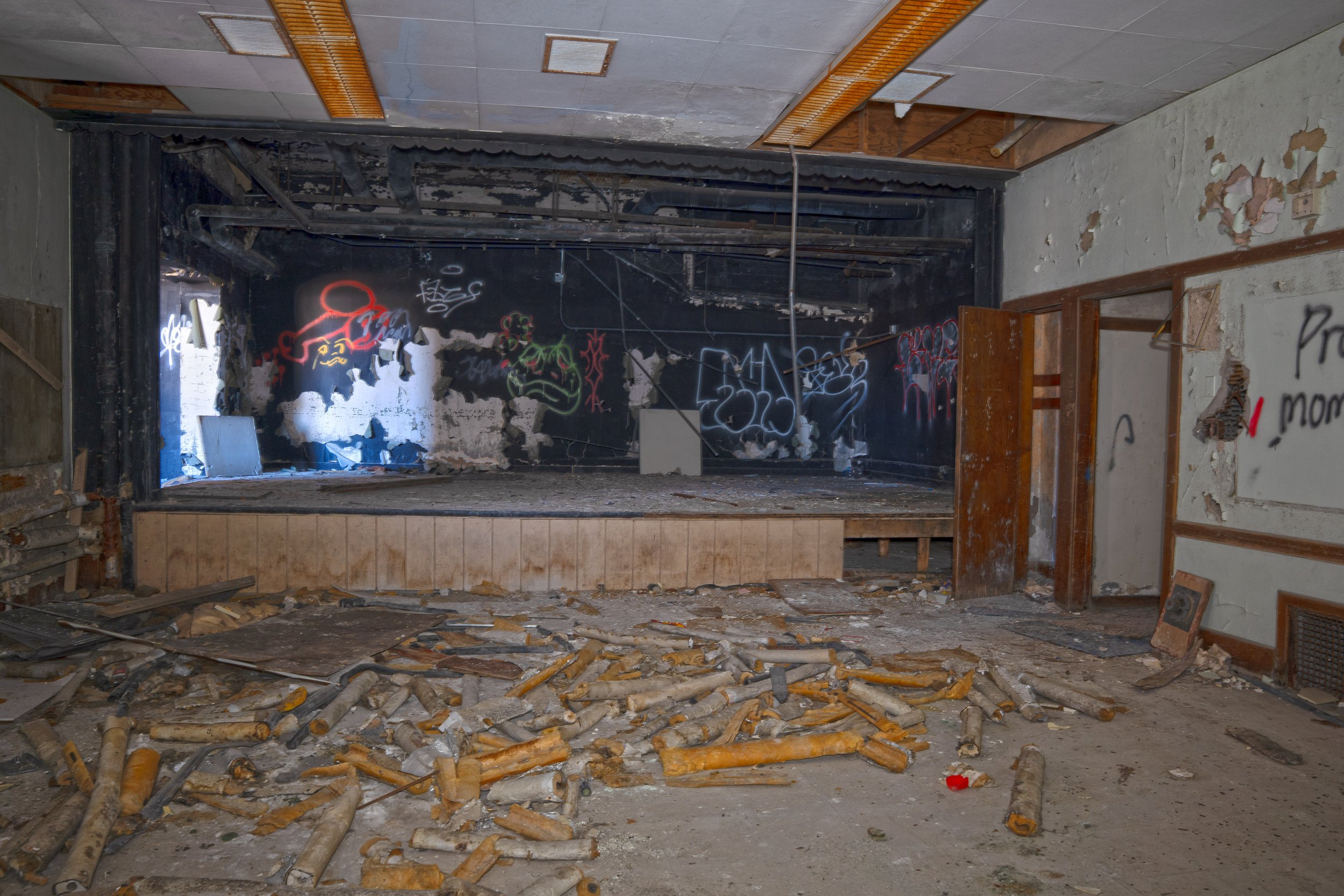
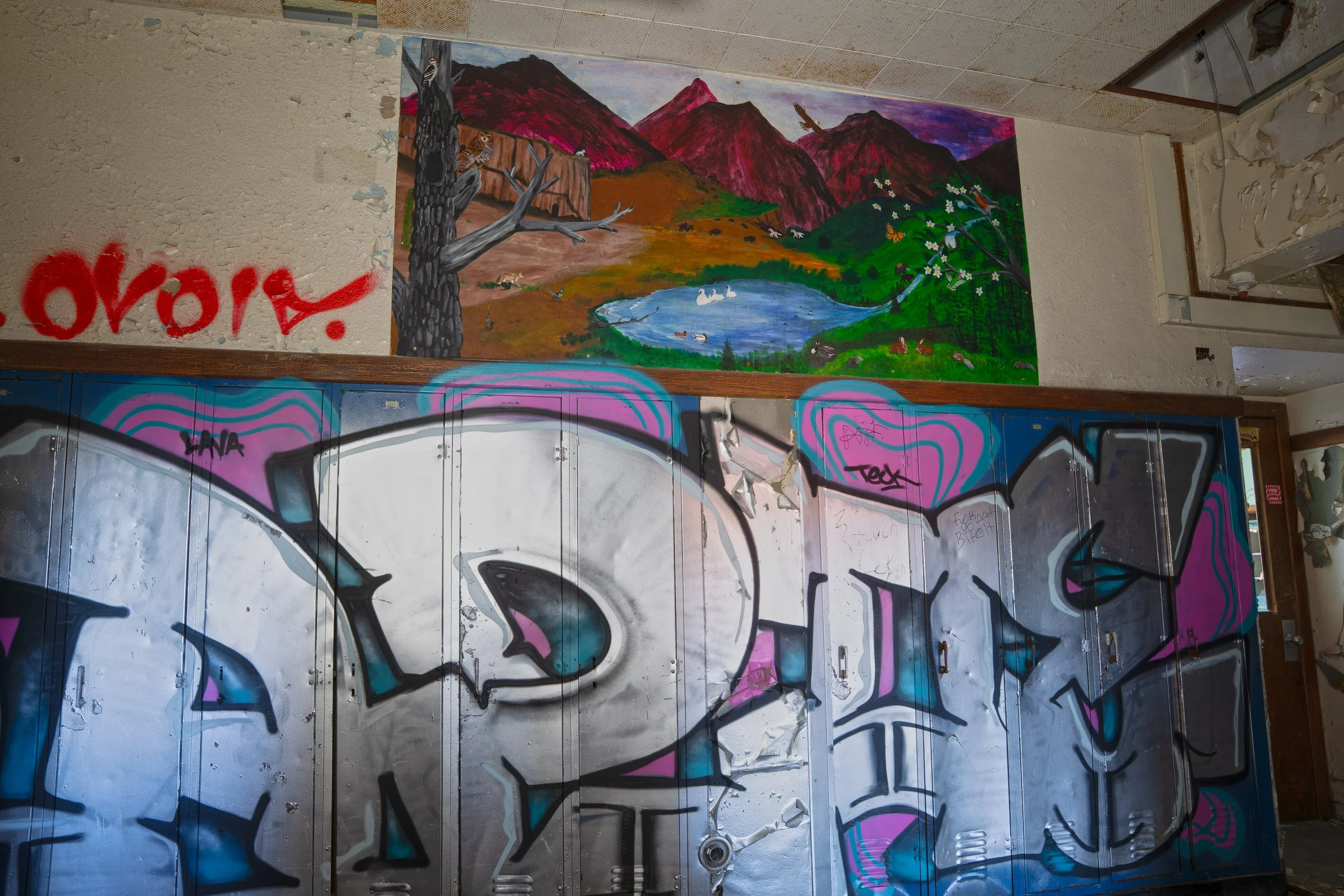
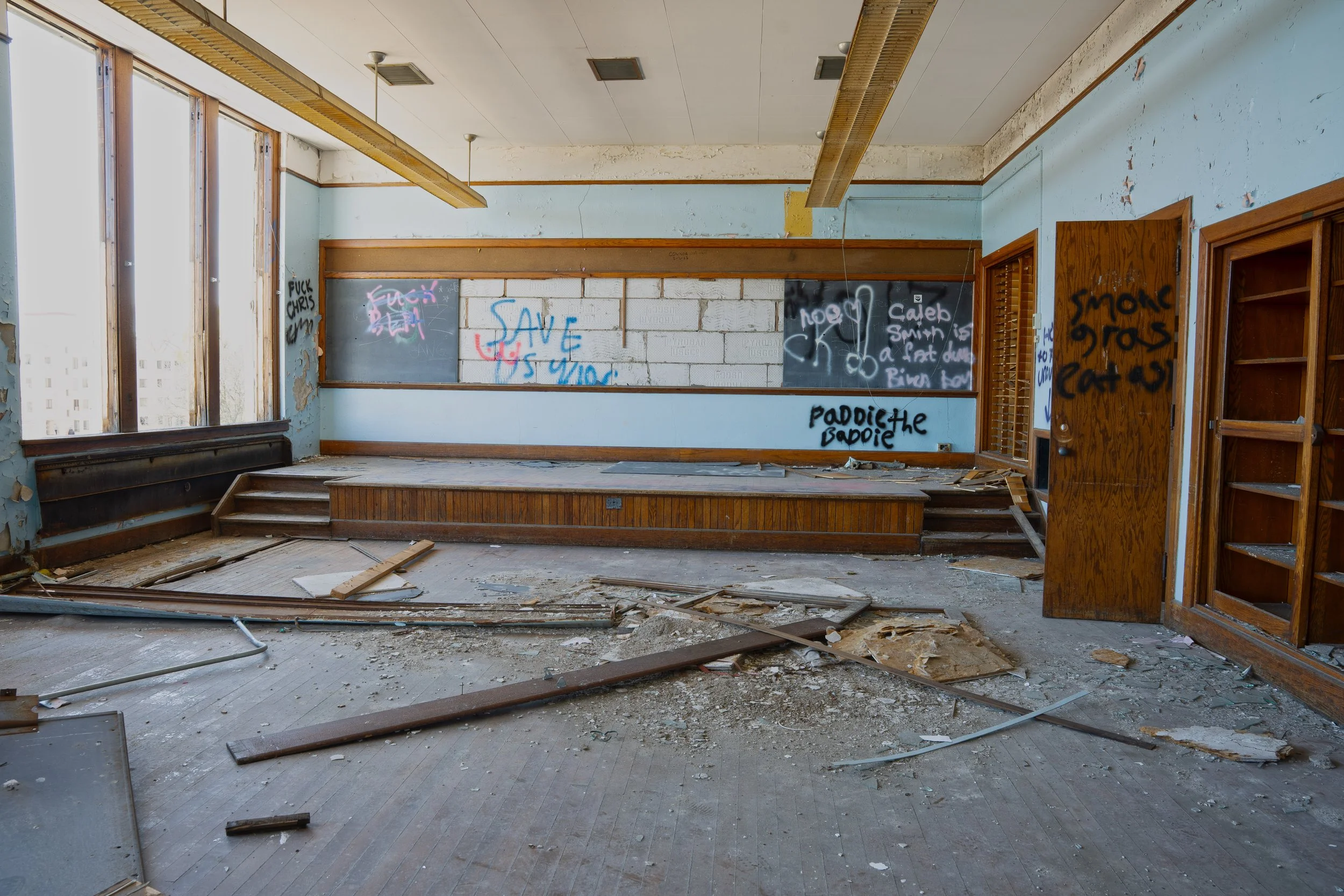
Whittier was a much smaller school then the next door flint central, however it had its own charm to it as well, its gymnasium was much more intact then you would expect, and the the murals in select rooms was cool. While Whittier didn’t have a large auditorium the two rooms on the 1st and 4th floors seem to have acted as such.
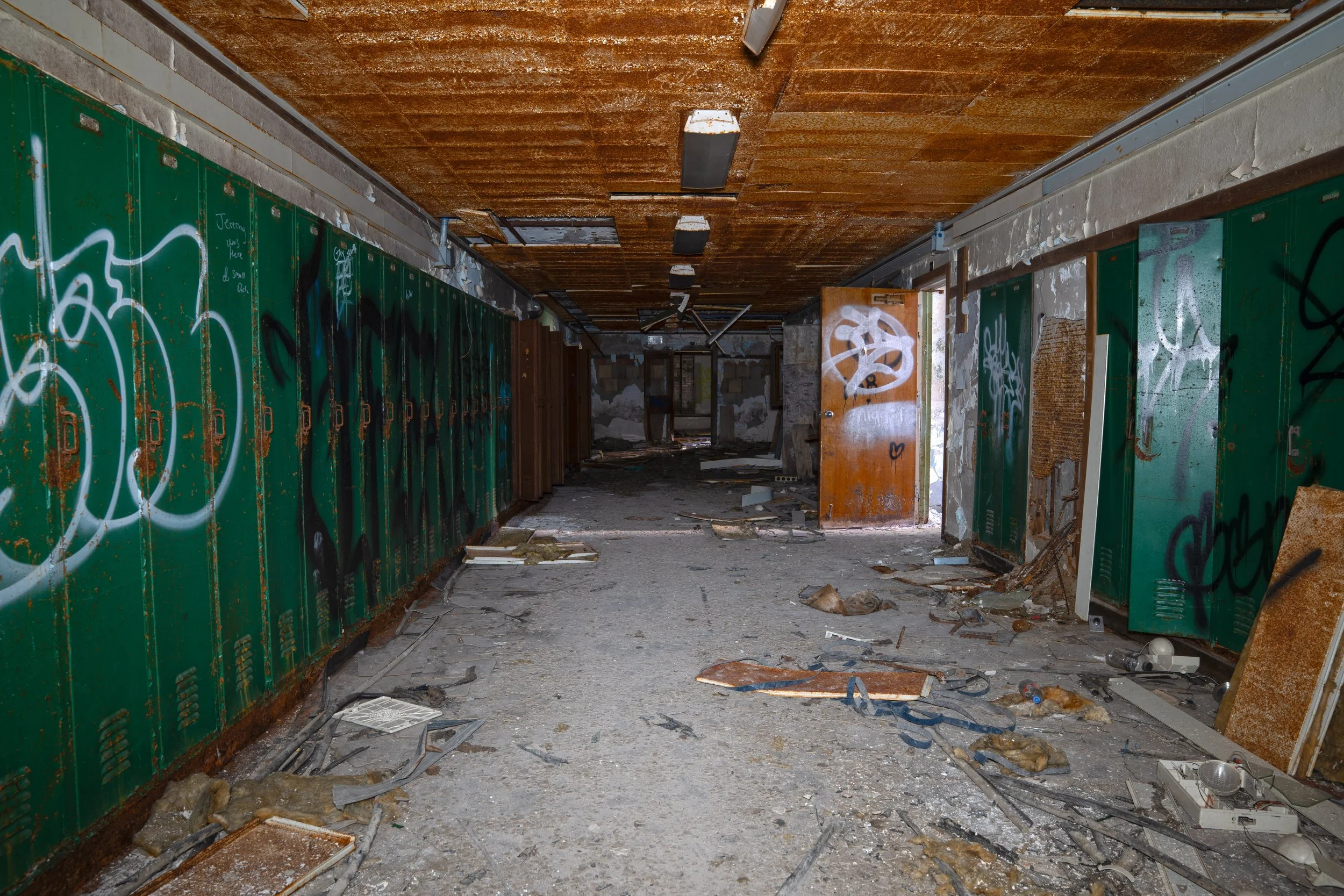
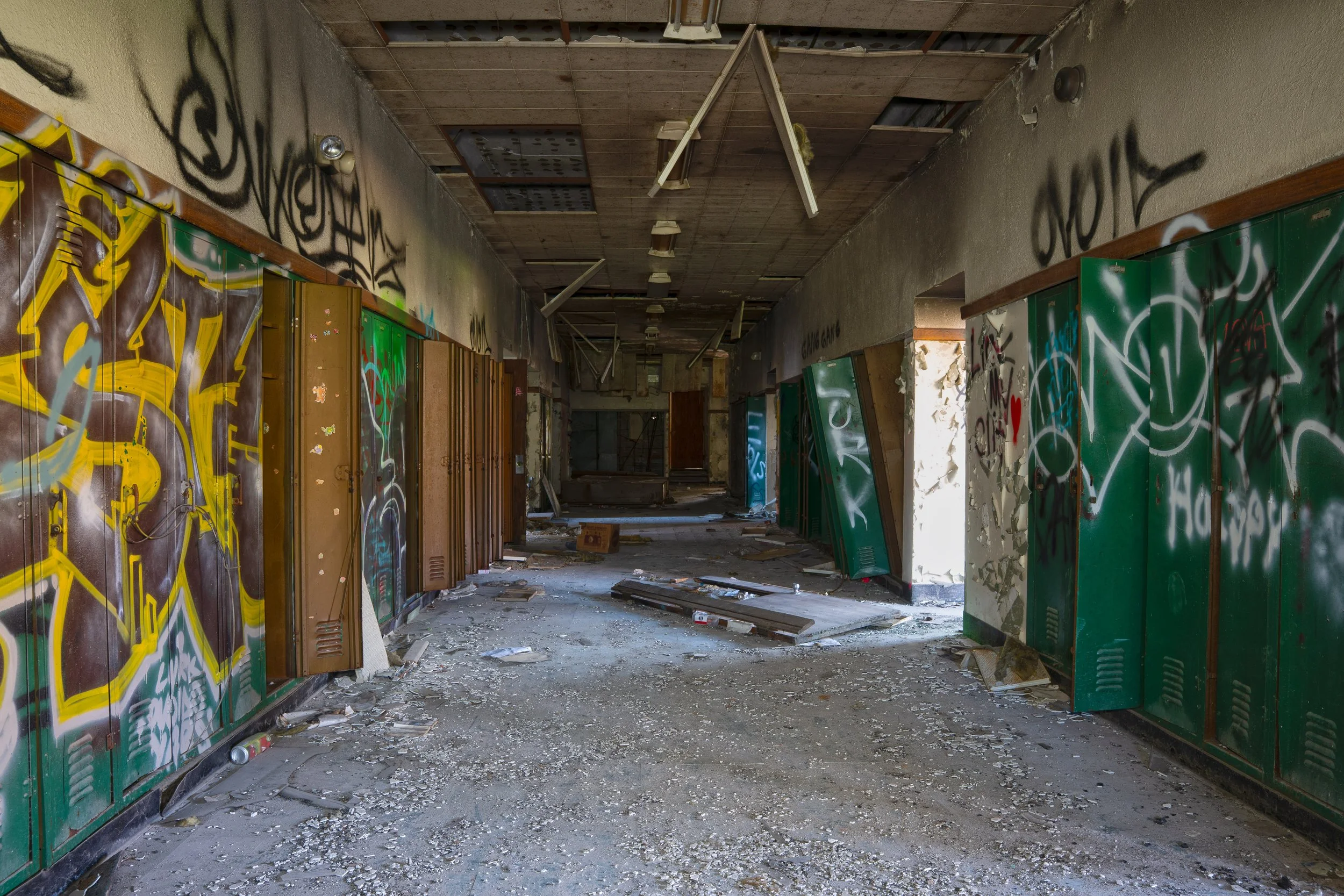
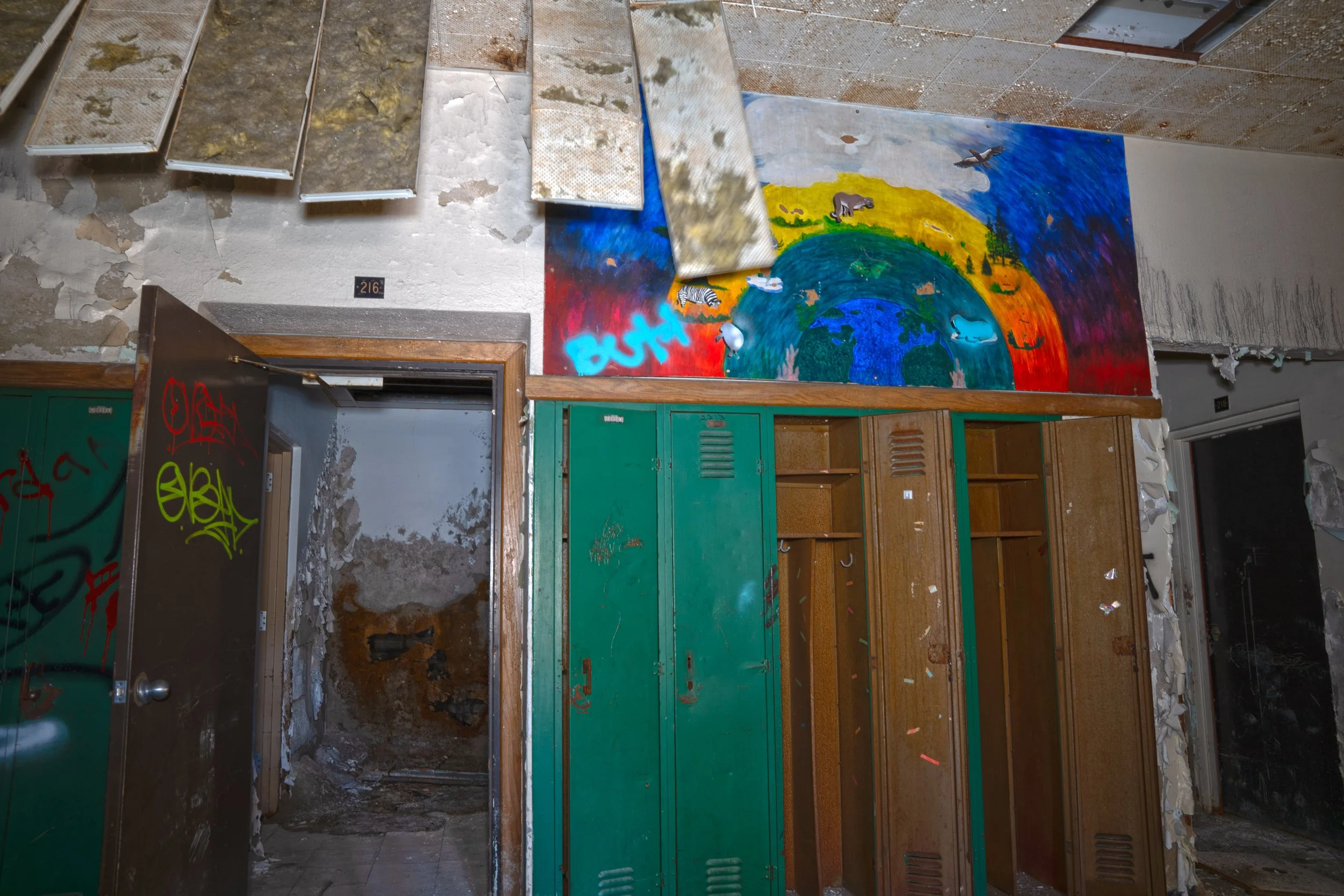
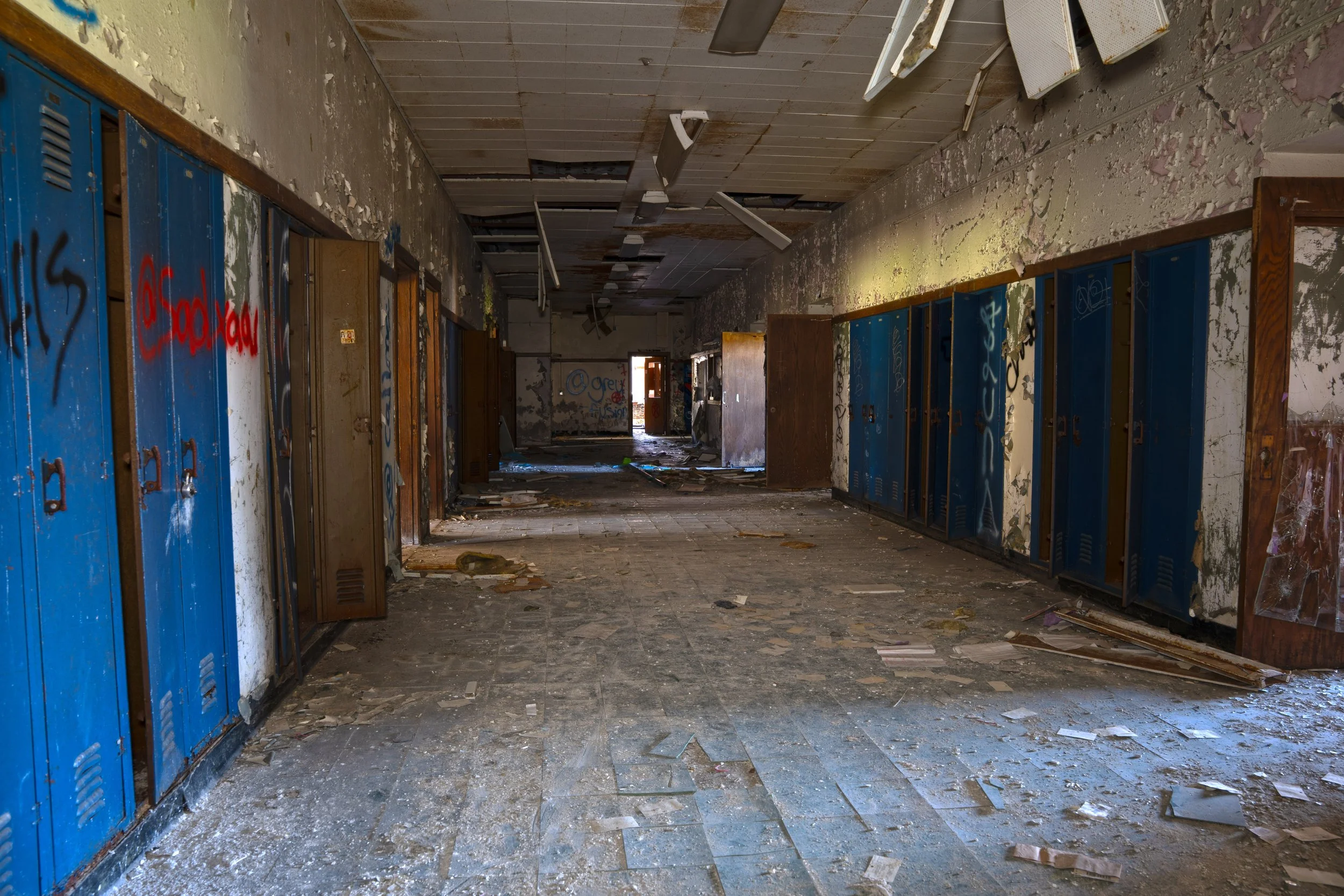
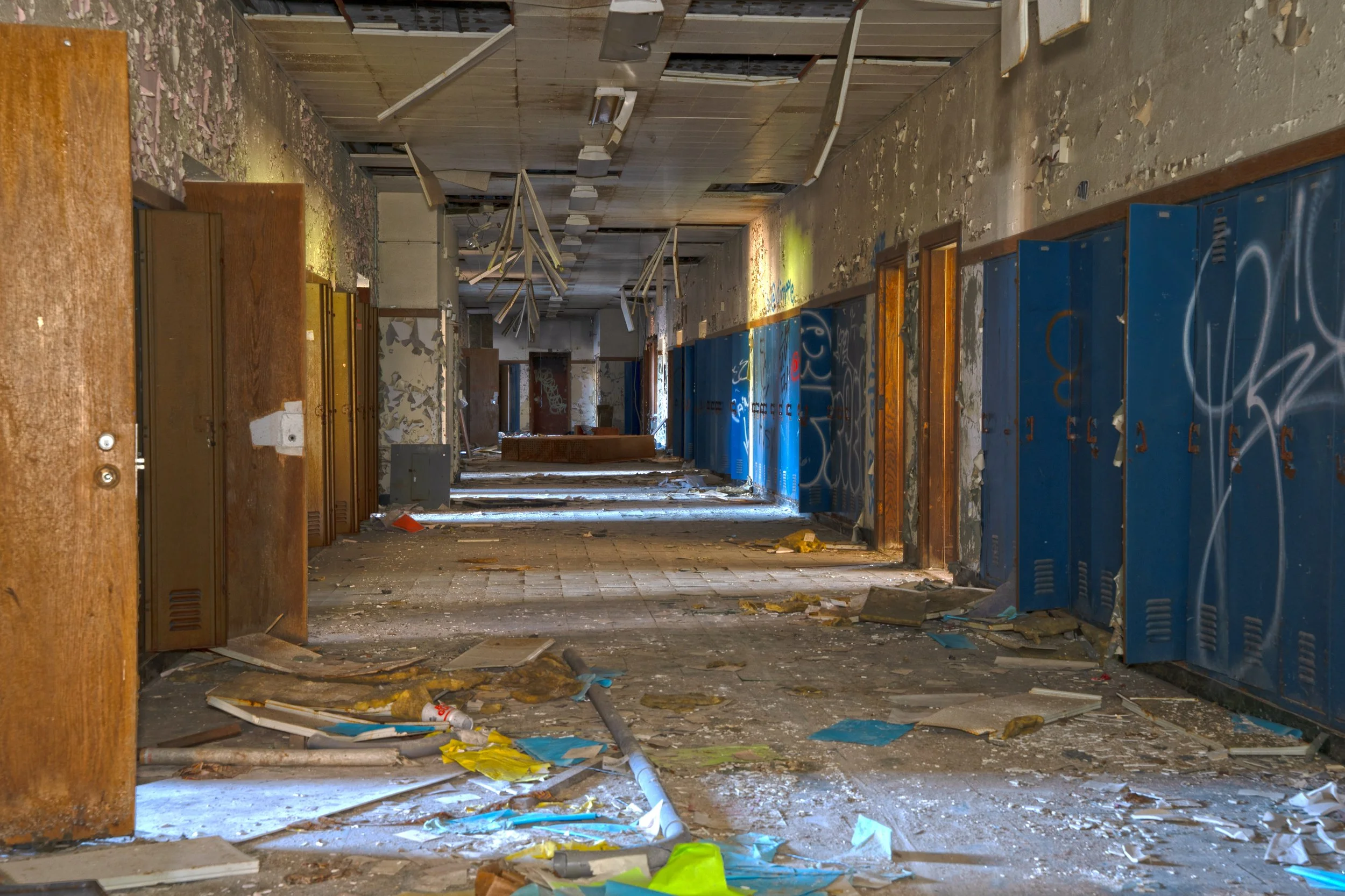
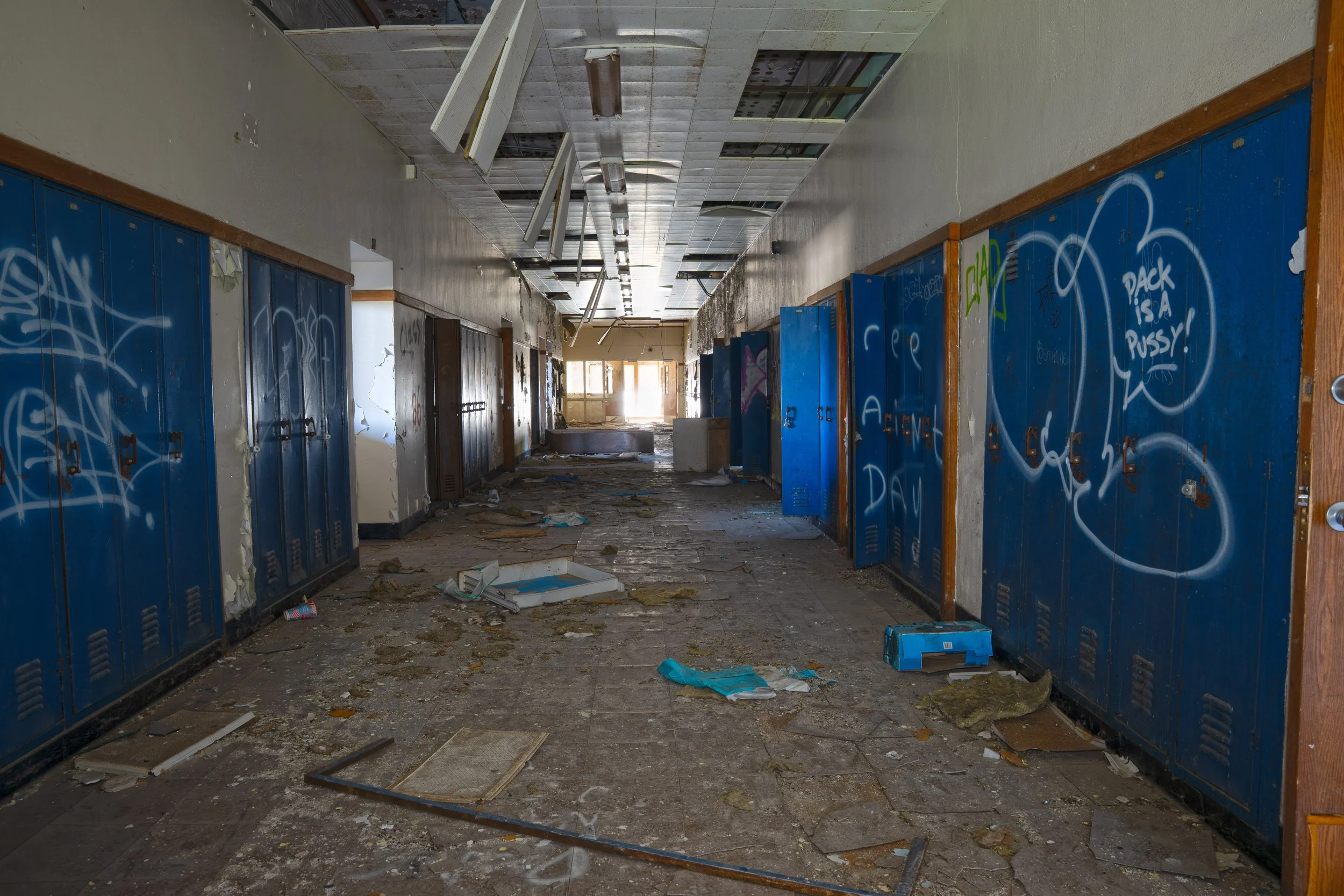
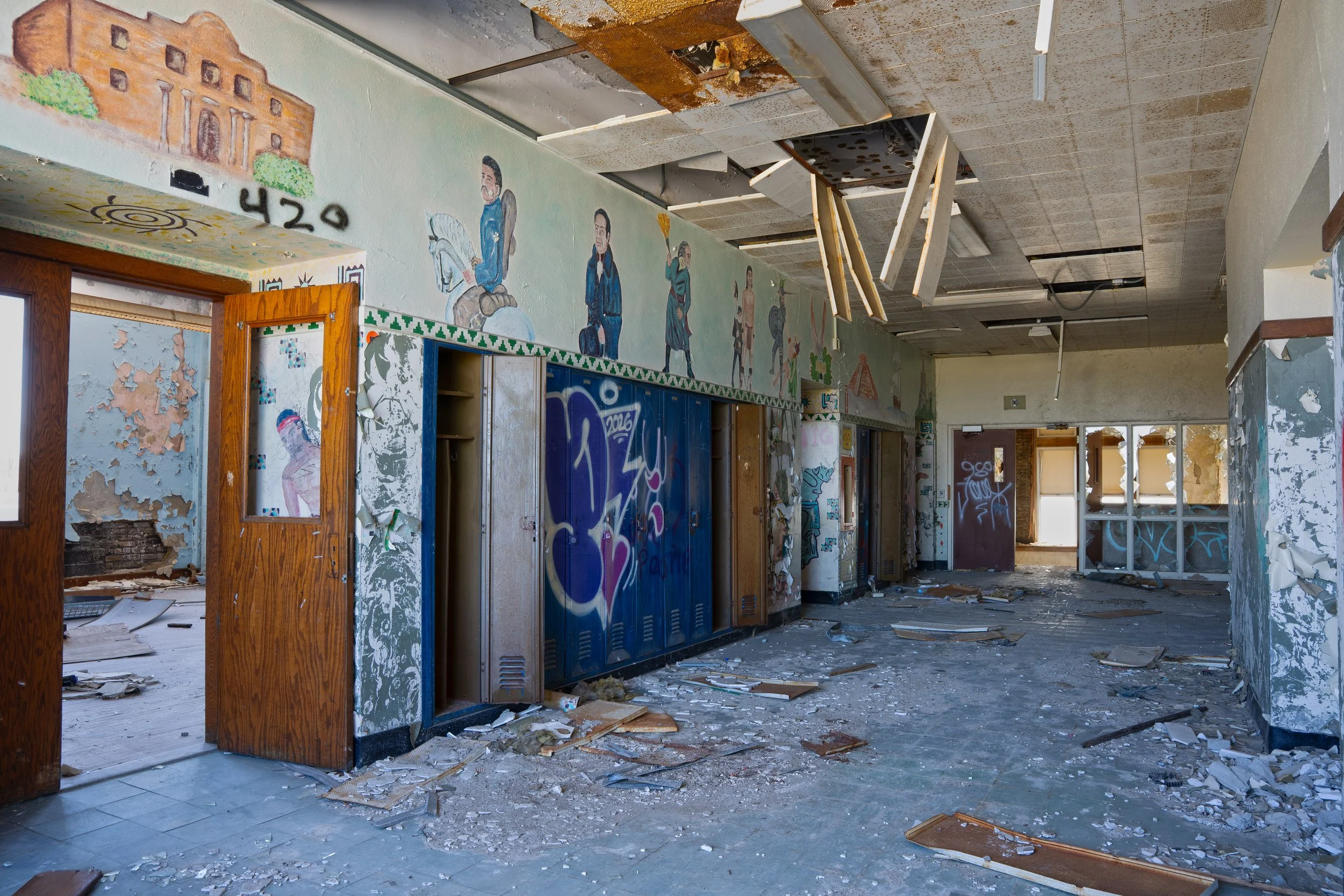
1st floor hallway shot 1
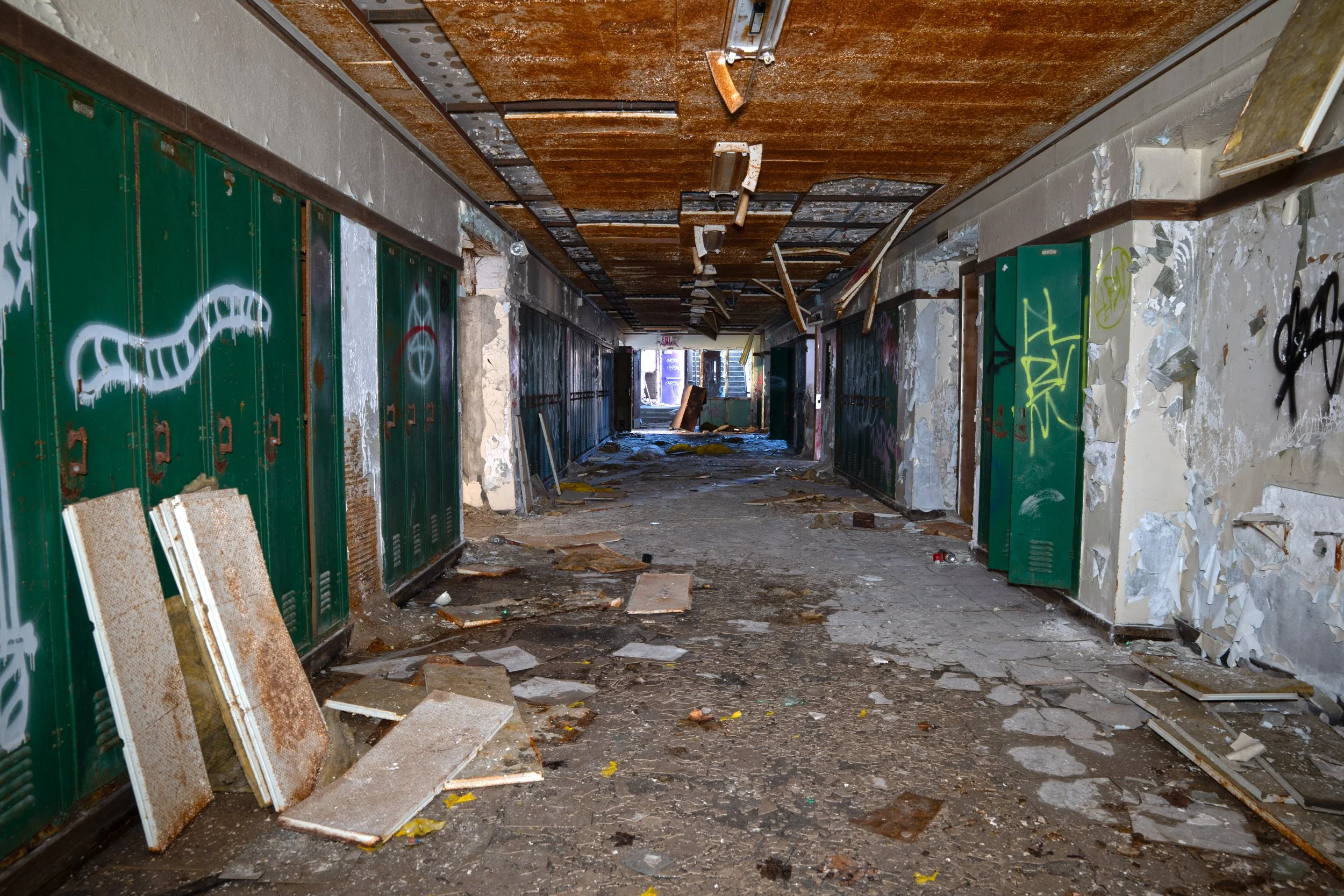
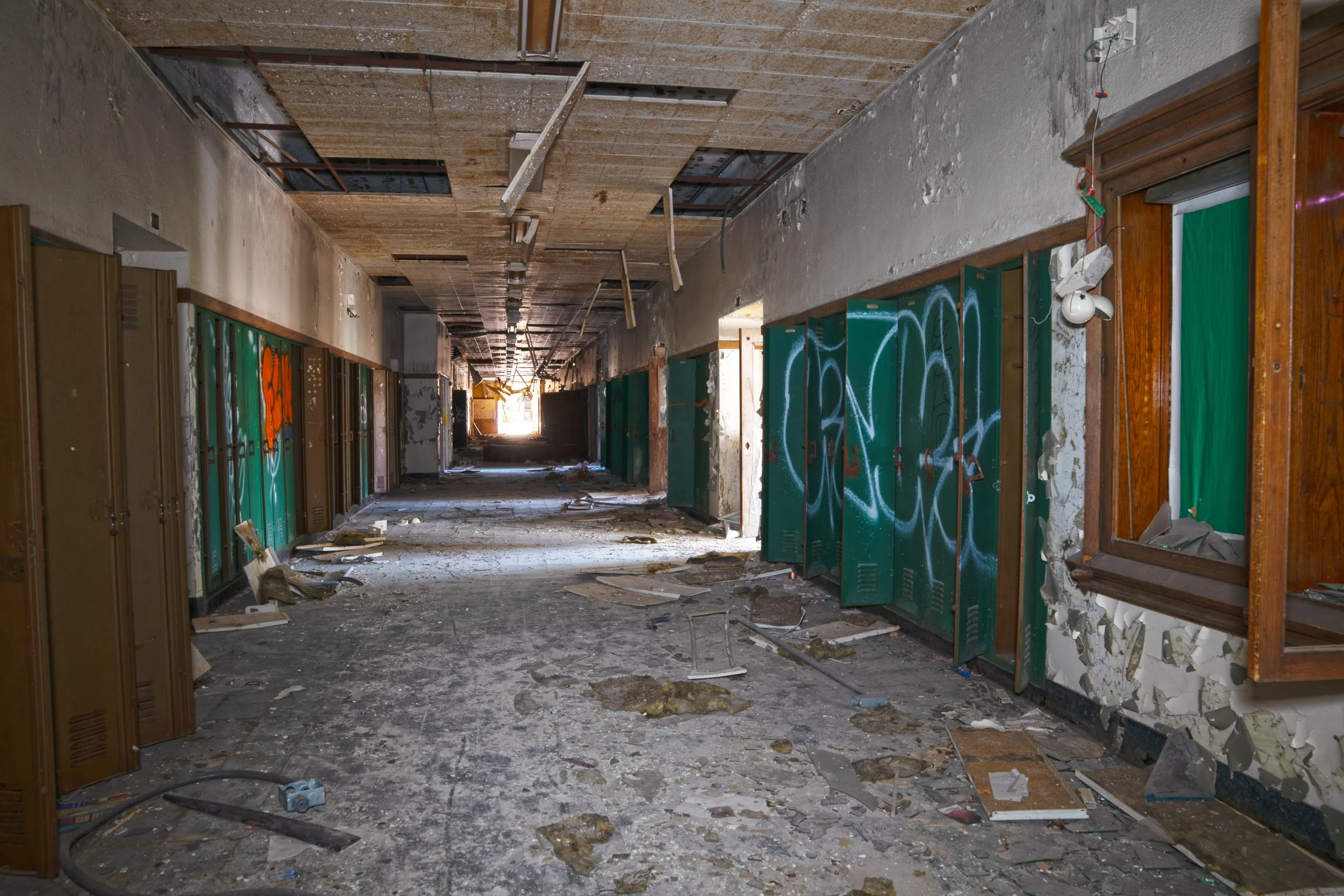
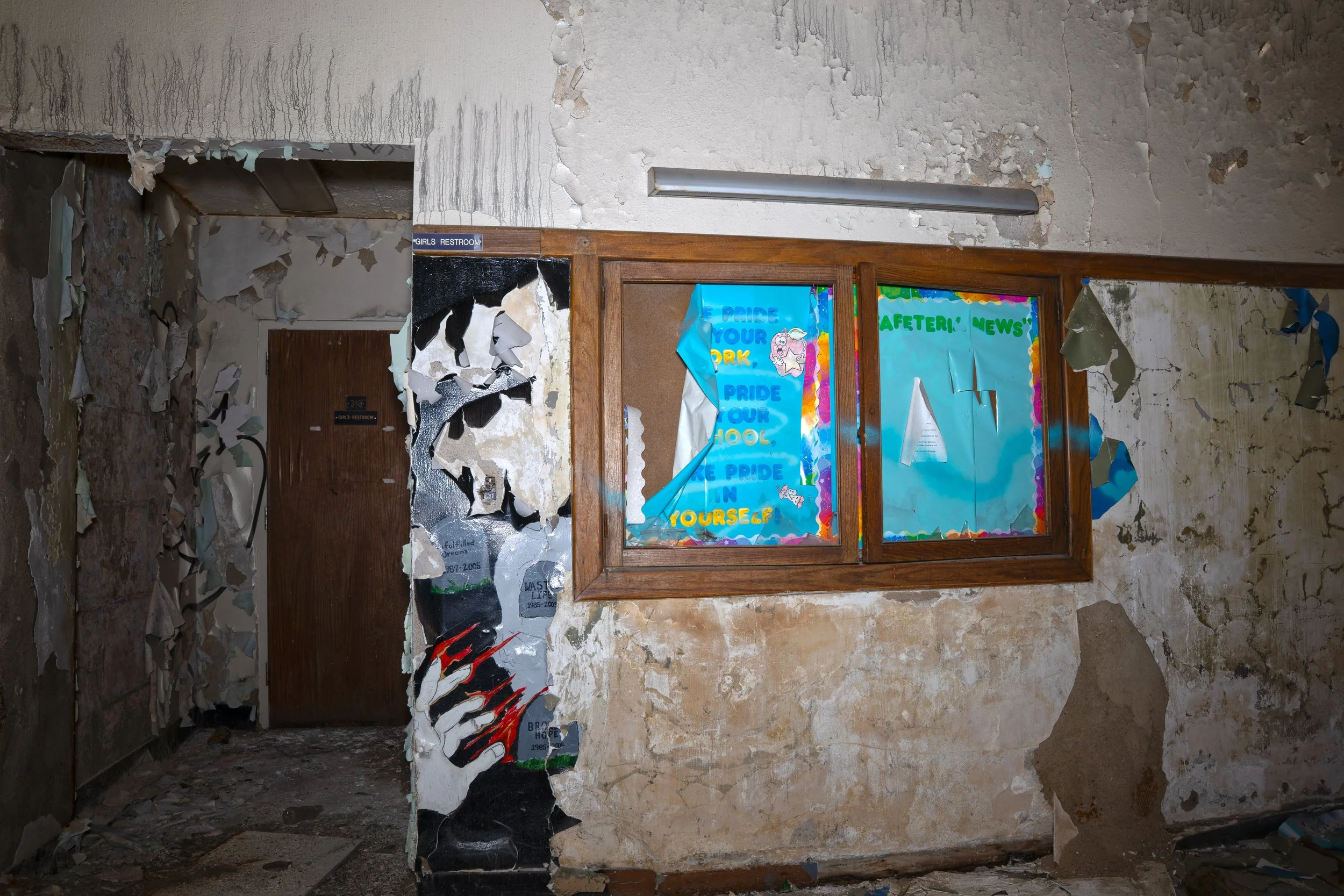
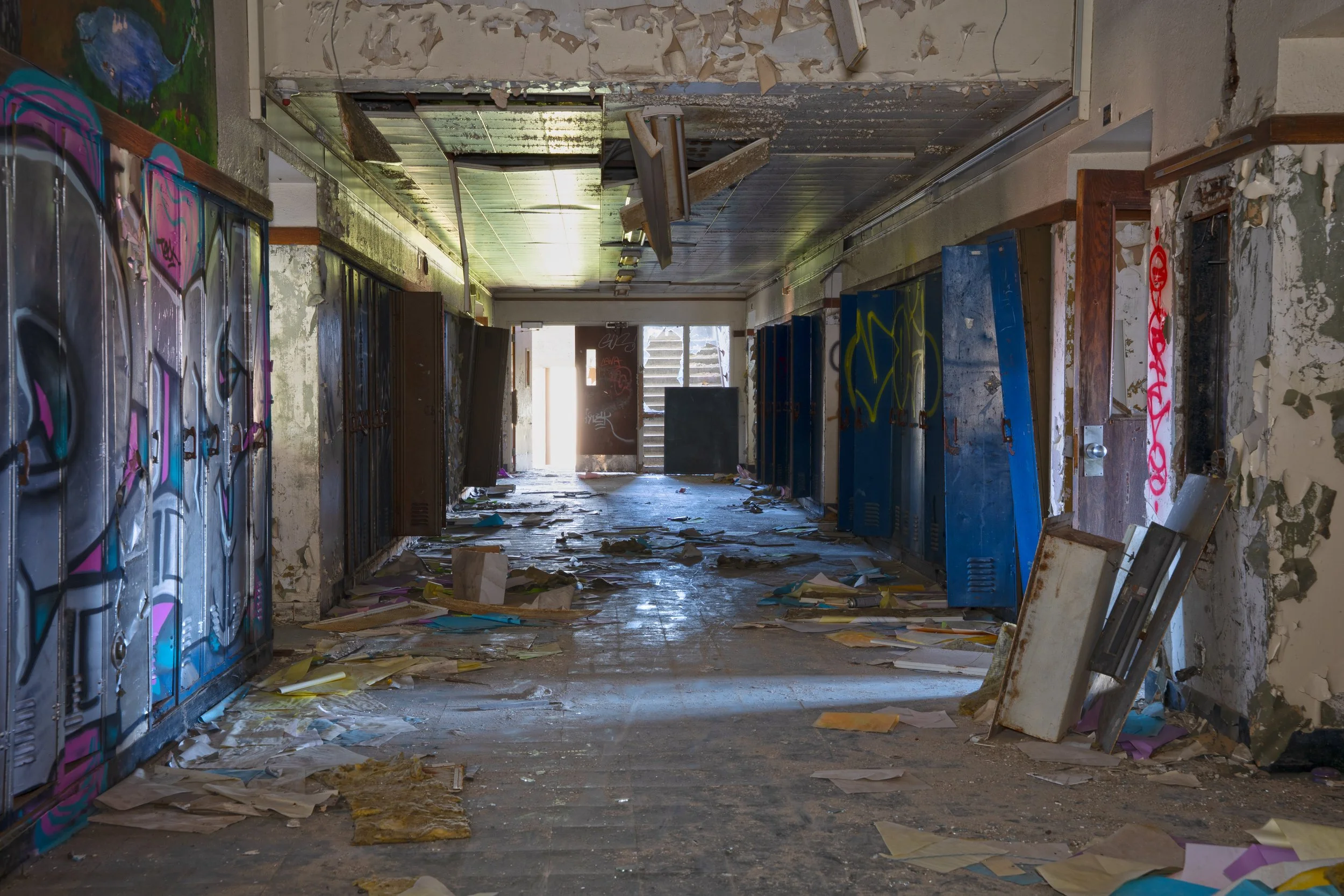
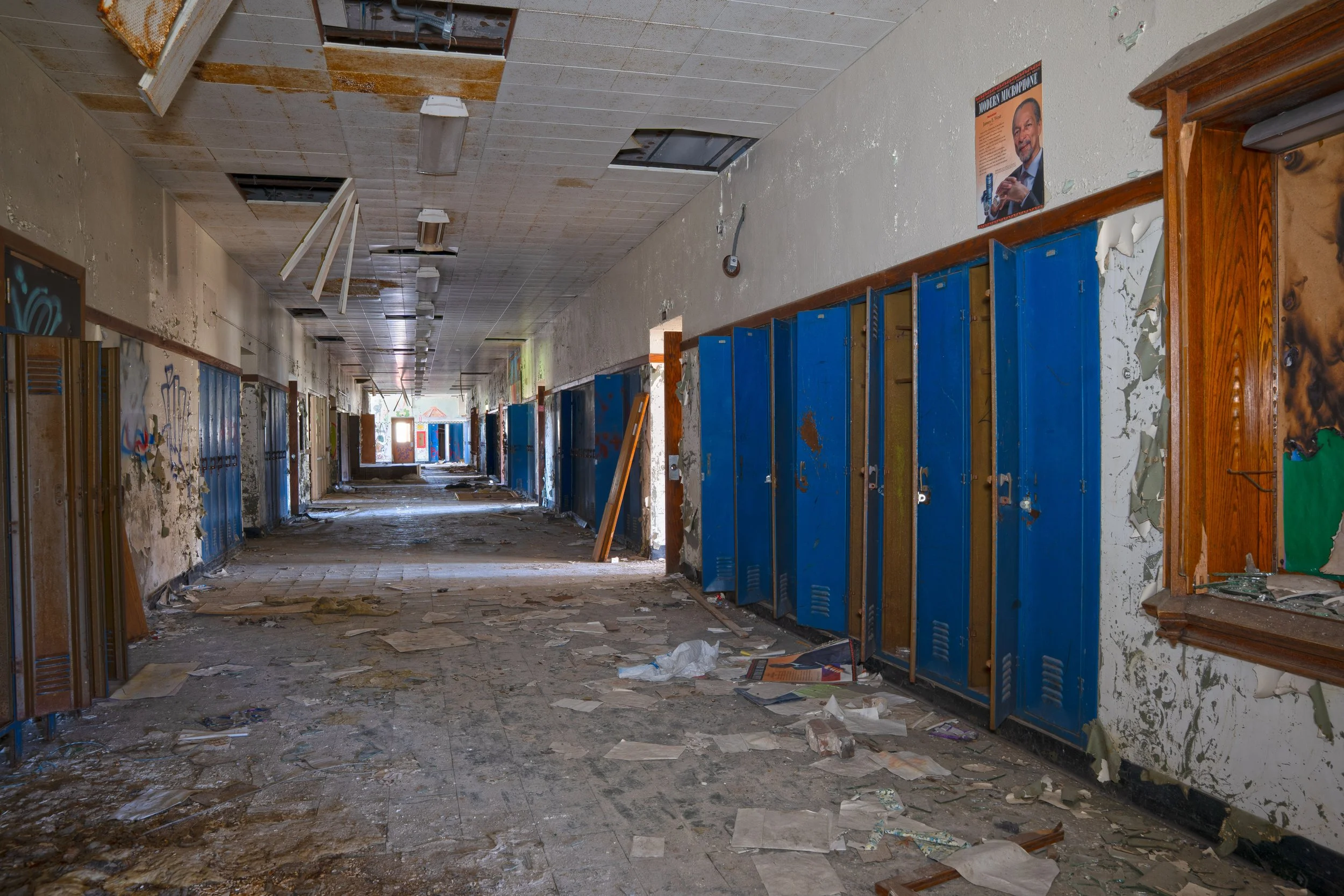
1st floor hallway shot 2
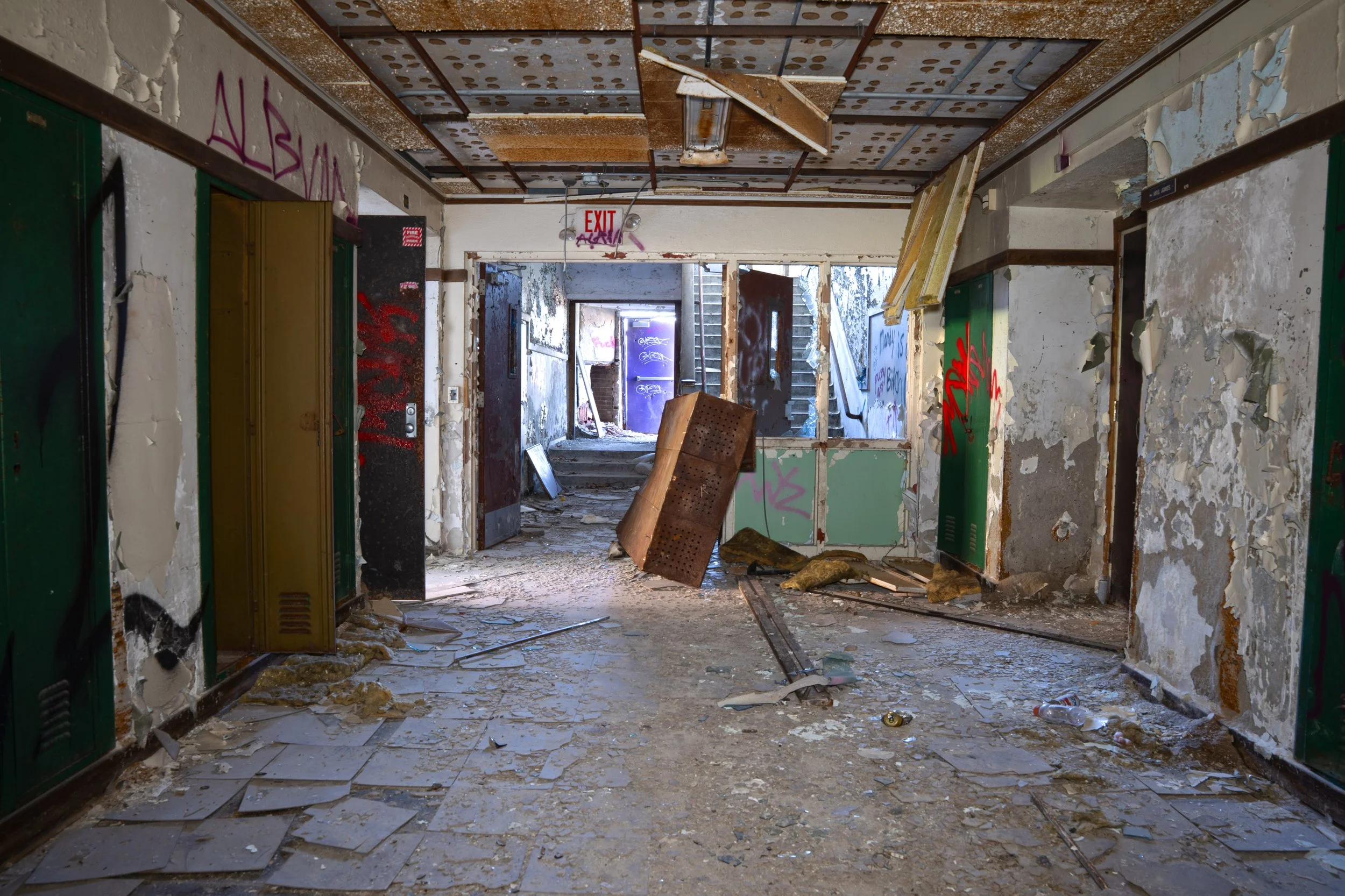
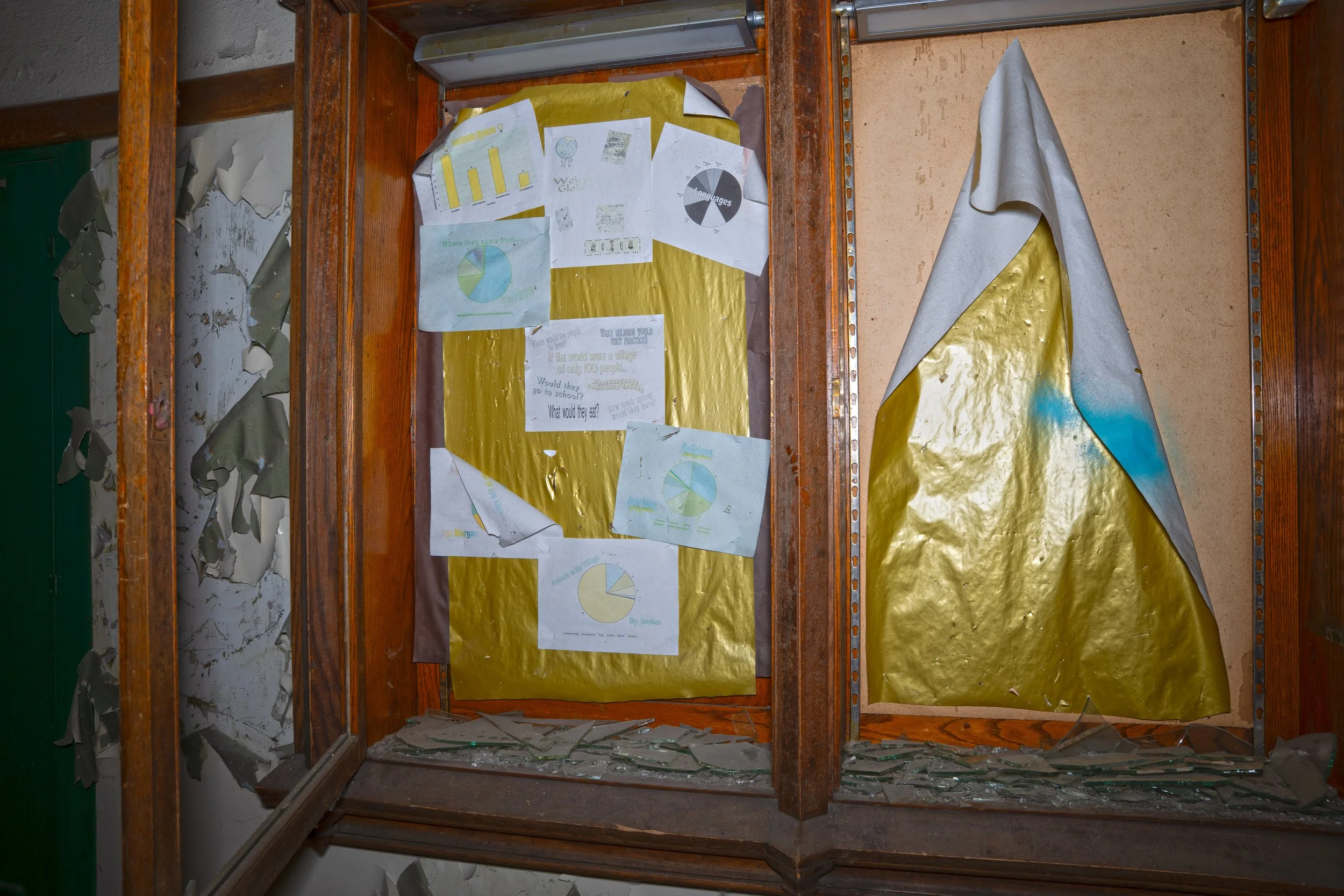
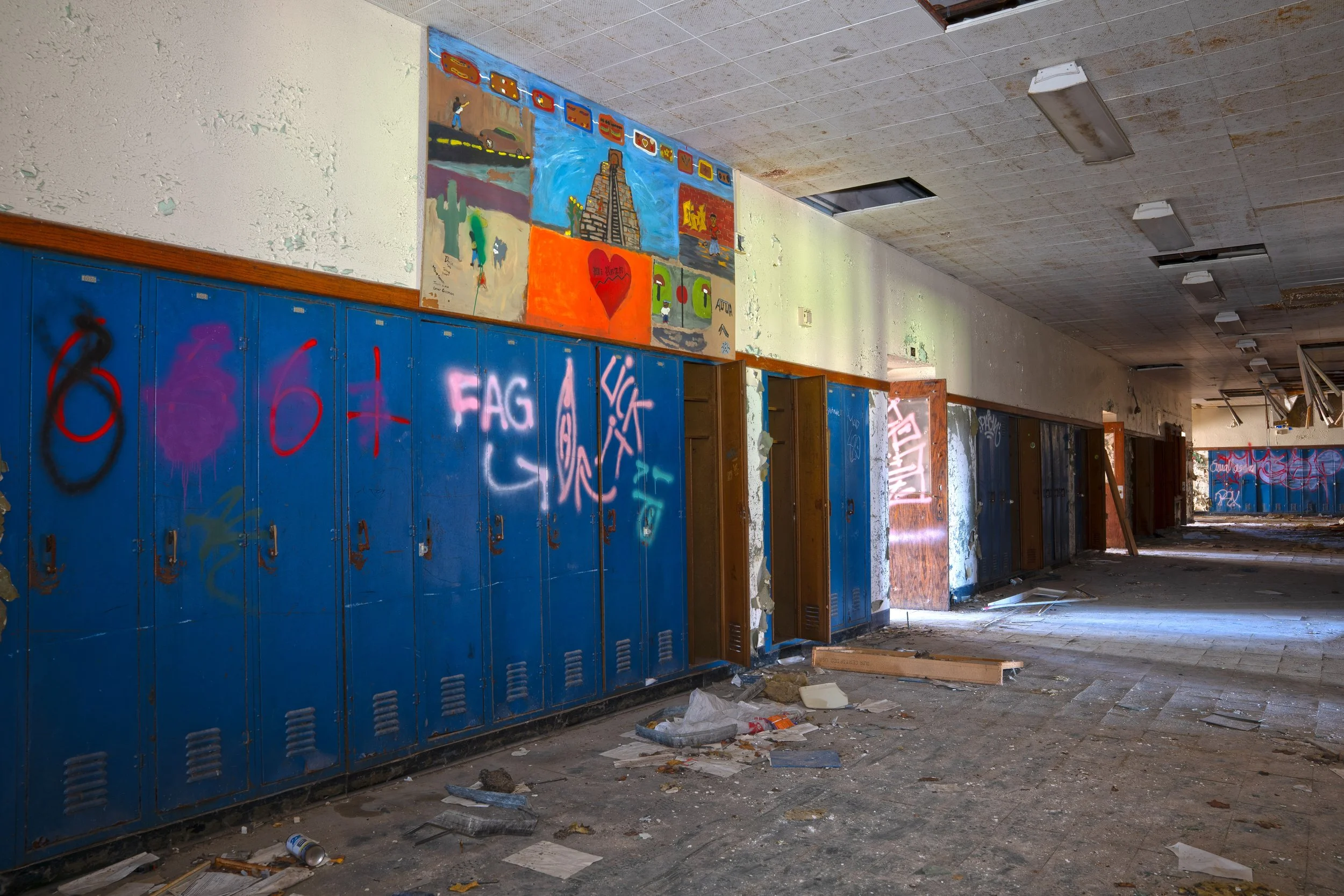
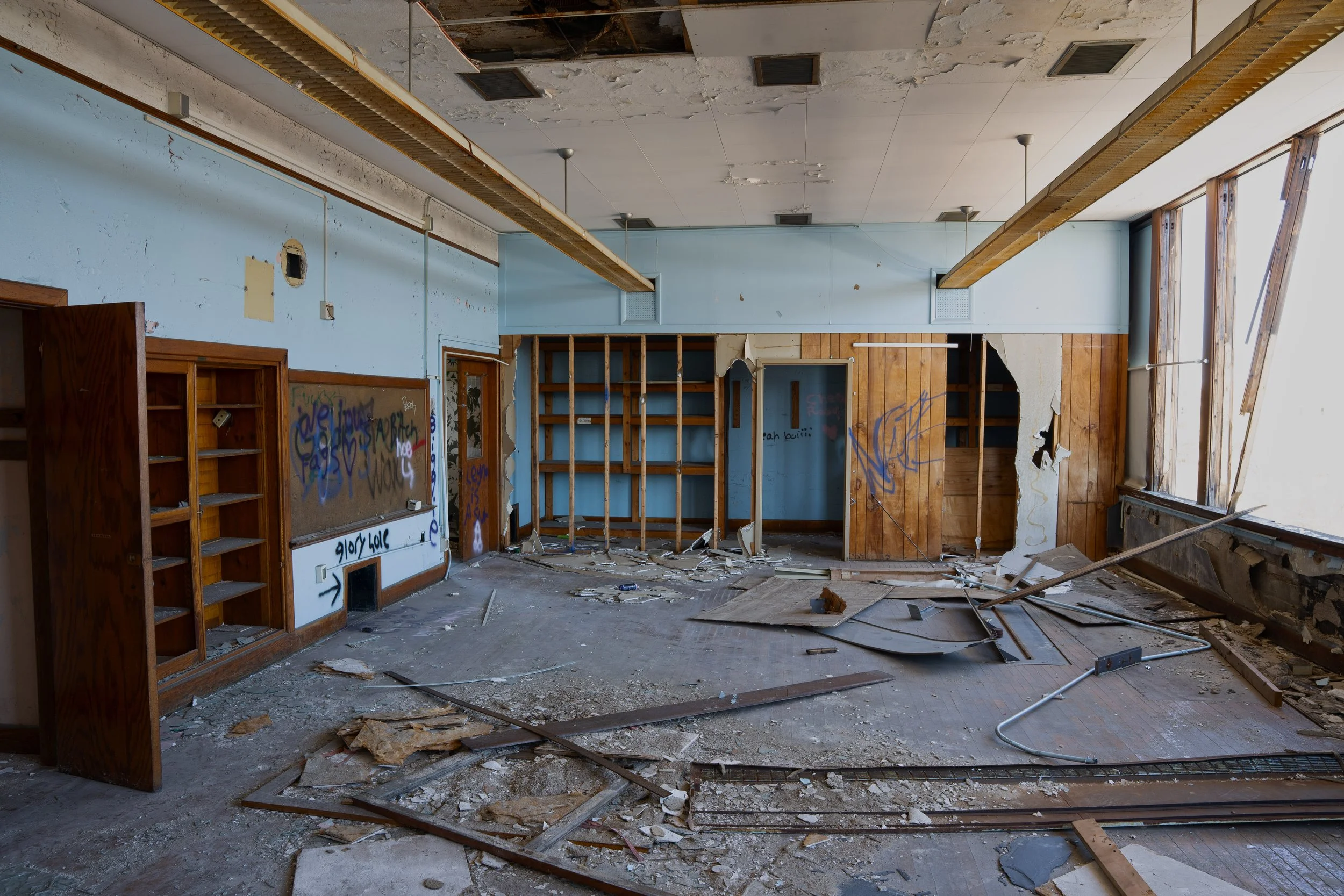
1st floor hallway shot 3
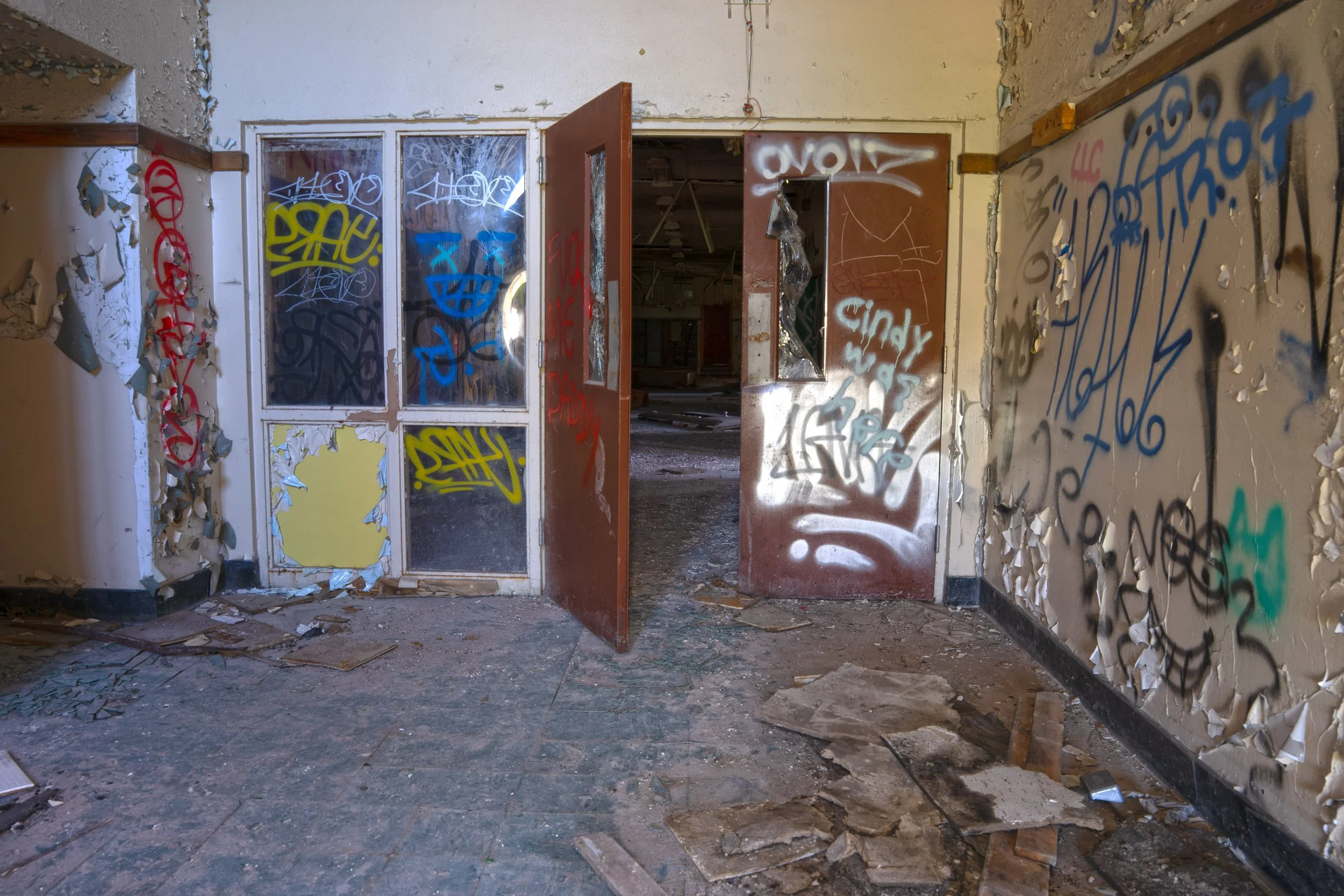
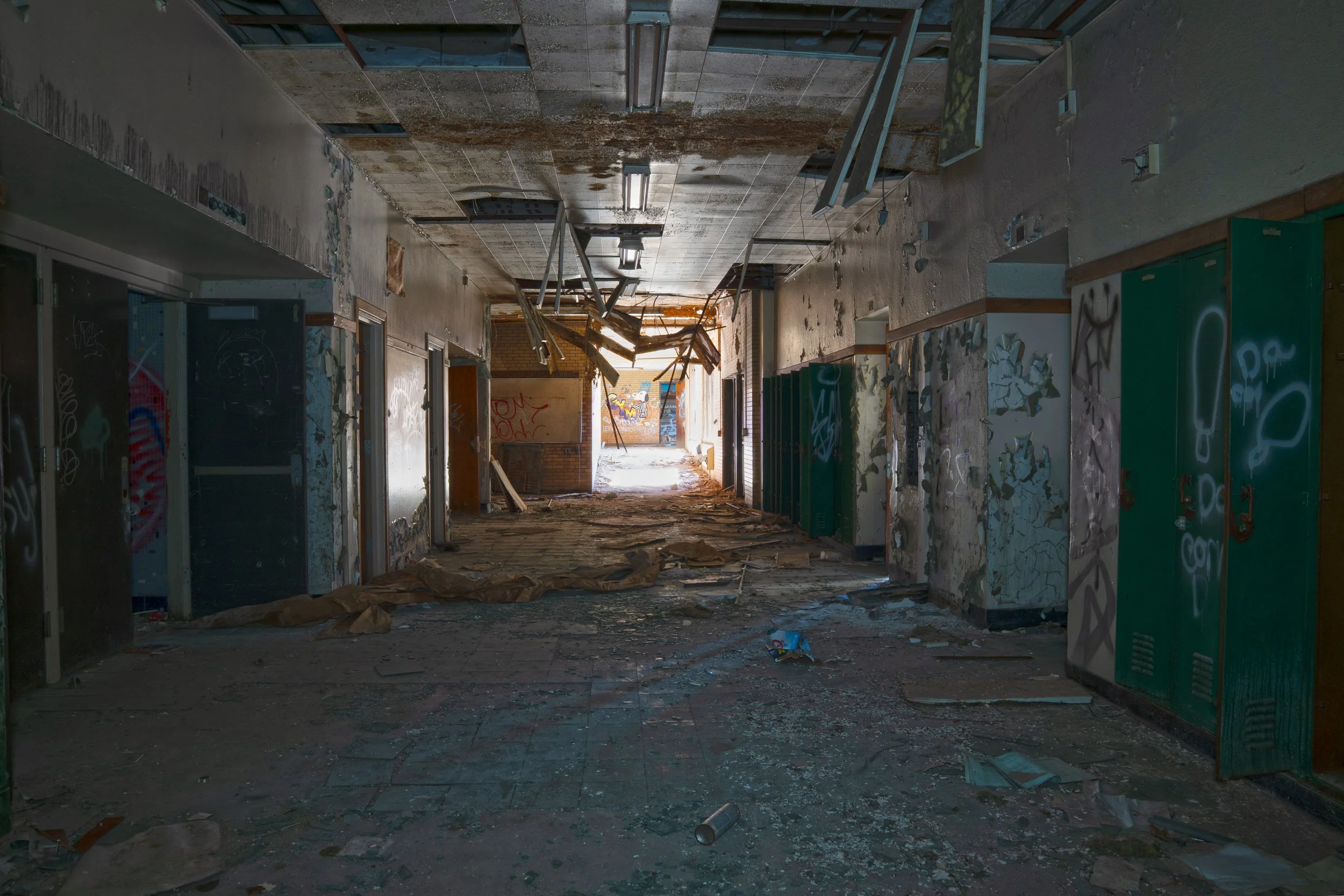
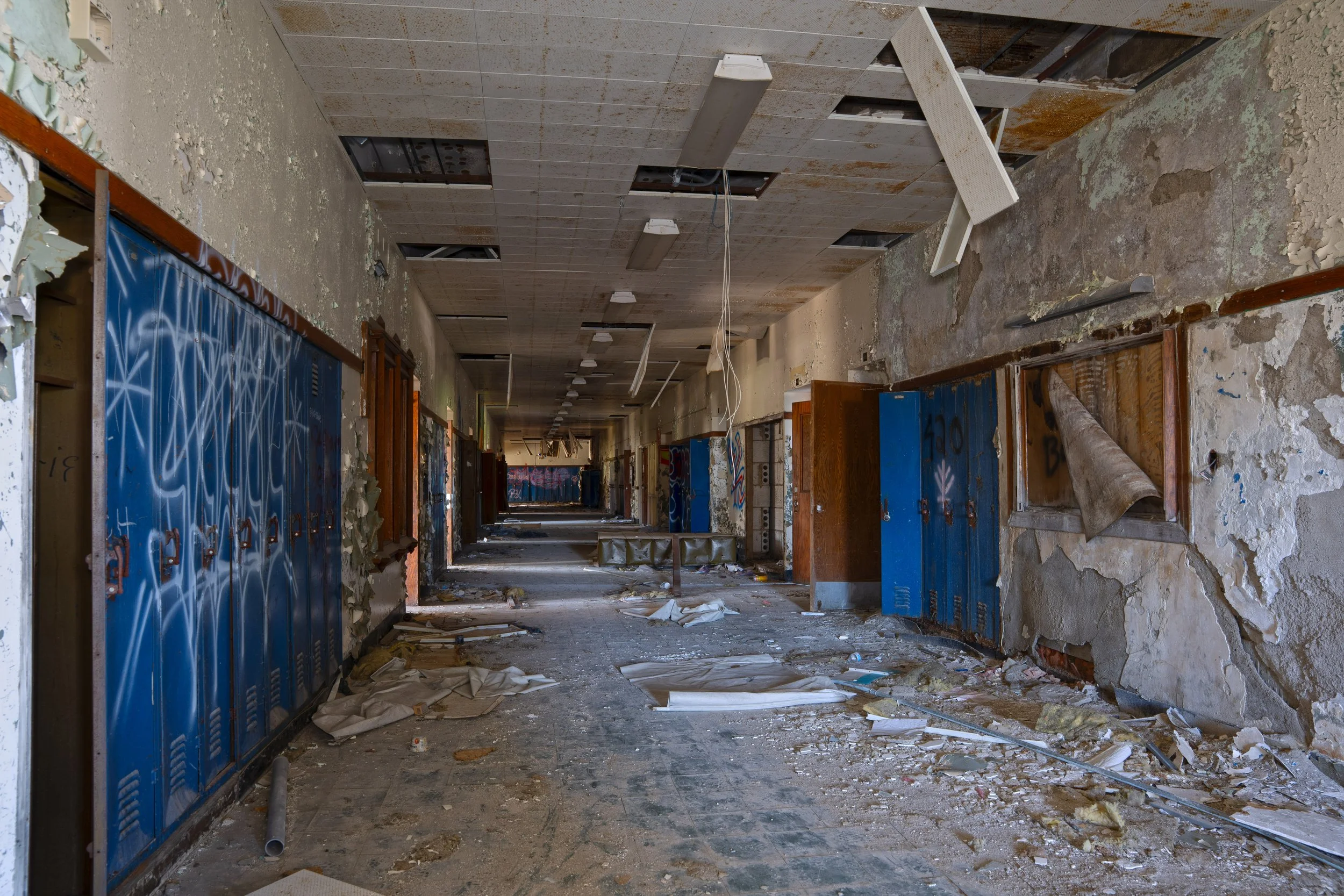
1st floor hallway shot 4
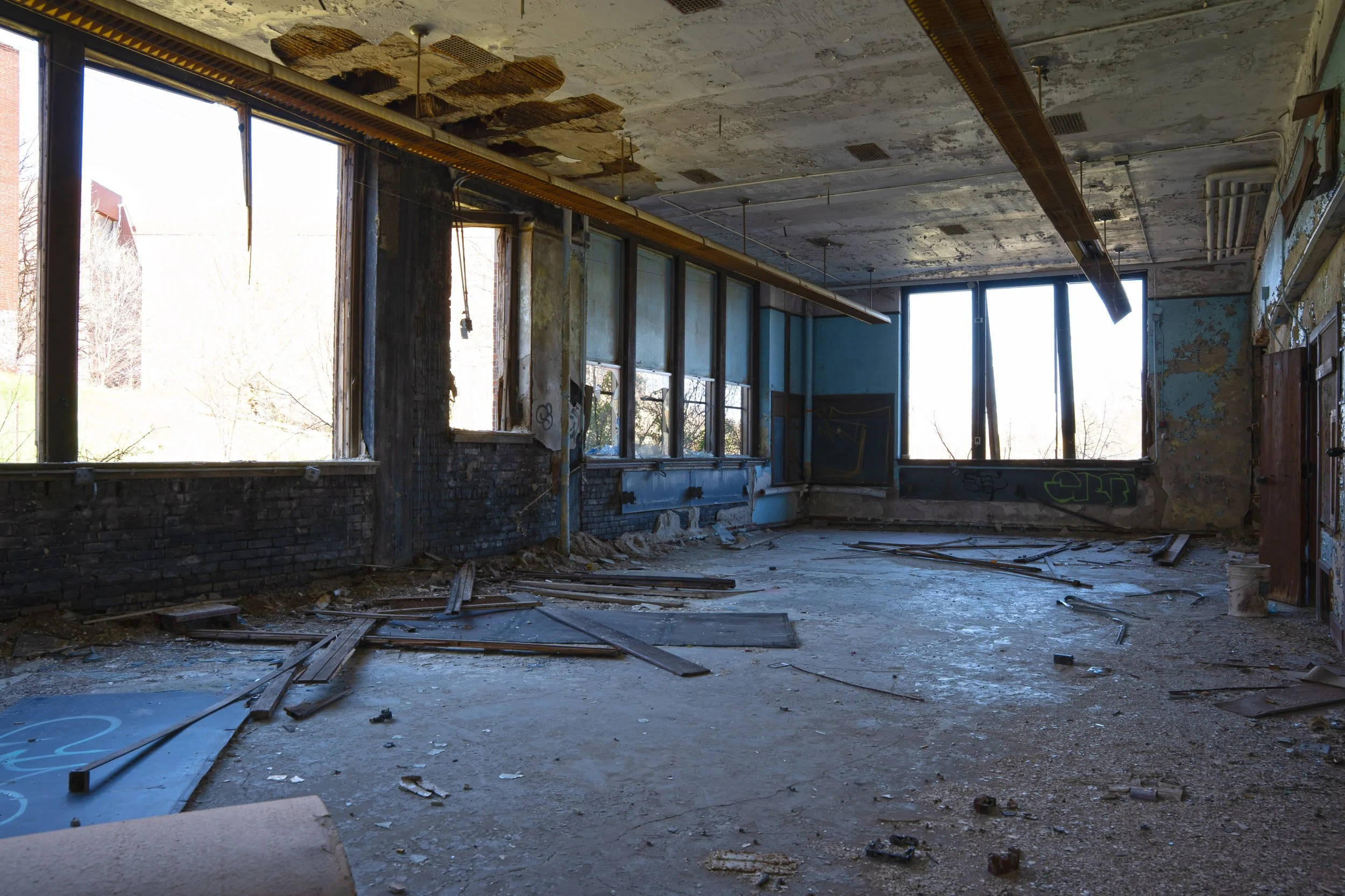
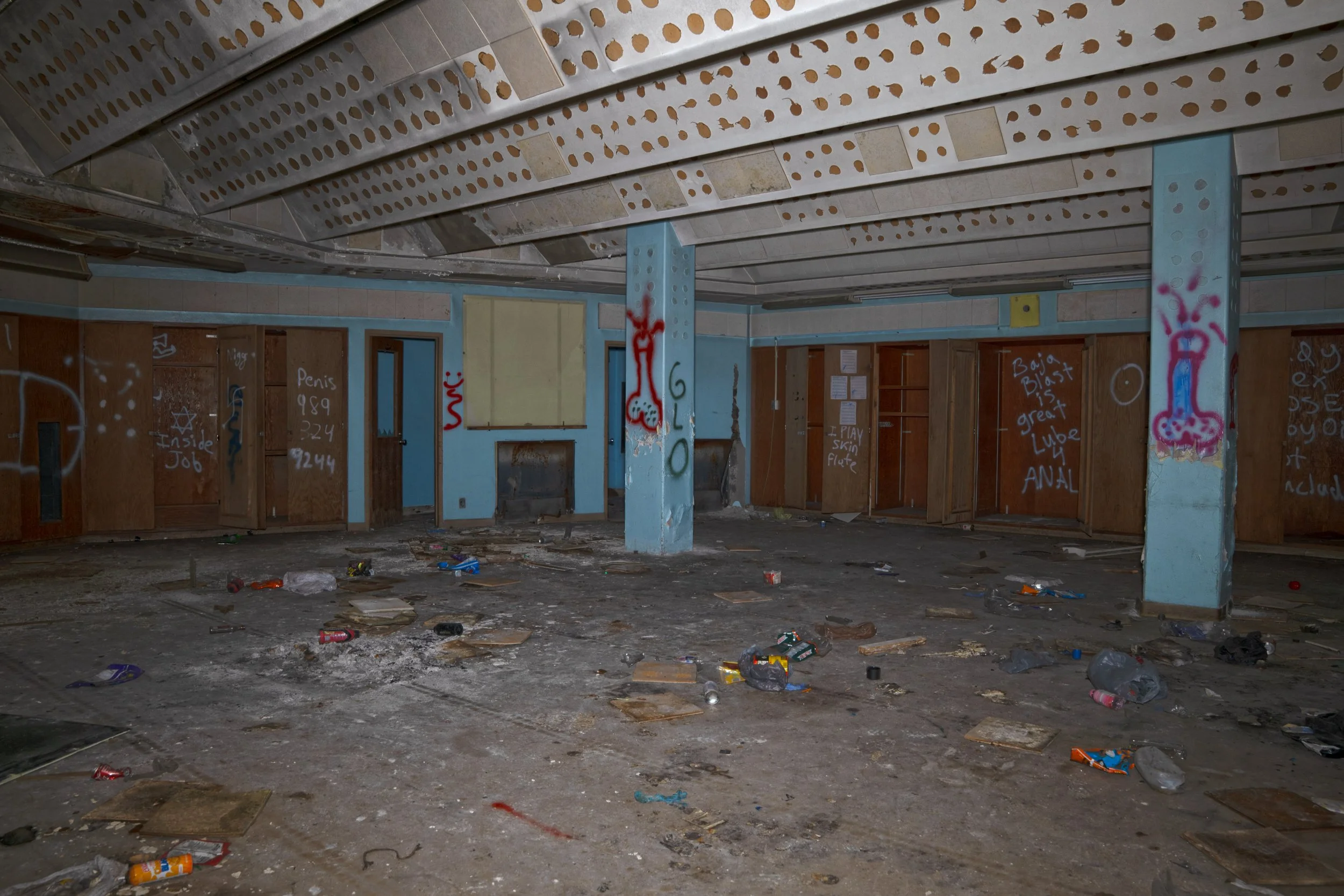
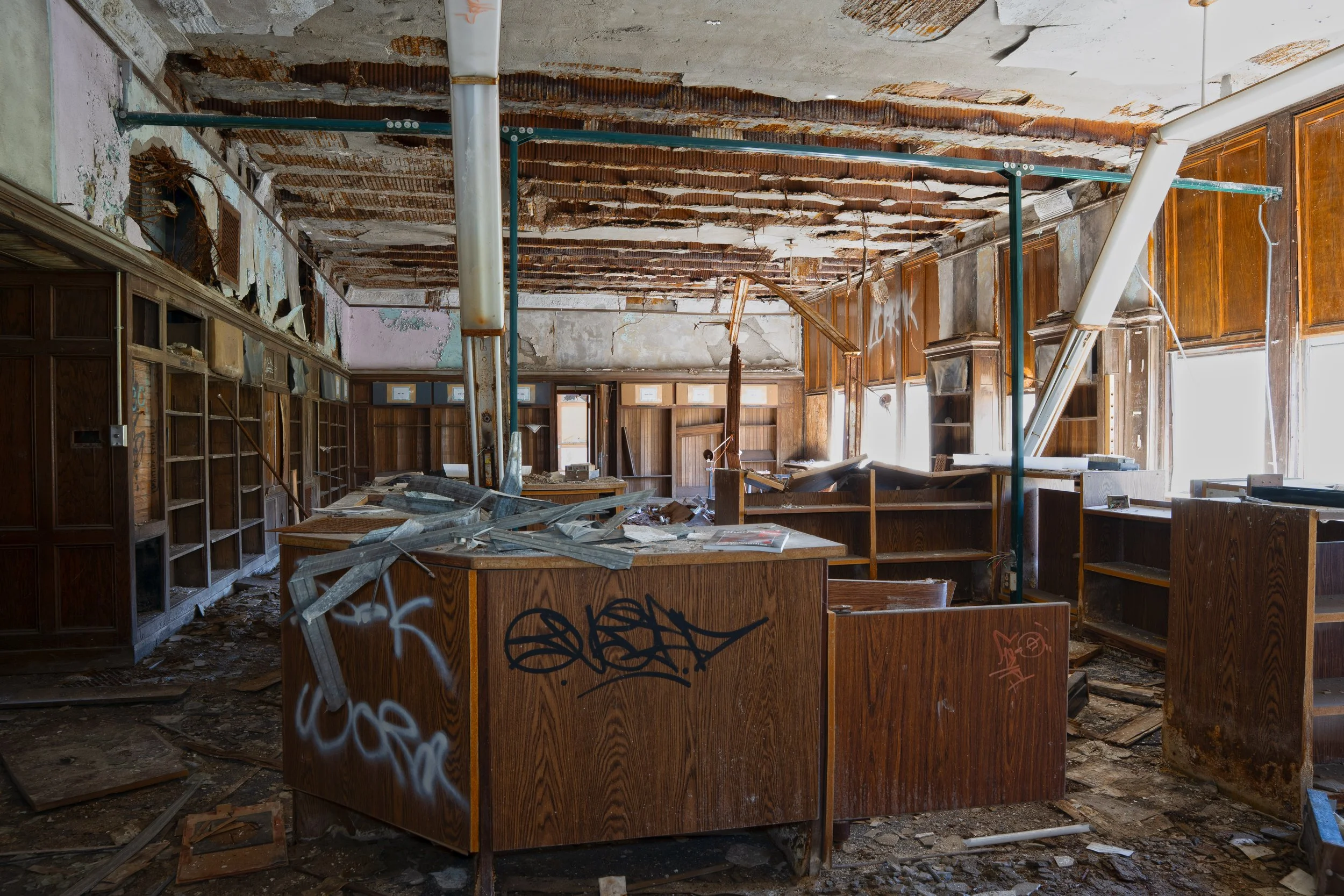
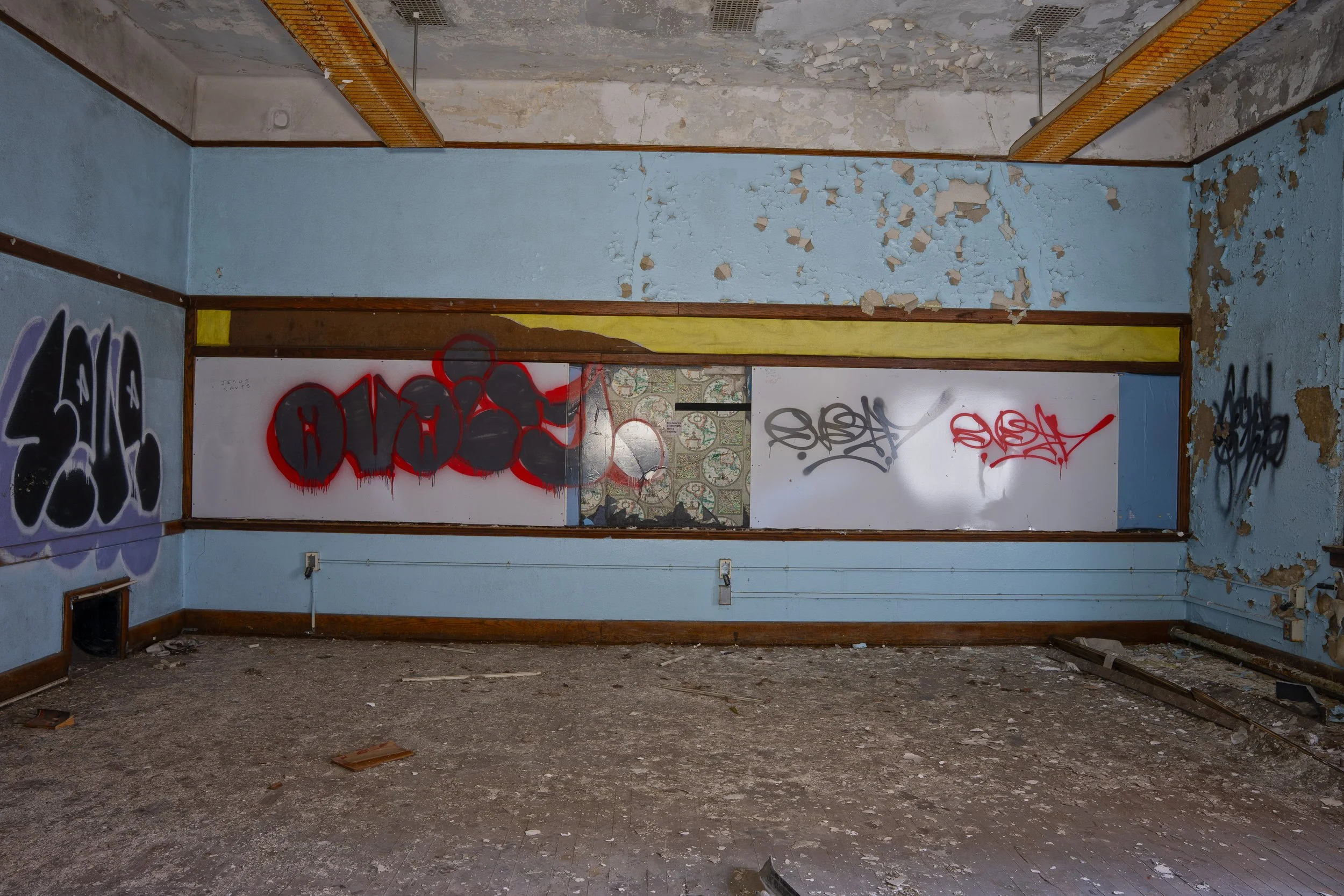
A large 1st floor classroom