
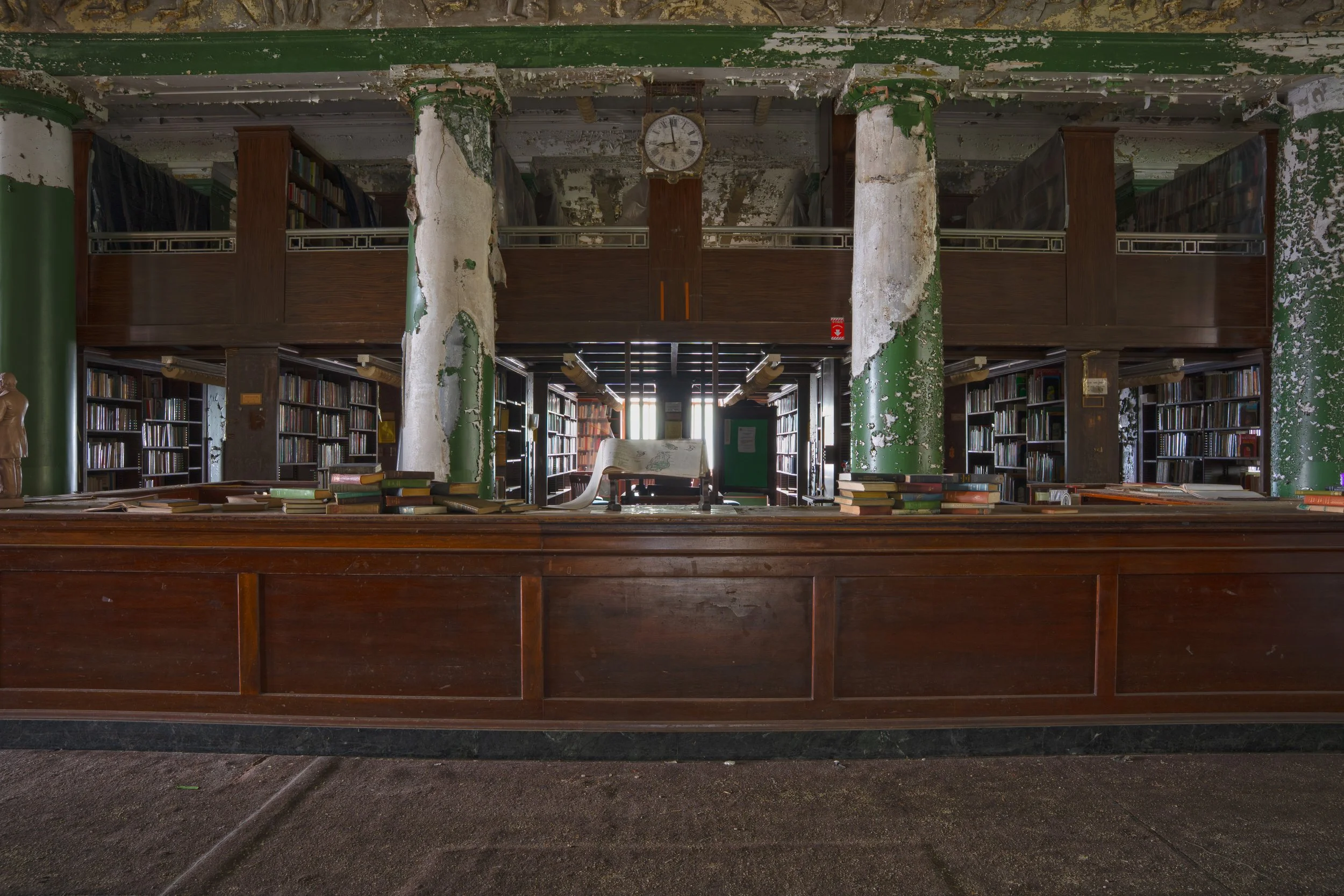
McGregor Library
12244 Woodward Ave, Highland Park, MI 48203
-Abandoned 2002
|High Resolution Page S+Tripod|



This location does not follow ANY of abandoned commercial detroit’s 4 signs of abandonment scoping and has confirmed alarms, and a fast response time from Highland Park Police.
Locate it!
History of the McGregor library
The McGregor library was built in 1925, and completed and dedicated on March 5, 1926. It became the first and only library ever built in the city of Highland Park. It is named for Tracy W. McGregor, a civic leader and educator with a profound interest in community health, known for founding one of Michigan’s first charitable foundations in 1925. McGregor was the son in law to David Whitney Jr. a prominent American lumber baron, real estate investor, and one of the wealthiest individuals in Michigan during the Gilded Age of the US, with many building still to this day being named after him. In 1903 about 20 years before the library was built, Tracy McGregor and his wife Katherine bought the land the library would be built on, originally using the land as a home for homeless, crippled, and backward children. Tracy and his wife closed the home and sold the land to the city of Highland Park in 1918, on the condition a library be built on the land at a cost of at least $255,000 and be bigger and more beautiful than the Utley Library, the most recent branch of the Detroit Public Library in the same era. In 1924 Voters in Highland Park approved a $500,000 bond for the construction of the library. The library was decided to be designed by Tilton and Githens in a classic Beaux Arts-style. incorporating elements of Roman architecture. The design was decided by the Library commission in charge of the construction, from a nationwide tour to find the design they wanted the library to be built in. The commission found deep inspiration from the Wilmington Institute Free Library in Delaware, built just a few years before McGregor, to date both buildings share many of the same architectural designs. The construction materials of McGregor were selected to project permanence and supreme civic dignity, the foundation and base are constructed from highly durable Sauk Rapids, Minnesota granite, while the primary walls are faced with smooth, gray Indiana limestone. When it opened in 1926 it was seen as architectural masterpiece and a proud symbol of the prosperous, fast growing auto industury of Highland Park. In its early years as a library, McGregor Library was commonly filled with local community donations, depression era artwork from the Works Progress Administration (WPA), and specialized children's literature. In 1926 the library was recipient of the Gold Medal for Architectural Merit by the AIA (American Institute of Architects). McGregor Library differs from most other libraries of its size because of its unique open interior of the main floor, and its freedom from corridors, in its few partitions and in the fact that each room gives wide and direct access to each other, all supervised from the main desk opposite the entrance. Even the front bronze entrance doors tell a story, designed by Chicago sculptor Frederick Torrey. The design represents the automotive spirit. Closed, the two doors complete a composition of two large winged figures. The figure on the right holds in her hand the winged sphere, a symbol of mechanics. The figure on the right holds in her hand a germinating plant, symbolic of the creative spirit. Together the figures support the torch of knowledge, the halo of which extends into the panel of zodiac symbols above the doors suggesting the dawn of a new era. In the lower door panels are two brooding figures, the female holds a model of an airplane and the male figure holds a model of an automobile. The main lobby contains a glass ceiling atrium over a central court with a cast of the frieze from the Parthenon. While The children's space is designed with the focal point being the fireplace featuring eight storybook tiles by Pewabic Pottery, and the hearth which is surrounded by low benches and cushions for story hour for the kids. Above the main lobby sits the community spaces, featuring a fully equipped 250 seat auditorium, multiple meeting rooms, and two kitchens to support civic banquets. On the 2nd floor viewers can get a close up look at the cast of the frieze from the Parthenon from the glass atrium. The basement features a collection of meeting rooms and houses the heavy shelving stacks required for the deep collections of books, periodicals, and historical newspapers. Alongside the one of Highland Park’s most hidden gems, the Highland Park Historical Museum, featuring items such as the original office chair utilized by Henry Ford in 1896, the Ford Plant paymaster's cash box, and over 100 other artifacts and picture. During its decades of operation the library featured over 60 original works by Detroit artist Francis Petrus Paulus (Scarab Club founder), and over 20 Depression era paintings on permanent loan from the Works Progress Administration (WPA). For years the library contained a healthy tax base, however as Ford and Chrysler moved out of the city in the 80s and 90s the library began to struggle as the tax base could not support a library. The 2000 census stated that 38 percent of Highland Park residents lived in households with incomes below the poverty line. In March 2002 the McGregor Library was closed, and residents were moved to the Detroit Public Library system. In 2010 Governor Jennifer M. Granholm announced two grants totaling $342,000 to help restore McGregor Library, however the grant stalled and was never used for the library. Since then many community activists and volunteers have launched exploratory missions, online fundraising contests, and local steering committees to try and save the structure for community events or tours. However the 2 million dollar price tag to restore it, prevents major efforts from succeeding in full. In 2018 a mural was put at the entrance of the library commemorating 100 years of Highland Park as a city. Today in 2026 the library remains in remarkable shape for the years it has been abandoned, and nearly all the books remain in the same spot as they did 25 years ago when the library closed. The museum remains in near perfect shape still able to be seen as it was intended. However in a abandoned state, artifacts like that of a city like Highland Park should not sit in a abandoned building, with the potential of scrapping or vandalism. However in the last decade Highland Park has done a very great job of sealing the building to unwanted visitors leading to its remarkable shape.
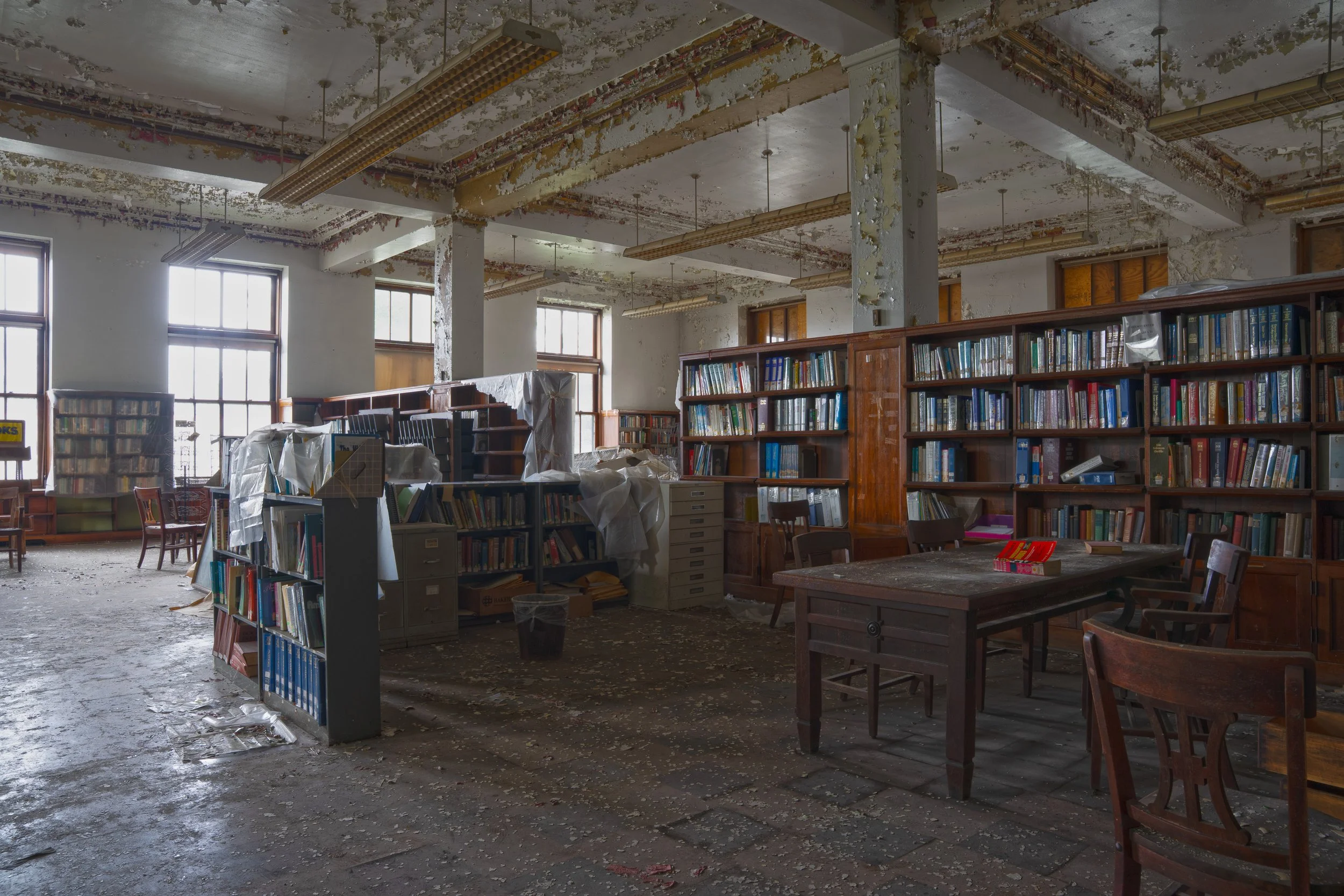
Recollection from the author
The McGregor library was one of the best locations I have ever had the honor of documenting. For over 10 minutes I was in awe looking at all the amazing details that made up this legend before I even snapped a picture, it wasn’t just another building it was a dream building to be able to document. For years I had doubted I would ever have the chance to ever document it, but as is with all abandoned buildings, when some get sealed, some that you never think would see the light of day magically come to life to see. Abandoned since 2002, the condition of McGregor was unmatched, with almost all the books intact as they were when it was closed, best of all who can argue with a abandoned library. However with history comes risk when it comes to abandoned spaces, and the Highland Park Historical Museum, a name google will argue is not a real place, makes this place home. Sitting abandoned alongside the library, with the city sitting on its heritage in a abandoned state.
Main Desk of McGregor Library
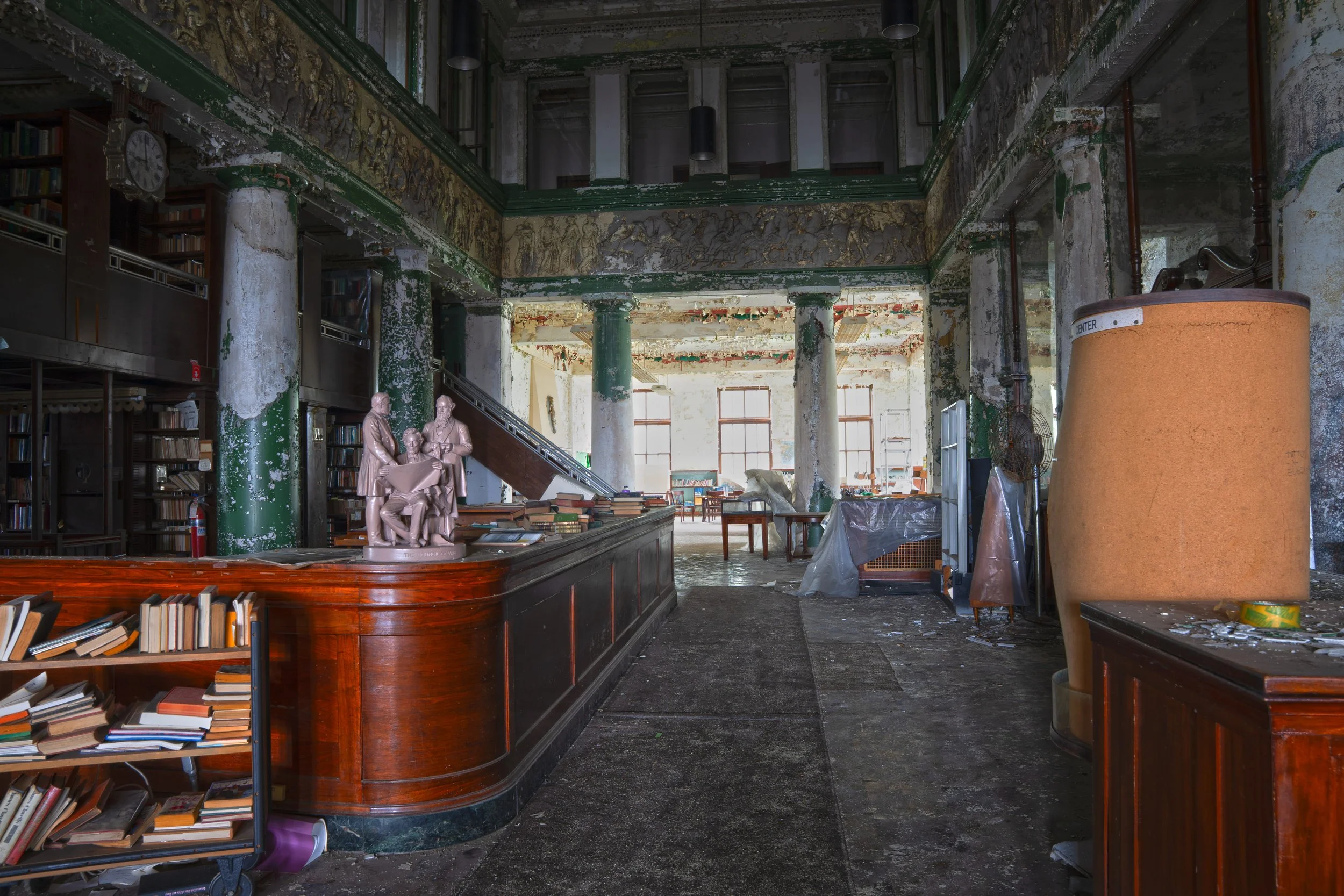
Lobby section with frieze from the Parthenon above
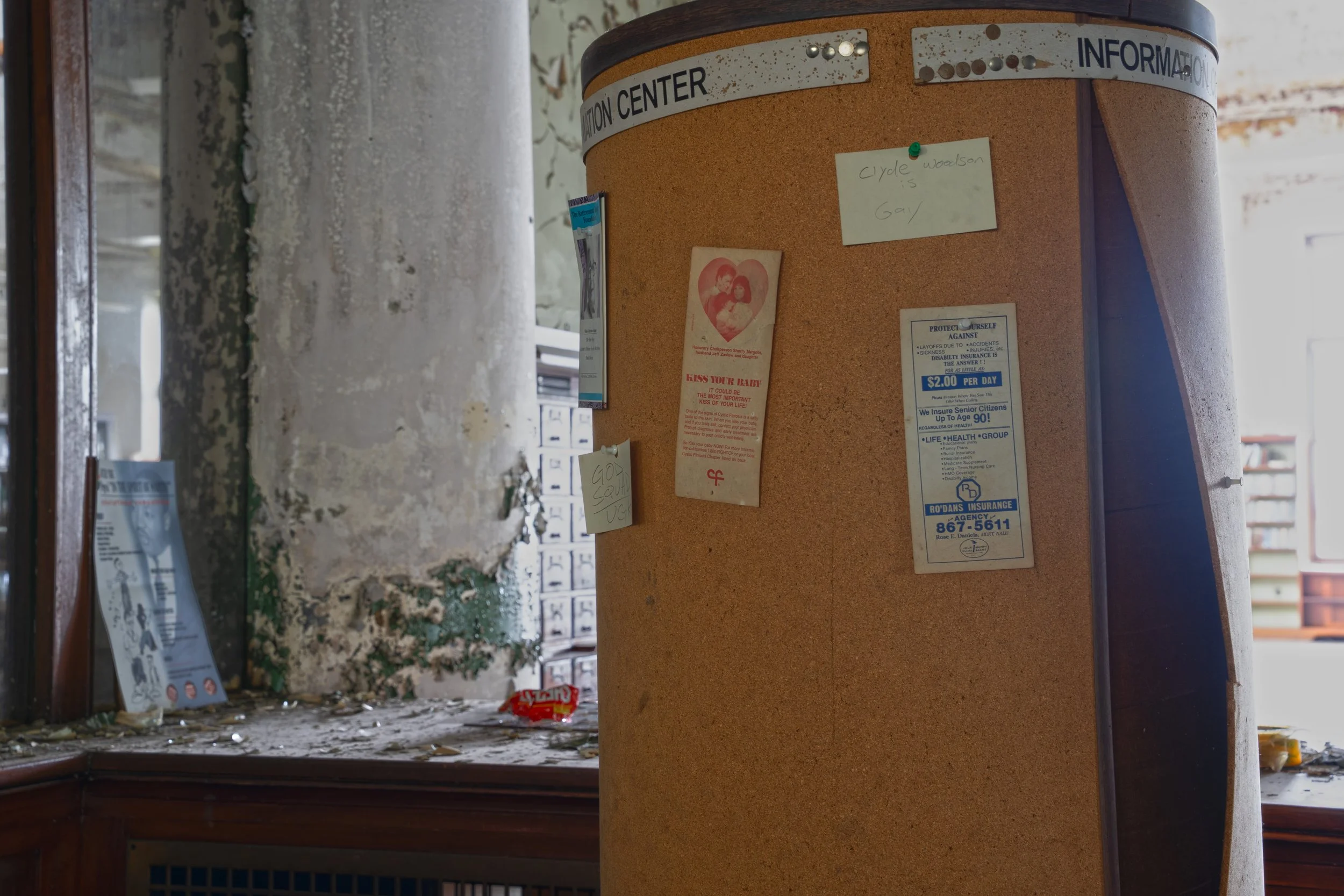
Information center in main lobby
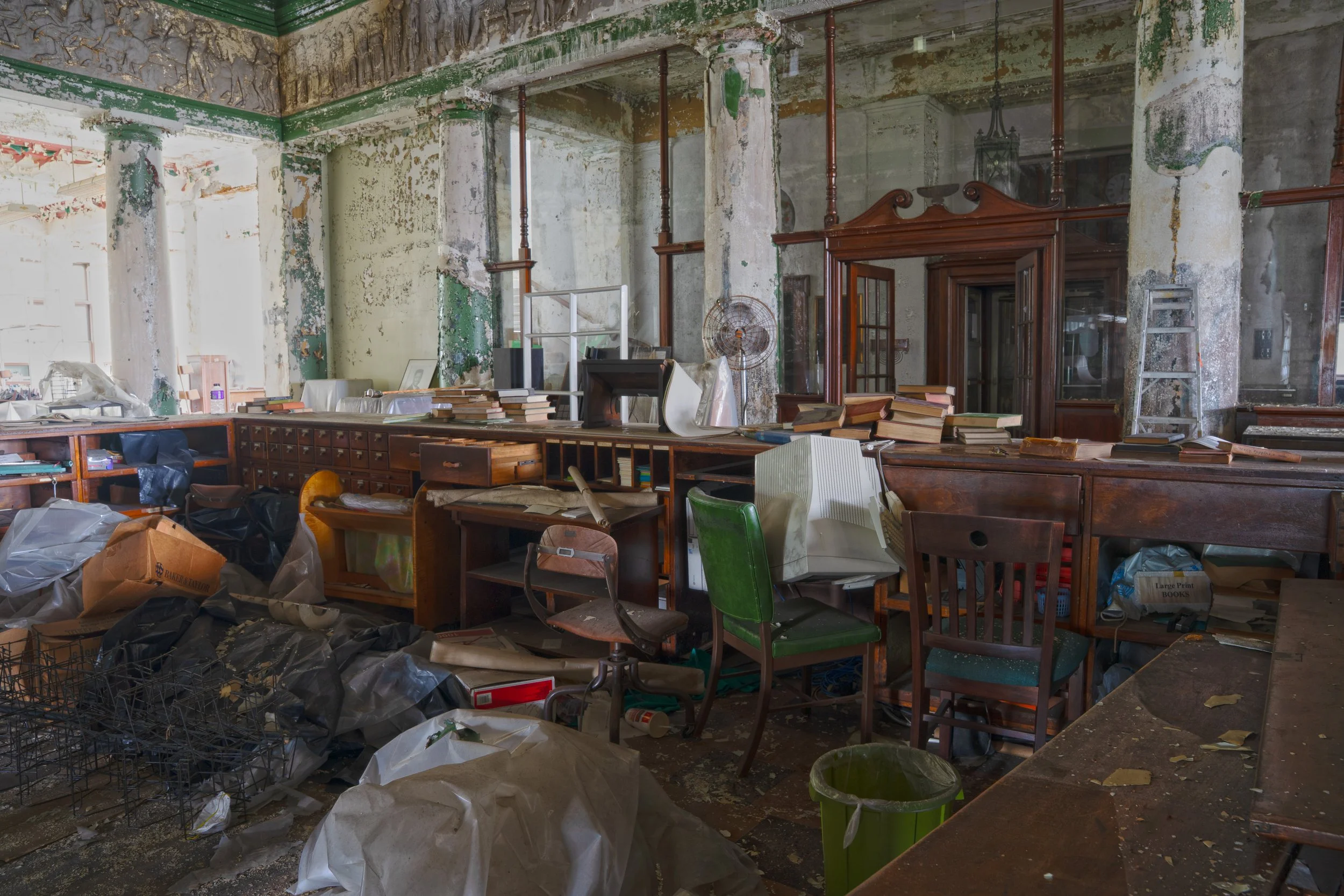
Behind the main desk
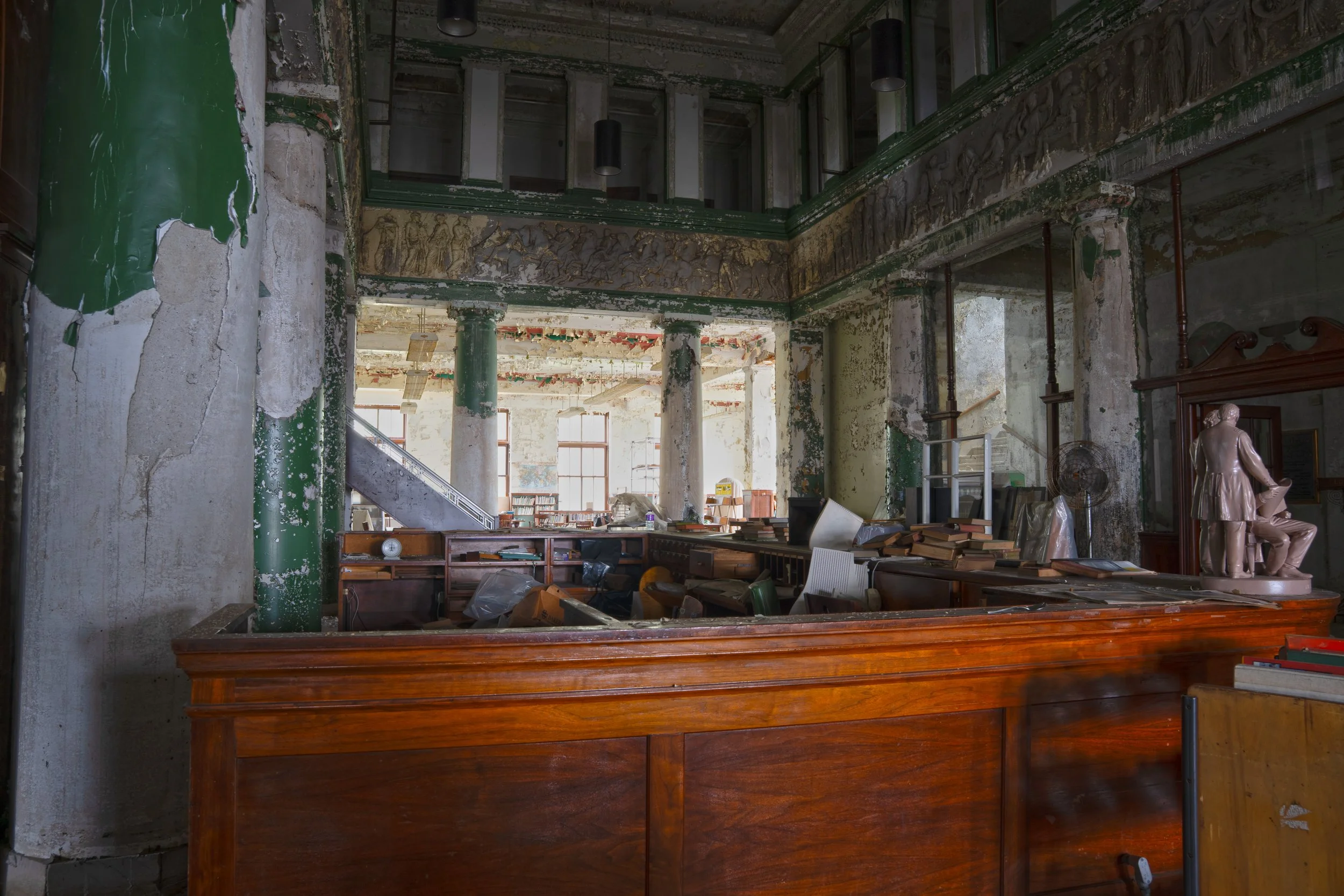
Main desk
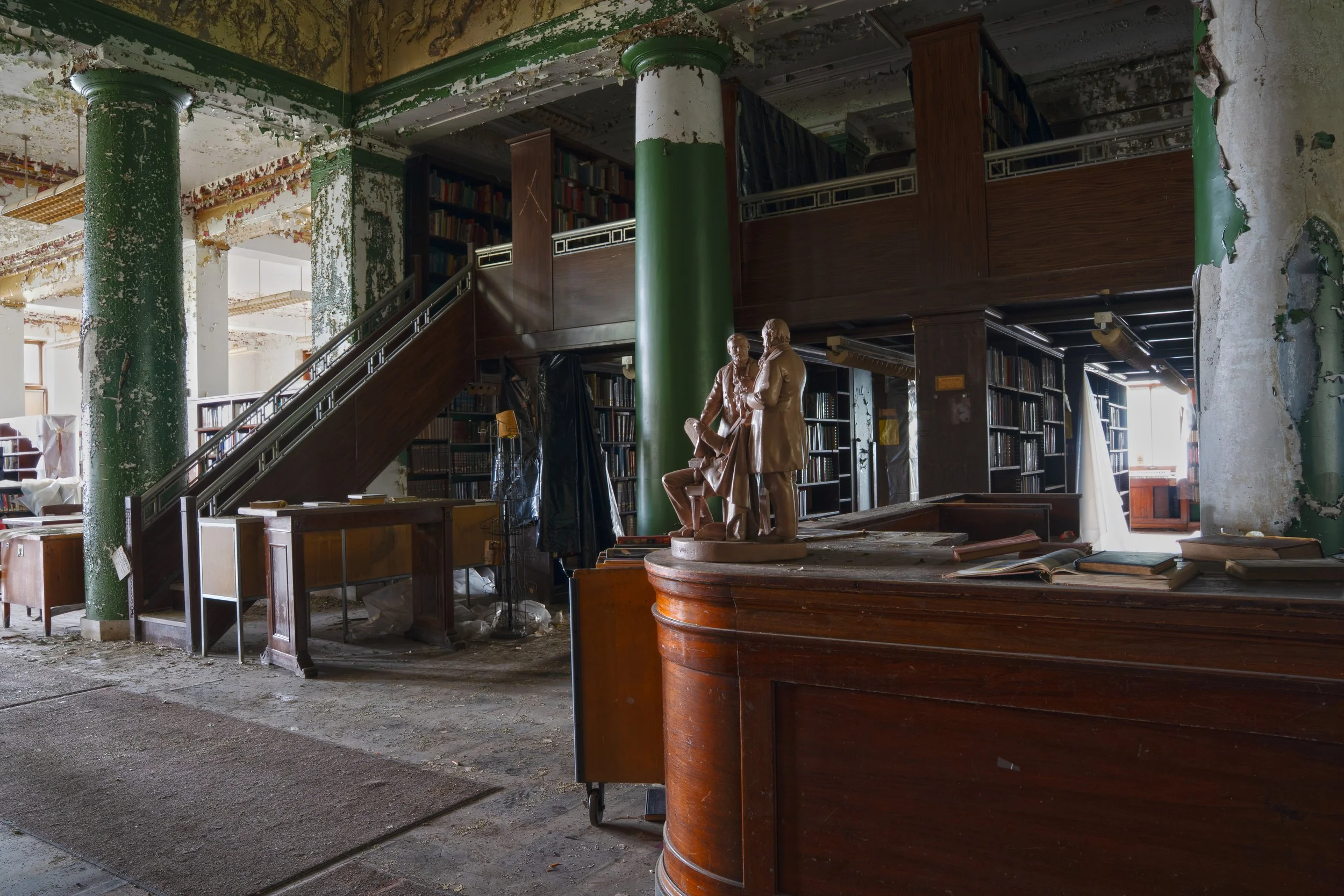
Main desk with rows of books behind the desk
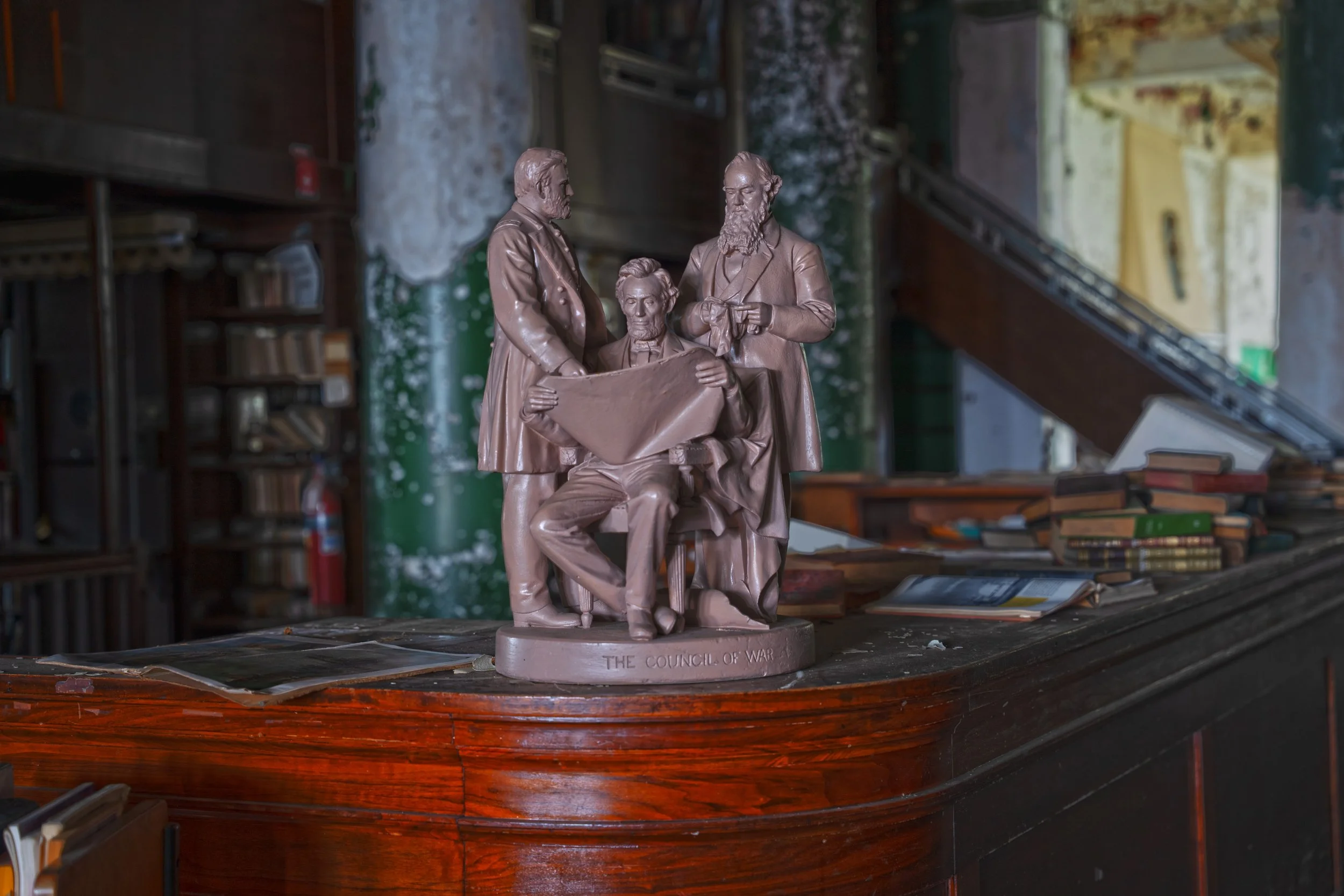
Presidential figures on the main desk
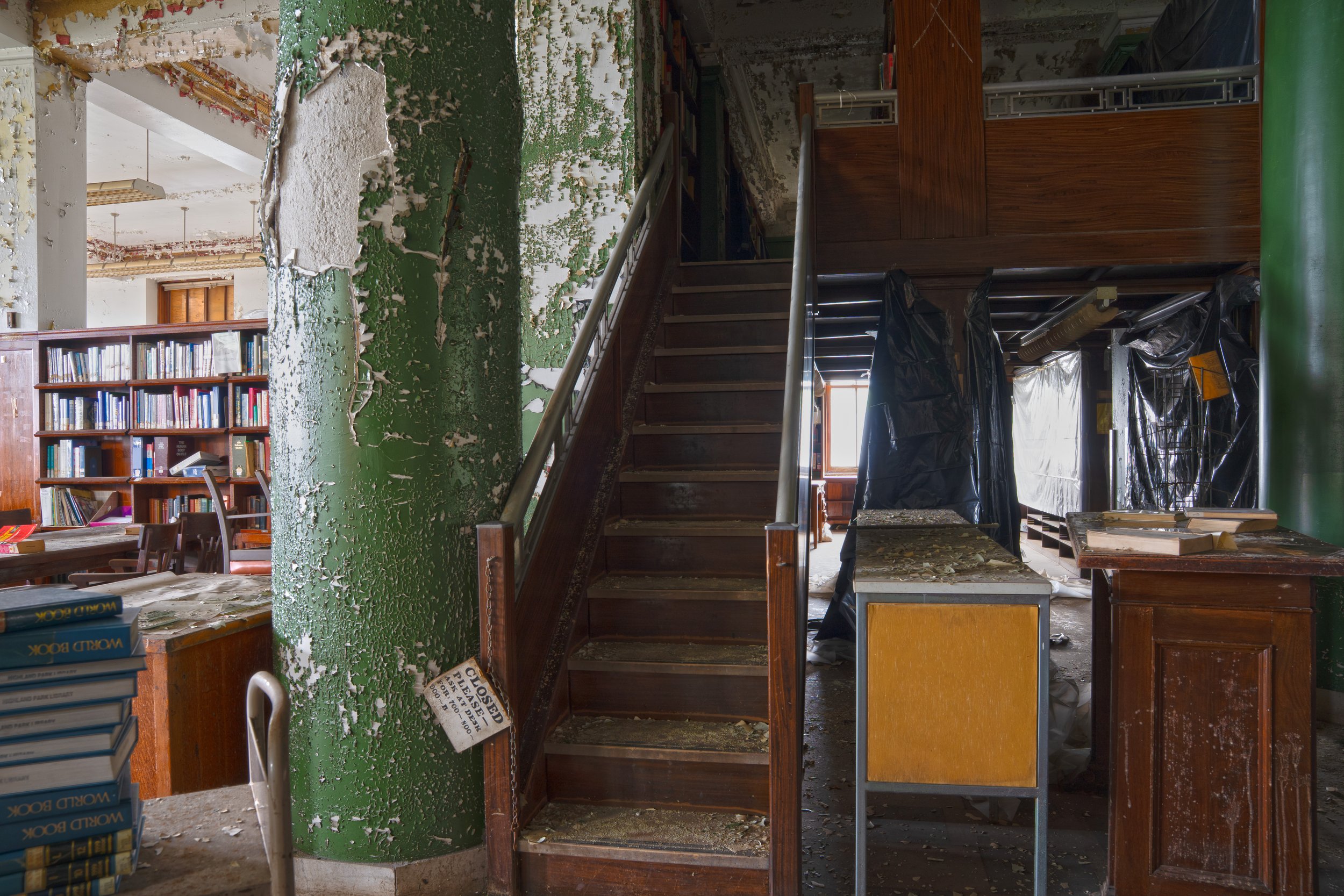
Stairs leading to additional books above and behind the desk between the 1st and 2nd floors
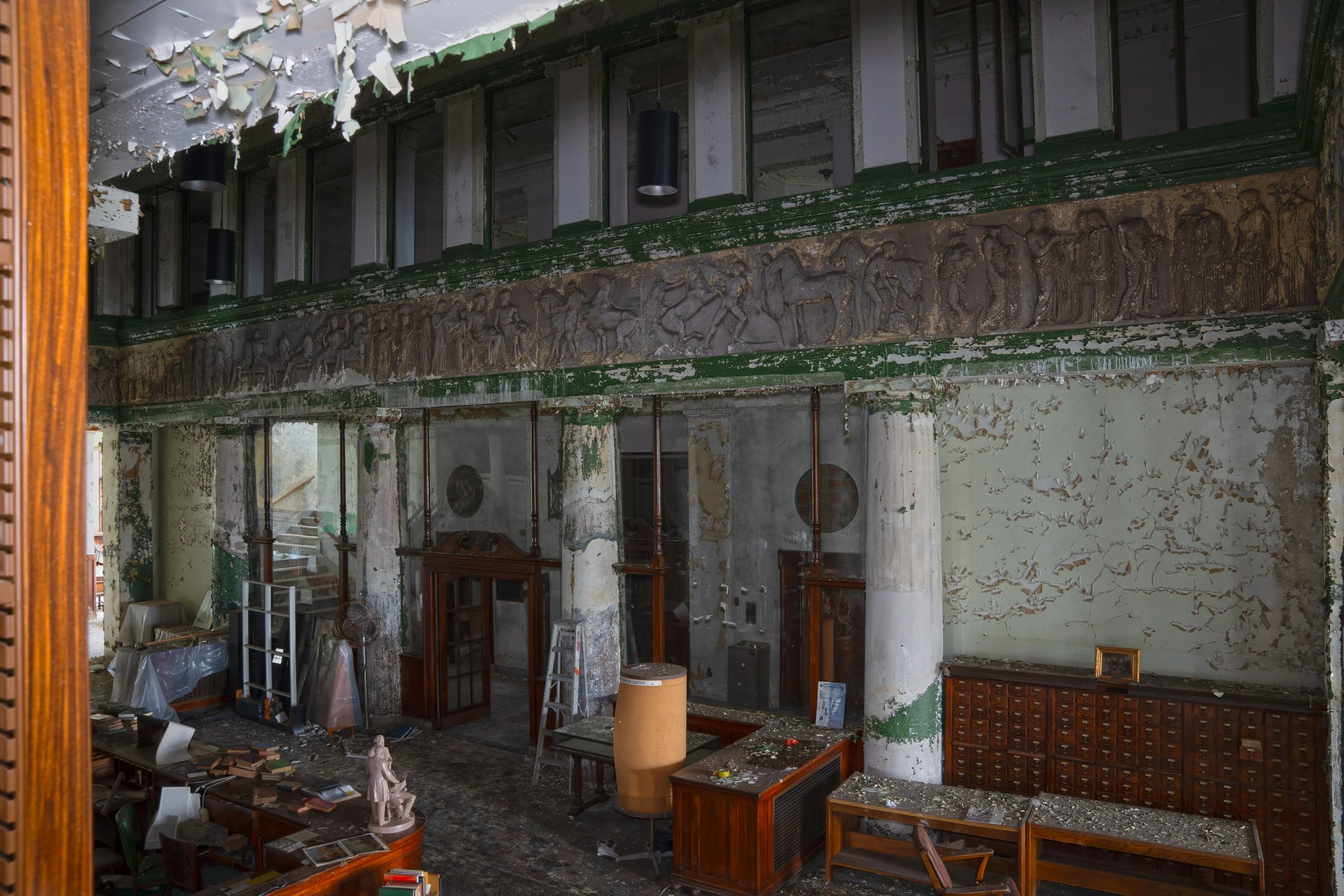
frieze from the Parthenon shown from the staircase next to the main desk
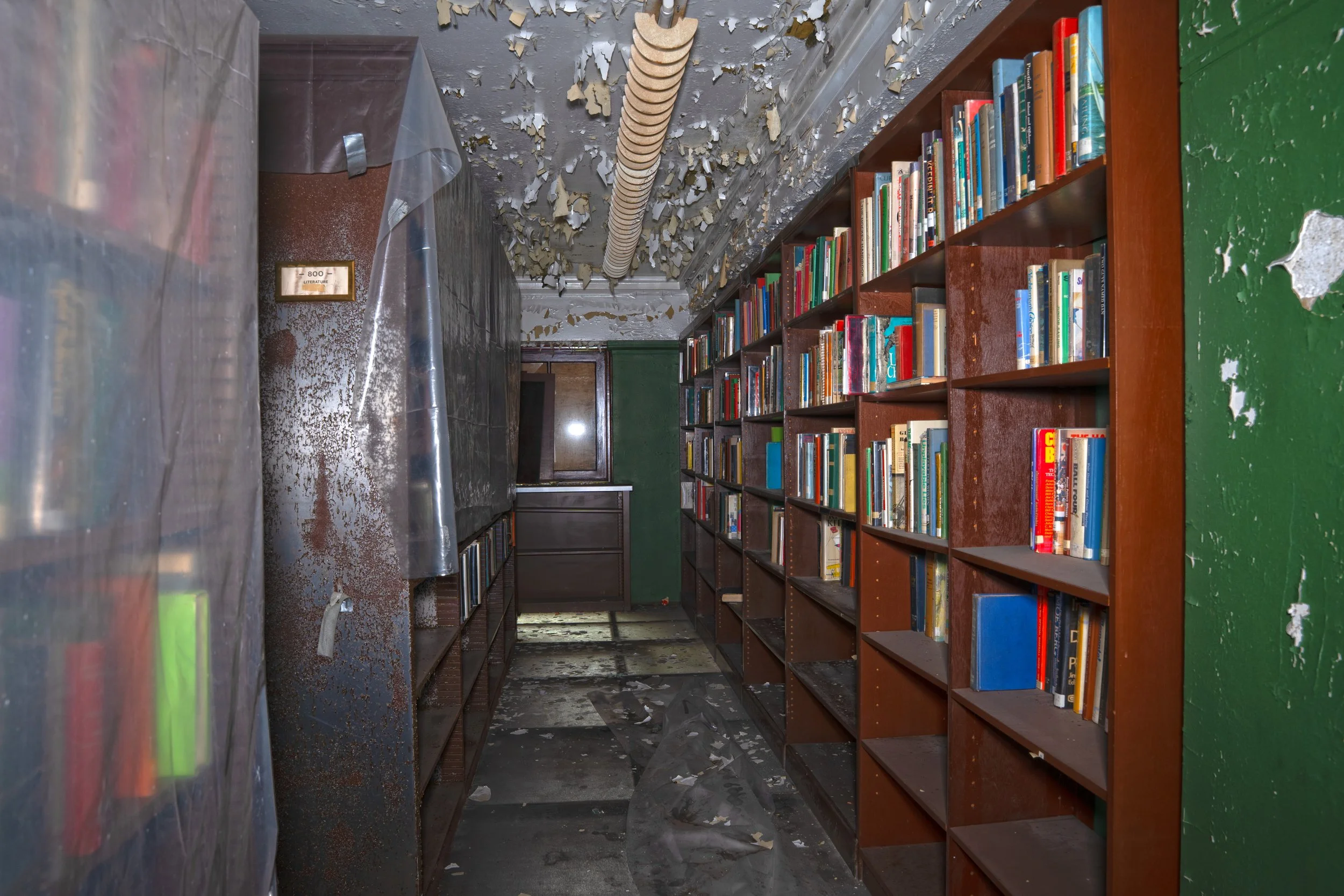
2nd floor book storage section with books still intact
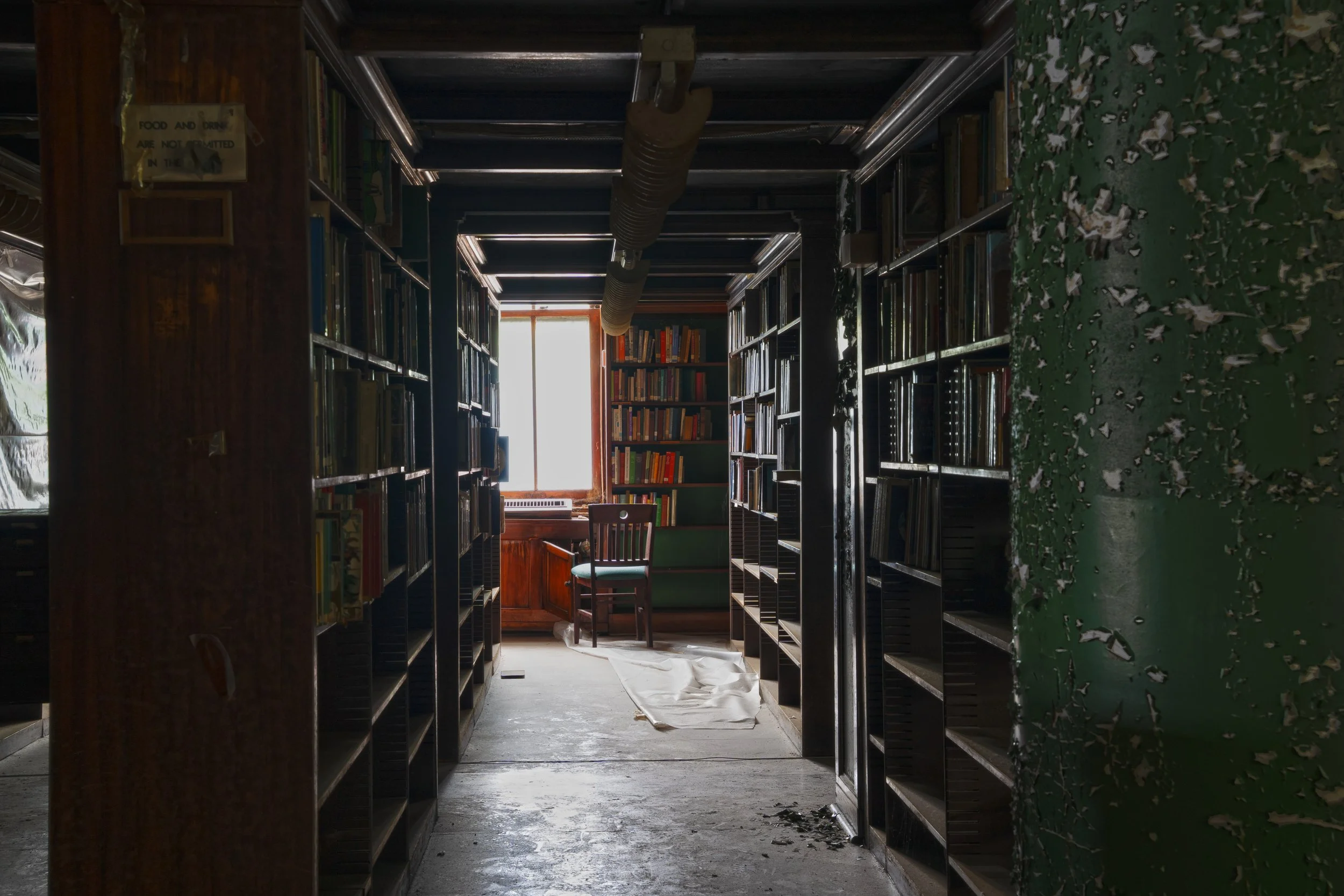
1st floor book storage section
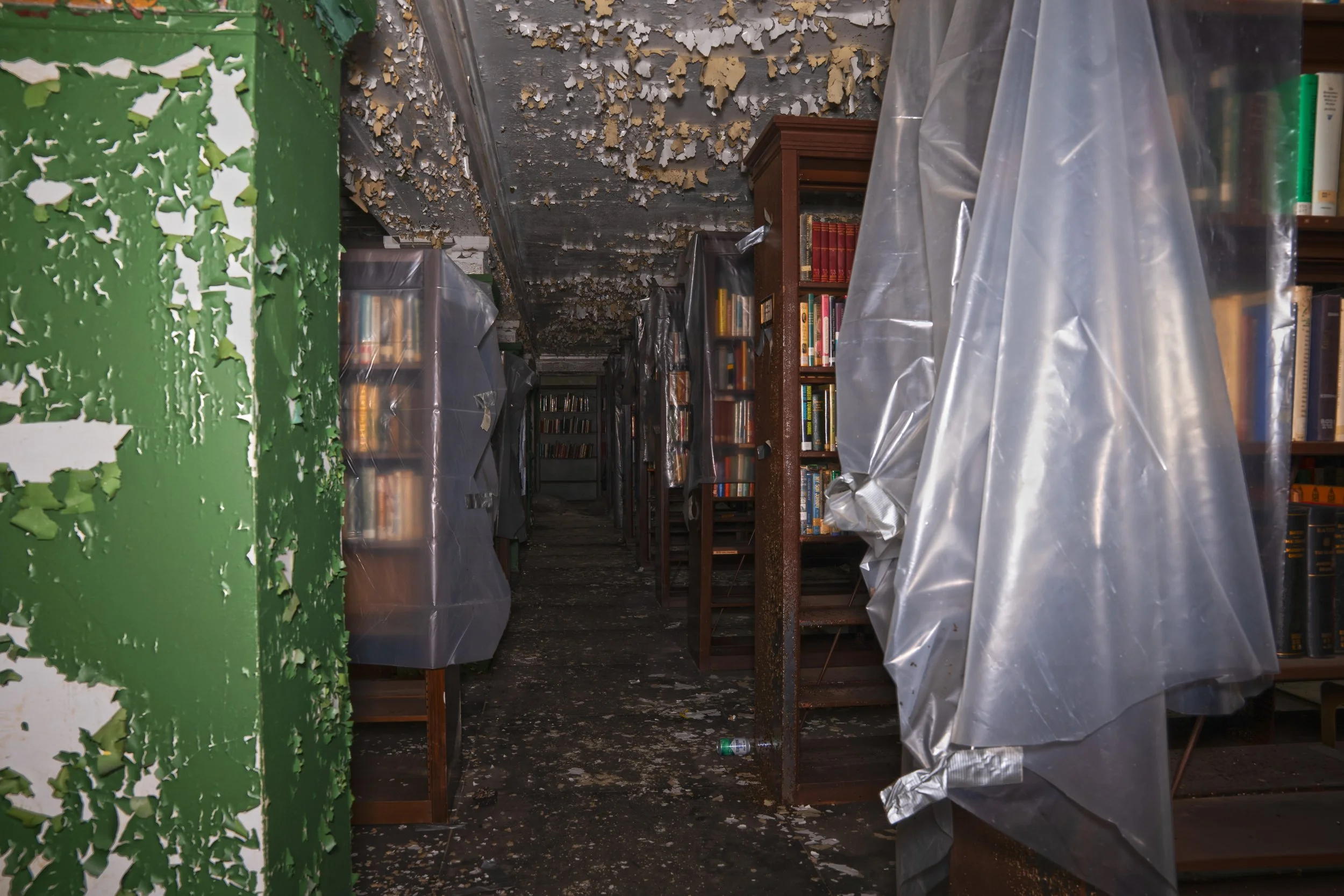
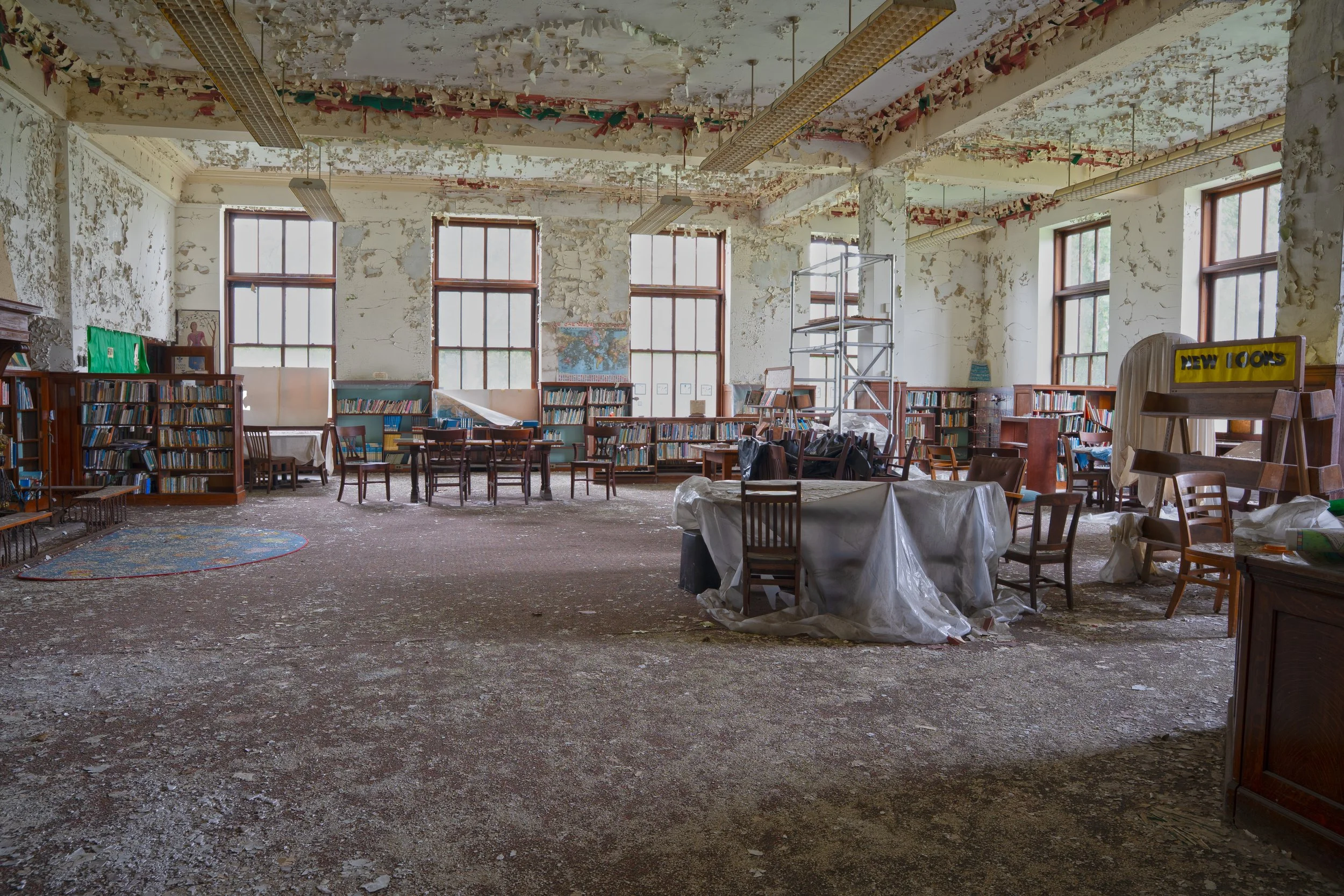
children's section shot 1
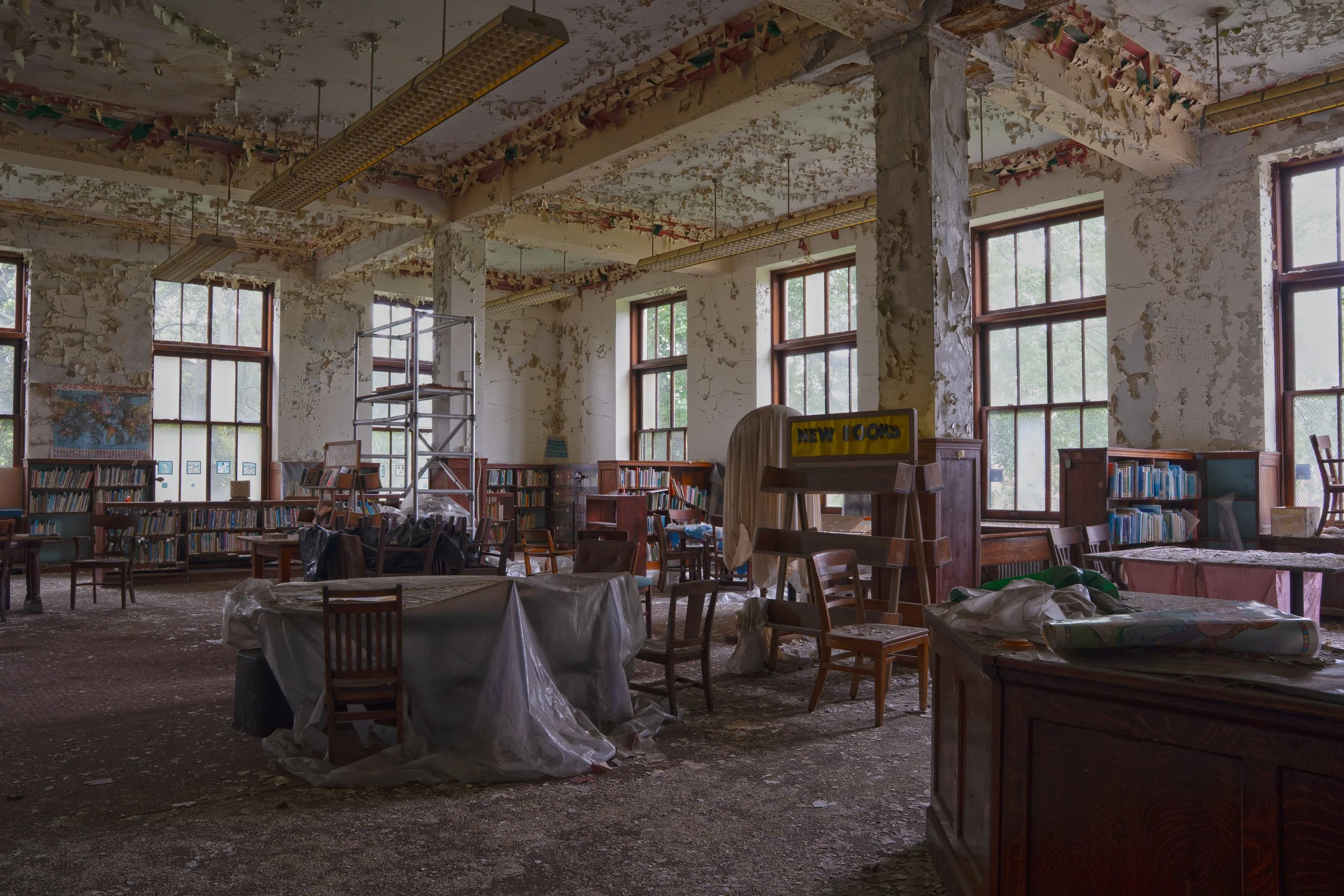
children's section shot 2
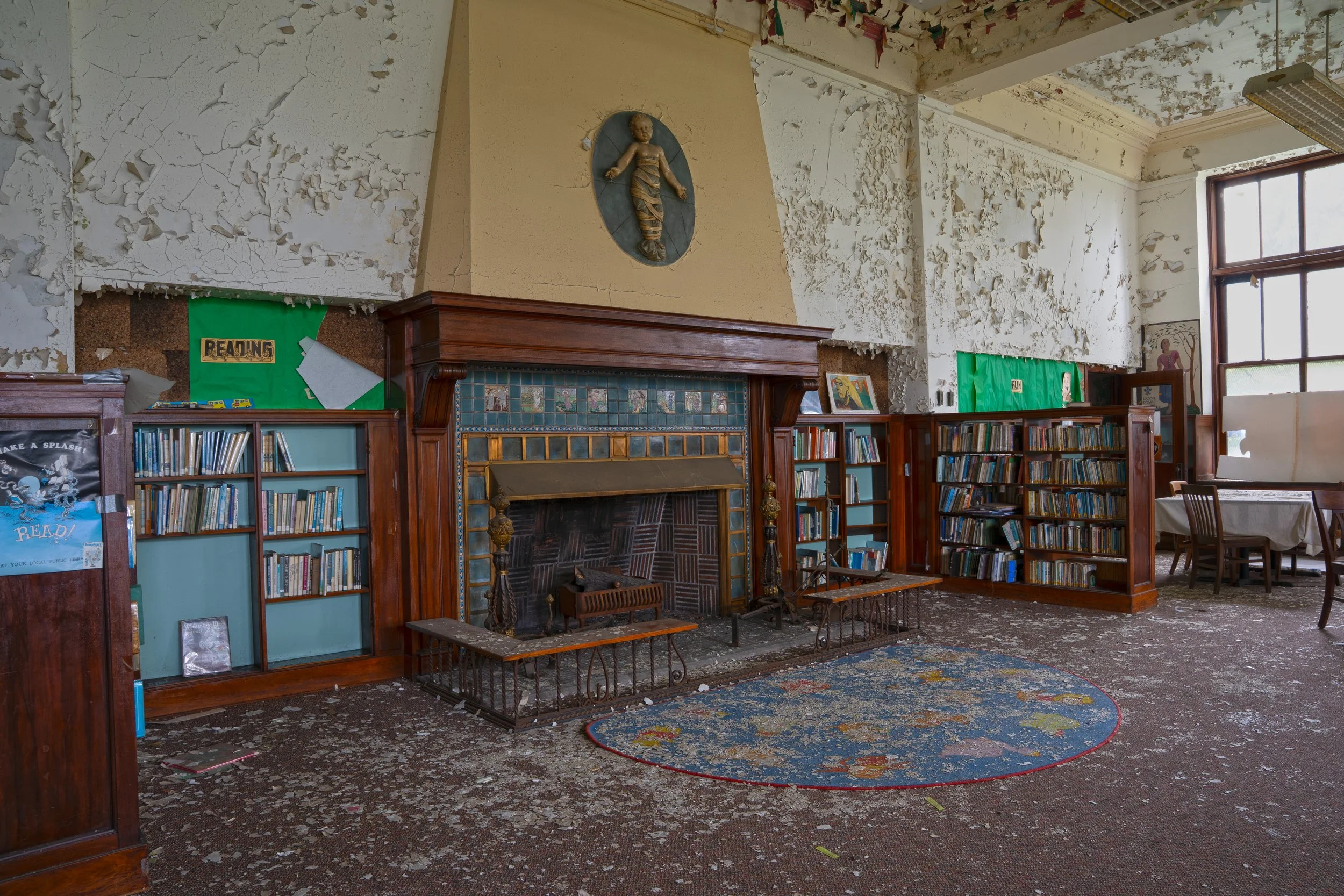
Fireplace in children's section
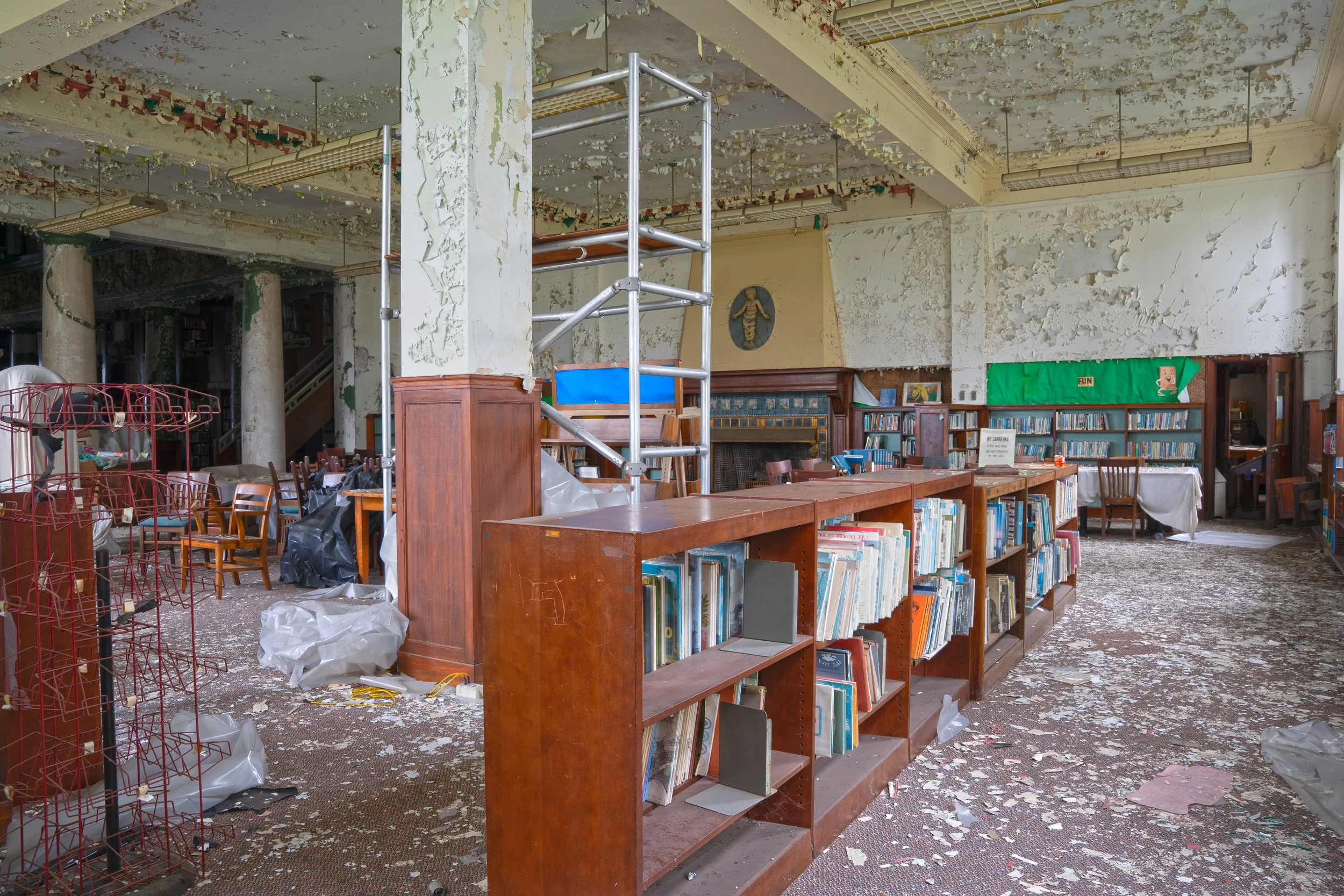
children's section shot 3
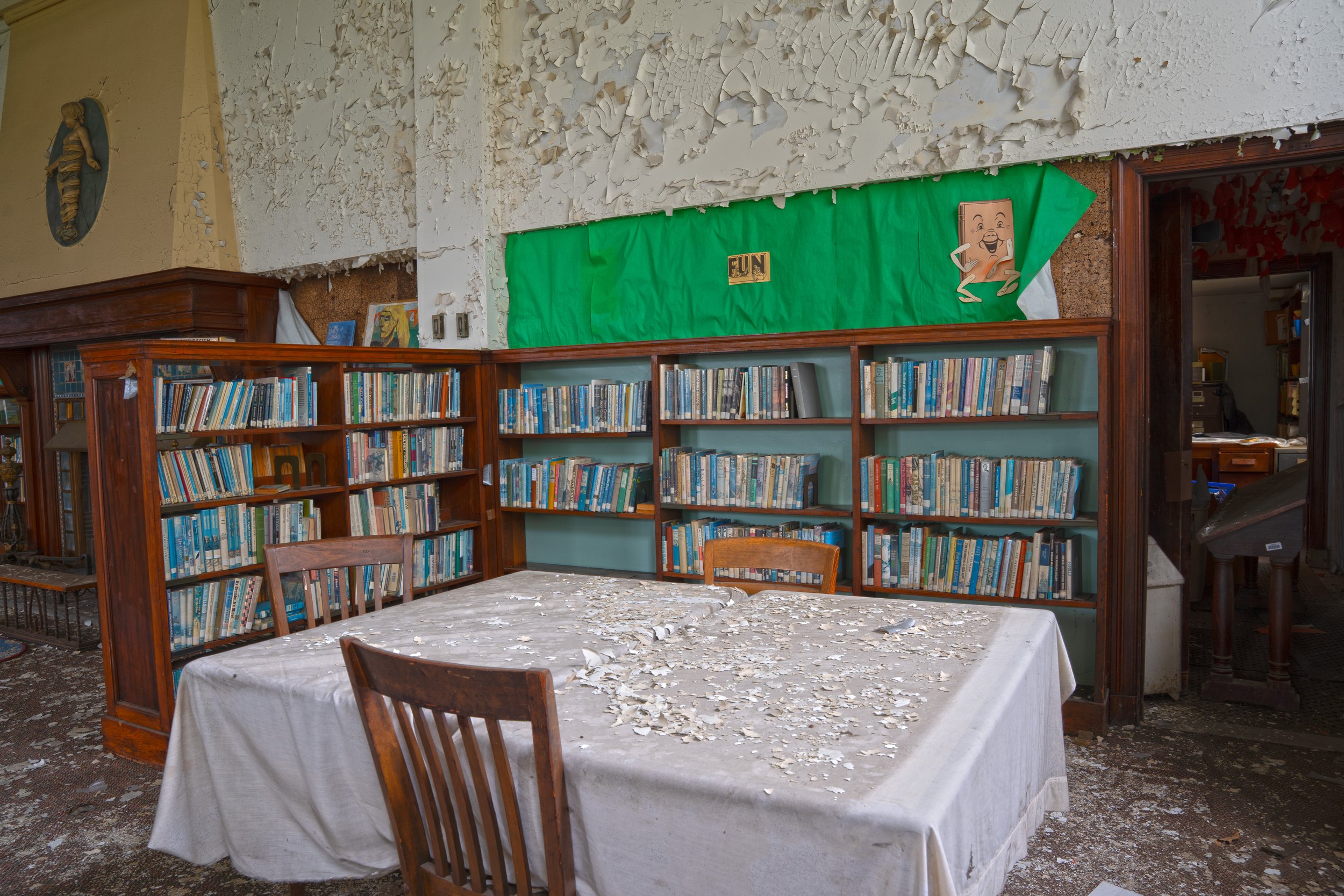
children's section shot 4
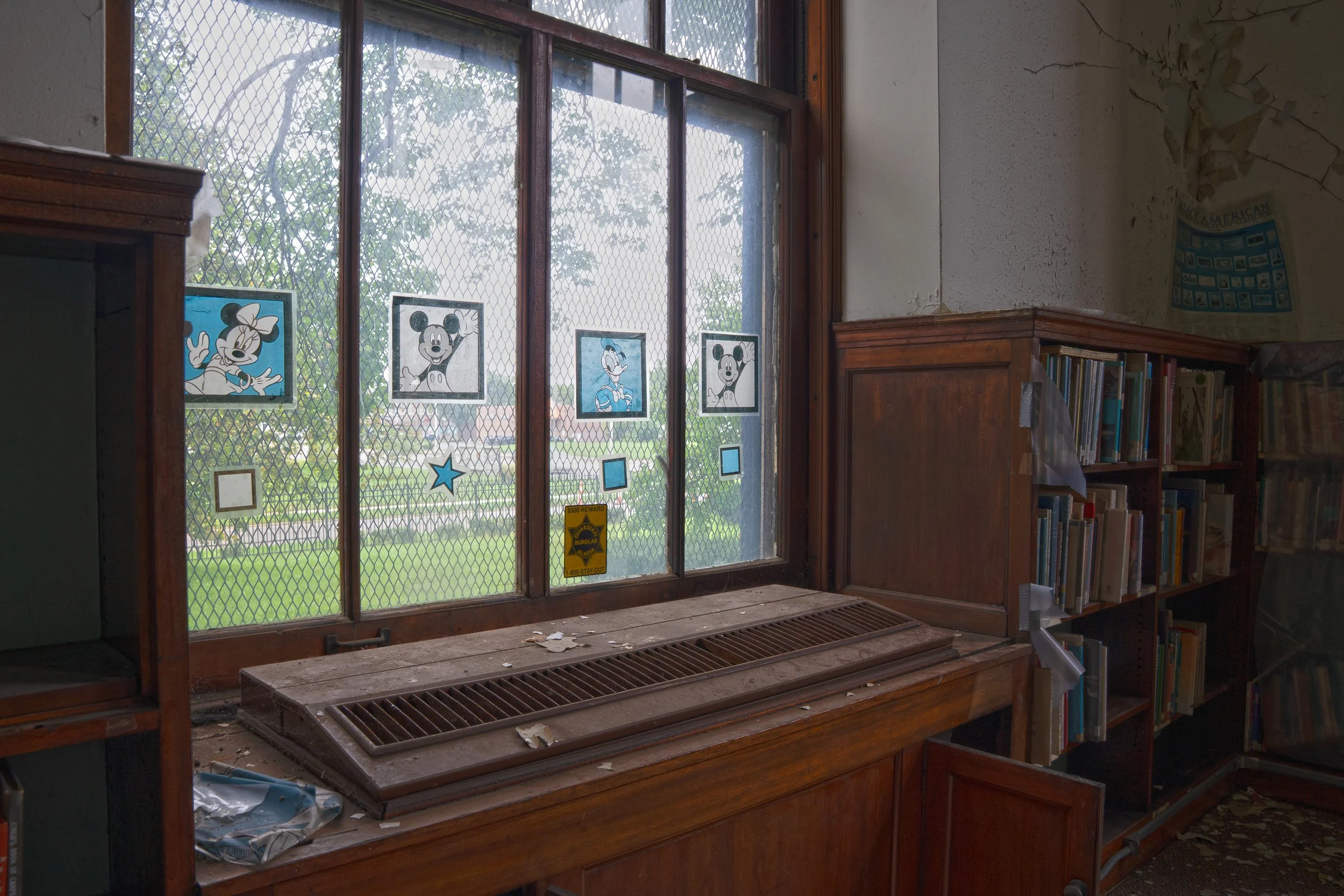
Window in children's section
Adult section shot 1
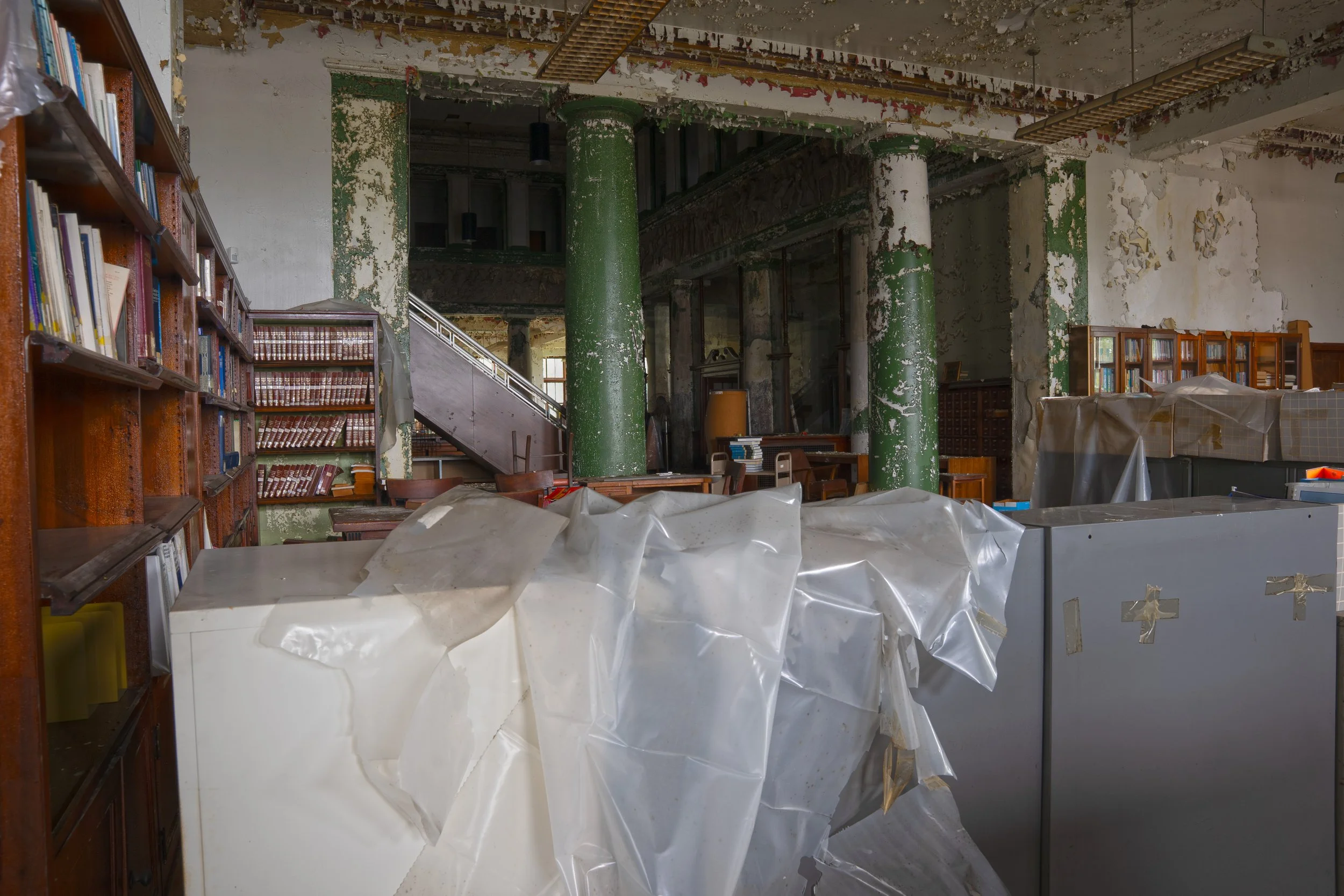
Adult section shot 2
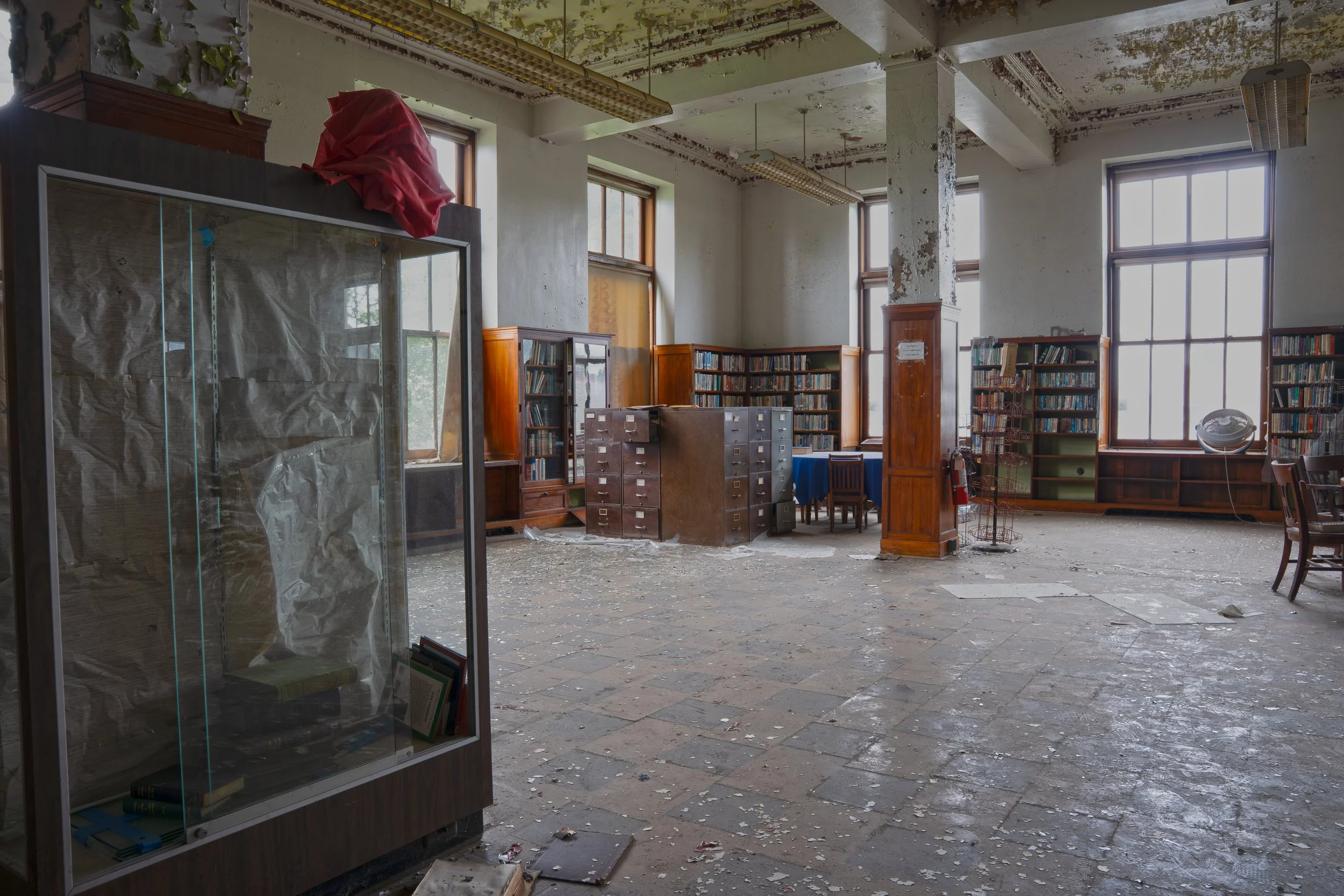
Adult section shot 3
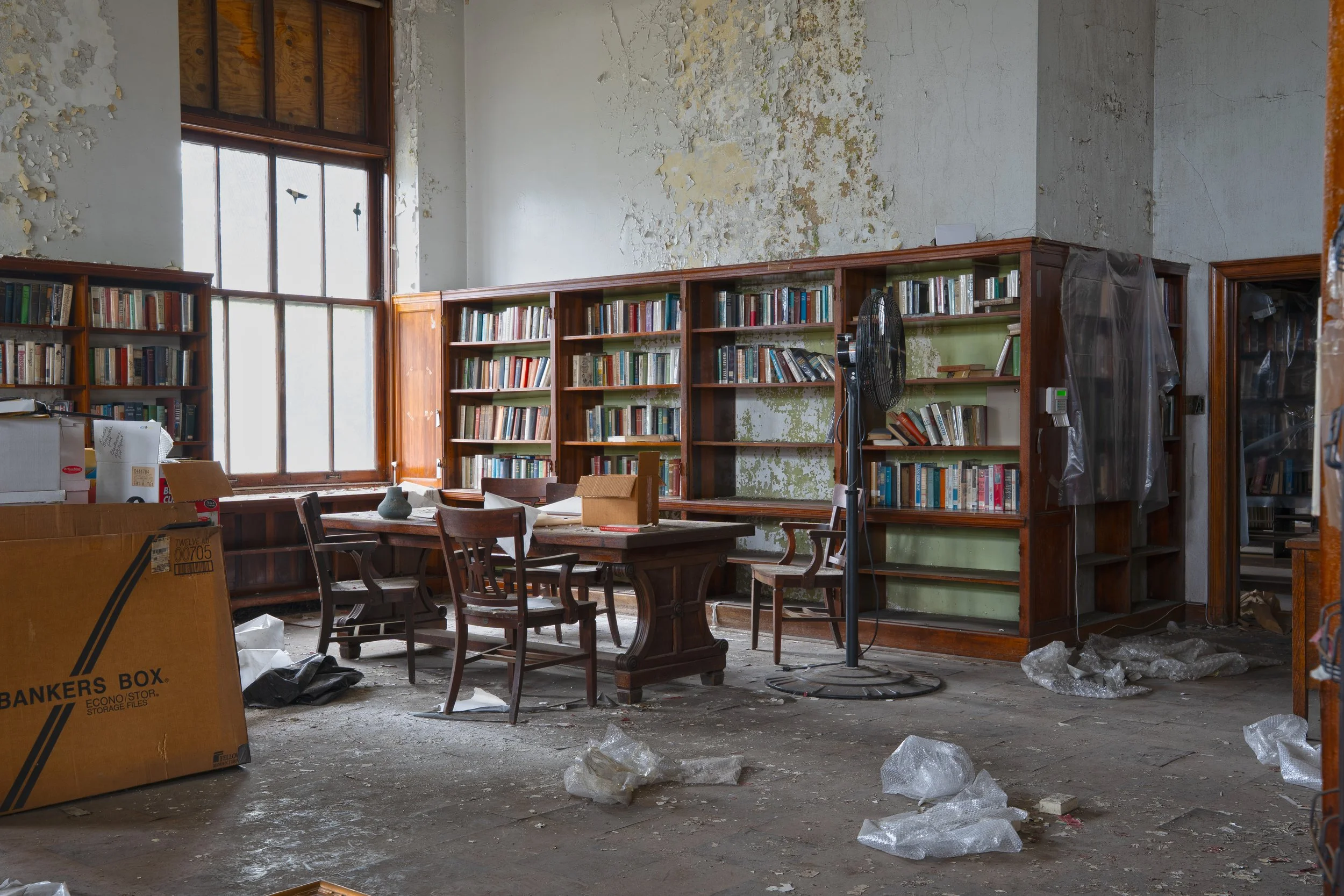
Adult section shot 4
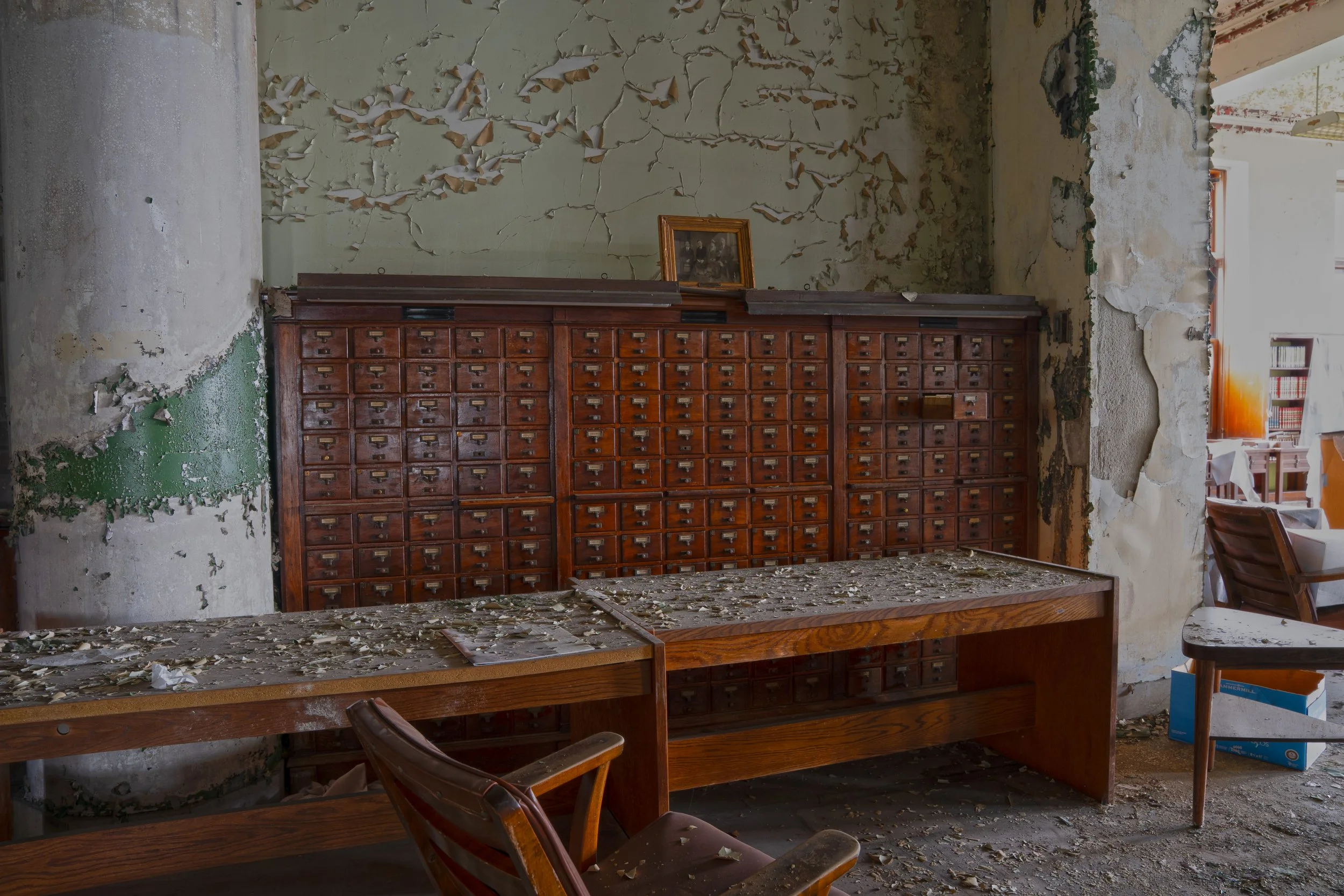
Adult section shot 5
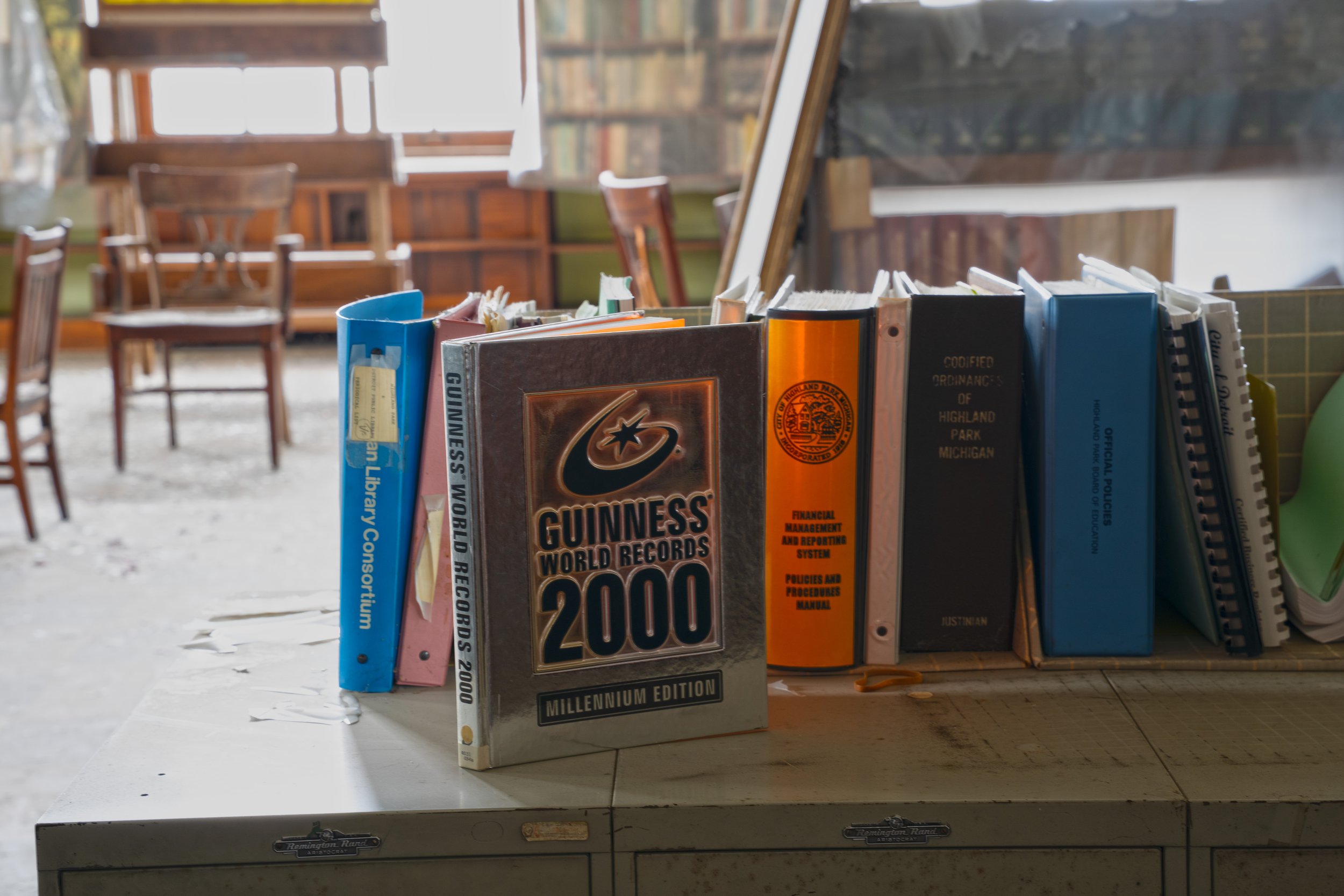
Adult section shot 6
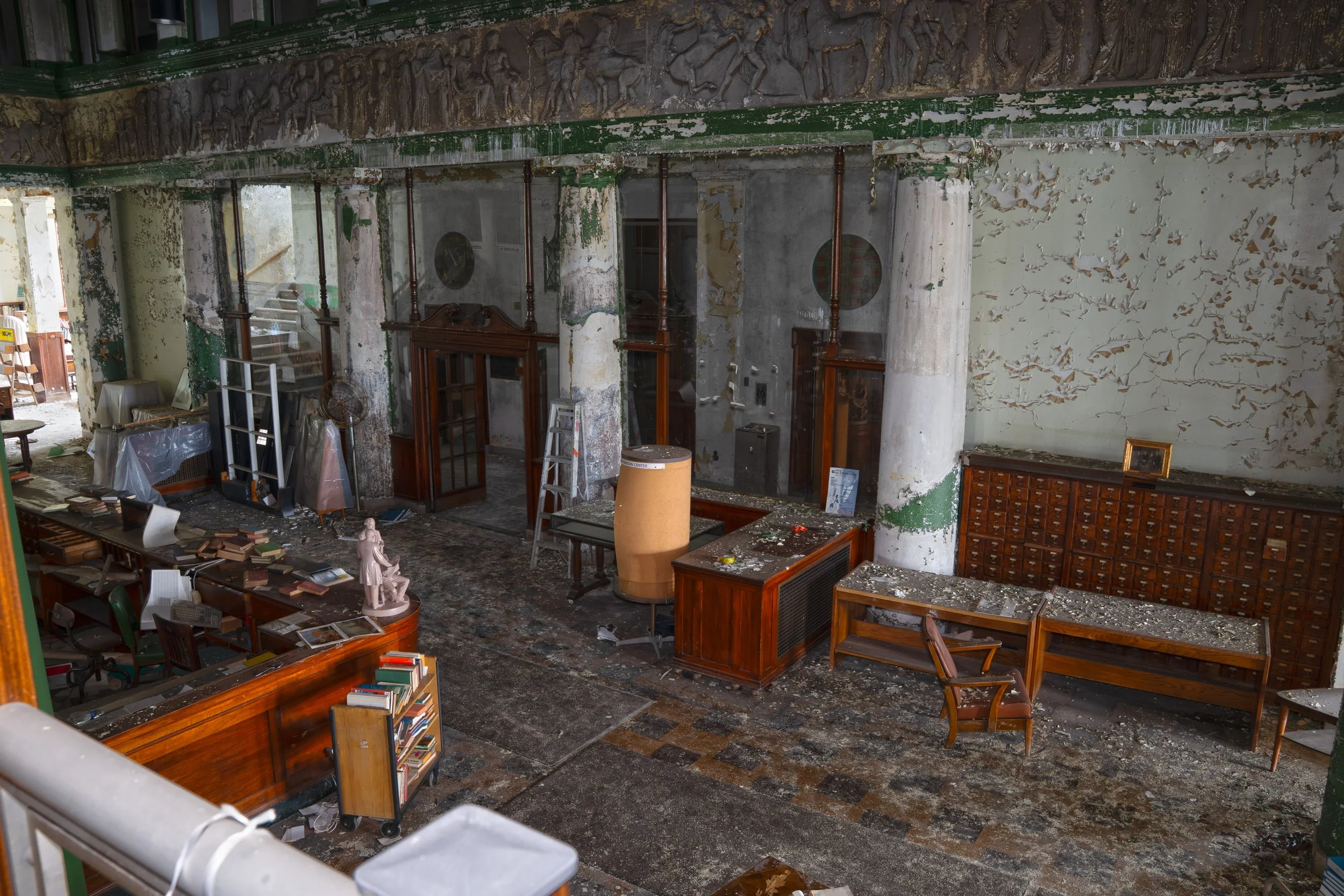
Main entrance as seen from staircase leading to book storage
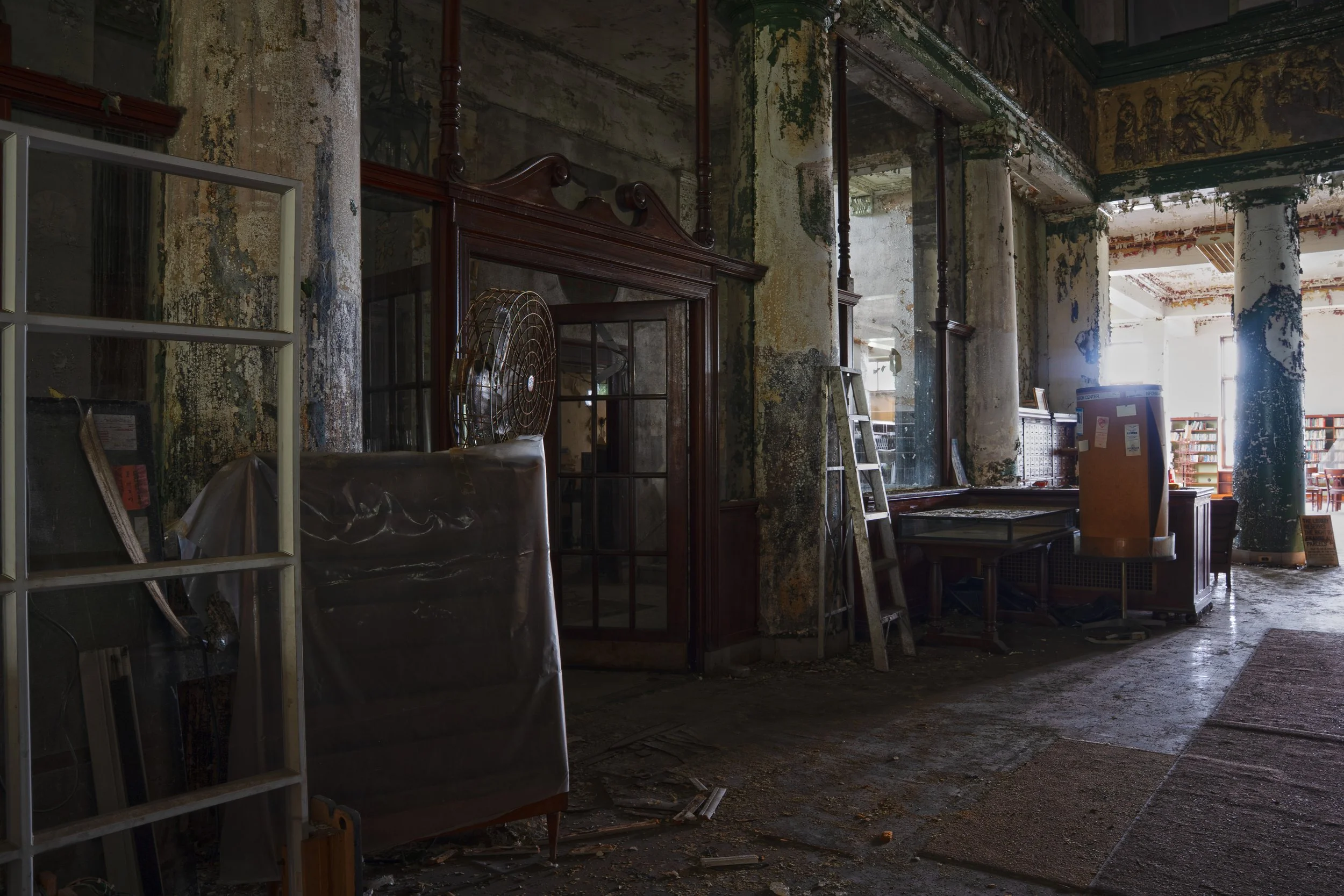
Main Entrance to McGregor Library
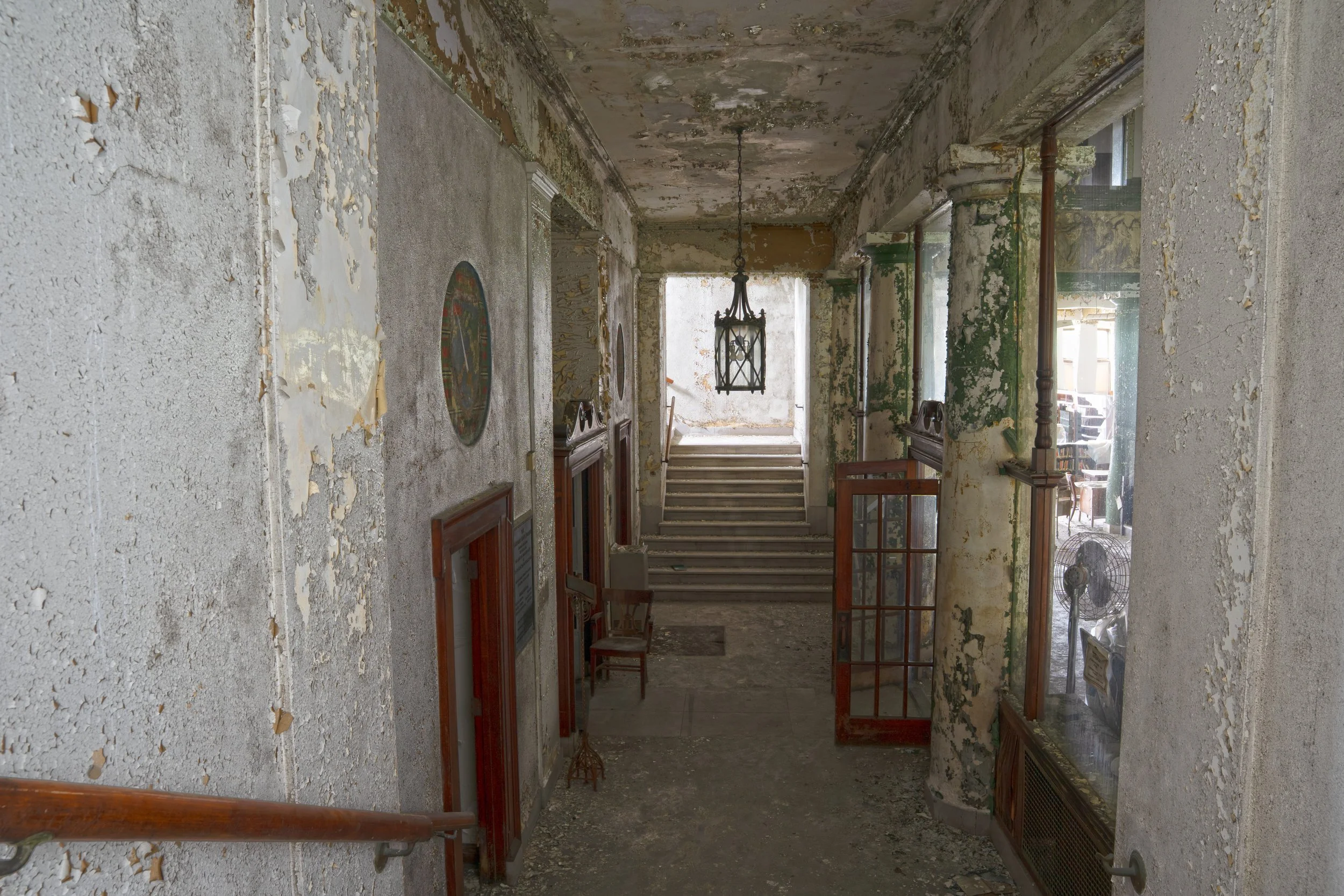
Foyer section of McGregor Library
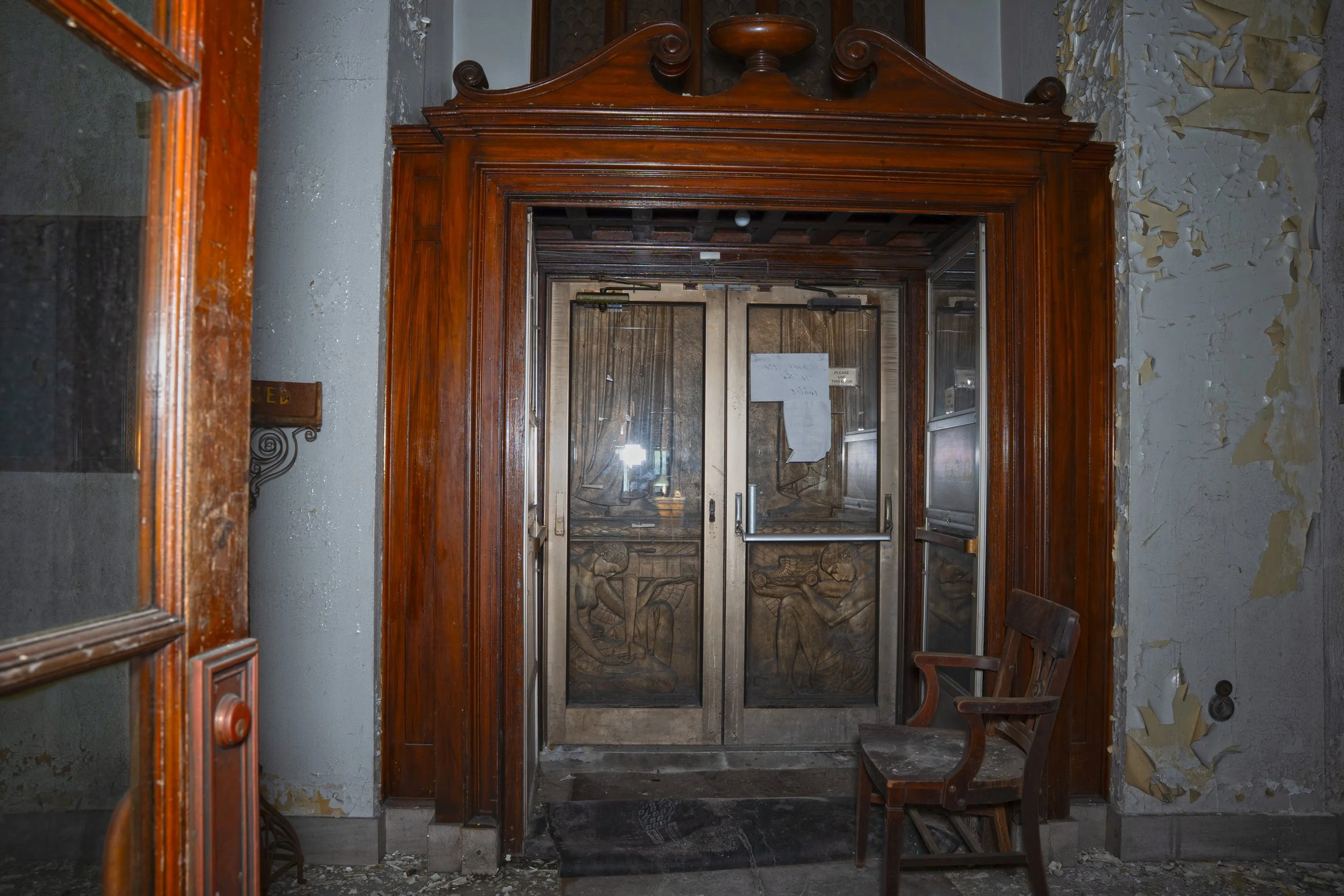
Bronze Doors at the main entrance of the library The front bronze entrance doors tell a story, designed by Chicago sculptor Frederick Torrey. The design represents the automotive spirit. Closed, the two doors complete a composition of two large winged figures. The figure on the right holds in her hand the winged sphere, a symbol of mechanics. The figure on the right holds in her hand a germinating plant, symbolic of the creative spirit. Together the figures support the torch of knowledge, the halo of which extends into the panel of zodiac symbols above the doors suggesting the dawn of a new era. In the lower door panels are two brooding figures; the female holds a model of an airplane and the male figure holds a model of an automobile.
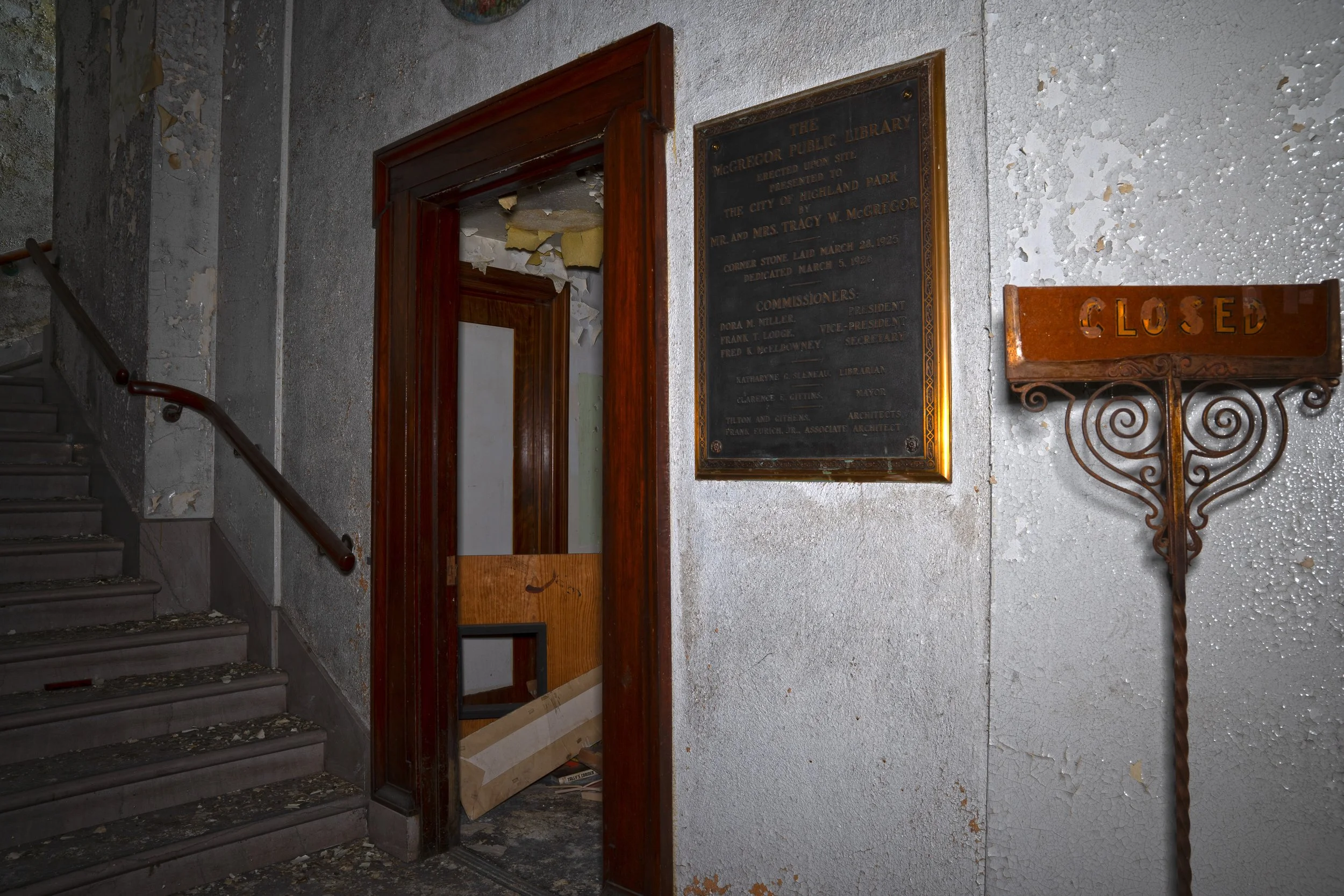
Plaque in foyer section
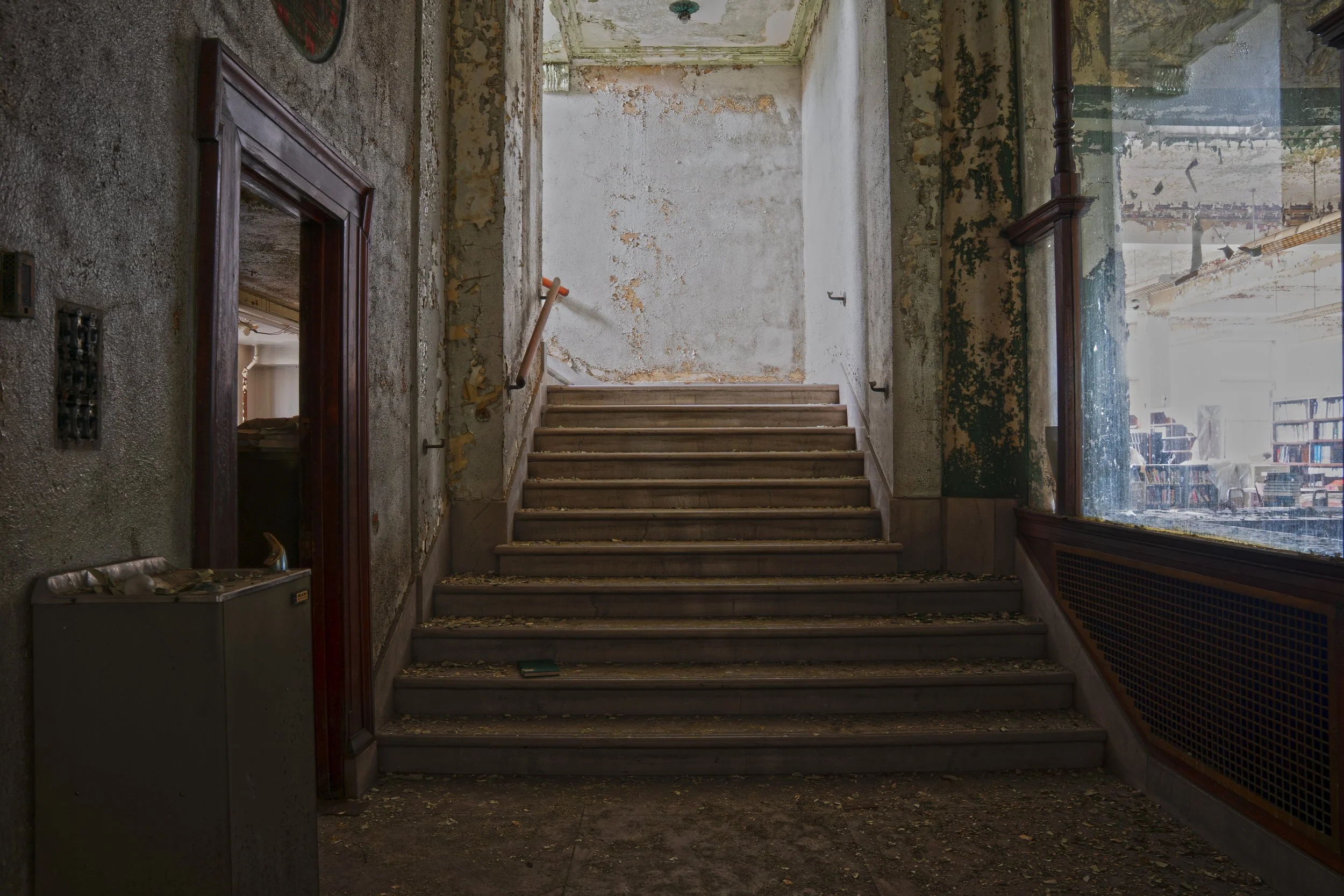
stairs leading to 2nd floor
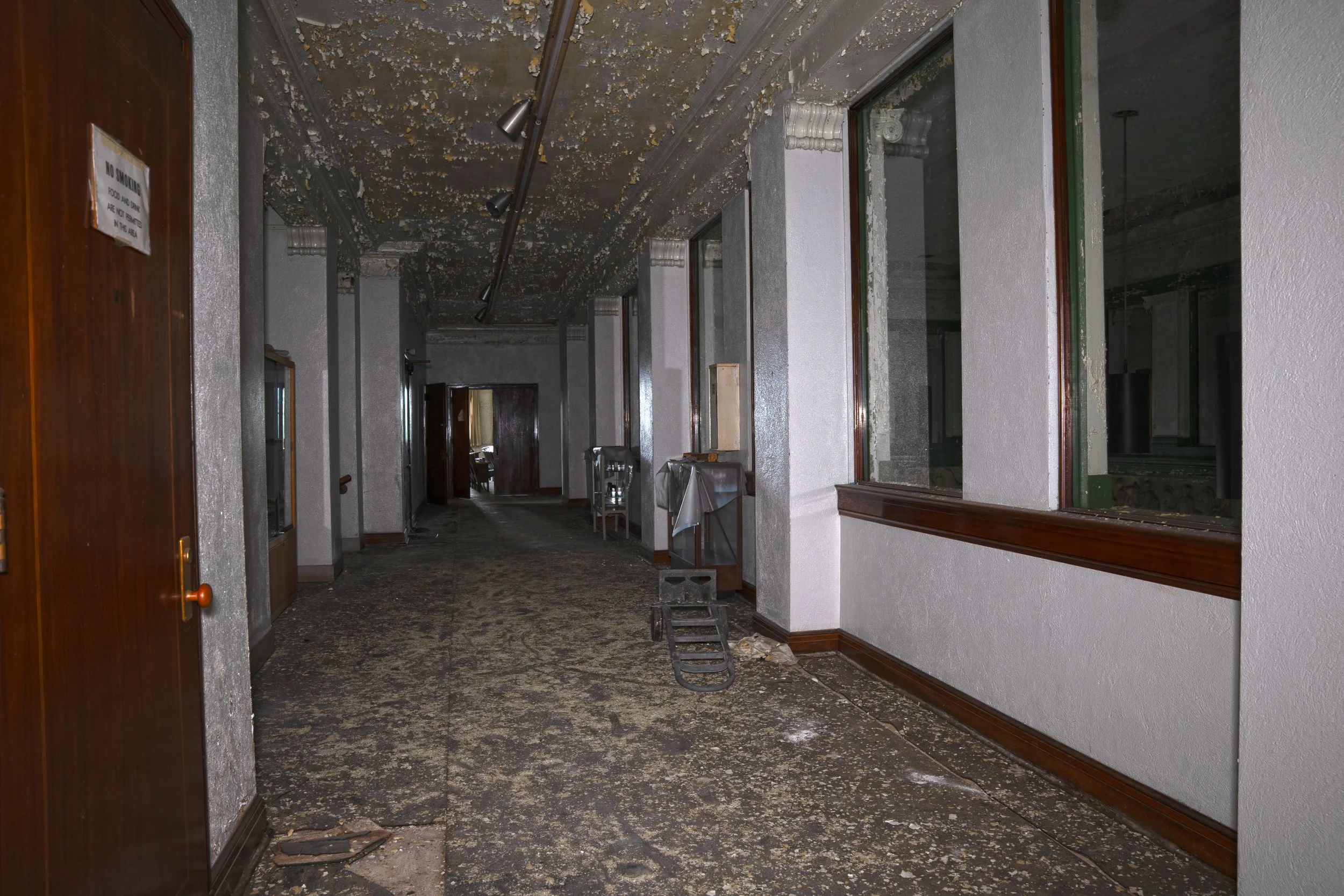
2nd floor hallway with community rooms
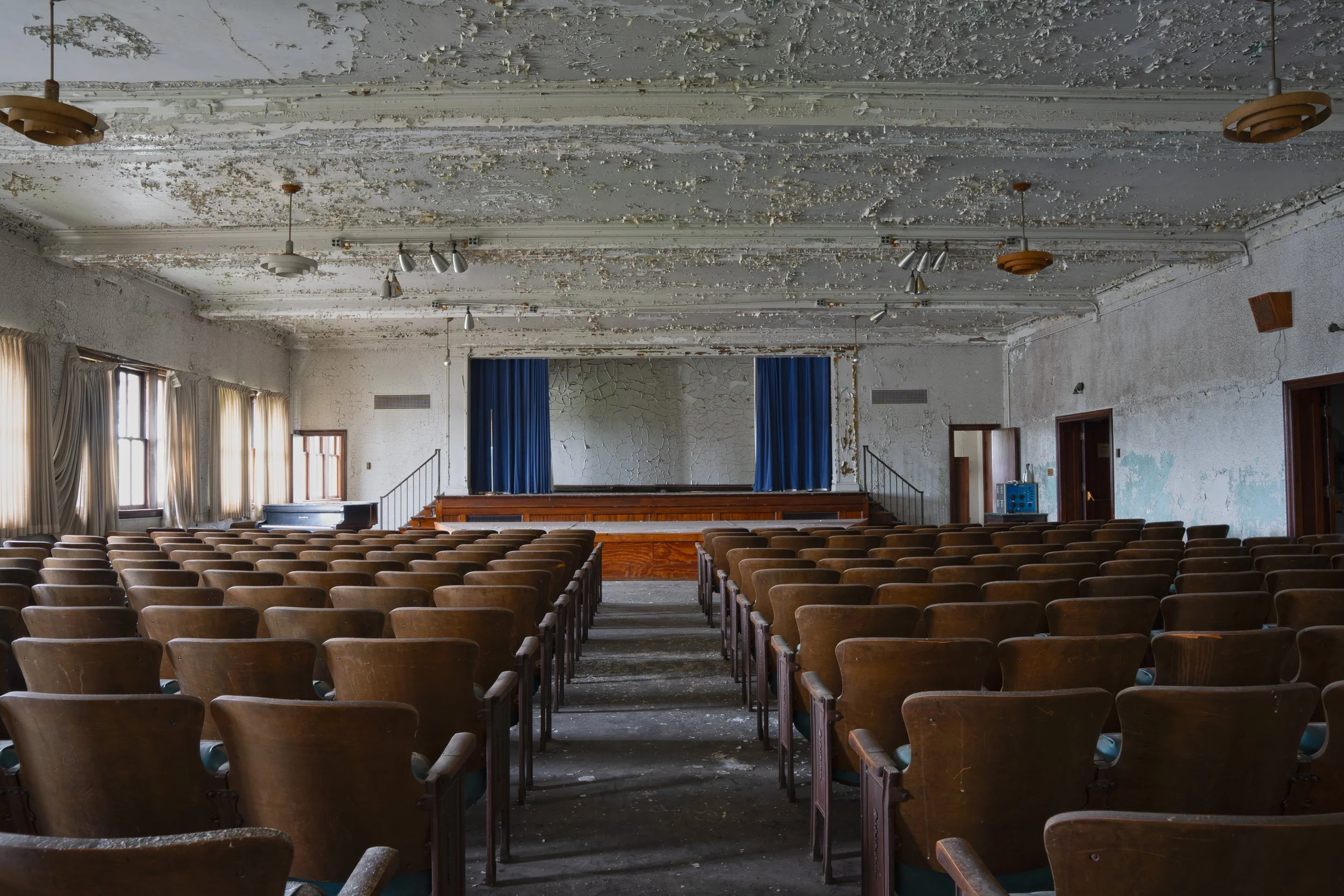
The 250 seat auditorium
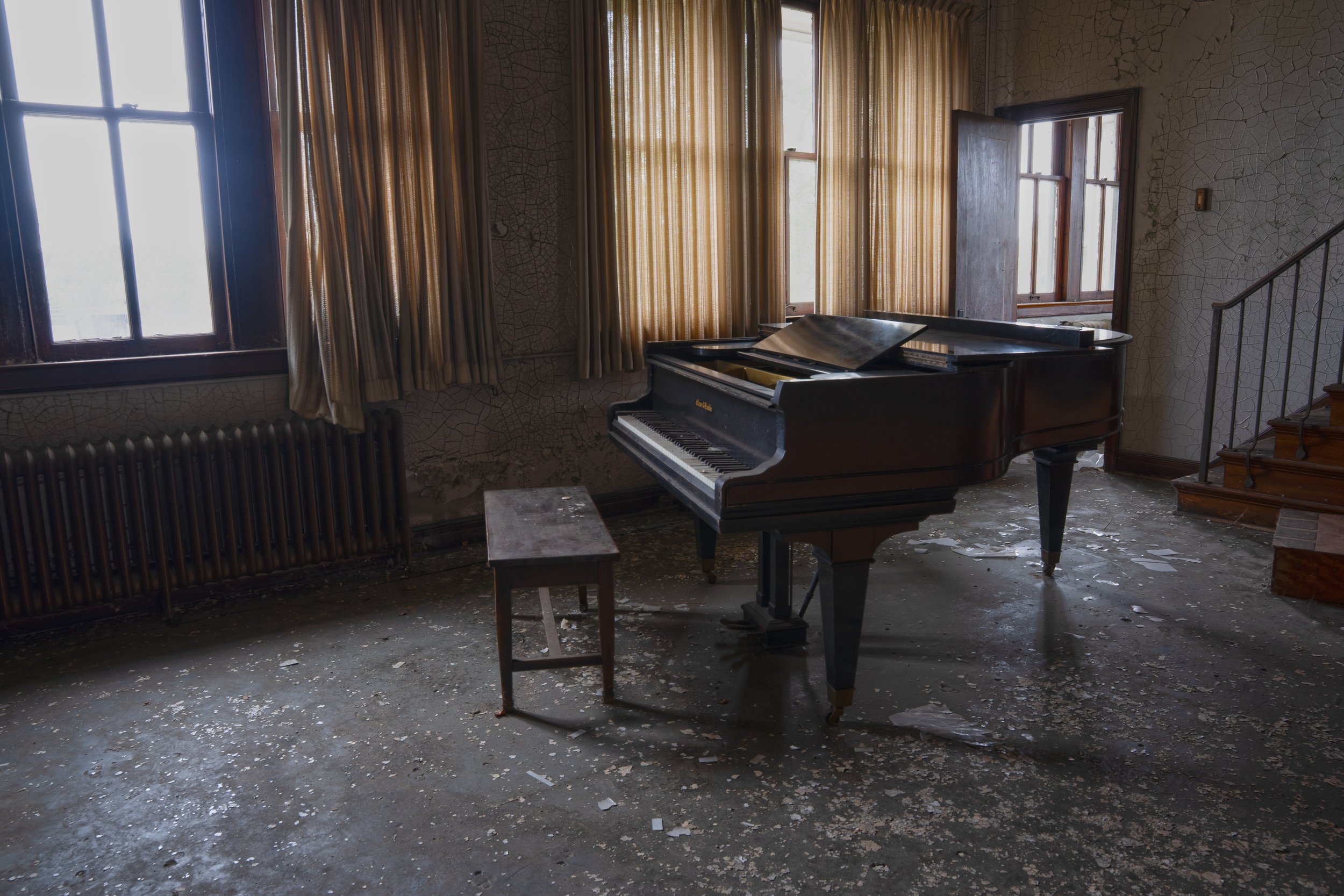
Piano in auditorium
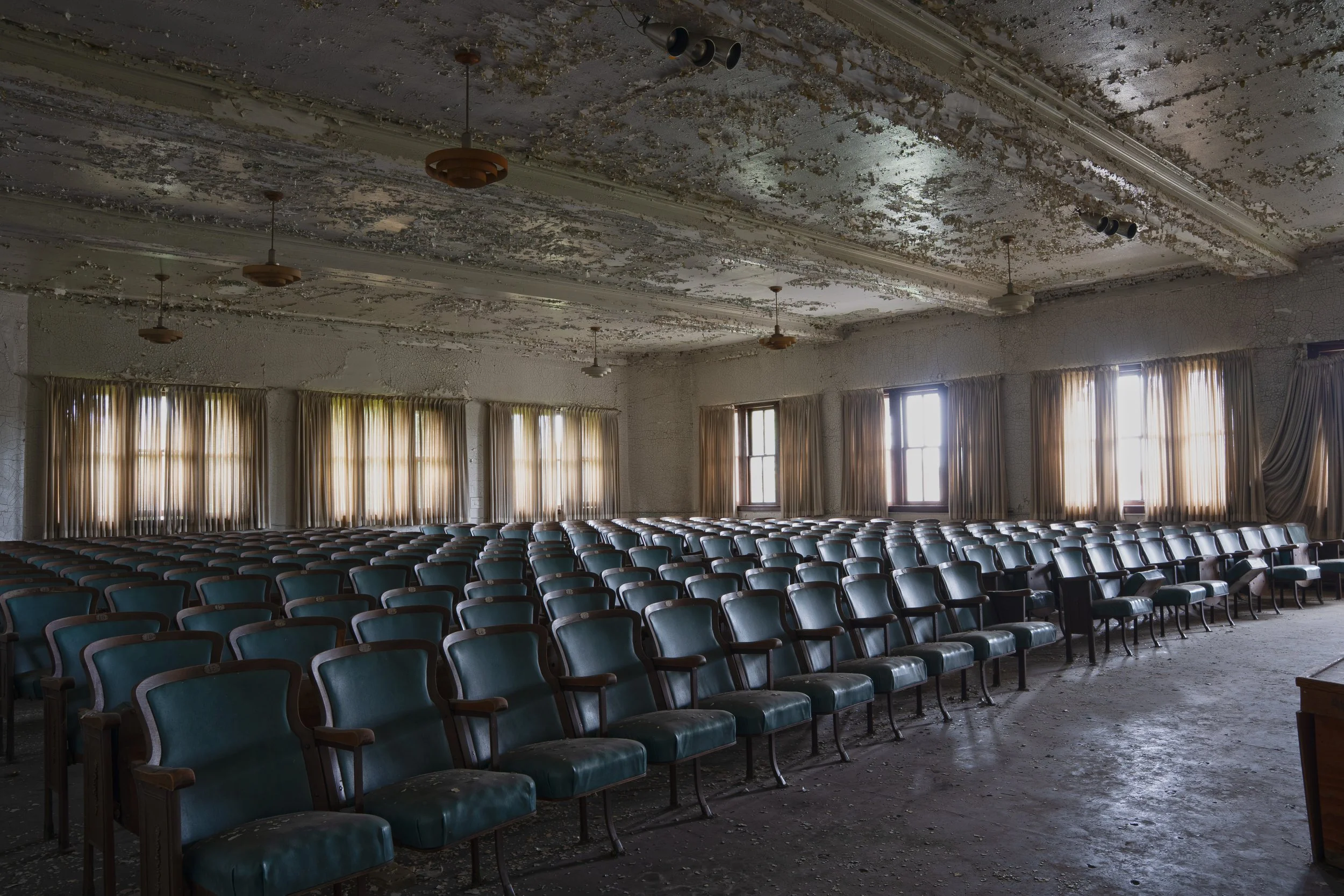
seating in auditorium shot 1
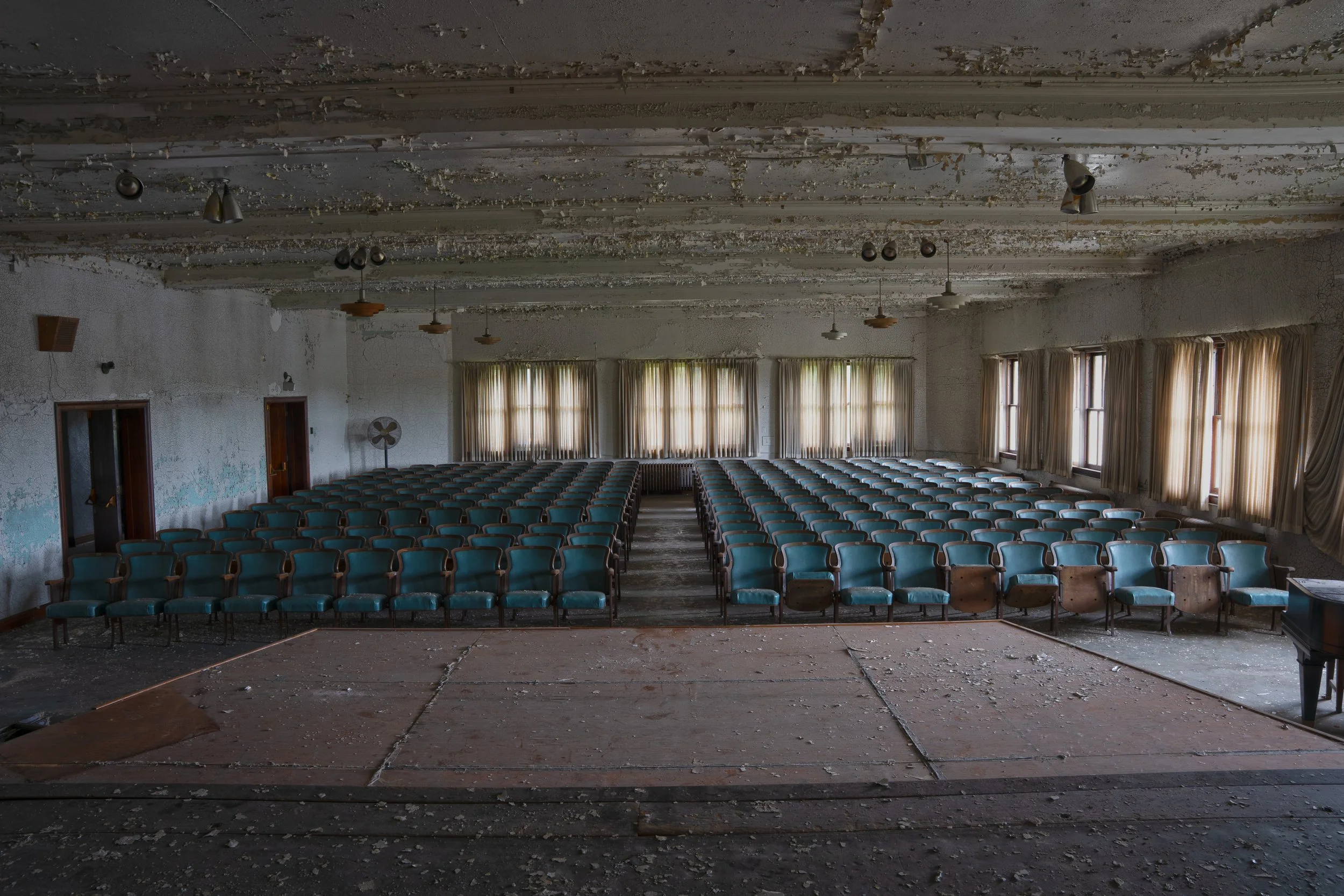
seating in auditorium 2
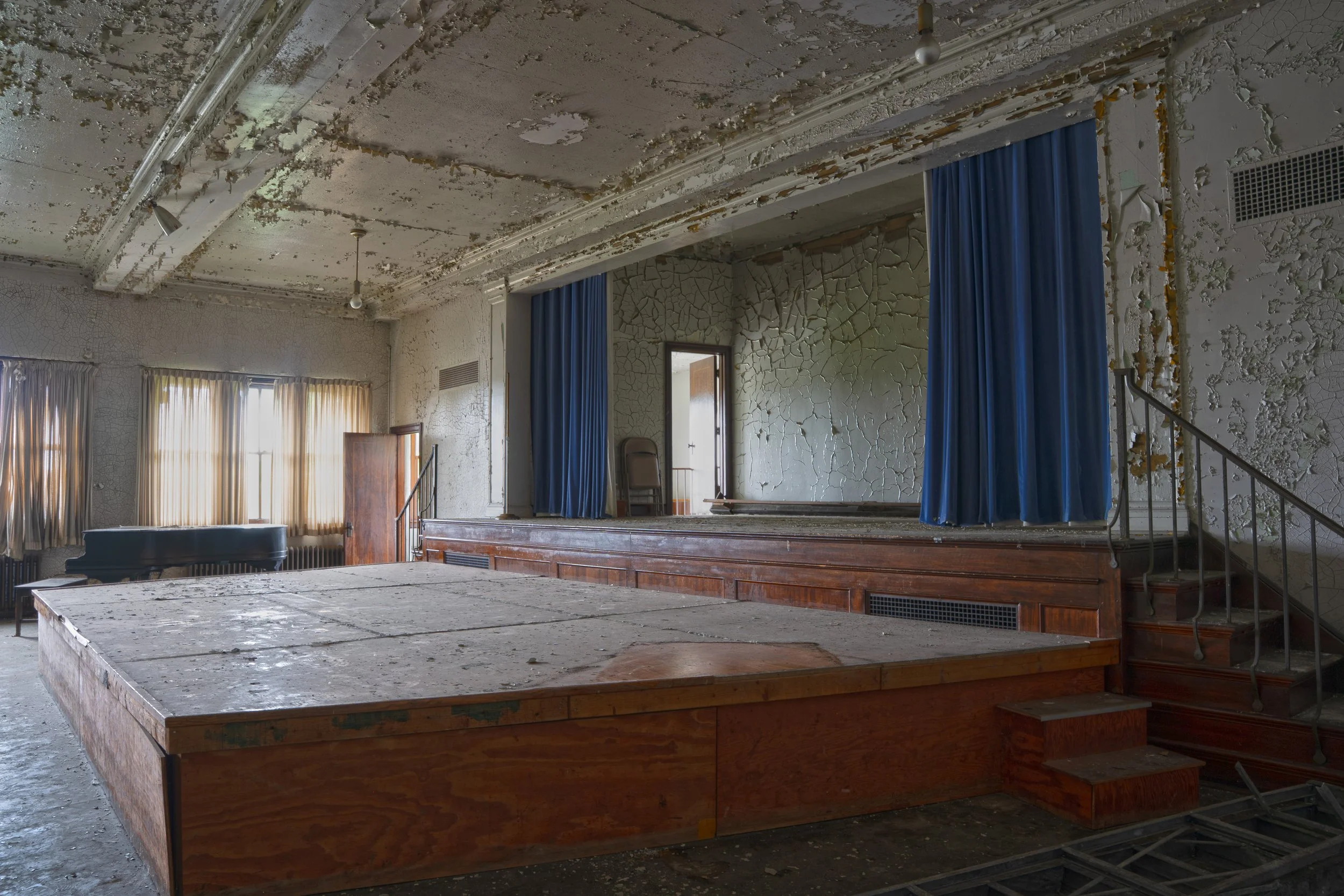
Stage in auditorium
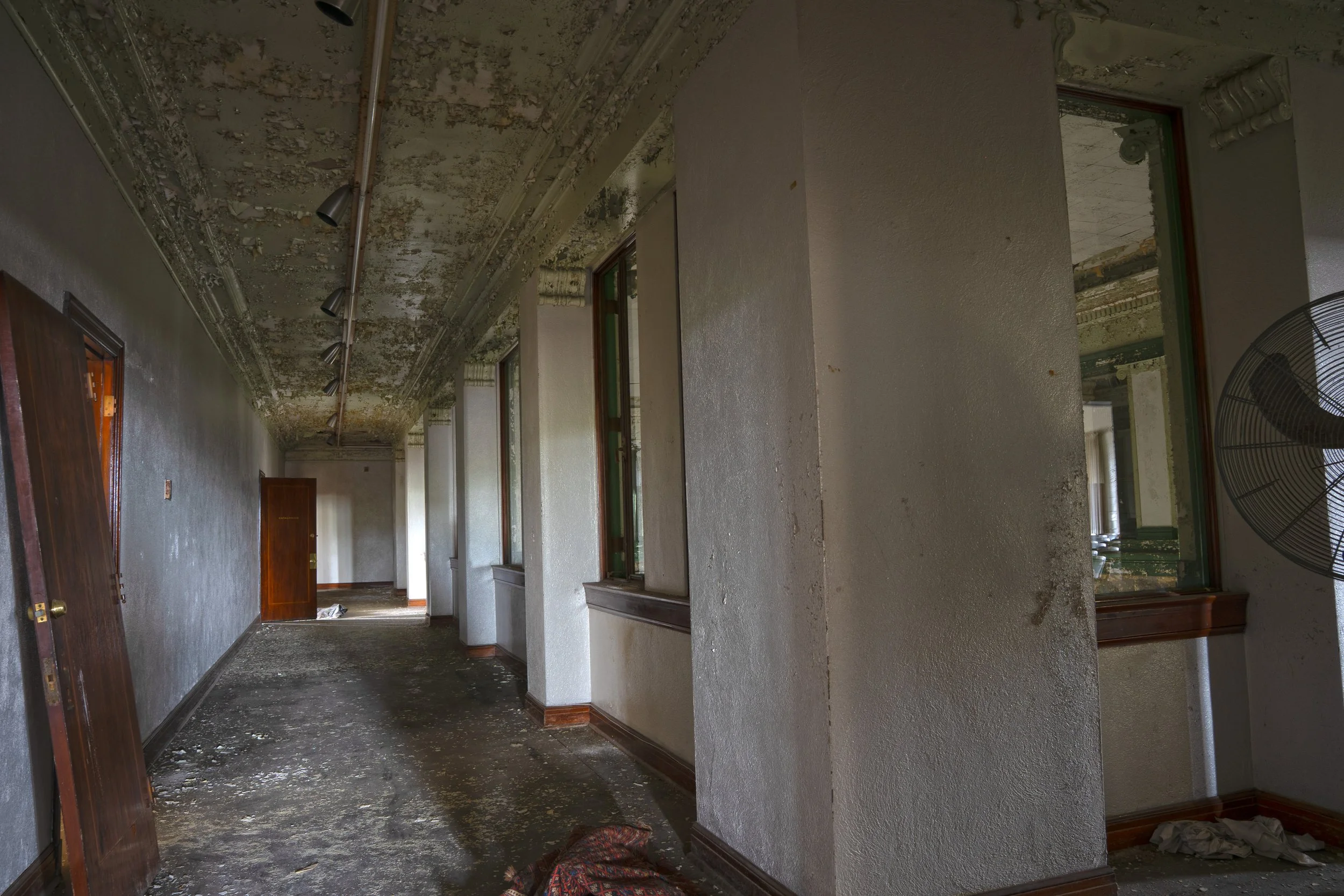
2nd floor hallway shot 2
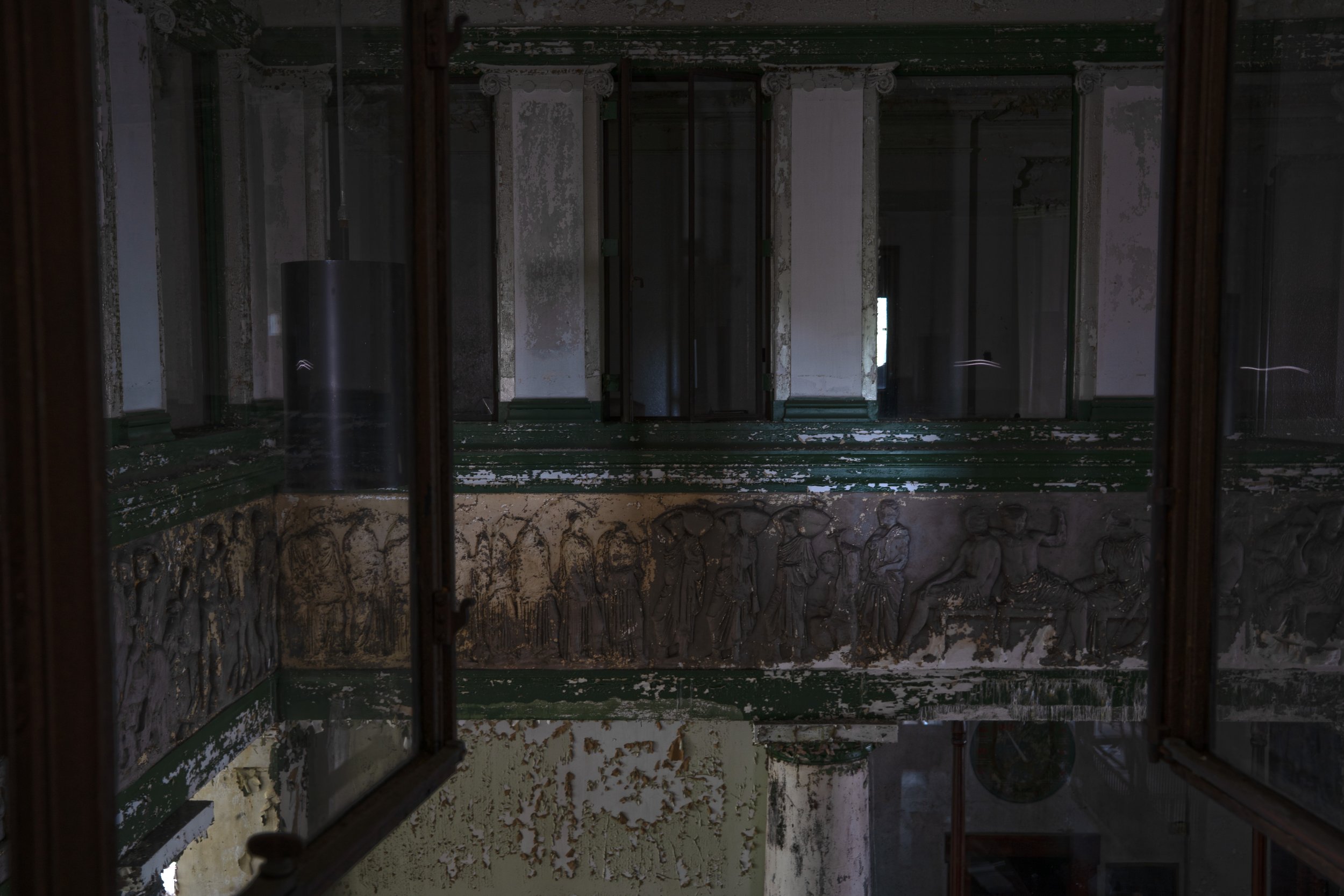
frieze from the Parthenon up close on 2nd floor
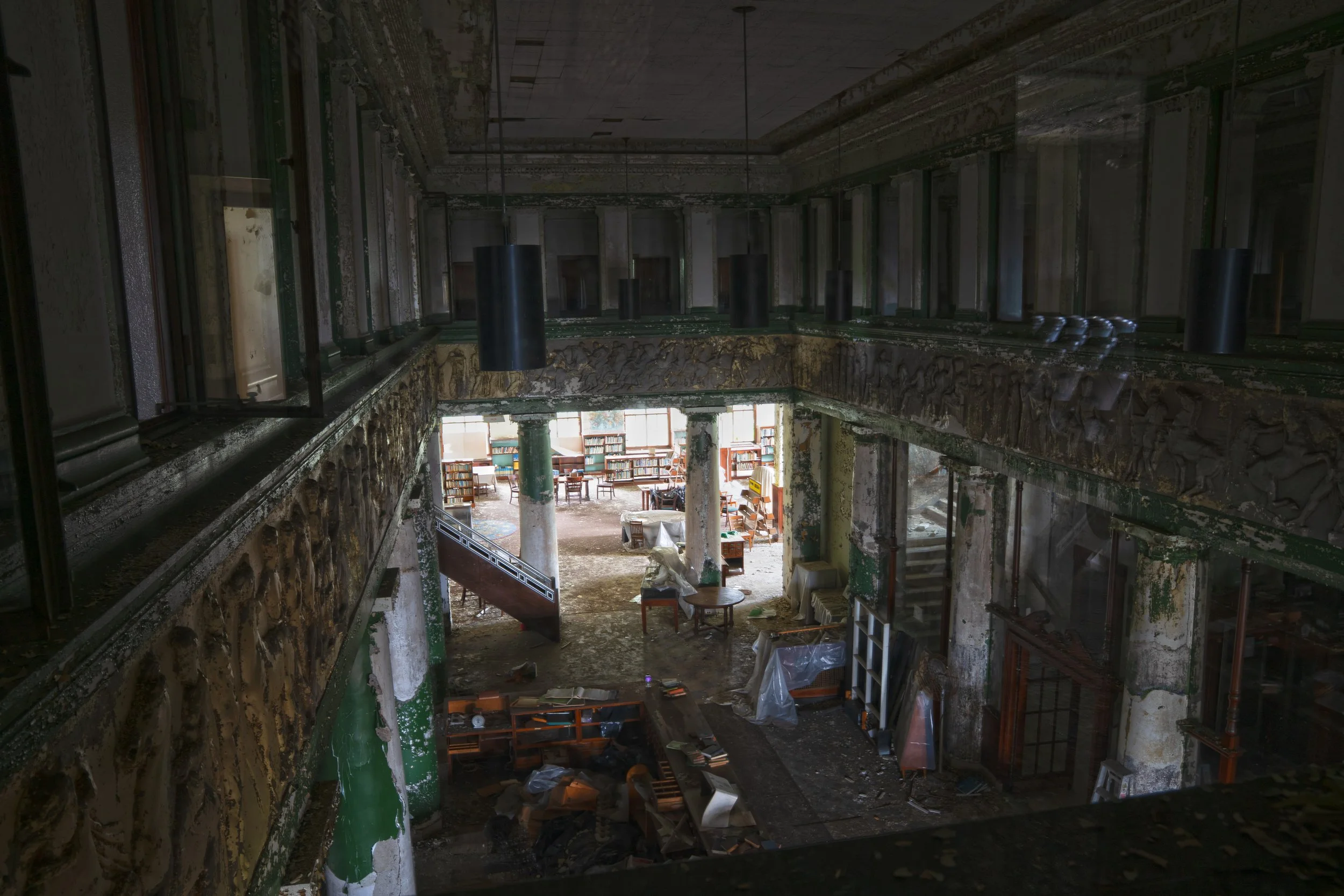
looking down from the 2nd floor glass atrium
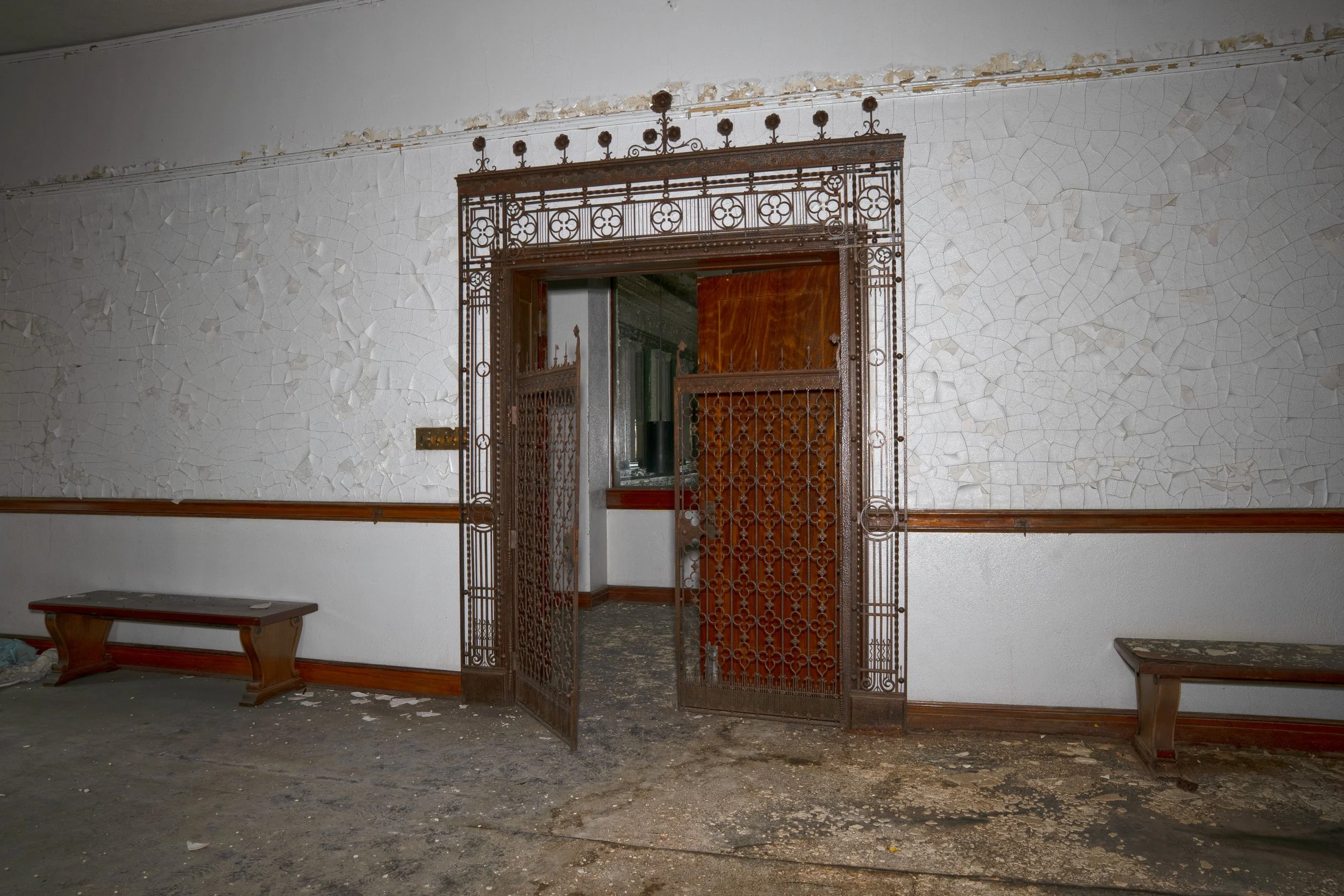
Door leading to Librarian office space
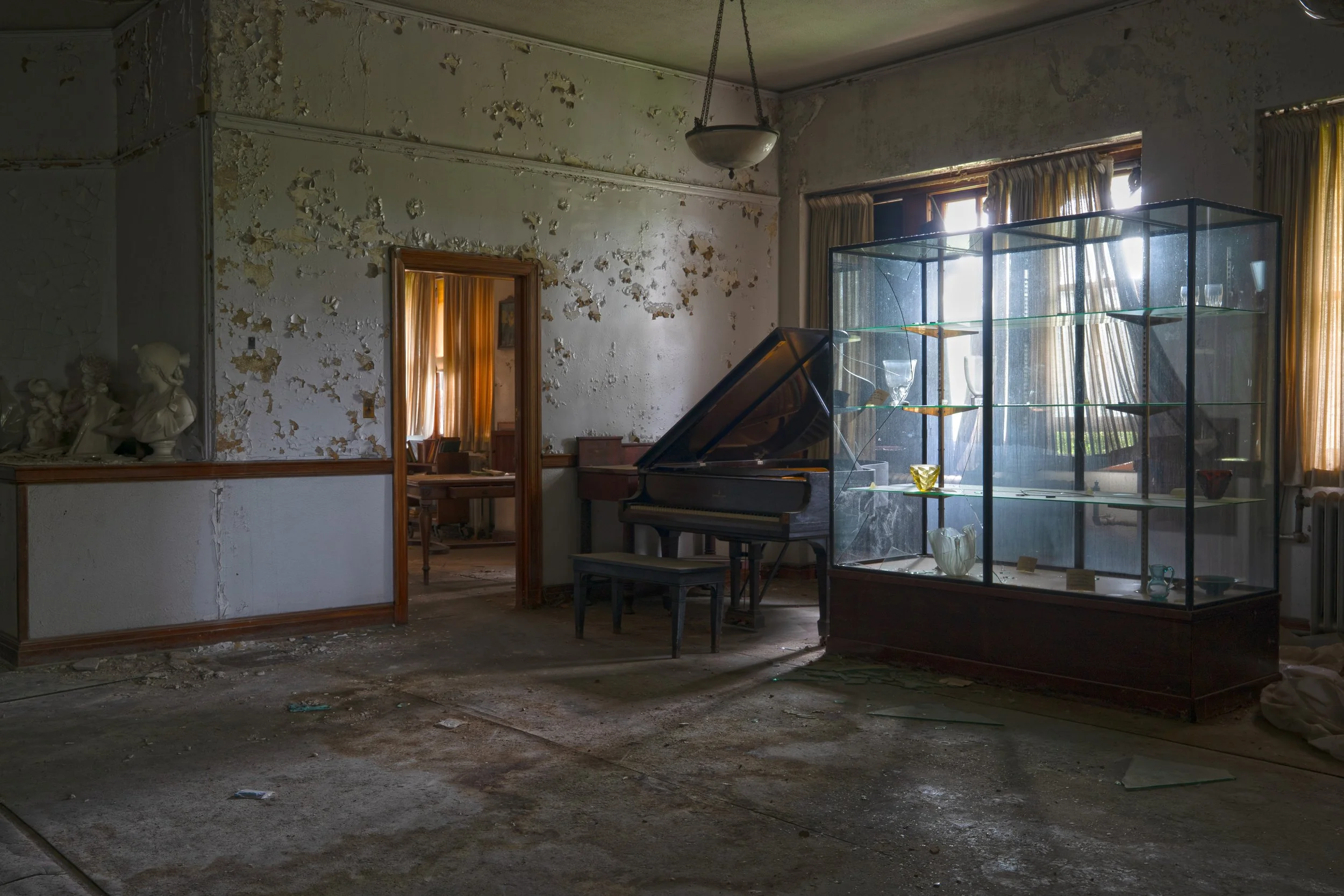
Glass case outside the librarian office
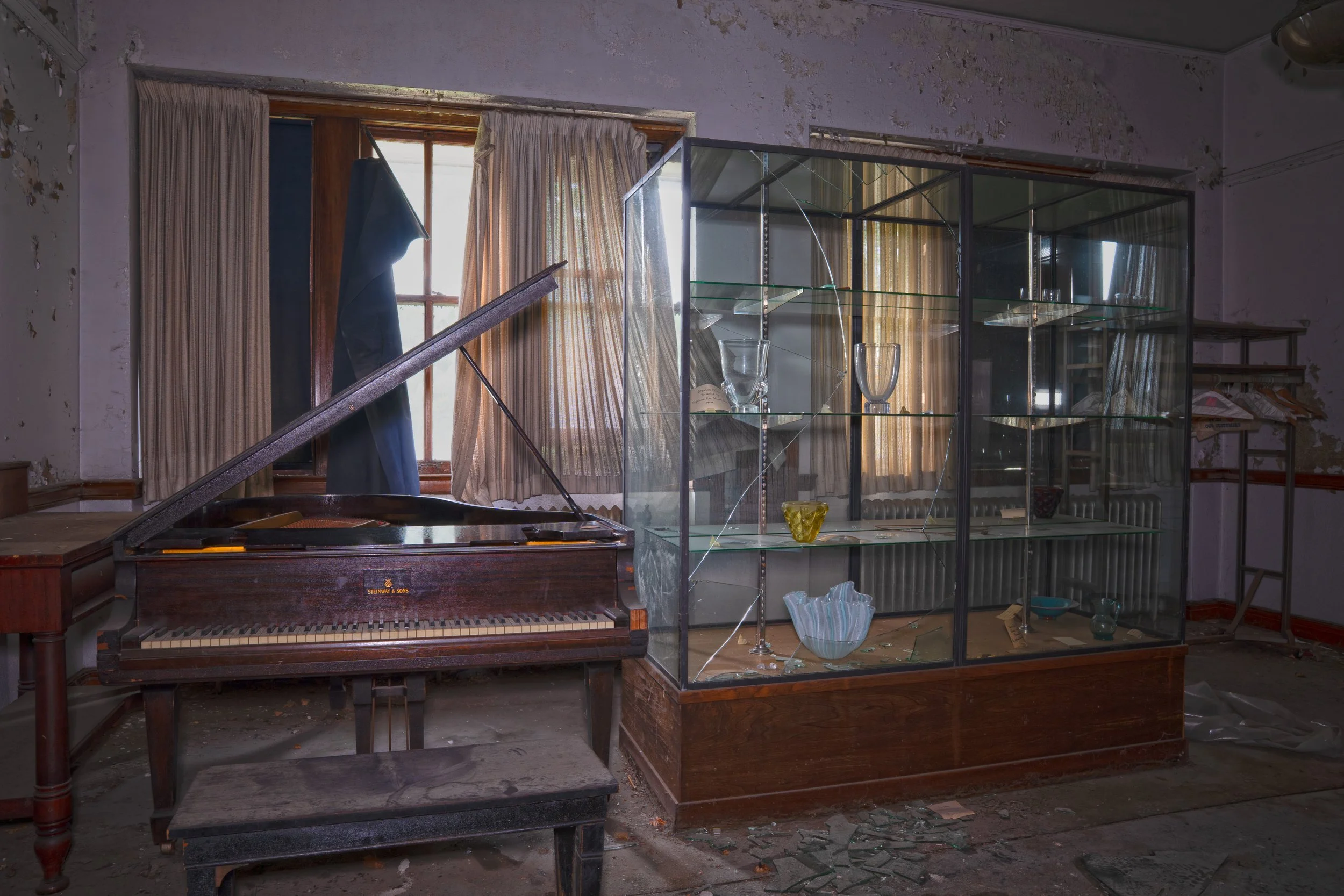
glass case shot 2
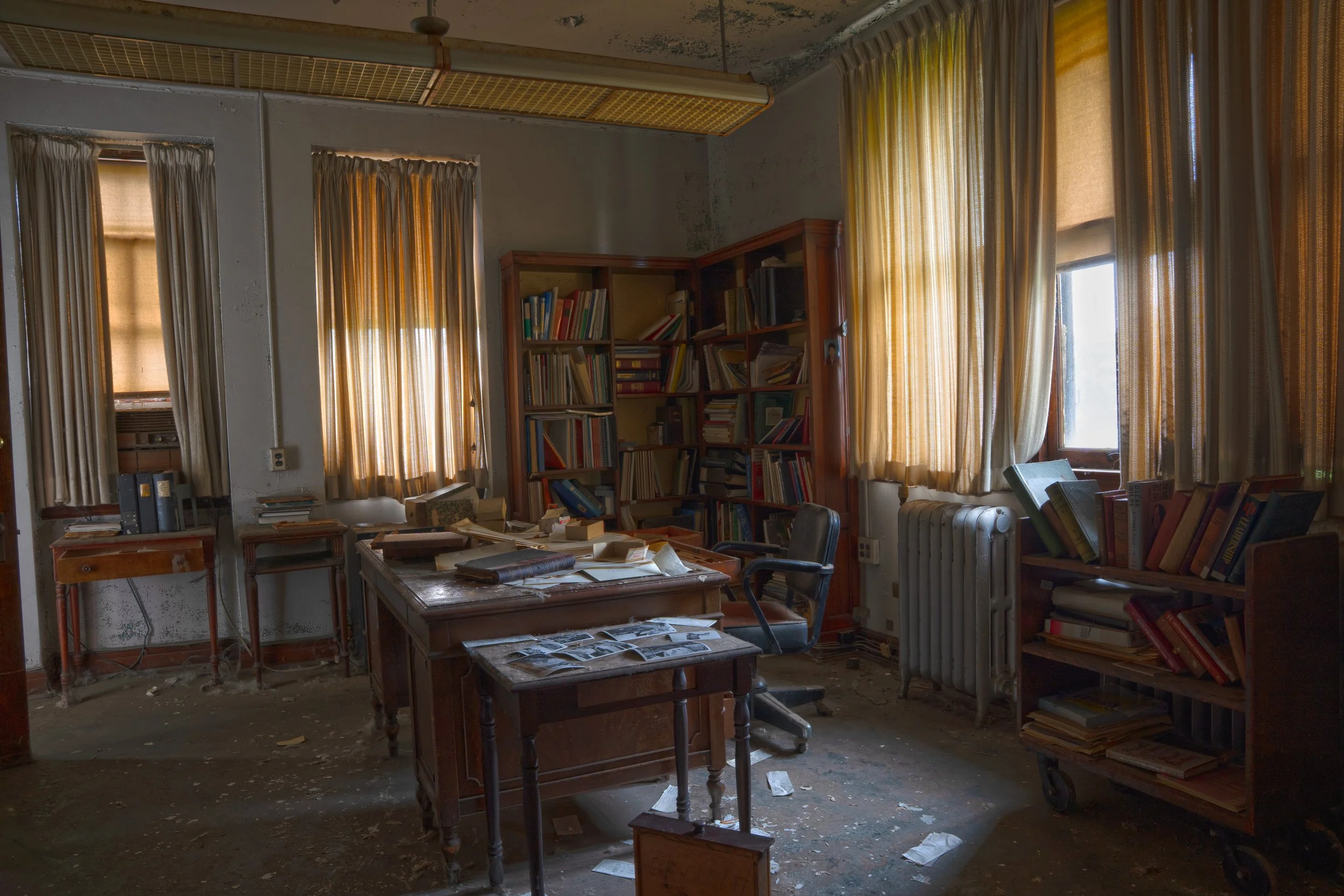
Librarian office shot 1
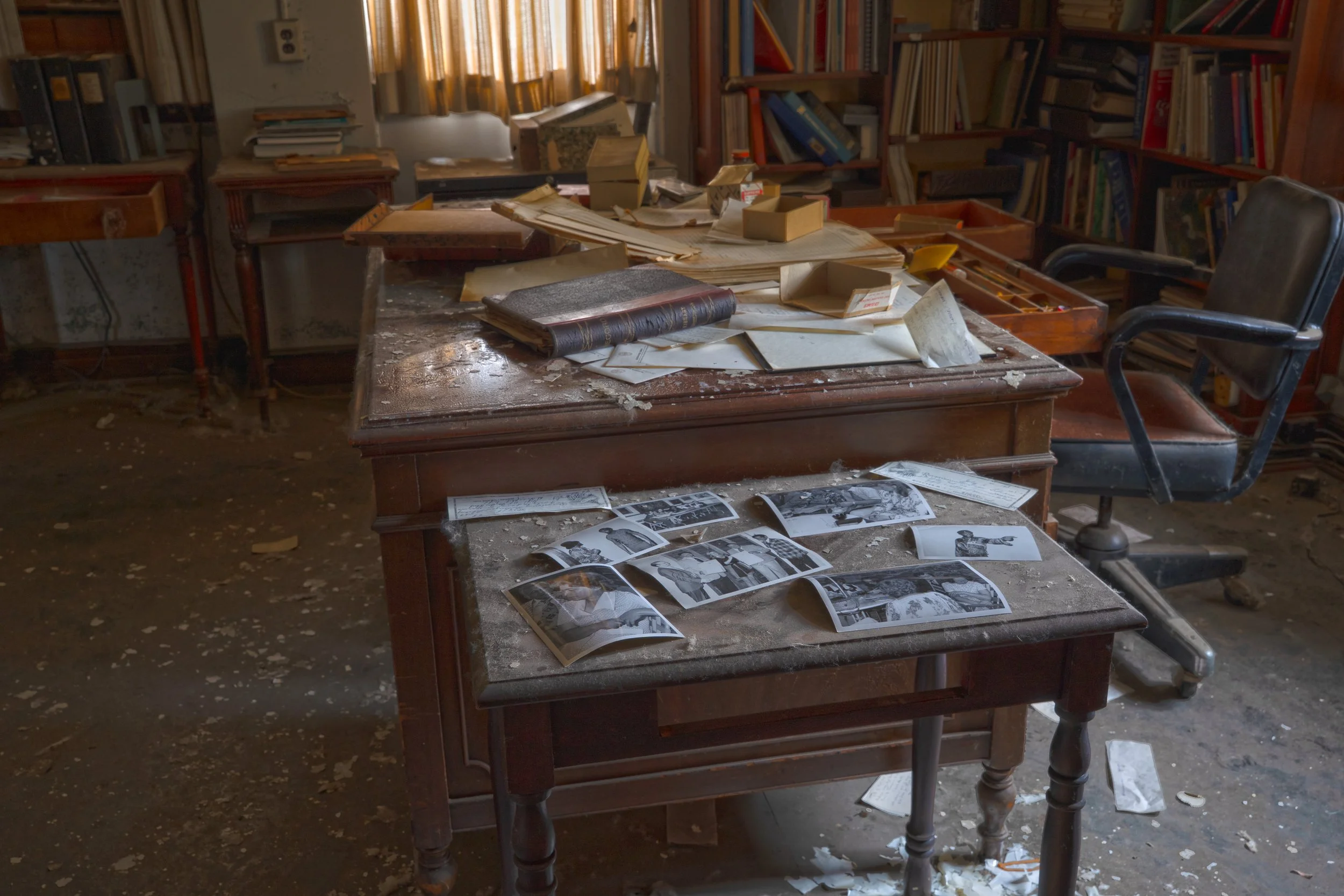
Librarian office shot 2
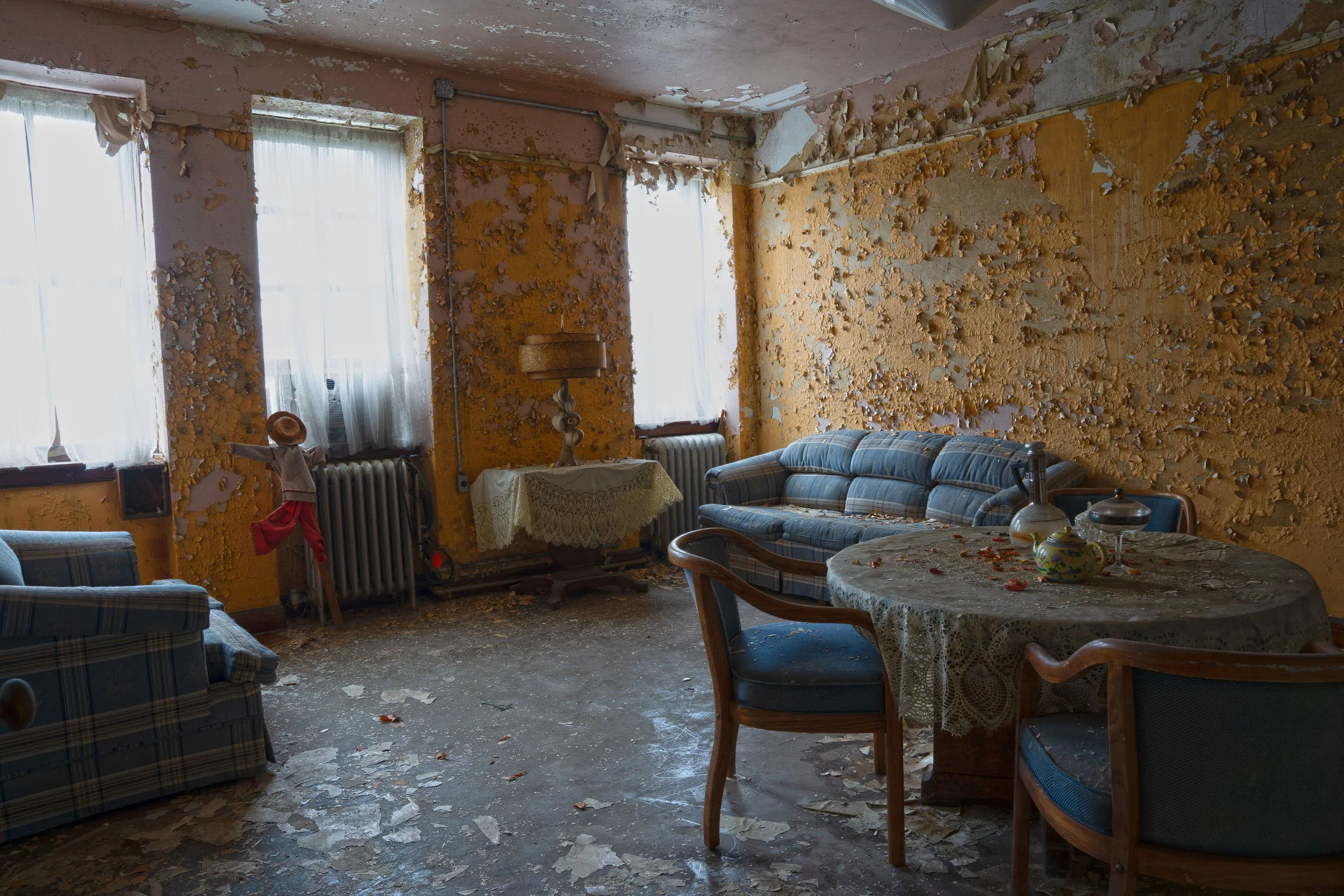
Community room on 2nd floor
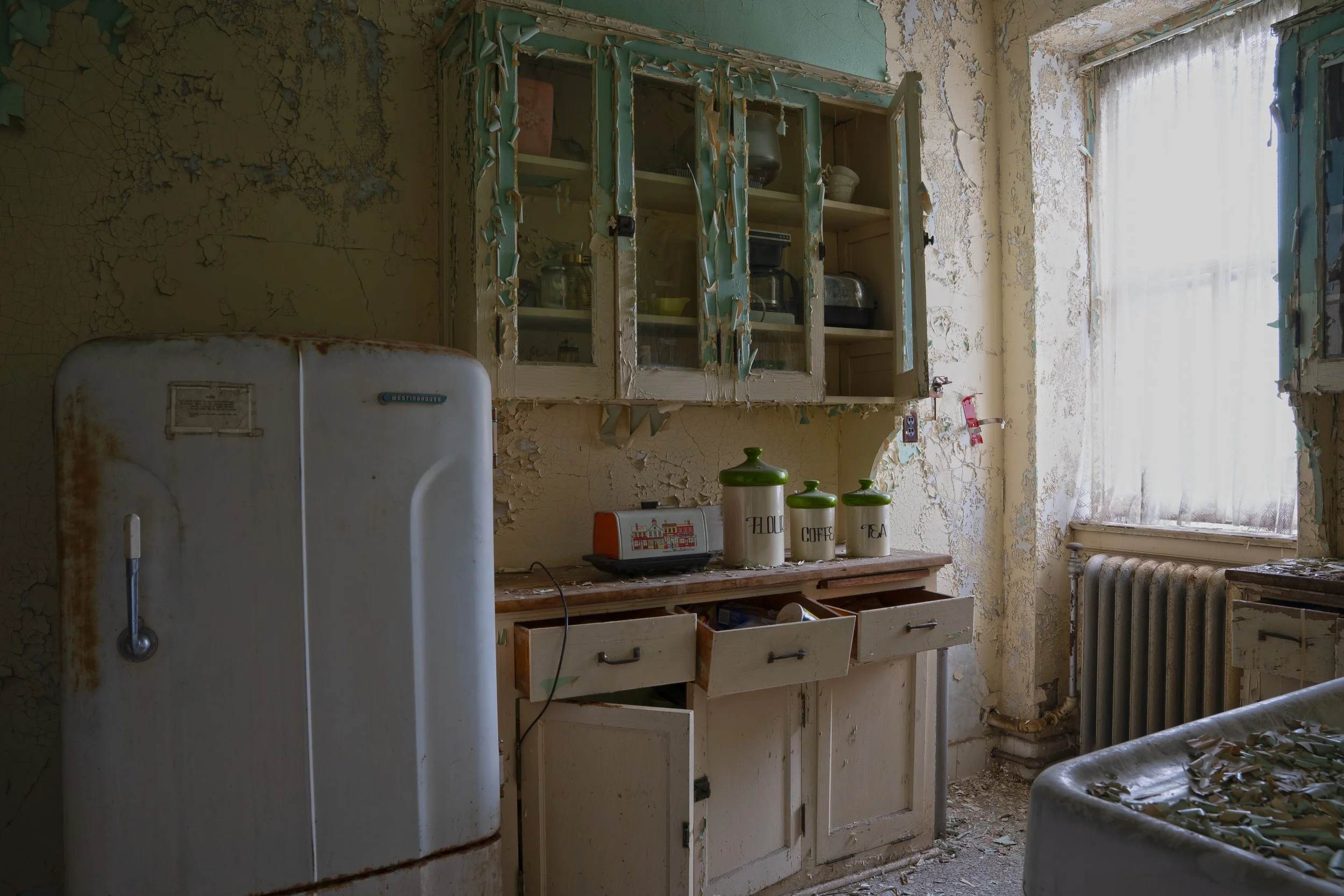
Kitchen on 2nd floor
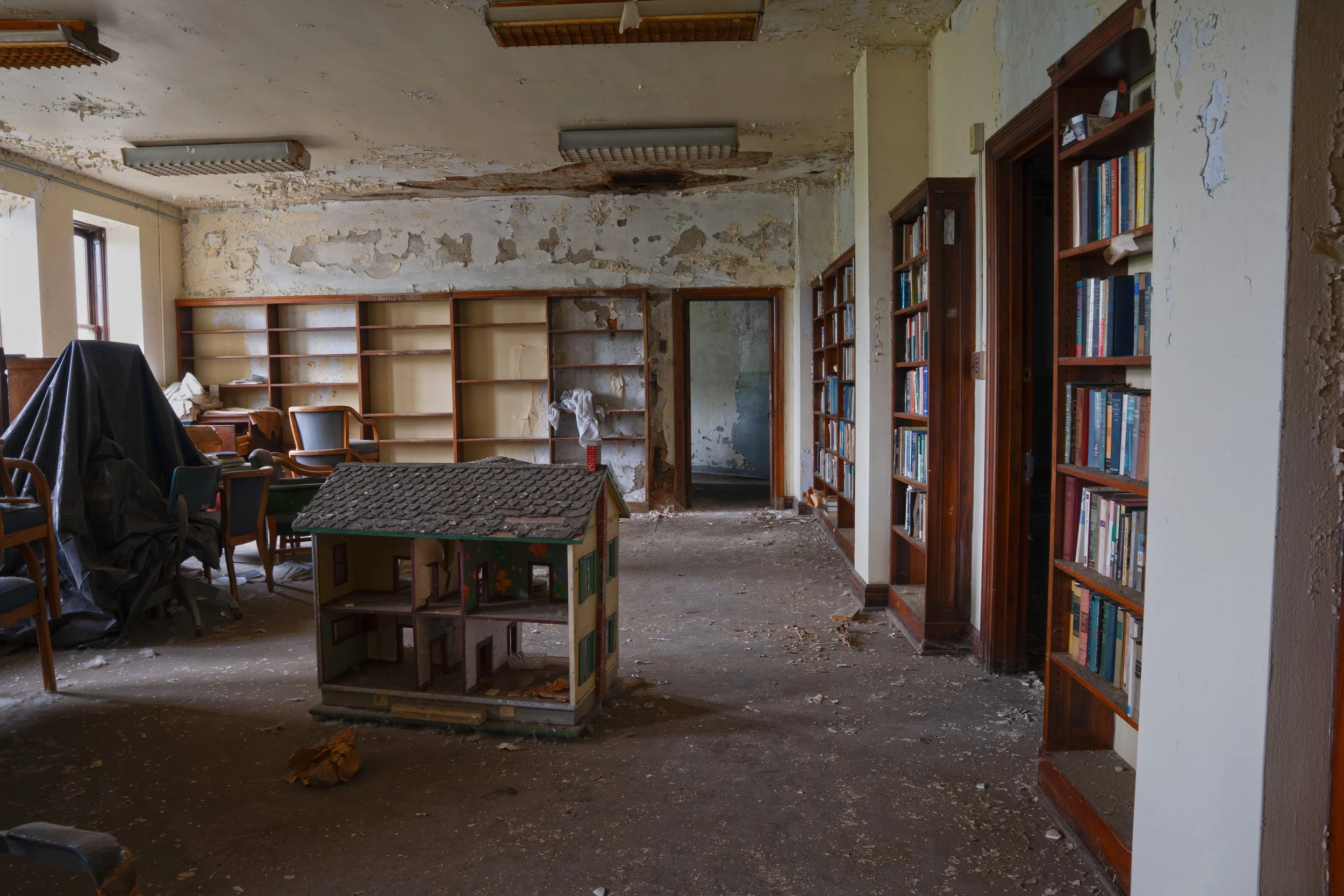
Community room with books on 2nd floor
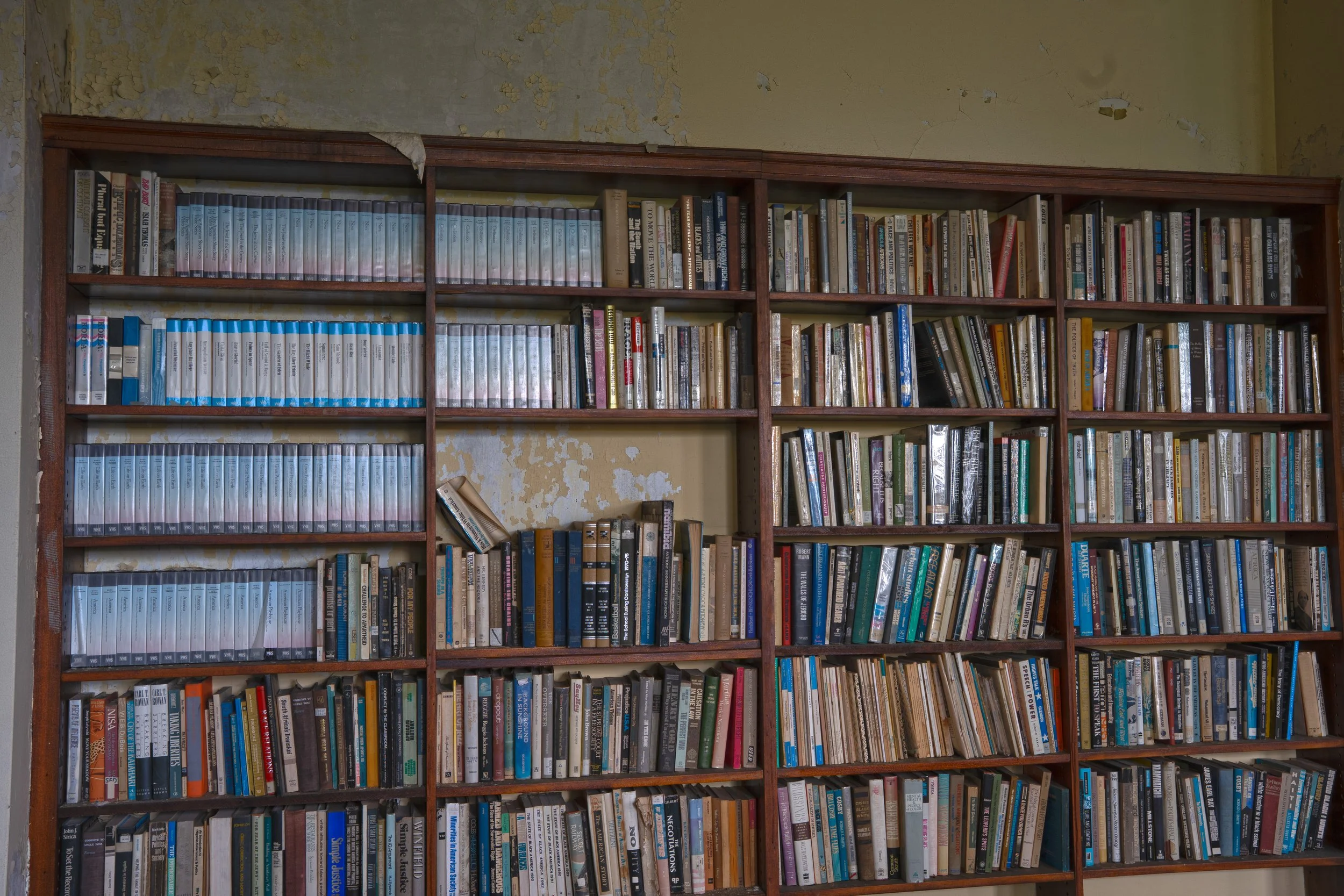
book in the same room
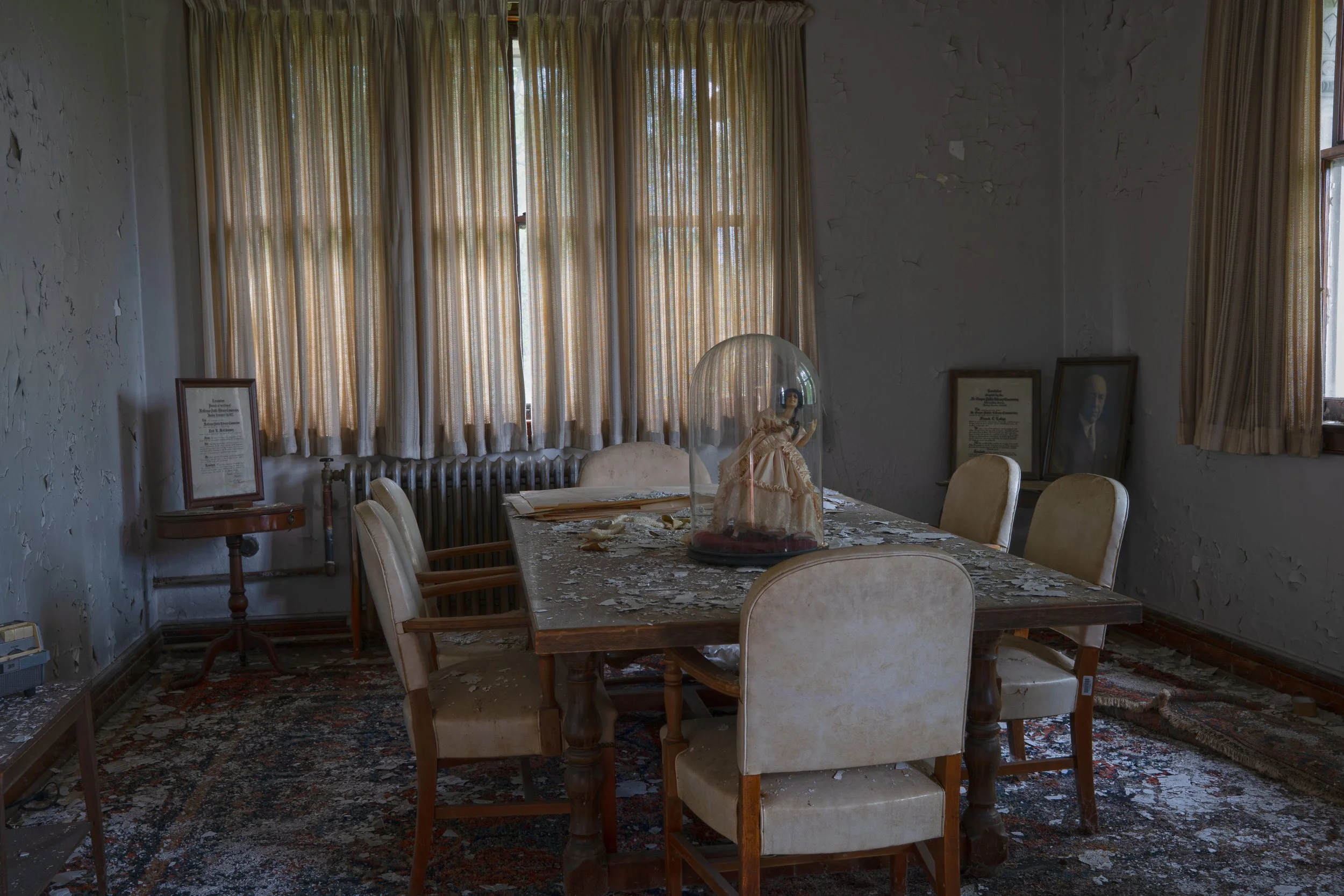
Community room
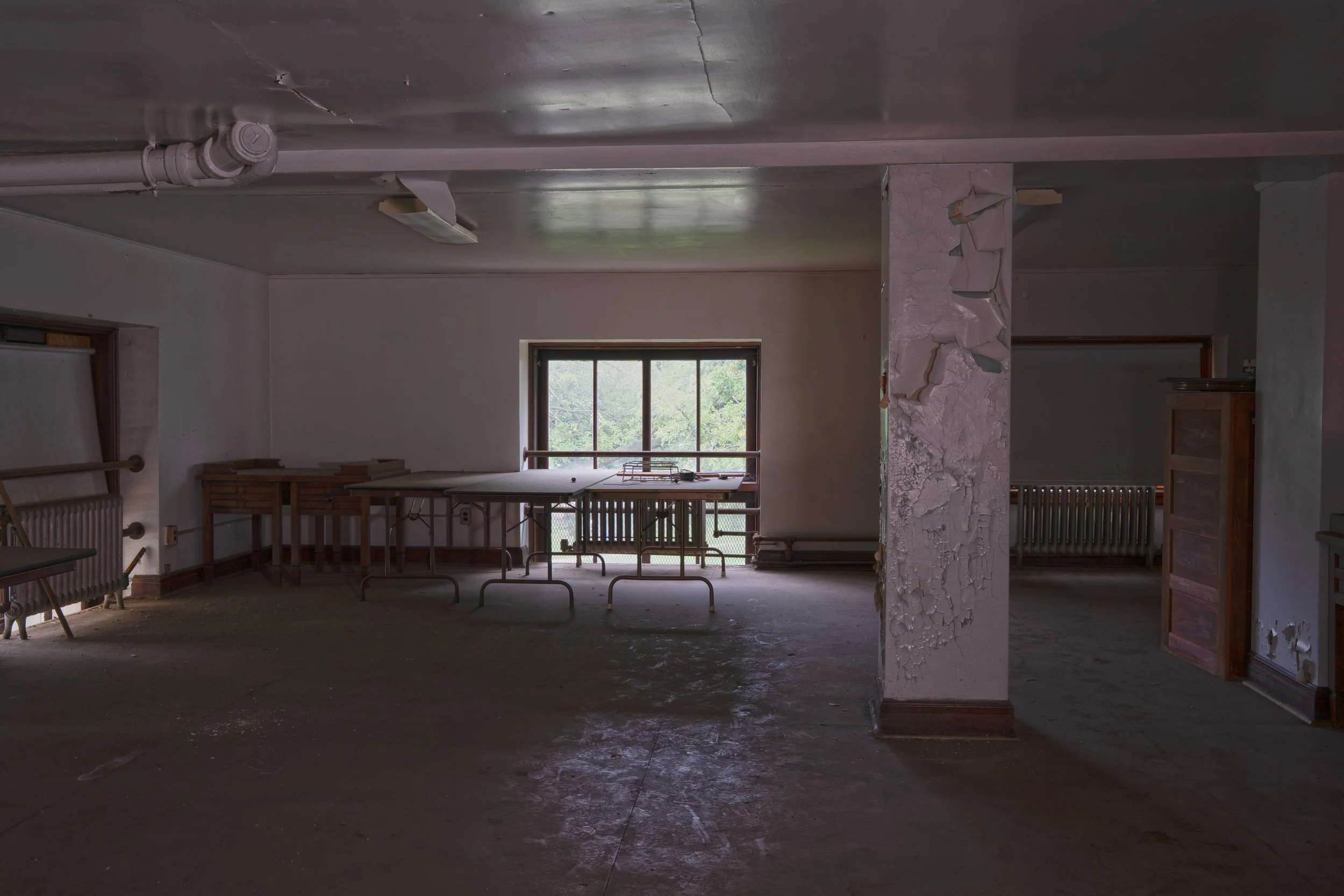
Community room on 2nd floor
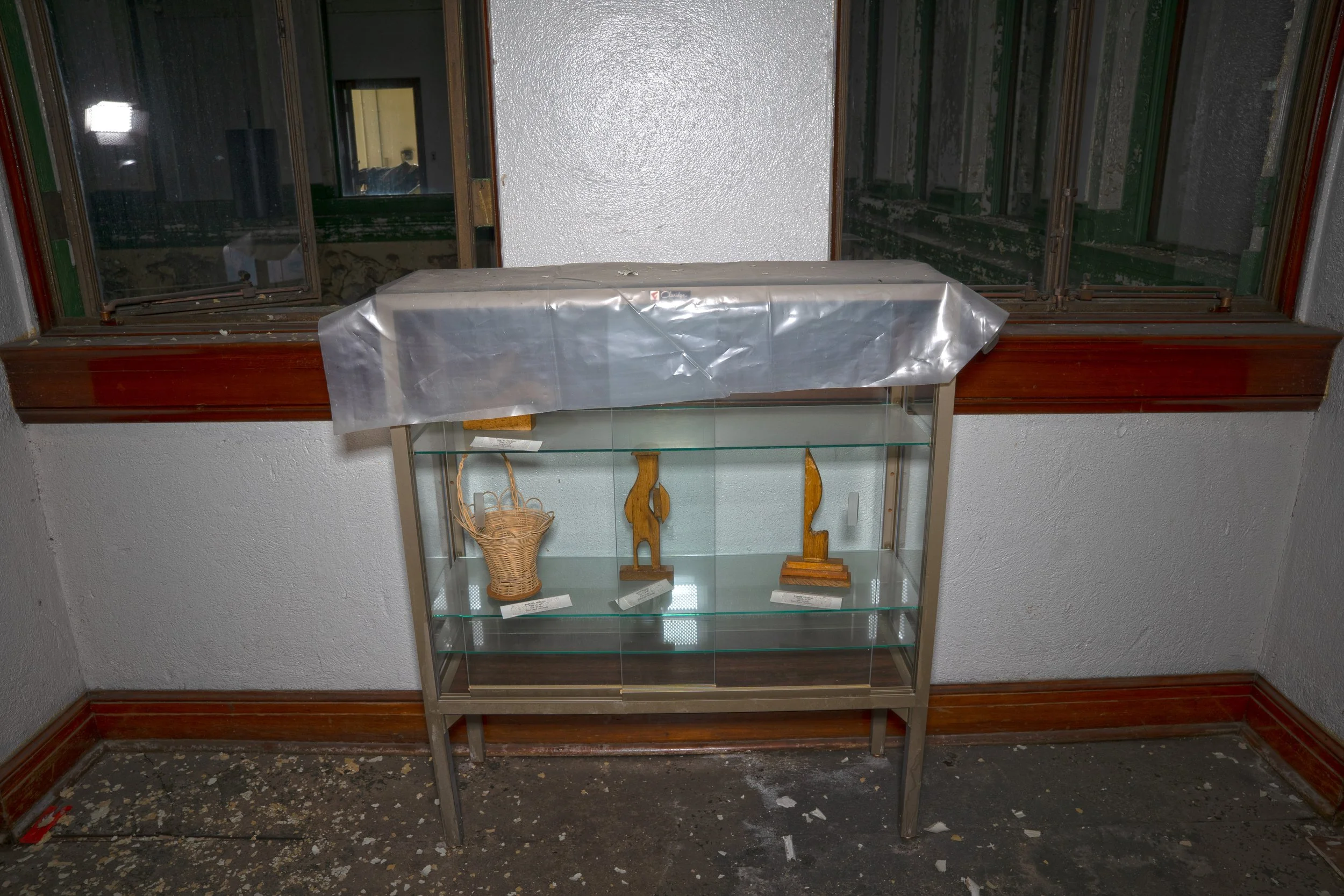
artifacts of the library outside of the museum on the 2nd floor
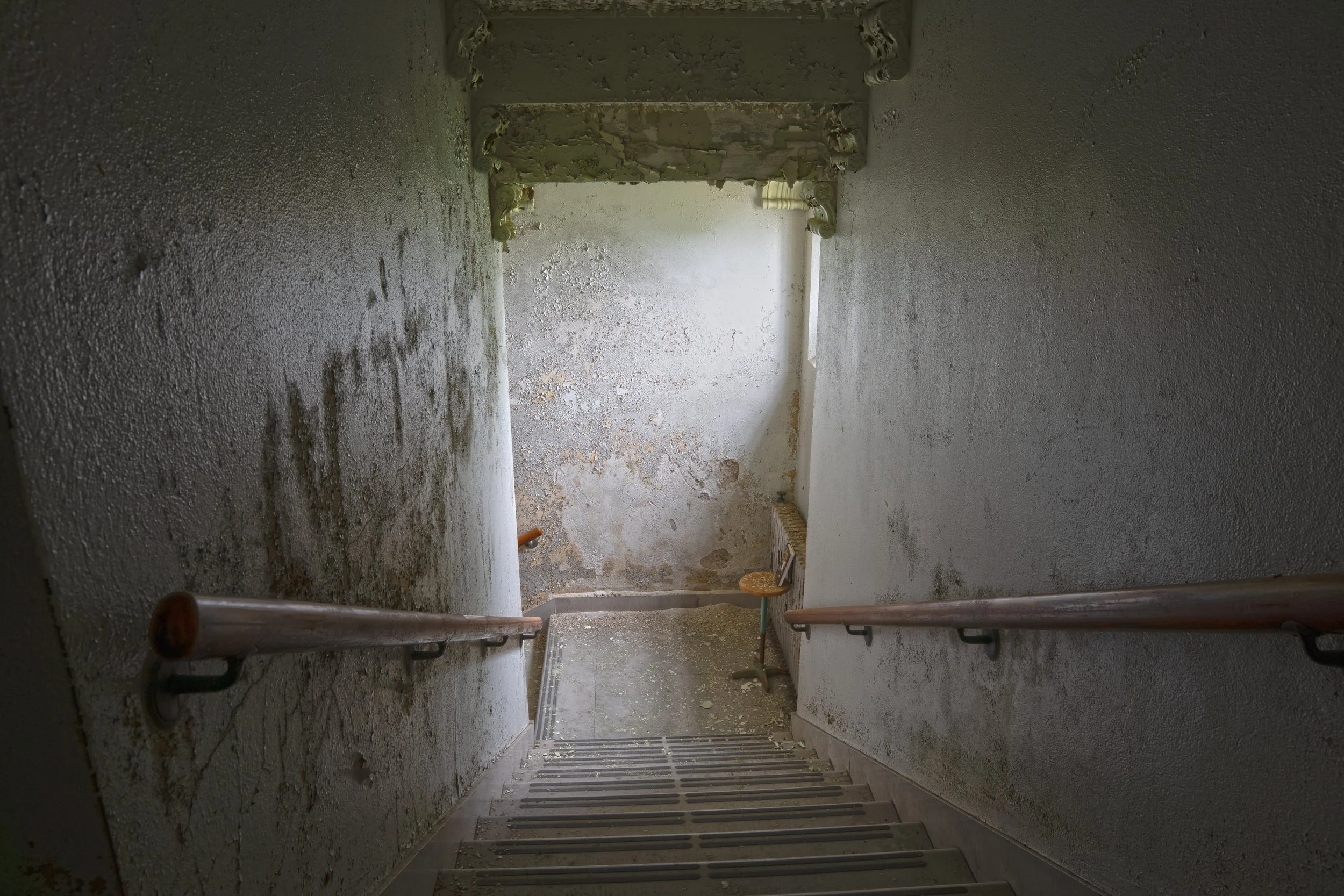
Staircase as seen from 2nd floor looking down at 1st floor
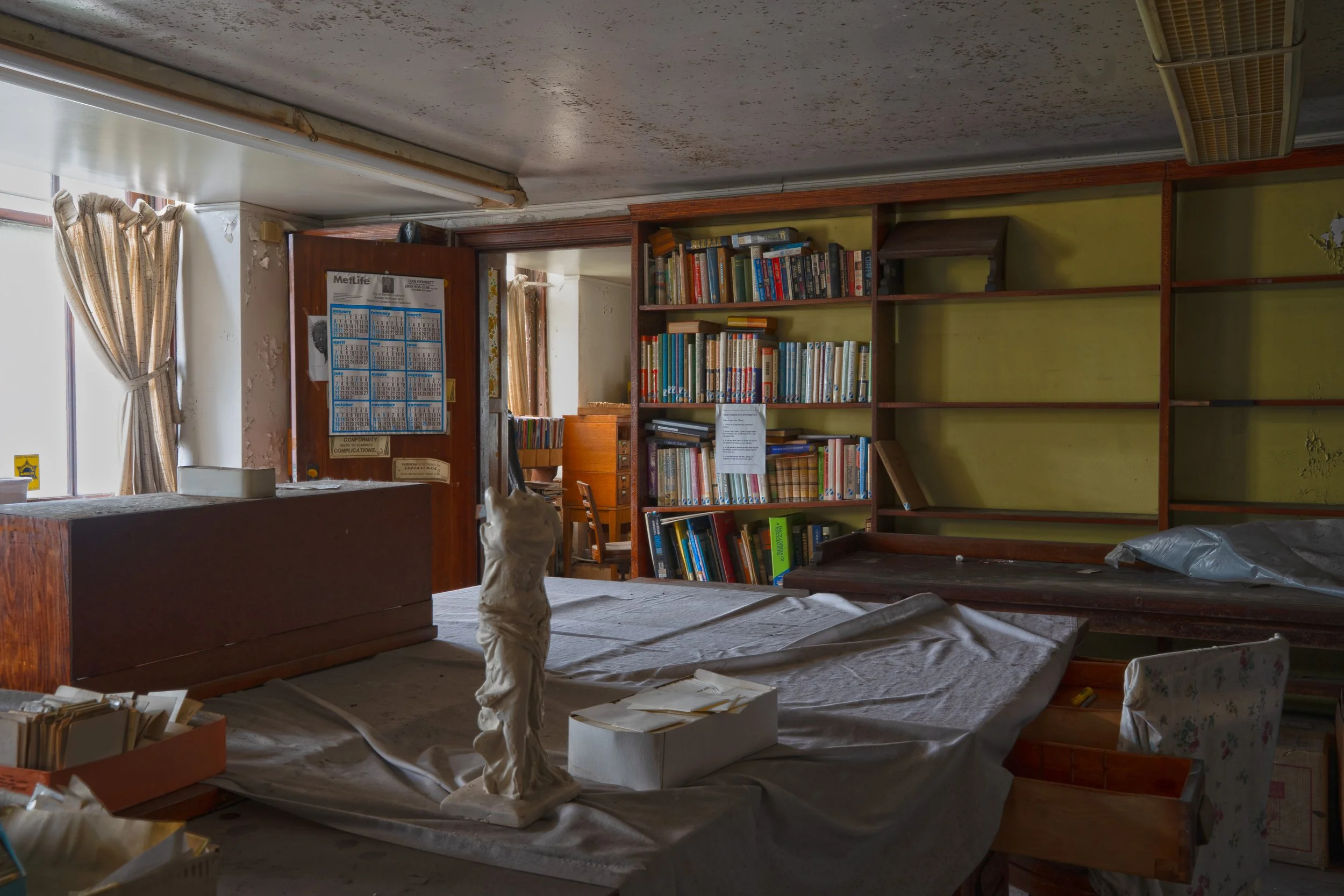
1st floor office like space
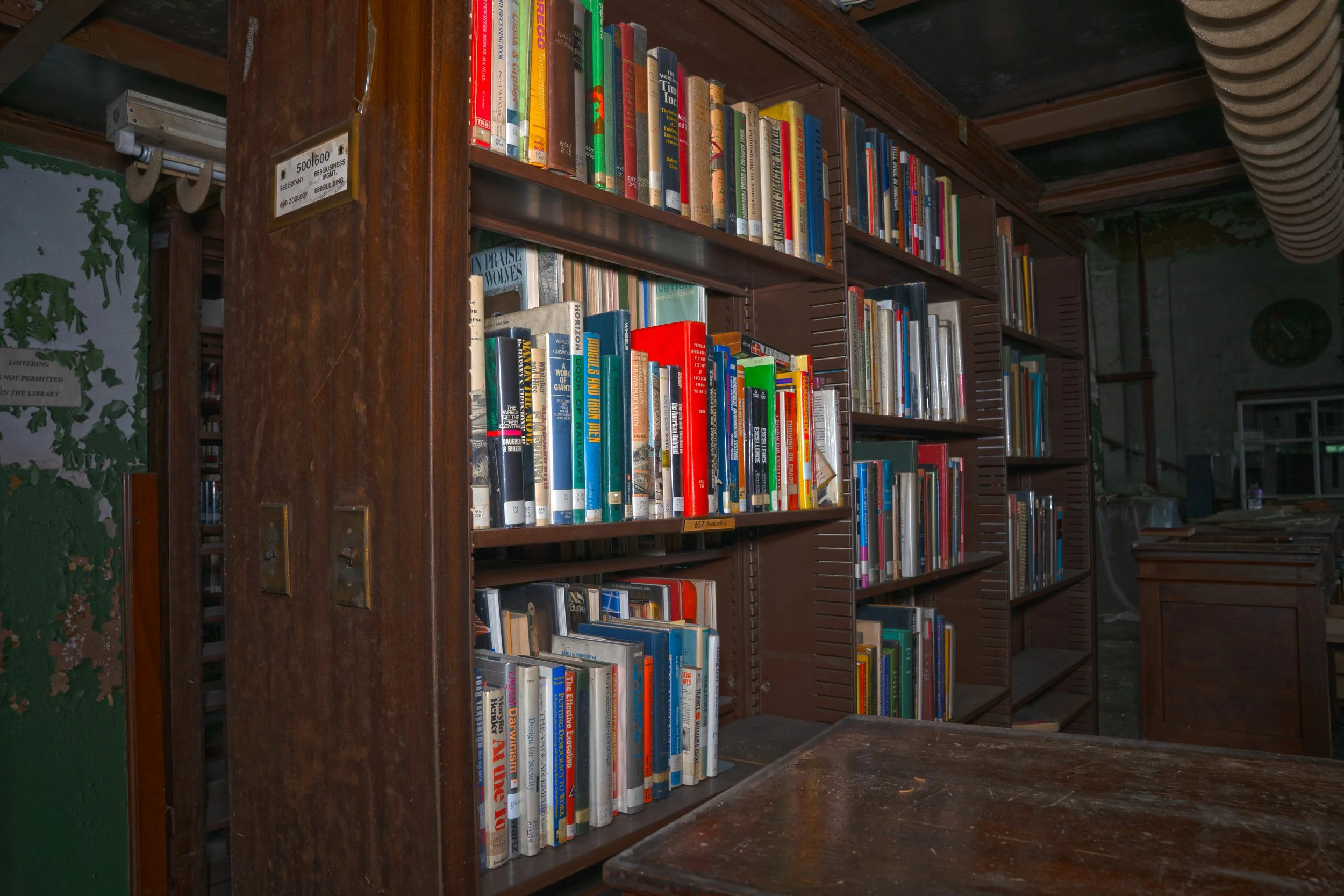
Book Storage behind main desk
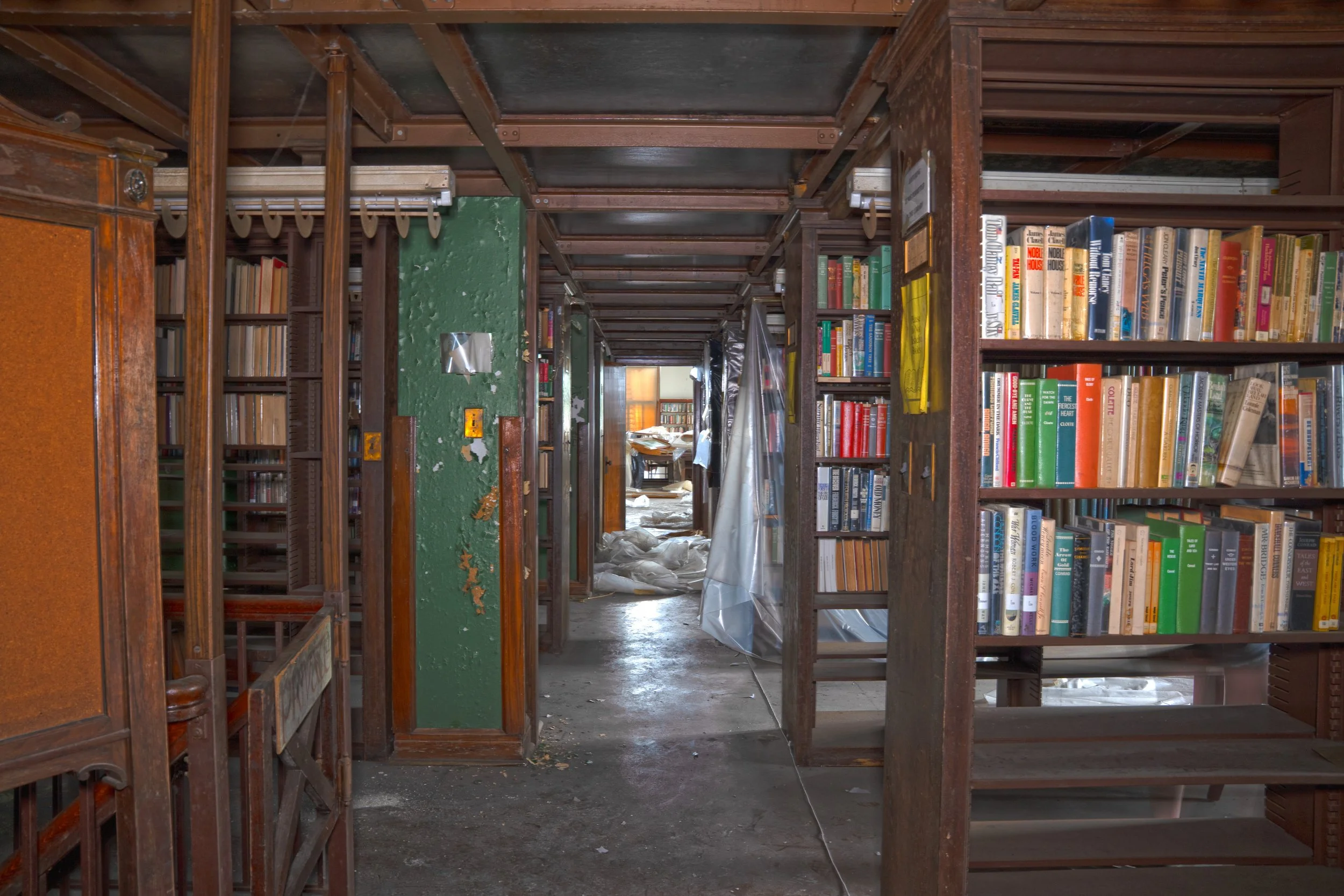
Book Storage behind main desk on 1st floor, the gate to the left leads to the basement media archive section
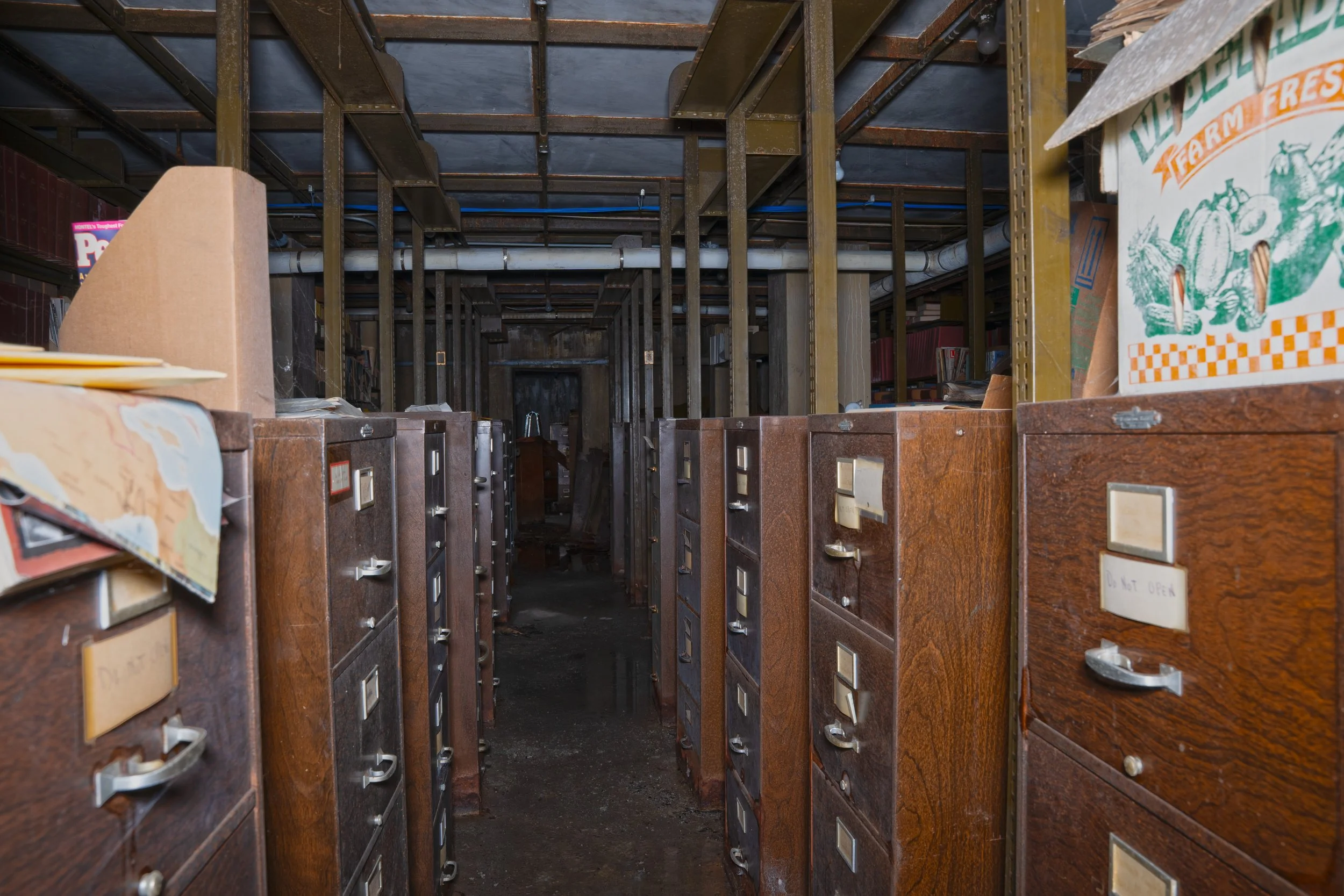
Basement media archive section
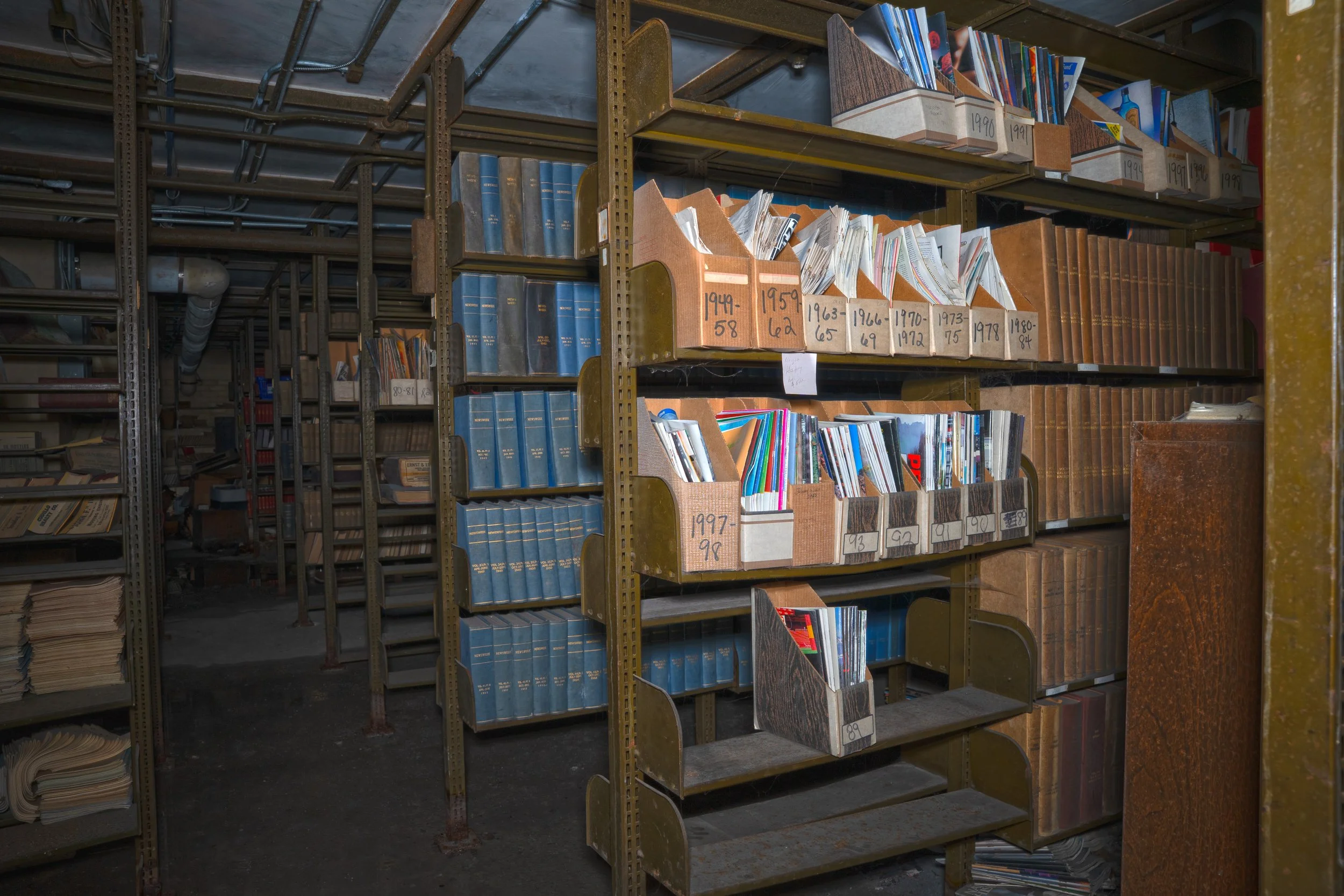
Newspaper archives in basement
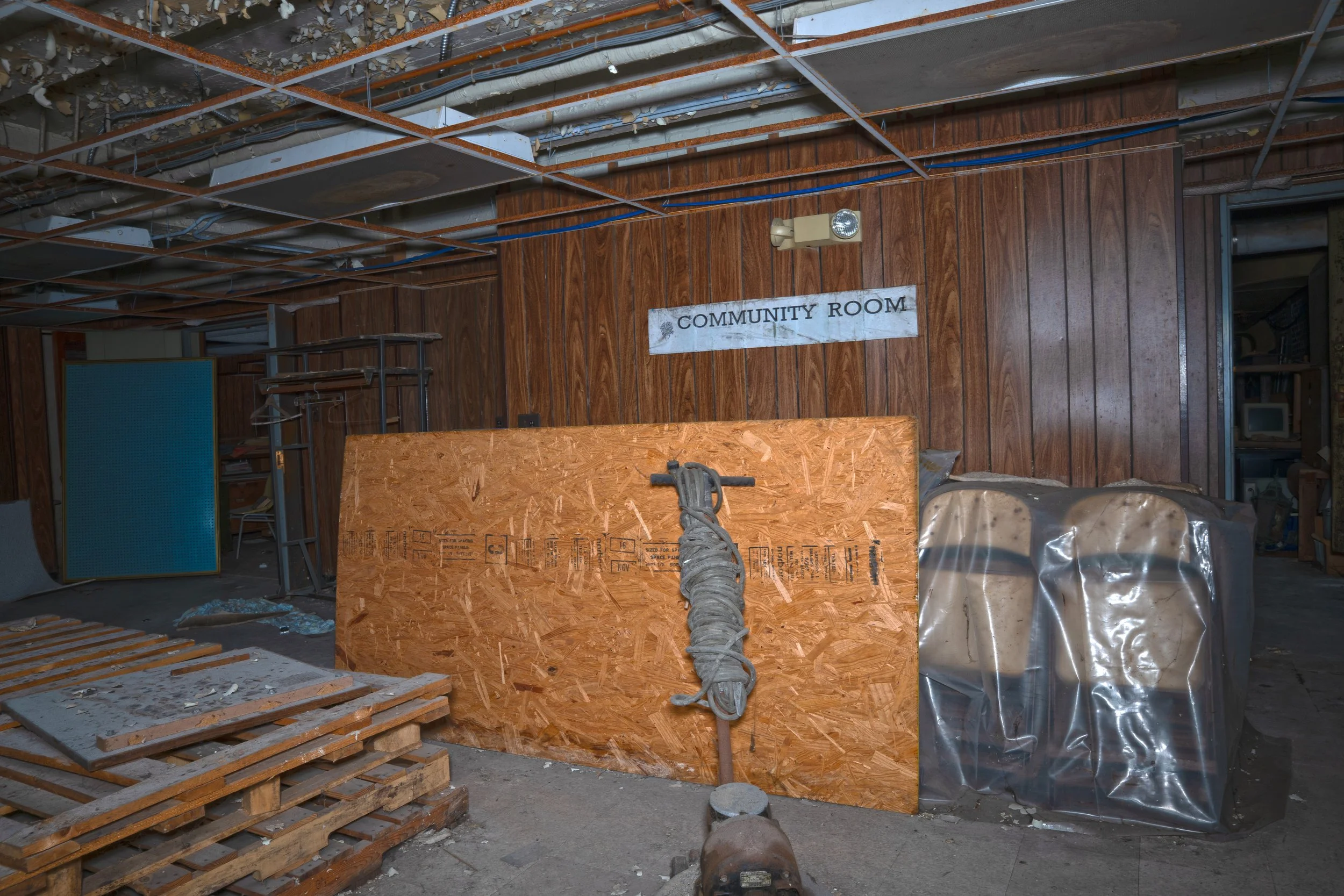
Community room in basement
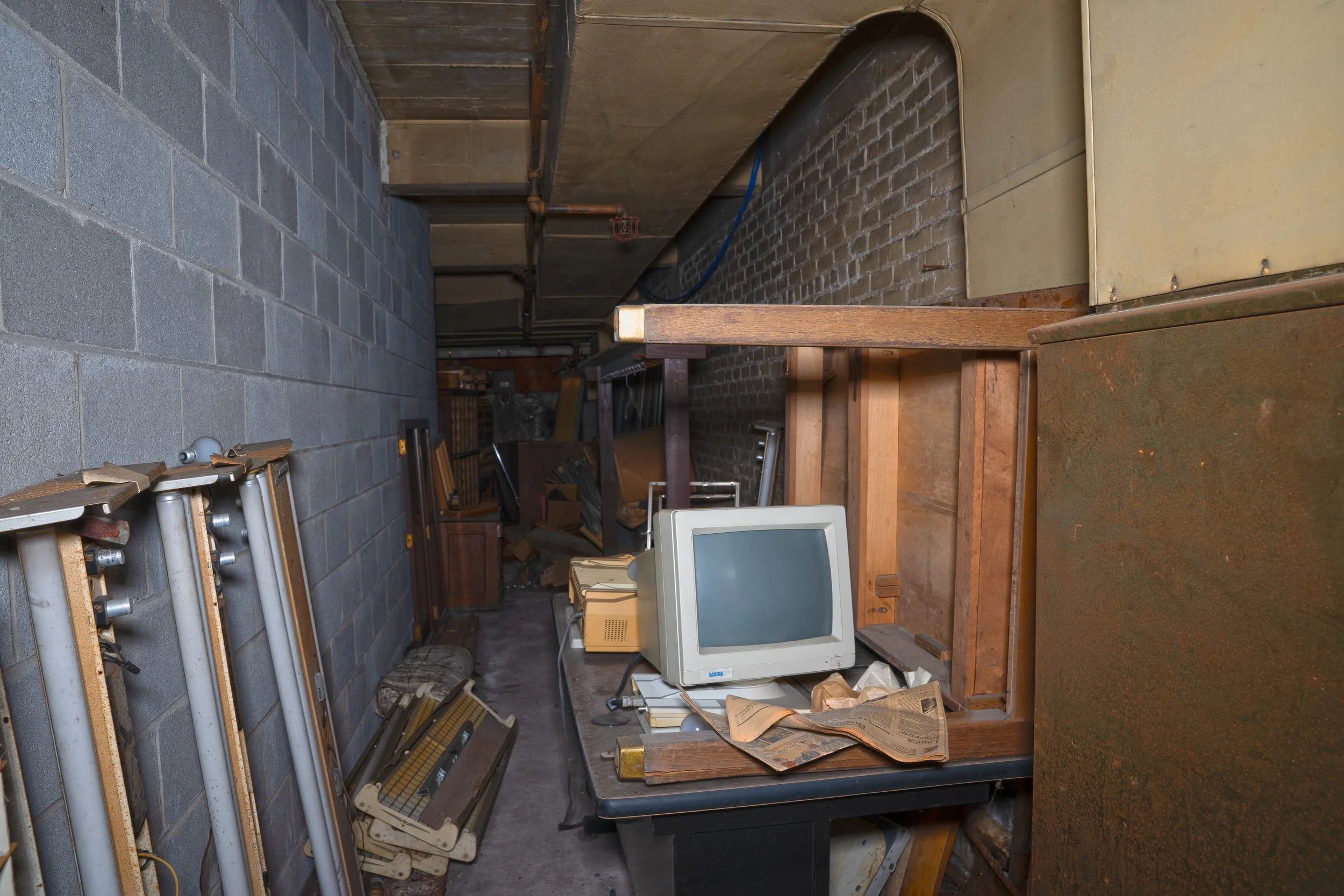
CRT in basement
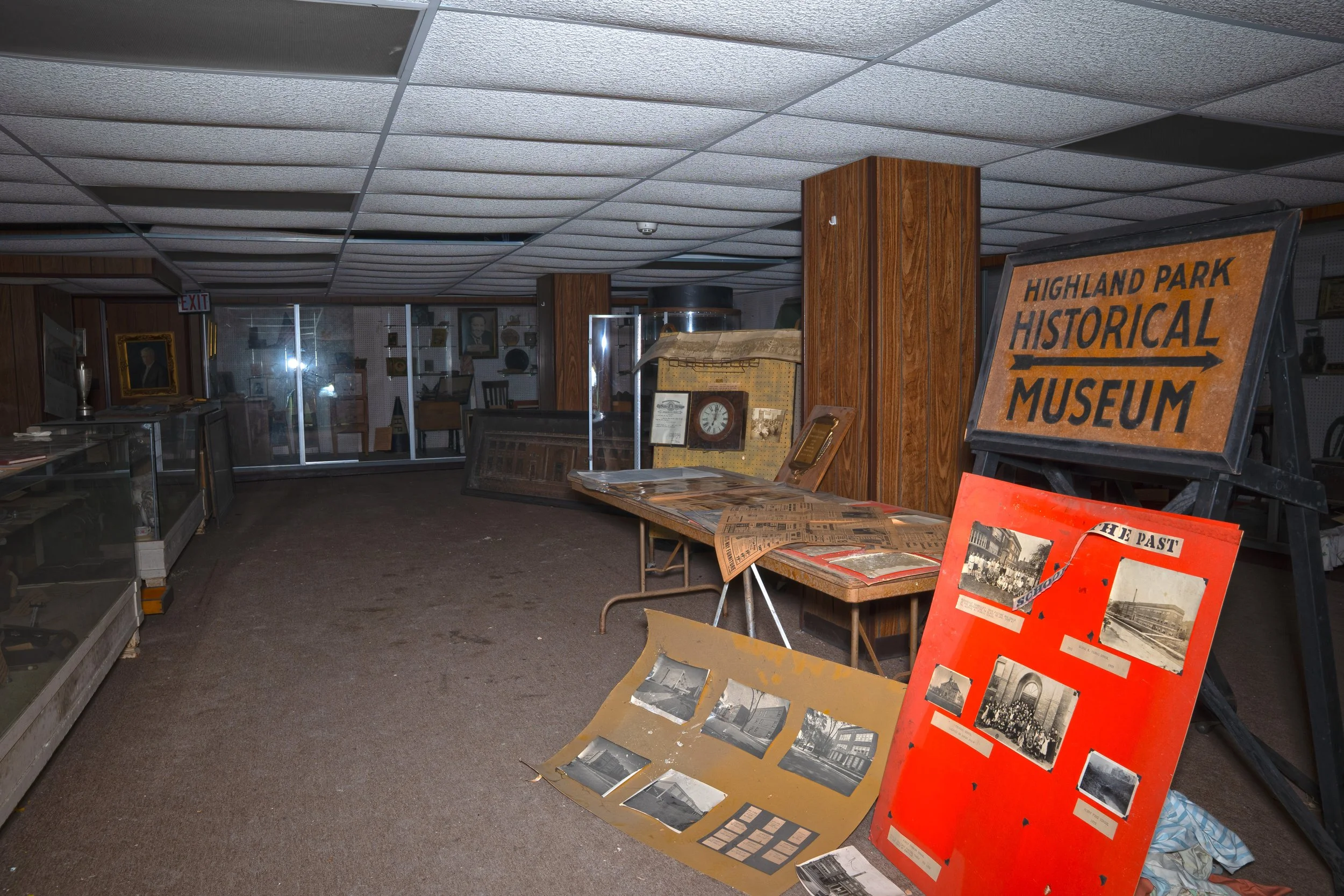
Highland Park Historical Museum shot 1
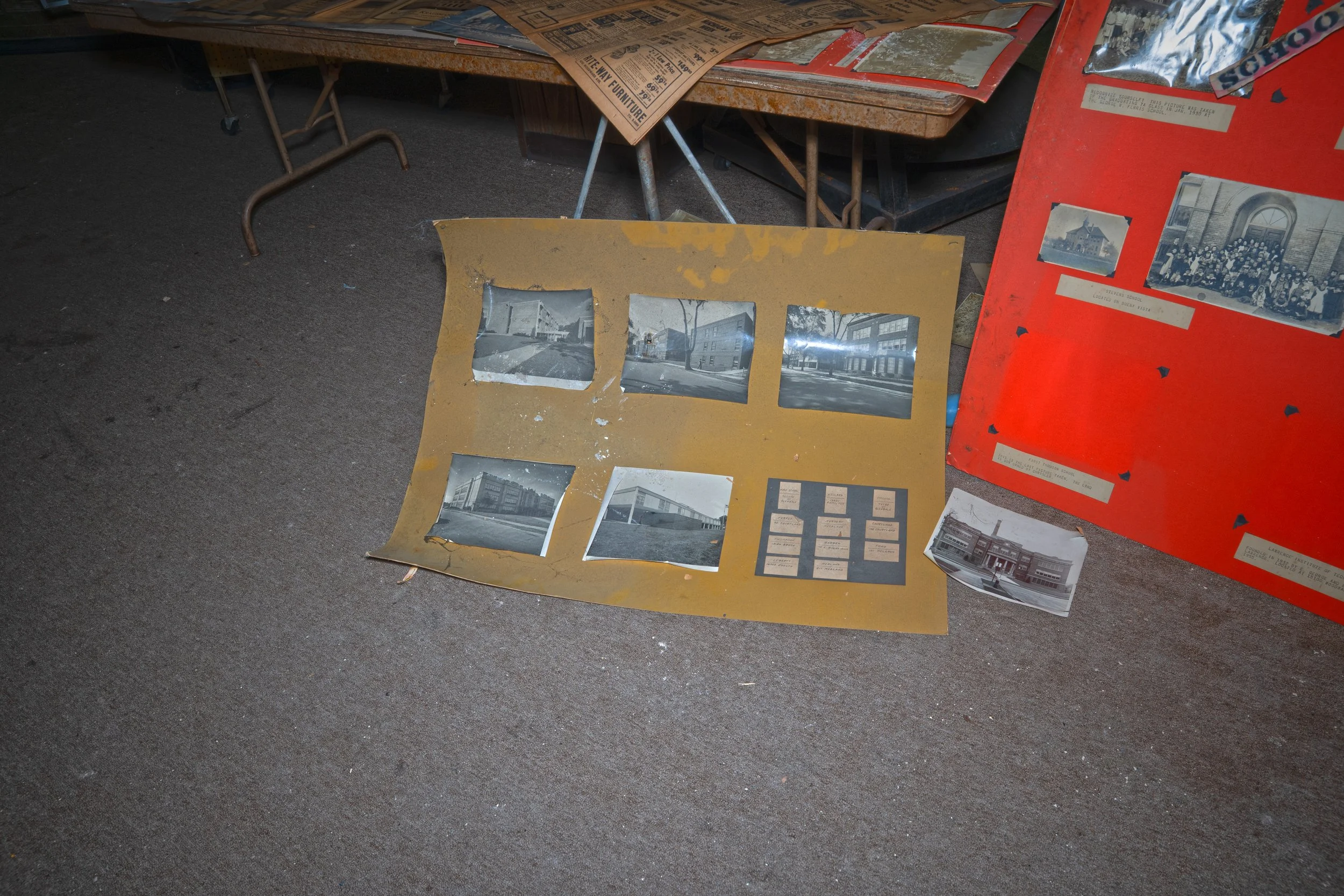
Highland Park Historical Museum shot 2 (The poster shows pictures of all the highland park schools)
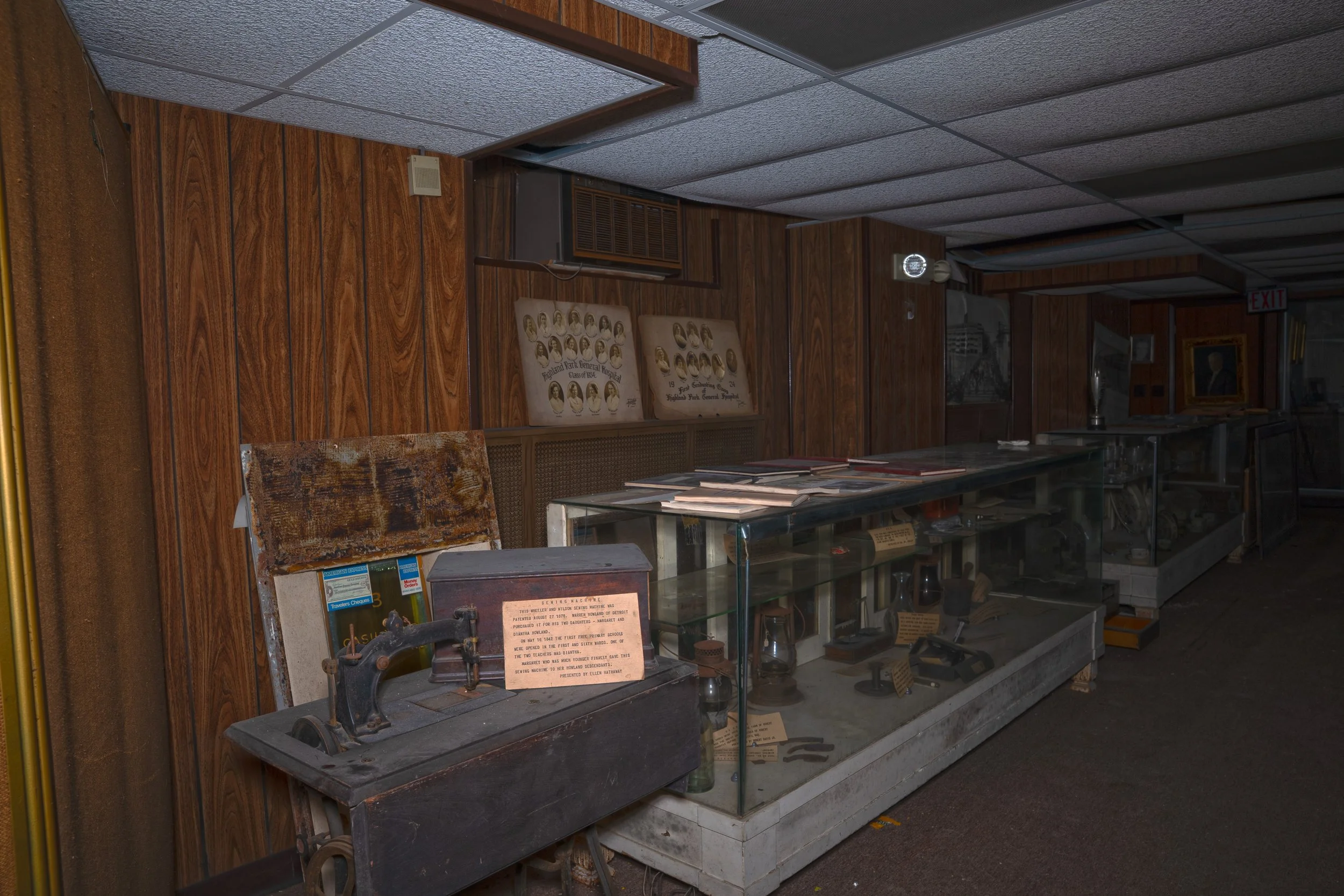
Highland Park Historical Museum shot 3 (Artifacts in cases)
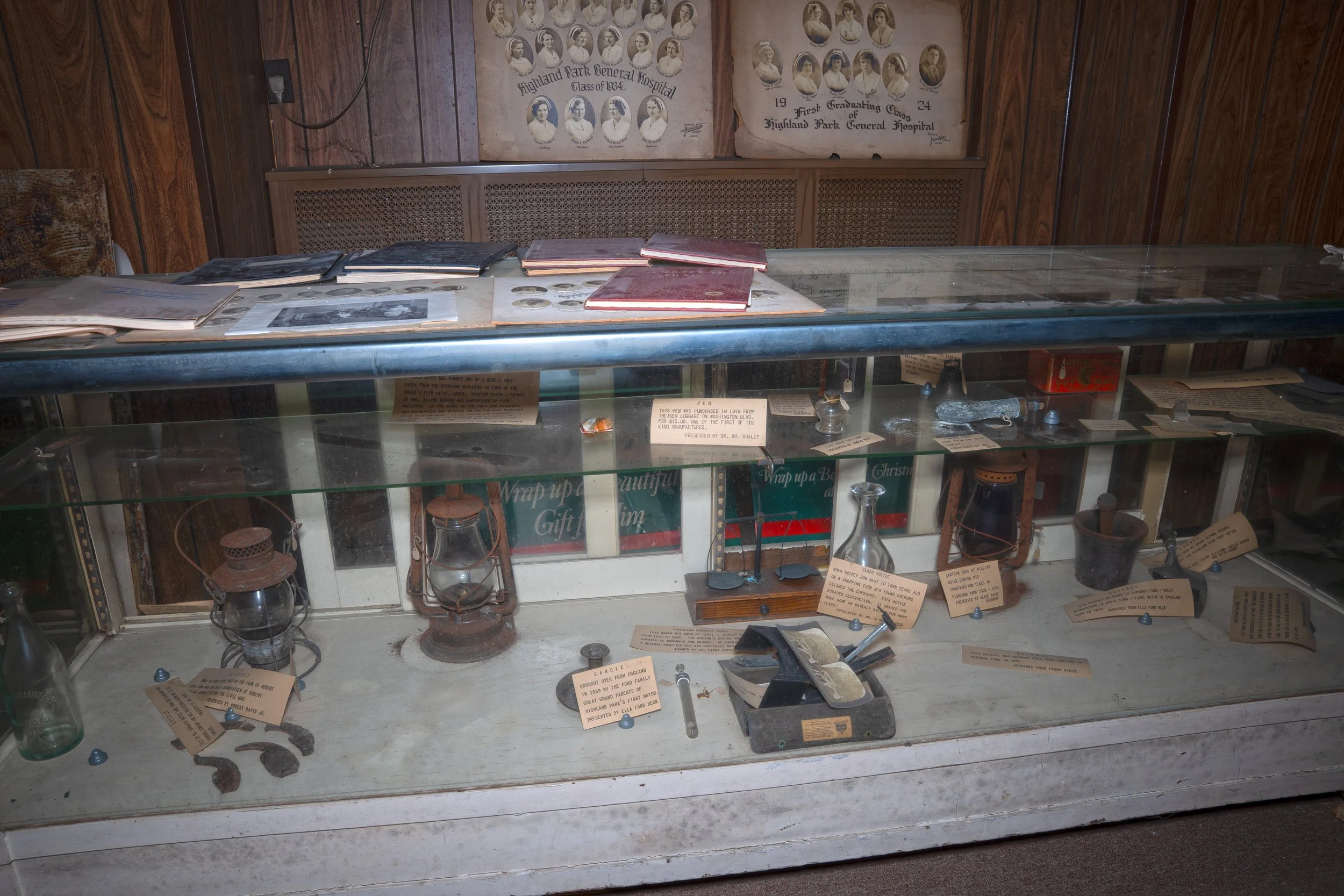
Highland Park Historical Museum shot 4 (Artifacts in cases)
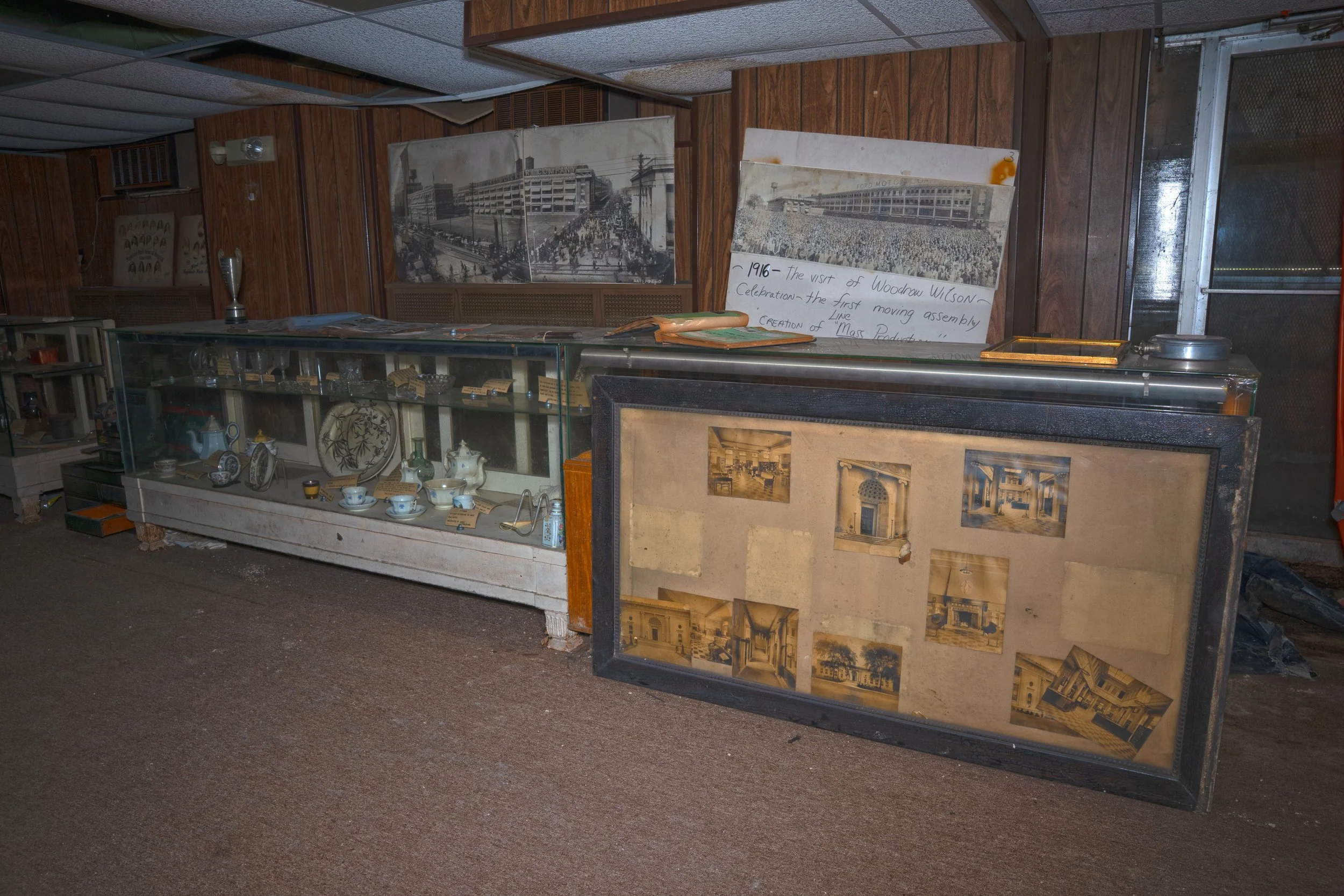
Highland Park Historical Museum shot 5 (Poster of pictures of the library in its prime)
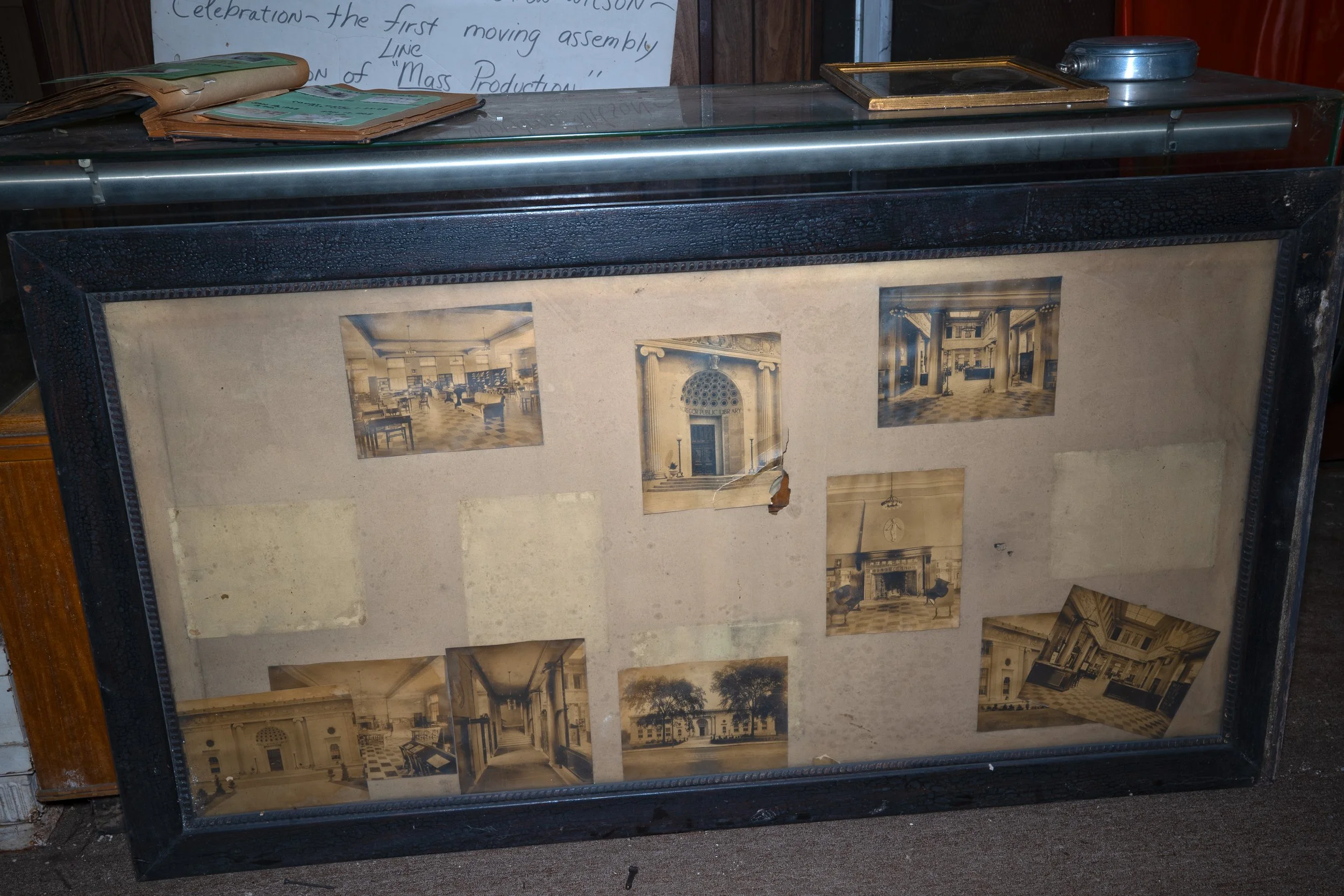
Highland Park Historical Museum shot 6 (Poster of pictures of the library in its prime)
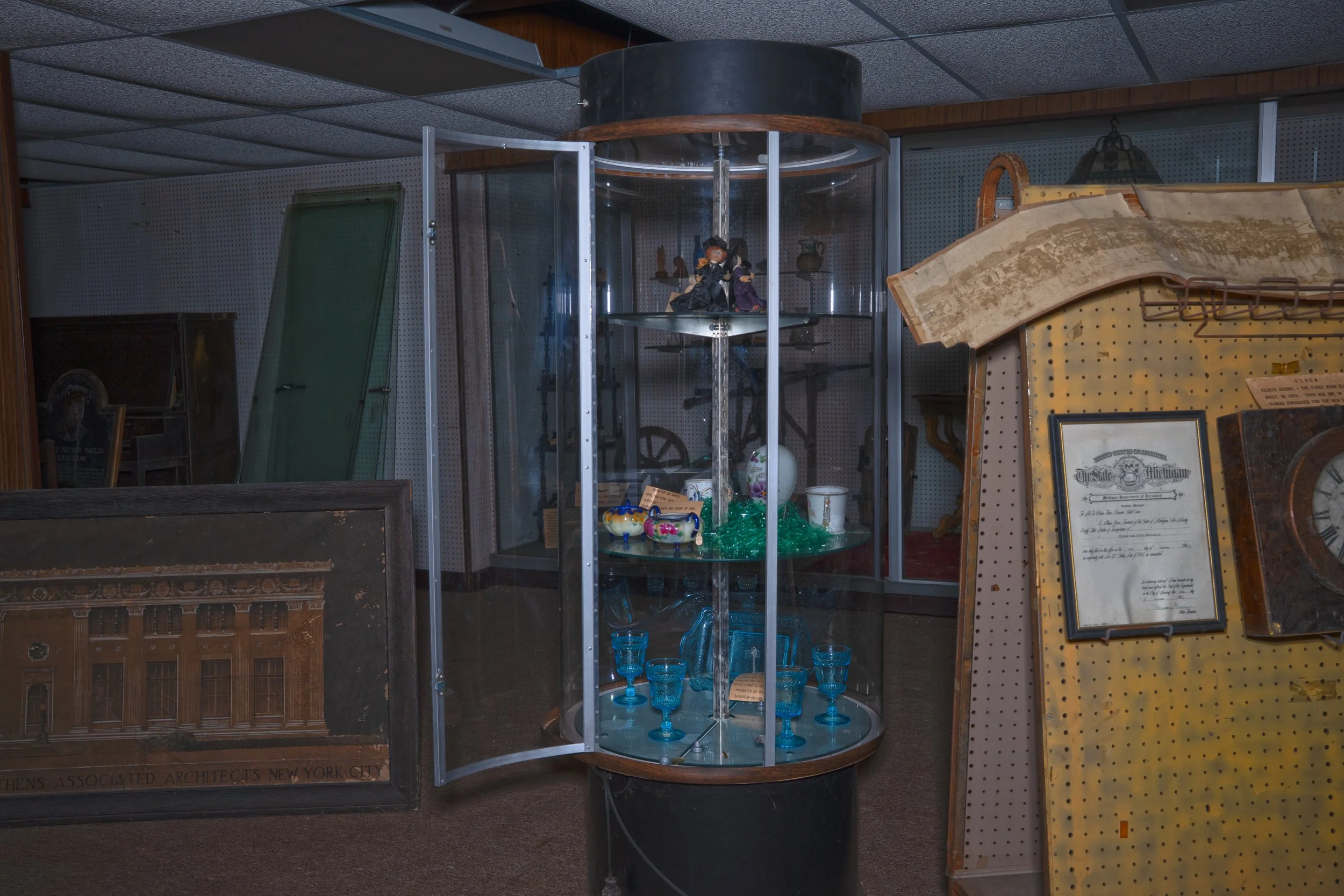
Highland Park Historical Museum shot 7 (glass case of artifacts)
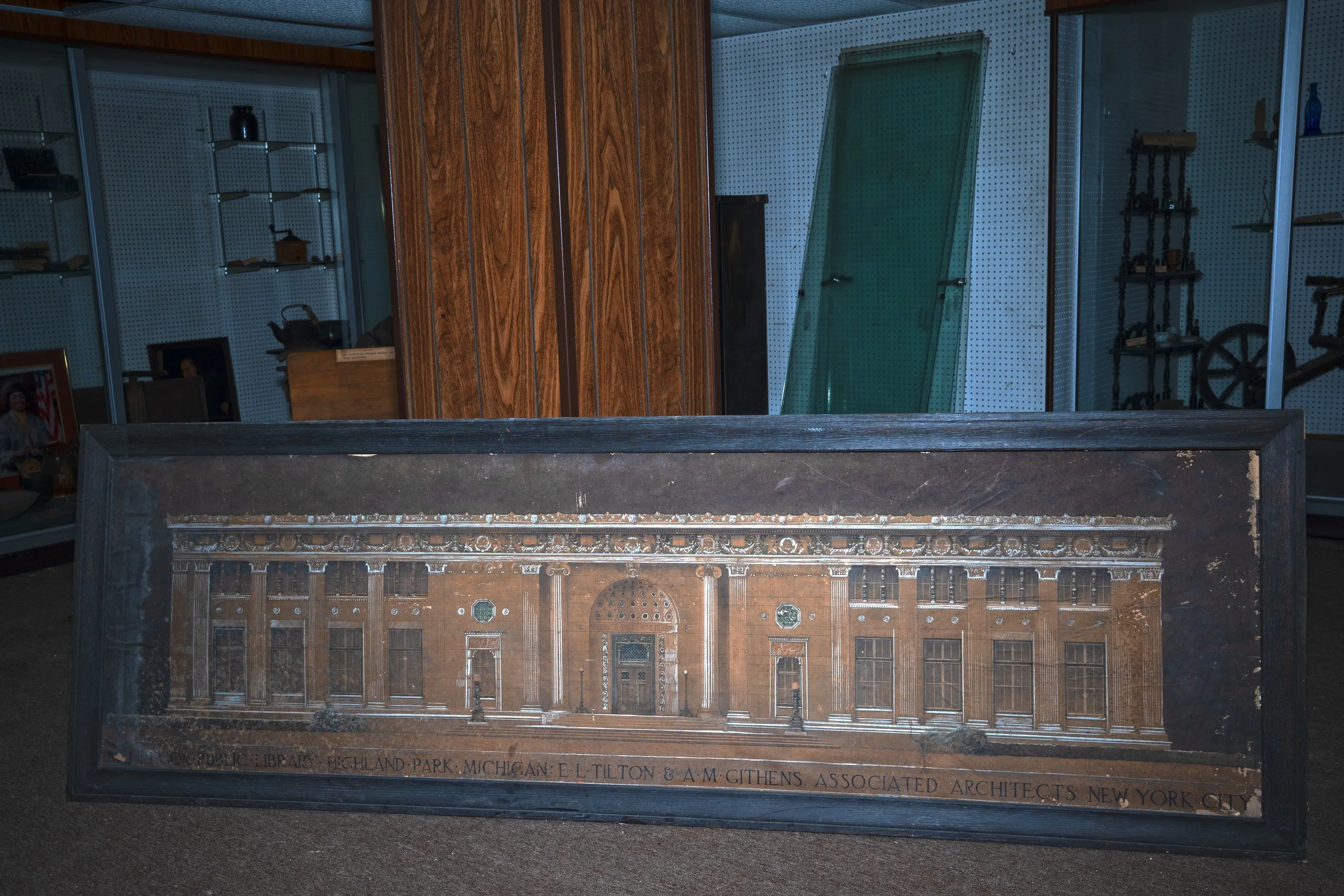
Highland Park Historical Museum shot 8 (wide shot of the library in its prime)
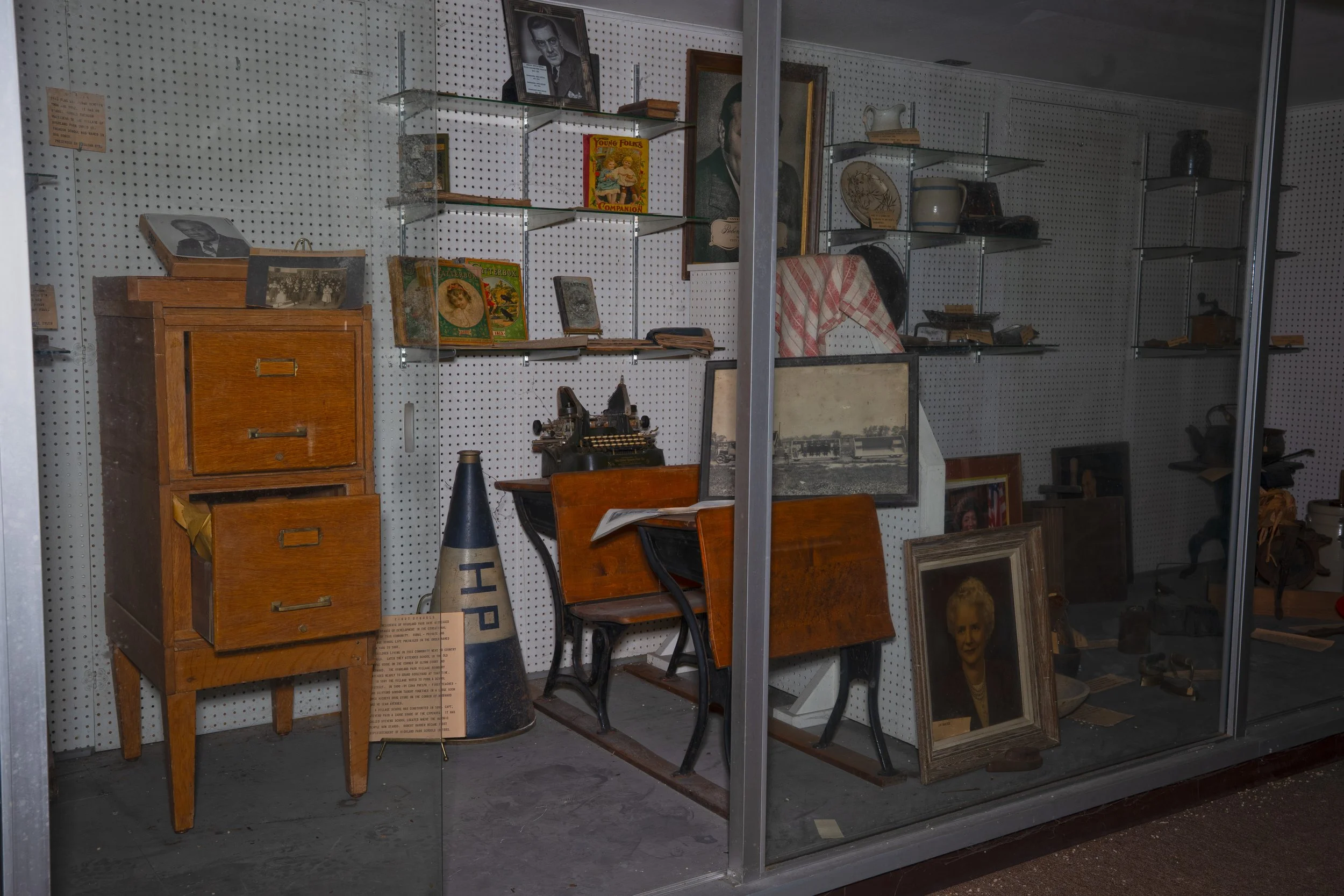
Highland Park Historical Museum shot 9 (Artifacts behind glass case)
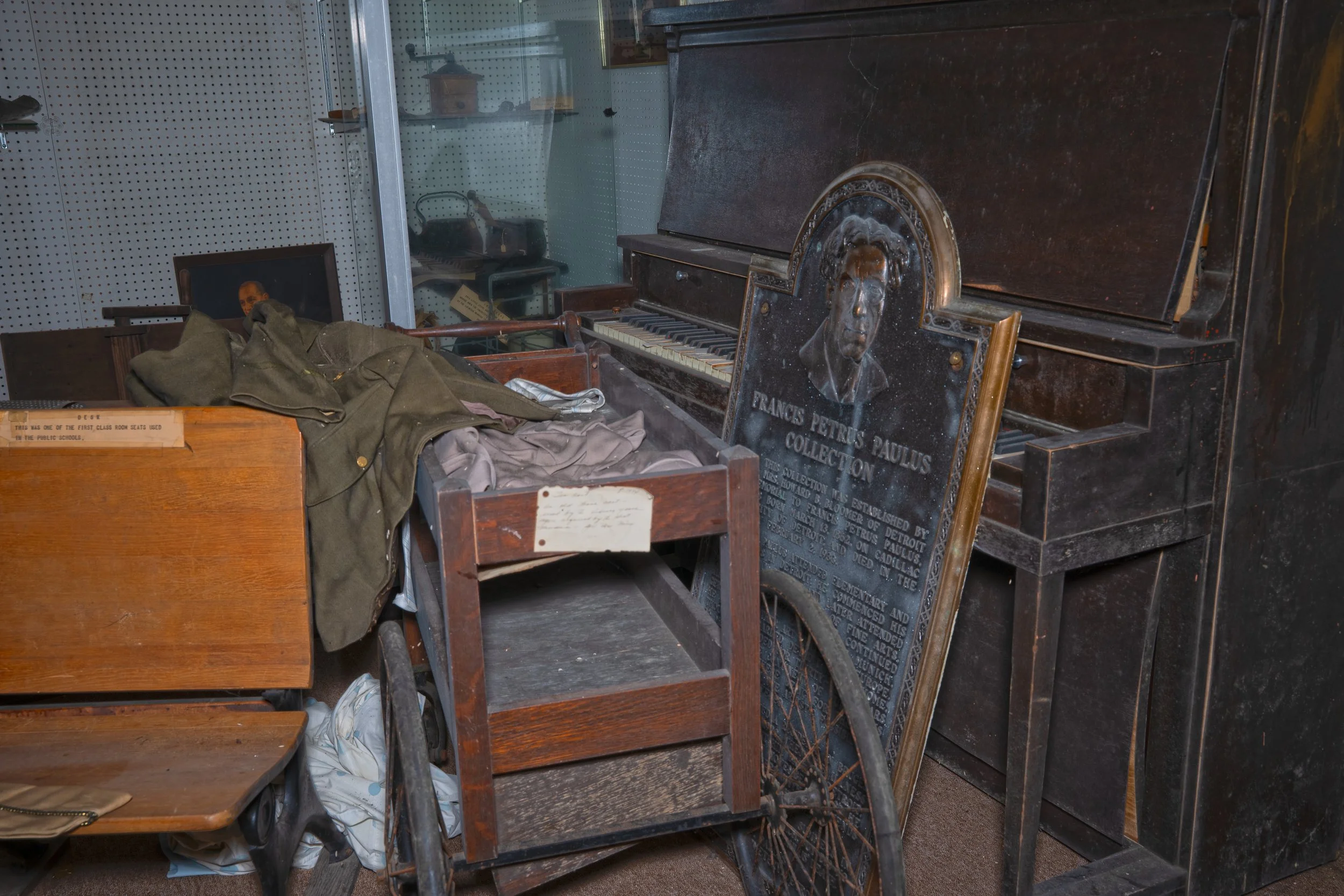
Highland Park Historical Museum shot 10 (A plaque and more in a corner)
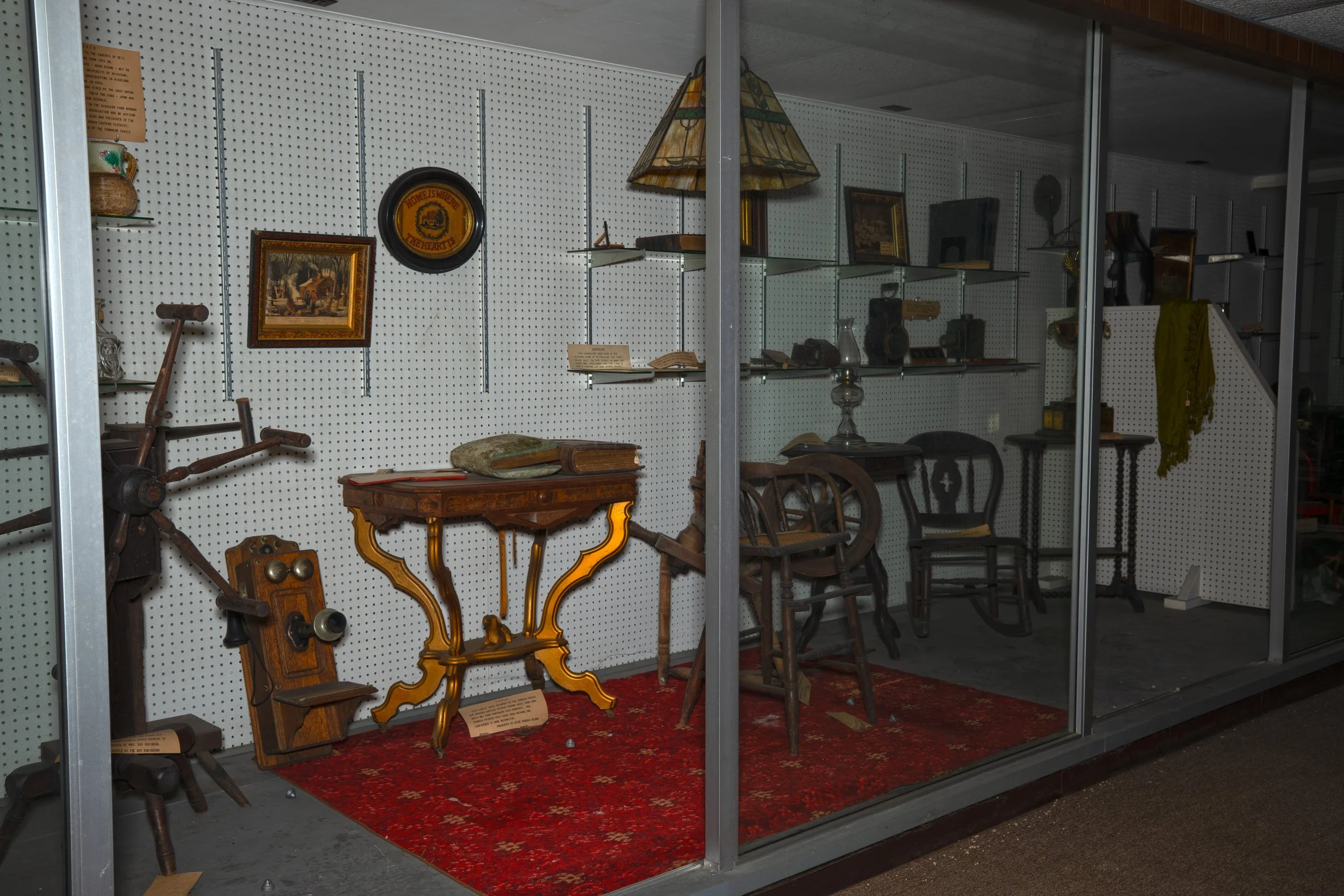
Highland Park Historical Museum shot 11 (Artifacts behind glass case)
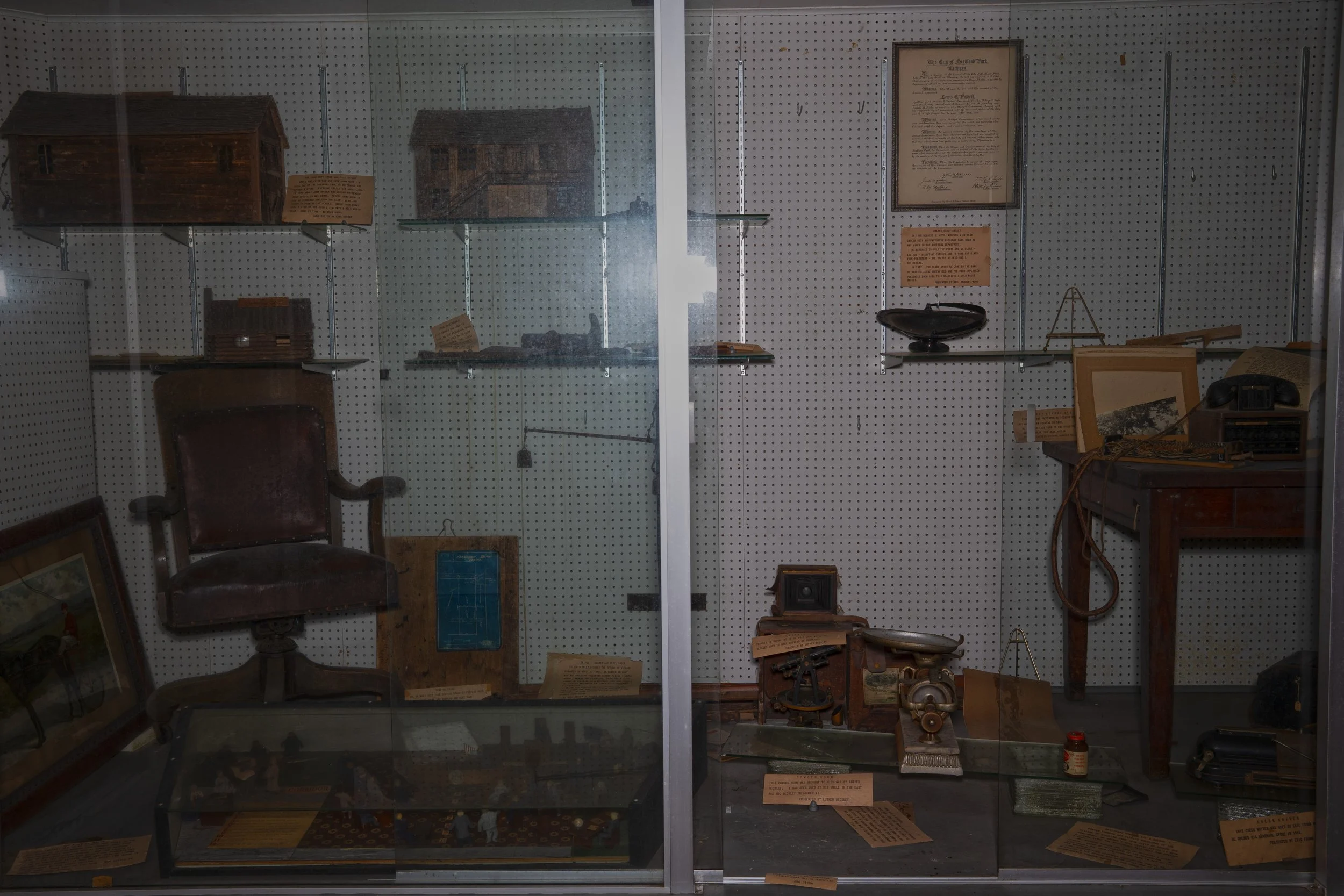
Highland Park Historical Museum shot 12 (Artifacts behind glass case)
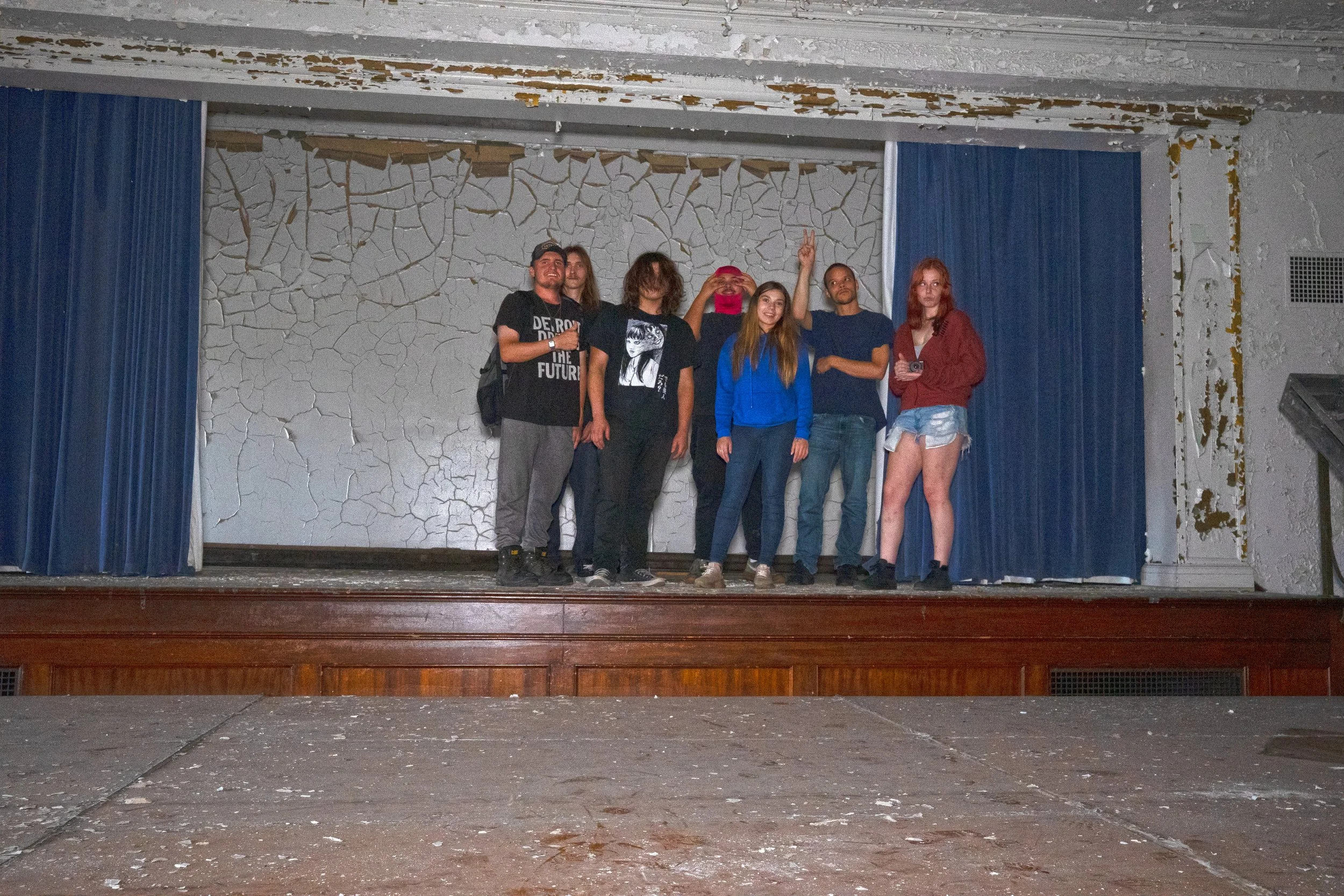
A group photo of some of the major production crew of abandonedcommercialdetroit along with some fans that met us along the way on this night on the stage of the auditorium