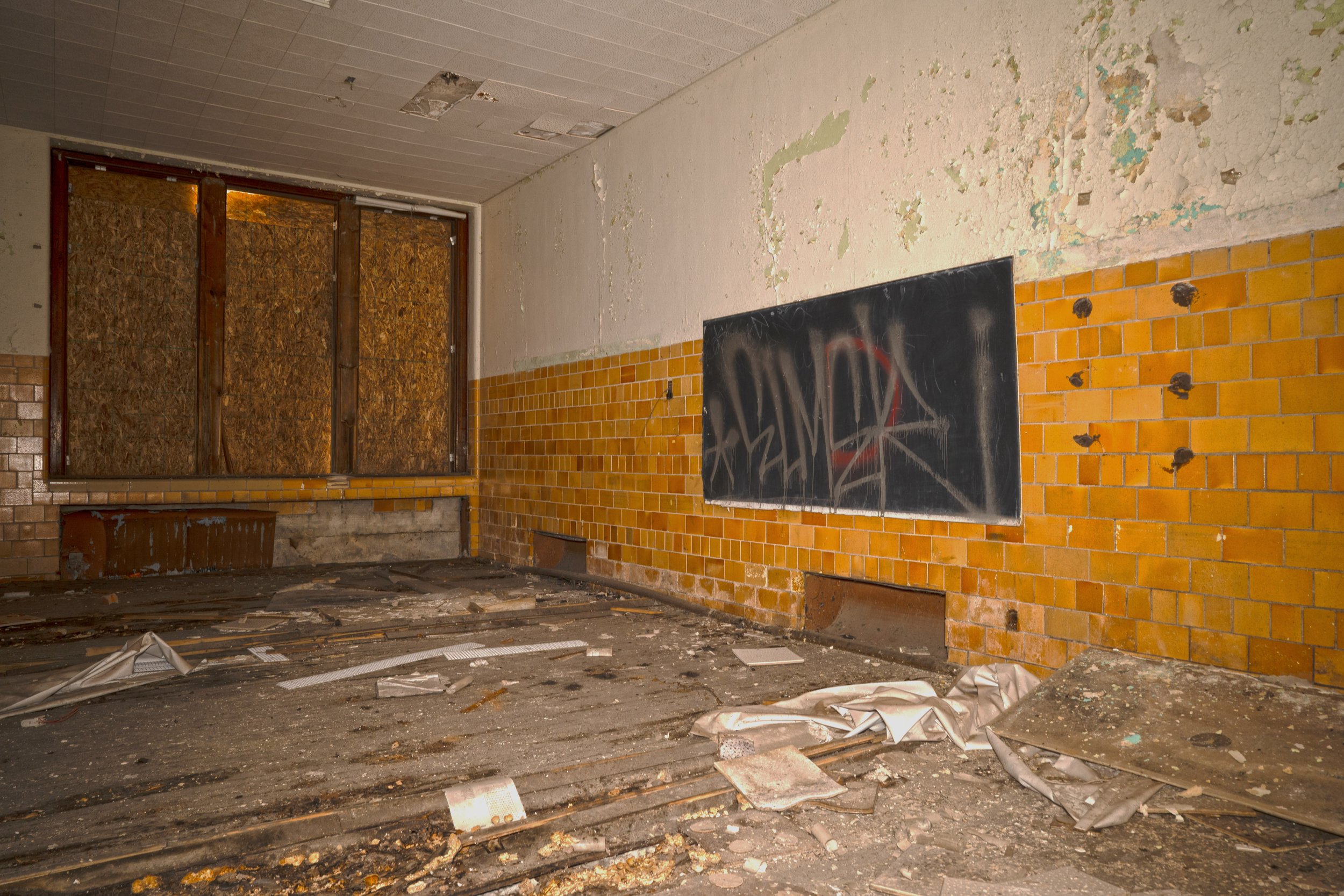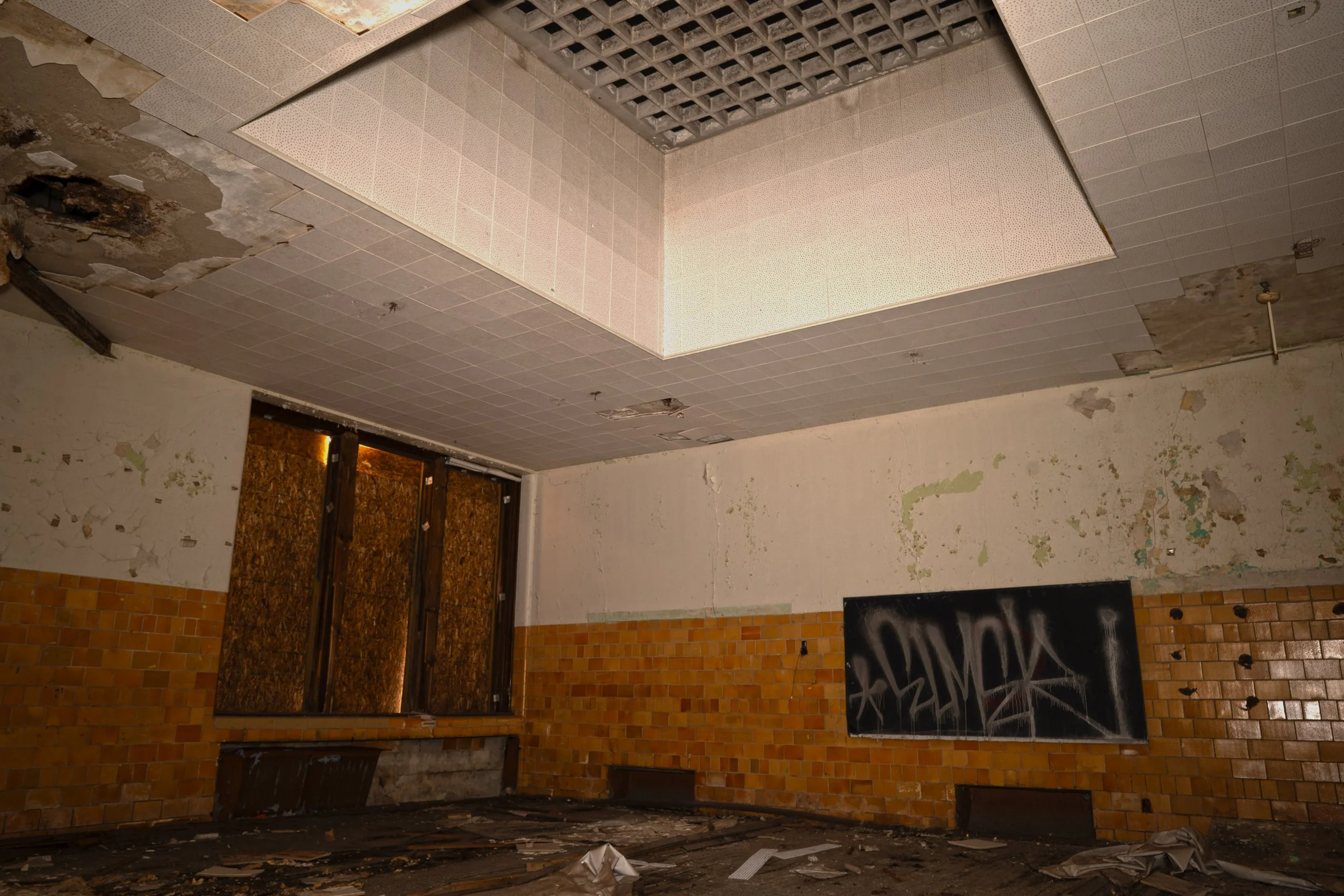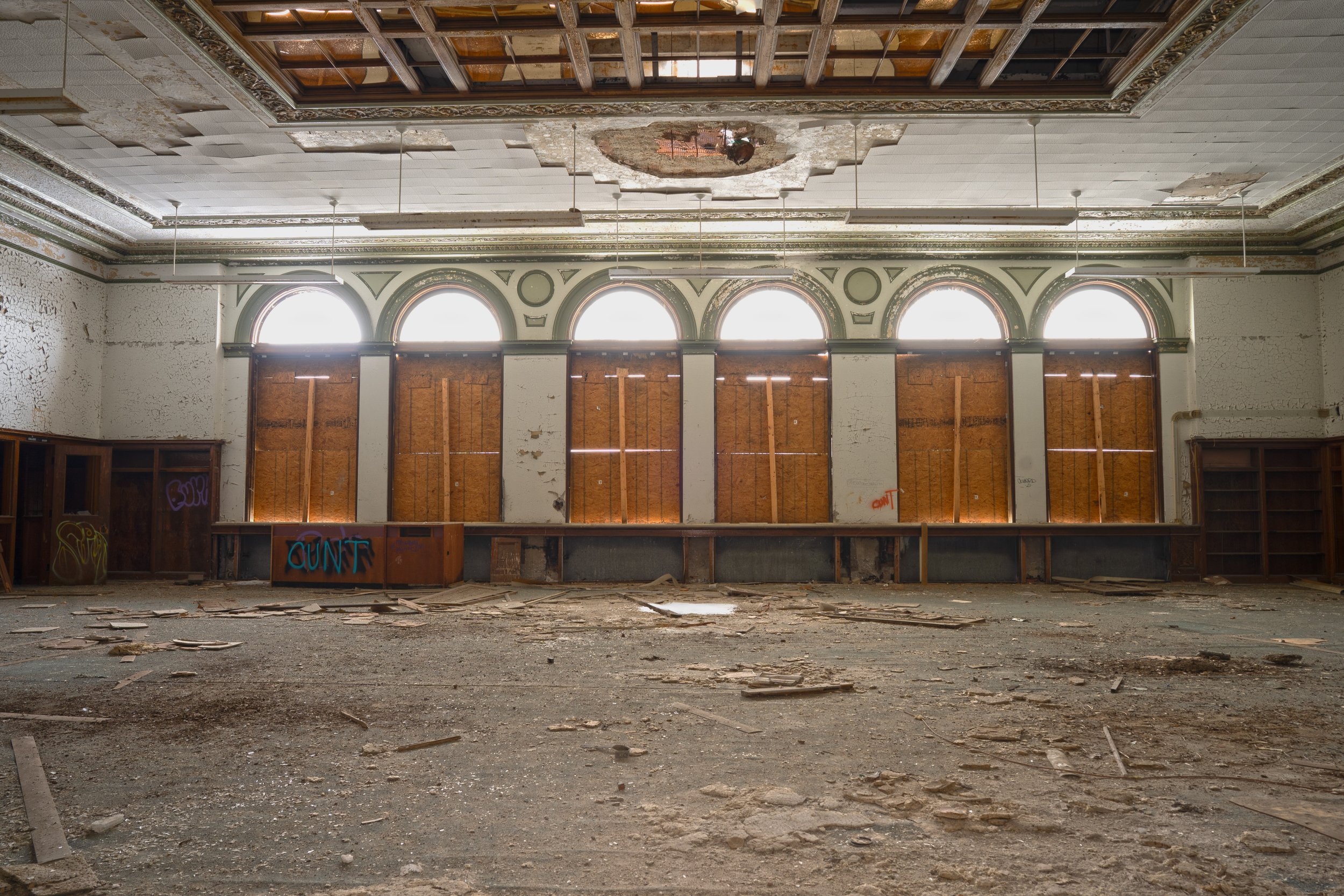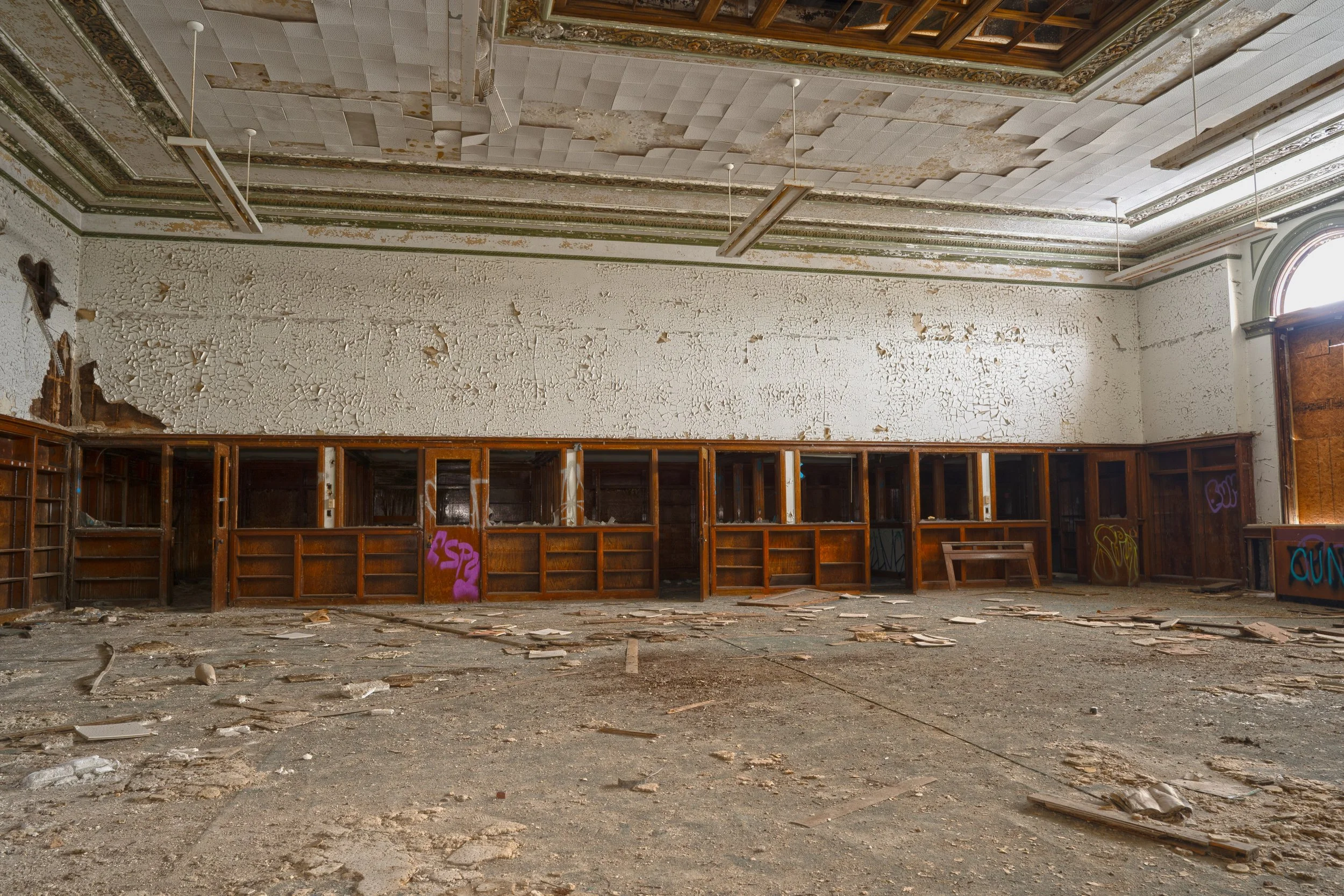
Jackson Intermediate school
4180 Marlborough St., Detroit, Mich.
-Abandoned 2012
|High Resolution page+Tripod|
Locate it!
History of Jackson Intermediate school
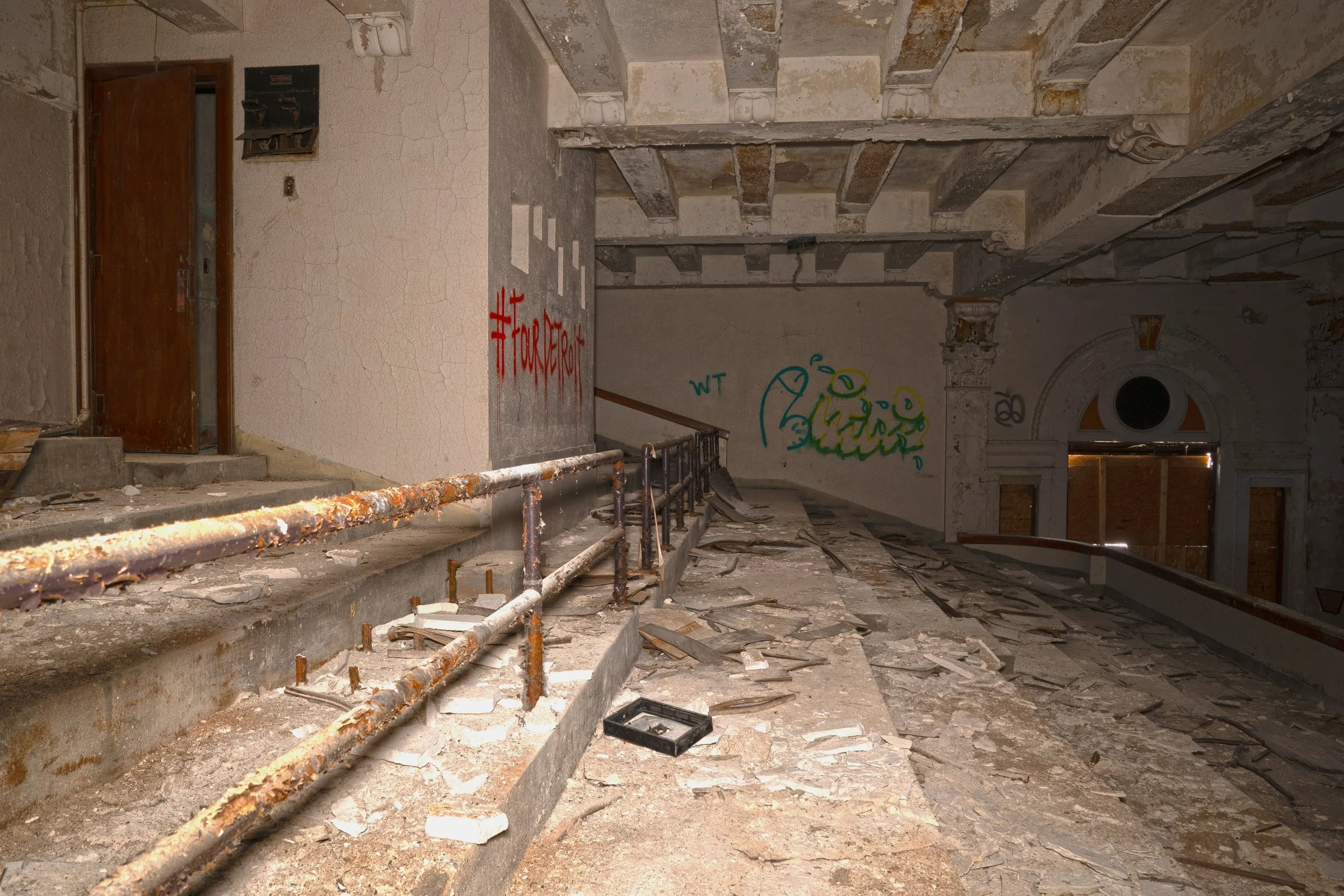
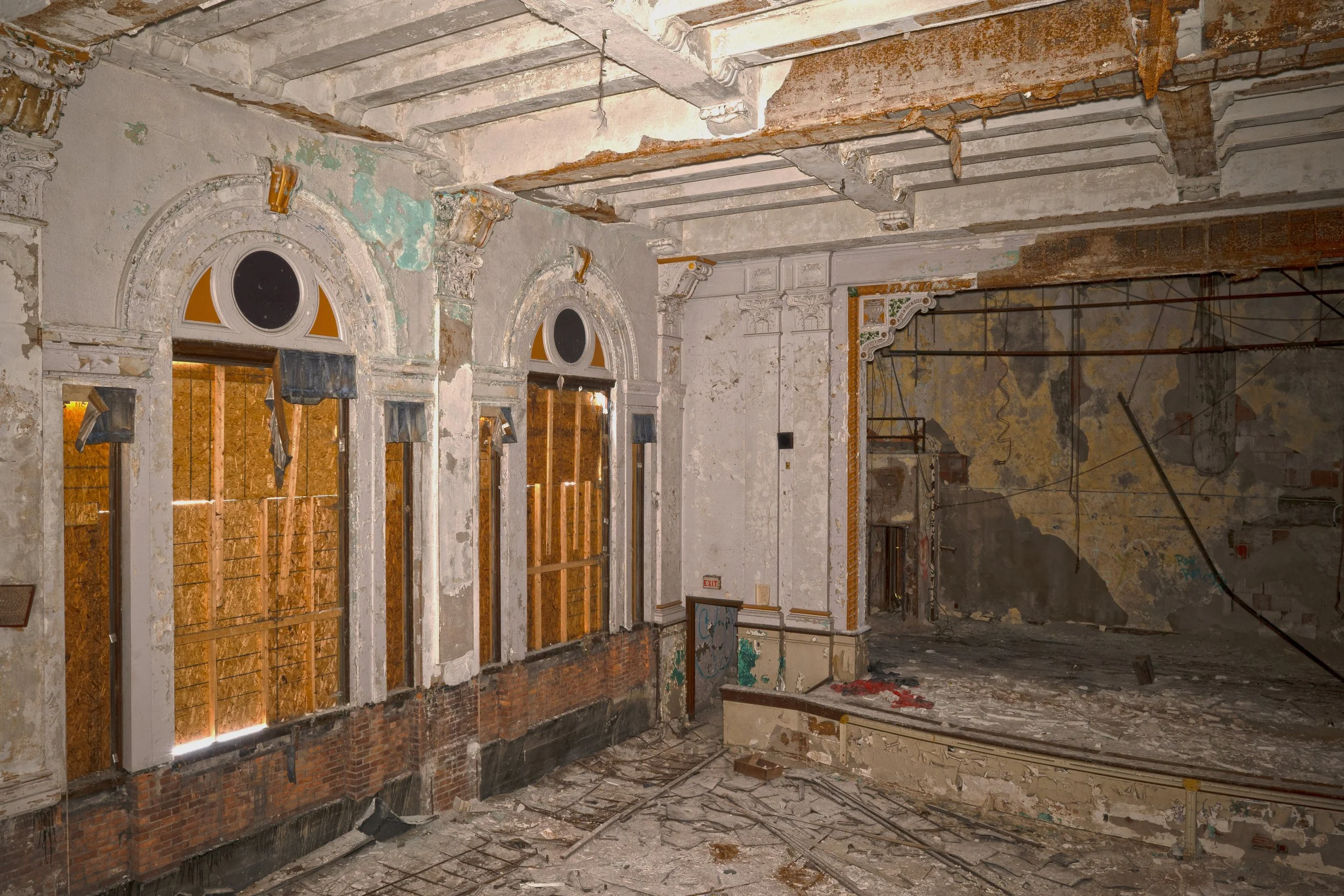
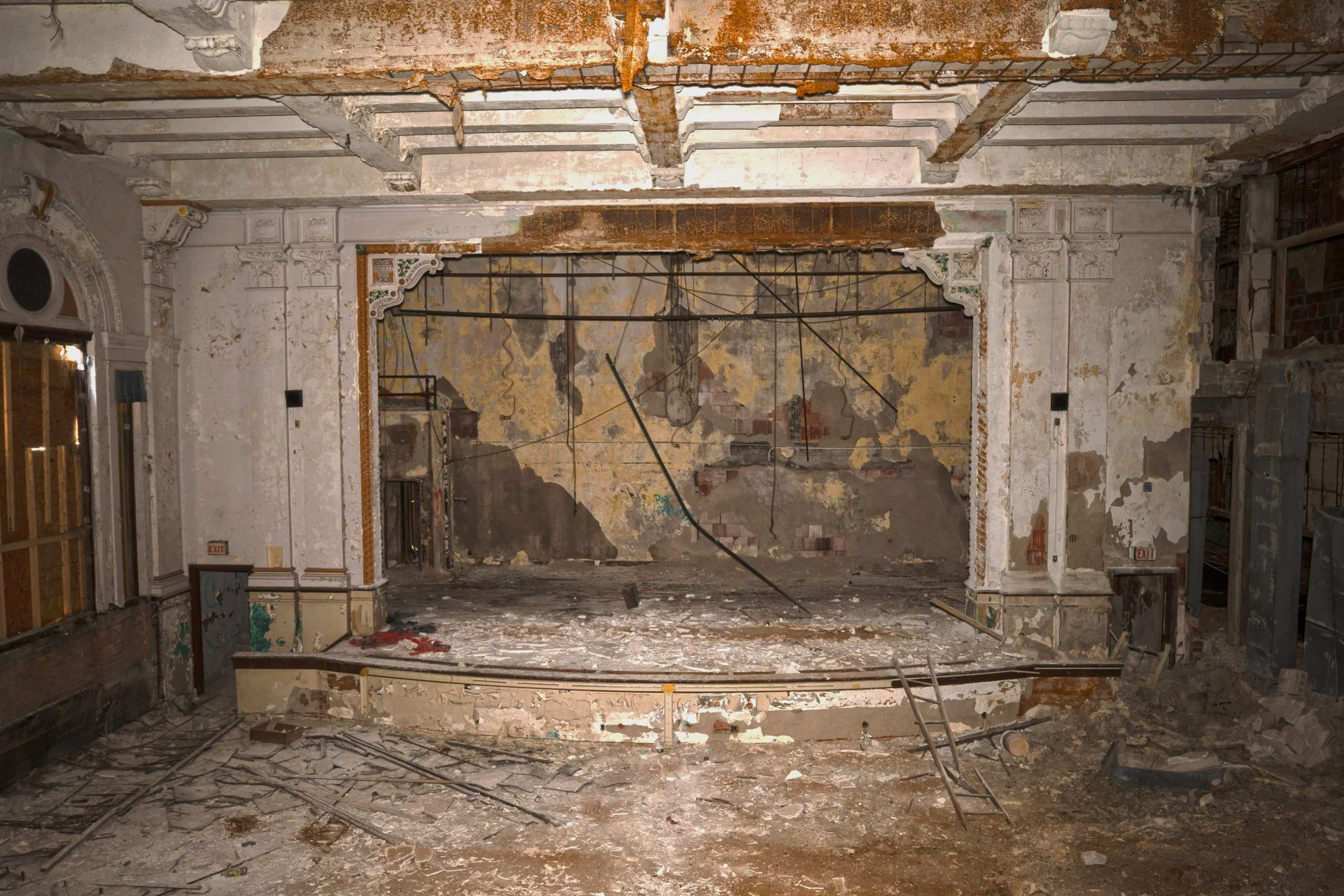
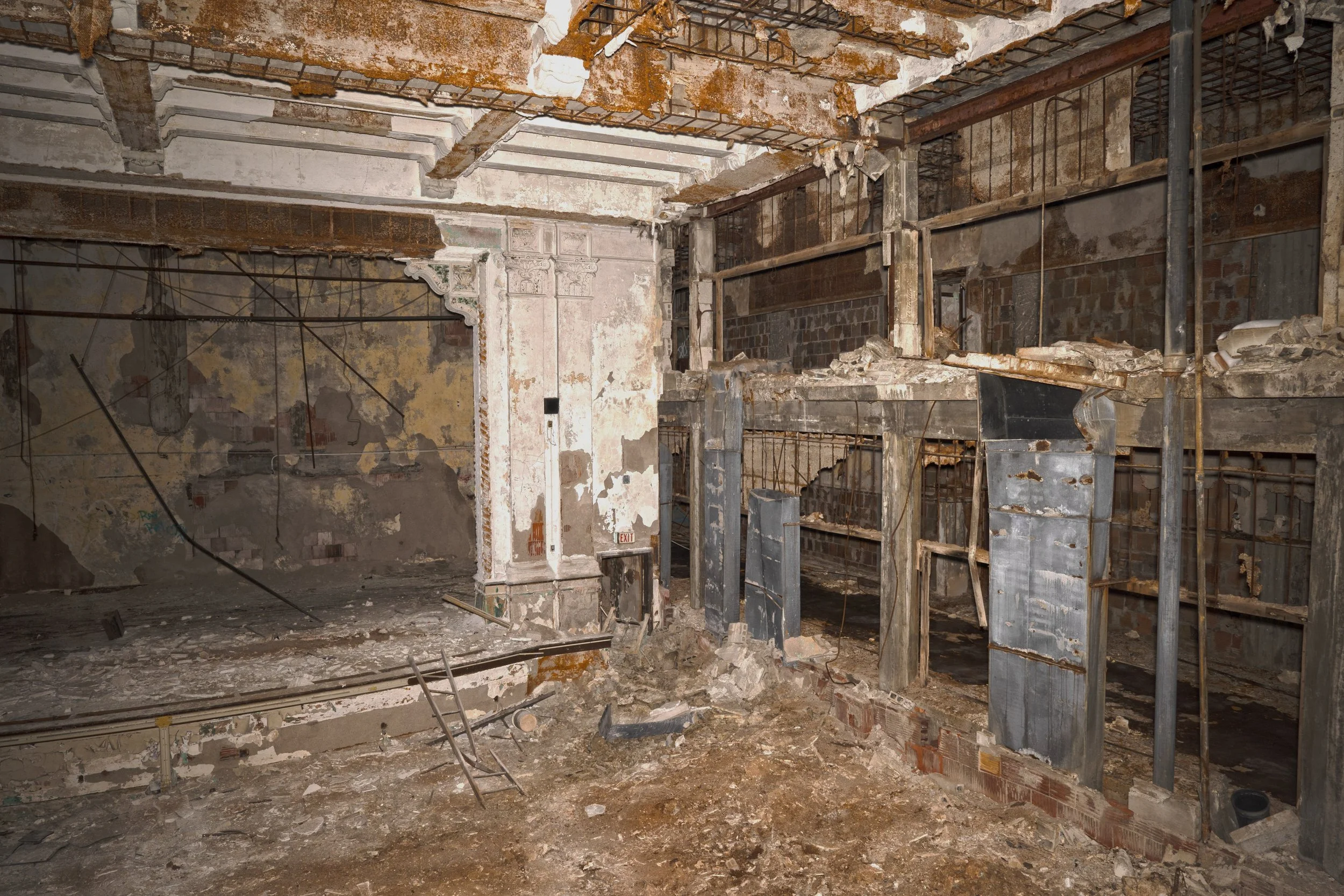
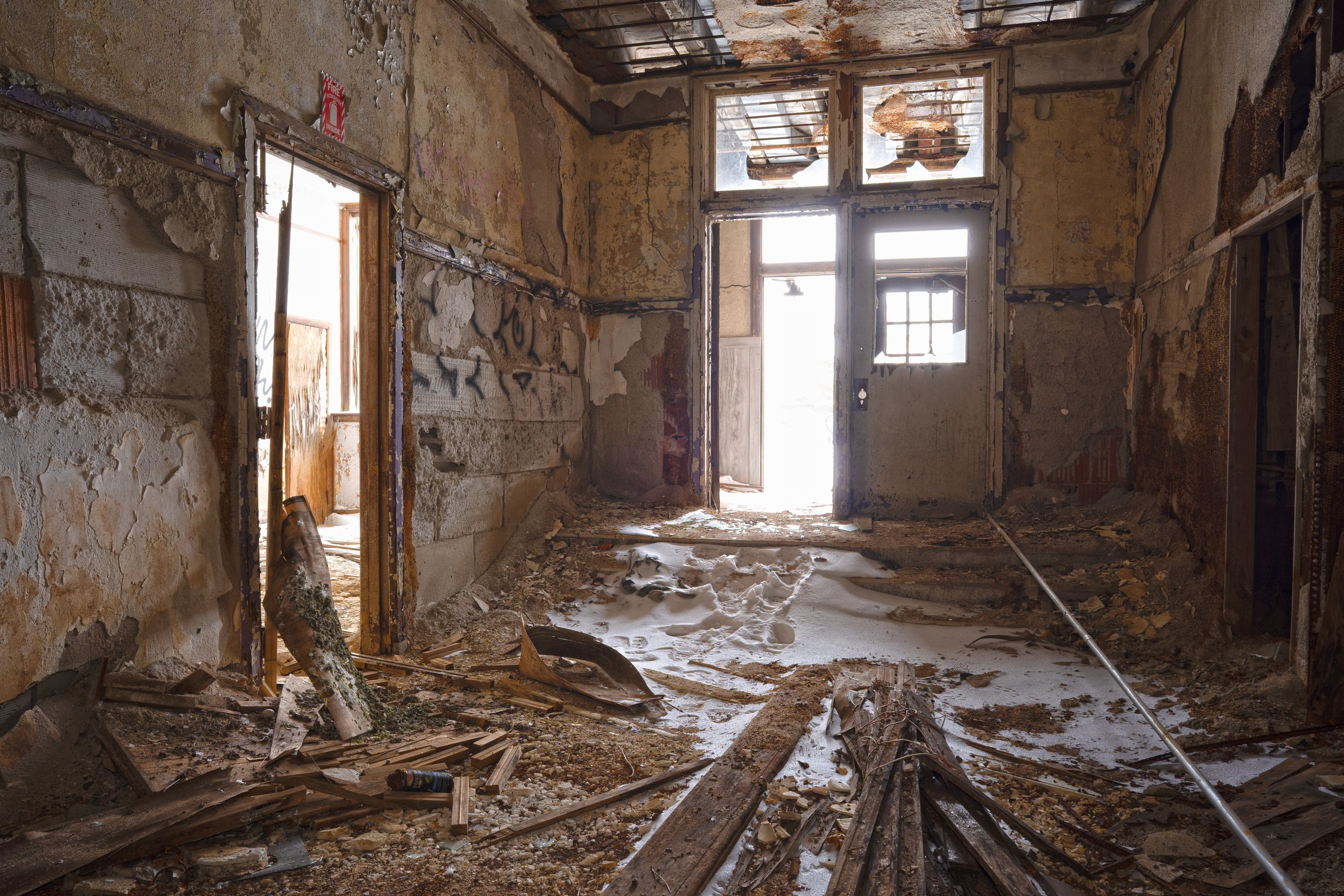
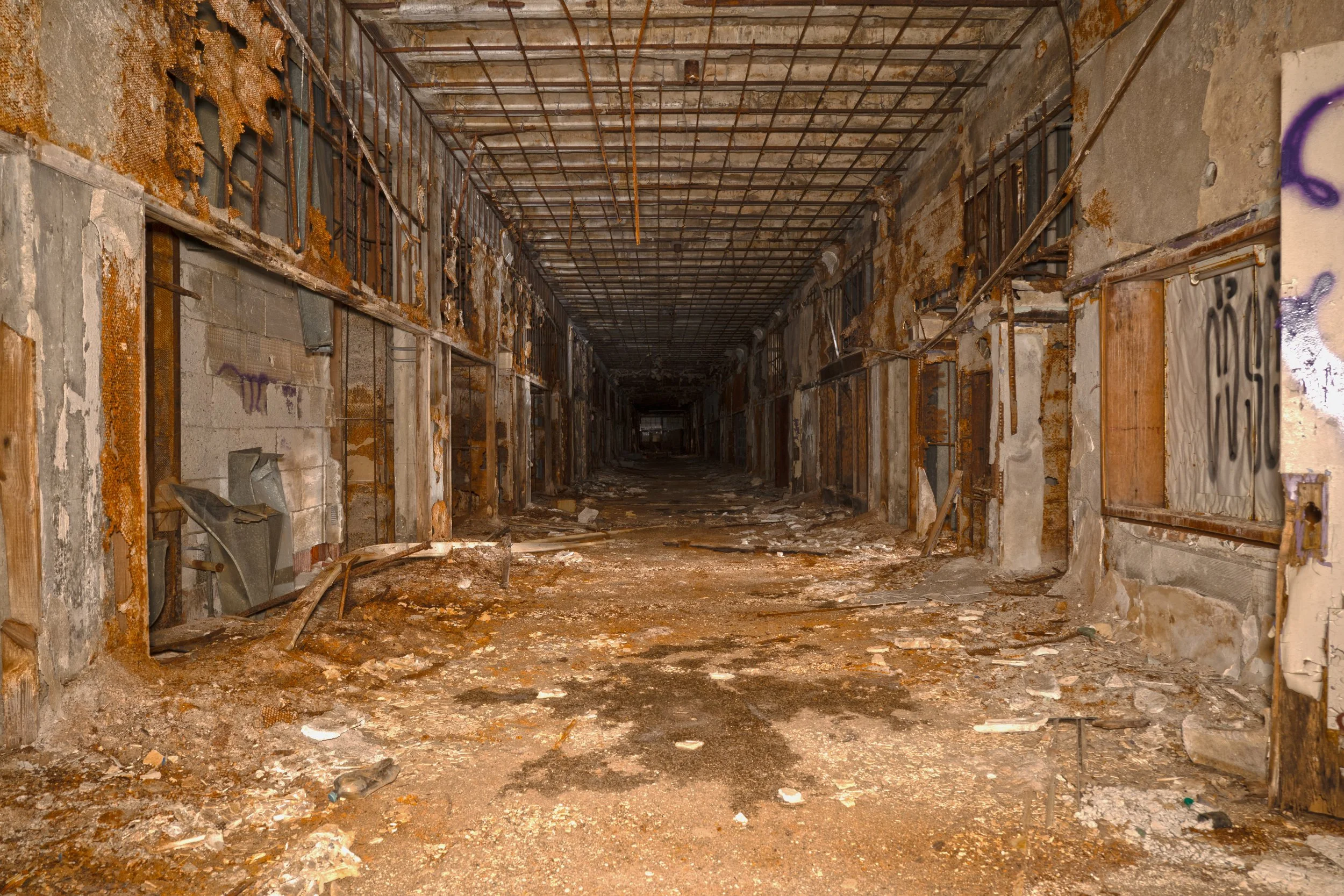
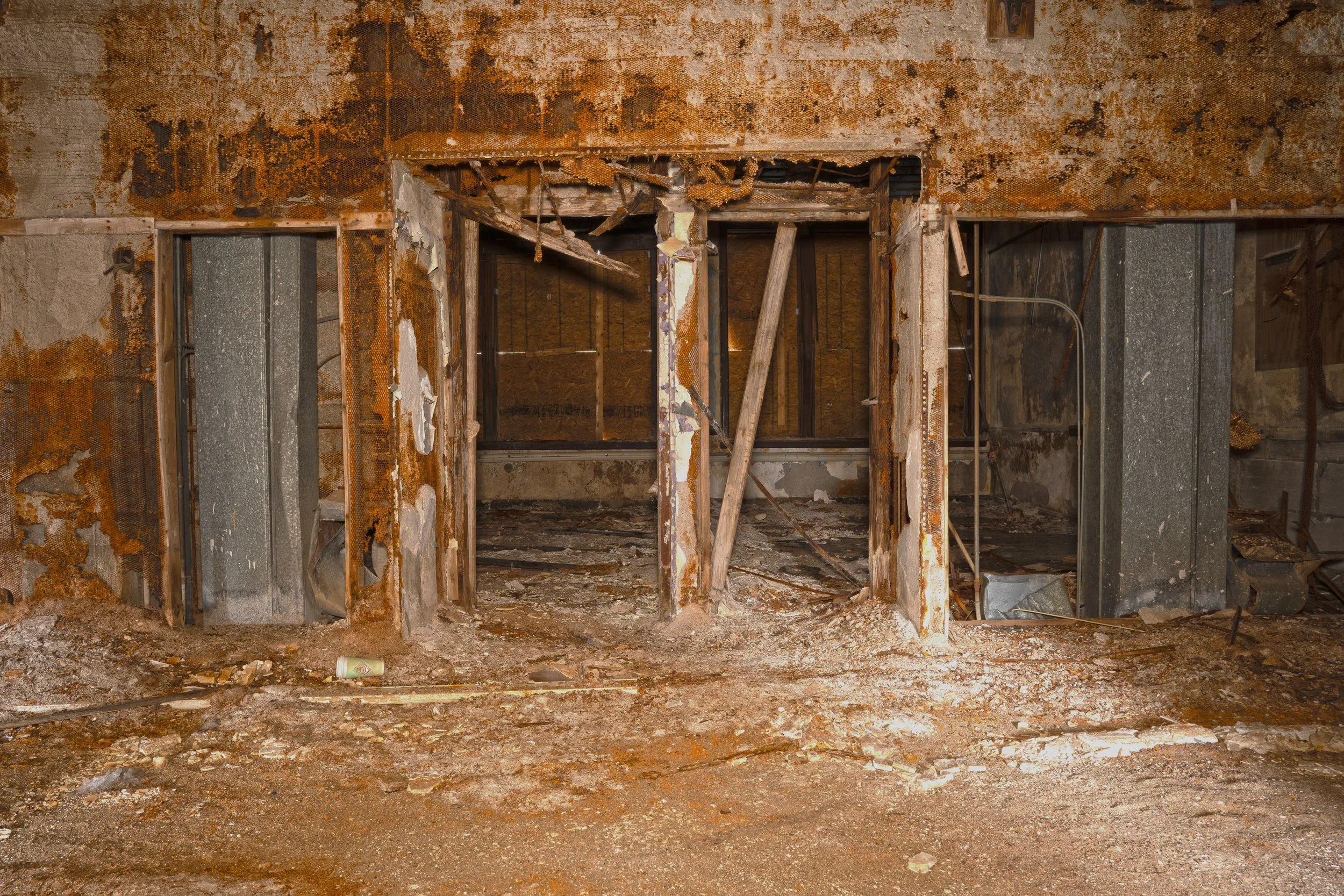
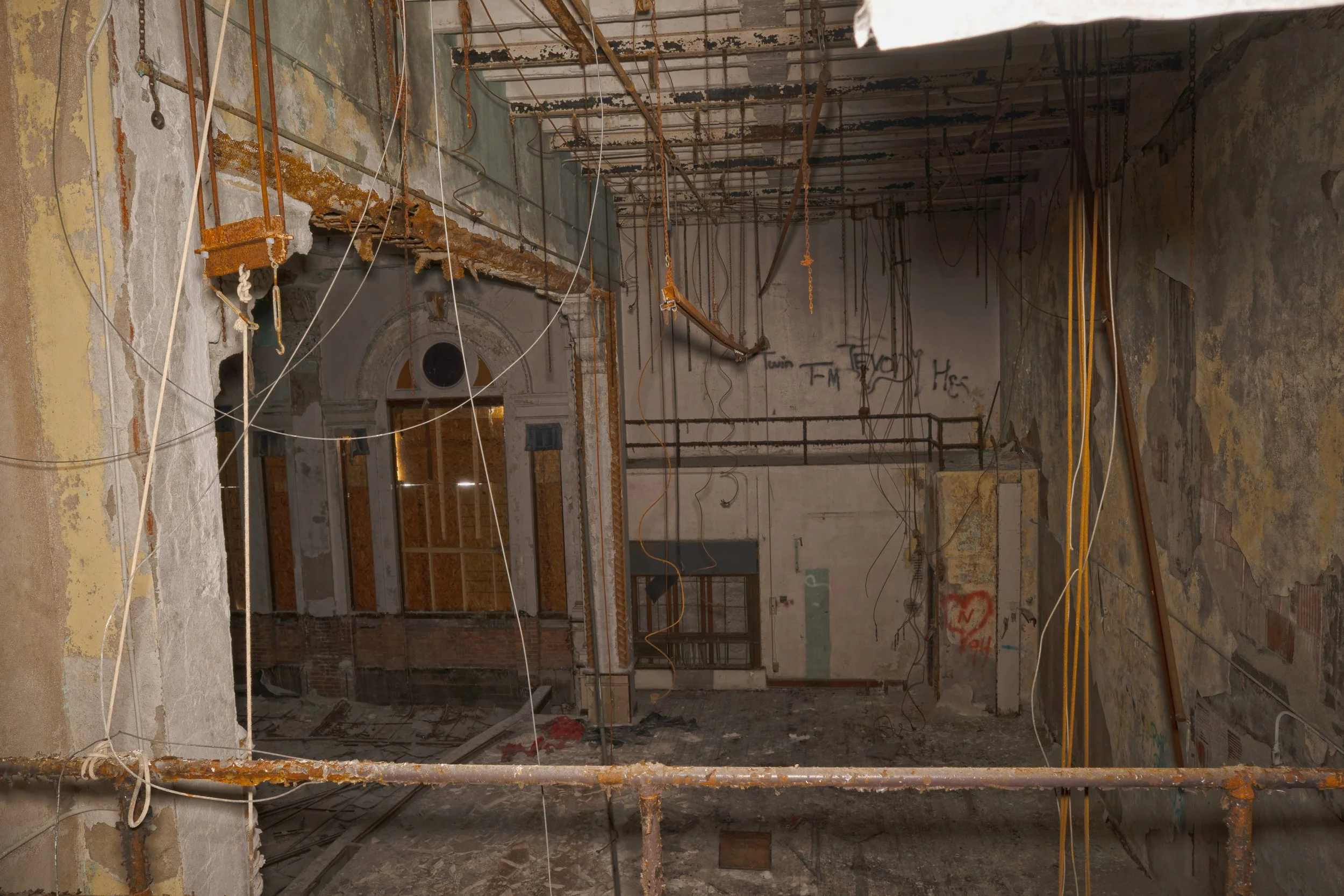
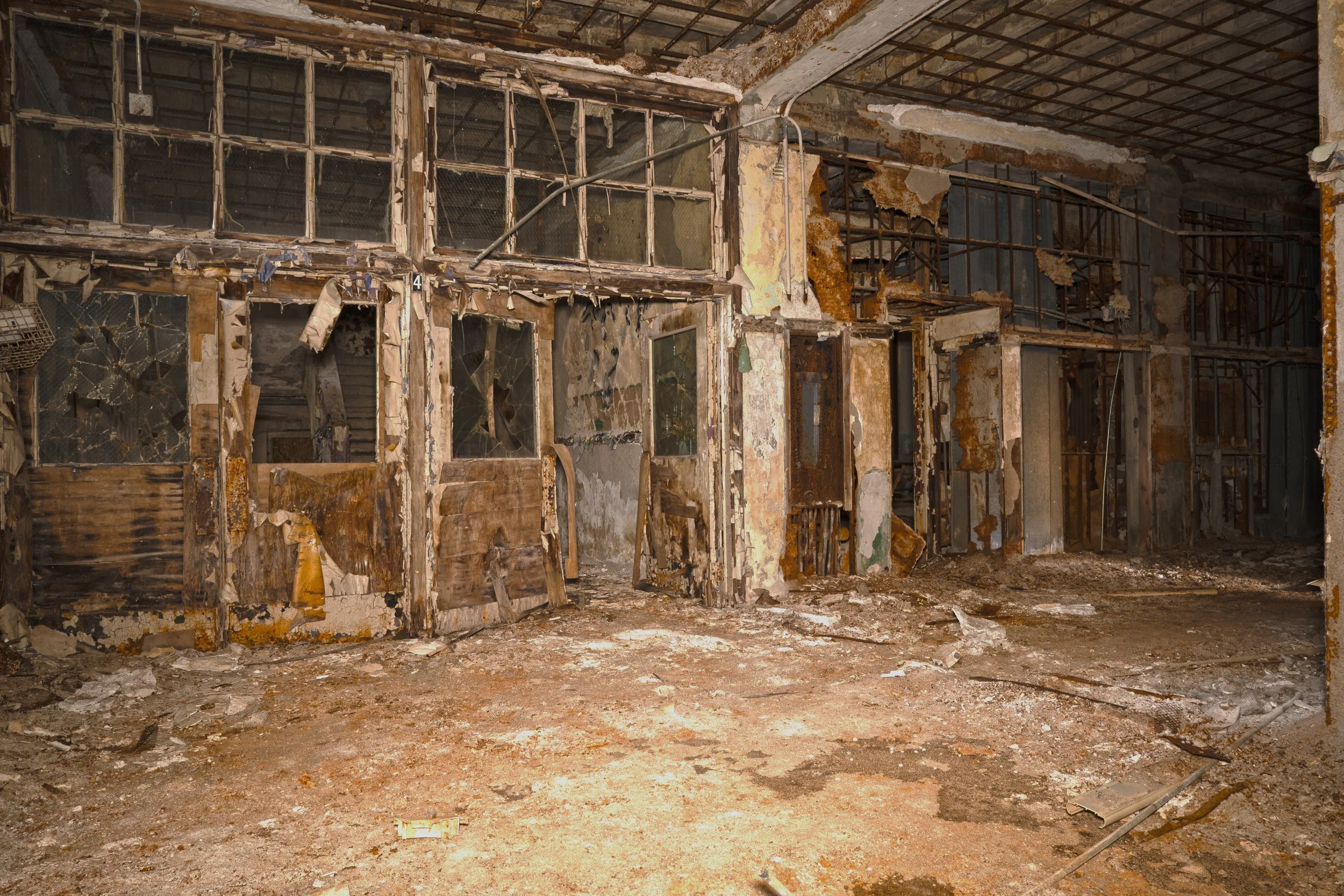
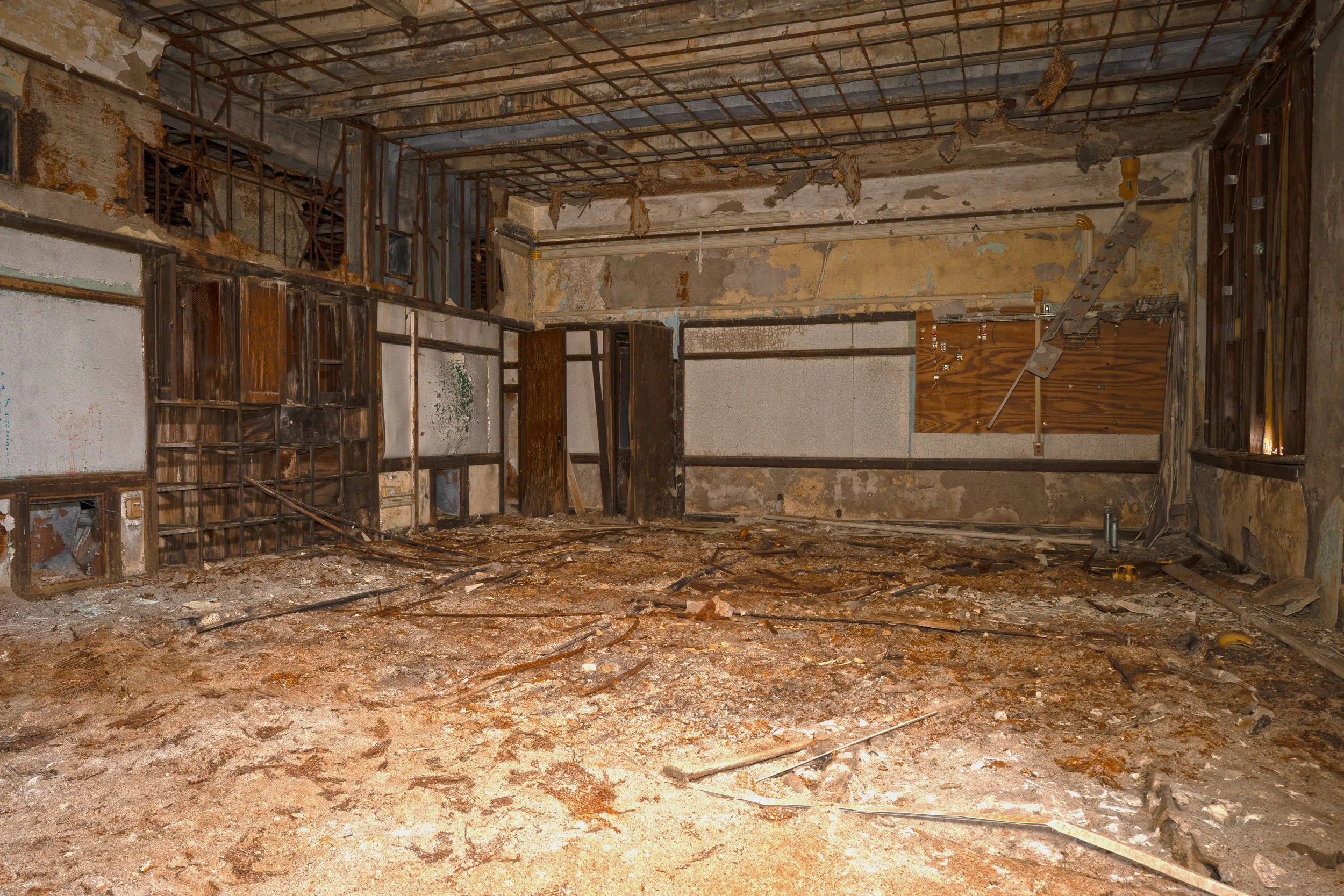
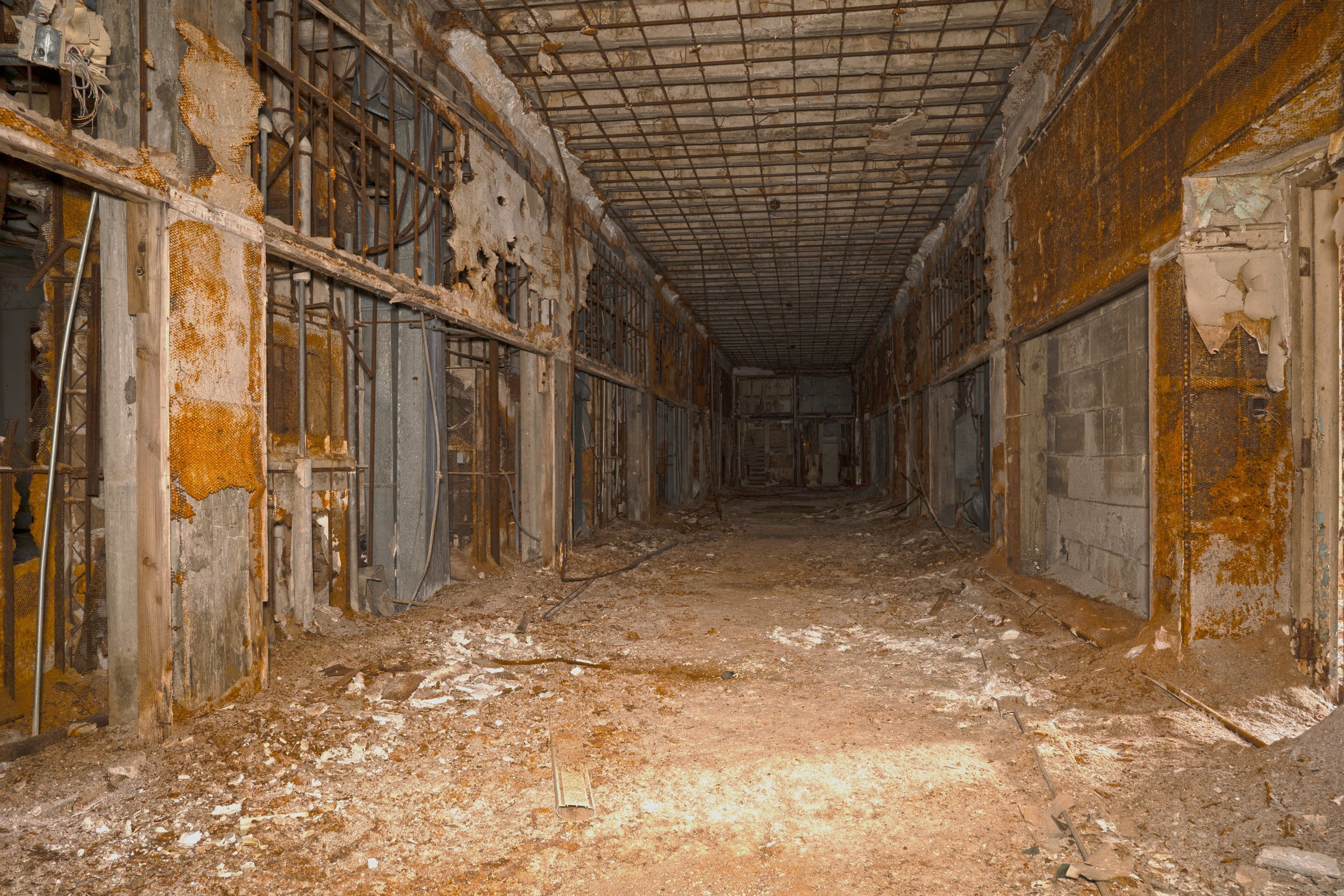
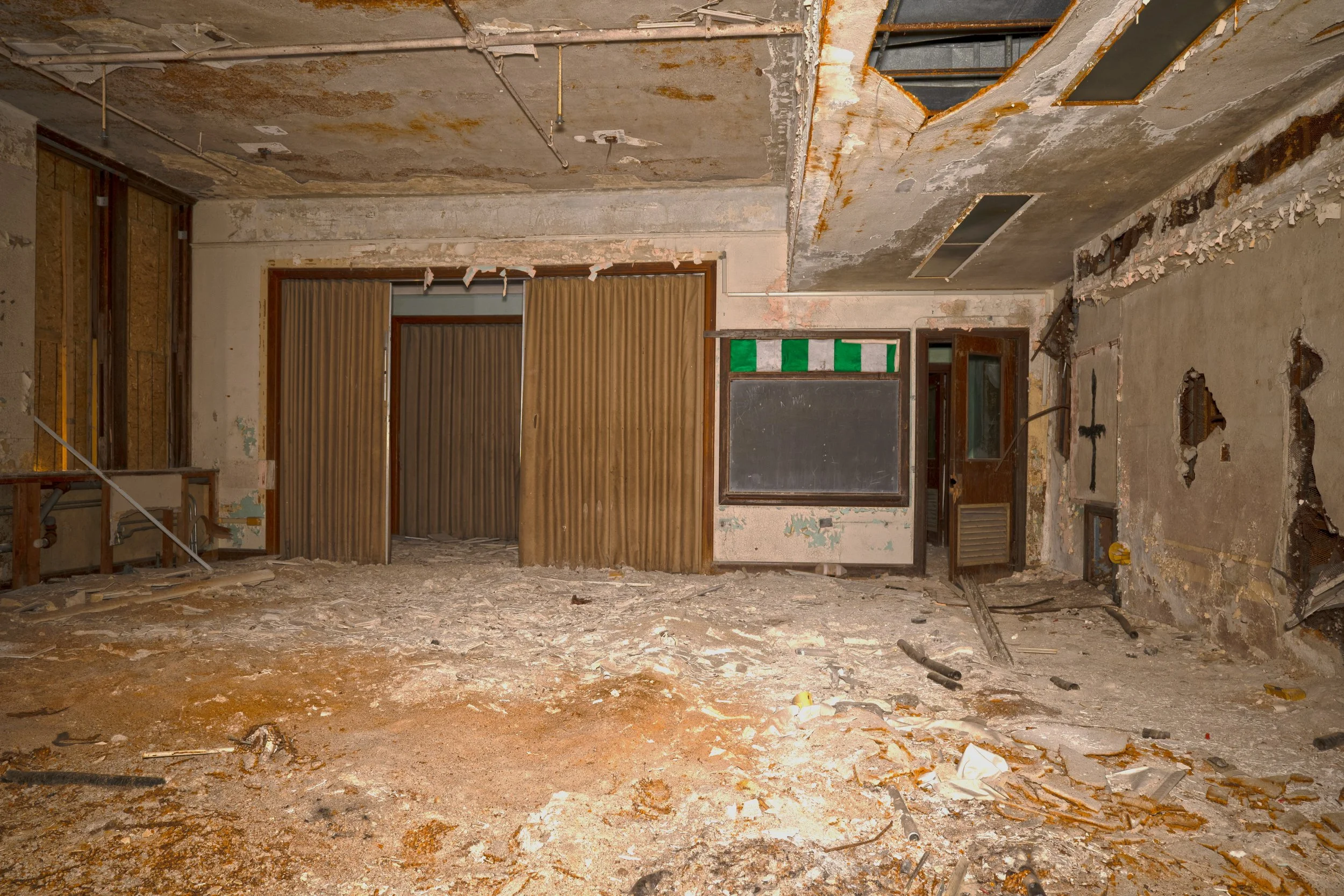
Jackson Intermediate School was built in 1928, interestingly it shares a connection to a historic suburban school the Roosevelt high school of Wyandotte MI built between 1921 and 1923. Both being built by Bernard C. Wetzel & Company, of which Jackson is only Detroit Public School built by the firm. Jackson’s design was a fairly typical design, with a straight long hallway with a short northern wing of classrooms, this was meant to help with expansion and addition space later on. Two cupolas line the front of the school and serve no functional purpose and are purely cosmetic. The first addition of Jackson would come in 1930 with the addition of a Gymnasium, pool, and locker rooms. With the pool and locker rooms connected to the first floor and the Gymnasium connected to those spaces via a staircases in both the locker rooms and pool areas. The Gymnasium connects to the 2nd floor. To the west is the auditorium on the 1st and 2nd floors, alongside the library on the 3rd floor. All spaces sit across from each other in the middle of the school. Jackson is a large school and had a capacity of 2,200 students, upon completion of the 1930 addition the school was dedicated on October 2, 1931. The dedication address was delivered by Detroit Mayor Frank Murphy. Murphy was a progressive Democrat, and would go on to become the Governor of Michigan, the U.S. Attorney General, and a Justice of the Supreme Court. In 1942 during WWII students participated in scrap drives, collecting clothing, rubber, iron, and paper to support the war effort. With Jackson’s size the school was seen by many students as a palace, compared to there homes nearby many built in the early 1900s. Long hallways, high ceilings, and most importantly the common areas contributed to a great pride between students at Jackson. In the mid 50s Jackson’s neighborhood was described as a predominantly white, working class and middle class families. With the neighborhood homes being described as sturdy brick Tudors and bungalows, populated by auto workers, civil servants, and small business owners. With the rise of the suburbs and freeway access in the 50s many families began moving to the suburbs, however the neighborhood around Jackson didn’t change much until the late 60s into the 70s. With the Fair Housing Act of 1968, it no was longer legal to restrict groups of people from moving into neighborhoods, throughout the 70s the demographic around Jackson changed and by 1974 the shift to a predominantly African American student body, with approximately 75% African American and 25% white. It was known as a “tough” school, and had the most police incidents, more other school of any size in the district throughout the 1972-73 school year. However for the 1974 school year security guards were placed in the school, a job usually reserved for Detroit’s high schools, however with Jackson a exception had to be made and improvements were seen in police incidents to the school. In the late 80s the school changed its name following the Challenger Space Shuttle disaster, to the McNair Technical Middle School. Named after Ronald McNair the second black astronaut to fly in space passing away in the Challenger Disaster in 1986. This name change also saw a shift in curriculum to a information technology and computers education, along with this the school adopted new colors purple and gold. By 2001 however, alongside may other local schools in the area such as Carstens and Hosmer, Jackson saw a shrinking student body in large numbers as many houses were demolished as most approached 100 years old and never replaced with modern housing largely due to low demand following a declining job market in Detroit beginning in the 80s and beyond. In 2001 Jackson reported it was at half capacity with only 1,100 students, and just 6 years later was down to 370 in 2007. It was proposed to close alongside 47 other schools however dodged closure and in 2009 became Finney High School, as the Finney program was in the process of moving into a new school. When the old Finney High School dating back to 1928 was demolished and replaced between 2009 and 2012. With the final closure of Jackson in 2012, following the transfer of students to the new Finney school. A need for Jackson was no longer needed and it was closed, throughout 2012 and 2013 the school was scrapped very heavily and since then has been scrapped to become one of the worst condition schools in the district. While the exterior remains in fair shape, the inside is very poor, with many walls being scrapped out, along with auditorium chairs, utility fittings and much more being scrapped throughout.
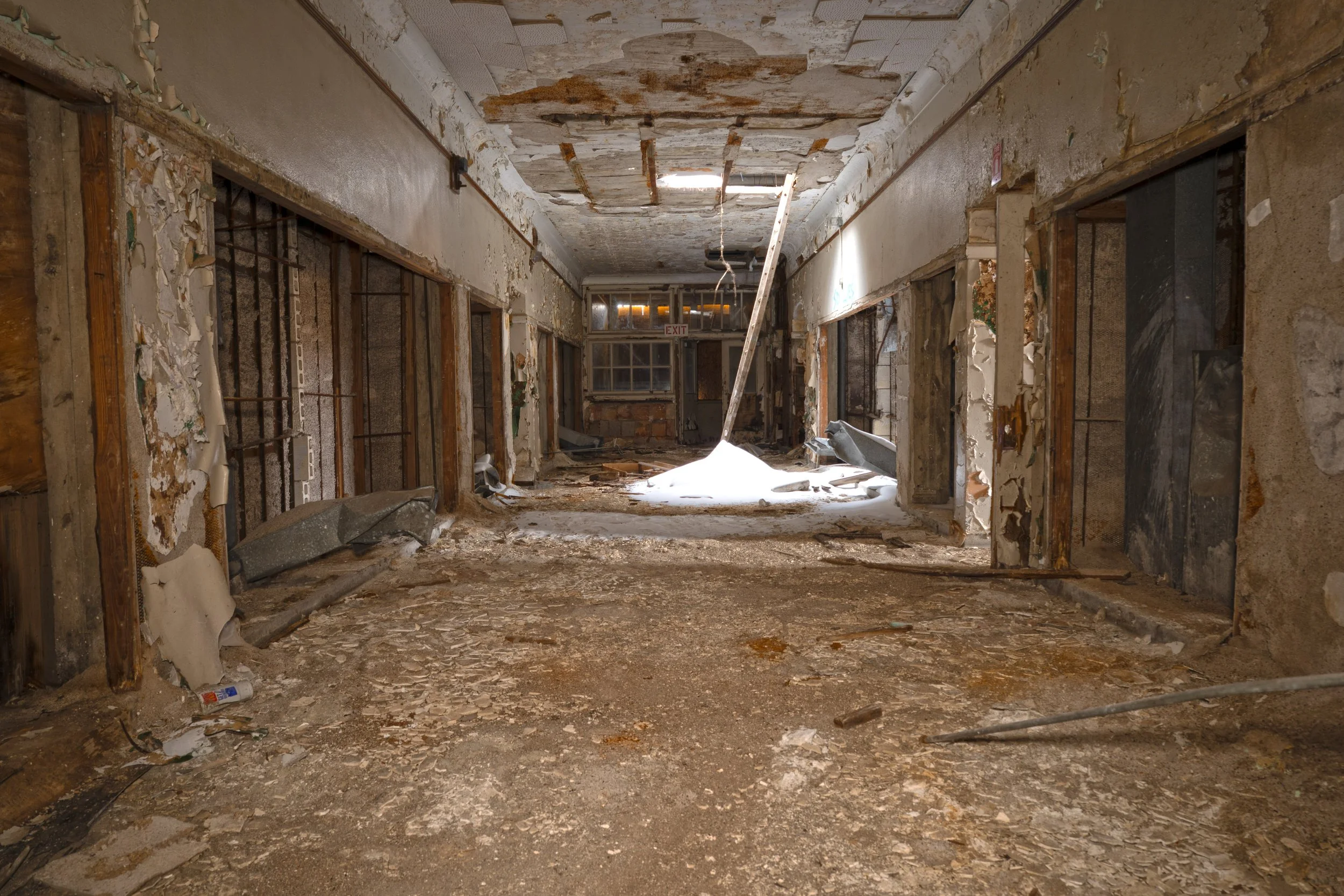
Recollection from the author
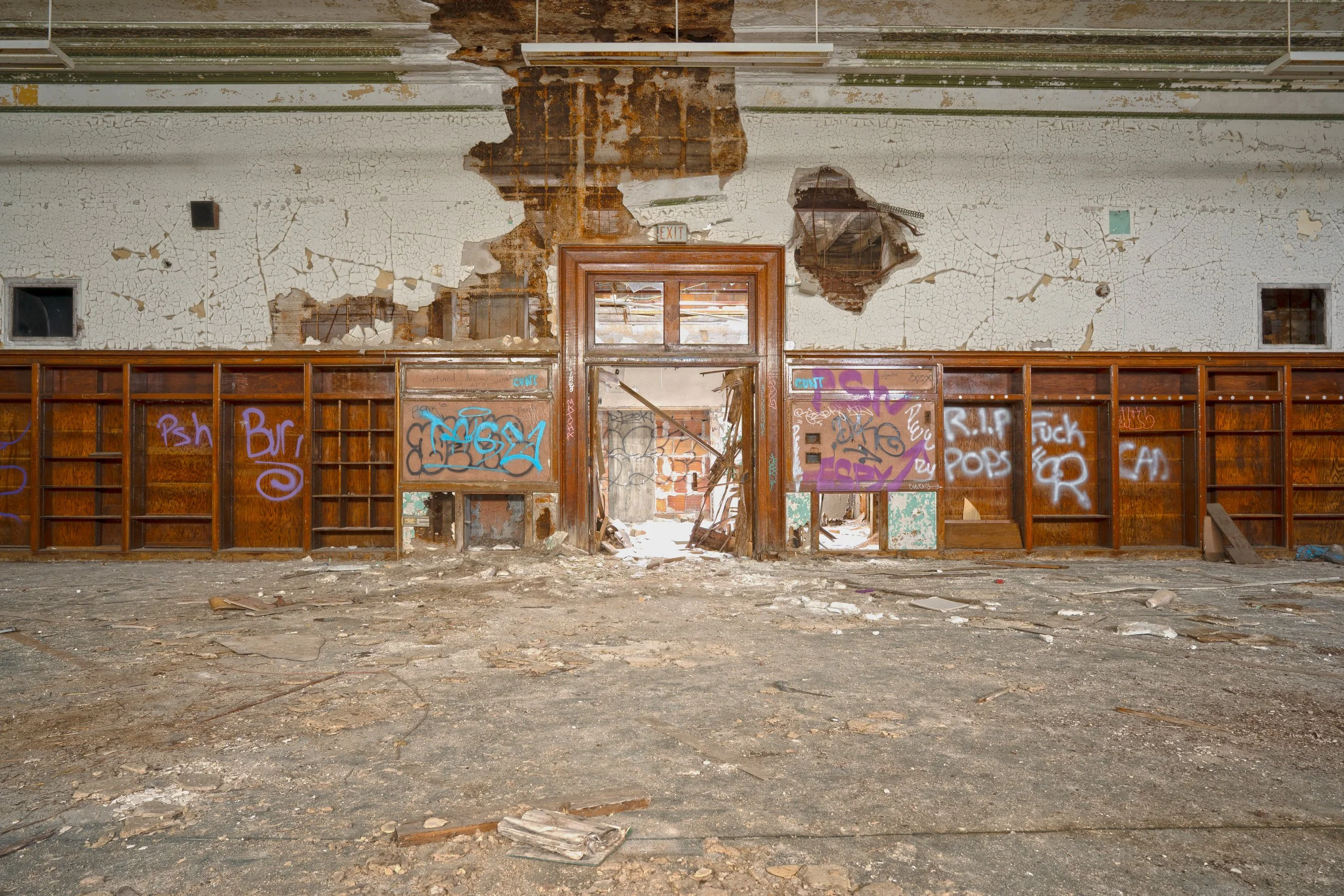
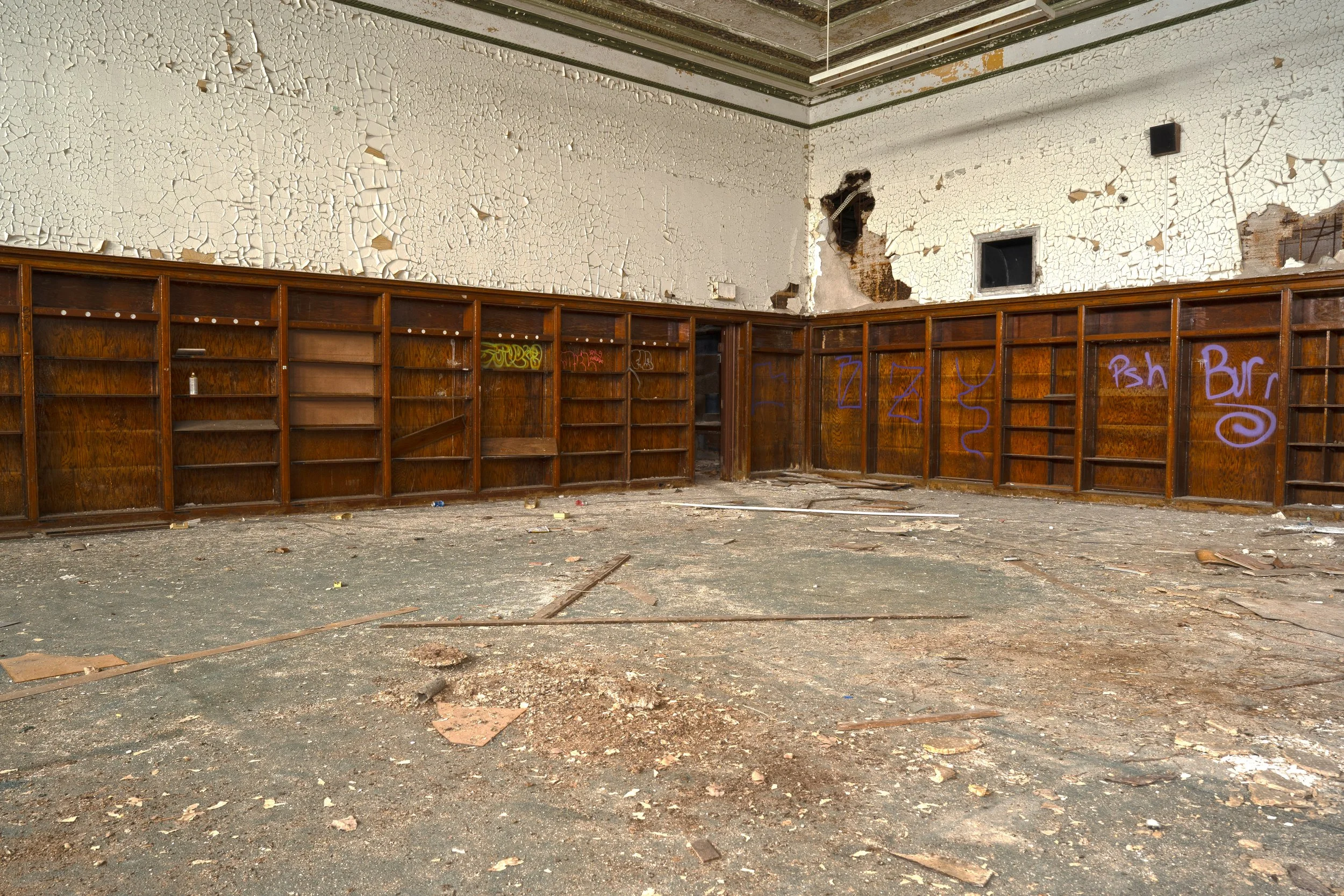
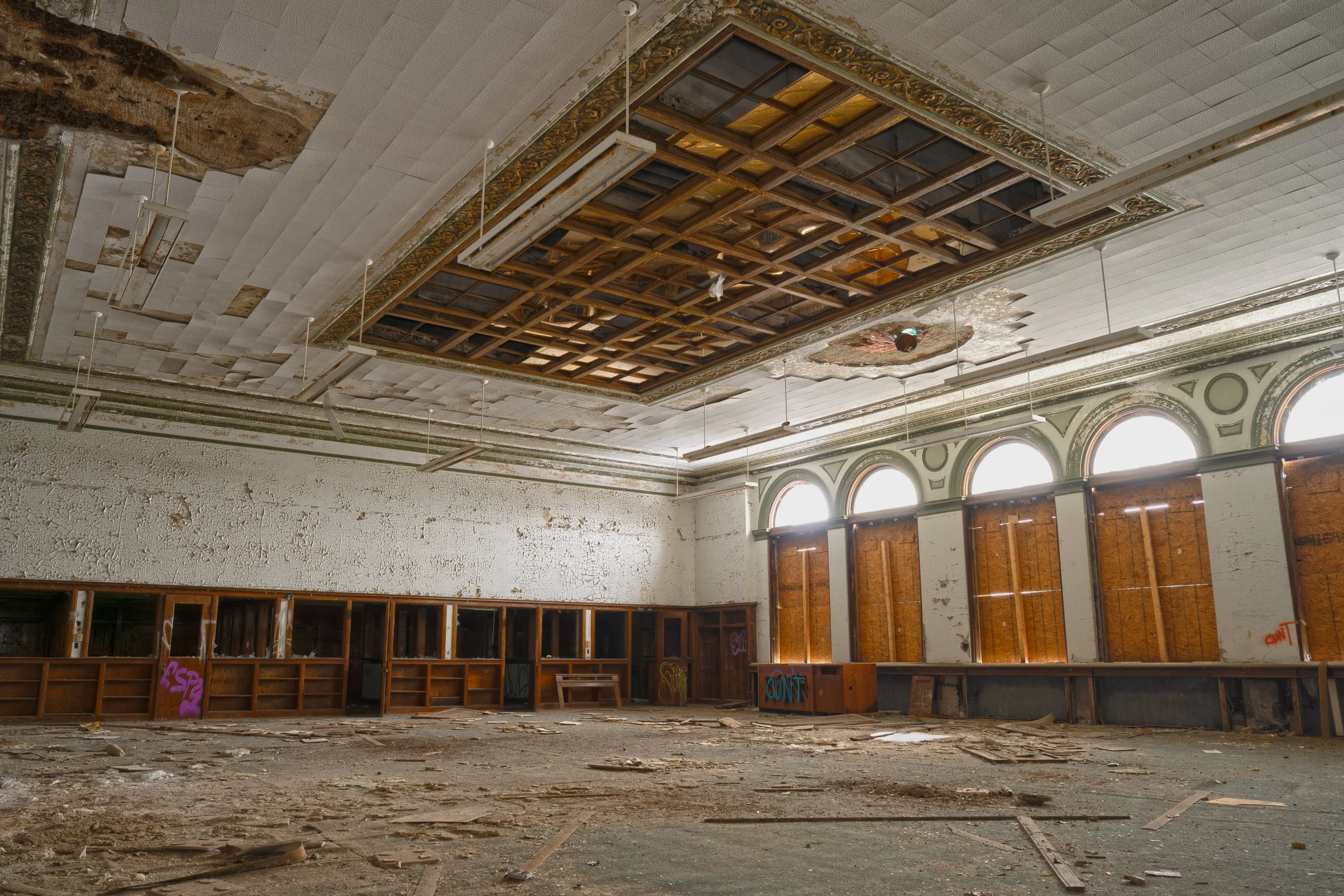
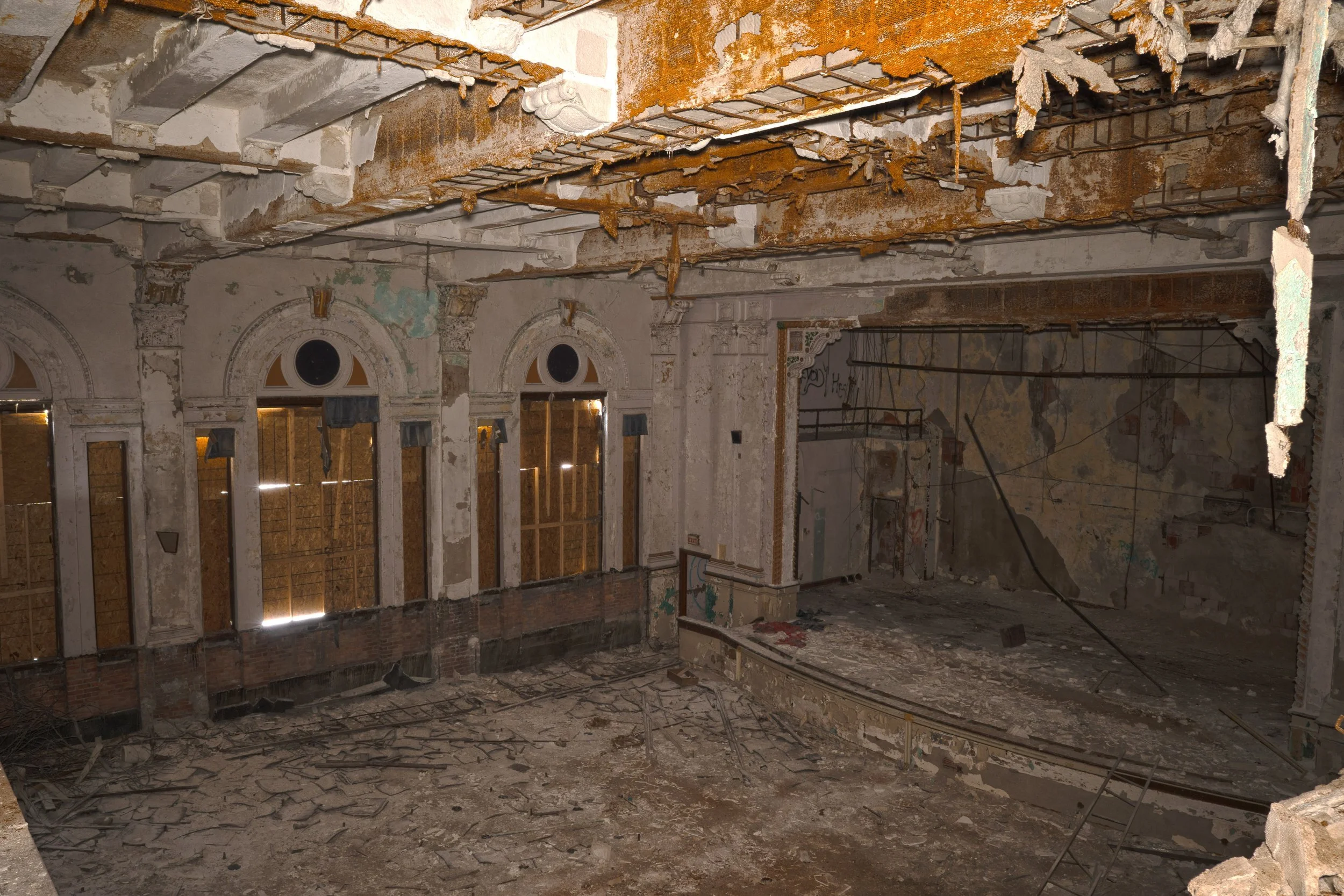
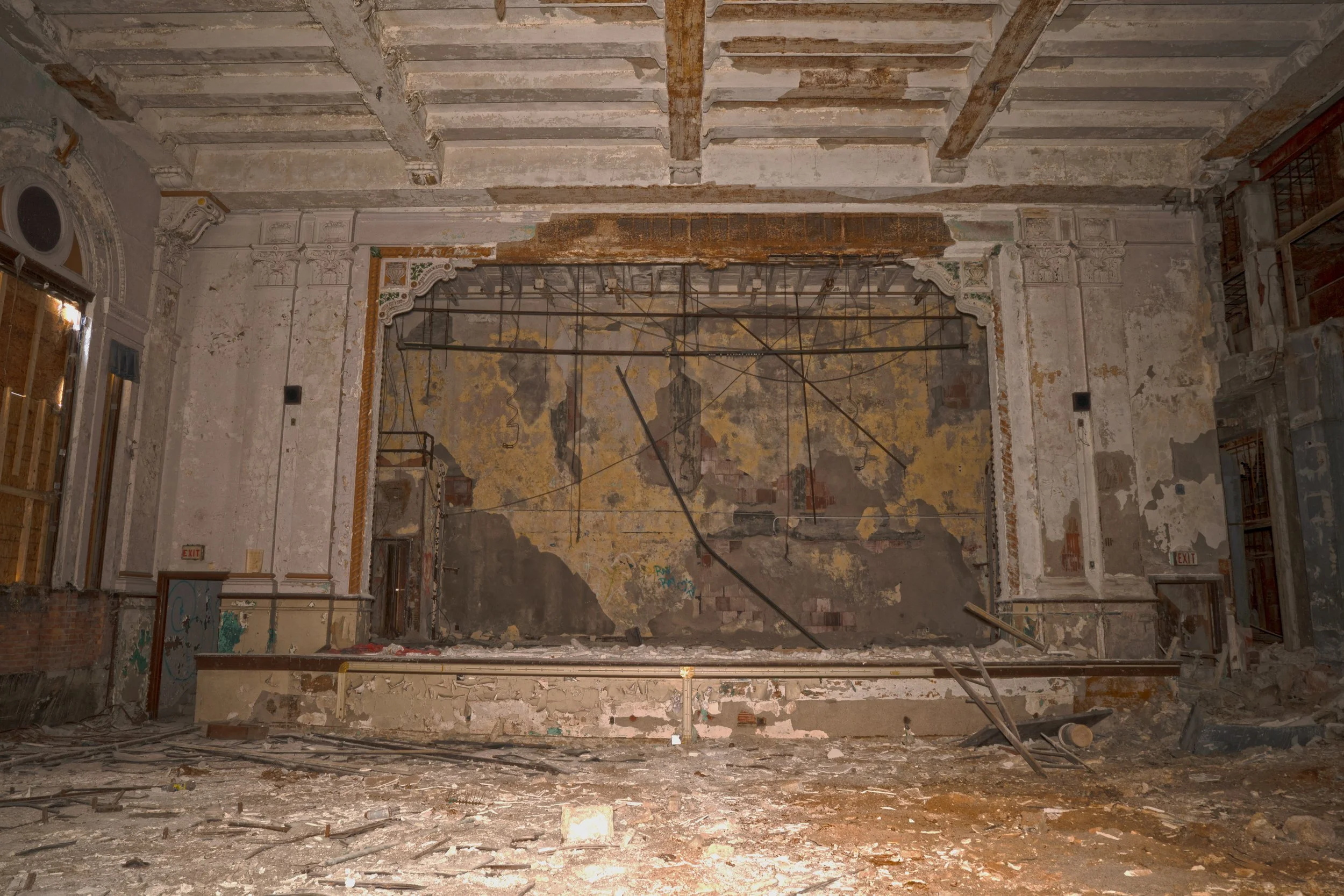
Jackson, a beautiful school with some imagination, of a time past gone. It’s hard to see it in many sections however in some like the library you can feel how grand this school once would have been to thousands of students. The auditorium while very heavily scrapped with a whole wall missing, looking at images when the school first closed you can see how grand again the space was. While I don’t see this school getting a second life for me it will go down as as school I had the privilege and honor to document.
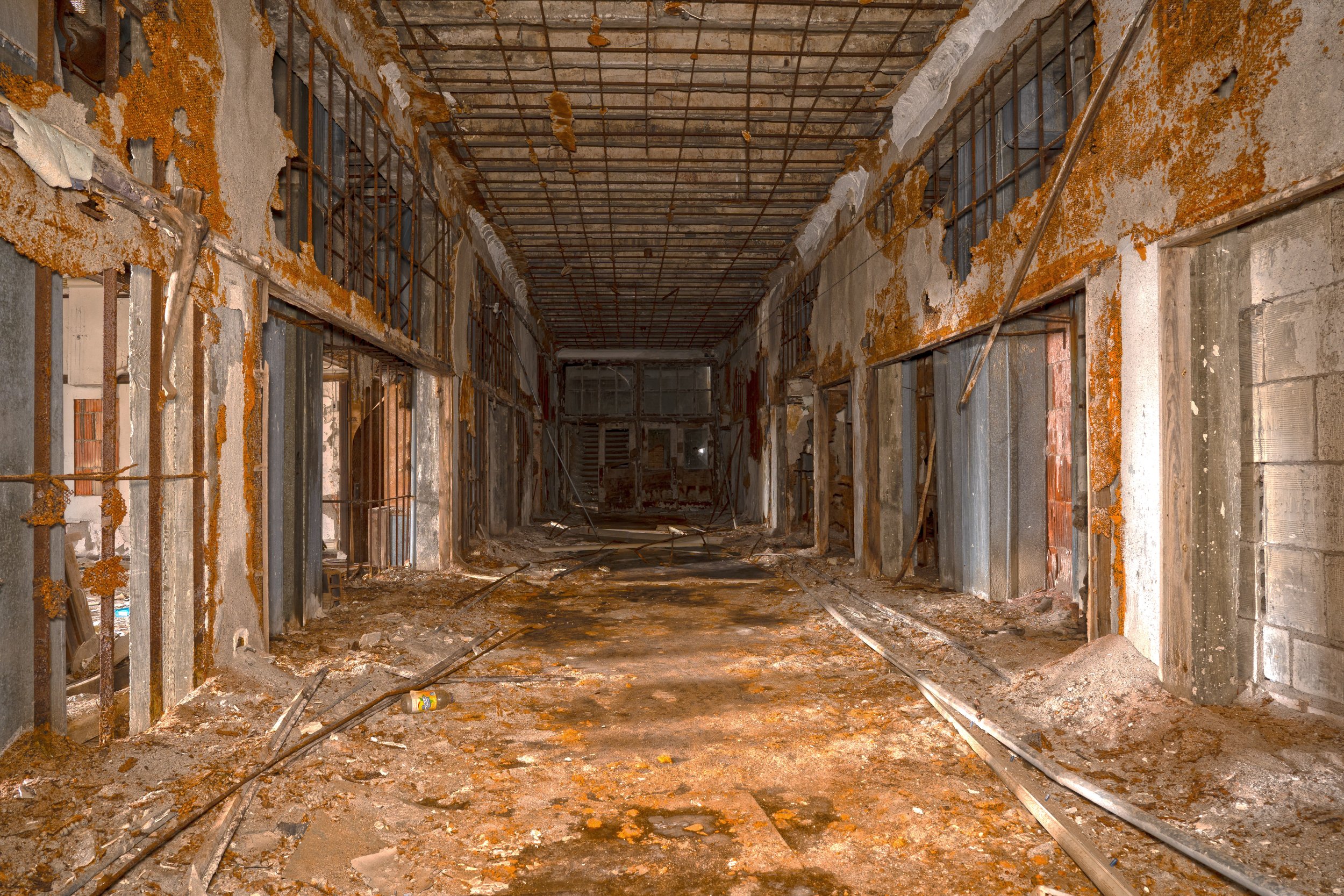
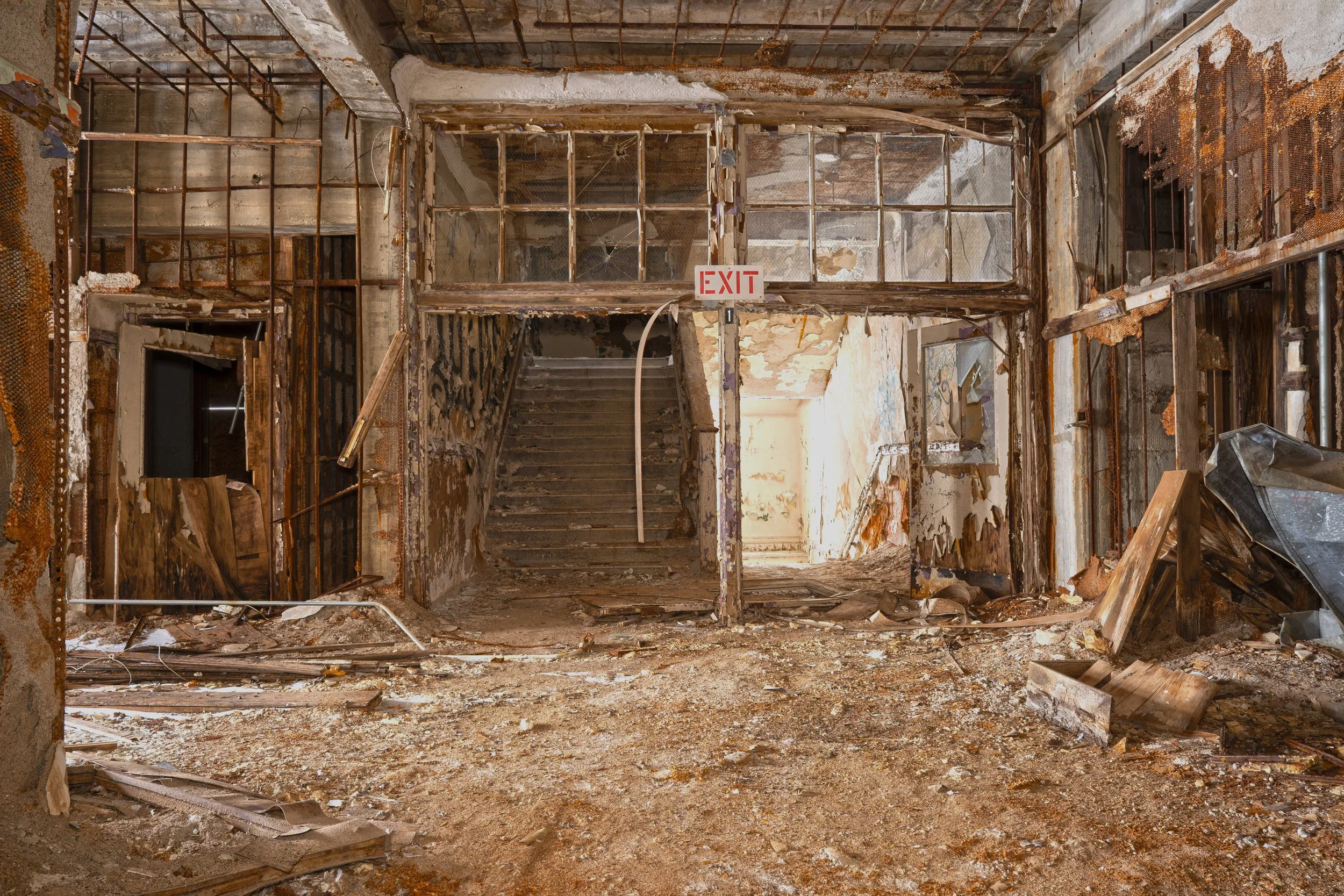
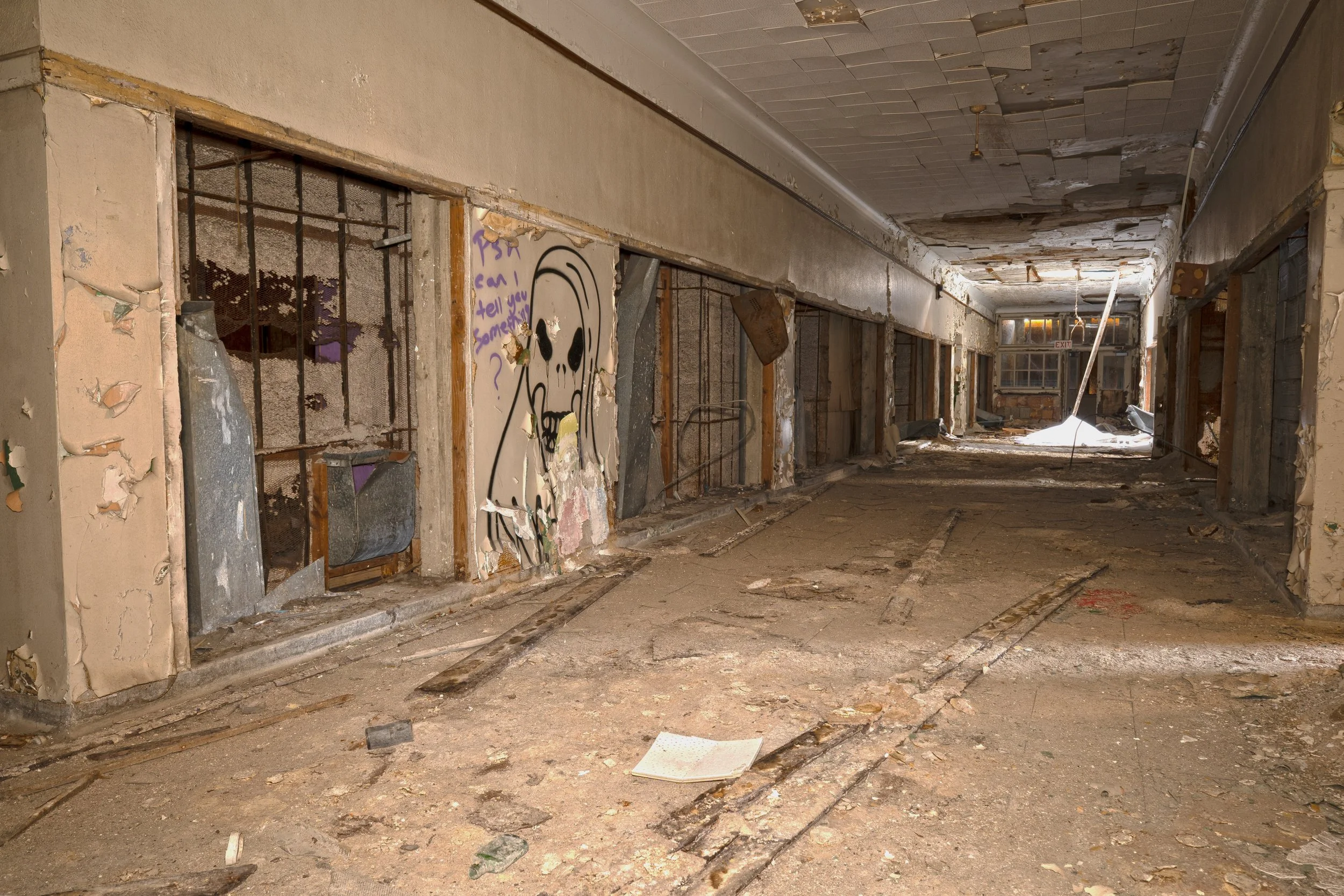
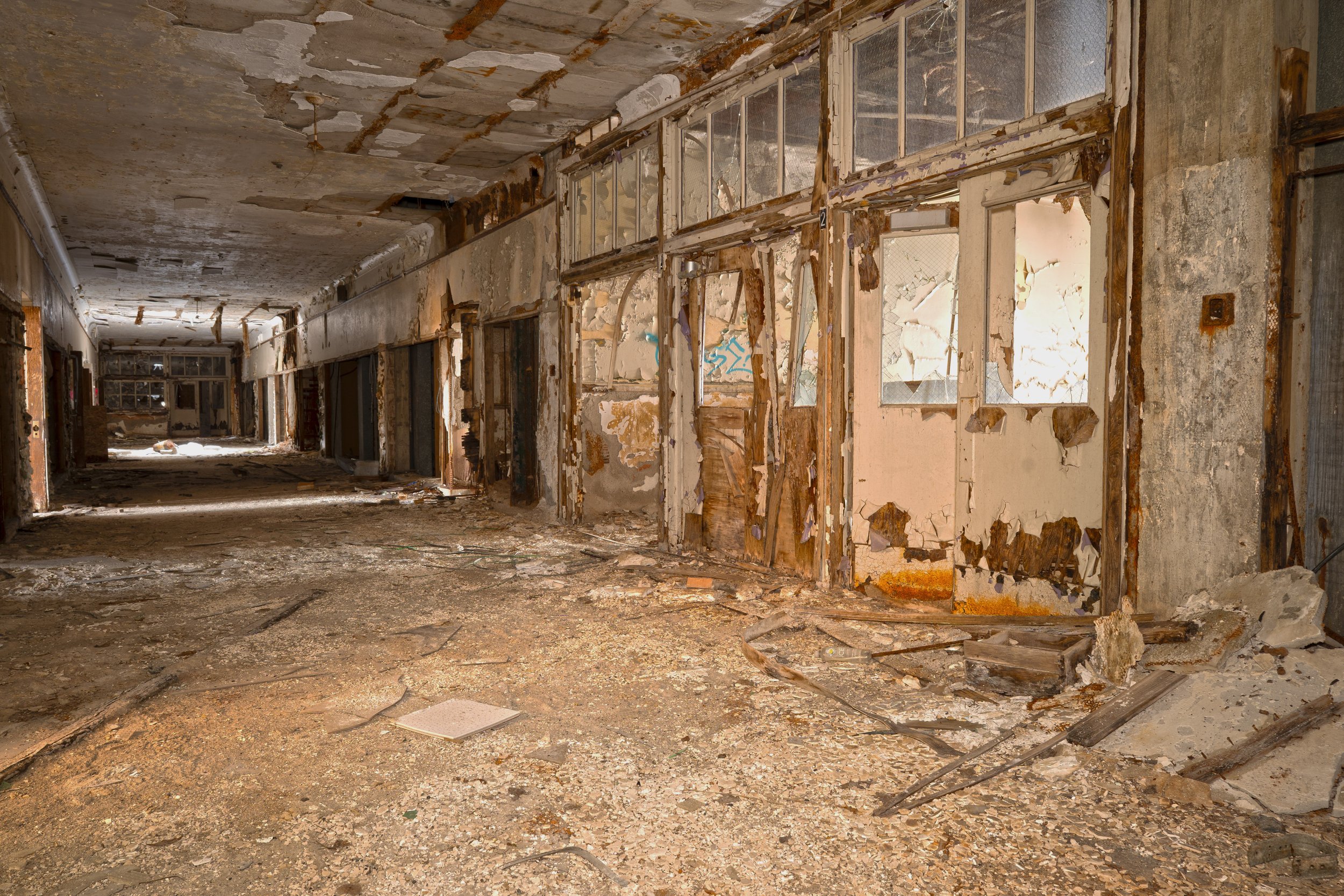
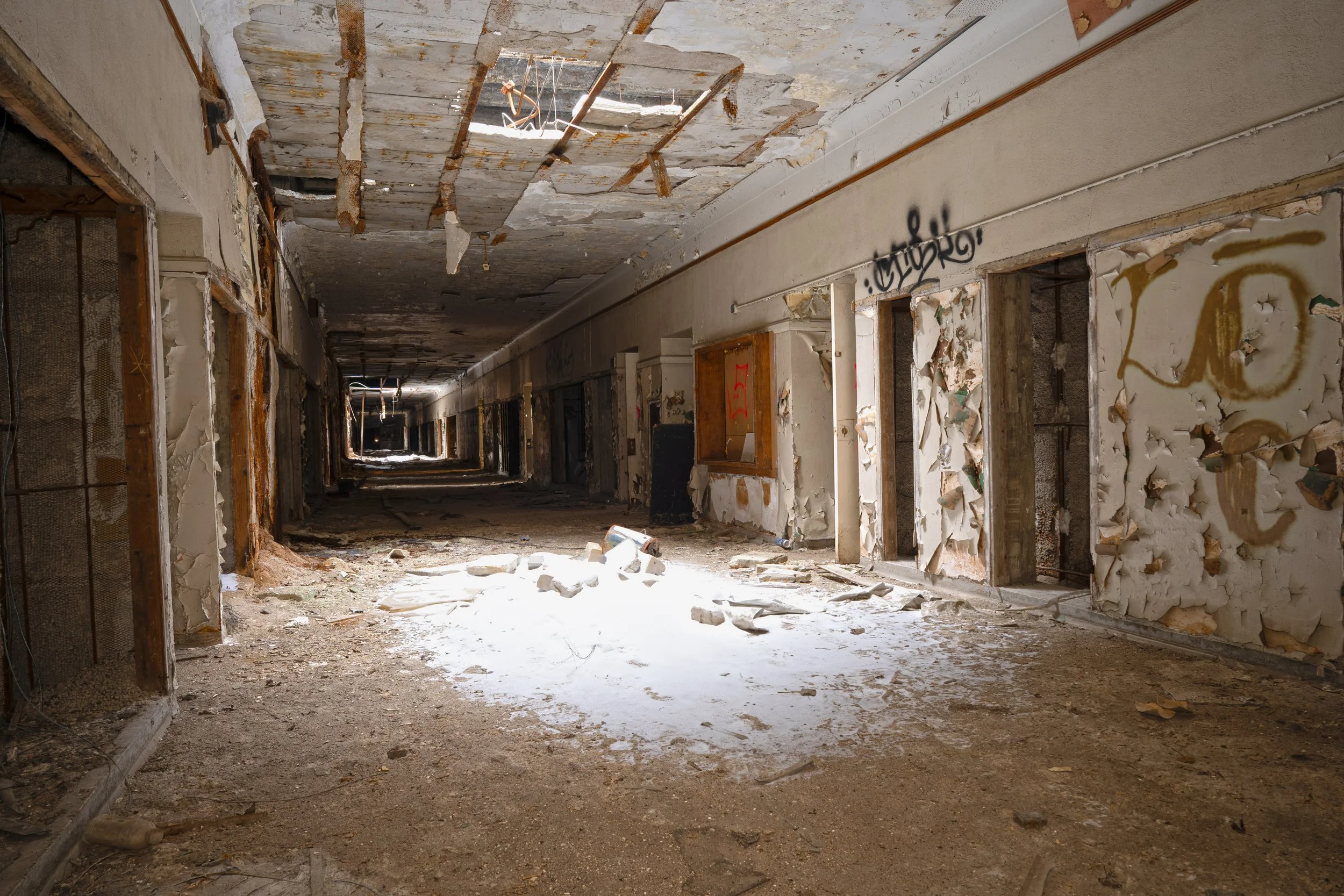
Northern wing of Jackson on the 1st floor
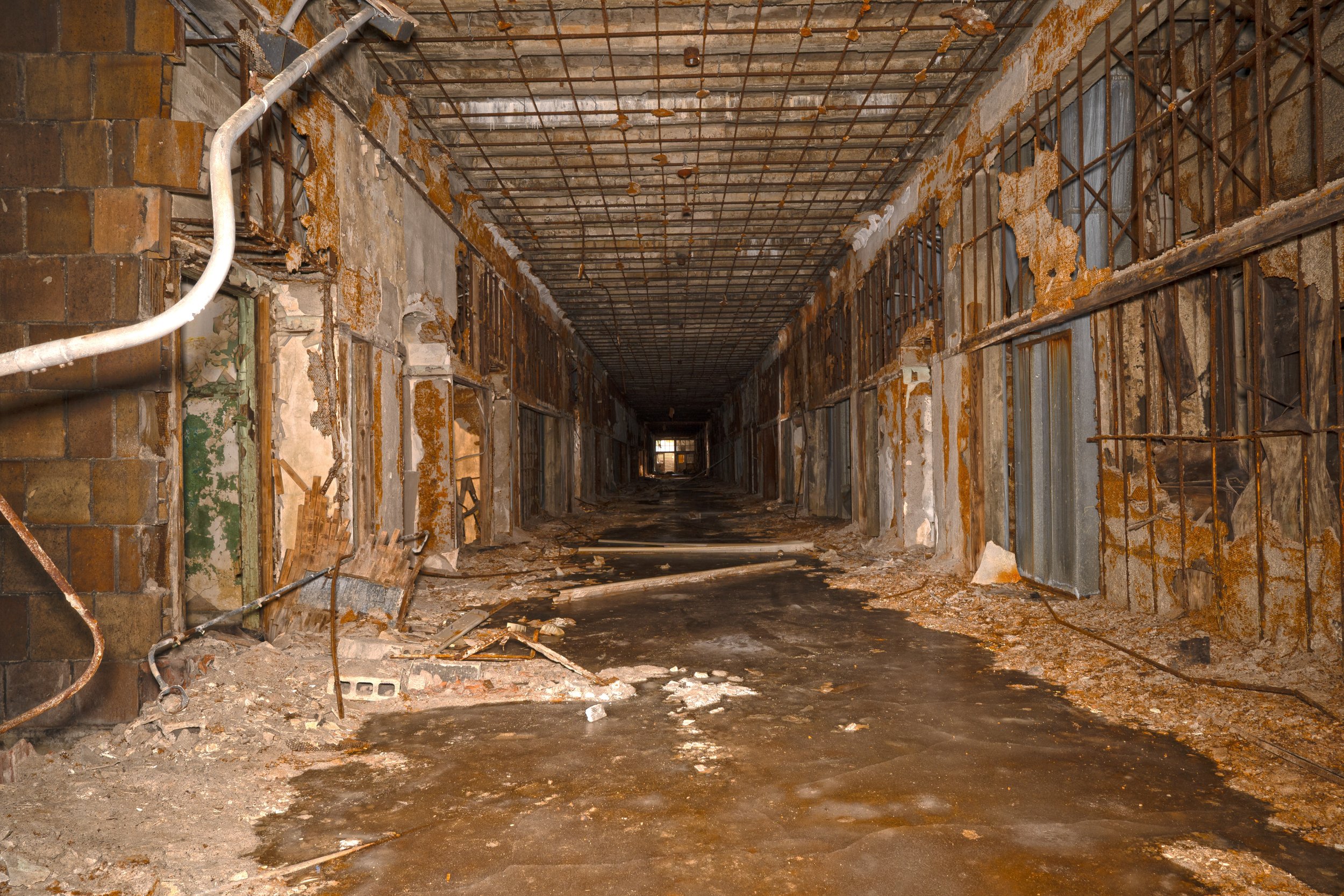
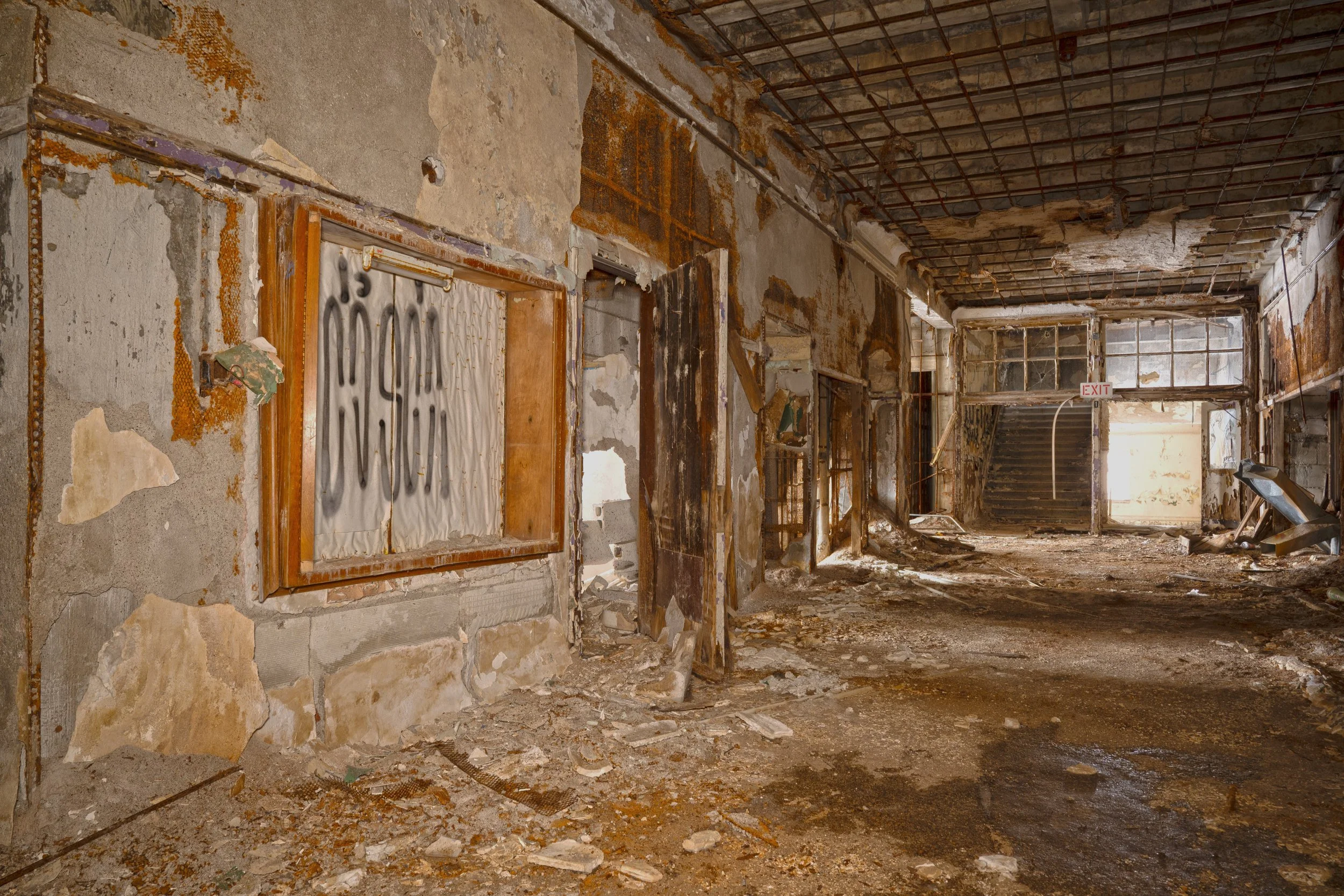
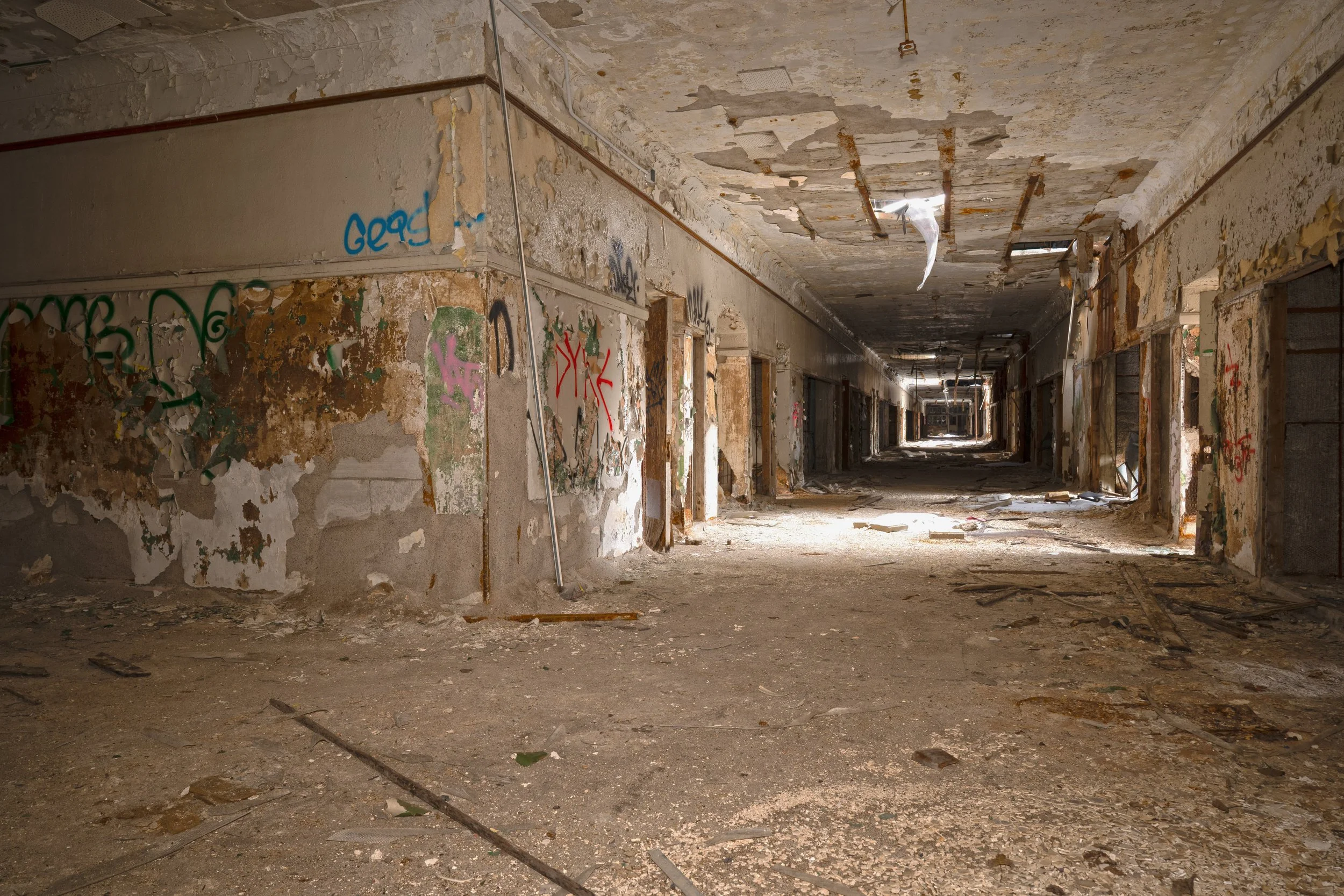
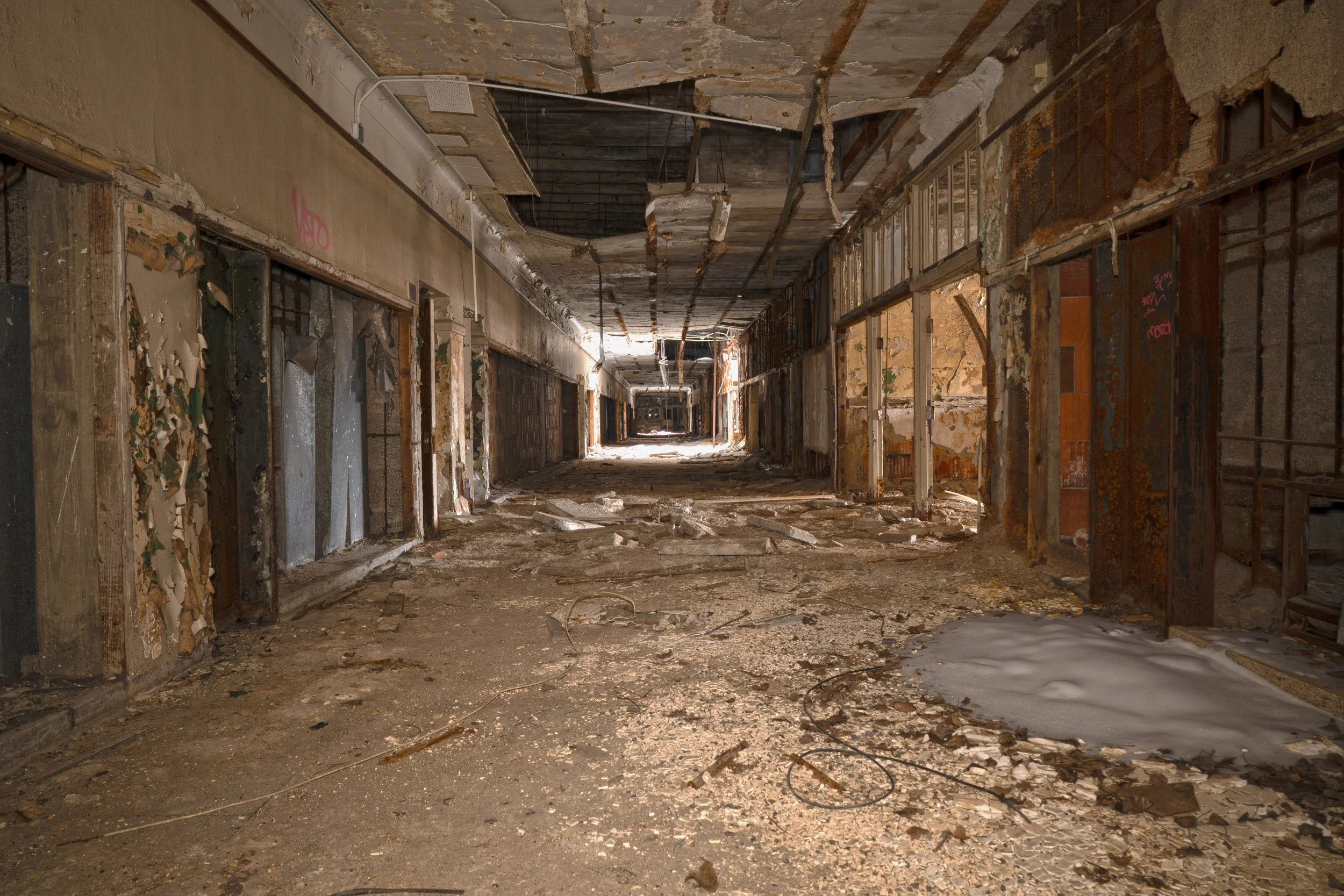
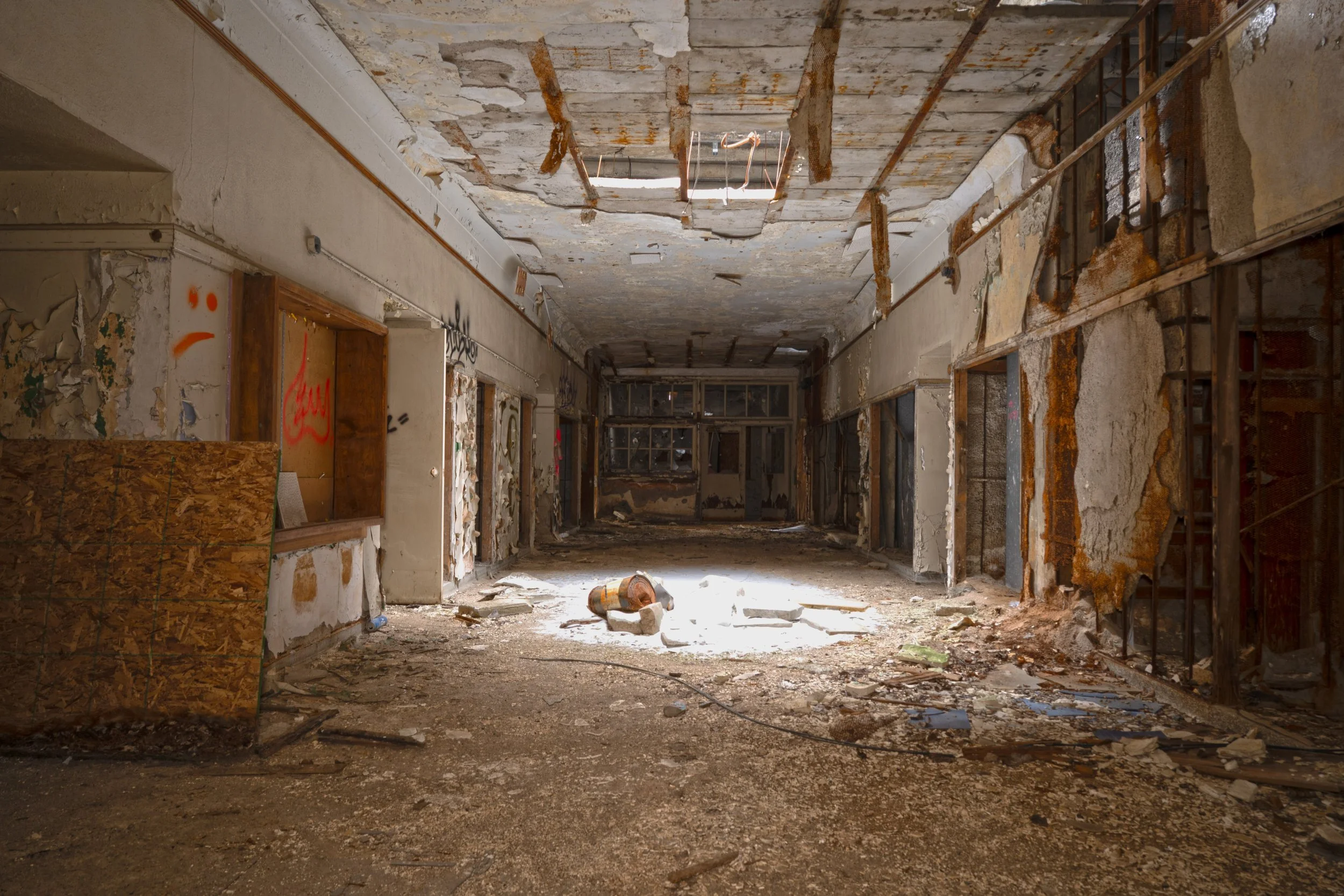
Main wing of Jackson on the 1st floor
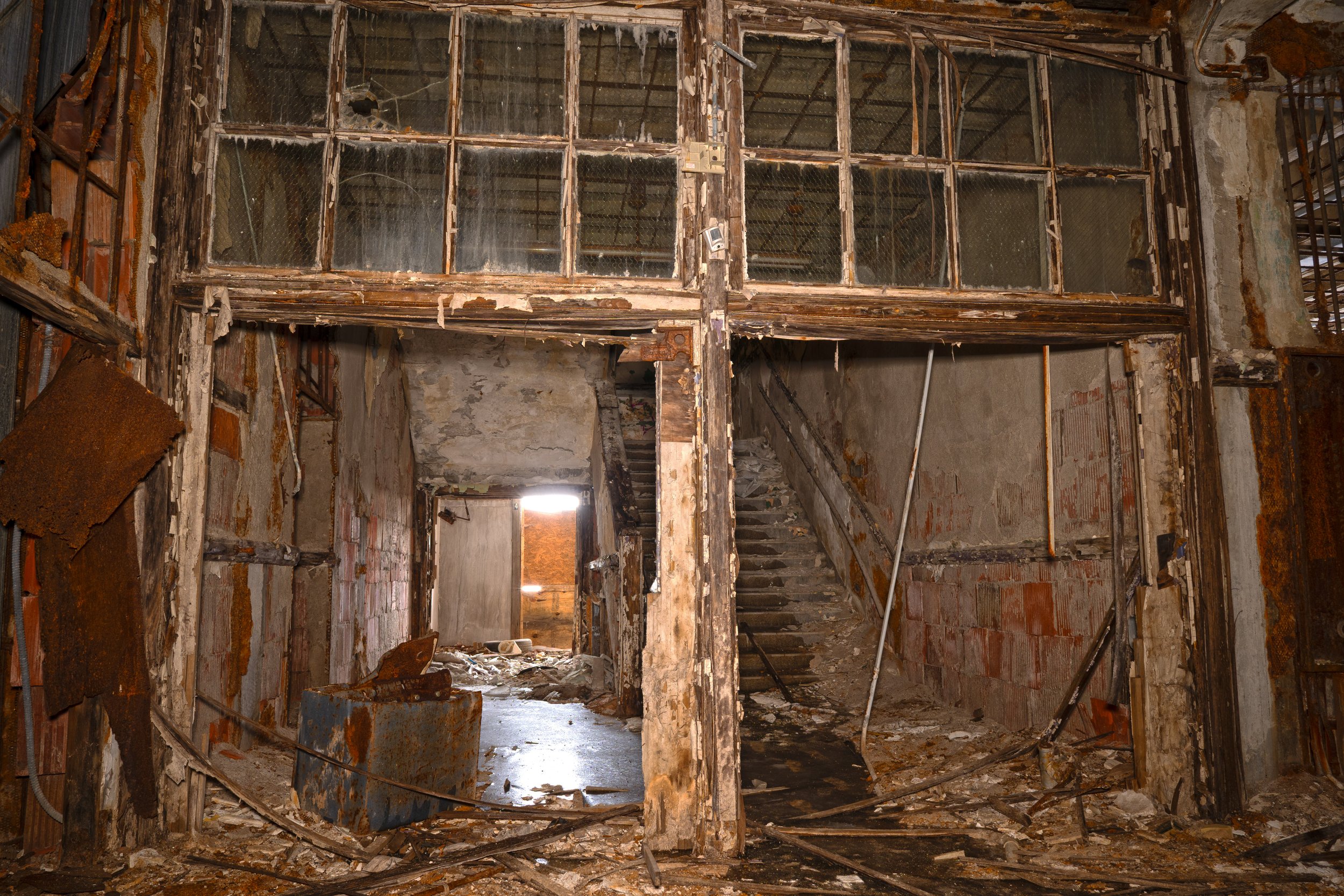
Northern Wing entrance to Jackson
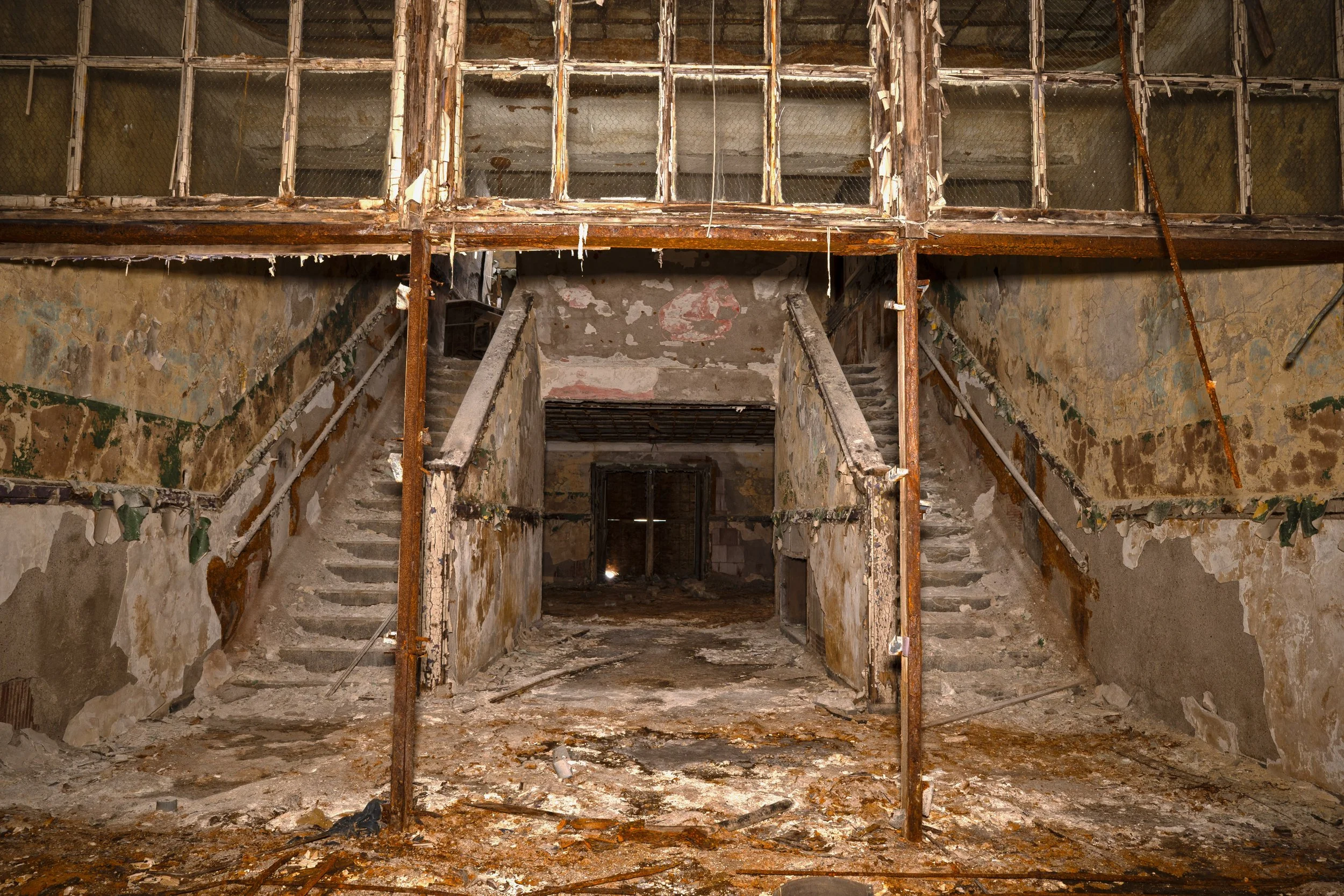
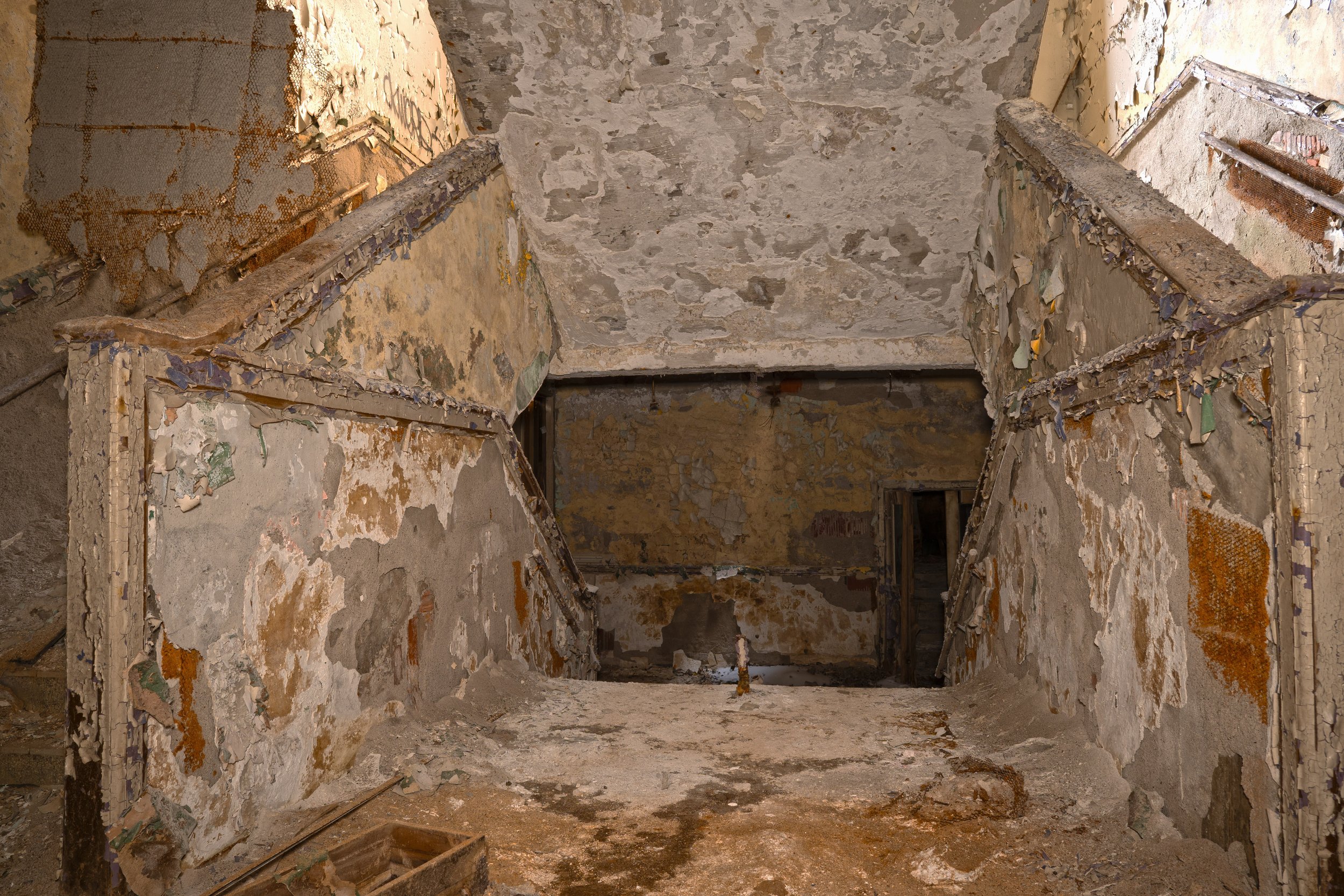
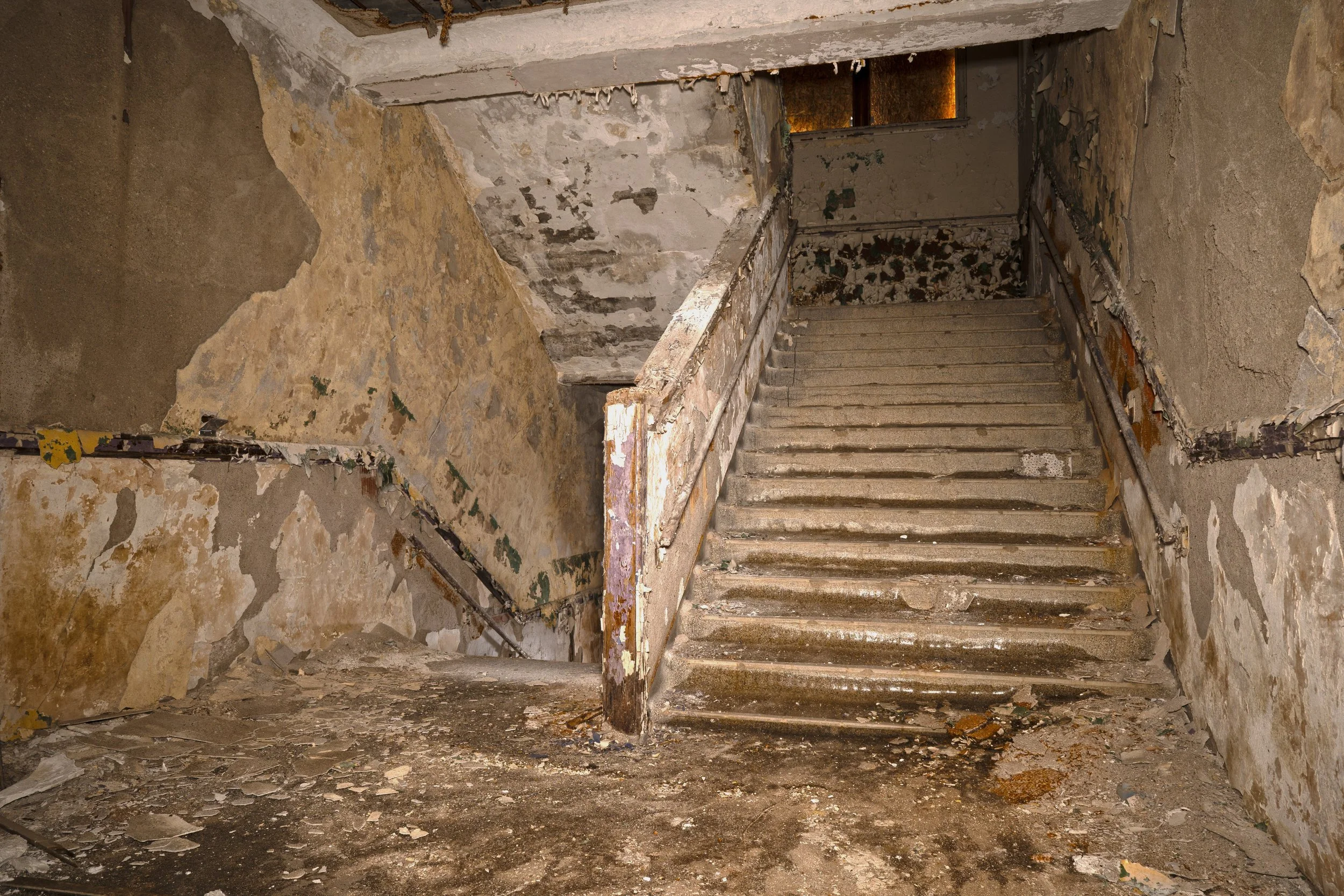
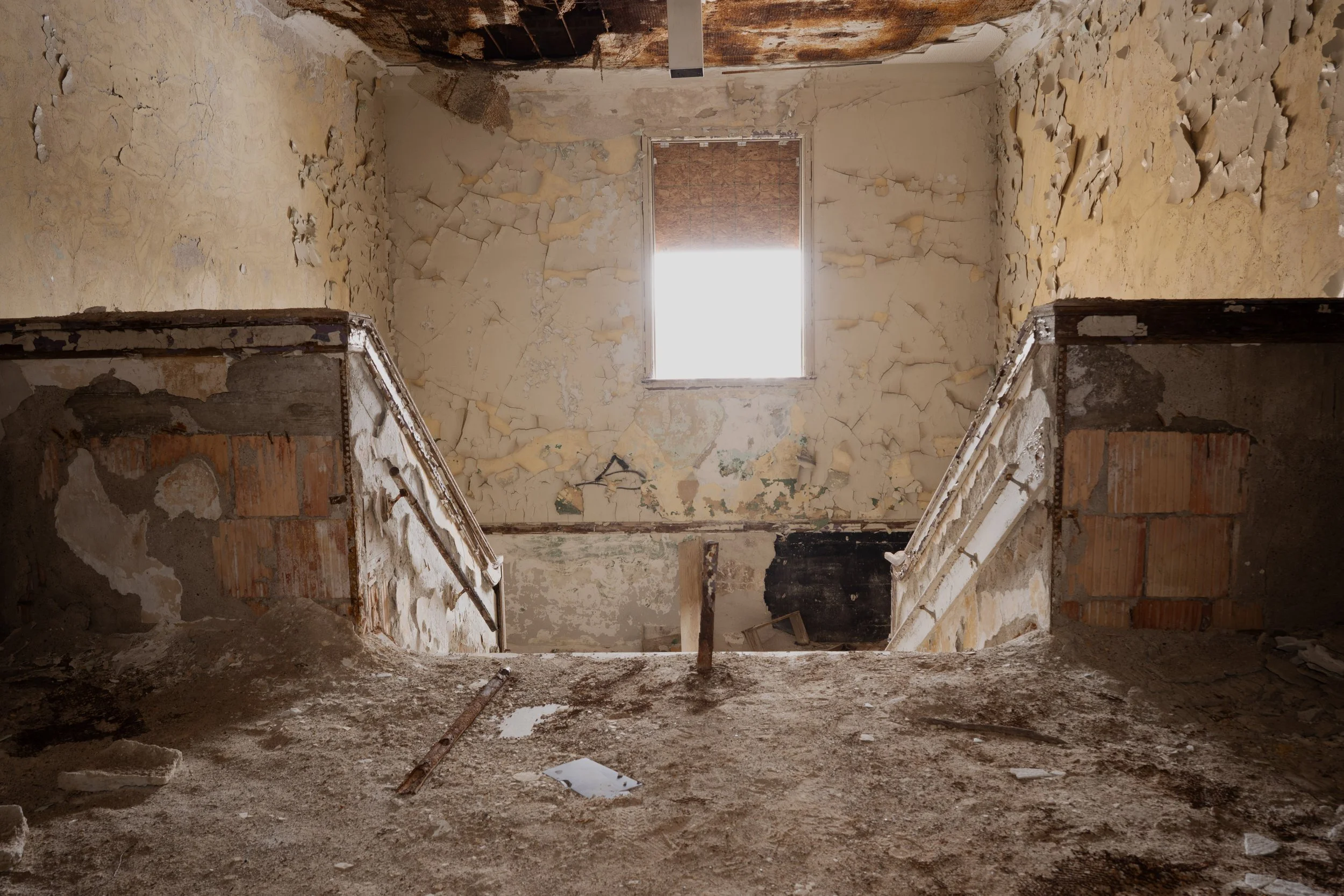
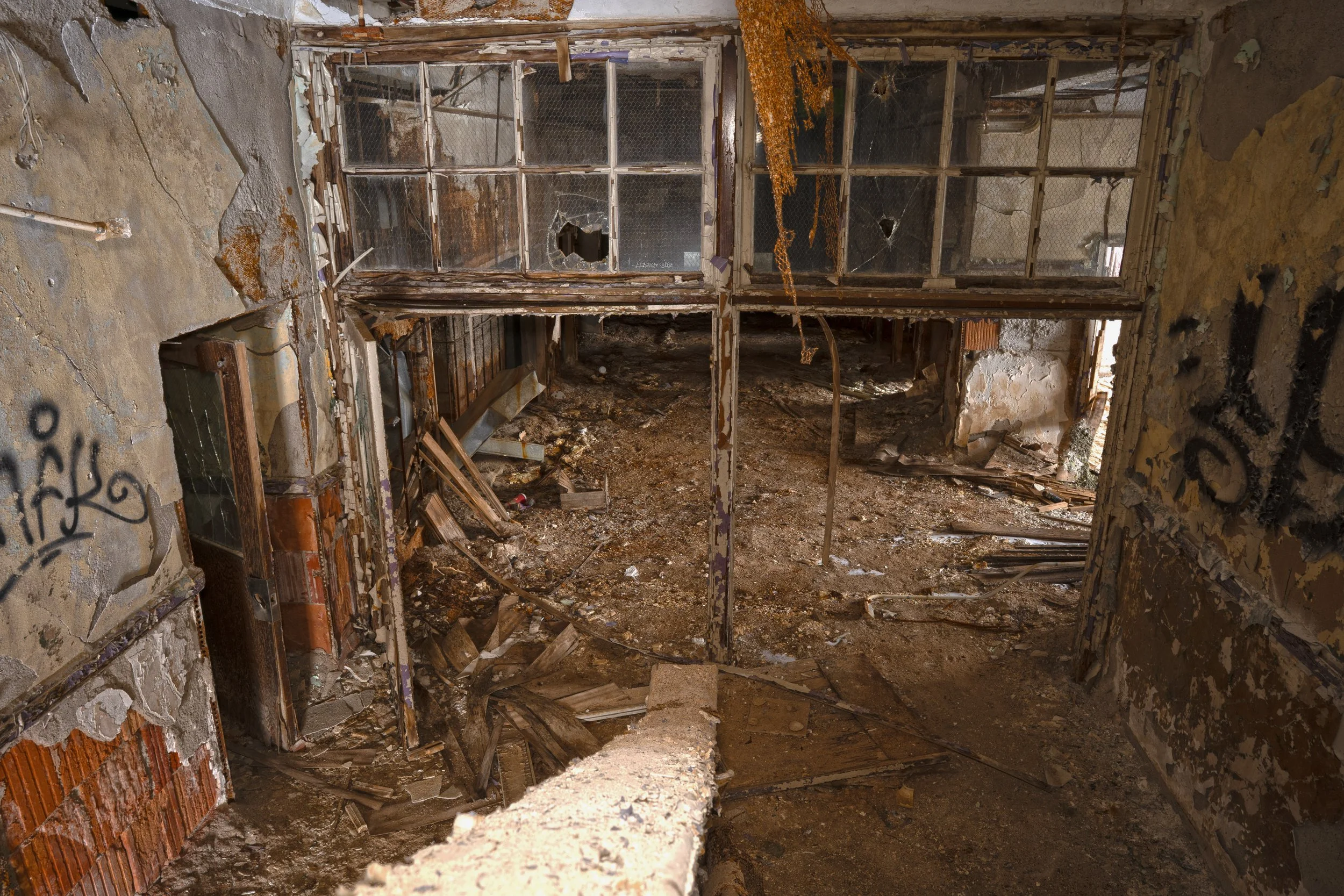
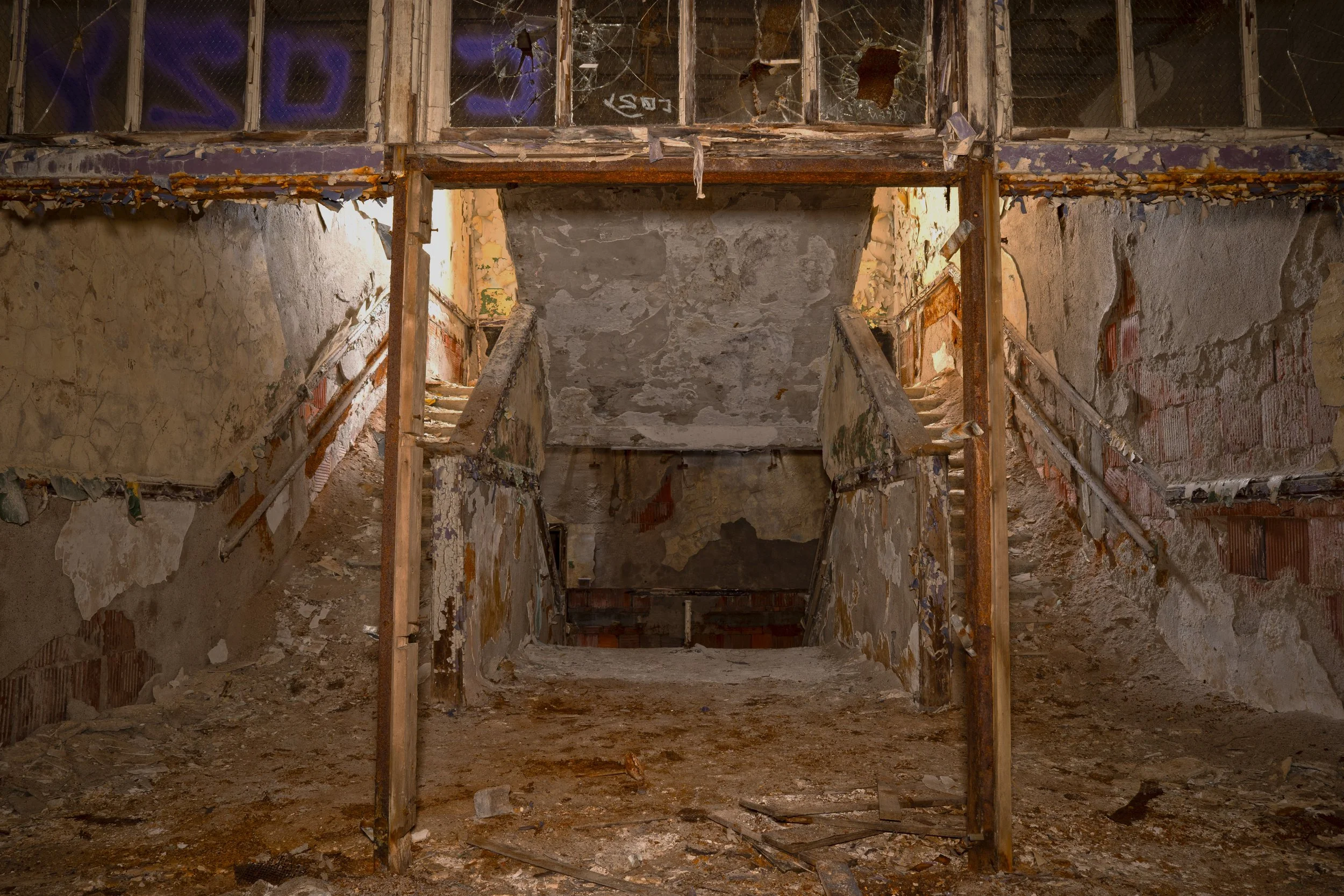
One of many staircases in Jackson
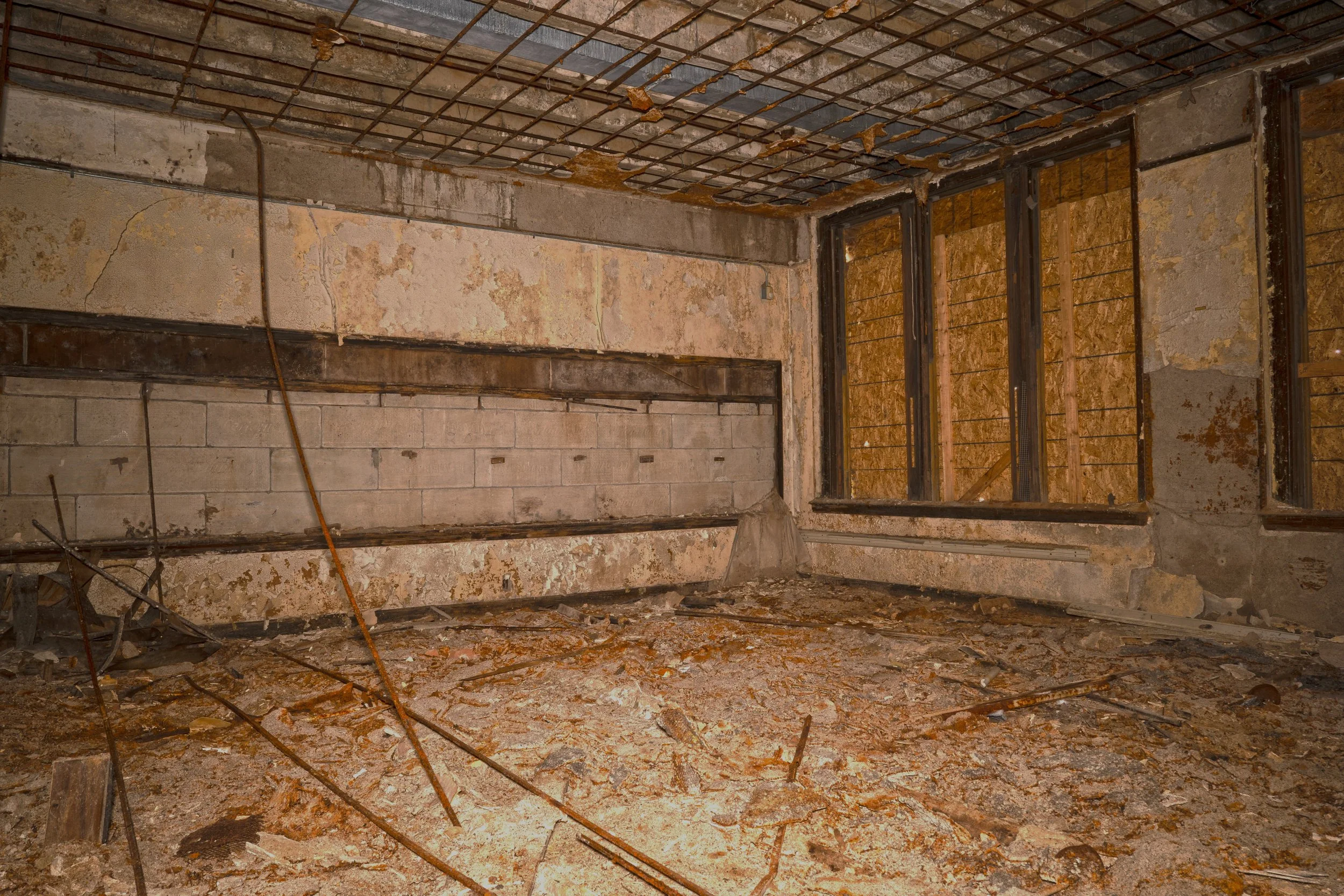
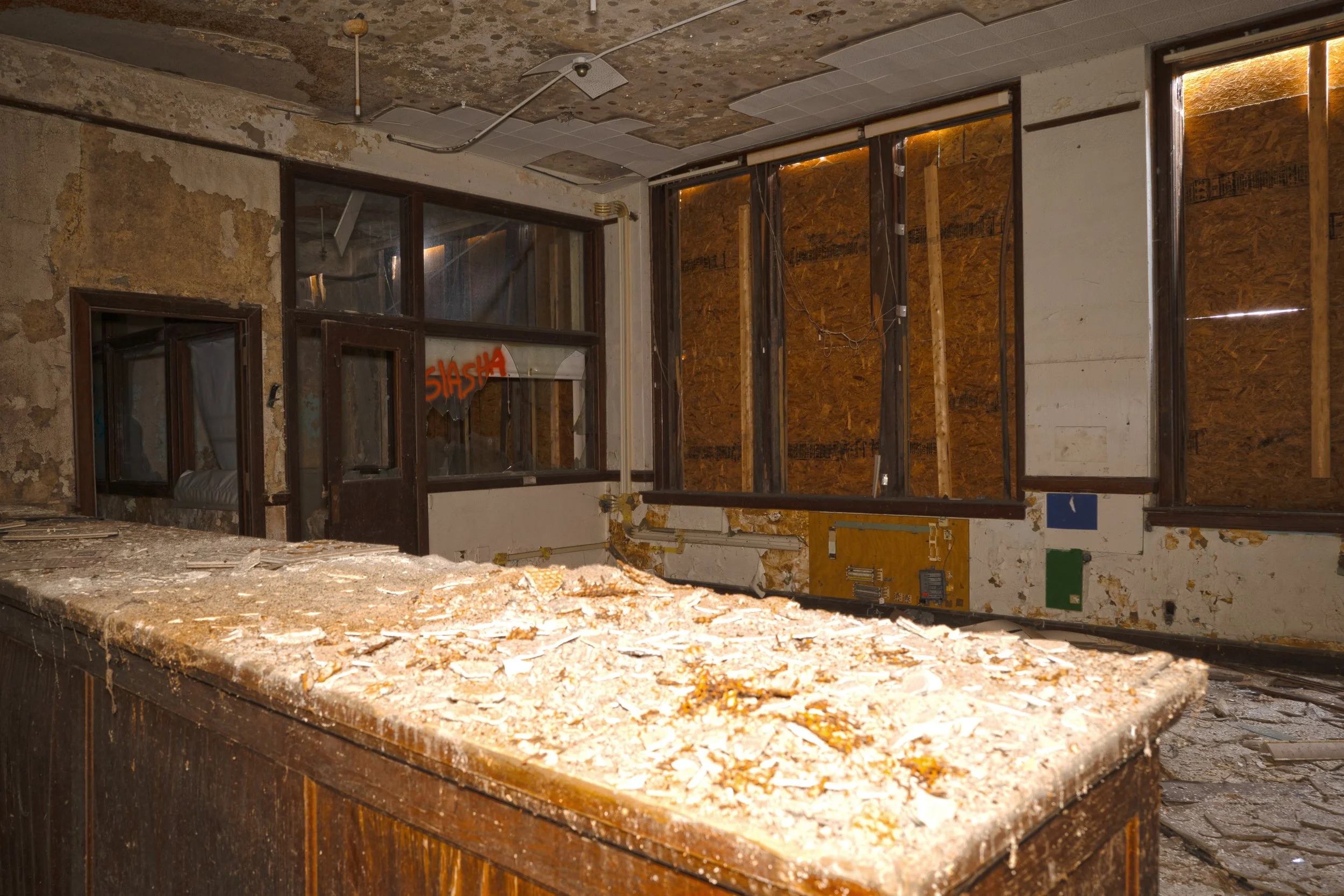
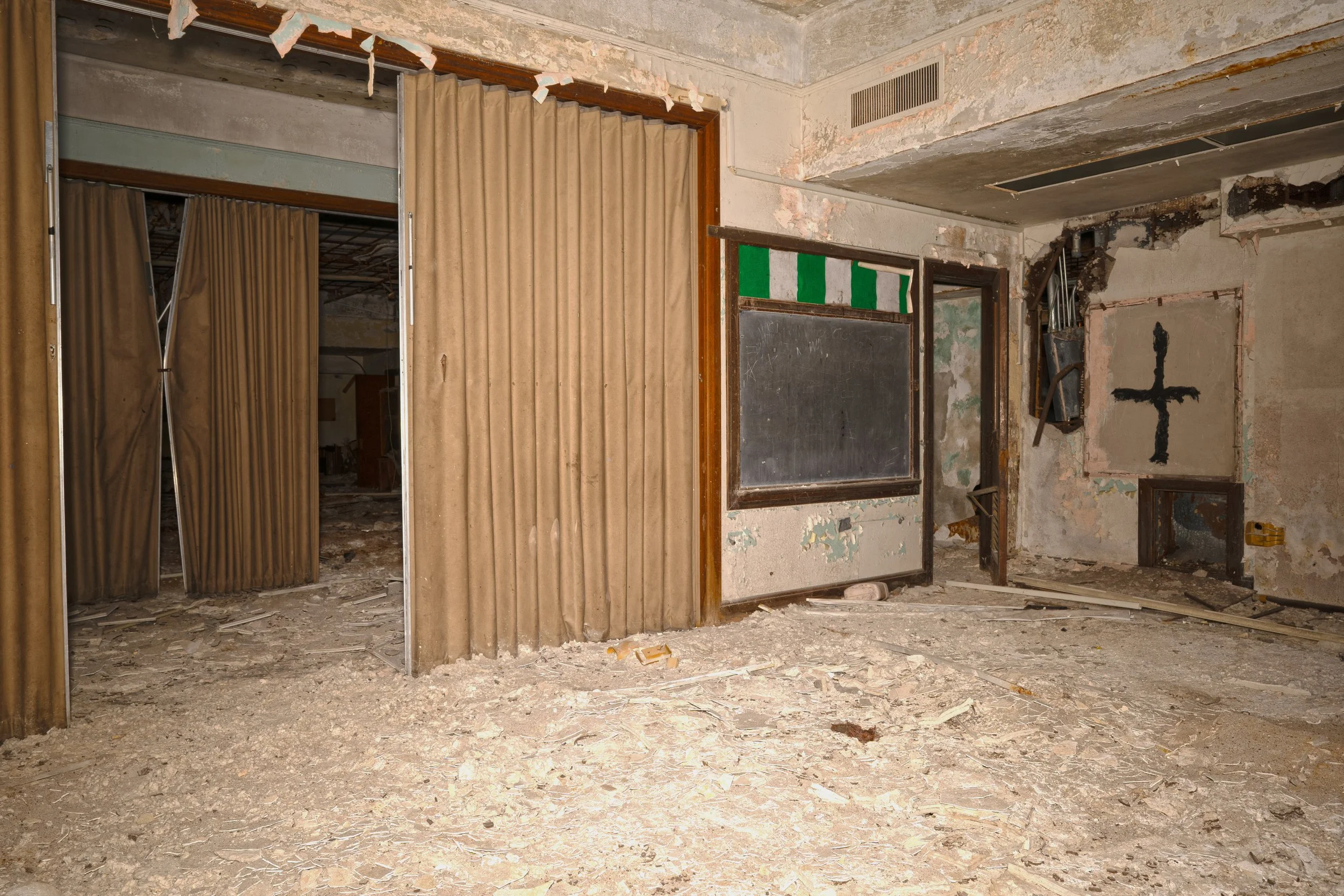
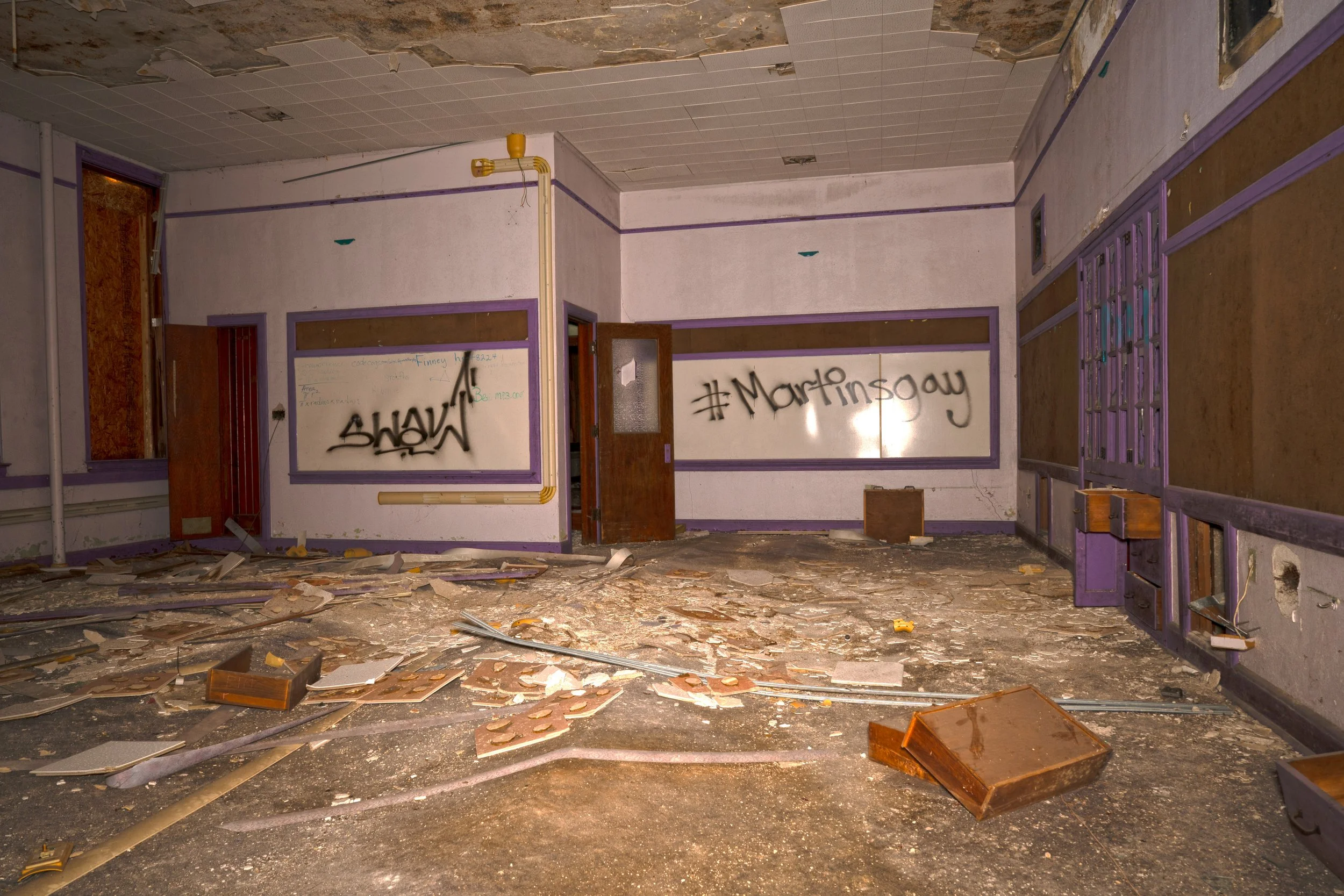
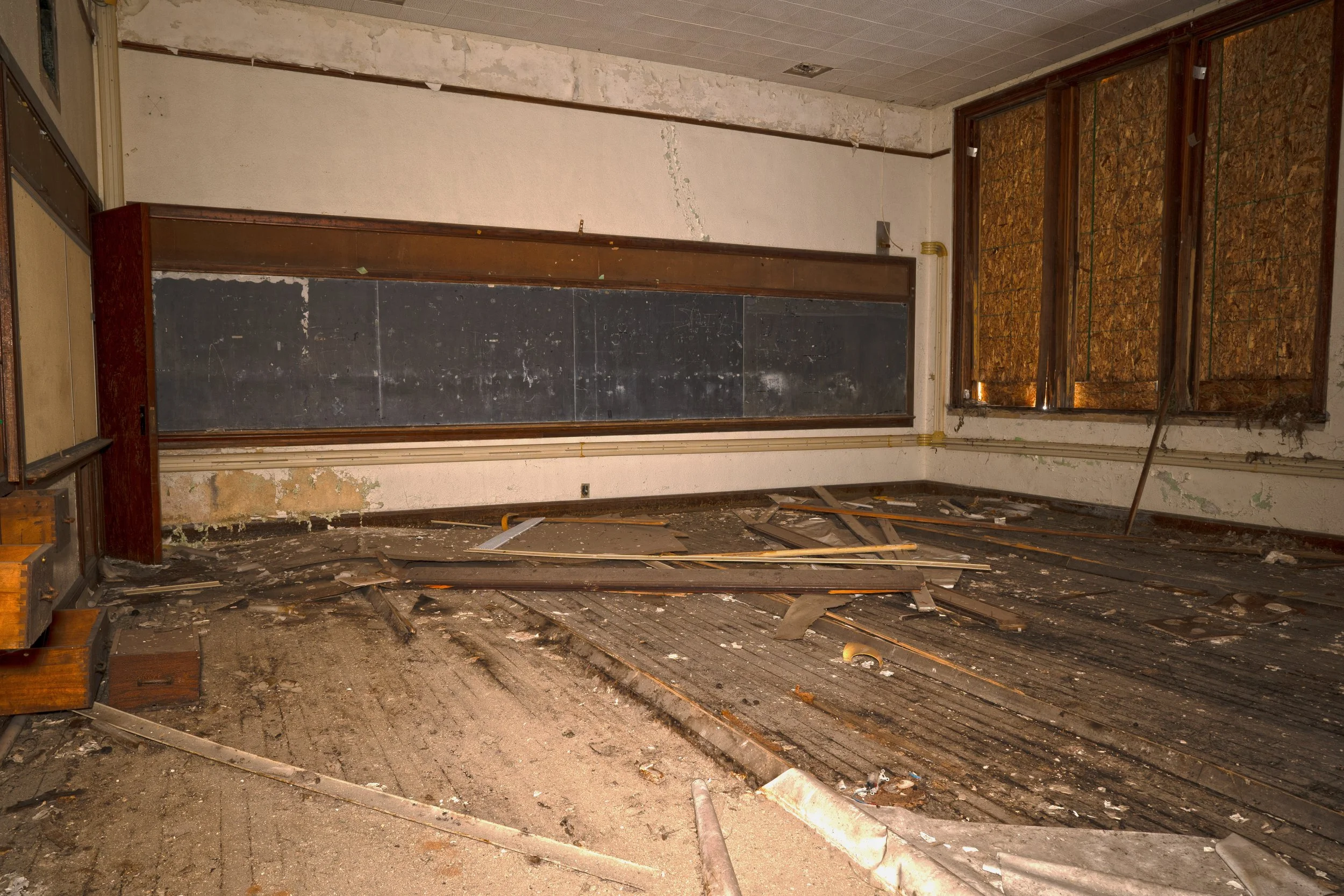
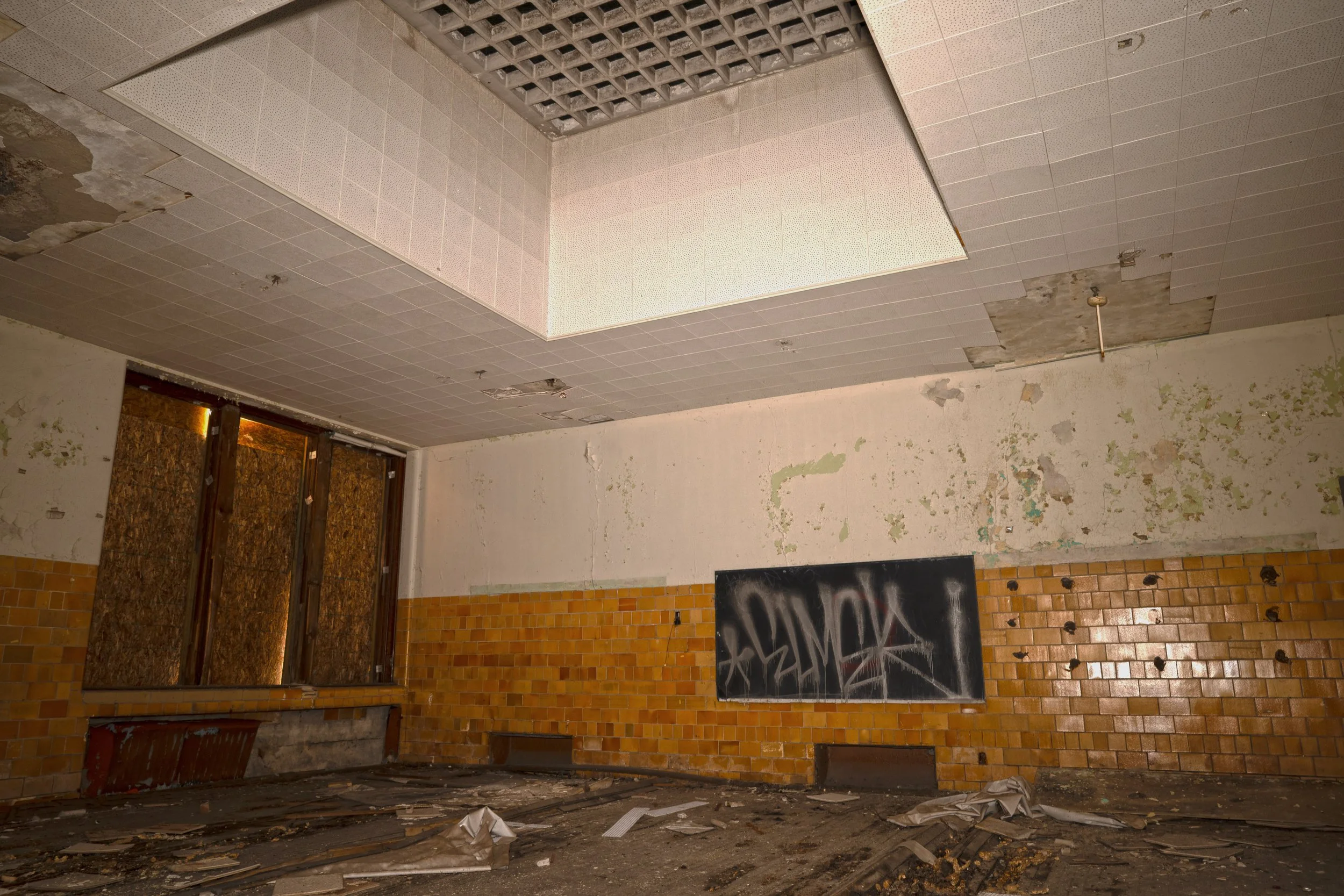
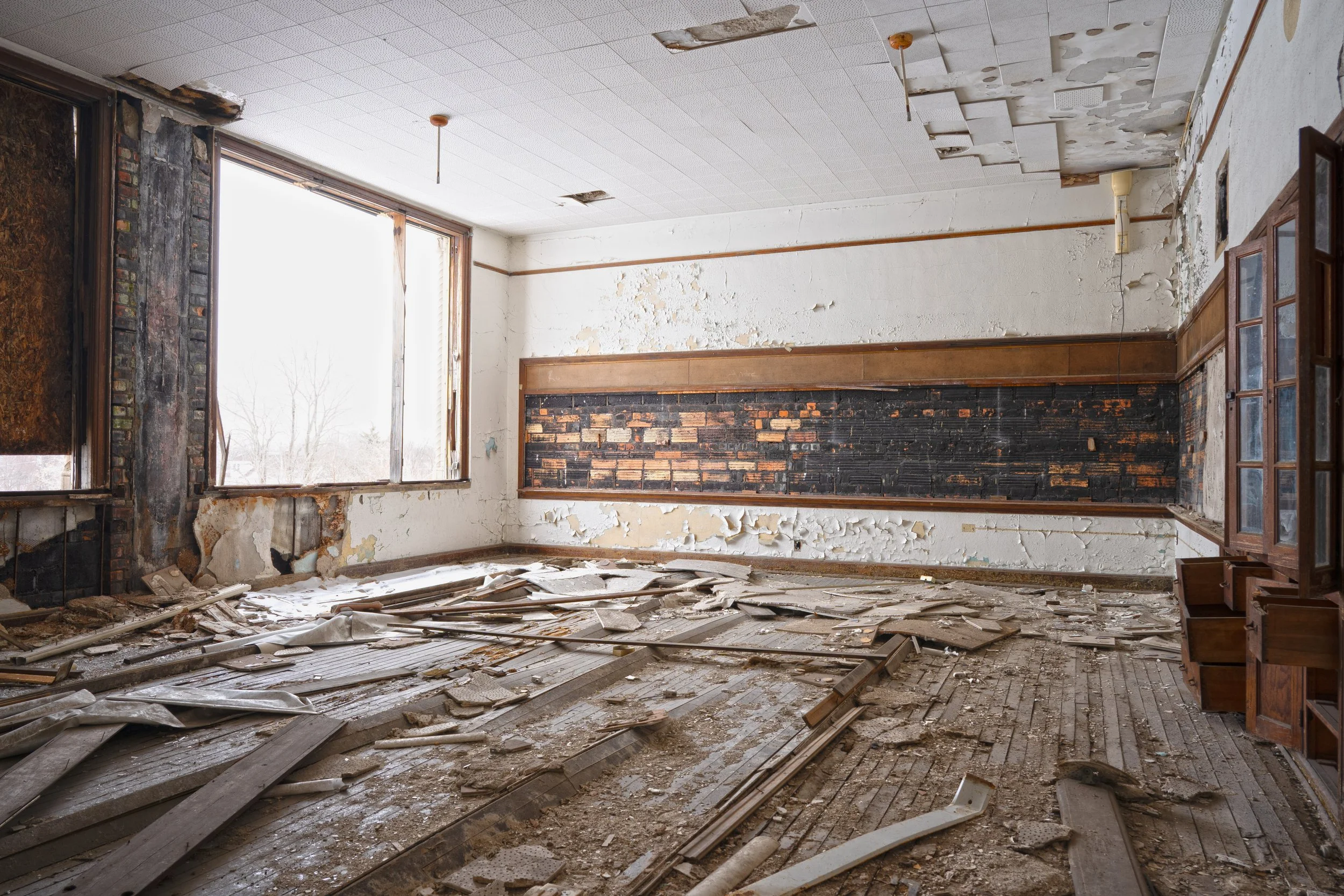
1st floor classroom
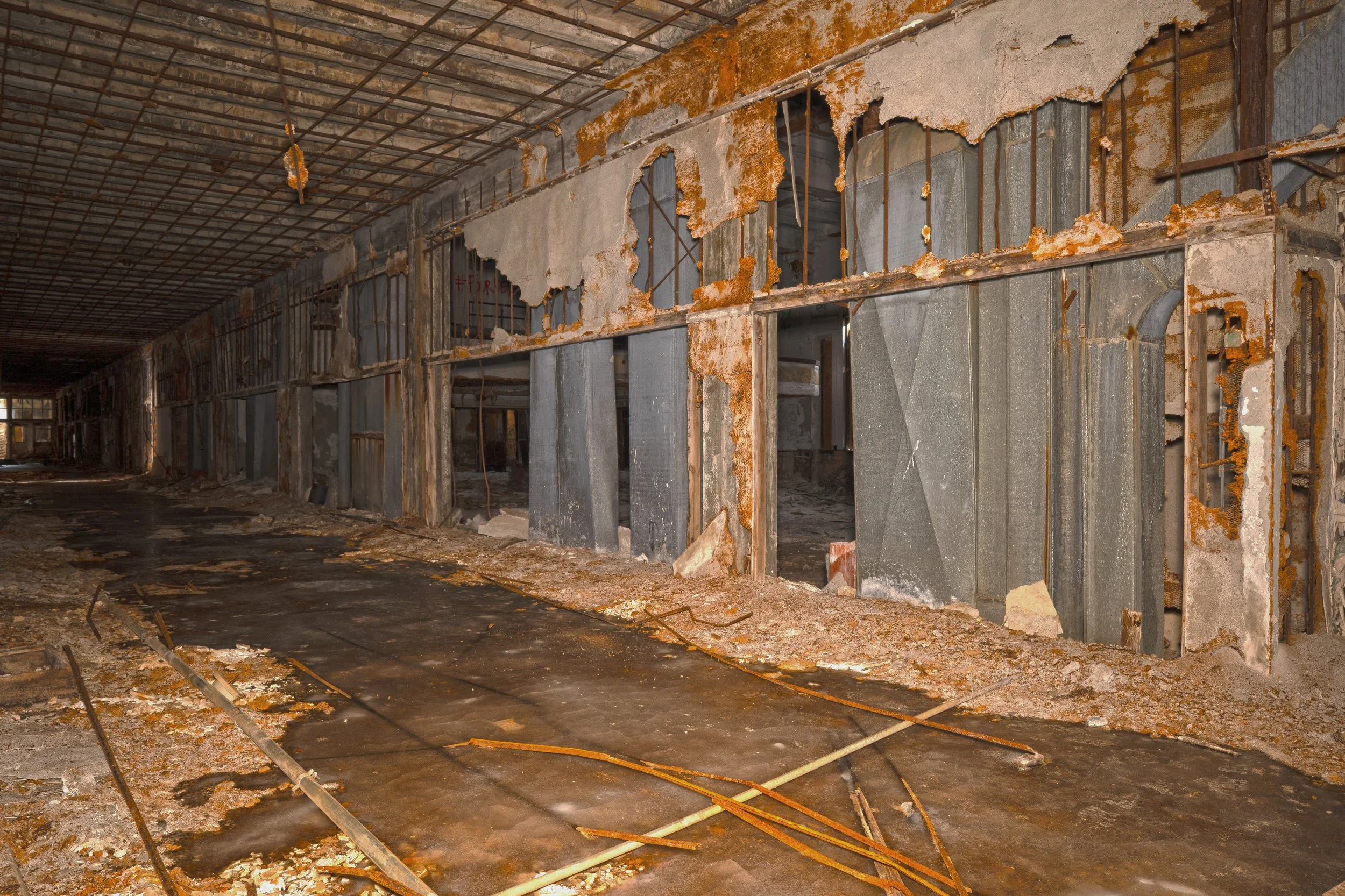
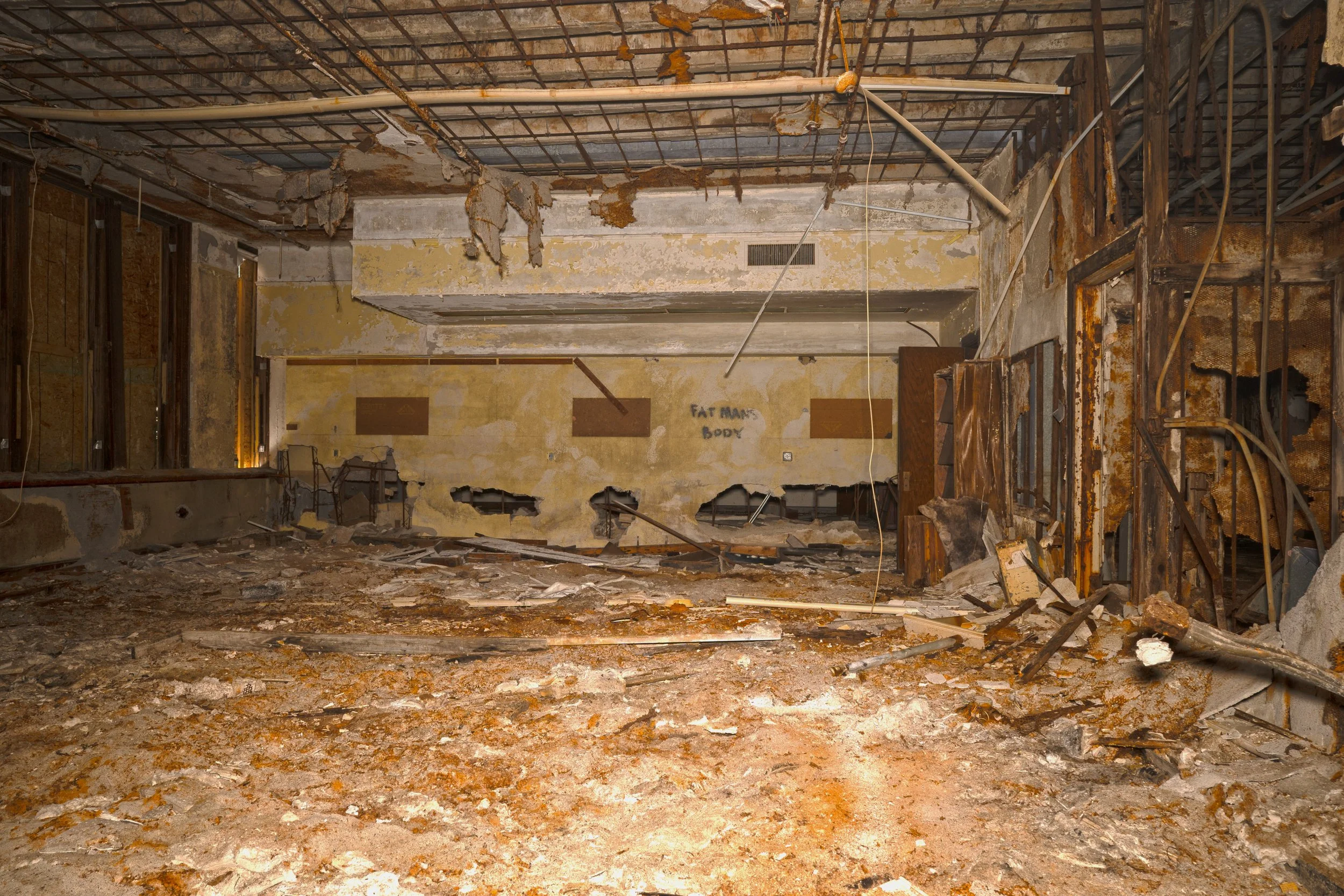
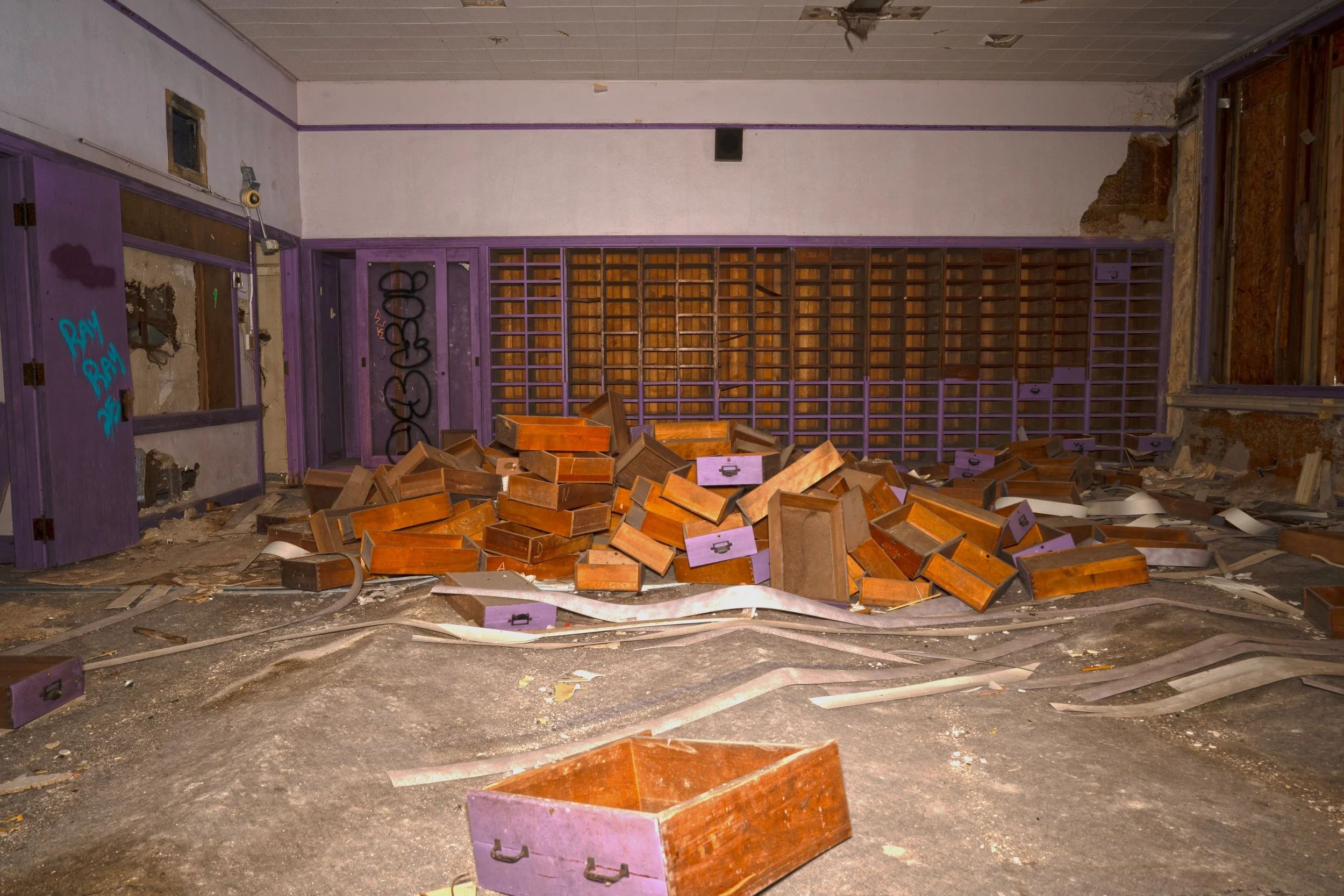
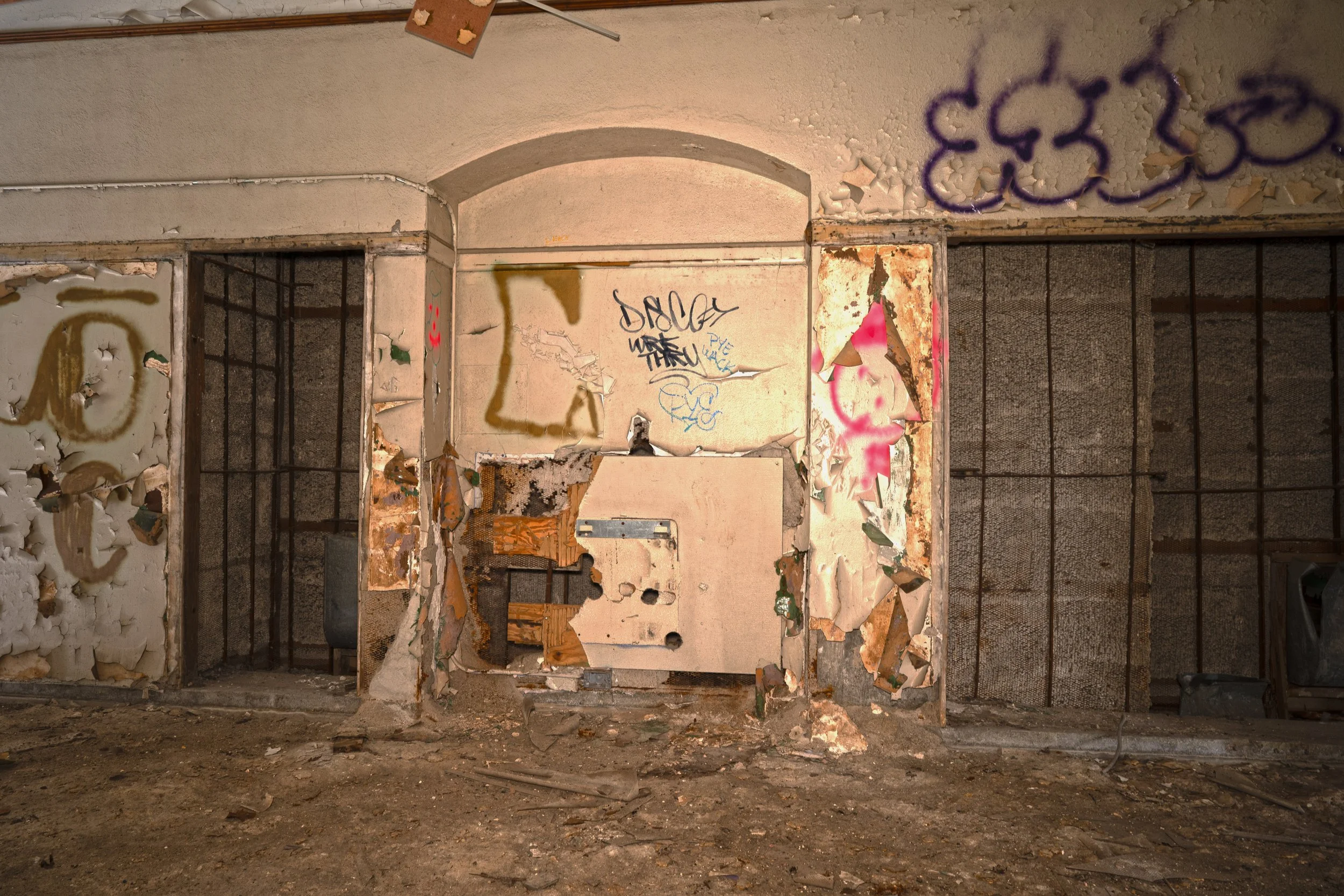
The school as a whole is very horribly scrapped with this section you can see the auditorium space through the holes of once lockers
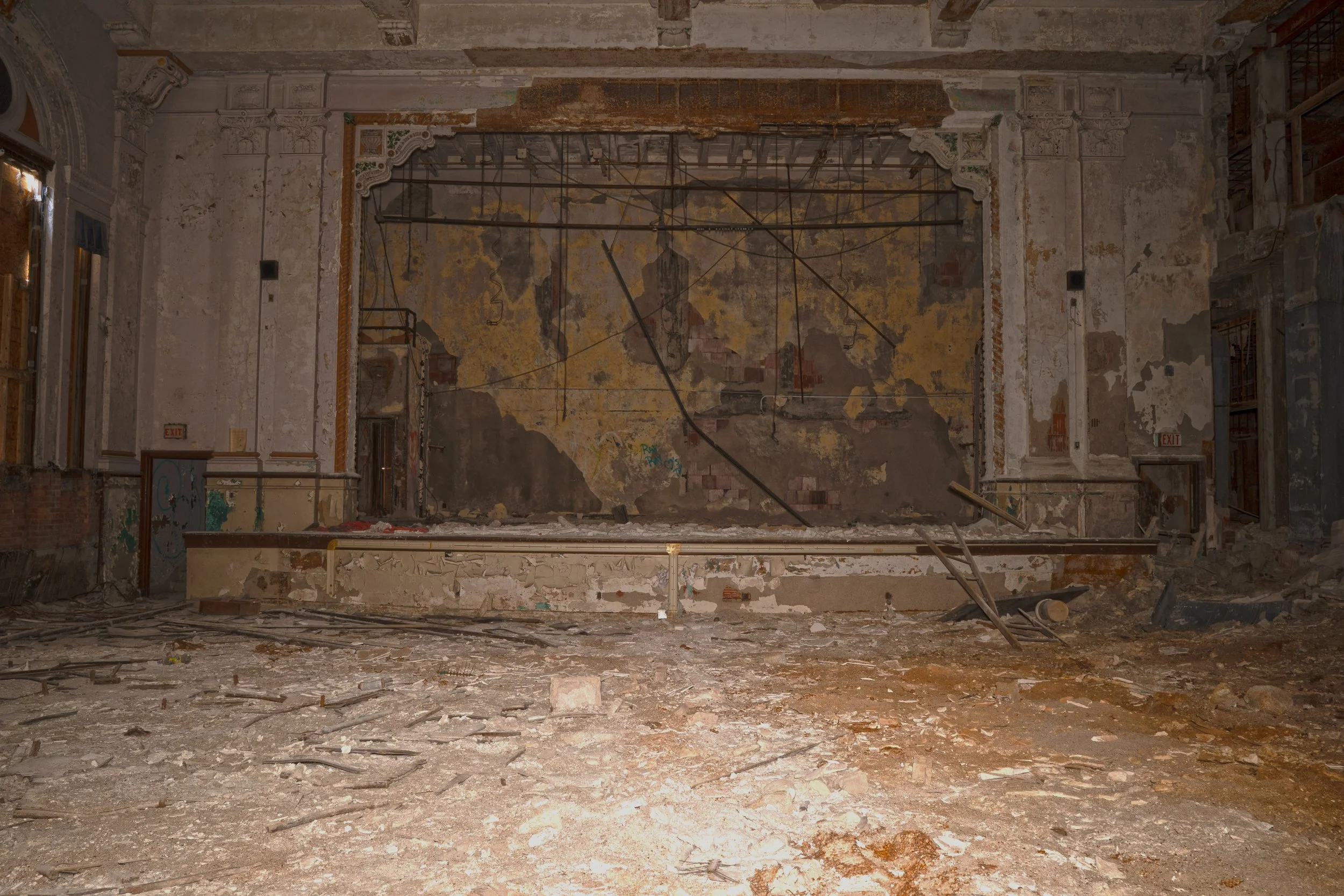
Auditorium shot 1
Auditorium shot 2
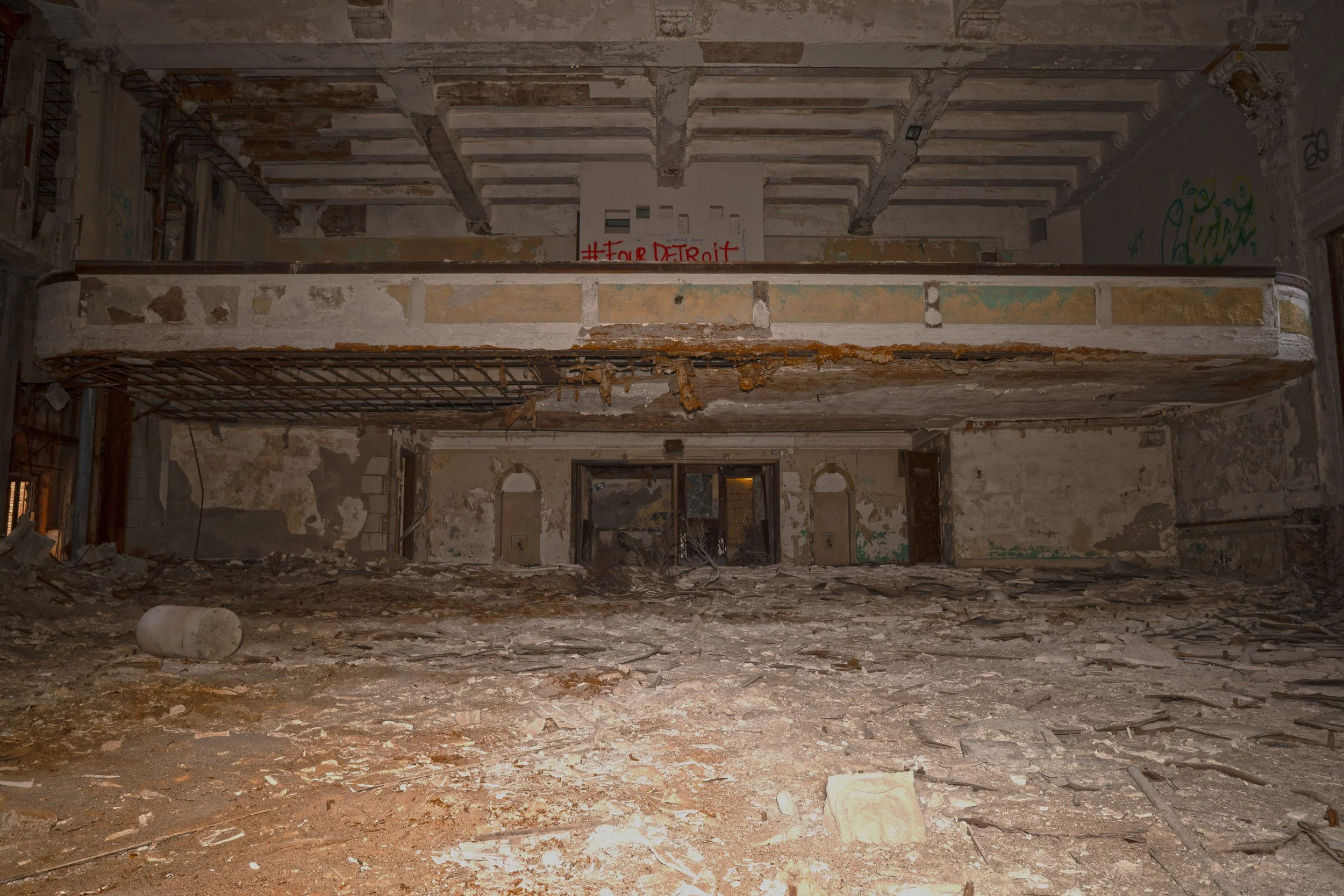
Auditorium shot 3
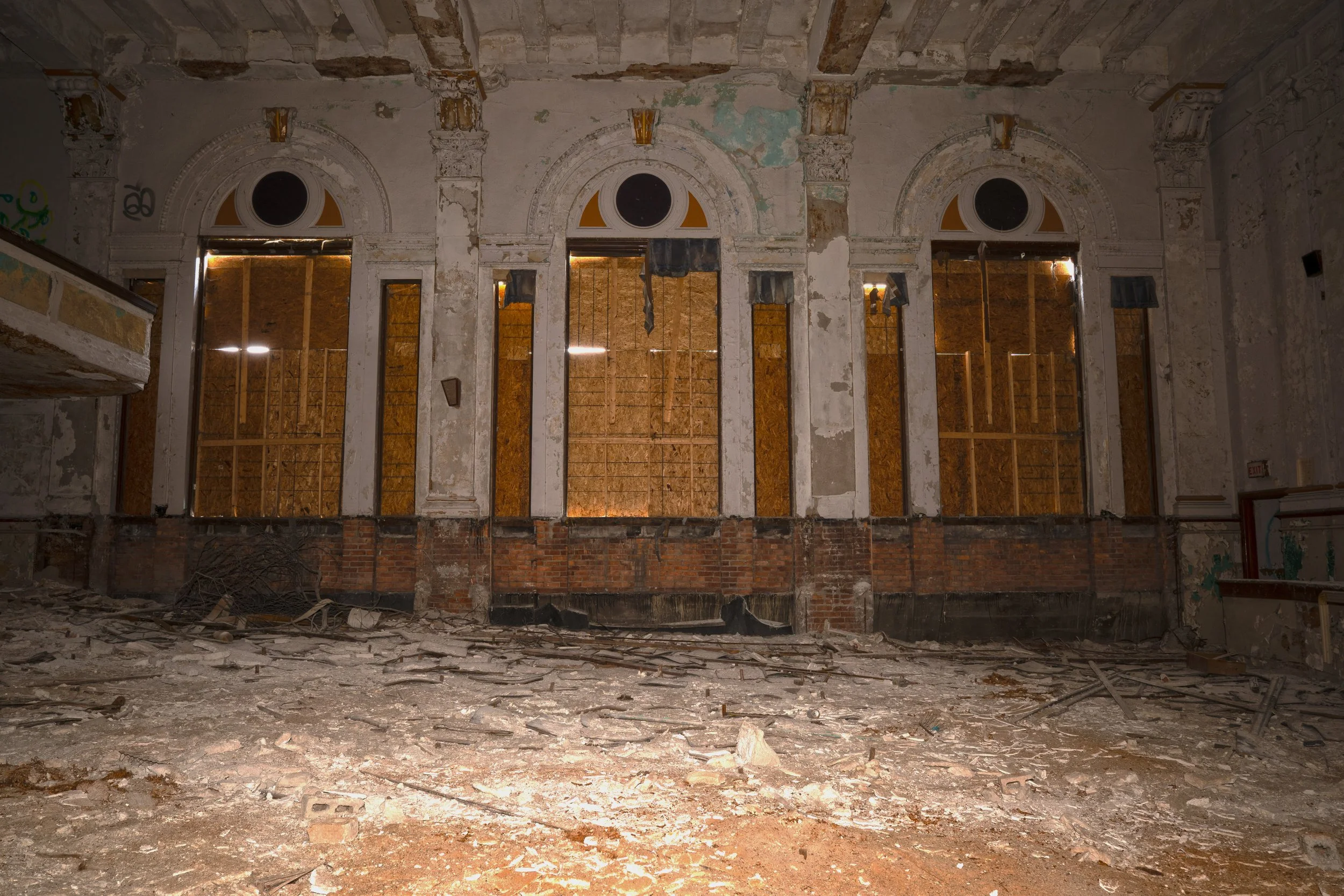
Auditorium shot 4
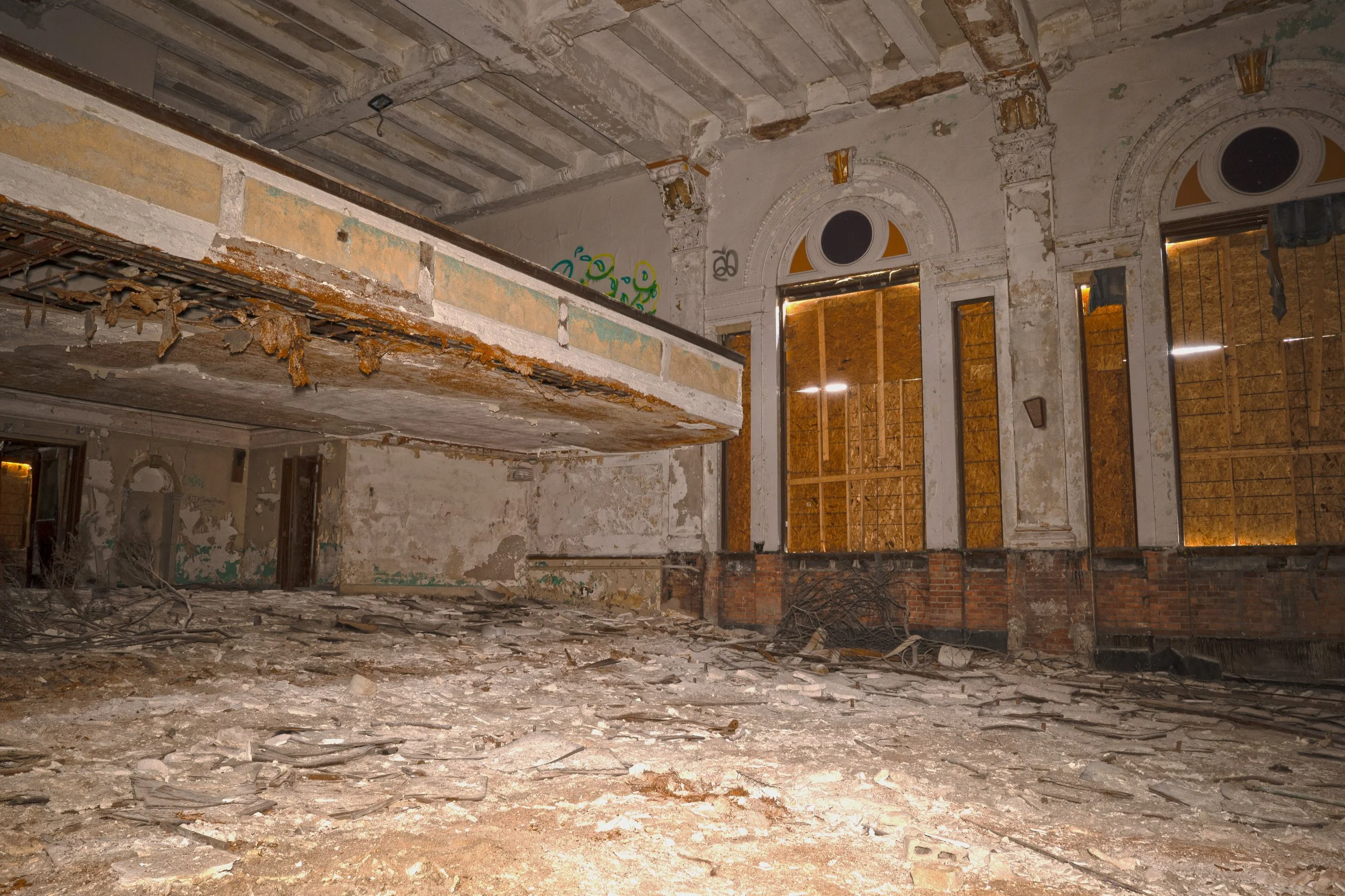
Auditorium shot 5
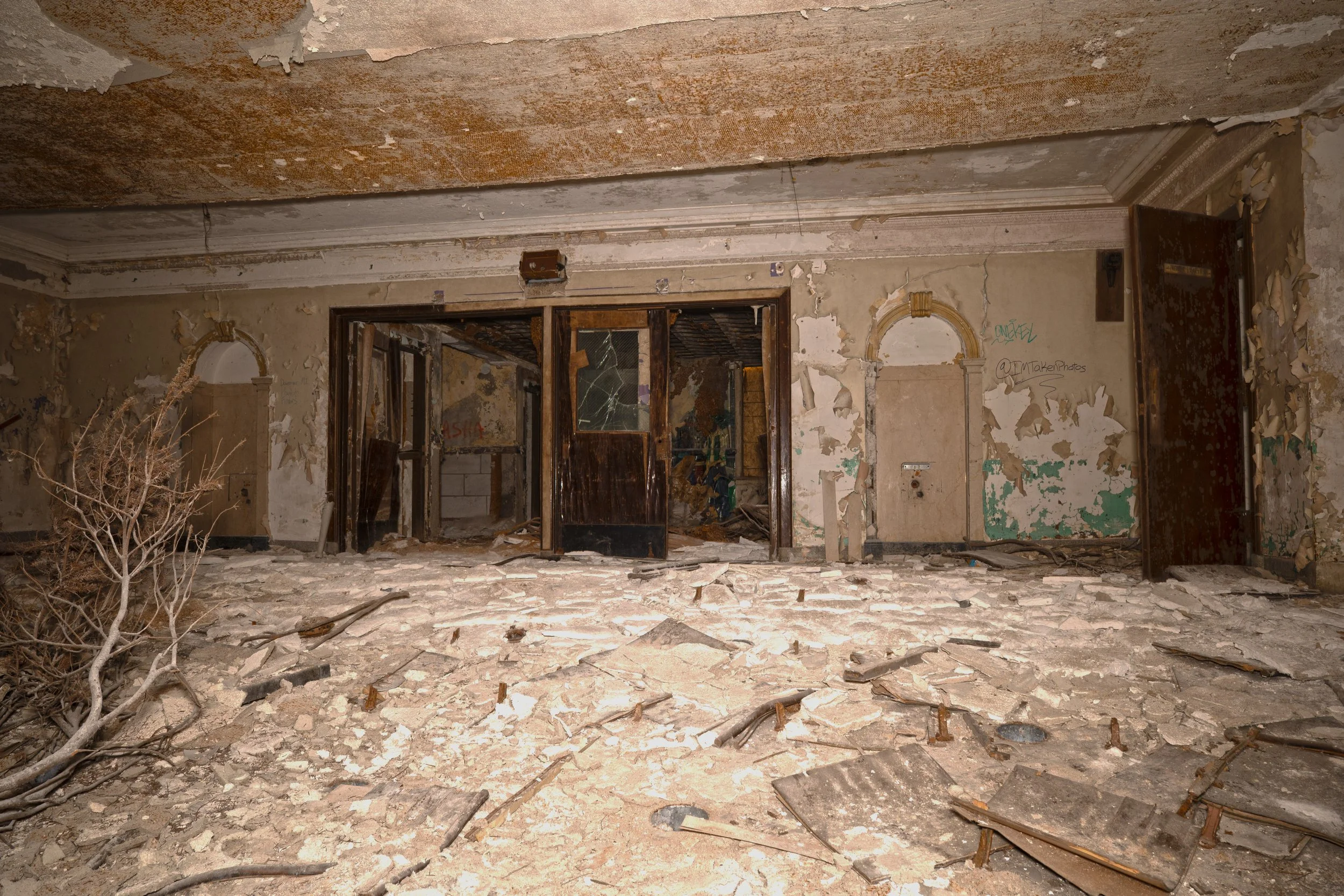
Auditorium shot 6
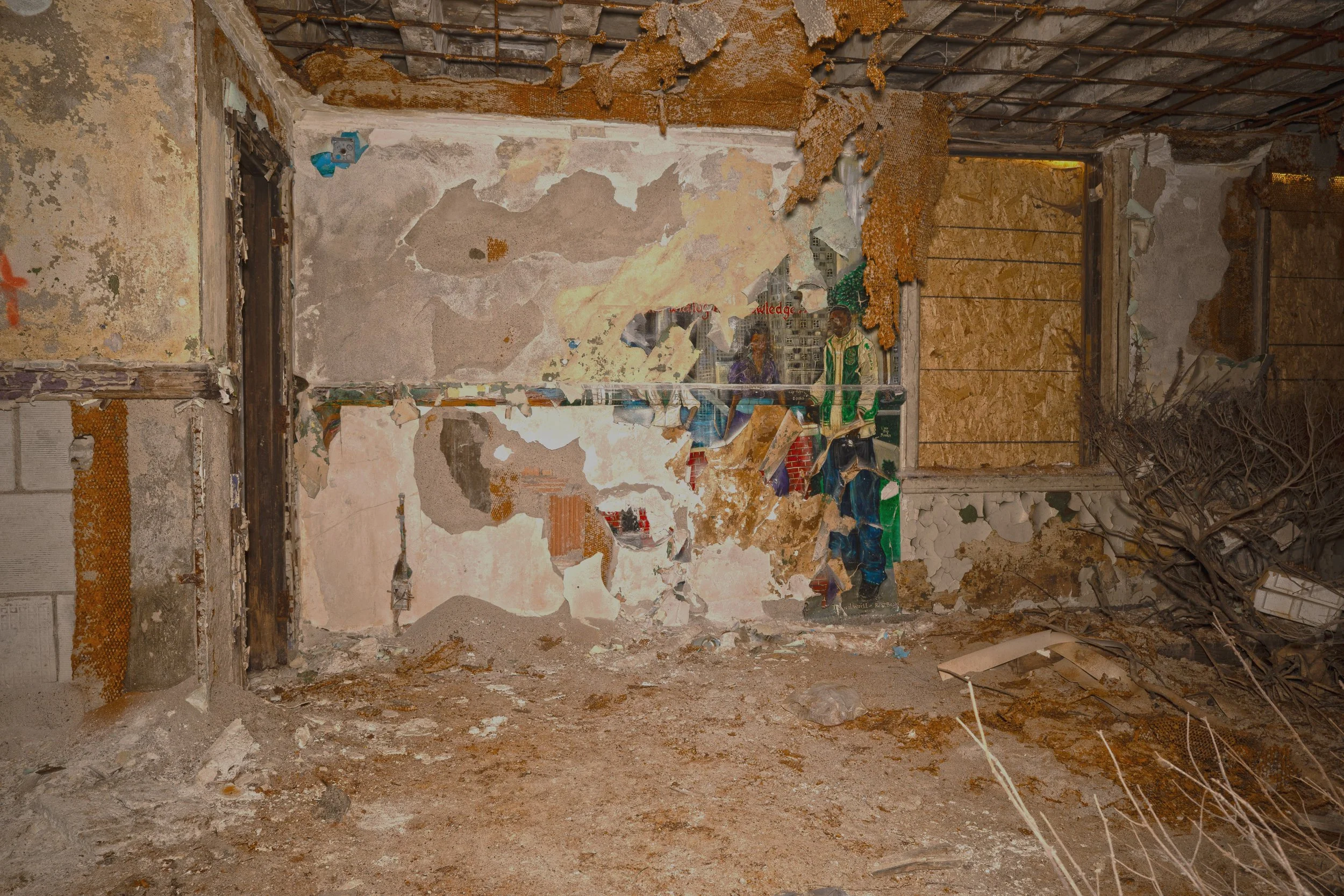
A very decayed mural outside the back auditorium entrance
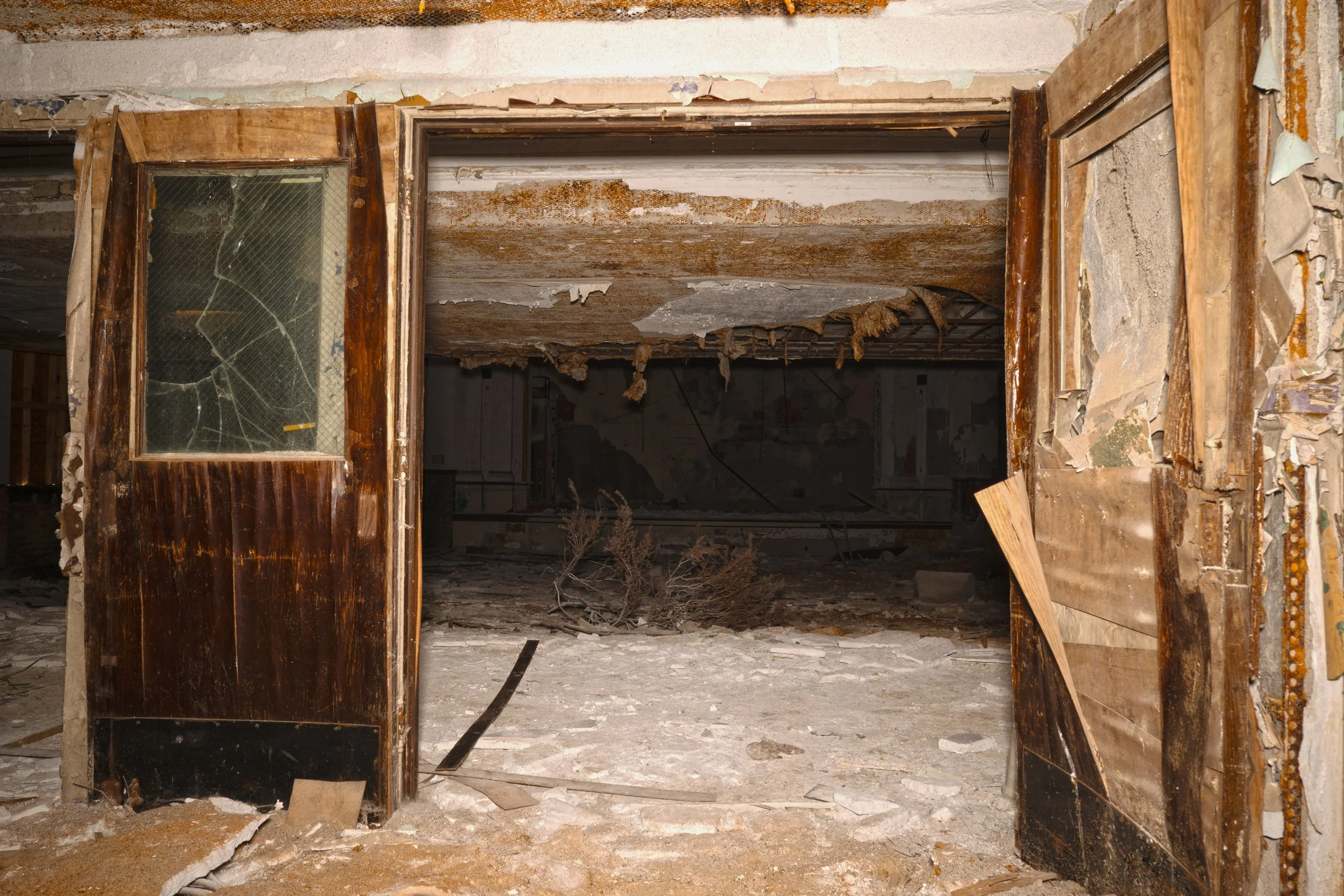
Looking into the auditorium from the back entrance
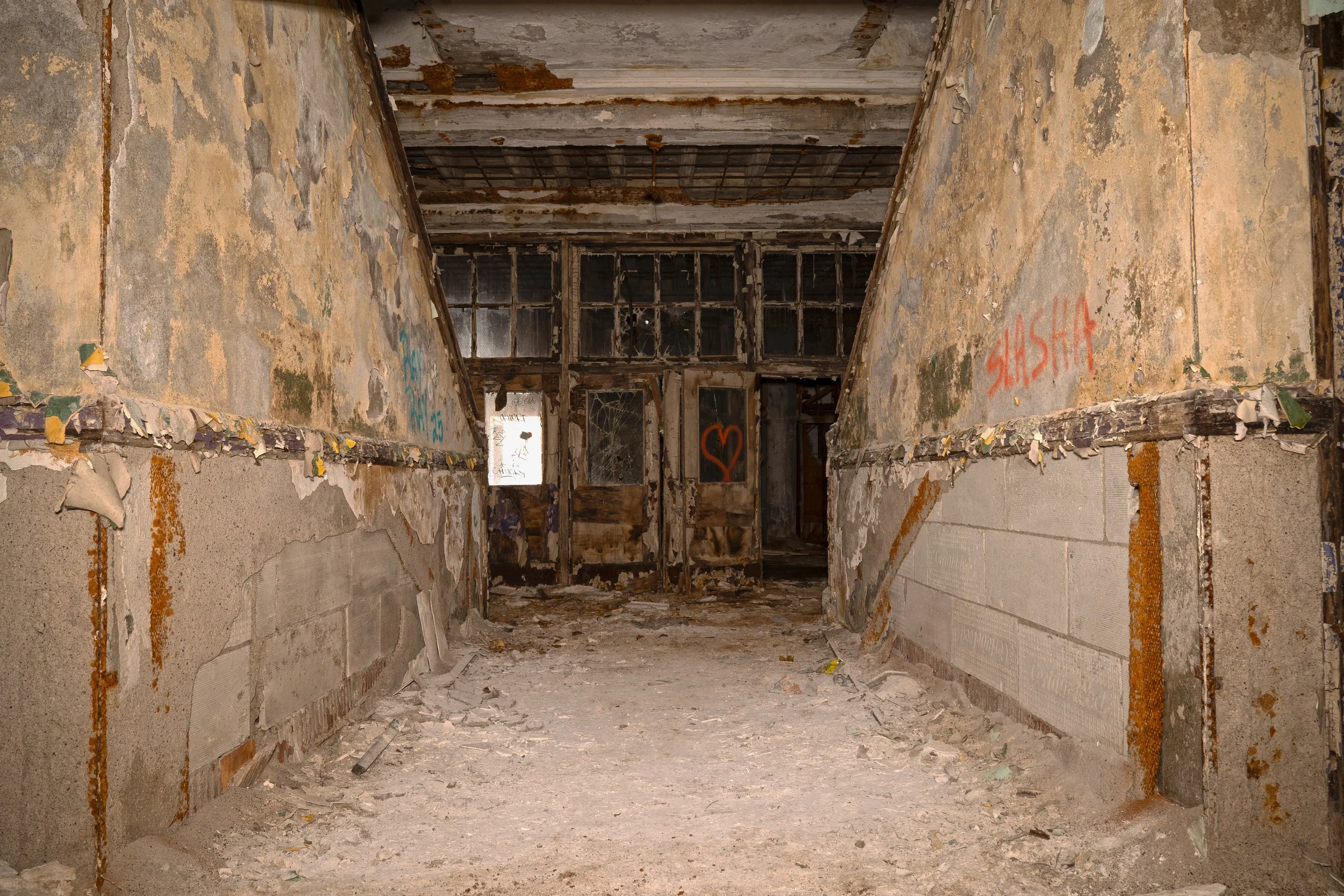
Auditorium corridor leading back to main hallway towards the middle of the school
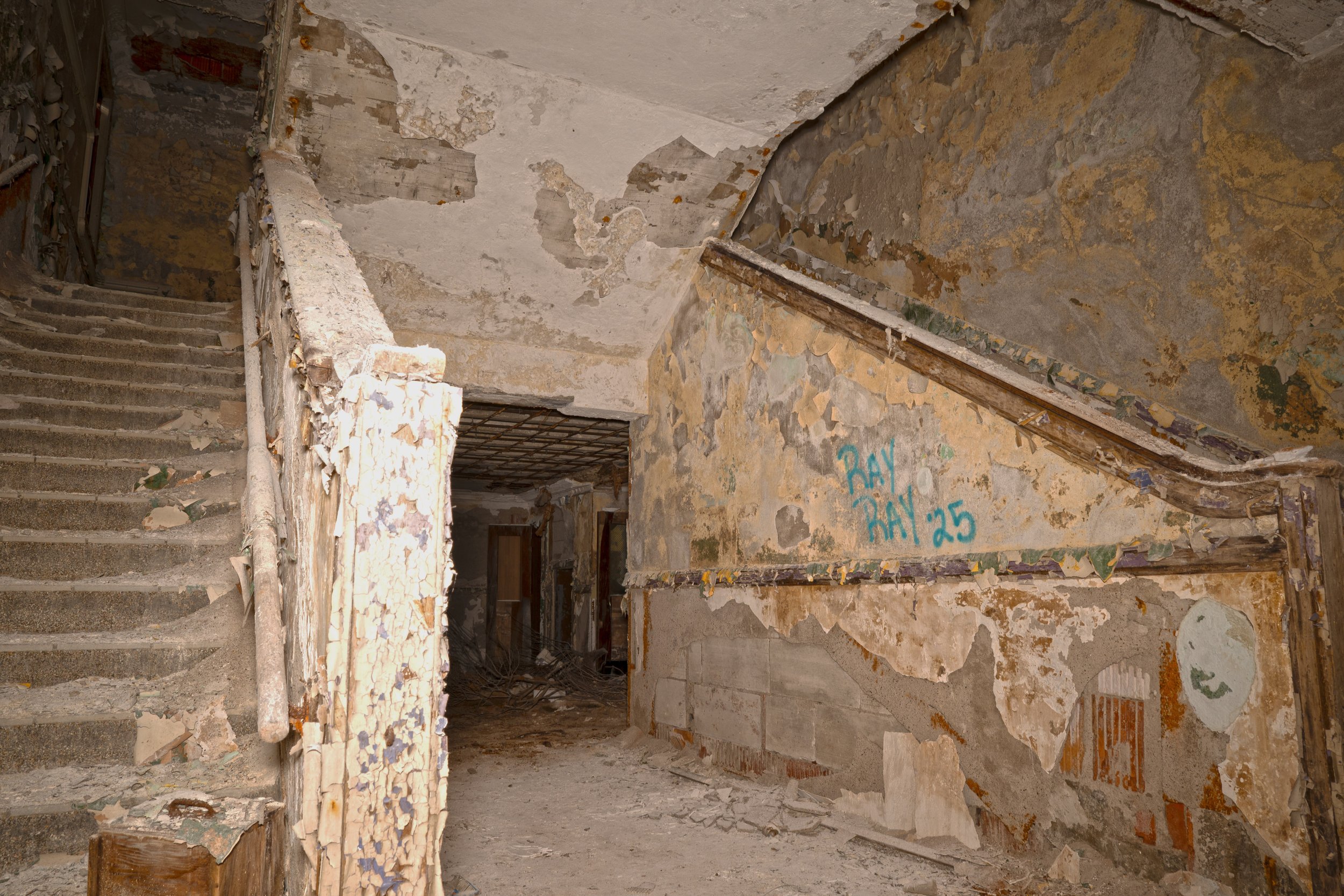
That same staircase
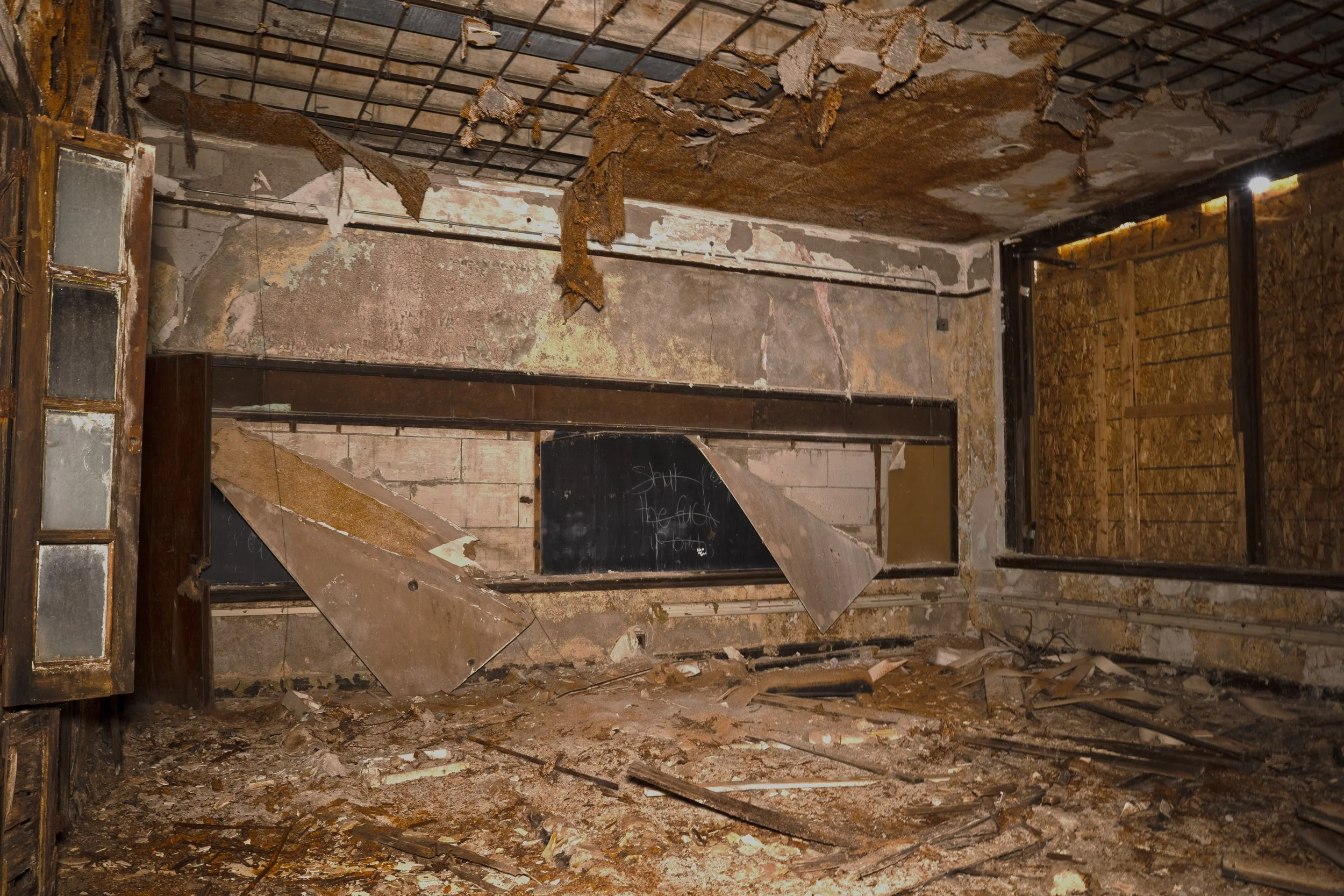
1st floor classroom
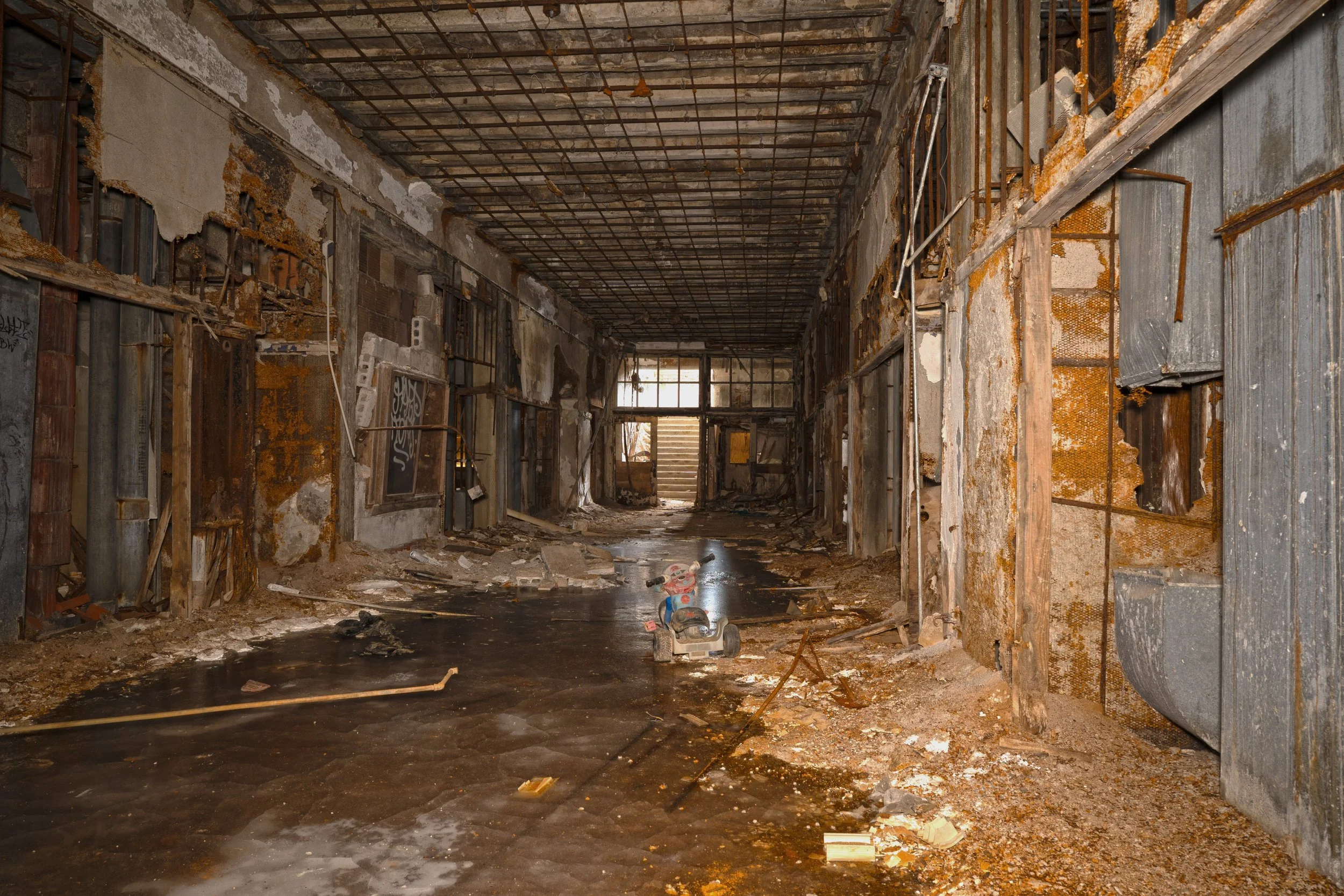
1st floor hallway
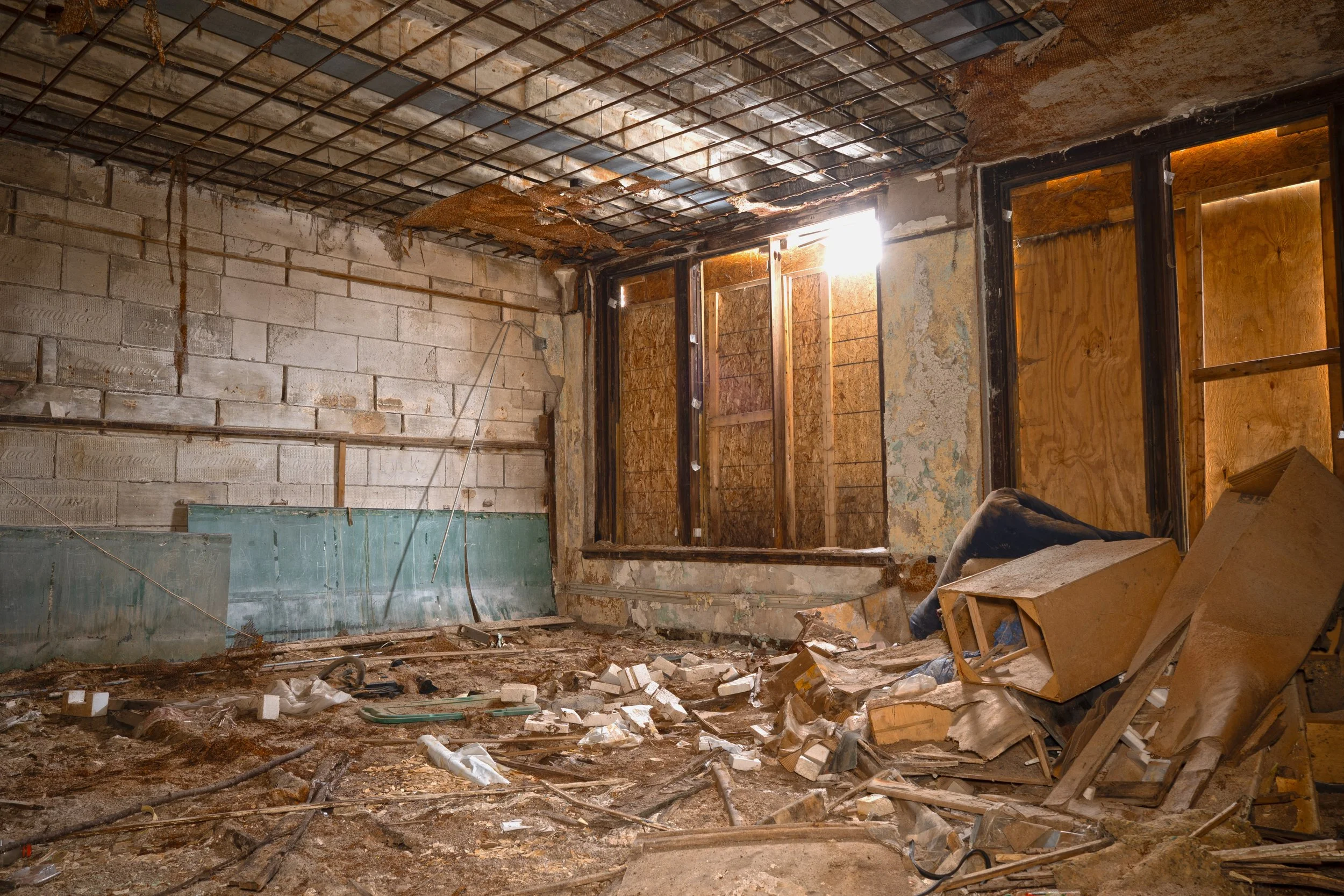
1st floor classroom
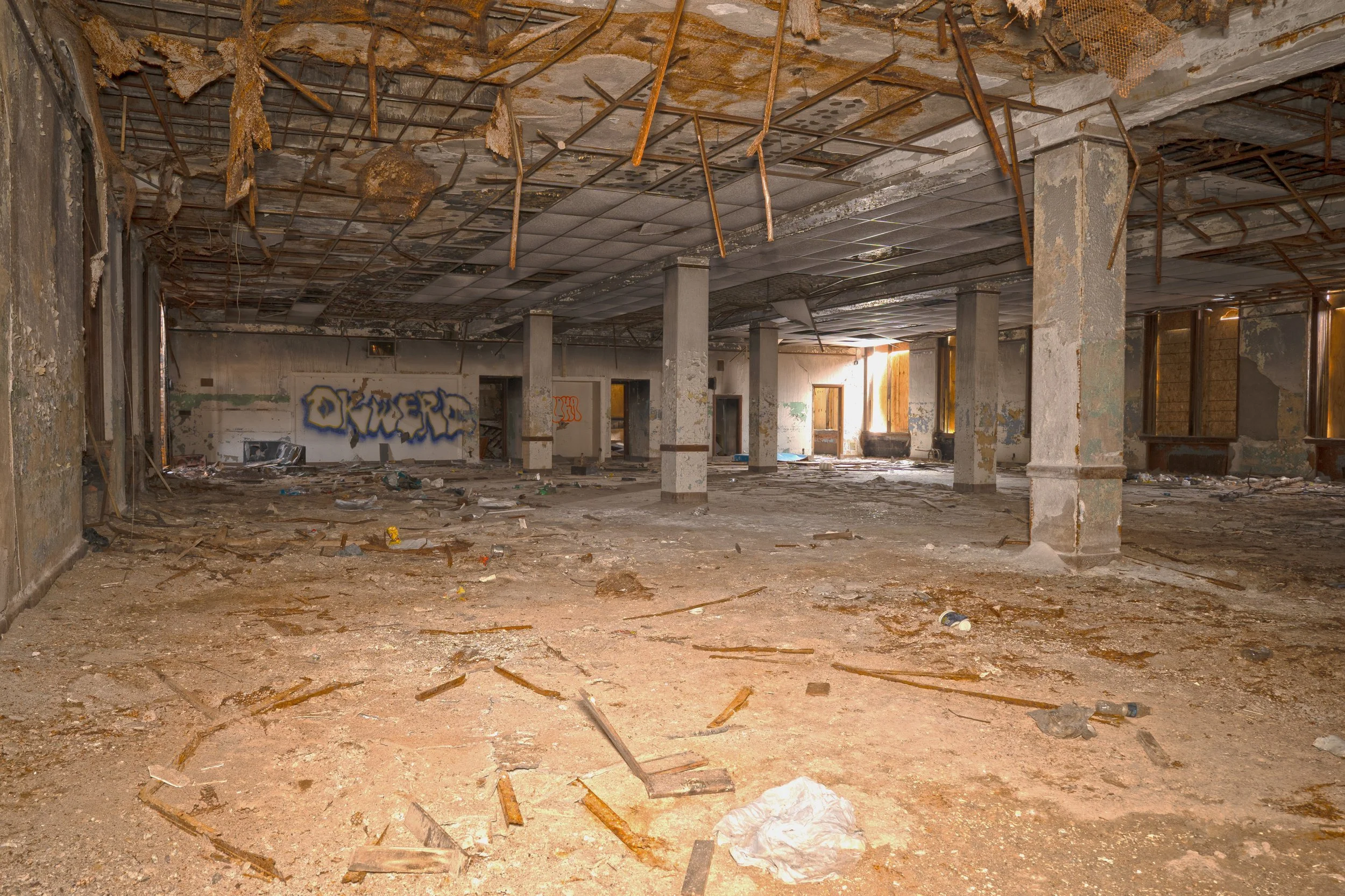
Cafeteria shot 1
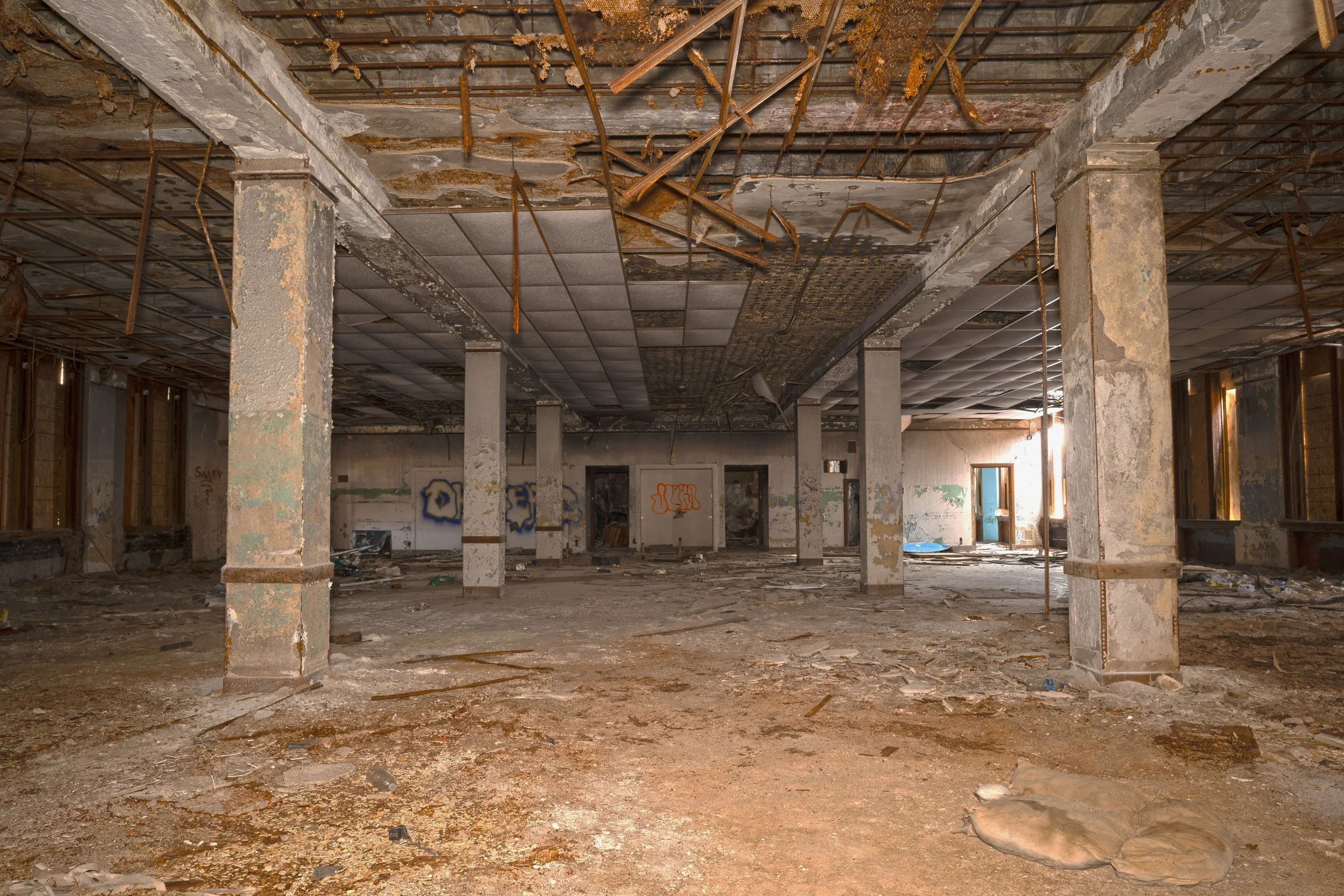
Cafeteria shot 2
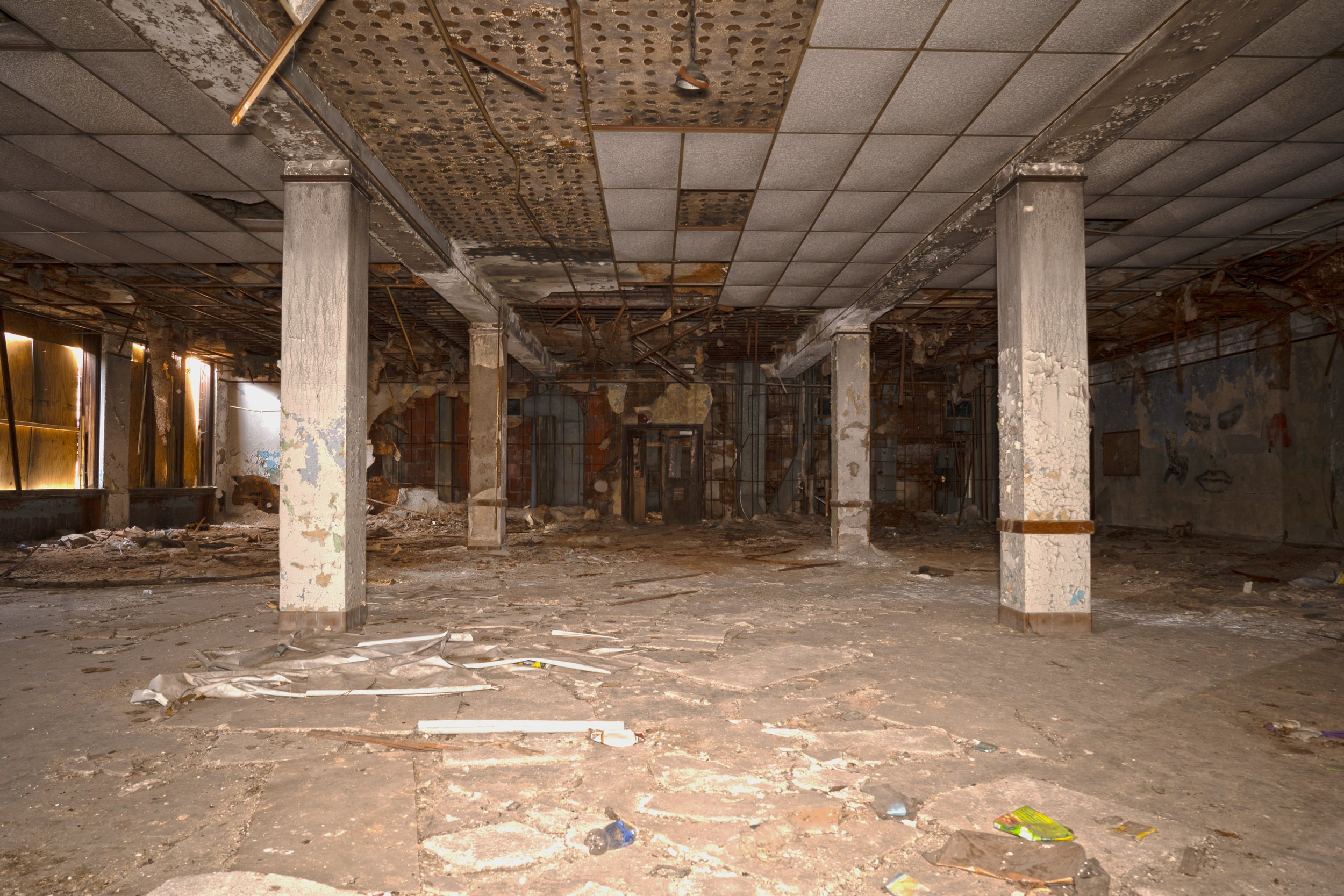
Cafeteria shot 3
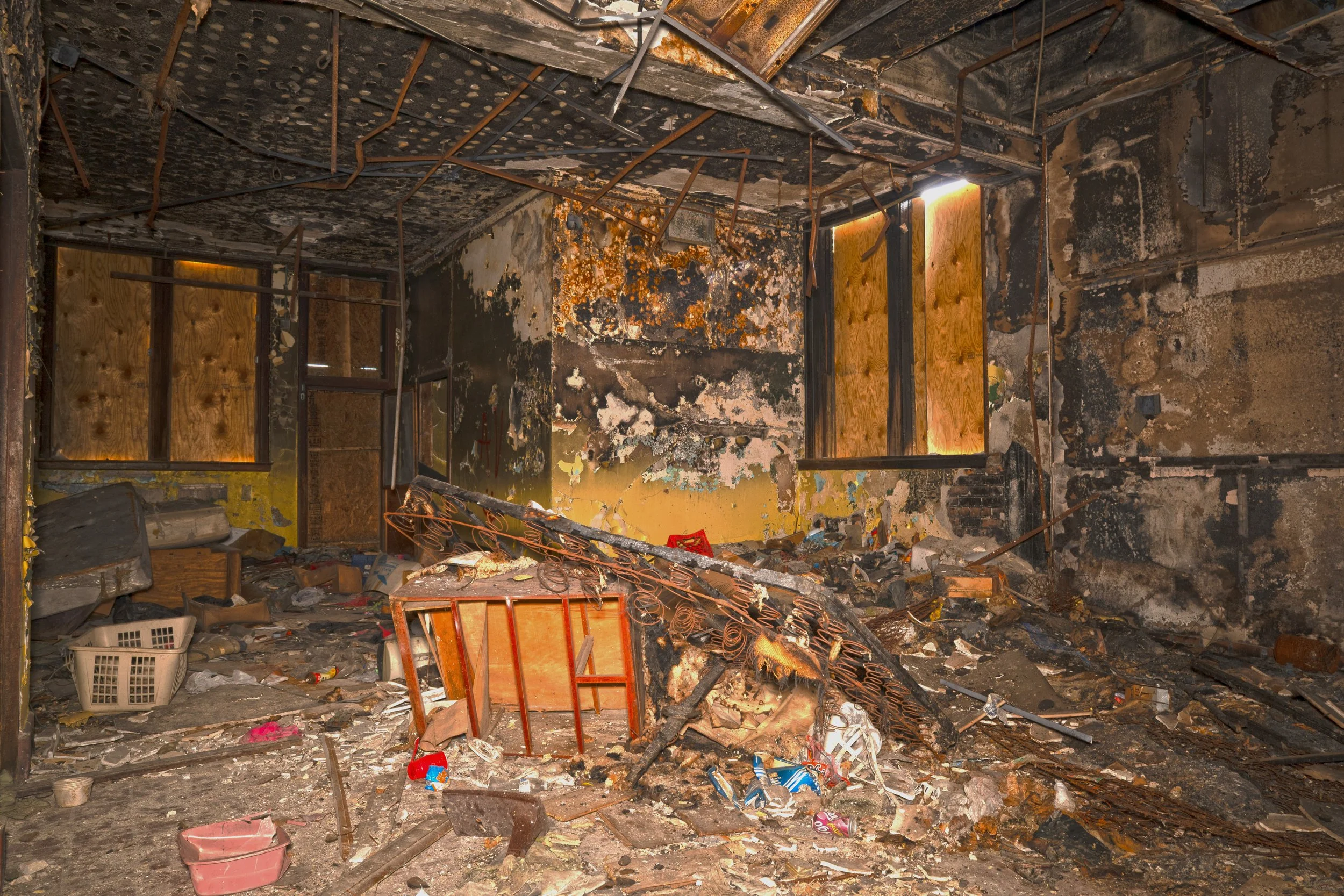
Kitchen area with fire damage
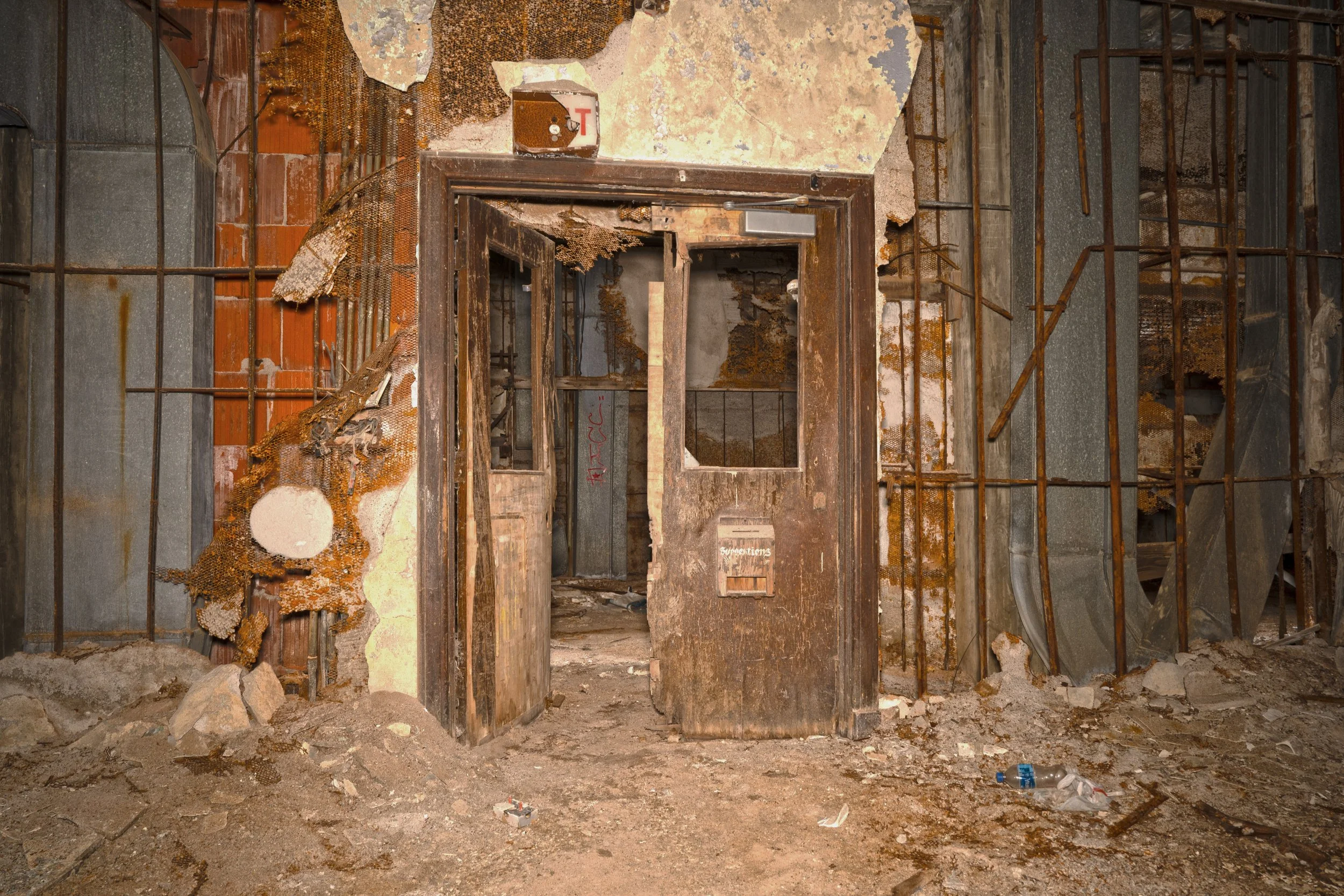
Cafeteria shot 4
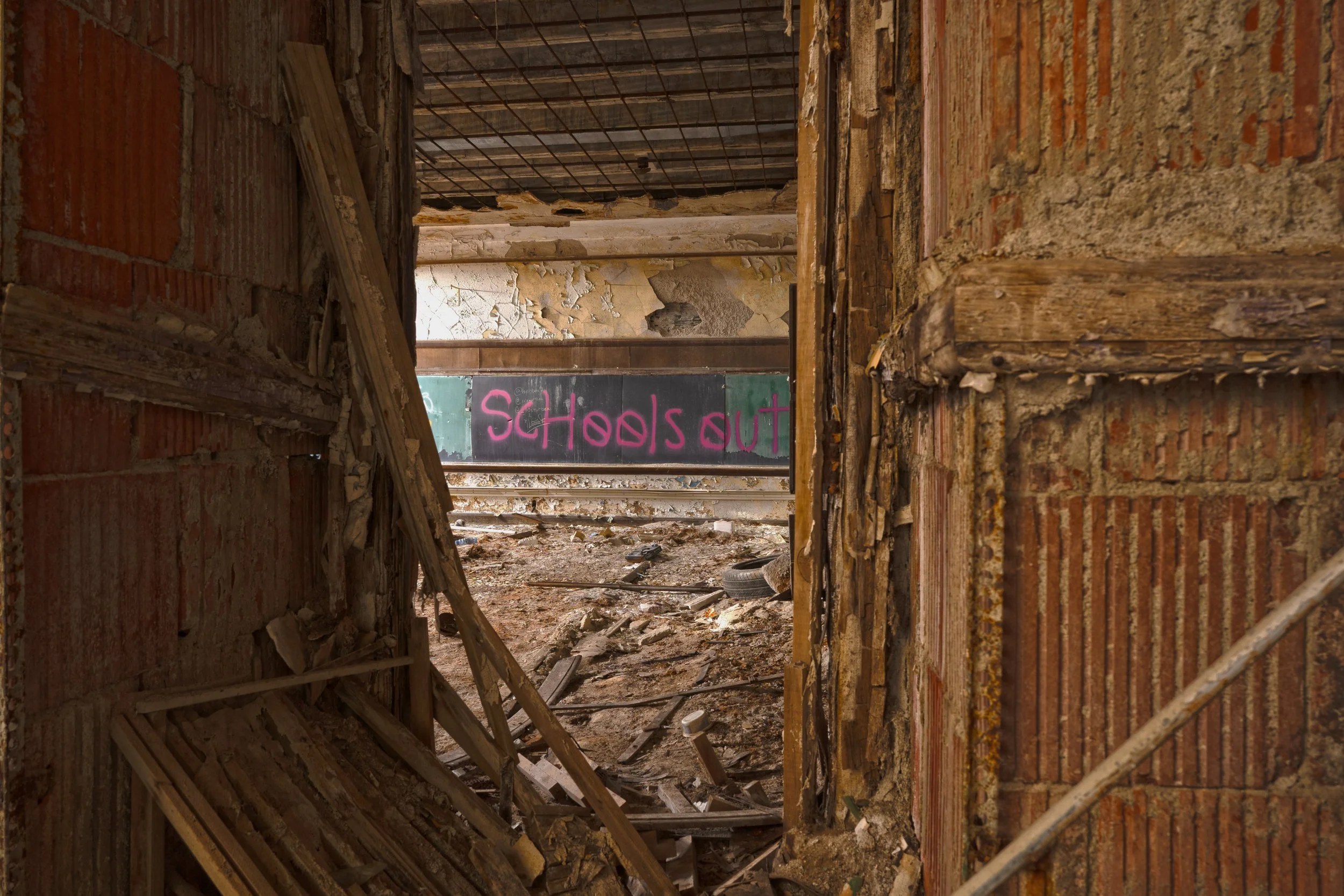
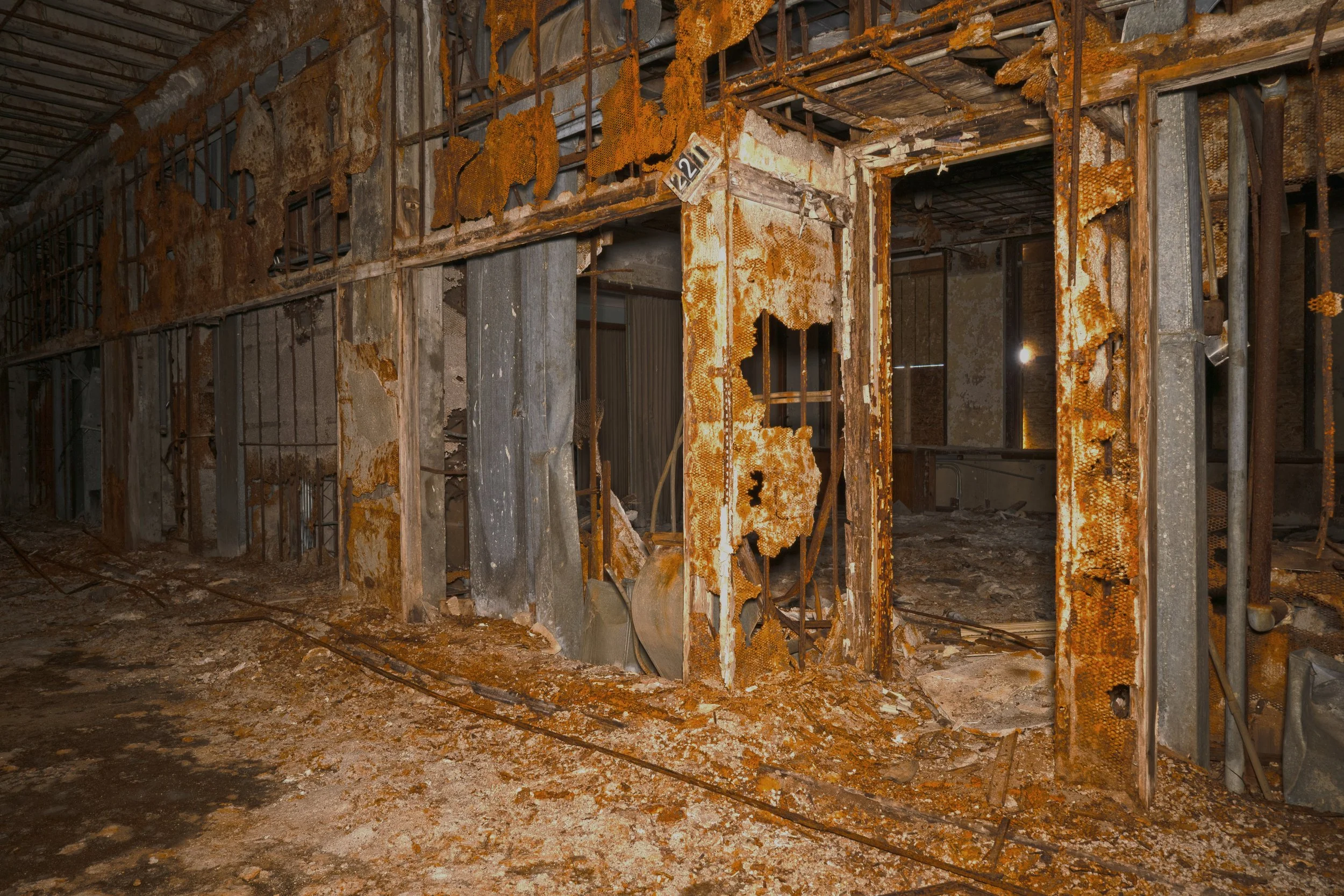
A classroom at the end of the 1st floor hallway, walls have been scrapped
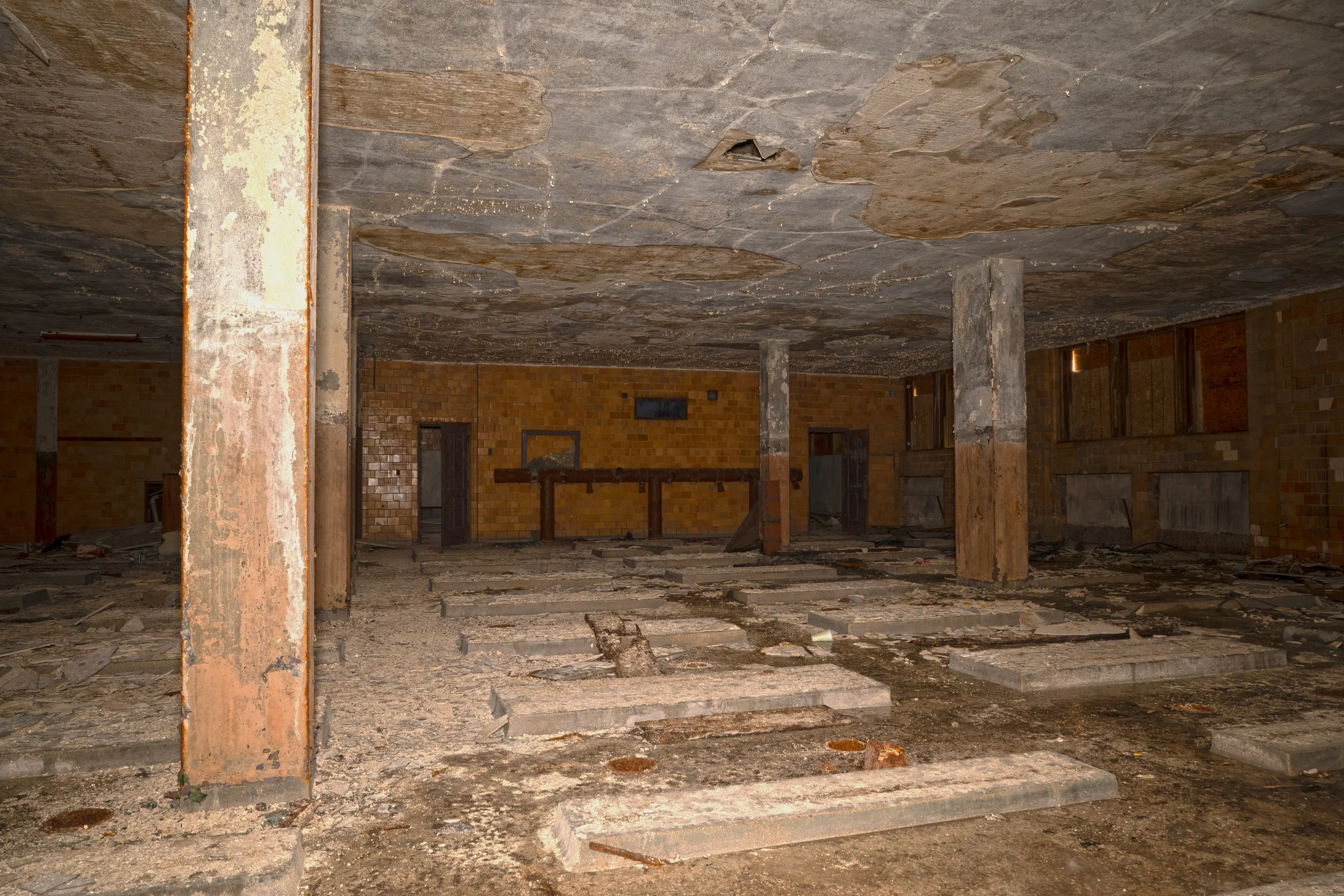
Locker room shot 1
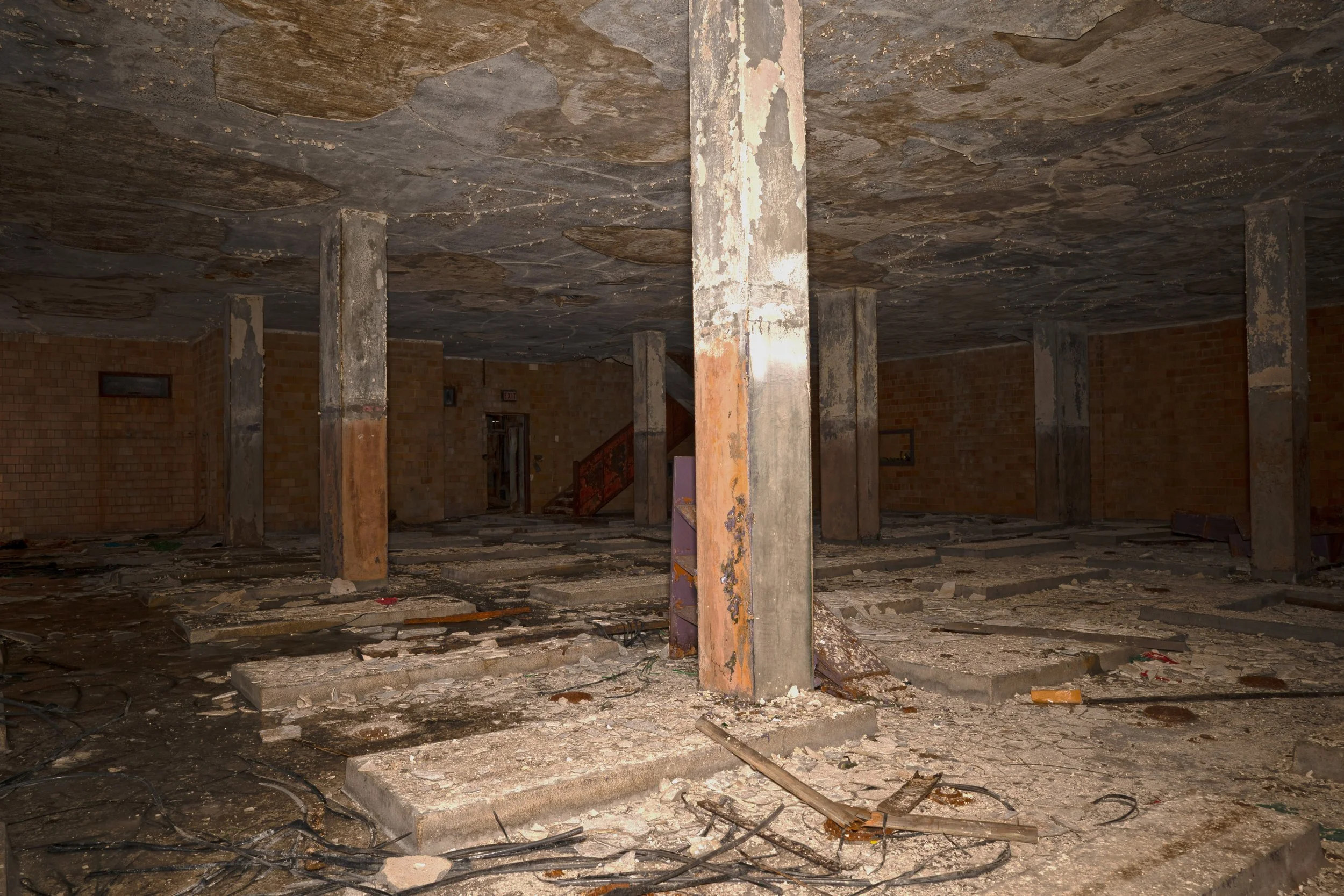
Locker room shot 2
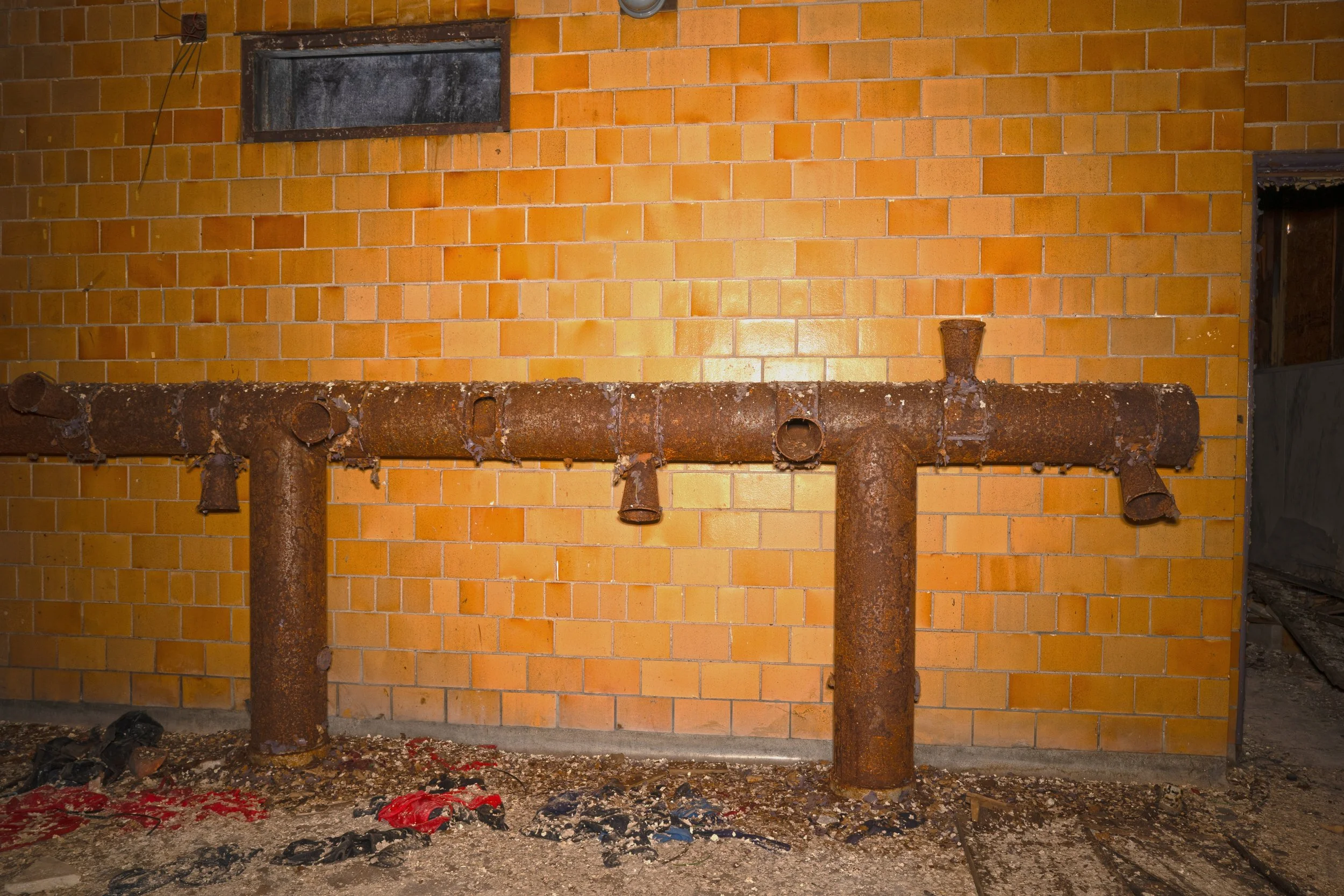
Locker room shot 3 (Hair Dryers)
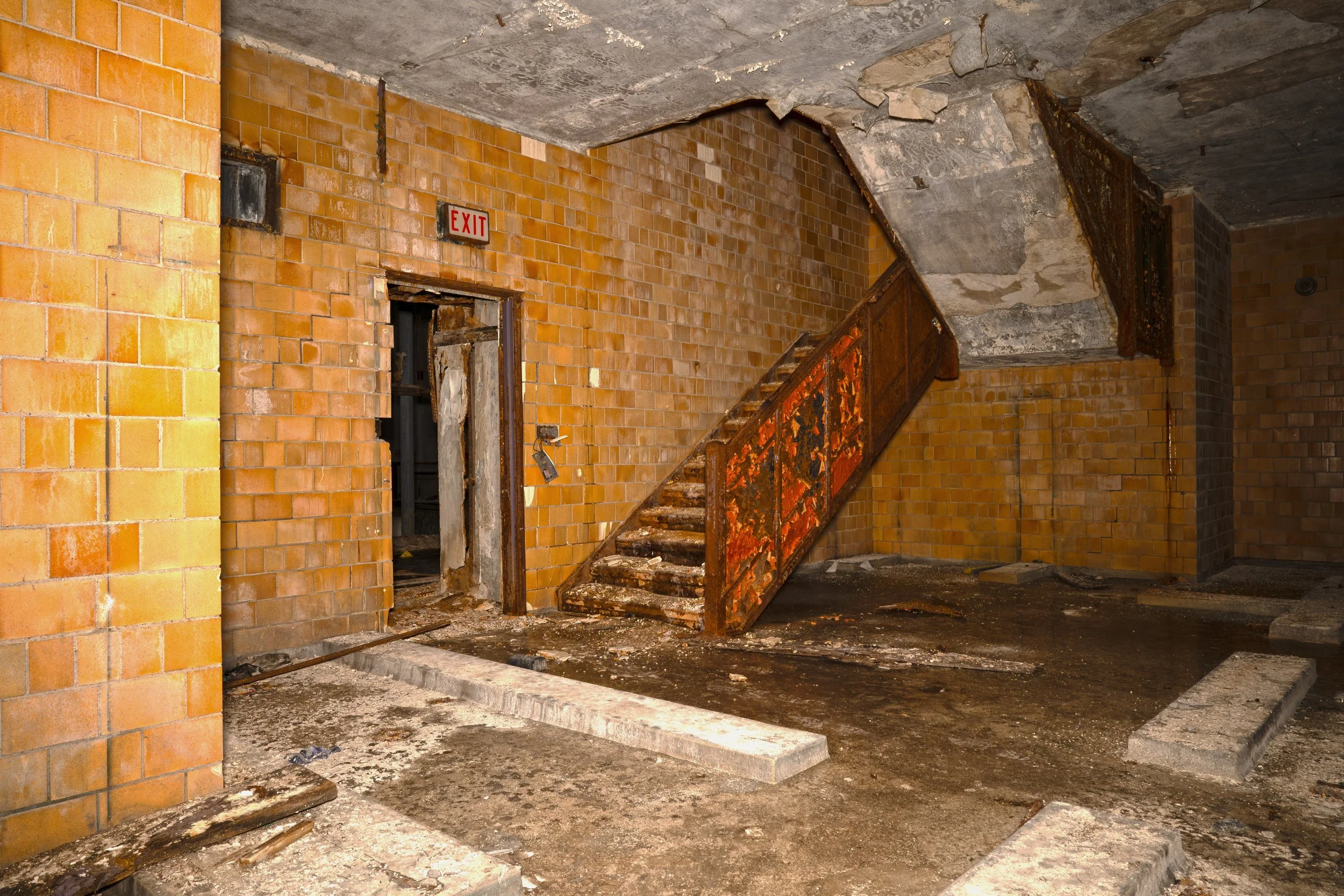
Locker room shot 4
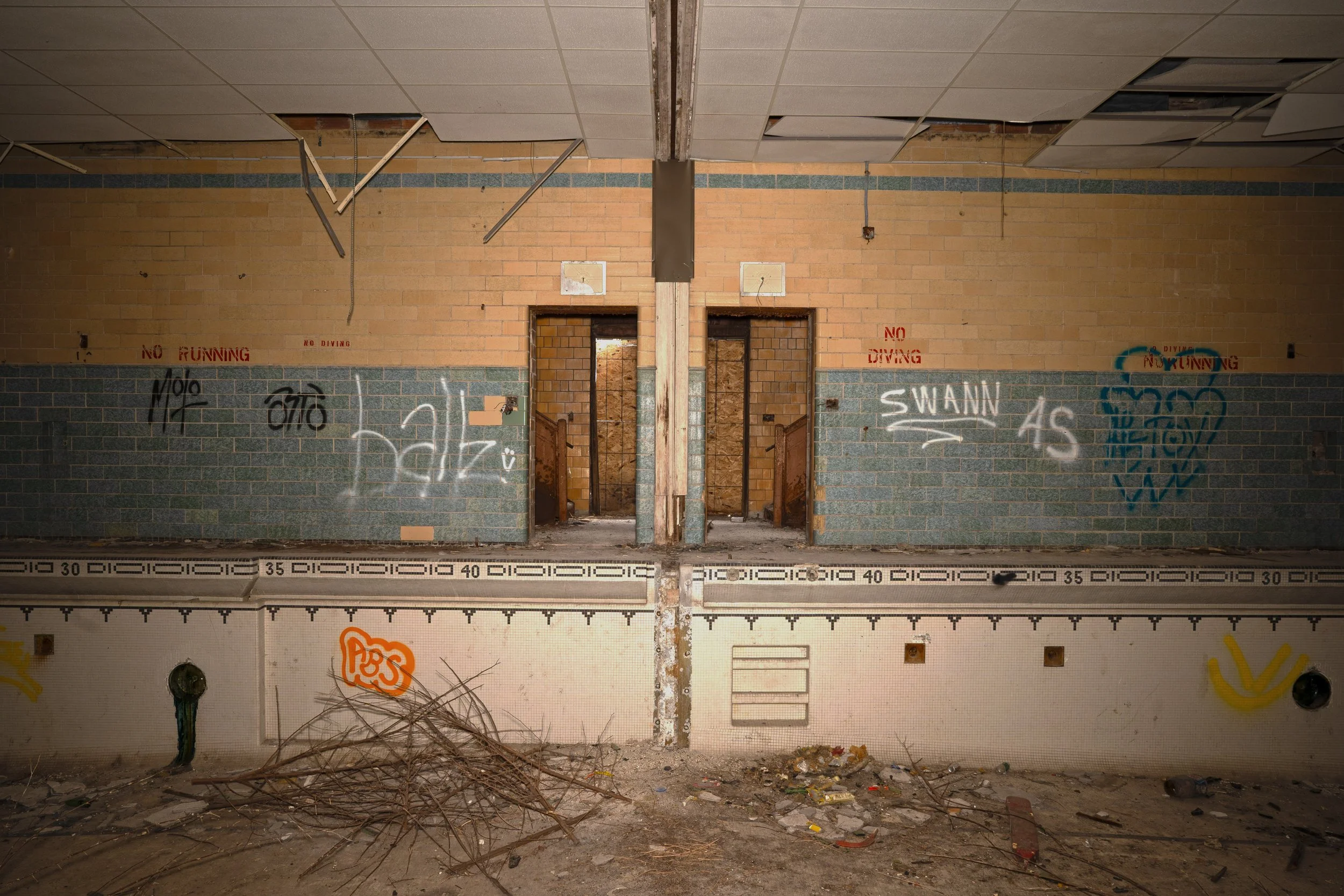
Pool area shot 1
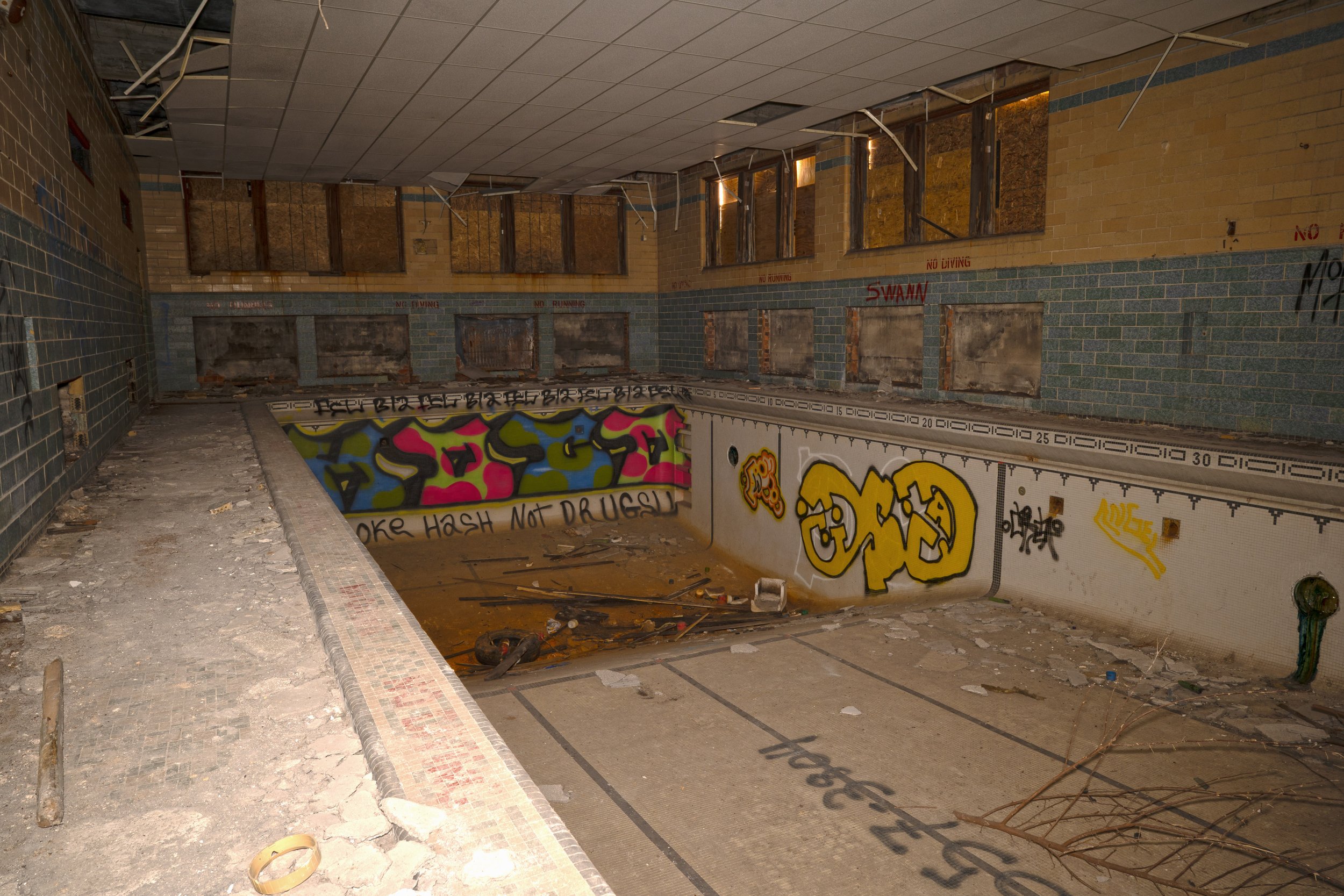
Pool area shot 2
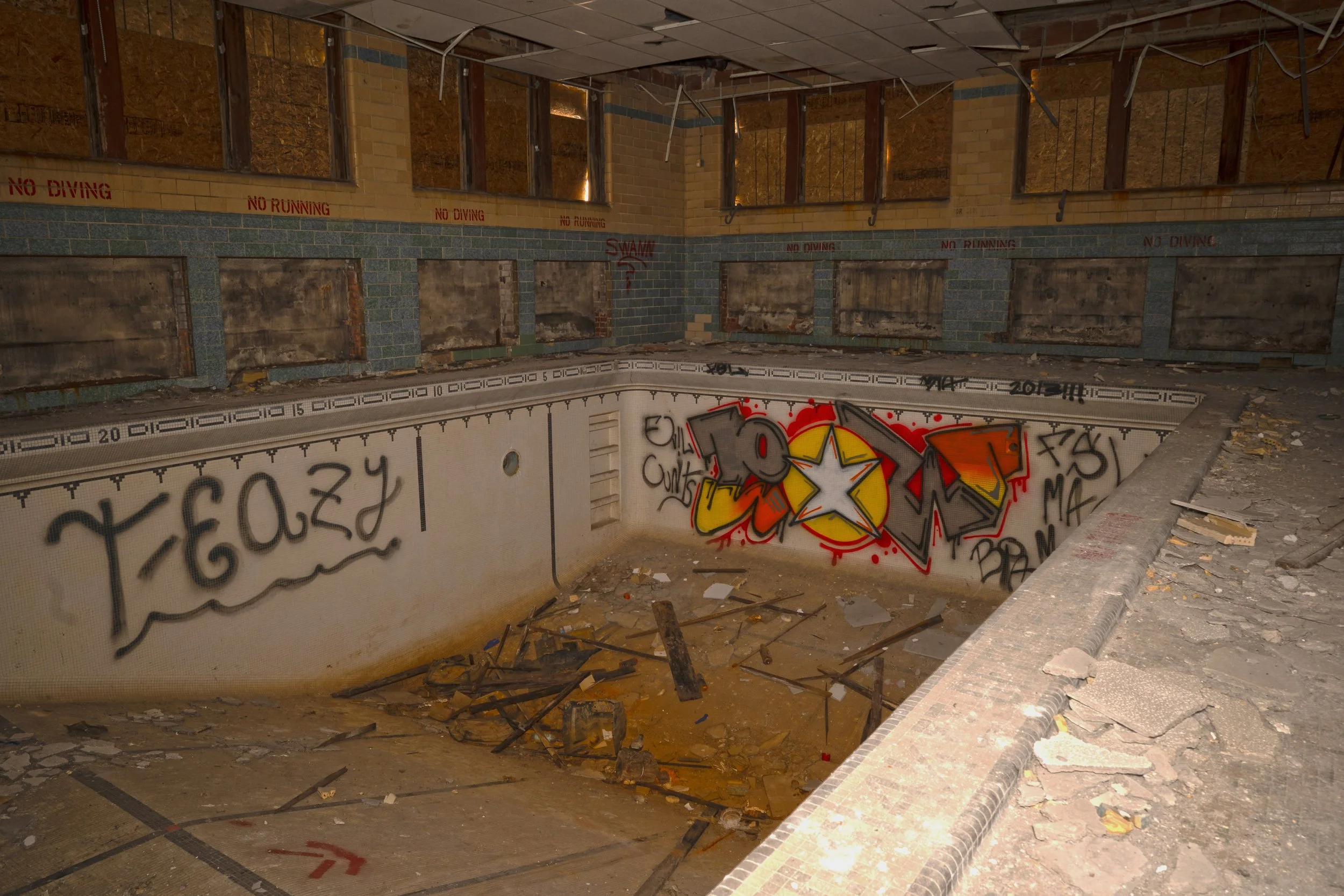
Pool area shot 3
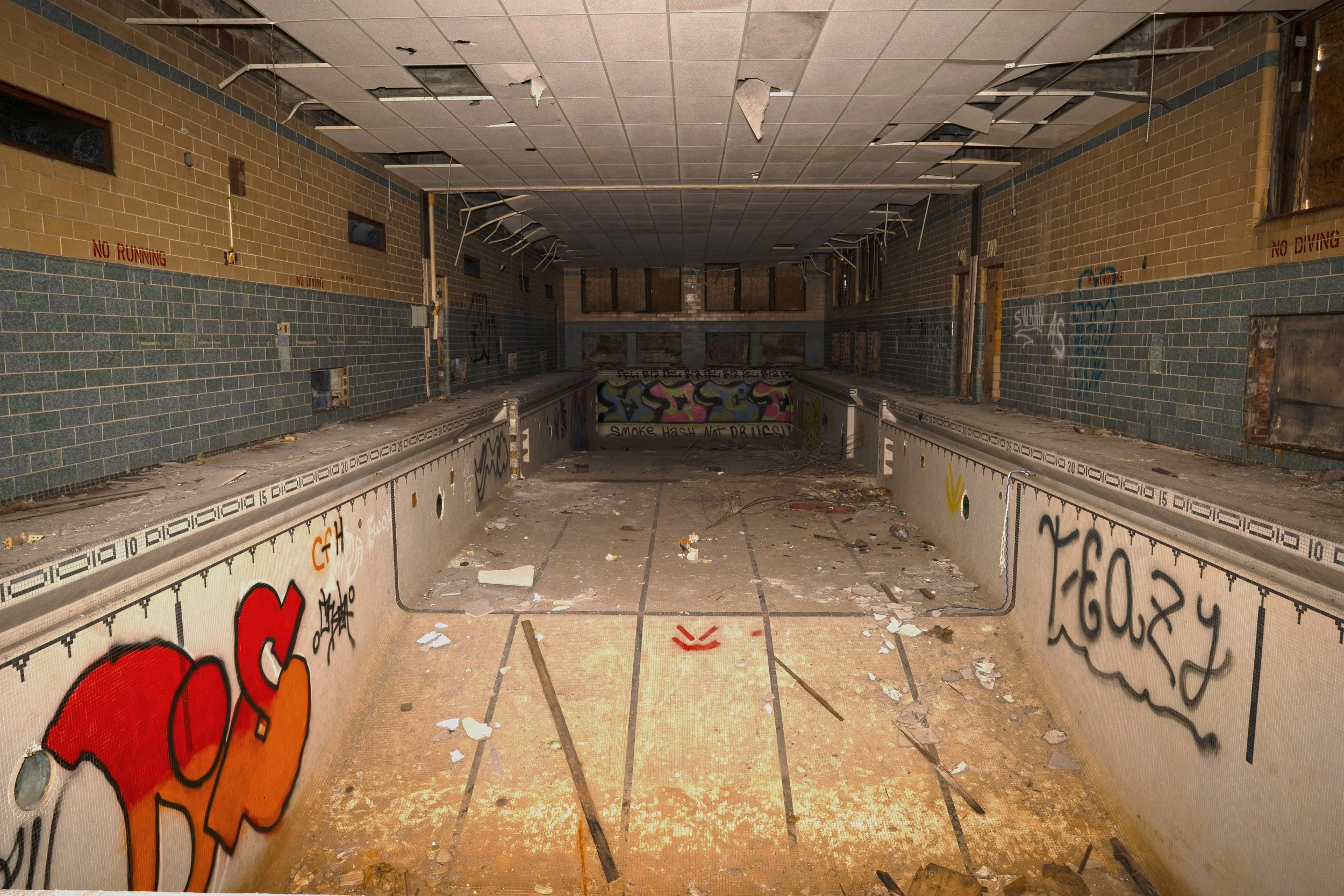
Pool area shot 4
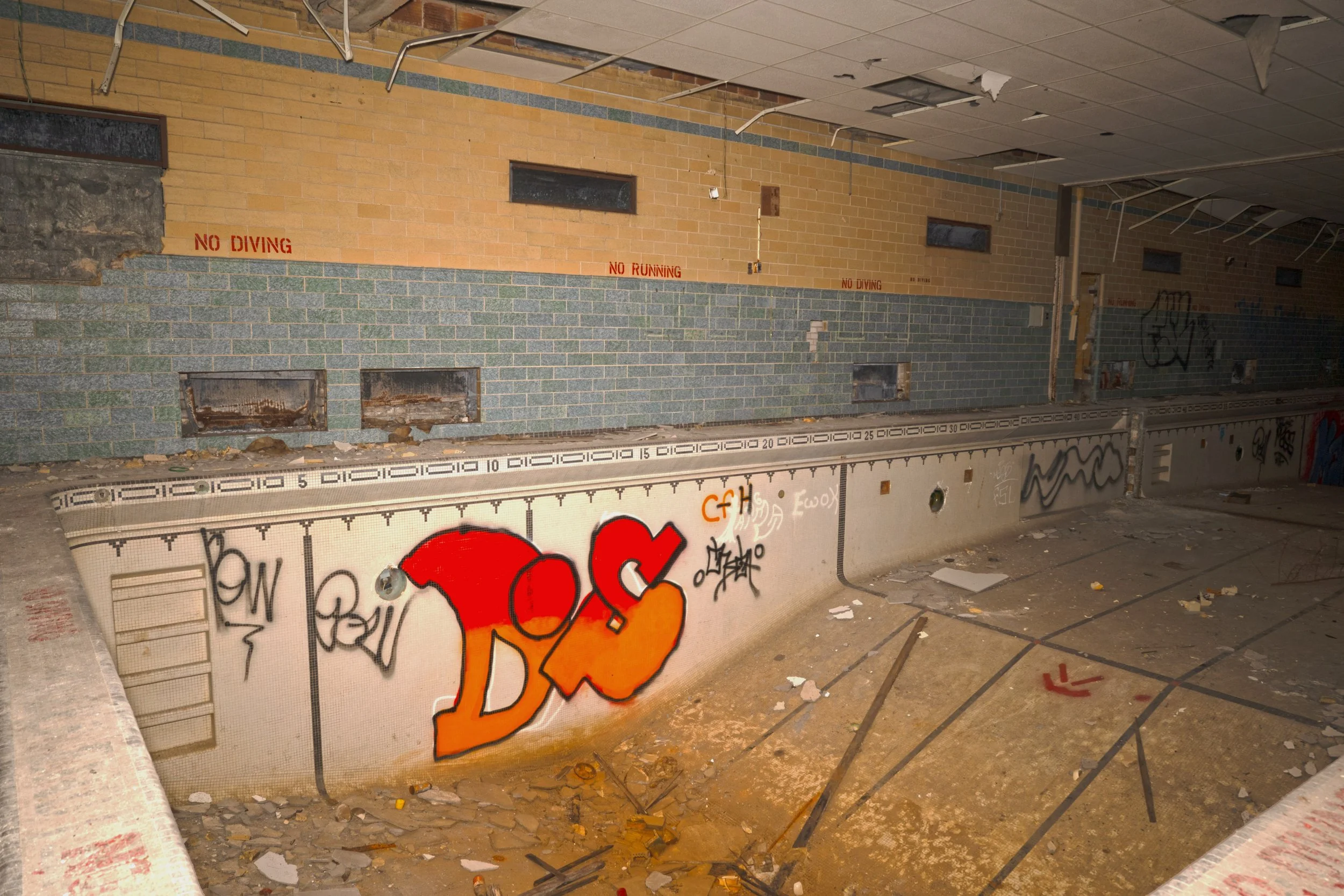
Pool area shot 5
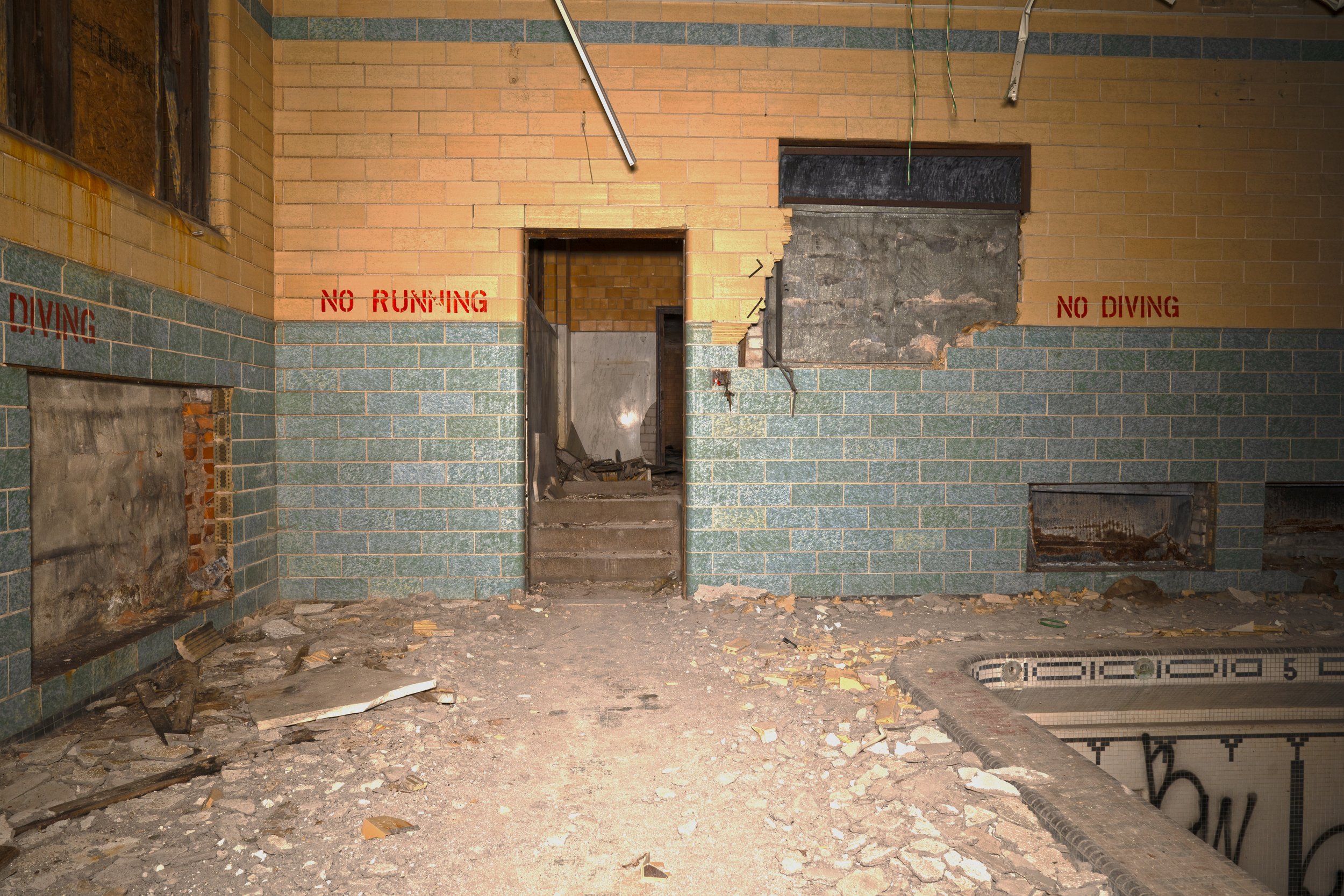
Pool area shot 6
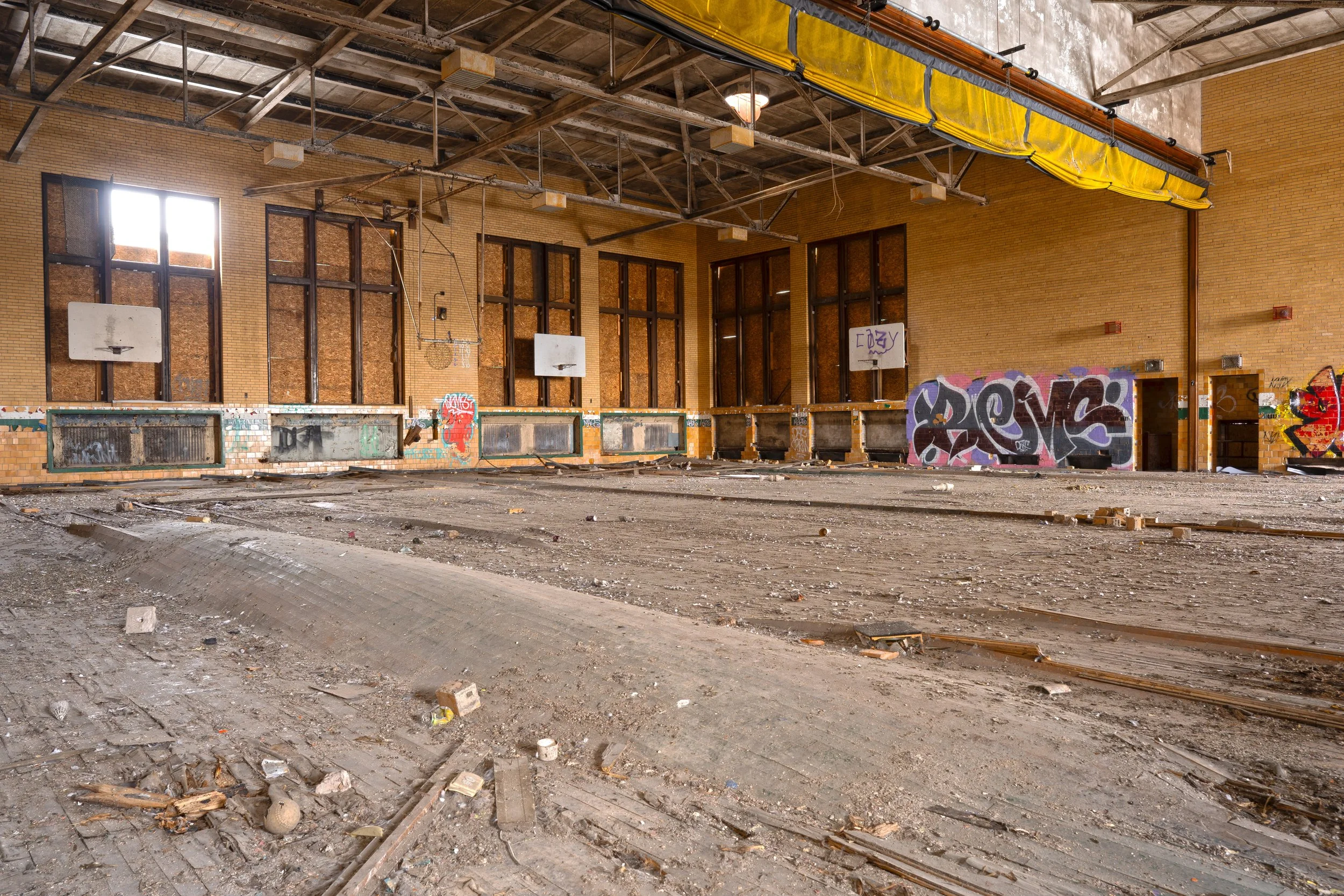
Gymnasium shot 1 (The Gymnaium sits on top of the pool and locker rooms)
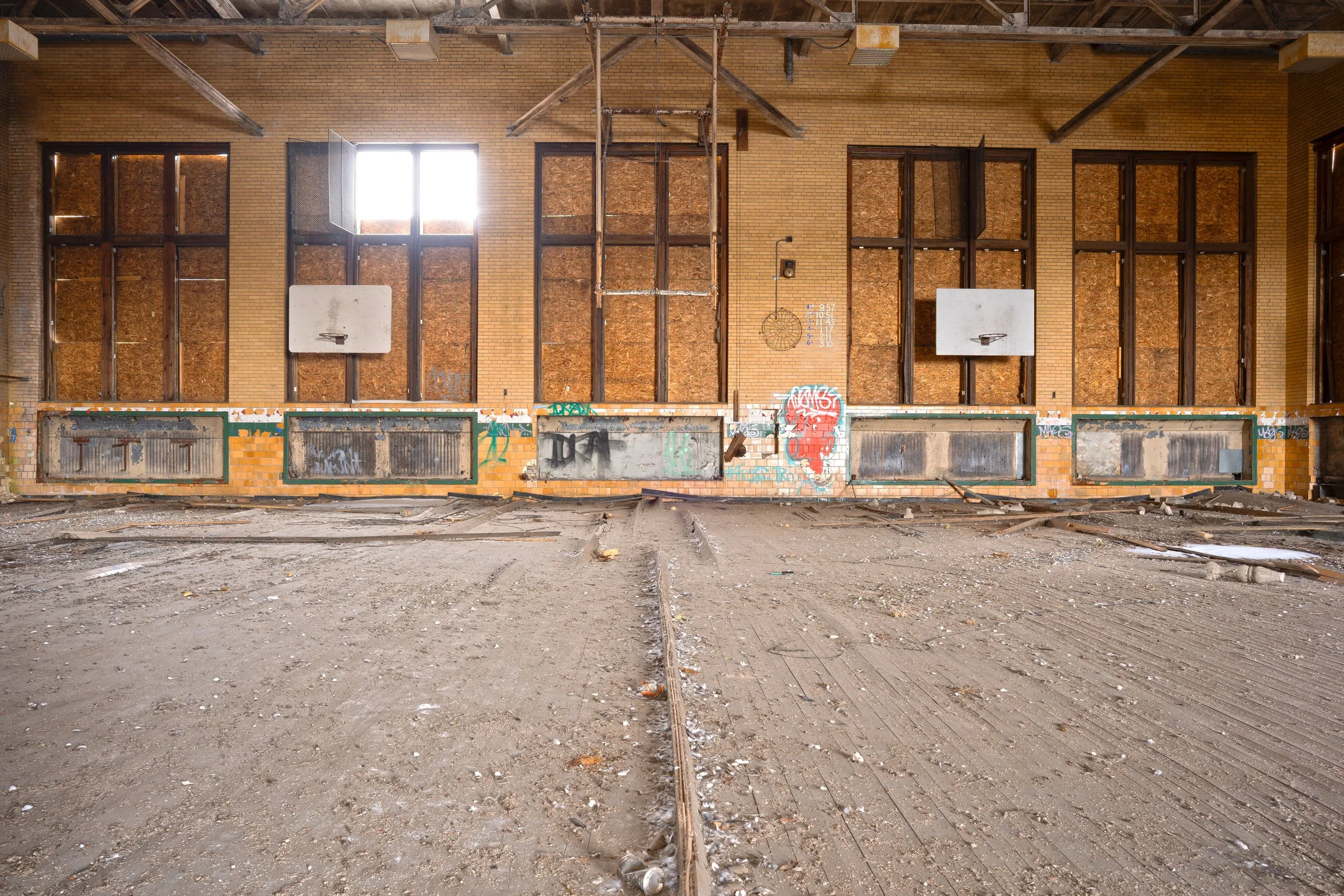
Gymnasium shot 2
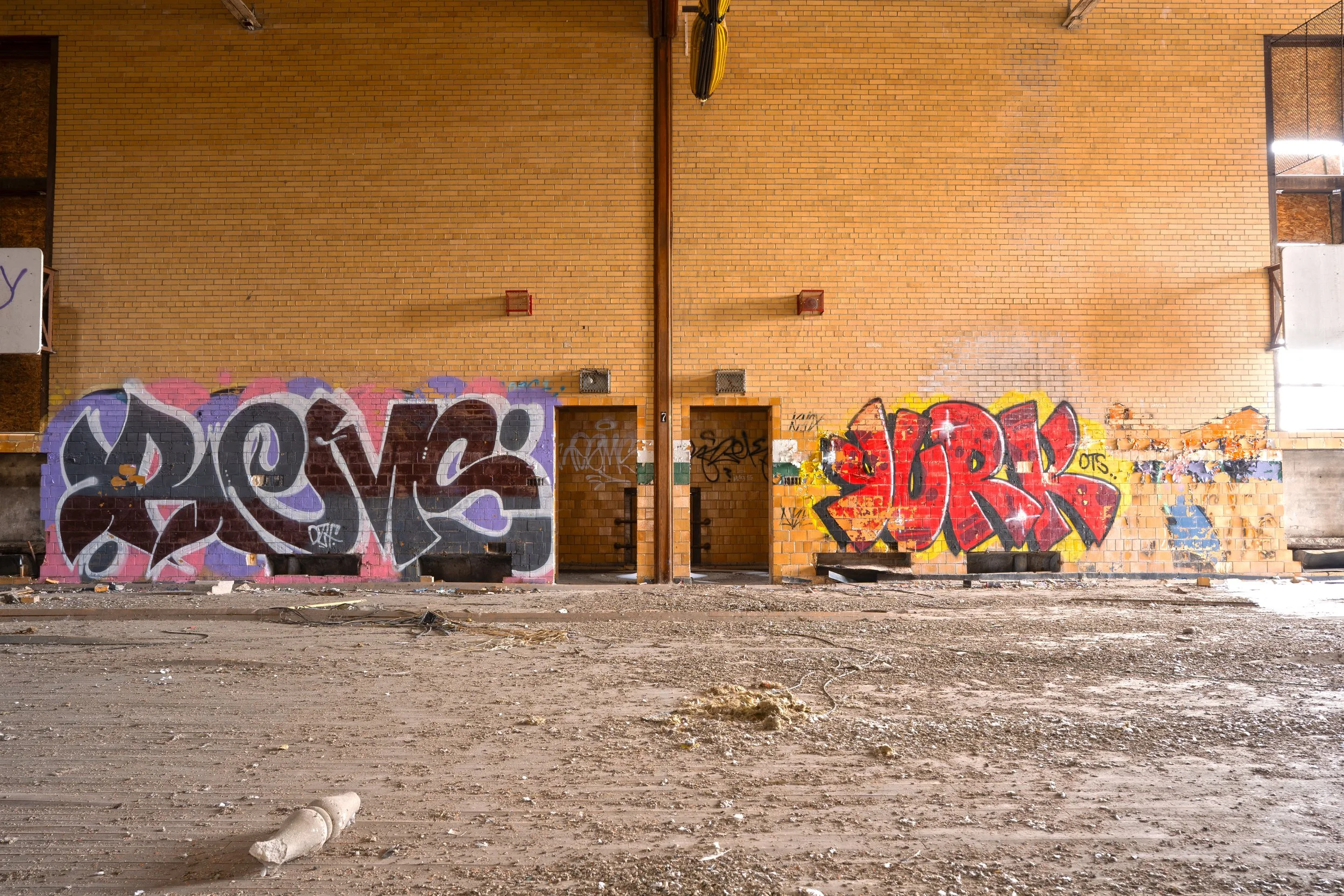
Gymnasium shot 3
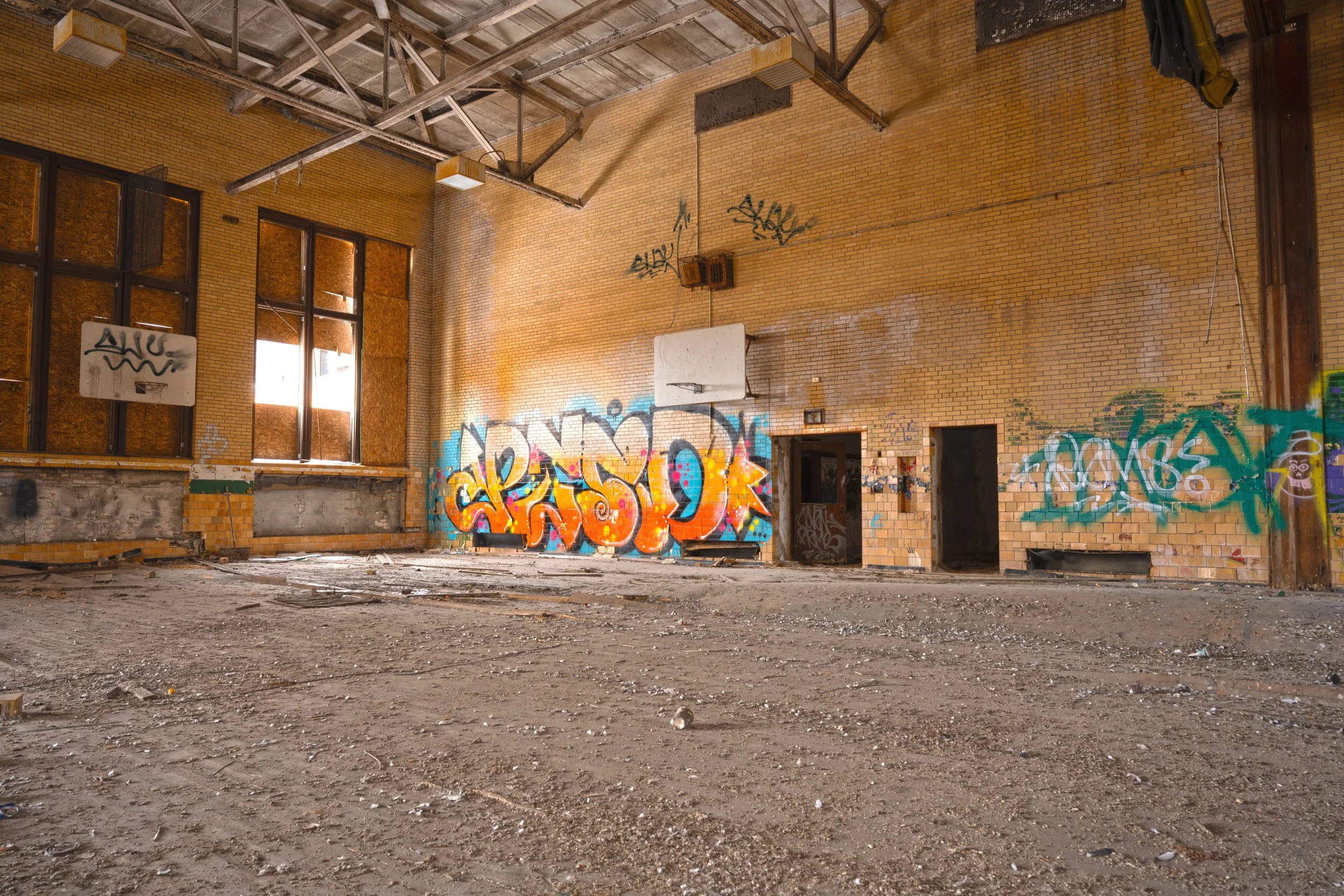
Gymnasium shot 4
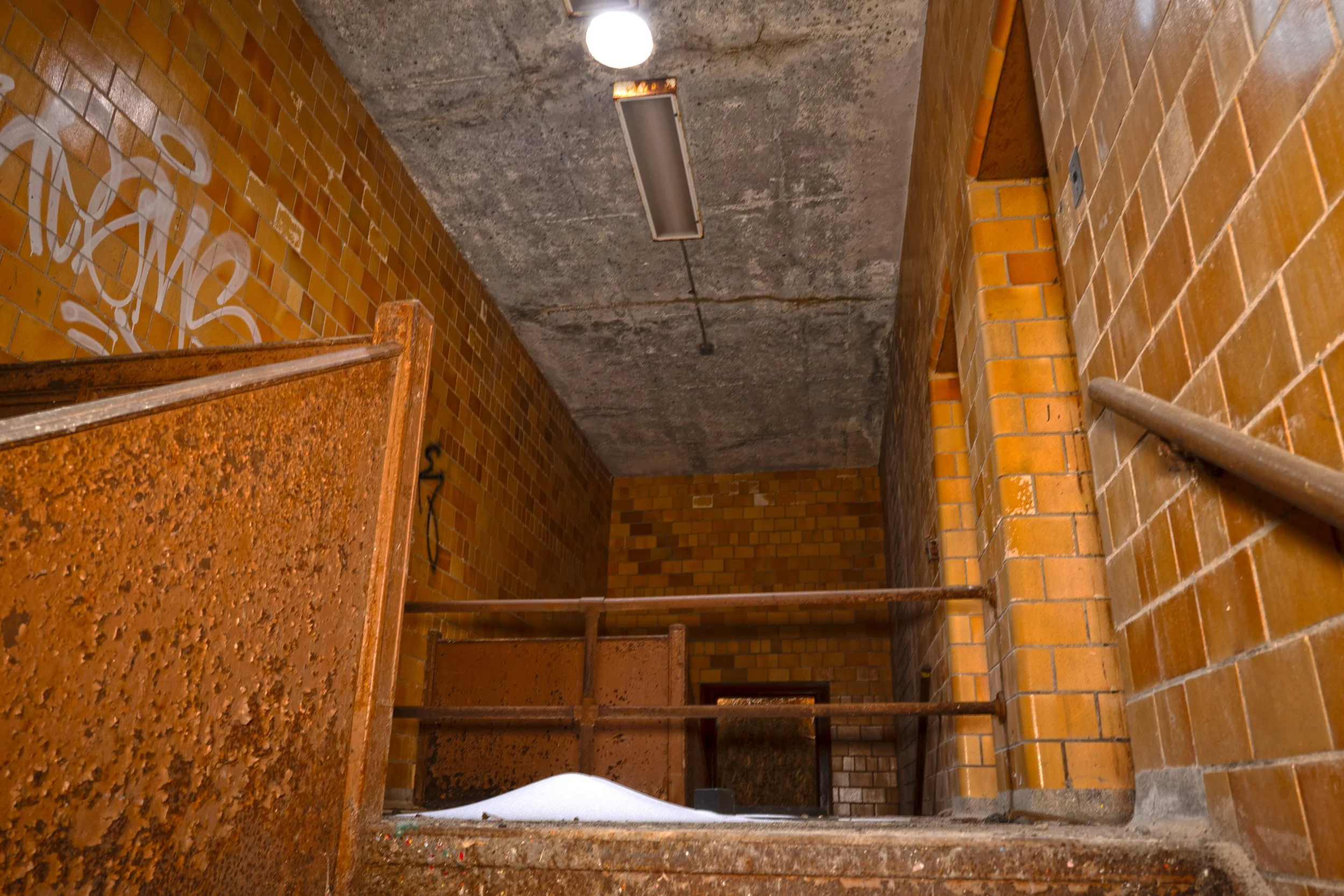
Gymnasium shot 5 (Staircase leading from pool area to gymnasium
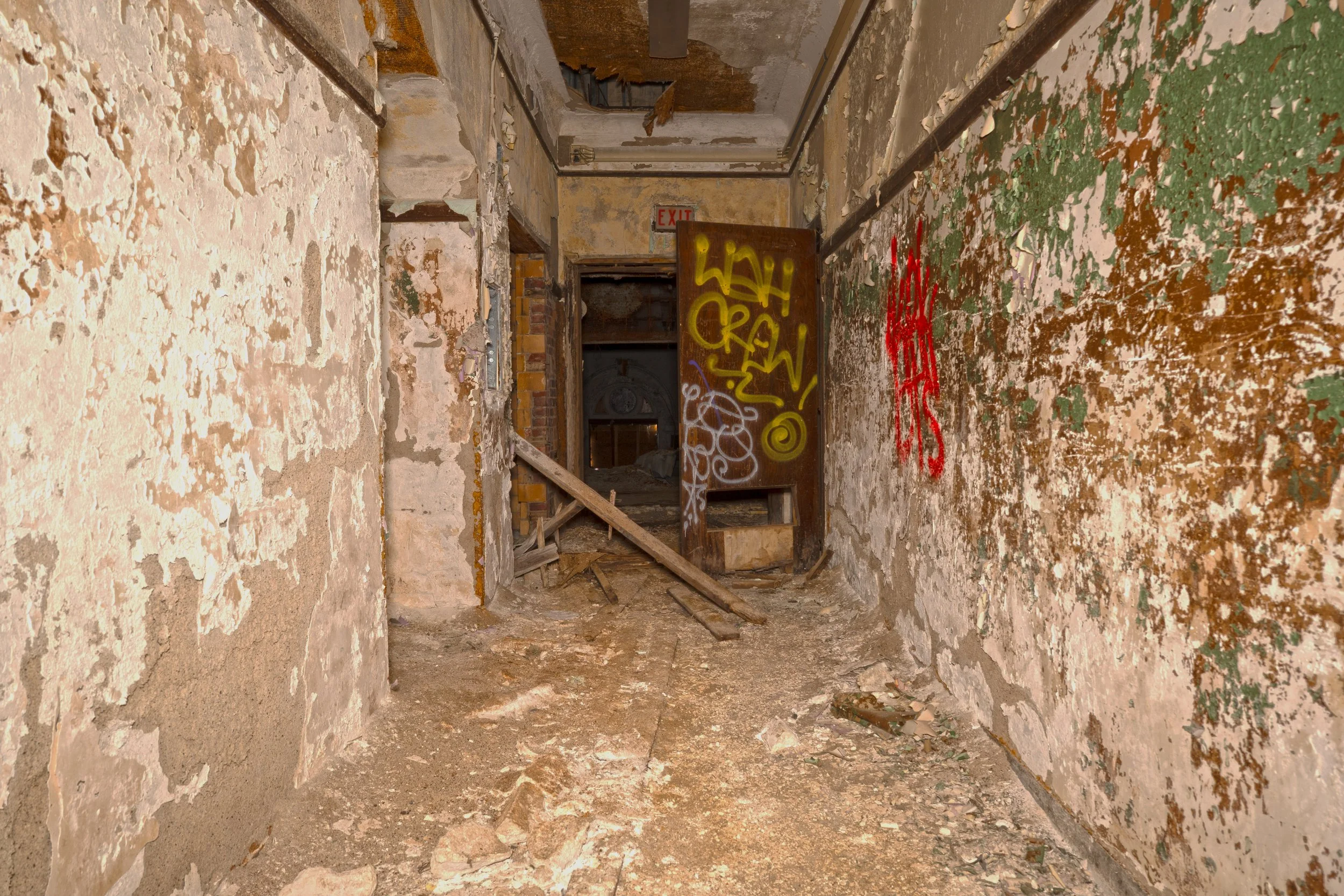
Gymnasium corridor to 2nd floor main hallway