
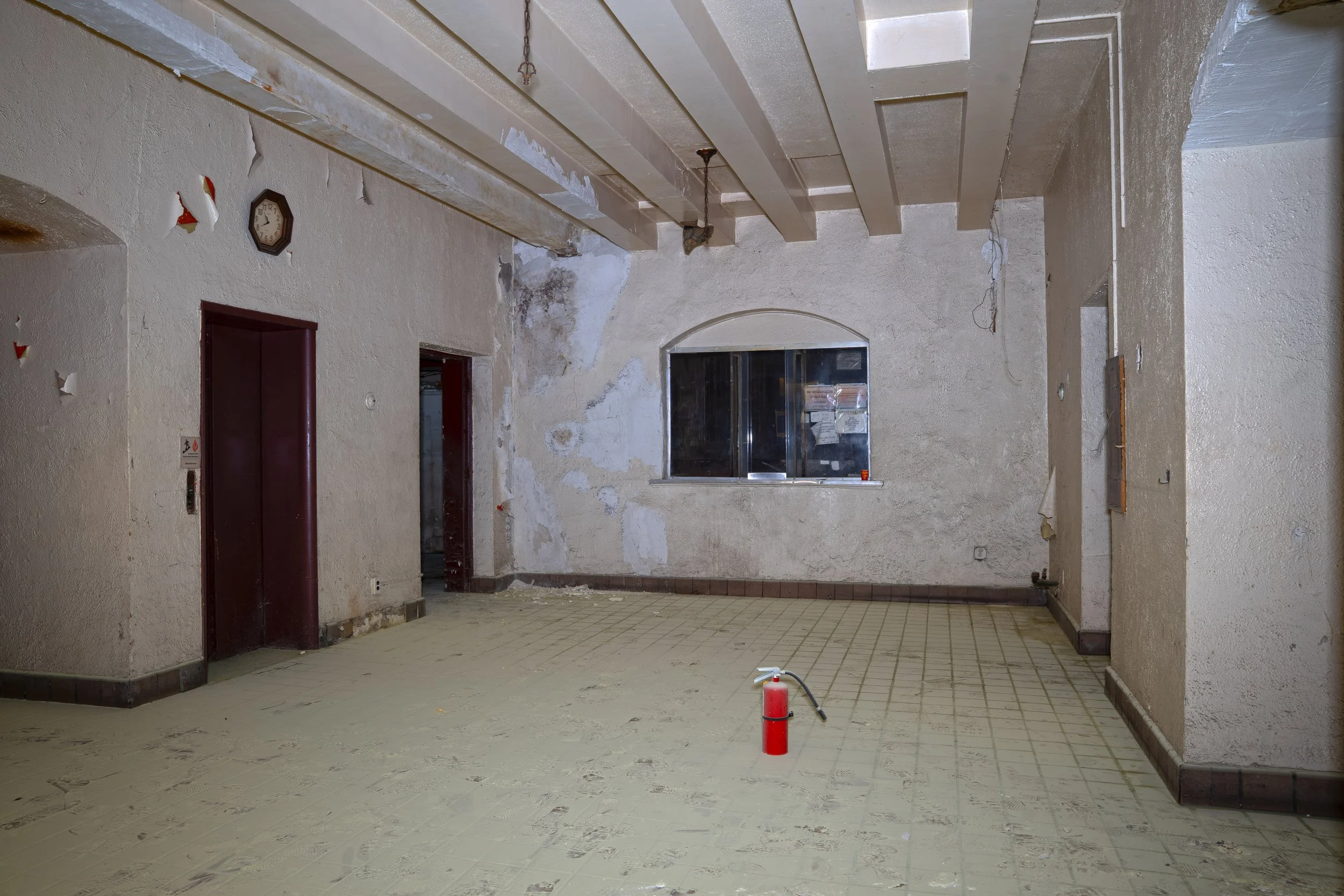
Hotel Yorba
4020 W Lafayette Blvd, Detroit, MI 48209
-Abandoned 2025
|High Resolution Page S+Tripod|
Locate it!
History of Hotel Yorba
Hotel Yorba is one of many hotels and apartments built by the architecture firm Pollmar & Ropes in Detroit during the 1920s, the Roosevelt Hotel (1923), Chatsworth Apartments (1928) Sherbrooke Apartments (1914), and more were built by the firm in this era of Detroit history. Hotel Yorba was a later project opening in 1926, with 300 rooms. Many design elements define Yorba such as the stained leaded milk glass, set into a three part wooden frame above the entrance ways, allowing diffused light to enter the front lobby. The name of building is etched in various spots, most notably on the roof were passersby can see the large sign from the I-75 freeway nearby the Clark St. exit (47A). The name "Yorba" is of Spanish and Basque origin, deriving from the Basque word Iurbe or Ibarra, which translates to "settlement," "riverbank," or "valley". The name was carried to the Americas by Catalan born soldiers during the Spanish colonization of the New World. When Hotel Yorba opened it was classified as a residential hotel, meaning it was meant for longer stays of up to a week or more. With a day rate going for $1.50, or $7 a week in 1927 dollars. Throughout 1927, advertisements ran almost daily in the Detroit Free Press, marketing the property as Detroit's newest and finest residential hotel, aggressively promoting its high quality mattresses, fine furniture, and reliable hot water. During this initial boom period, lasting into the 40s, the hotel served as a highly convenient "home sweet temporary home" for the laborers constructing the nearby Ambassador Bridge, that opened in 1929. Into the 1940s the idea of residential hotels began to fade, as more and more people moving into single family homes being built around the city. This was further cemented in the aftermath of WWII, with many families moving into new housing via their GI Bill’s. By the 1980s the hotels built in the 1920s became some of the few options for affordable housing, mostly for people living on welfare. In 2001 the Hotel gained popularity when it became a hit song of the band “The White Stripes”, with the song sharing the same name of “Hotel Yorba”. The band member Jack White grew up a short walk from Hotel Yorba. Reportedly, ownership didn’t allow the band to record a video inside the building, but the exterior is prevalent in the music video. Into the 2000s about 250 residents lived in the hotel, however shrunk to 70% of that by 2010. With such a small resident pool, it became less and less meaningful to conduct repairs on the building leading the building to fall into disrepair. By 2020 the building was listed for sale, with no buyers. In September 2025, the building was closed after the city conducted a inspection finding serve disrepair and unsafe living conditions. City inspectors cited a leaking roof, collapsing ceilings, and major fire safety violations, as major reasons to closed the building. Just under a year later the building has decayed so far, that it seems as almost a pipe dream that people could have actually lived like this just a year ago.
Recollection from the author
Hotel Yorba was one of the few buildings I had the honor of checking out before it closed, on a trip around the city with a good friend of many abandonedcommercialdetroit.com members. Bill Smith, which sadly passed away just weeks after checking out the Hotel Yorba in March 2025, on the same trip around the city we also visited the M.M. Rose School the oldest school building in the city that had not been repurposed. This building for me wasn’t just a hotel it was a memory of what that last trip was like, it was one of the few locations I could visually remember the people that lived here, and Bill’s quote about the for sale sign outside.
Bill: Something of the like “I see your selling the building, has anyone bought it yet?”
Hotel Yorba Resident: “I thought you were coming to buy it.”
Walking into the lobby I could visually see the in my head the man that had made the joke to Bill that day, in the walker that had been in the same spot I had seen that day we visited just months before the hotel closed.
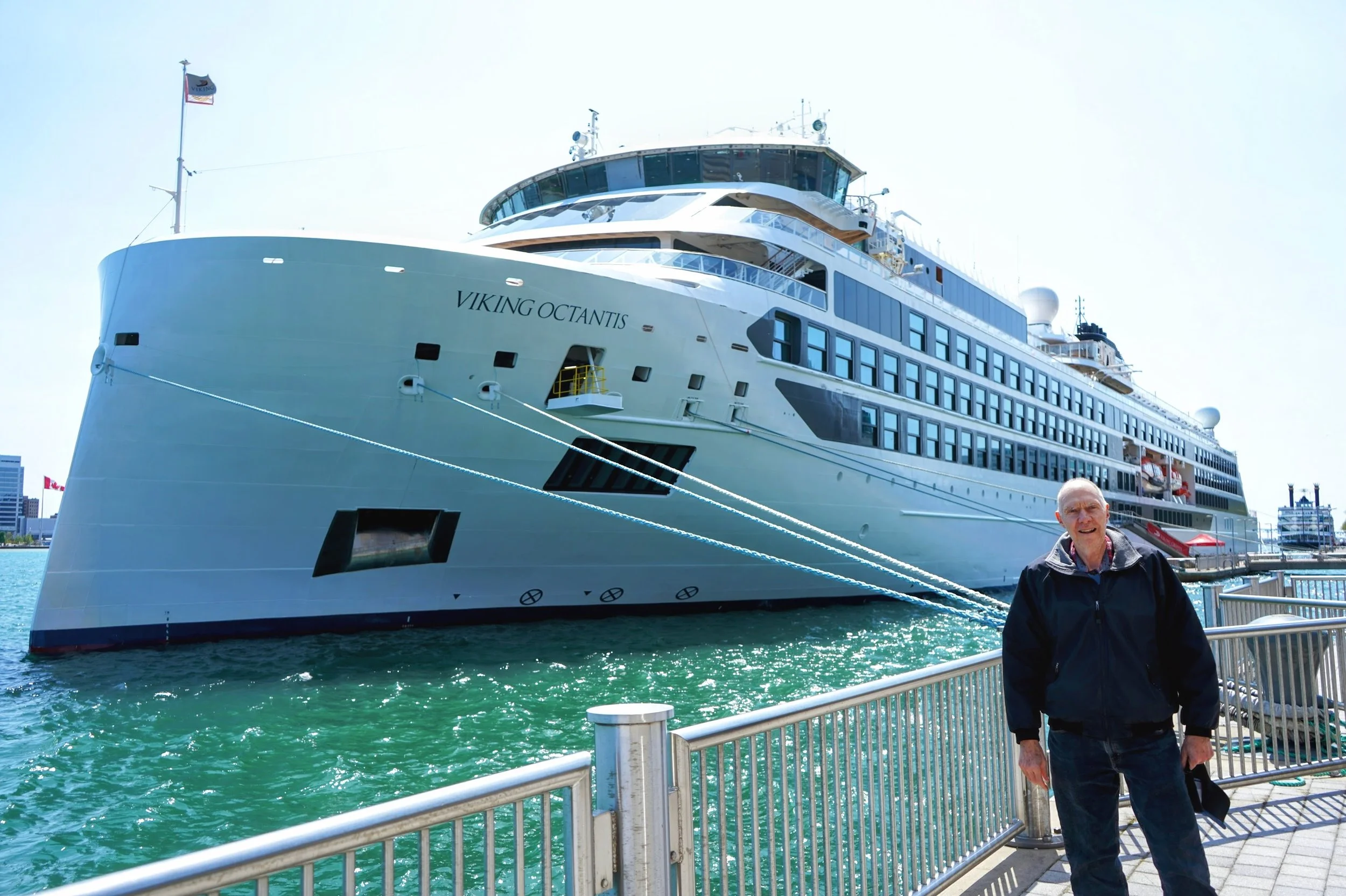
This Location is dedicated in Loving Memory to
William “Bill” Smith December 2, 1949 - March 21, 2025
Bill was a lifelong resident of Southwest Detroit and was a early supporter of abandonedcommericaldetroit’s work preserving history through images and documentation.
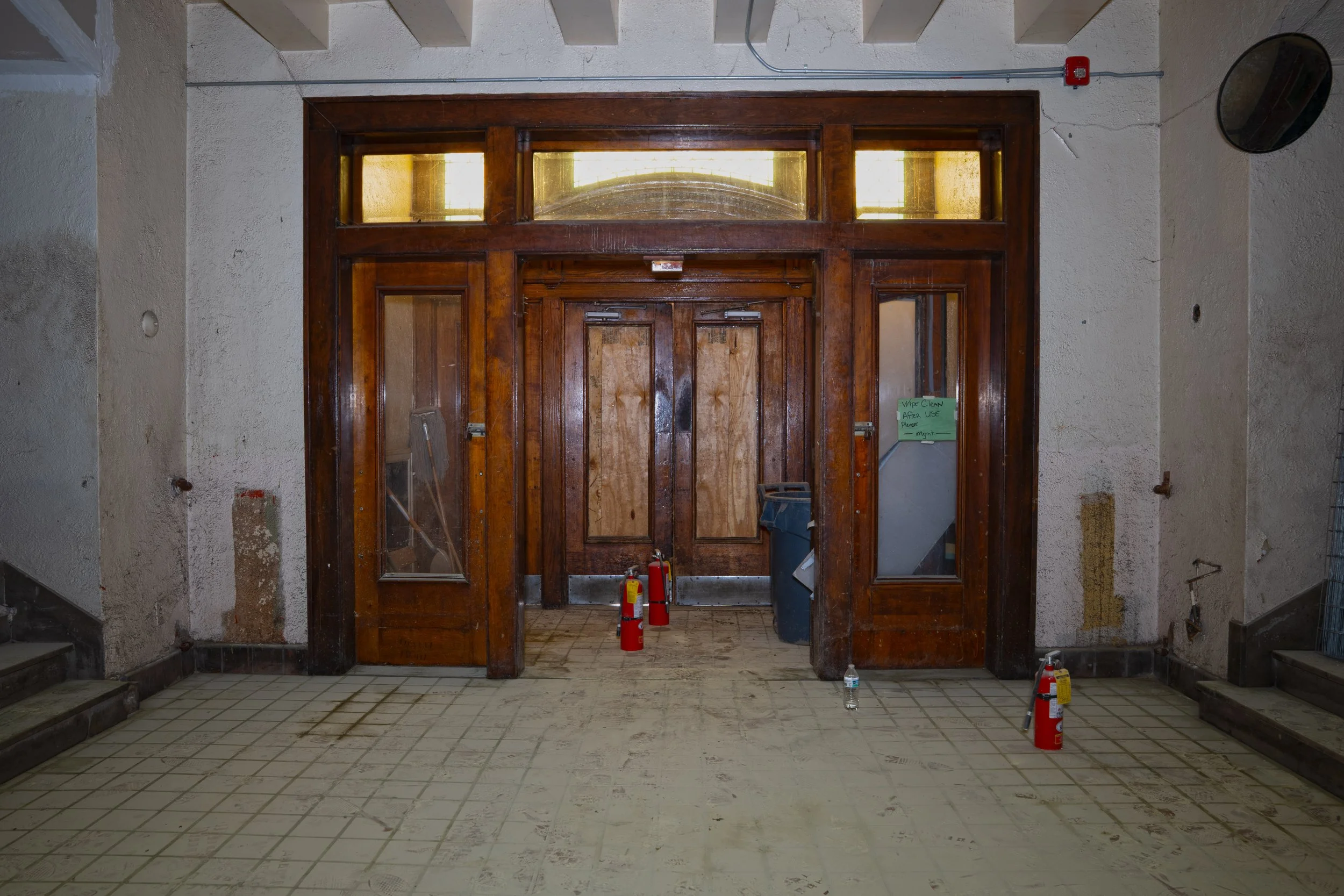
Main entrance
Main Lobby section (This section has been gutted since it originally closed)
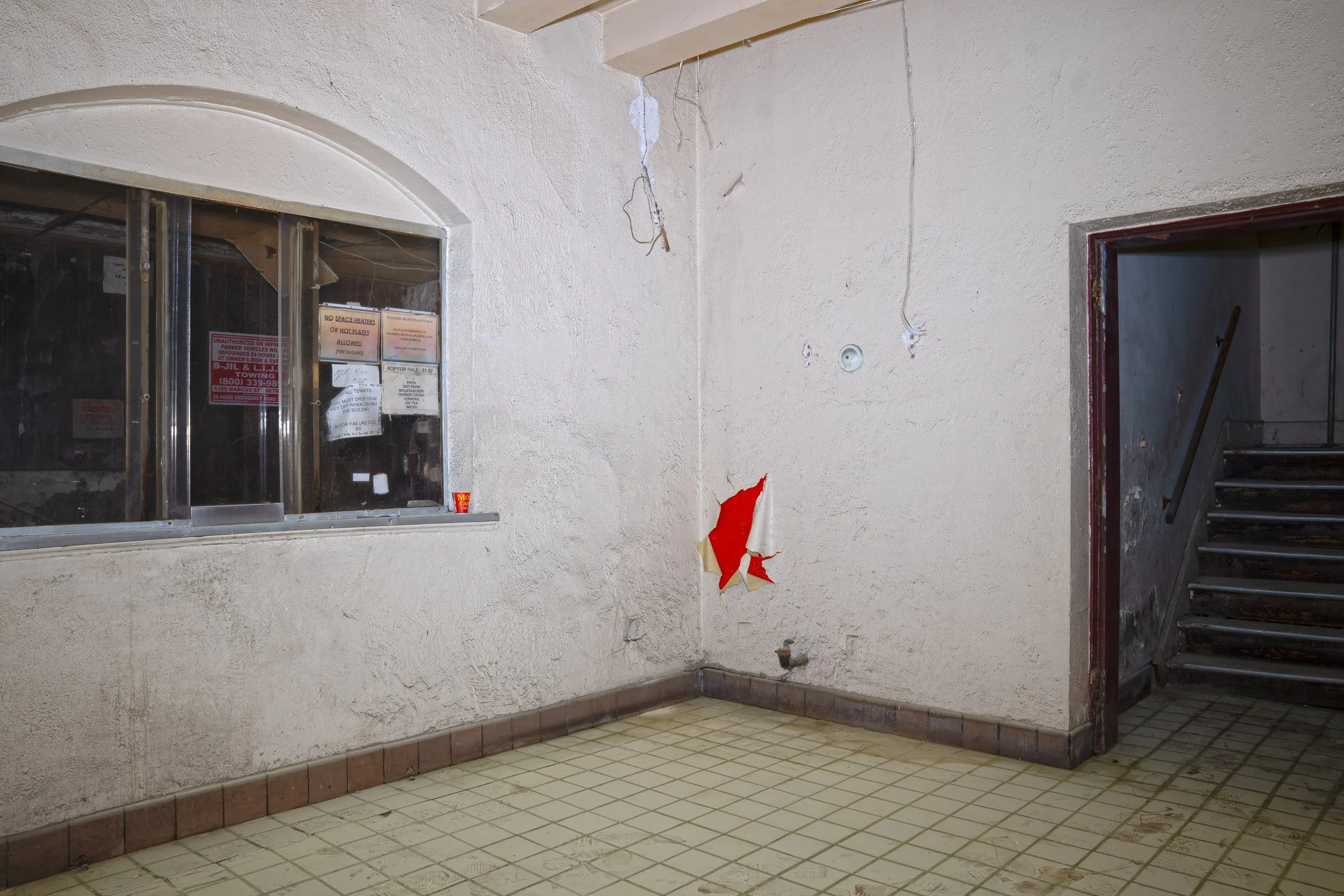
Reservation window in main lobby
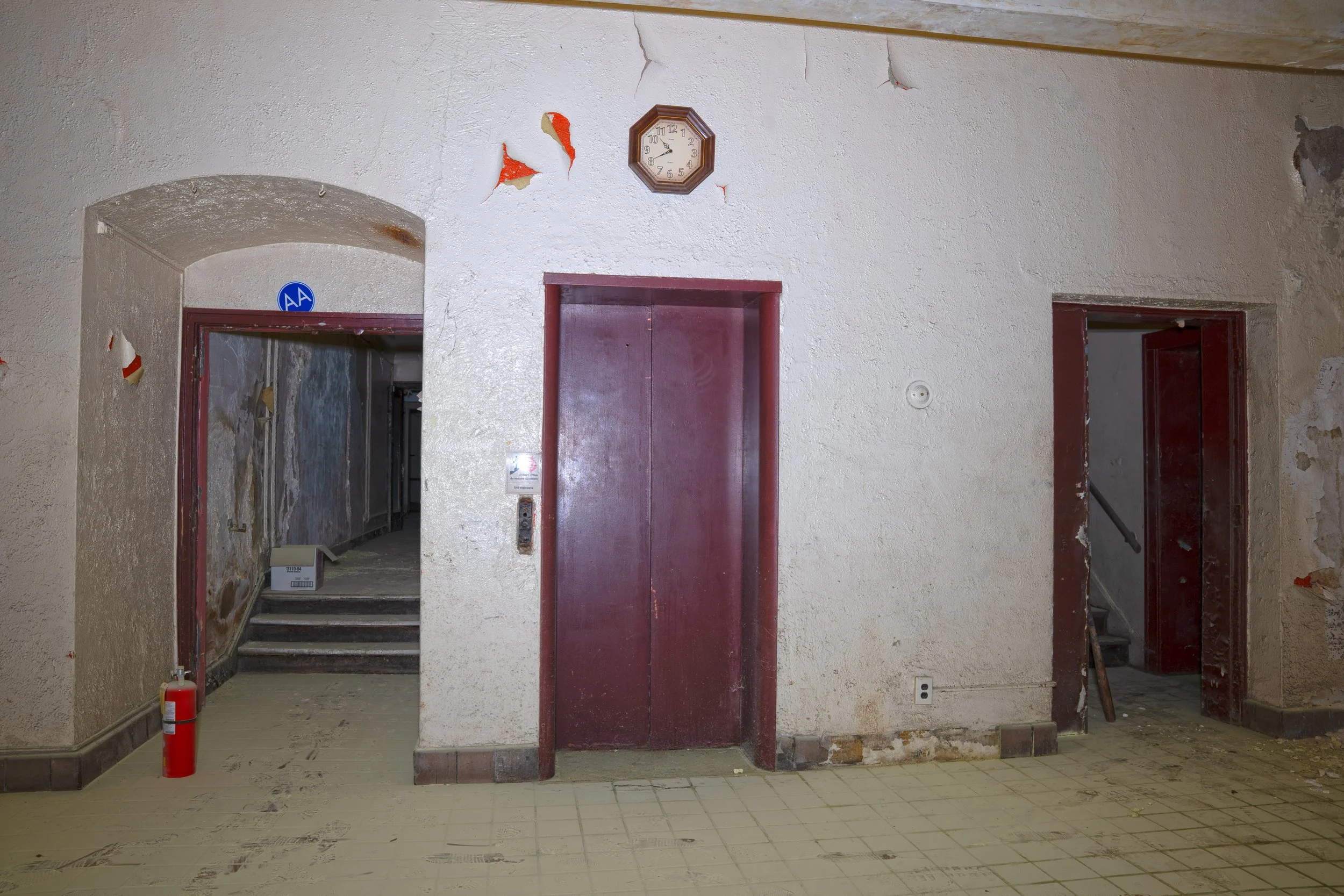
Main lobby elevator
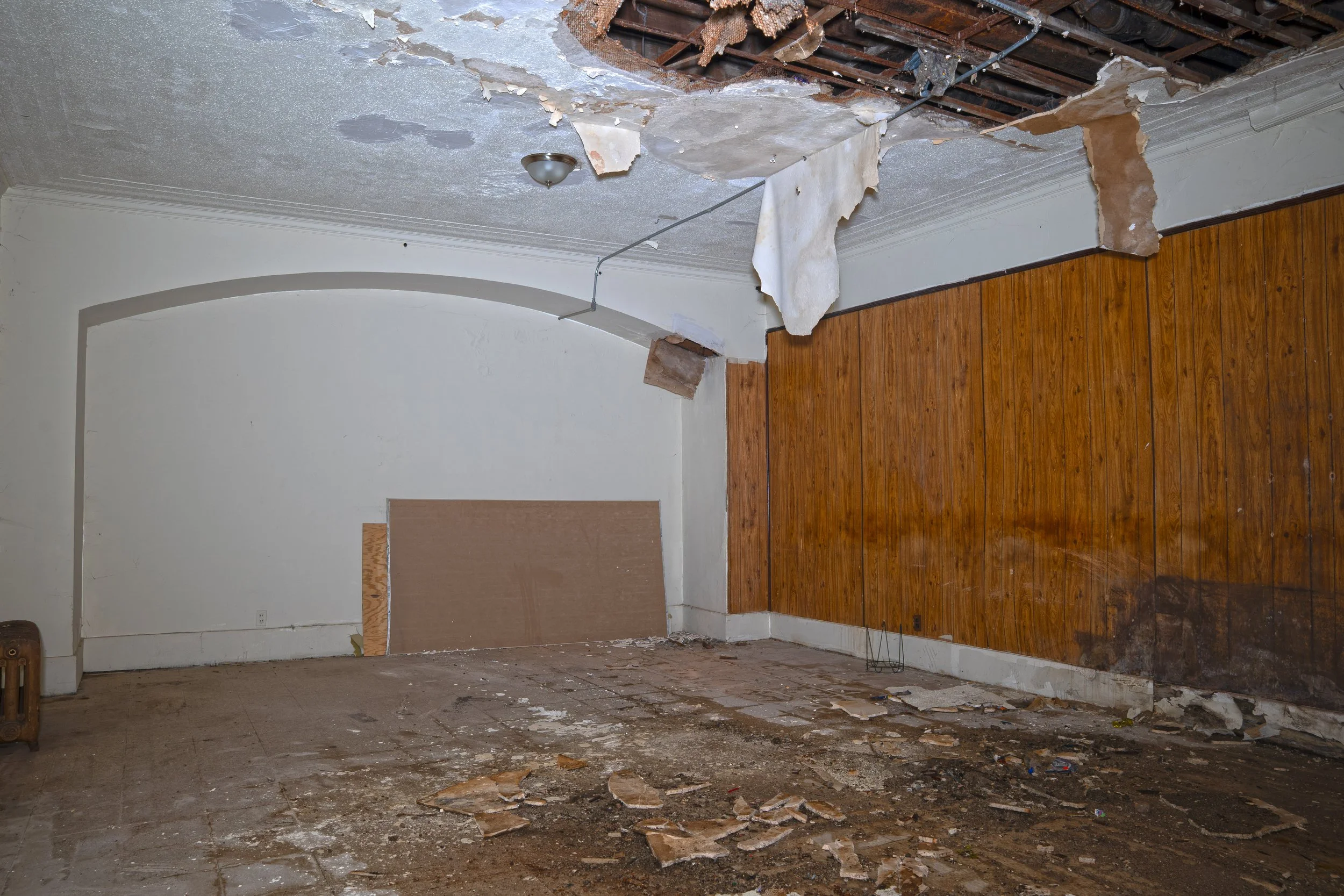
Event and meeting space on 1st floor connected to the main lobby
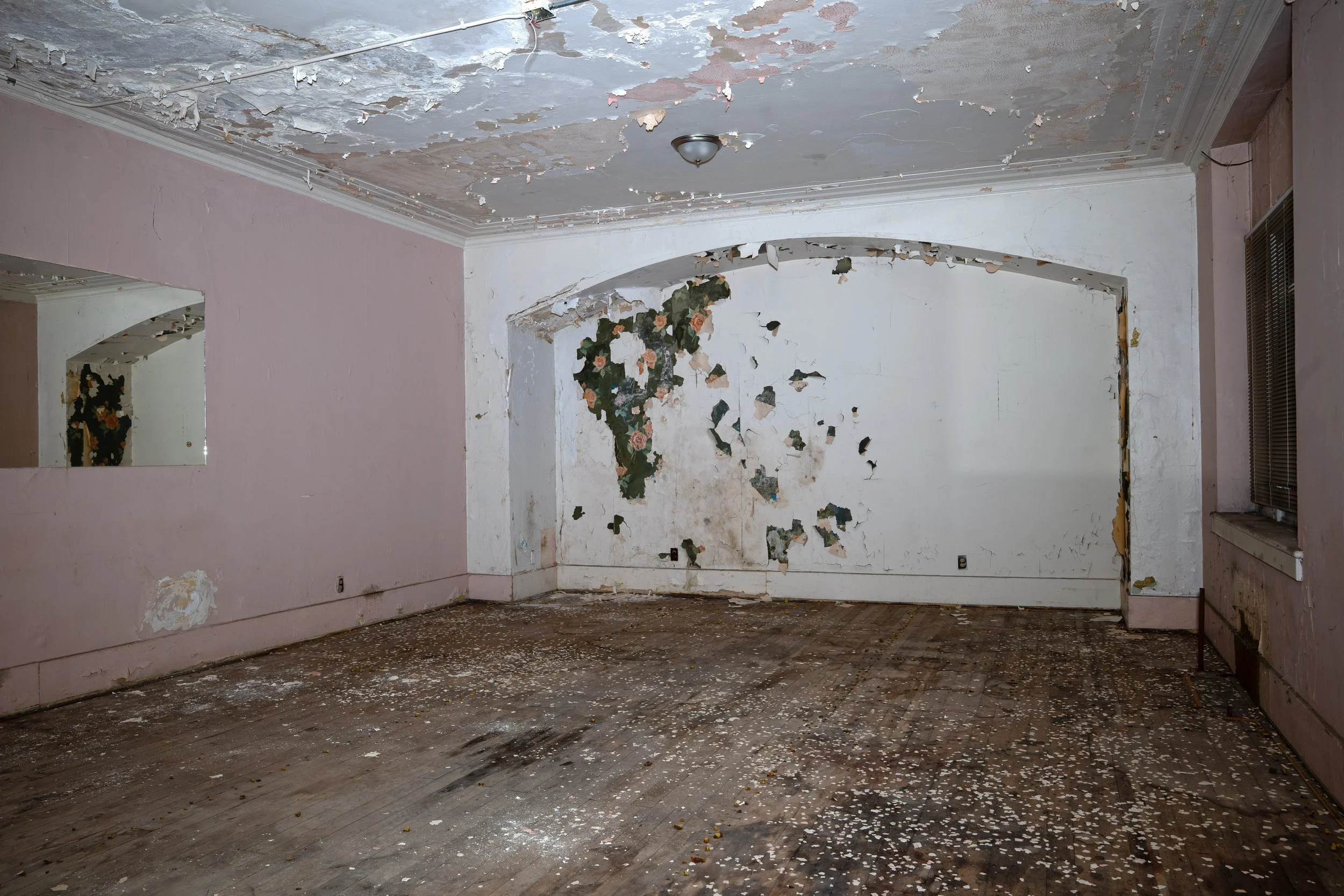
Event and meeting space on other side of main lobby
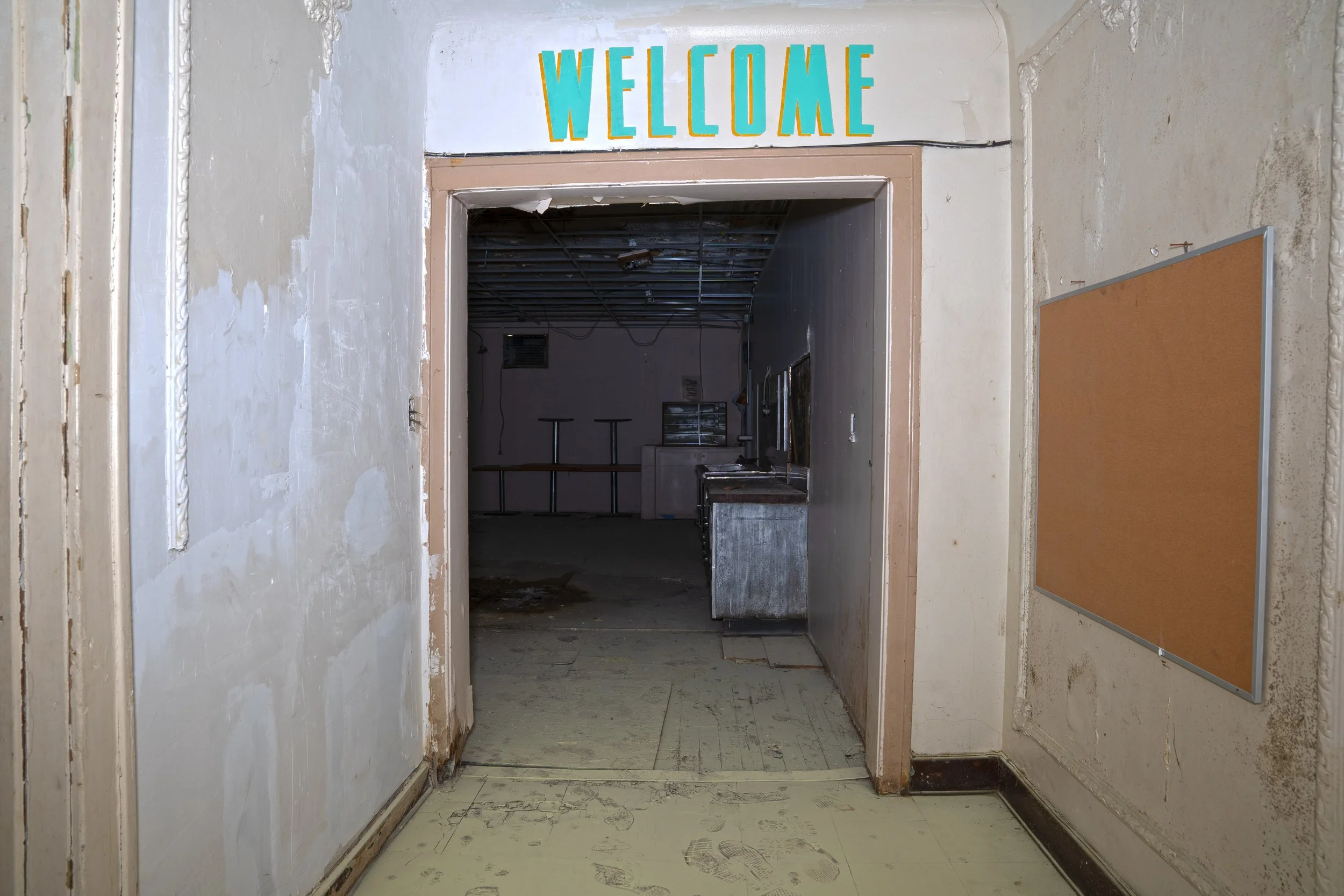
Kitchen area
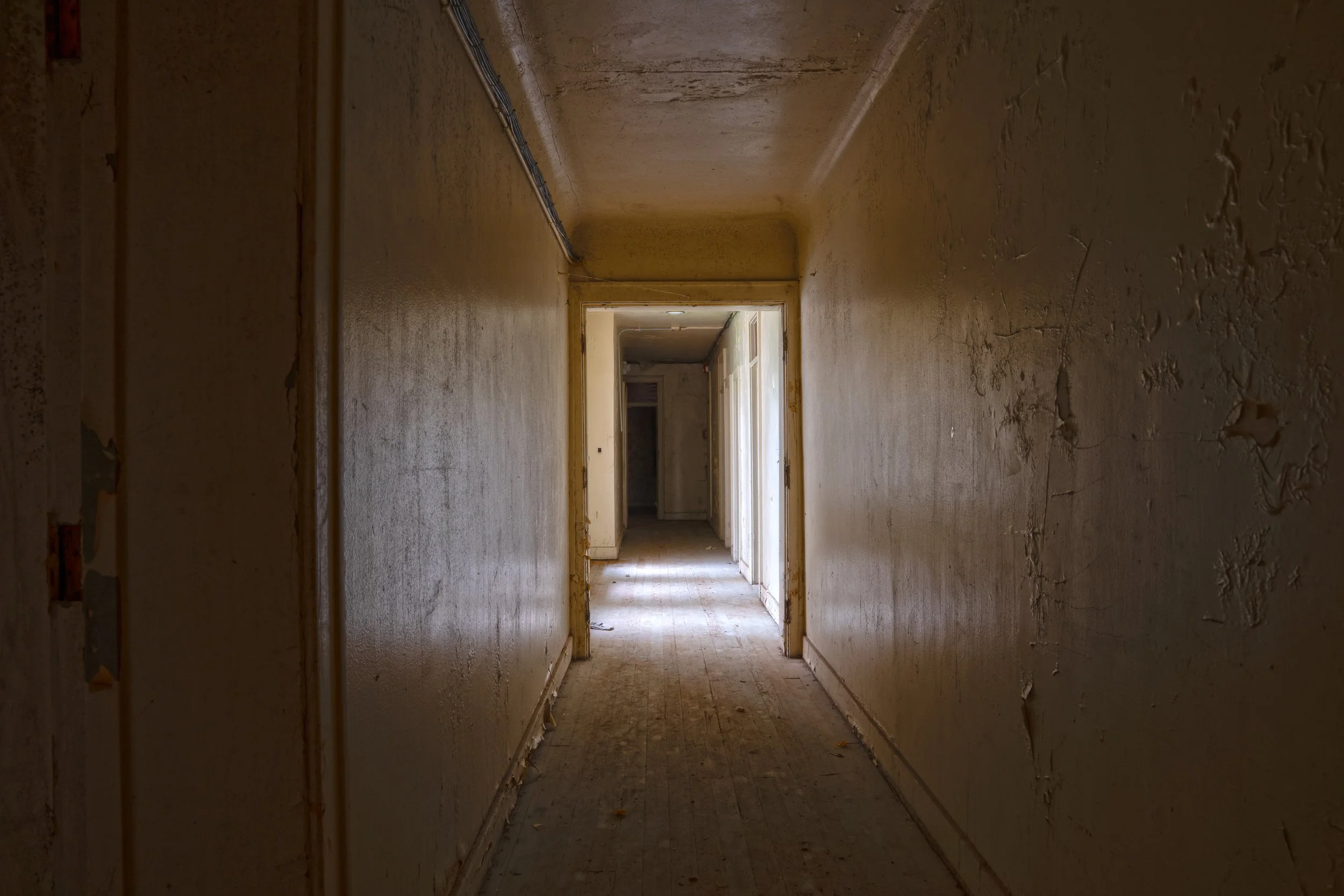
One of the hallways leading to 1st floor rooms from the main lobby
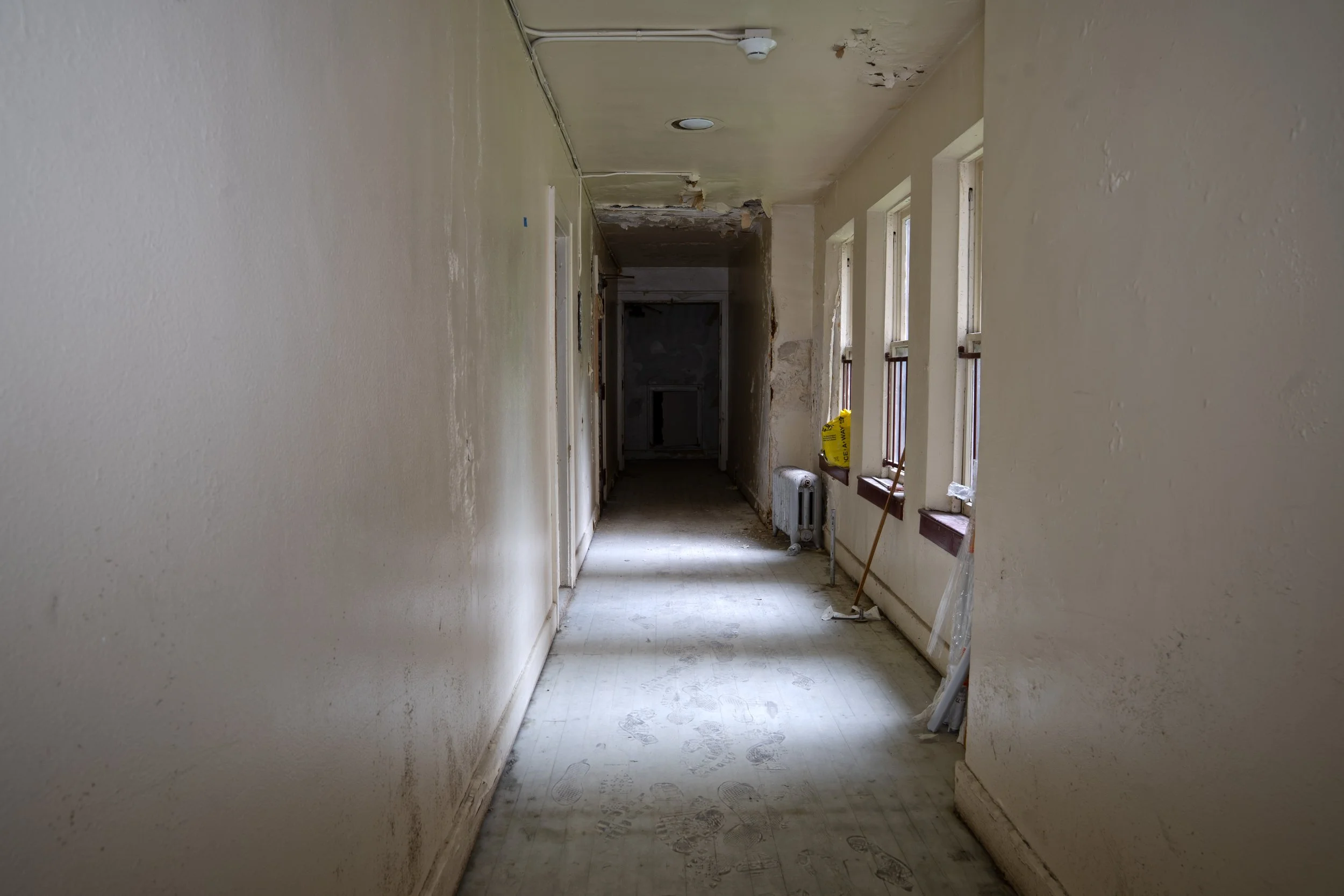
1st floor hallway corridor
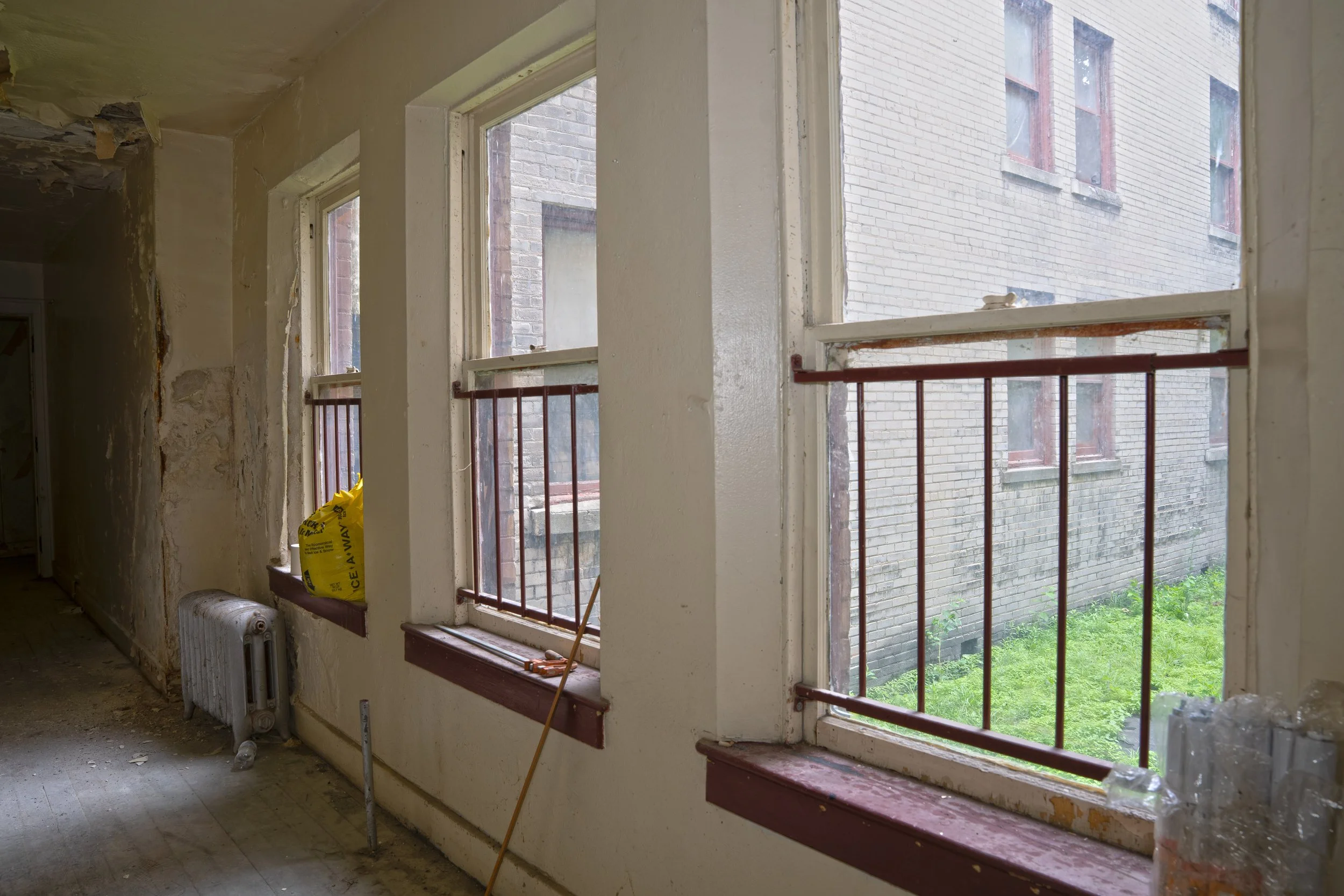
Windows looking into one of three courtyard sections
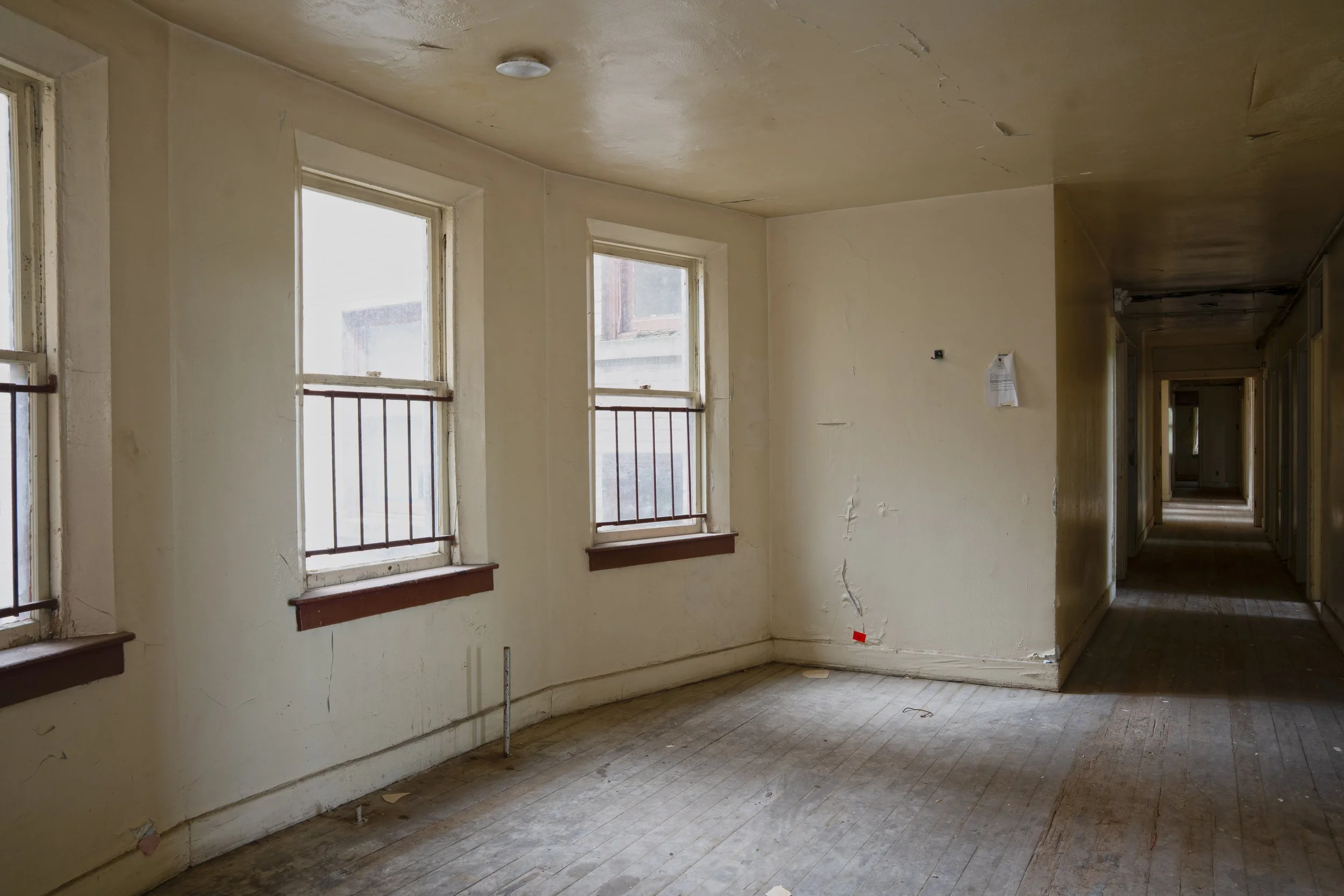
Bay window in 2nd floor hallway corridor
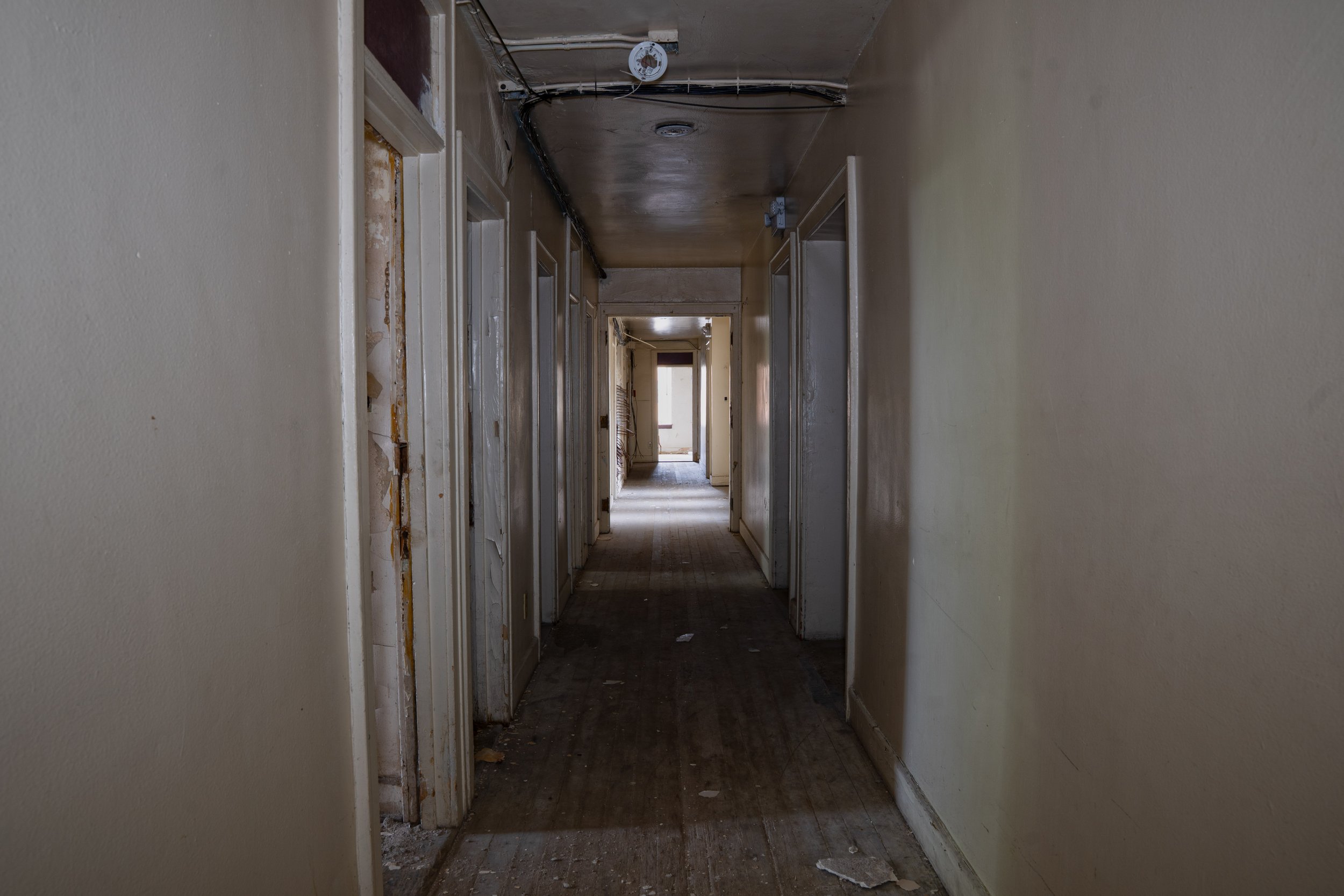
2nd floor room corridor
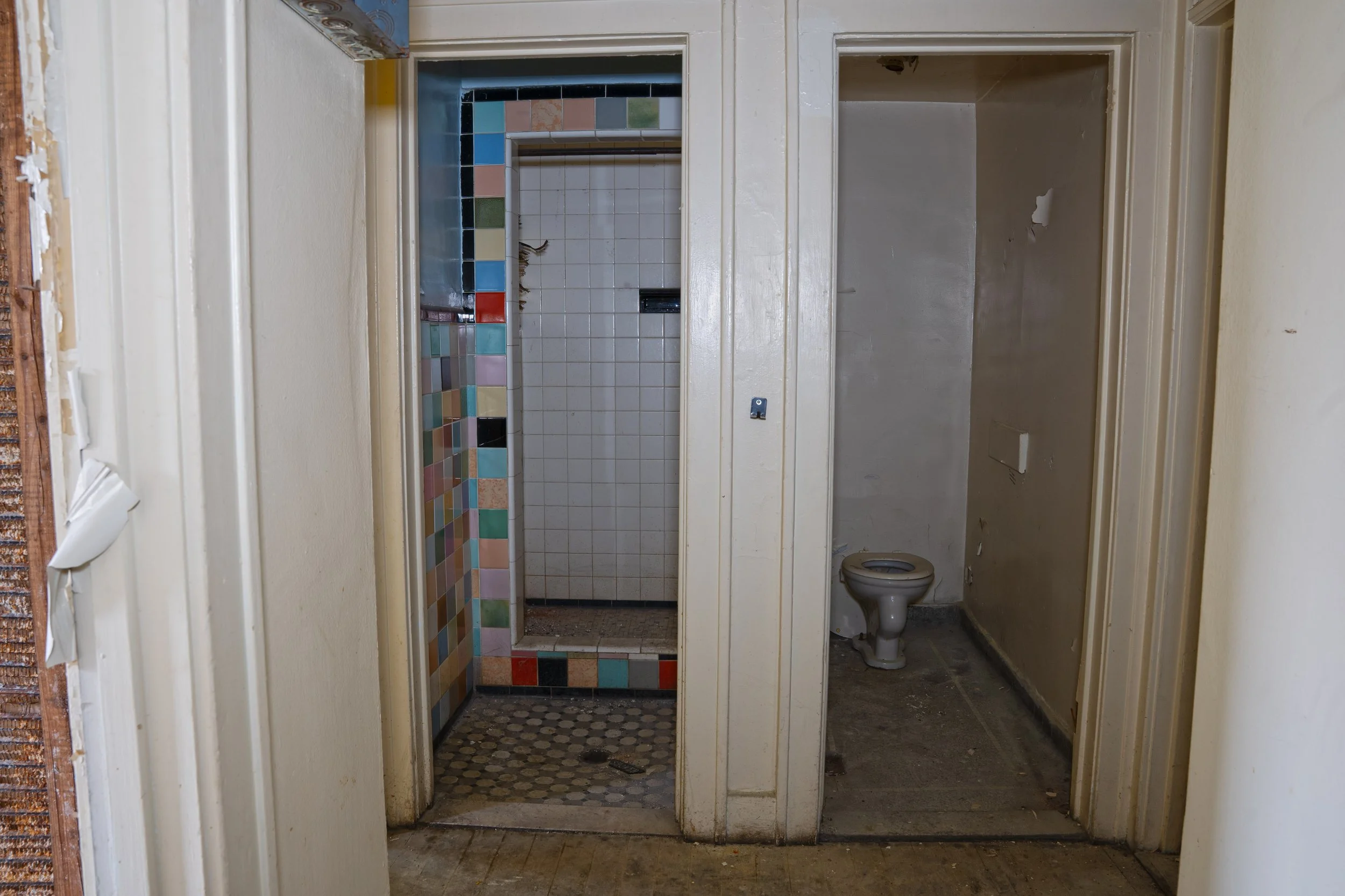
Bathroom and shower spaces on the 2nd floor that were likely shared spaces when the hotel was opened and used to a unknown point in the hotel's history
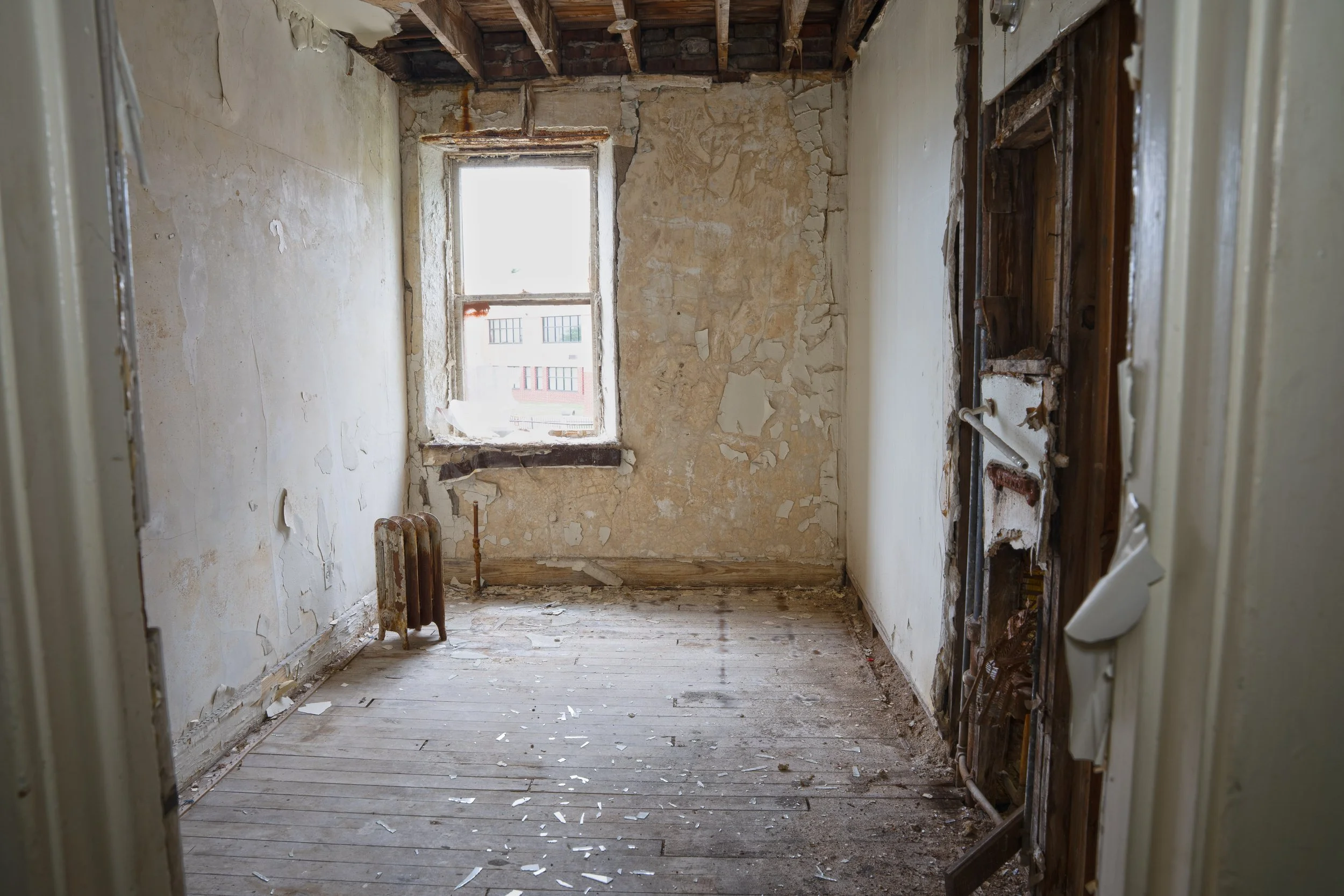
2nd floor resident room
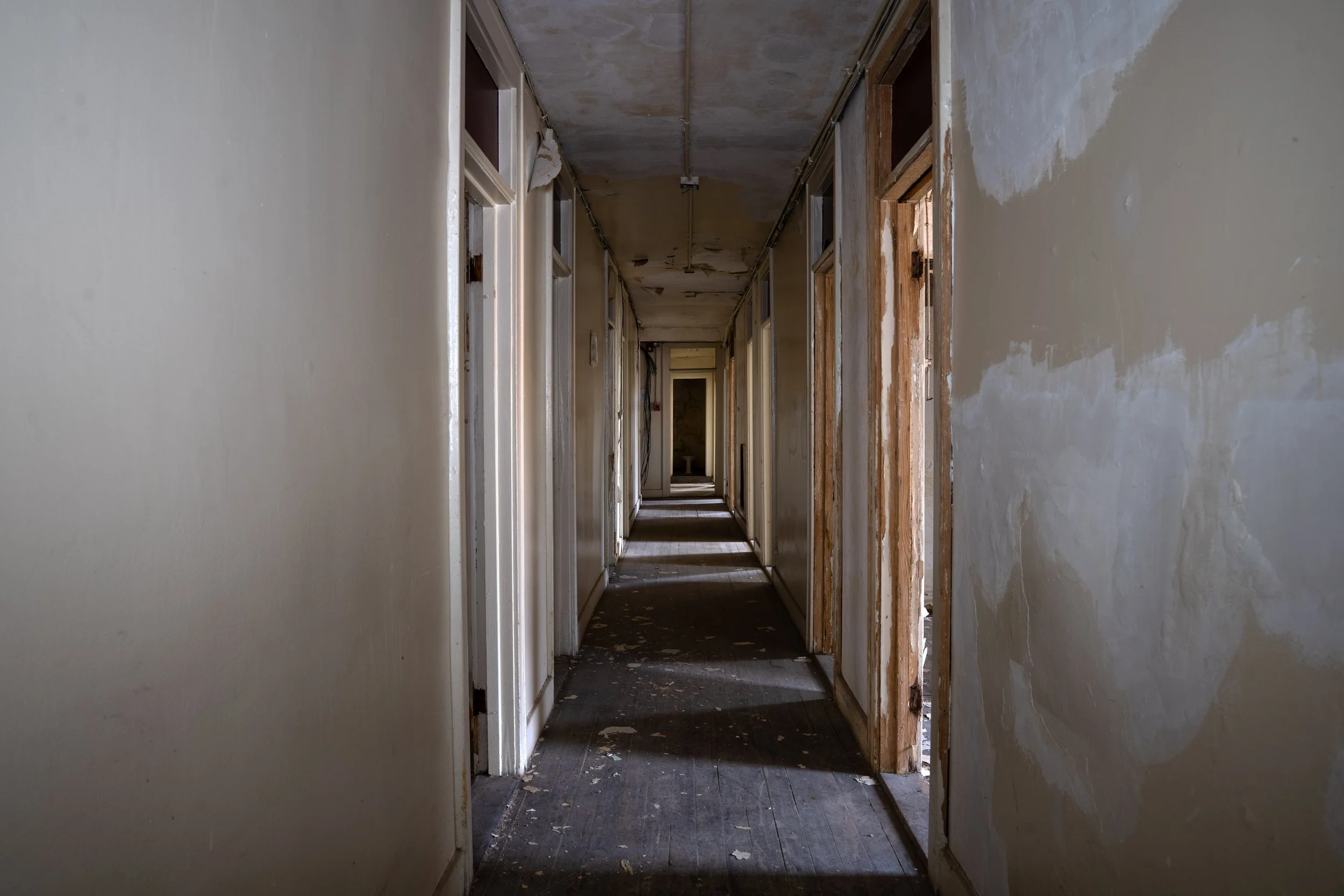
2nd floor room corridor (Note the doors are removed, this place has been abandoned for less then a year)
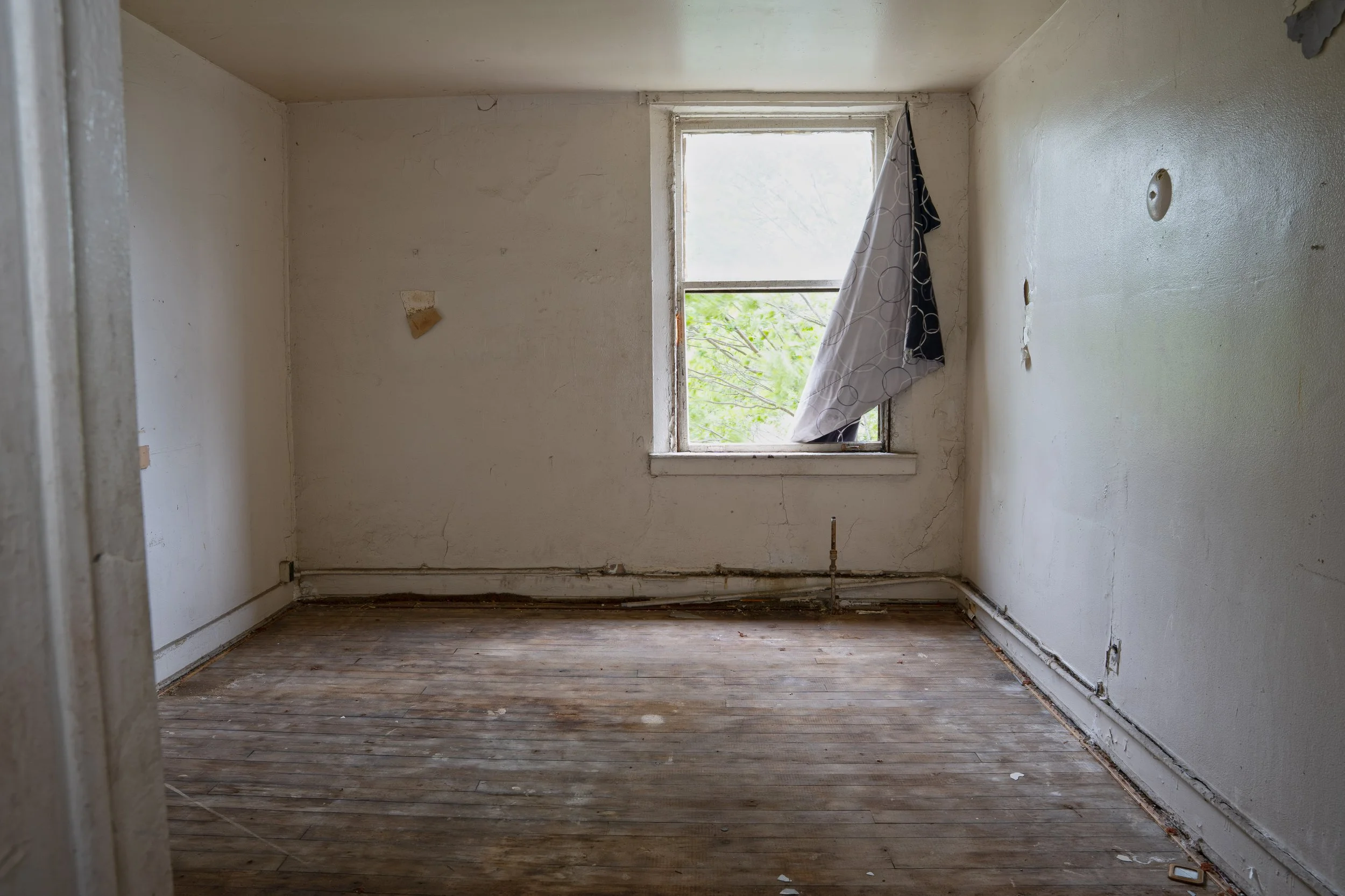
2nd floor resident room
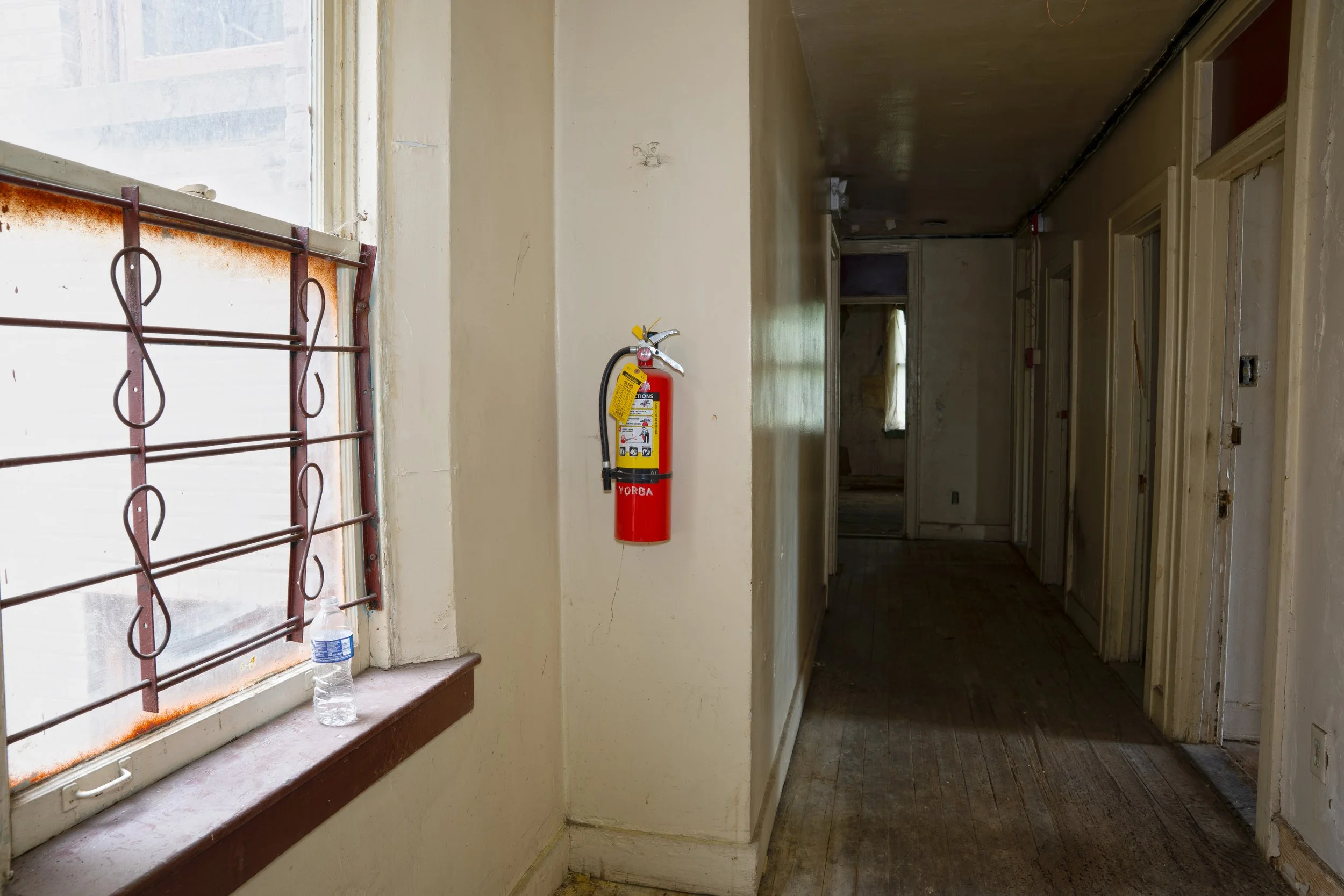
Fire extinguisher on the 2nd floor that has the name of the hotel on the extinguisher
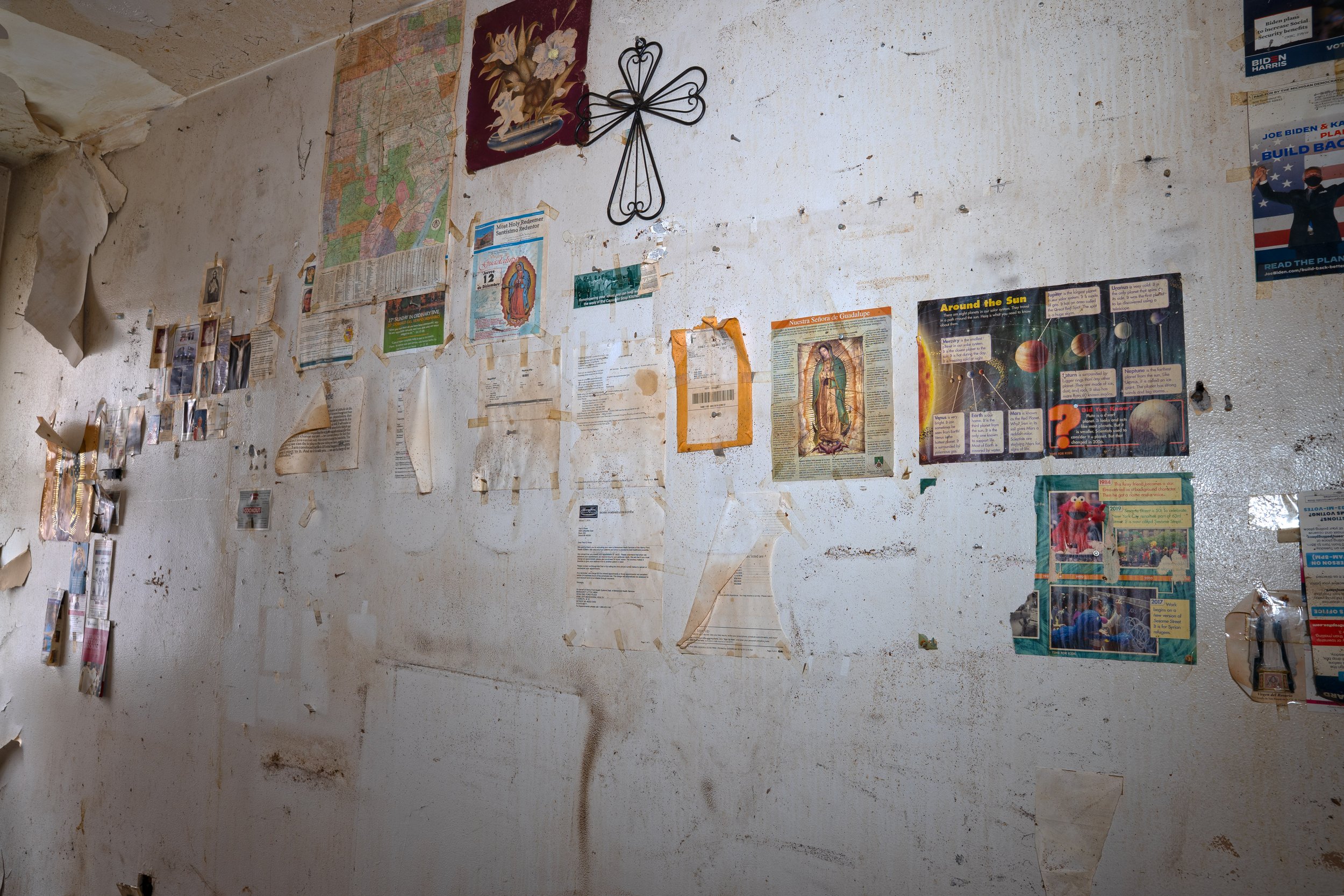
2nd floor room with various Southwest Detroit landmarks and other works on the wall
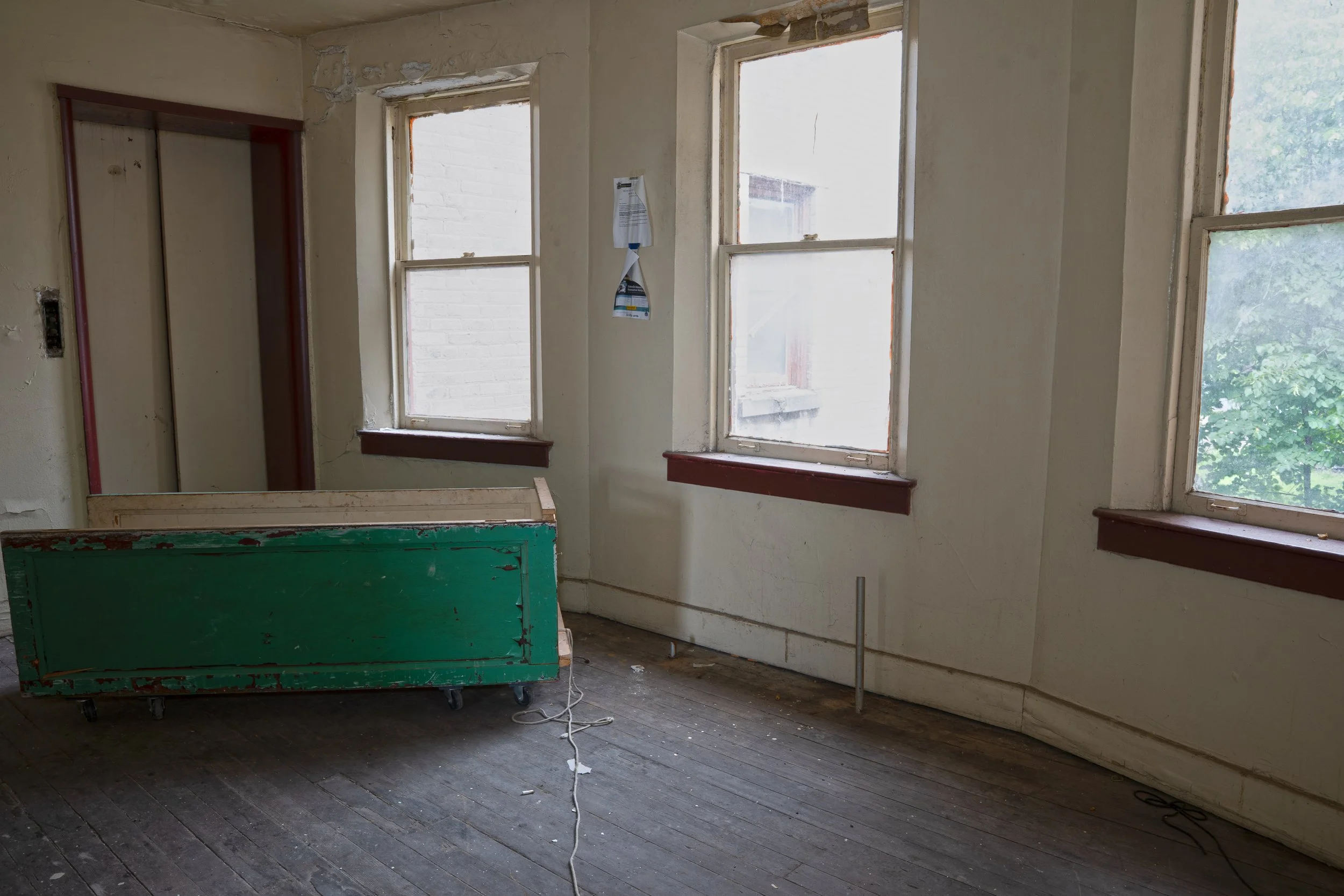
3rd floor bay window in hallway
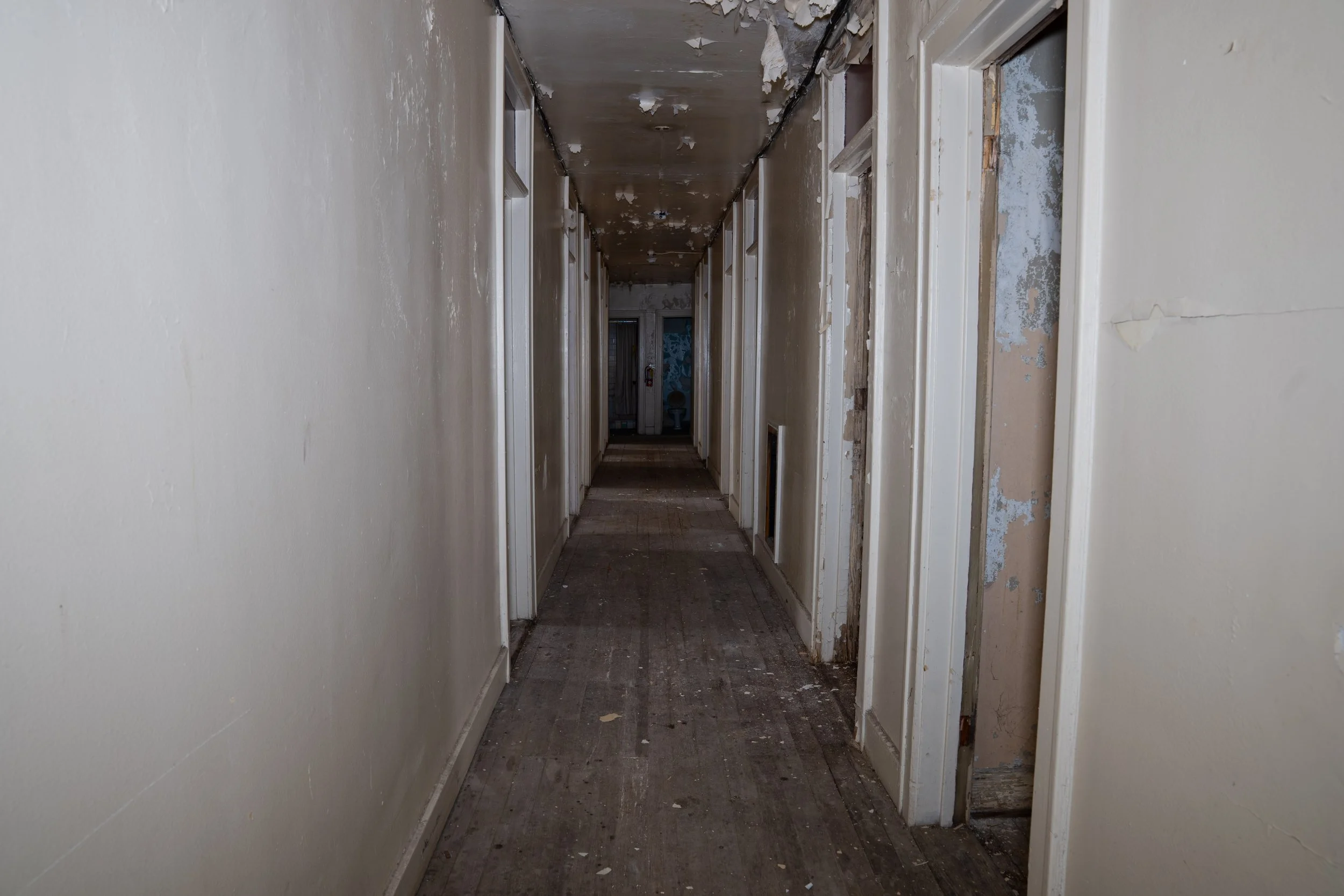
3rd floor room corridor
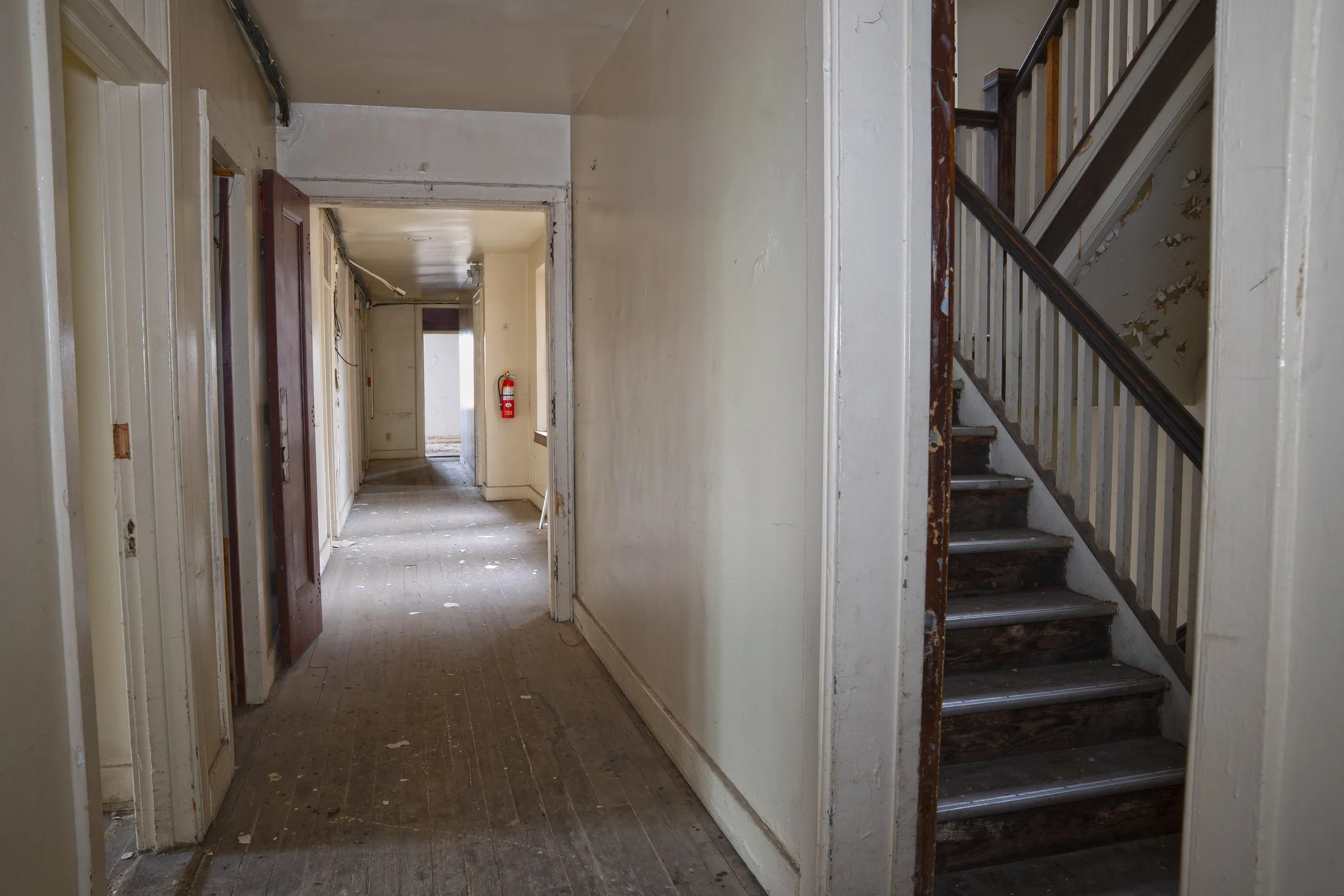
3rd floor hallway with staircase seen to the right and main hallway to the left
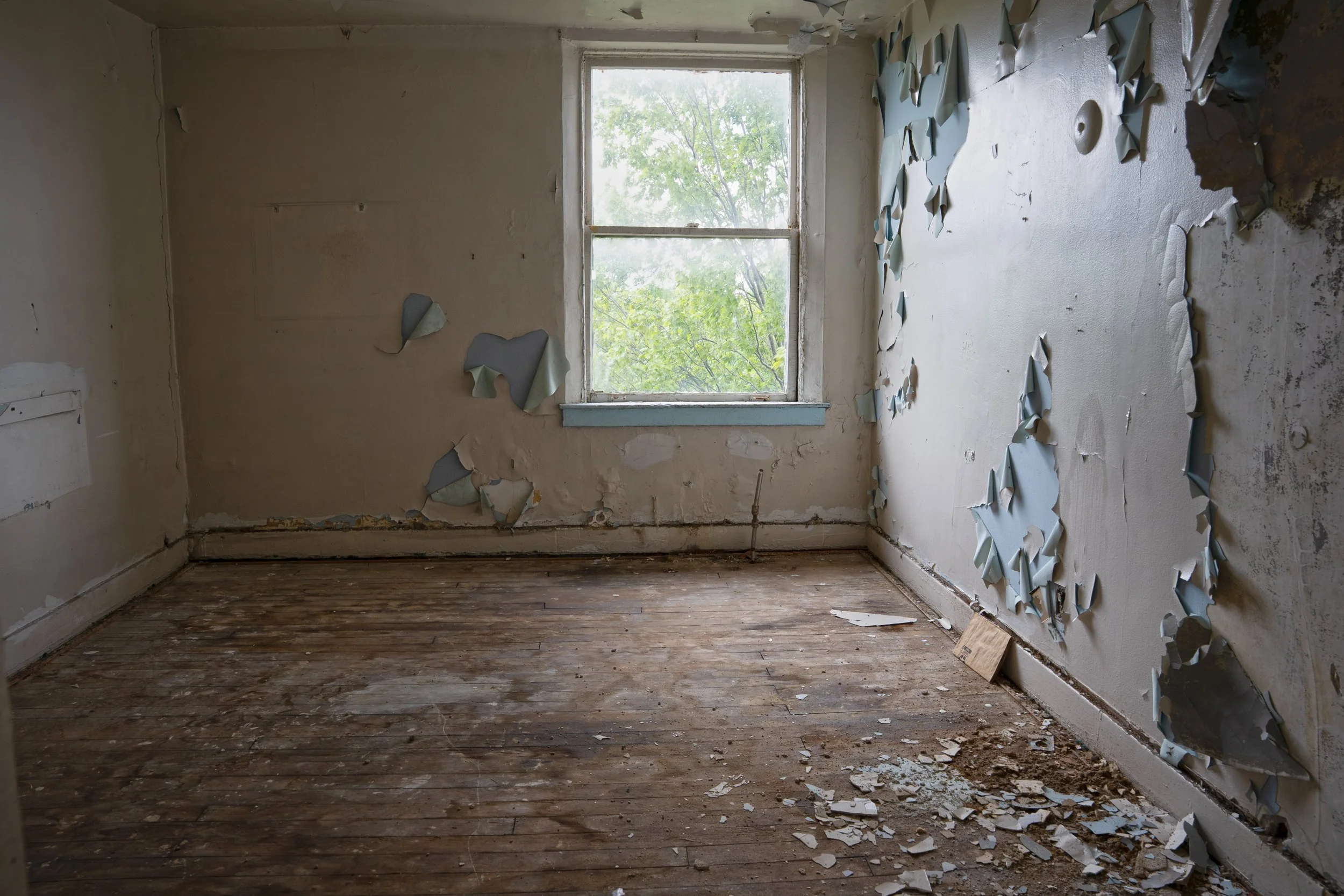
3rd floor resident room
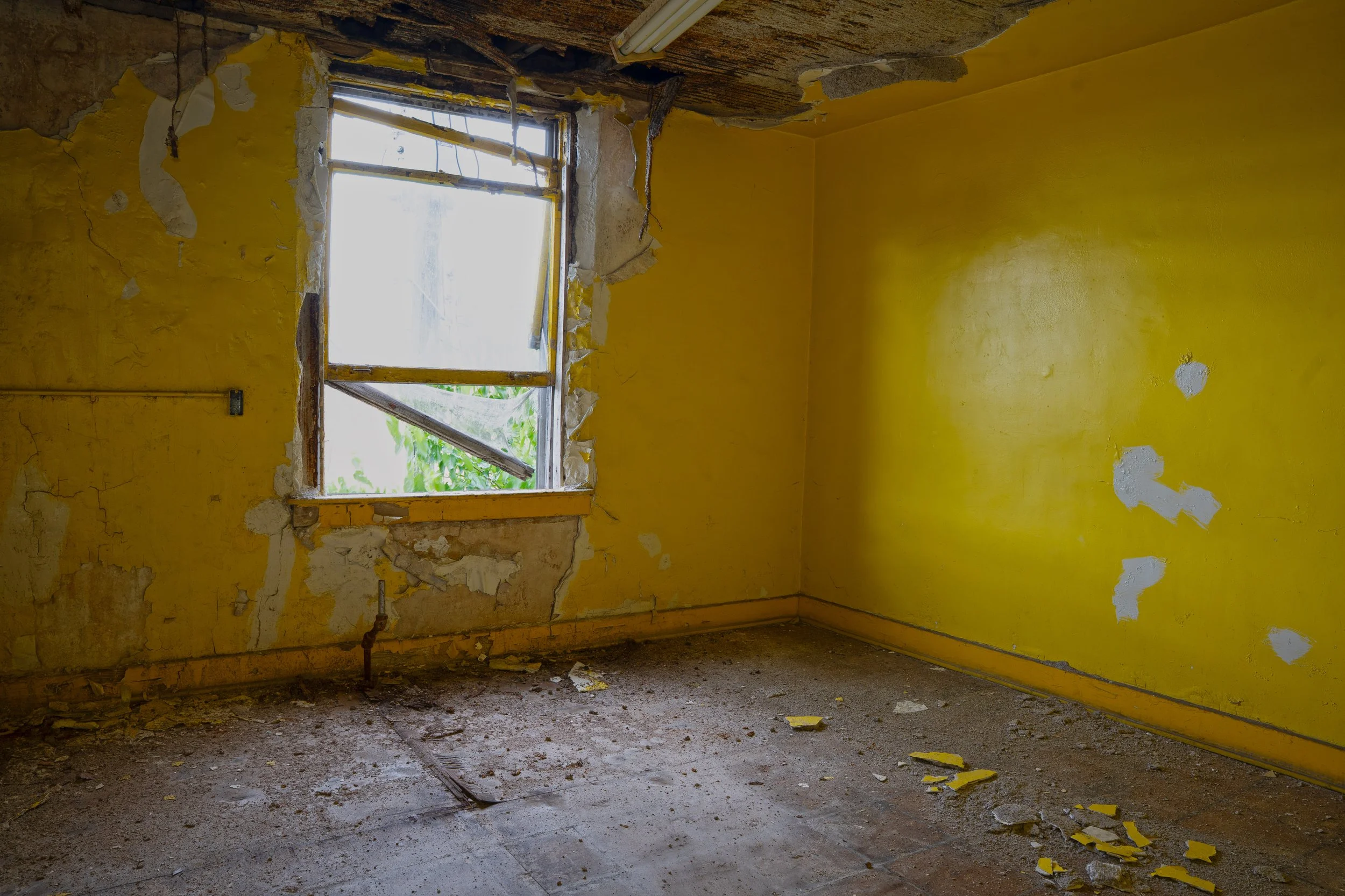
3rd floor resident room in the far corner of the hotel, this room is unique and is one of the only painted rooms in this way inside the hotel
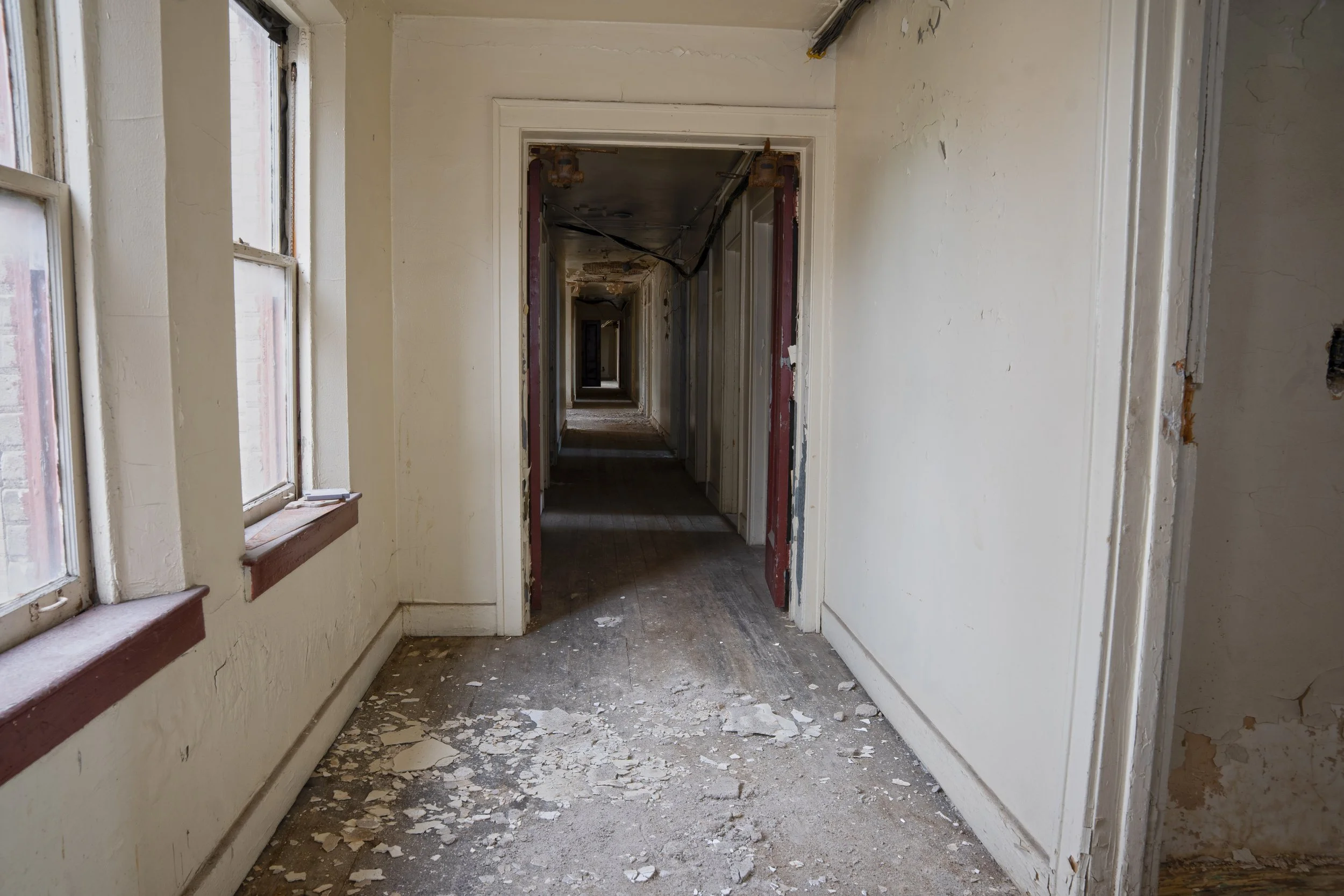
4th floor hallway
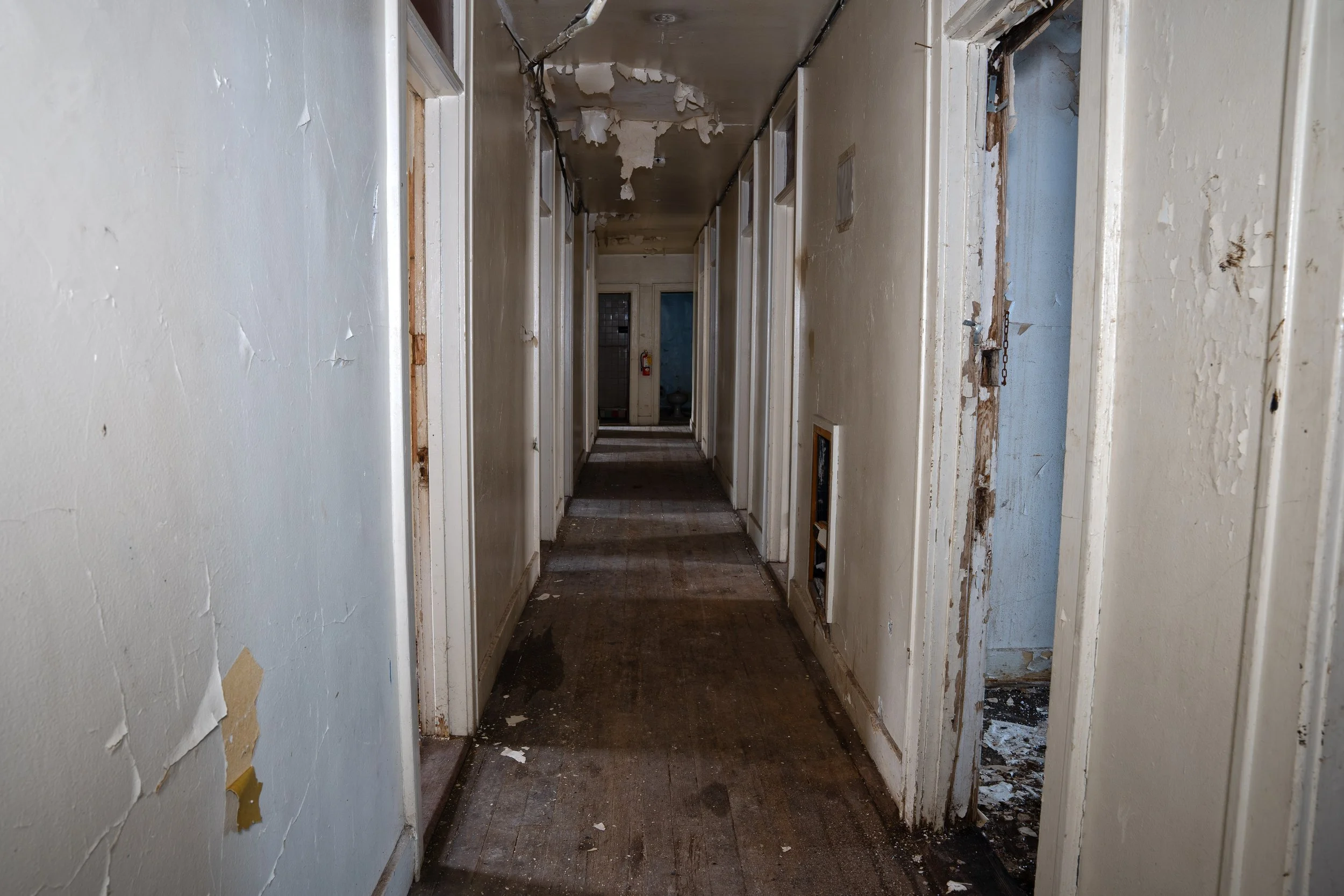
4th floor room corridor
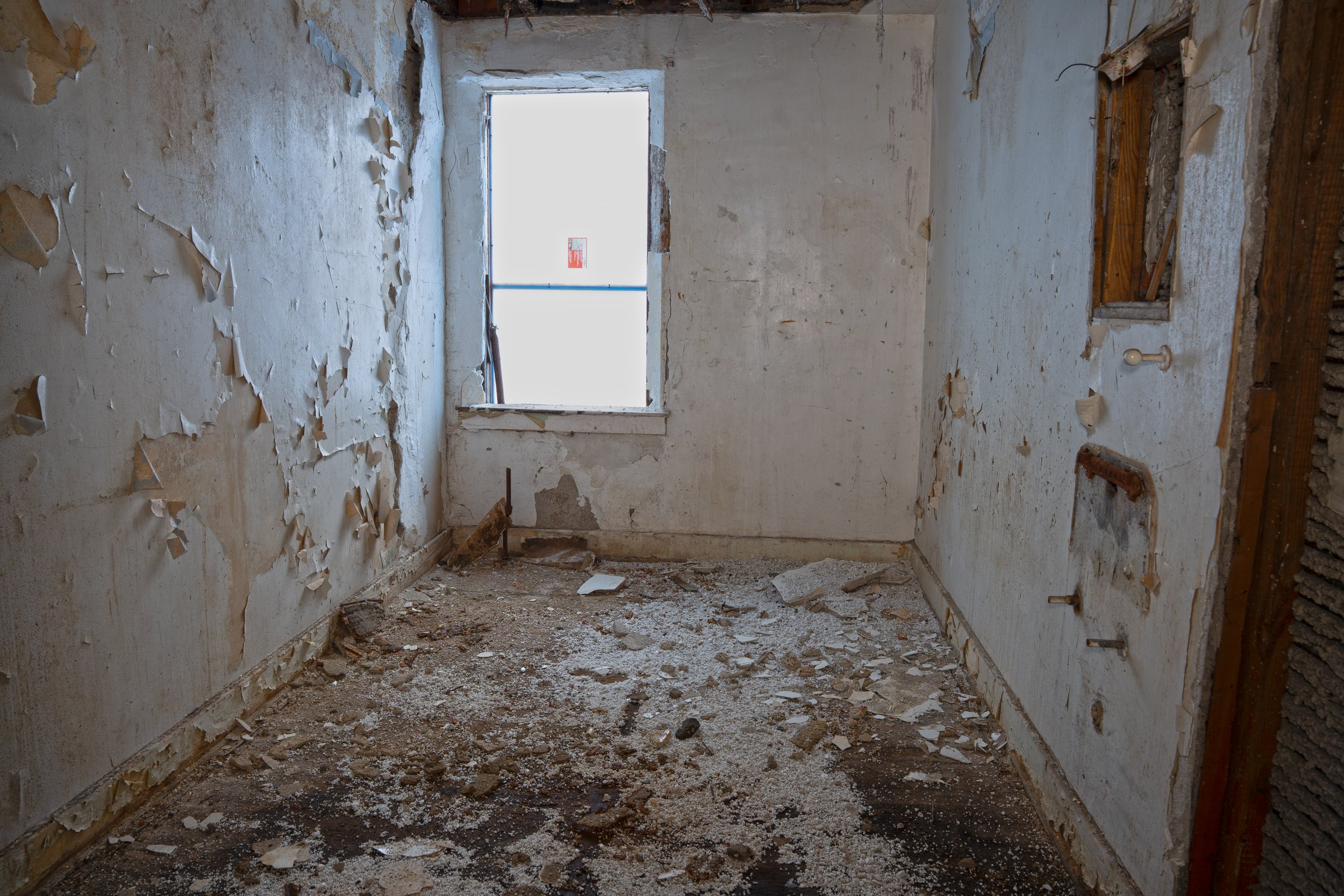
4th floor resident room
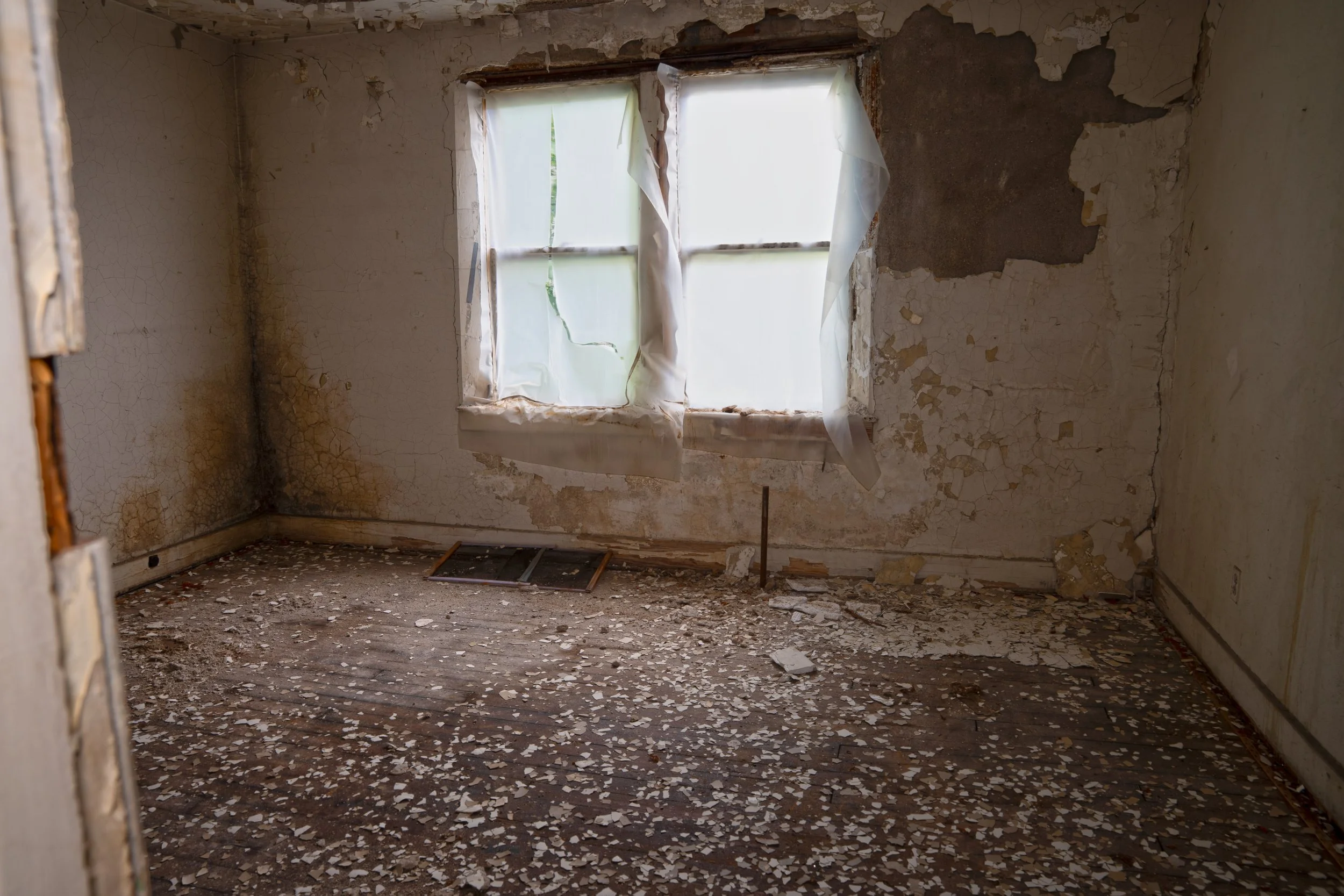
4th floor resident room
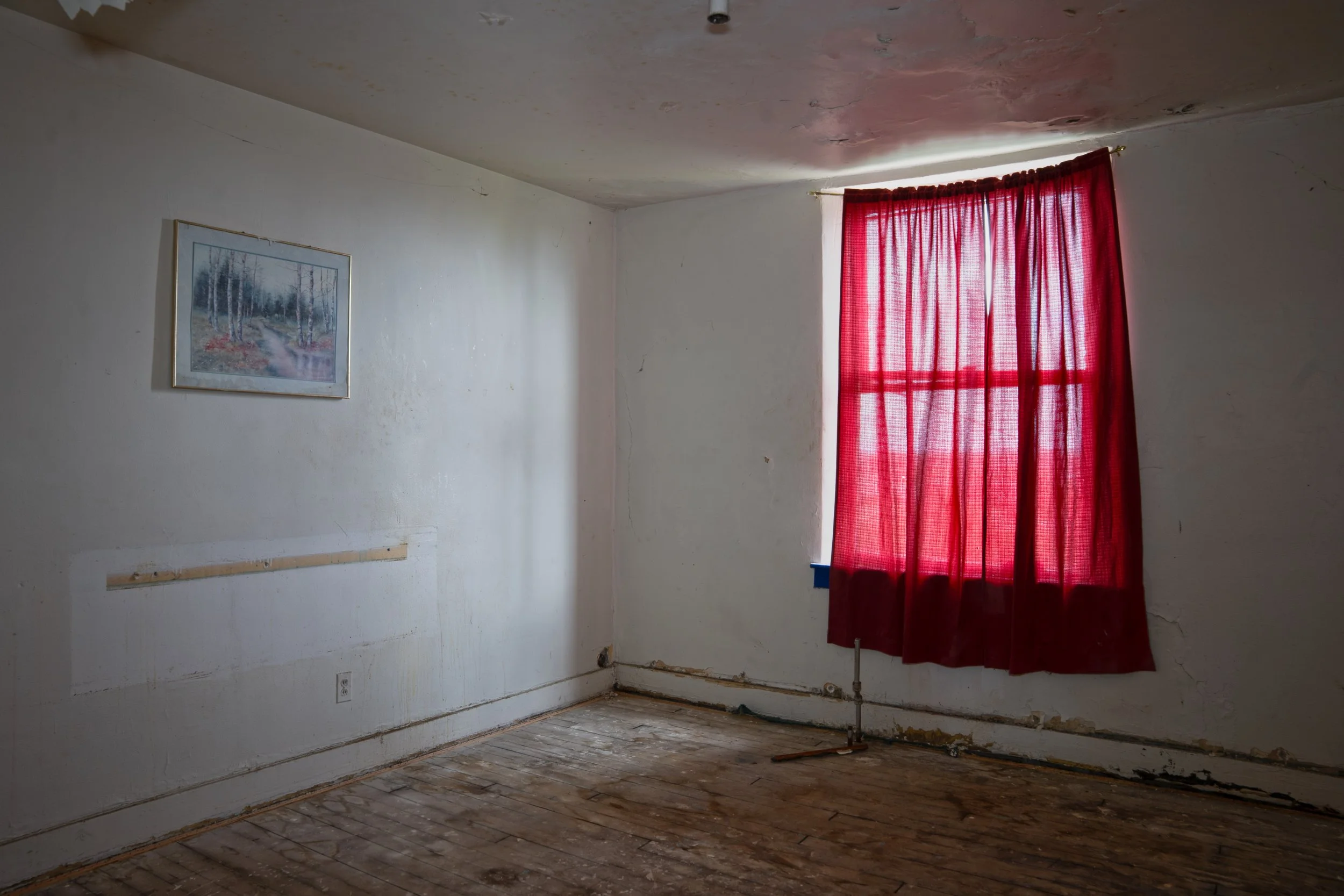
4th floor resident room with a painting on the wall
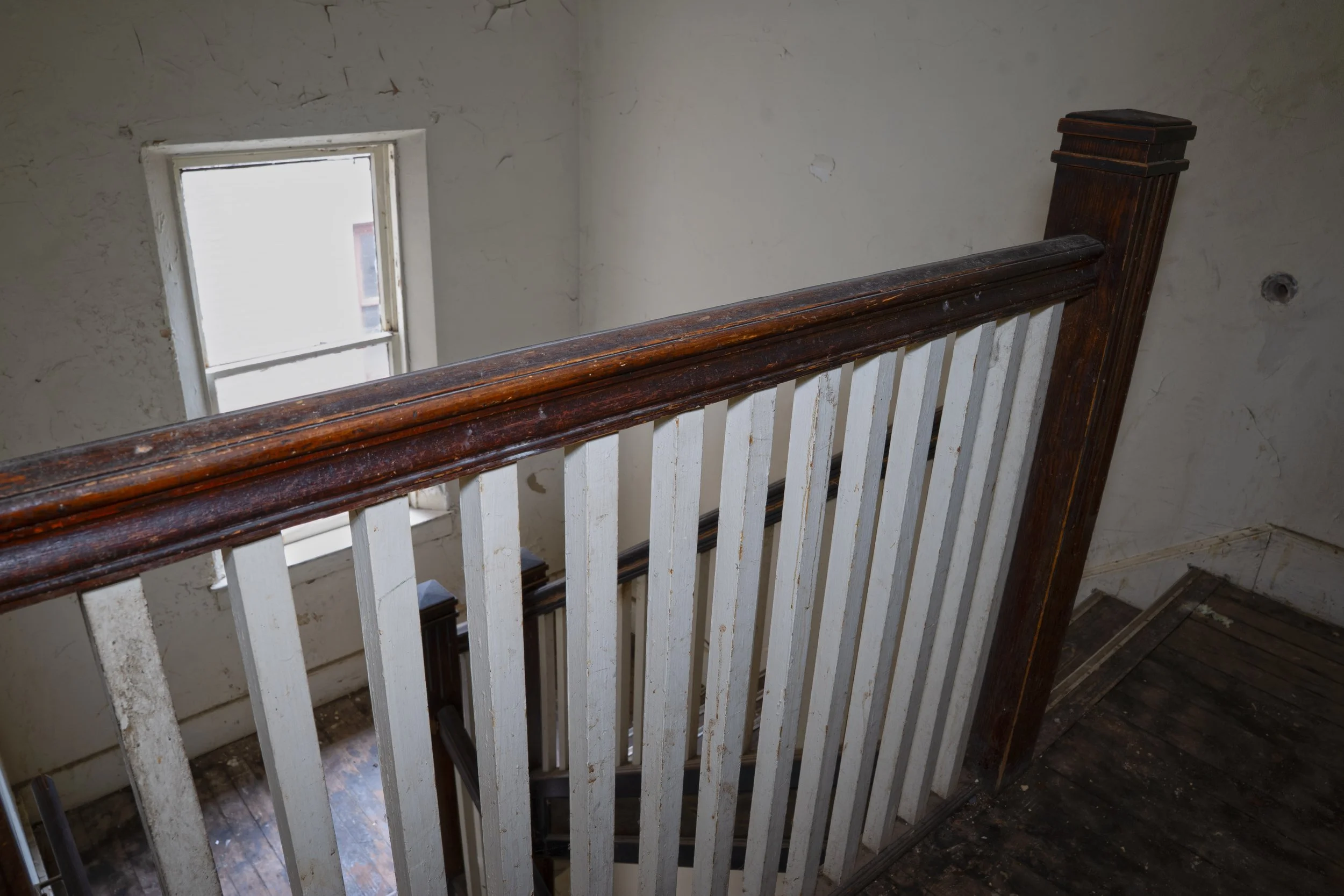
staircase as seen from the 4th floor