
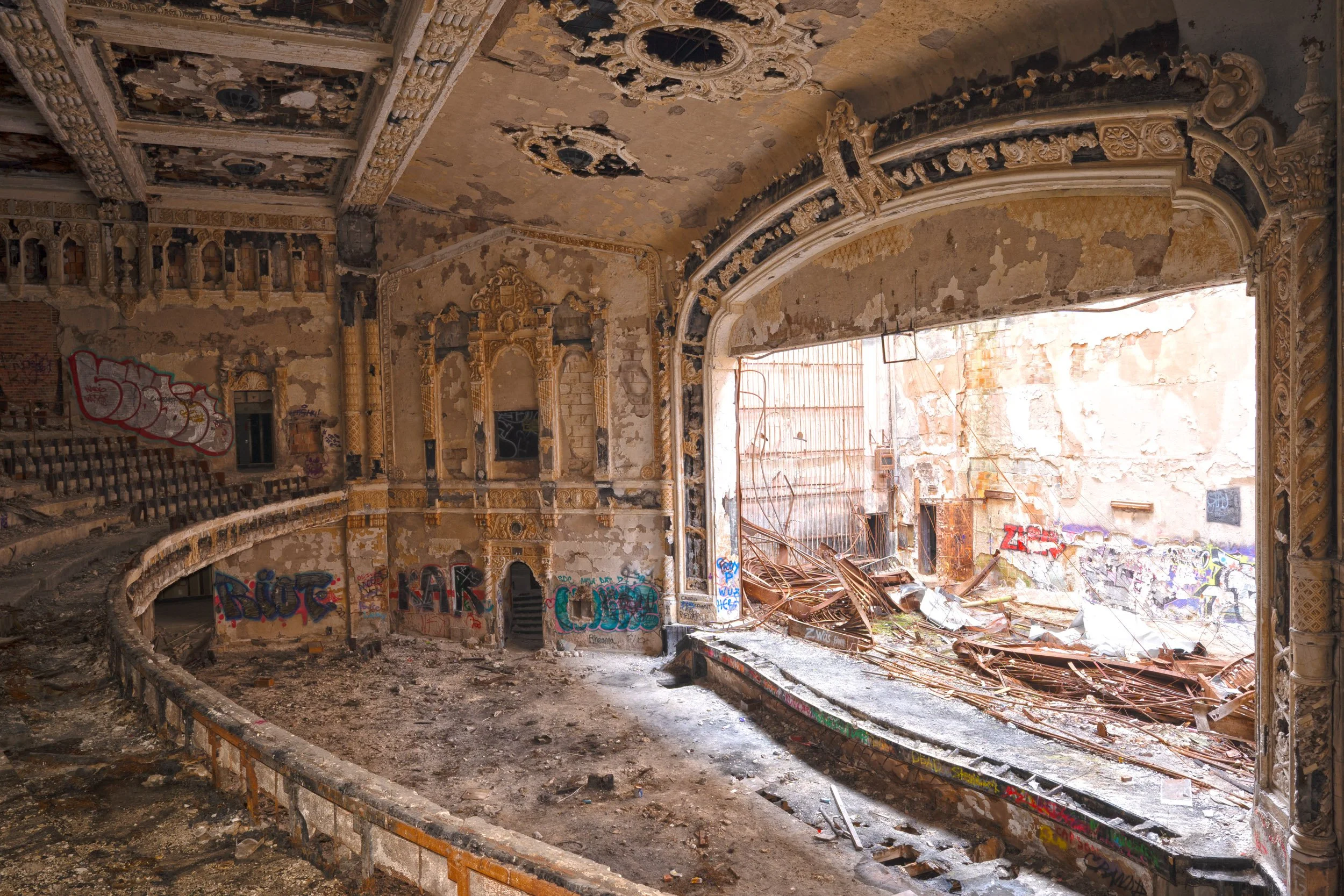
Cooley High School
15055 Hubbell Ave, Detroit, MI 48227
-Abandoned 2010
|High Resolution page+Tripod| Updated February 2026 Click here to view legacy images of Cooley High School
Locate it!
History of Cooley High School
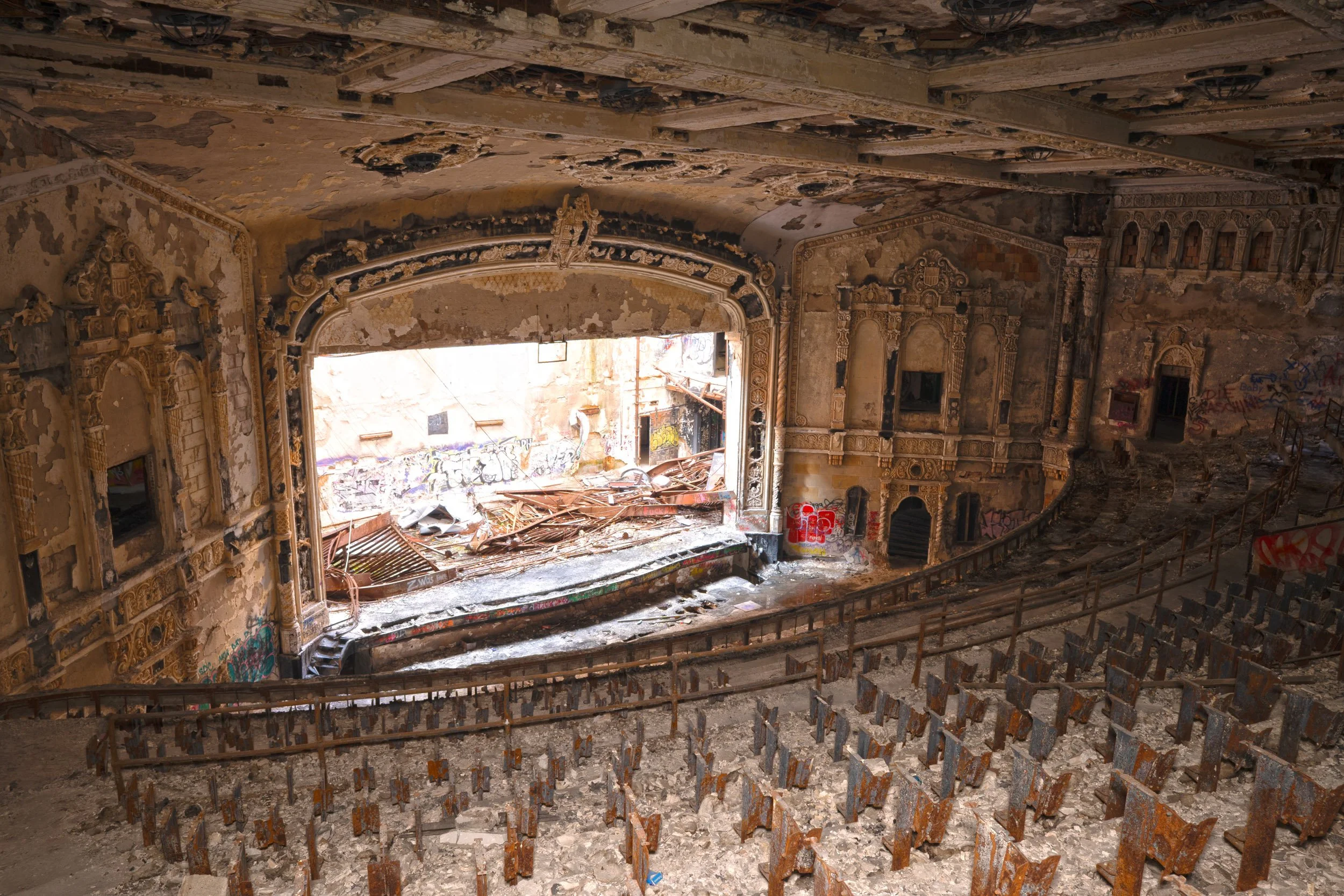
Cooley High School is an abandoned school on the west side of Detroit that was built in 1927 and opened in 1928. The initial design of Cooley followed an E-shaped floor plan, with classrooms in the outer sections of the school and common areas such as the auditorium, gymnasium, and library toward the middle. Both inside and outside, Cooley was an architectural masterpiece. The auditorium was not completed until 1930, but upon completion, it stood as one of the most elaborate auditoriums in Detroit and was modeled after the Fox Theater in downtown Detroit. The gymnasium was also a later addition, built in 1931 along with the pool. After many expansions, the school grew to accommodate a student capacity of 3,400; this large number and its square footage of 302,000 sq. ft. make it, even to this day, the biggest high school in Detroit still standing and one of the largest in the state of Michigan. Many notable people attended Cooley High School, including Little Caesars Pizza founder Mike Ilitch and numerous athletes. During the 1950s and into the early 2000 ,Cooley High School had an exceptional athletic program, winning countless state gold medals. In 1961, Cooley High School was a 99% white school however, boundaries changed in the district in 1967, and that same year, the school became 52% black. Before the change, white students would steal from and fight black students however, when the balance shifted to an almost 50/50 mixed pool, these fights were subsequently labeled racial fights in a 1969 interview with students at Cooley. Gangs began to form at Cooley into the 1970s as black people teamed up as a minority against the white students, Shortly after this, the white student population began to leave Cooley in droves in an effort of white flight, as white parents and students feared integration in public schools. Due to this, many black parents and students feared they would receive a subpar education as the school became increasingly black, however Cooley would be expanded significantly in 1972 with the "Cooley North" addition-a massive two story expansion that added mostly science classroom space. Still, white students continued to leave in droves. By 1980, the student population was 94% black and 6% white, and racial issues remained very common at Cooley. Gangs contined to be a issue at Cooley into the 80s, however, the student body remained steady at 3,400 throughout all this. Principal Walter Jenkins, a graduate of Miller High School and former defensive end for the Detroit Lions football team, took over and began steering the school in a different direction. He cracked down on gang issues inside Cooley and sought to improve test scores. This improvement made Cooley one of the best schools in Detroit. However, as Detroit Public Schools continued to decline into the 1970s and 1980s, so did the Cooley student body, dropping to 2,500 by 1989 and to a mere 1,400 by 1997 over half of Cooley's designed capacity. This decline was a talking point for Cooley's Class of '49 alumni when they returned for their 50-year reunion and saw obvious changes in the school they remembered. For one thing, there were almost 4,000 students in 1949, whereas there were only 1,600 students in 1999. Although the alumni were all white, they received a warm welcome and were interested in the challenges that Cooley and its students now faced. Detroit Public Schools continued to improve the school even into the 2000s, though the student population still dropped steadily. In 2004, the auditorium was renovated. The towers were renovated in 2006 alongside a roof replacement a total of $12.6 million in improvements to the school. Much of Cooley North was transformed into a special needs wing. Cooley received a boost in student numbers when Redford High School closed in 2007, however, the decline continued to plague the school. By 2010, the school was set to close due to the low student population alongside the high maintenance costs now afflicting the school for such a small student body. DPS decided to close it the same year. Initially, Cooley was very well secured and was a major player in Detroit Public Schools effort to secure their vacant schools. Cooley had almost all top of the line security measures and monitoring from Detroit Public Schools Police to keep out vandals, and most importantly for a school the size of Cooley, scrappers. For over two years after closing, Cooley remained in remarkable shape; however, by 2012, the Michigan weather began to take a toll on the school, and vandals and scrappers started accessing the building more frequently. By 2016, major scrapping occurred nearly daily, and in 2017, the final hope of saving the school was extinguished when an a arson fire struck the auditorium on September 27, 2017. All the chairs in the once glamorous auditorium burned, and what was once an architectural marvel was reduced to metal frames. Efforts in 2025 by Detroit Public Schools revealed plans to restore Cooley. In early May 2025, the Detroit Public Schools Community District (DPSCD) announced a $25 million plan to redevelop the Cooley site into a sports facility for not only the school district but the community. DPSCD stated that the new complex would help close the opportunity gap when competing for athletic college scholarships. Superintendent Nikolai Vitti also stated in a press release, "Ever since Cooley High School closed in 2010, the community has wanted us to do something special with this legendary site."
Statement on Cooley Demolition from Chet M. Pitts (Class of 2001) 8/9/26
Statement Regarding the Demolition of Cooley High School
My position is simple: if Detroit Public Schools Community District followed every required rule, then they should have no problem proving it. Cooley High School was not just another vacant building. It was a historic public institution that belonged to generations of Detroiters, and decisions of this magnitude should come with complete transparency, accountability, and documentation. I have taken these concerns to court because serious questions remain regarding the process surrounding Cooley's demolition, including the use of federal grant funds, required procedures, public accountability, community involvement, approvals, procurement, and compliance with other applicable requirements. The burden should not be on the community to simply trust that everything was done correctly. Show us the records. If DPSCD properly complied with every applicable federal funding requirement, public-meeting requirement, procurement procedure, community-engagement obligation, and approval process, then produce the documents demonstrating that compliance.
-Produce the notices.
-Produce the meeting records.
-Produce the approvals.
-Produce the grant requirements and documentation showing they were followed.
-Produce the contracts, bids, evaluations, and authorization records.
-Produce the documentation showing when, where, and how the community was given a meaningful opportunity to participate before the decision became irreversible.
If everything was done properly, the records should prove it. What concerns me most is that demolition continues while these questions remain unresolved. Once a historic building is destroyed, no court order, public apology, or later explanation can put it back together.
CALL TO ACTION
I am calling on Cooley alumni, Detroit residents, neighborhood organizations, preservation advocates, elected officials, journalists, community leaders, and taxpayers to demand transparency.
-Ask questions.
-Request the records.
-Contact your elected representatives.
-Document what is happening.
-Speak publicly.
-Attend meetings.
-Share information.
And demand that every public dollar and every decision involving Cooley be fully accounted for. This is no longer only about saving a building, this is about whether public institutions can make irreversible decisions involving public property and public money without being required to fully demonstrate that the proper process was followed. If DPSCD followed the law and every applicable requirement, then release the evidence and let the public see it. If mistakes were made, the public deserves to know. If requirements were ignored, the public deserves accountability. And until these questions are fully answered, we should not stop asking them.
-Demand the Records.
-Demand Transparency.
-Demand Accountability.
-Protect What Remains of Cooley.
— Chet M. Pitts
Recollection from the author
Cooley High School for me was a long time in the making due to its location and its rumor that DPSPD still monitored the school, I avoided it for over two years, Cooley was actually supposed to be my second ever building I ever did, but it ended up being in the ballpark of 60th location. Upon entering I had high expections, I knew the danger of the school, but I was there for one of the most iconic shots of Urban Exploration, and to find the other notable spots. While I was expecting Cooley to be my favorite school by far, it actually only reached the top 3. While Cooley retains so much rich Detroit History its condition and size made it hard to see lots of the original vision of the school. But of a side note You can’t argue with the auditorium, especially as a cod zombies fan for a clear vision to a classic zombies map.
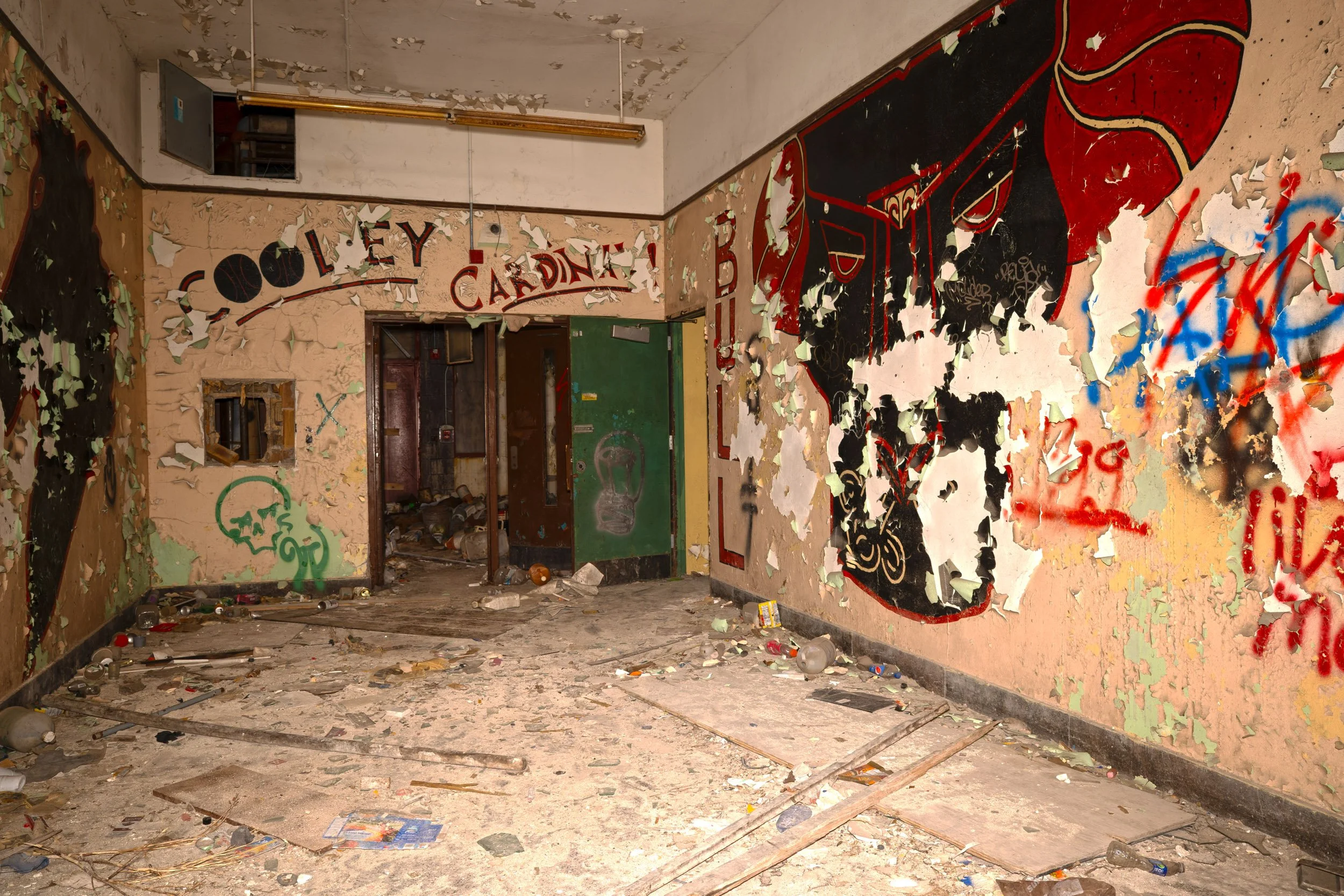
1st floor hallway shot 1
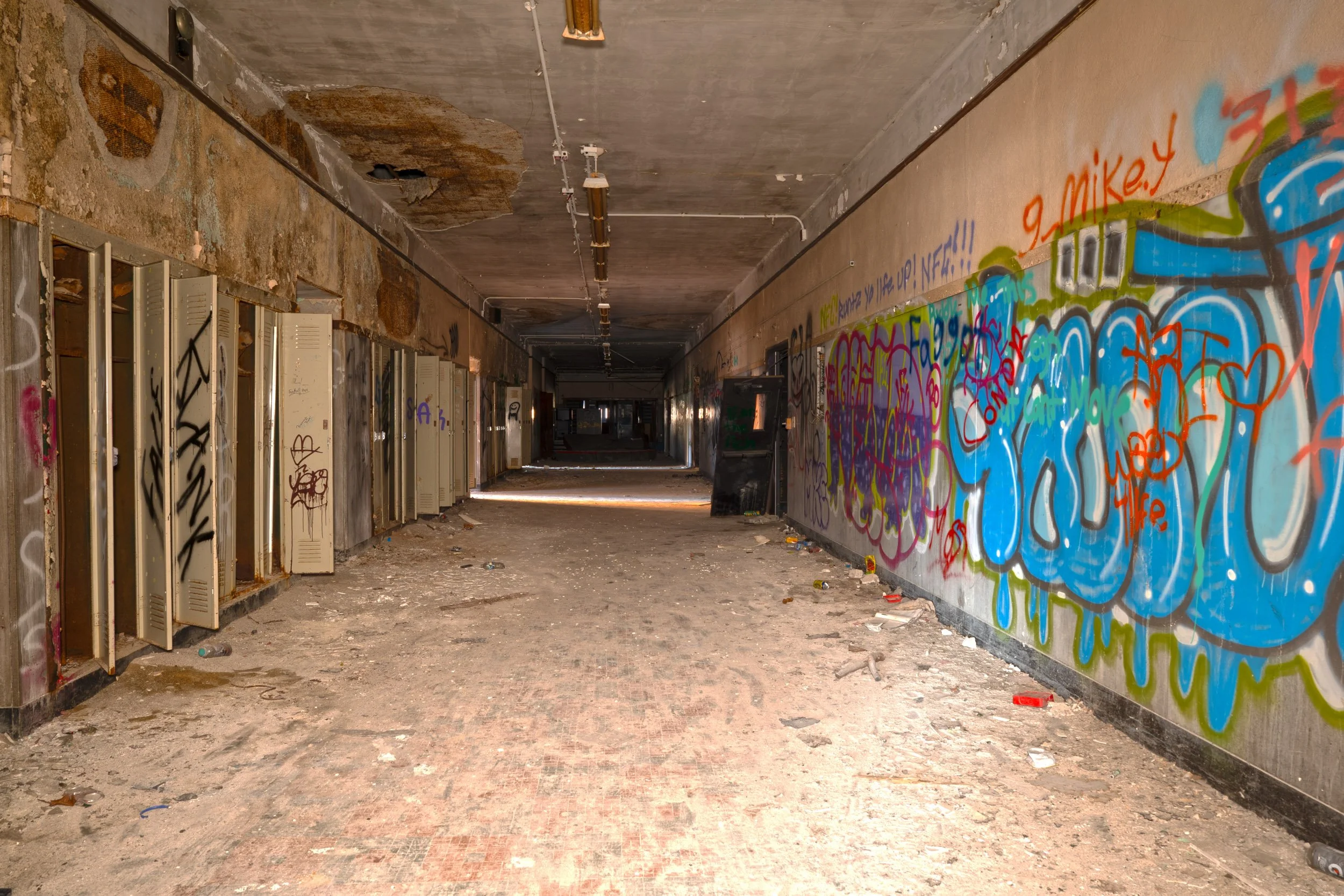
1st floor hallway shot 2
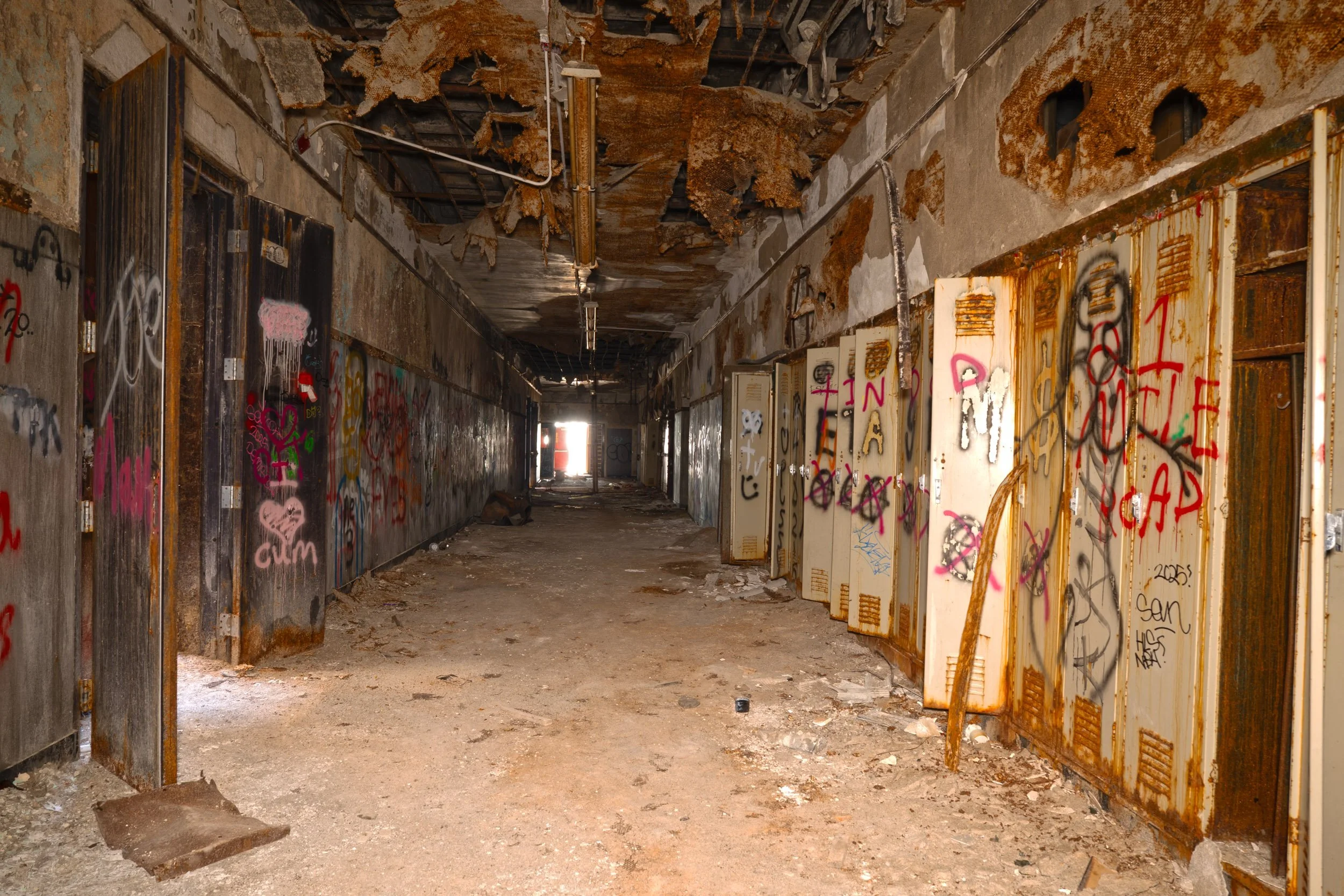
1st floor hallway shot 3
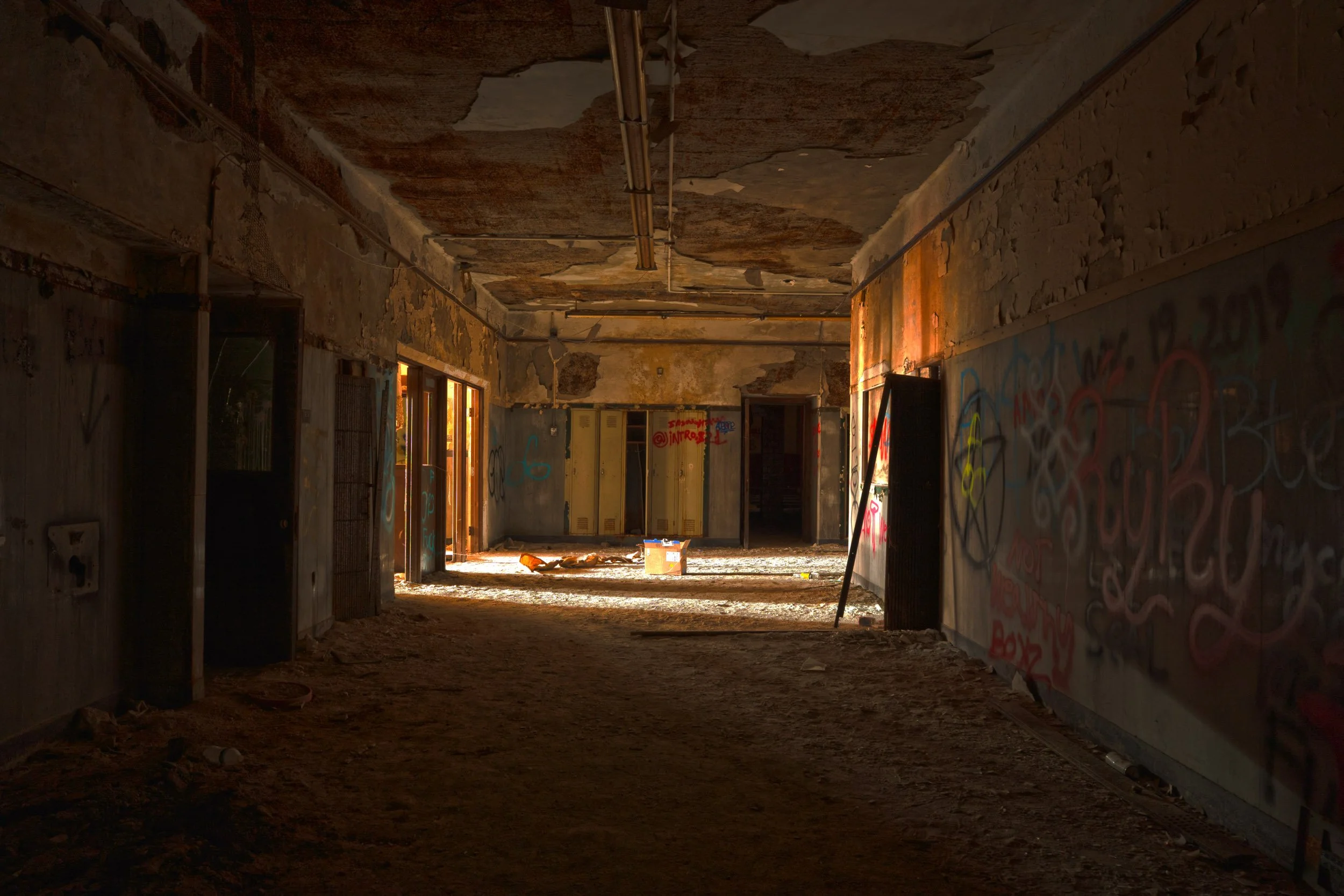
1st floor hallway shot 4 (Natural Light shot of 1st floor)
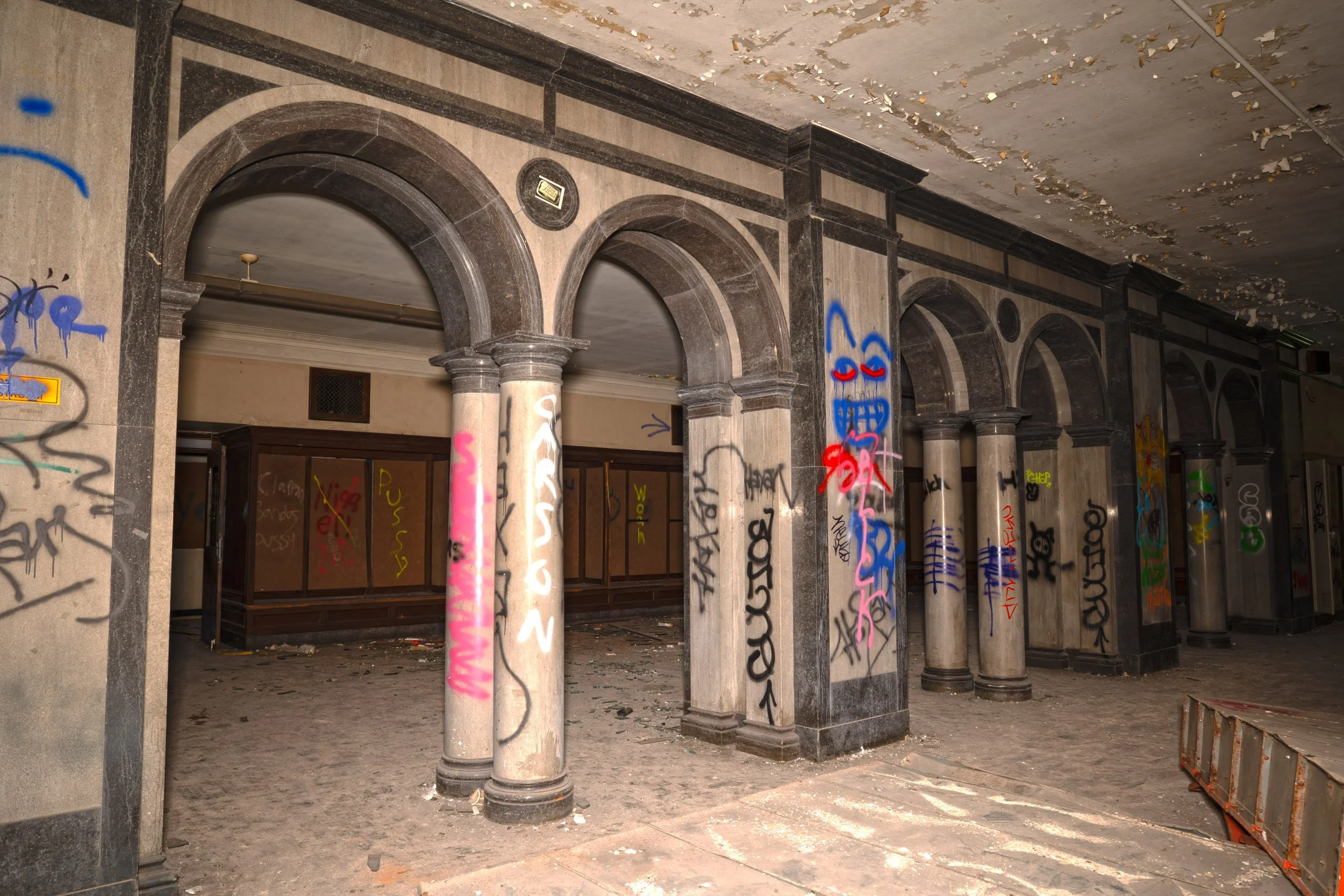
1st floor hallway shot 5
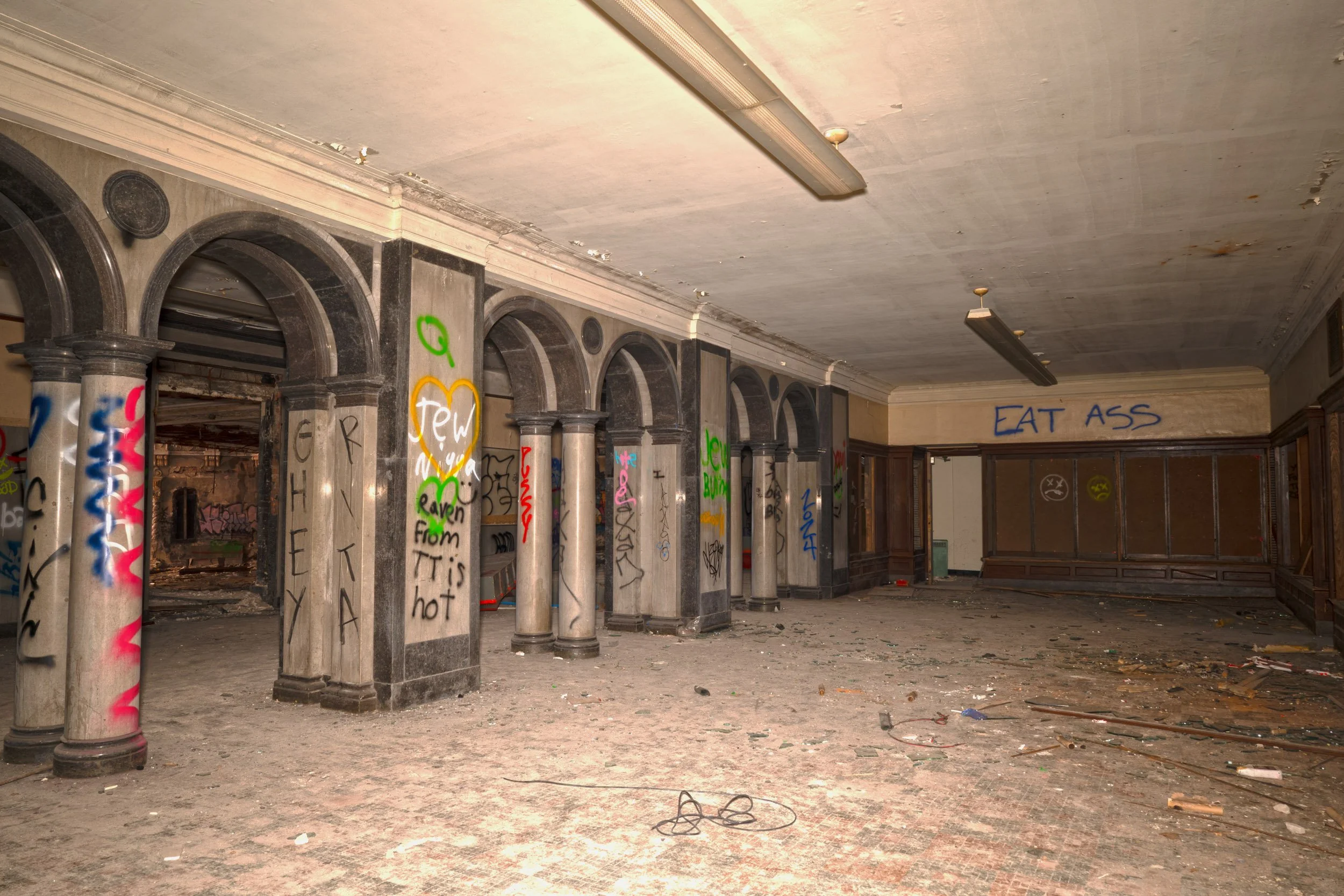
Beyond the pillars is a small indent in the wall with shelves
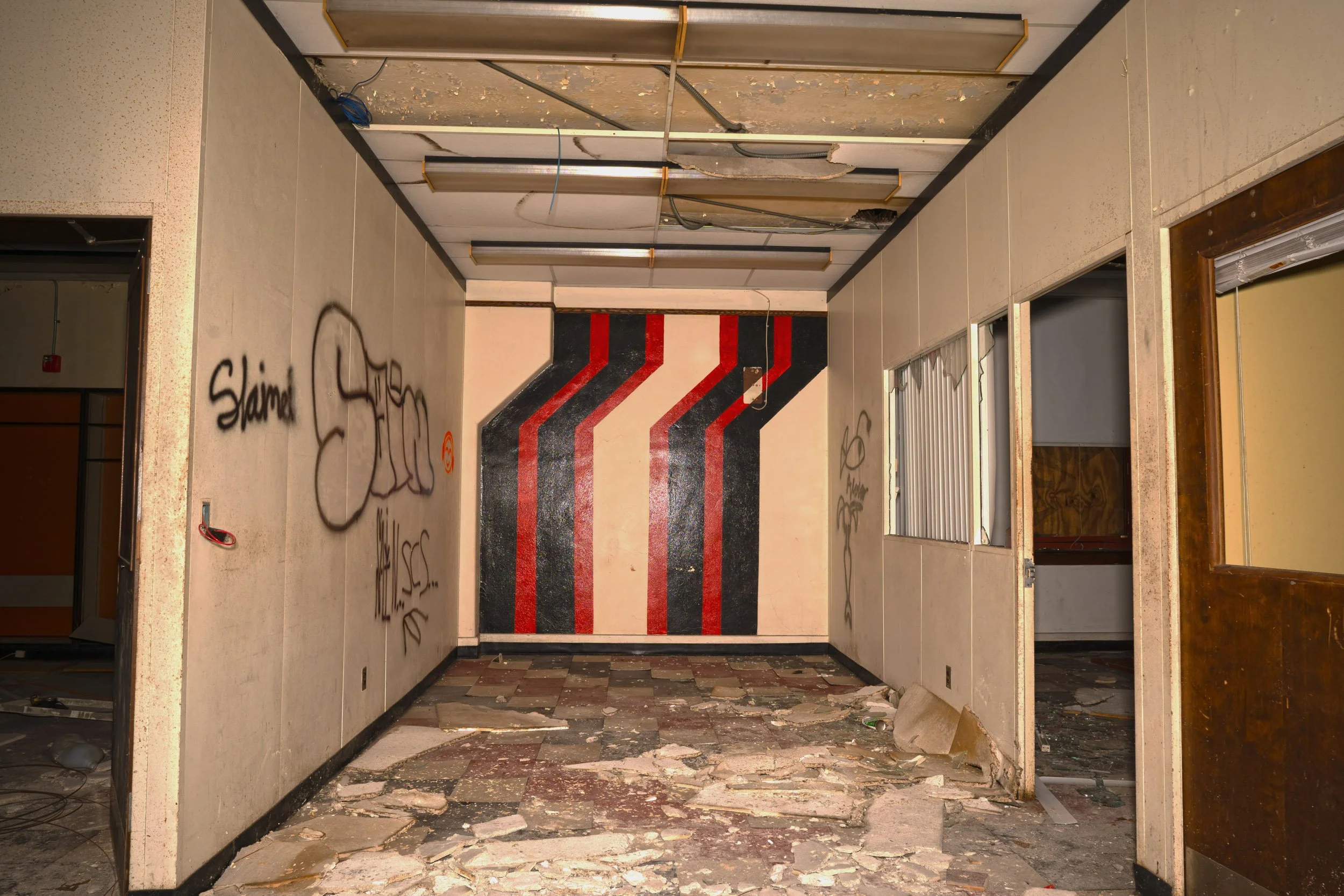
A room behind the pillars
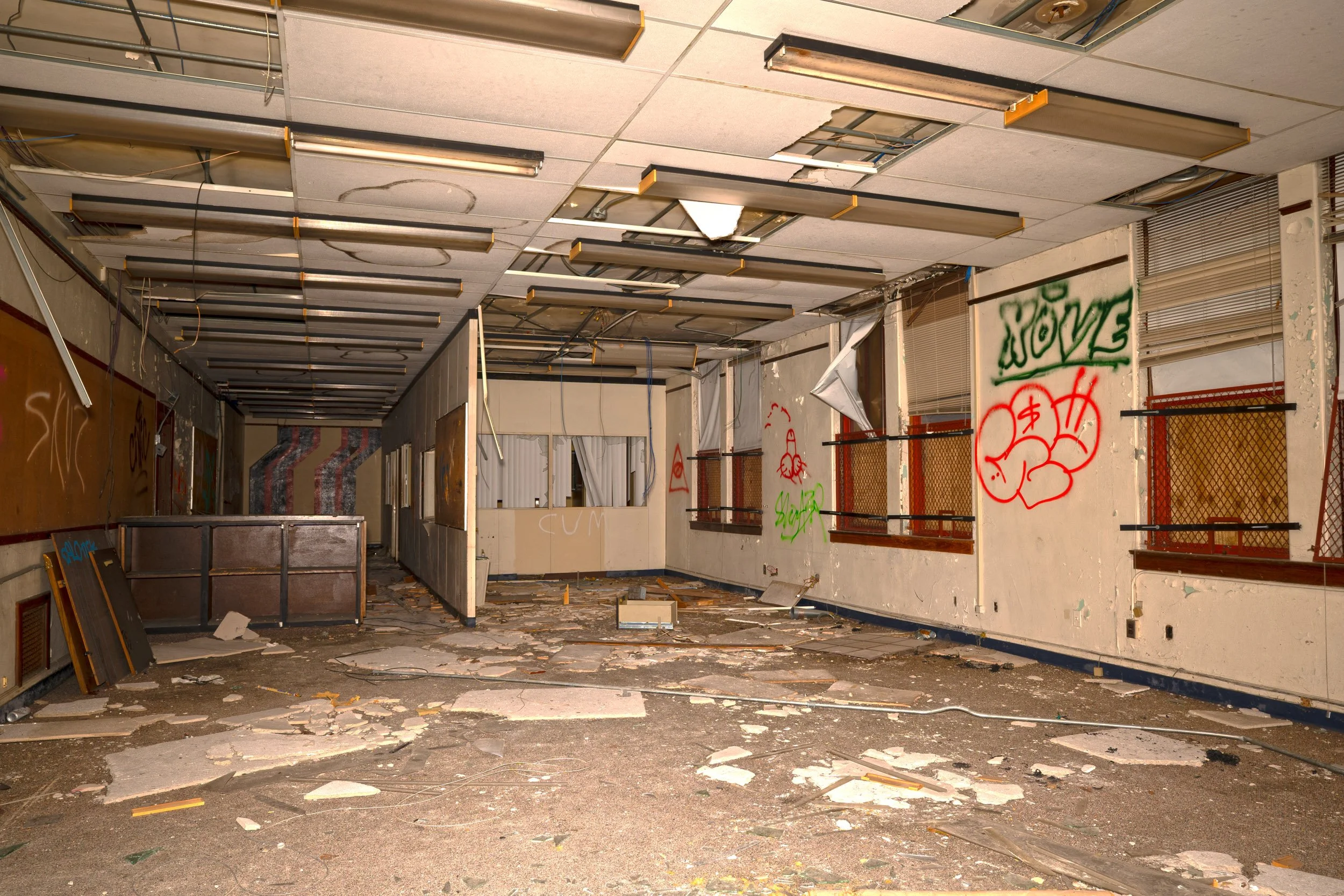
that same room
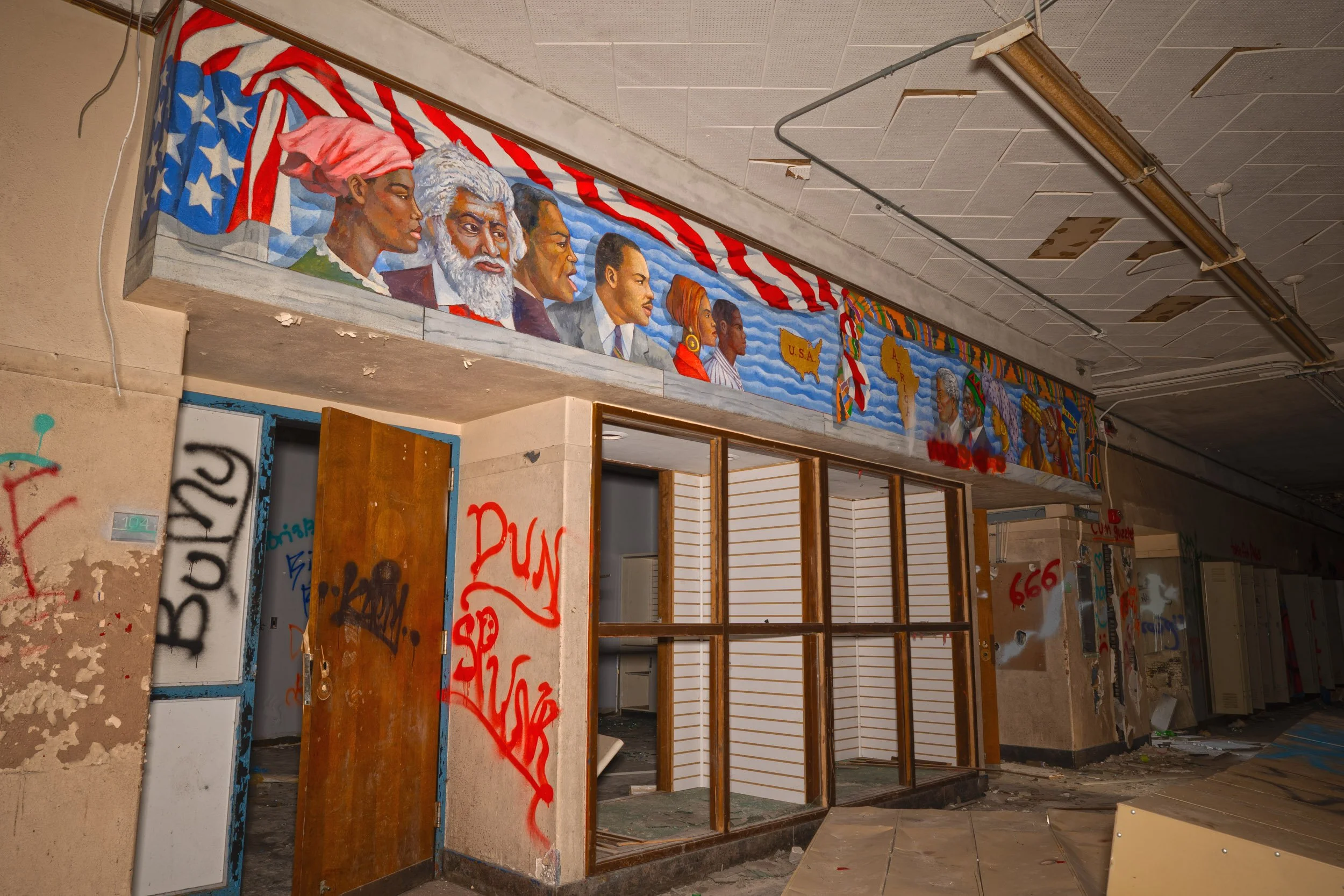
Mural on the 1st floor
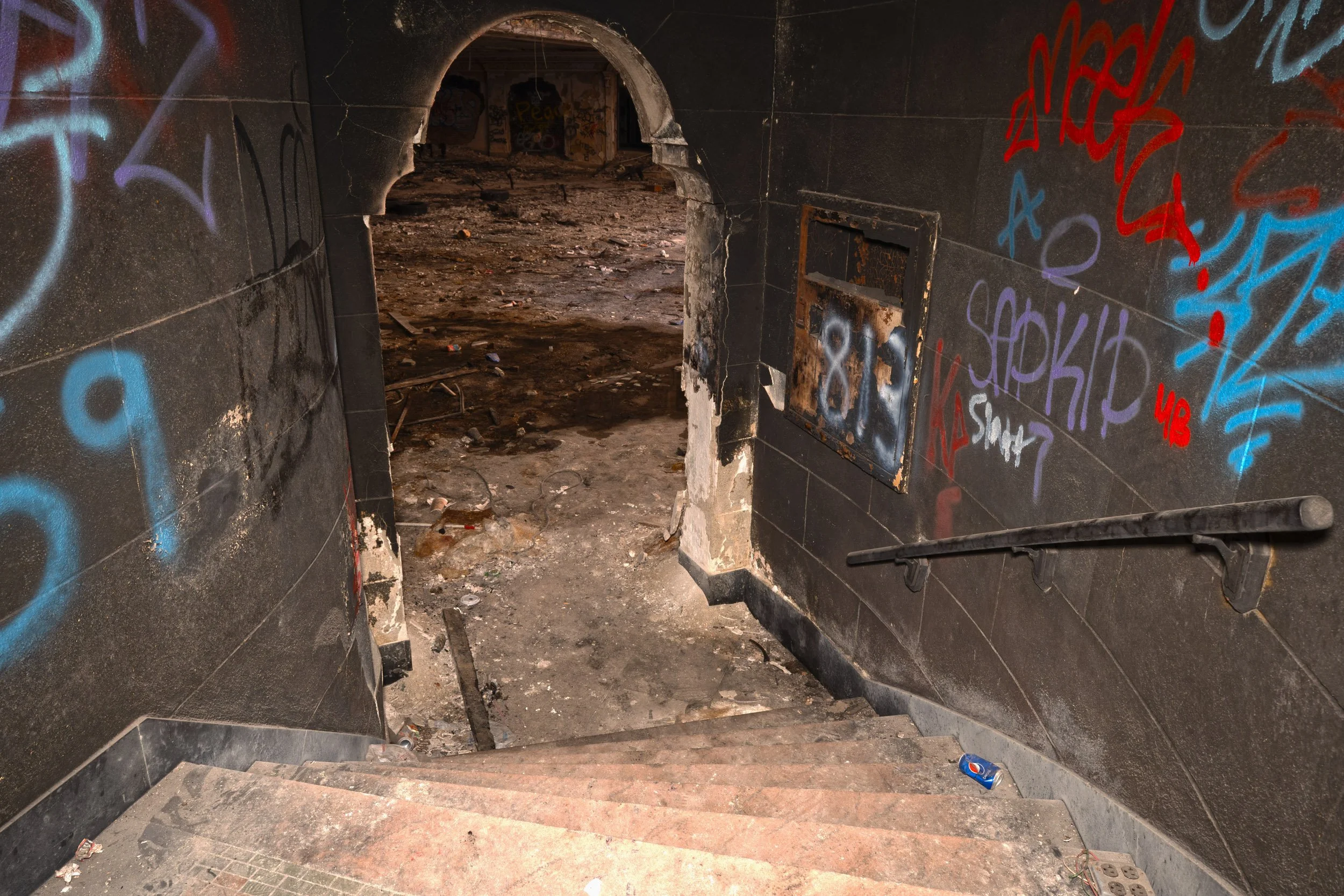
Entrance to Auditorium (note the black walls from the 2017 fire)
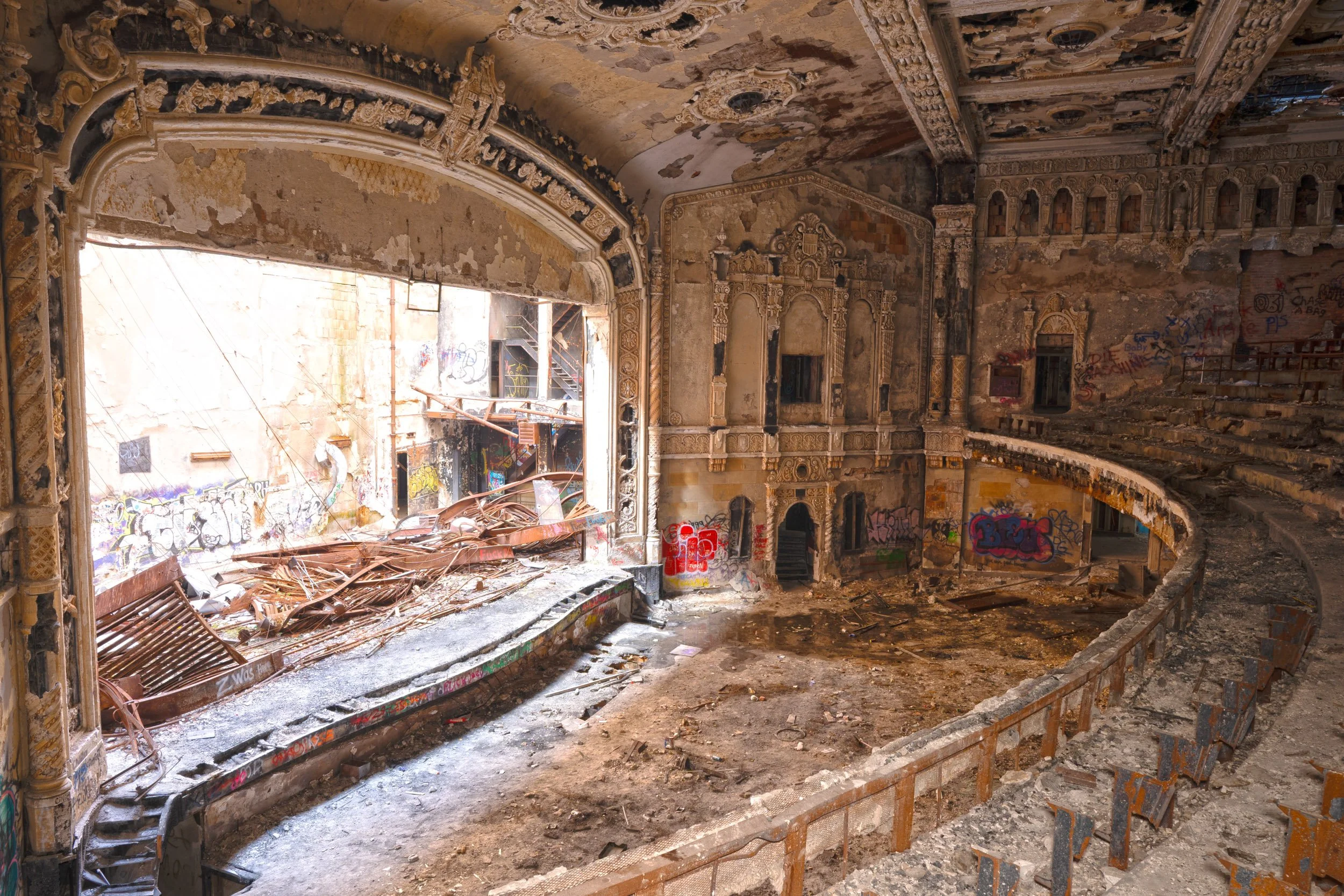
The auditorium was modeled after the Fox Theater in Downtown Detroit, and was one of the most grand spaces in Detroit Public Schools, that unfortunately destoryed in a arson fire in 2017
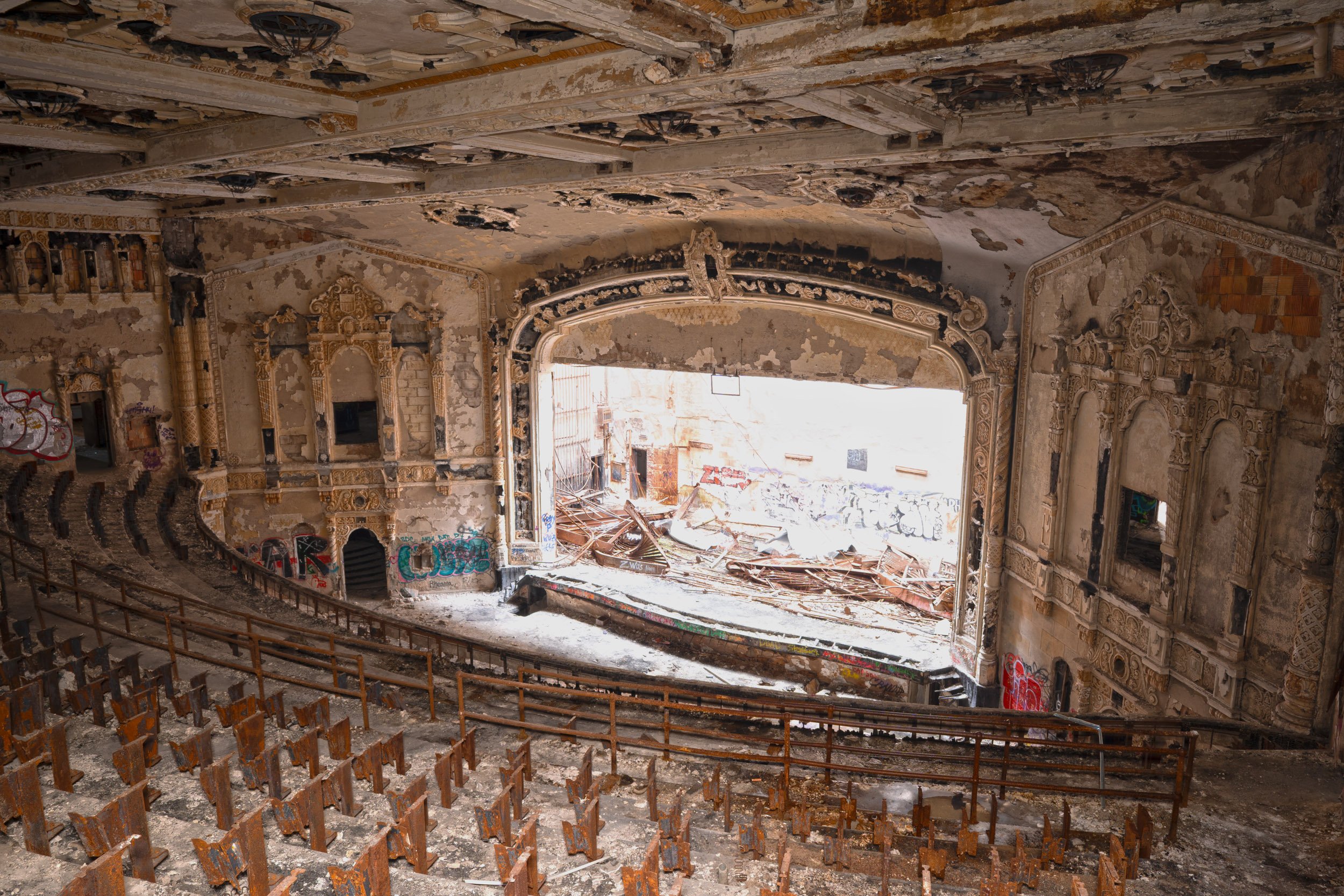
auditorium shot 2
auditorium shot 3
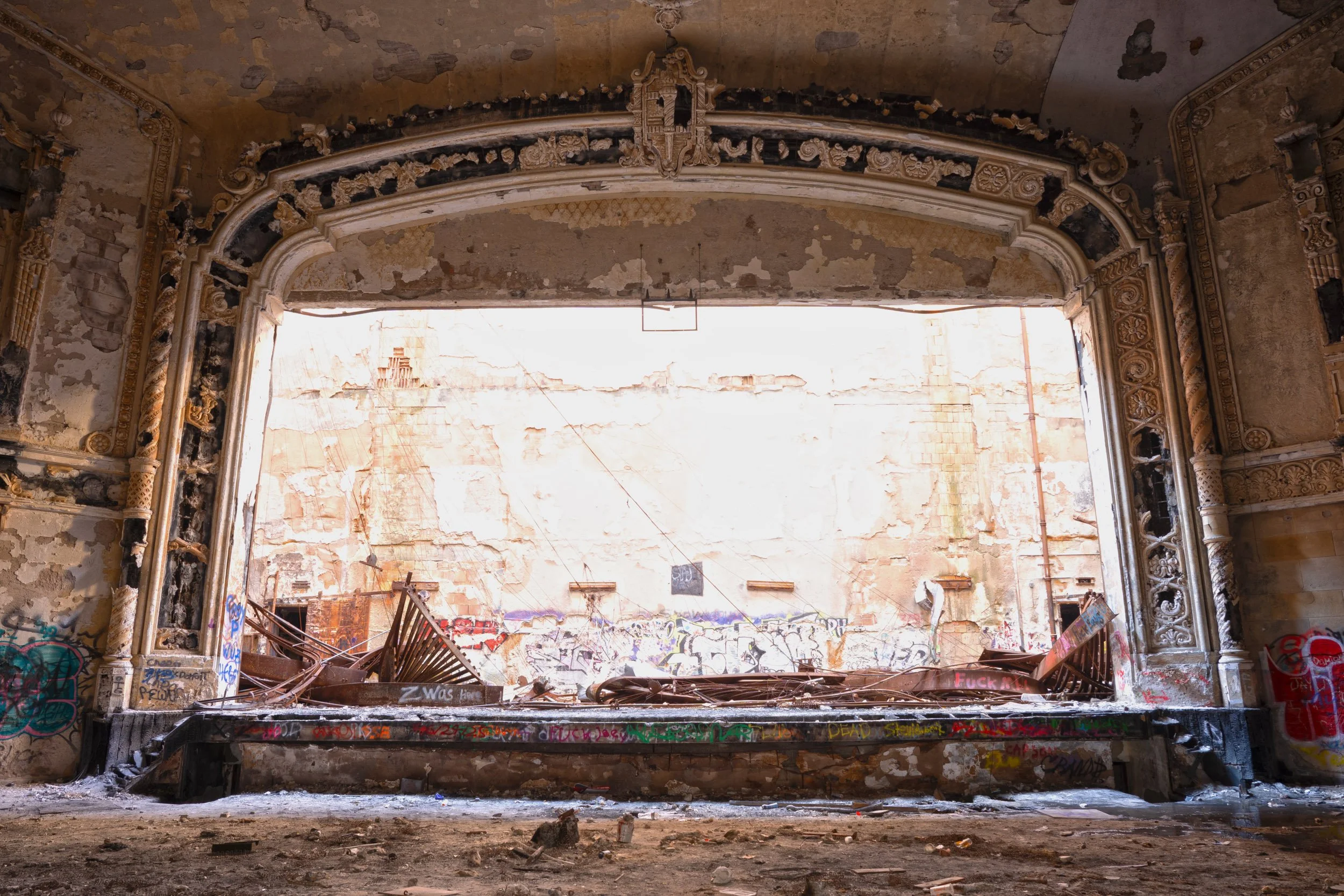
auditorium shot 4 (The stage)
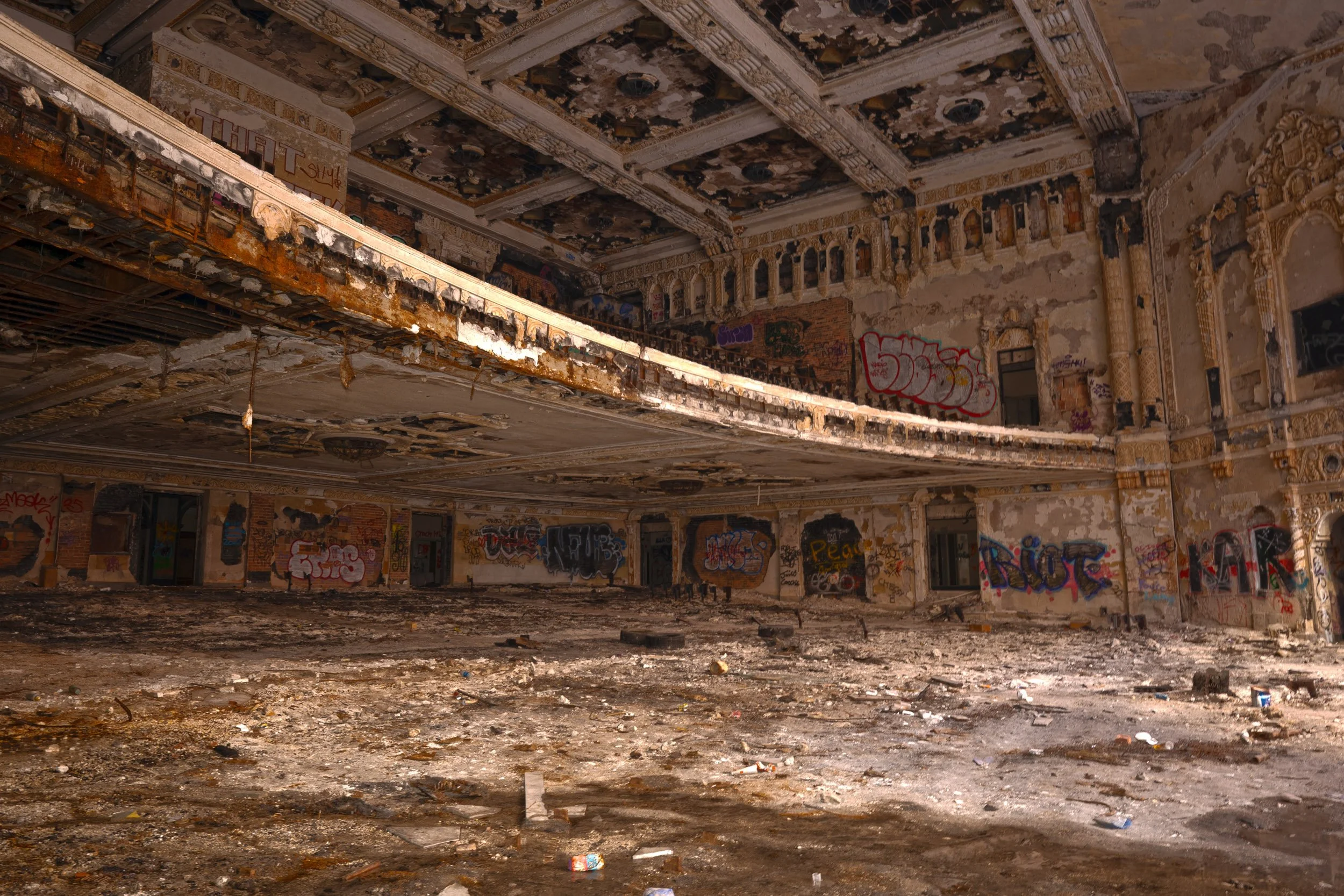
auditorium shot 5
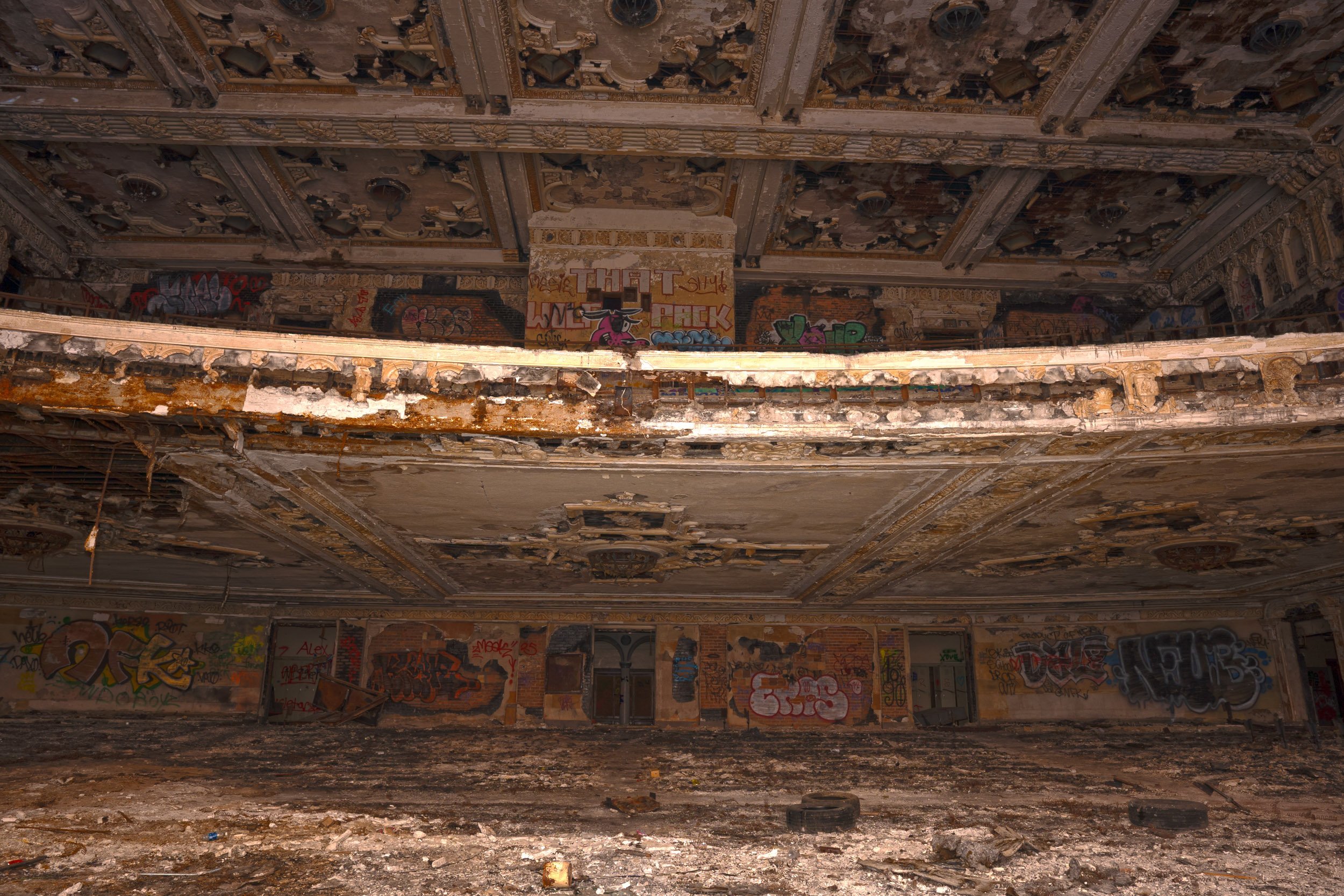
auditorium shot 6
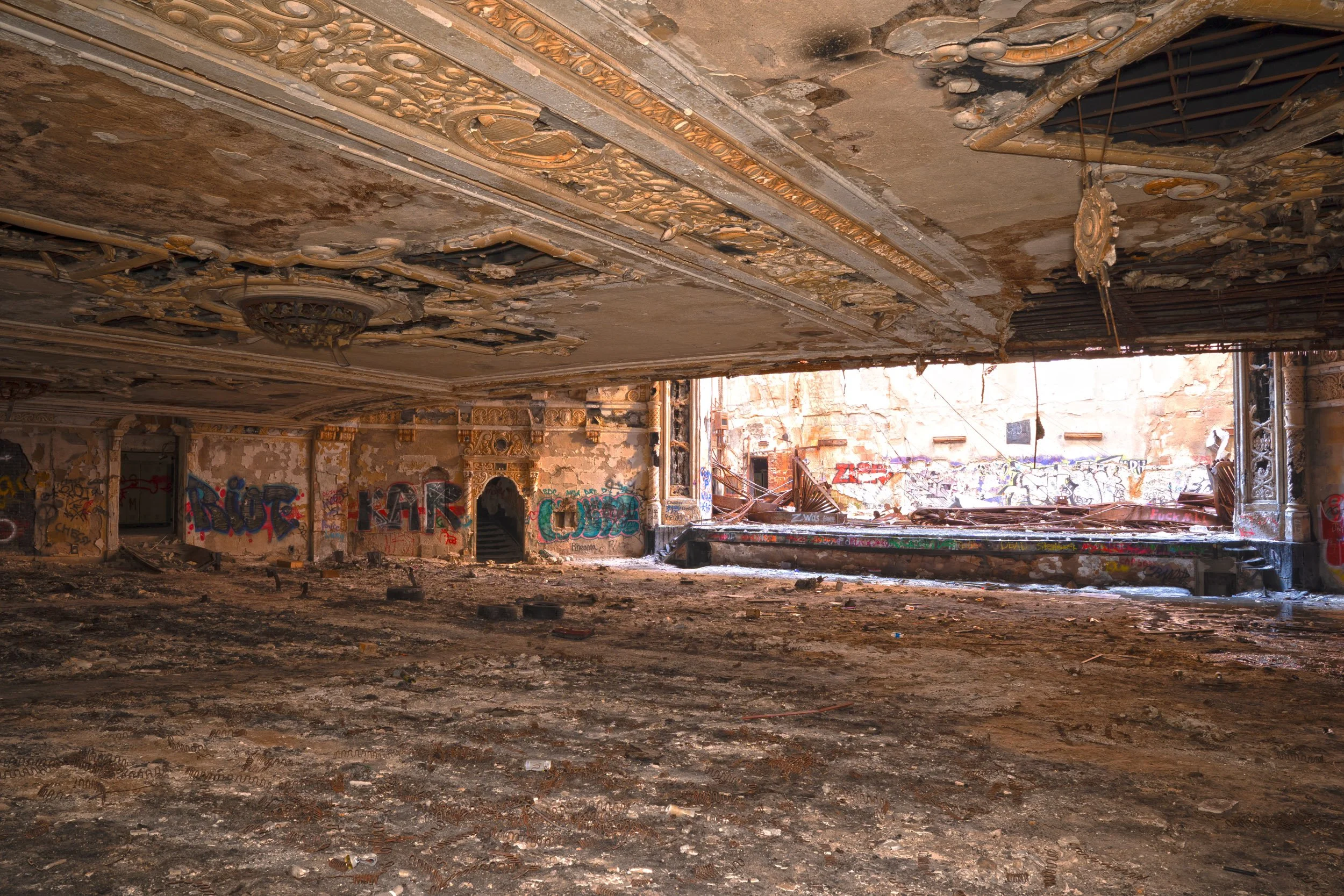
auditorium shot 7
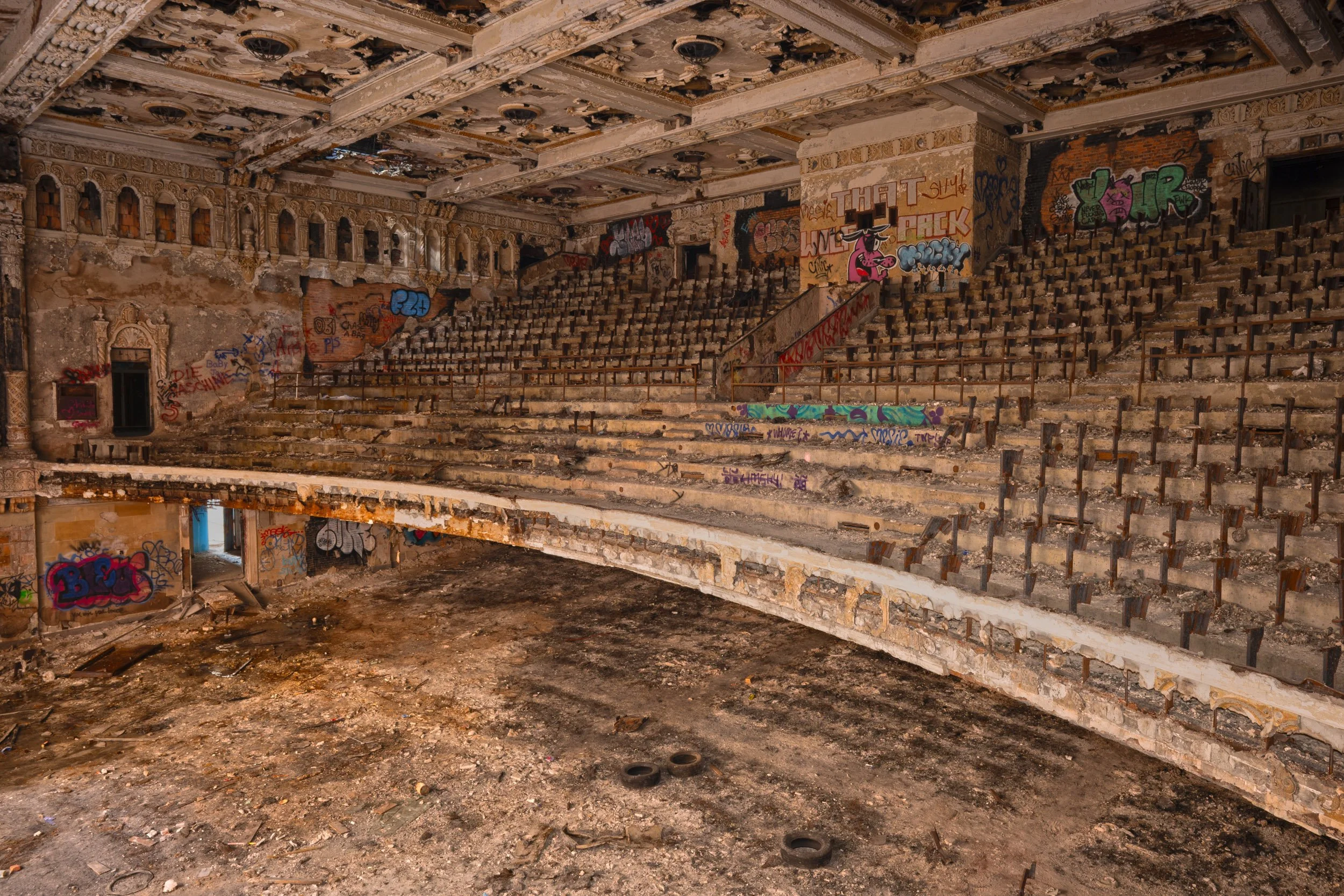
auditorium shot 8
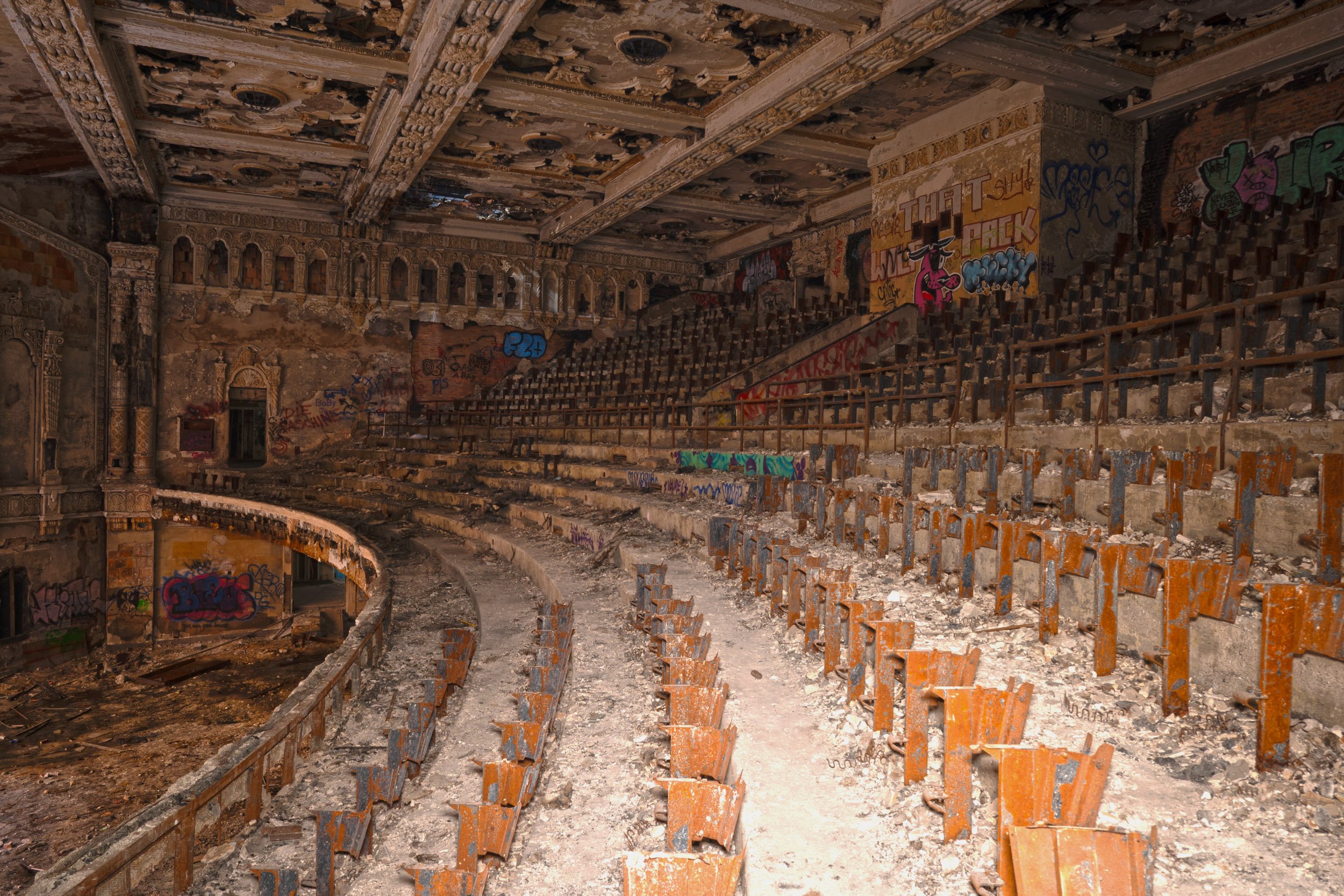
auditorium shot 9
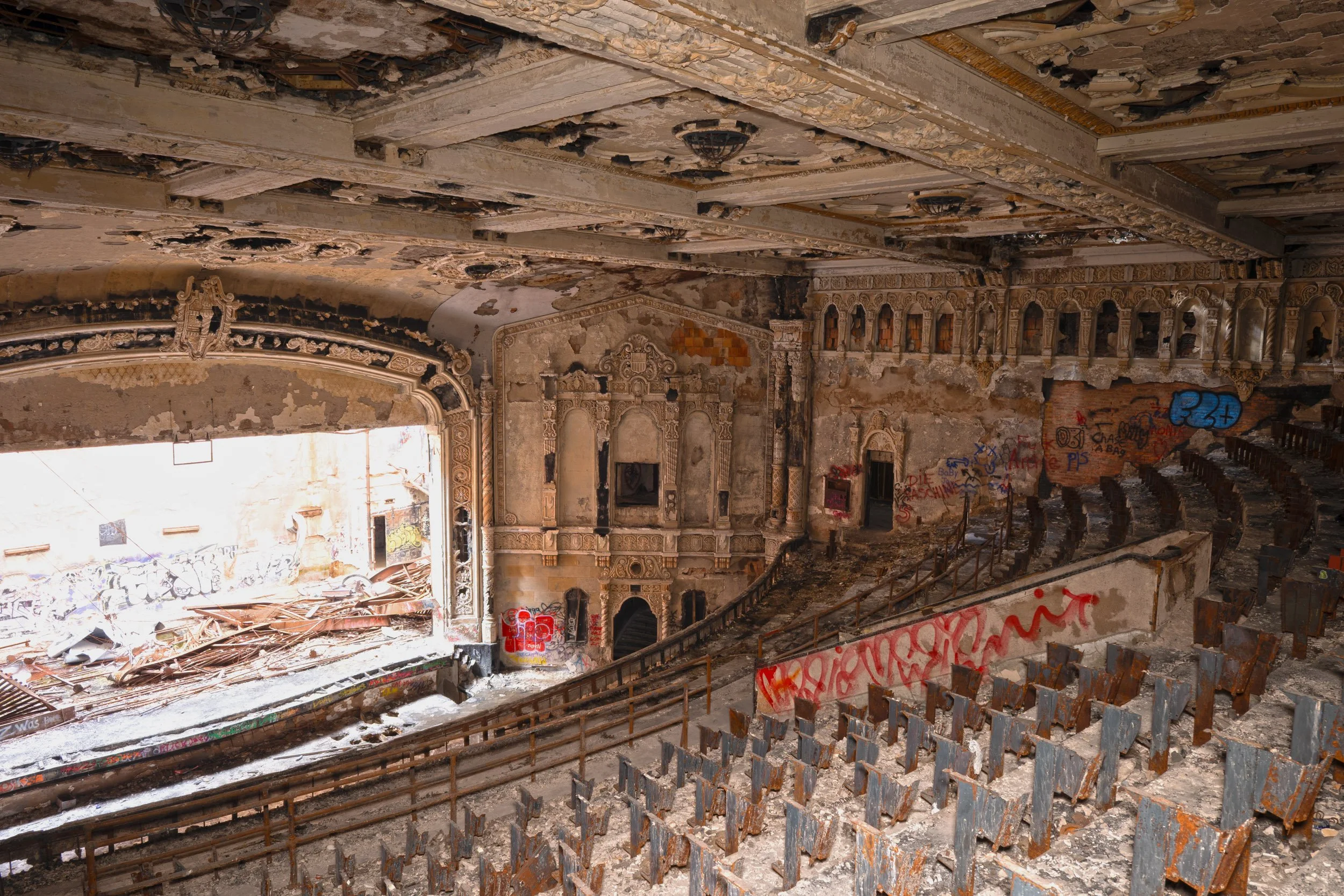
auditorium shot 10
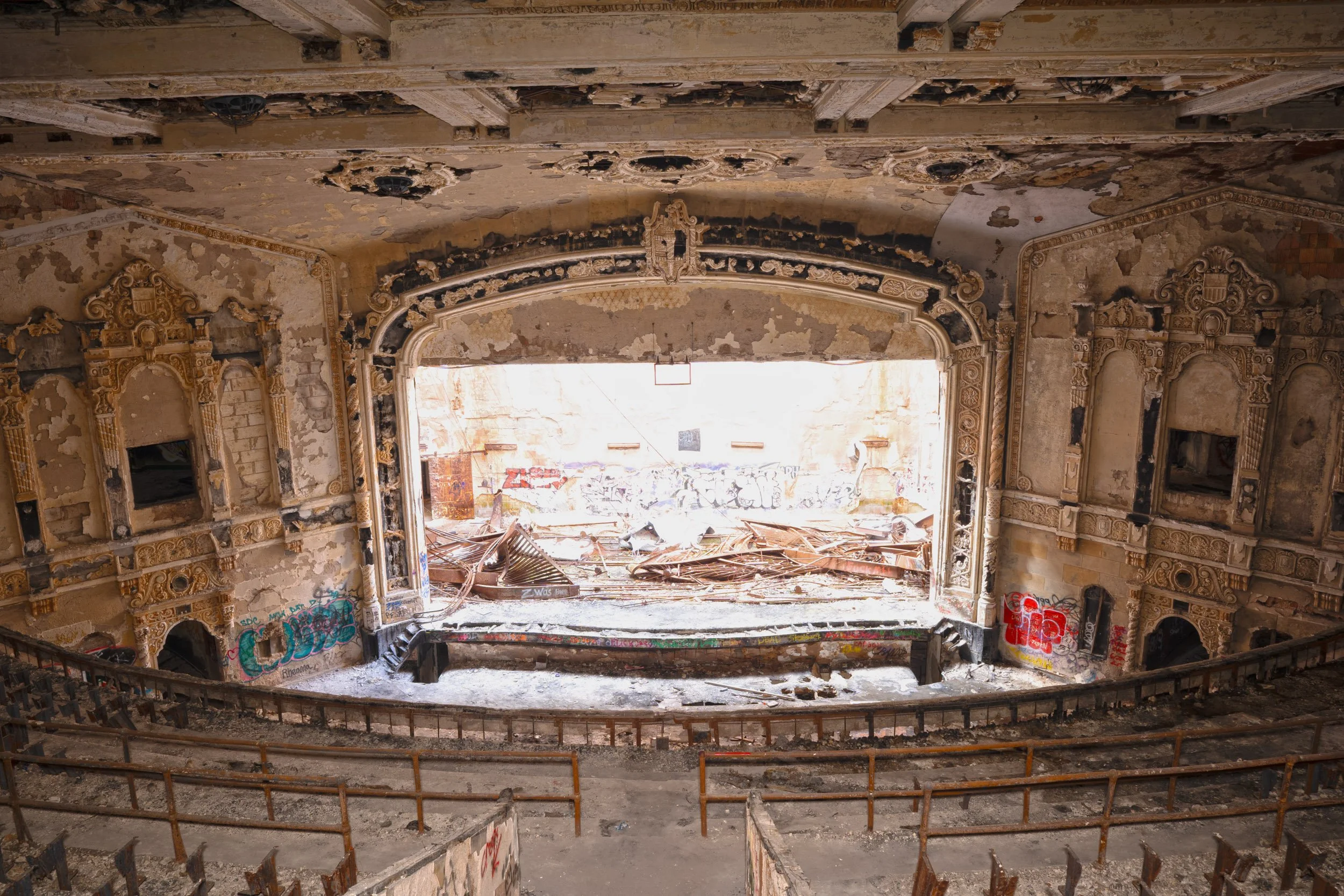
auditorium shot 11
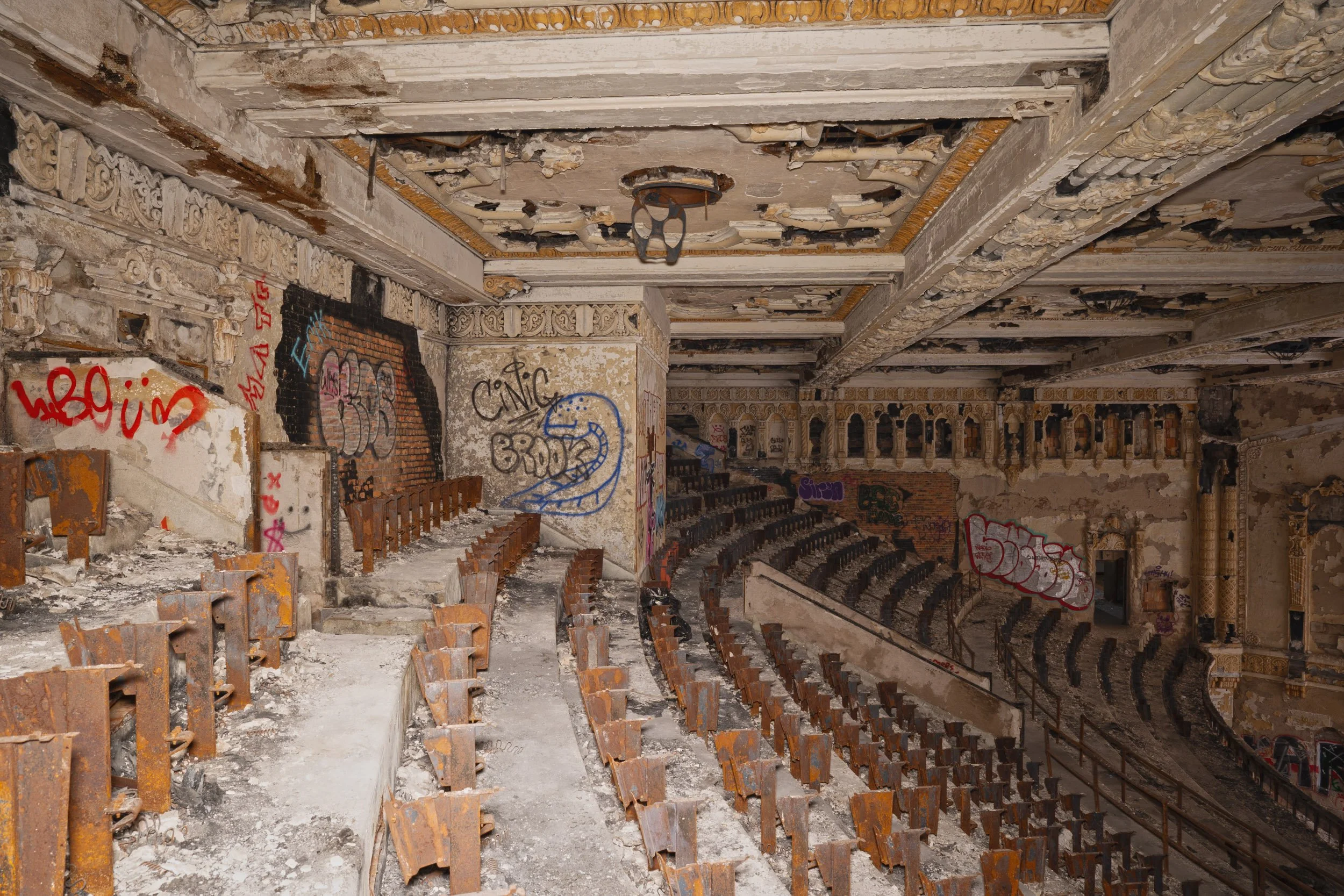
auditorium shot 12
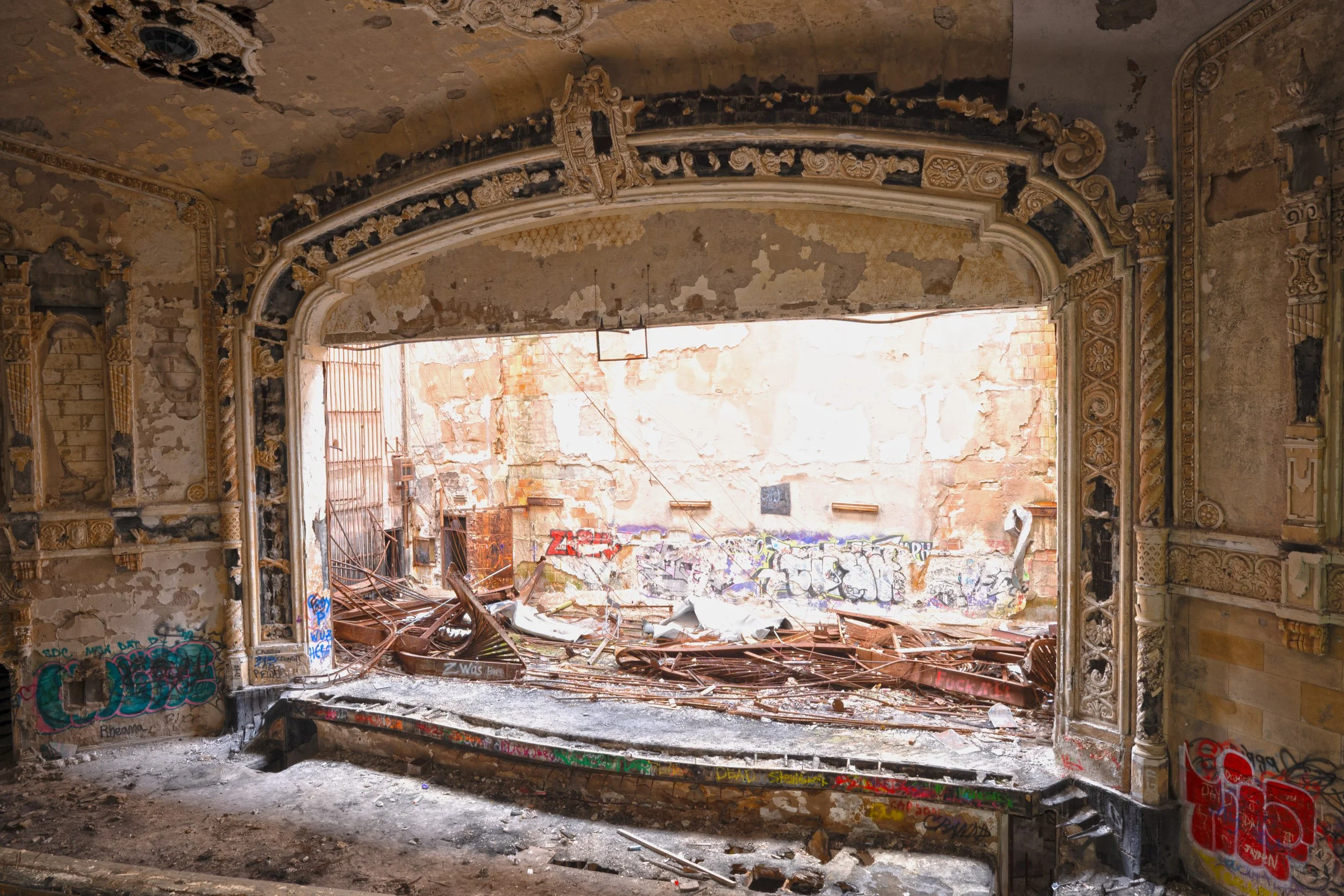
auditorium shot 13
auditorium shot 14
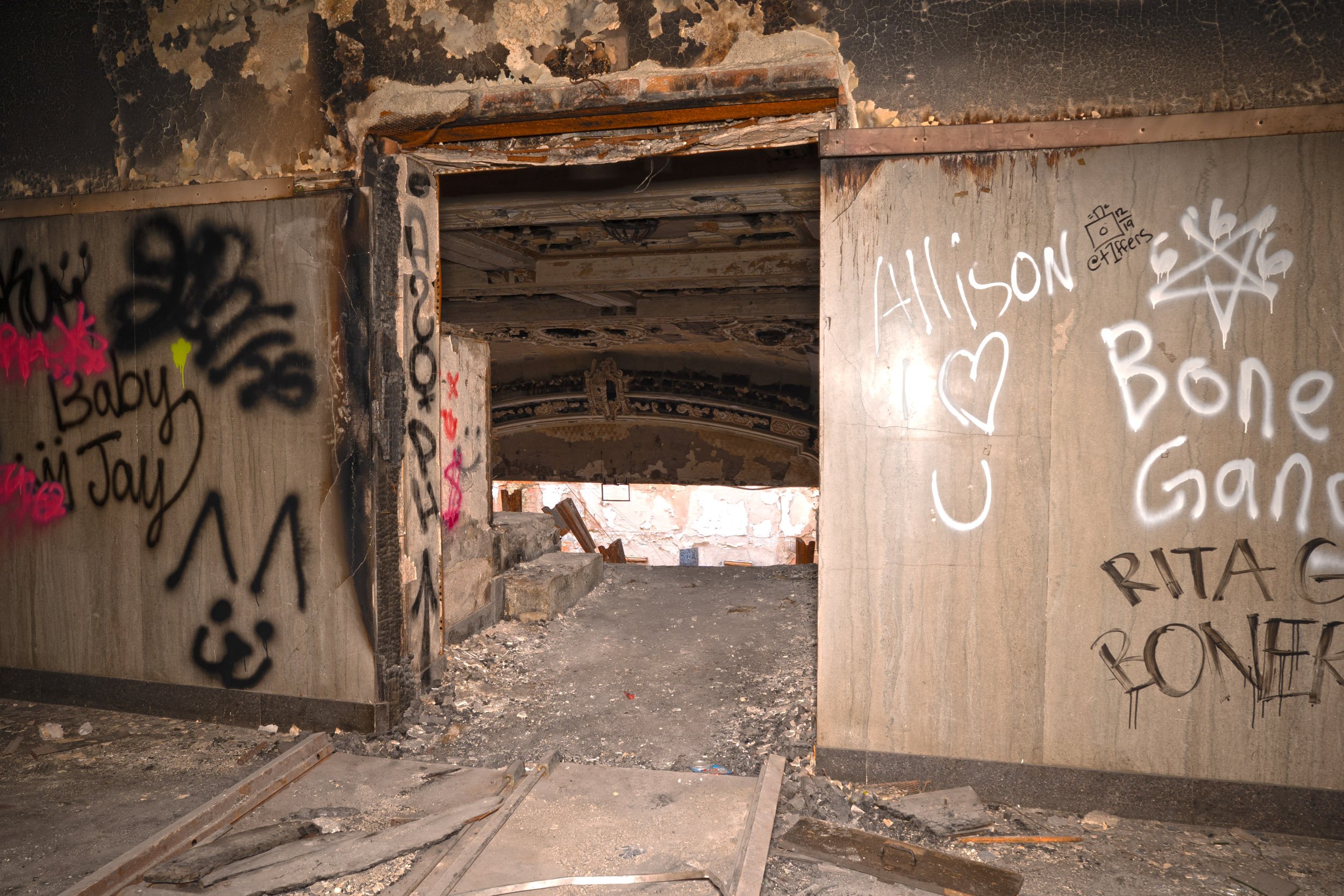
3rd floor entrance to auditorium
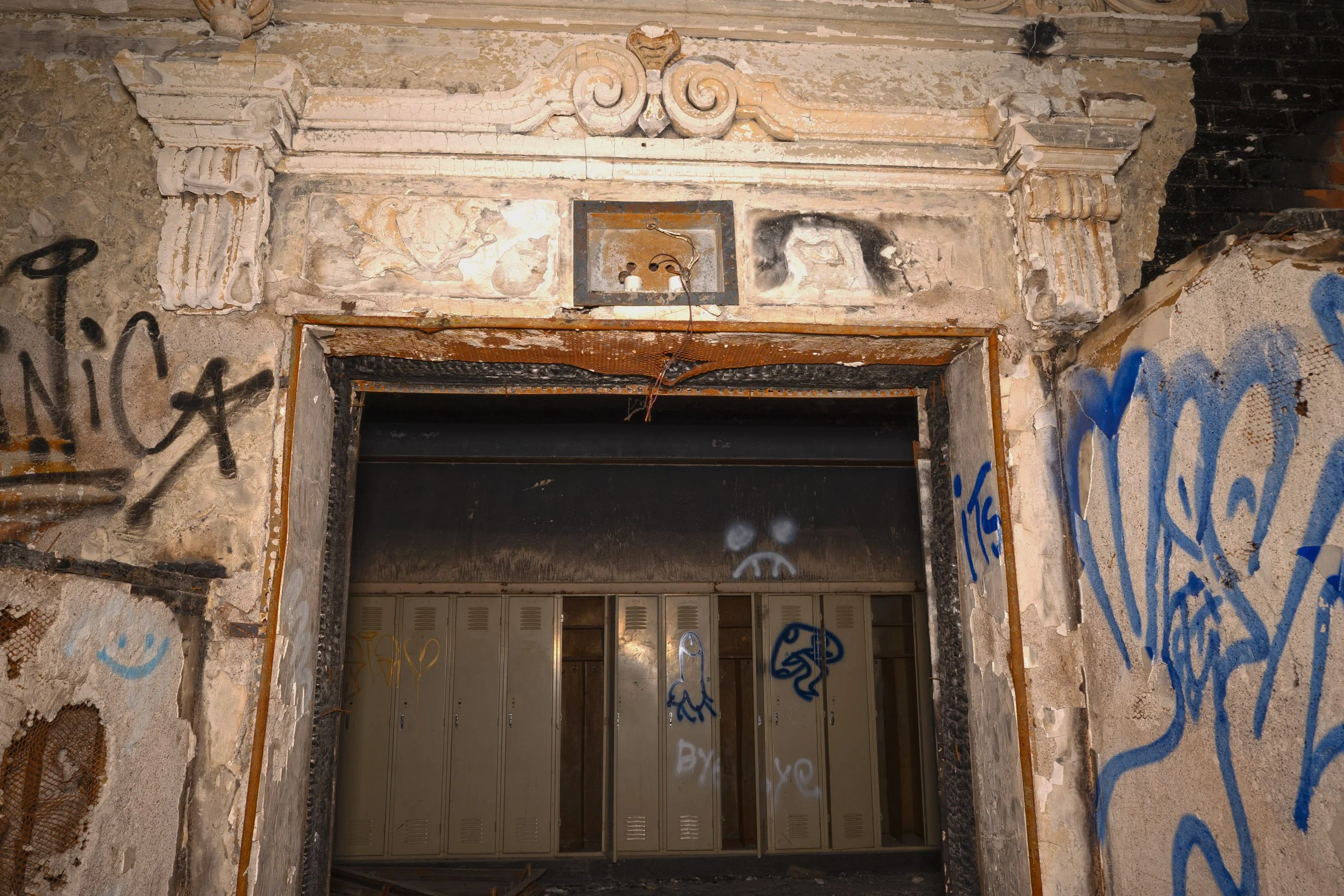
2nd floor entrance to auditorium (Note the grand shield accent)
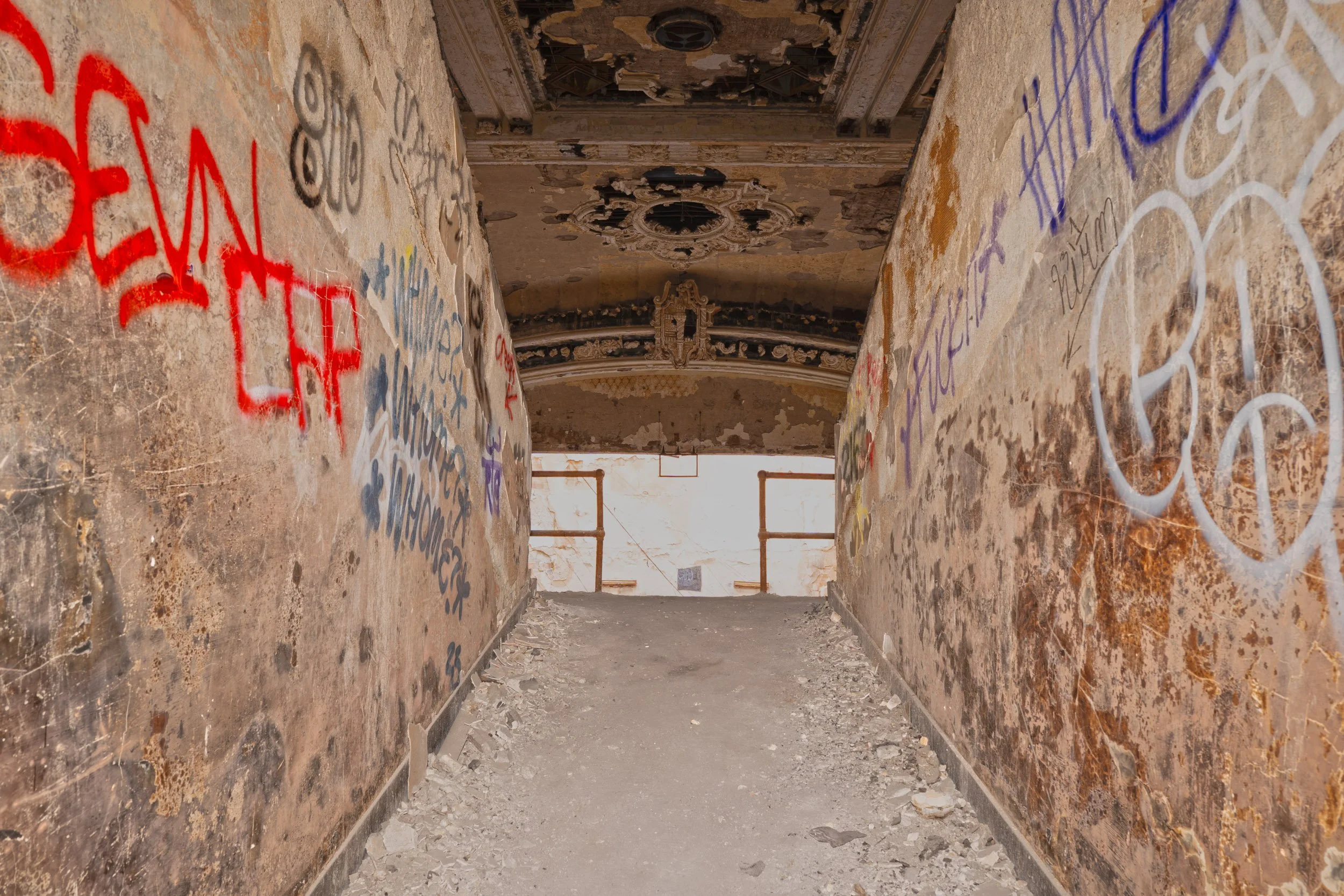
Entrance leading out to the 2nd floor from auditorium balcony
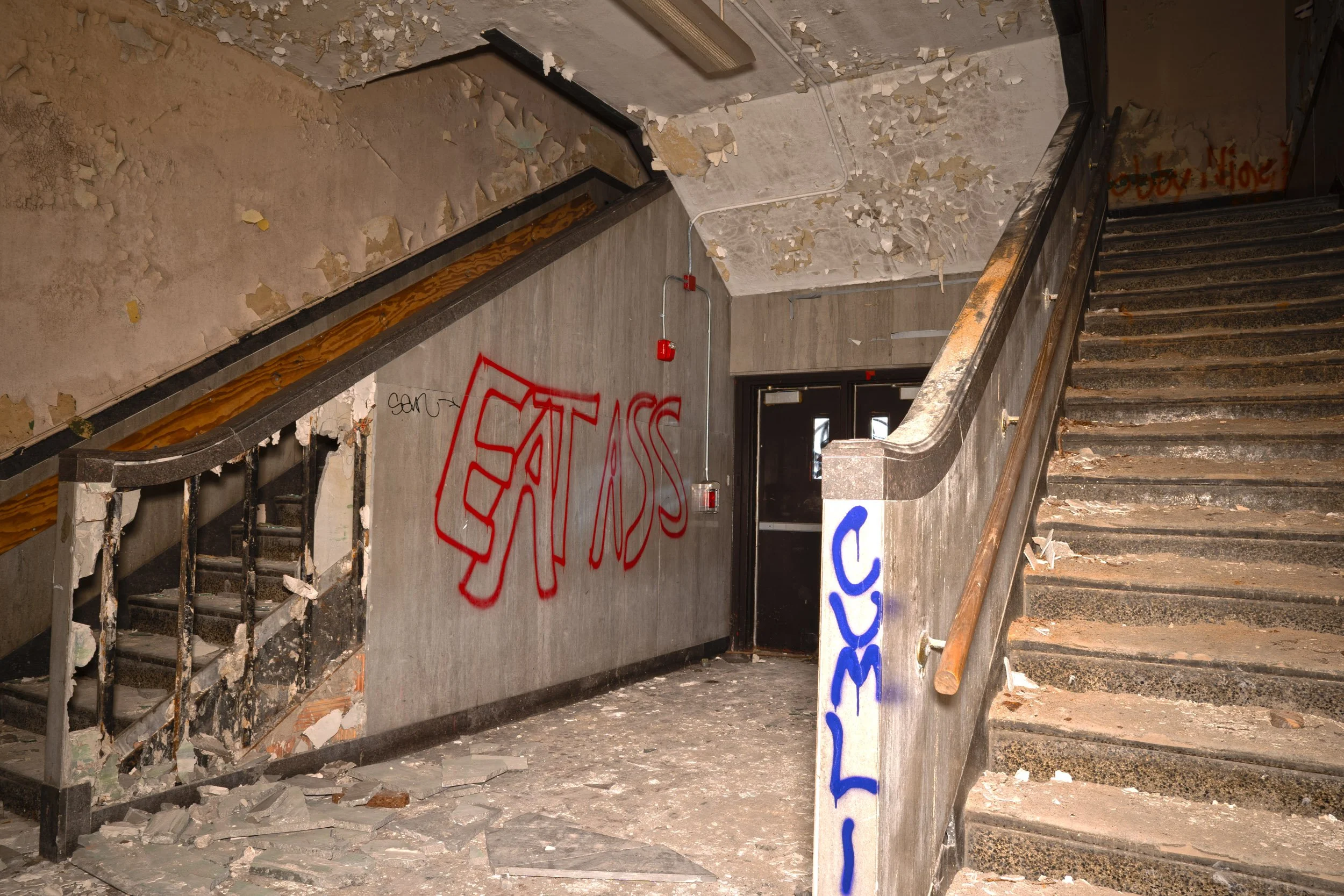
Staircase as seen from the 1st floor
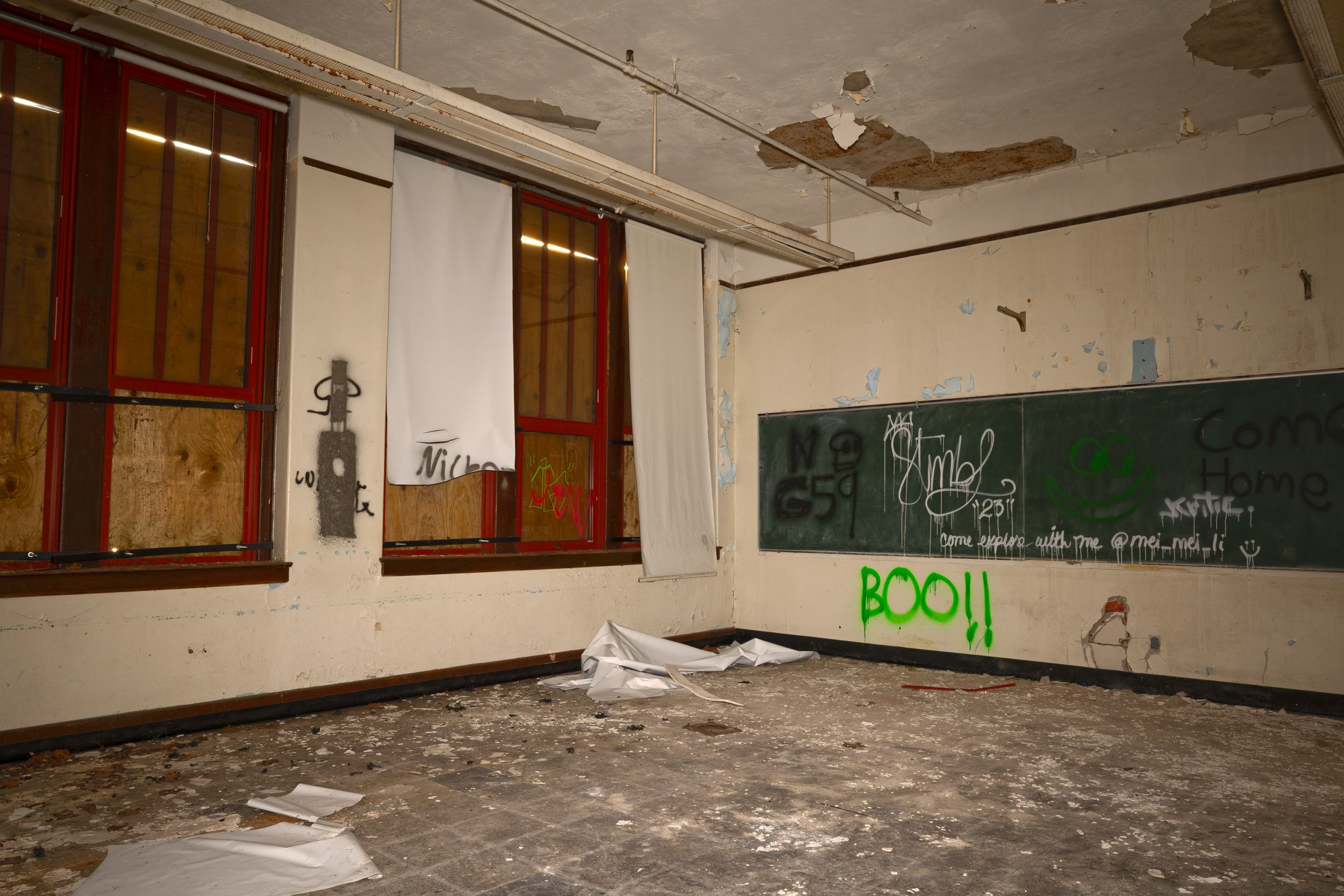
1st floor classroom
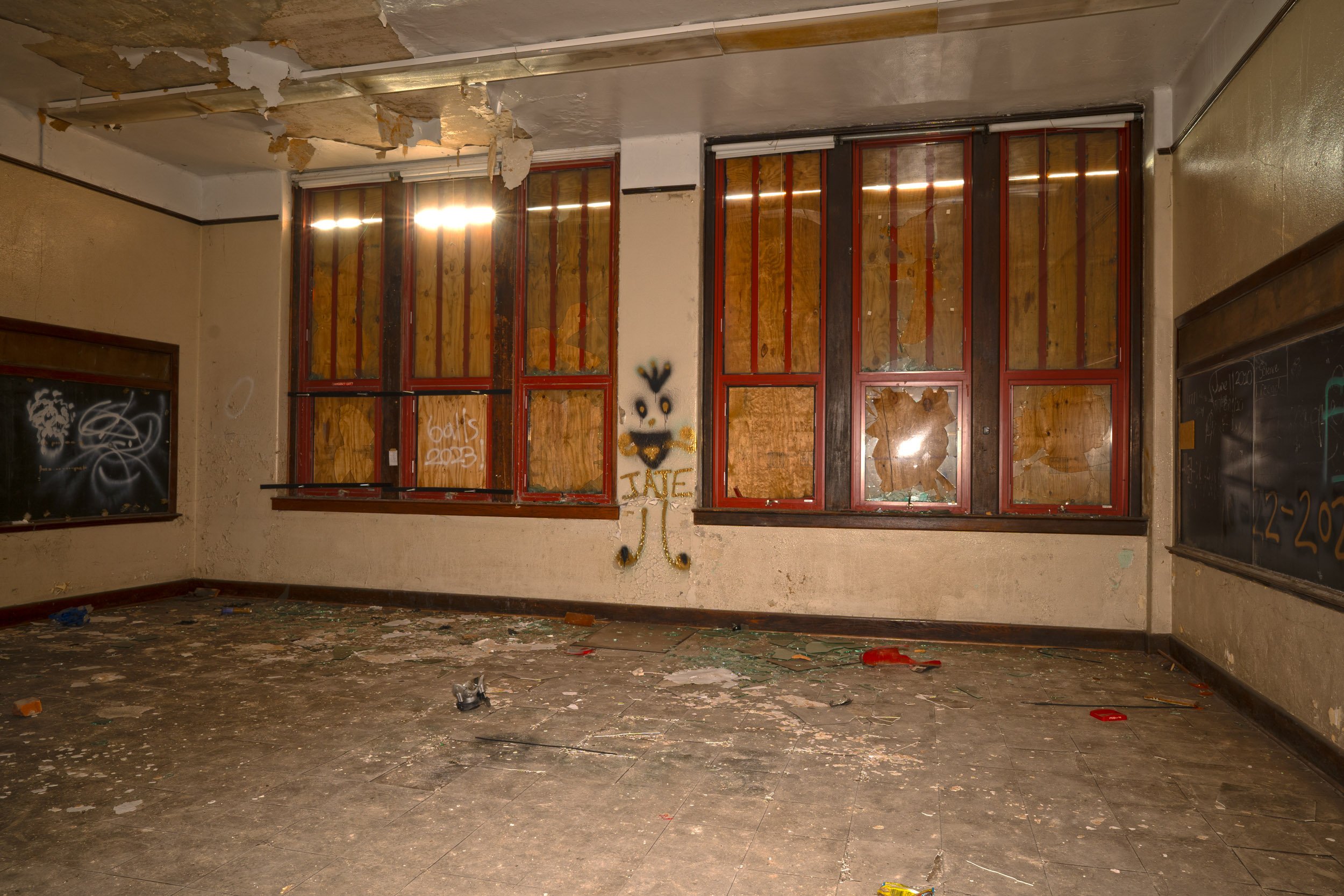
1st floor classroom
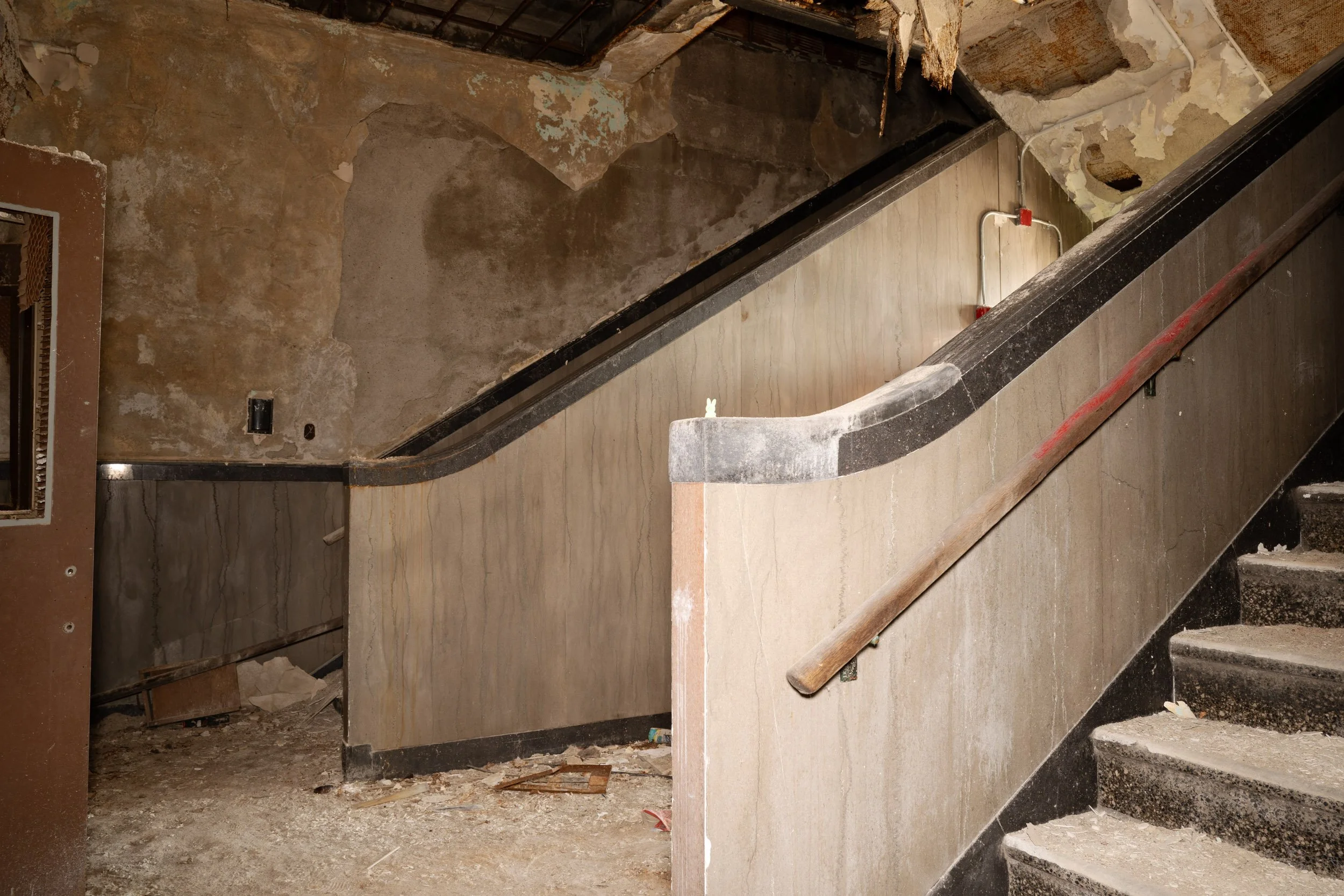
1st floor staircase
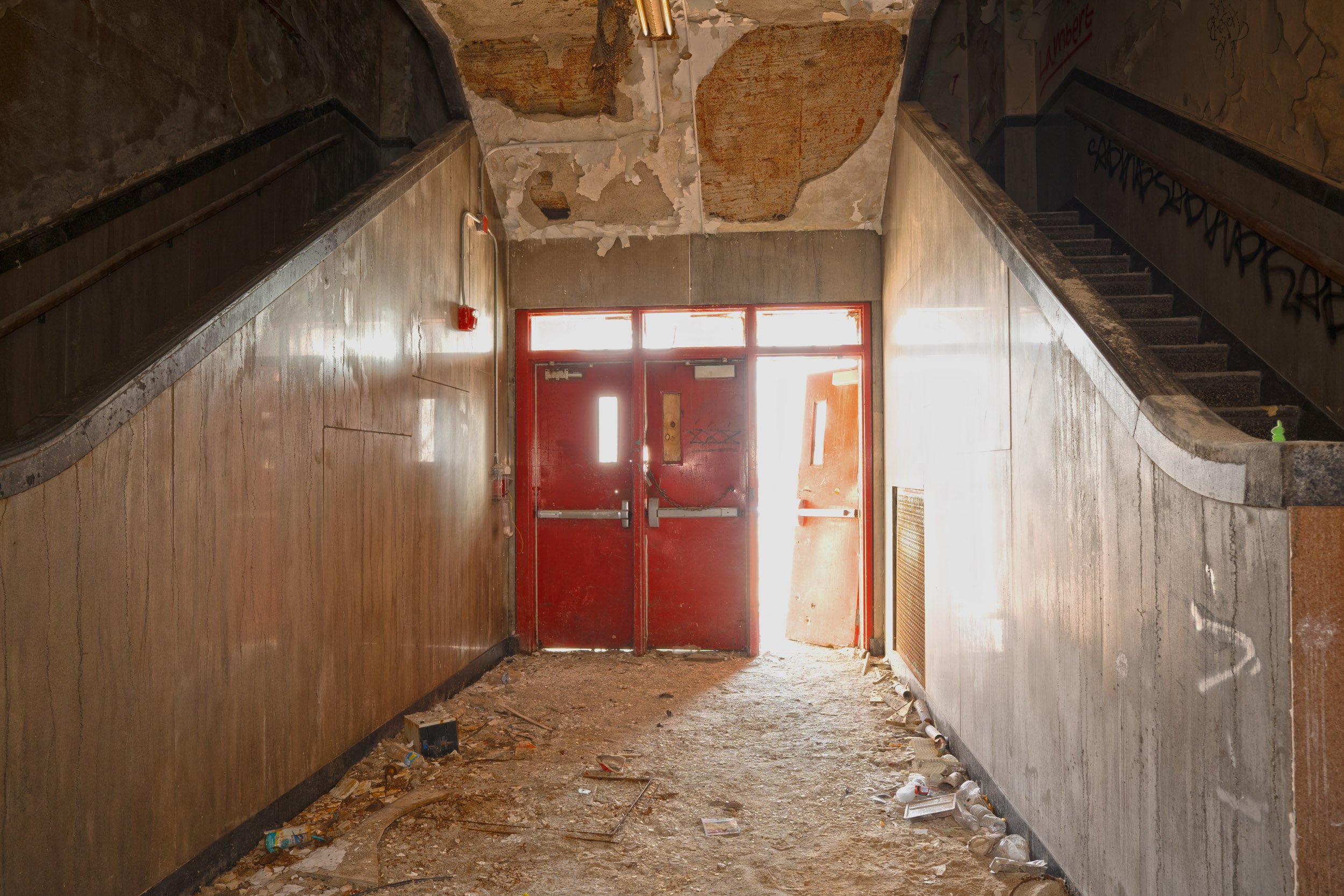
The same staircase has a entrance in between the flights of stairs
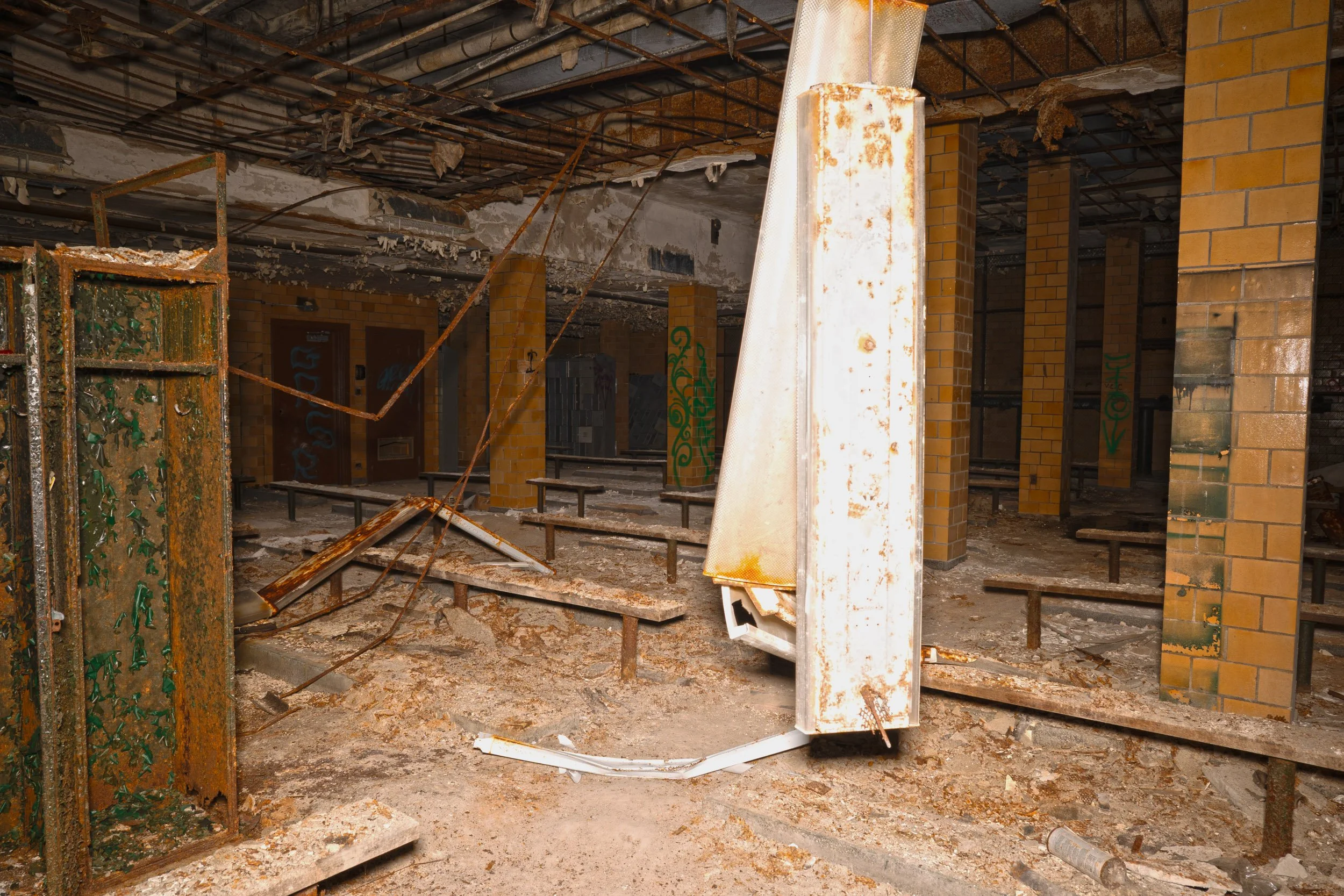
One of the locker rooms in Cooley connected to the pool
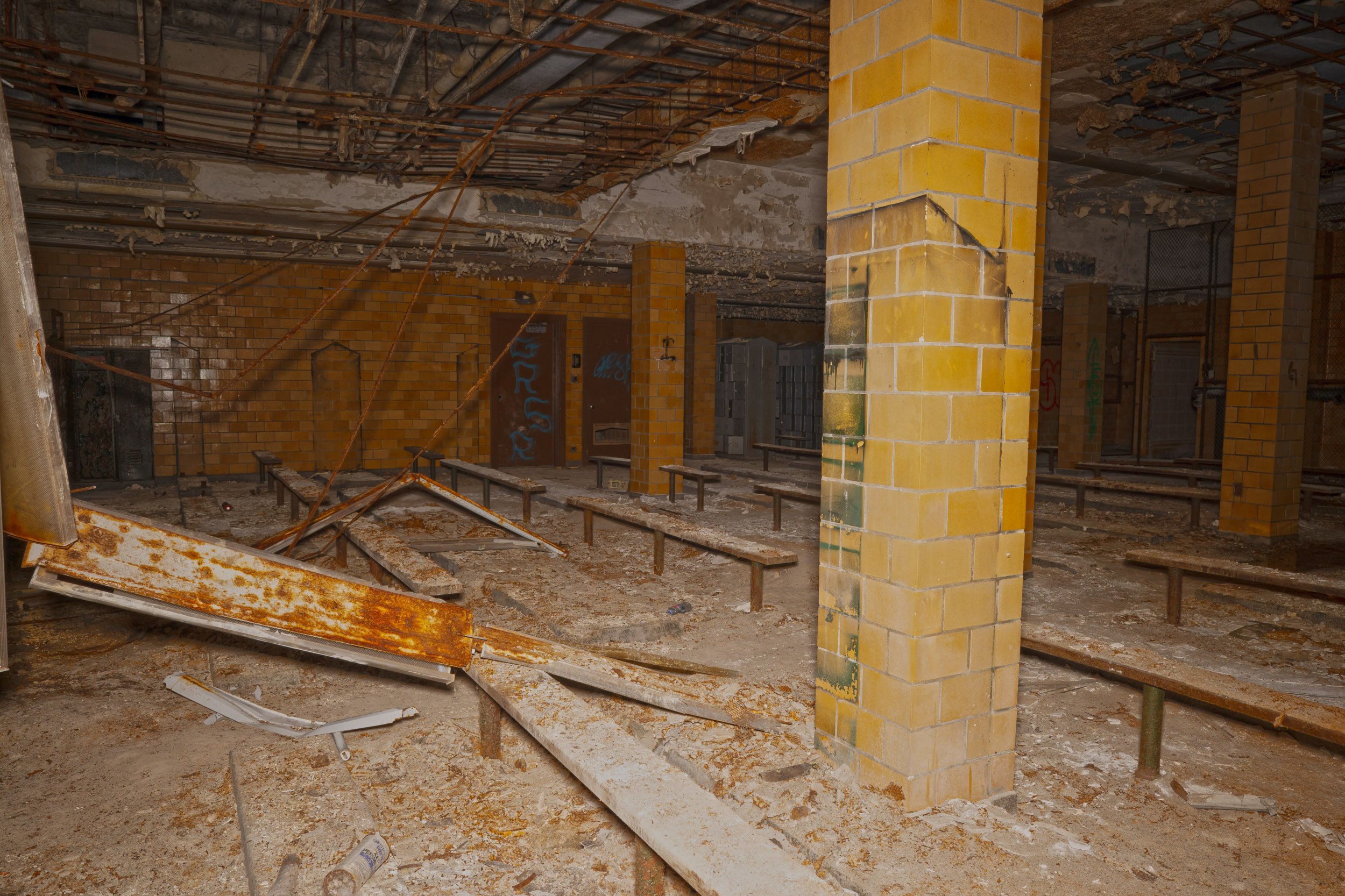
that same locker room
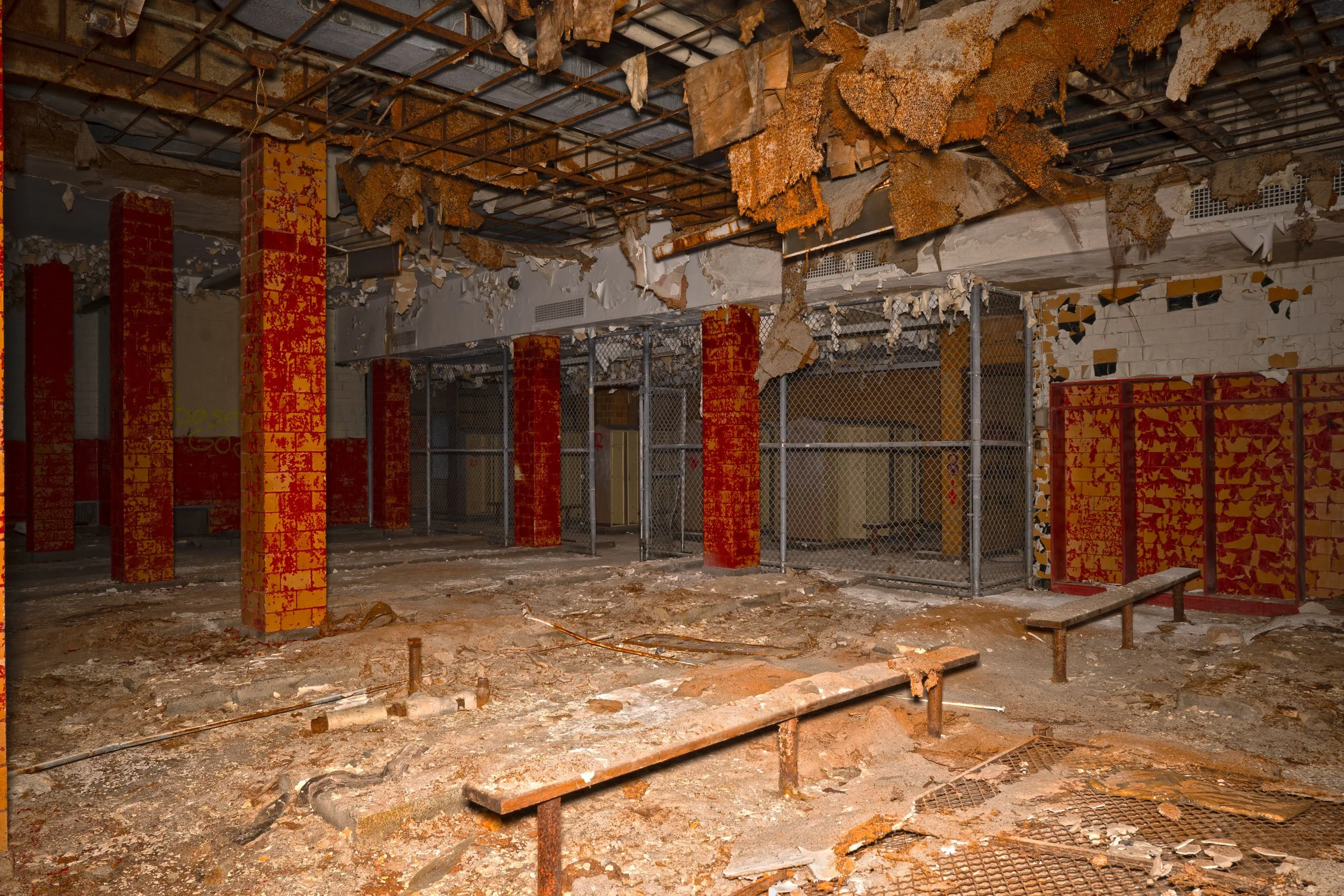
The other locker room
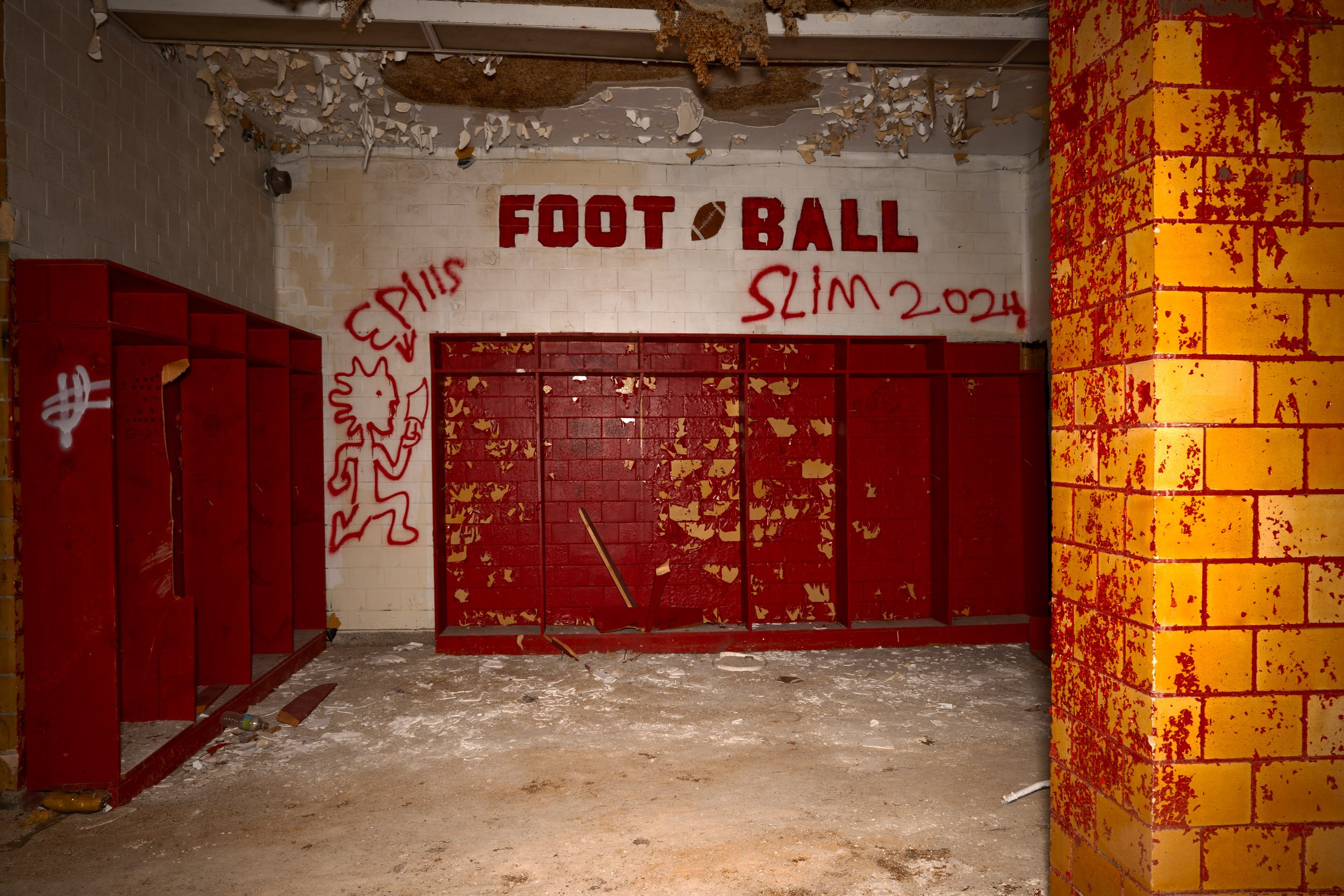
Football Mural in locker room
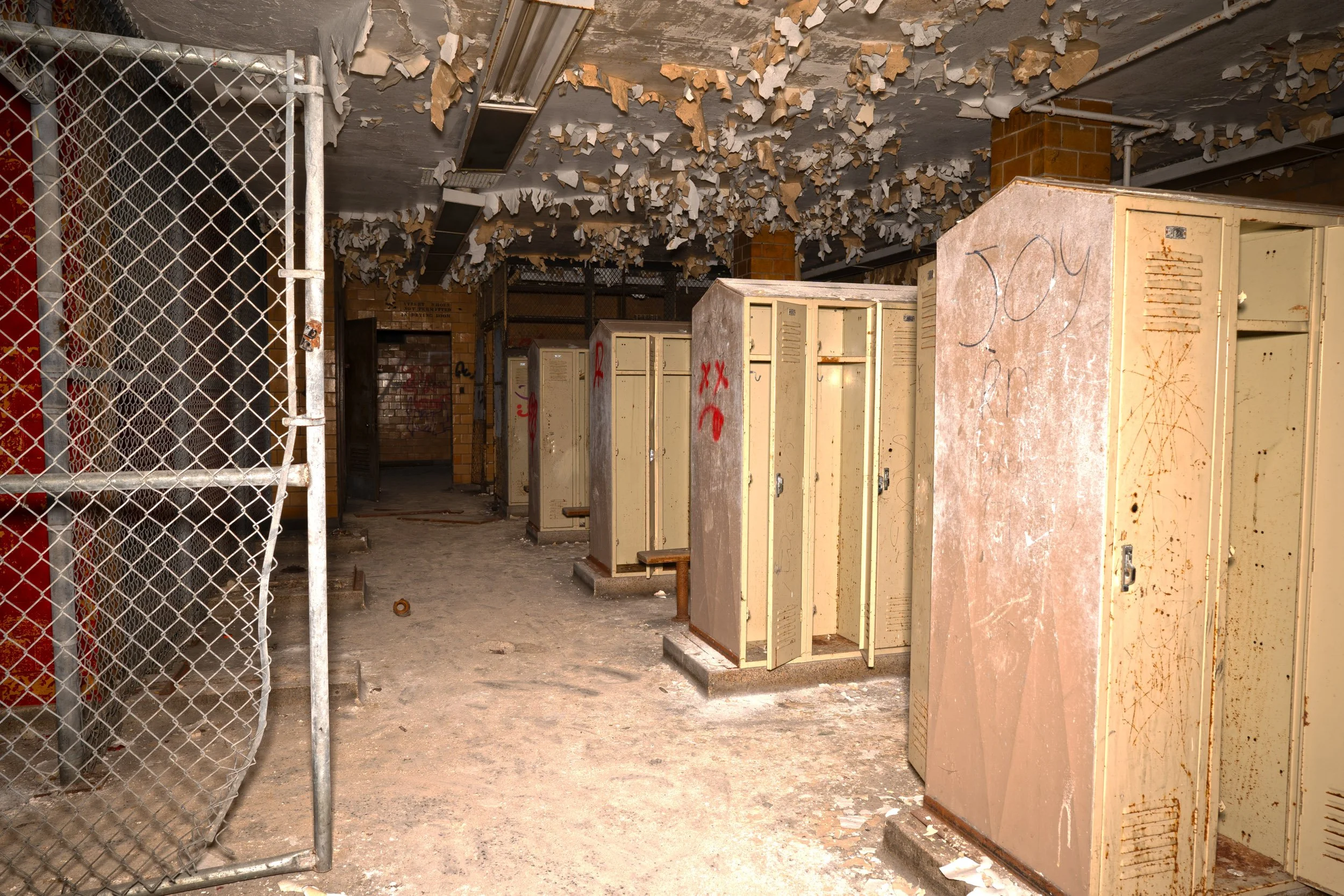
The second locker room features a caged locker space
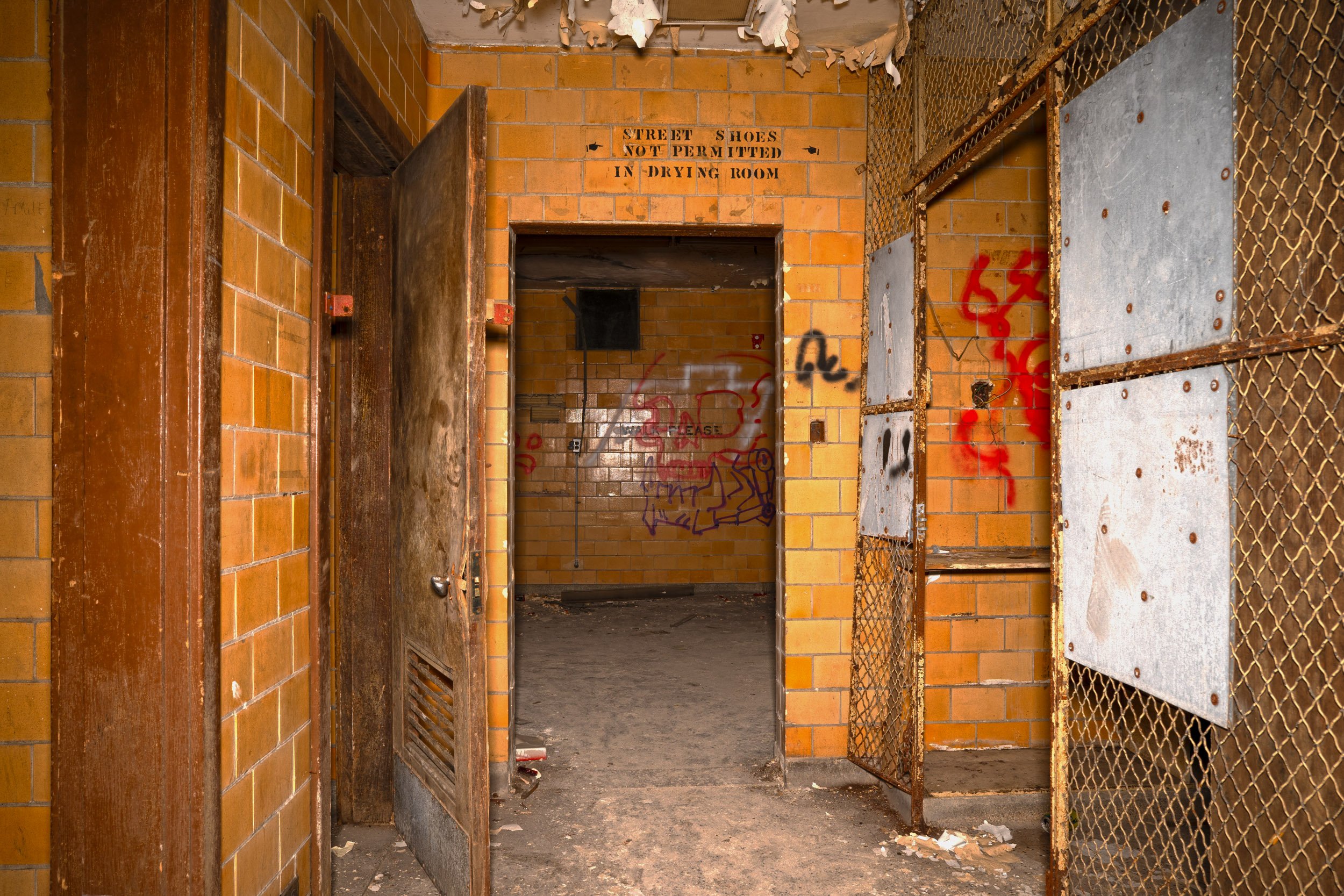
Entrance to pool from locker room
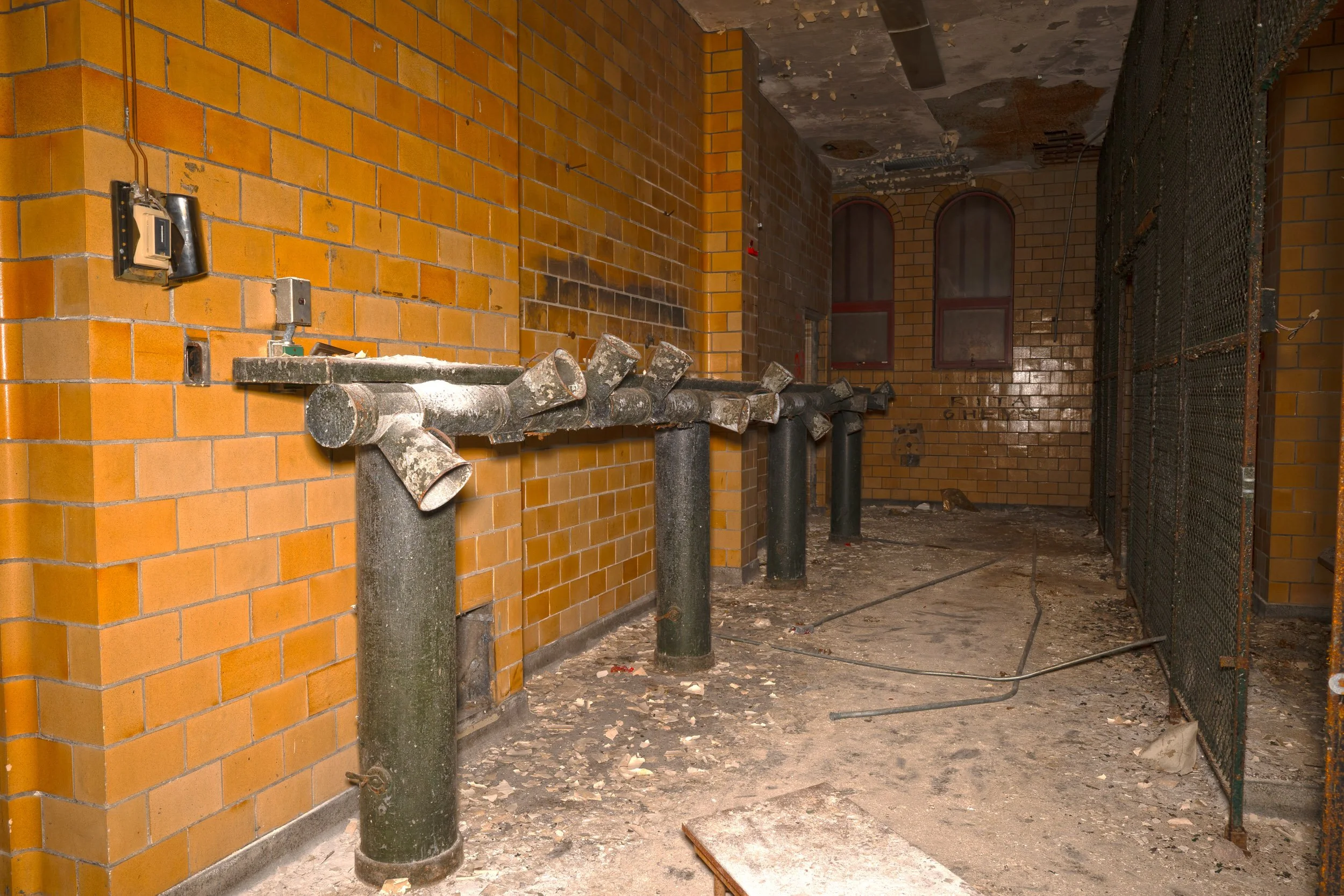
Air dryers in Locker room
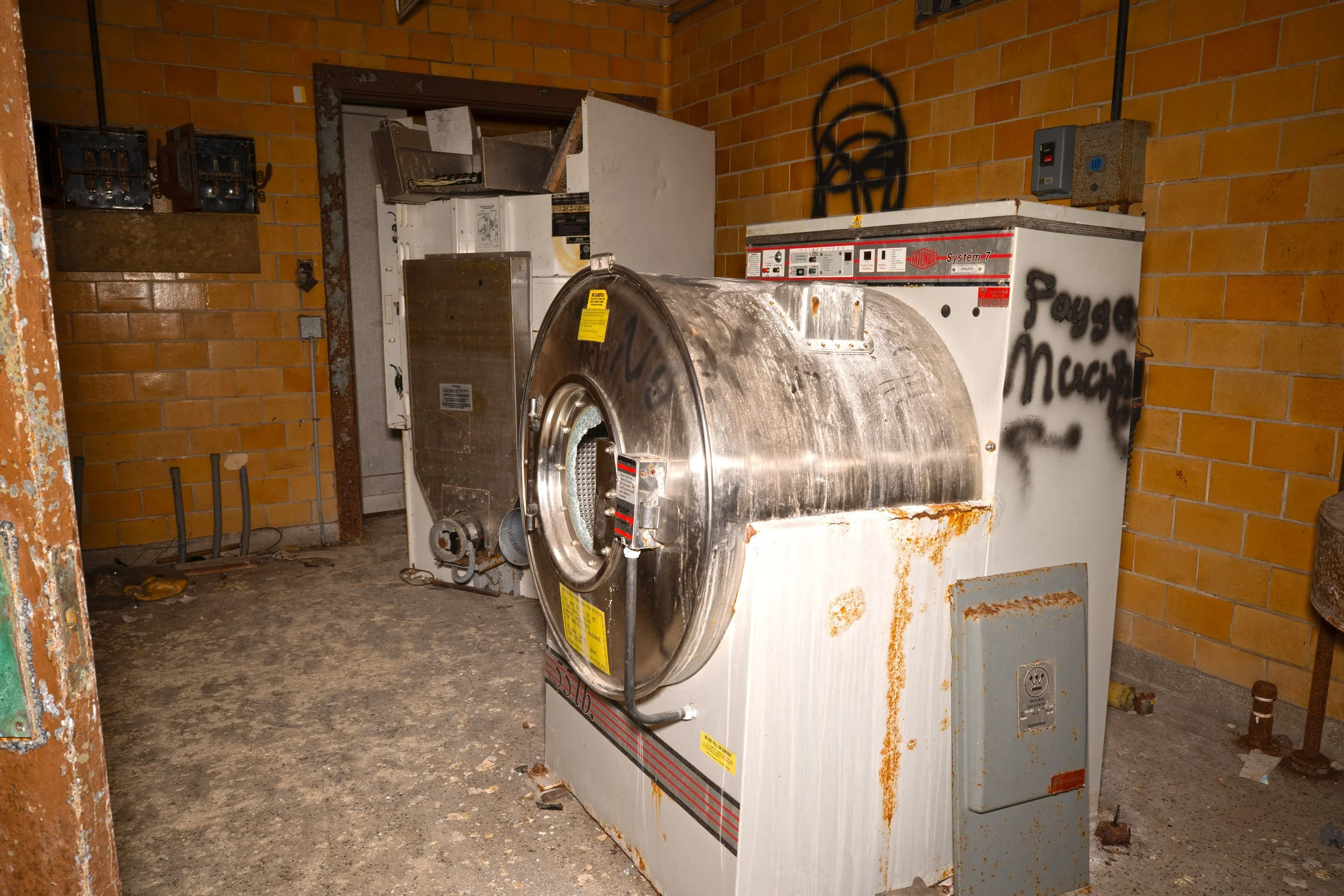
Machines in locker room storage space
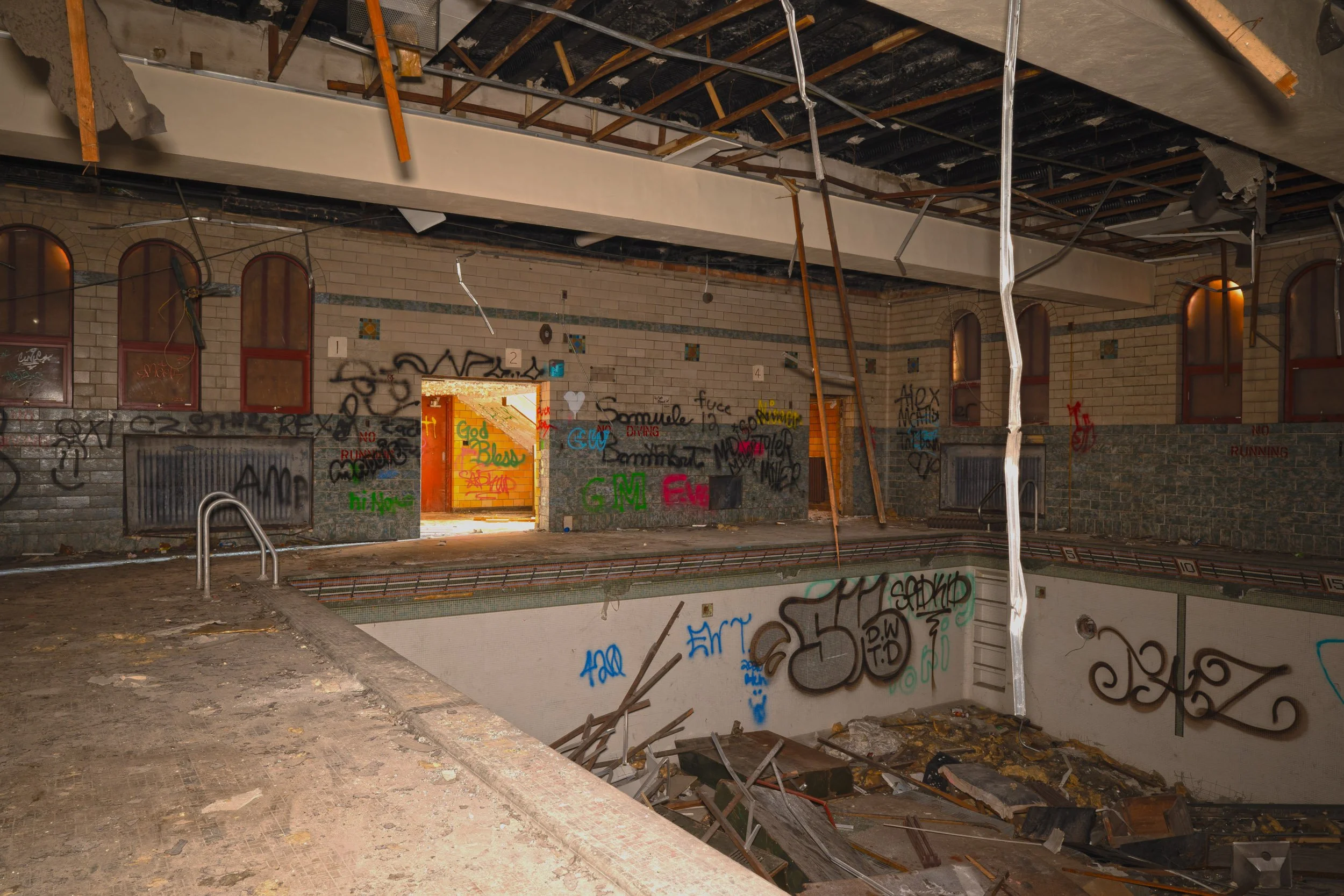
Pool area shot 1
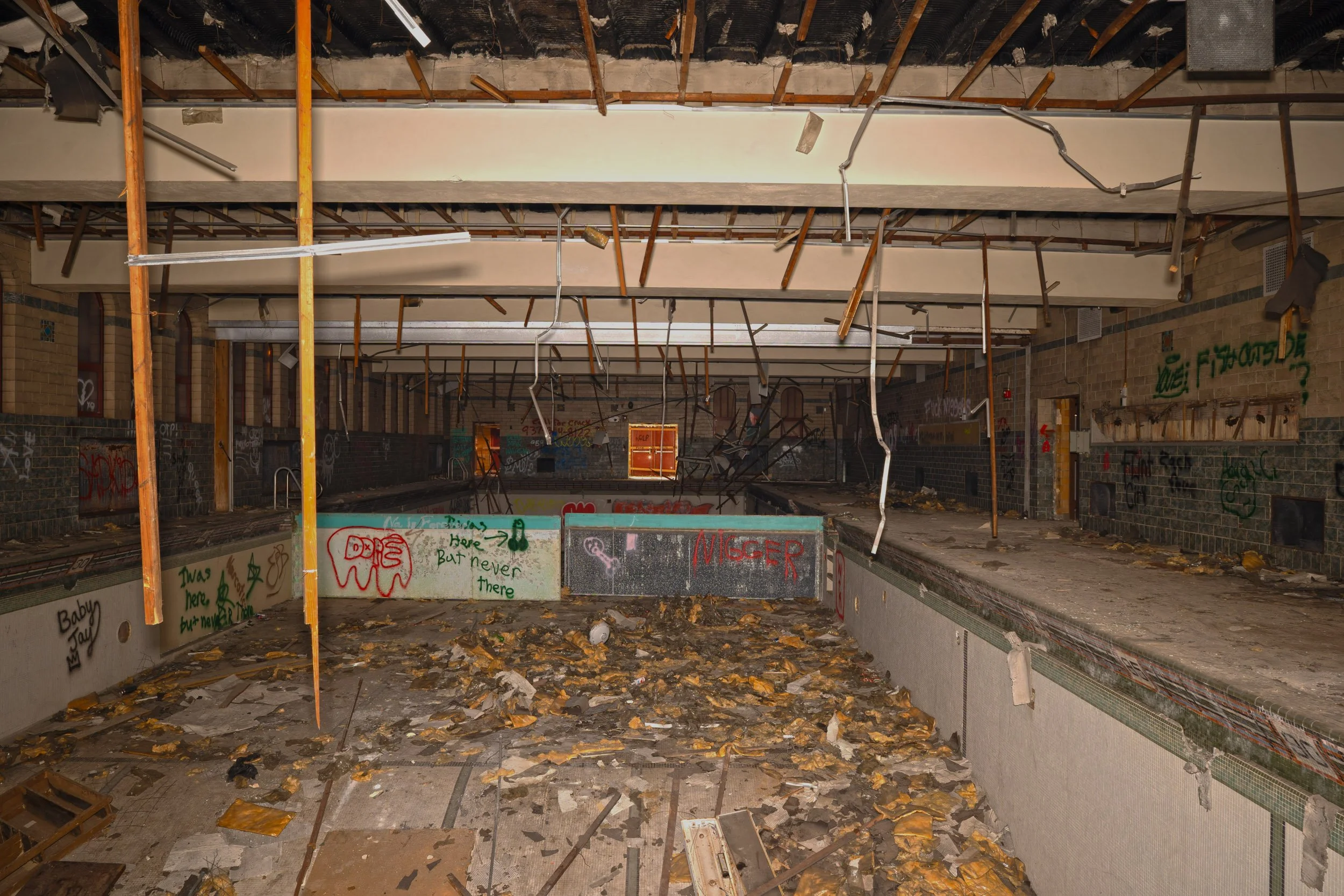
Pool area shot 2
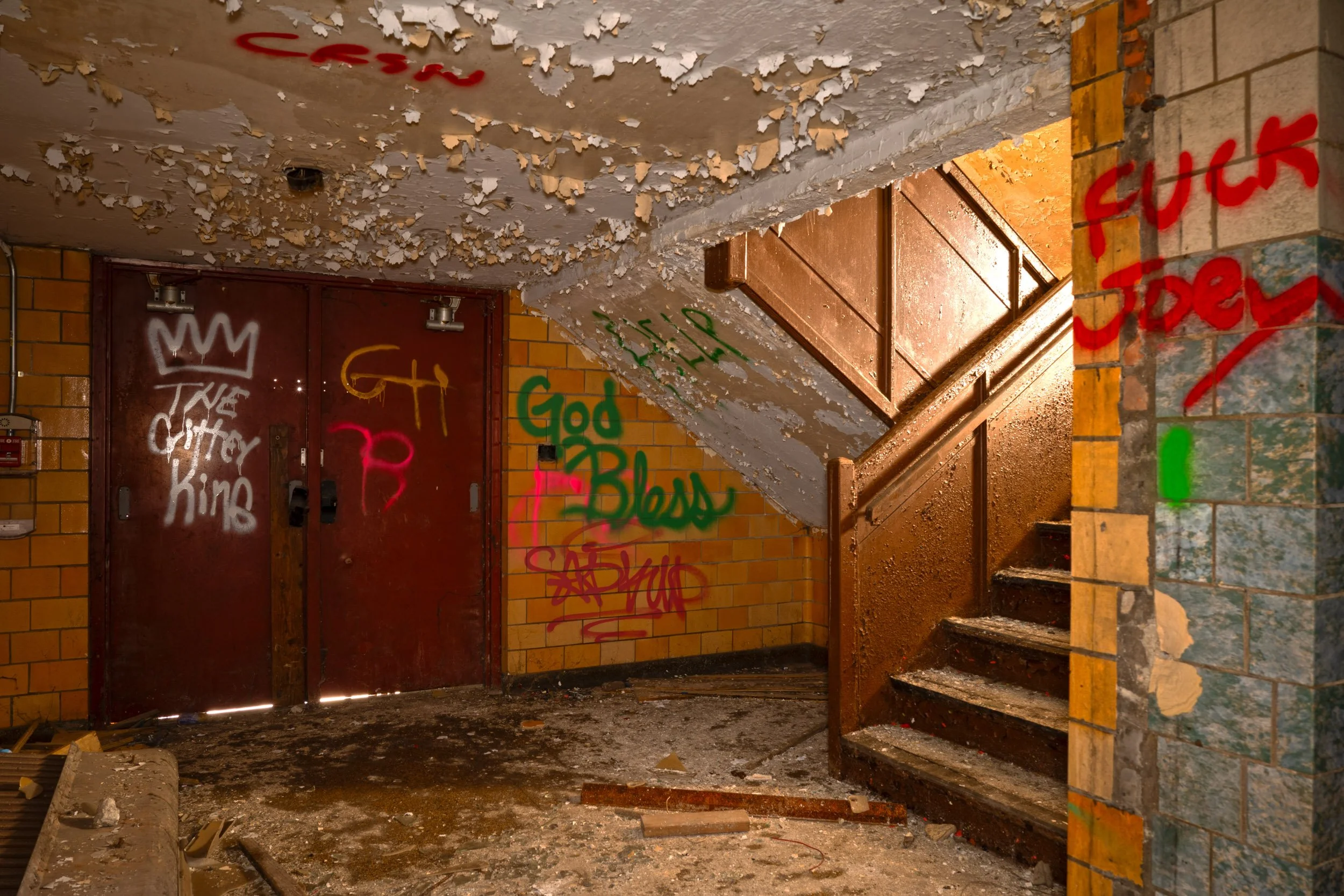
Staircase leading to Gymnasium from pool back section
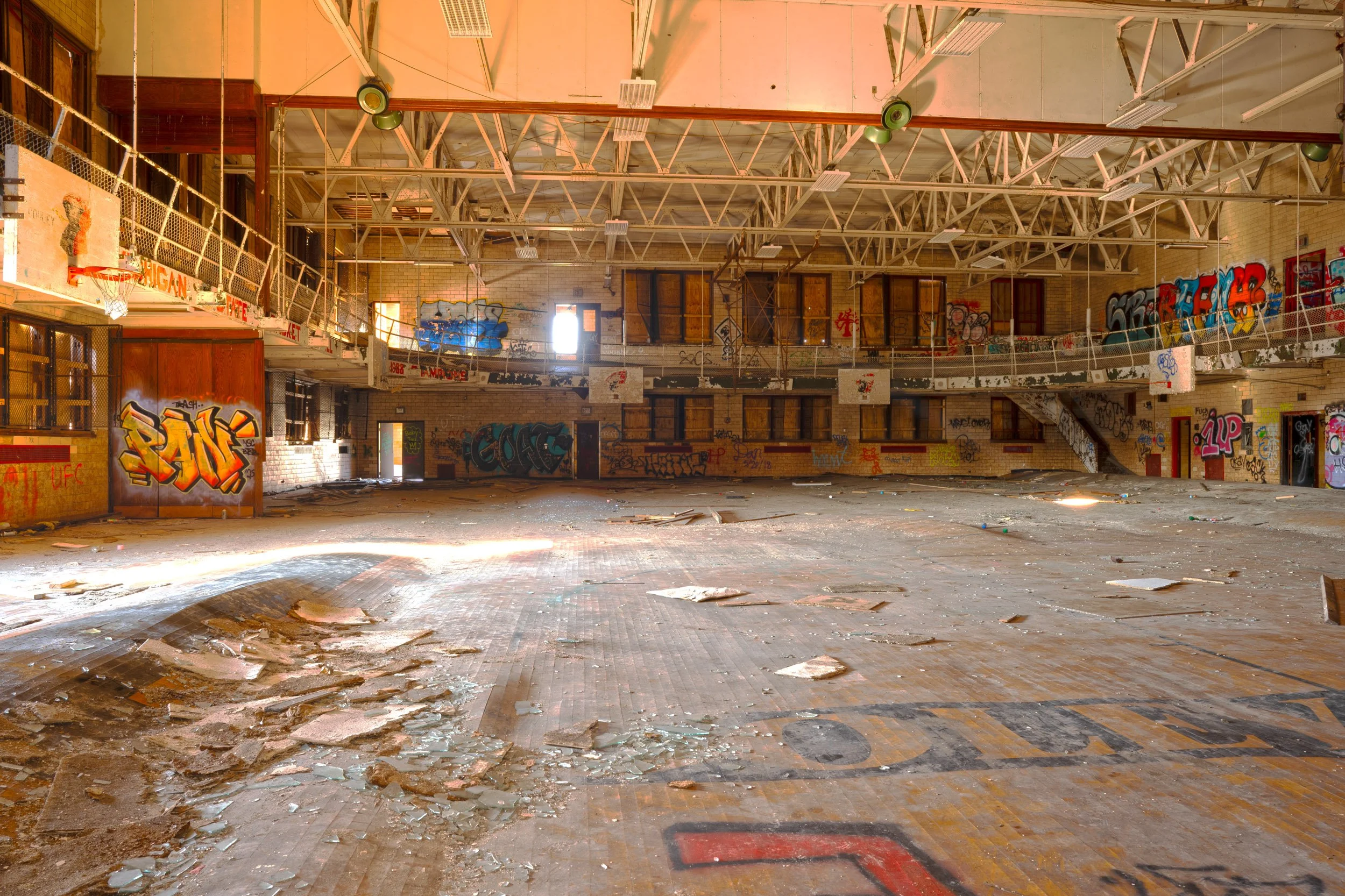
Gymnasium shot 1
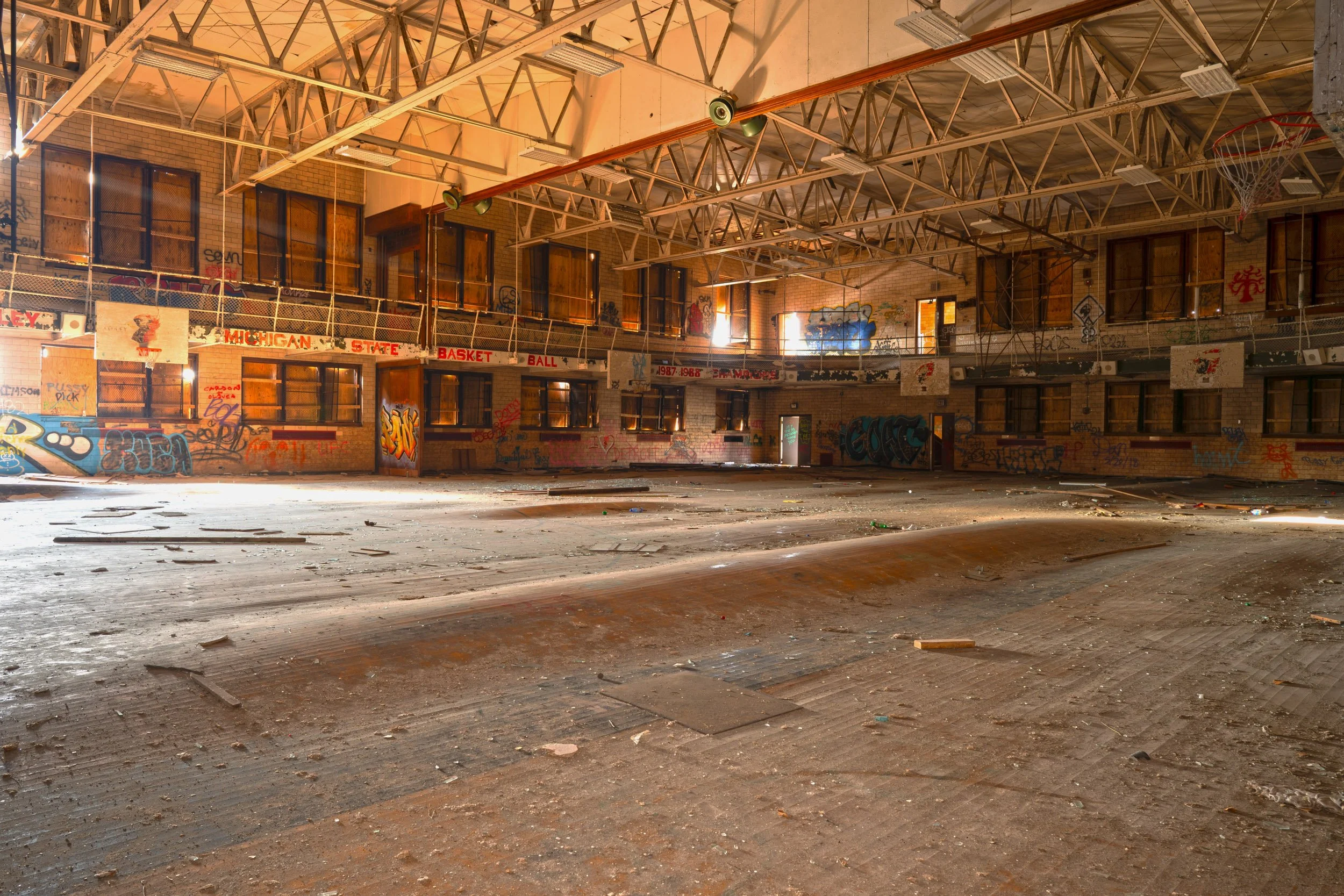
Gymnasium shot 2
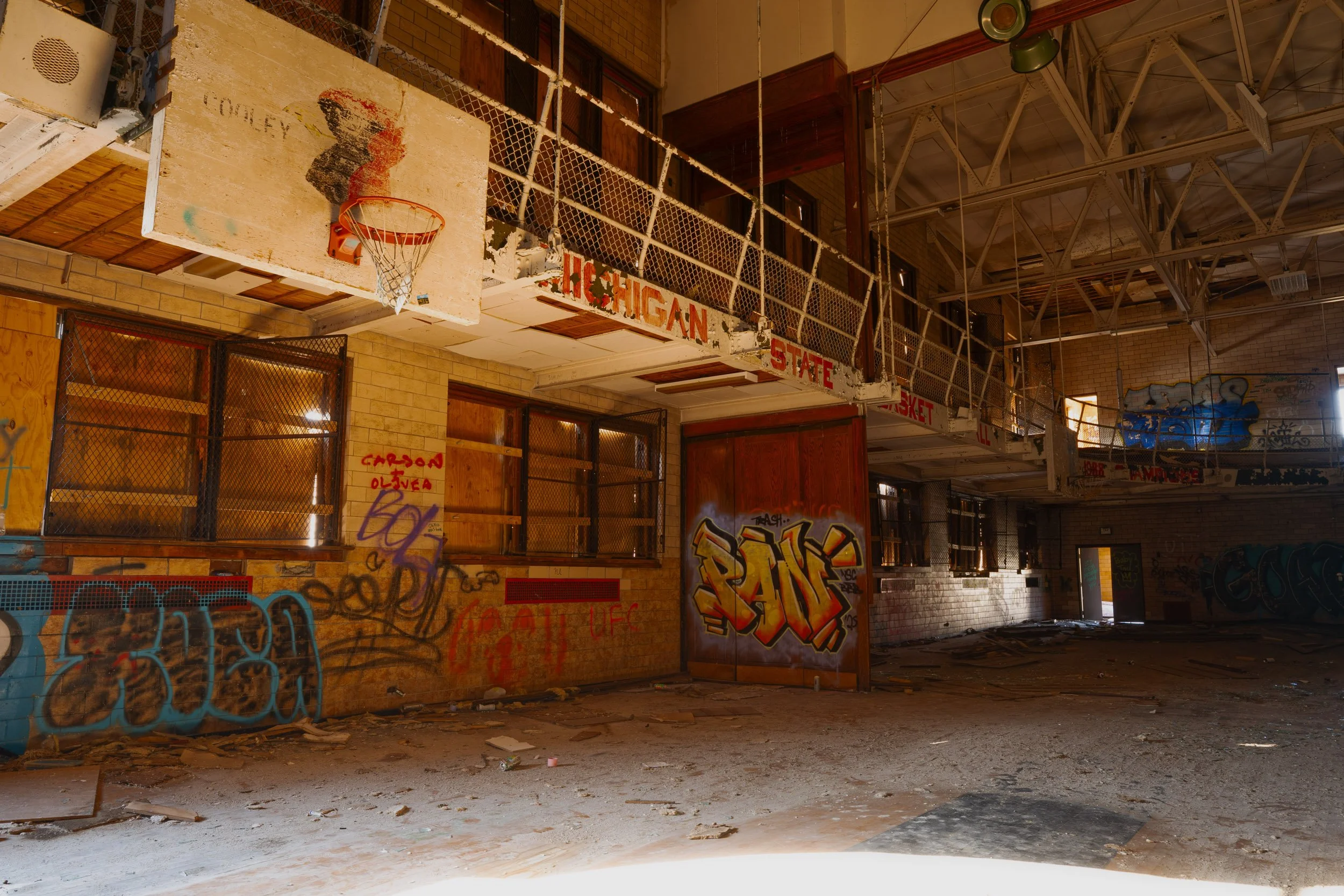
Gymnasium shot 3
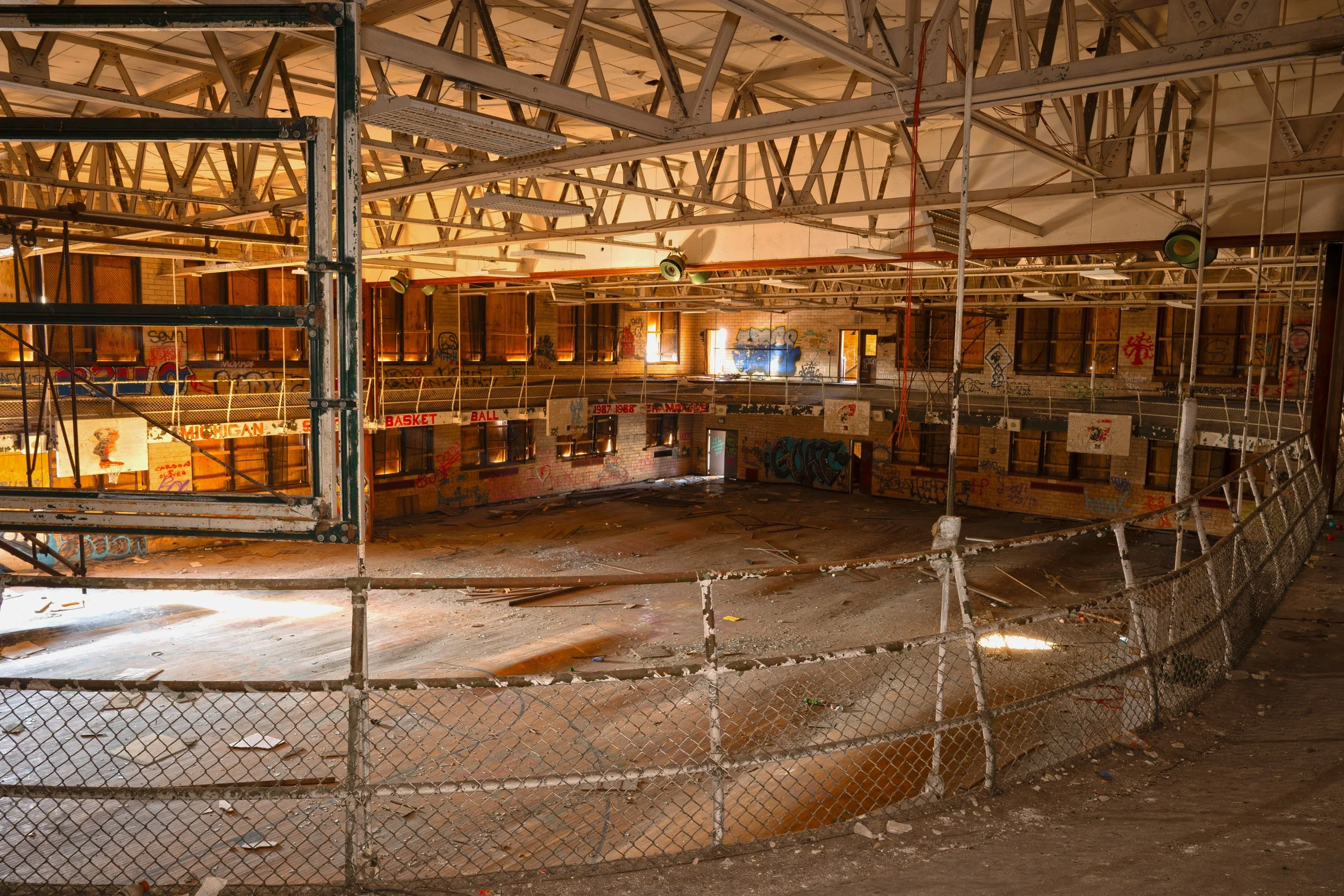
Gymnasium shot 4 (As seen from the indoor track above)
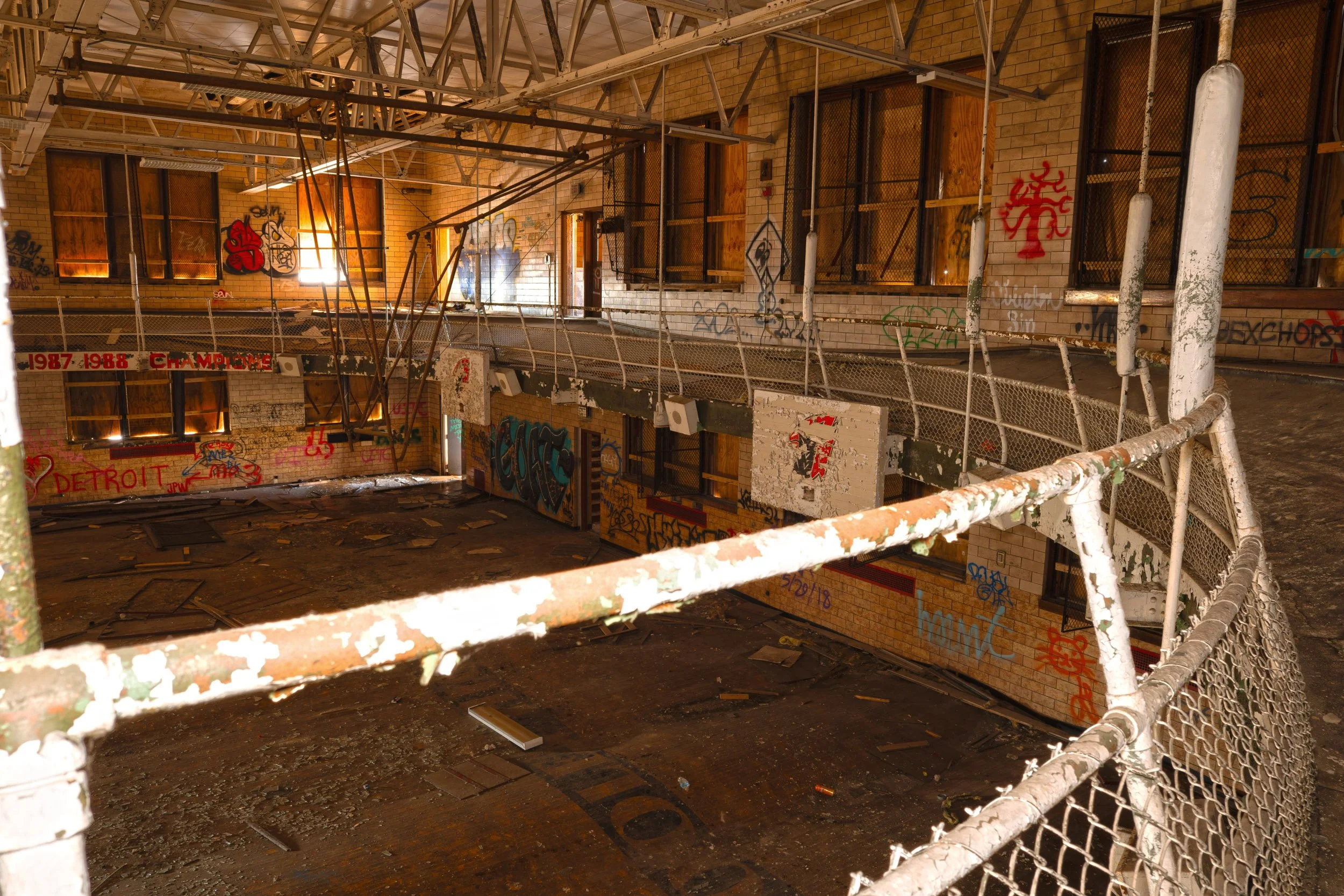
Gymnasium shot 5
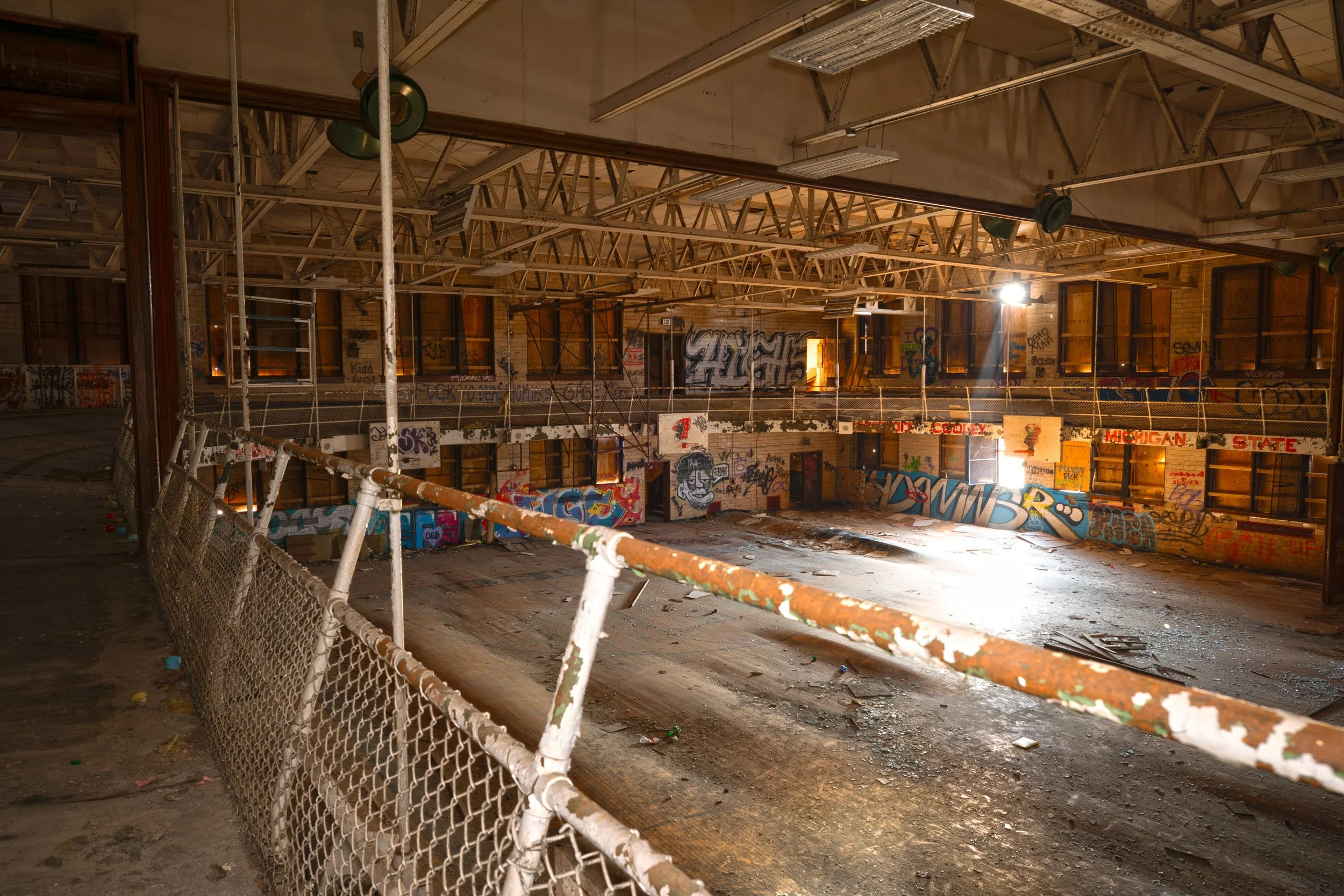
Gymnasium shot 6
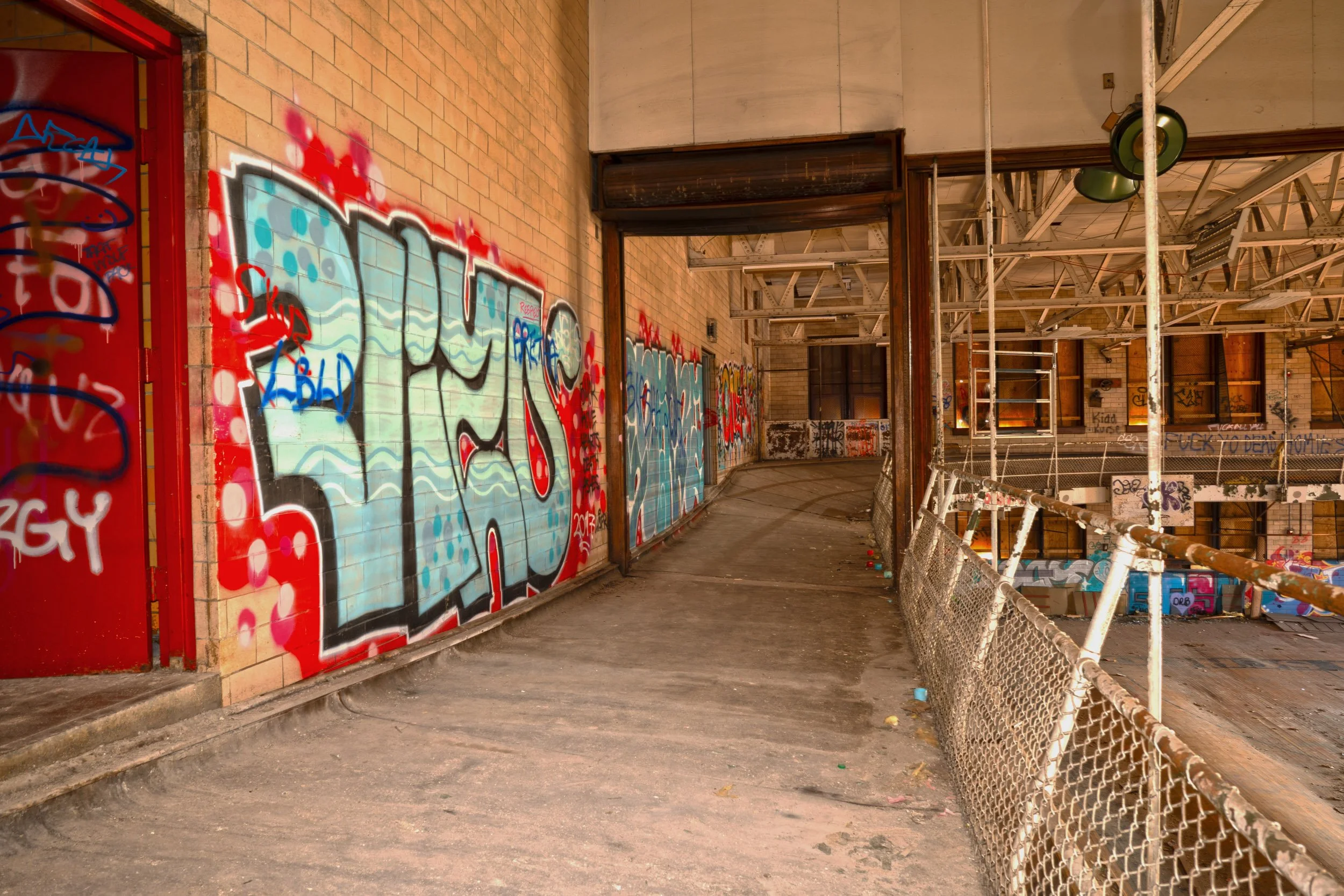
Gymnasium shot 7 (Indoor track)
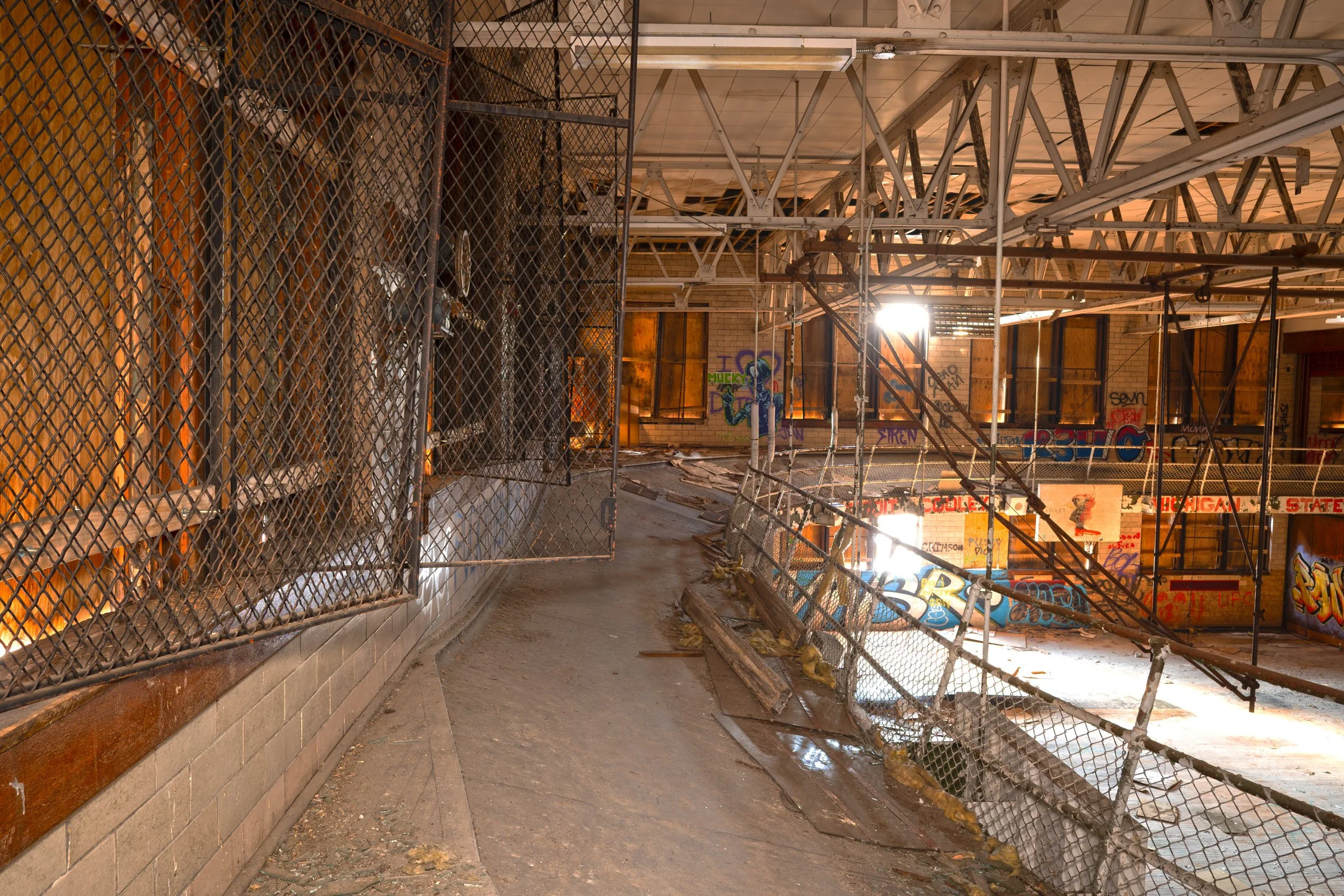
Gymnasium shot 8
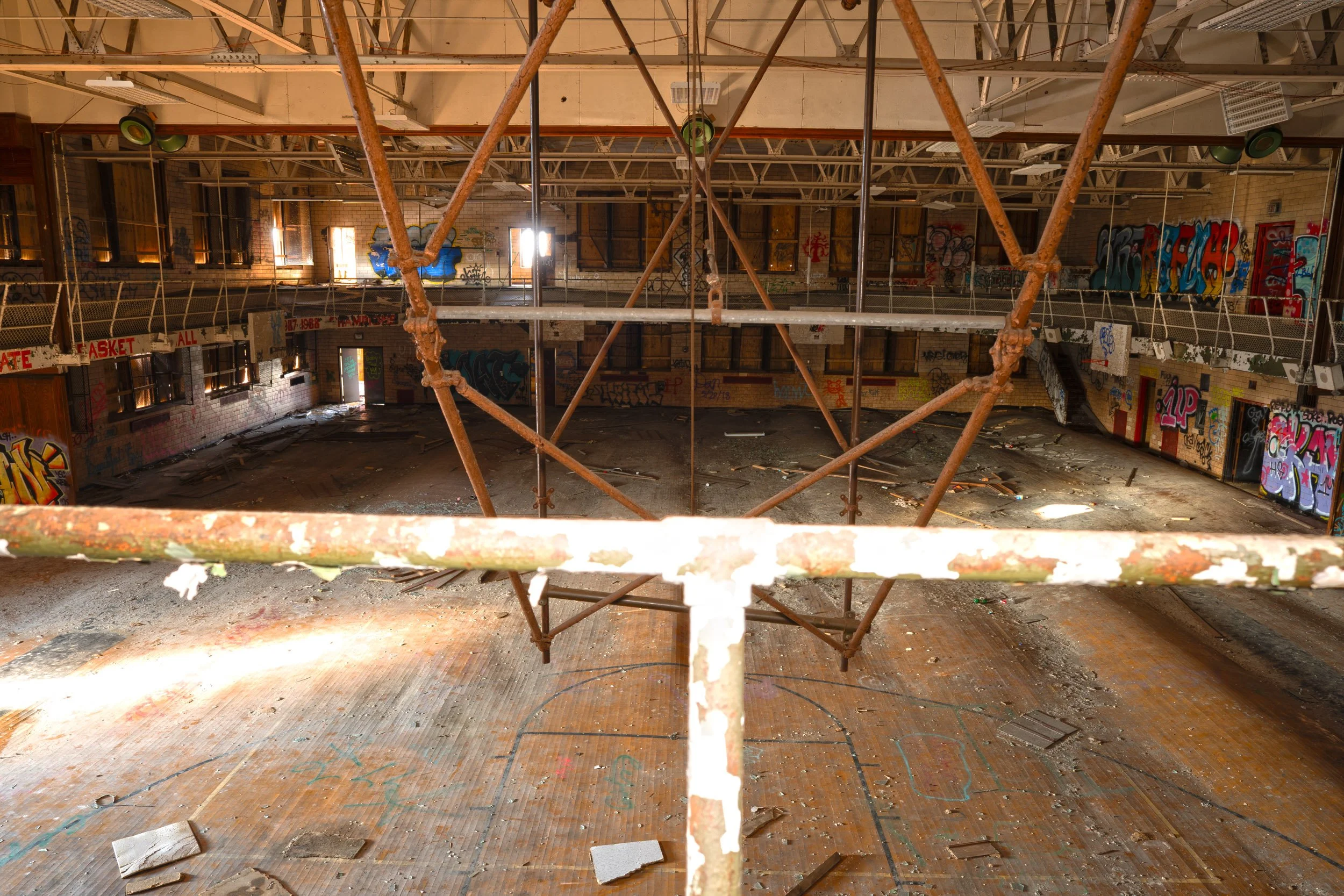
Gymnasium shot 9
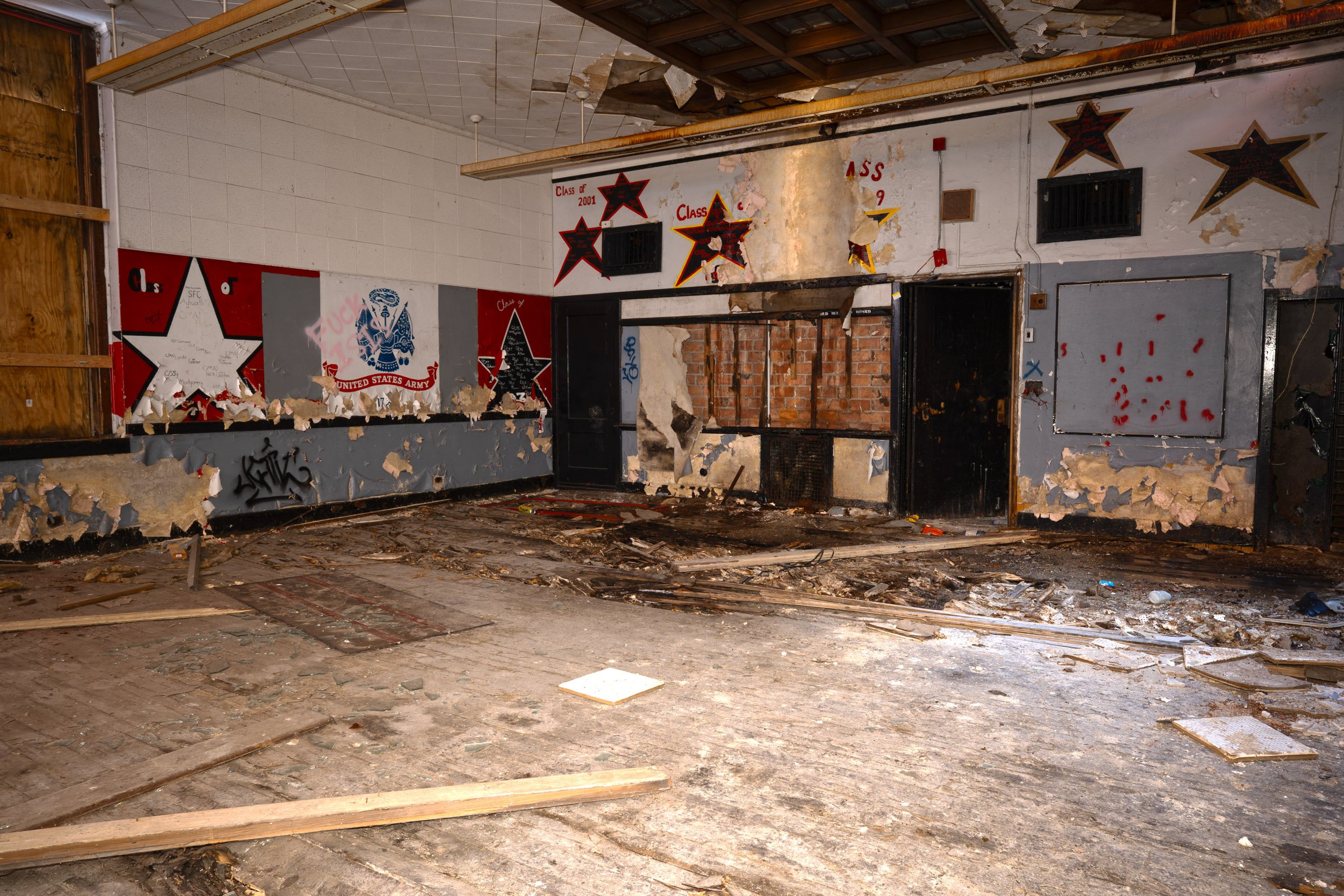
JROTC Room located next to indoor track space above is the JROTC Shooting range
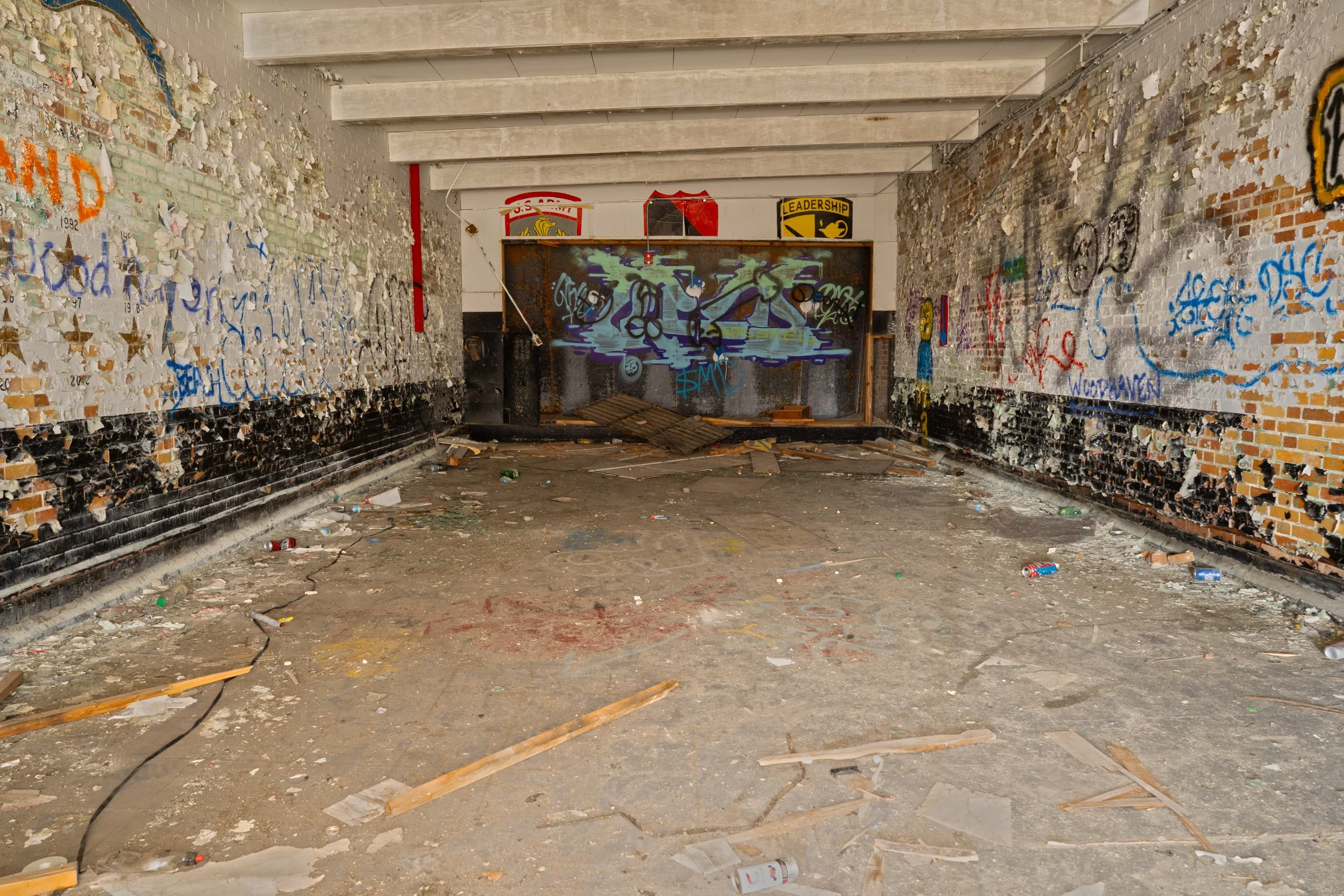
JROTC Shooting range
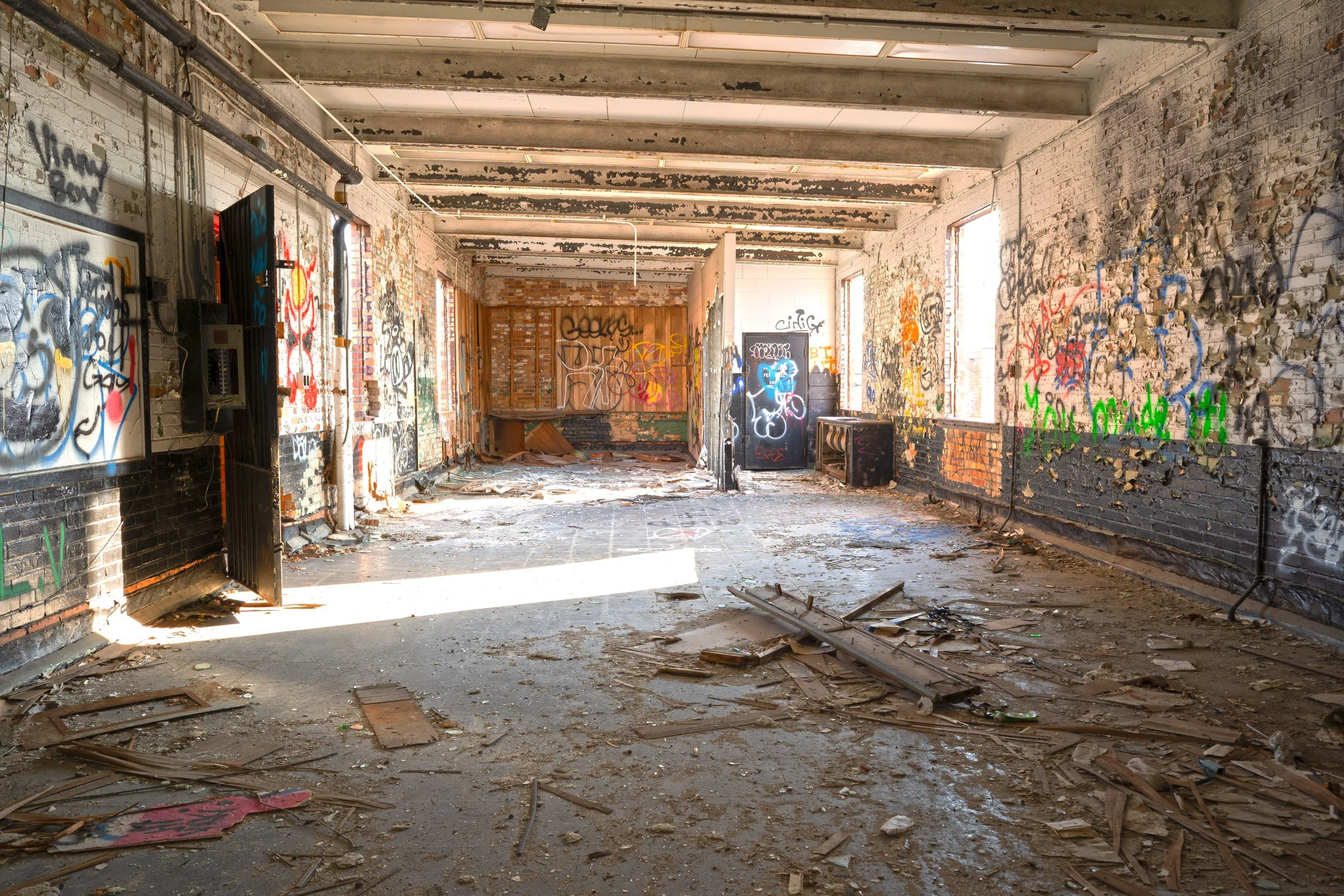
Other half of JROTC Shooting range
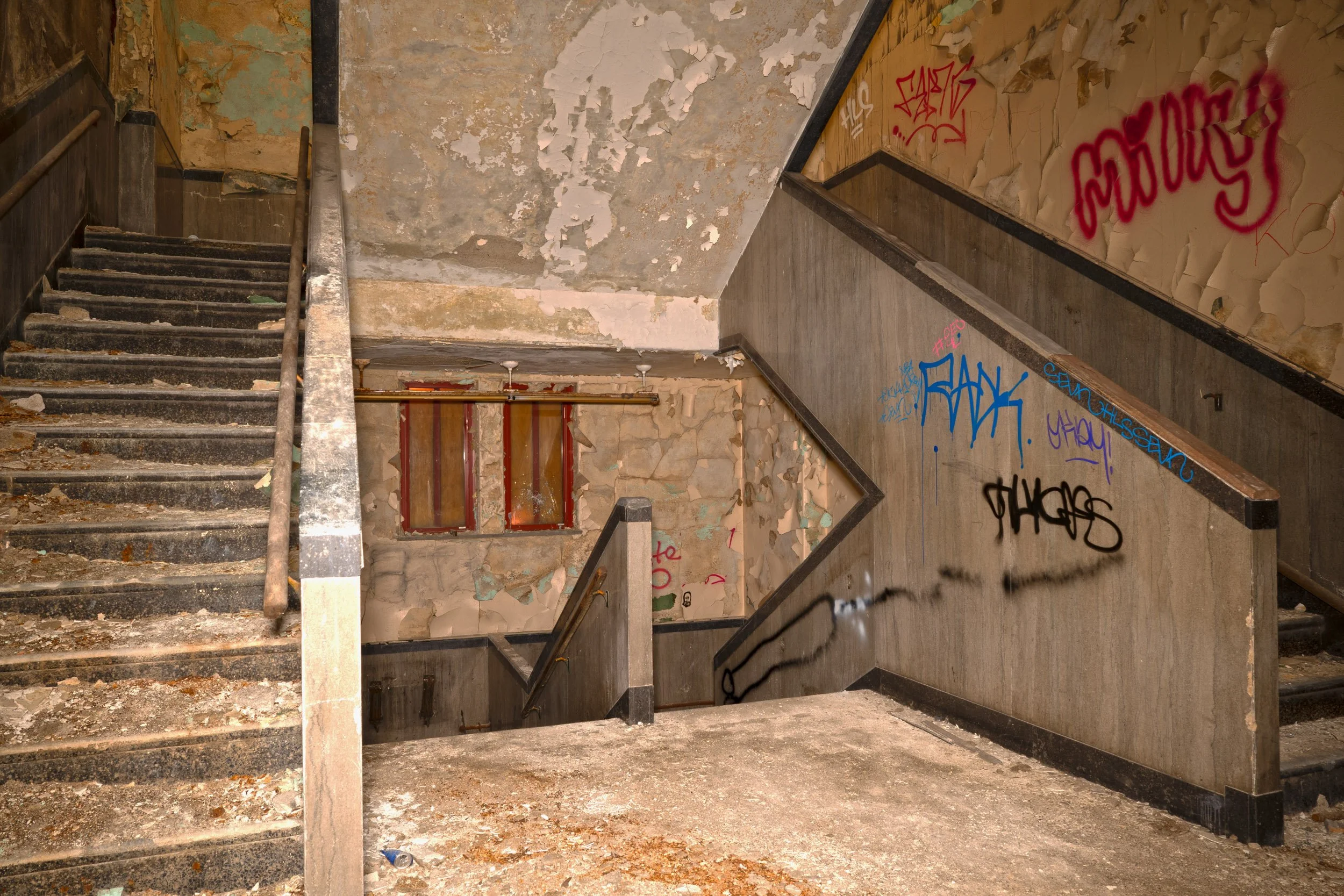
Staircase as seen from 2nd floor
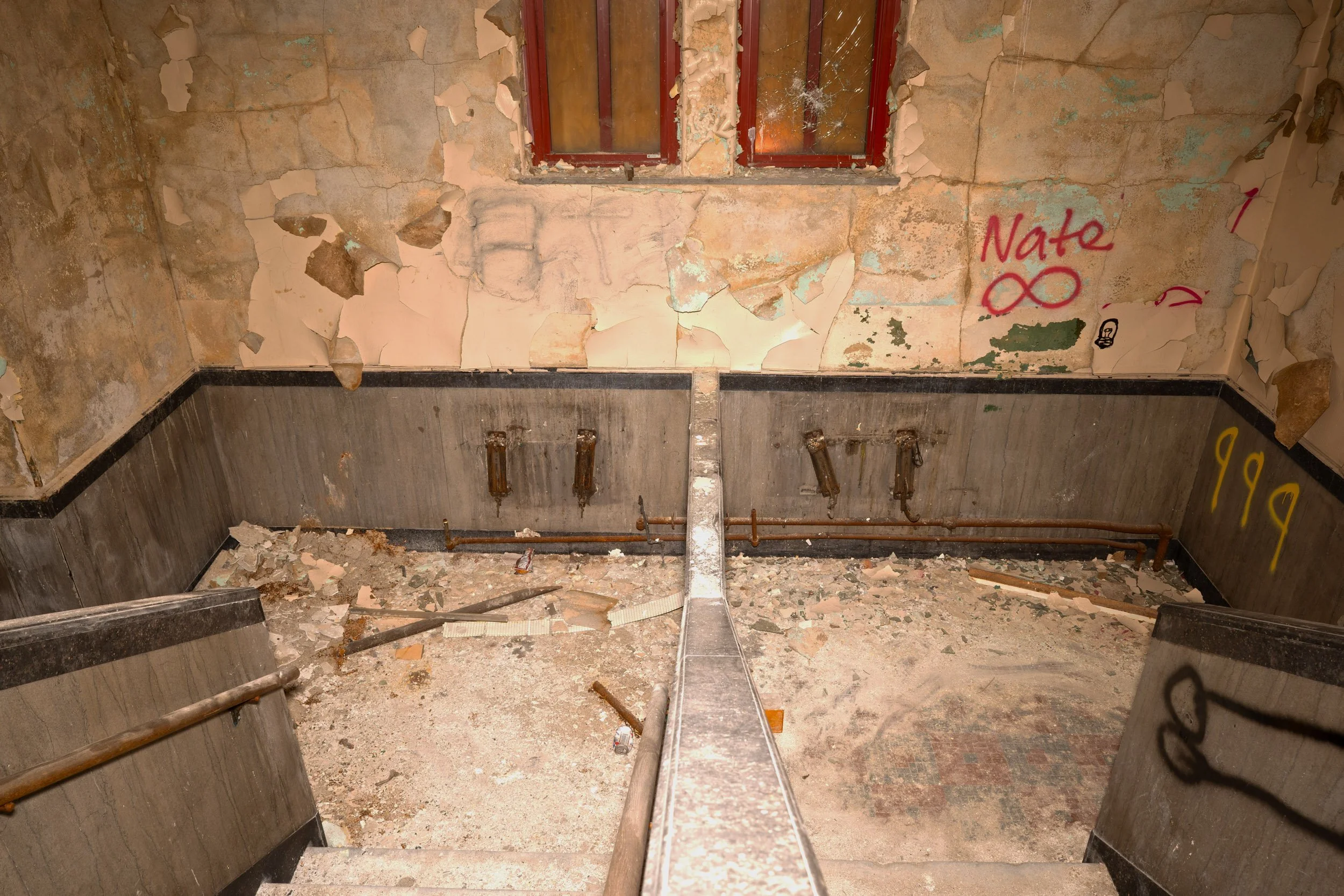
that same staircase
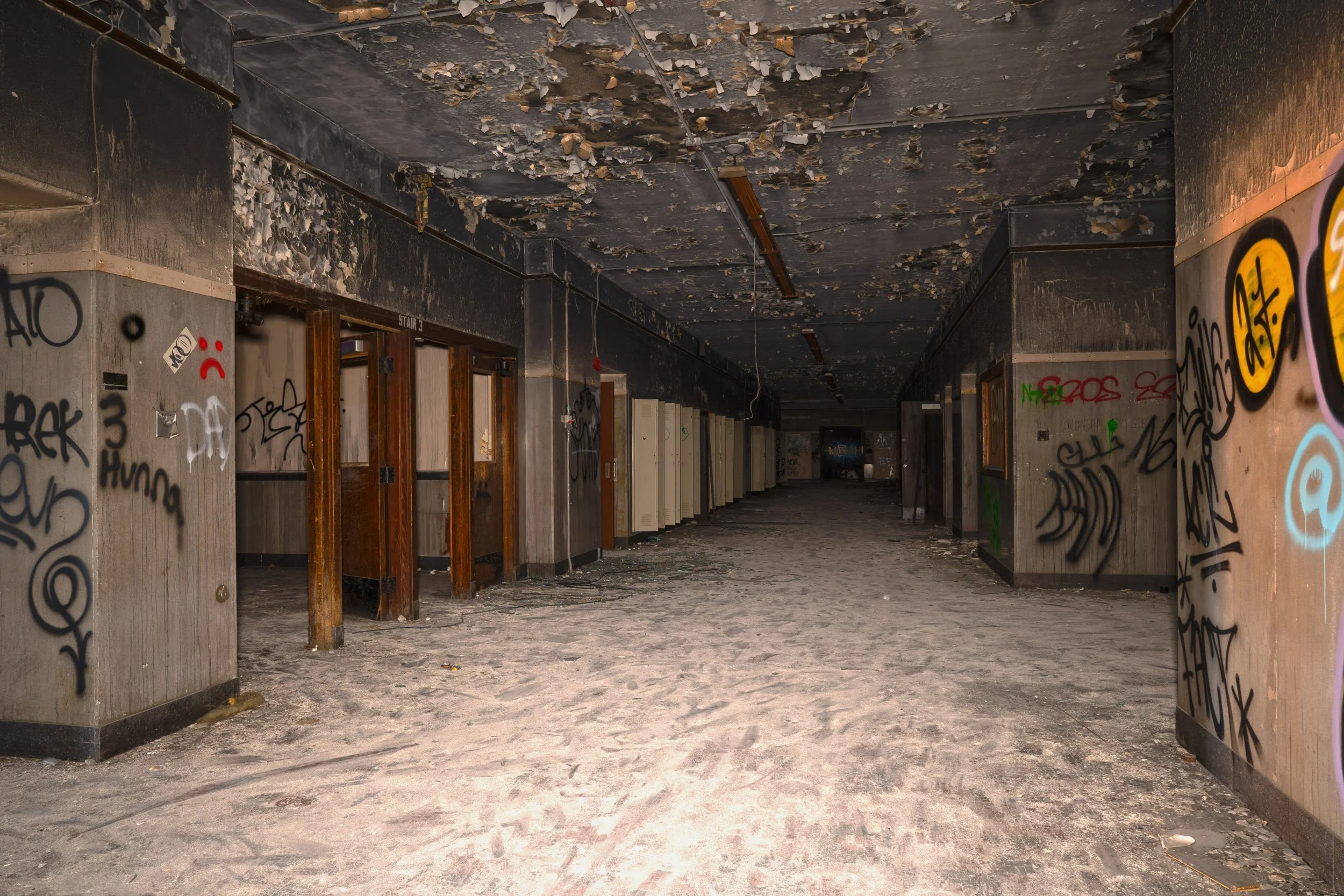
2nd floor hallway (Note the fire damage from the auditorium fire)
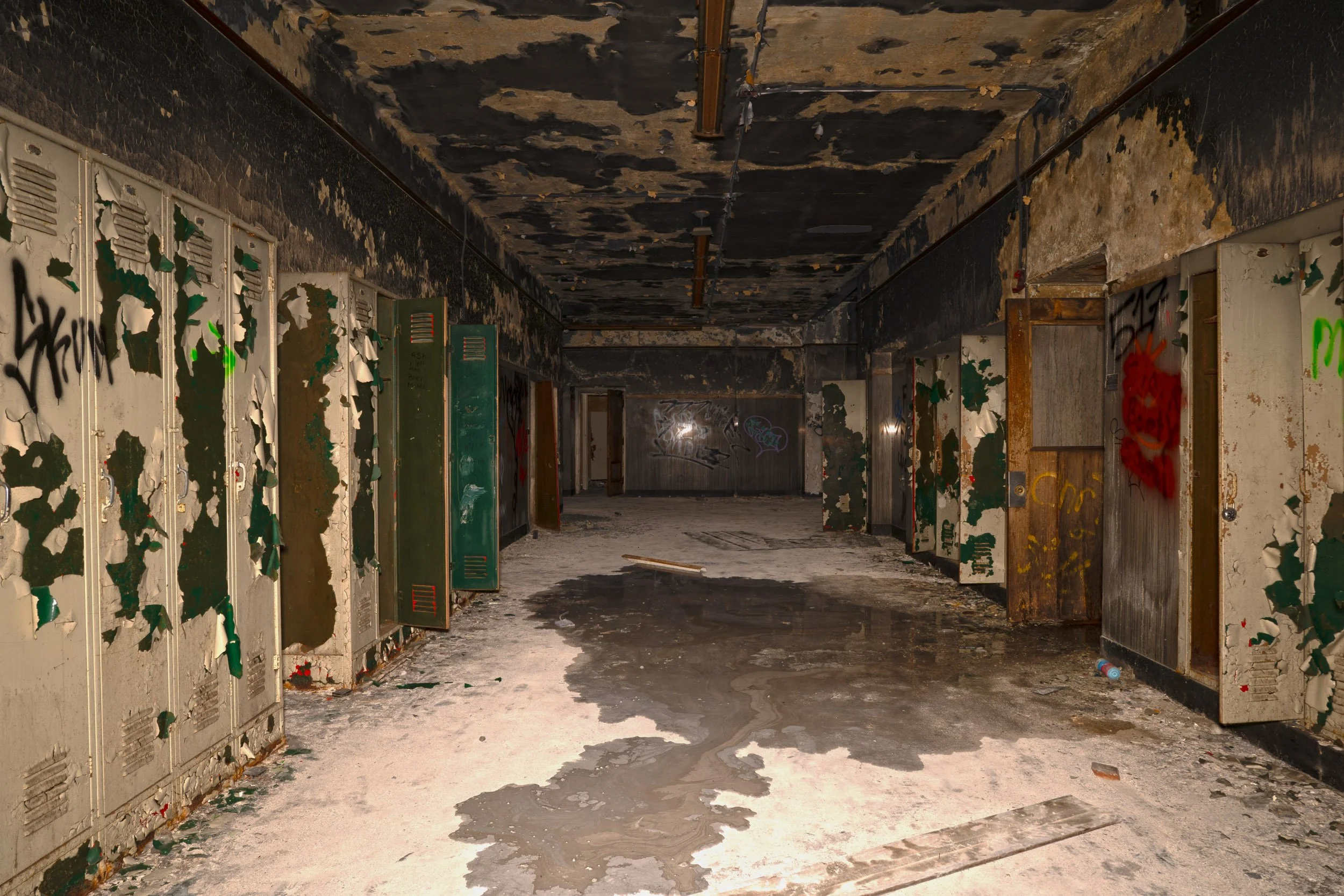
2nd floor hallway shot 2
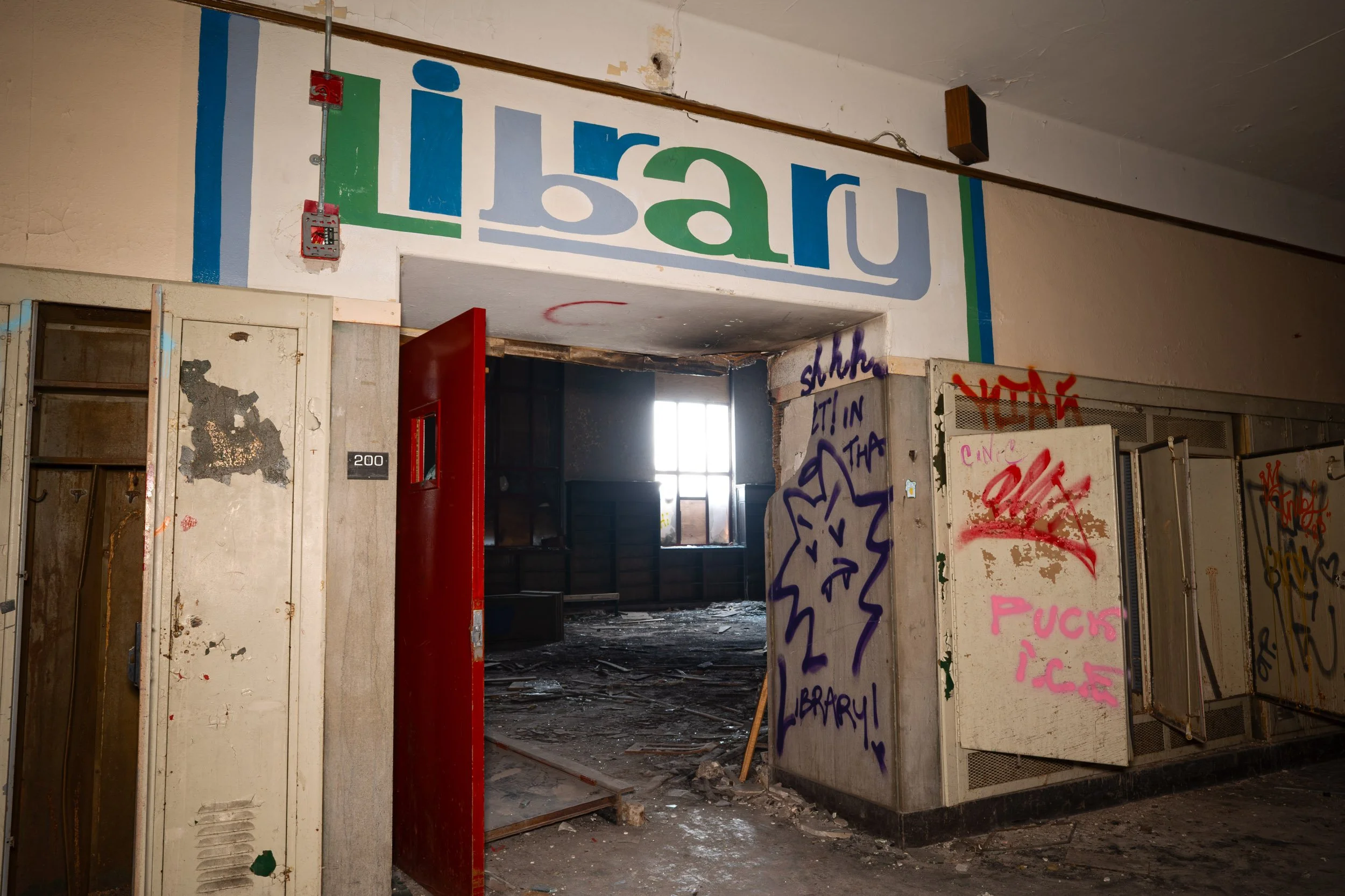
Library entrance on the 2nd floor
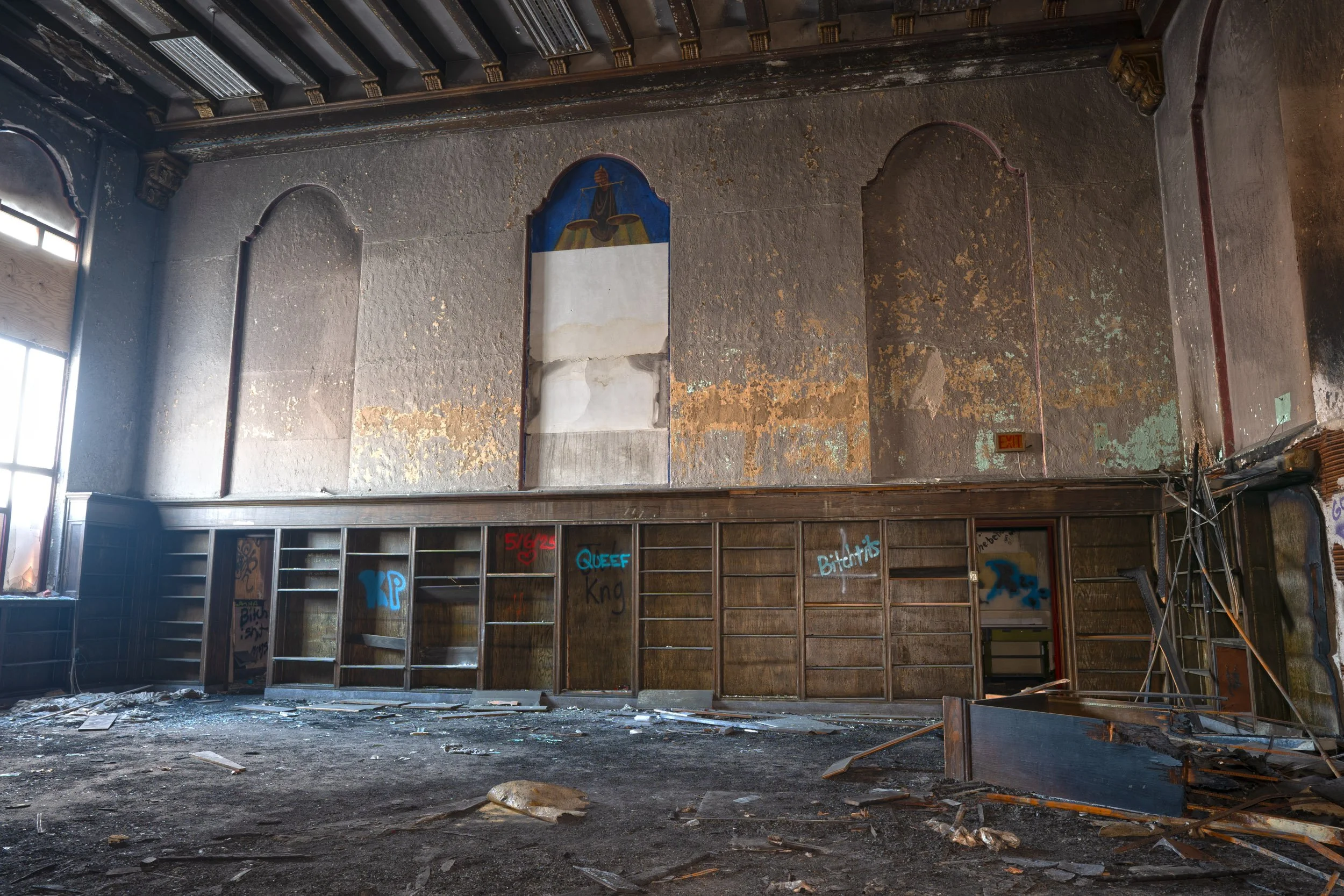
Library shot 1
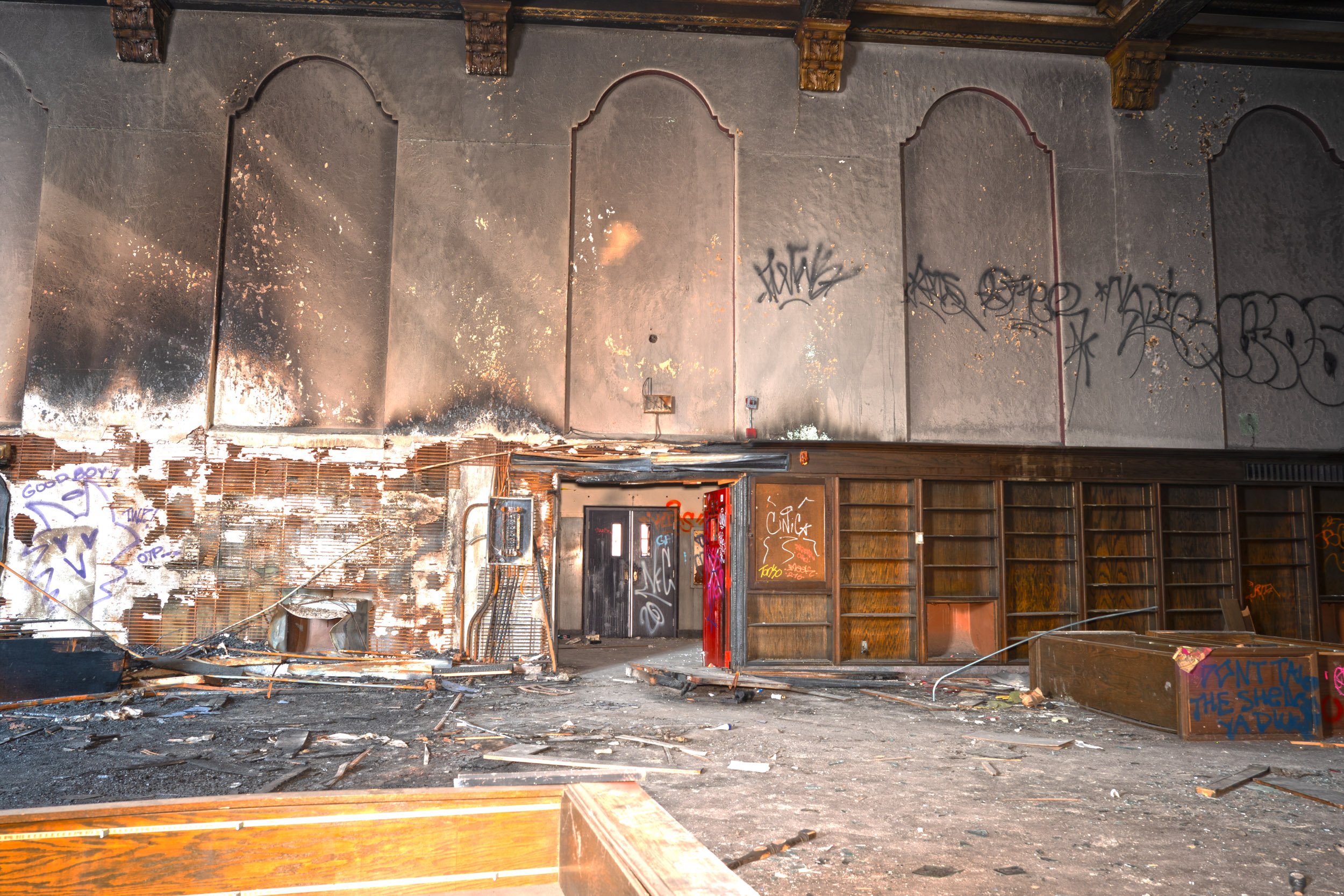
Library shot 2
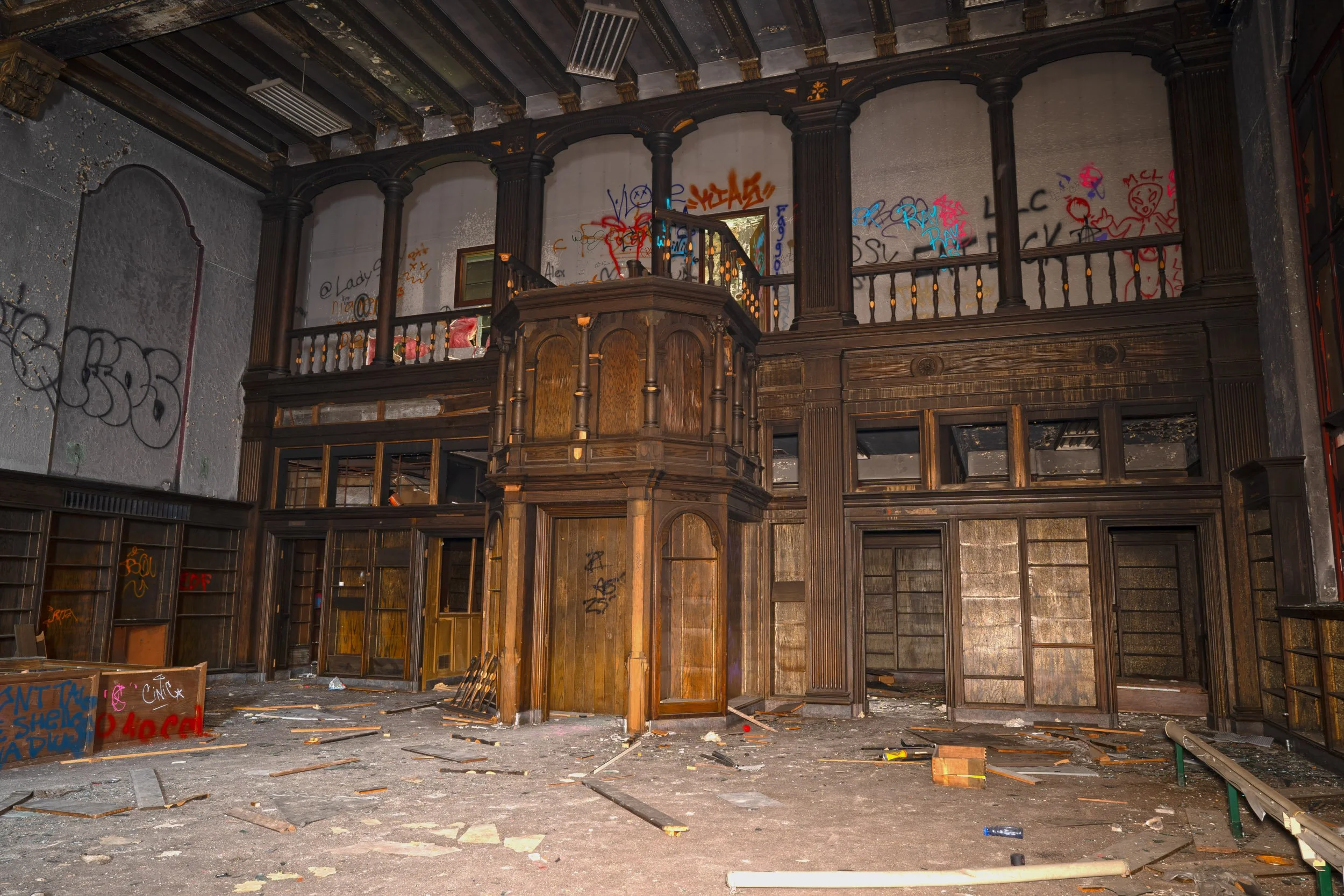
Library shot 3
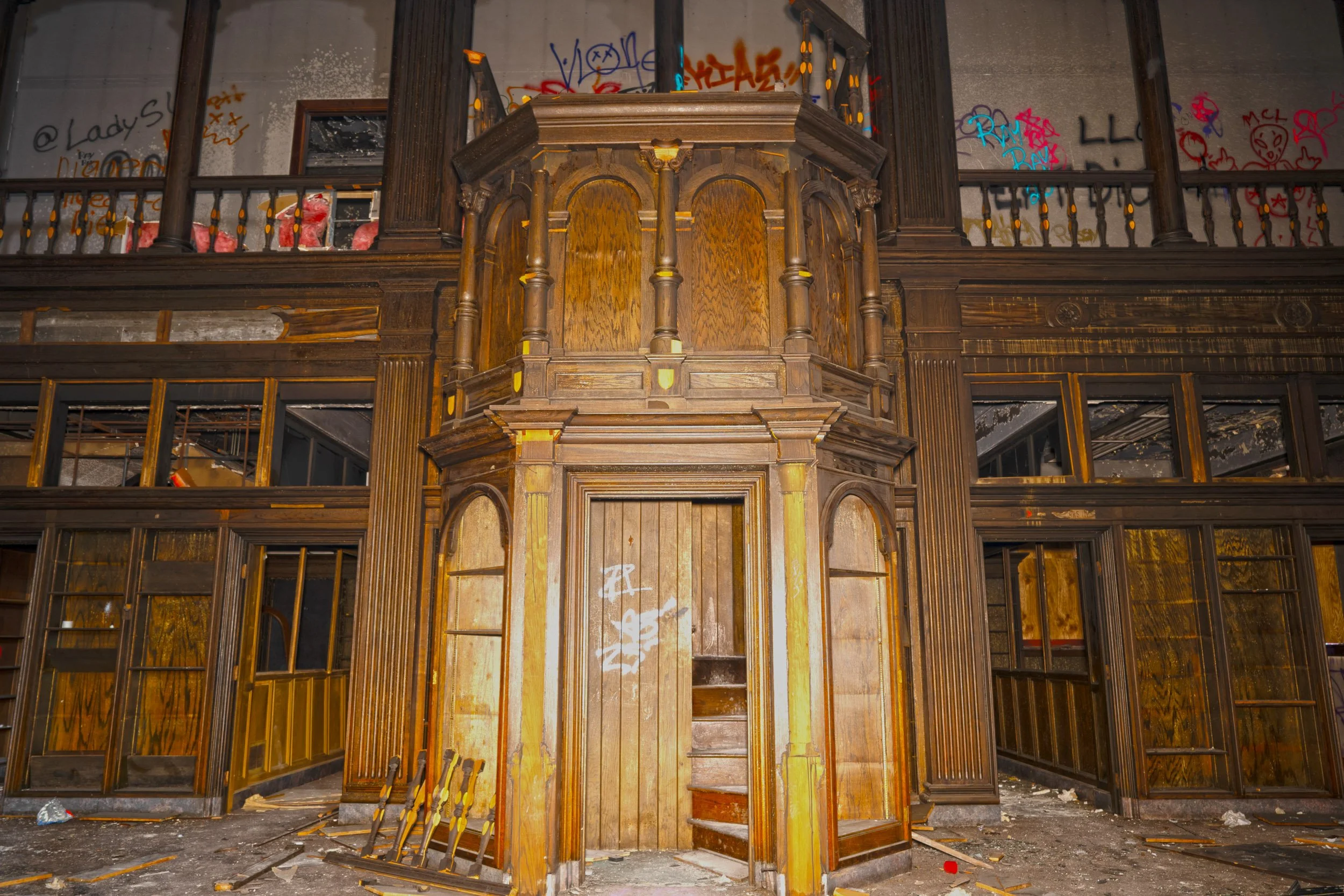
Library shot 4
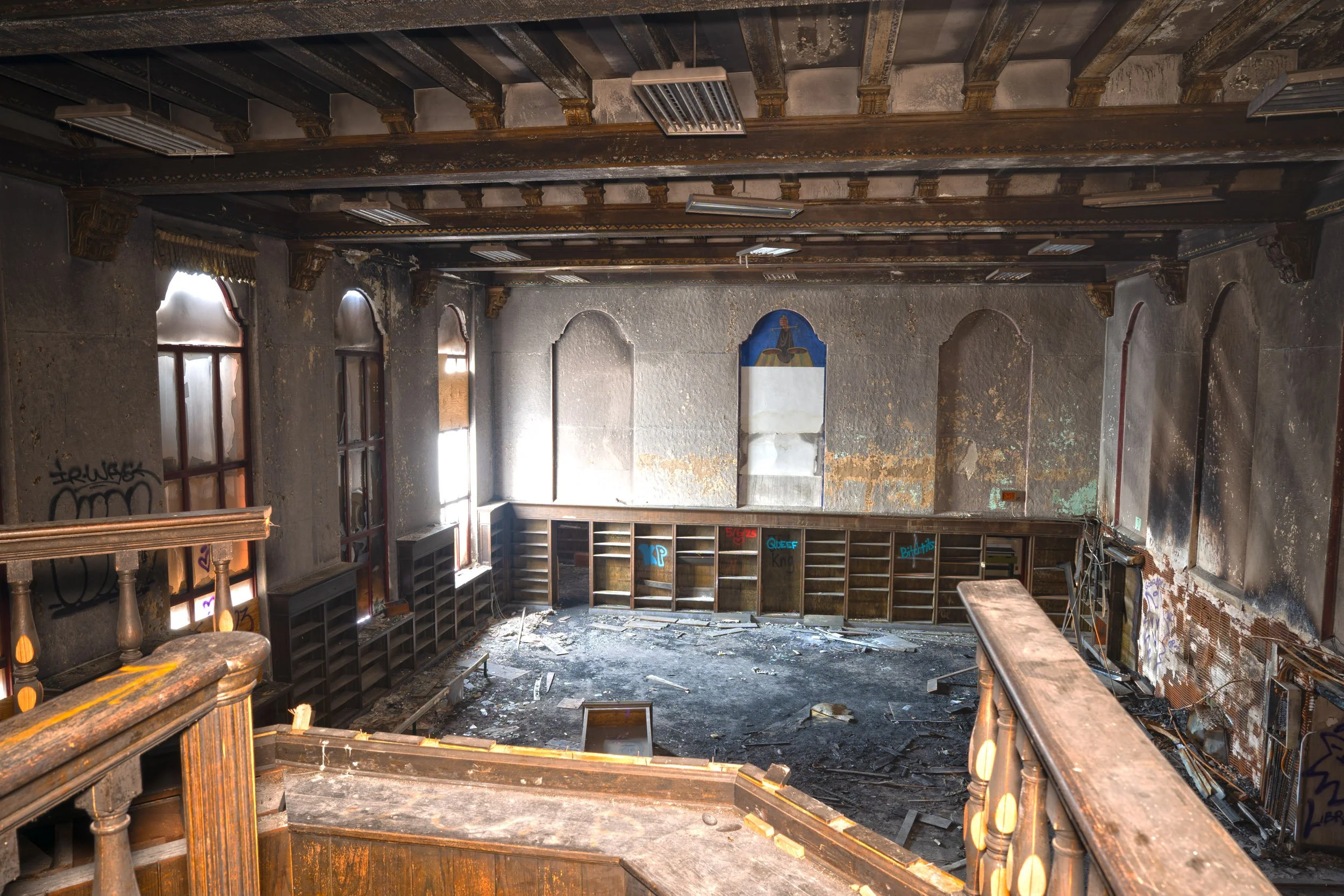
Library shot 5 (On top of the mezzanine section)
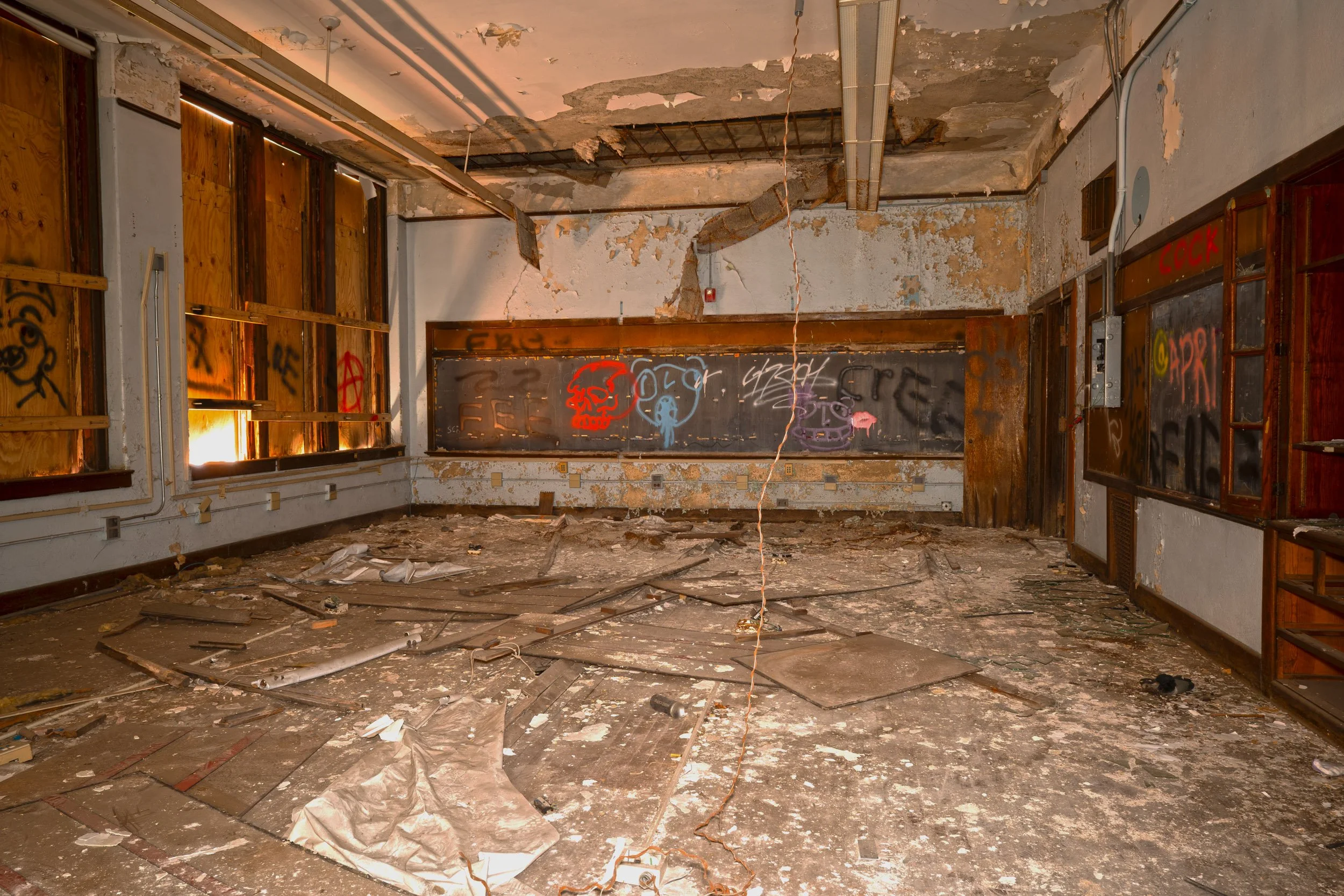
2nd floor classroom
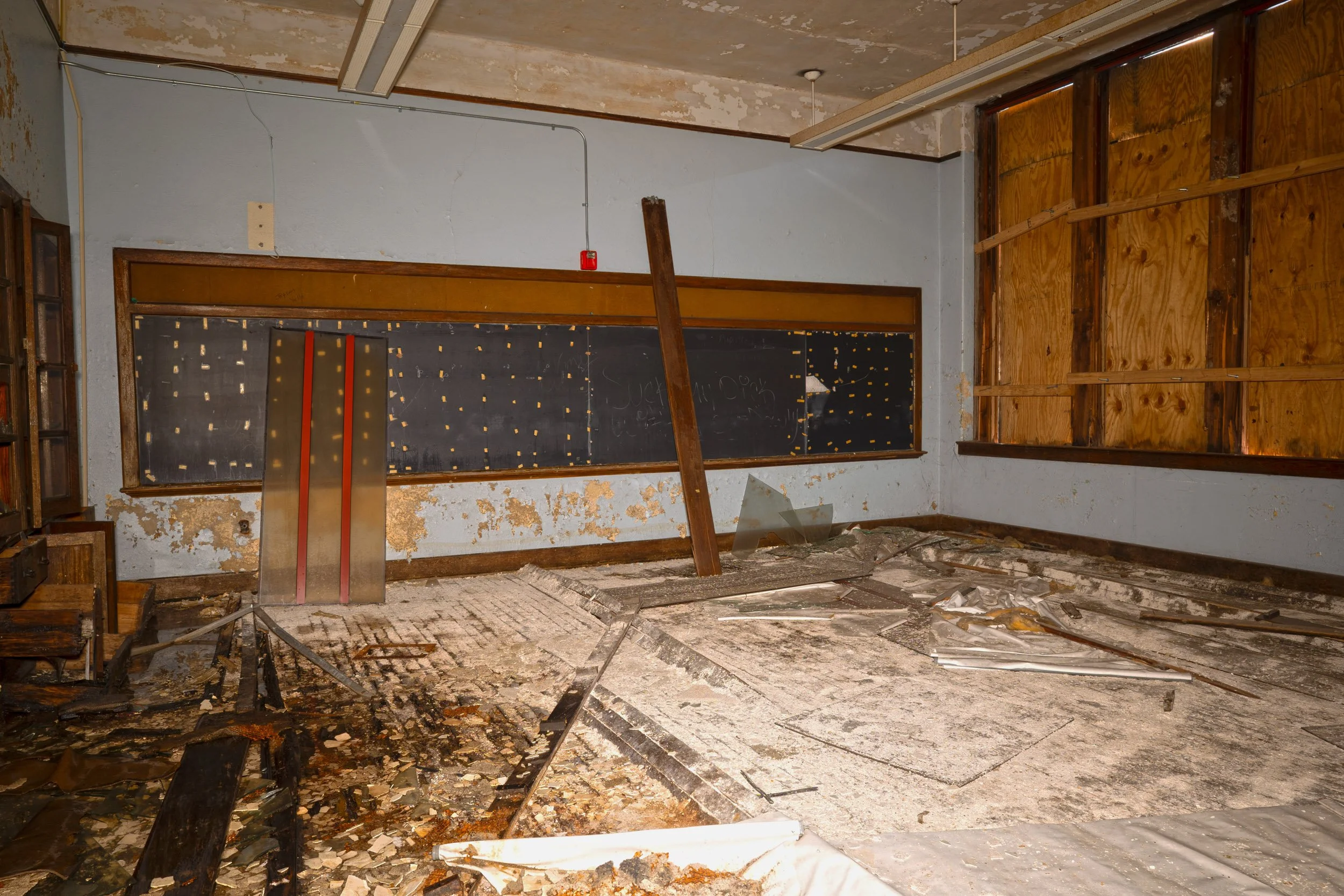
2nd floor classroom
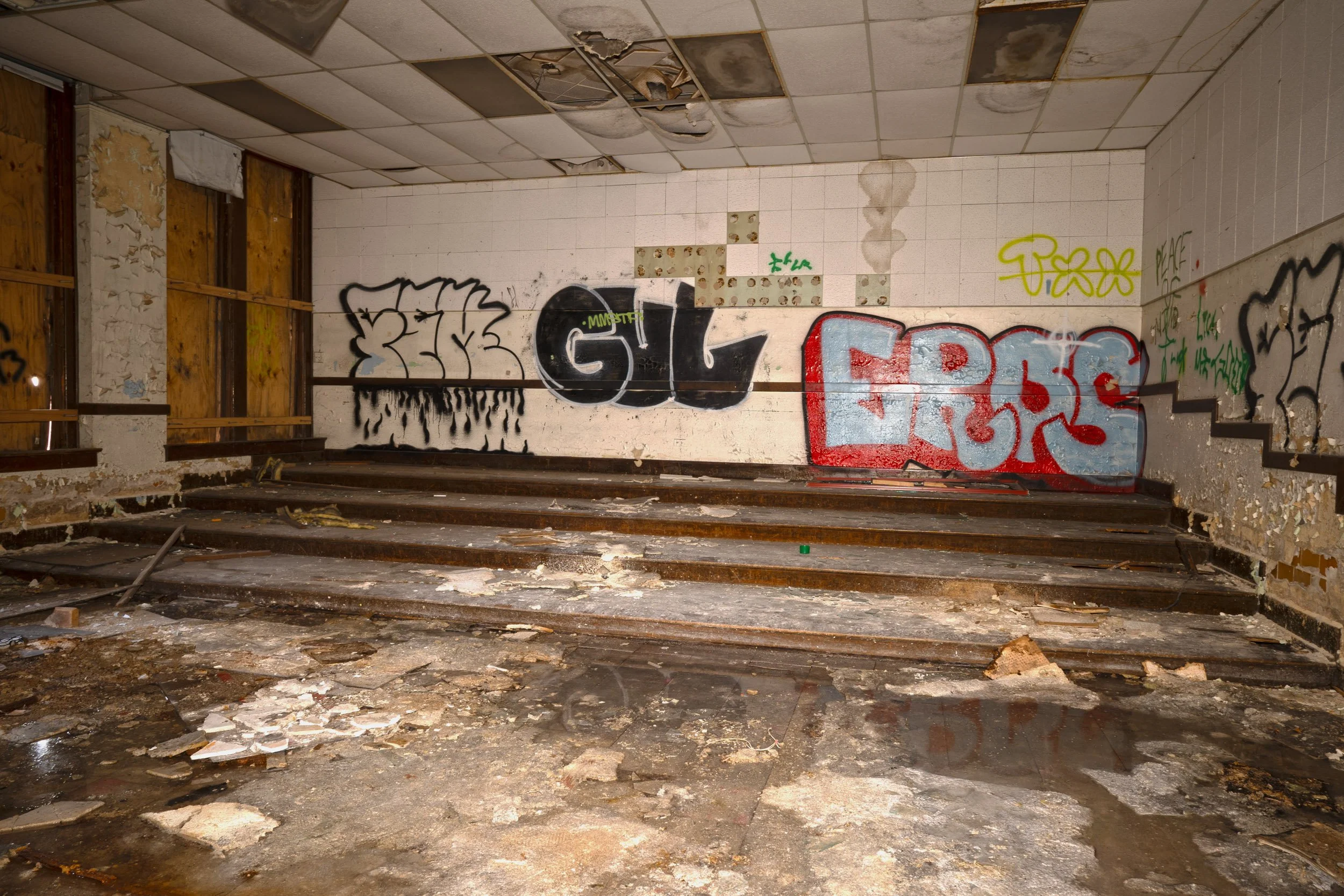
2nd floor classroom
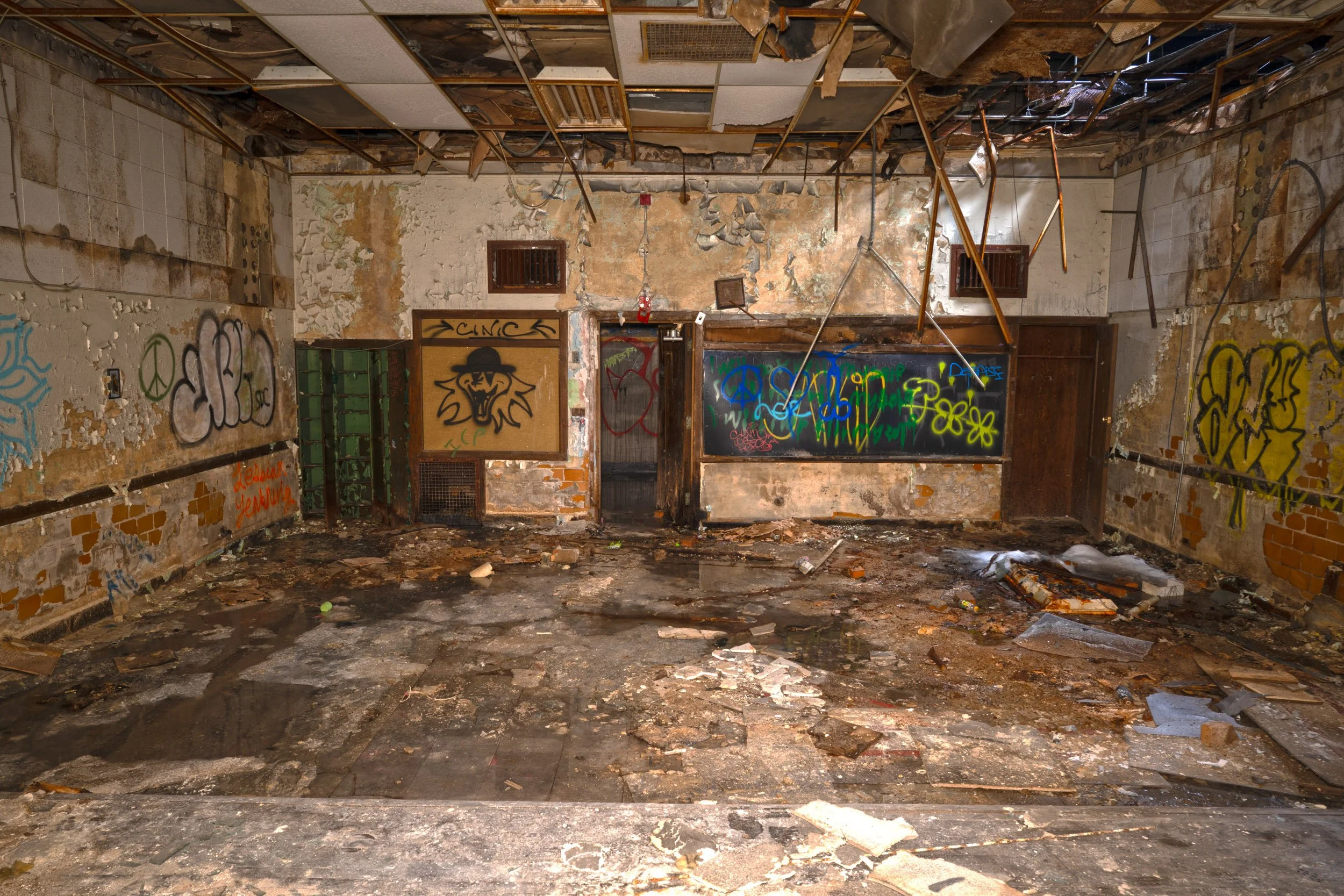
other half of the same room
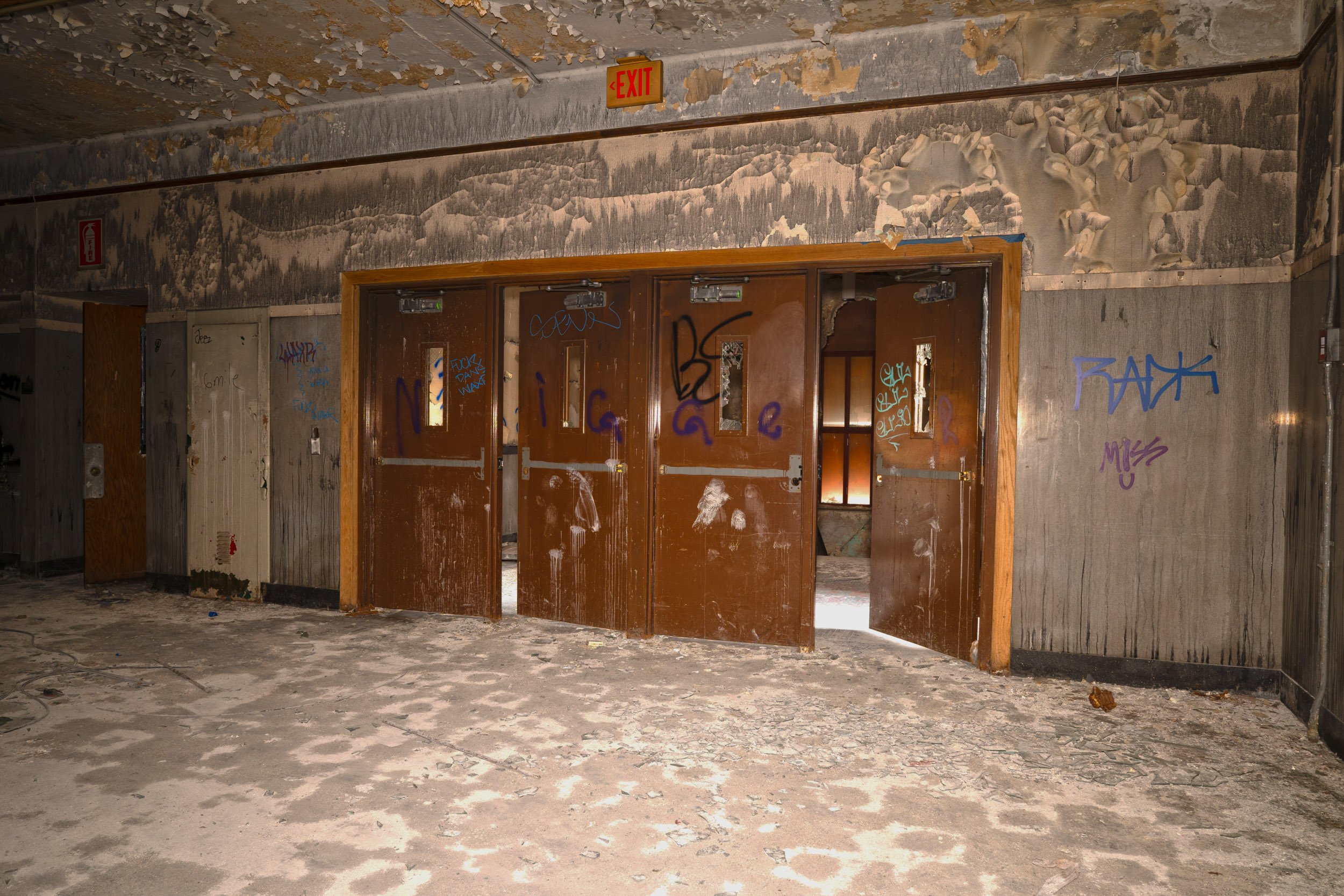
Entrance to a staircase on the 3rd floor
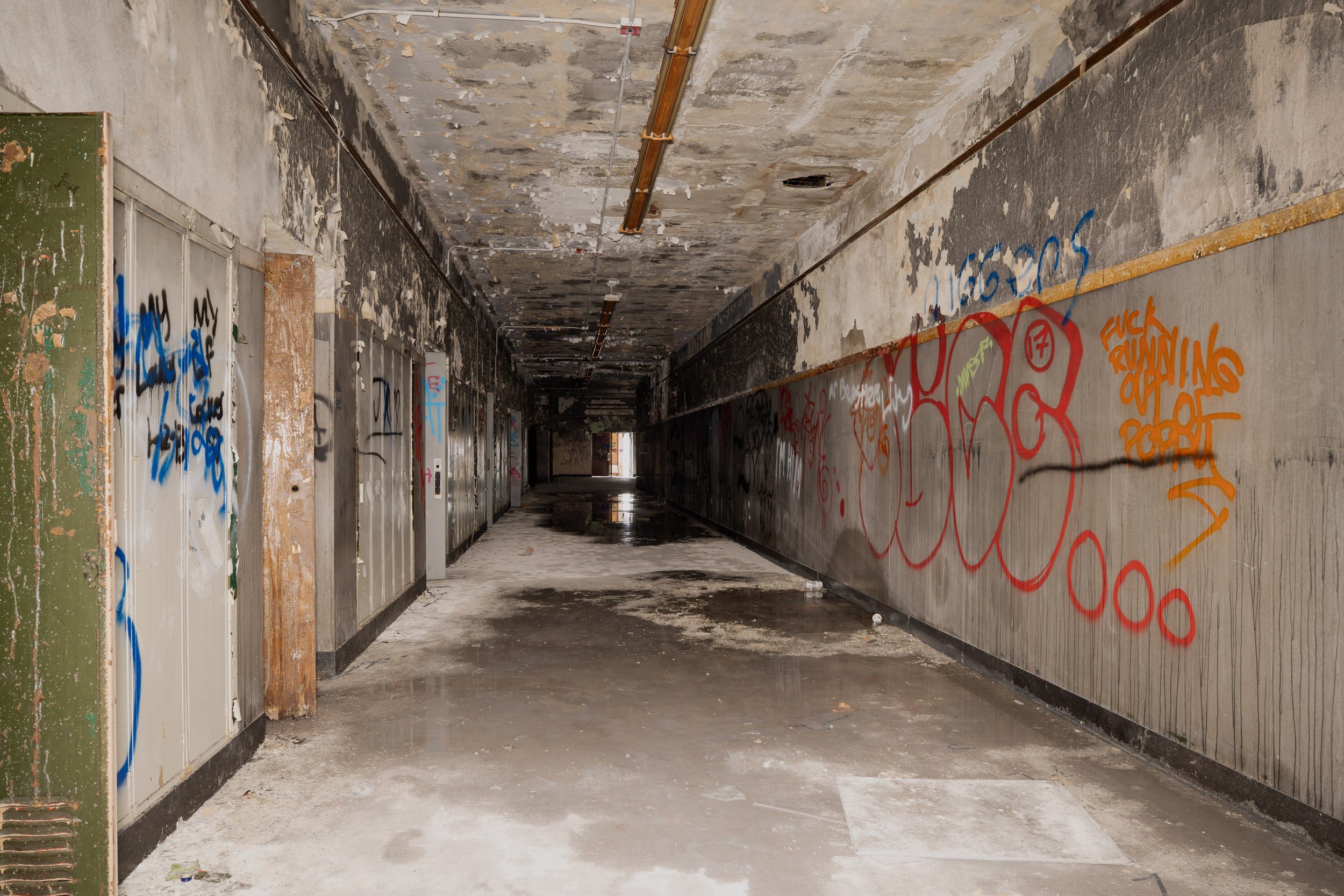
3rd floor hallway
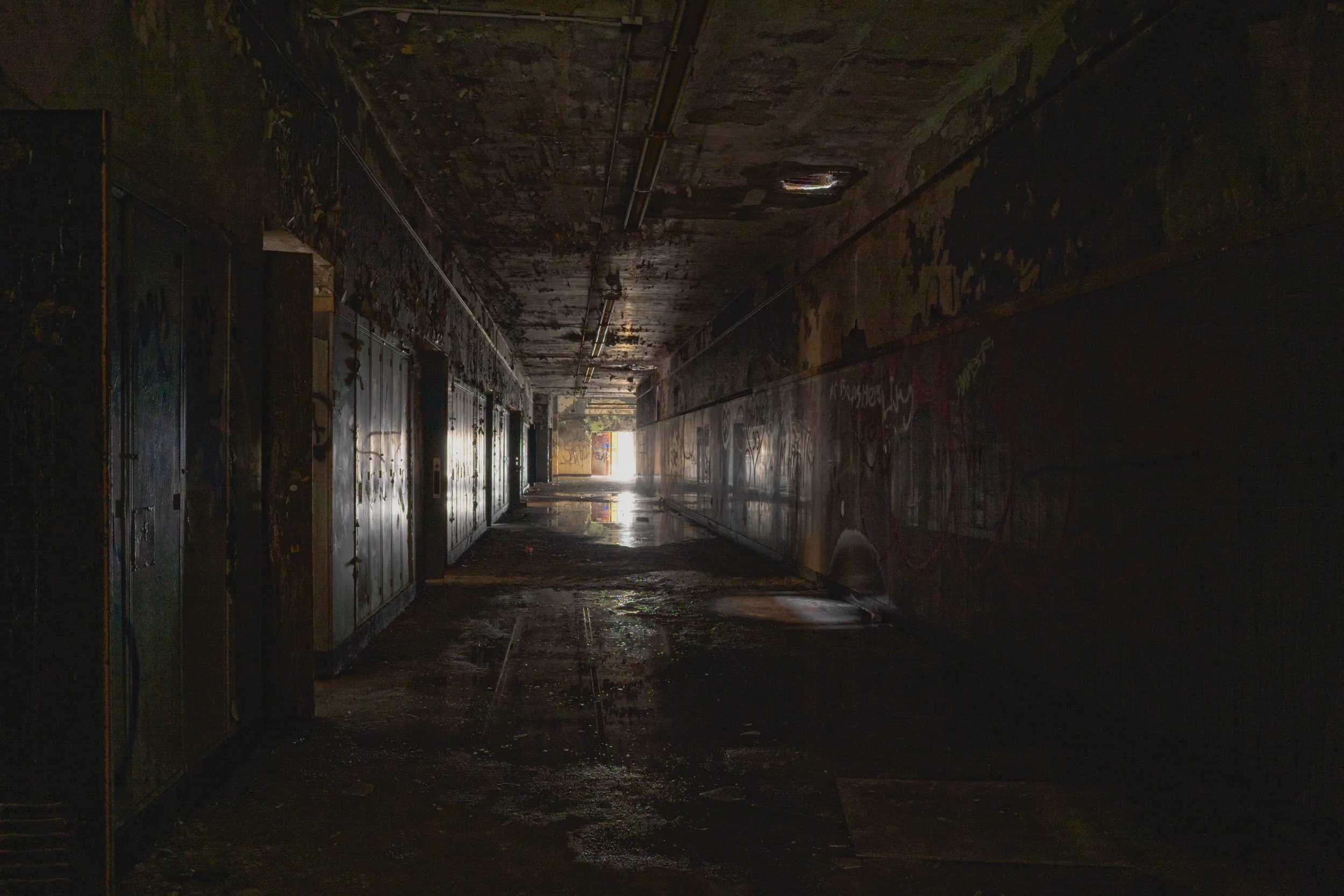
same shot in the 3rd floor hallway with natural light
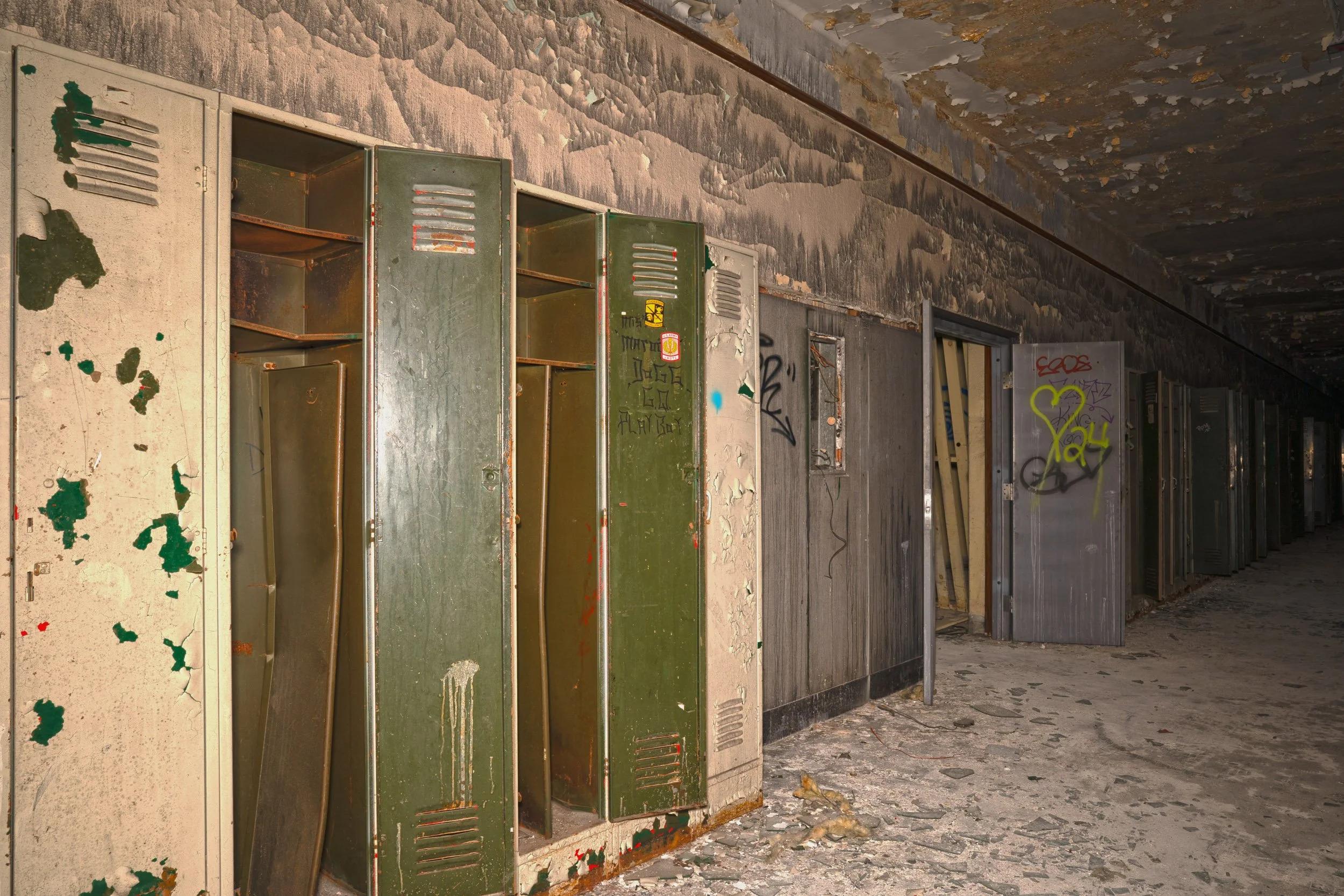
3rd floor lockers (Note the JROTC sticker in the locker)
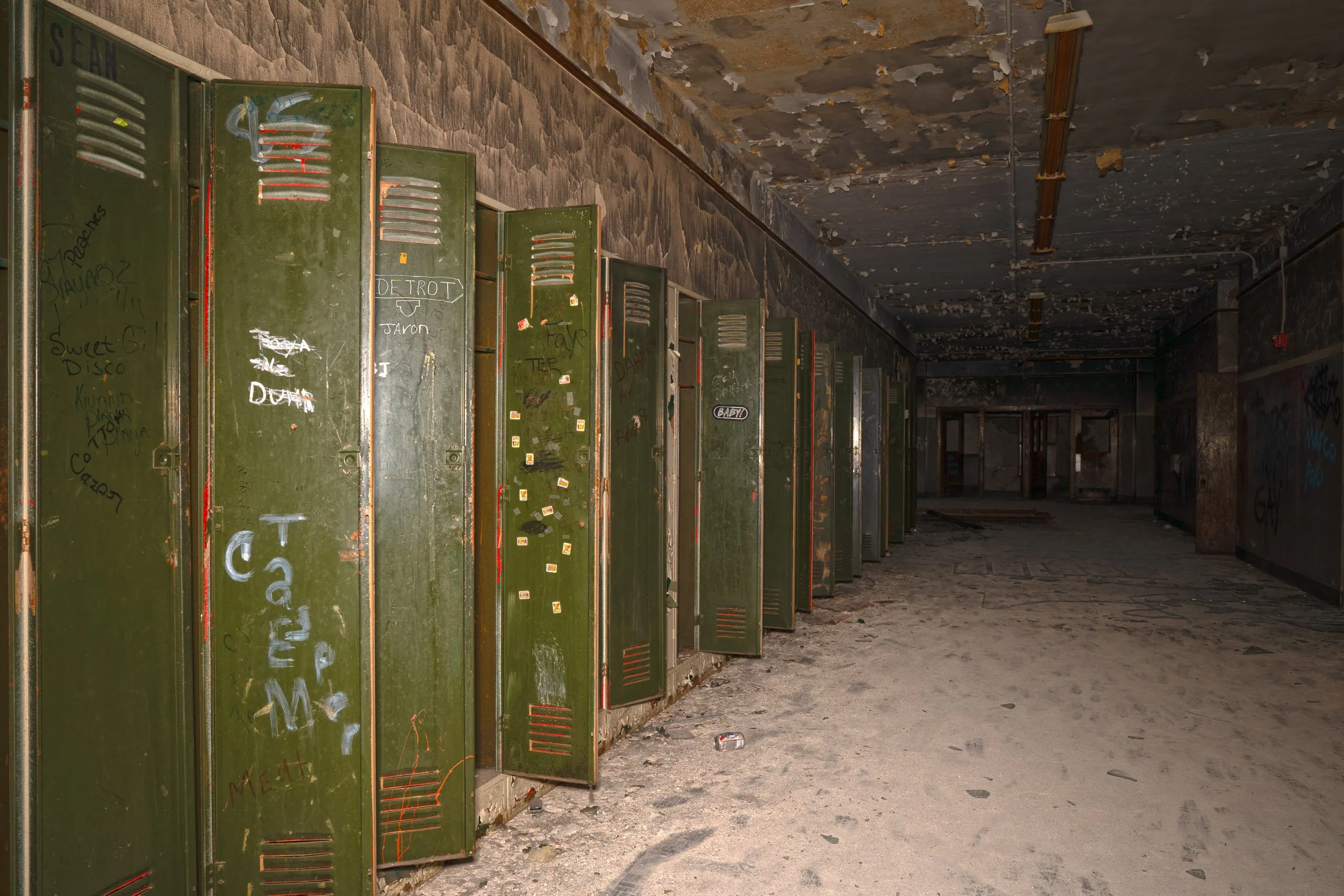
more 3rd floor lockers
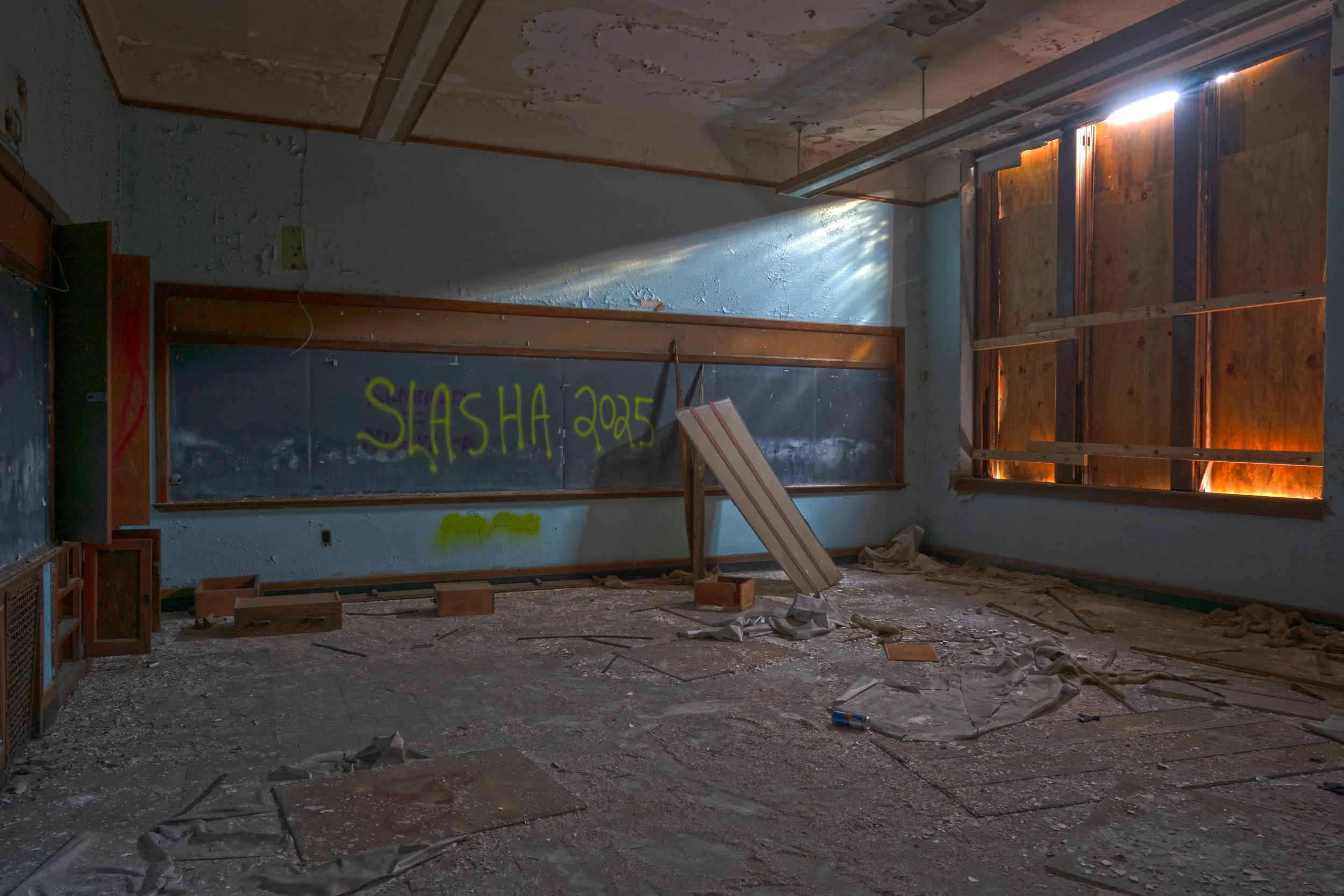
3rd floor classroom
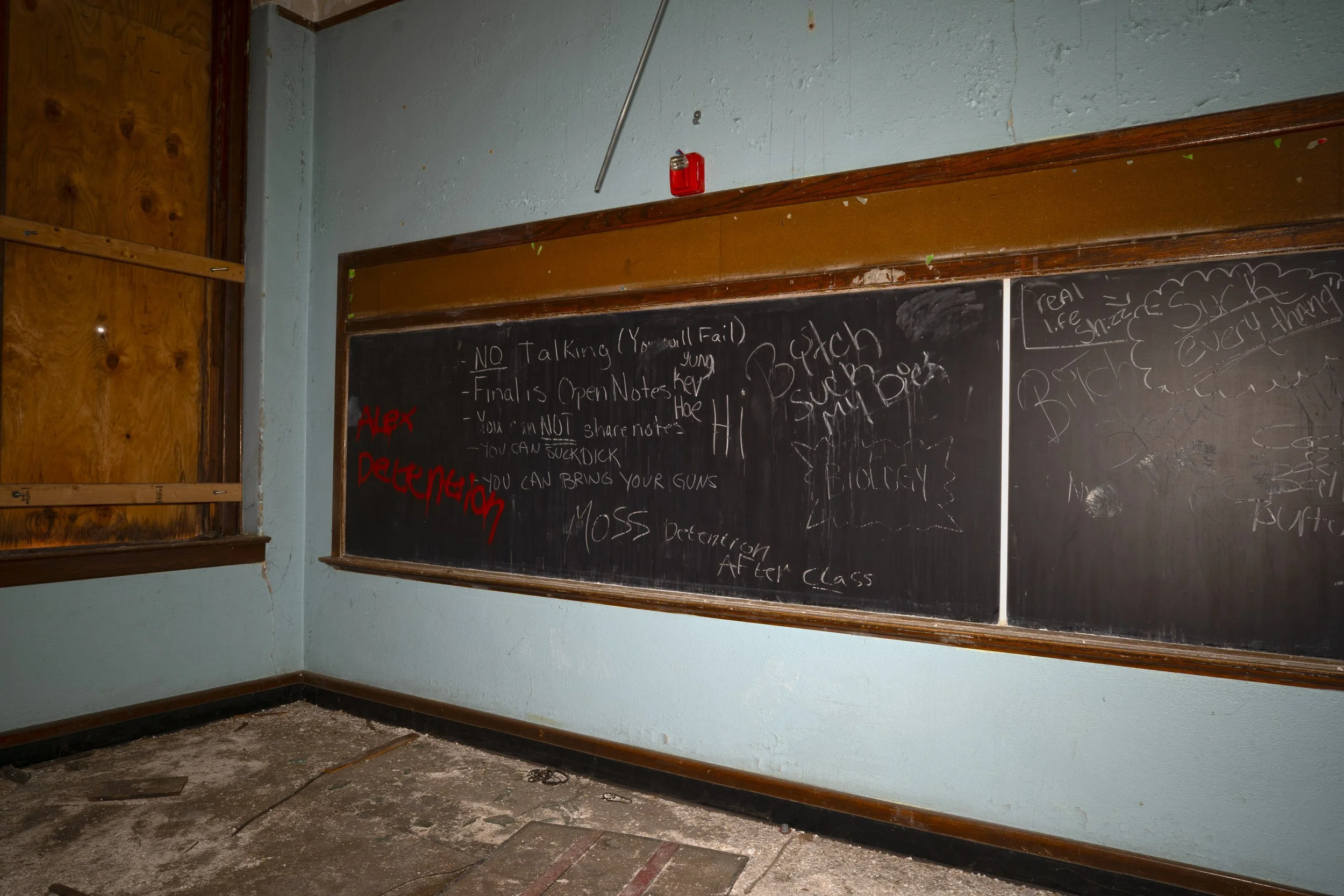
3rd floor classroom
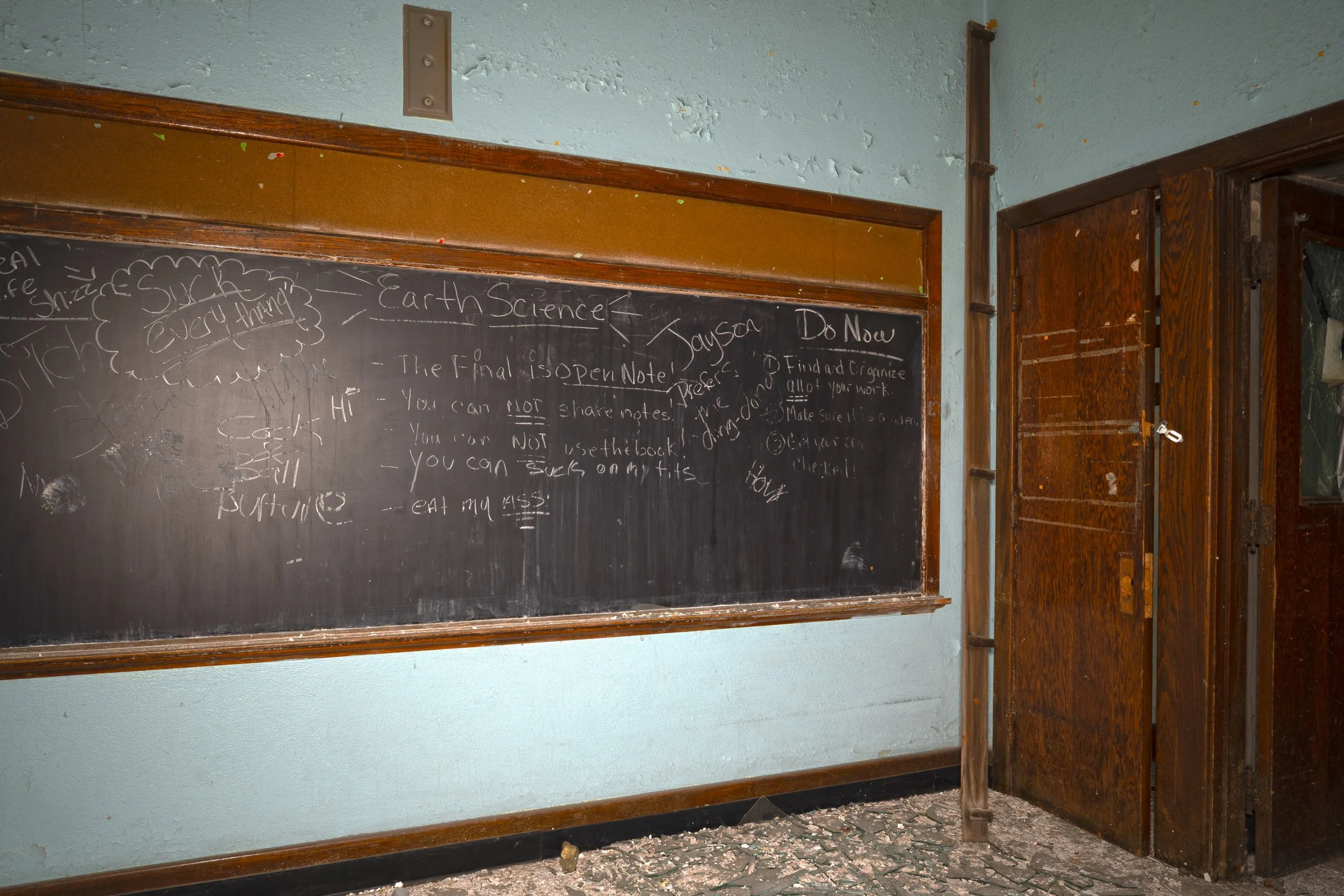
That same room
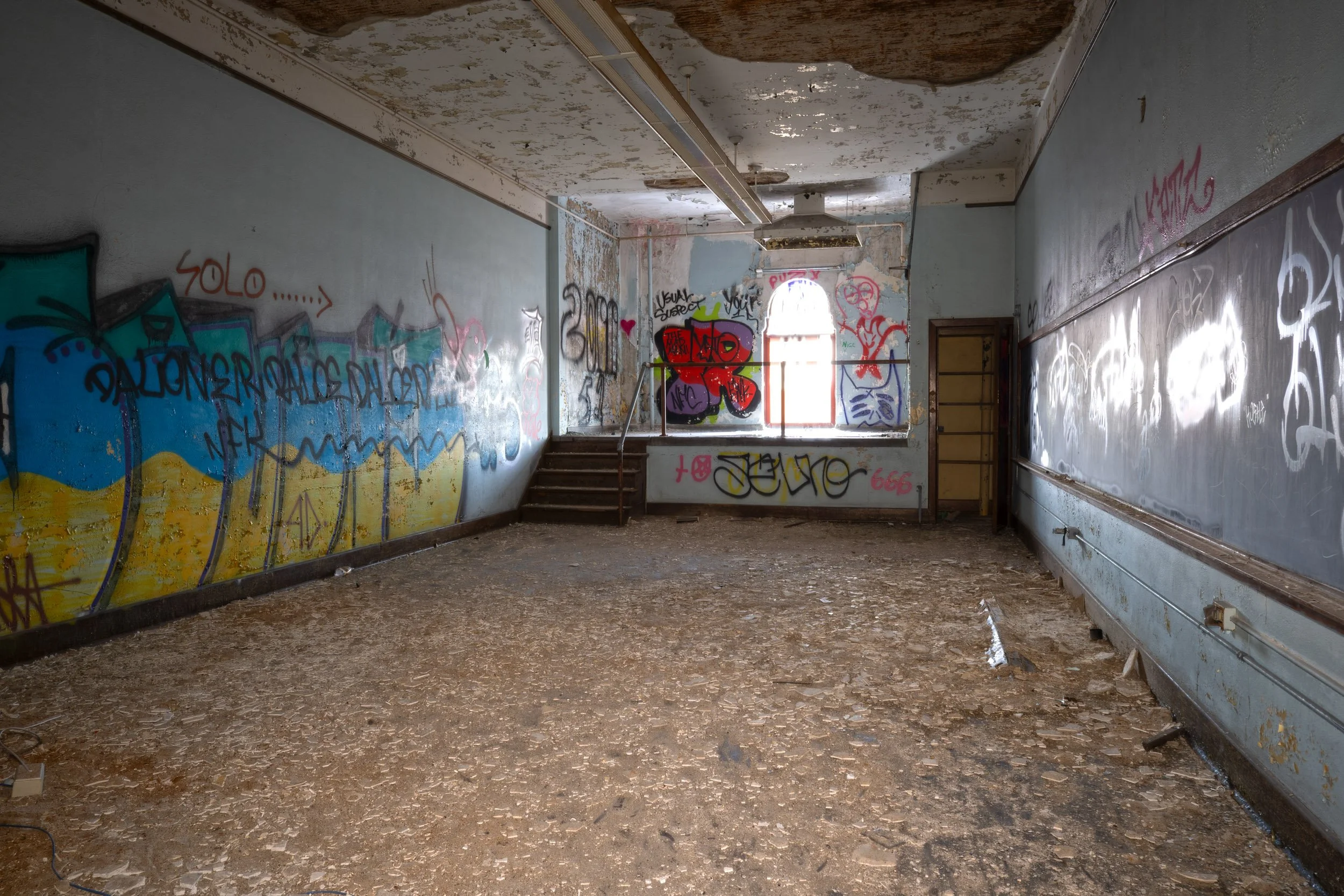
3rd floor classroom
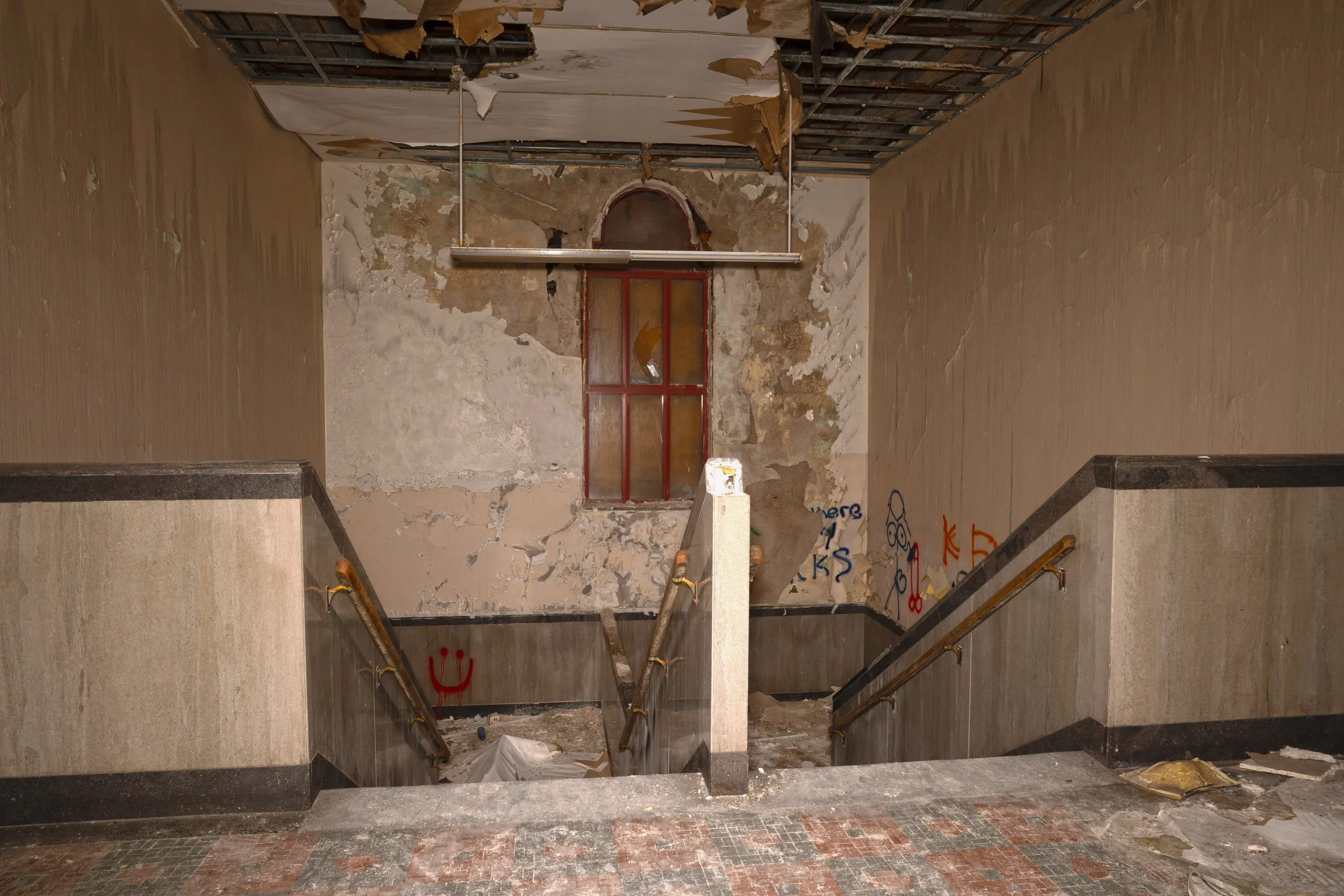
Staircase as seen from the 3rd floor
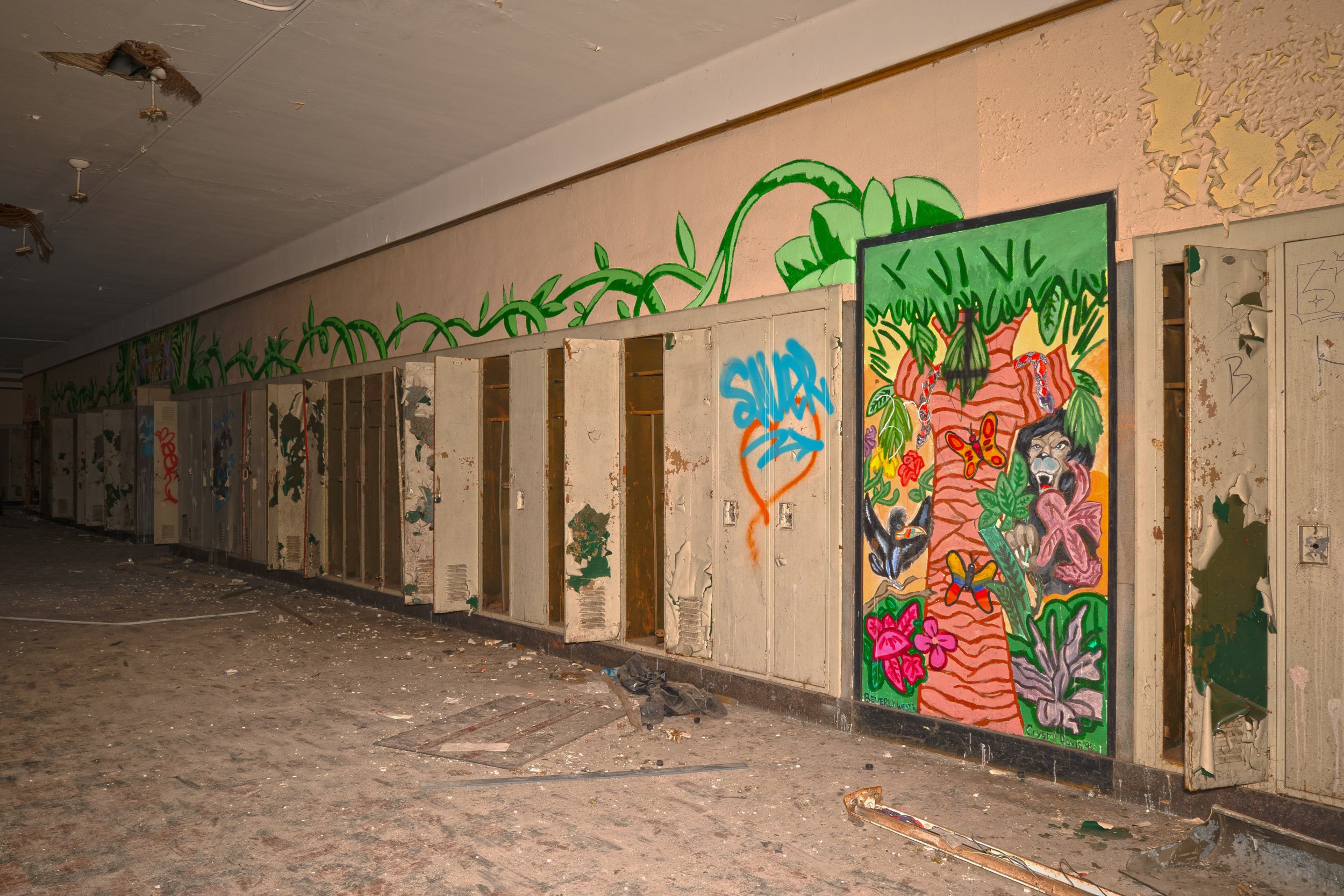
2nd floor mural
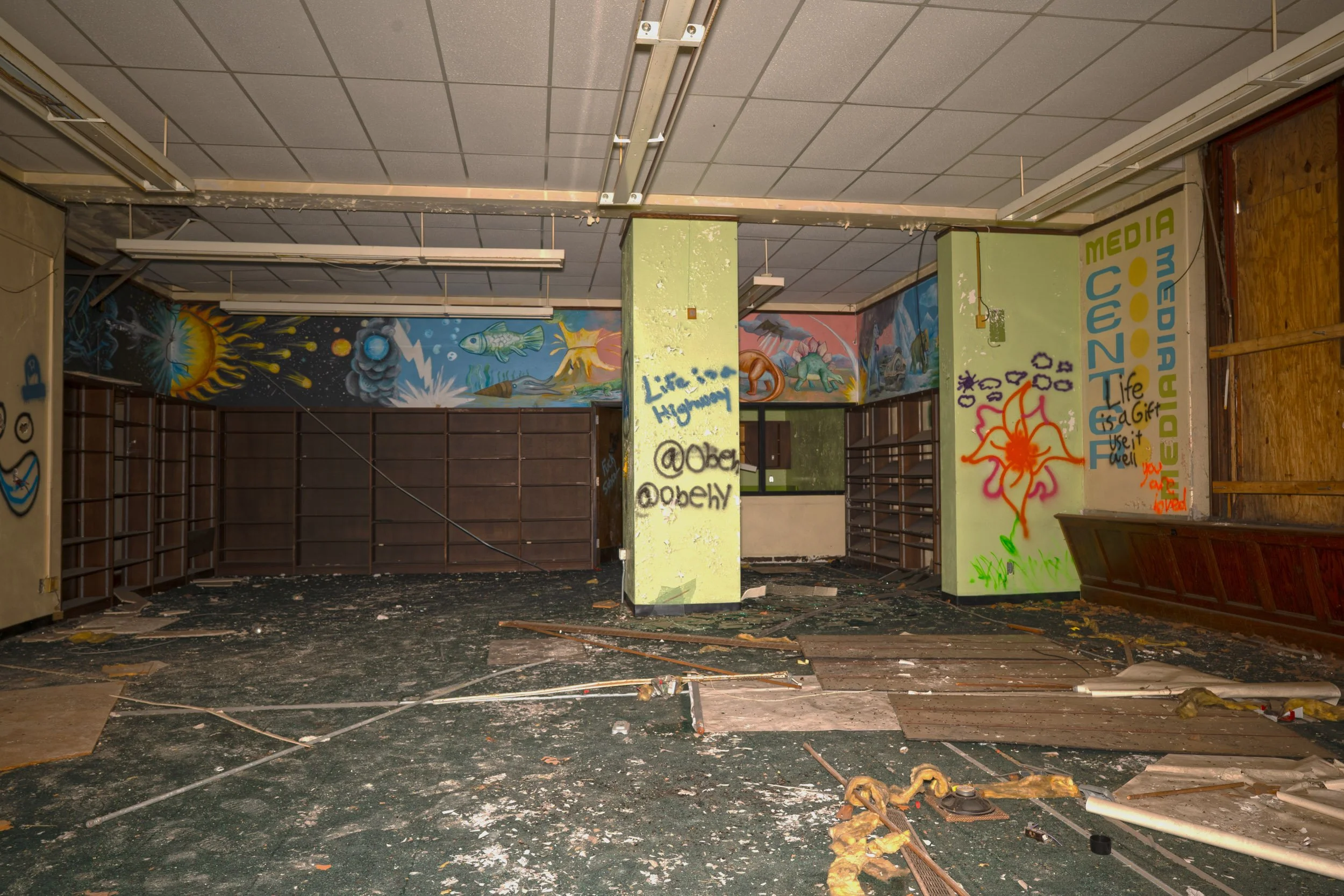
Media Center Room shot 1
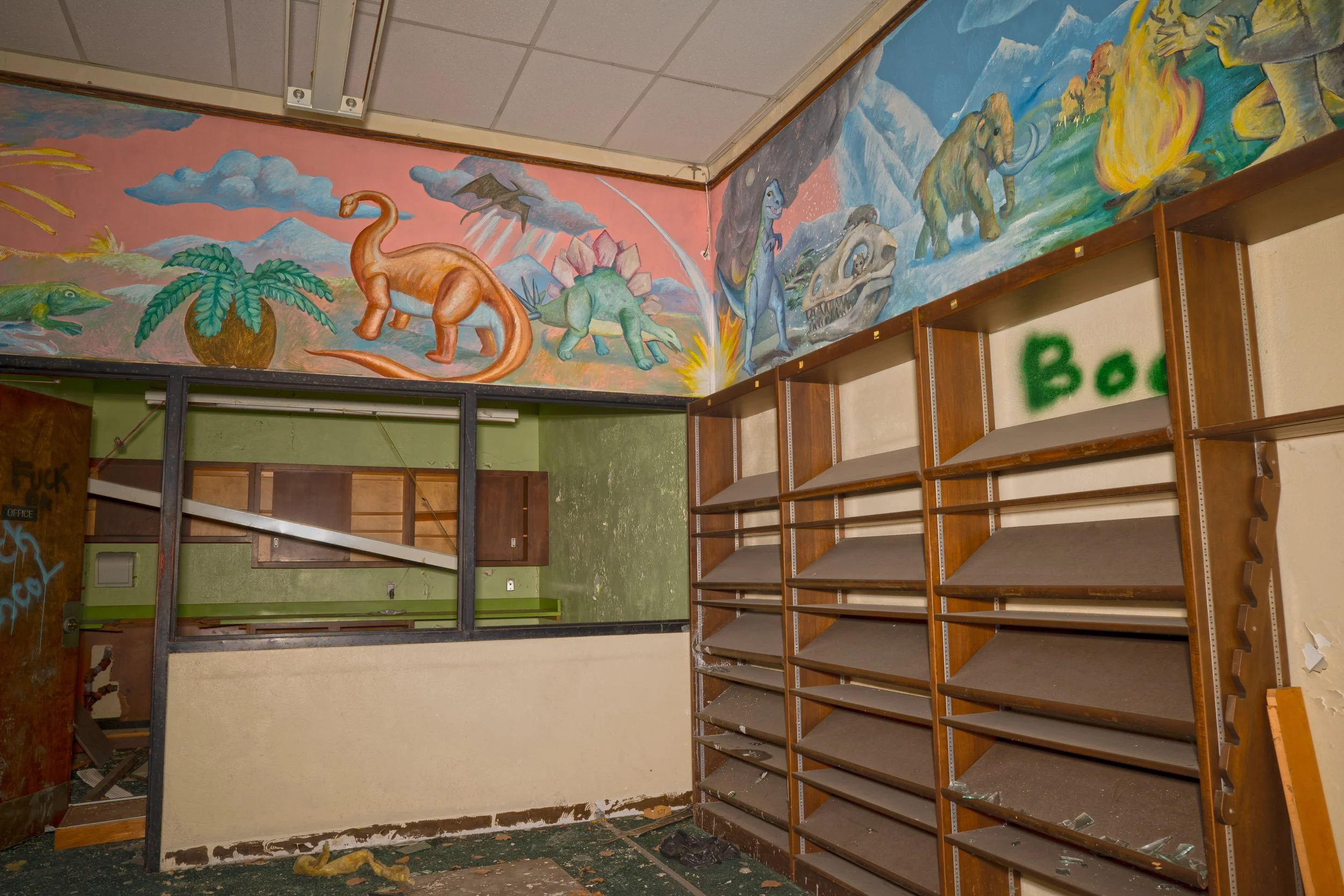
Media Center Room shot 2
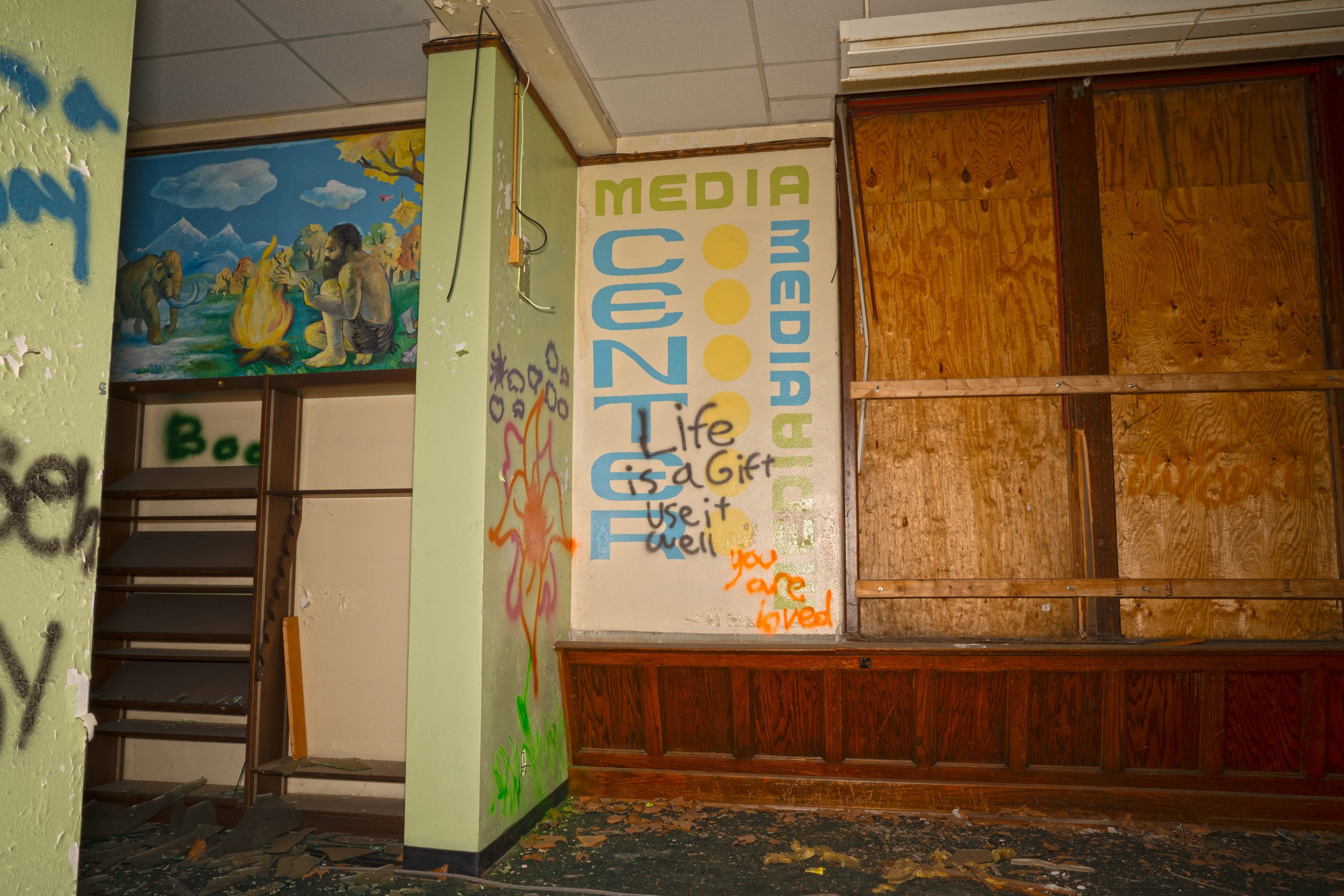
Media Center Room shot 3
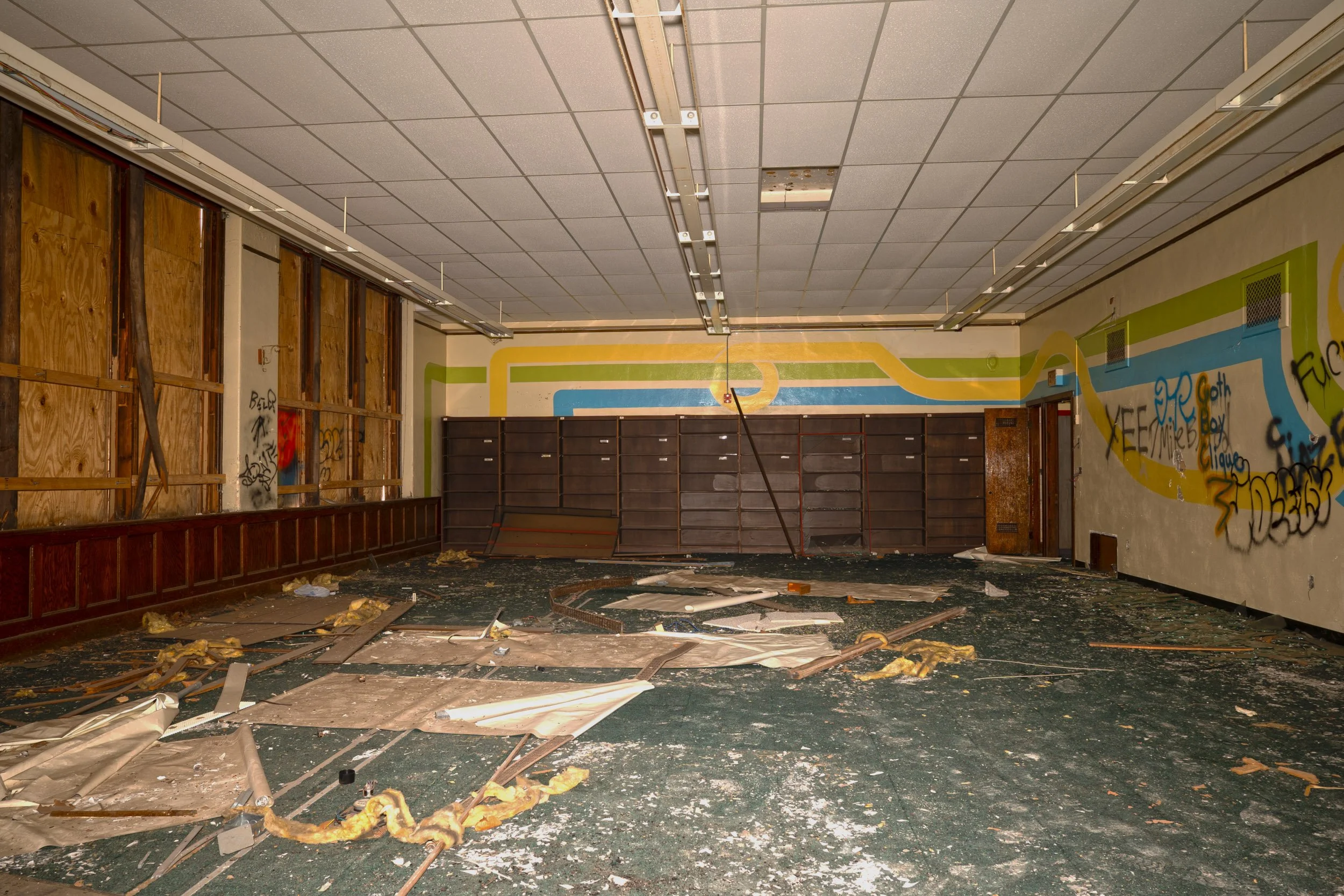
Media Center Room shot 4
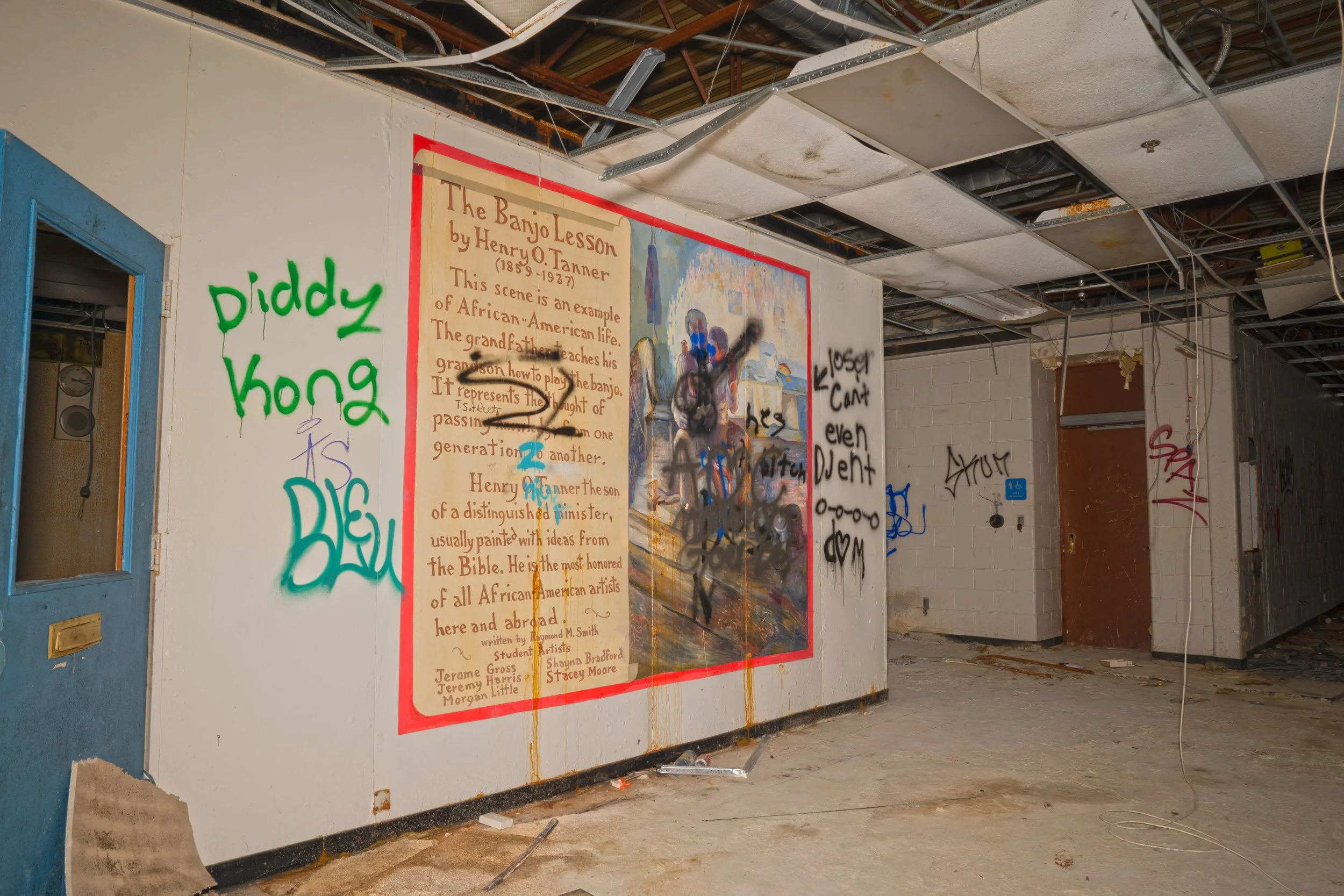
Mural in Cooley North
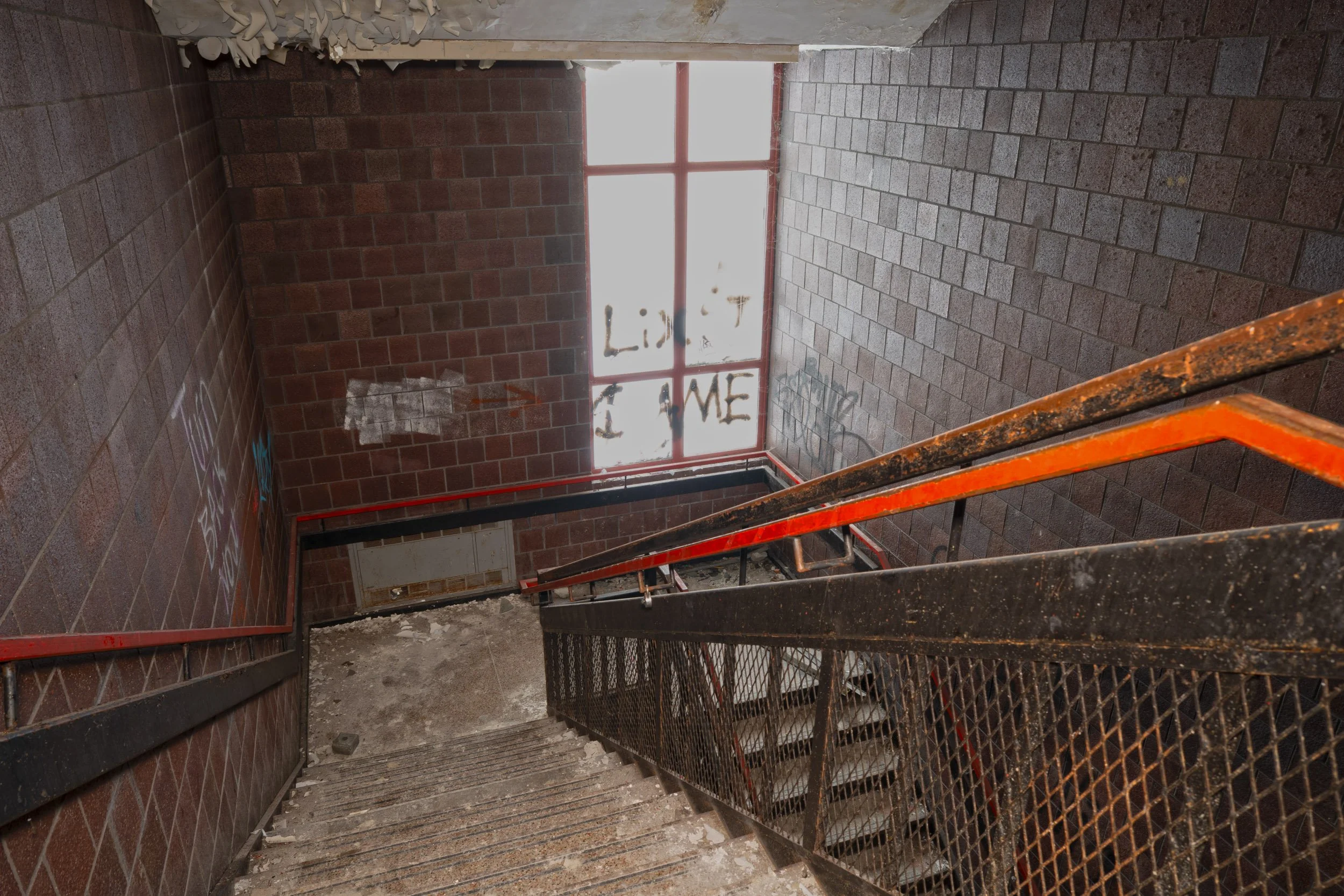
Staircase in Cooley North
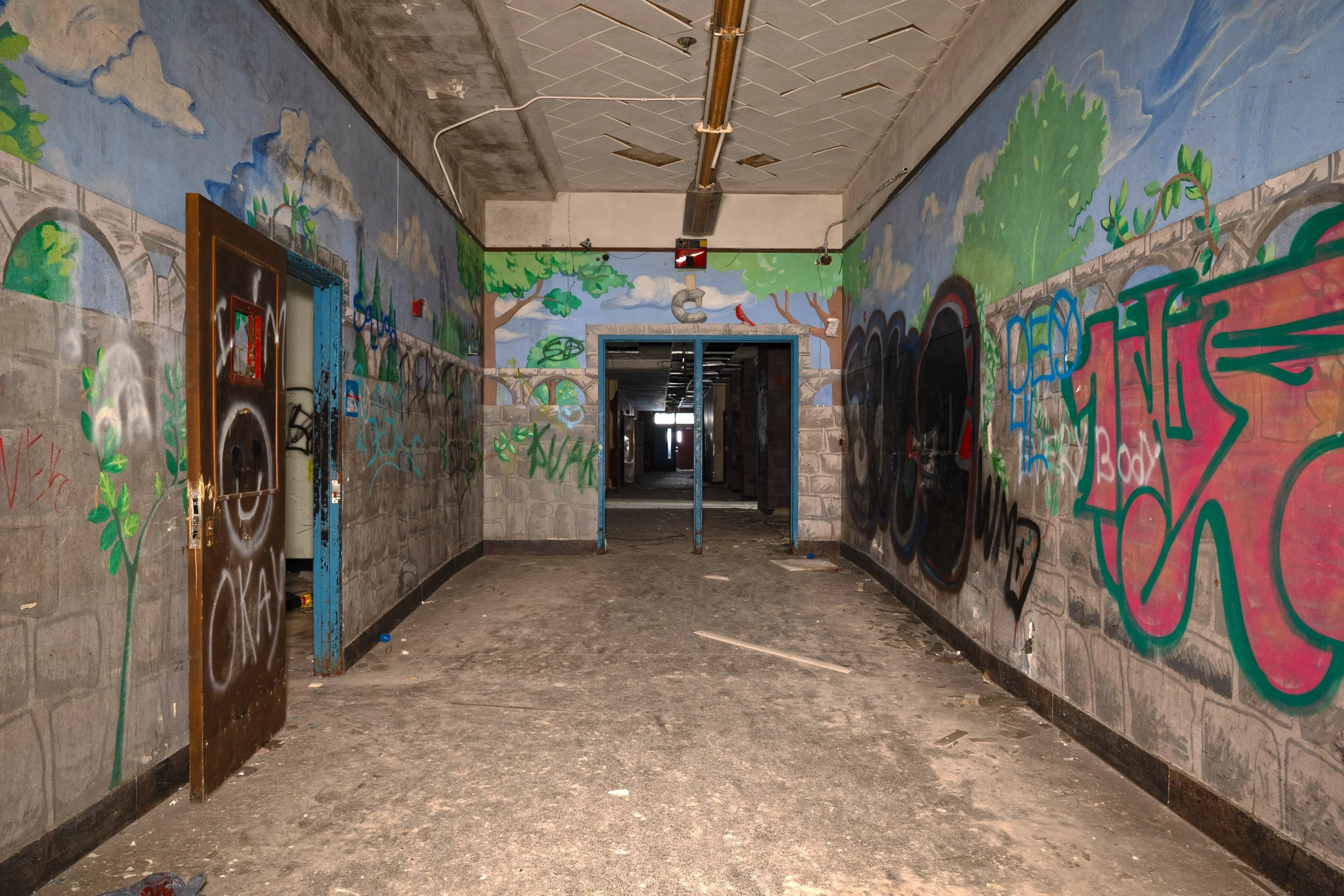
Mural in Cooley North entrance