
Carver Elementary School
21272 Mendota Ave, Ferndale, MI 48220
-Abandoned 2010 (Southern Section), Northern Section (2019)
|High Resolution page S+Tripod|
Locate it!
History of Carver Elementary School
For years Carver has been remembered for it’s segregated past. Originally the area of what is remembered as Carver was owned by Royal Oak Township which covered modern day sections of Hazel Park, Ferndale, Oak Park, Madison Heights, Pleasant Ridge, Huntington Woods, Royal Oak, Berkley, and Clawson, and was much larger version of Royal Oak Township then is known remembered today. At the time the Clinton School District was the district for Royal Oak Township, and was one entity, consisting of two schools. In the north Clinton, and Wineman in the south of the city. In 1945 the Federal Government opened Oakdale Gardens in the southern part of the Township. This project was built for the growing population of Black production workers of WWII. In response to the growing black population the whites in the Township petitioned to split the school district in two, with the southern end of the city serving the blacks and the northern section serving the whites. The petitioned succeeded and in the latter half of 1945 the district was split in two. The northern half kept the same name as the Clinton, while the southern “new” district took on the name “George Washington Carver School District”. The name stemmed from George Washington Carver a agricultural scientist that became the first African American to attend and earn a Bachelor of Science degree at Iowa State Agricultural College (Known today as Iowa State) in 1894. He developed many staples of modern day farming and helped to promote self sufficient farming practices and helped curb cotton reliance in the south. Carver was born into Slavery however never worked as a slave in a typical sense as he was born in 1864, however his caregivers were his former slave owners, when he was between 10 and 12 years of age he pressured a education in a nearby black school. His studies lead him to Iowa State as mentioned. While Carver wasn’t a bad person to name the district after, it could be argued that the name for the district was chosen under racist pretense. The Wineman school that stood in the south was quickly replaced with the construction of the modern day Carver Elementary School in 1944. Carver would open in 1945. The tax base of new district was so poor it was unable to afford a high school program. The government refused to fund or accept similar matters across the US in other segregated communities stating “separate but equal”. While early on Carver students could attend High School via an agreement with DPS that allowed Carver students to attend Northern High School, a segregated black school nearby to the New Center neighborhood of Detroit, via a bussing network established between the two districts, and while basic funding was given to Carver with a addition in 1952, corruption had gotten the better of the Carver district. Throughout the 1950s Carver had many notable incidents happen causing damages to school property, financial fraud, and in many cases the school closing on multiple occasions for days at a time. While the white based Clinton district (which had recently changed its name to Oak Park School District with the establishment of the City of Oak Park), continued to grow and built built their own high school in 1953, known as Oak Park High School. By the end of the 50s Detroit Public Schools stopped accepting Carver students, as the the district owed Detroit Public Schools, over 1.5 million in today’s money in tuition cost for Carver students. Another reason it was canceled was the influx of students at Detroit Public Schools as a whole leading to Carver students without a high school education. While a high school classroom was set up inside Carver it was a very stubborn way of keeping segregation alive in the district. In 1960 the story of the Carver district received national attention after a Time magazine article exposed the dark truth of the matter. Shortly after the article was published the governor of Michigan Mennen Williams mandated Oak Park to consolidate the 2 districts into one. Largely due to the fact that the Carver district didn’t have a dedicated high school and no other high school programs from surrounding suburbs volunteered for students at Carver to enroll. While originally Oak Park MI wasn’t even a city when the Carver district was created instead being owned by Royal Oak Township, the white Clinton school district that Oak Park annexed from Royal Oak Township meant it had responsibility over the control of Carver as well. In 1960 after the consolidation the district was one district again and students were no longer segregated from attending Oak Park High School. Ending the 15 year segregation attempt from white residents. However in the years following, a large twist and turnaround of the district occurred in a rare case throughout the 60s into the 70s, Oak Park was one of the only suburban districts to integrate races, however with notable exceptions with students largely being separated both physically and socially. It is important to note it was still perfectly legal into the 1970s for school districts to follow the “separate but equal” policy. Shortly after students of the original Carver district were again reassigned if they lived east of Wyoming Ave, into Ferndale Public Schools. However like Oak Park, the students were illegally segregated. Into the early and mid 1970s, Plaintiffs in the protracted litigation to integrate the public schools of Detroit presented considerable evidence about segregation in Royal Oak Township years prior. They argued that it showed that the city’s school aided segregation in the metropolitan area and that the State of Michigan had taken steps to maximize the segregation of students. Plaintiffs also pointed to Royal Oak Township’s arrangement with Detroit Public School as an example of government support of cross district busing across districts to maintain segregation. When the Detroit school integration case went before the Supreme Courts, one of the state’s strongest arguments was that cross district bussing was illegal. In 1970 Carver Elementary was cut in half as a school when a renovation occurred a small section of classrooms was cut out leaving the northern half of Carver vacant, later being given to Royal Oak Township to turn the space into a rec center in 1972. The remaining southern section remained in use as Carver Elementary until 1983 when it was closed. For many years, the southern section was owned by Kingswood Hospital. Before becoming Academy of Oak Park from 2000 to 2010. The Rec Center remained open until around 2019. Today Carver Elementary remains the only school built for the George Washington Carver School District, and the only remaining piece of the district. Most of the remaining land that makes up Royal Oak Township almost perfectly surrounds what was once the Carver district and community, and while almost all the houses that made up the original projects of the 40s have been replaced or demolished, the land borders remain mostly the same due to the suburbs that annexed all the land of the original Royal Oak Township unwilling to come to terms with annexation of a black enclave. Leaving a very small pocket of land to remember for its segregated past.
Recollection from the author
Northern Section of Carver (Rec Center)
Carver was a decently well intact school, while technically a suburb school, it didn’t feel as such. Its repurpose as a Rec Center had created a unique mix of athletics and classrooms. Each classroom had very random assortments of items in each of the classrooms, from lined up desks to stuffed animals. While the Auditorium was combined into the gymnasium space when the school was built it still was a very unique find despite the lack of multiple common areas
Read about the Southern Section below to find out why exploring in the suburbs isn't always the best idea.
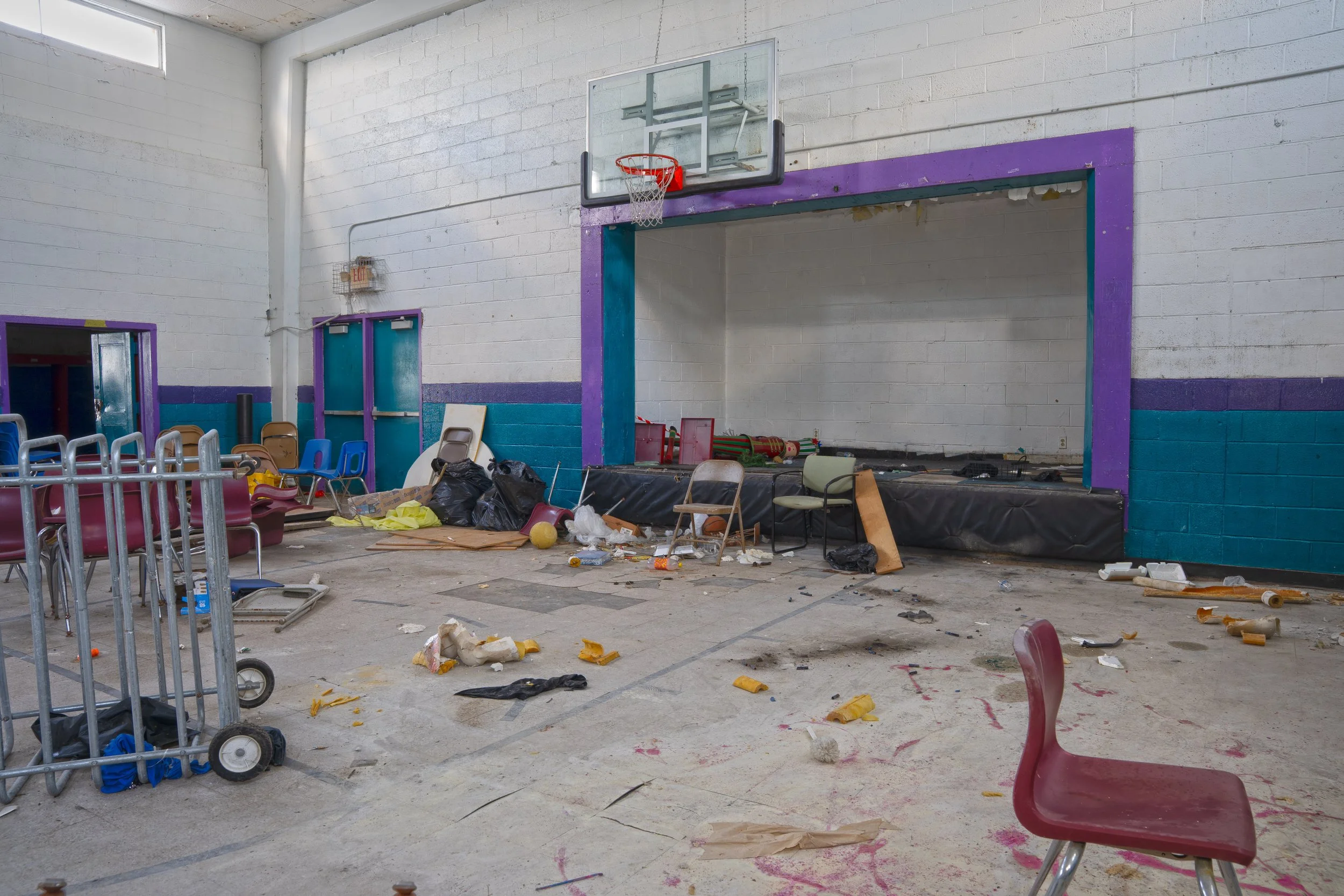
Gymnasium shot 1
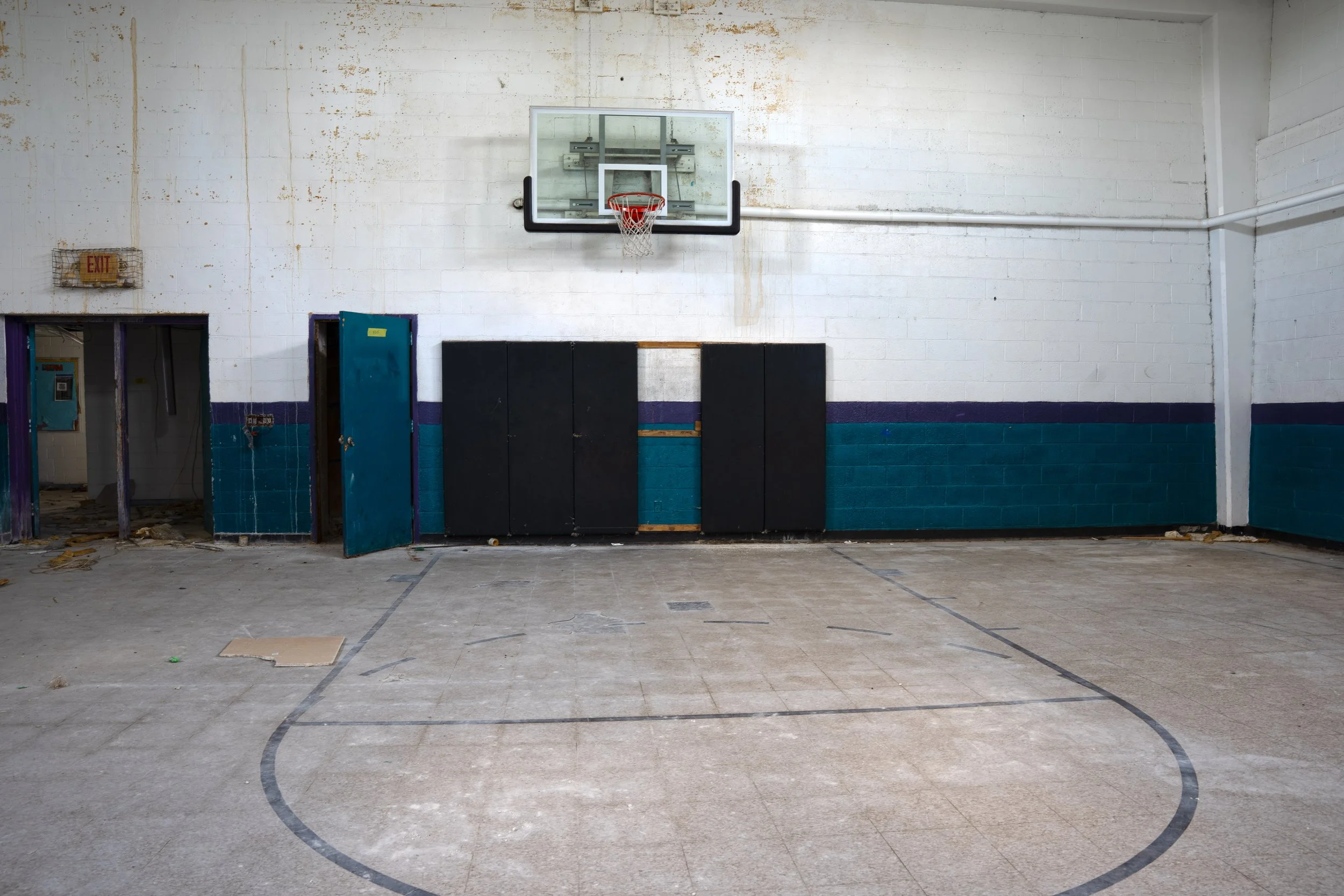
Gymnasium shot 2
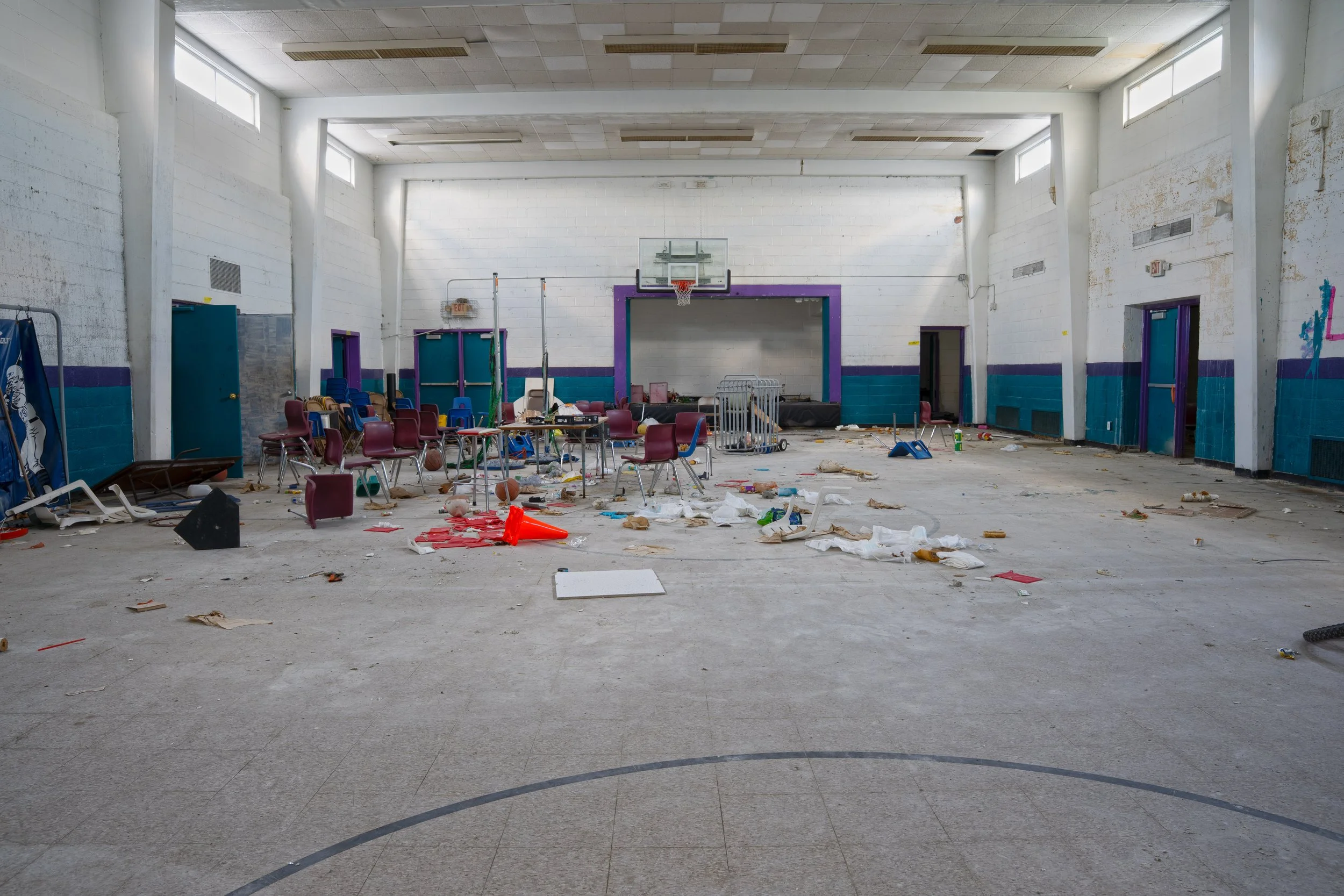
Gymnasium shot 3
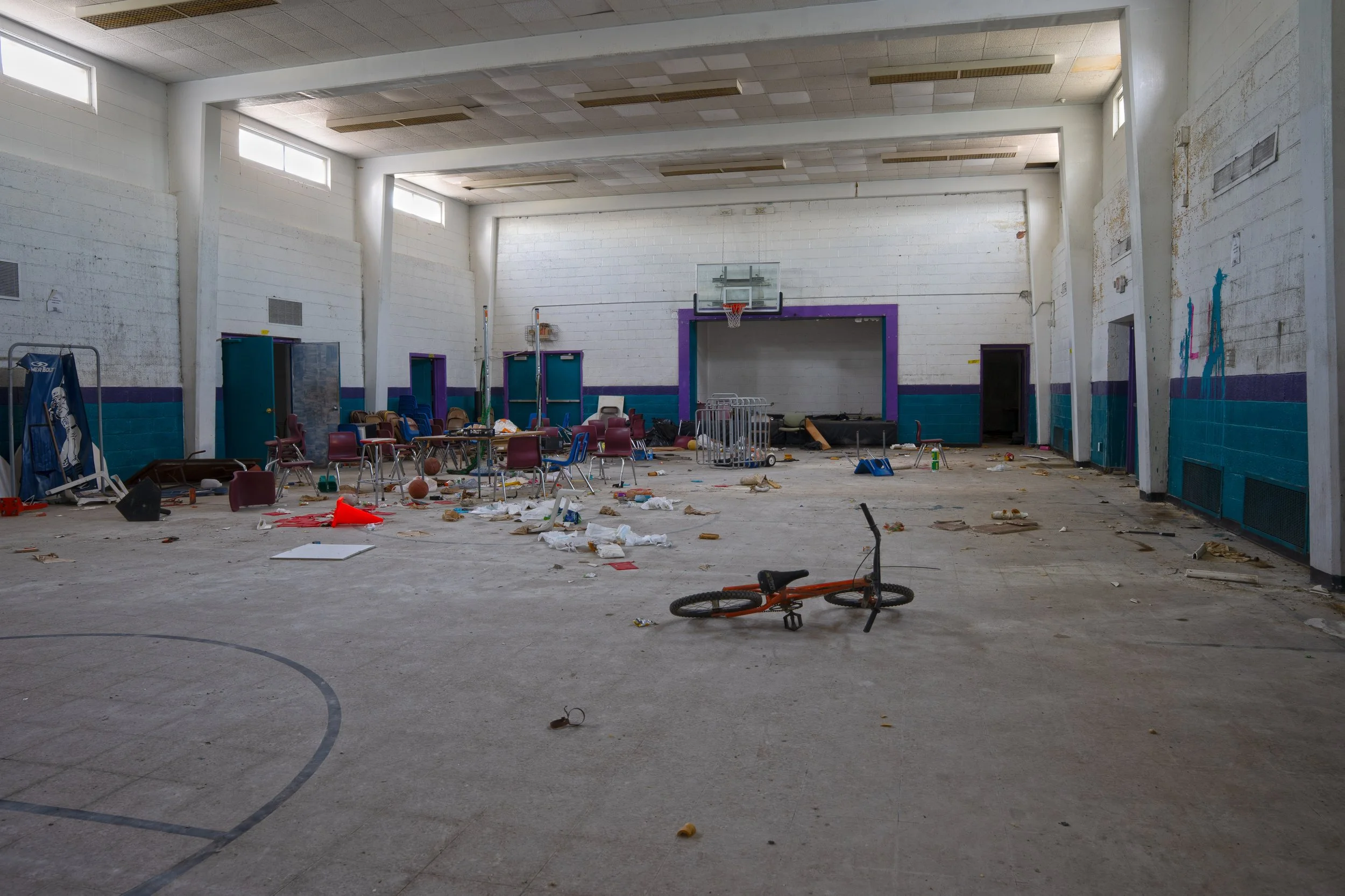
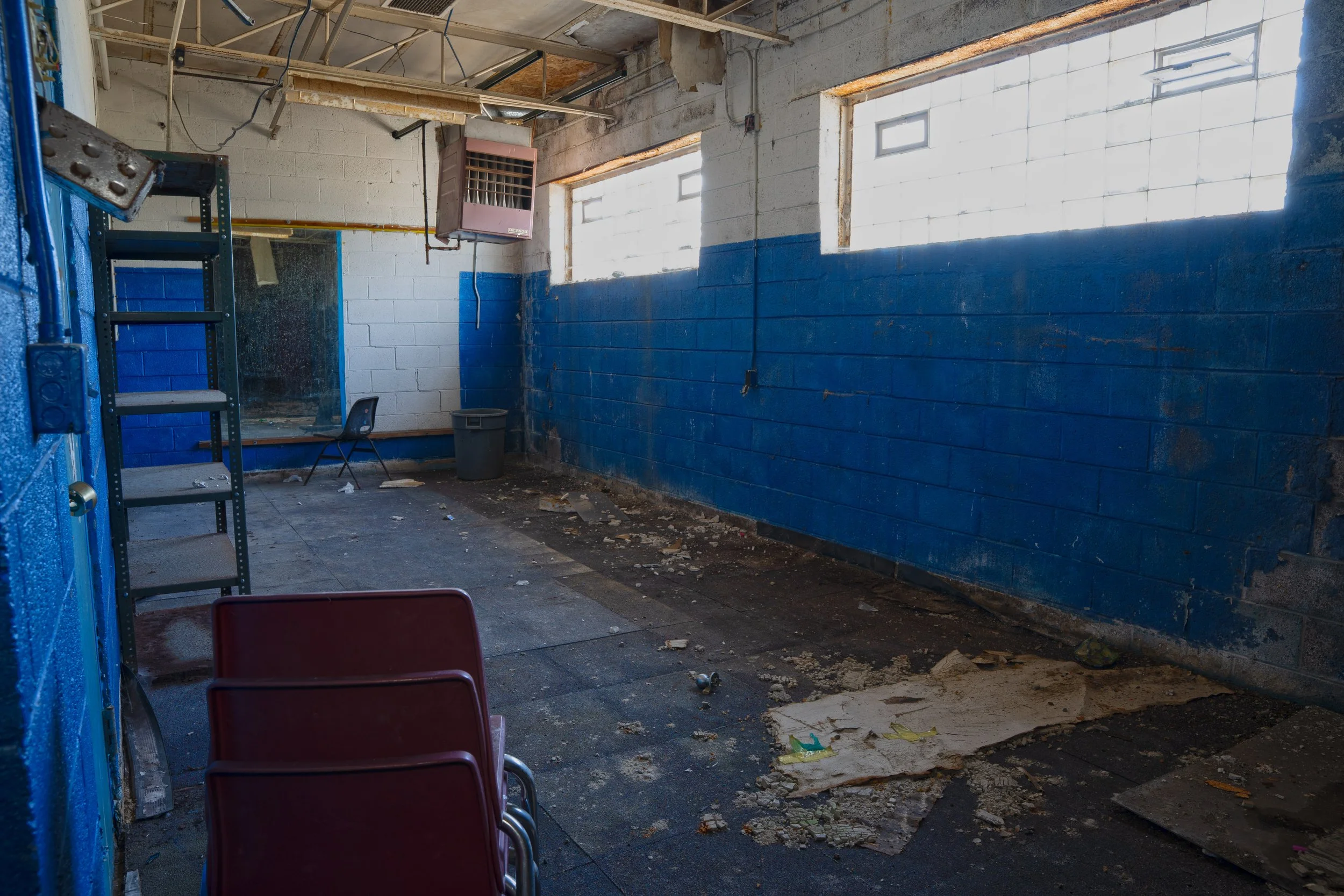
wrestling room
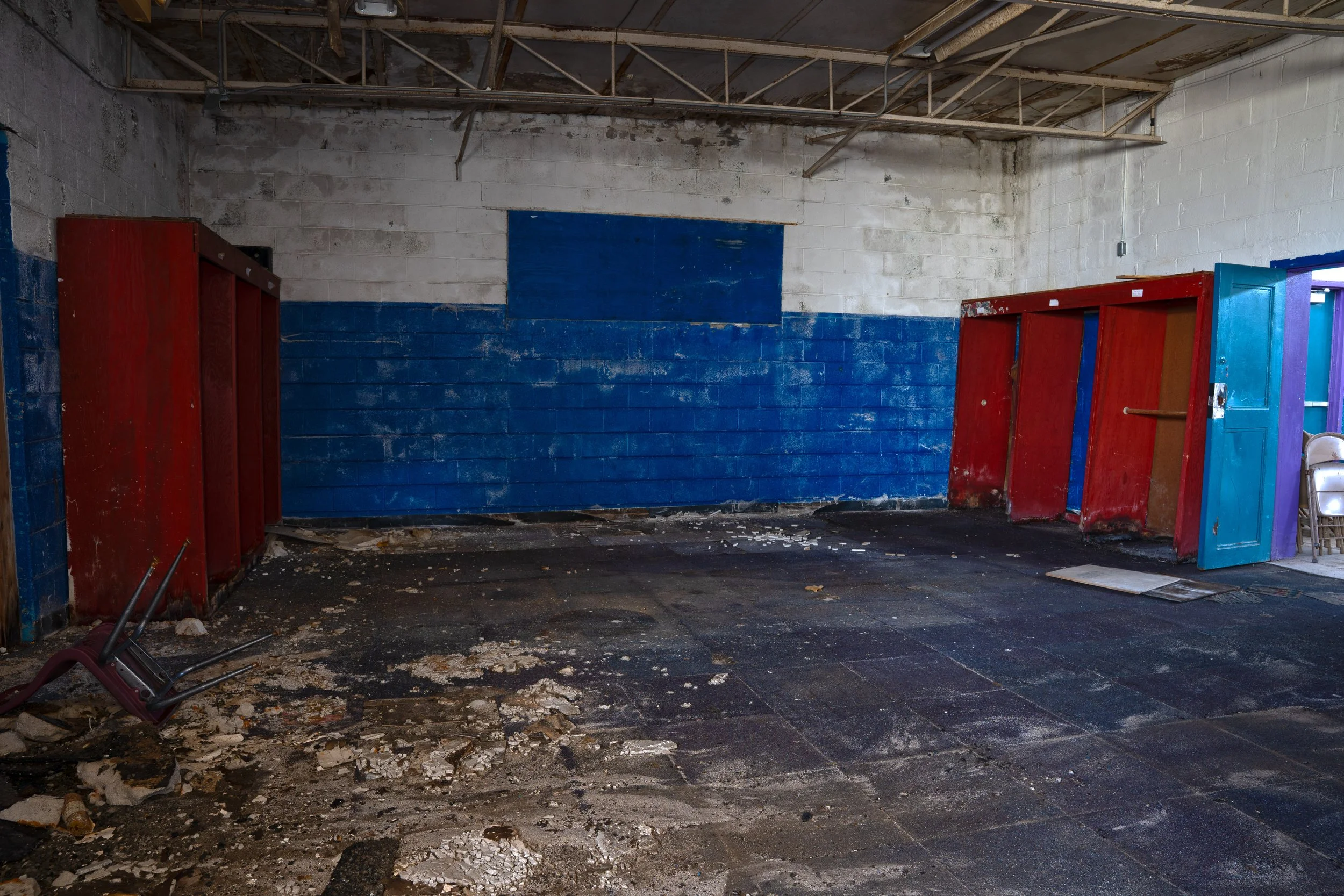
wrestling room
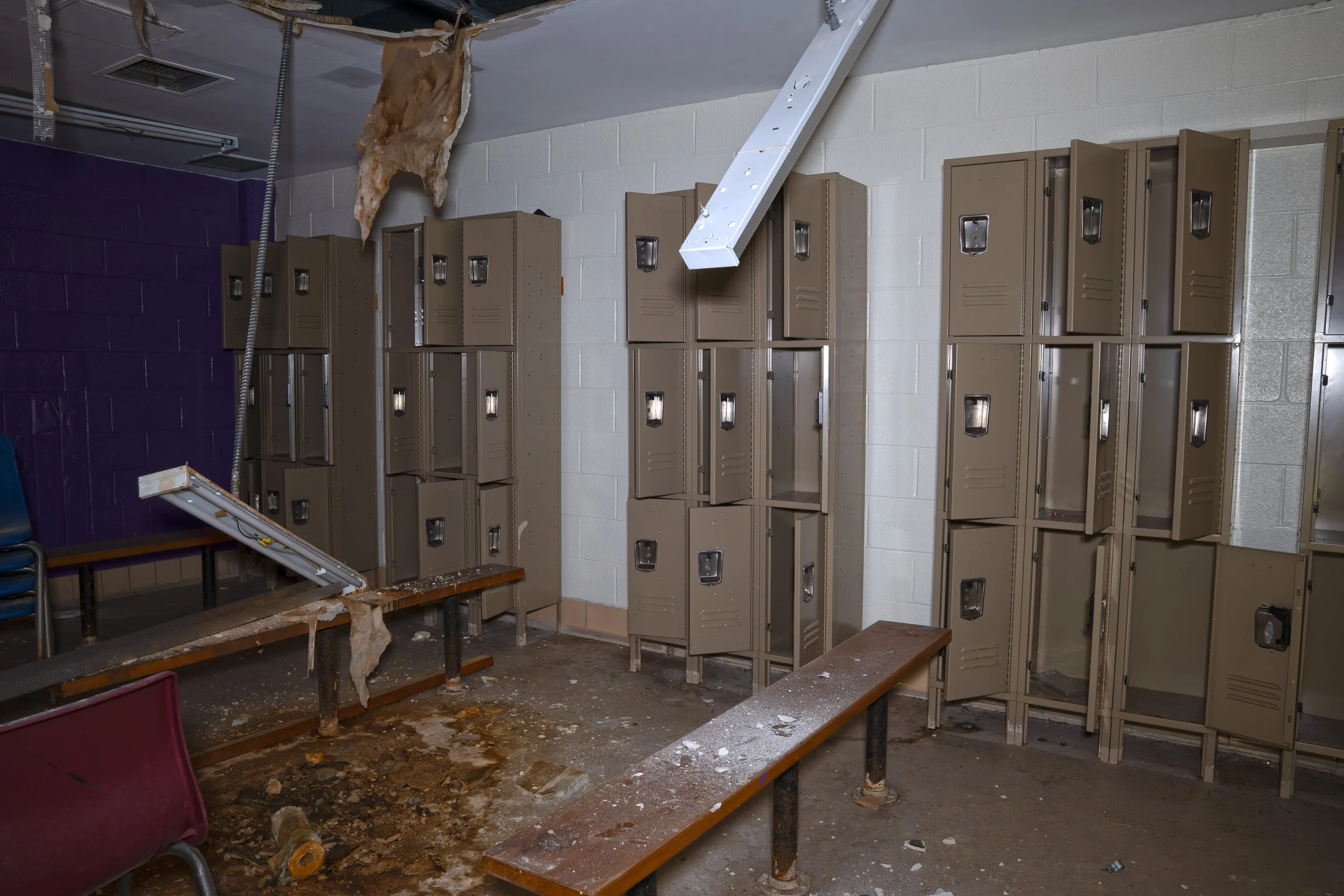
locker room separate from gymnasium space
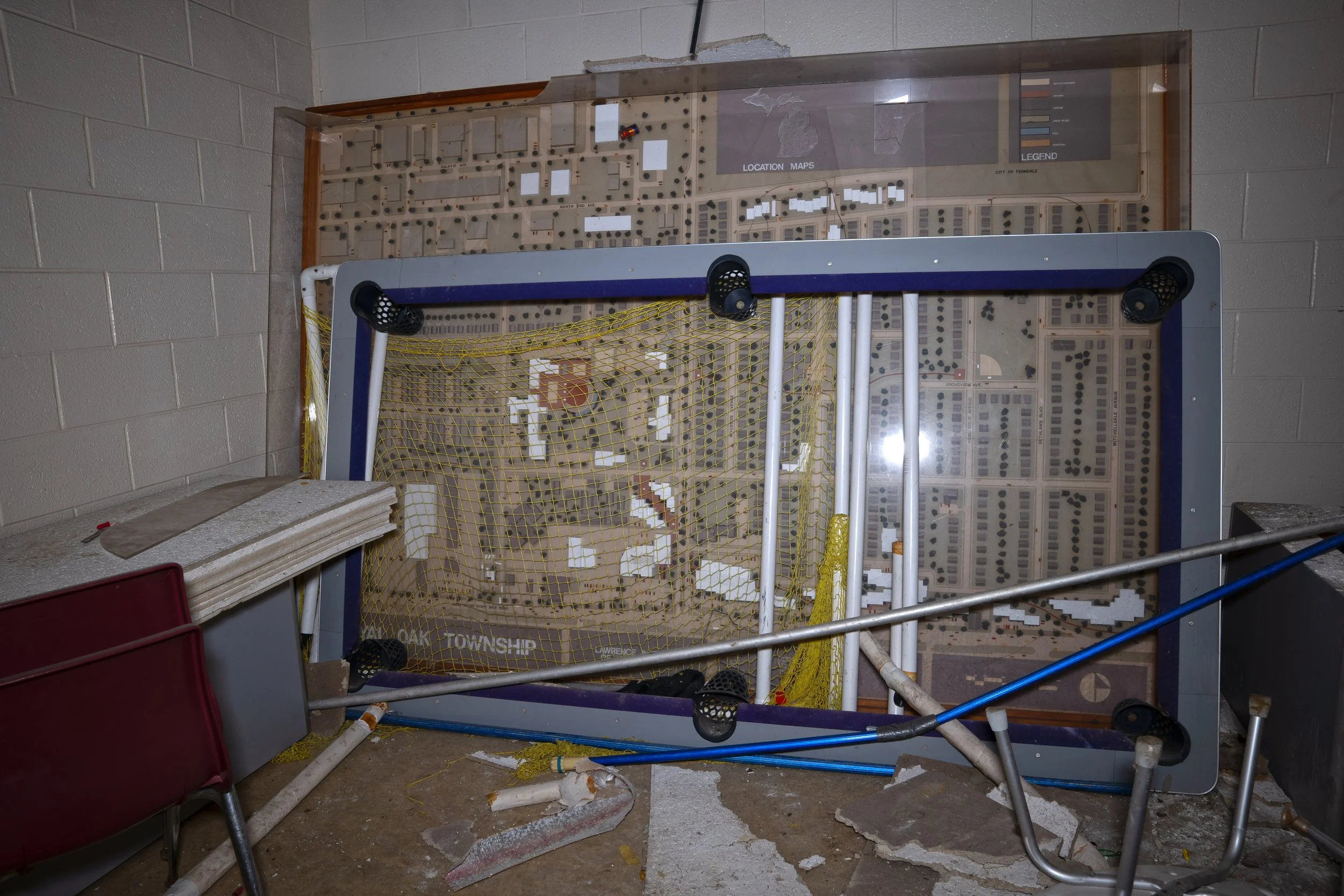
Map of Royal Oak Township near the back by locker rooms
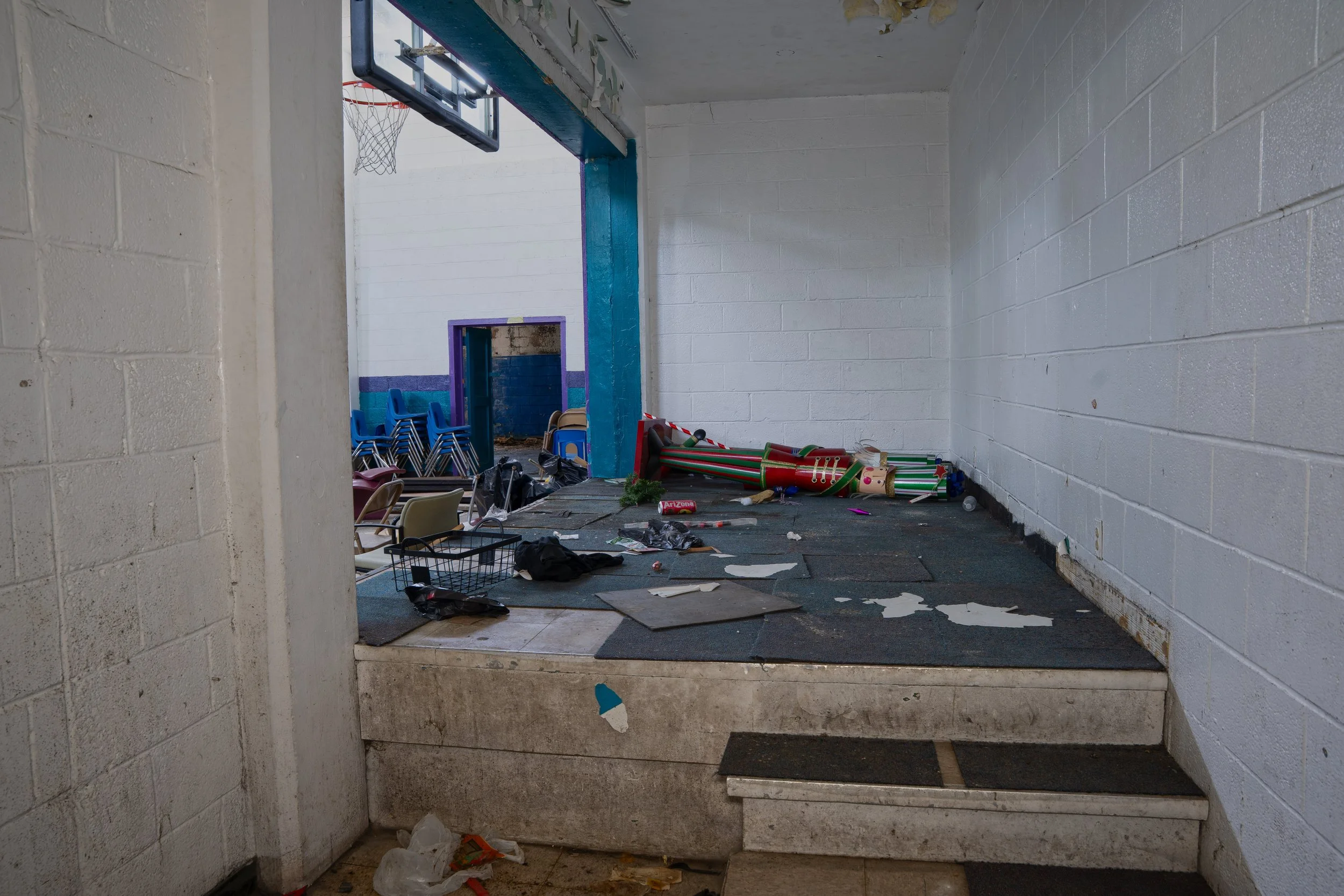
backstage of stage space
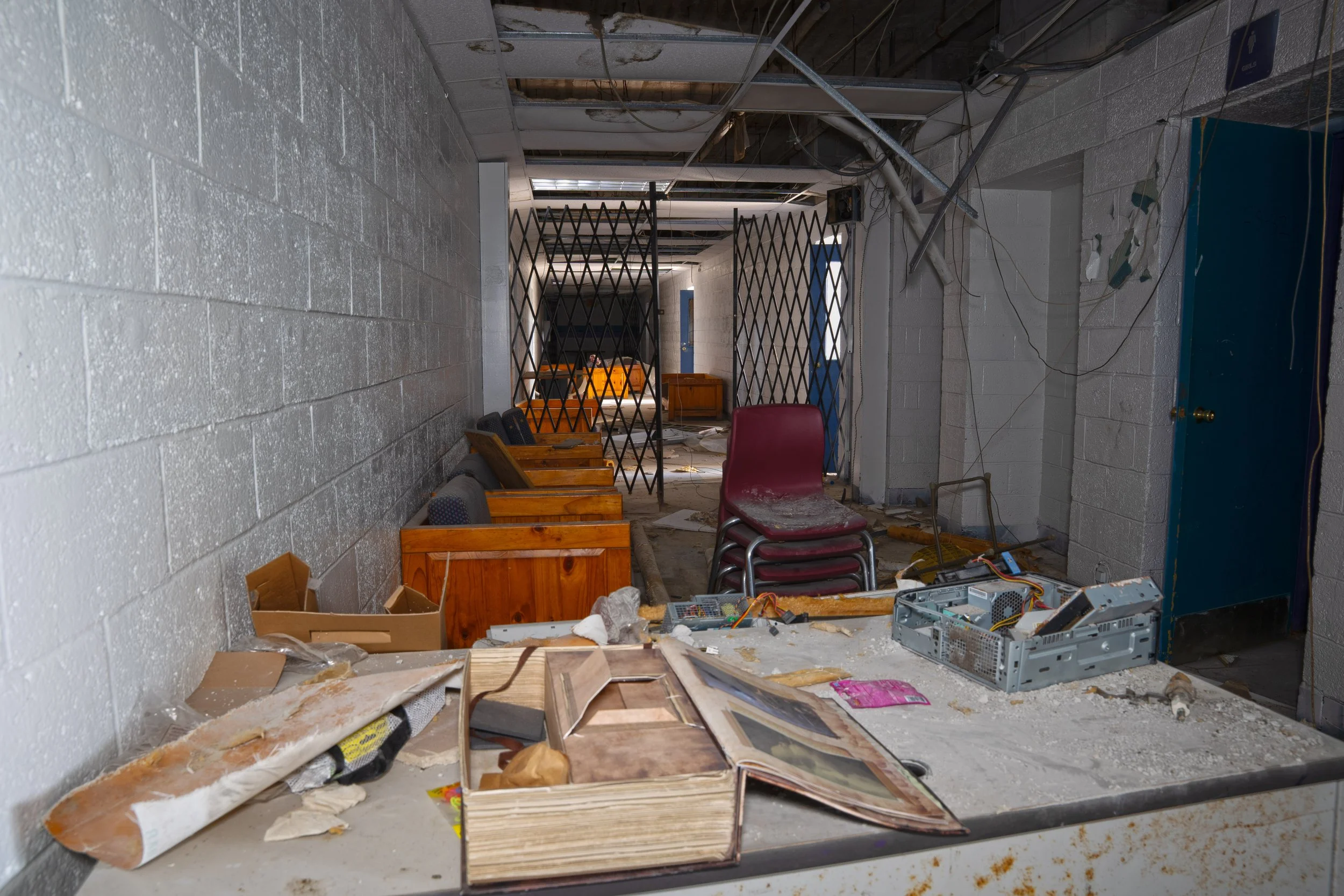
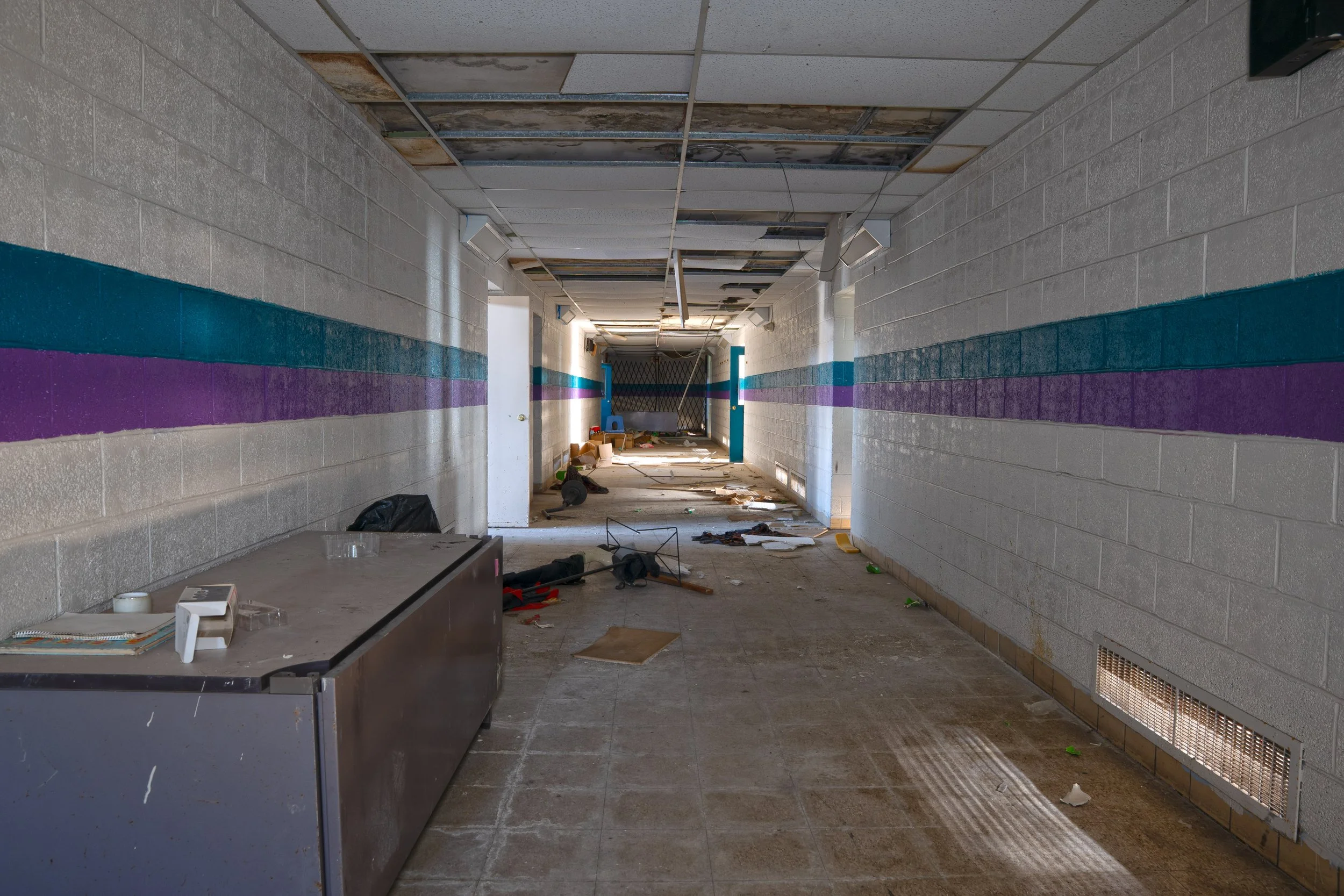
1st floor hallway shot 1
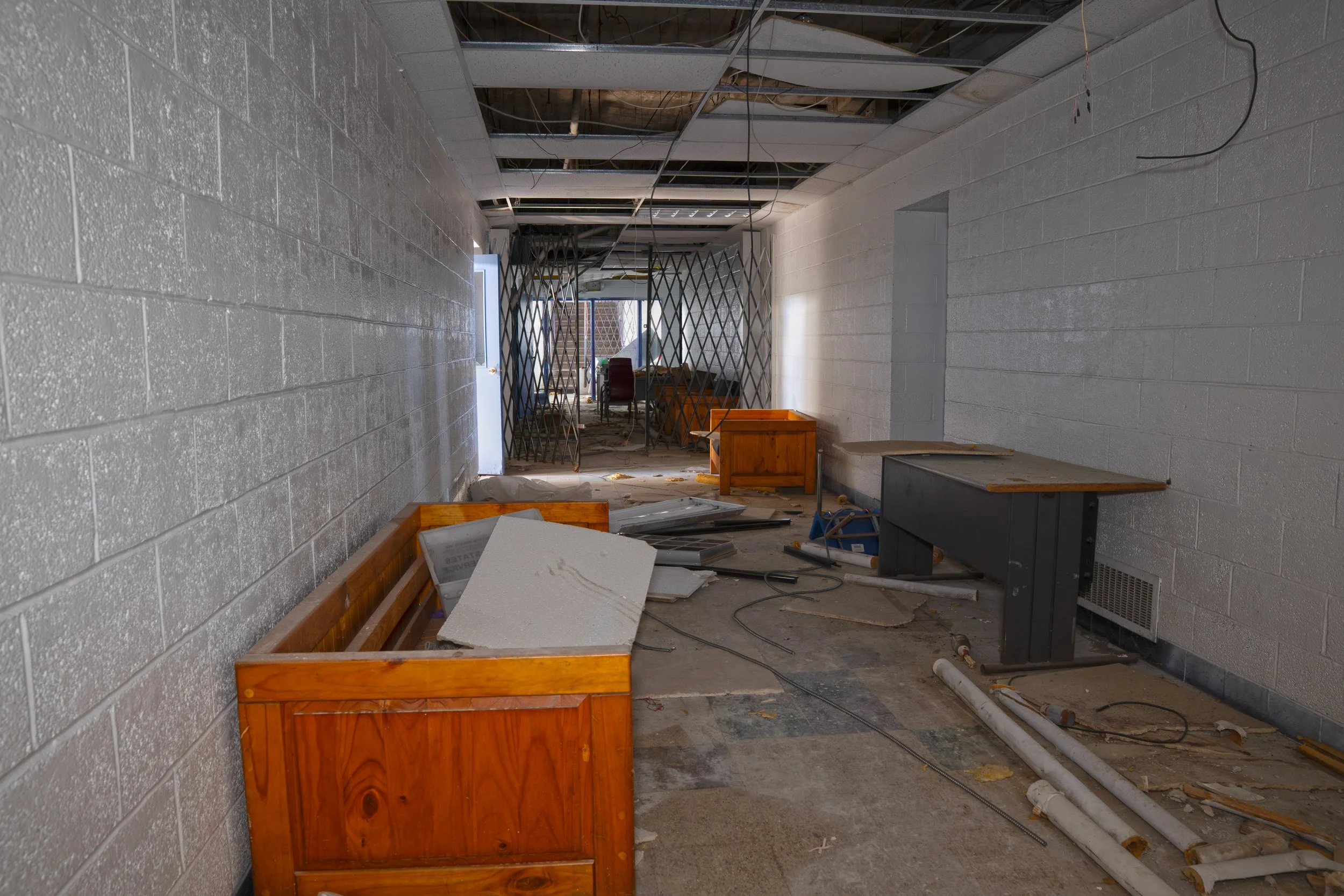
1st floor hallway shot 2
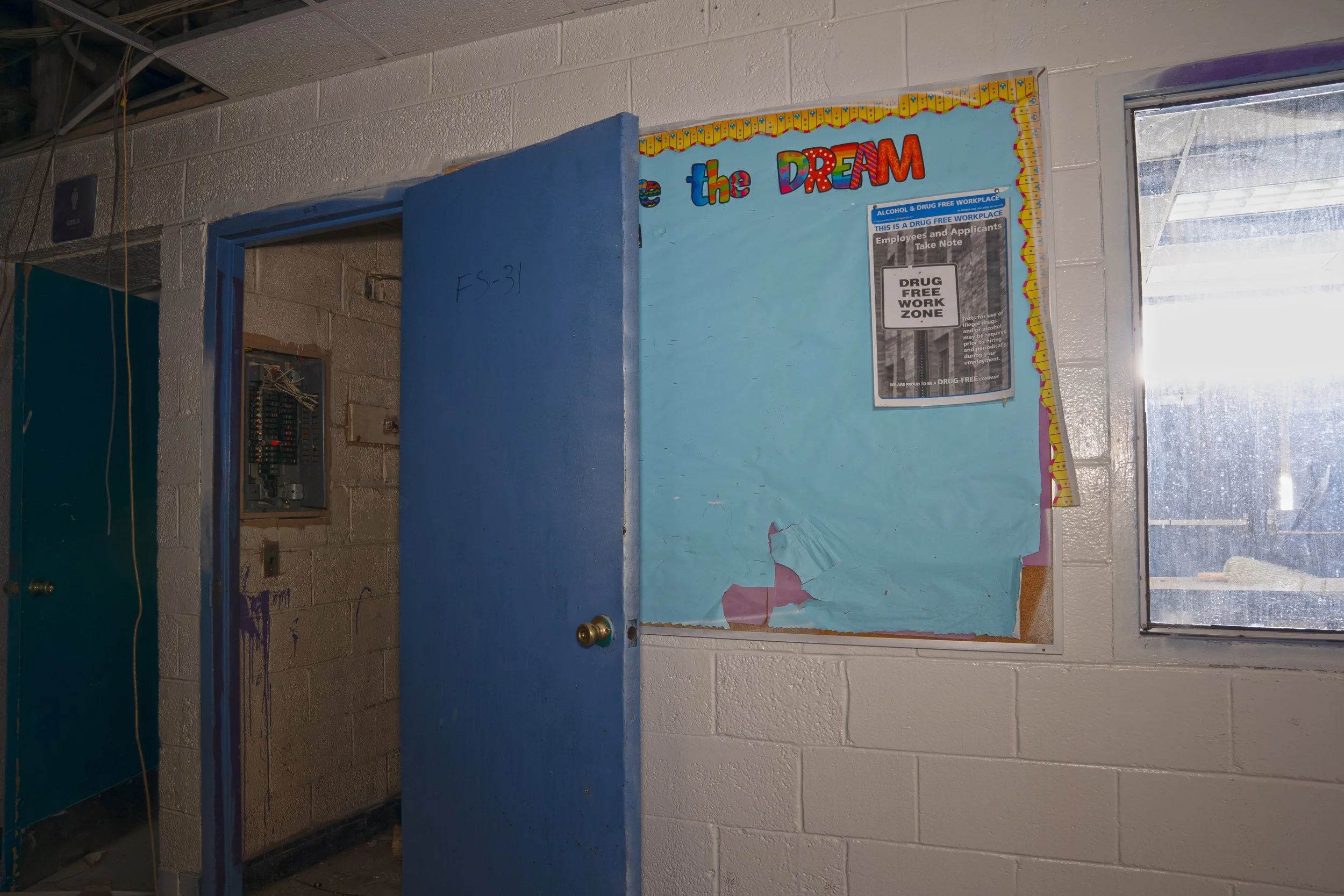
1st floor hallway shot 3
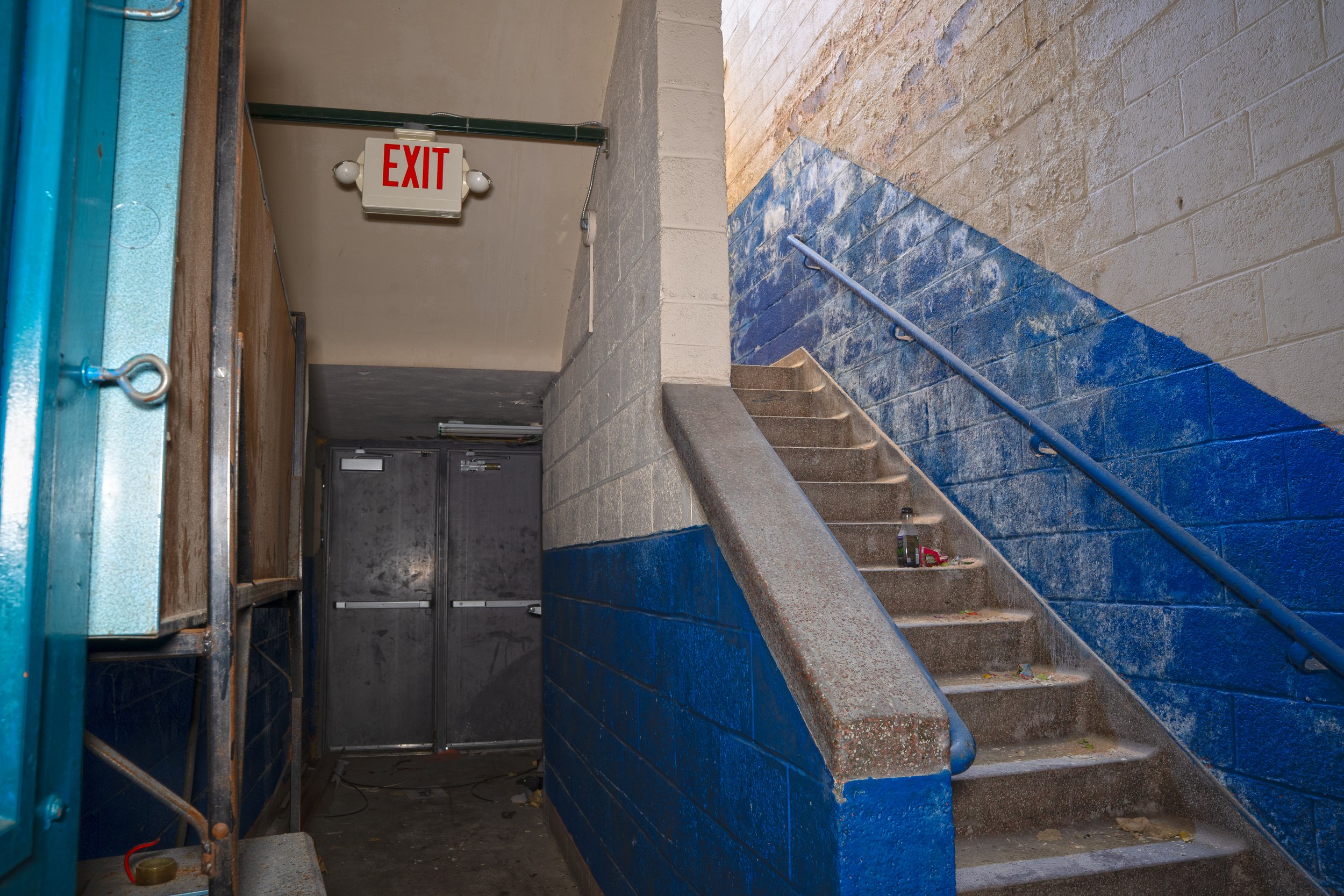
Staircase leading to 2nd flor
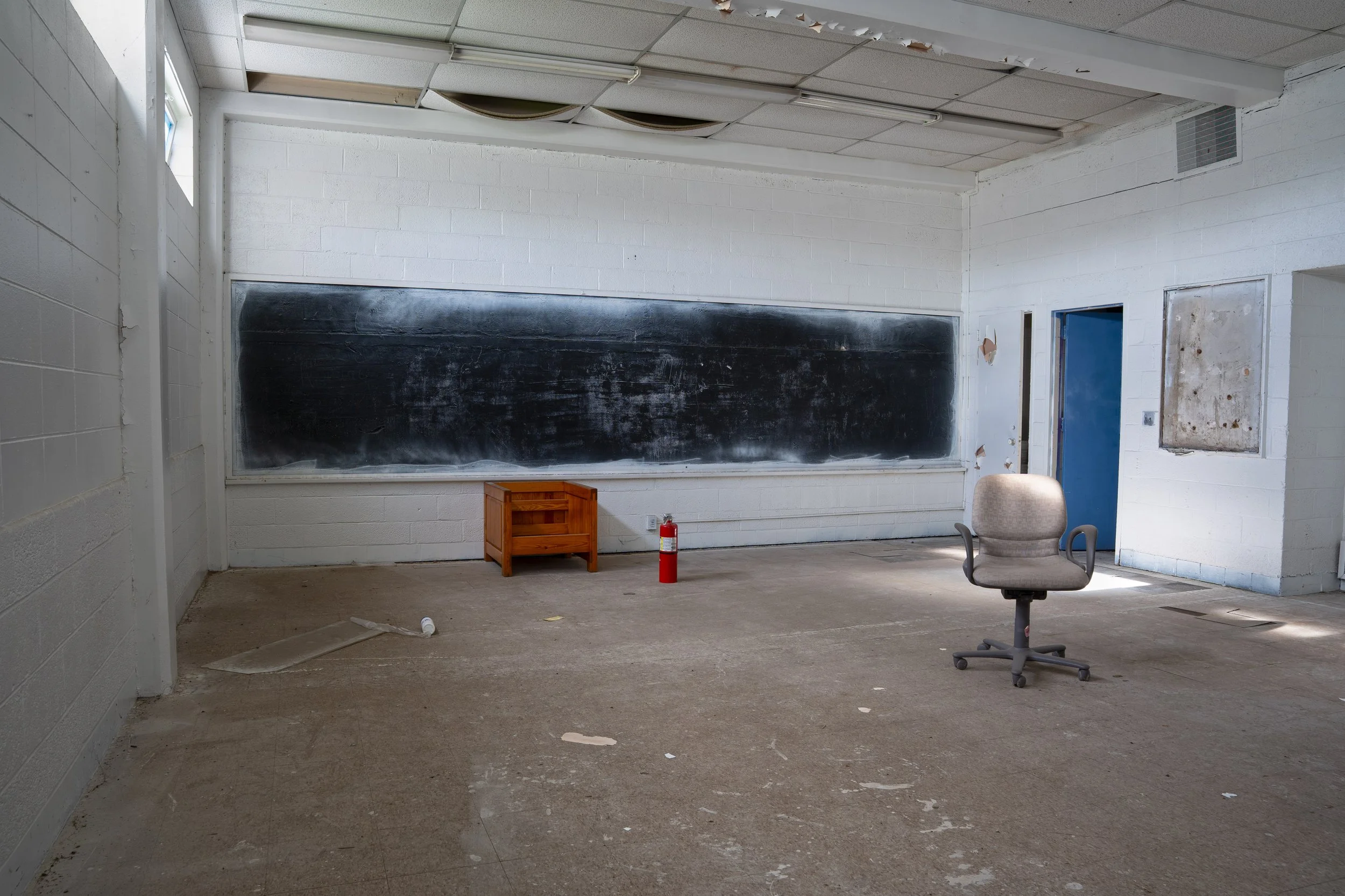
Many classrooms remain in near perfect shape however are removed of most items in many
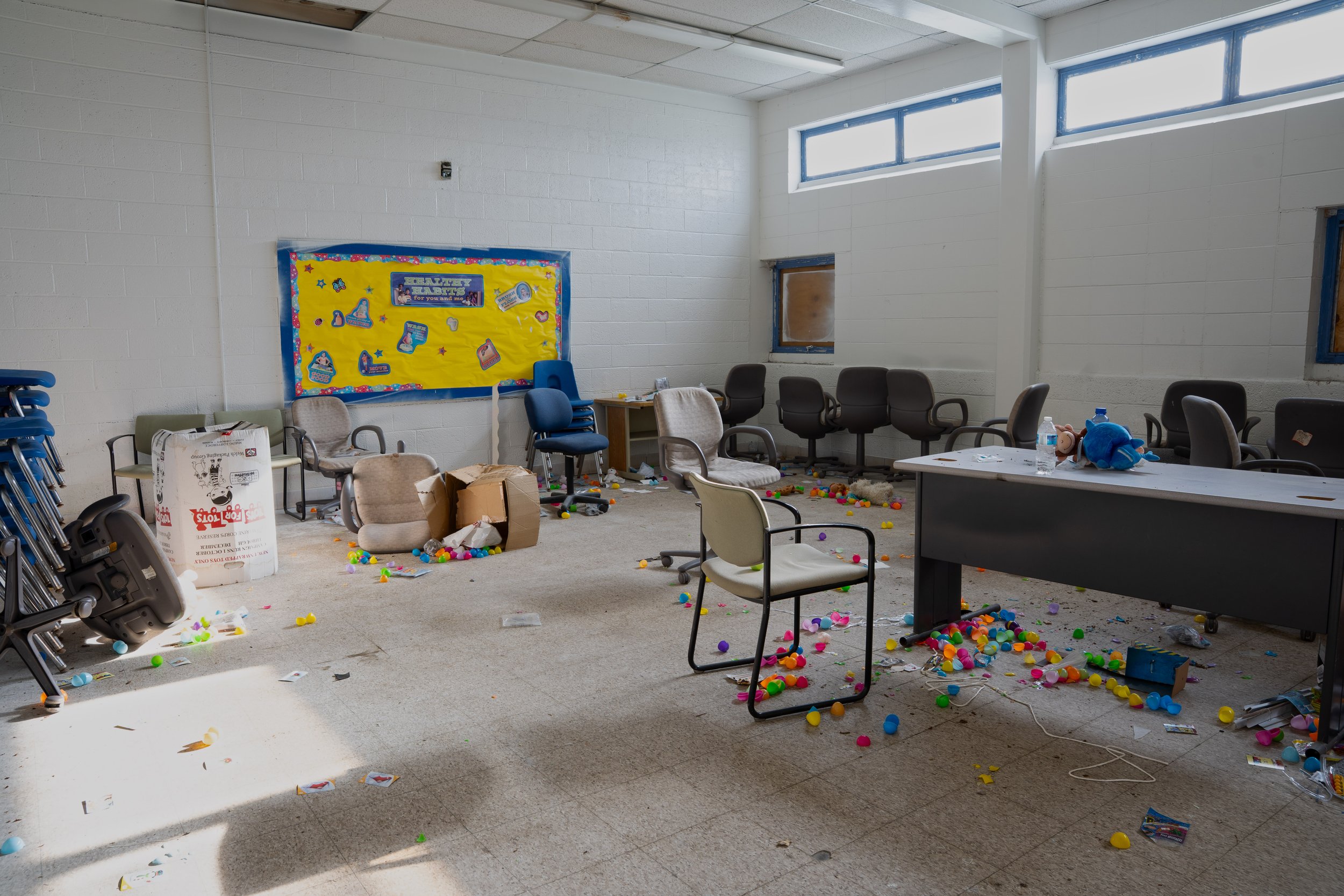
however some classroom have assortments of items left behind
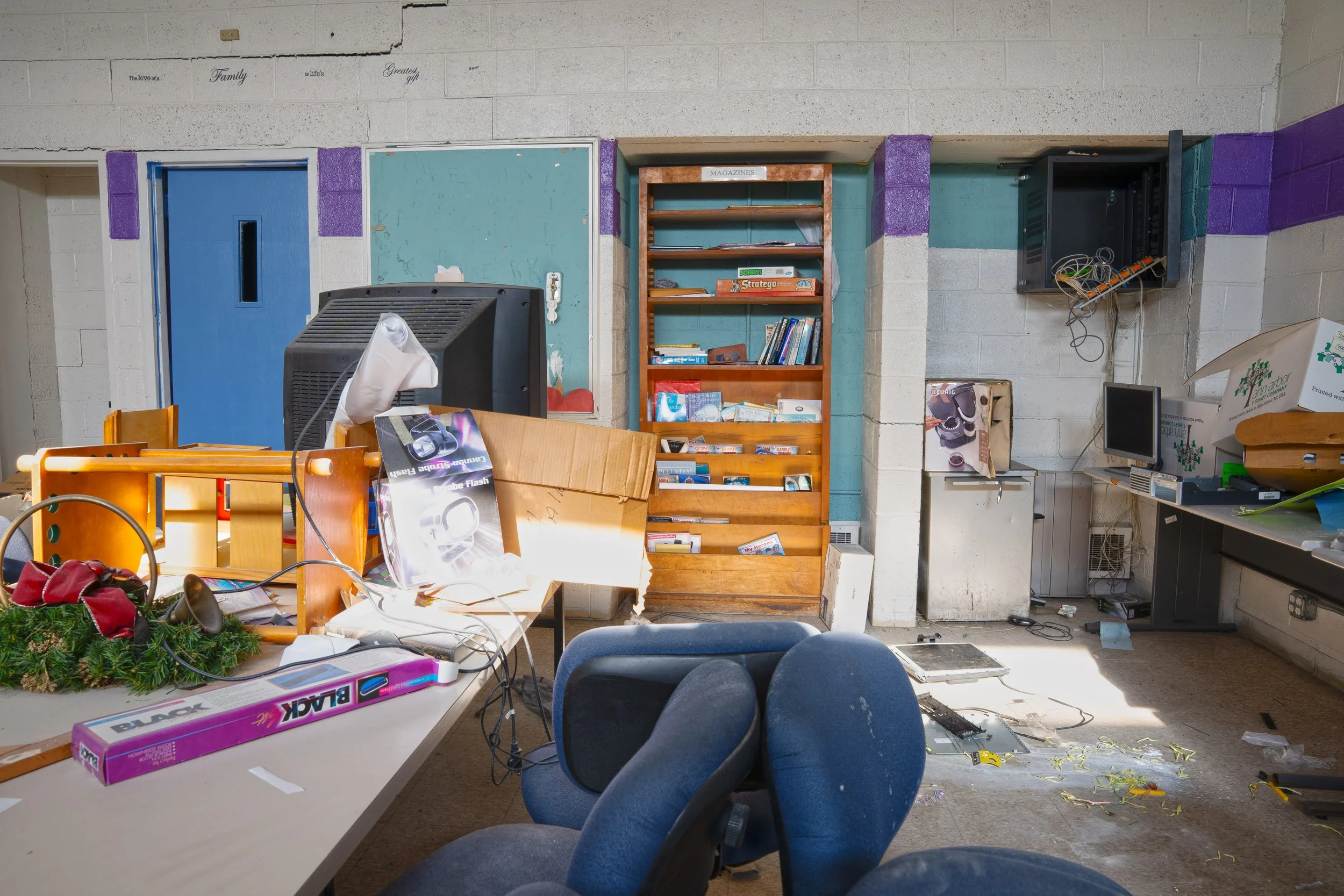
another 1st floor classroom
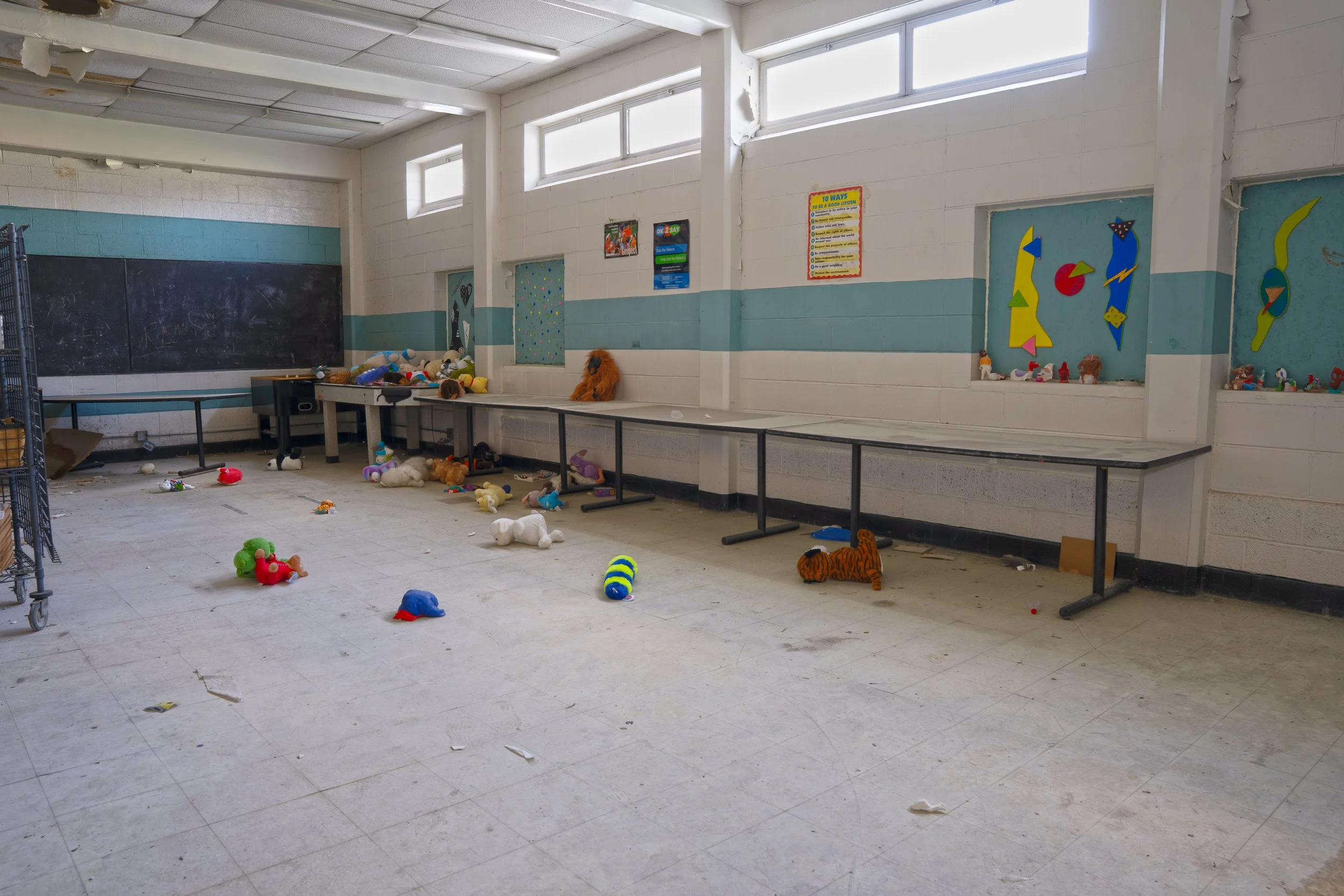
another 1st floor classroom
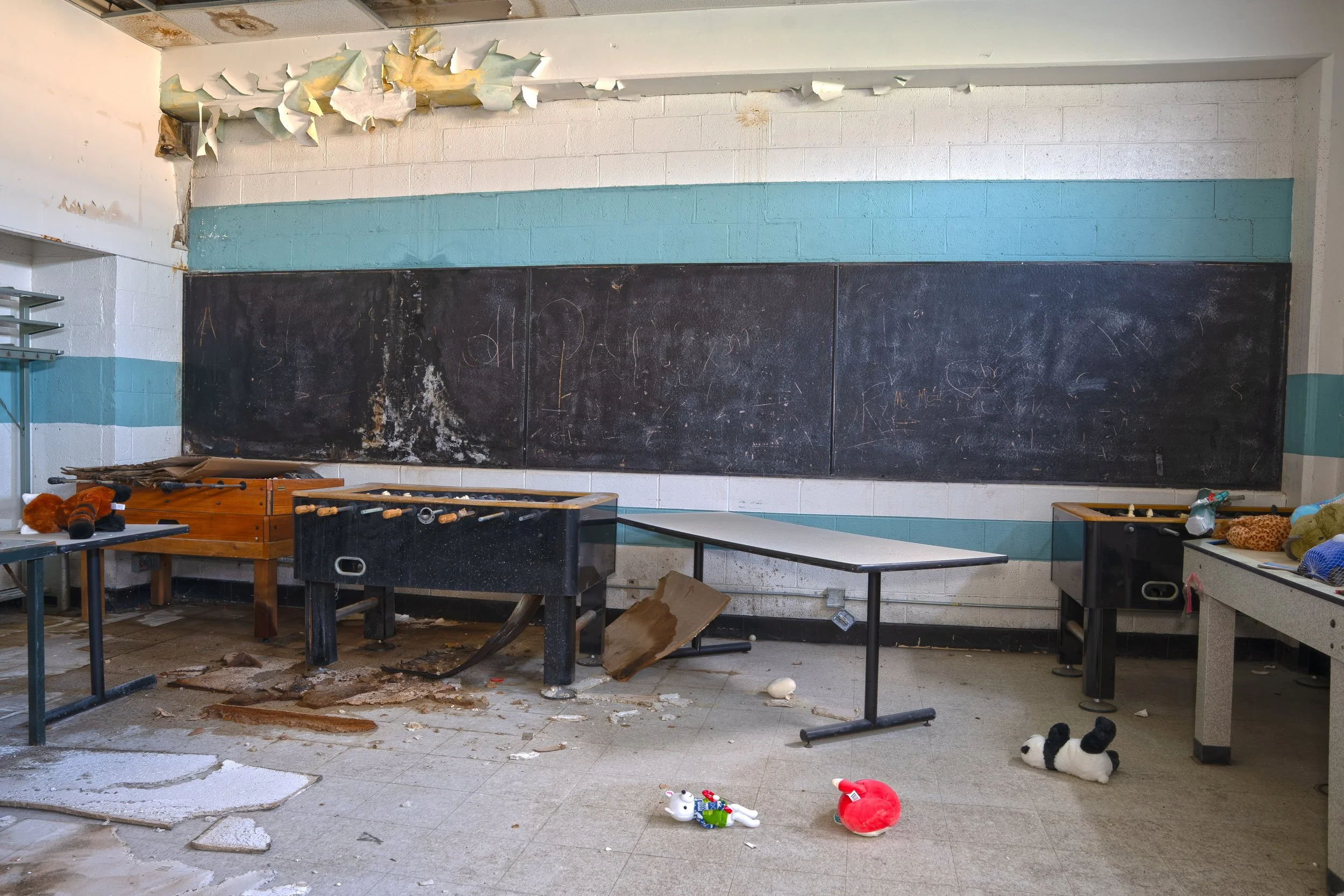
another 1st floor classroom
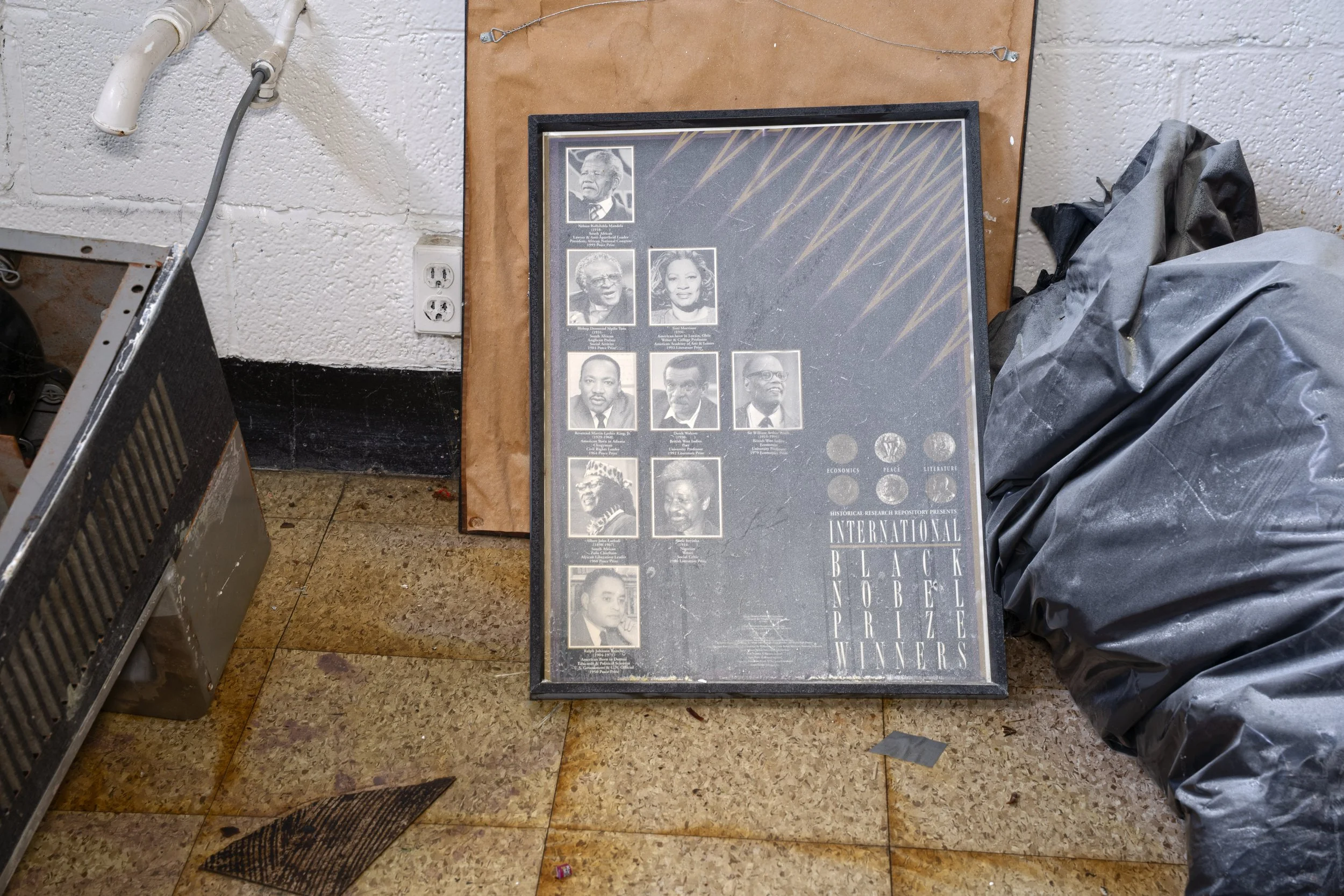
picture in 1st floor classroom
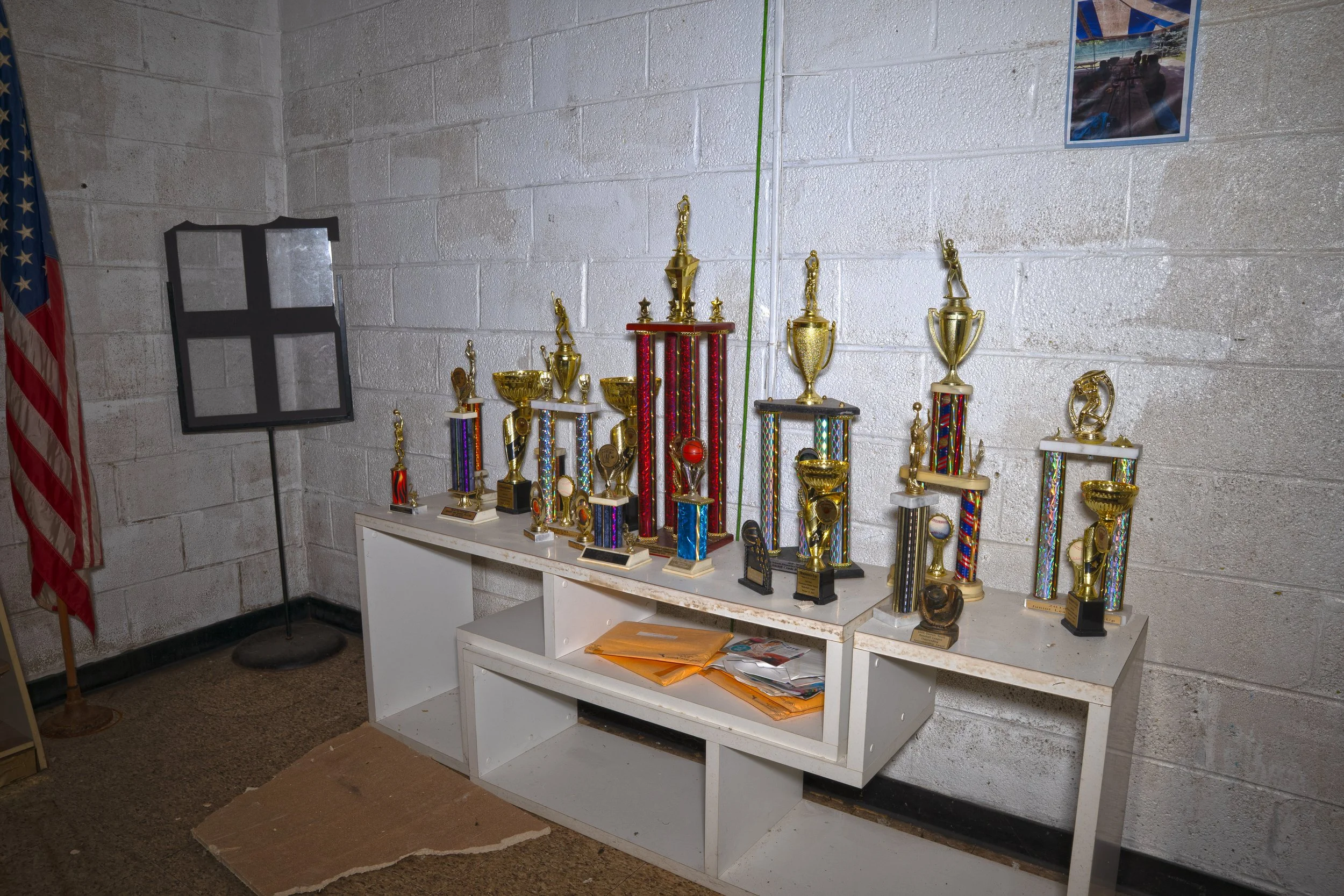
Trophy room in office space
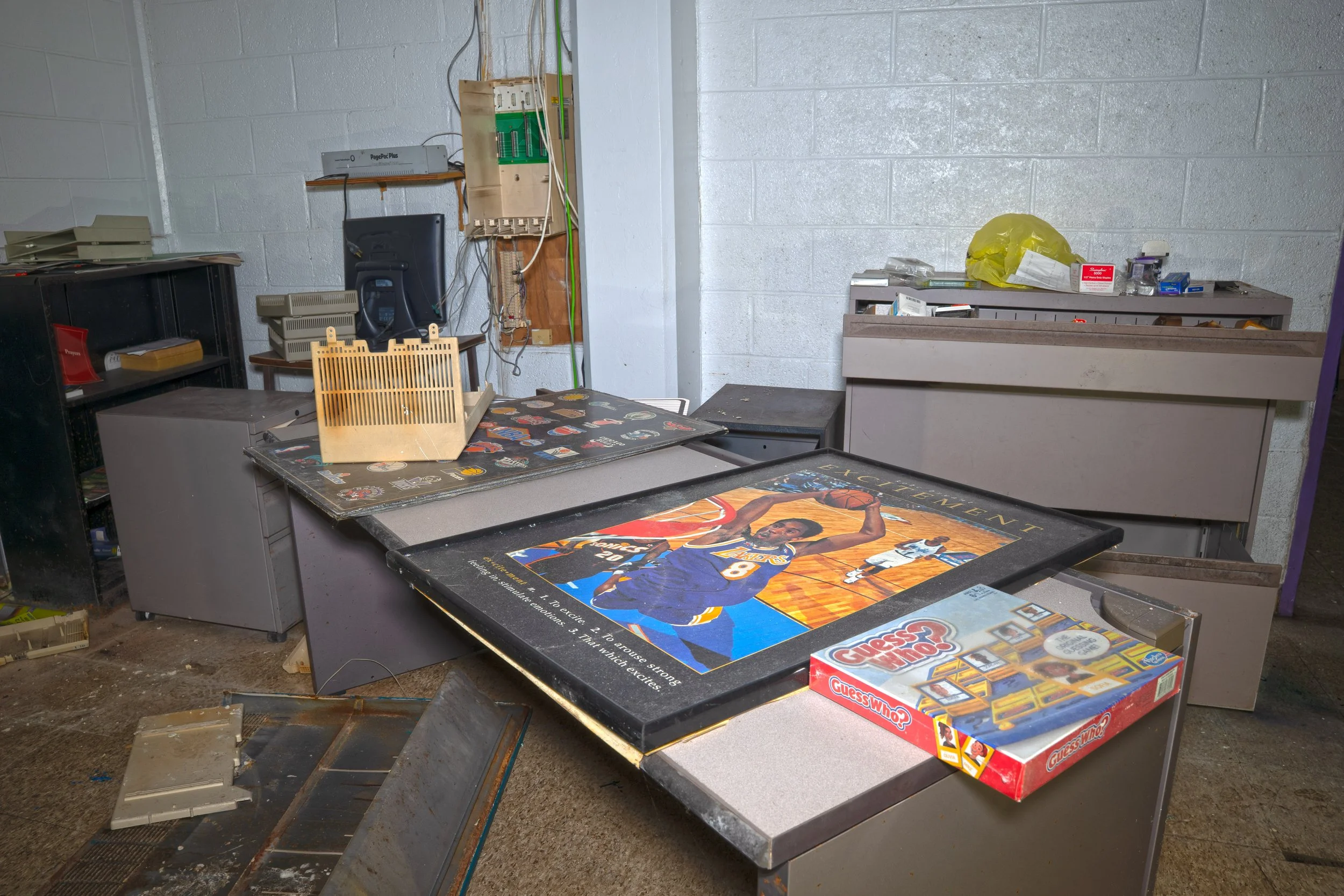
back office room in office space
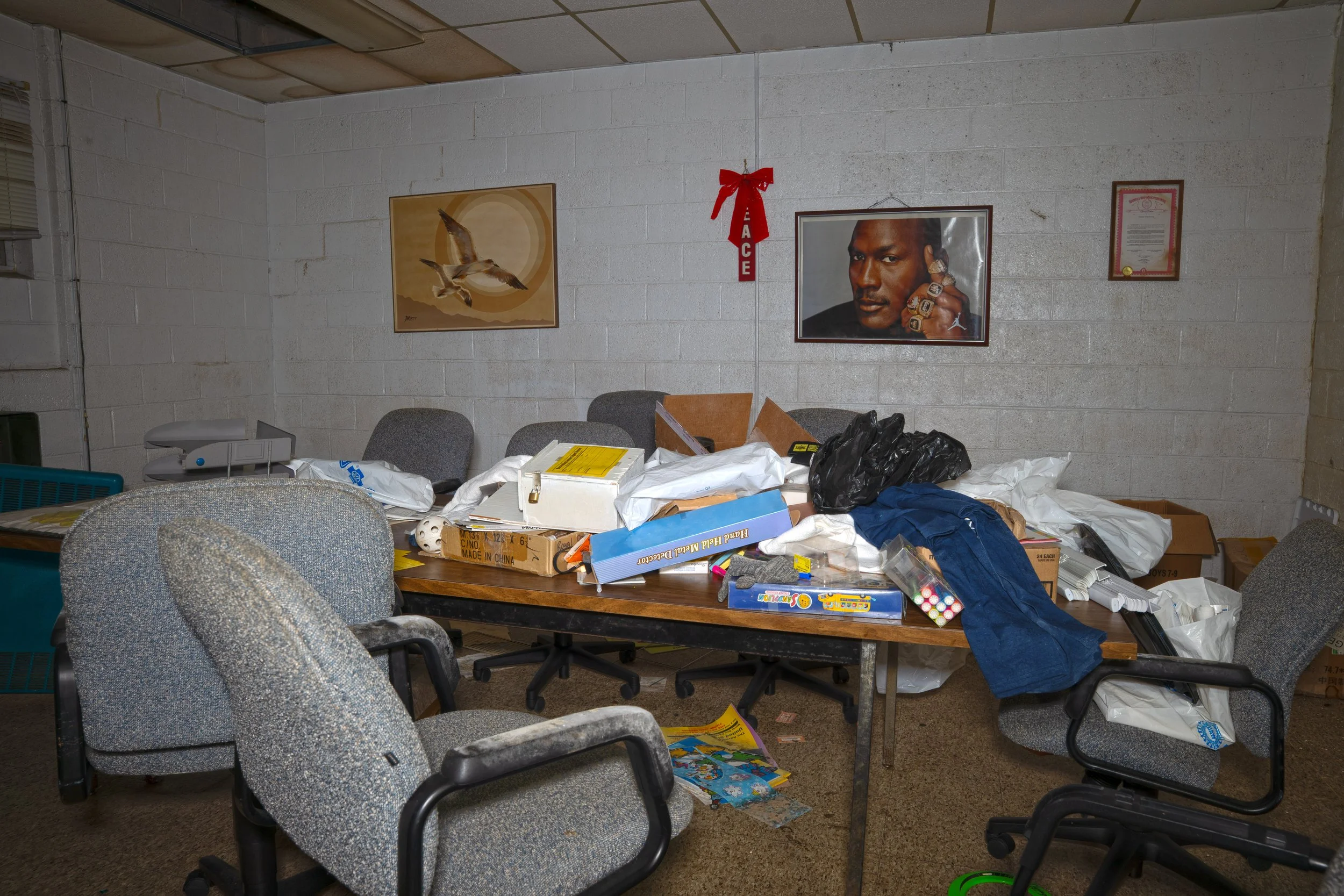
another office room
2nd floor hallway
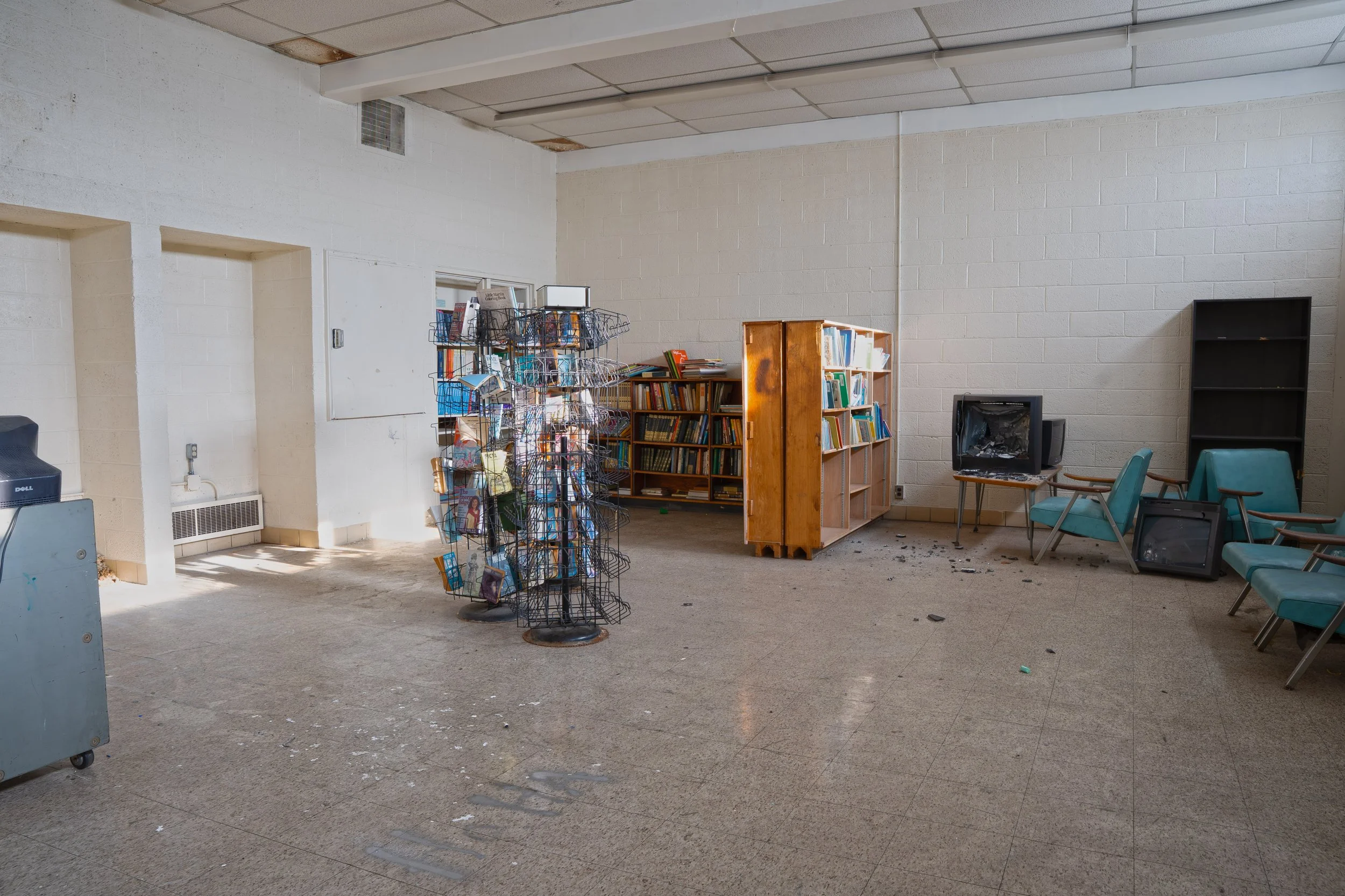
Library on 2nd floor shot 1
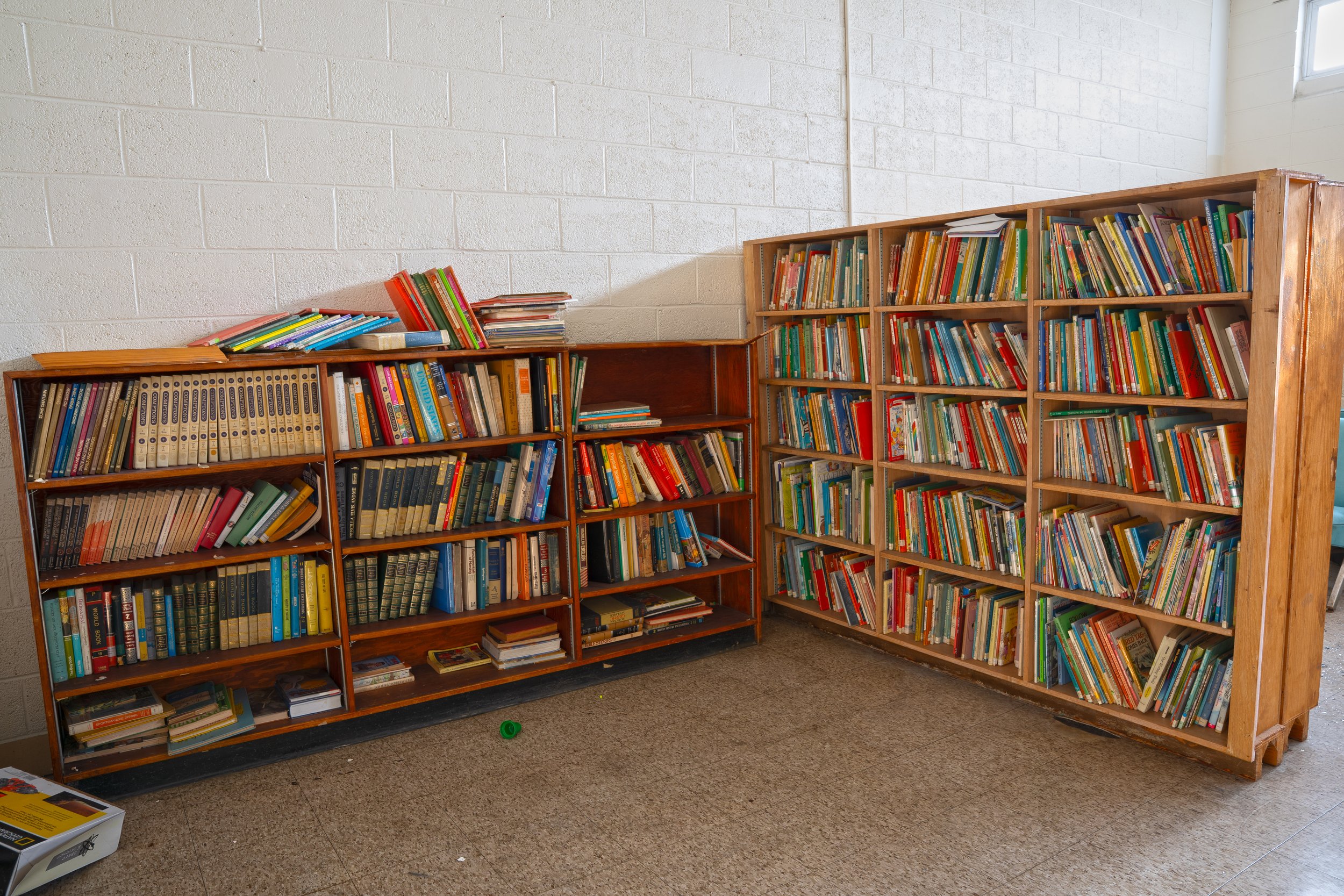
Library on 2nd floor shot 2
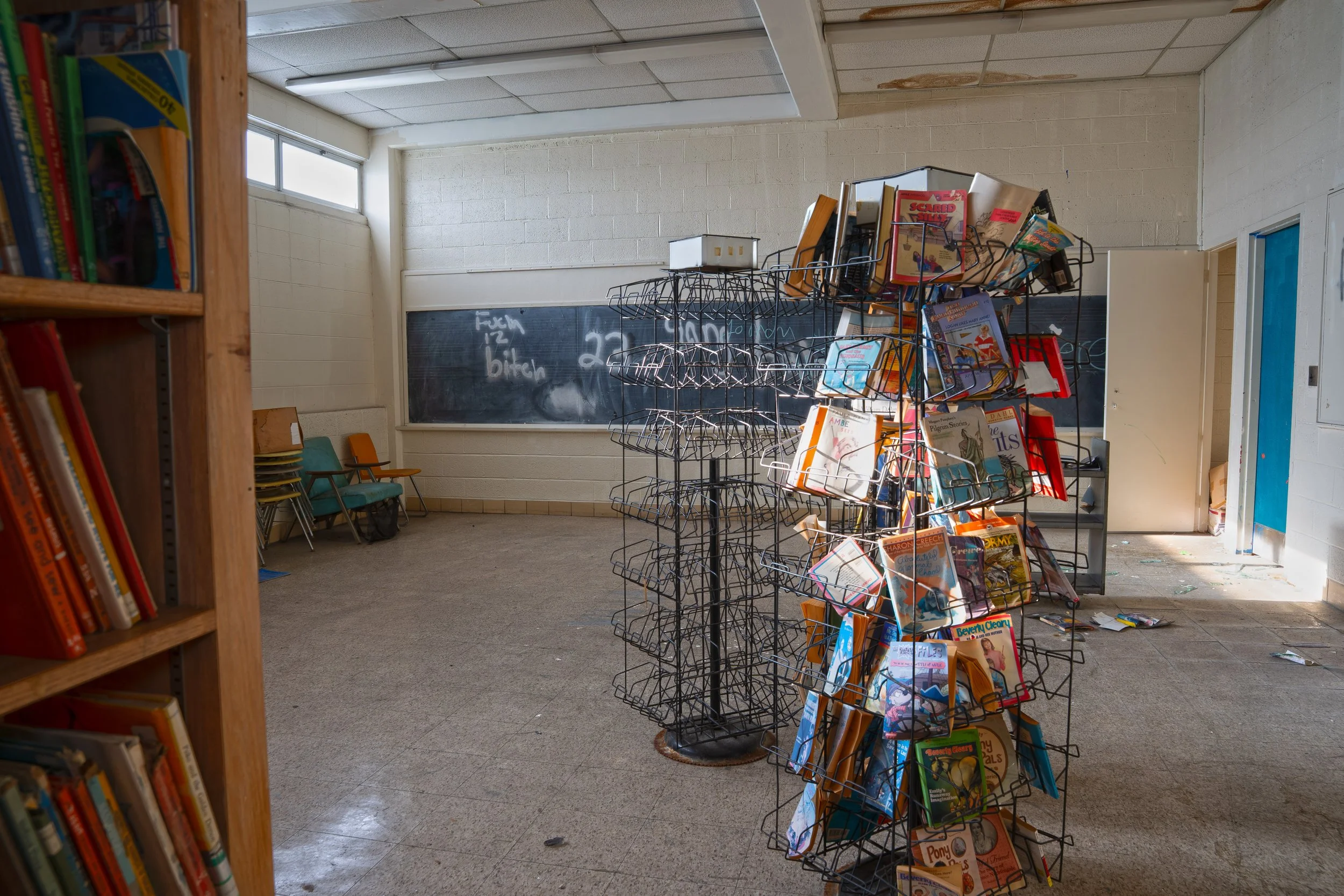
Library on 2nd floor shot 3
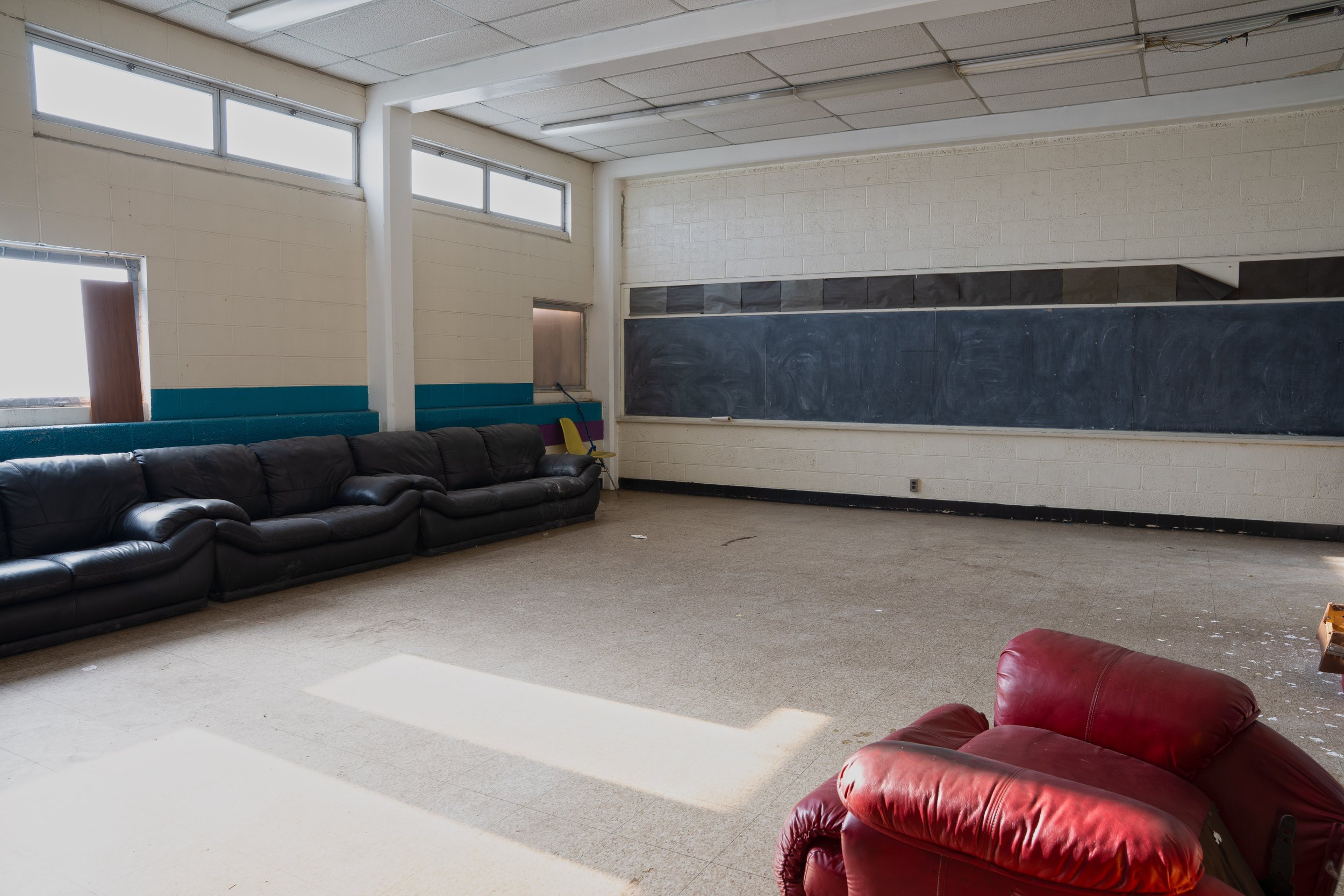
2nd floor classroom turned into a lounge room
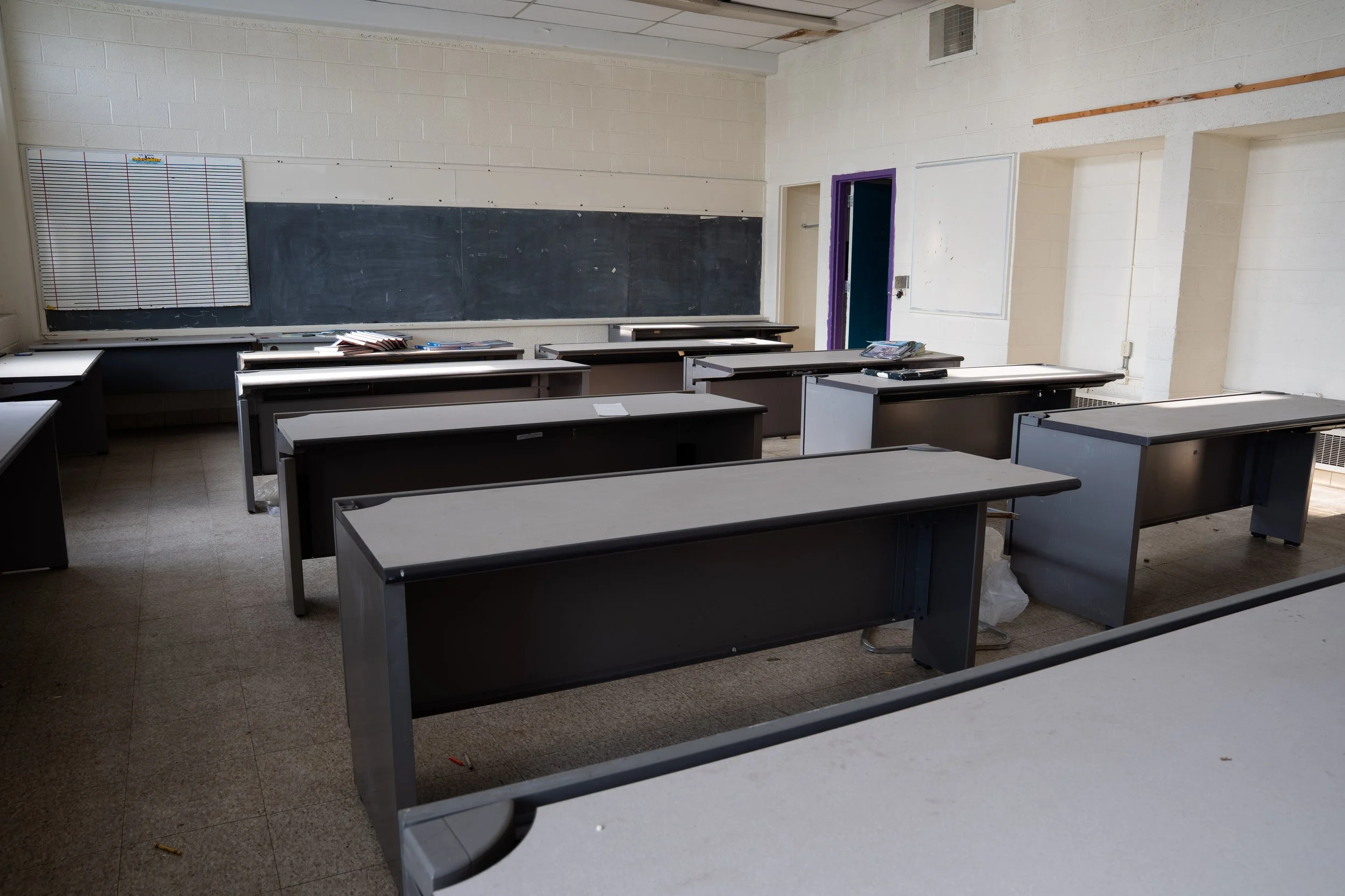
Desk still perfectly set up on 2nd floor
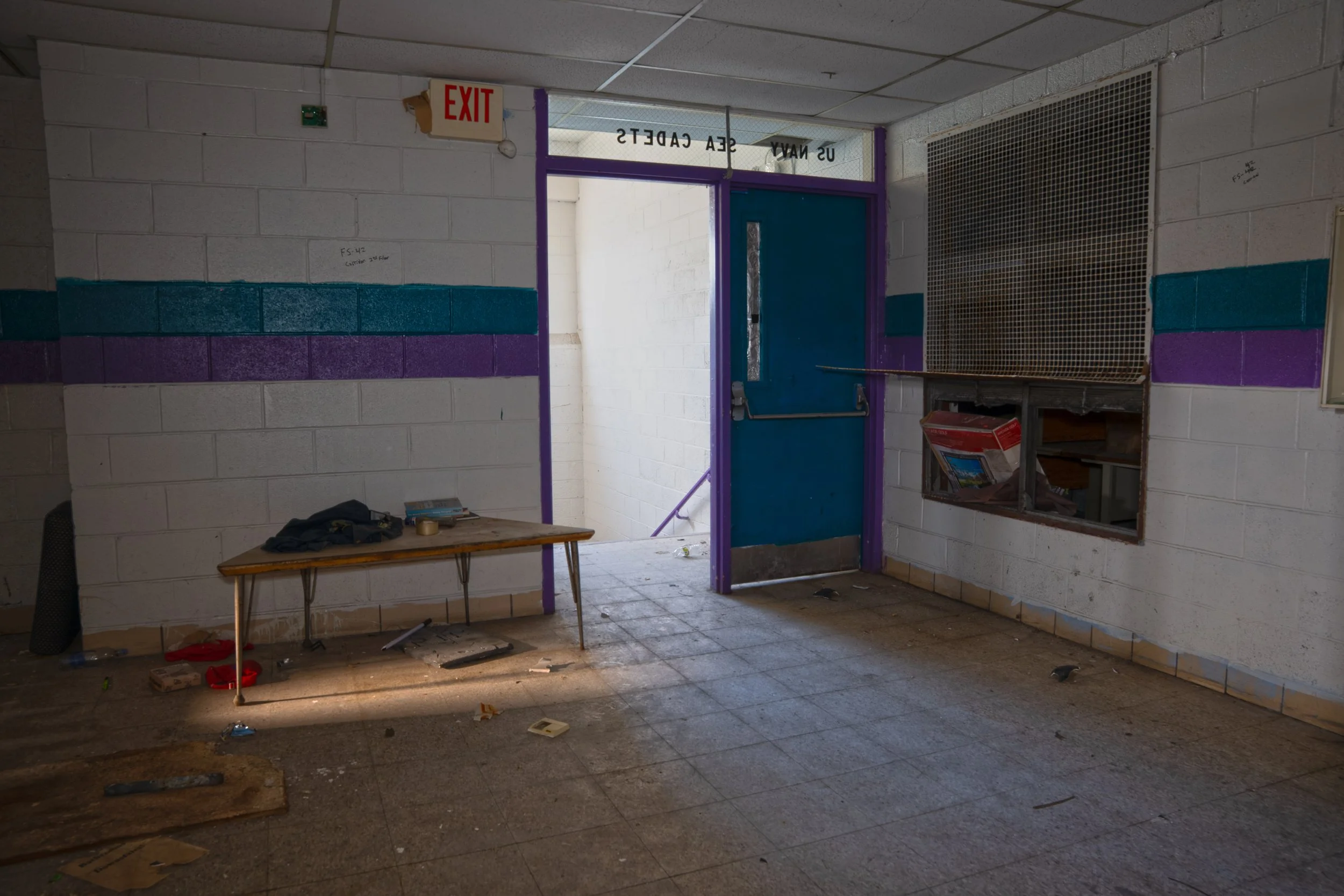
Staircase leading to 1st floor
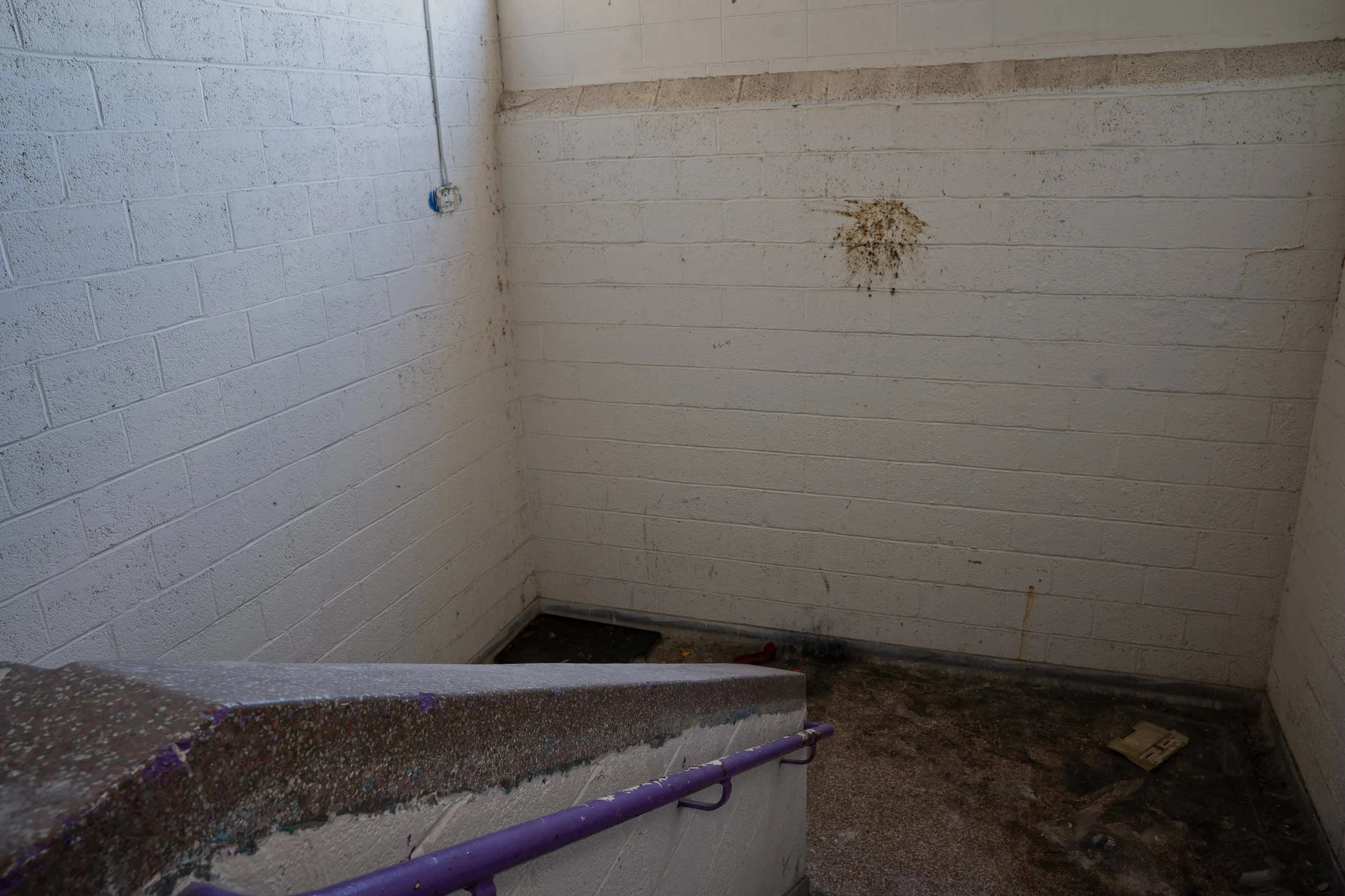
Staircase leading down to 1st floor
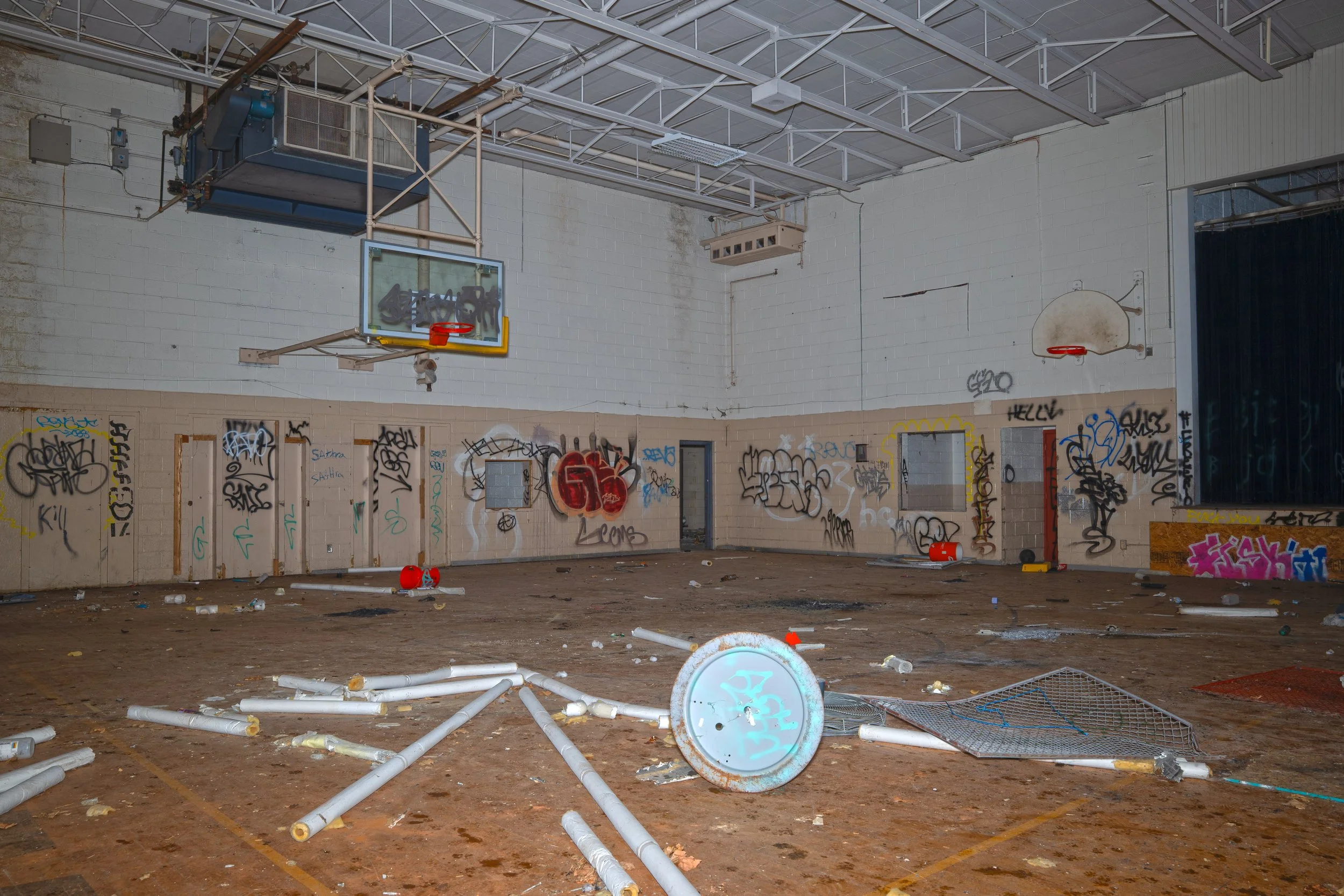
Recollection from the author
Southern Section of Carver (Academy of Oak Park )
The southern end of Carver was a completely different outcome of the Rec Center section. While the Rec Center section which we had done about a week before the Southern end of Carver, was a walk in the park. The former Academy of Oak Park, proved to be more of a adrenaline rush then anything. Before we got in the neighborhood had seemed to catch onto us, we knew we had likely been seen by at least someone due to the volume of people out. For the first about 20 mins the coast was clear. The southern section while defiantly more scrapped and tagged over, however it had a more classic vibe to it compared to the rec center which felt much newer. In most of the classrooms laid CRTs of various conditions from destroyed to perfectly intact. Considering this section was closed in 2010 it makes sense. About 25 mins into our exploration as we approached the 2nd floor we saw it, a person of our group called it out Michigan State Police was circling the building, we though it was just a patrol then out another window we saw two units parked in front of the rec center section, we knew we were likely busted, however after about 10 mins of waiting and checking we saw the coast was once again clear and we booked it out of the school and called it a day. We will never know if Michigan State Police had been called or if it was just a quick stop in the daily patrol however we didn’t stay to find out further, we had gotten our shots and we left, before we lost our chance.
It is important to note due to Royal Oak Township not having a dedicated police department, it is Michigan State Police that responds to calls out of there Oak Park Station.
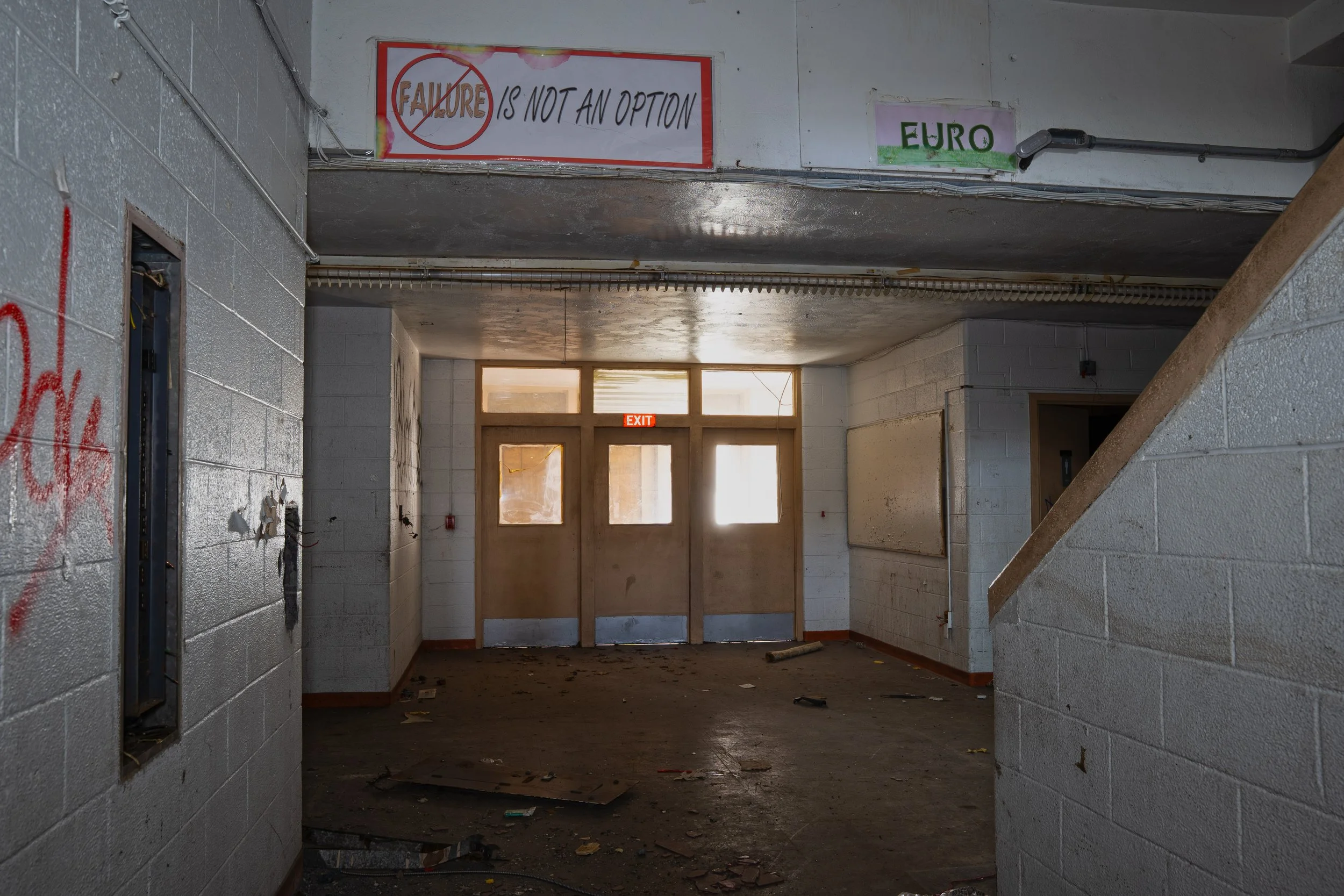
One of the main entrances to the school
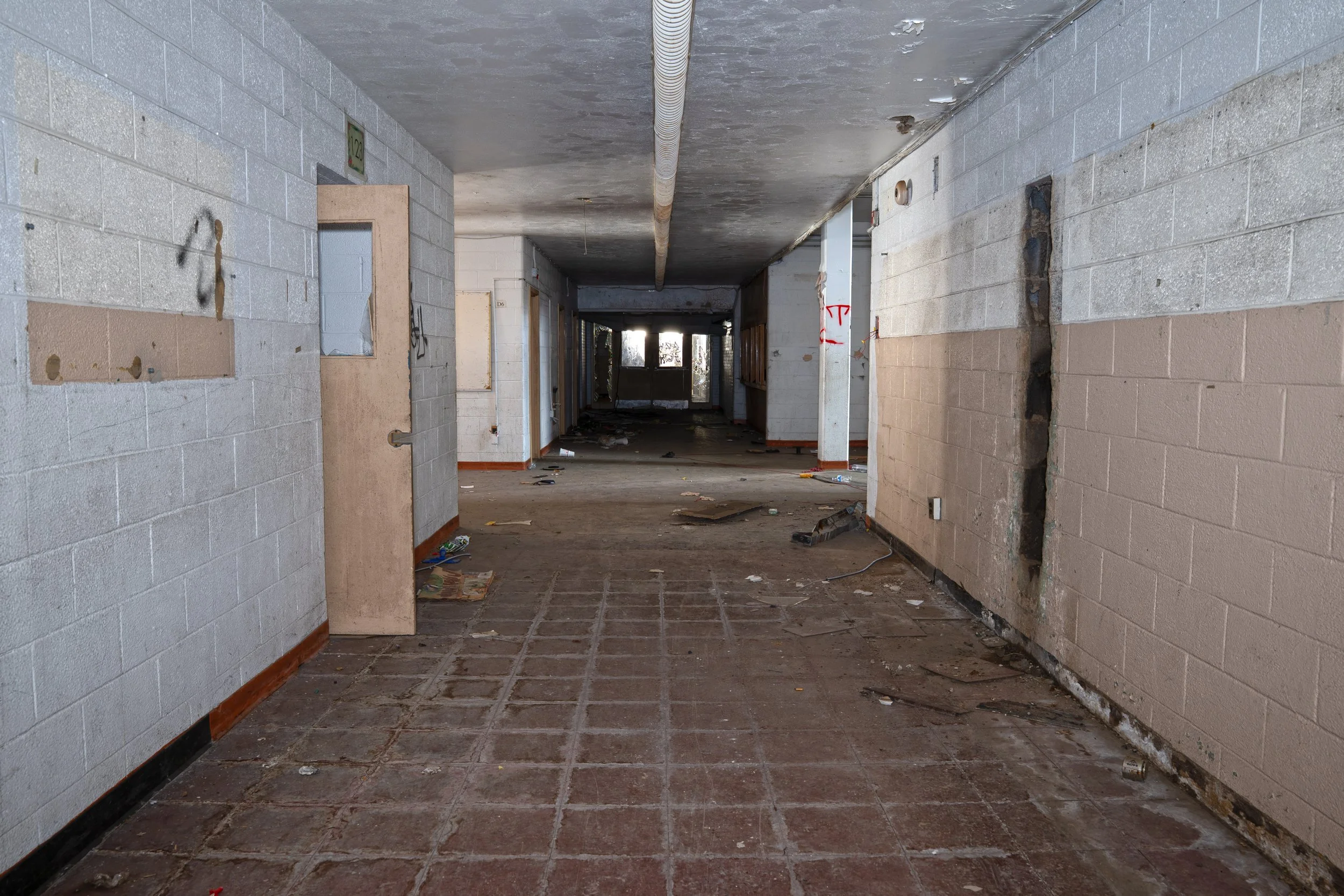
Main Hallway
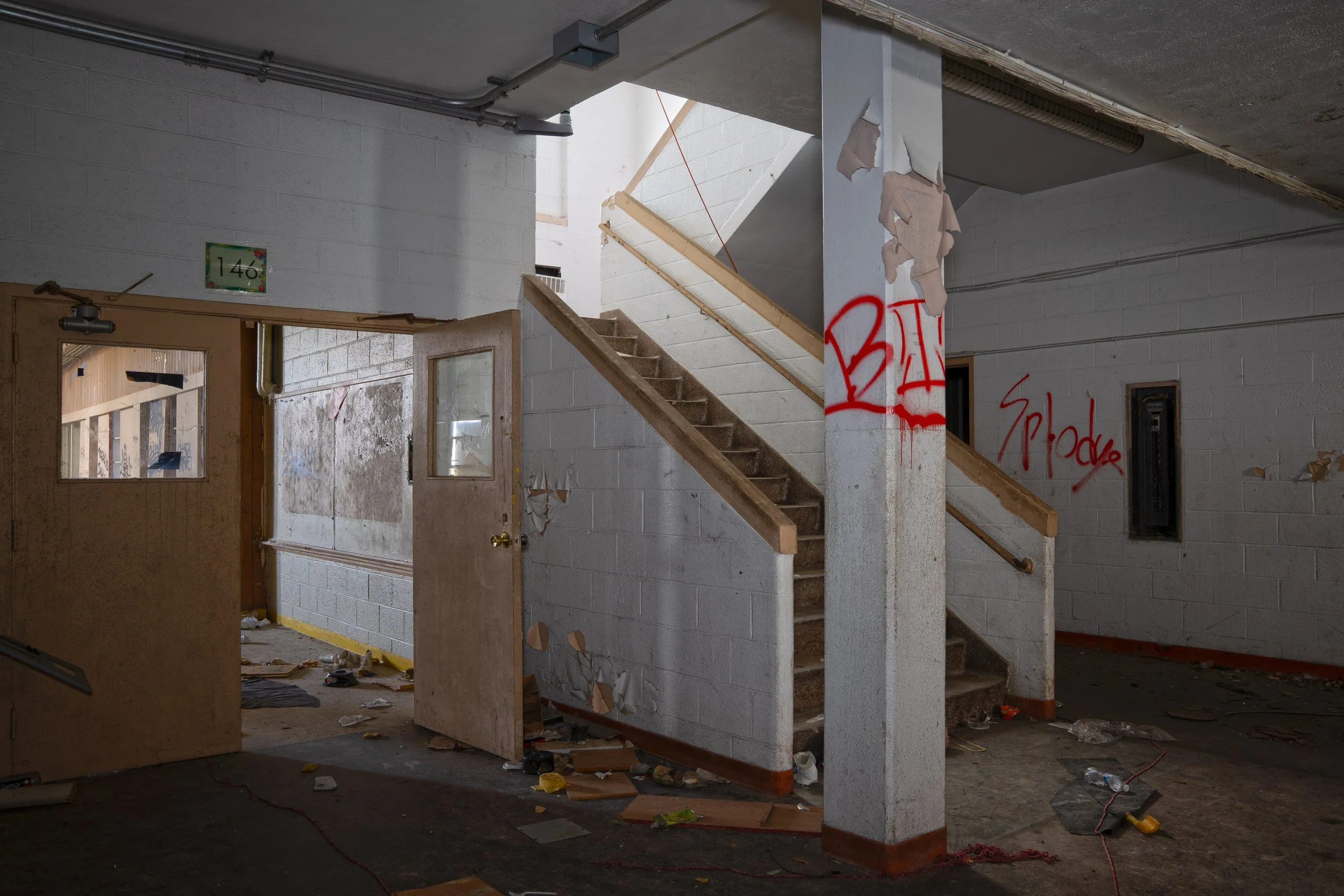
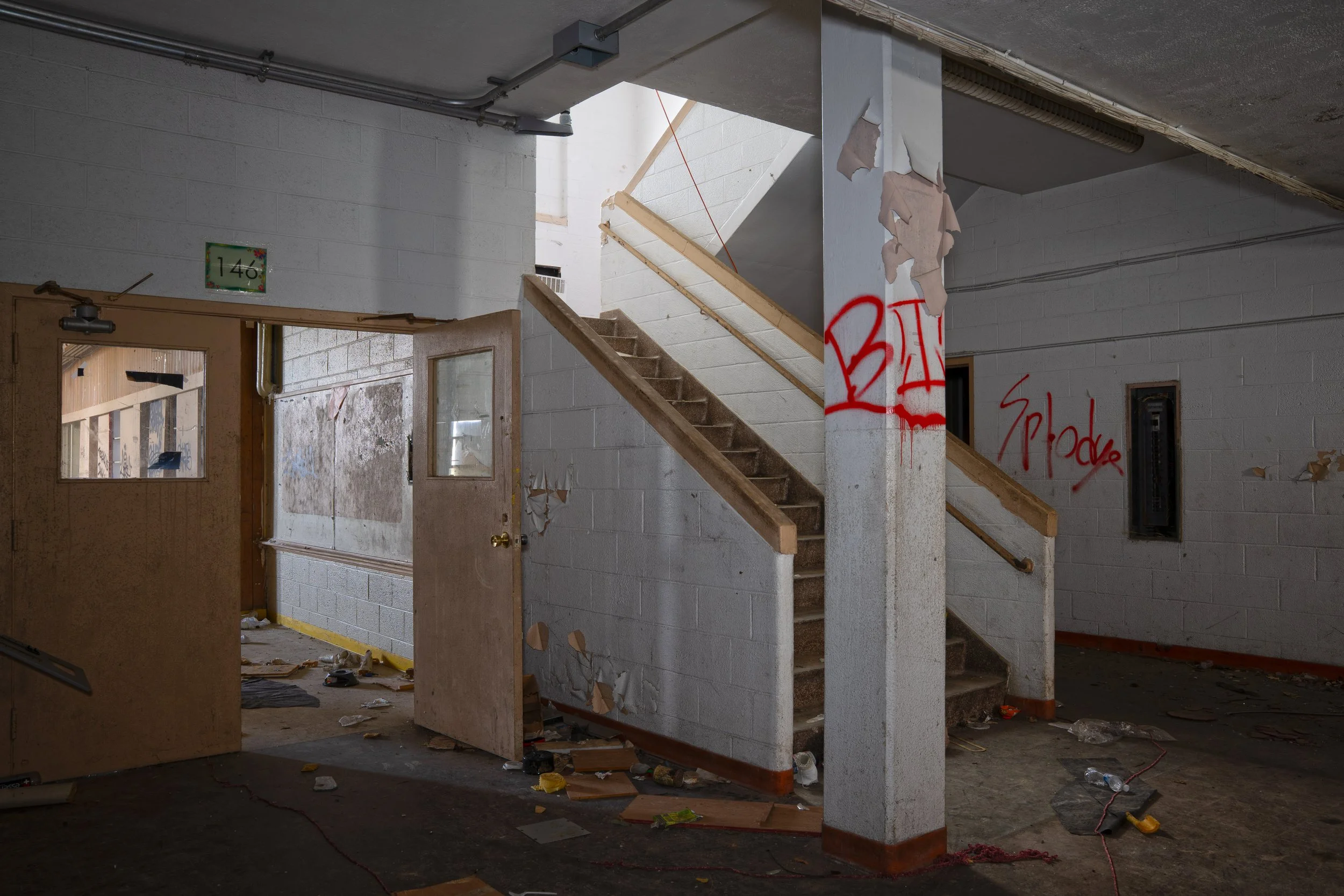
Staircase leading up to 2nd floor nearby main entrance
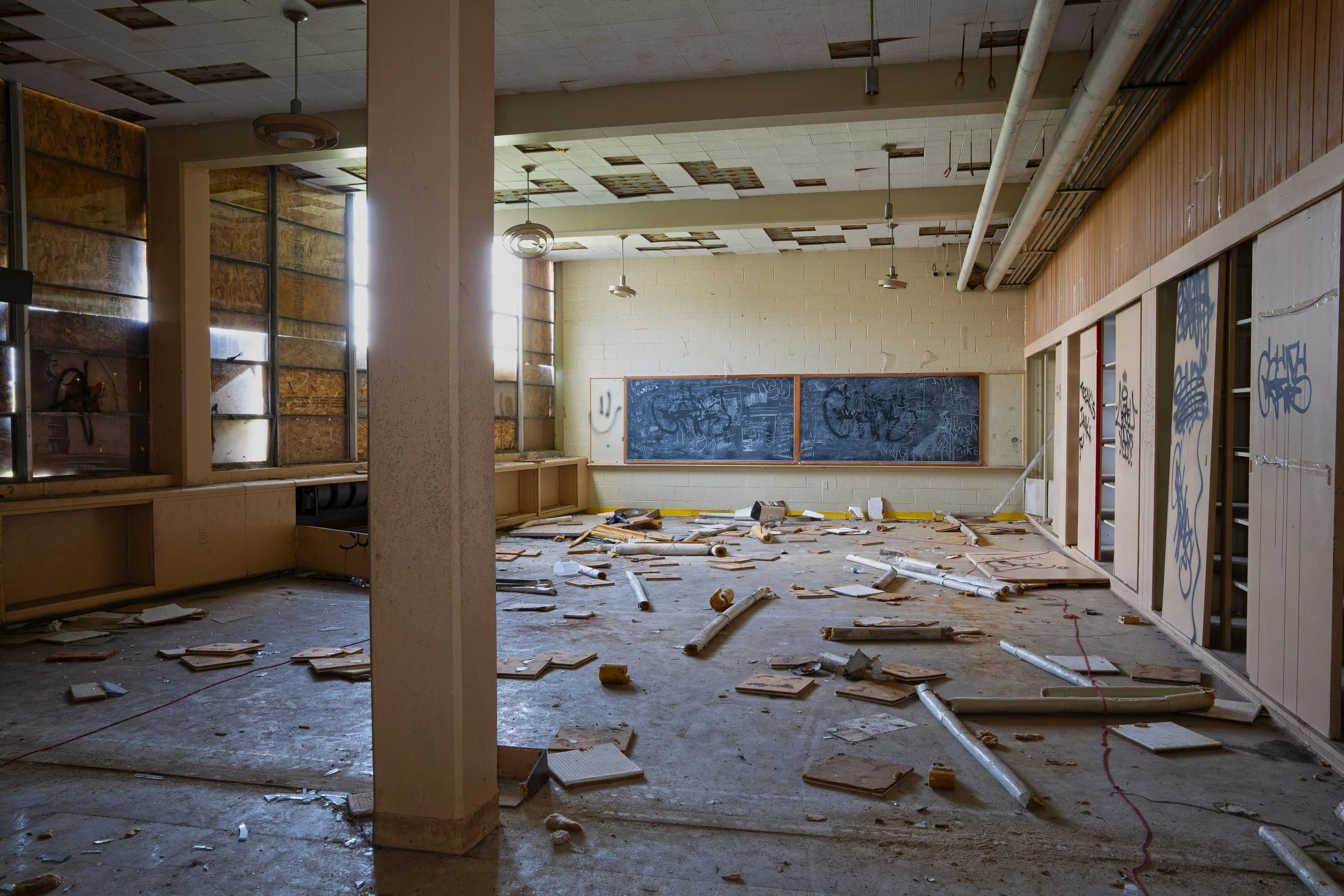
Larger 1st floor classroom nearby main entrance (Room 146)
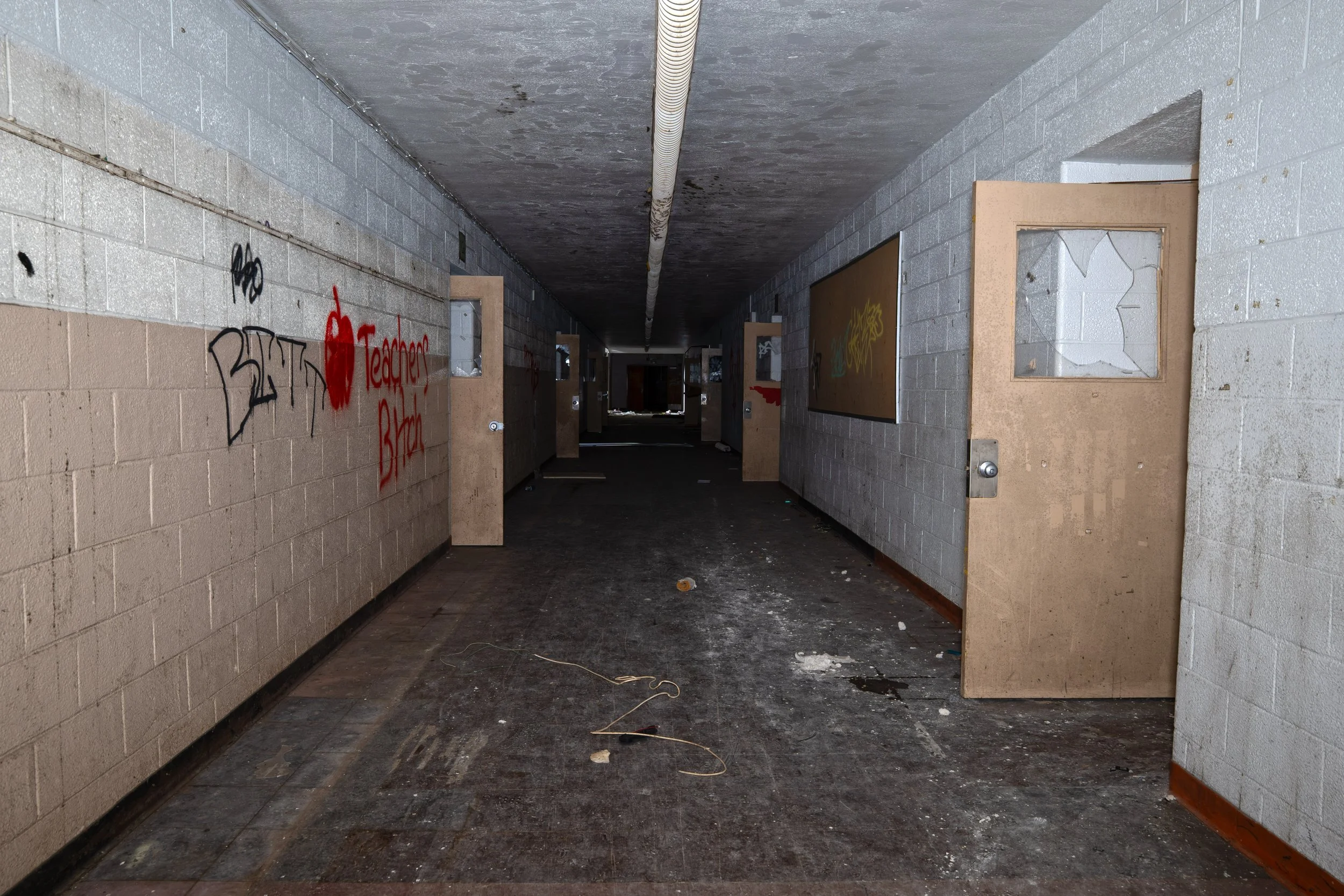
Main Hallway facing towards Gym on the main entrance side
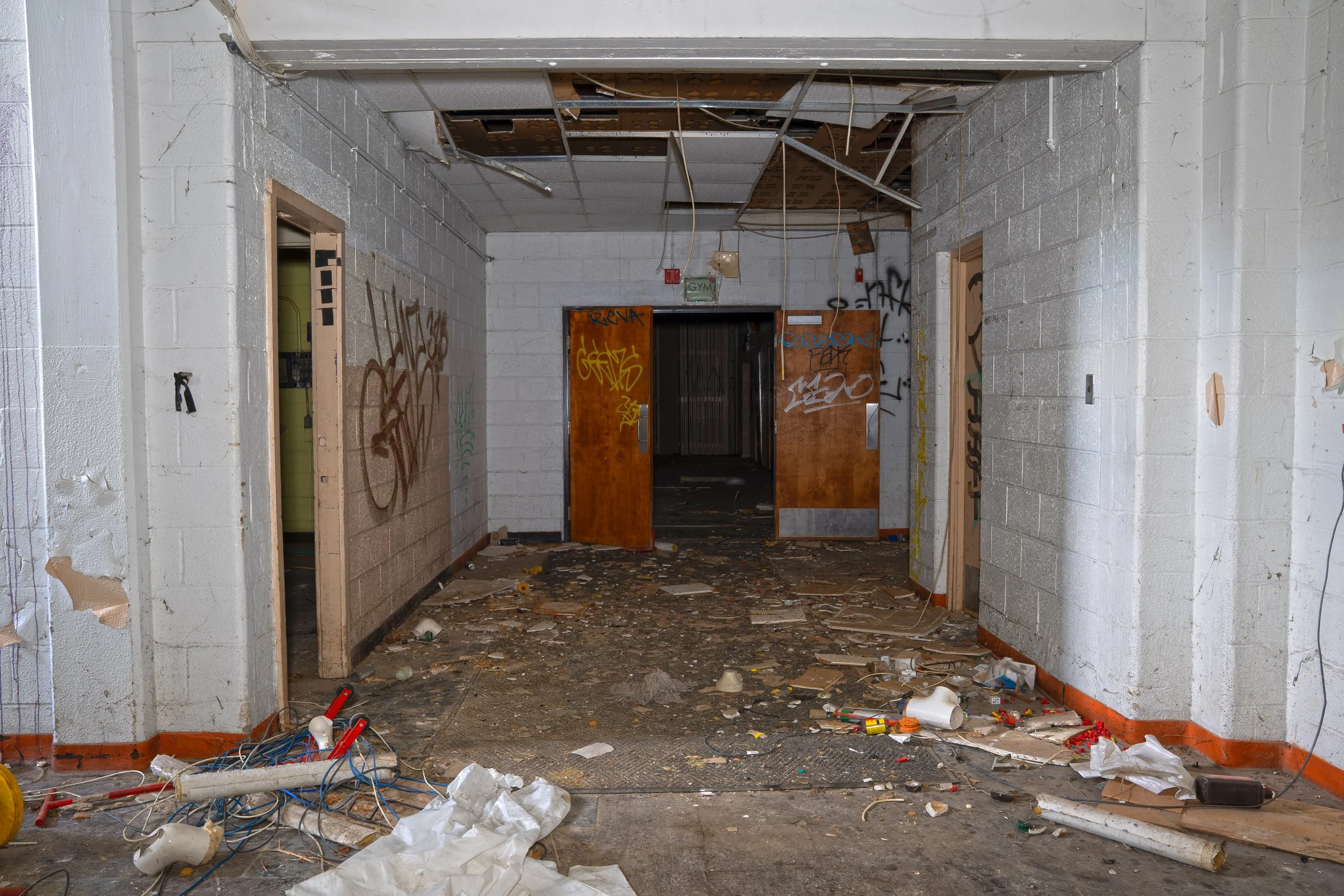
Entrance to Gymnasium from main hallway
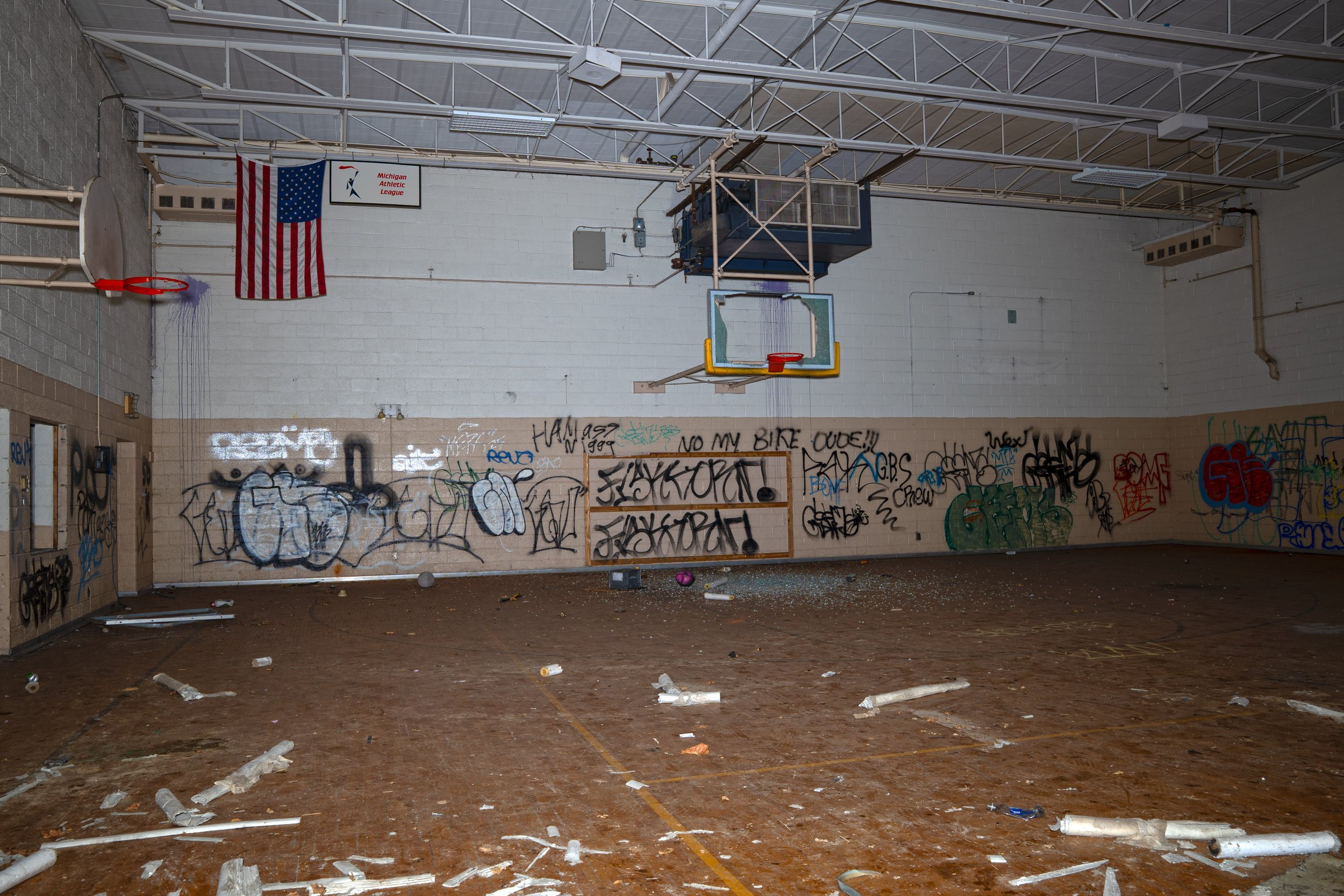
Gymnasium shot 1
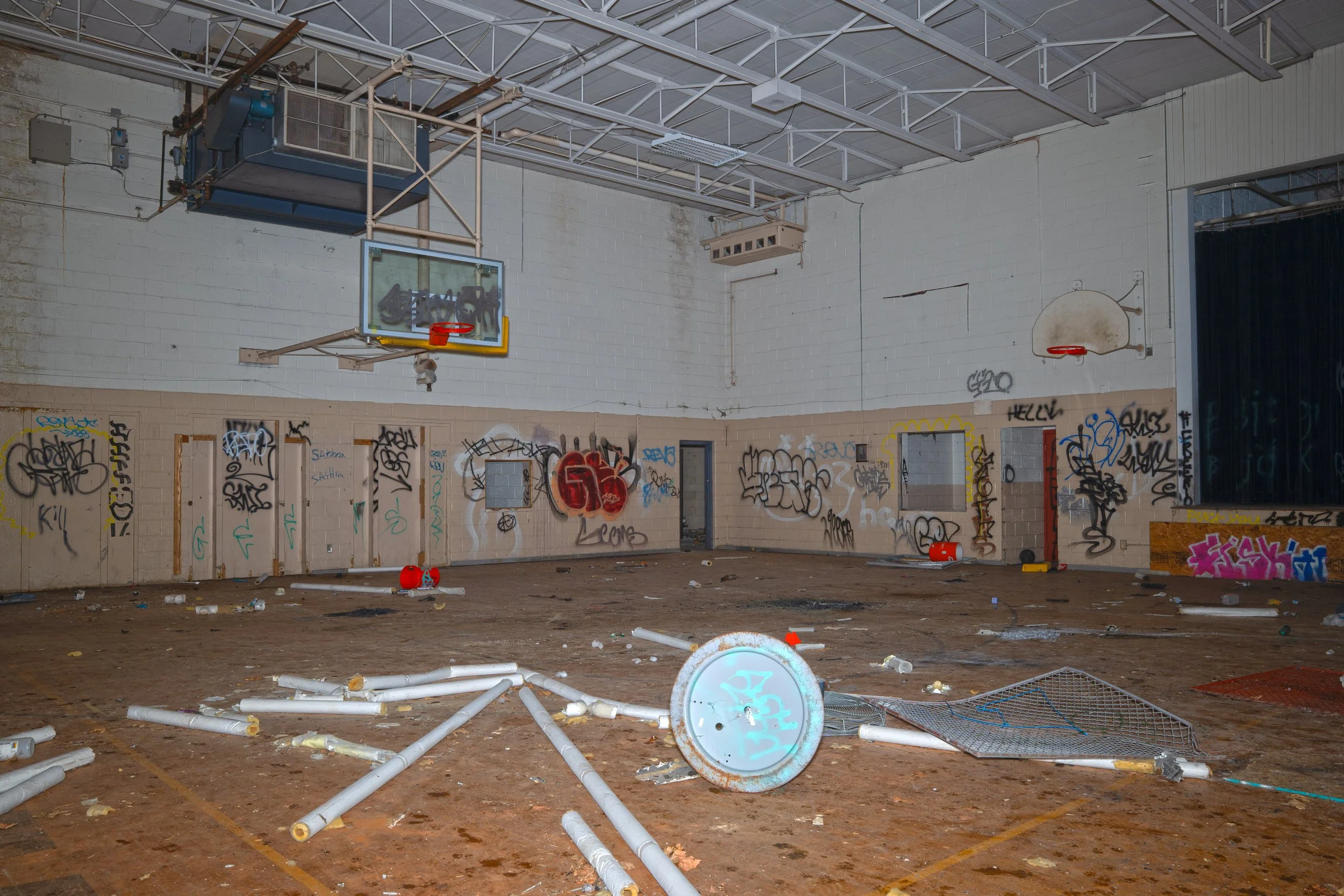
Gymnasium shot 2
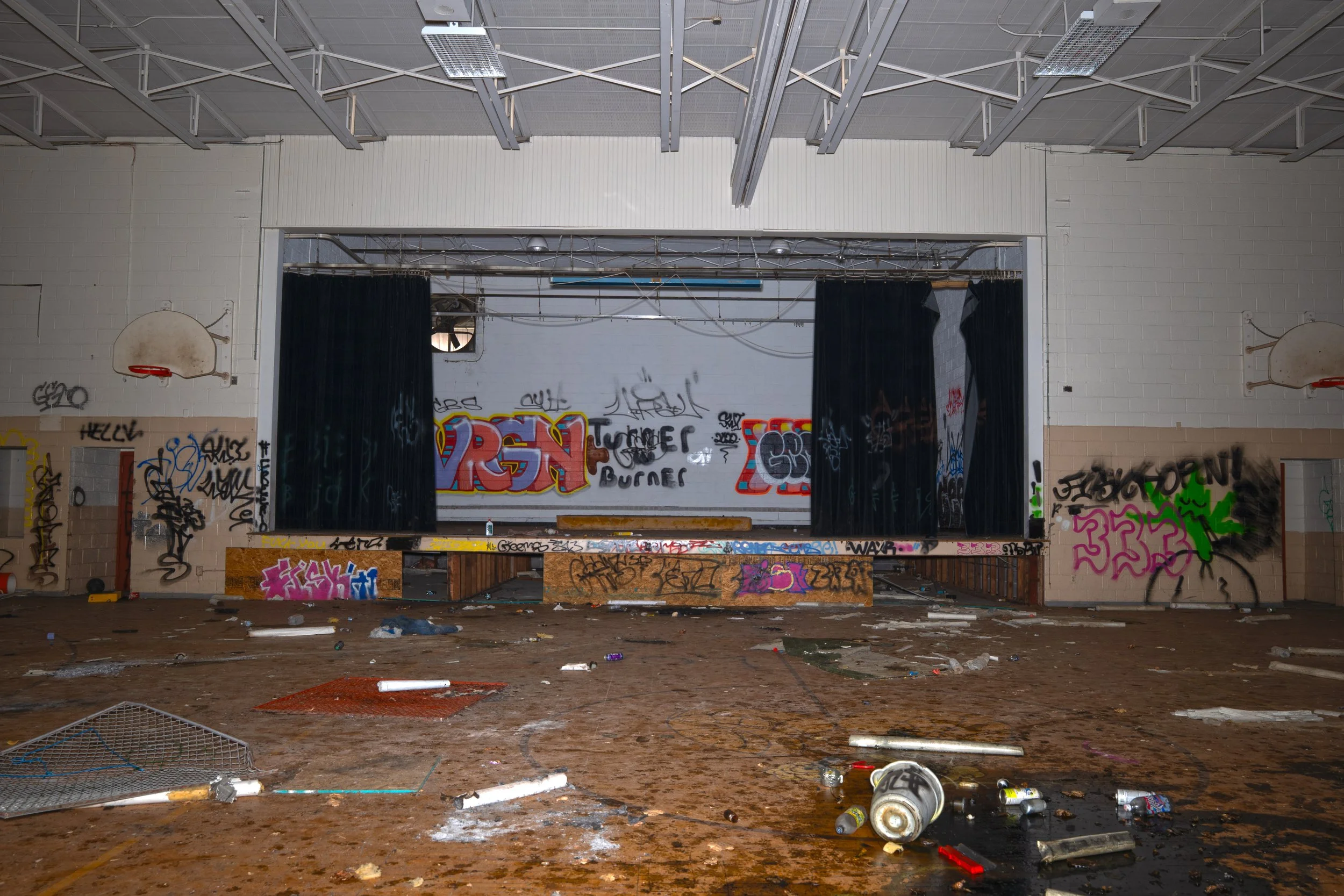
Gymnasium shot 3 (Auditorium stage)
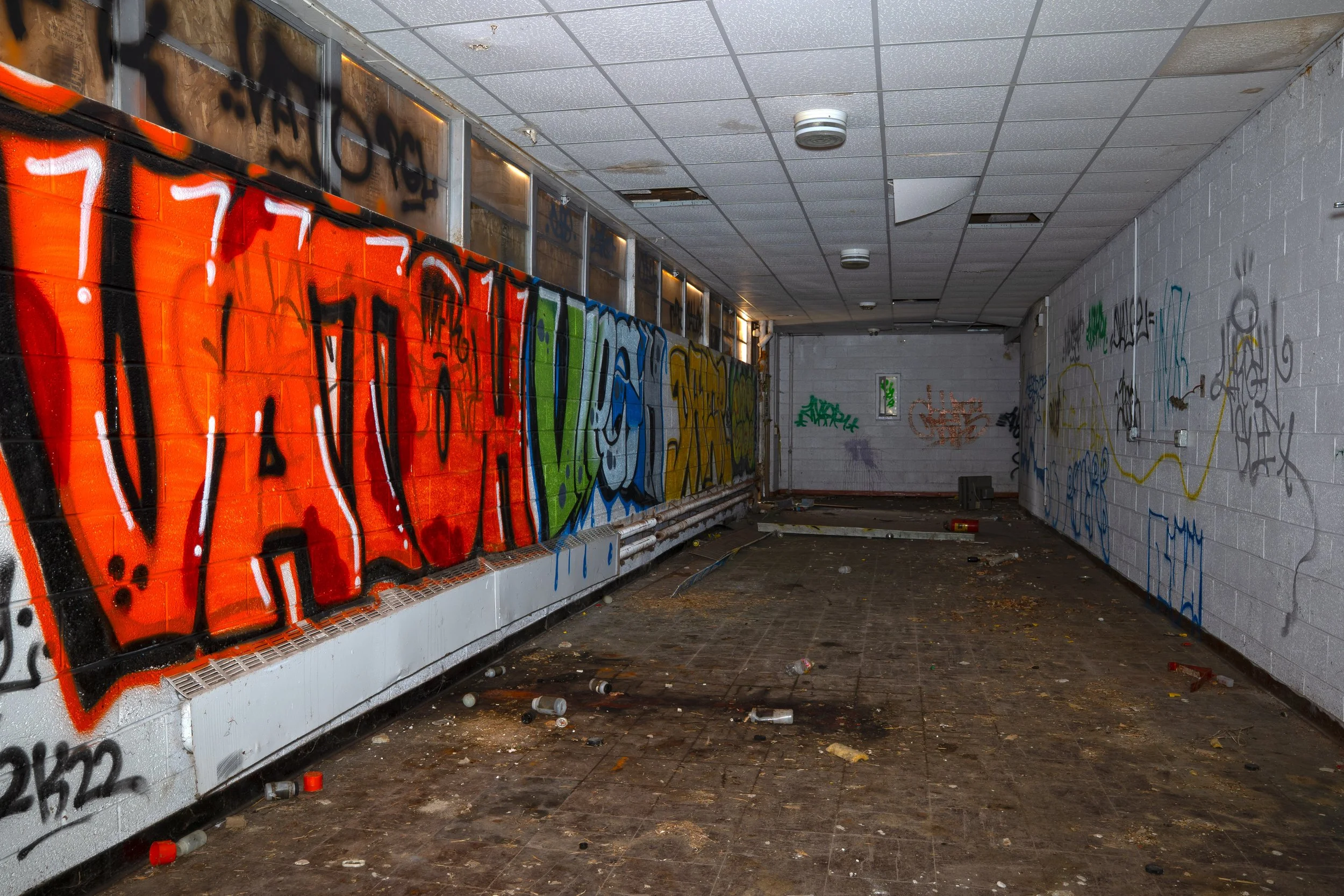
Hallway adjacent to Gymnasium
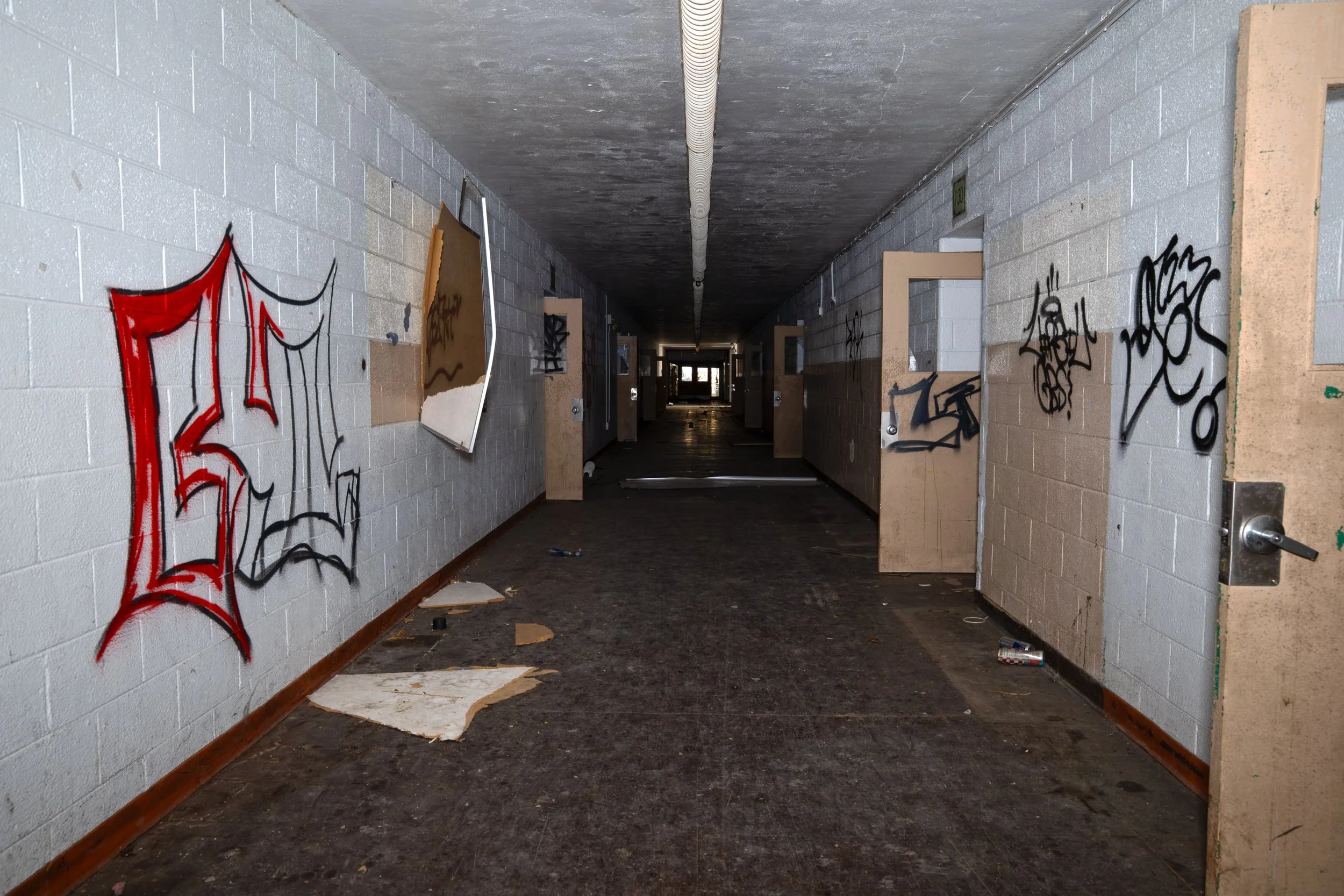
Main Hallway facing main entrance from Gym side
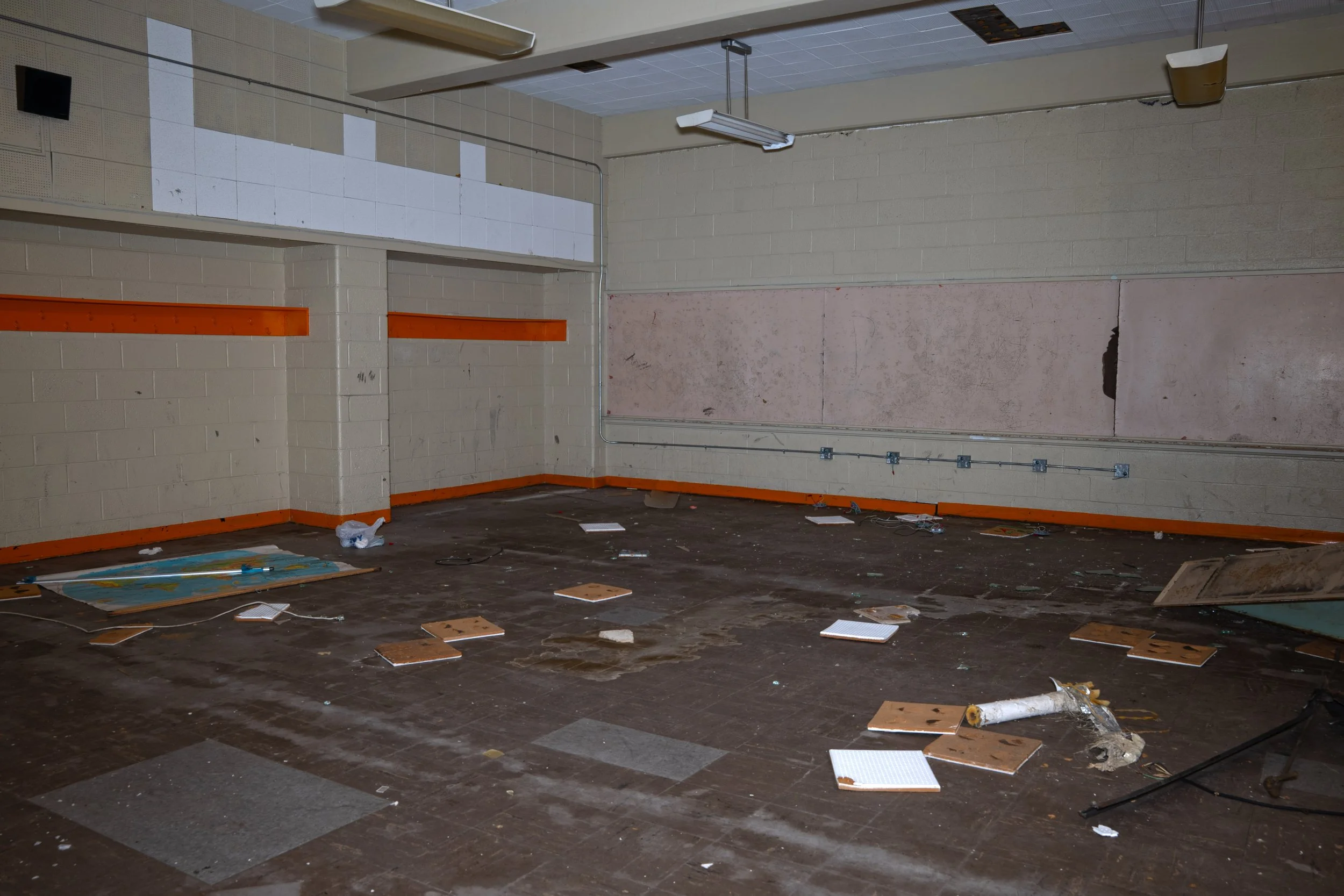
1st floor classroom
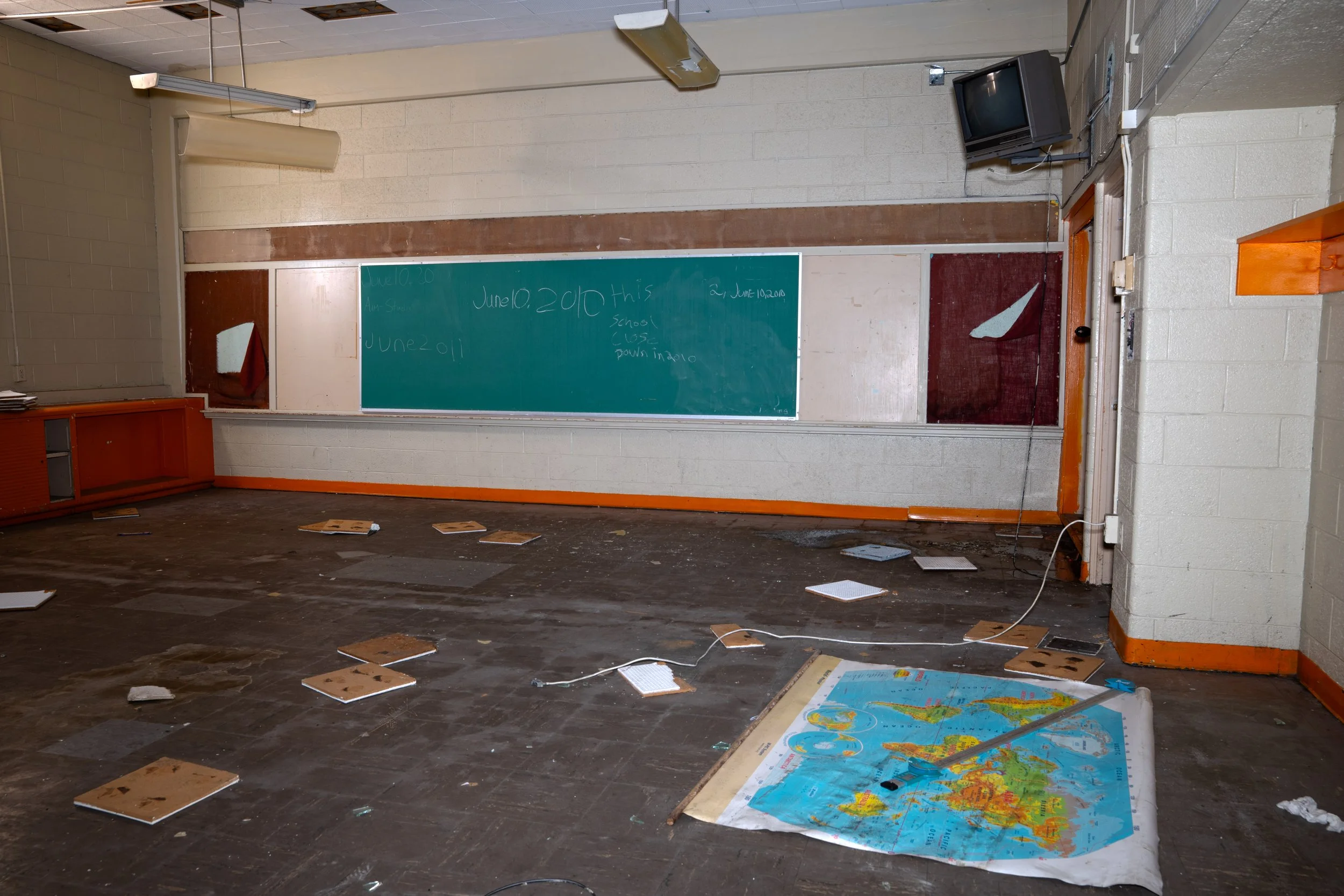
that same classroom
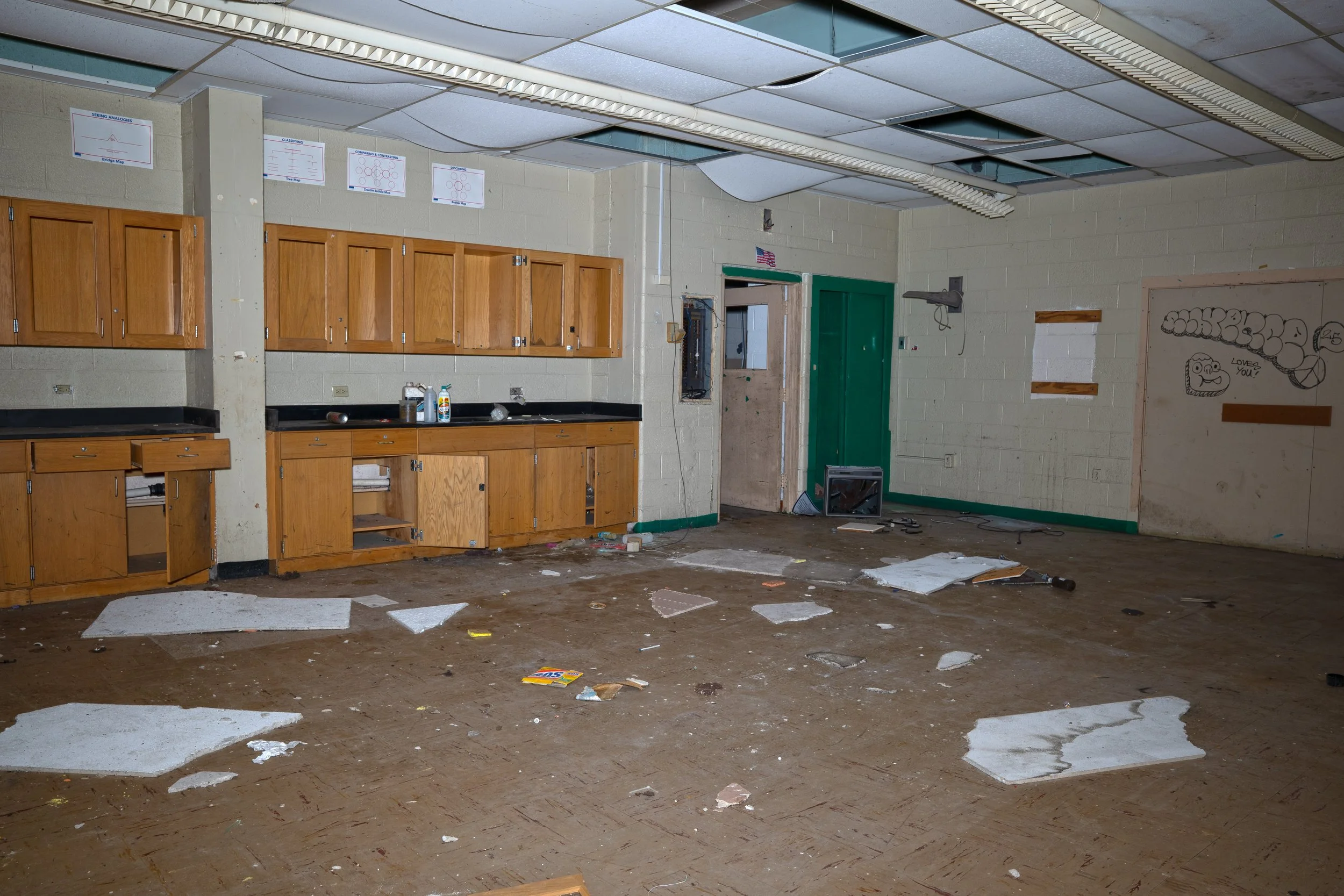
1st floor classroom
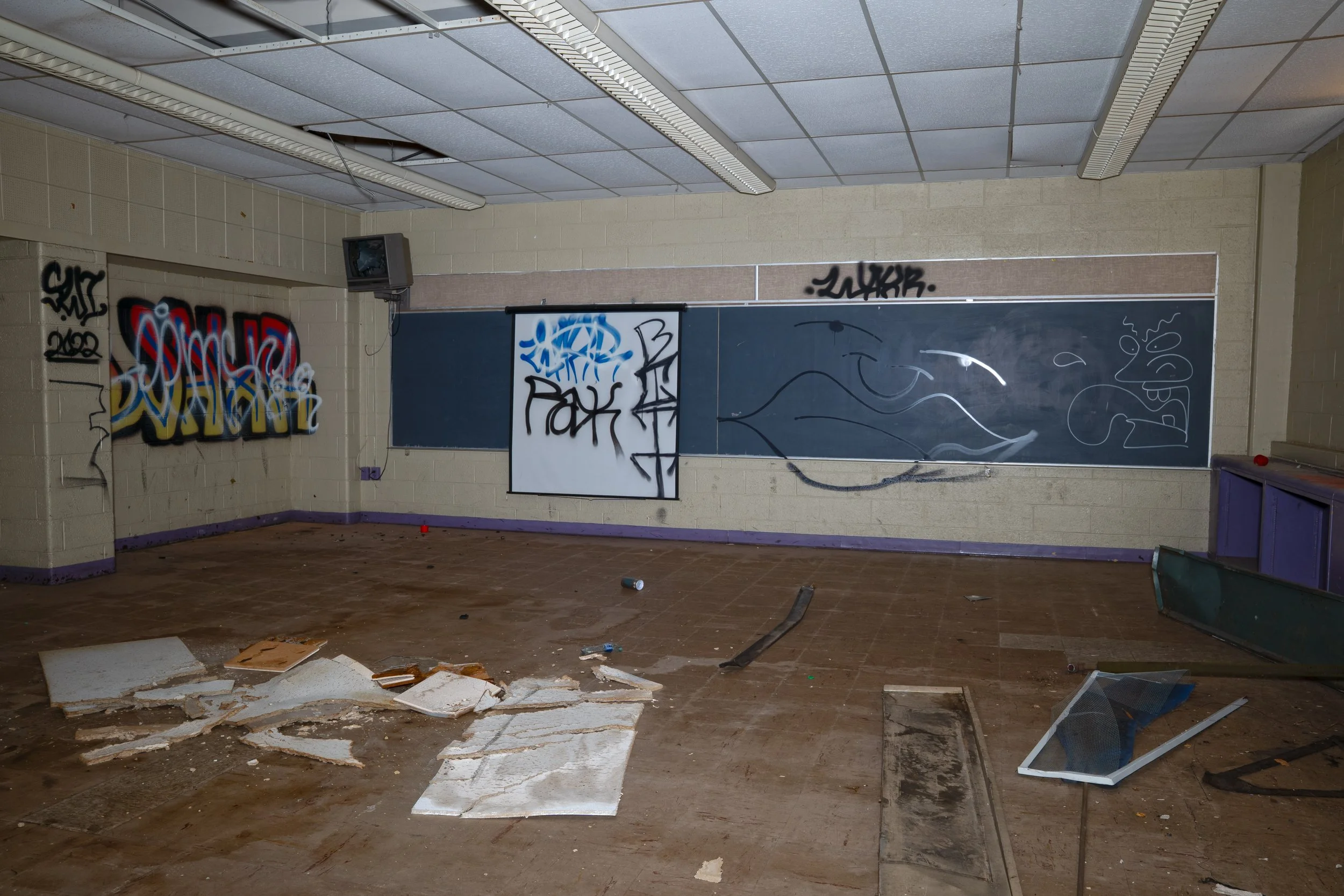
1st floor classroom
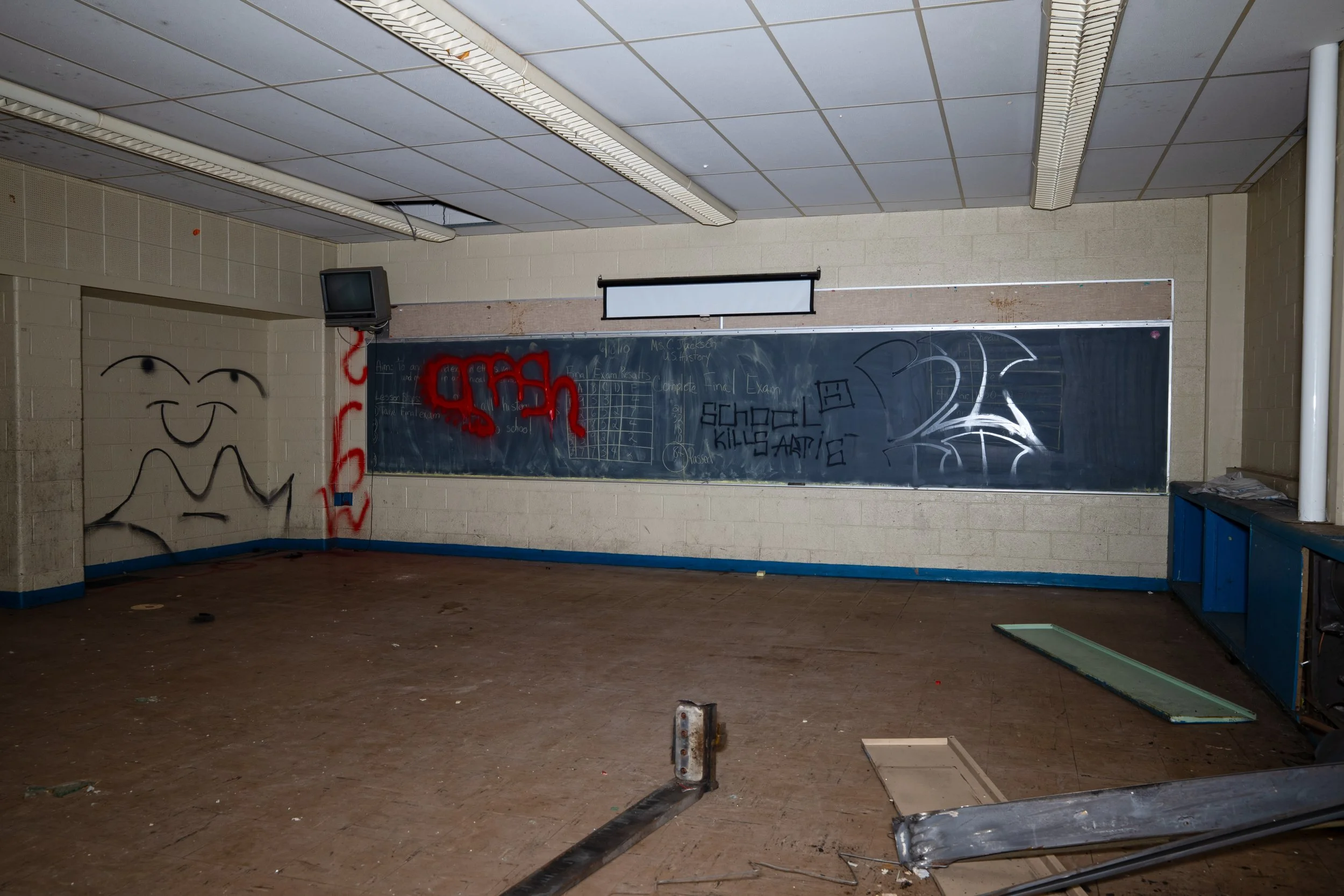
1st floor hallway
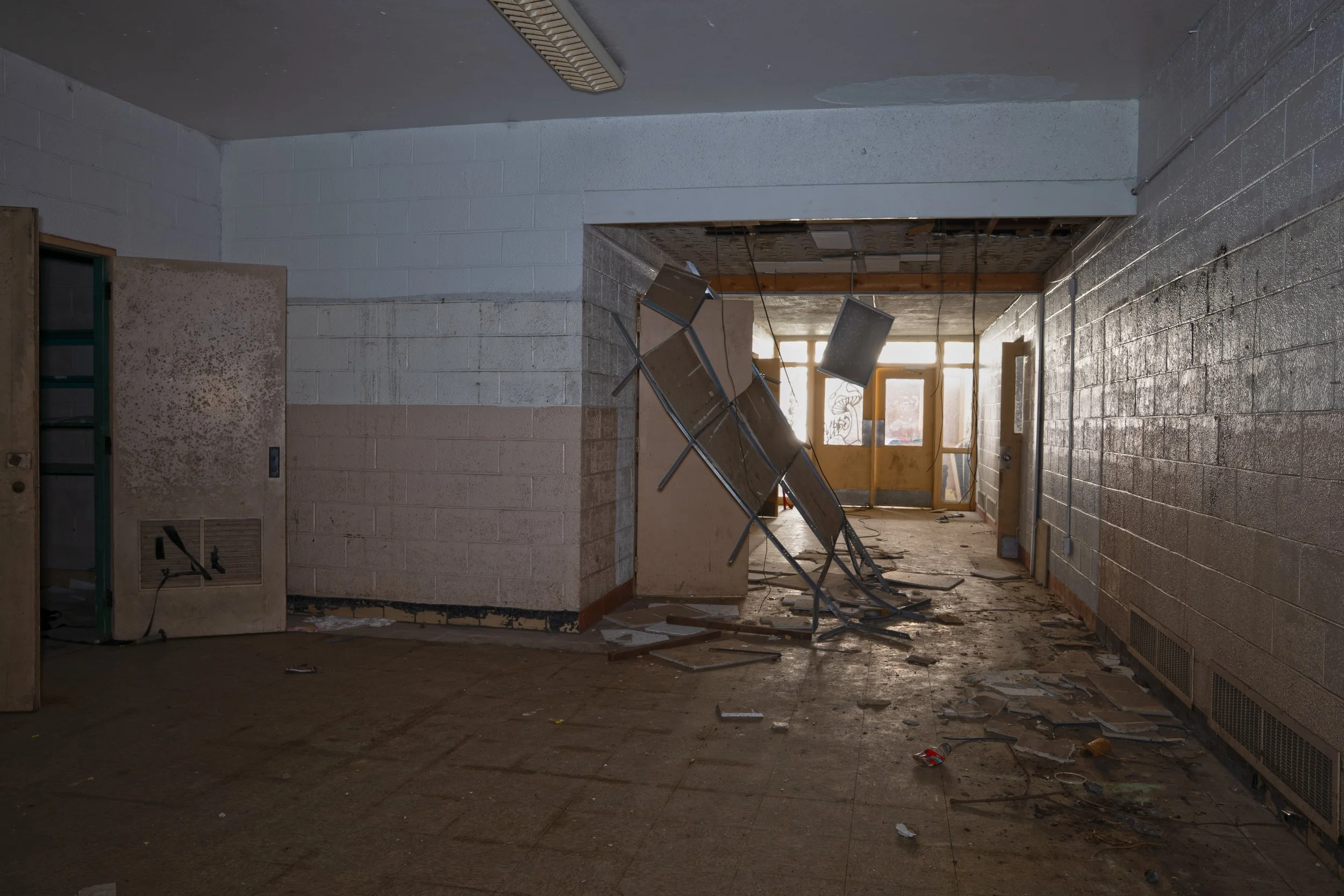
1st floor section note the doors ahead would have once connected to what is the now the Rec Center section of Carver
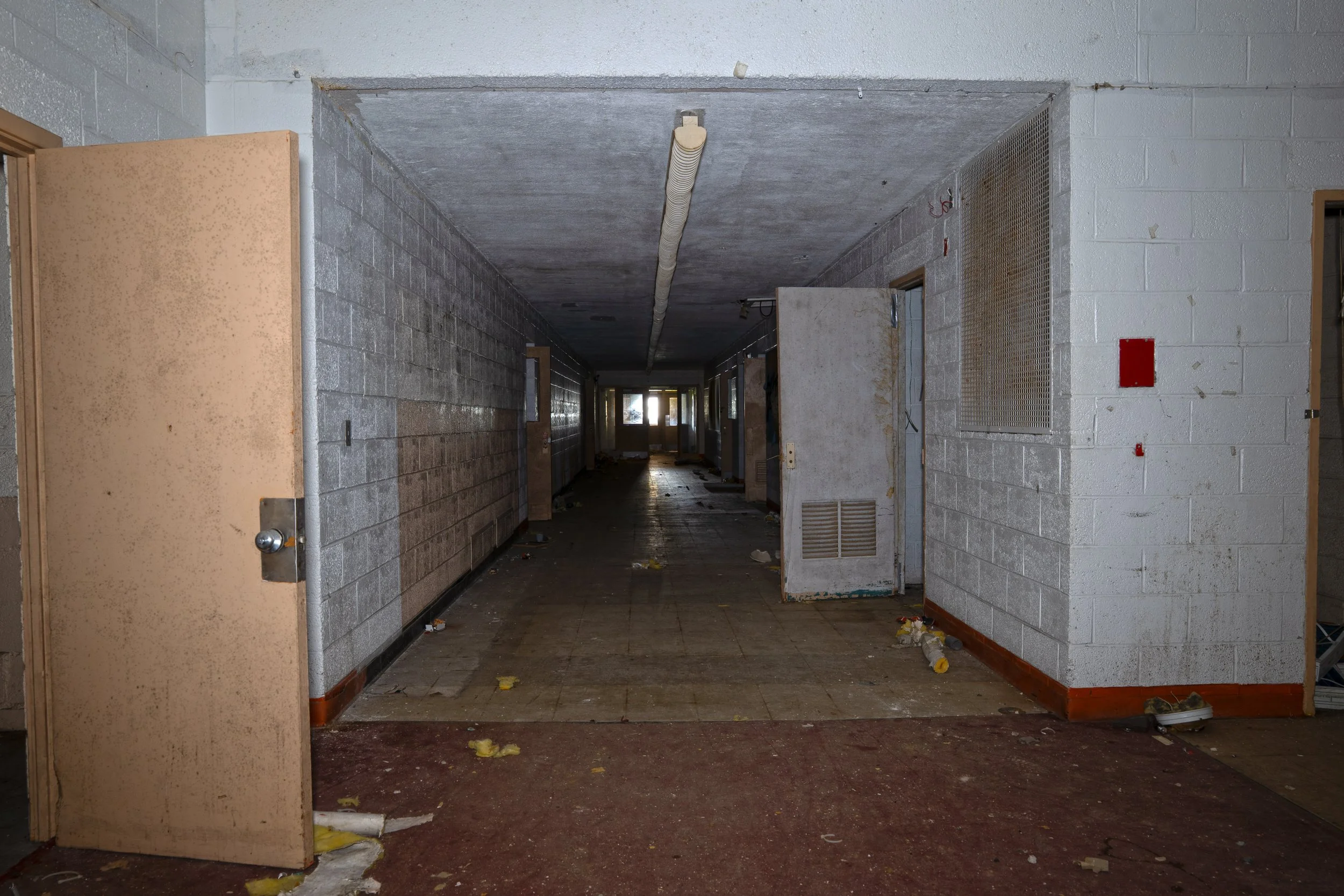
In Carver South a small L shaped section poked out of the school to the west this is the longer of the 2 hallways that make this L shaped section on the 1st floor
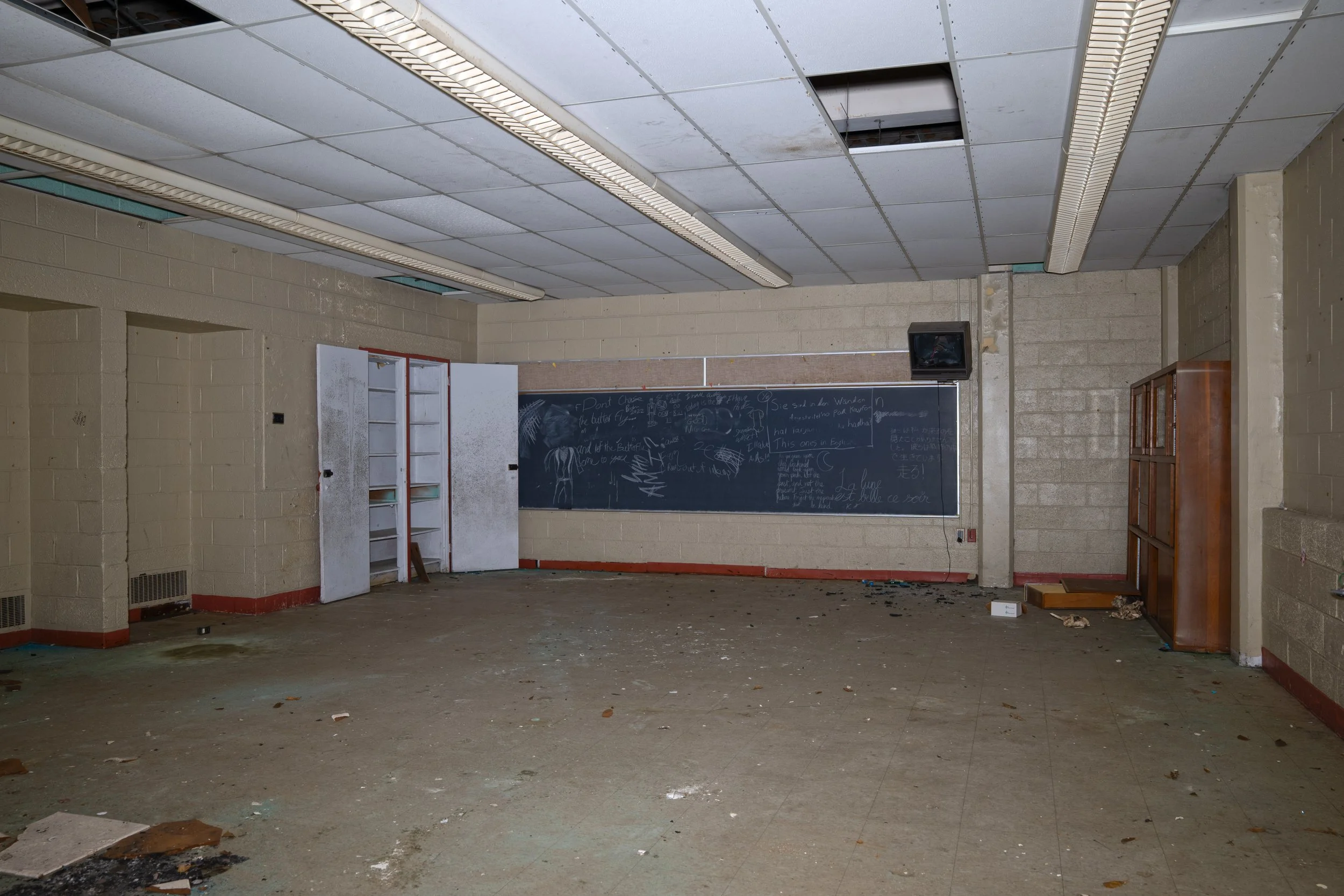
1st floor classroom in L Shaped section
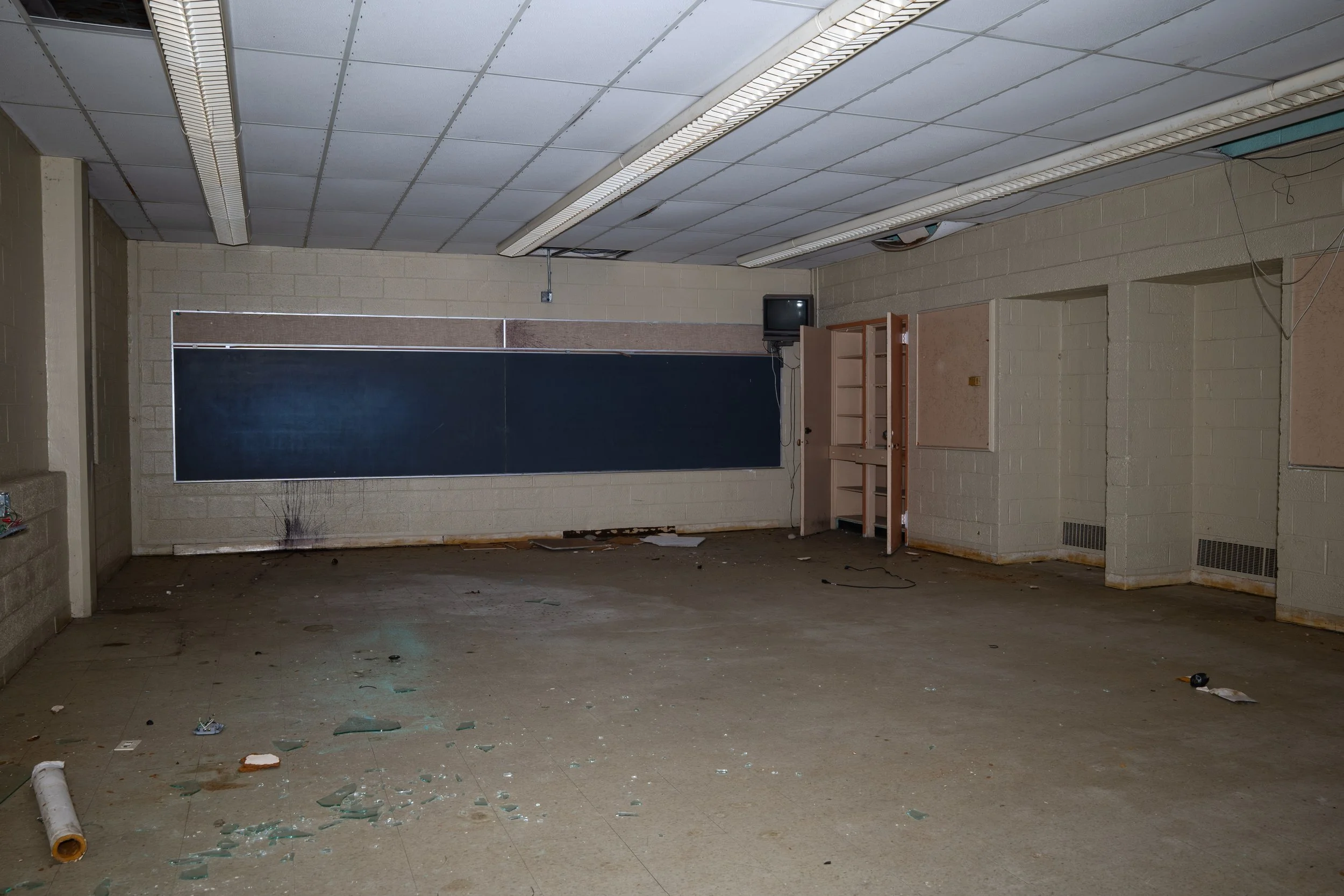
1st floor classroom in L Shaped section
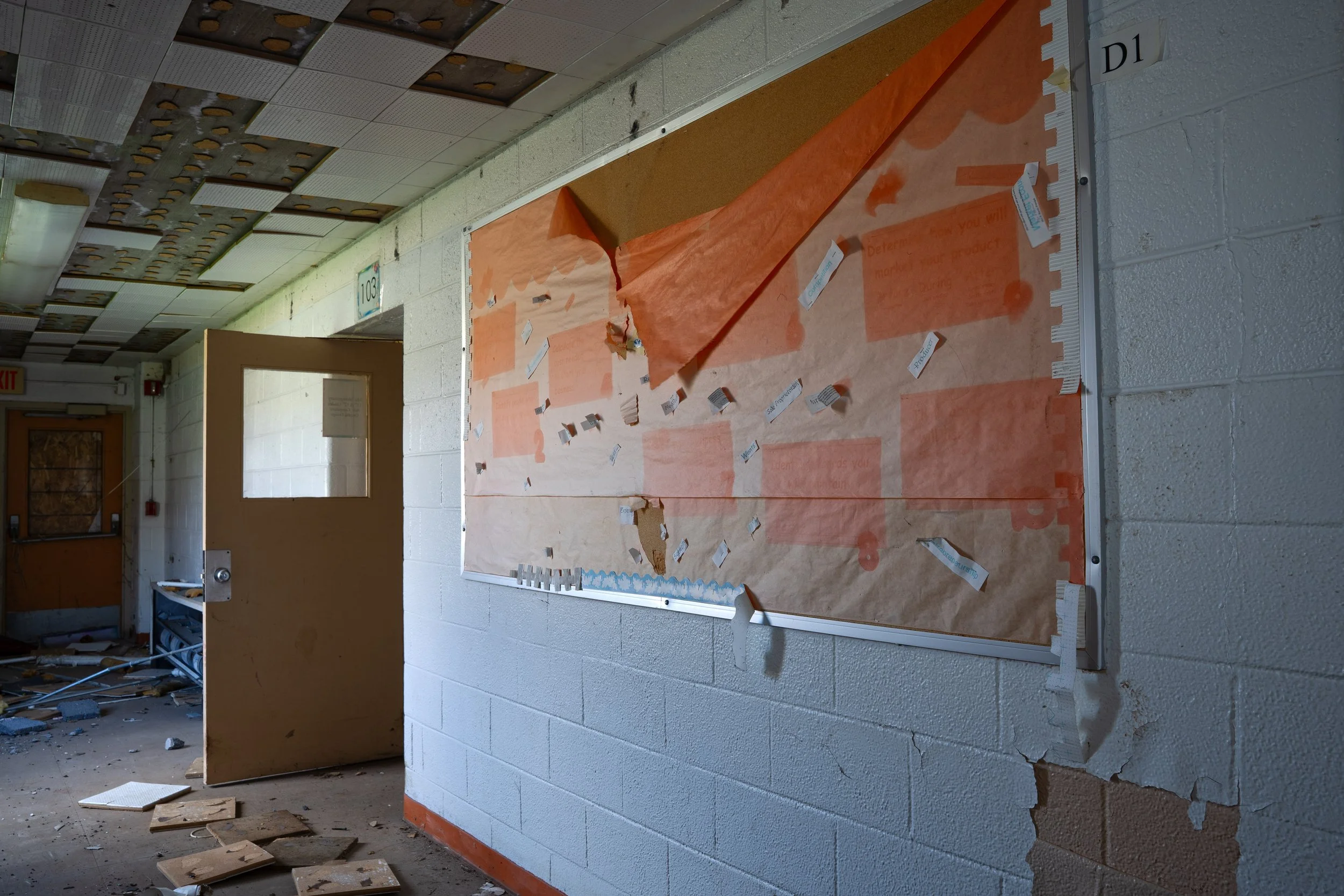
Hallway in L shaped section
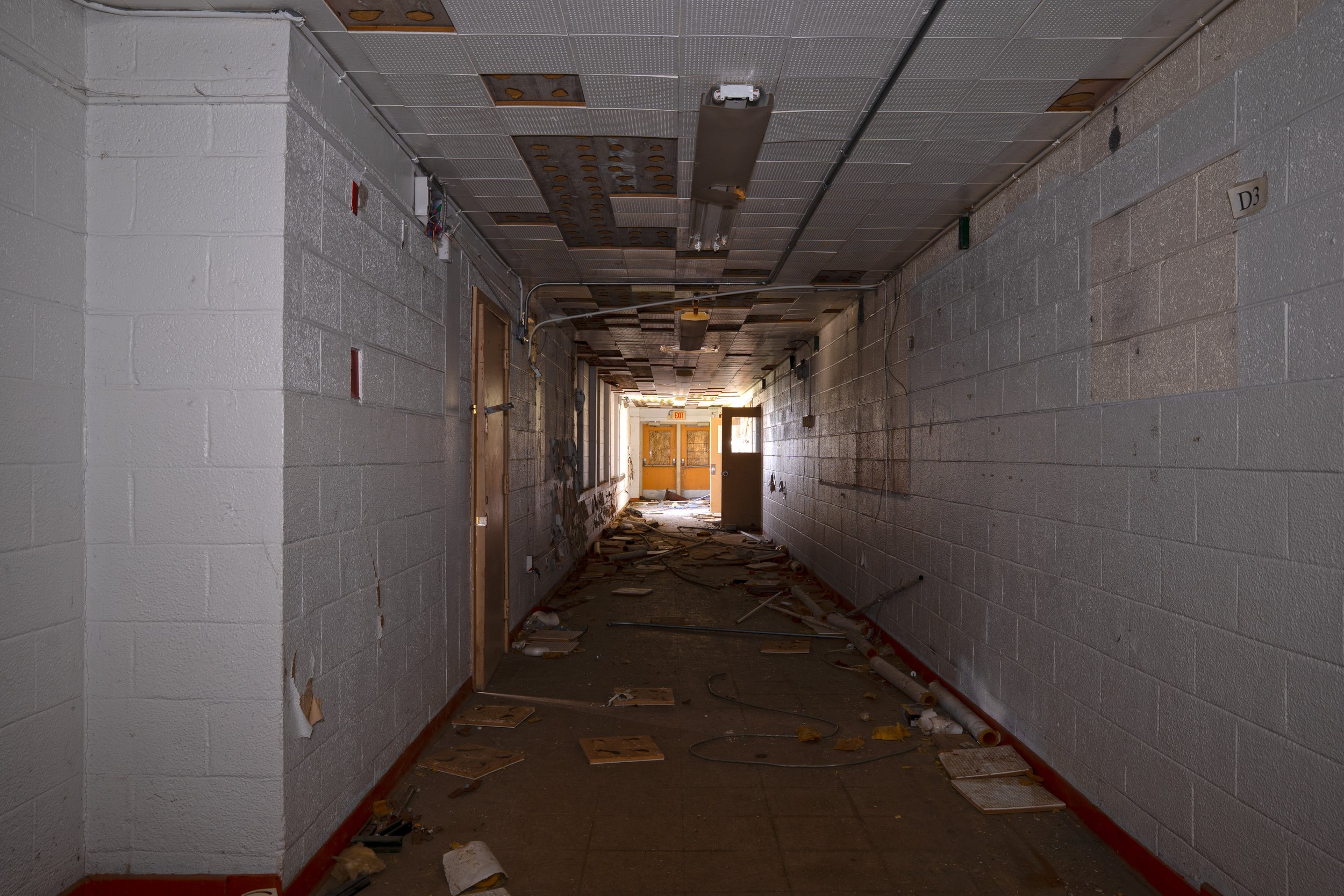
Shorter hallway of the L shaped section
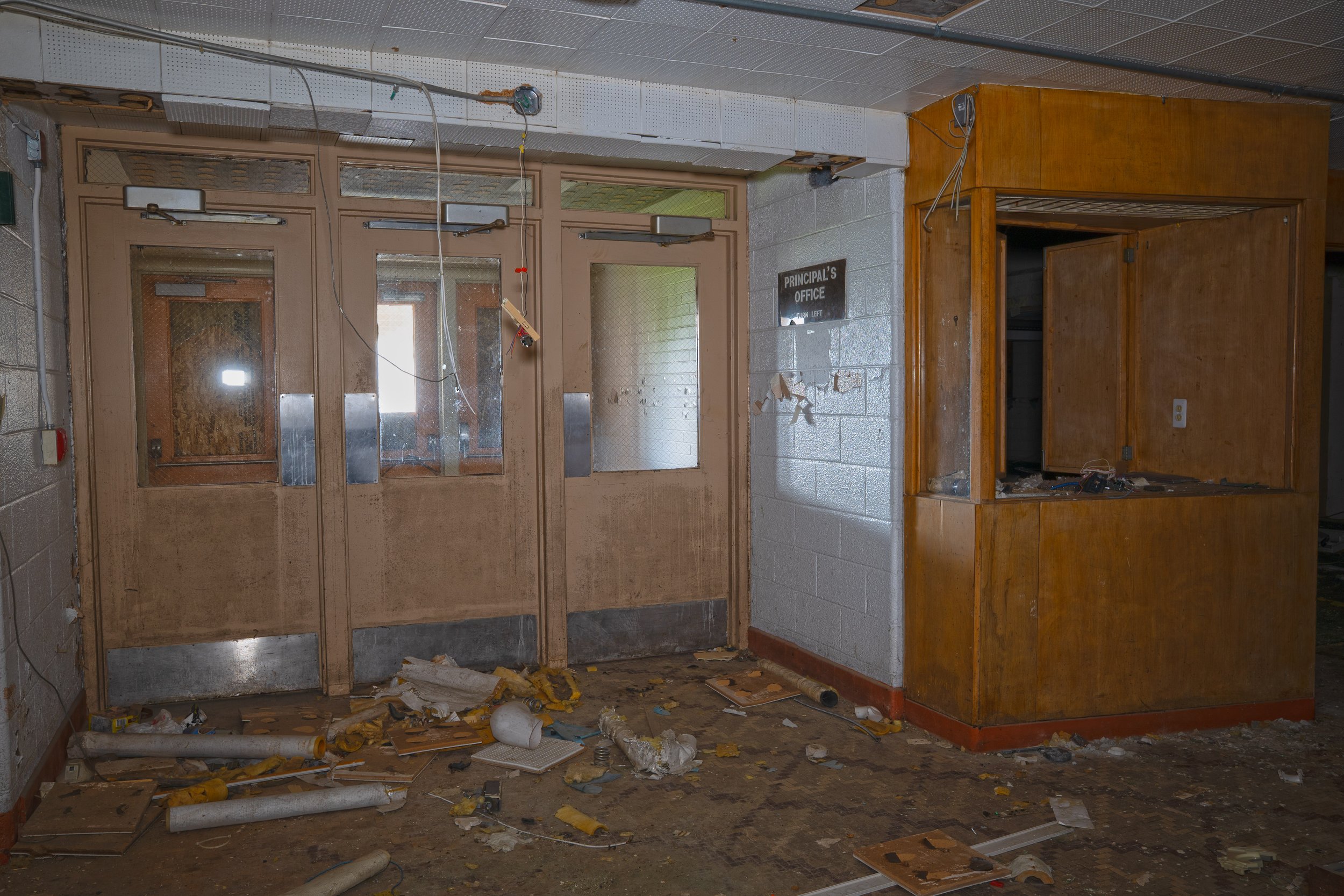
Another entrance next to office section in L shaped section
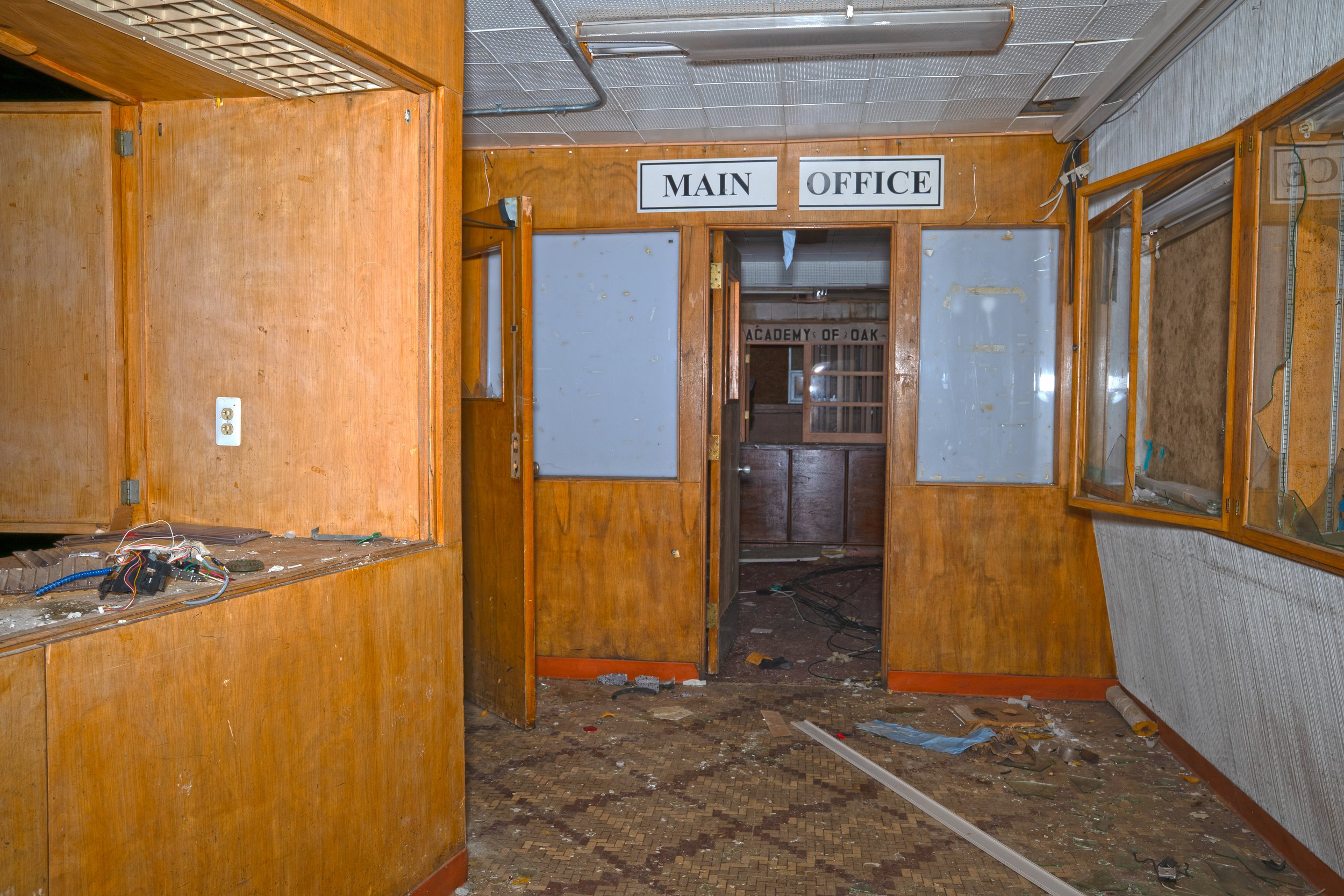
Door leading to main office
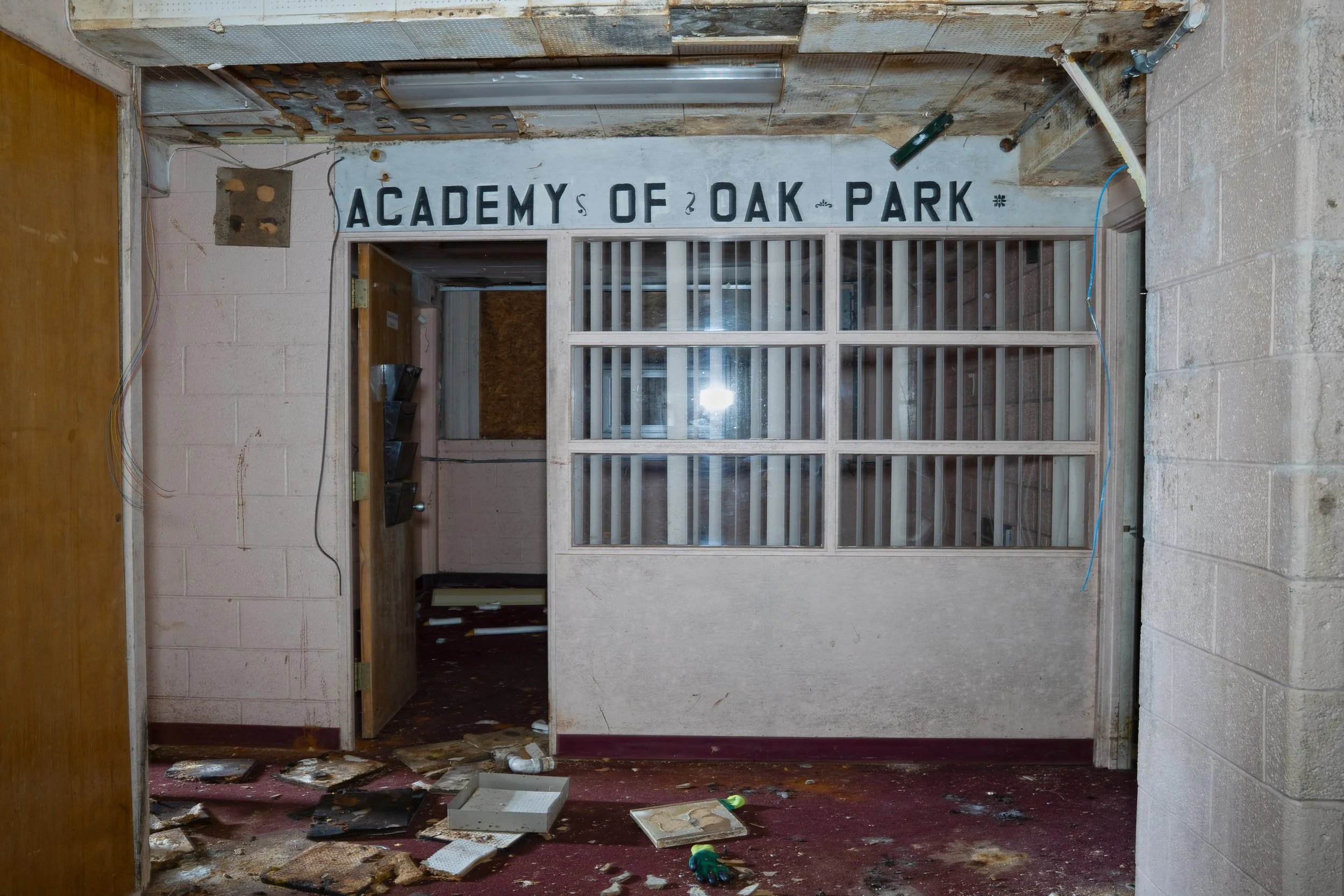
Office section
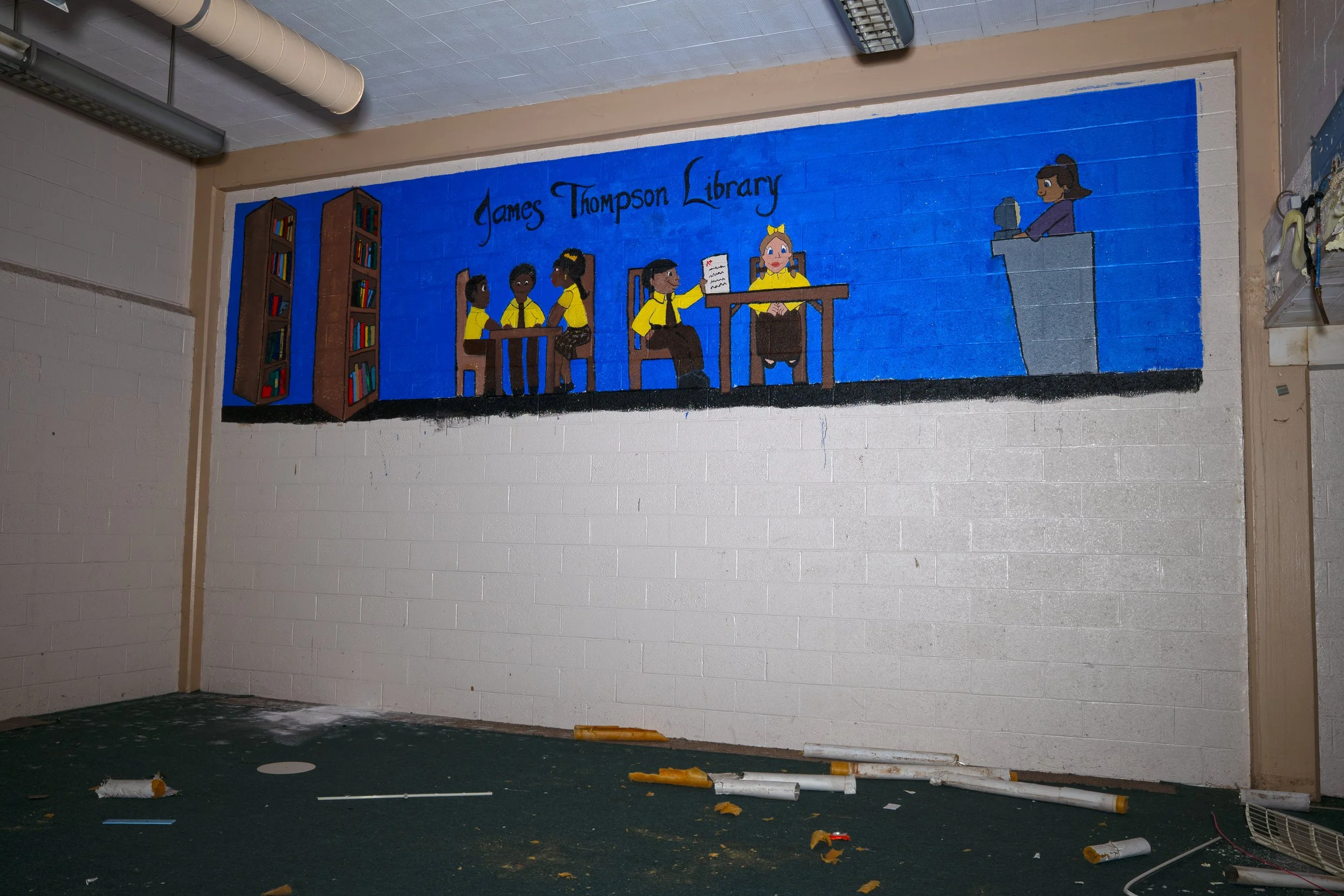
Library on 1st floor in L shaped section (The name is for James Thompson the last black POW released from North Korea during the Korean War, during his 33 months of captivity he lost over 90 pounds of weight going from 185 pounds to 96 pounds)
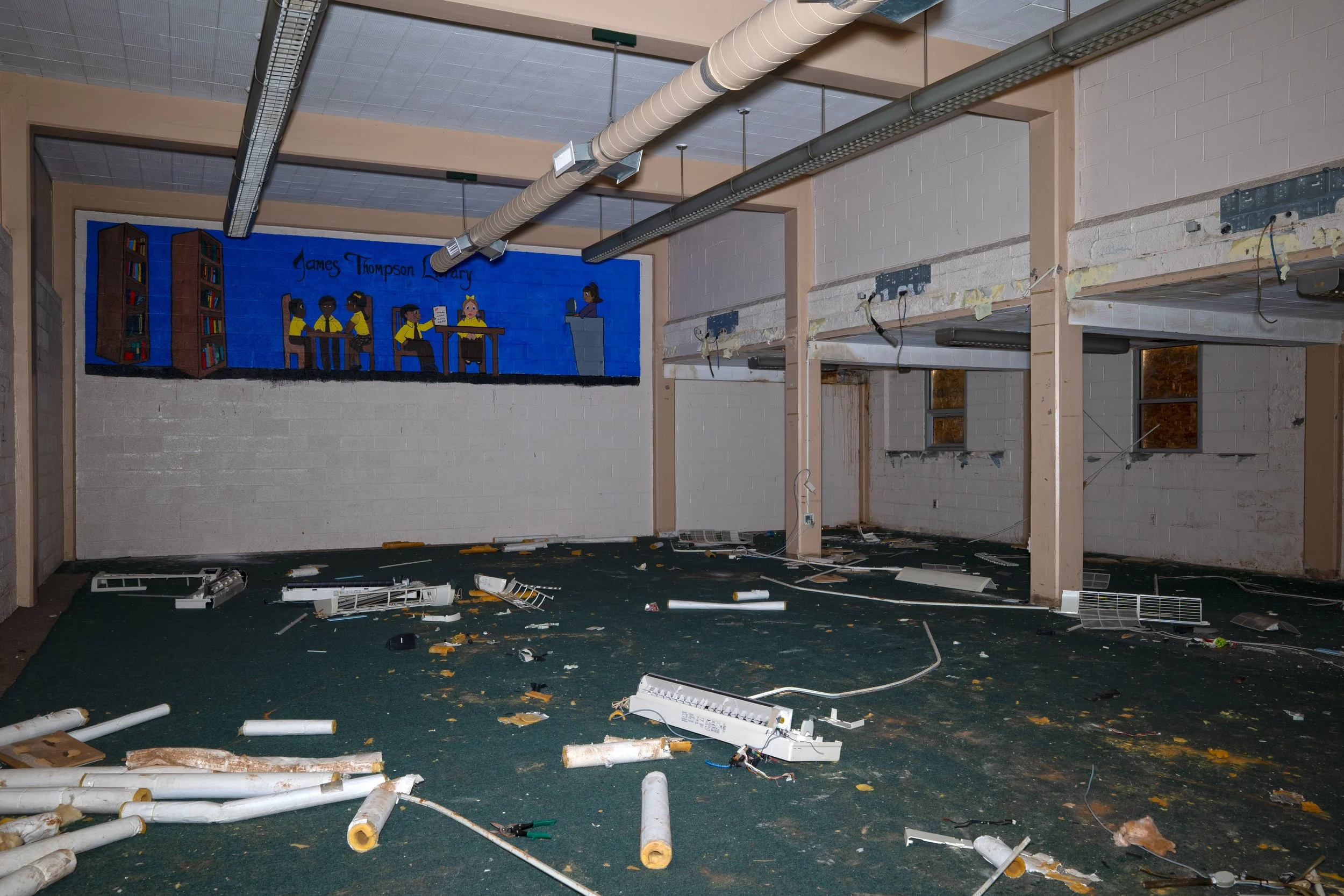
Library shot 2
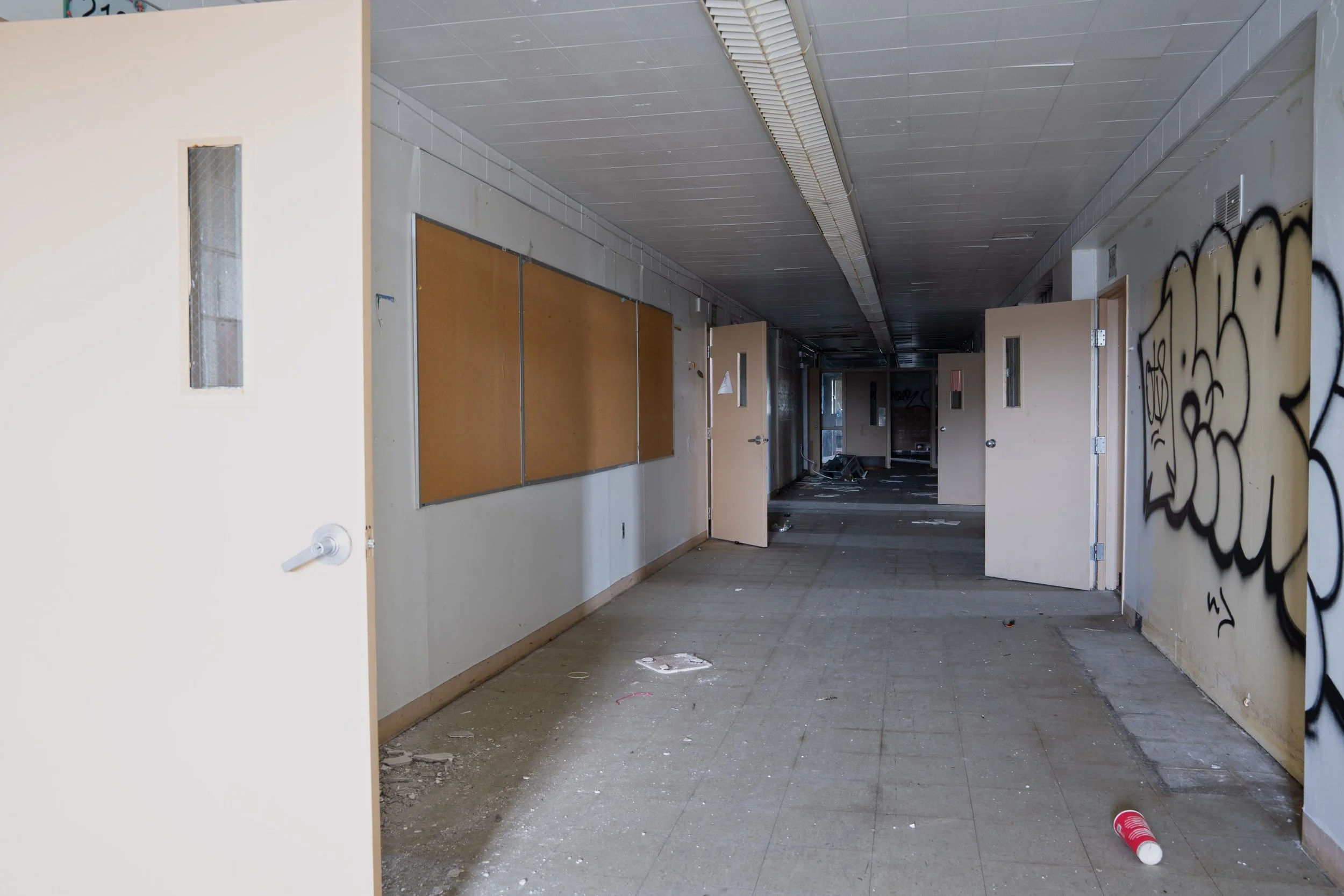
2nd floor hallway in upper L shaped section
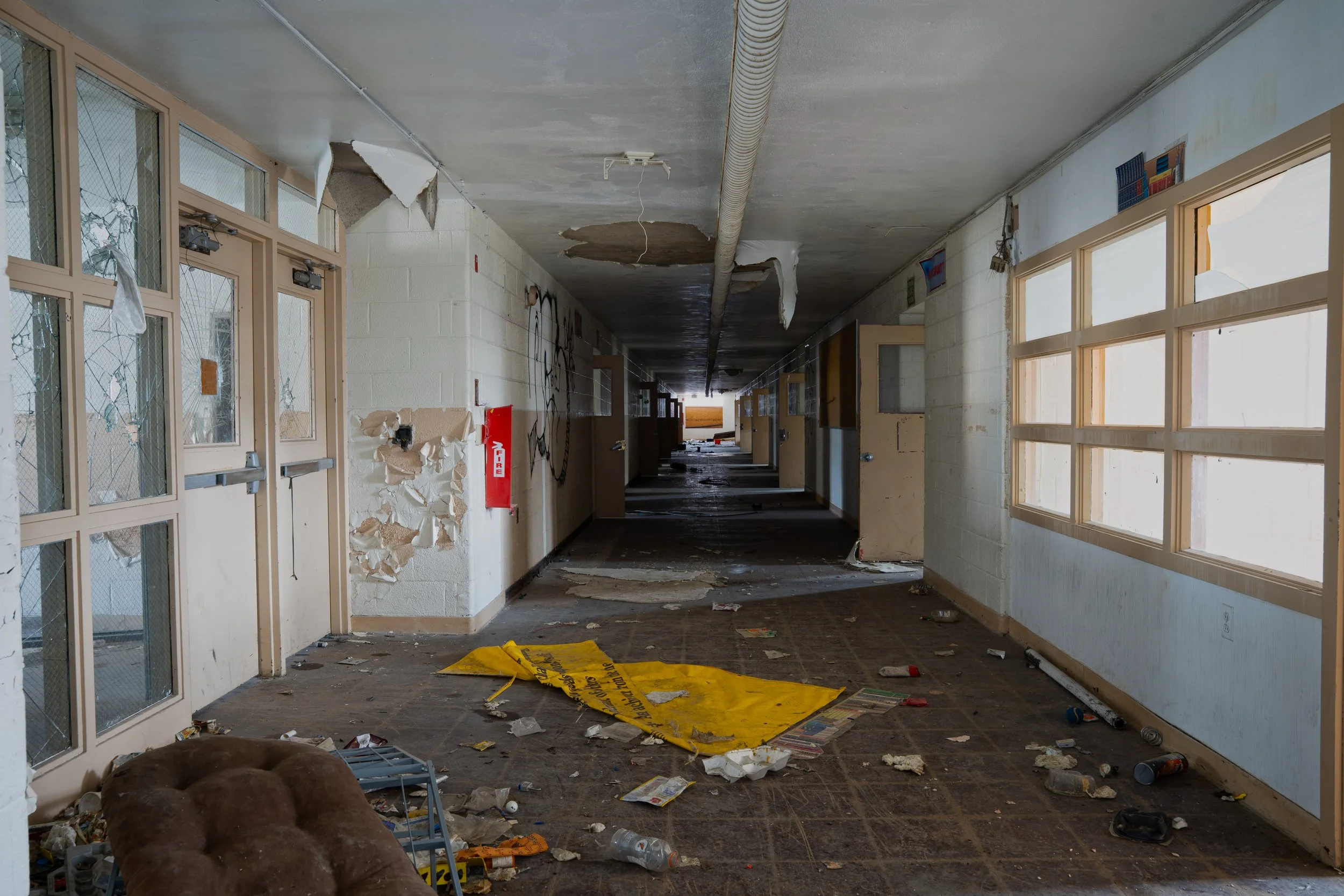
2nd floor hallway on main hallway
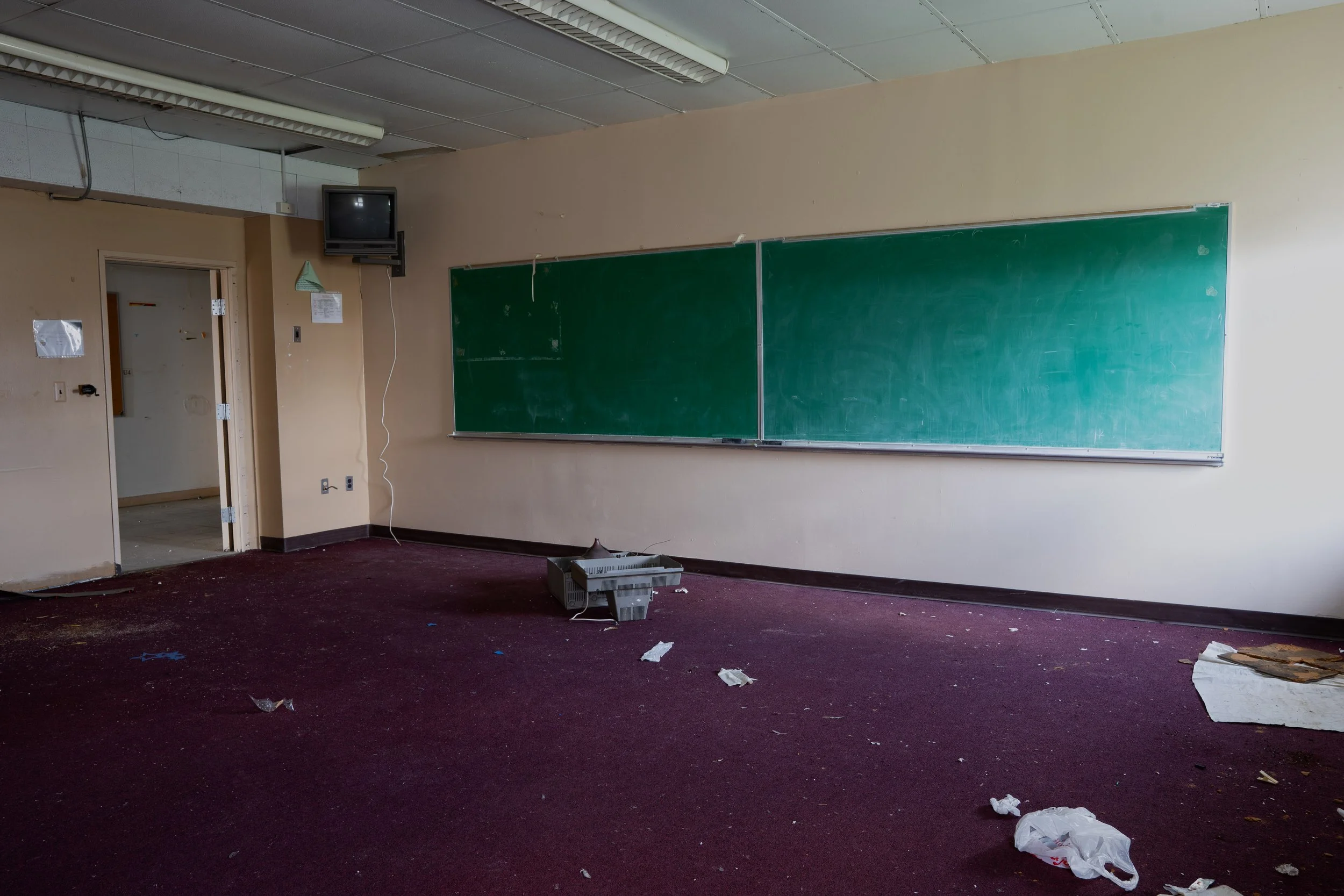
2nd floor classroom
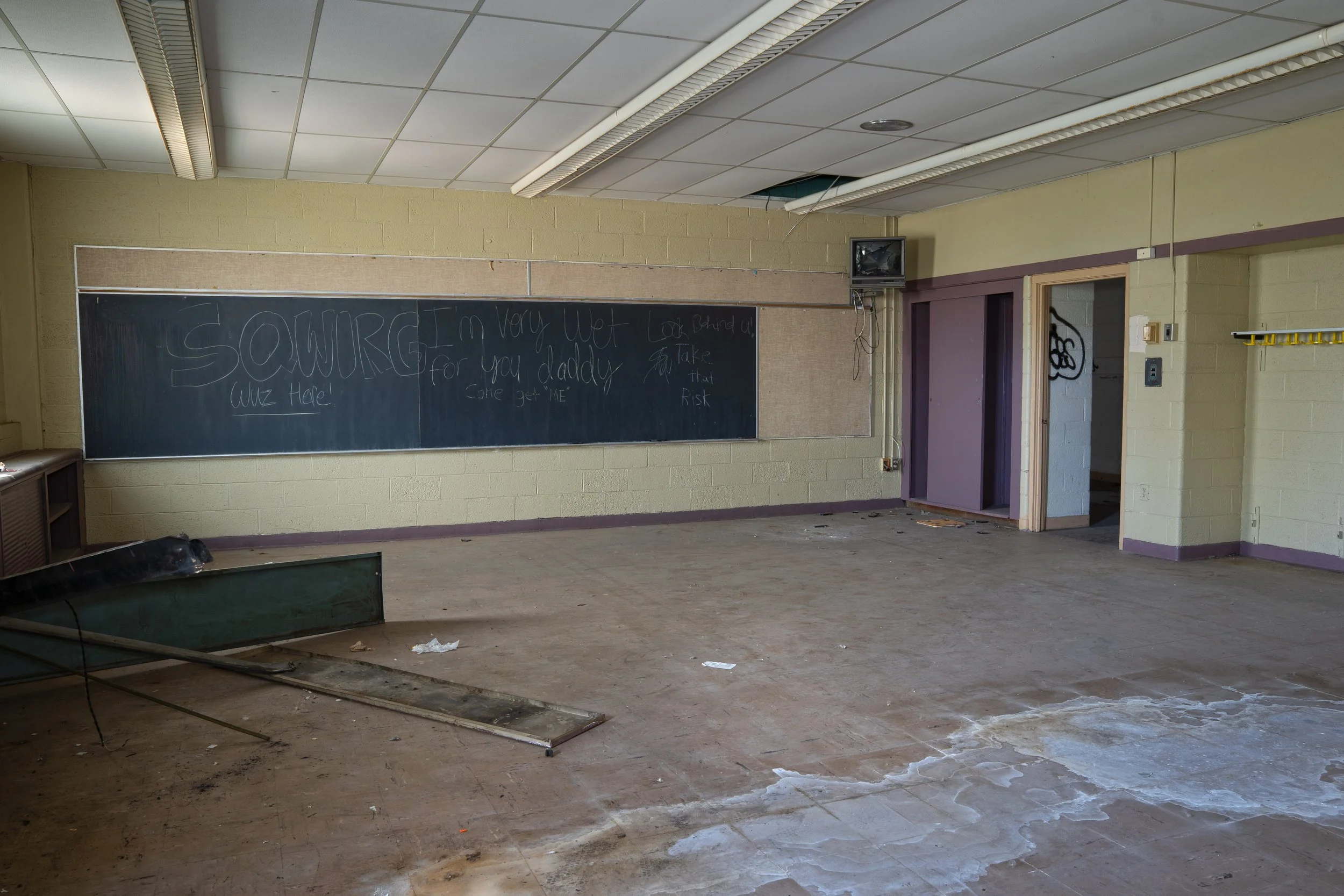
2nd floor classroom
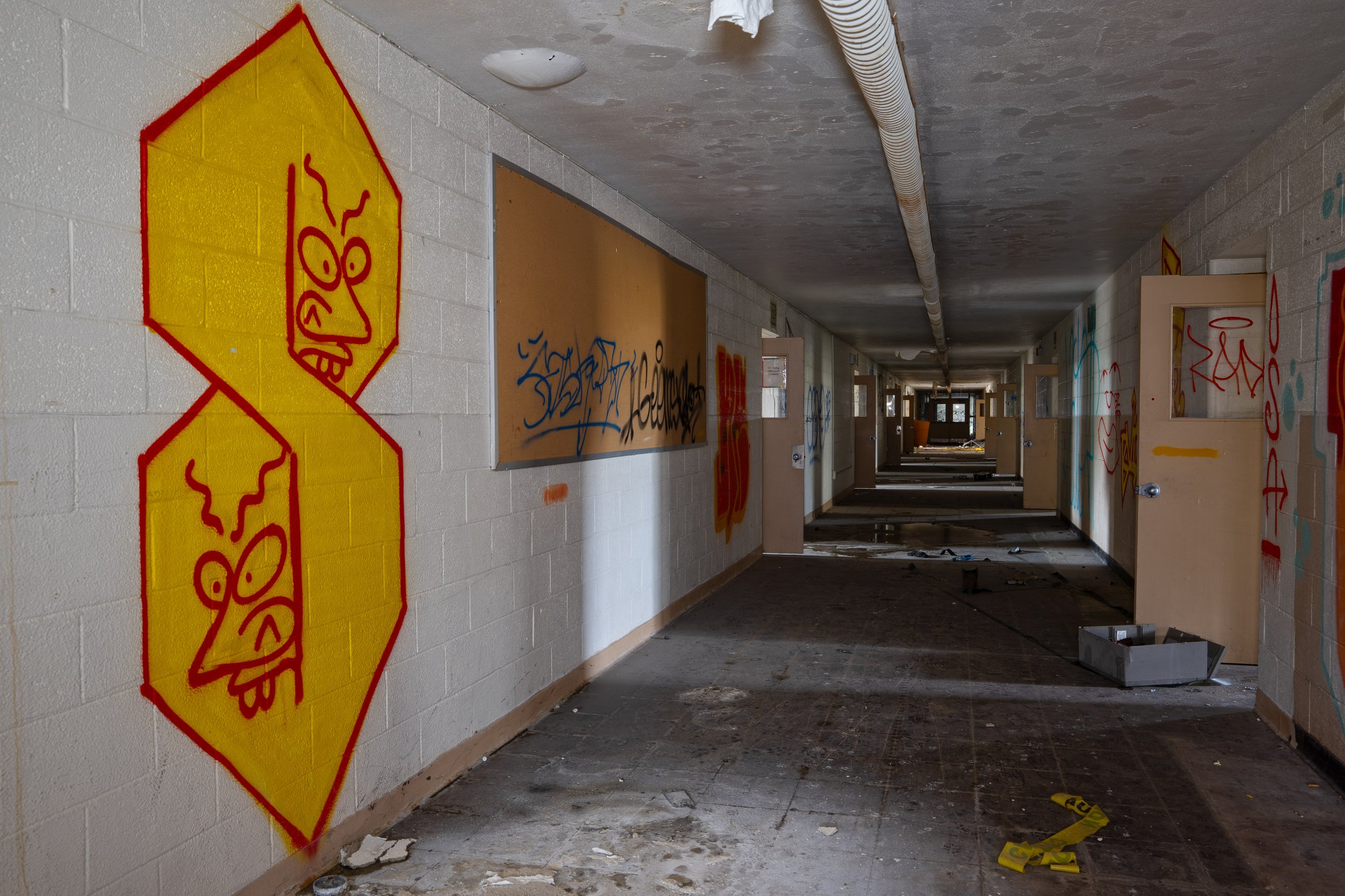
2nd floor main hallway
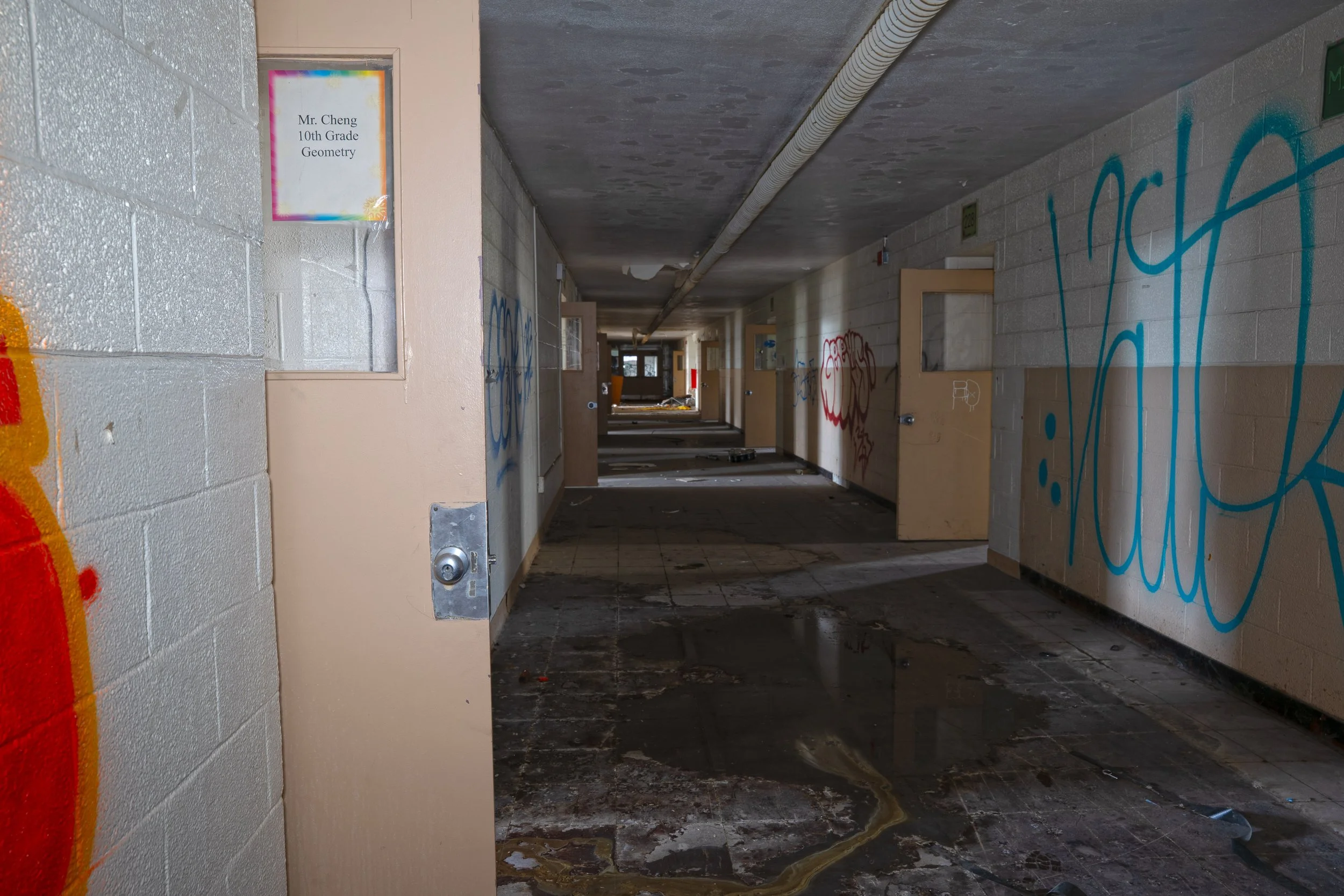
2nd floor main hallway (Note the 10th grade sign)