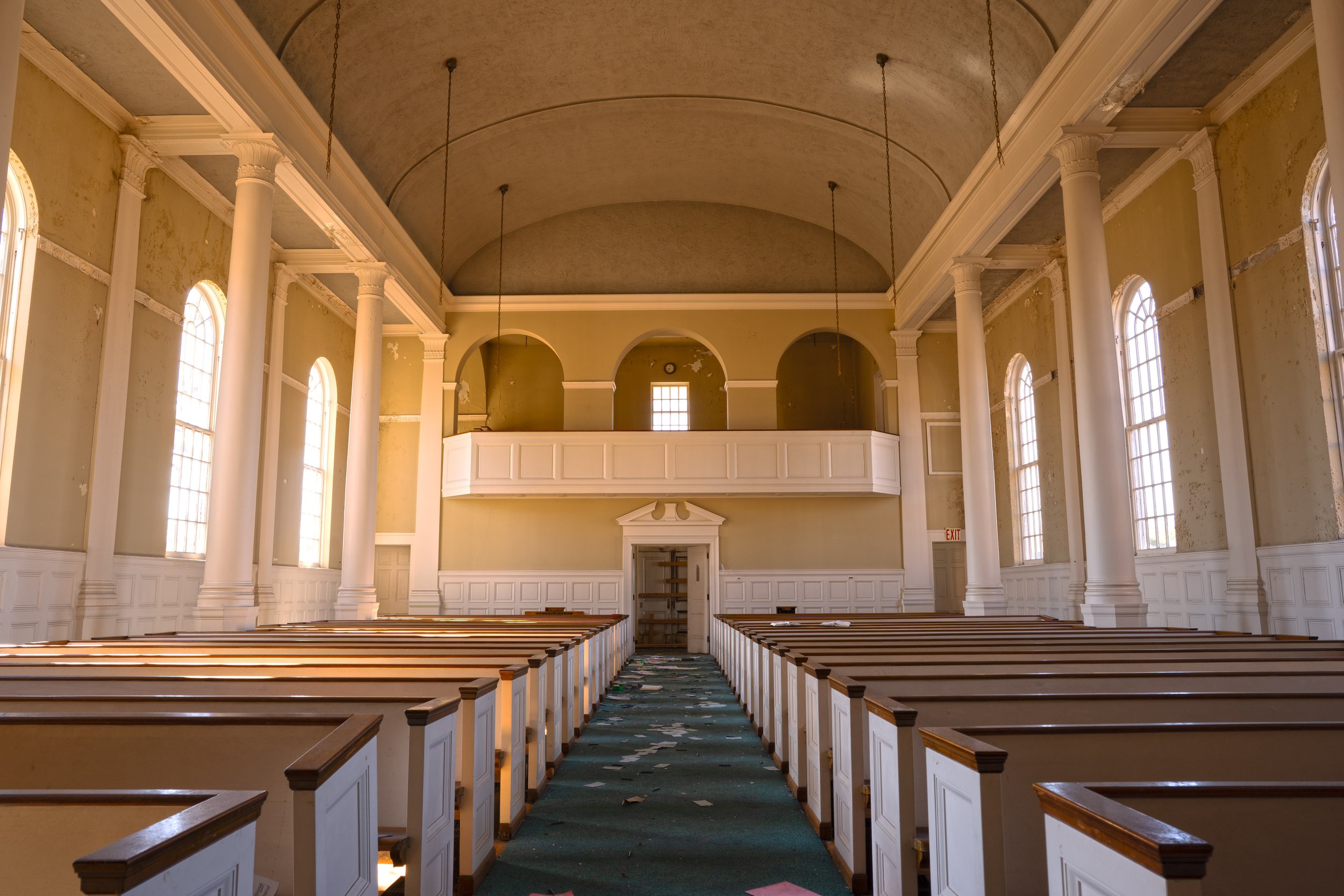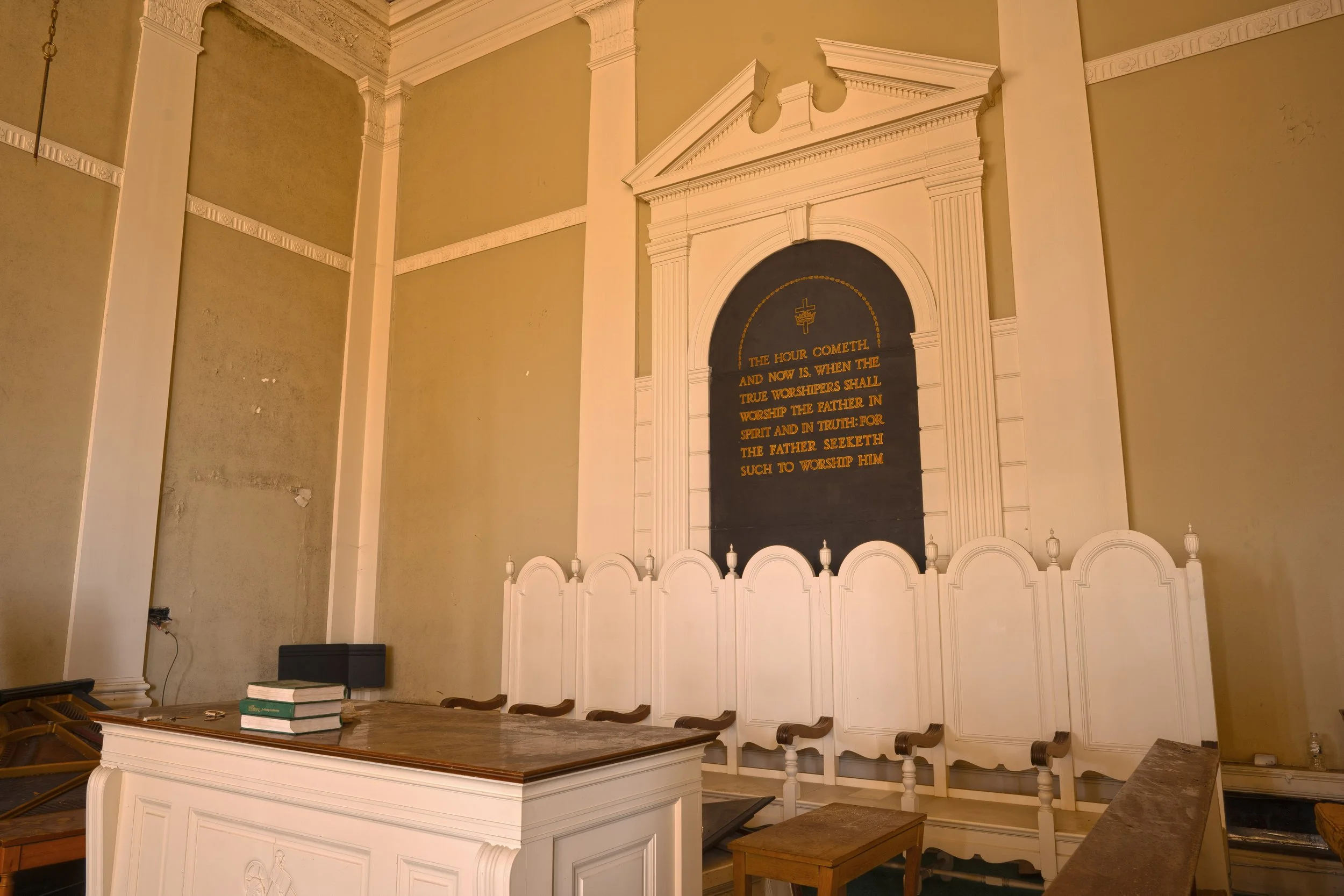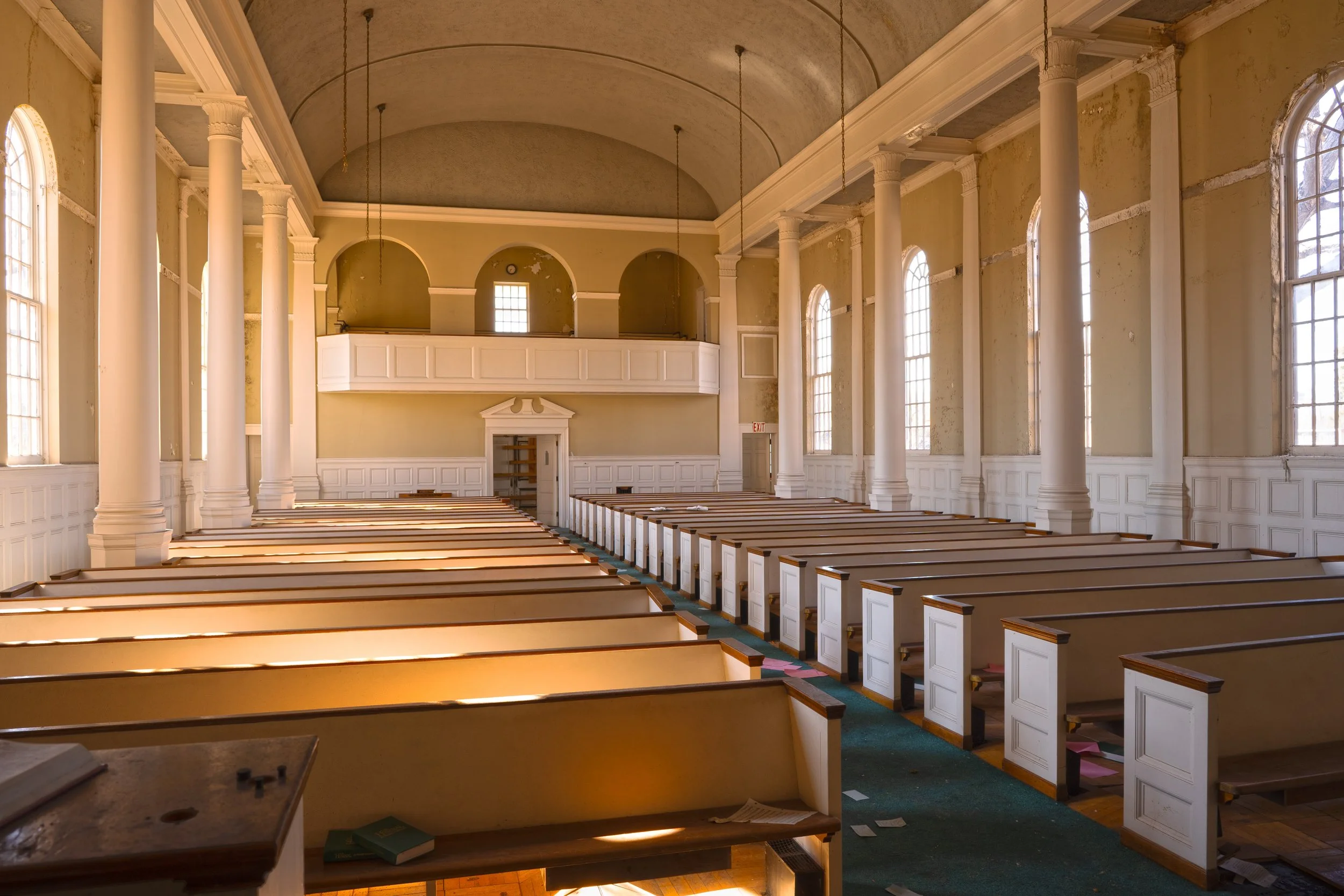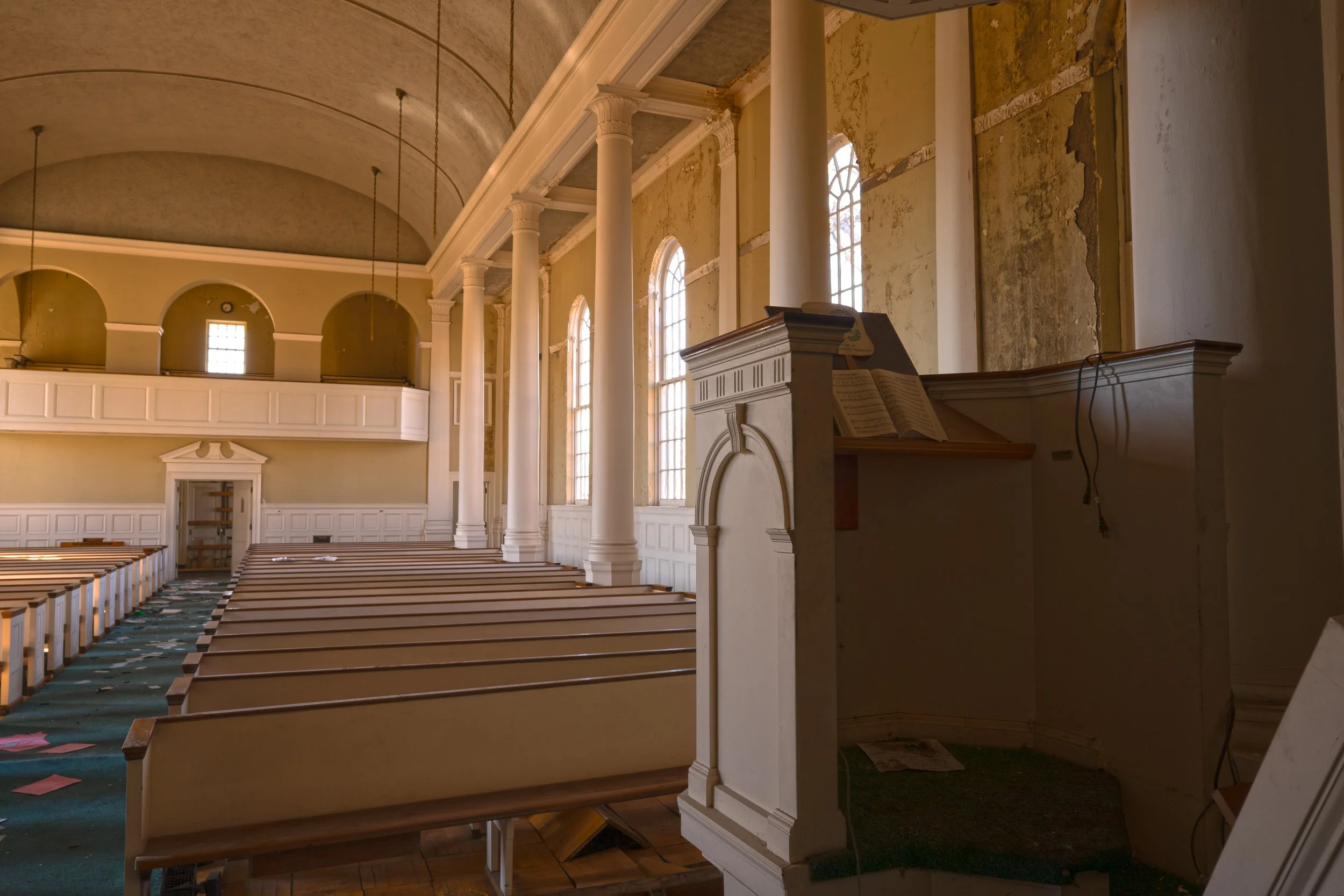
Bushnell Congregational Church
15000 Southfield Rd, Detroit, MI 48223
-Abandoned 2023
|High Resolution page+Tripod|
Locate it!
History of Bushnell Congregational Church
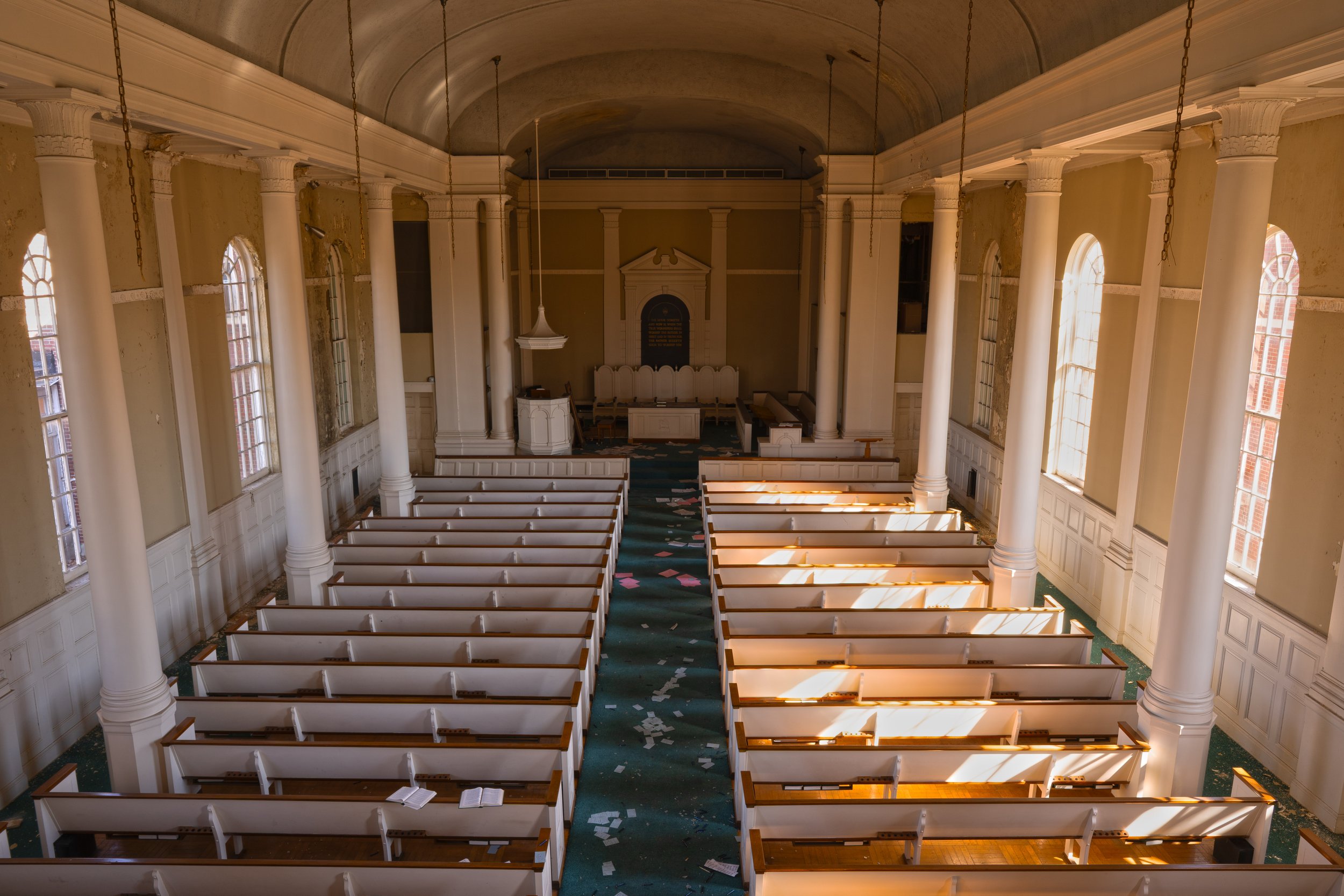
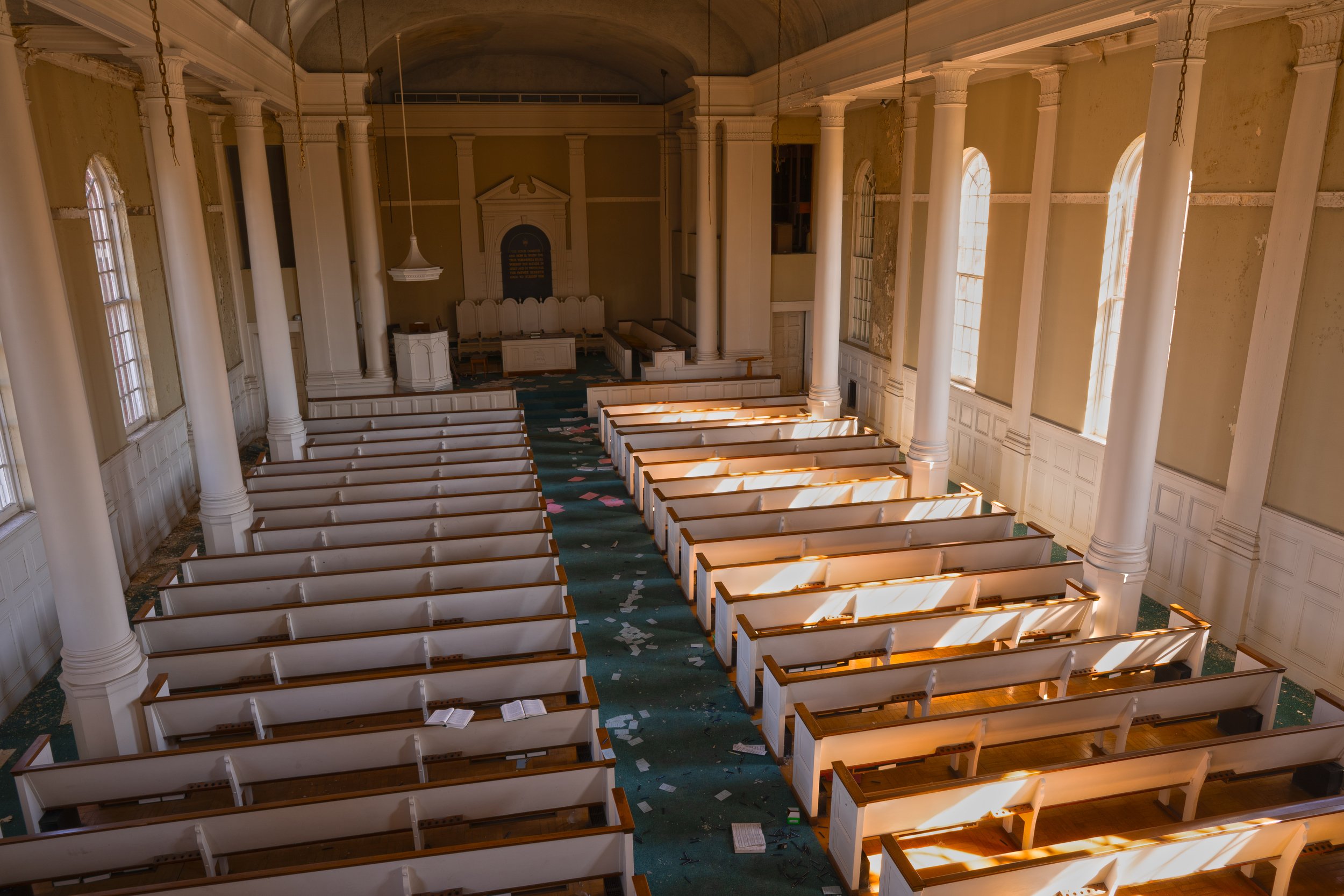
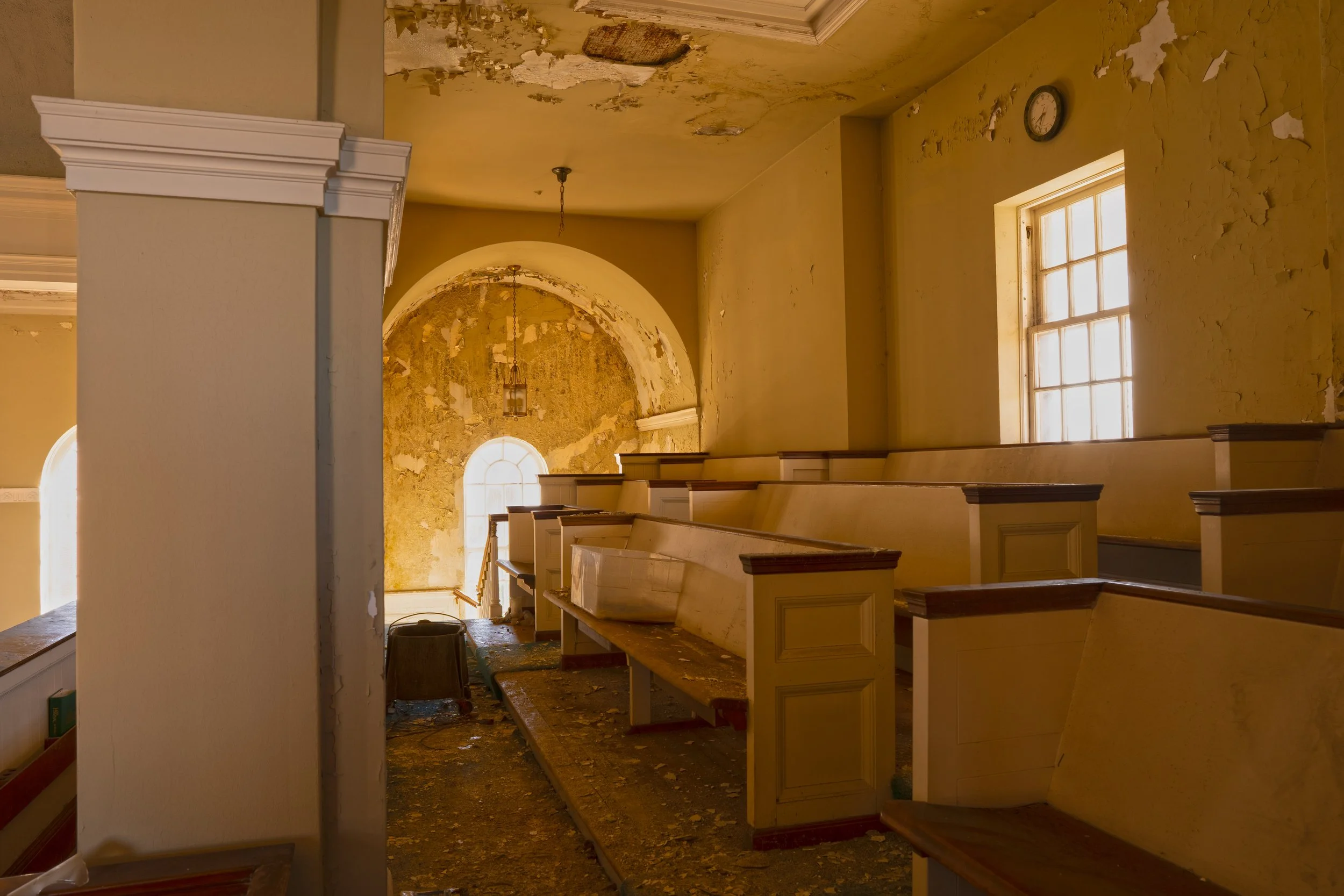
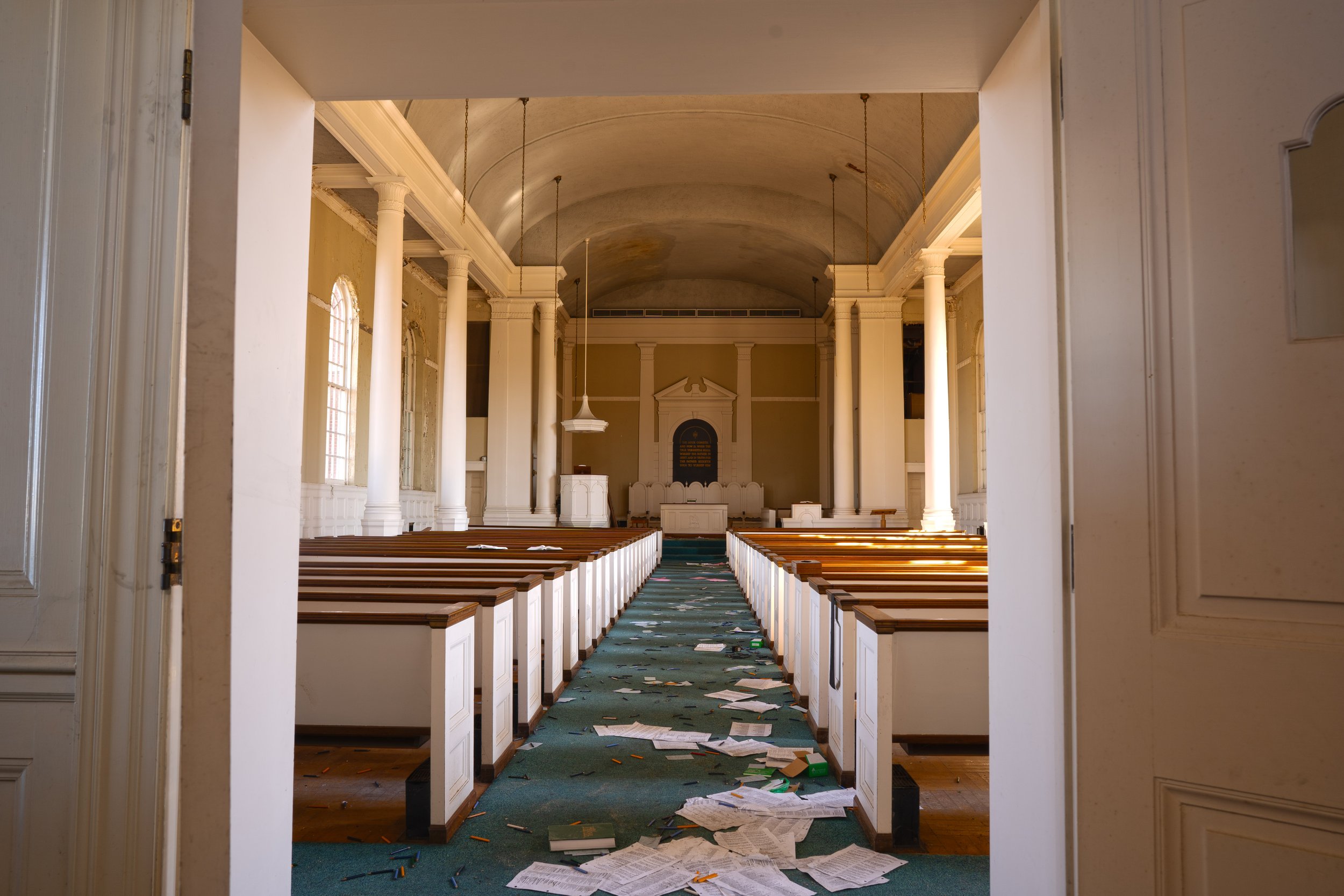
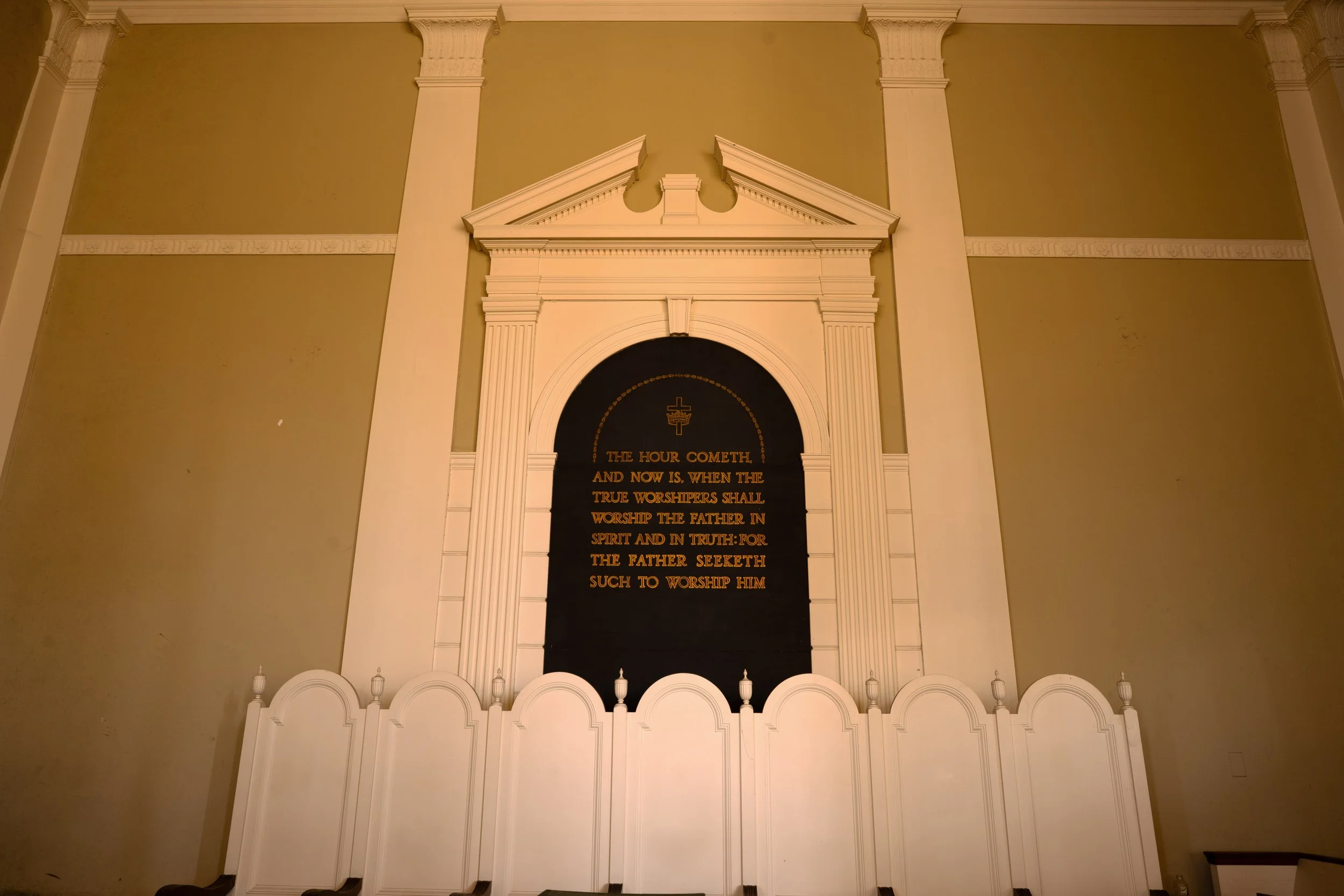
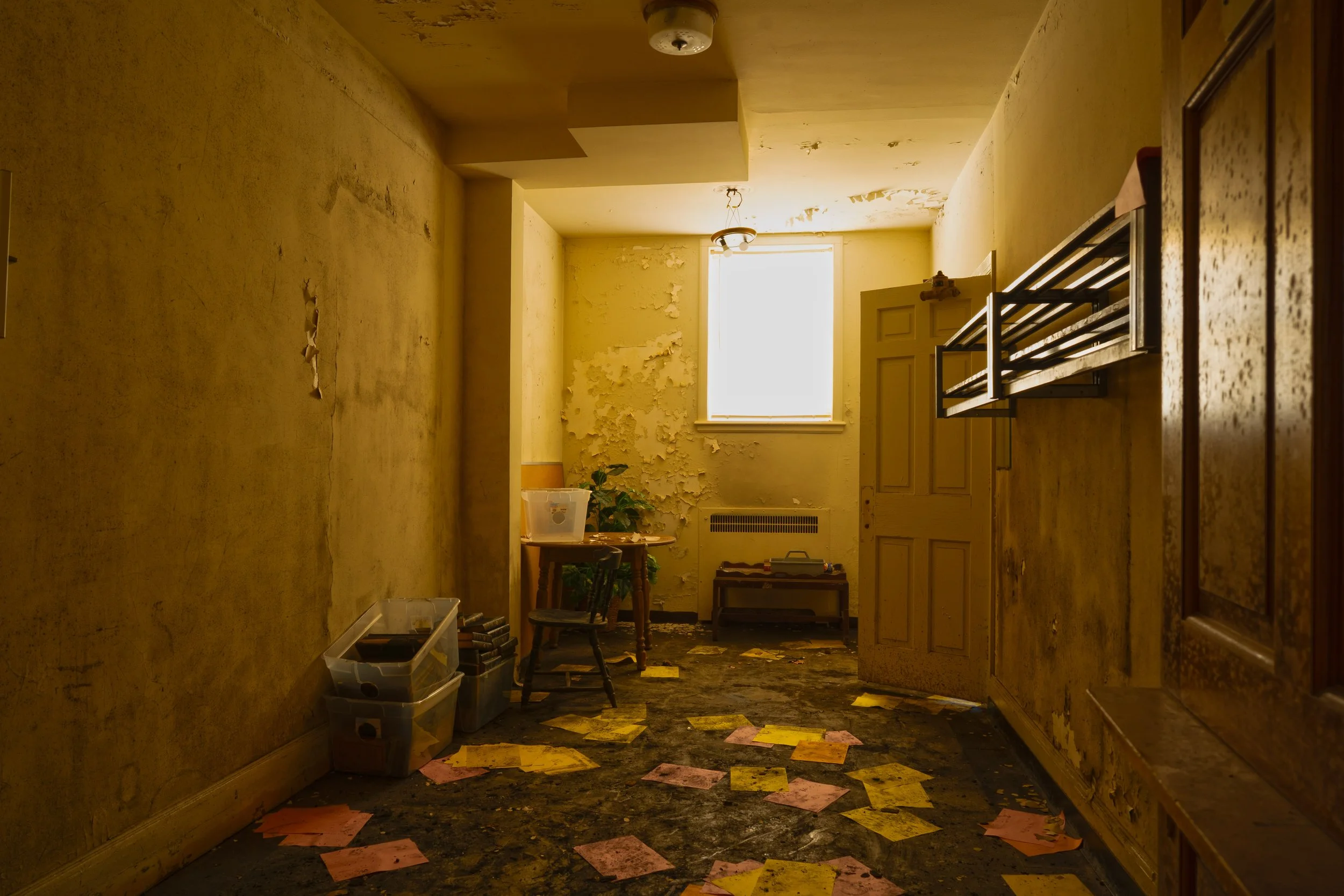
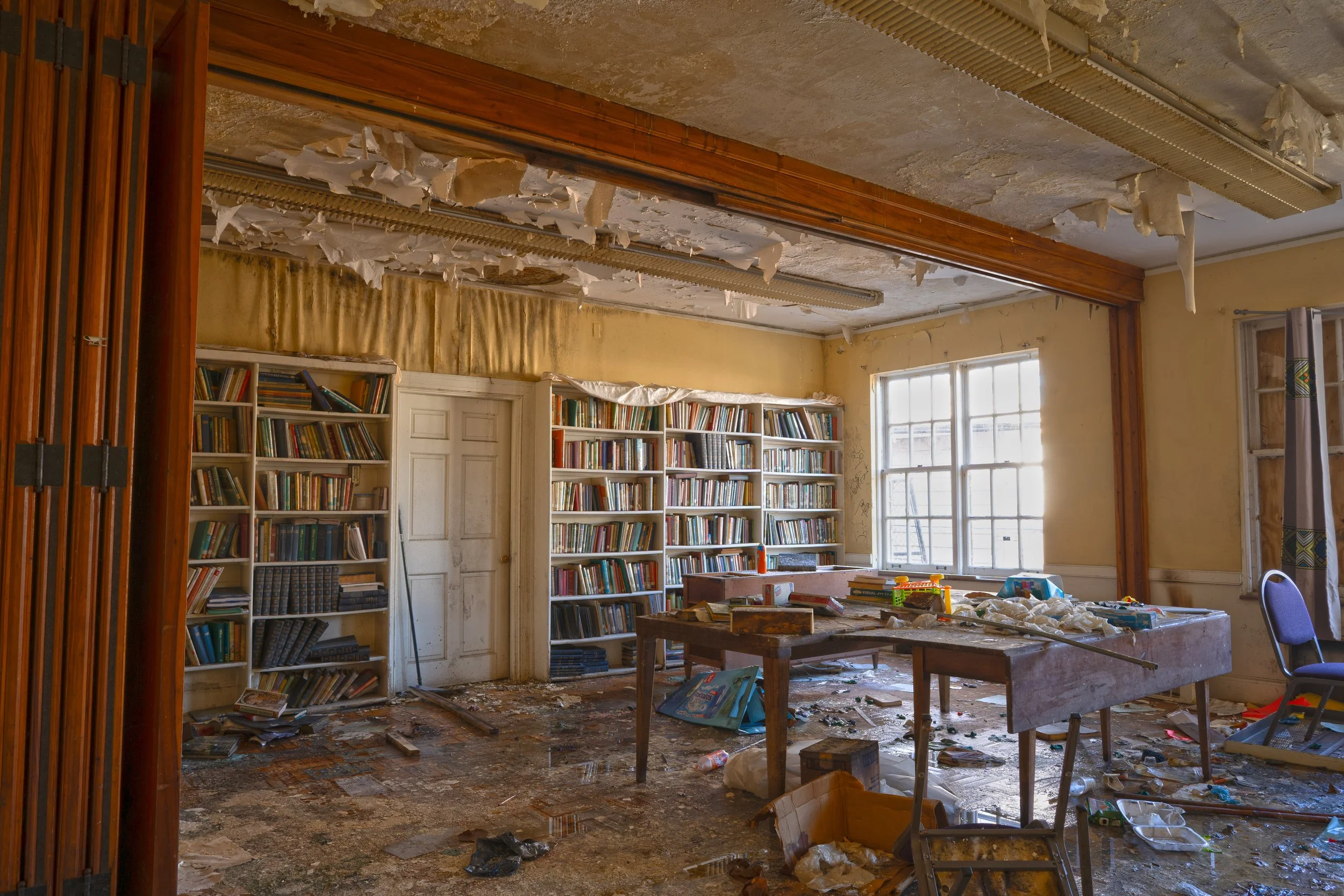
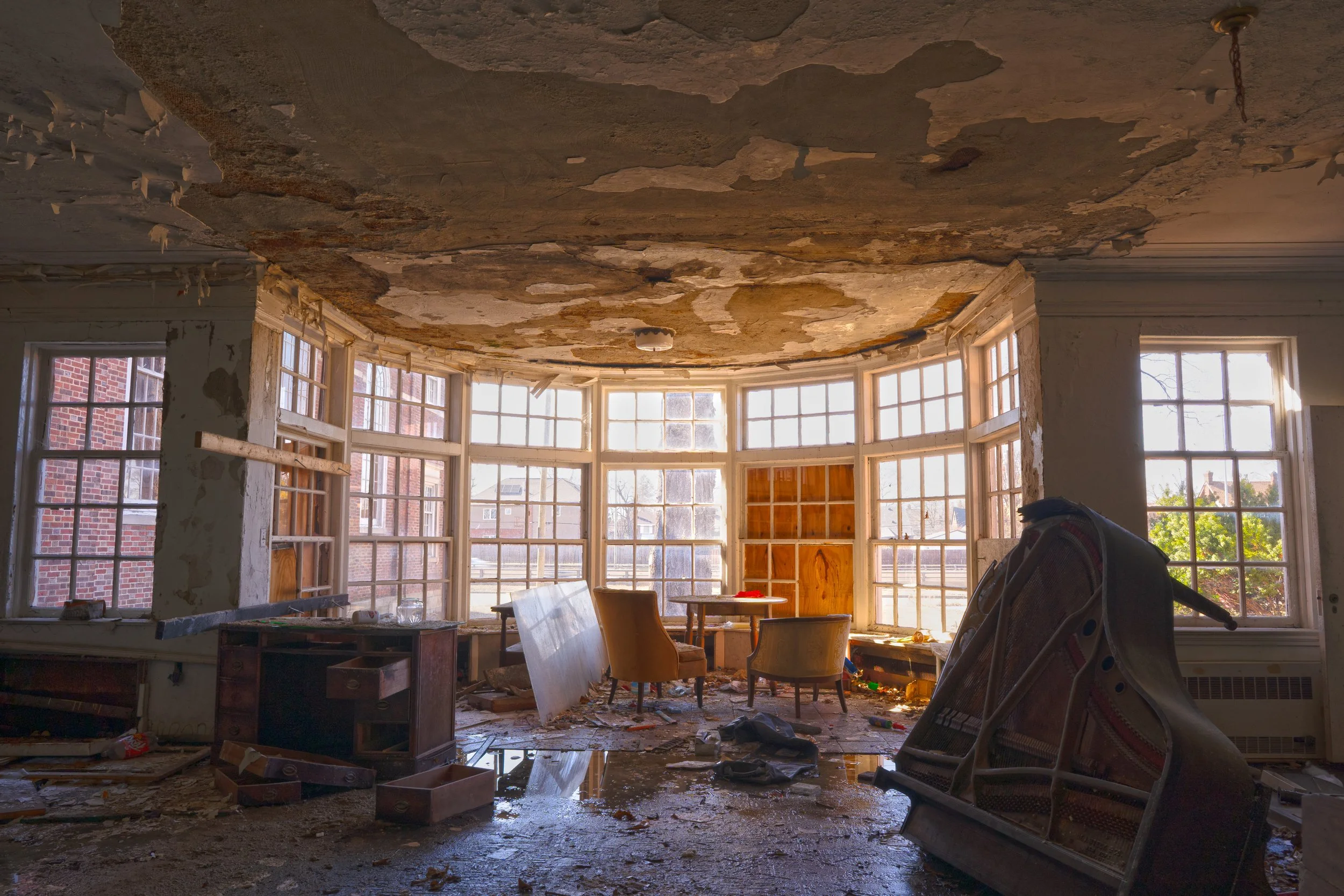
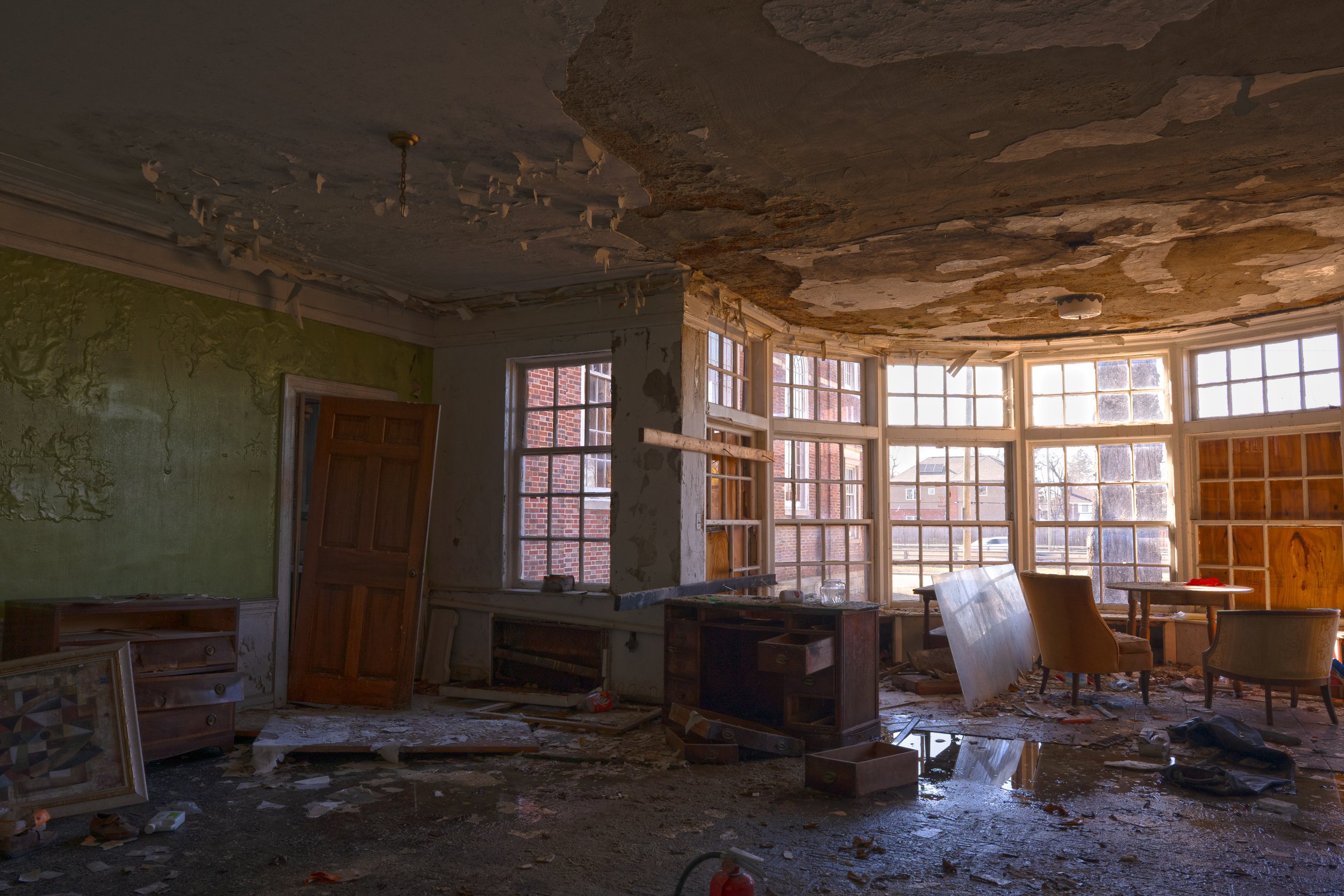
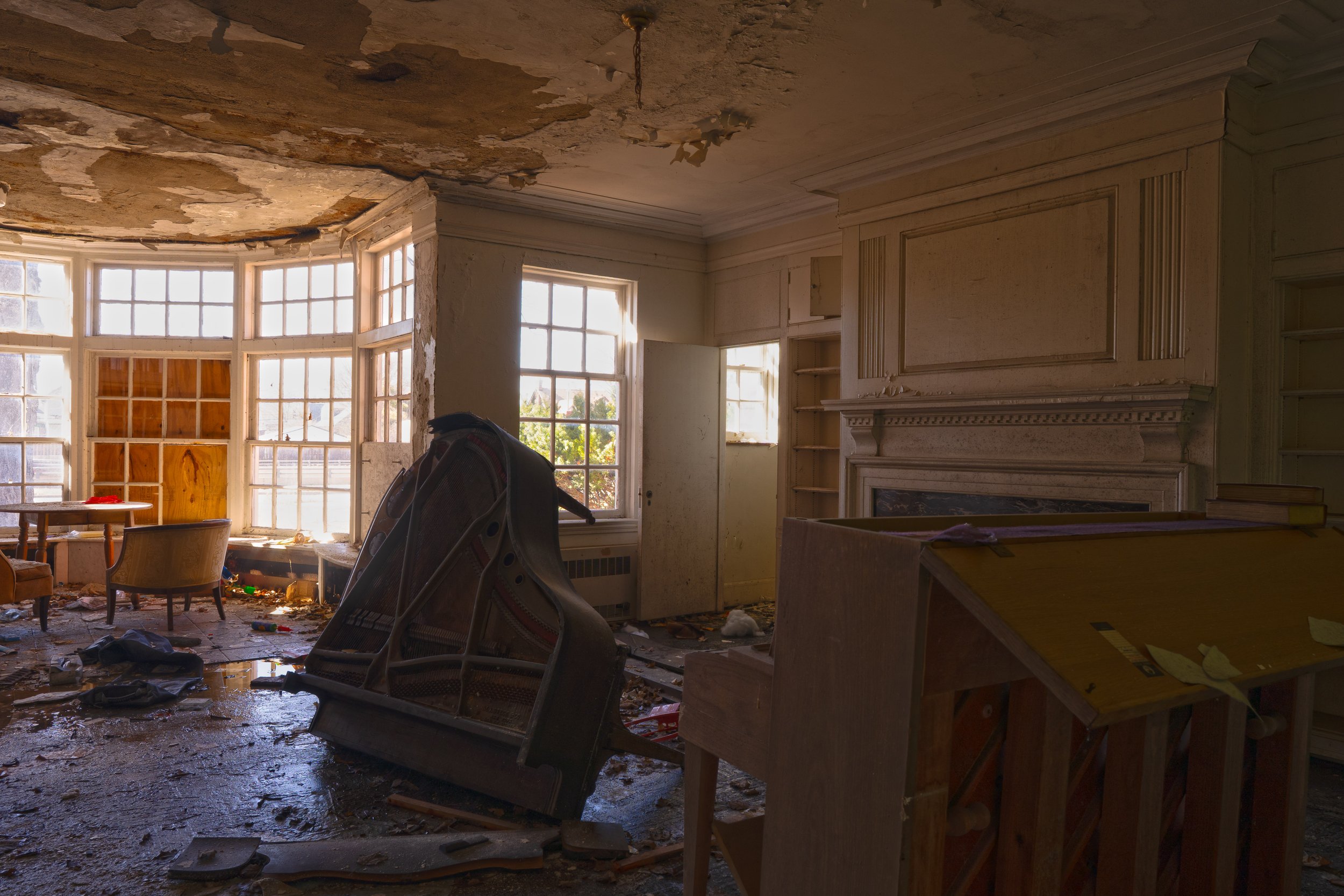
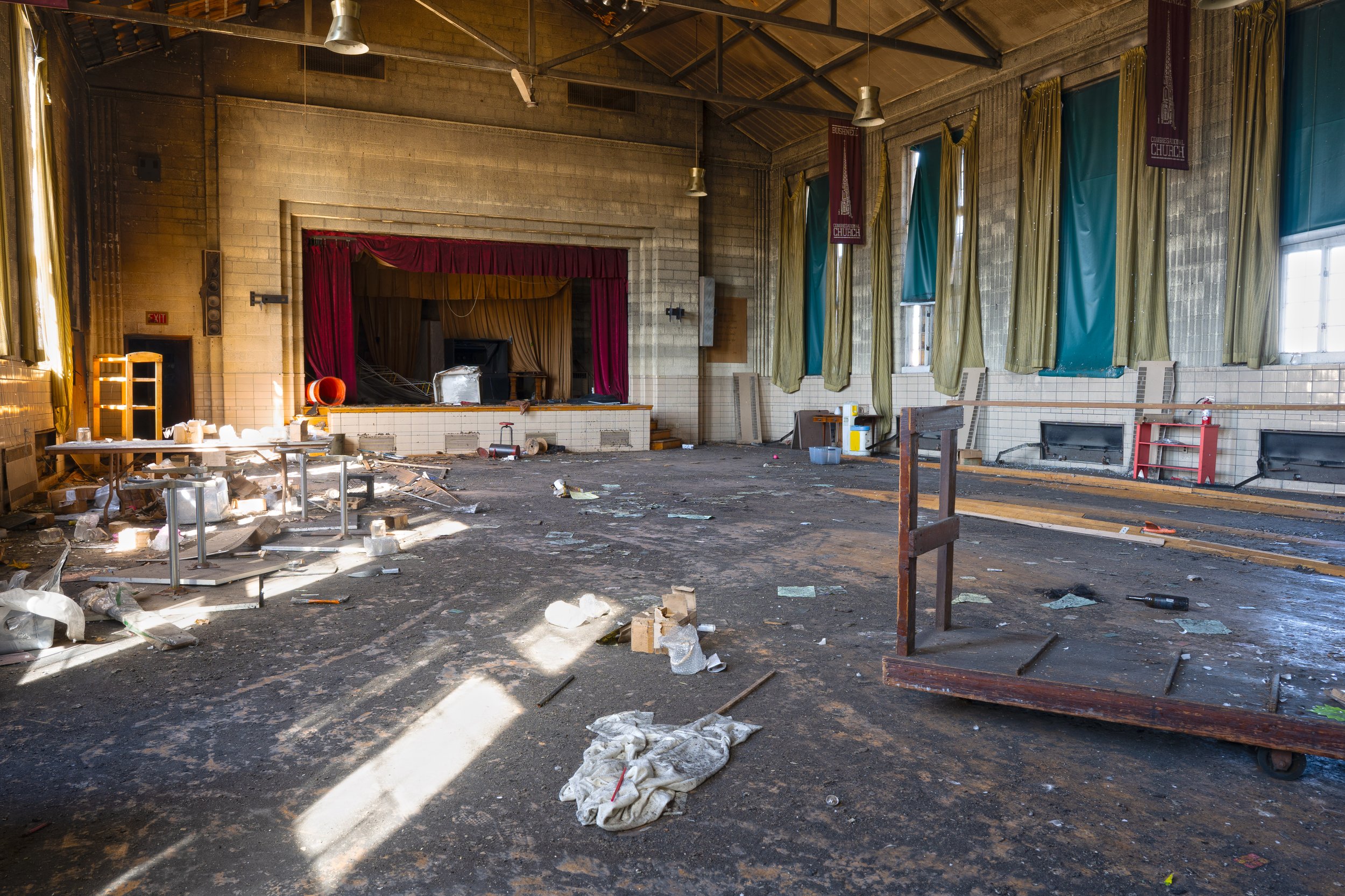
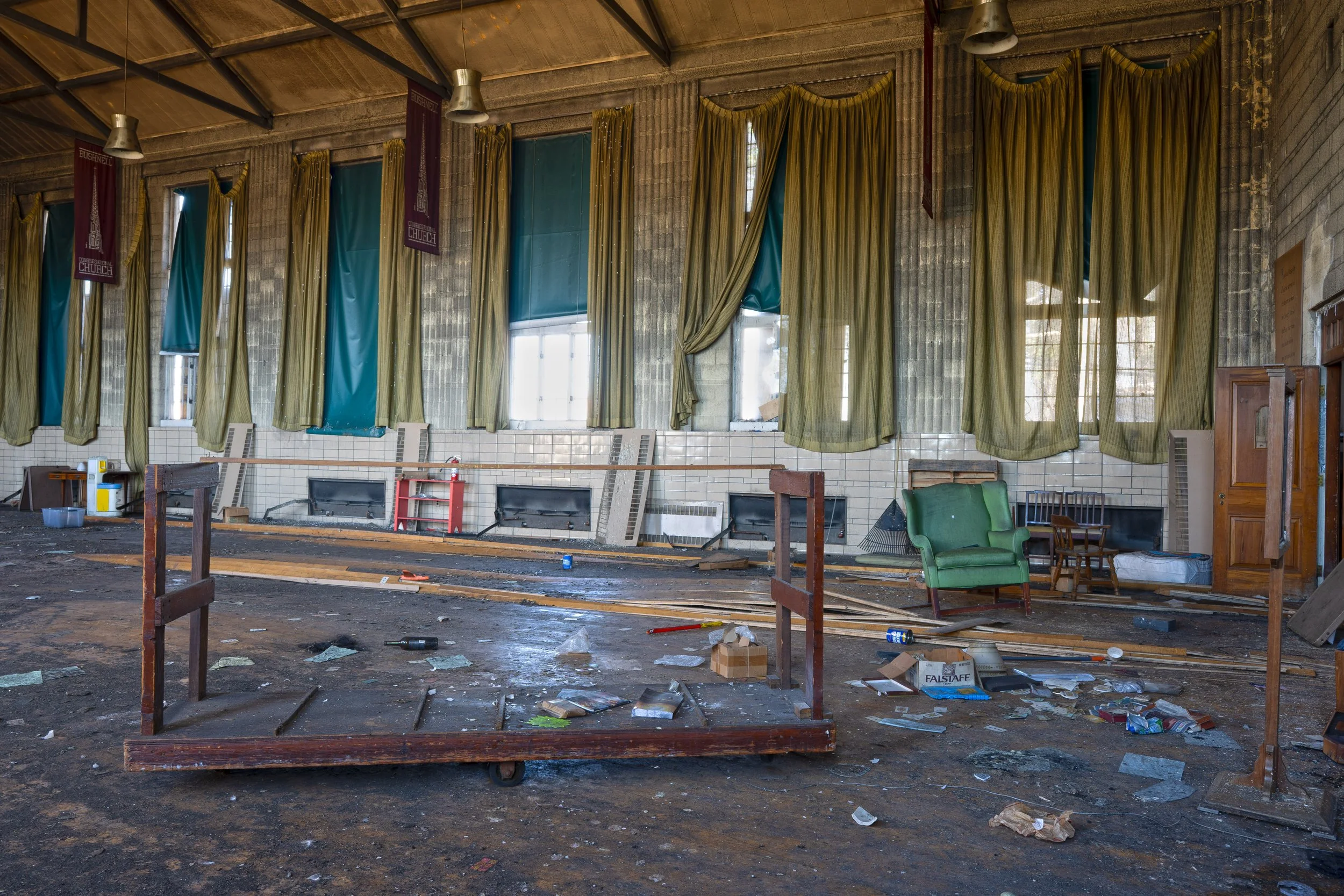
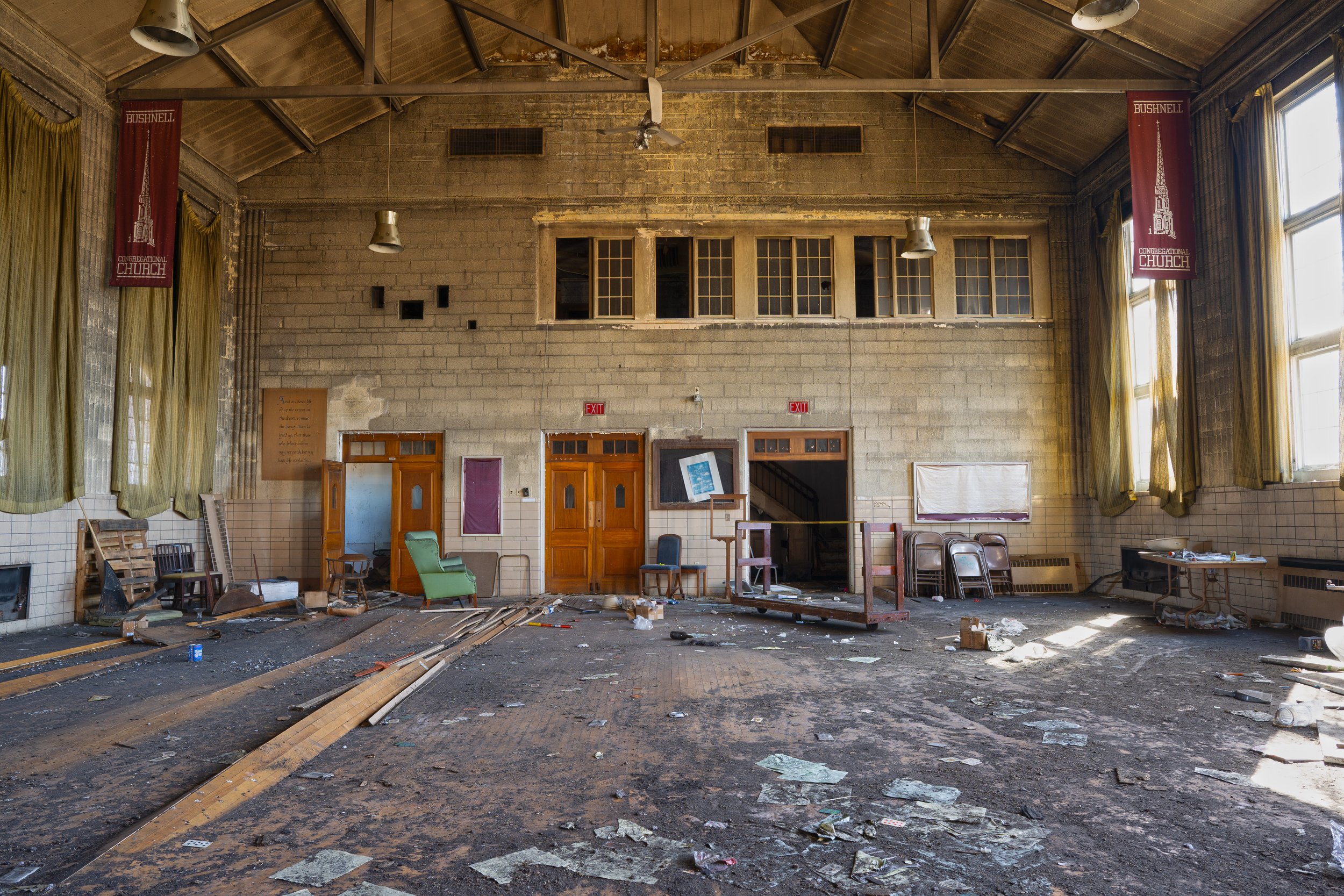
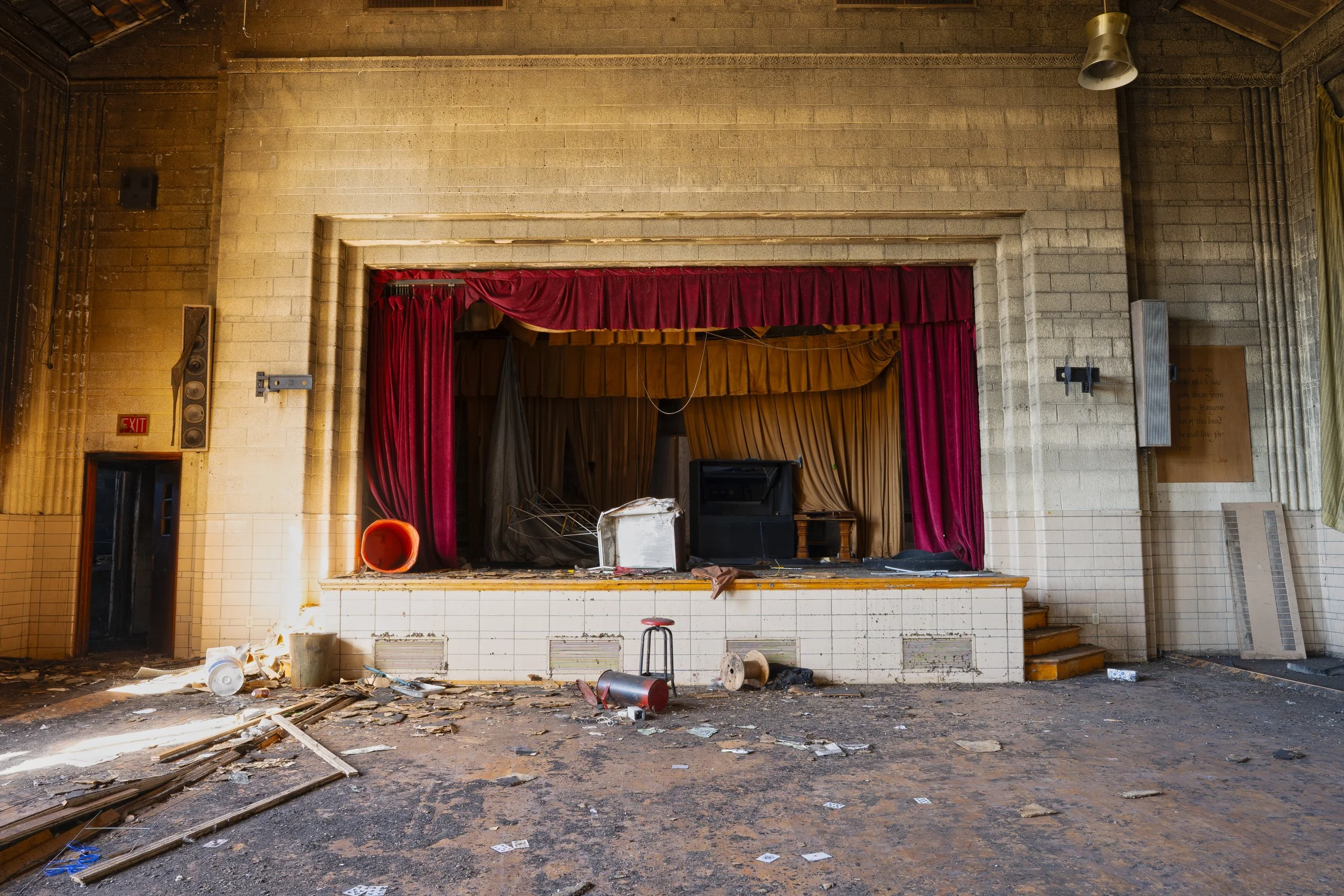
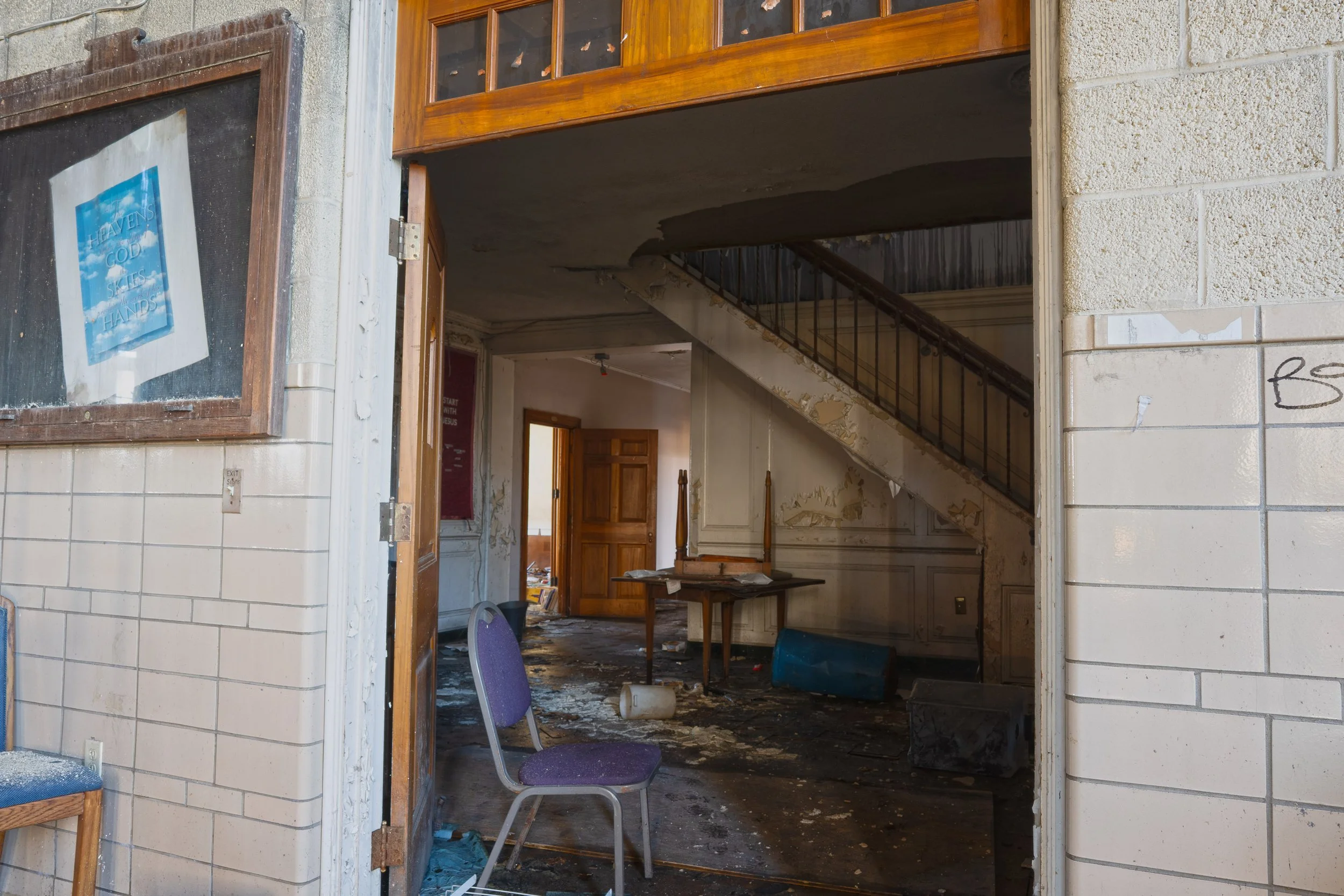
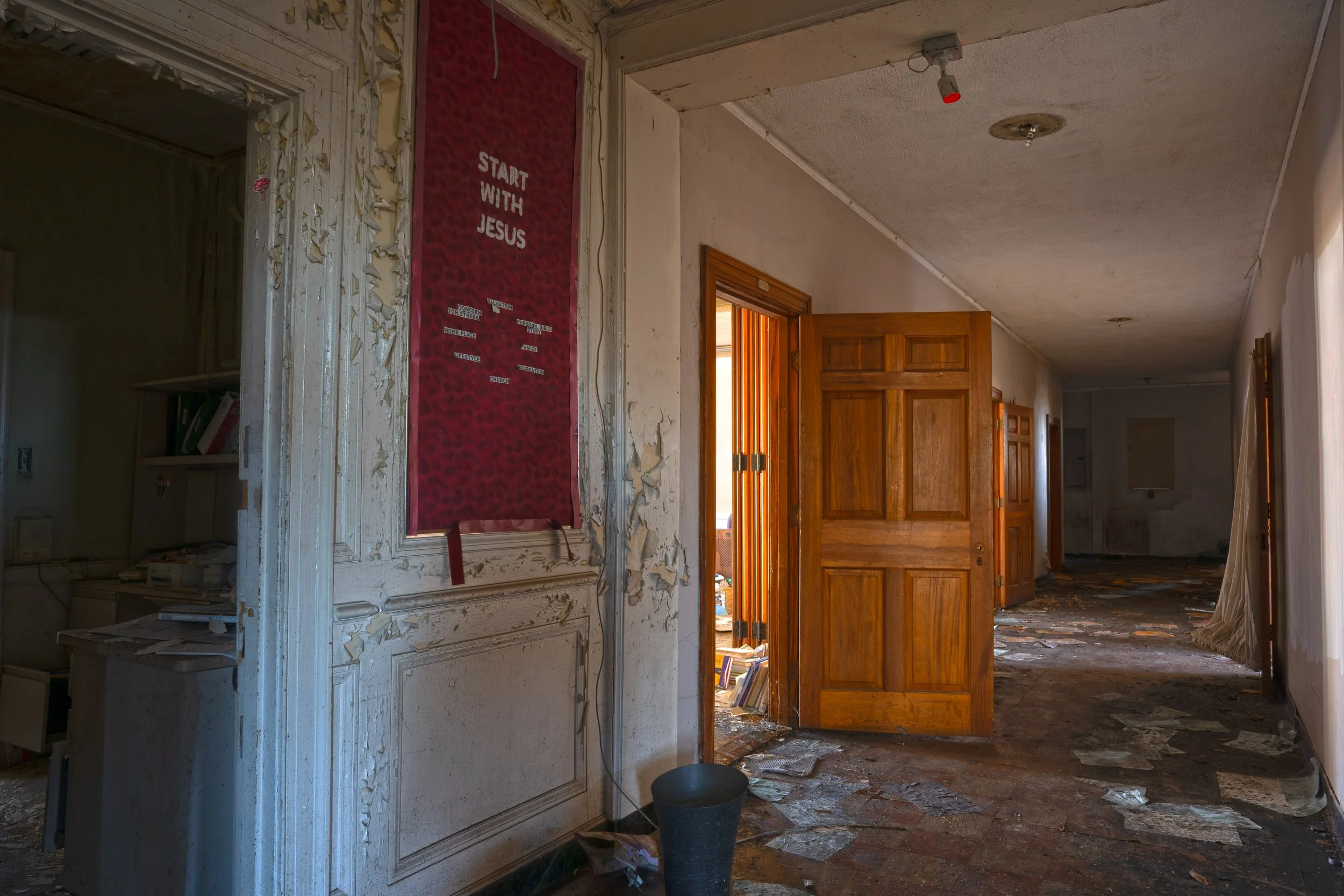
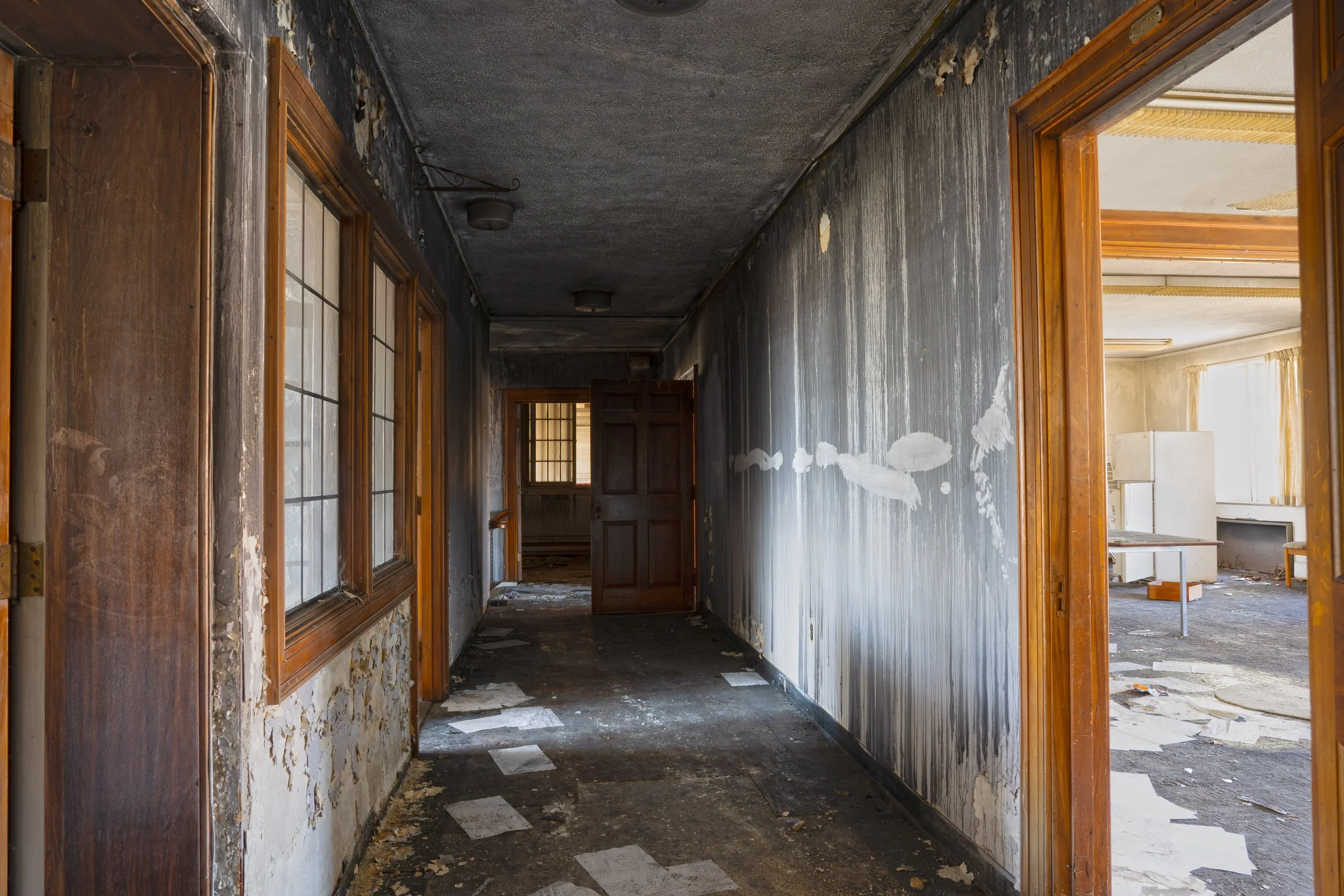
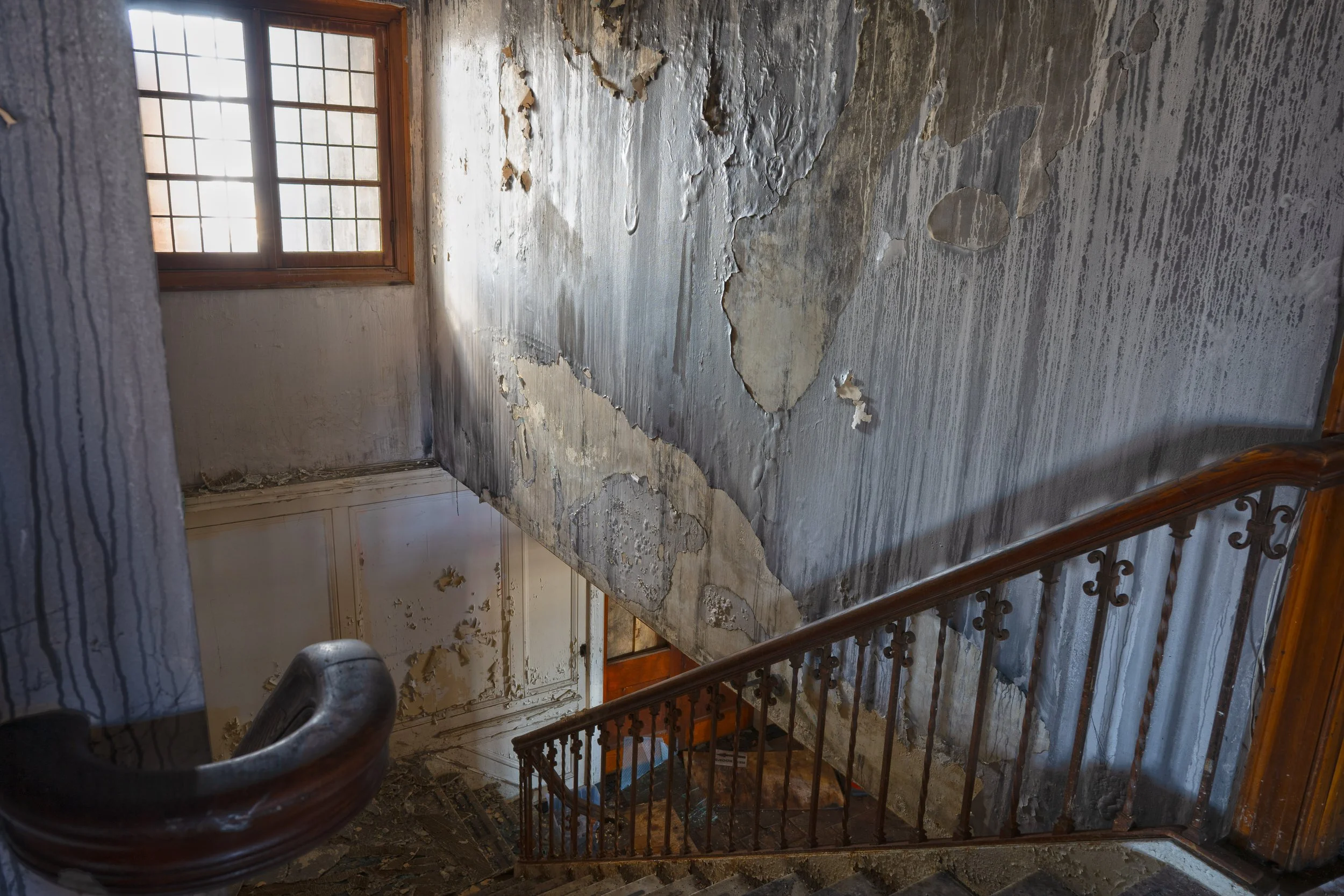
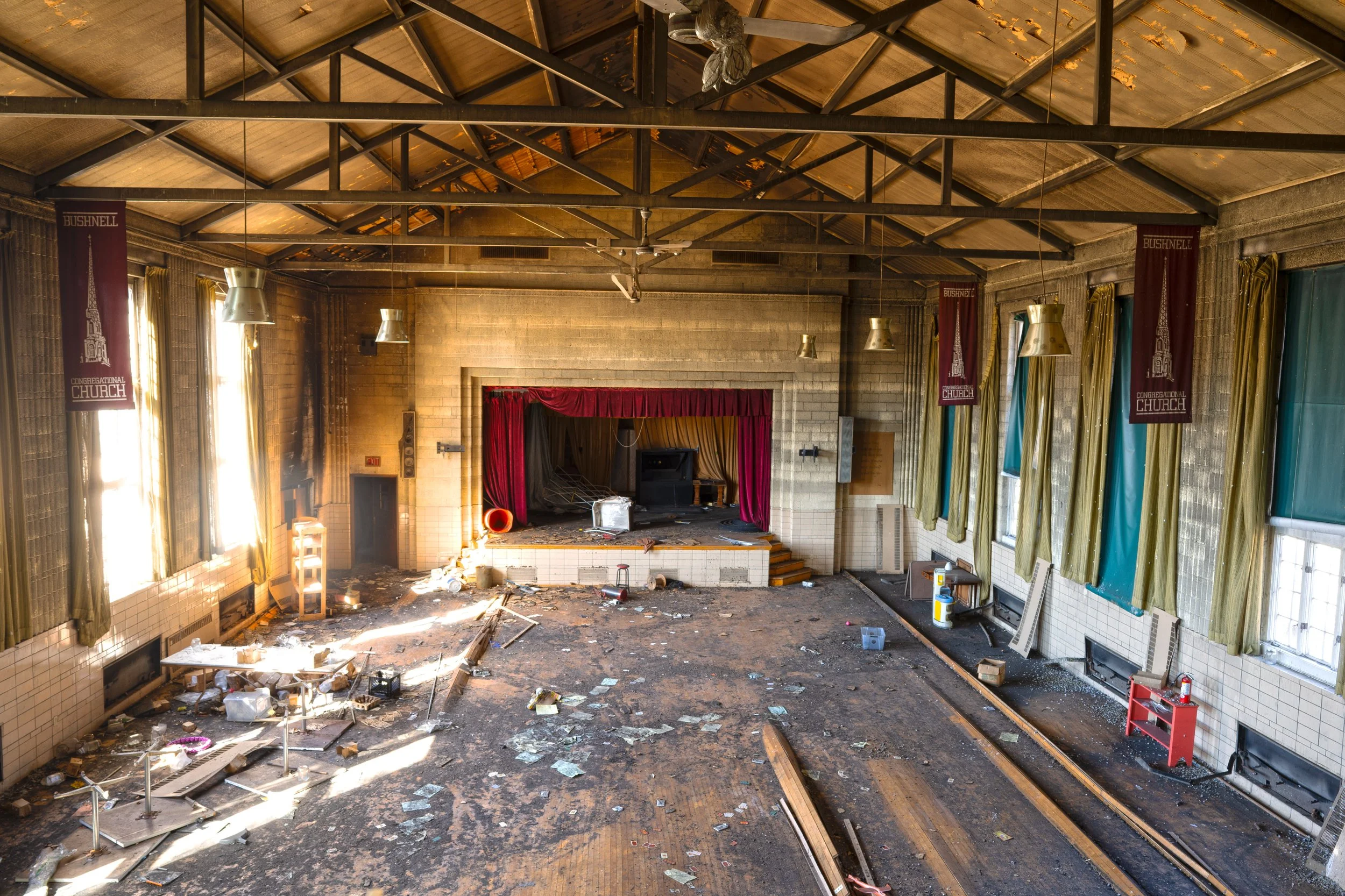
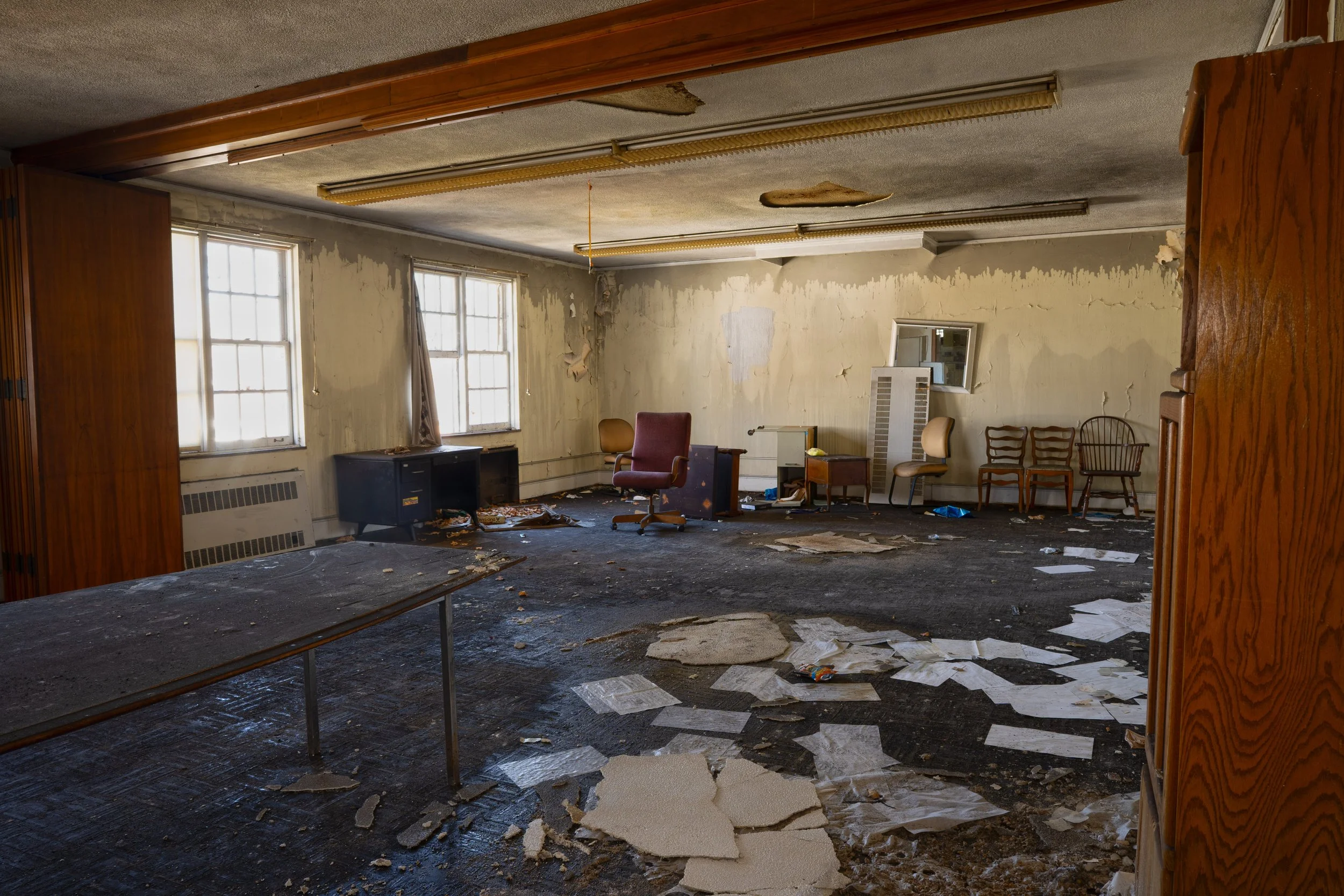
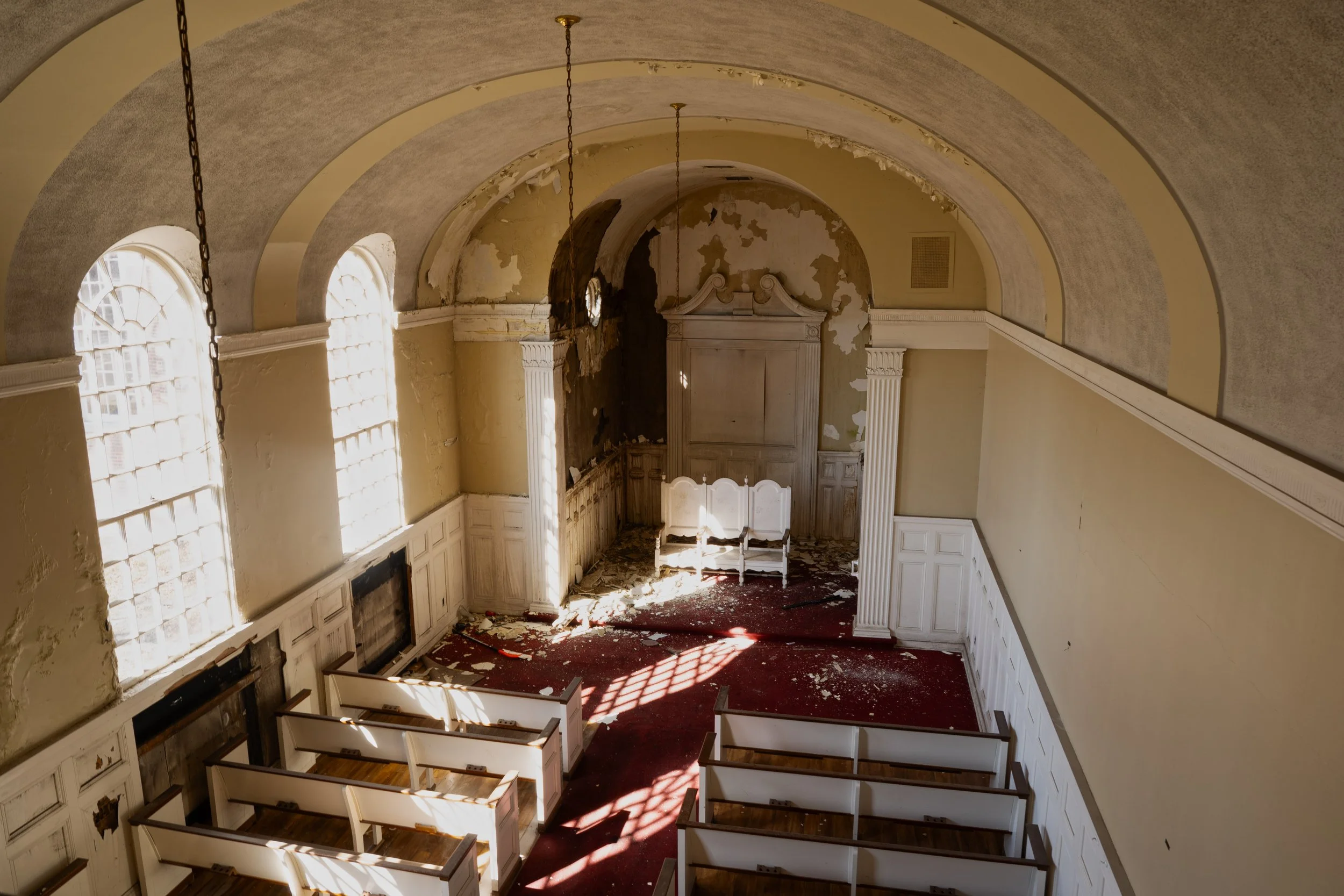
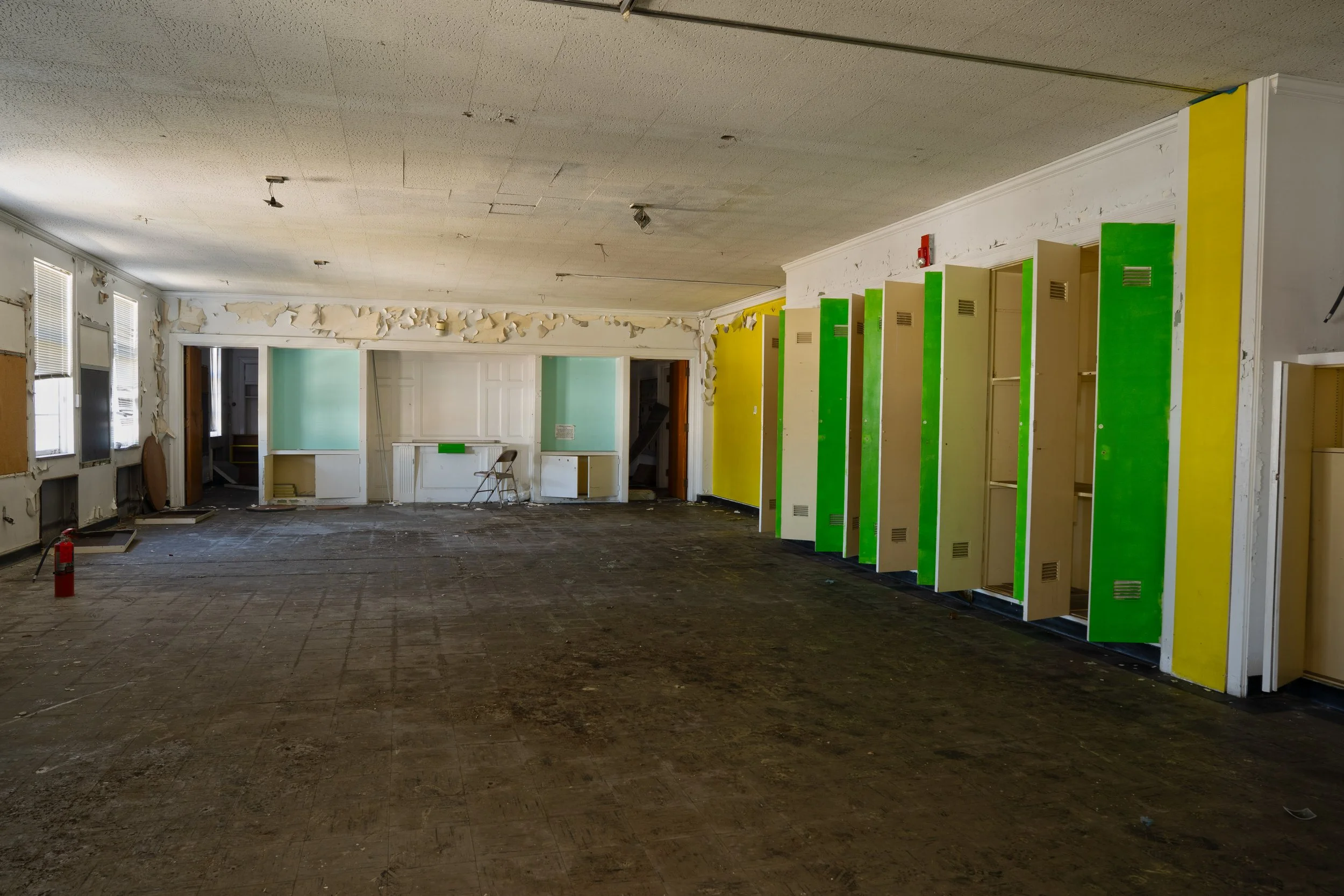
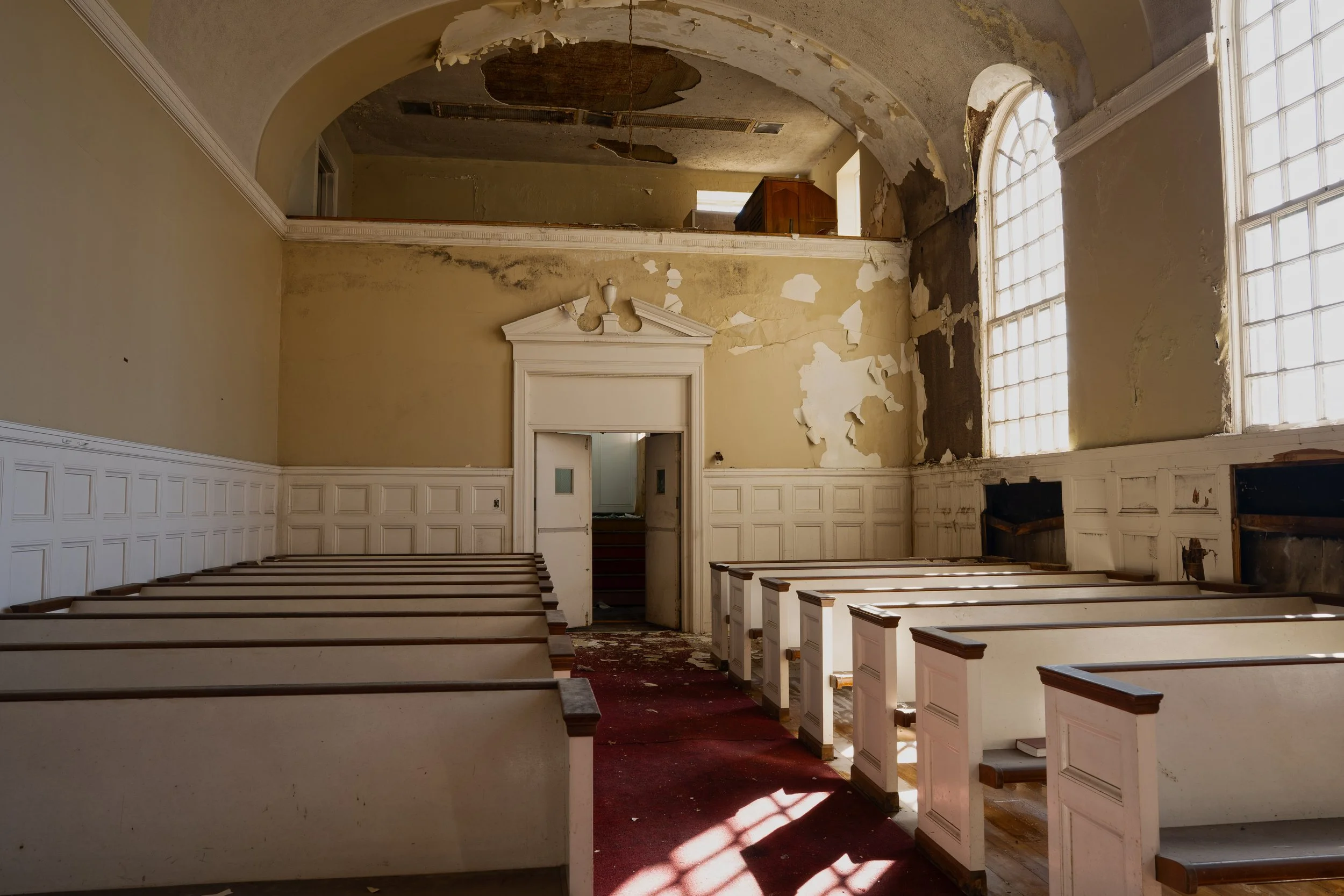
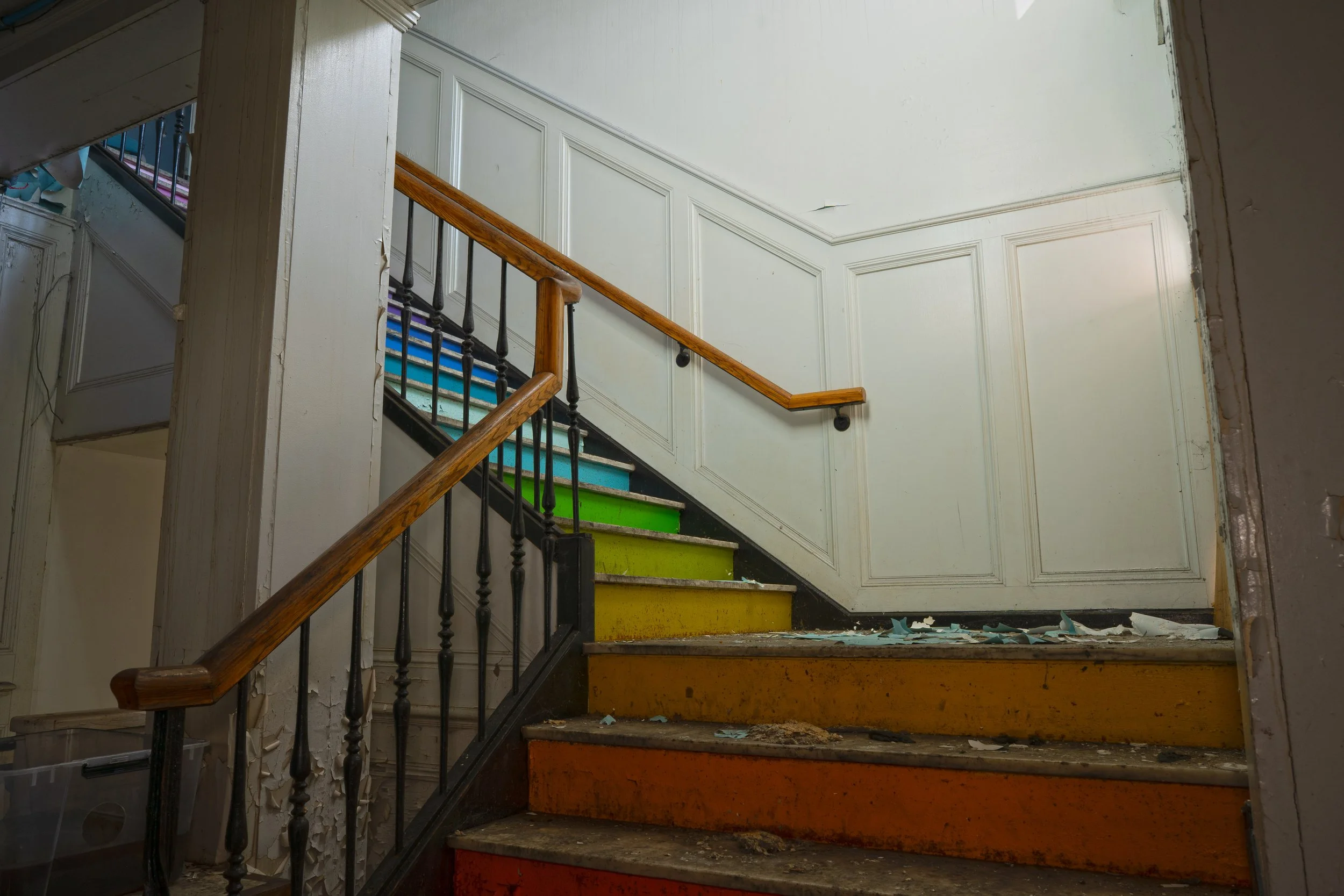
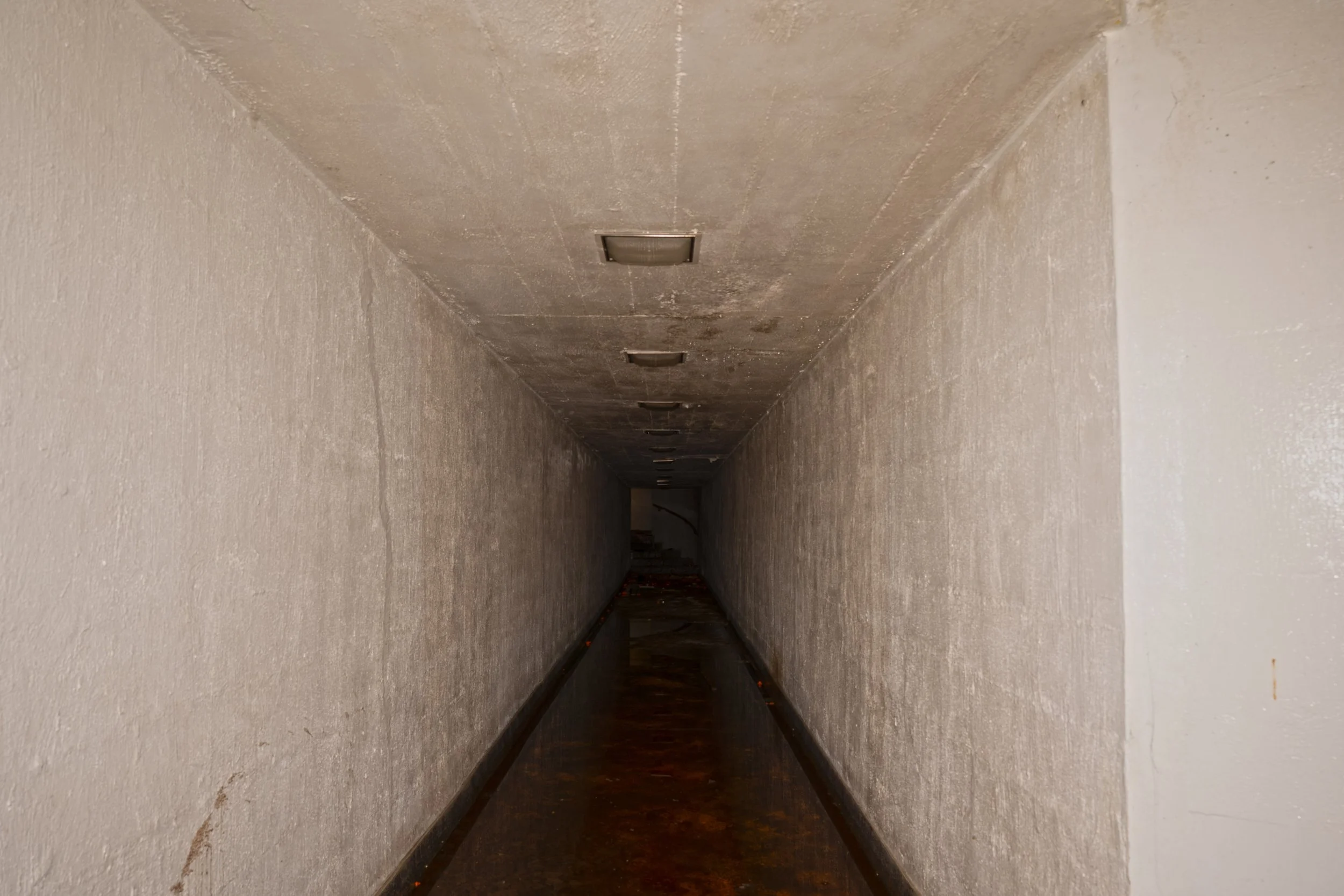
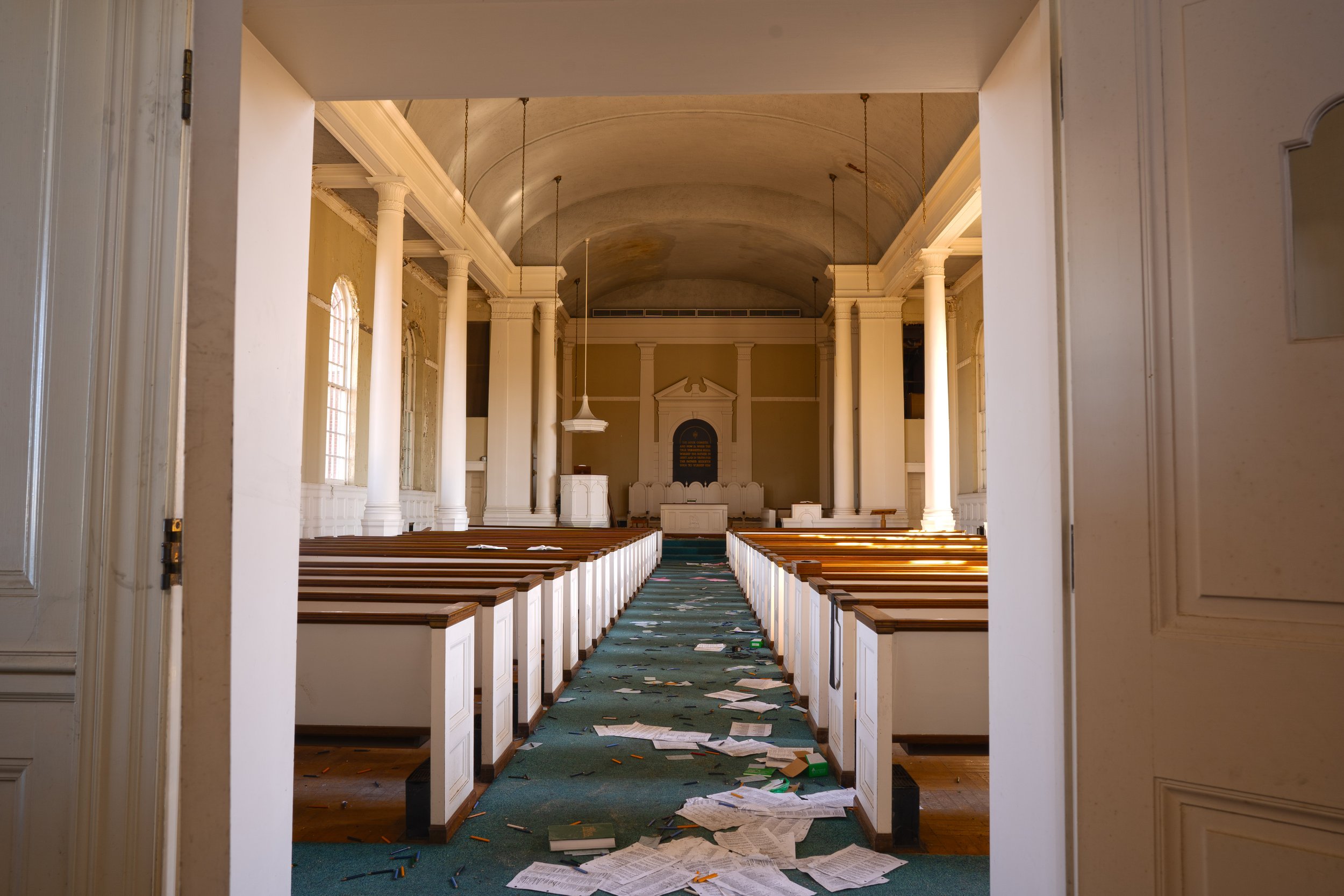
In 1924 after the annexation of Redford Township from the City of Detroit superintendent of the Detroit Council of Churches asked the Rev. Irving W. Stuart, superintendent of the Detroit Congregational Union, to establish a Congregational church in the rapidly growing northwestern portion of Detroit. Originally this congregation used the Edison Elementary School still open till this day. At the time of the establishment of Bushnell in 1924, the Edison Elementary was a brand new school also opened in 1924. By January 1925 a congregation of about 40 people gathered at Edison. In May of the same year members arranged for the establishment of a permanent church. A Board of Trustees was created, the land for the present Bushnell Congregational Church site was purchased at a cost of $10,000, and an additional $3,000 was set aside for the construction of a temporary building. A ceremony for the new site was held on November 29, 1925. Rev. Eddy Treat of Salisbury Connecticut was called to become the first pastor of Bushnell Congregational Church on May 2, 1926. He would retain that position until 1955. In 1937 a drive raised funds to build a new church succeed, and a groundbreaking ceremony for the new $75,000 structure was held on January 1, 1939. The new church building, with a capacity of 350, was opened that year, its sanctuary having been completed with no mortgage. The first services in the new building were held on September 10, 1939. Three frame buildings that had been previously constructed on the site were retained and used for Sunday school and other community functions. Into the 1940s the areas around Bushnell consisted of above average wealthy white families. This allowed the Church to expand and construct a addition that included a fellowship hall that included a stage and kitchen. With a later addition in 1953 adding a offices and a education wing being completed in 1953. In 1958 the final addition was constructed, completing the building as it stands today. By 1959 the church had grown to the largest Congregational Church in the City of Detroit, and membership peaked this same year at 2650 members. During the late 50s the church involved itself in early civil rights matters, such as standing for the abolishment of literacy tests to vote, alongside poll taxes. These views sometimes caused the members to be at odds with the leadership of the church with a almost 100% white congregation. In 1958 many members stood in protest outside the church after a prominent African American minister and pastor of Central Congregational Church (now known as the Shrine of the Black Madonna) and his choir to conduct a service at Bushnell Congregational Church. The leadership of Bushnell Congregational Church following the service received numerous phone calls and letters opposing the exchange, Leadership noted that “it was clear that these did not come from members of our congregation,” and observed an overwhelmingly positive response by members of the congregation to Cleage’s service. Also noting “the findings of science” confirm that all races are equal, and criticized the “hypocrisy” of various forms of housing discrimination of that prevented African Americans from residing in the area served by Bushnell Congregational Church.” Due to White Flight into the Suburbs in the 60s membership began to decline alongside some members being at odds with the church following the late 1950s actions of the leadership. The remaining members were at odds of what to do with the Detroit location, for years the congregation could not decide if it wanted to move to the suburbs like many church had done throughout the same period or sell the Detroit location all together. Members voted in 1979 to sell the Detroit location and moved to a rented space in Novi MI, a purchase offer was reached in 1983, however membership declined it. A new pastor, the Rev. Robin Meyers, originally from Oklahoma City, had assumed leadership of the church. Under his direction, the church was able to recruit a significant number of new members as well as reverse a budget deficit that had troubled the church during the previous decade. Bushnell Congregational Church abandoned its original plan to sell its Detroit building to finance the construction of a new building in a suburban location, and instead maintained two locations simultaneously. This second location, on Meadowbrook Road in Novi, was known as Bushnell West. Soon, it established itself as a separate entity, known as Meadowbrook Congregational Church. Until 2016 Bushnell operated out of the Detroit location before closing it. For years it sat in a state of limbo, In early 2023, the property at 15000 Southfield Freeway was acquired by Robert Shumake, a Detroit-based businessman and spiritual leader known as "Shaman Shu" or "Bobby Japhia". Shumake’s acquisition of the property marked a radical departure from its traditional Protestant past, as he sought to establish "Soul Tribes International Ministries," a 508(c)(1)(a) faith-based organization dedicated to the sacramental use of entheogens such as psilocybin mushrooms, ayahuasca, and iboga. Shumake described the acquisition as a "spiritual manifestation," claiming that during a psilocybin journey, he received guidance to open a healing center in a large church campus. He asserted that his ministry was deeply rooted in "African sciences" and indigenous practices, providing a holistic alternative to traditional mental health treatments for a community ravaged by the opioid and fentanyl crises. Soul Tribes officially opened its doors over Labor Day weekend in 2023, featuring a "sacrament center" that functioned as a dispensary for psilocybin-infused products. The operation of a psilocybin "sacrament center" within the historic church building immediately drew the attention of the Detroit Police Department (DPD). On September 22, 2023, just weeks after the ministry’s grand opening, DPD executed a high-profile raid on the property. Approximately 15 armed officers in tactical gear entered the building, seizing over 99 pounds of suspected psilocybin mushrooms and over 120 pounds of suspected marijuana, along with detailed business records and manufacturing equipment. Following the raid, the city filed a nuisance abatement lawsuit and obtained a temporary restraining order that resulted in the building being padlocked. Shumake and Soul Tribes responded by filing a $1 billion lawsuit against the City of Detroit and the DPD, alleging racial and religious discrimination and violations of the federal Religious Freedom Restoration Act (RFRA). The ministry contended that the raid was an unconstitutional assault on their primary religious exercise and that they had been selectively targeted while secular mushroom sellers in the city remained unbothered. The legal battle took a physically destructive turn during the period the building was padlocked under city order. When Shumake was granted temporary access to the property in December 2023 to address maintenance concerns, he discovered that the building had been extensively vandalized. The damage was catastrophic: thieves had stripped the copper from the historic roof and stolen the Sloan valves from the plumbing system. The resulting leaks led to three feet of standing water in the basement. The legal battle between Soul Tribes and the City remains on going in 2026 and will likely continue on for many years more as legal questioning of freedom of religion and use of drugs in a public setting remains in question.

Recollection from the author
Cooley High School for me was a long time in the making due to its location and its rumor that DPSPD still monitored the school, I avoided it for over two years, Cooley was actually supposed to be my second ever building I ever did, but it ended up being in the ballpark of 60th location. Upon entering I had high expections, I knew the danger of the school, but I was there for one of the most iconic shots of Urban Exploration, and to find the other notable spots. While I was expecting Cooley to be my favorite school by far, it actually only reached the top 3. While Cooley retains so much rich Detroit History its condition and size made it hard to see lots of the original vision of the school. But of a side note You can’t argue with the auditorium, especially as a cod zombies fan for a clear vision to a classic zombies map.