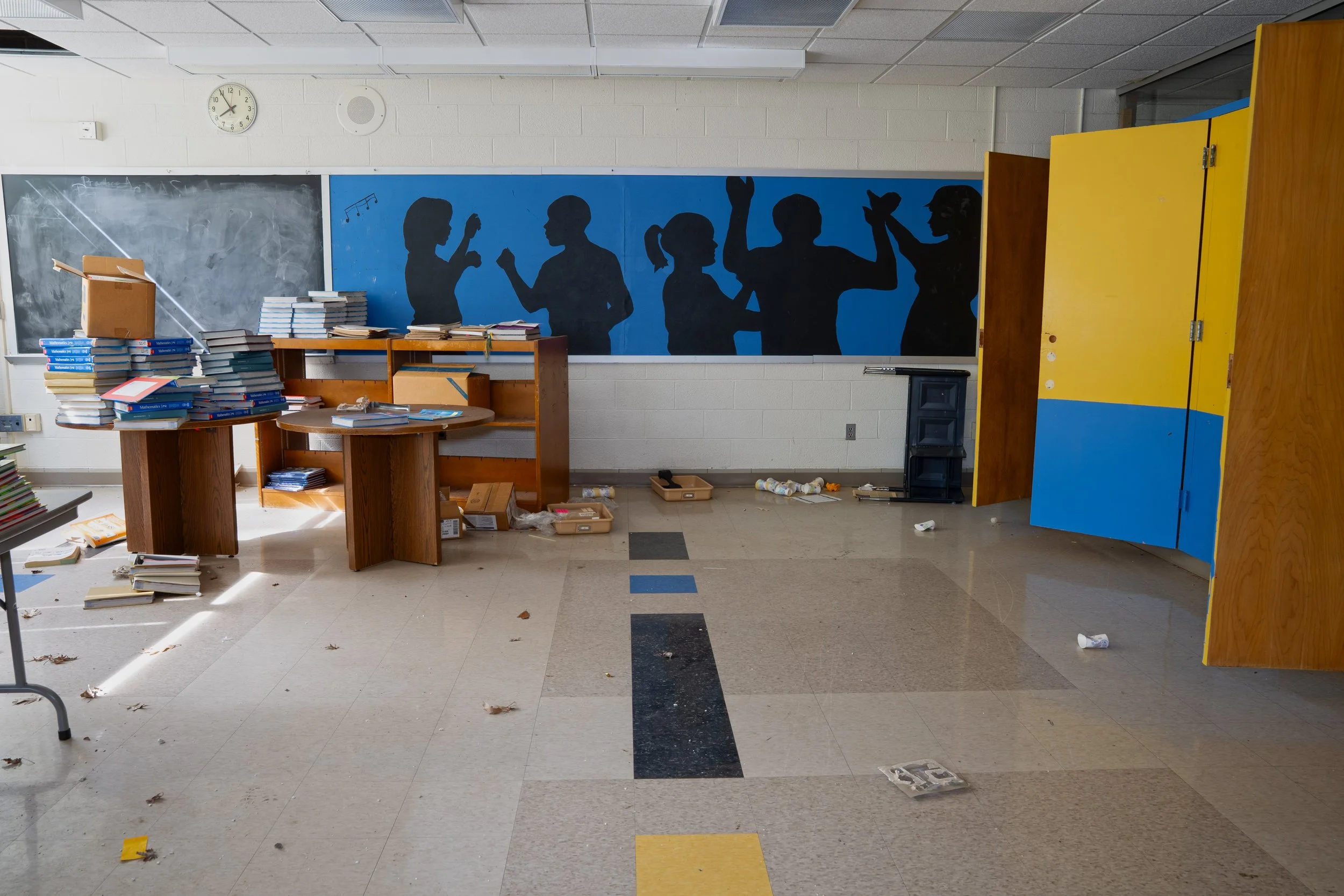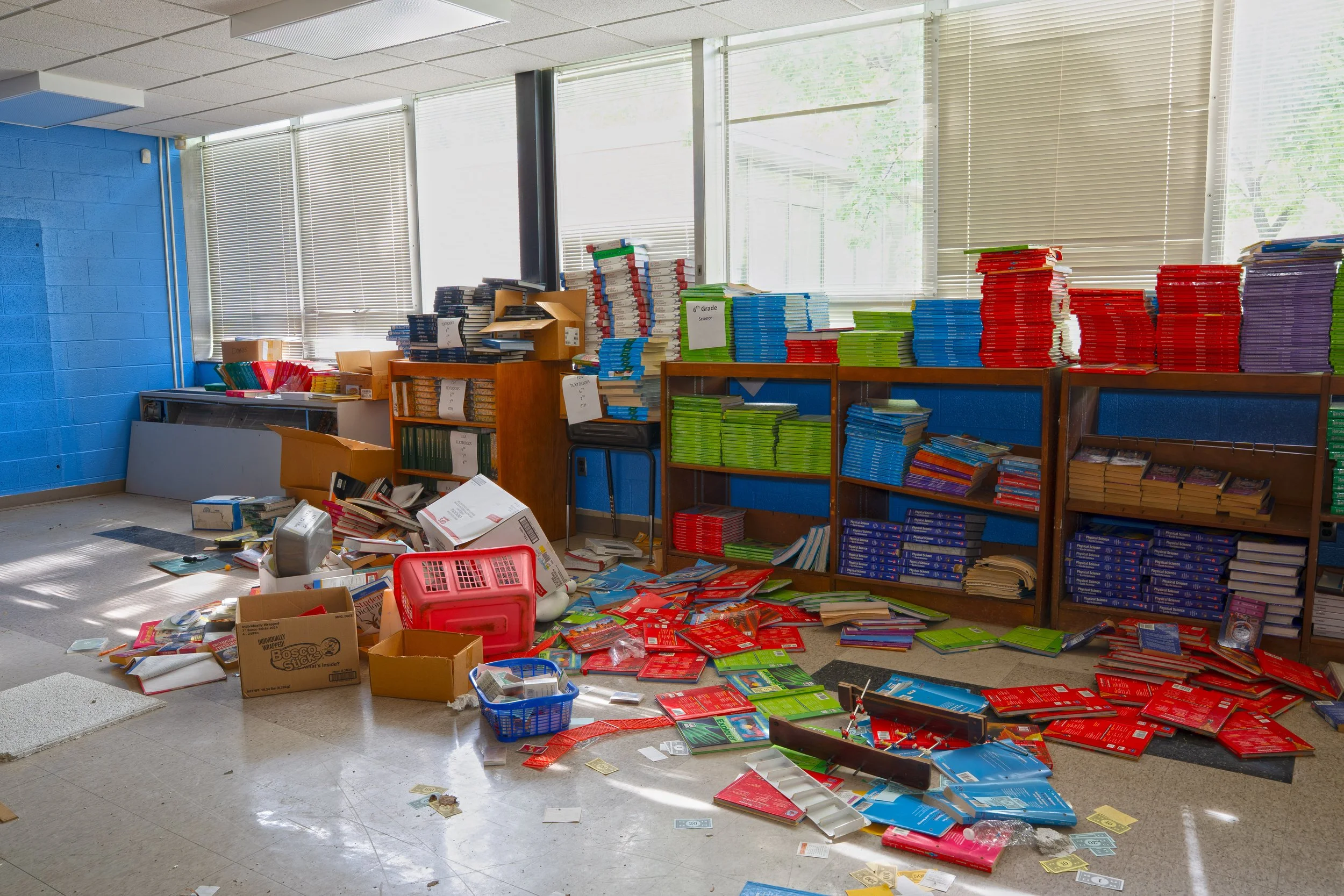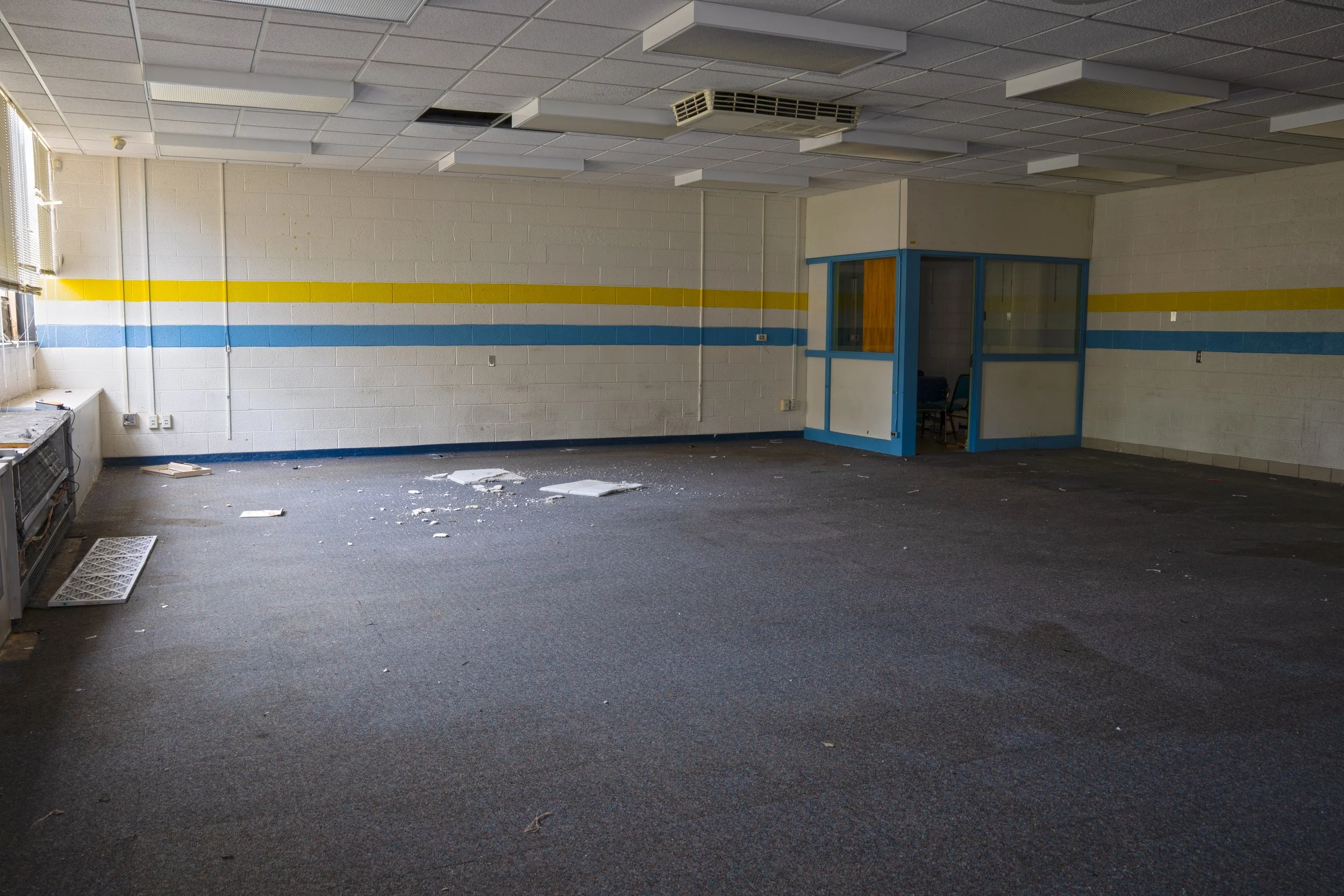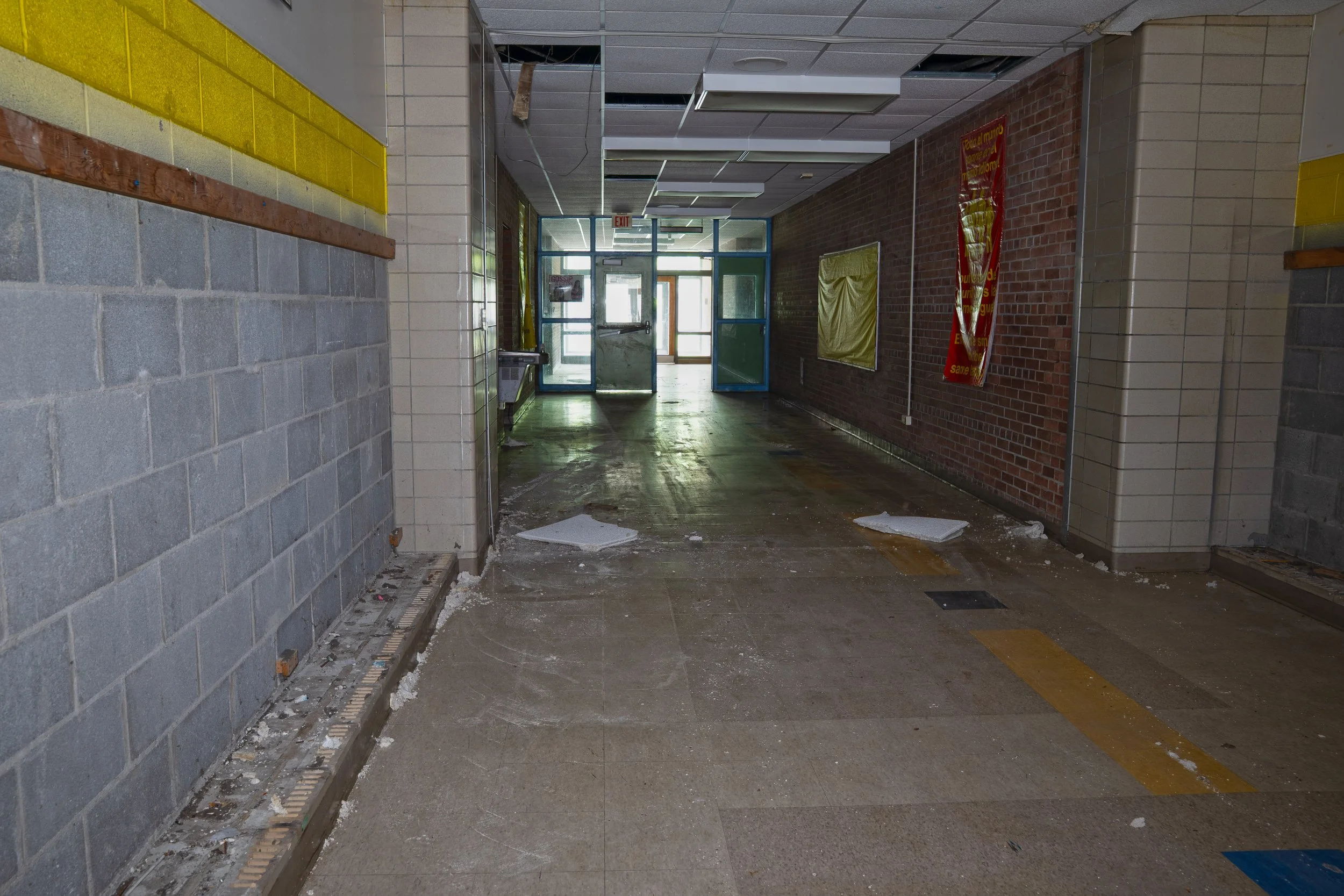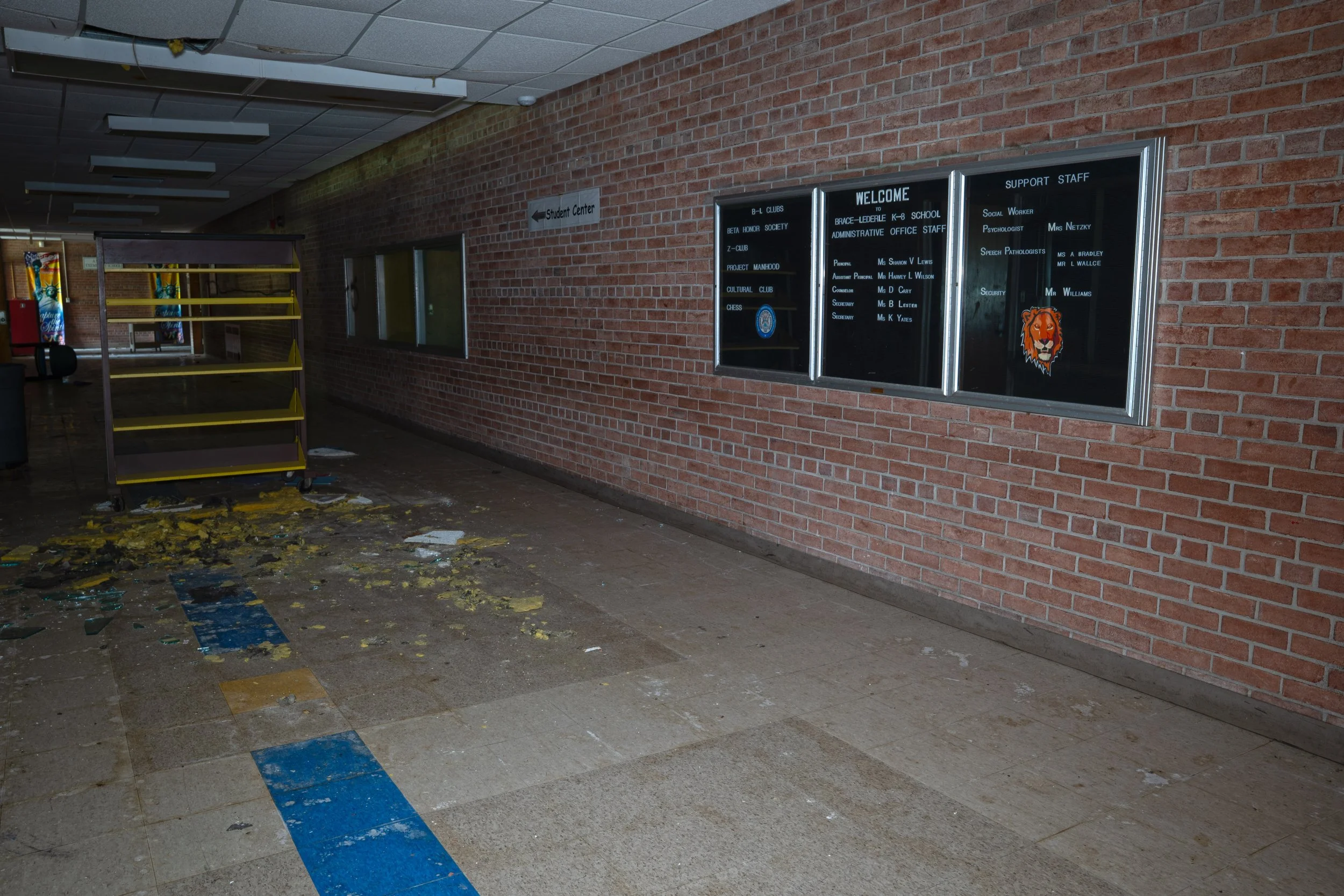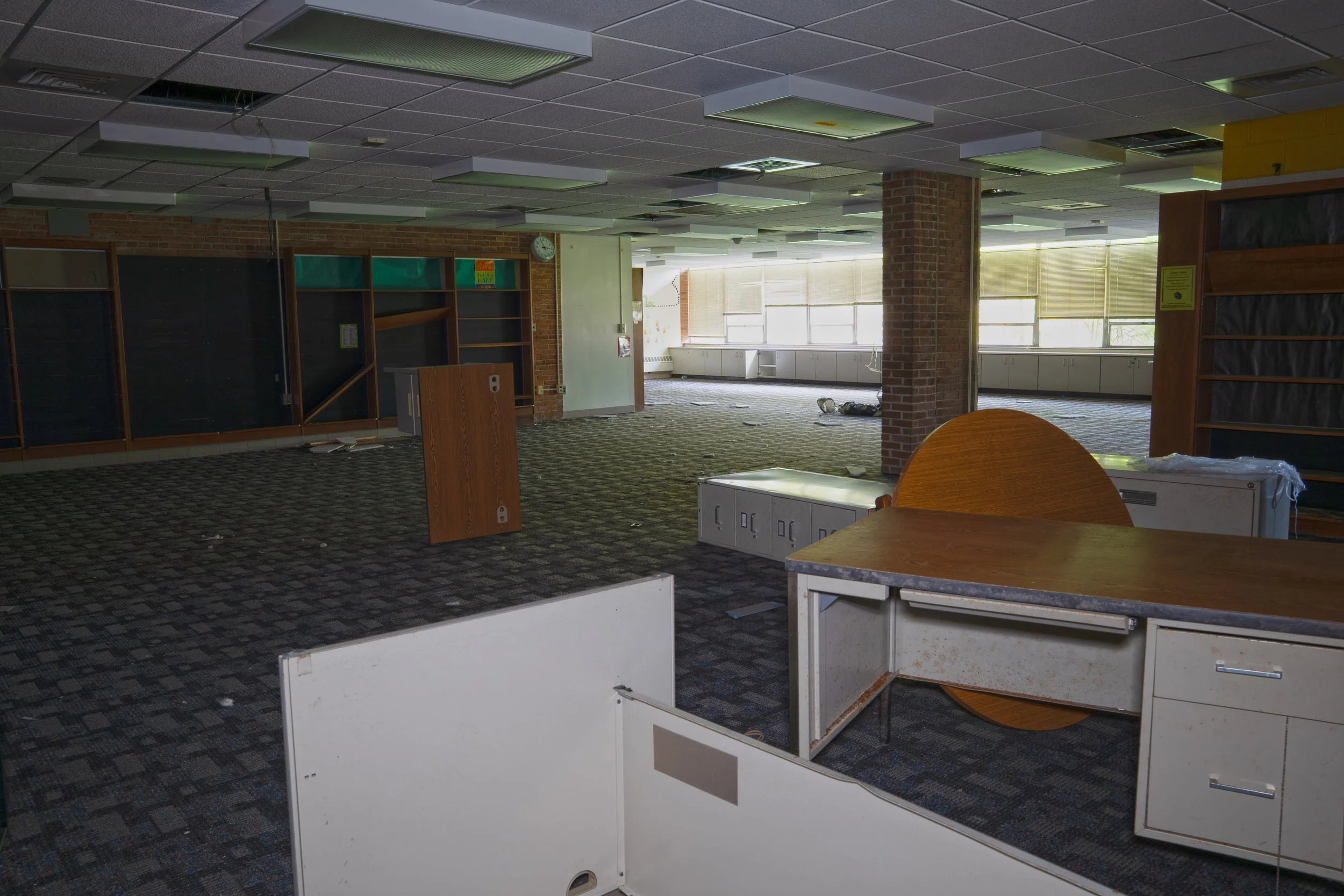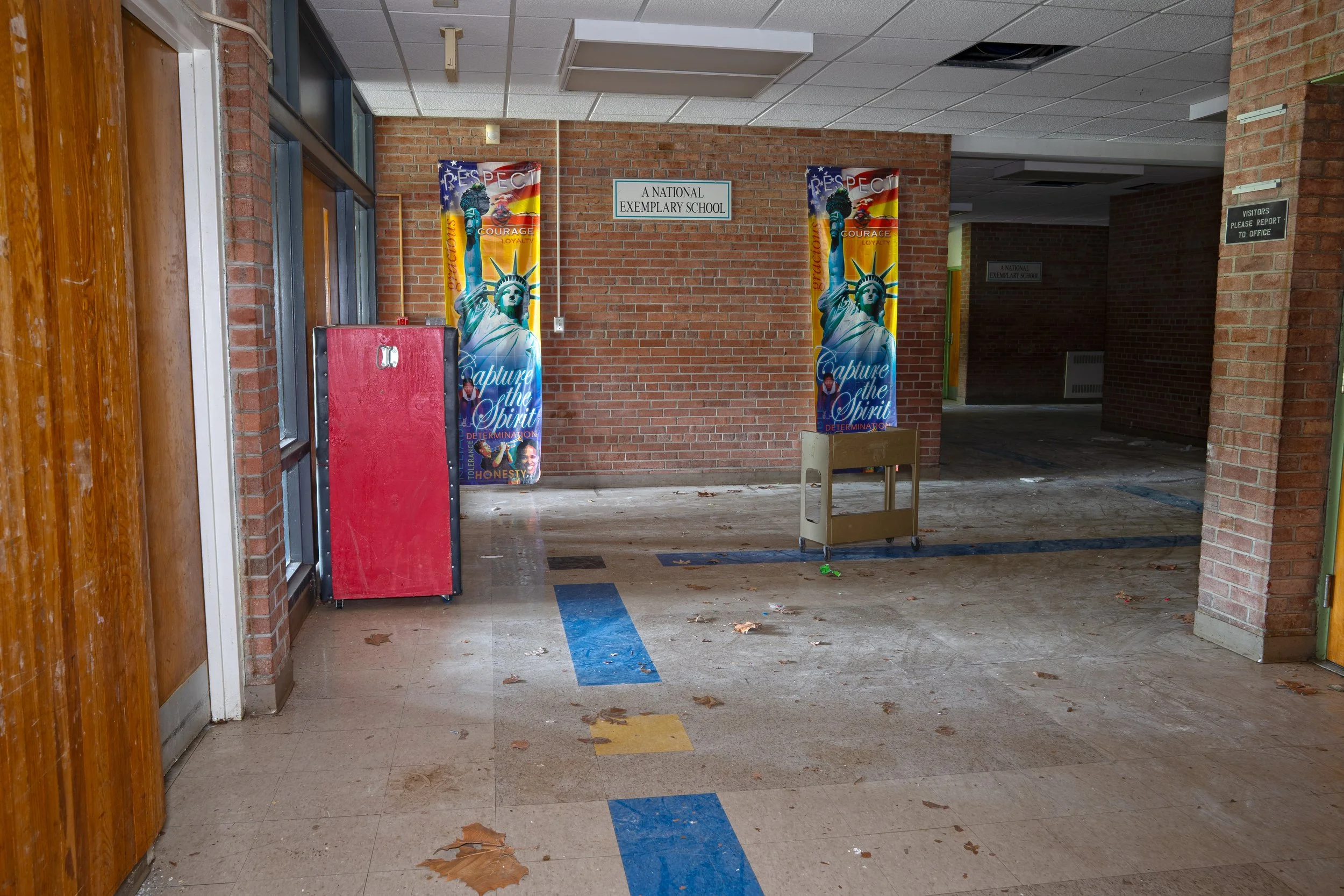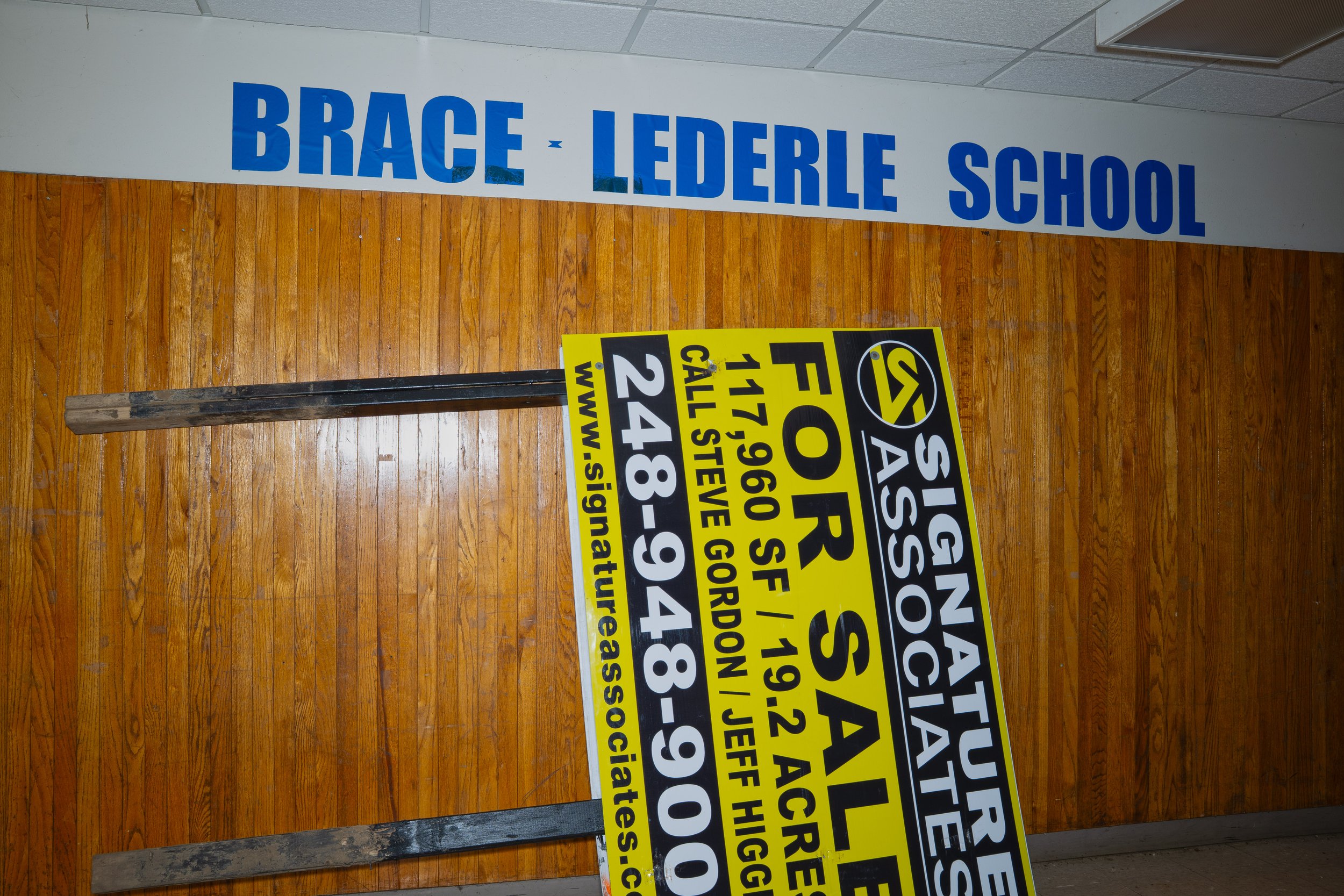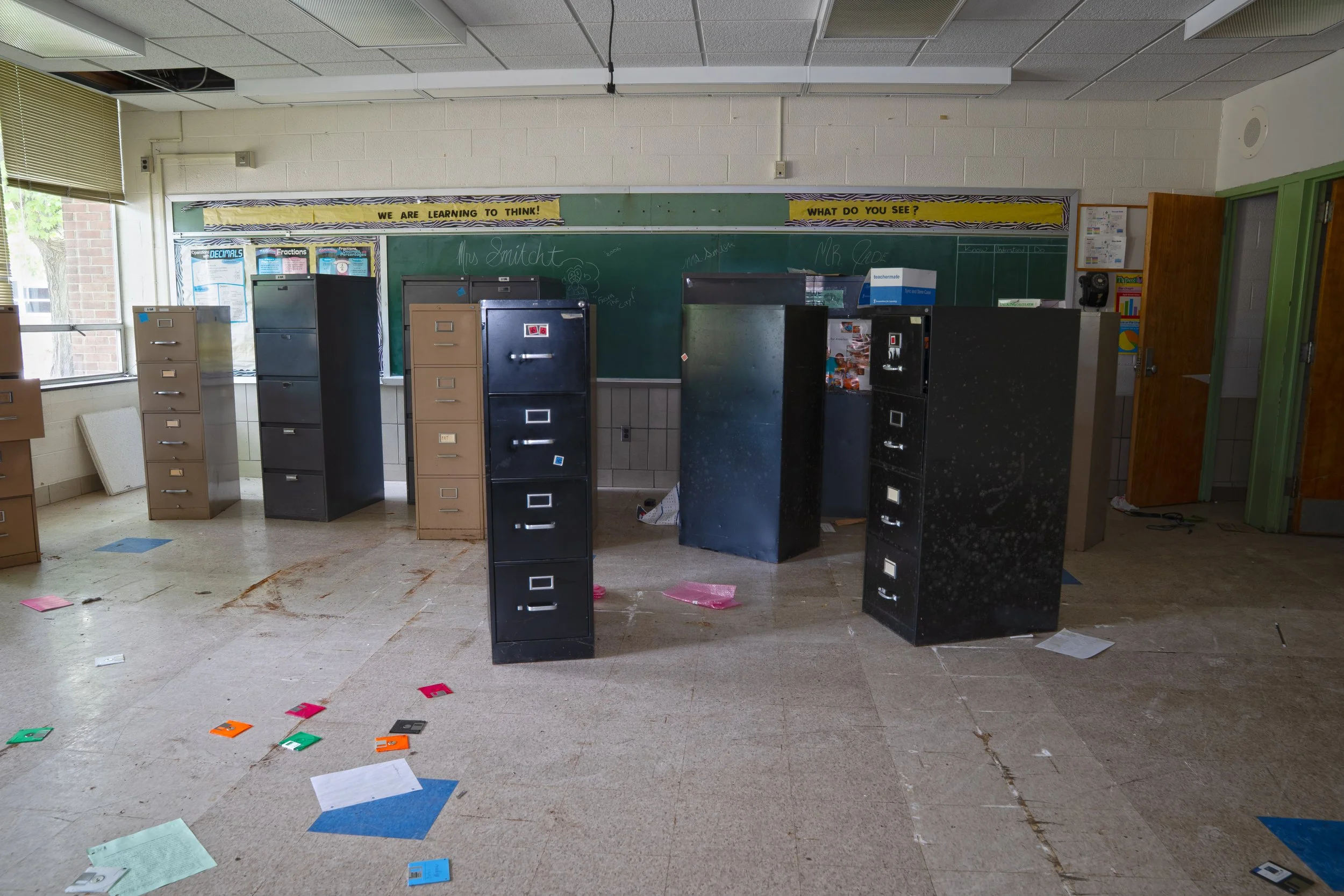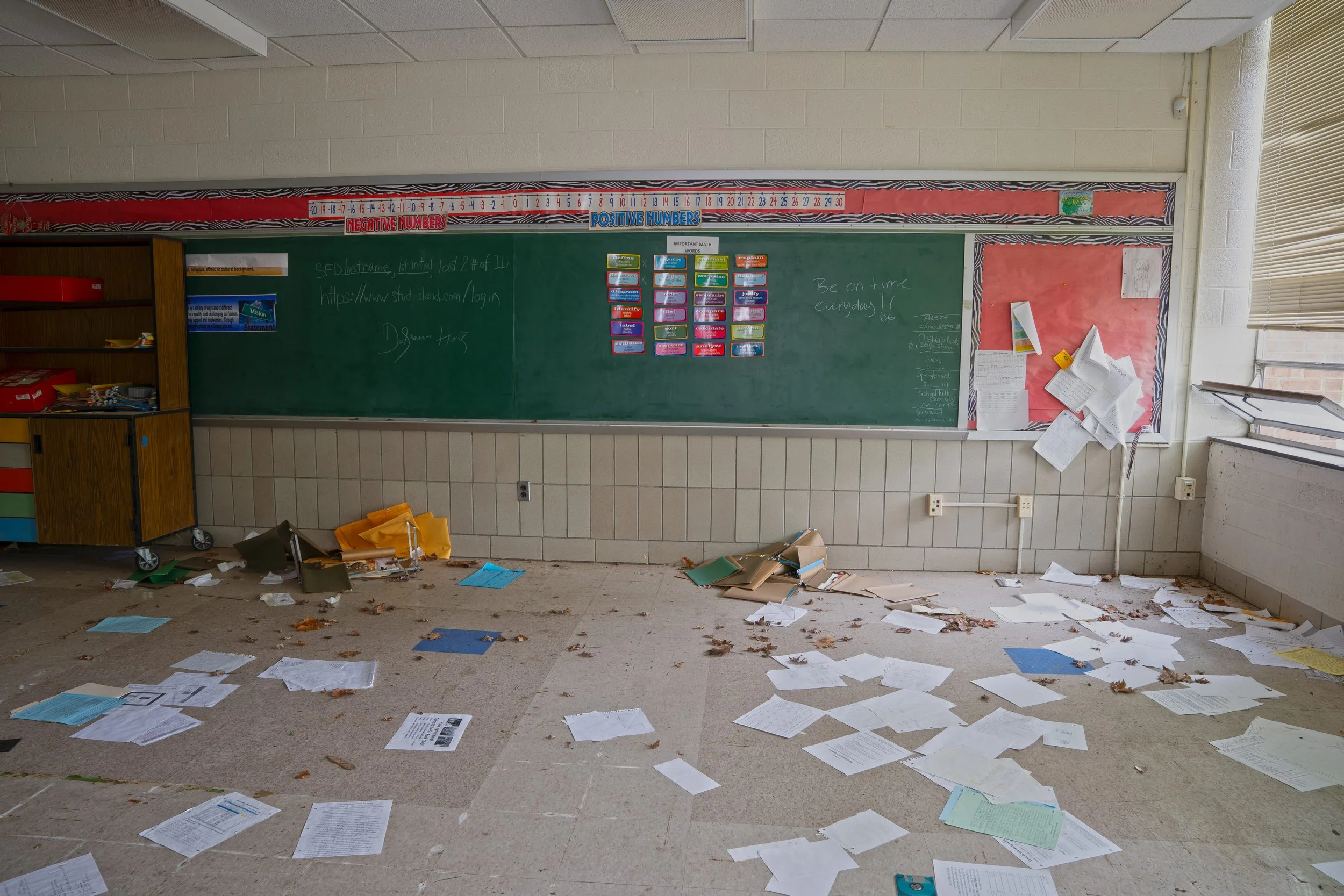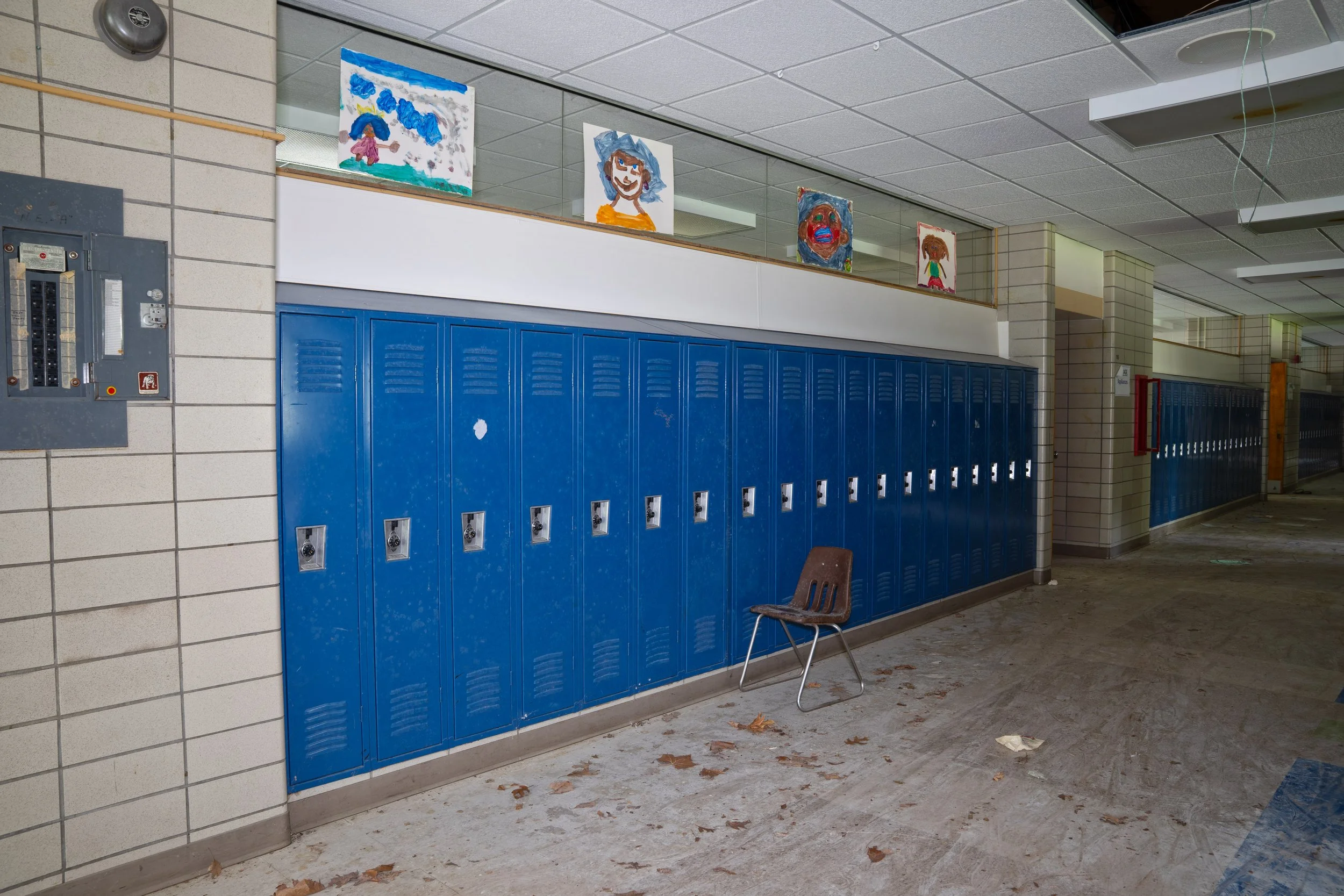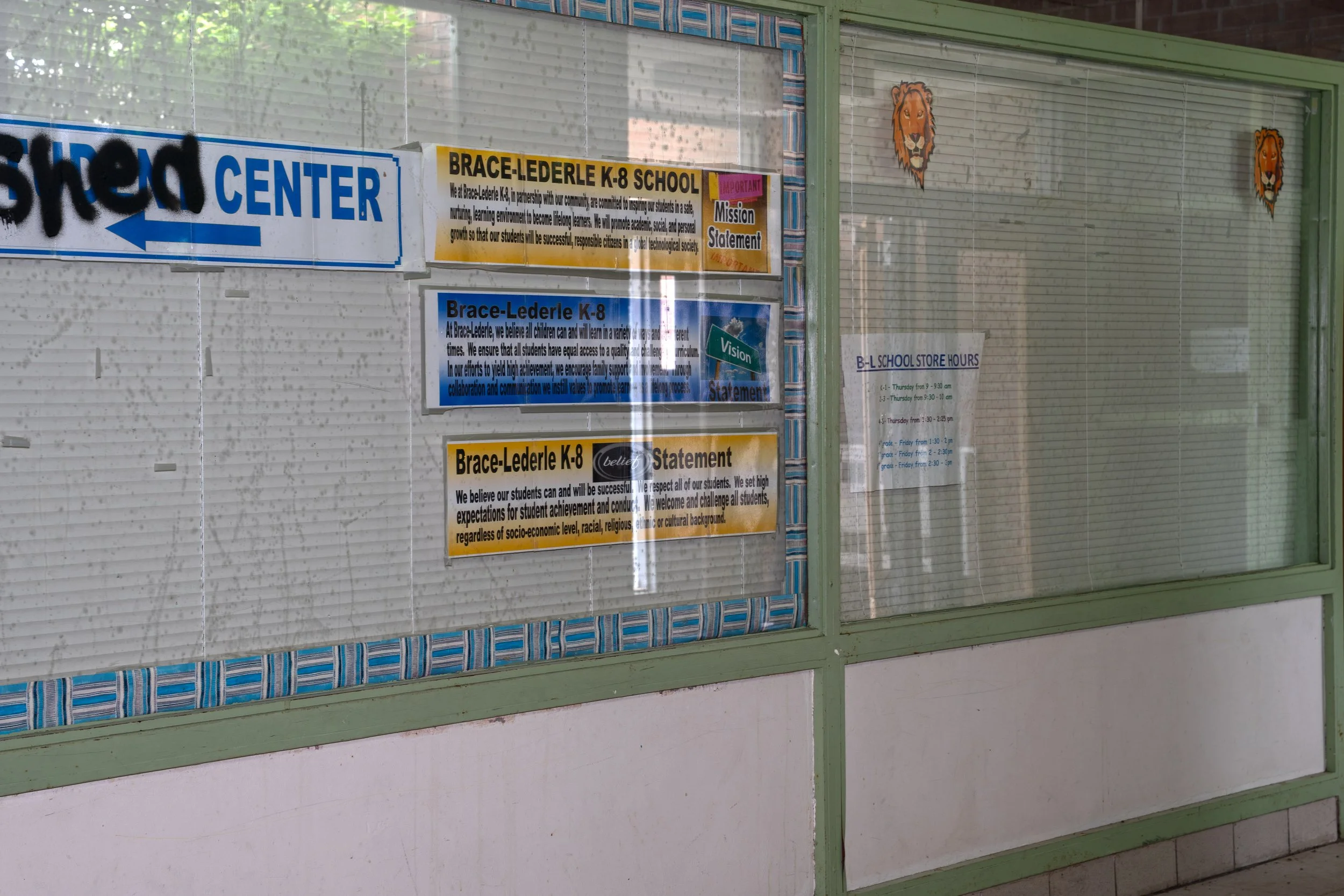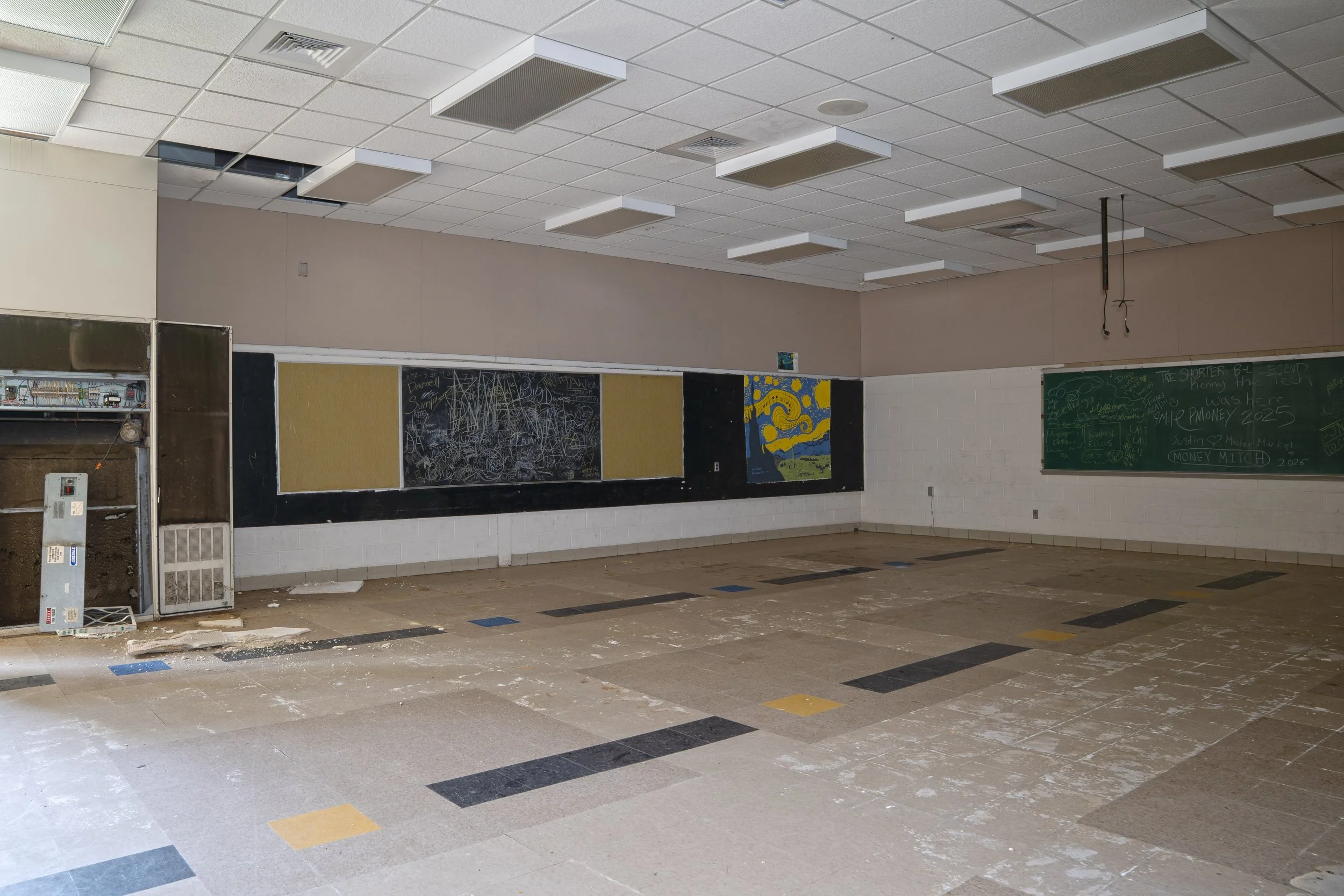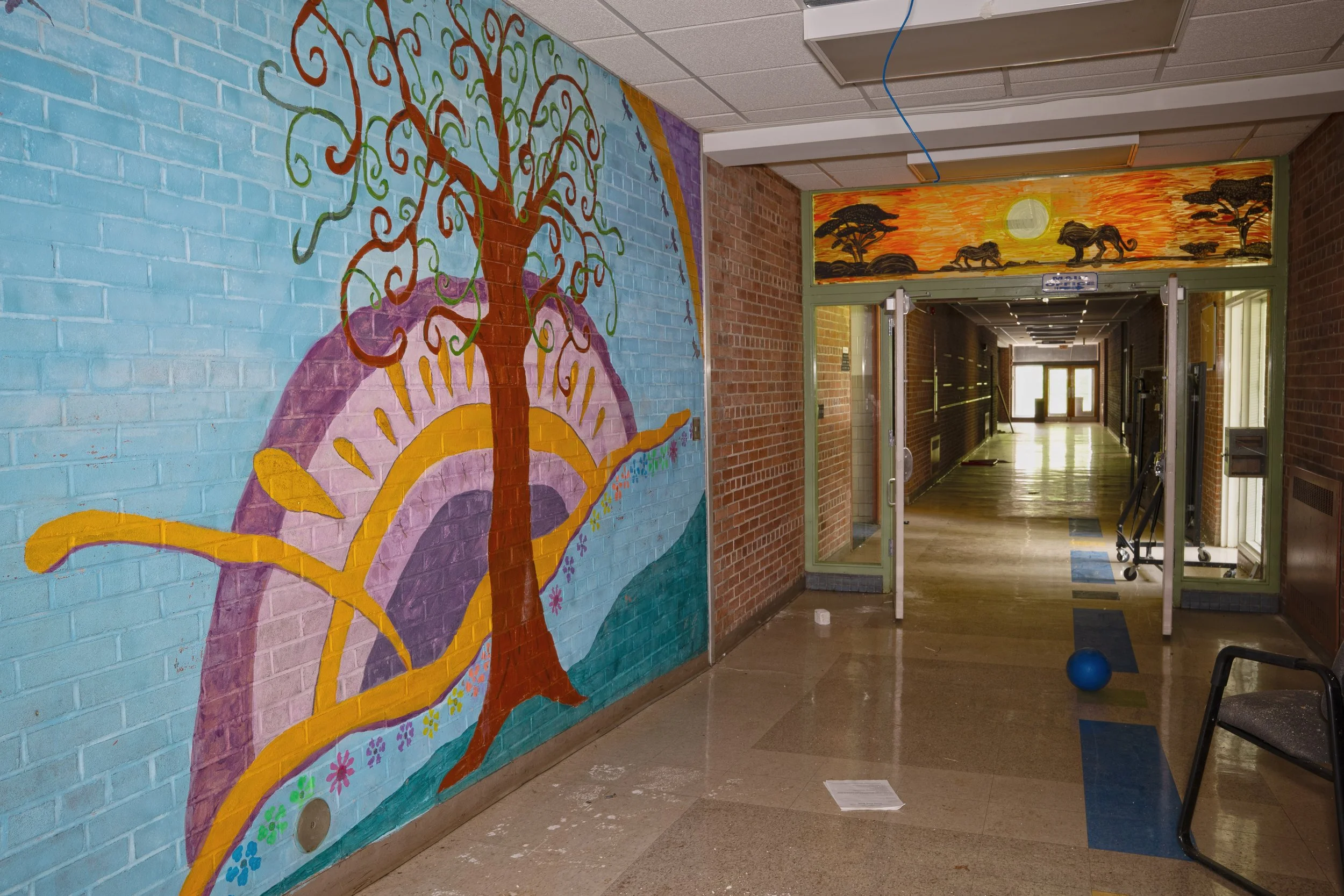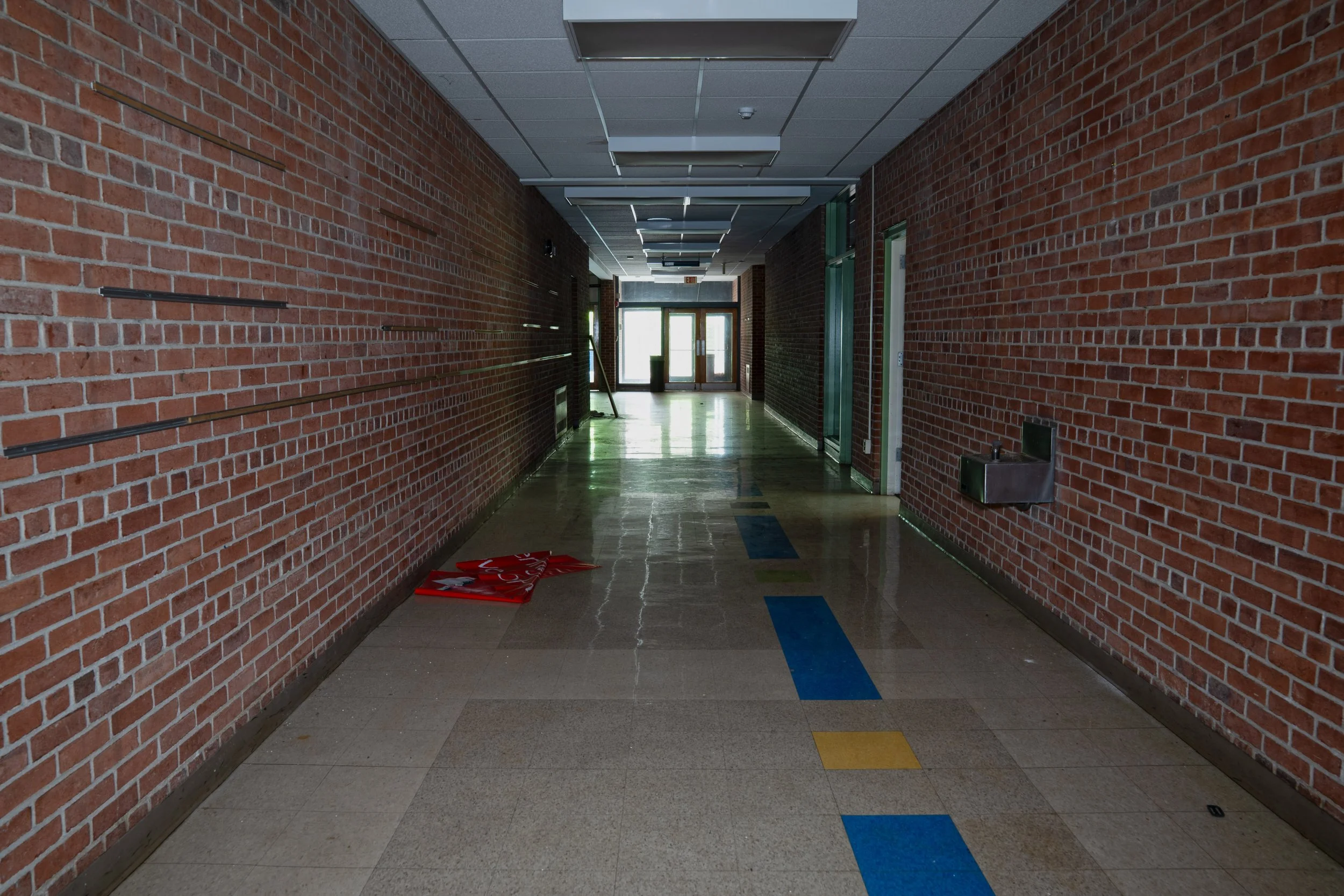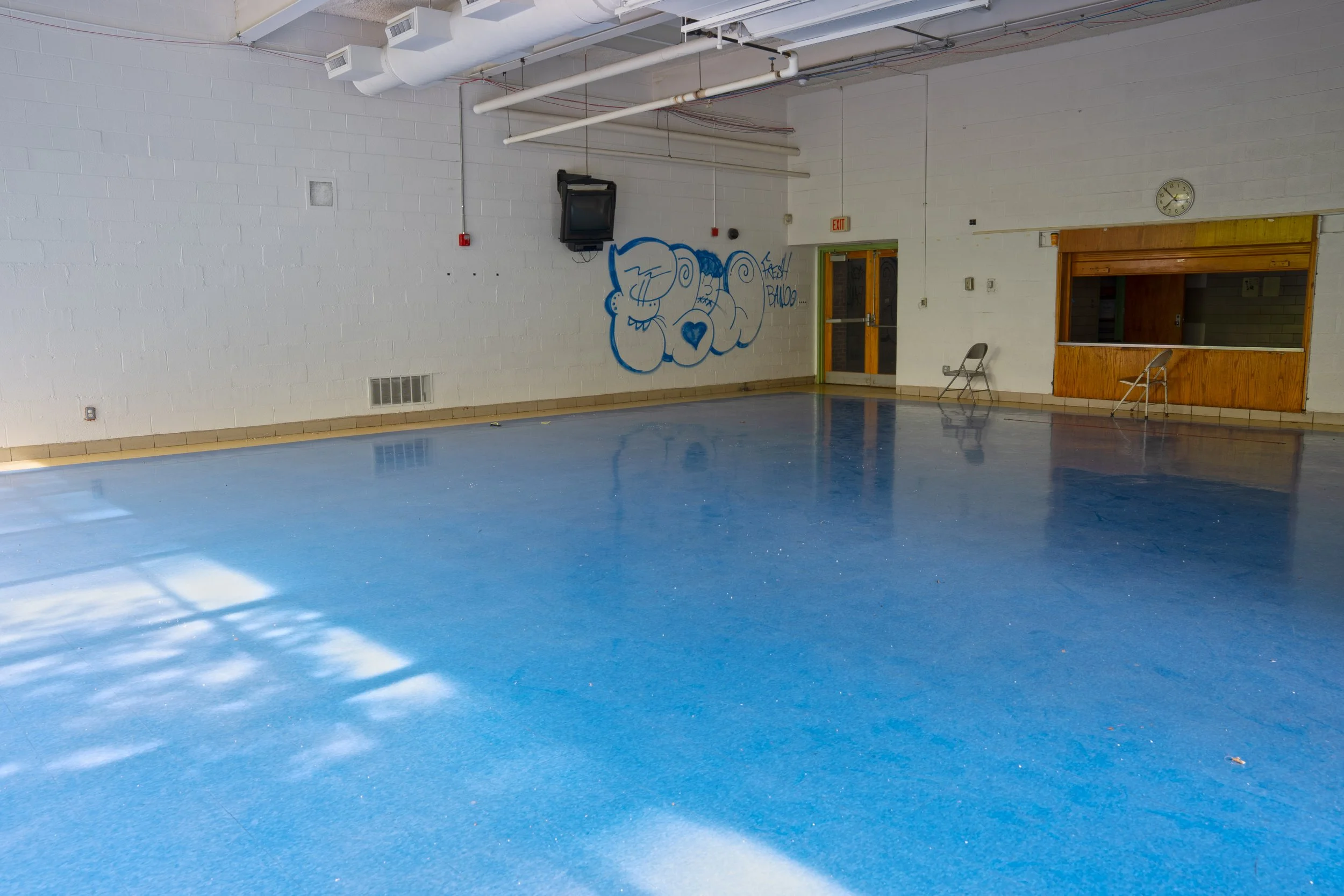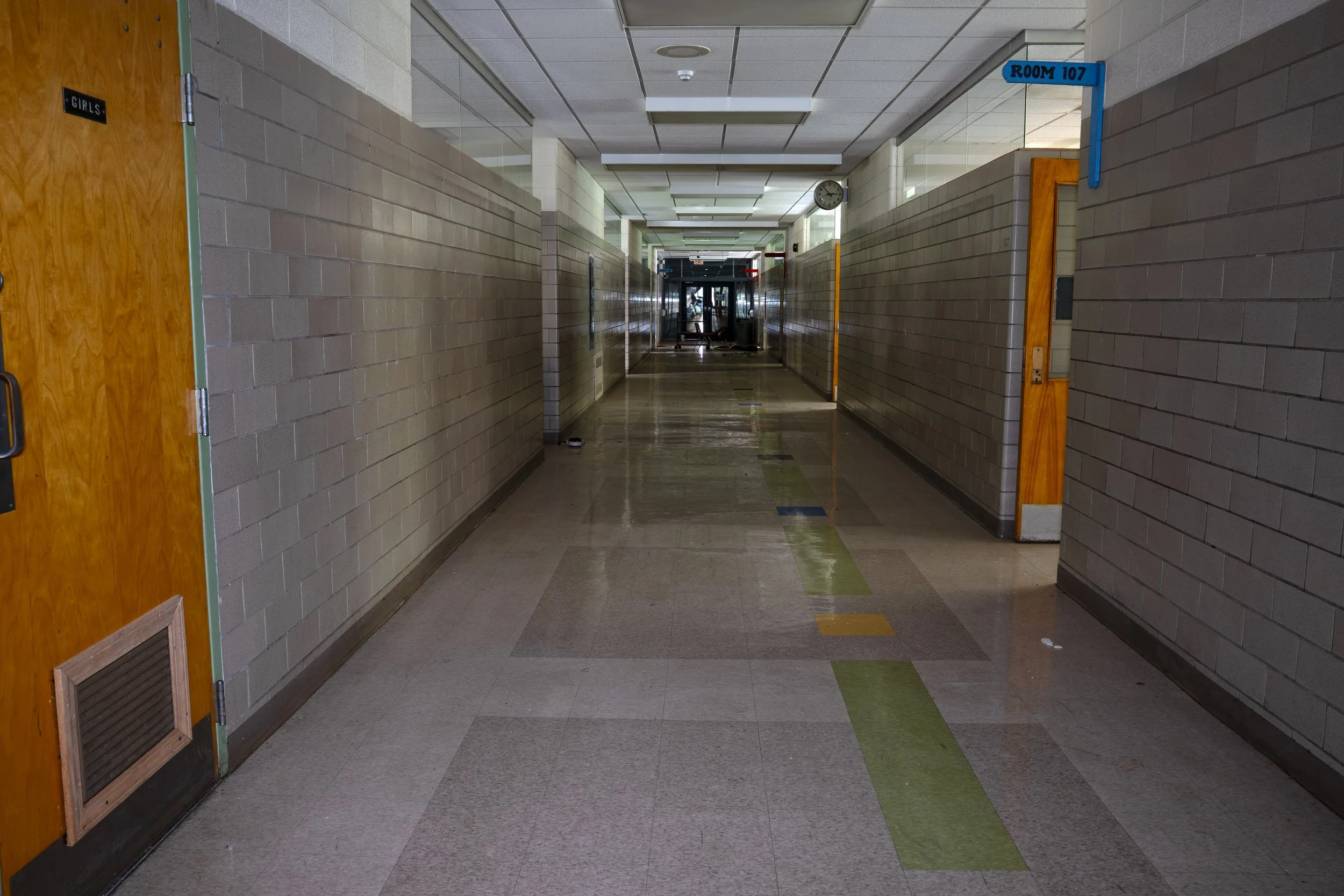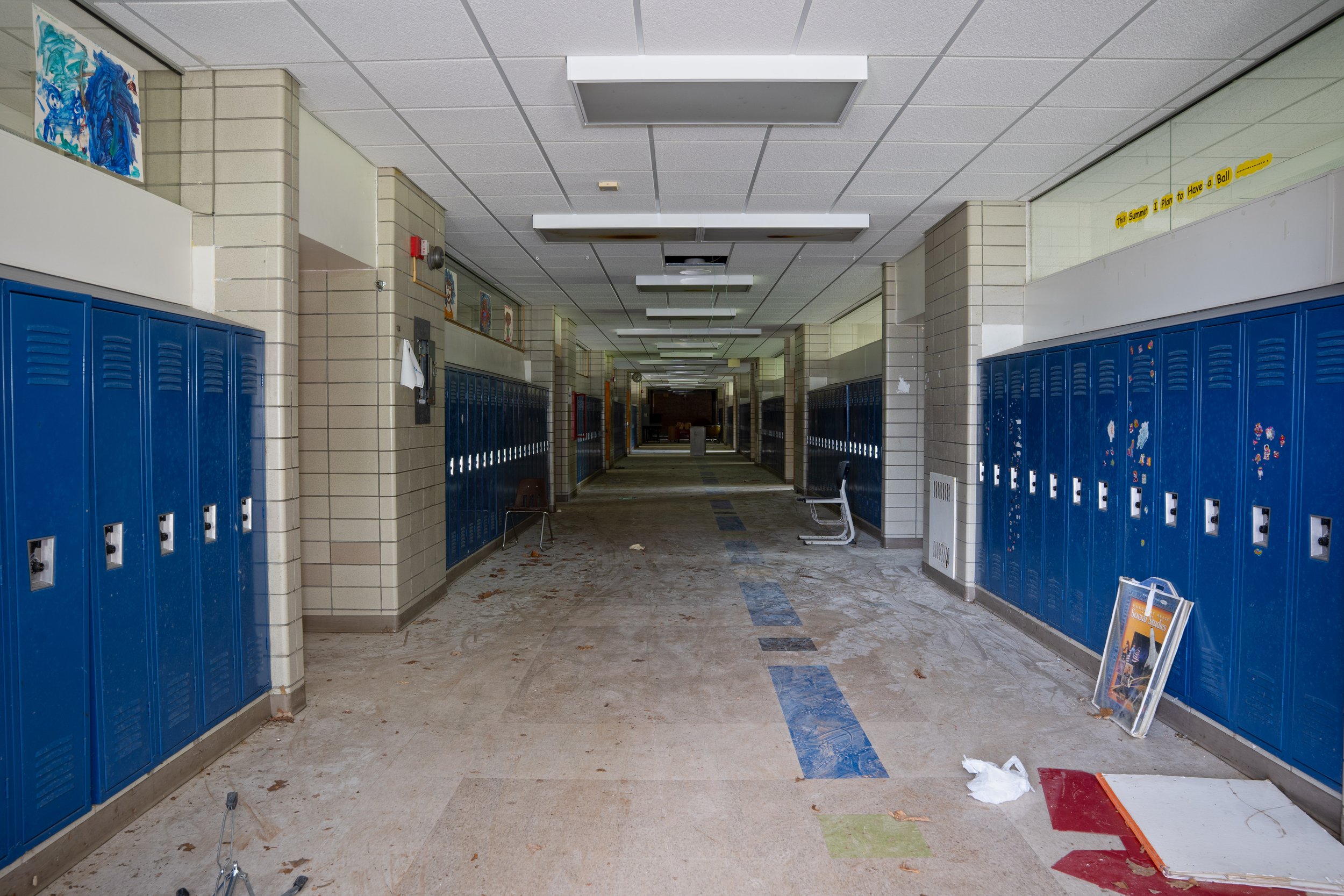
Brace-Lederle K-8 School
18575 W Nine Mile Rd, Southfield, MI 48075
-Abandoned 2017
|High Resolution Page S+Tripod|
Watch the Full Exploration
Date Recorded: 5/21/26
Locate it!
History of Brace-Lederle K-8 School
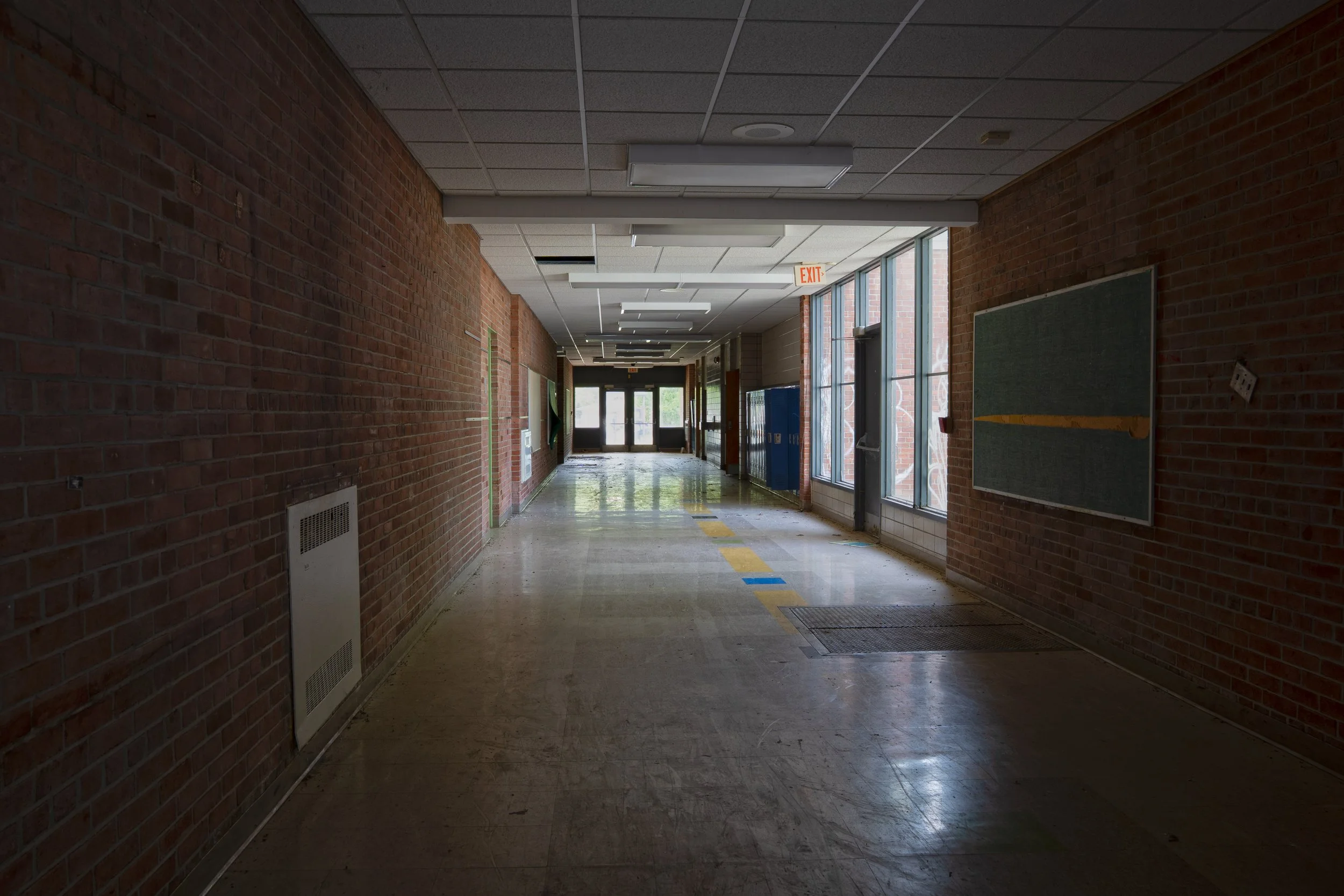
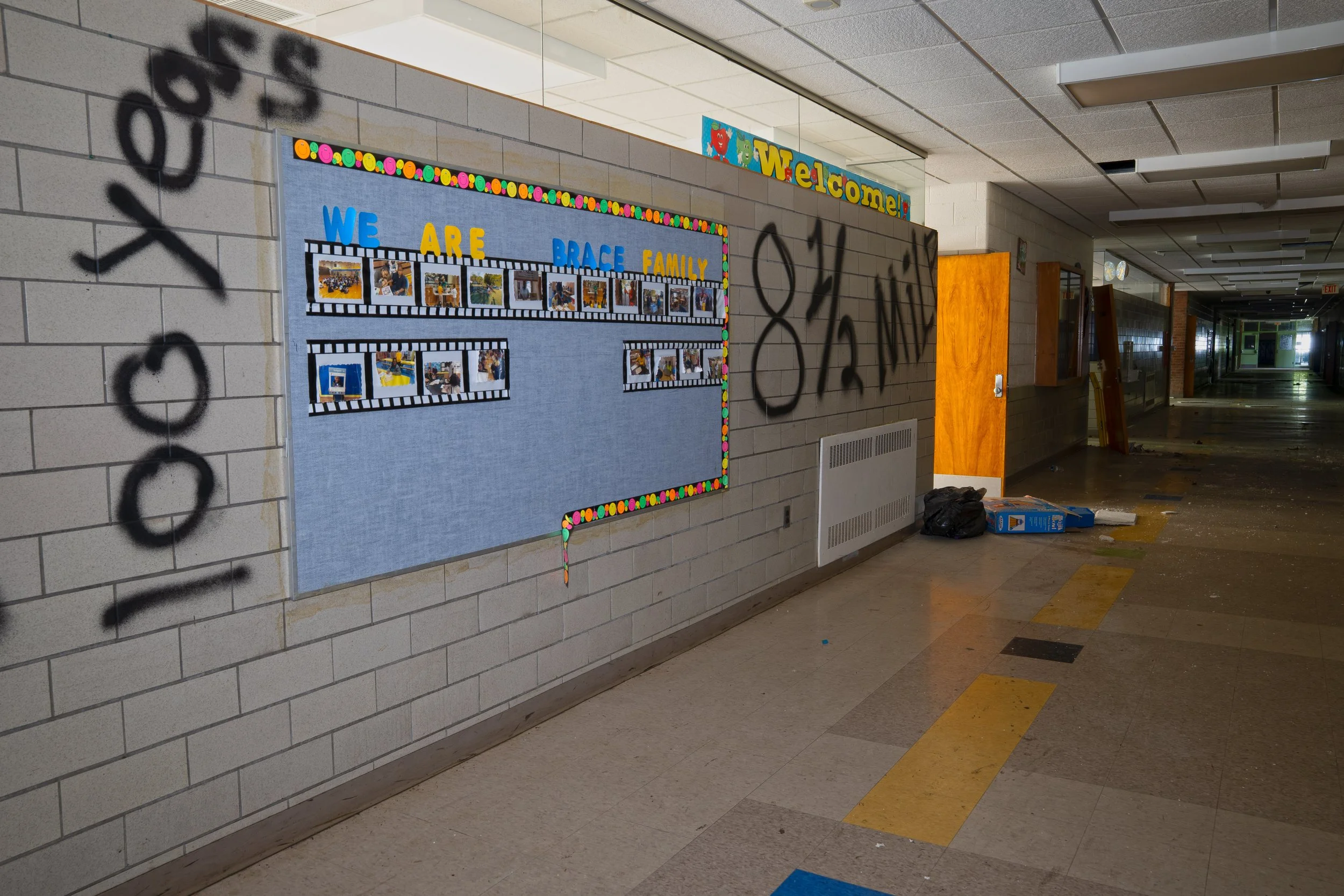
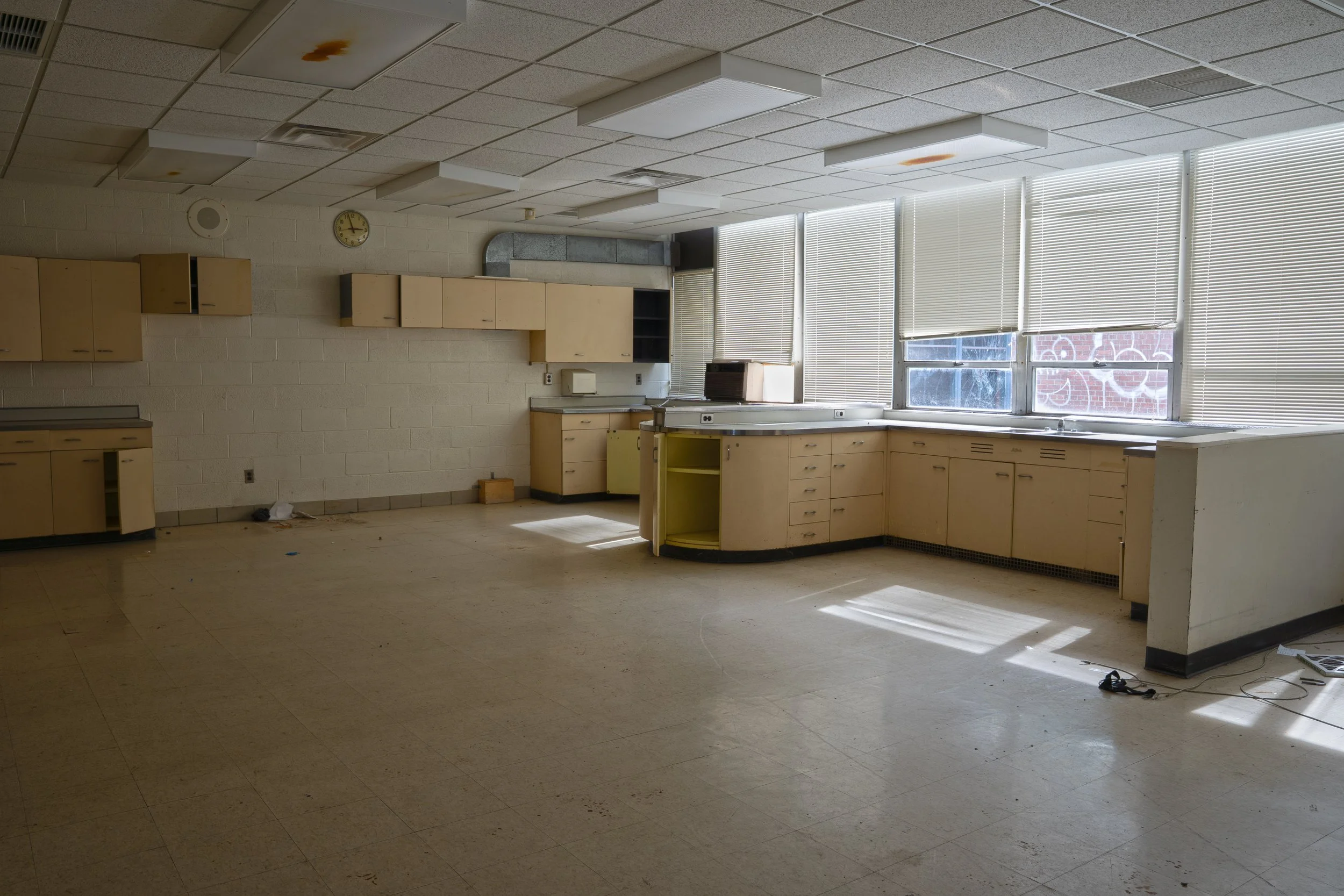
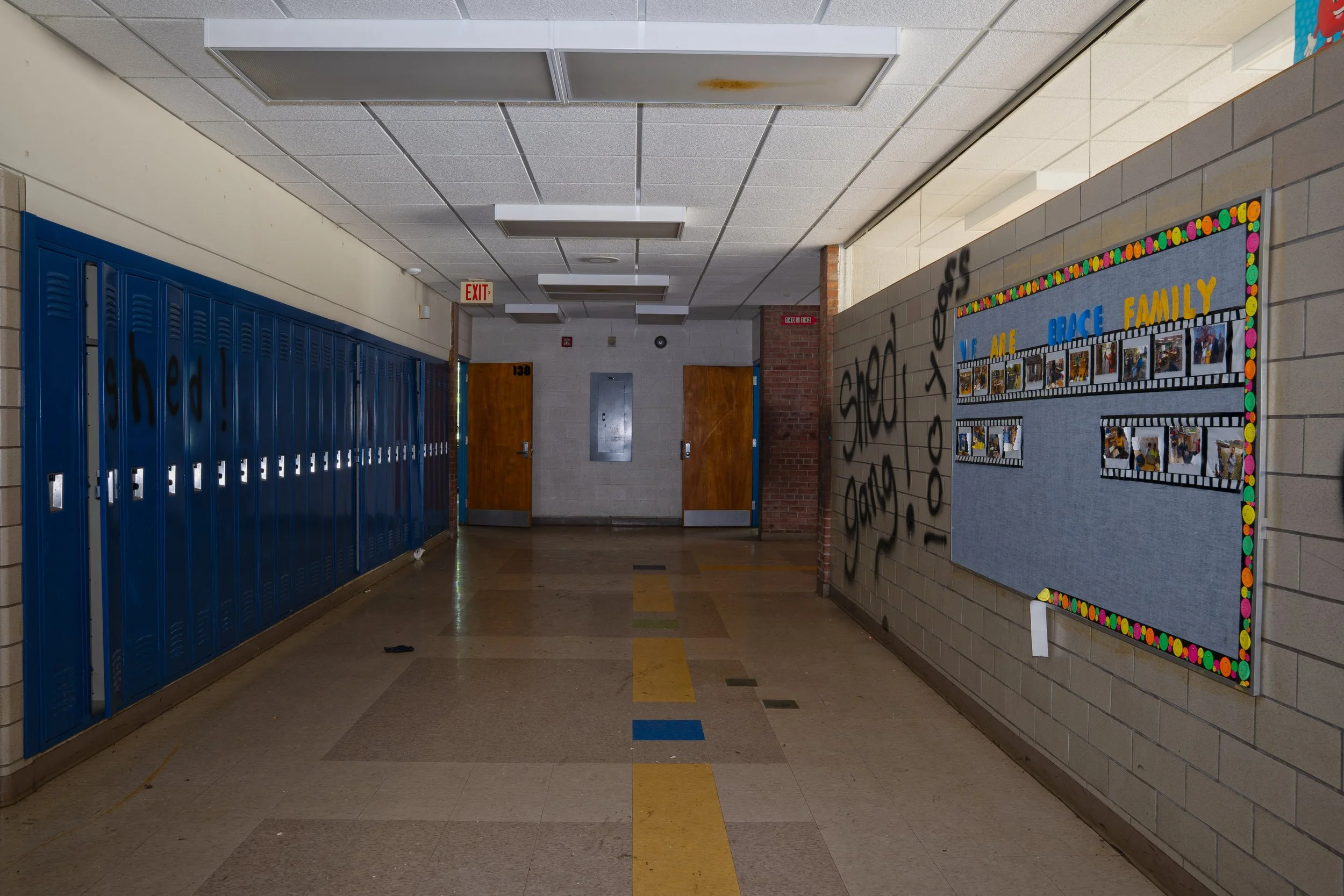
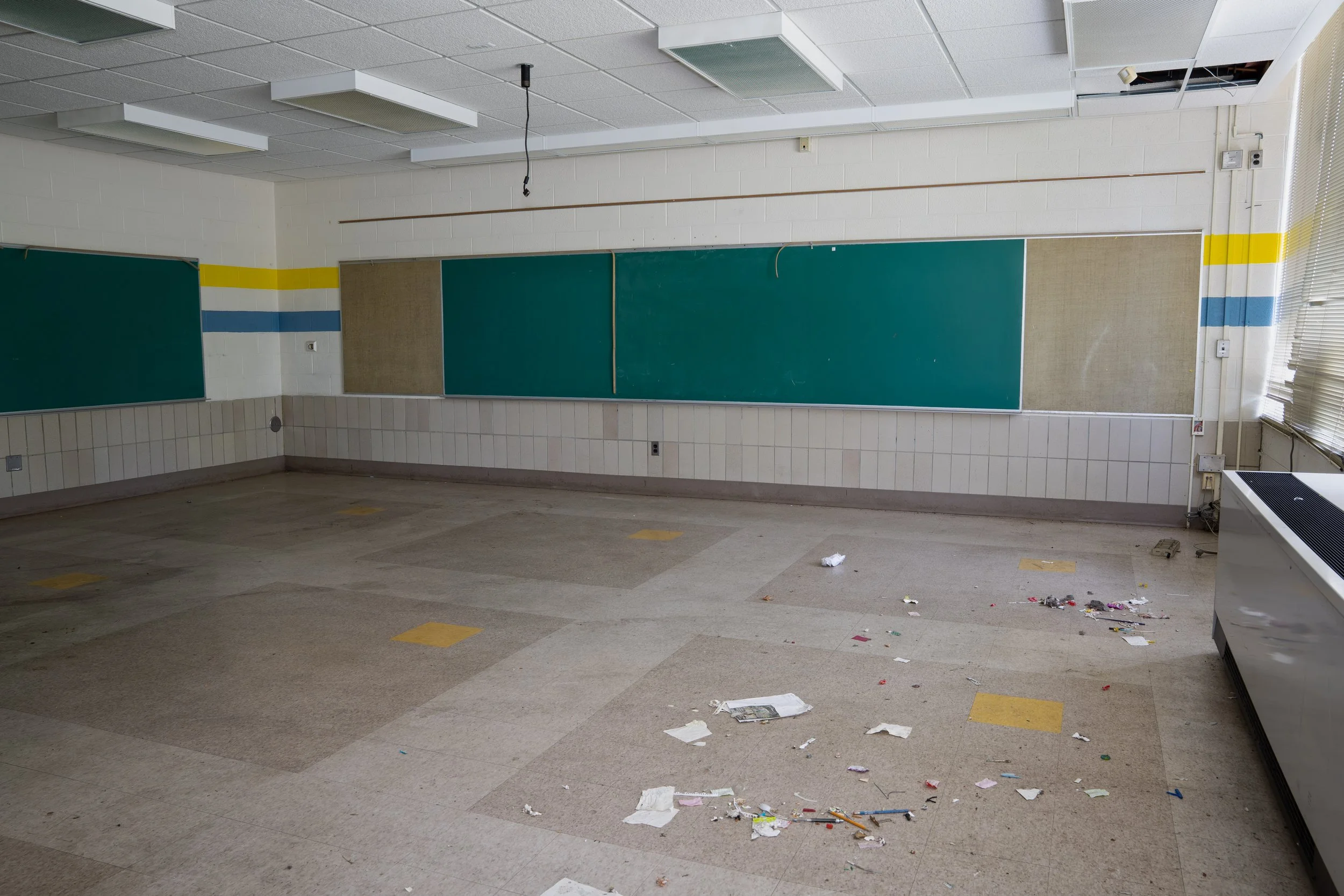
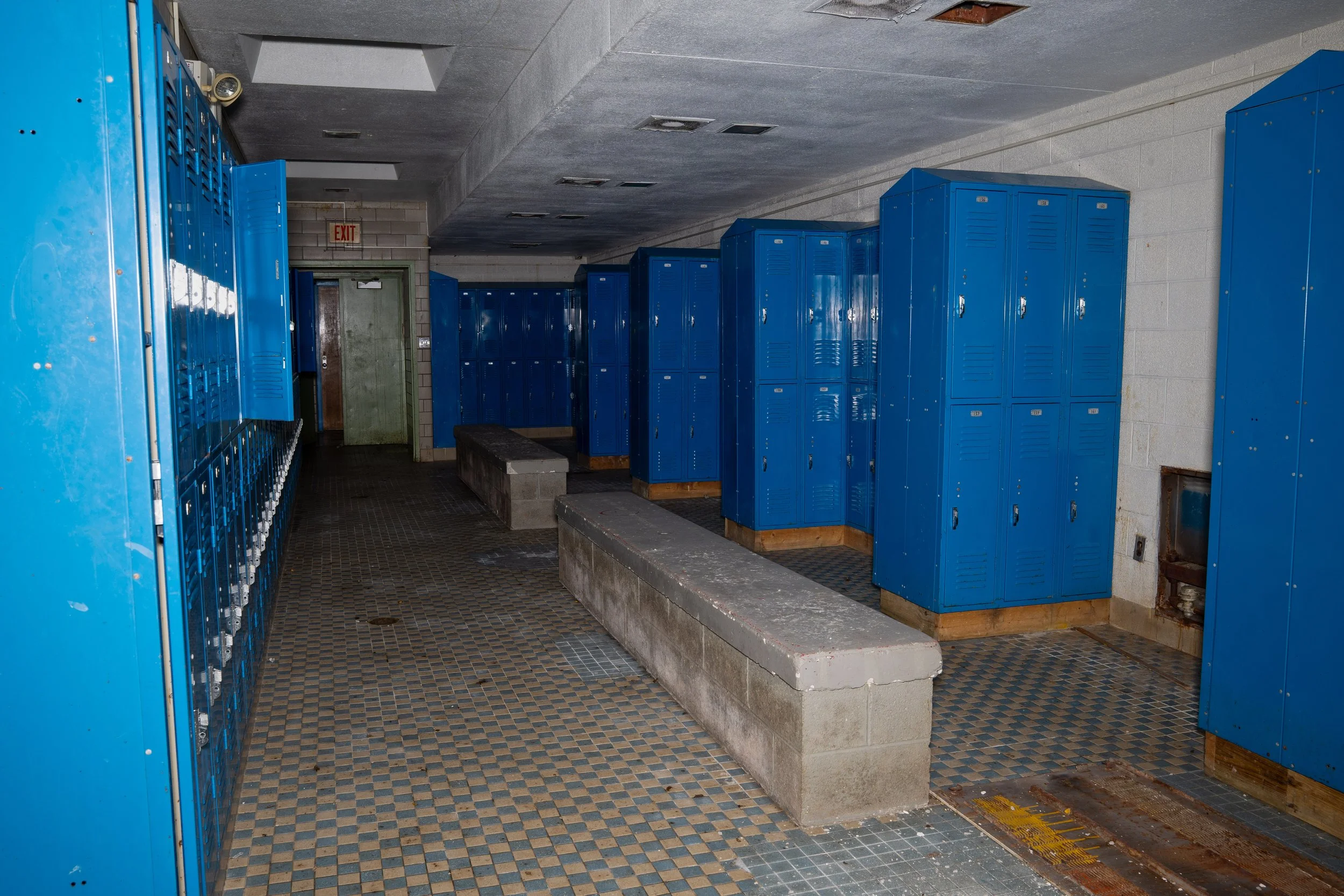
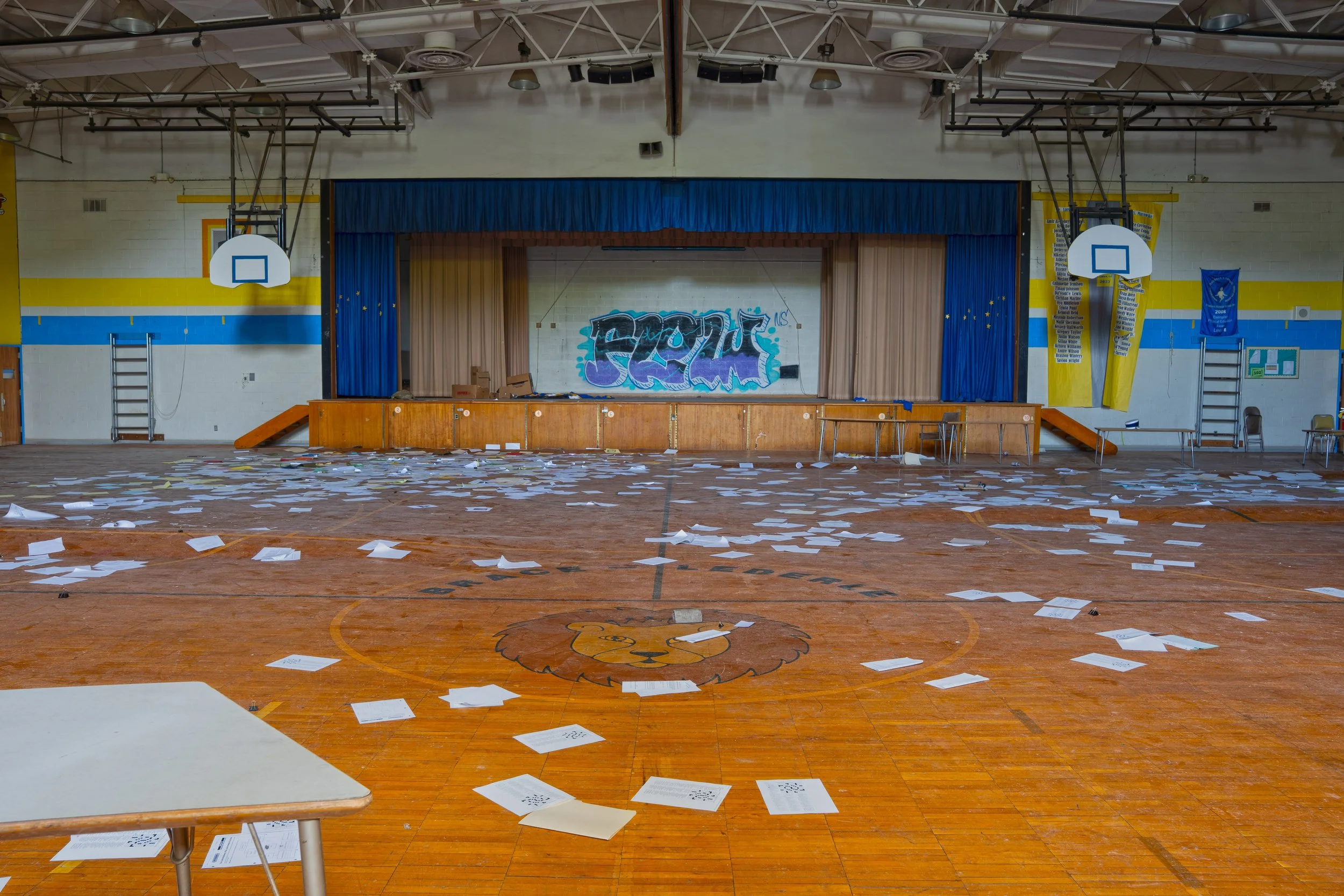
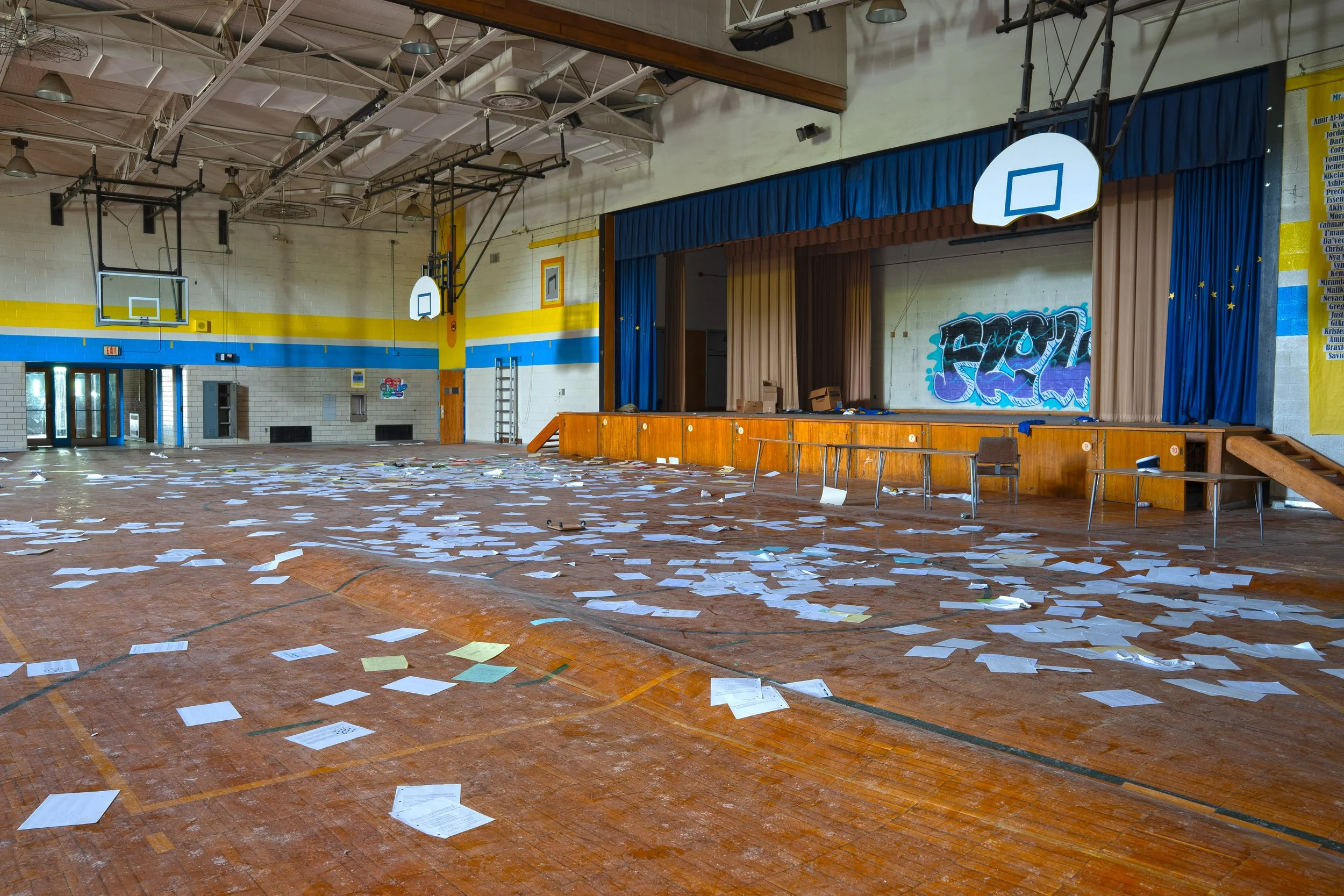
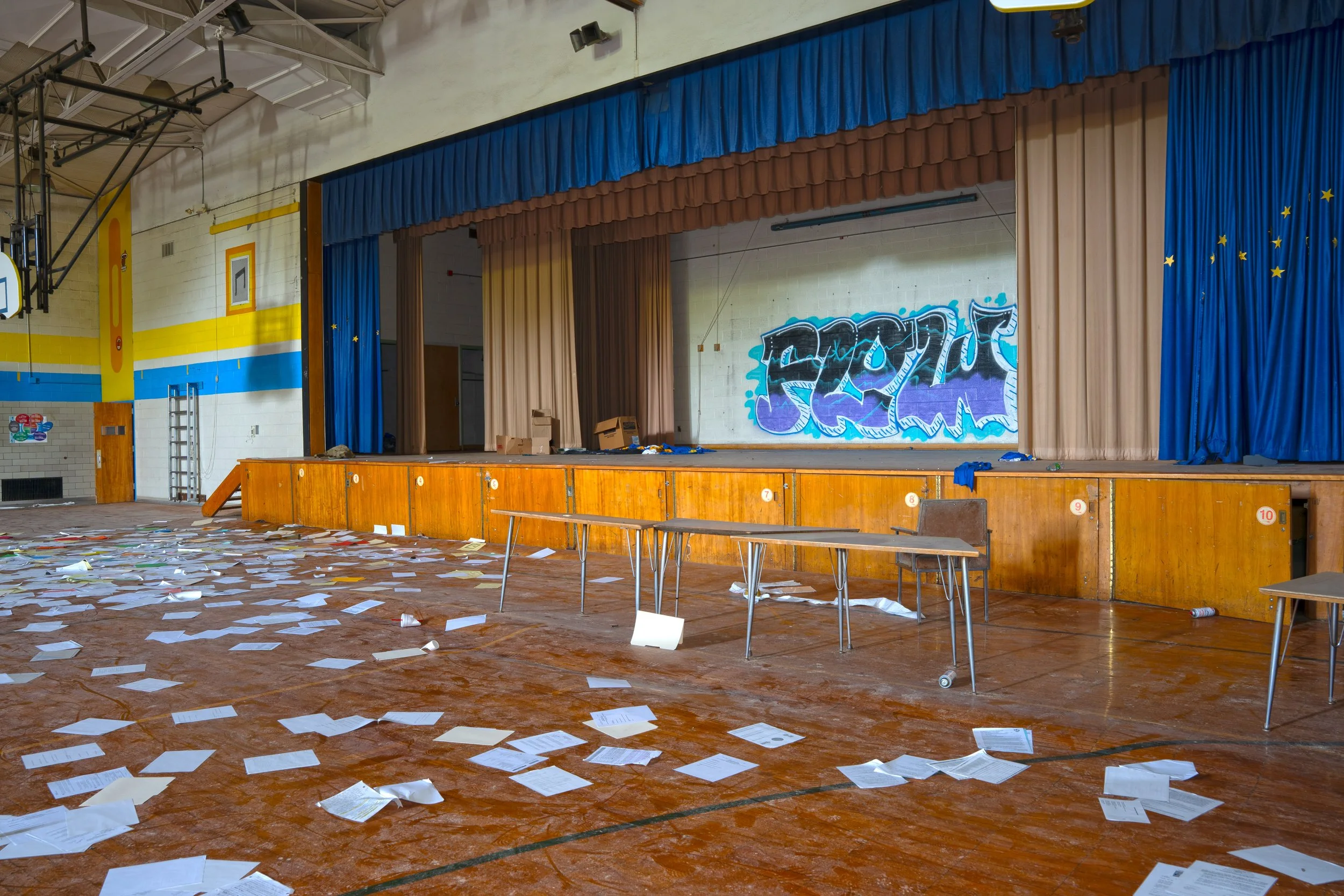
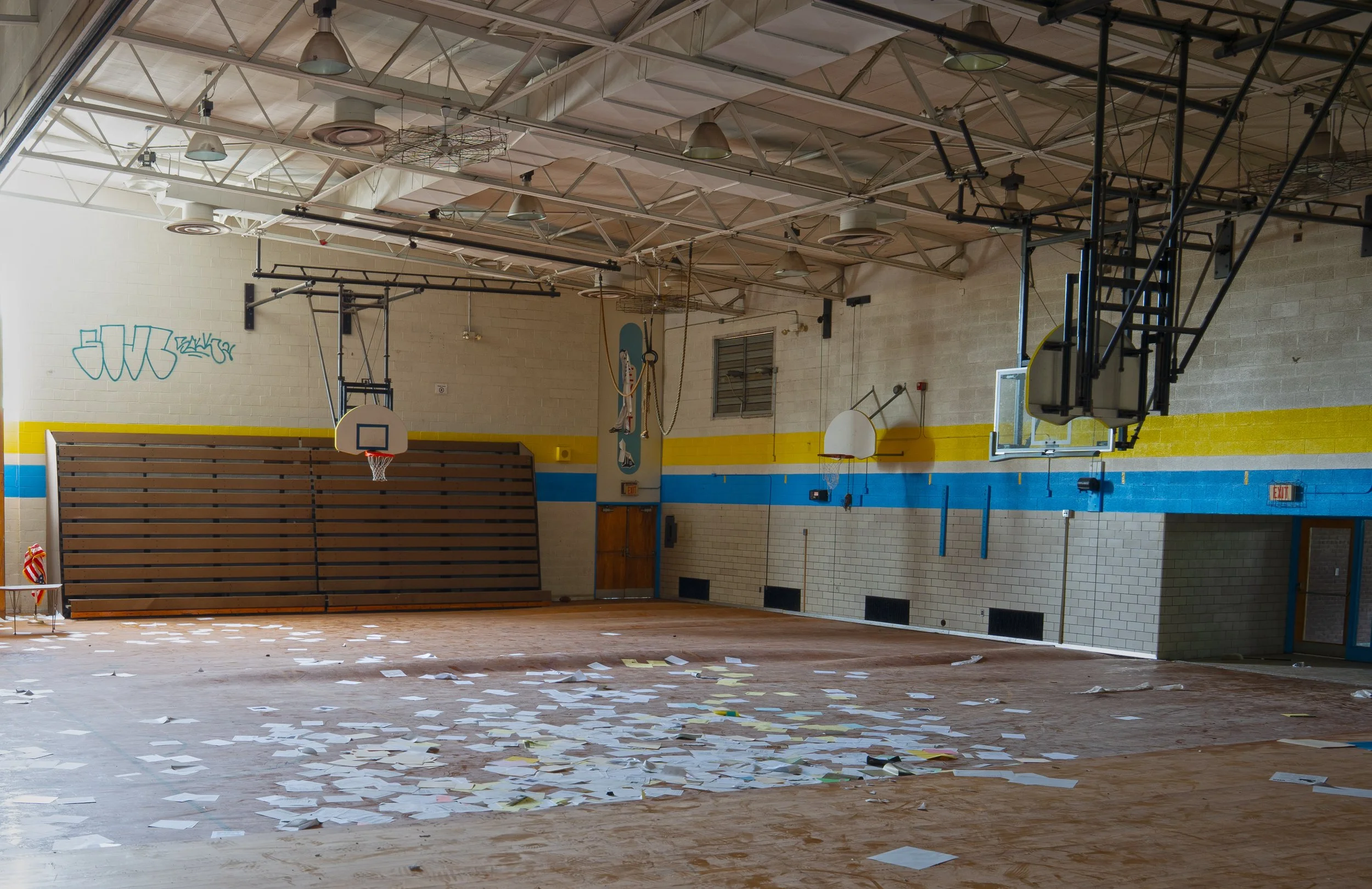
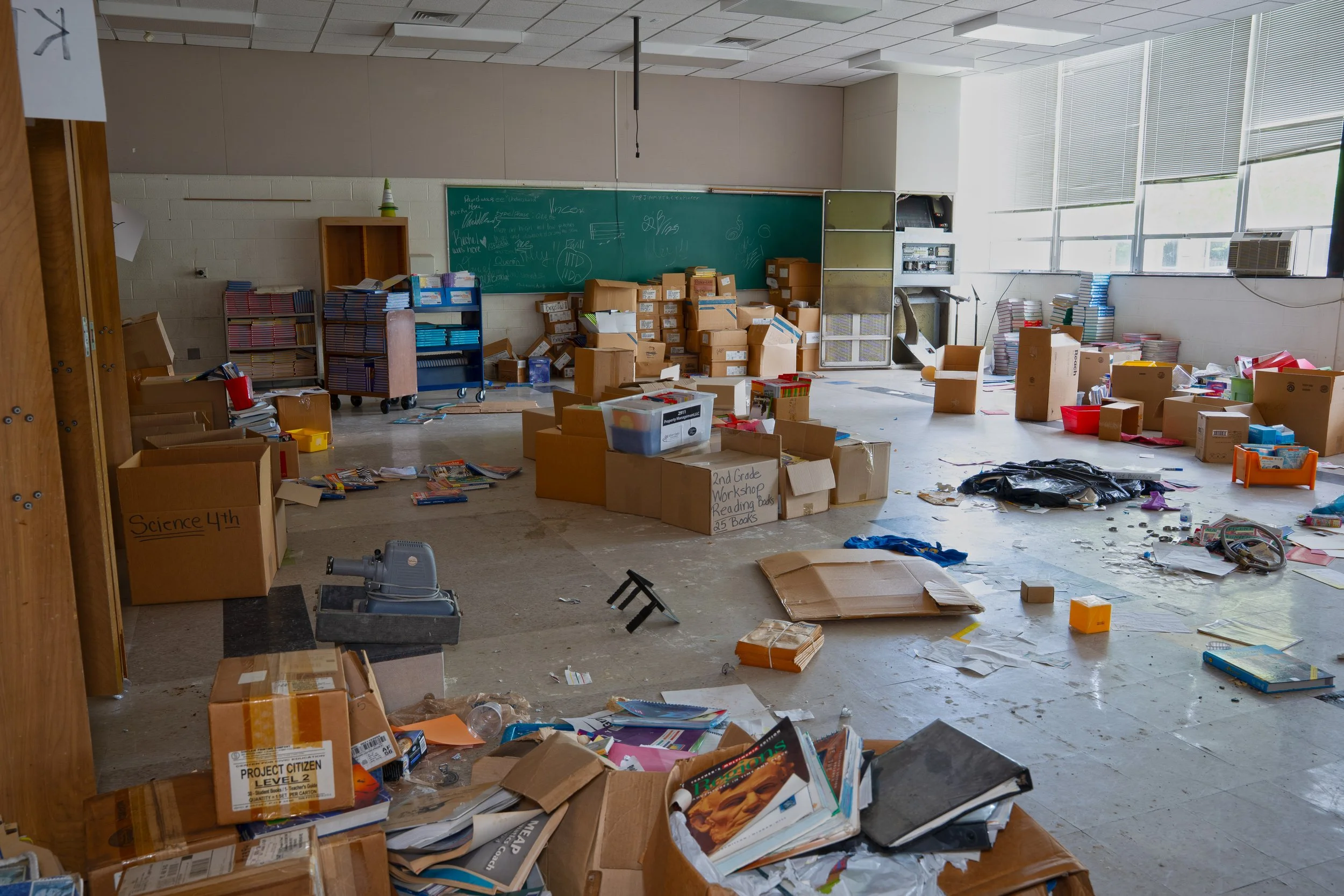
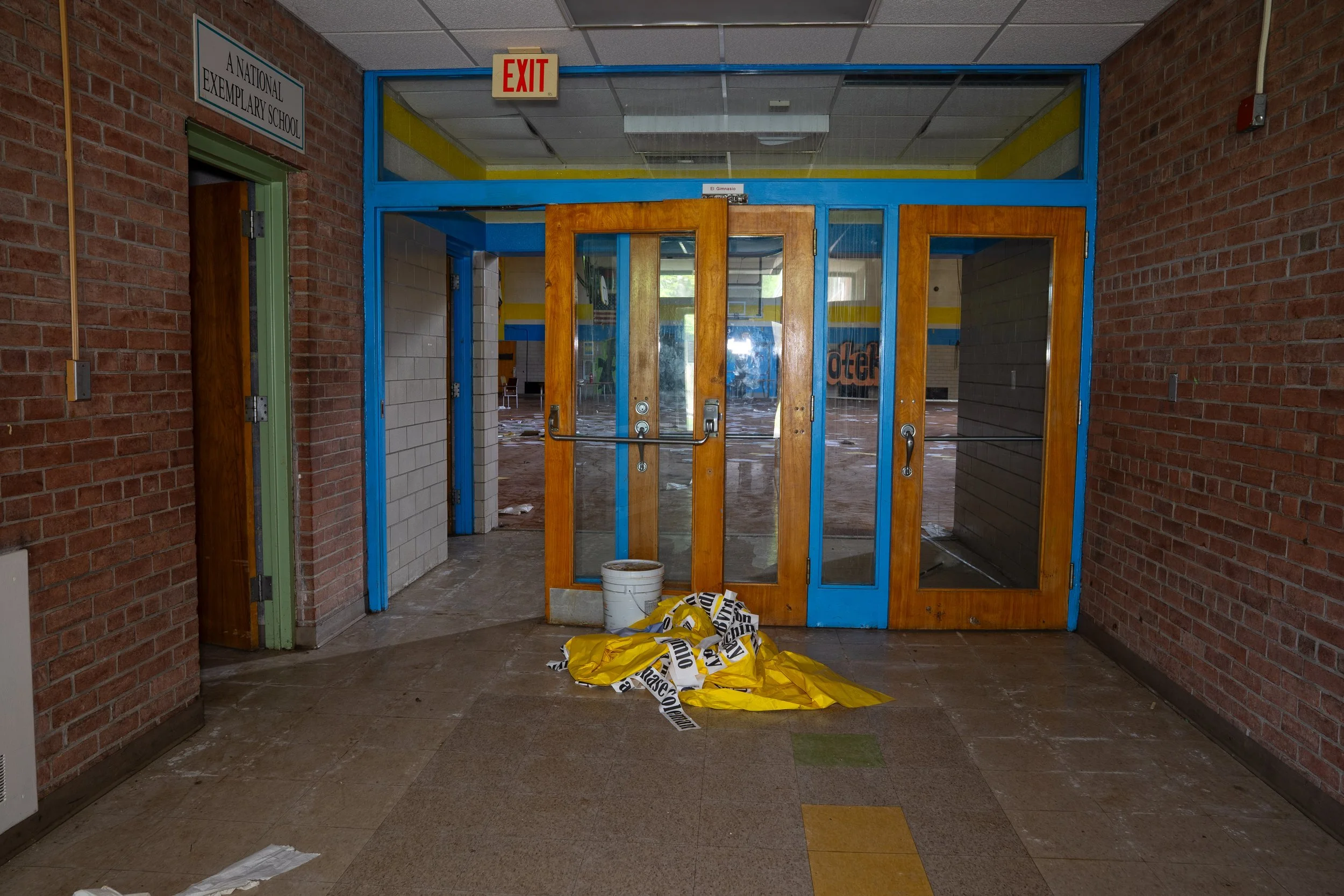
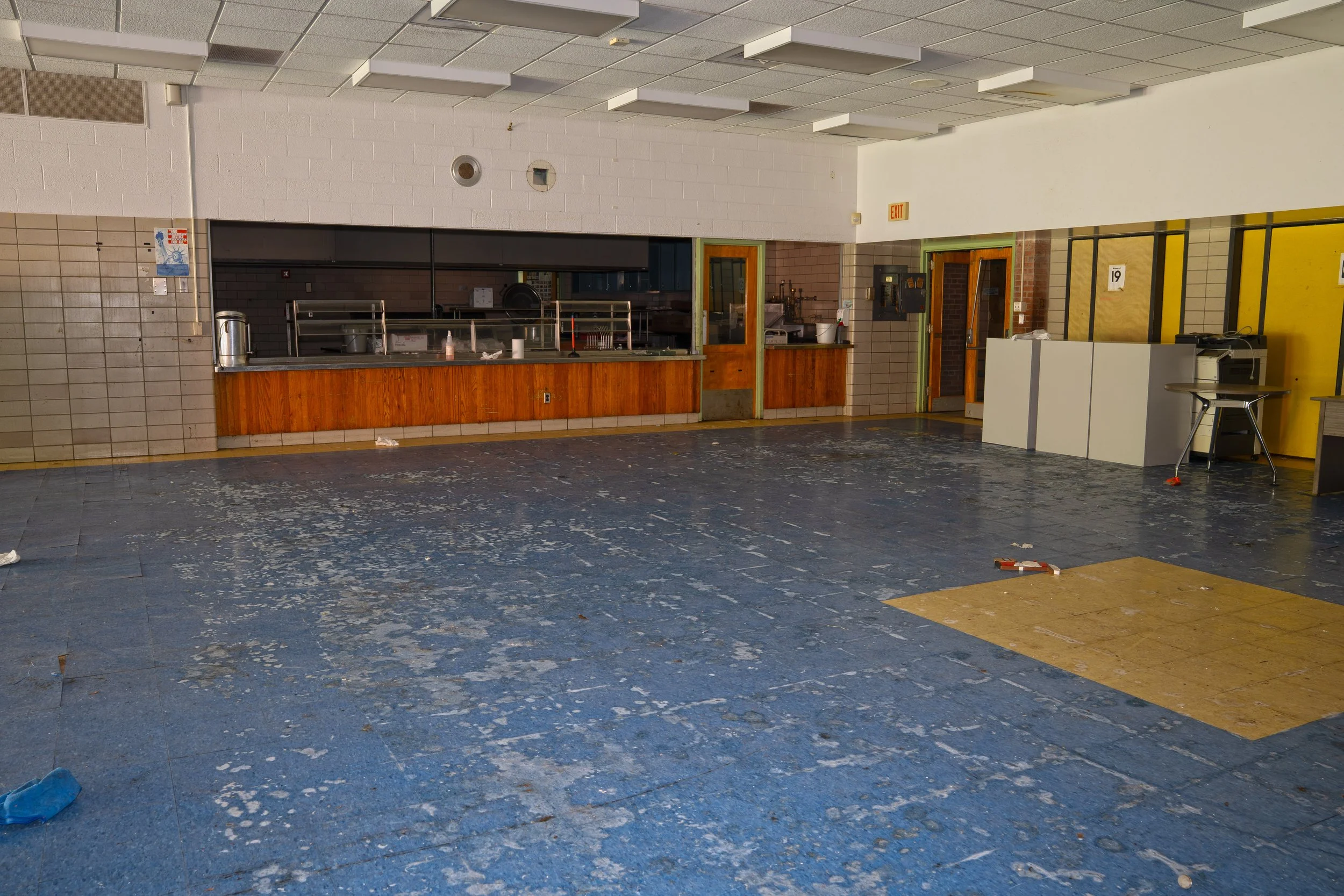
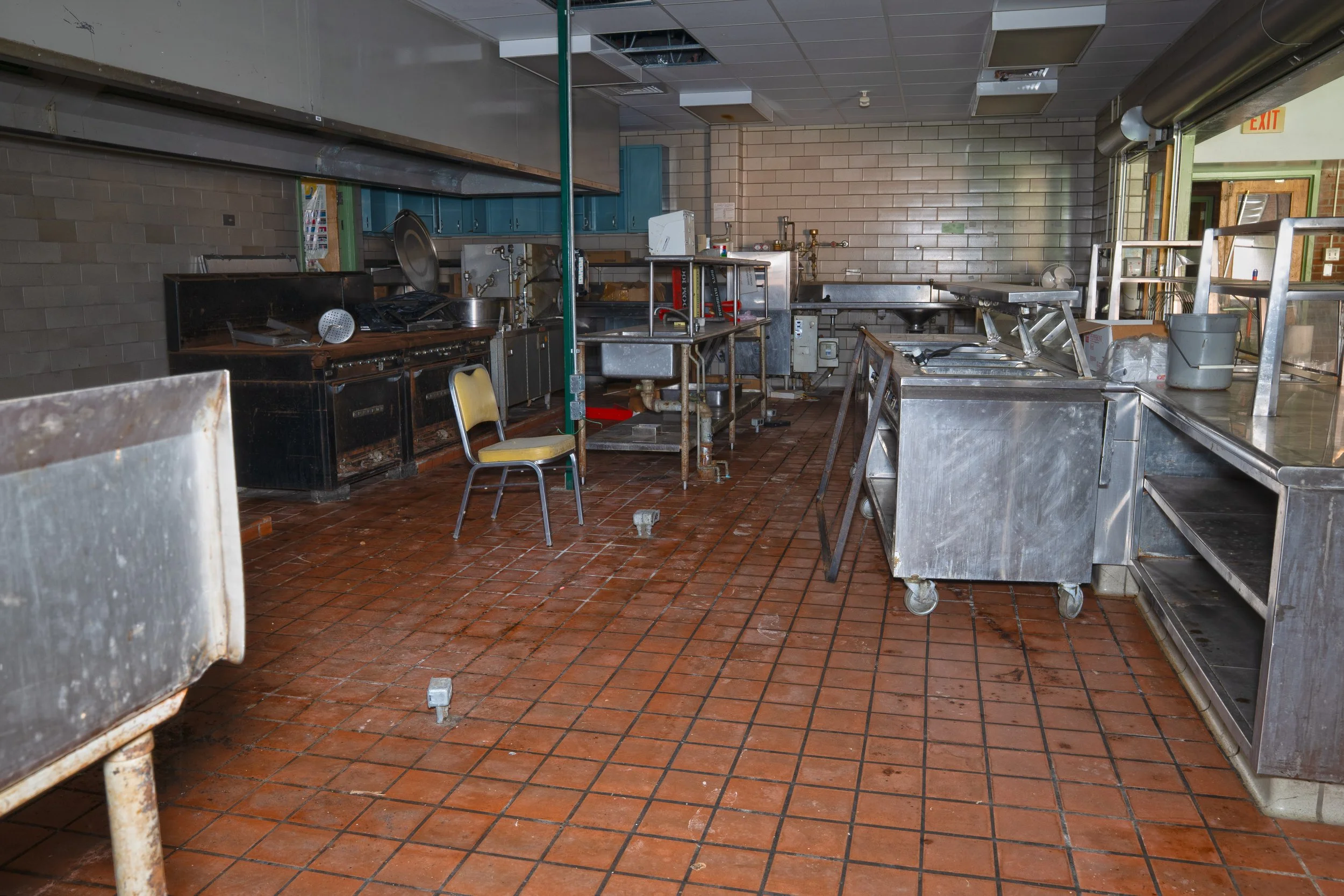
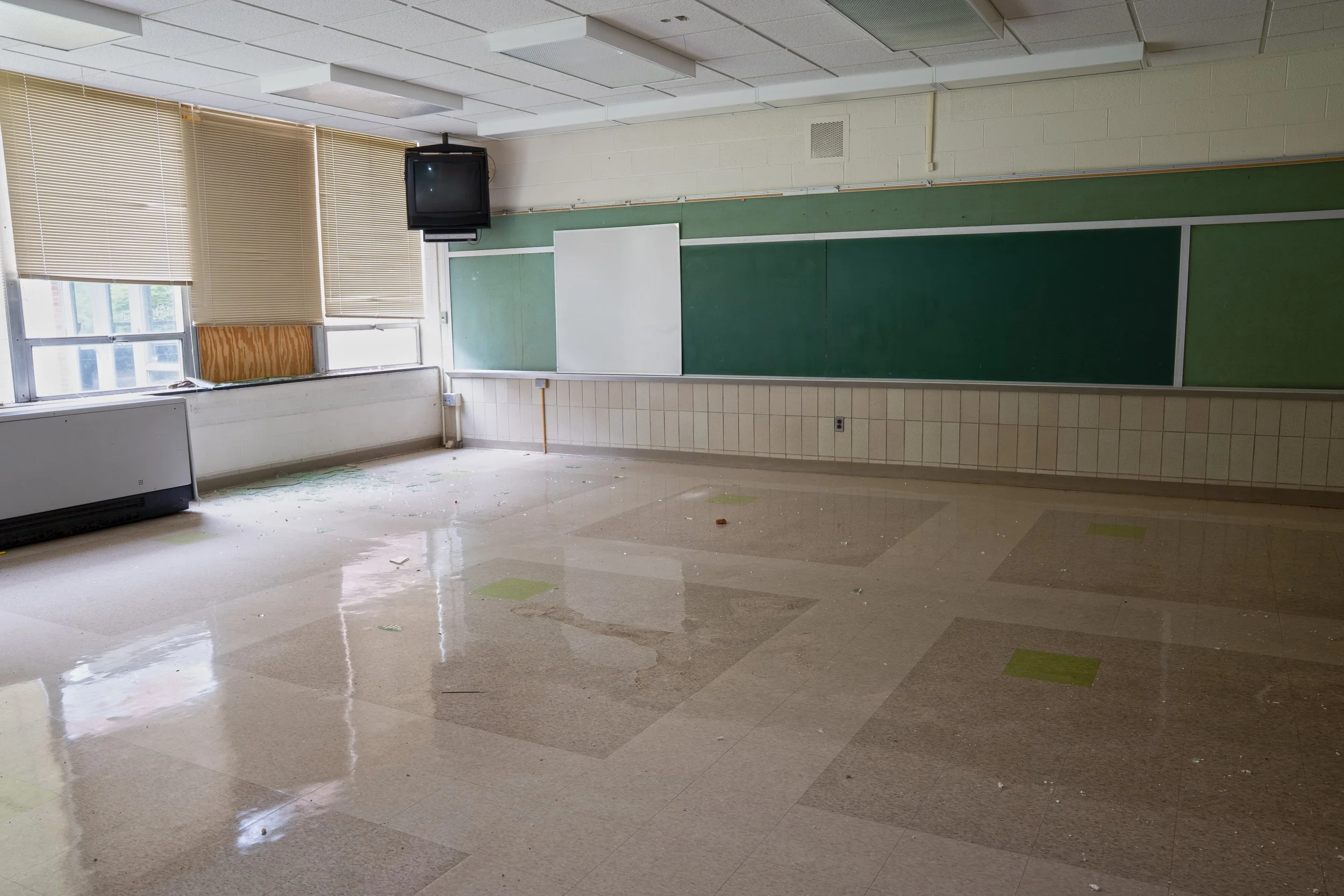
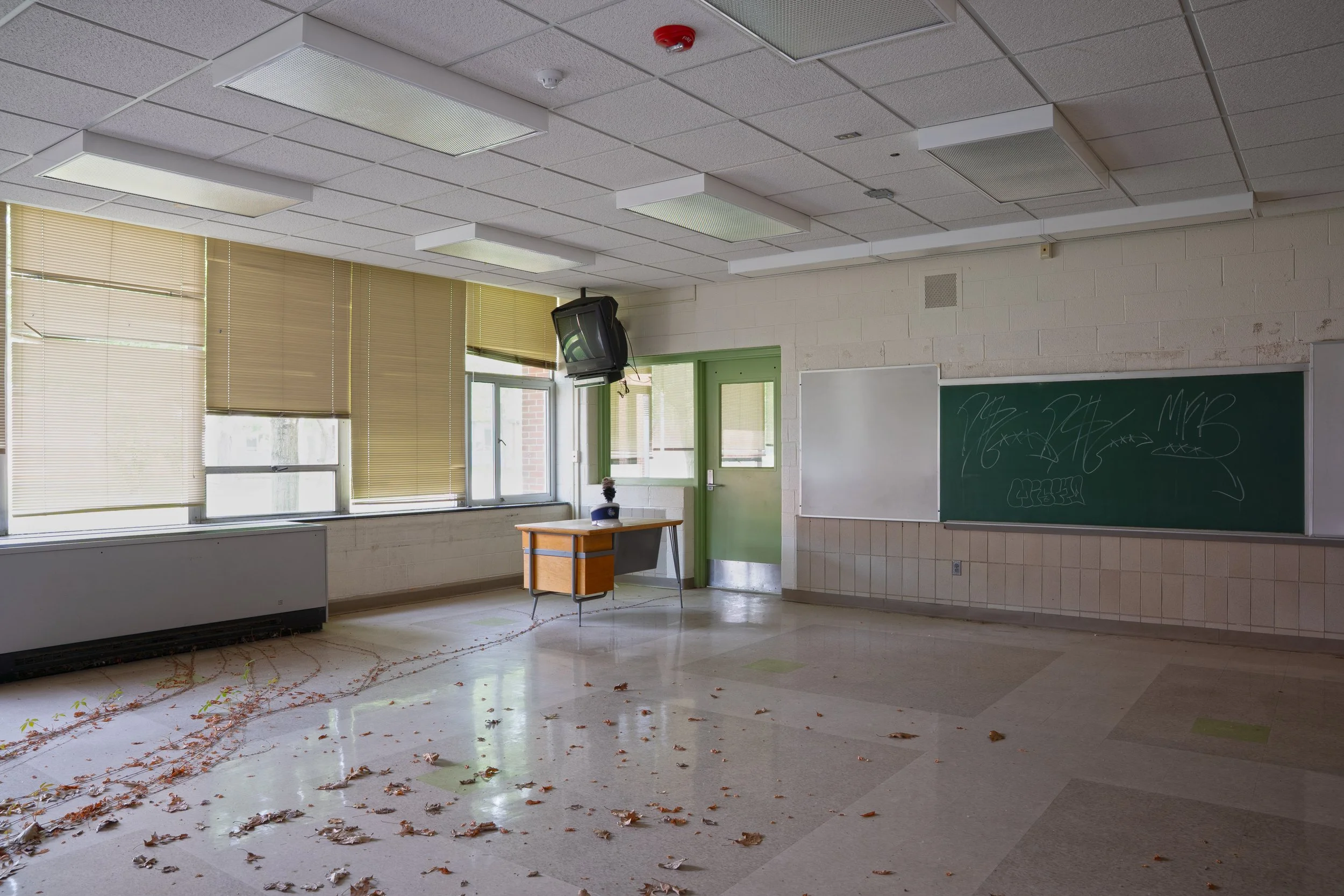
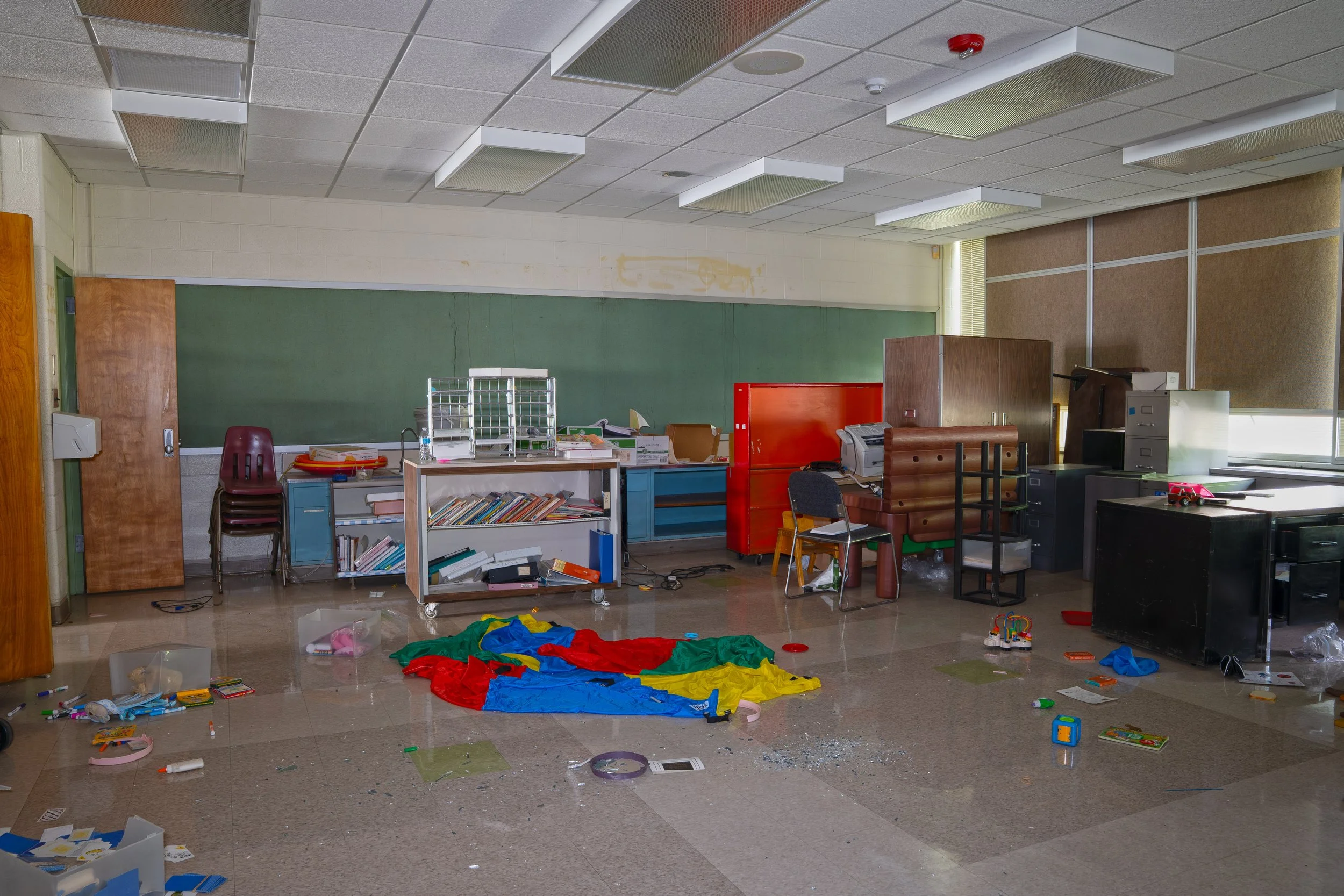
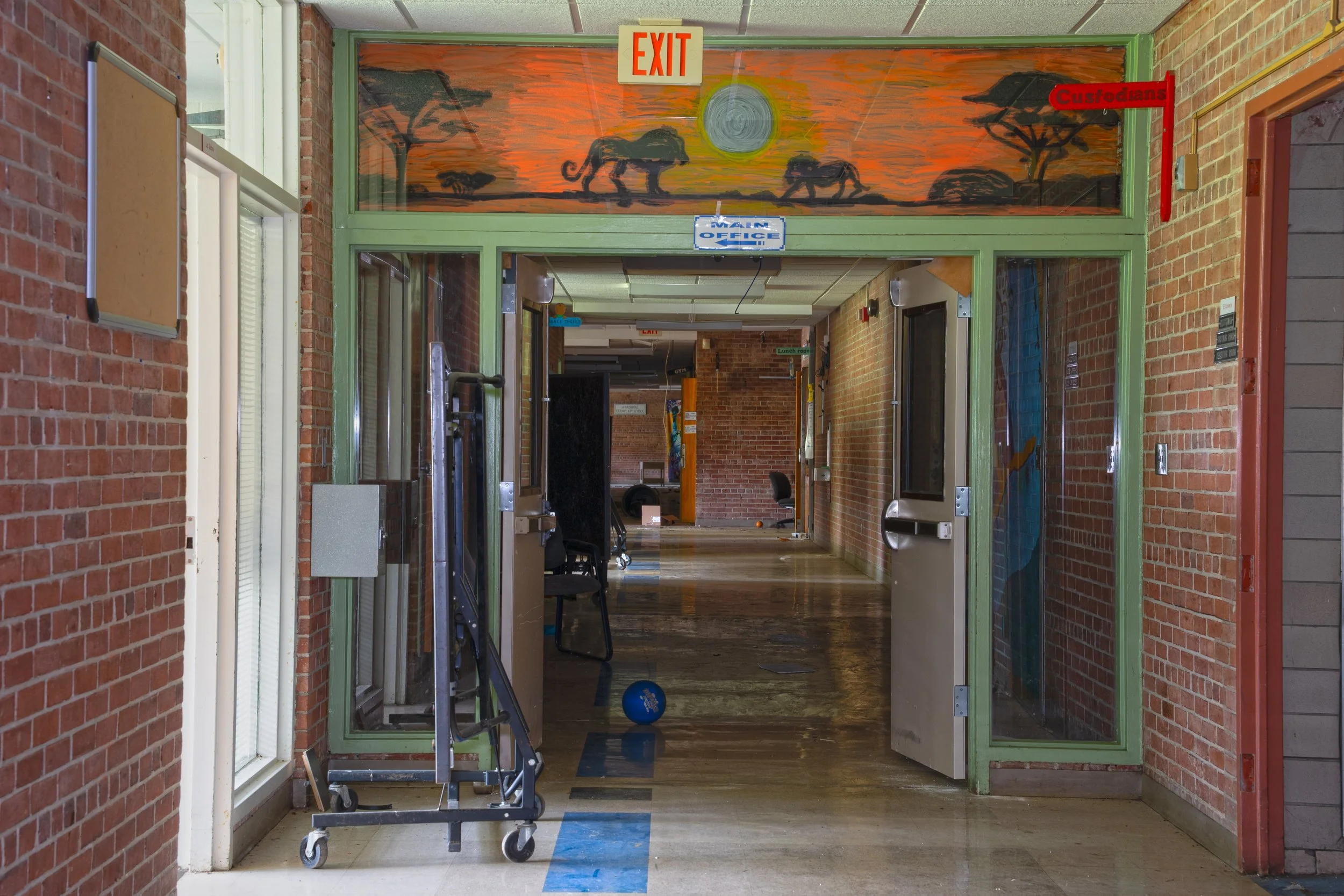
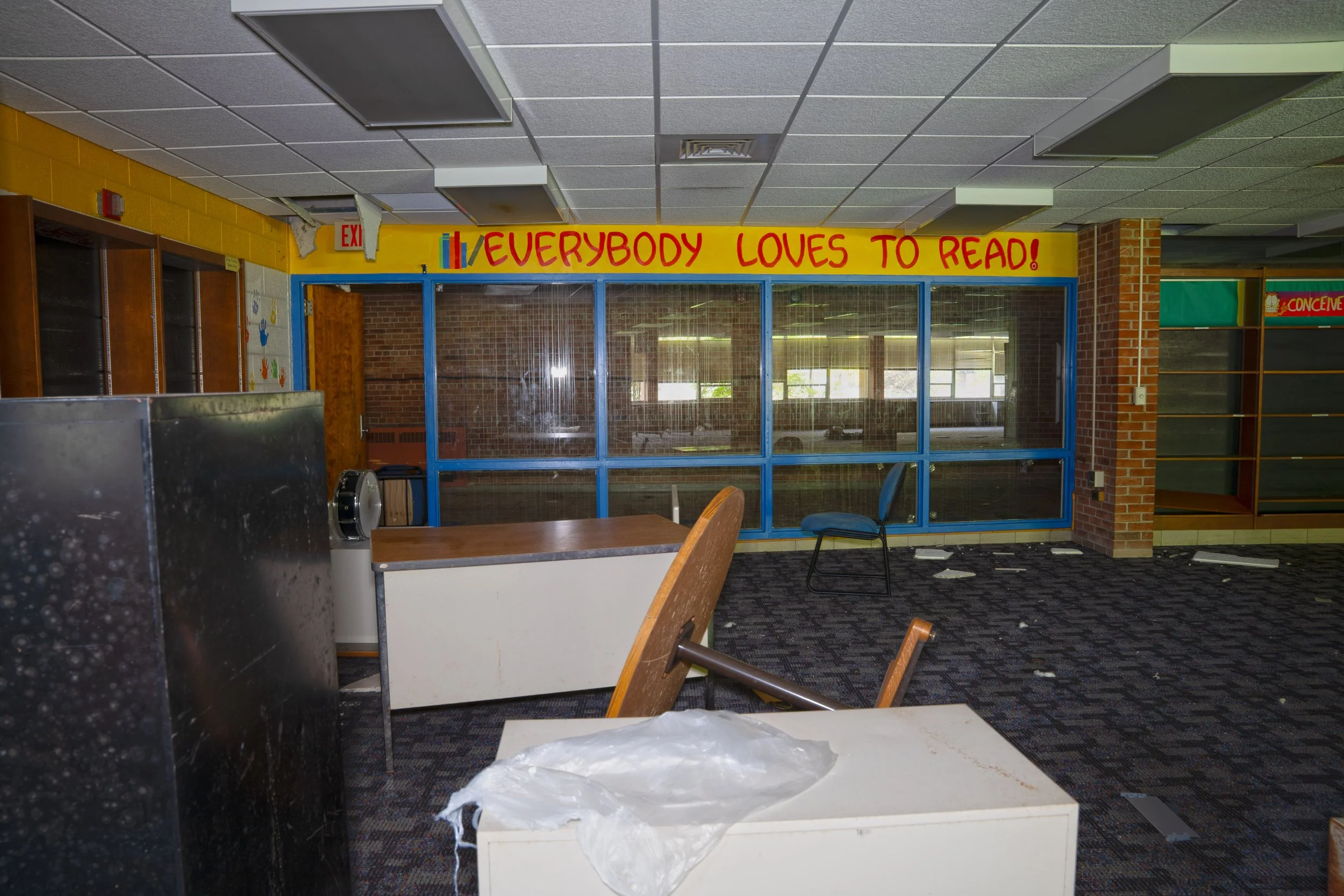
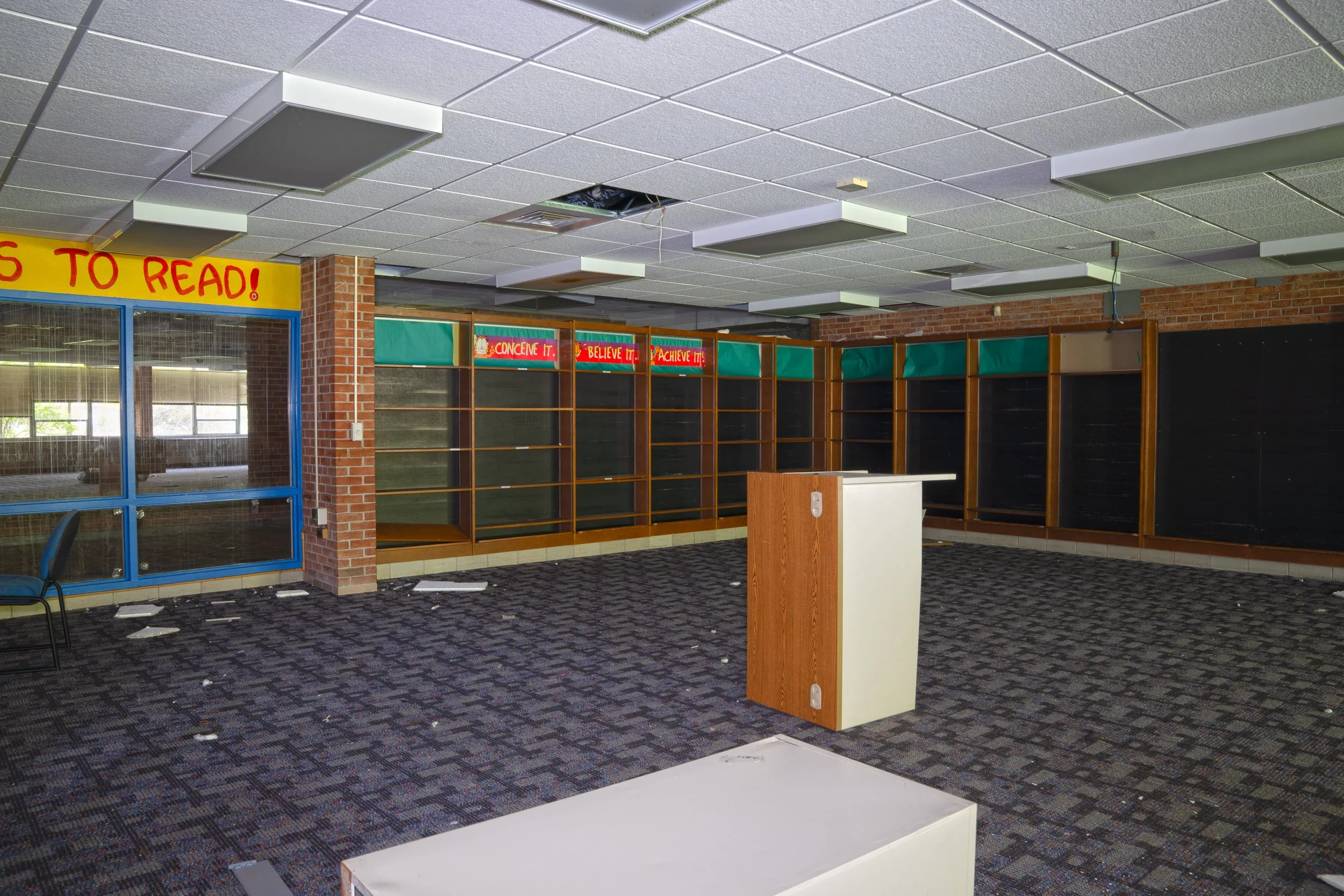
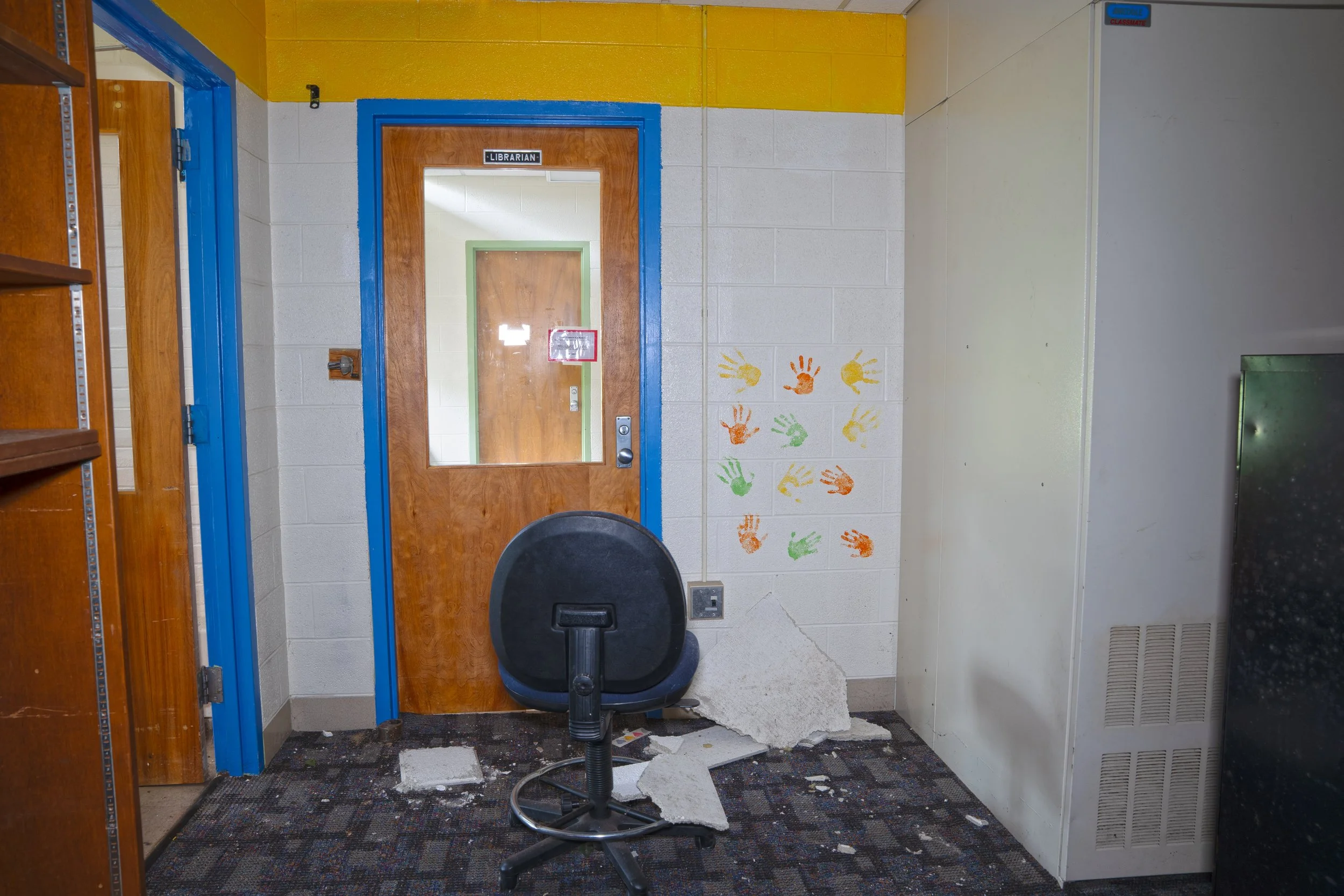
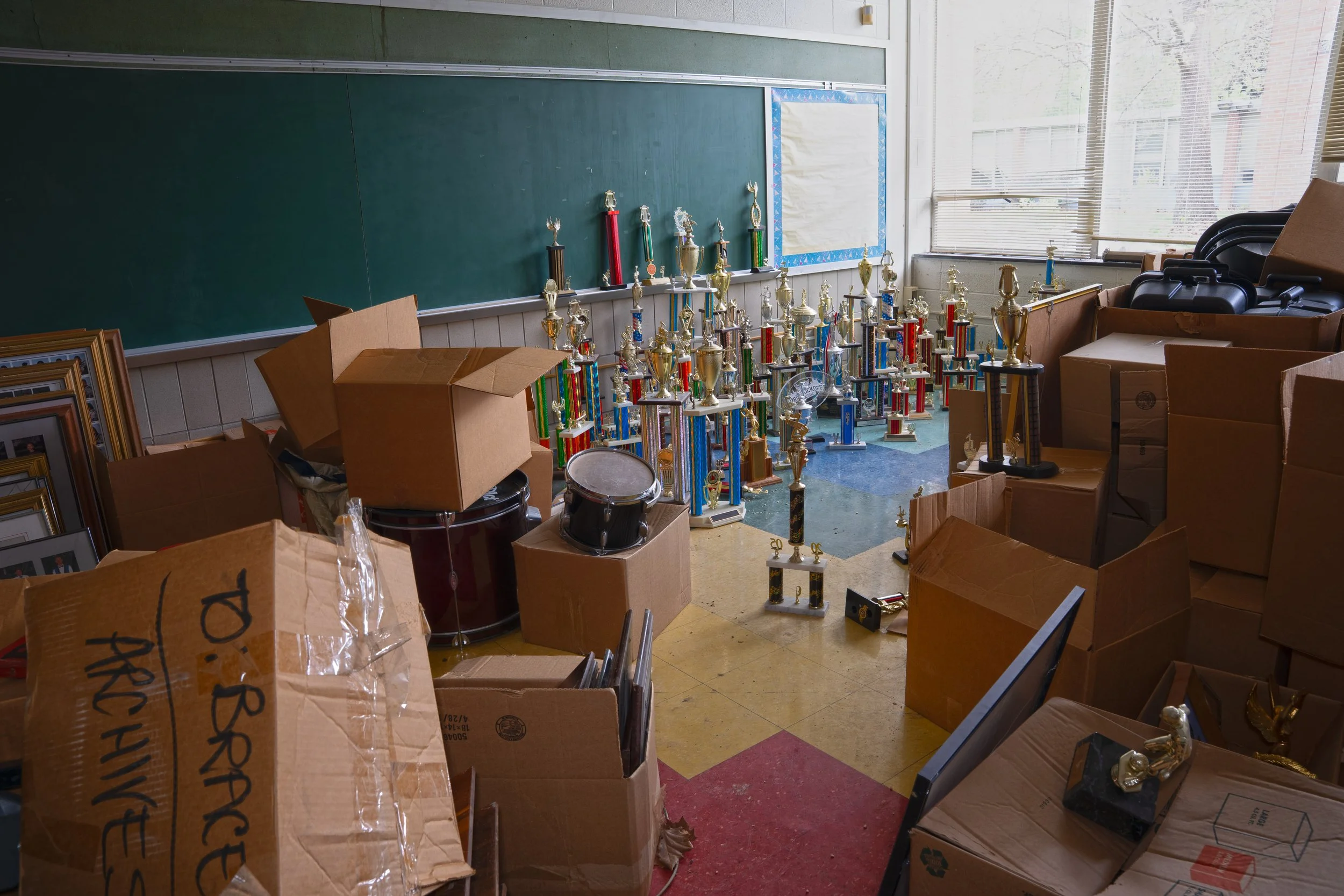
The Brace-Lederle K-8 which occupies the site of the original Lederle Junior High, was built in 1957 and opened in 1958. It was built as in response to a growing population boom in Southfield as a predominantly white, middle class demographics moved to the section of the city where Lederle was to be built. Population was further boomed with the opening of major developments such as Northland Mall, the first mall in the United States. Shortly after Lederle opened many other schools were built in Southfield, as the city gained nearly 38,000 residents between 1960 and 1970. Since at least the 1990s the Lederle Junior High School, has served as the Brace-Lederle K-8 School, when Brace Elementary School was merged with Lederle, since then the former Brace School has served to accommodate the Southfield Regional Academic Campus. When the schools merged the district shifted the focus of the program to a Magnet Middle School status, with a strong focus on Technology and Communications. The establishment and equipping of two brand new, state-of the art computer labs specifically designed and scaled for the Brace-Lederle elementary cohorts, ensured that foundational digital literacy began in kindergarten rather than being delayed until the middle school grades. Additional the installation of high capacity BCN Routers designed to handle multiple incoming T1 lines. connecting the Brace-Lederle school directly to the Oakland 2000 network, creating a centralized, highly stable point of Internet connectivity for the entire Southfield Public Schools network. During its years under Brace-Lederle the school was actively involved in the Rouge Education Project, an environmental science and conservation initiative spearheaded by the Friends of the Rouge non profit organization. Fifth grade students from Brace-Lederle were actively involved in the River Restoration Program, traveling to local ecological sites along the river. During these experiential field trips, students collected and systematically identified aquatic macroinvertebrates (water bugs), utilizing the data as a biological indicator of water quality. This rigorous, hands on curriculum taught watershed residents how native vegetation, proper land care, and the installation of rain barrels could actively mitigate the severe ecological threats posed by urban stormwater runoff to the heavily compromised Rouge River ecosystem. While programs at the schools were top class, the student population into the 2000s, often came from a disadvantaged class of predominantly African American. Over 78% of students qualified for free or reduced lunch, causing the school to fall into a title I category. Another issue was the lack of parent involvement, during events such as parent teacher conferences, and Curriculum Nights, alongside this survey results from this same period showed overwhelming feedback indicating that staff, students, and parents felt a majority of students exhibited a general lack of respect for their peers and instructors. Furthermore, teachers reported immense frustration, feeling that many students did not show genuine concern for their own academic achievement. With funding from Title I grants, the school invested in trying to get the parents excited about their students, education, and involve them in events, with some events being black history night, to celebrate and welcome the overwhelming heritage of the student body while providing a welcoming, non intimidating avenue for bringing families into the academic physical space. Along with this parenting workshops designed to equip families operating under economic stress with effective, empathetic child rearing strategies and conflict resolution tools, directly addressing the behavioral concerns highlighted in the school climate surveys leading up to the grants. Between 2002 and today Southfield Public Schools has lost over 55% of its students, caused largely by a aging population, and the rise of charter schools, and school of choice programs around Oakland county. In June of 2015 Southfield Public Schools, announced it would close Brace-Lederle K-8, and Alder Elementary. With declining enrollment and a fraction of the original buildings being used sinking into the budget of the district throughout many schools. At the end of the 2016-2017 school year, Brace-Lederle was closed, alongside this the districts two High School programs were merged into one school, in a effort to bring enrollment numbers up in the remaining schools. During this time Brace-Lederle found a new purpose as a school, with the excess materials and supplies being stored in the school. In 2019, after years of residents complaining about closed schools in their neighborhoods, municipal planners proposed turning many of the closed sites into residential housing. For years the school sat closed up until 2024, when the Yeshiva Beth Yehudah, a highly prominent, rapidly expanding local private Jewish educational institution, for the purchase price of $2,500,000. While the district had debated demolishing the school in the years leading up to the purchase the district happily sold the building, saying it was happy to relocate funds into active schools instead of demolition. Today the Brace-Lederle School sits in limbo as a official plan from the new owner comes out.