
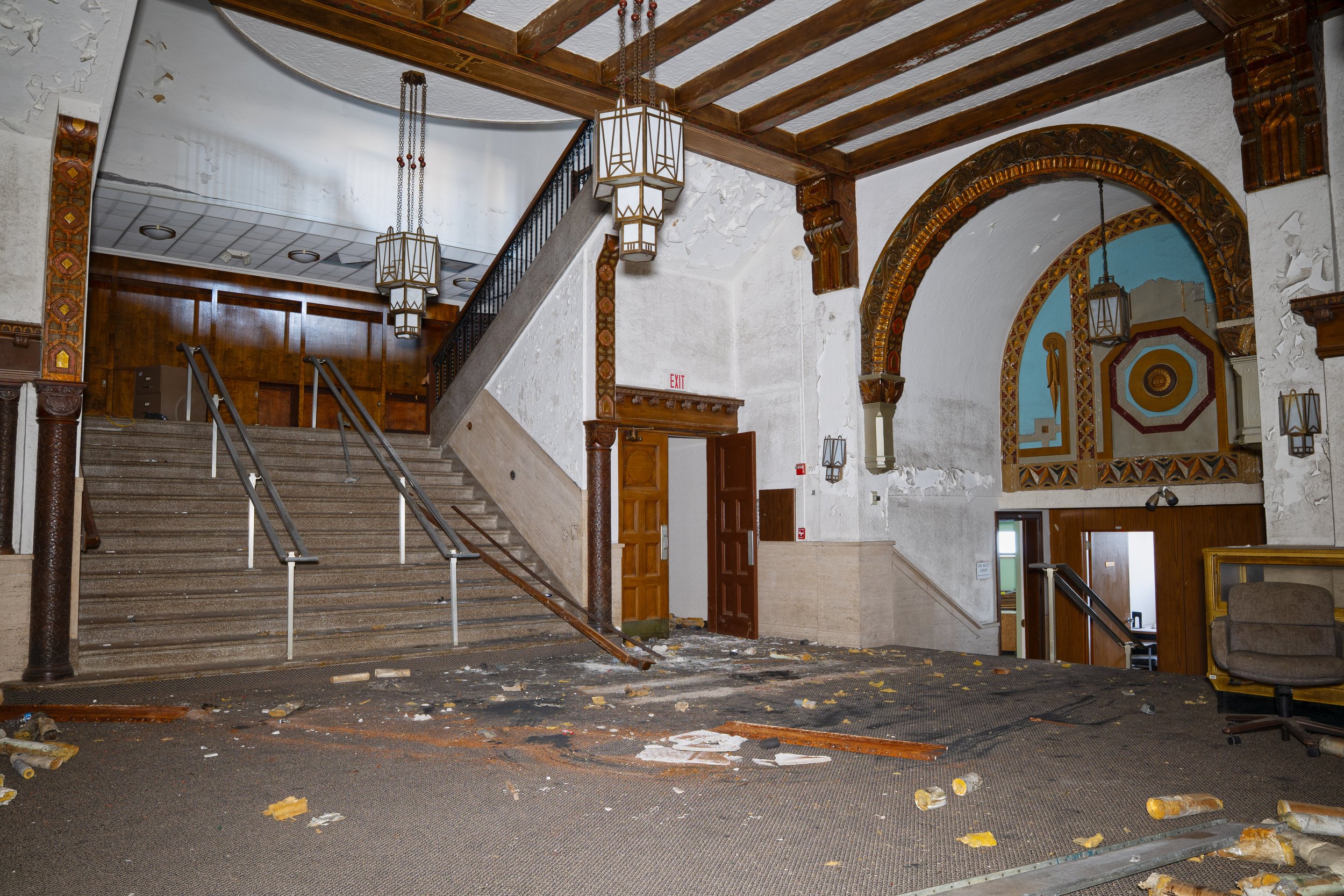
UAW-Miller Building
8731 E Jefferson Ave, Detroit, MI 48214
-Abandoned around 2013
|High Resolution Page S+Tripod|
Locate it!
History of UAW Miller Building
In 1853 the Detroit Socialer Turnverein was founded and over the next following decades many similar buildings would be built around the city. Most commonly today these are looked back on under the term “German Social Clubs” of which Detroit had many. The various social clubs around the city often featured ambitious social and athletic programs, alongside state of the art facilities. In 1928 for the 75th anniversary of the founding of the organization the (now named) Detroit Turnverein, sought a monumental new home reflecting their established status within the city. Construction began in 1928 and the new social club featured a luxurious inground swimming pool, a full size gymnasium capable of hosting large scale gymnastics exhibitions, extensive saunas, a dedicated exercise room, and a library to fulfill the intellectual and educational components of the Turner philosophy. Into the 1930s the American legion post 291, which restricted membership exclusively to Turner veterans, a large classification of German-American soldiers that often faced intense scrutiny and prejudice during World War I. Due to many fighting their “own” country of origin they had immigrated from. To survive the anti-German hysteria, many distanced themselves from their Germanic origins changing their German names to more socially acceptable Americanized names. As US involment crept closer into joining WWII, the German-American class of people faced intense, often hostile scrutiny. In the late 30s the organization aggressively promoted "Americanization" to deemphasize their German tiesthis the Detroit Turnverein changed its name again to the American Turners Detroit, to further Americanize the organization. From 1937 to 1952 the National Office of the American Turners was housed in the Detroit building. In the late 50s into the 1960s the organization saw the effects of white flight, as many of their members moved to the suburbs, dispersing Detroit’s tightly knit ethnic communities into the surrounding metropolitan region away from the organization’s main Detroit hub. In 1962 the building was sold to the United Auto Workers Union (UAW) after years of financial burden maintaining a massive, aging athletic complex on prime riverfront real estate the quickly became unsustainable for the dwindling urban membership. In the years leading up to purchase of the now former Detroit Turners building to the UAW, the union had grown from it’s rather small beginnings in the 30s, to over 1.5 million members by the 50s. The need for a auxiliary facility was needed to compliment the larger headquarters (often called the UAW Solidarity House) located down the street at 8000 E Jefferson Ave. The auxiliary building was named in honor of Dave Miller, a Ford worker that had been fired and blacklisted by Ford Motor Company in 1935 after he was found participating in underground union organizing, at the time this practice was very frowned upon in the automotive sector. In 1932 Wather Reuther was fired and blacklisted from Ford for similar reasons, together the two formed the UAW local 174 on Detroit’s west side. In late 1936 into 1937, GM workers under the local 174 forced GM to recognize the union, after a 44 day sit down strike that disrupted some of GM’s largest plants. Also in 1937 union organizers were brutally beaten by Ford service thugs (Union busters). During a similar strike on Ford’s major plants. In the years following Ford too accepted the terms of the UAW after a 10 day strike on Ford’s river rouge plant in 1941. Making Ford the last of the big three auto companies to accept the terms of the UAW. Into the 1940s the UAW grew to a larger and by the 50s had became among the largest unions in the US, largely due to the leadership of Walther Reuther. Up until his death in 1970, Walther Reuther had grown the unions outreach and helped fund many now important events in American history including the 1963 March on Washington, further speaking alongside Dr. Martin Luther King in the march on Washington. Reuther also helped fund and organize the first ever Earth day in 1970. Just 17 days later Reuther’s chartered private jet crashed in flames in Pellston, Michigan, on their way to the UAW’s Black Lake education center. In 1974 the Miller building was used by the Coalition of Labor Union Women (CLUW). Founded in 1974, CLUW emerged as the only national organization explicitly dedicated to unifying union women, advocating for workplace equity, and combating systemic sex discrimination across the entirety of the American labor movement. As for the UAW many notable programs inside the union were housed at the Miller building including the UAW Retired Workers Council of which Dave Miller himself had served as the head of until a unknown retirement date, with Dave officially passing away in 1979 of natural causes. Alongside this additional Administrative offices serving as a overflow of the day to day administrative duties of the Solitary house, the building also saw specialized training oversight programs. The original common areas of the German social club were used in part with UAW's extensive community outreach programs, recreational therapy, and continuing education programs. By the late 1970s the building had became increasingly outdated for the demands of the UAW, and in 1980 began work on a multi-million-dollar redevelopment and expansion project, that kept the original building while adding on to the building to bring the square footage up to 105,000 sf. Unlike many renovations the original building was almost completely left intact and was built into the new addition. In the same renovation a modern facade was placed directly over the Jefferson entrance to the 1928 building. By the turn of the 21st century the need for a auxiliary building was increasing unneeded as many auto jobs were outsourced to other countries. By the very early 2010s operations at the Miller building had largely grown quiet, and was slowly phased out with jobs and program merging back to the main UAW headquarters down the street. For years the building has sat vacant with many attempts to sell it, however with such a large footprint and the ever growing online presence of remote jobs makes the building less and less likely to be used again as a office space.
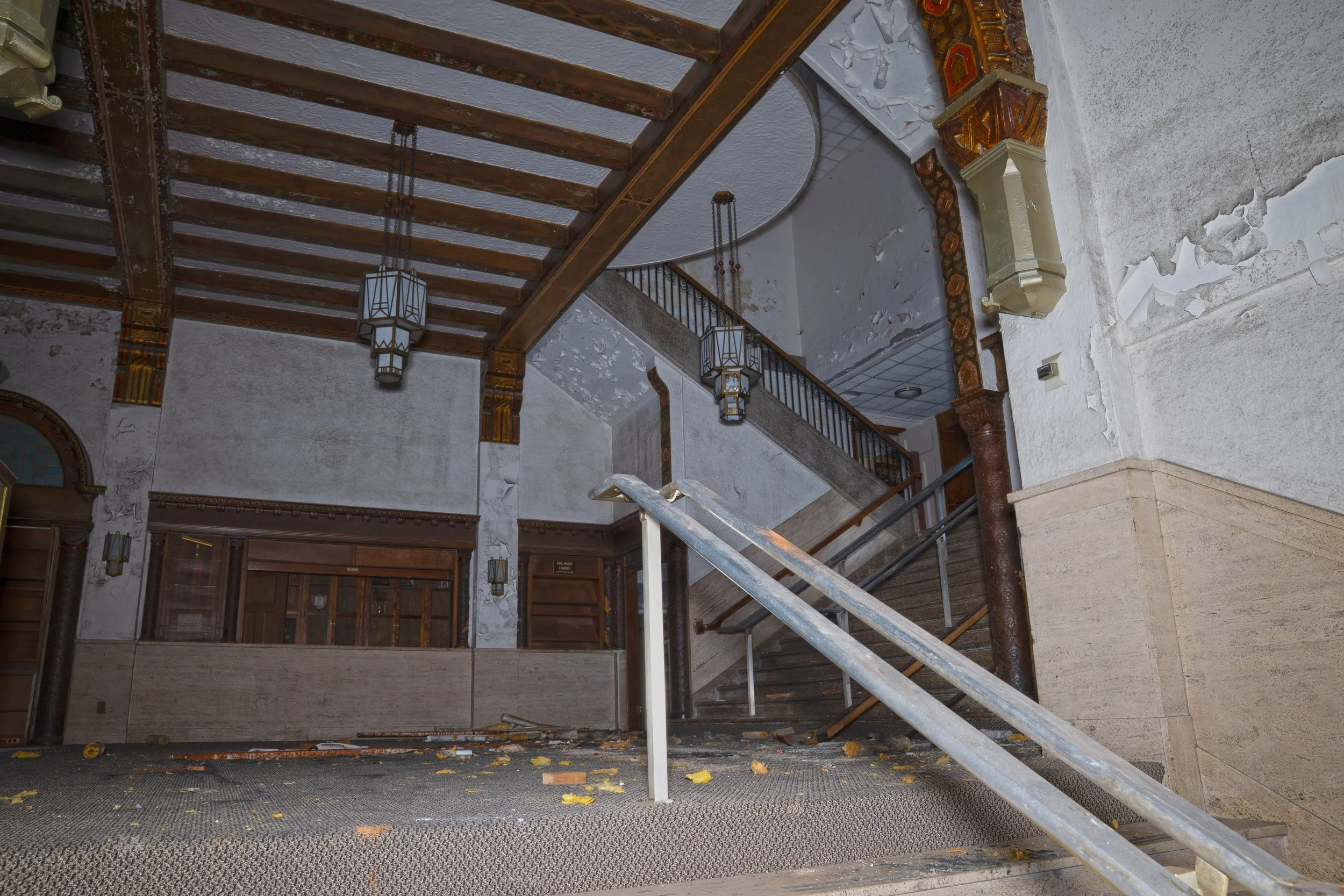
Recollection from the author
The UAW Miller building was a very unique building, with many areas being untouched. While many of the dedicated office spaces had been gutted the common areas shined strong with the library being the most unique, being one of the most impressive architectural ruin sections we have explored on this page. The ability to work out in a abandoned building via the weight room that was perfectly intact was something that wasn’t on my bingo card for urban exploring.
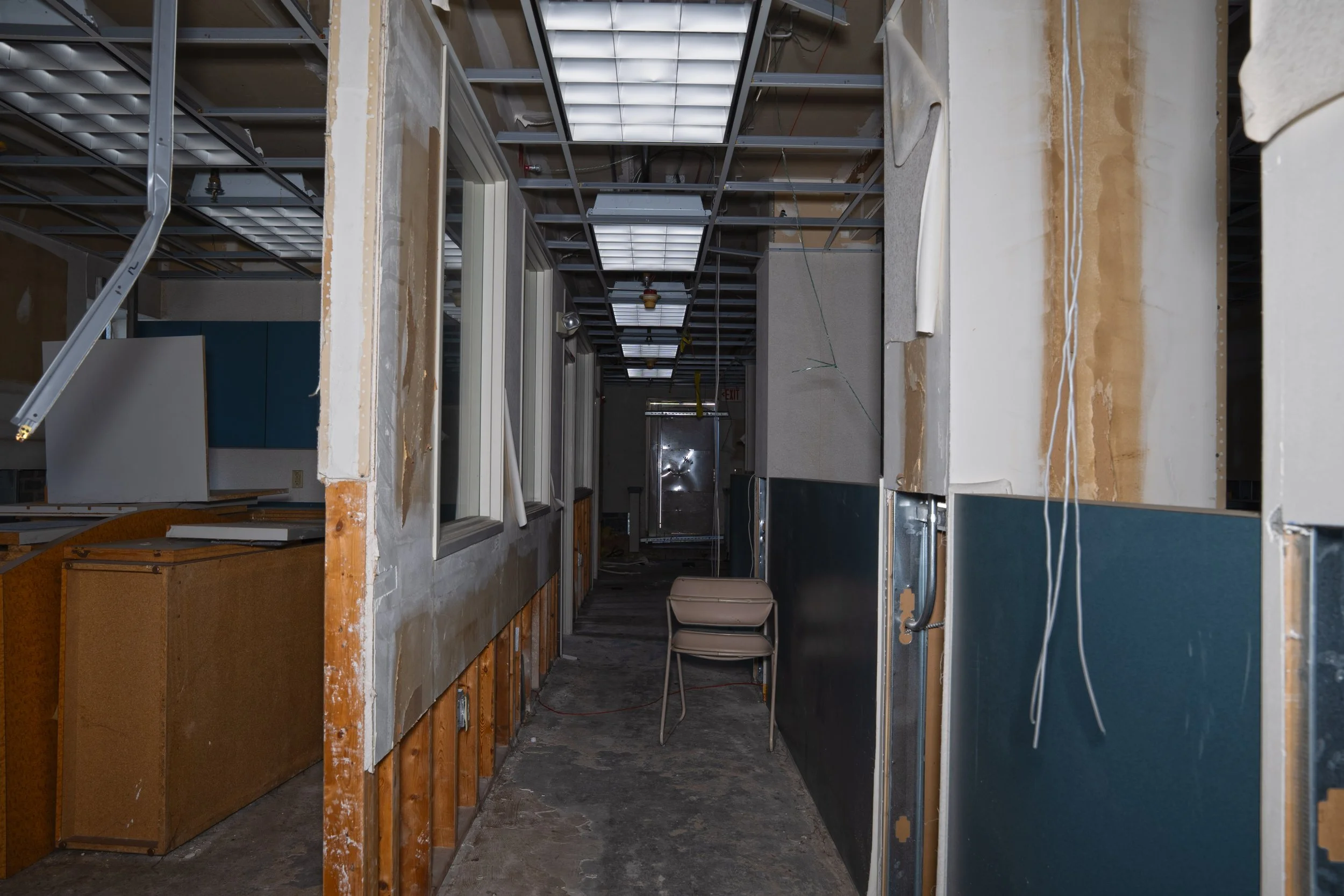
Office space near Jefferson entrance the corridor straight ahead and to the right leading down into the gymnasium
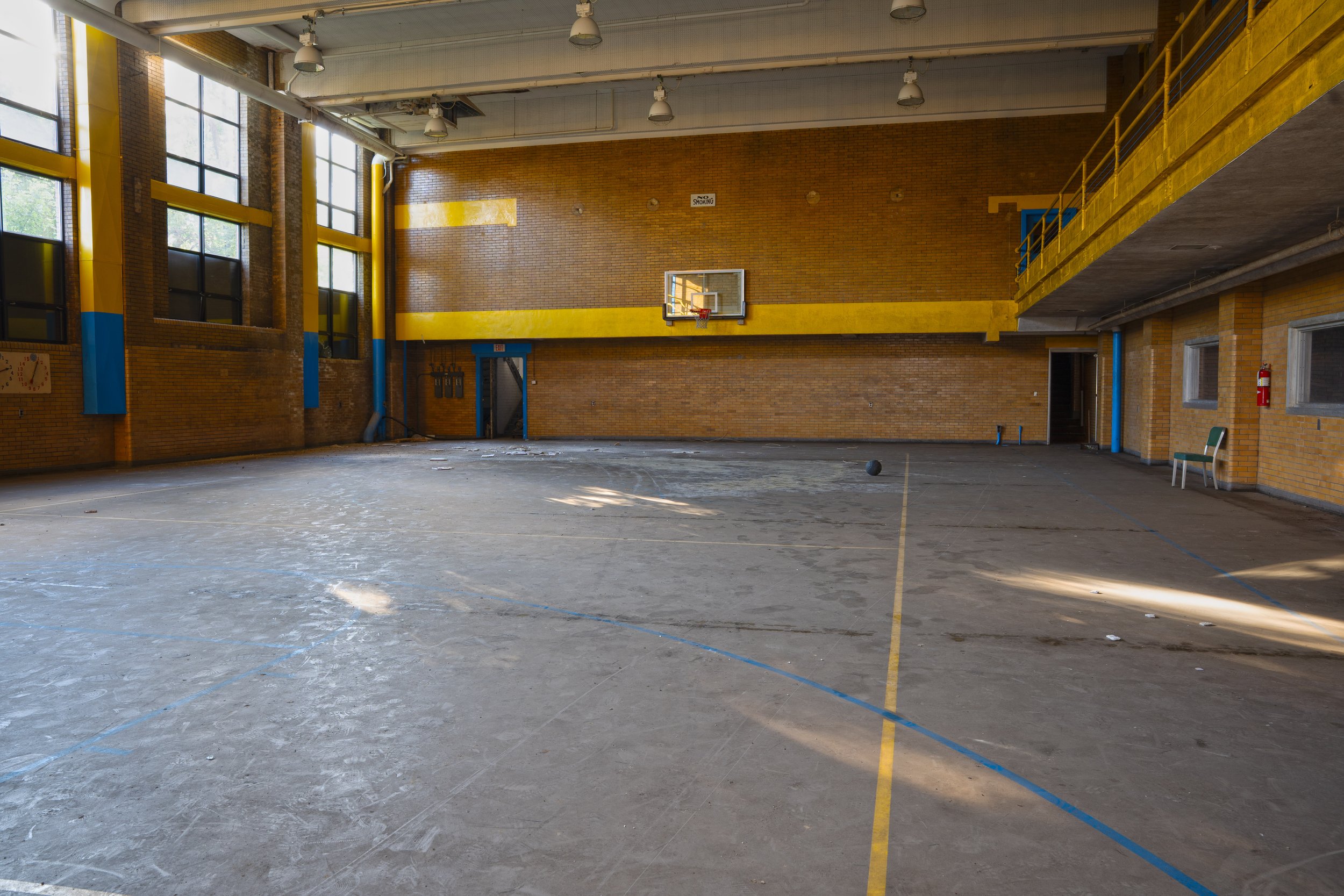
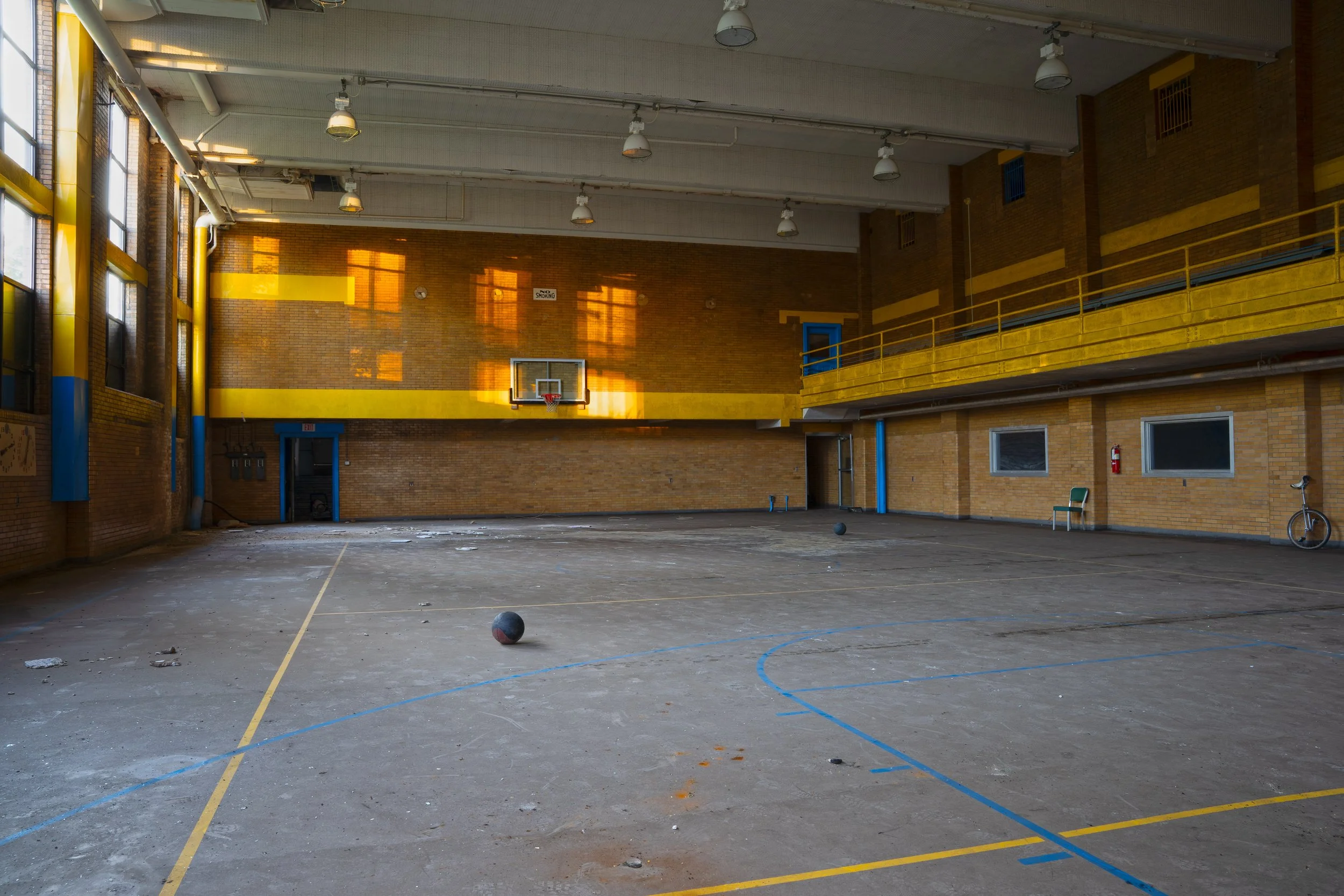
Gymnasium shot 1
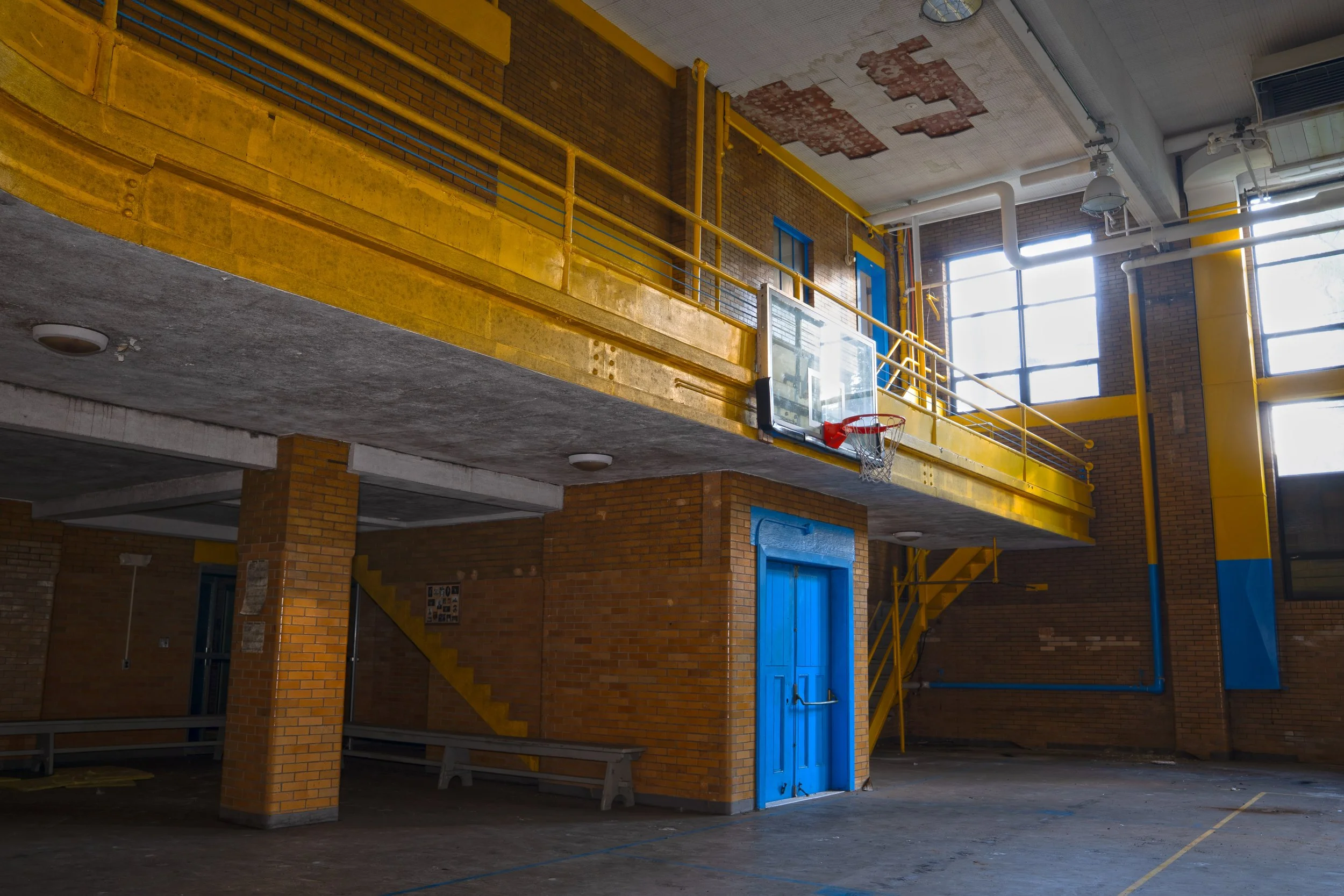
Gymnasium shot 2
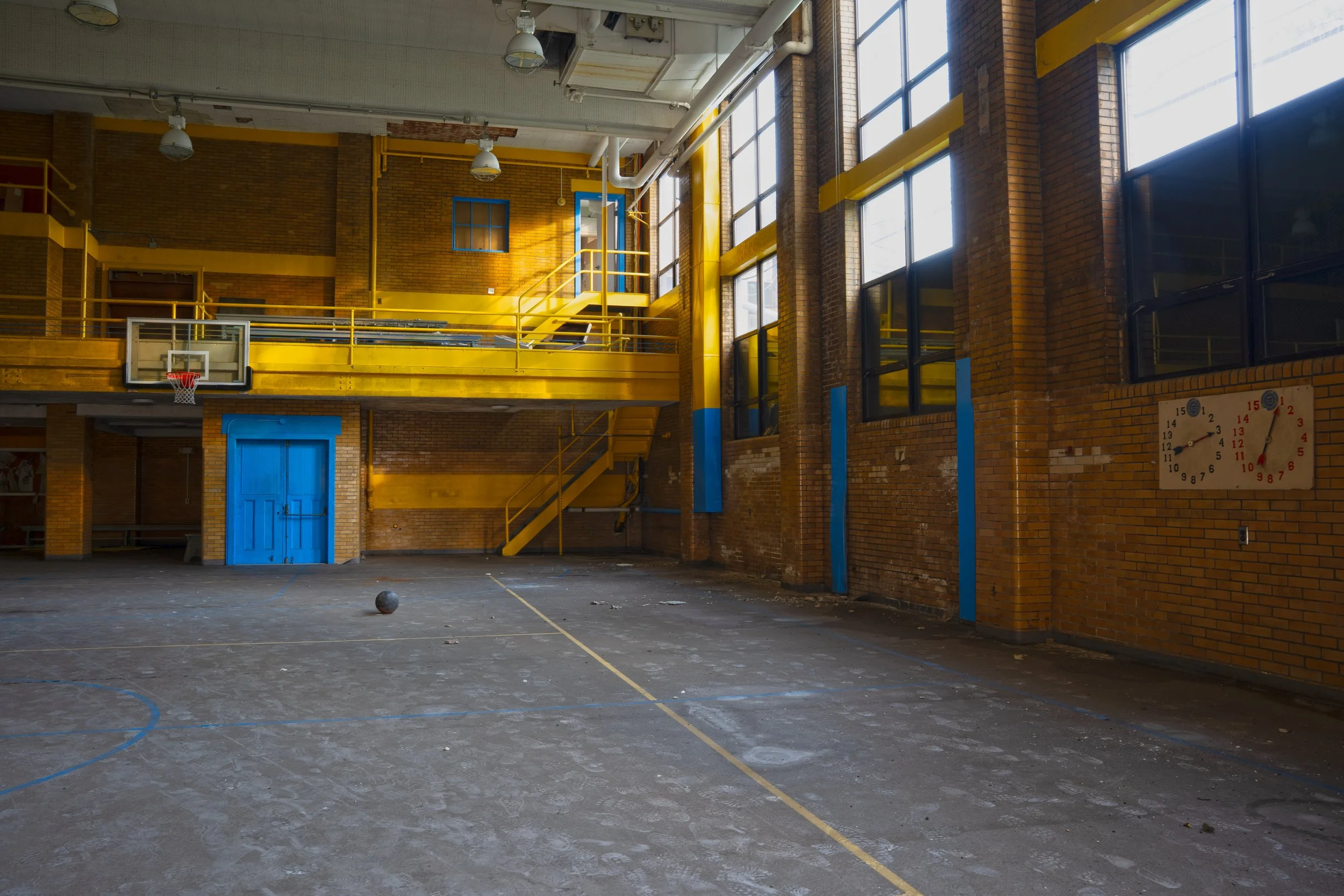
Gymnasium shot 3
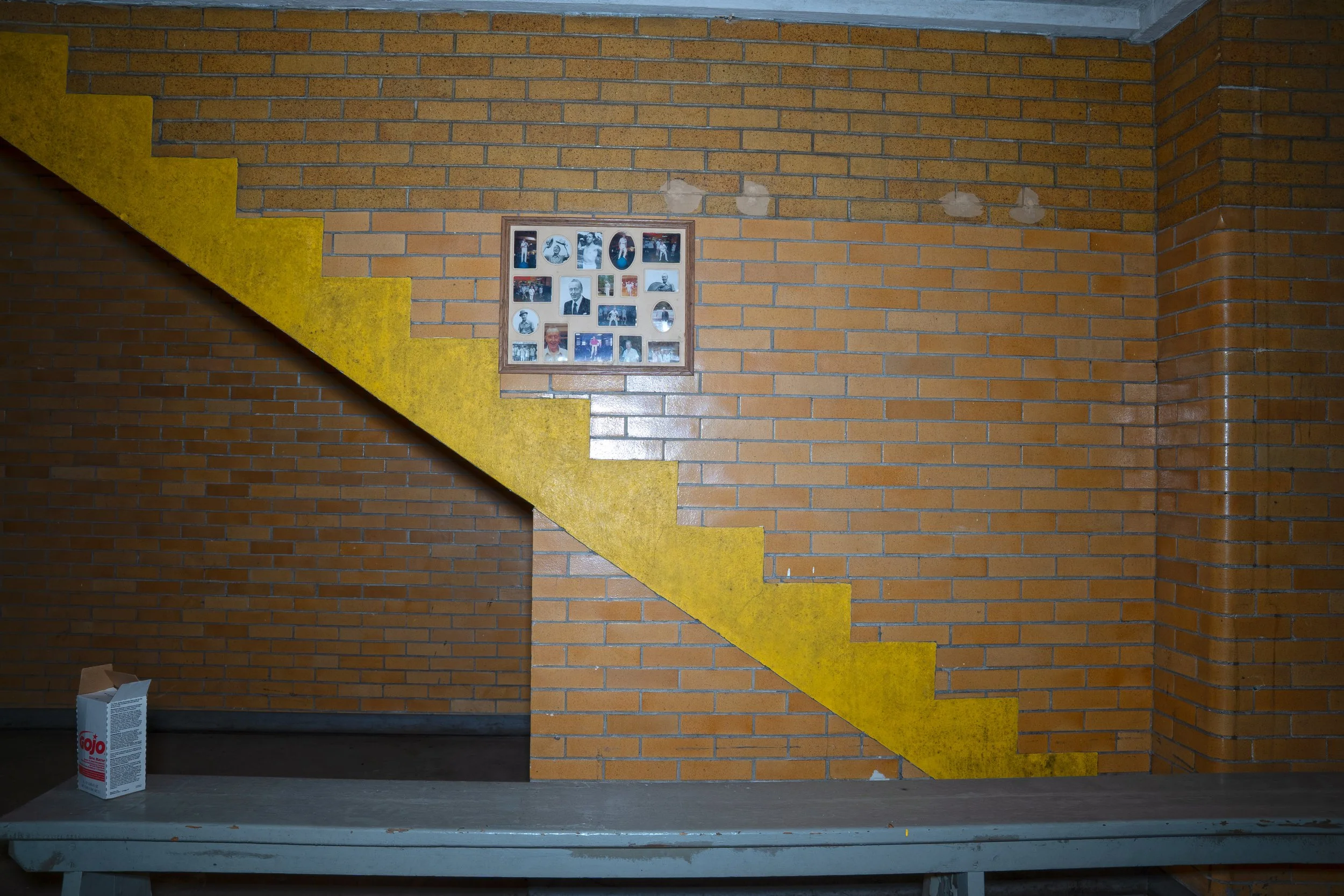
Gymnasium shot 4
Gymnasium shot 5
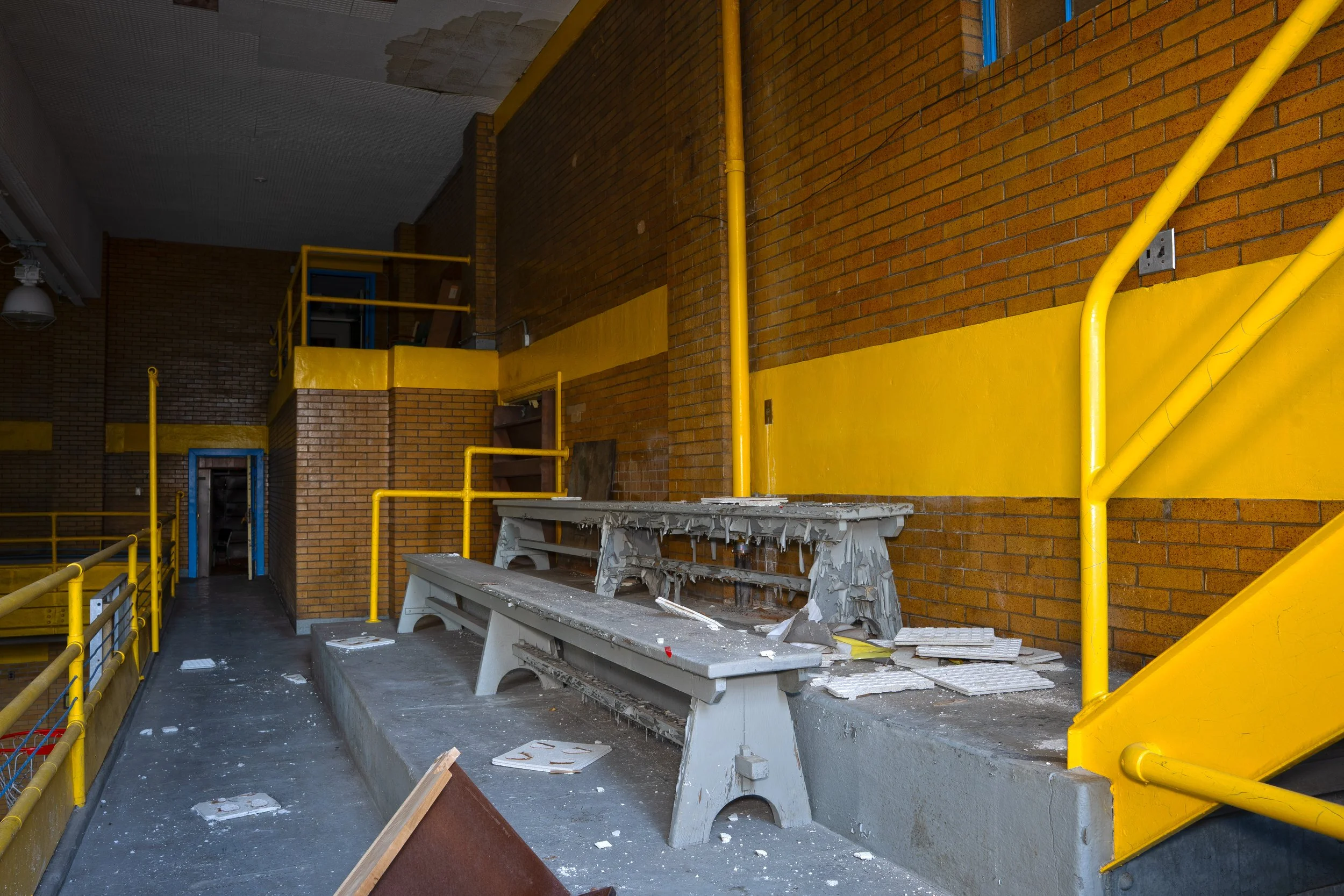
Gymnasium shot 6
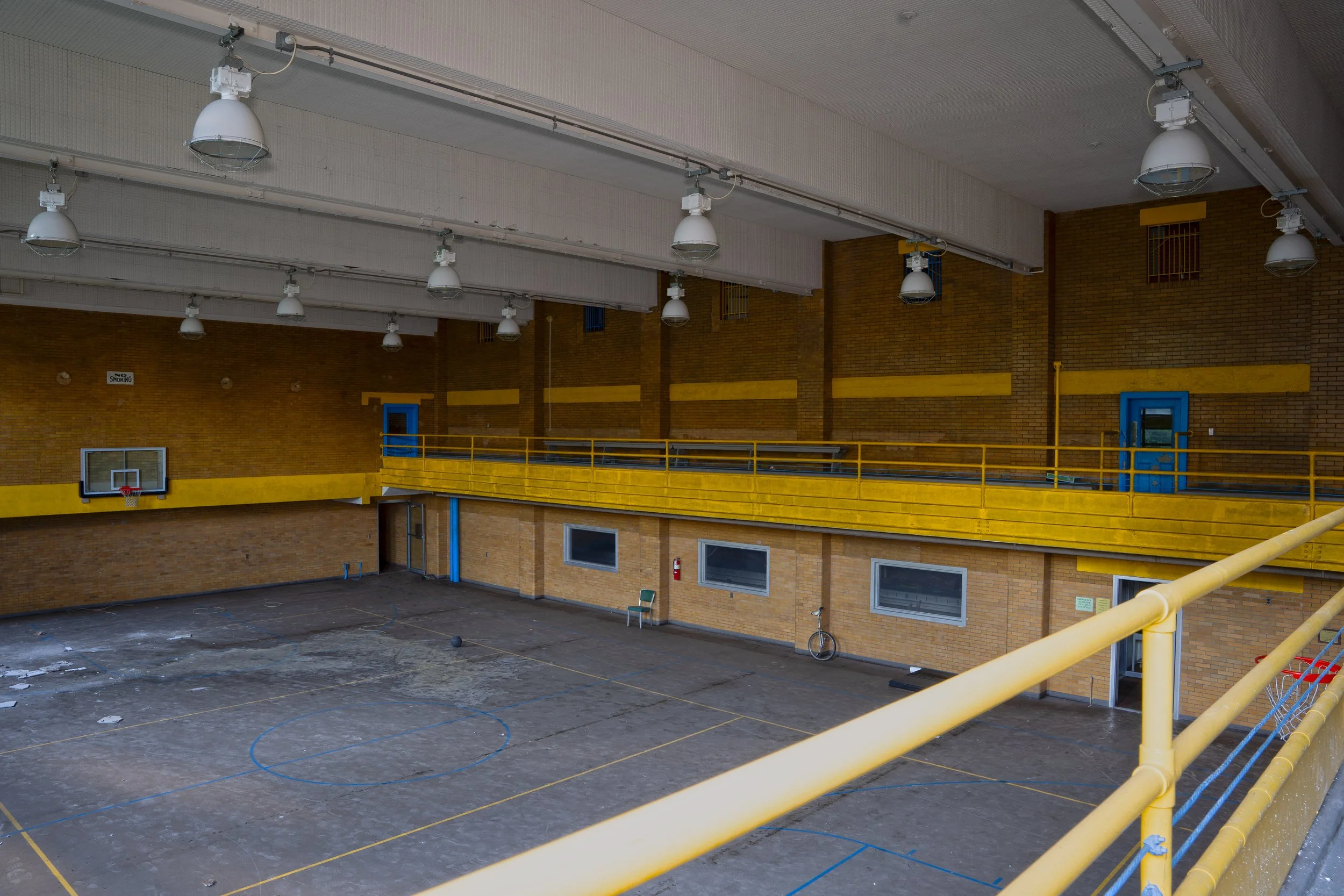
Gymnasium shot 7
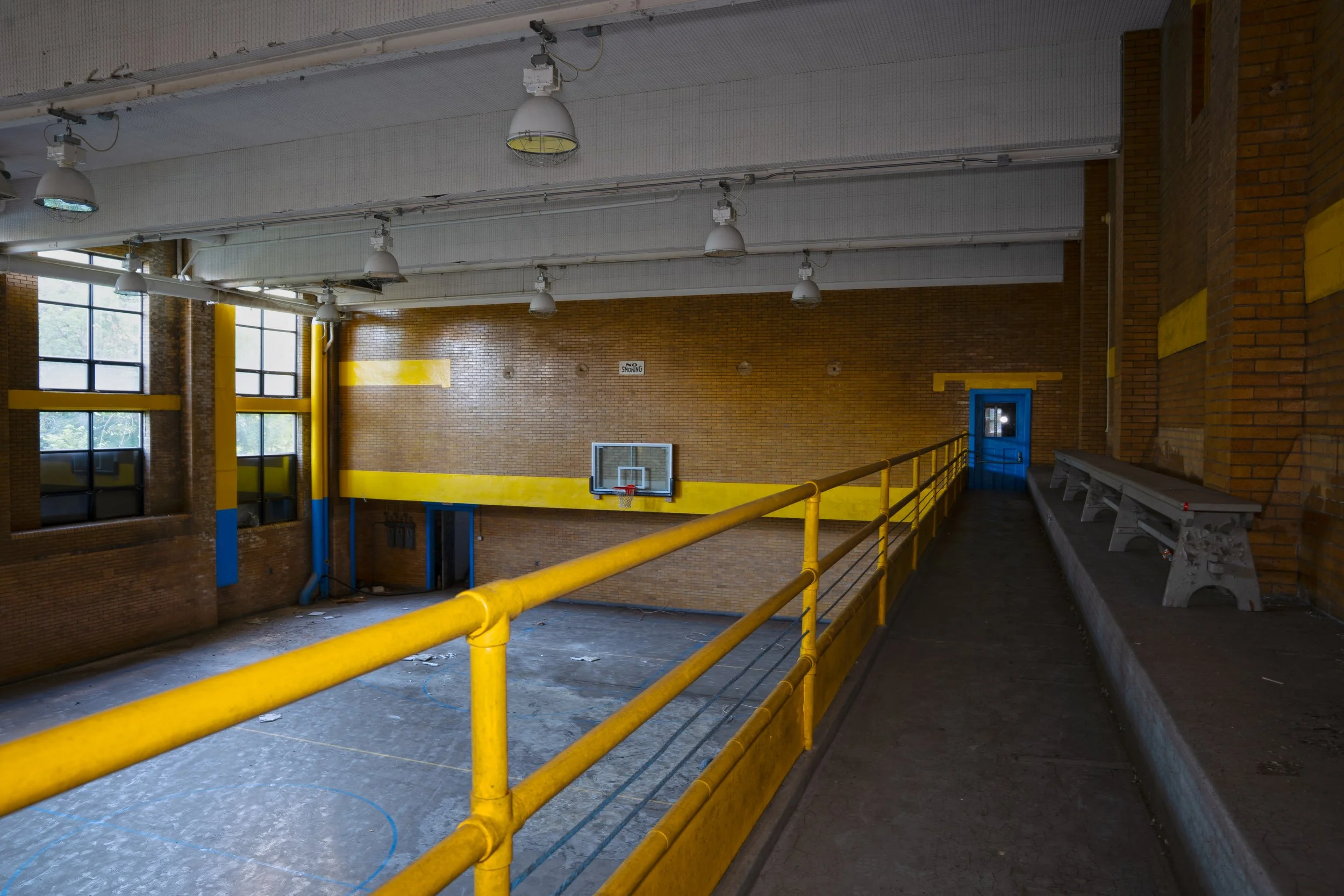
Gymnasium shot 8
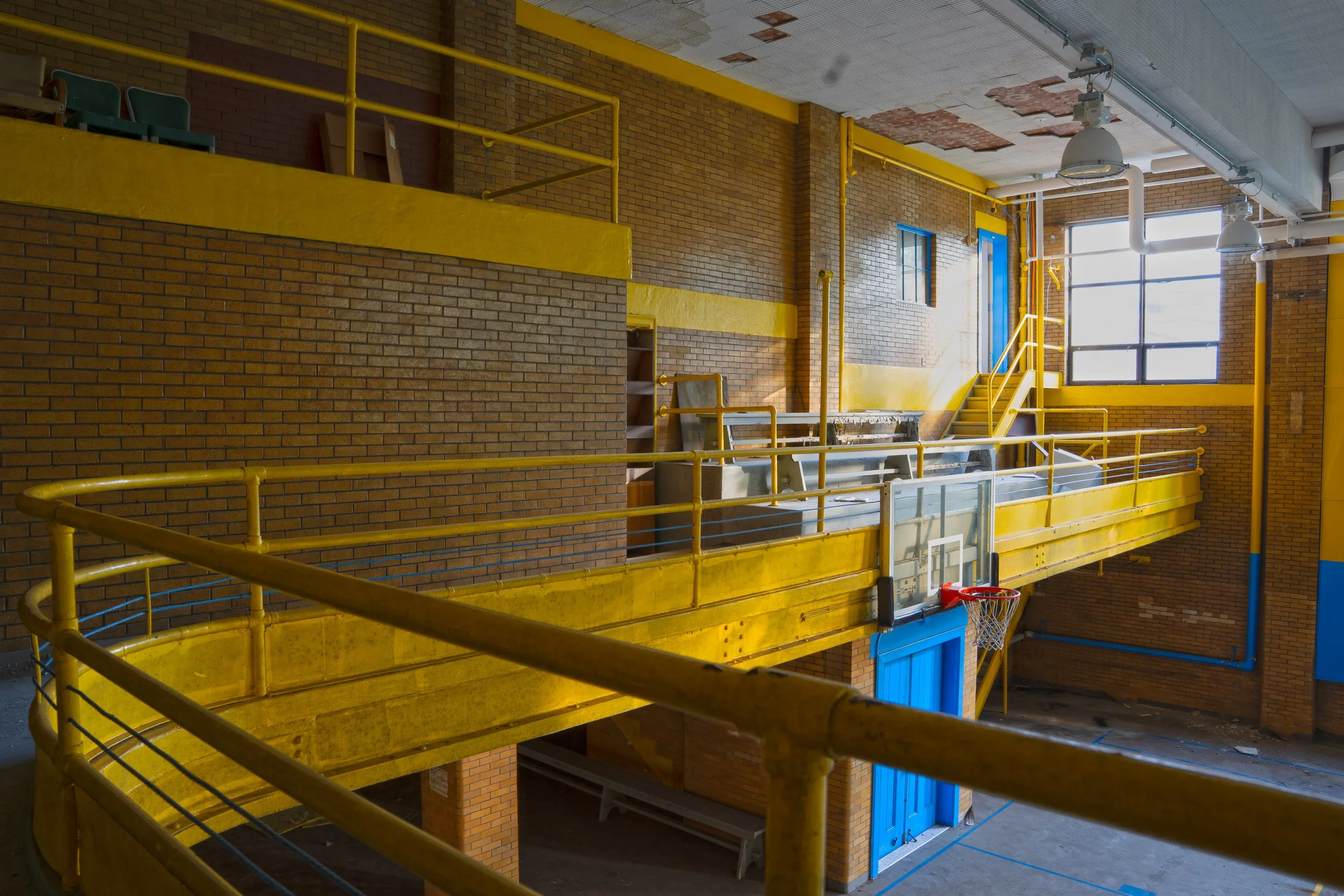
Gymnasium shot 9
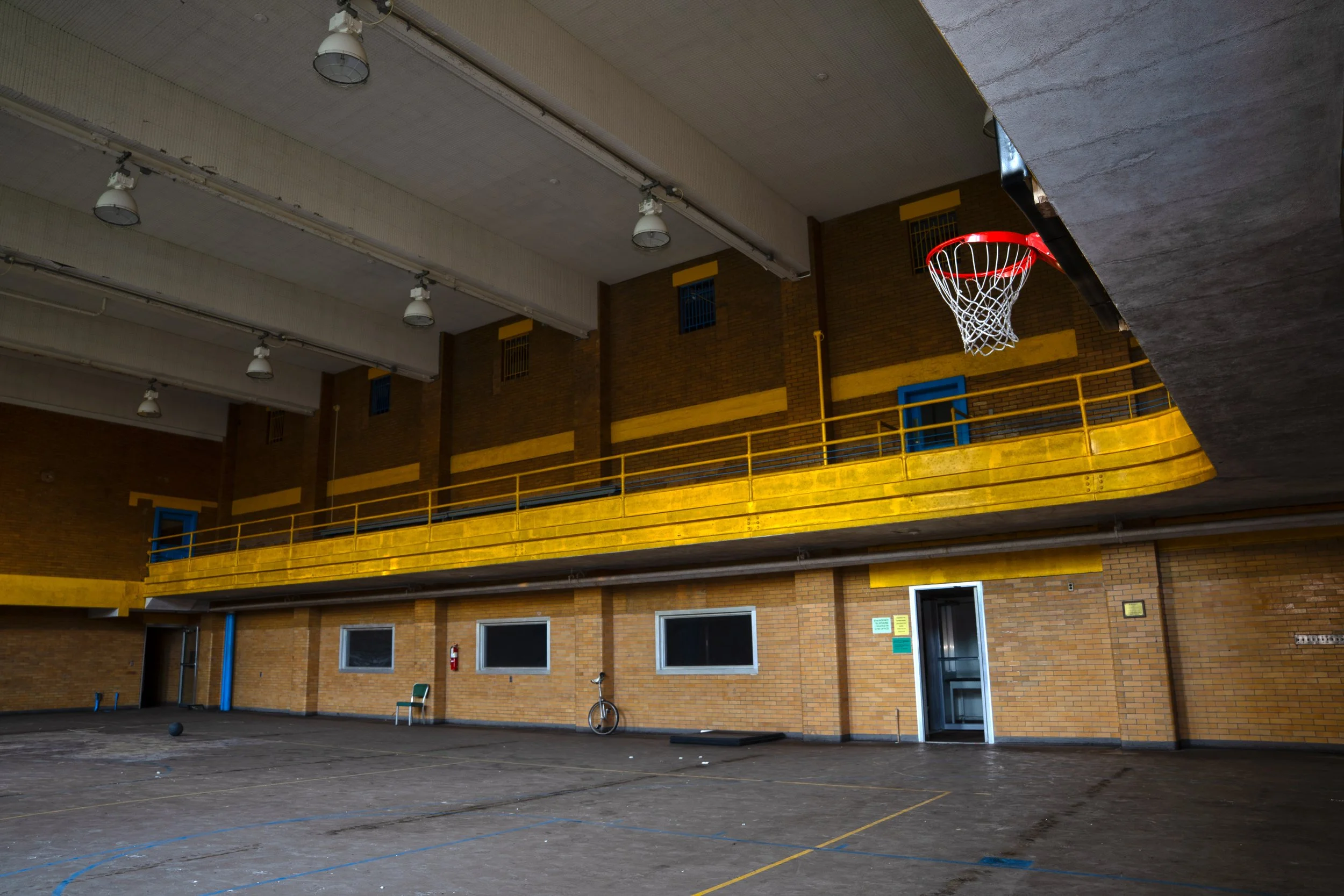
Gymnasium shot 10
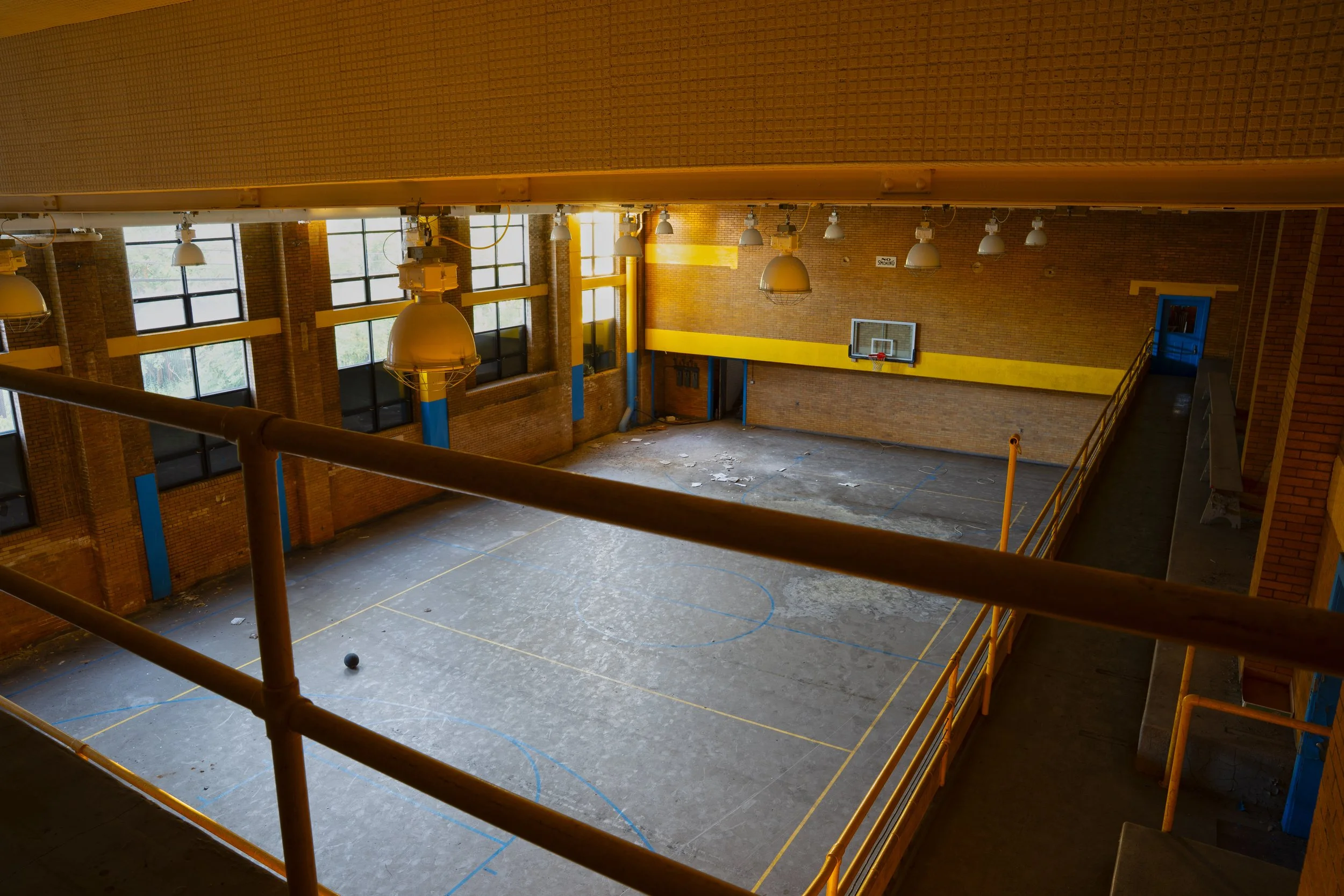
Gymnasium shot 11
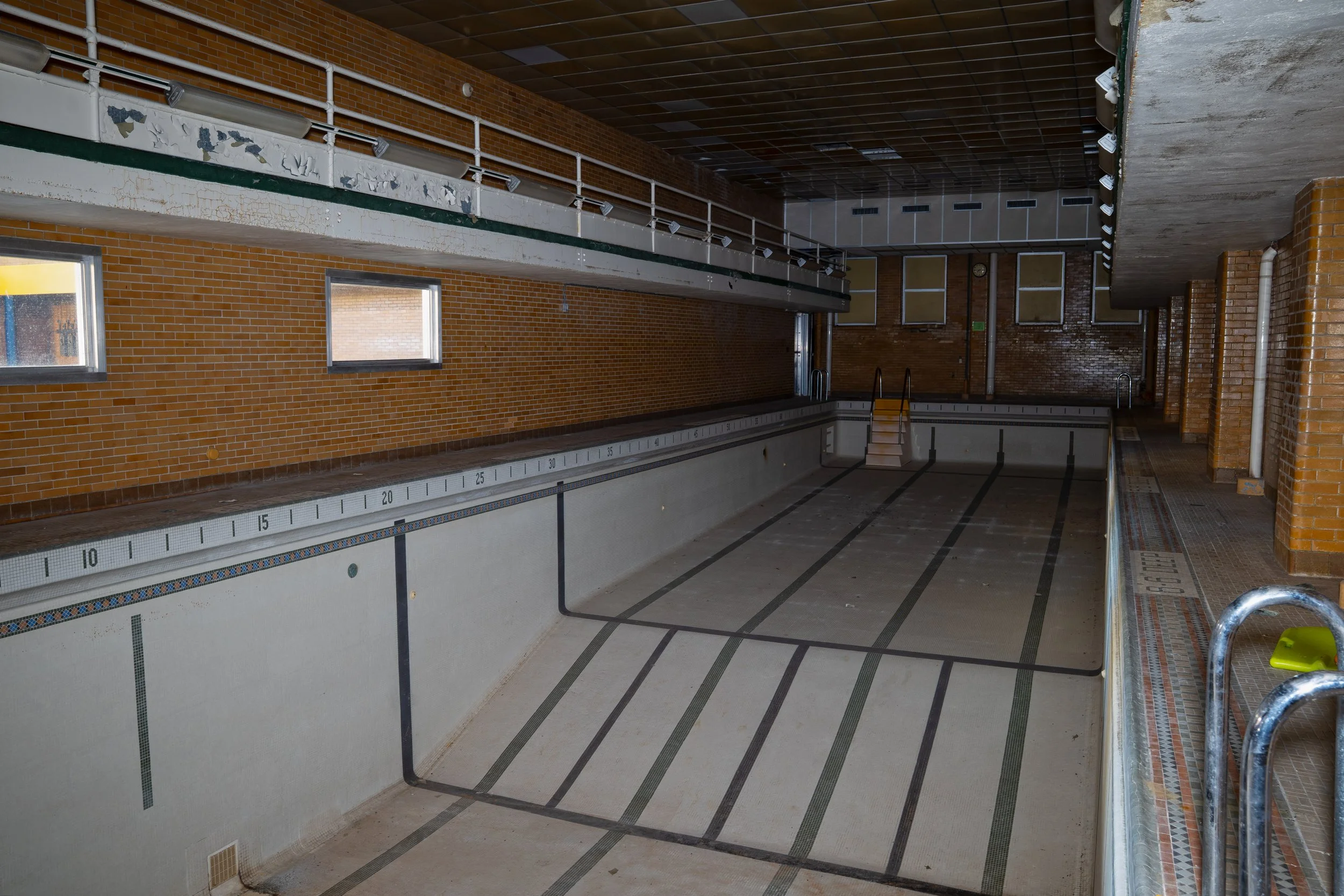
Pool section next to Gymnasium
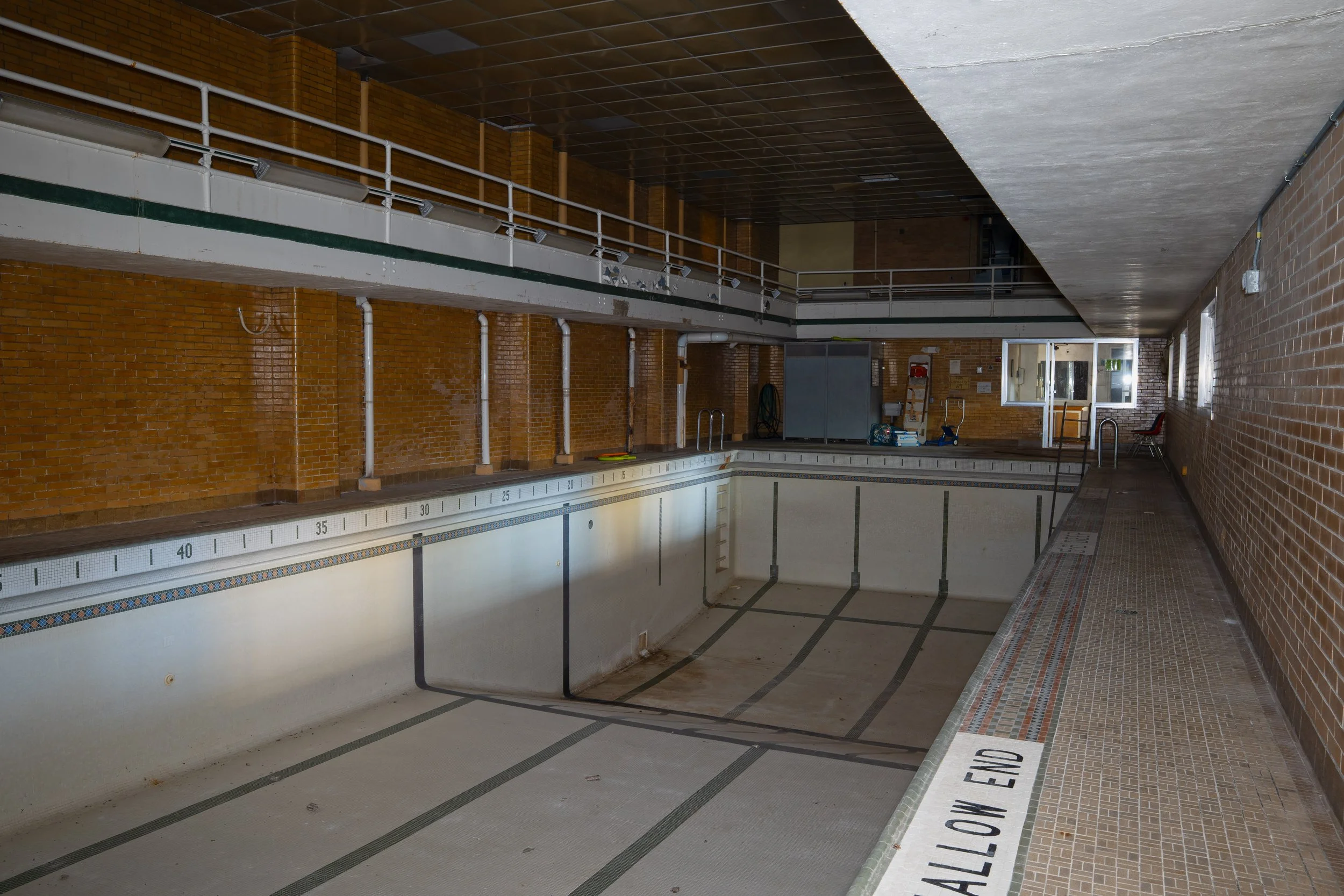
Pool shot 2
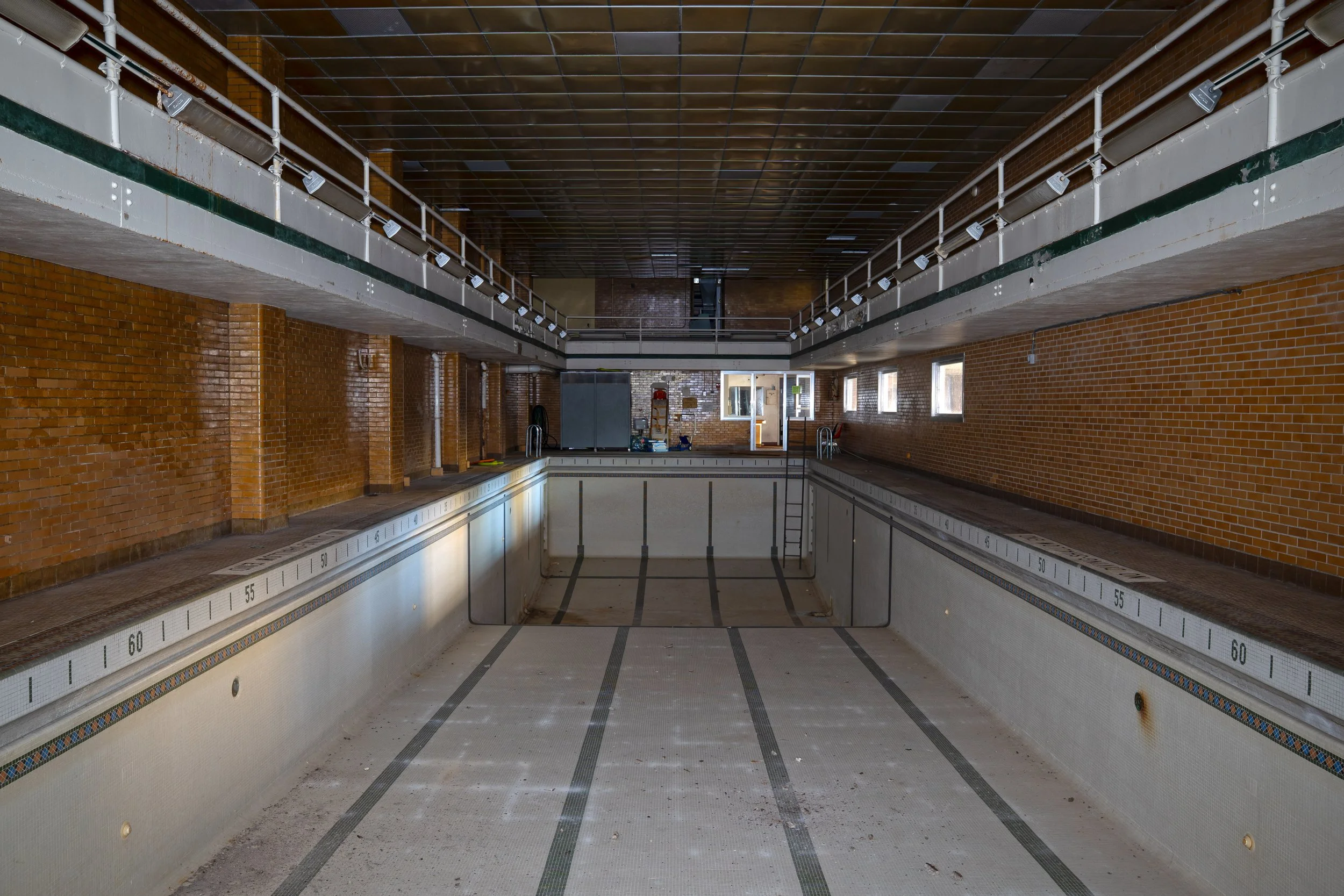
Pool shot 3
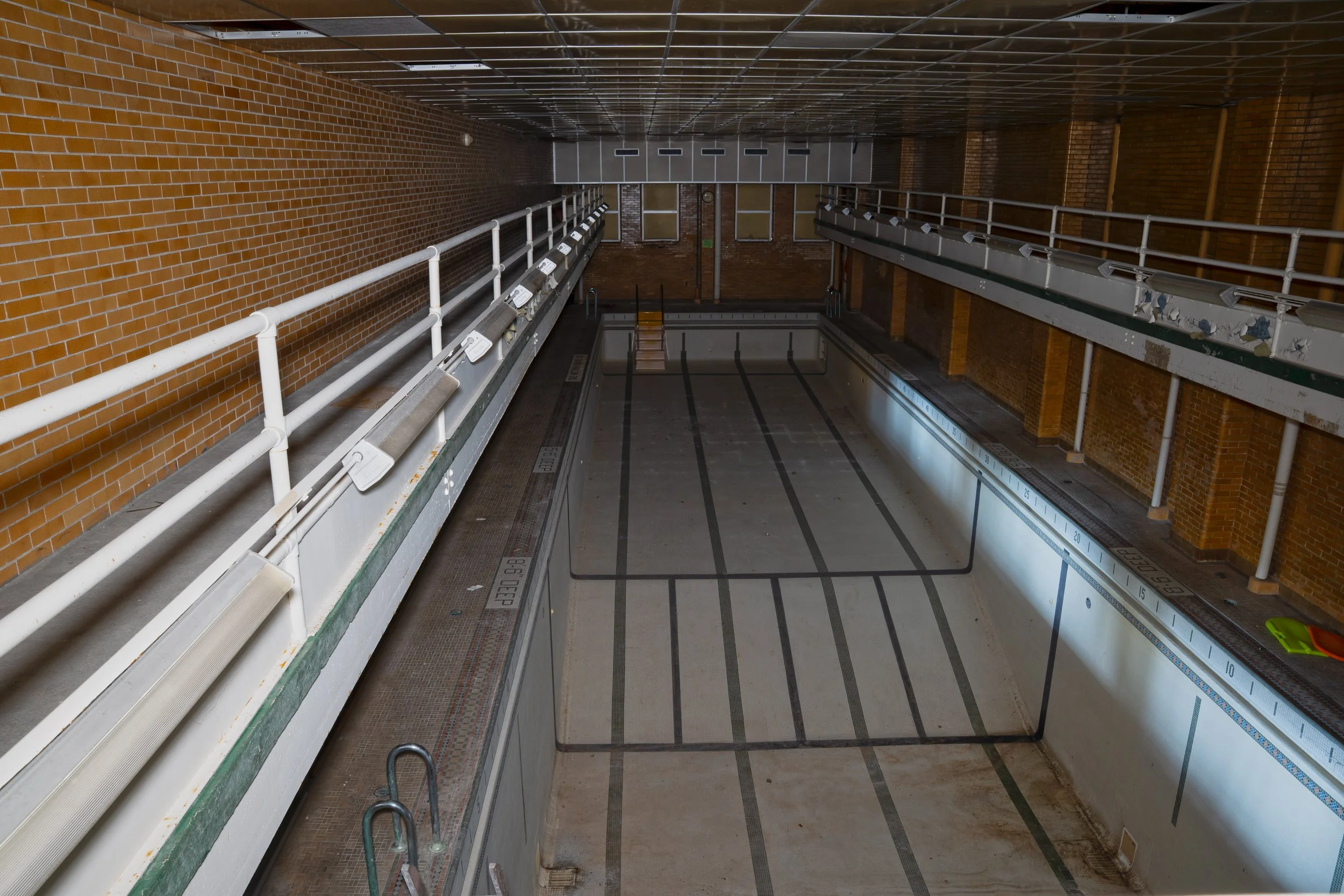
Pool shot 4 (Upper section of Pool)
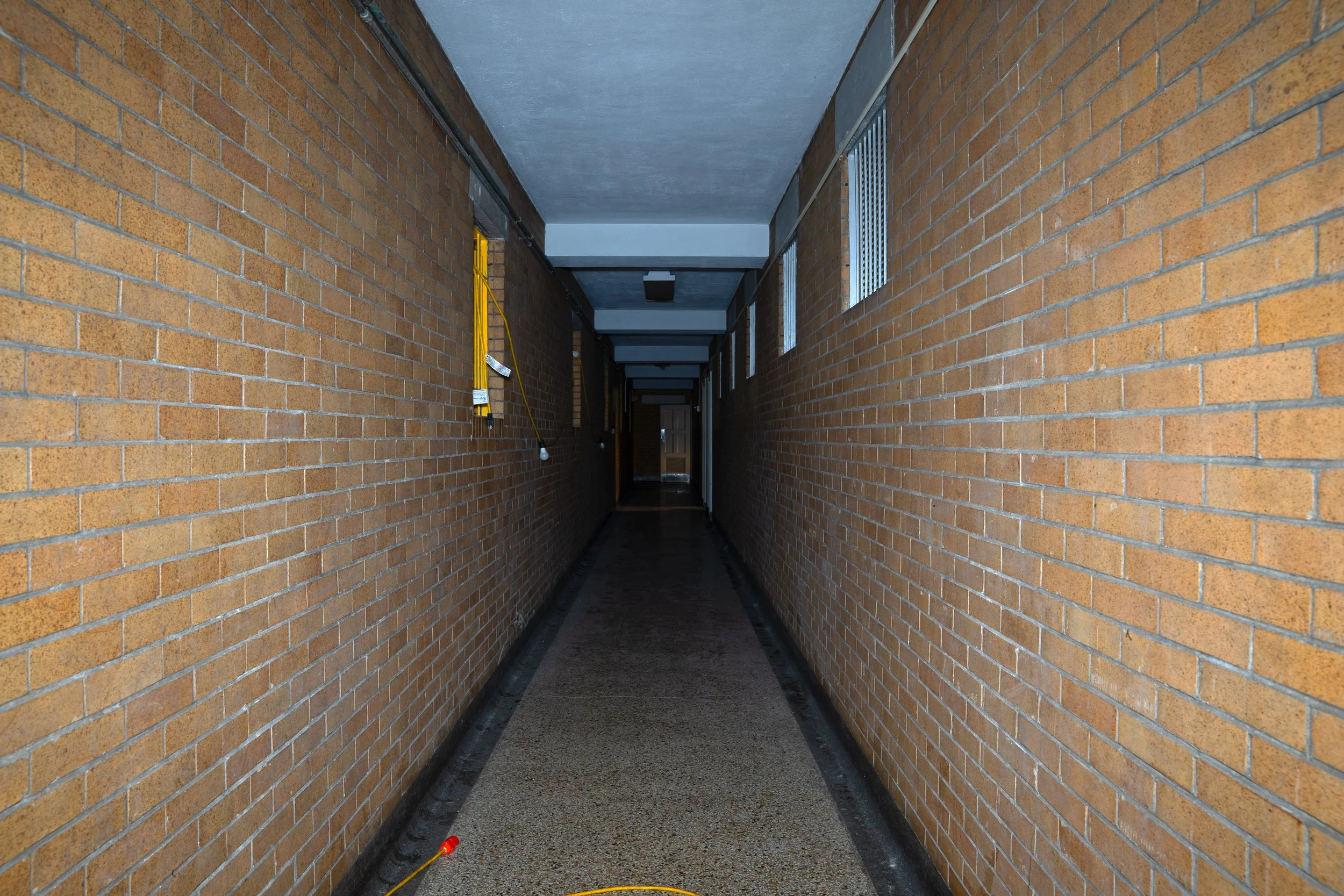
Gymnasium corridor on the 2nd floor
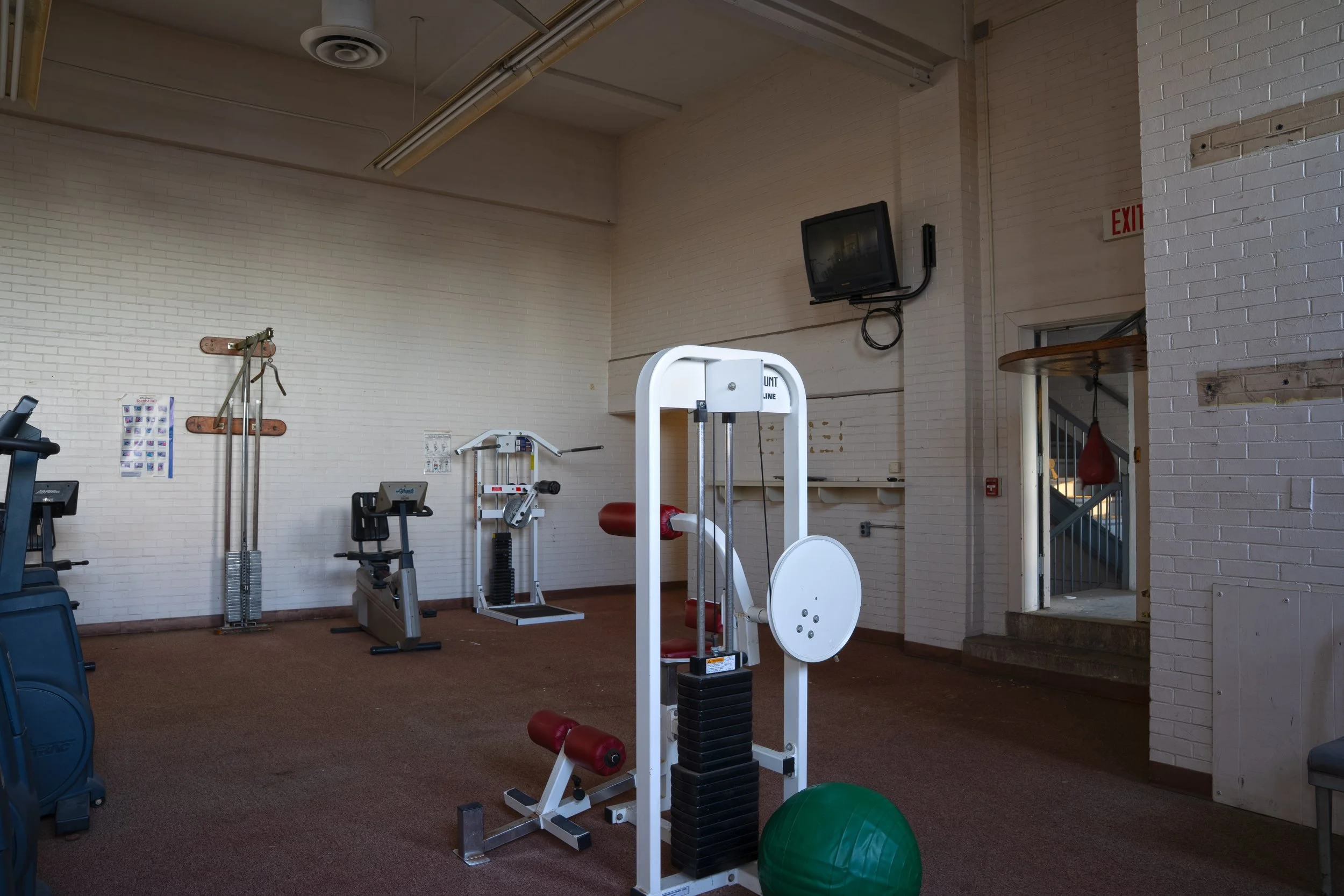
weight room at the end of the gymnasium corridor on the 2nd floor shot 1
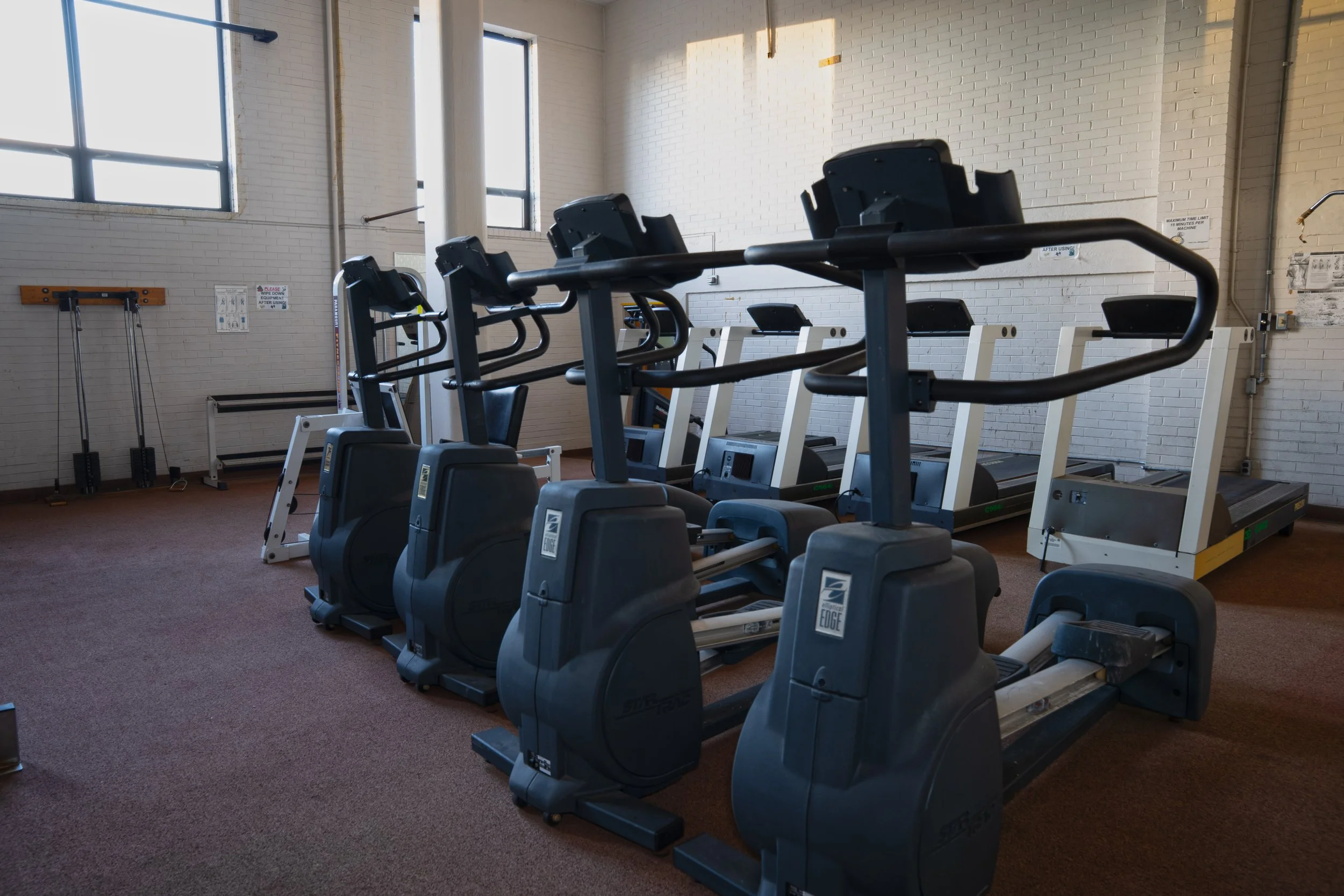
weight room at the end of the gymnasium corridor on the 2nd floor shot 2
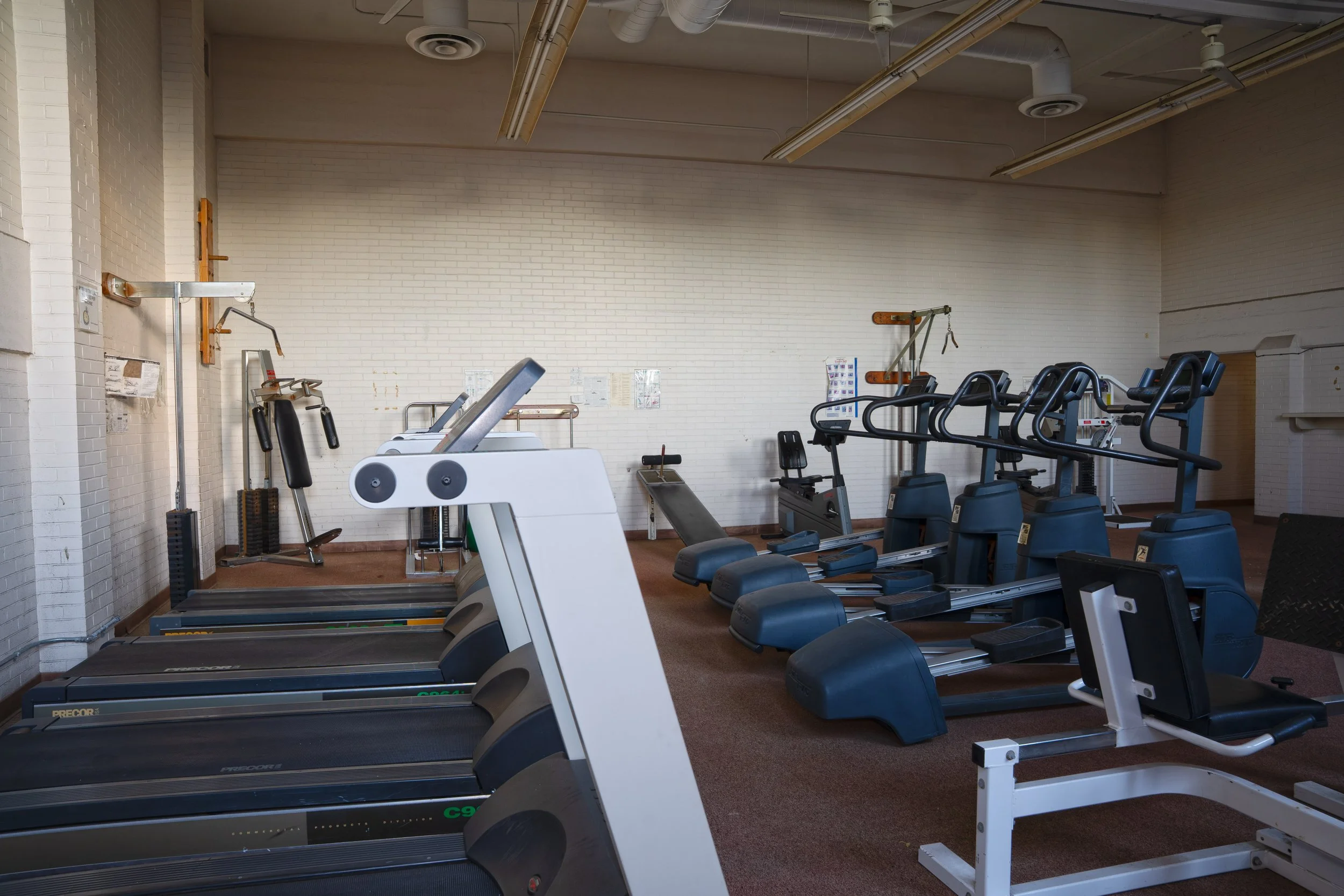
weight room at the end of the gymnasium corridor on the 2nd floor shot 3
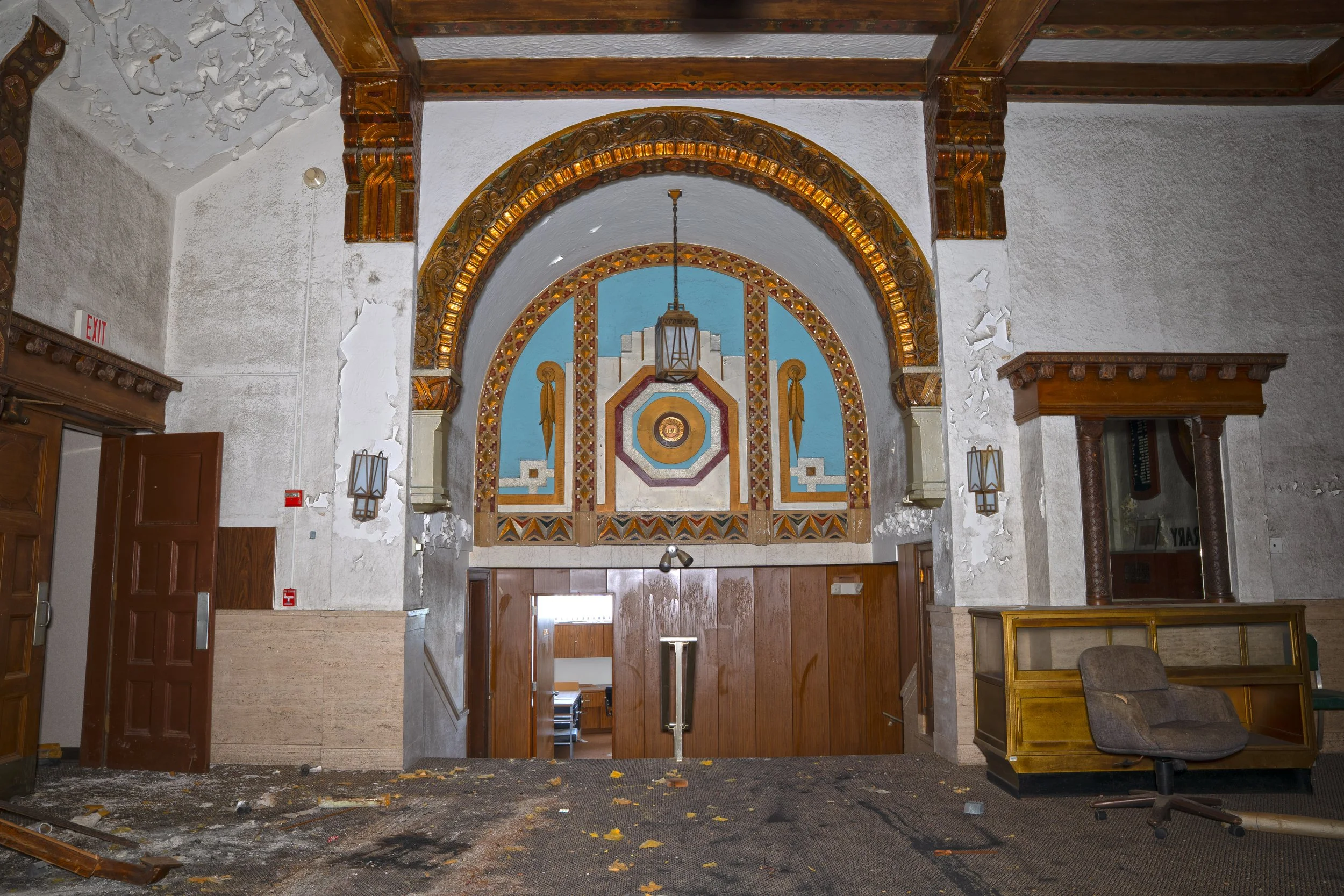
The library retains all of its beauty from its 1928 origins
Library shot 2
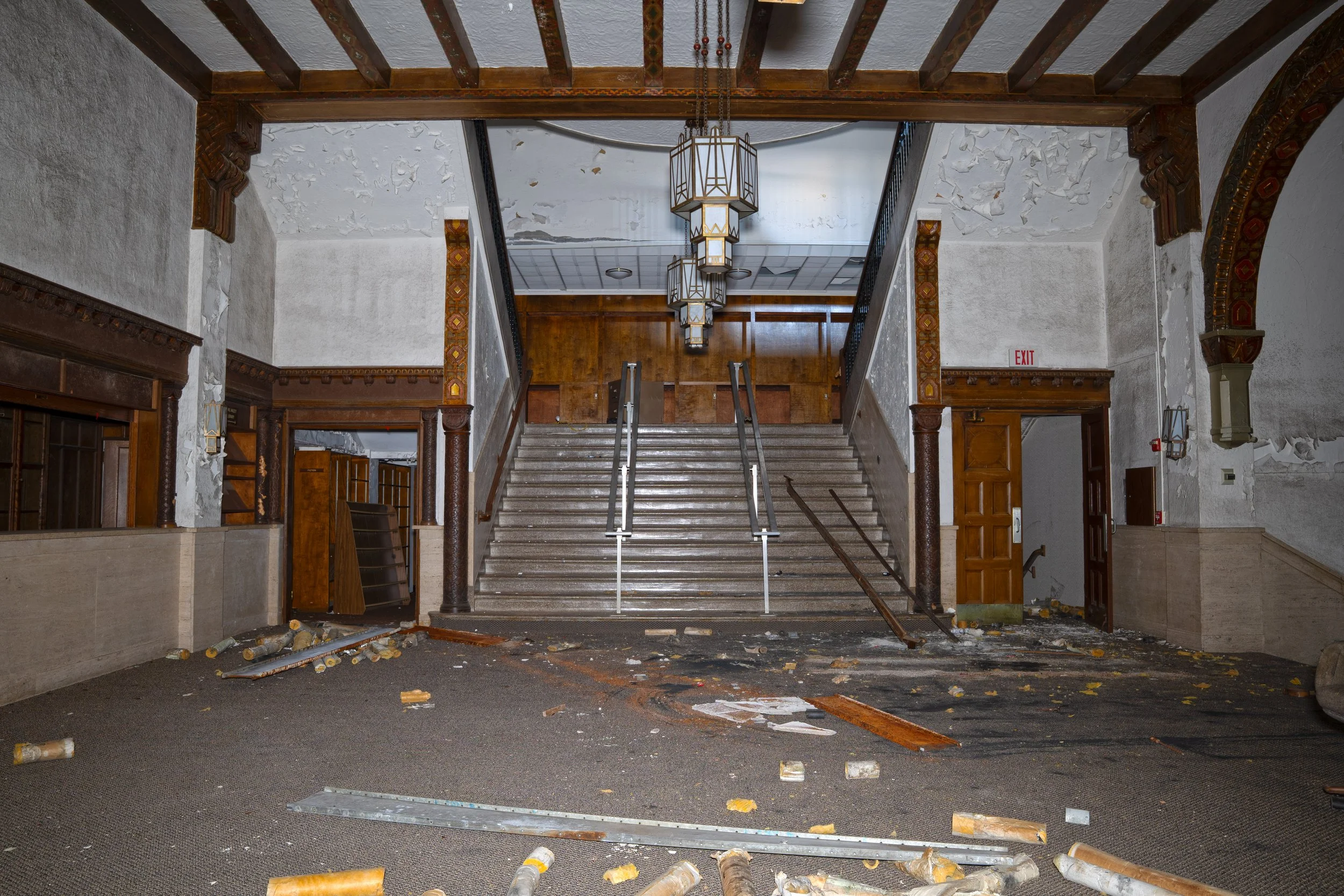
Library shot 3
Library shot 4
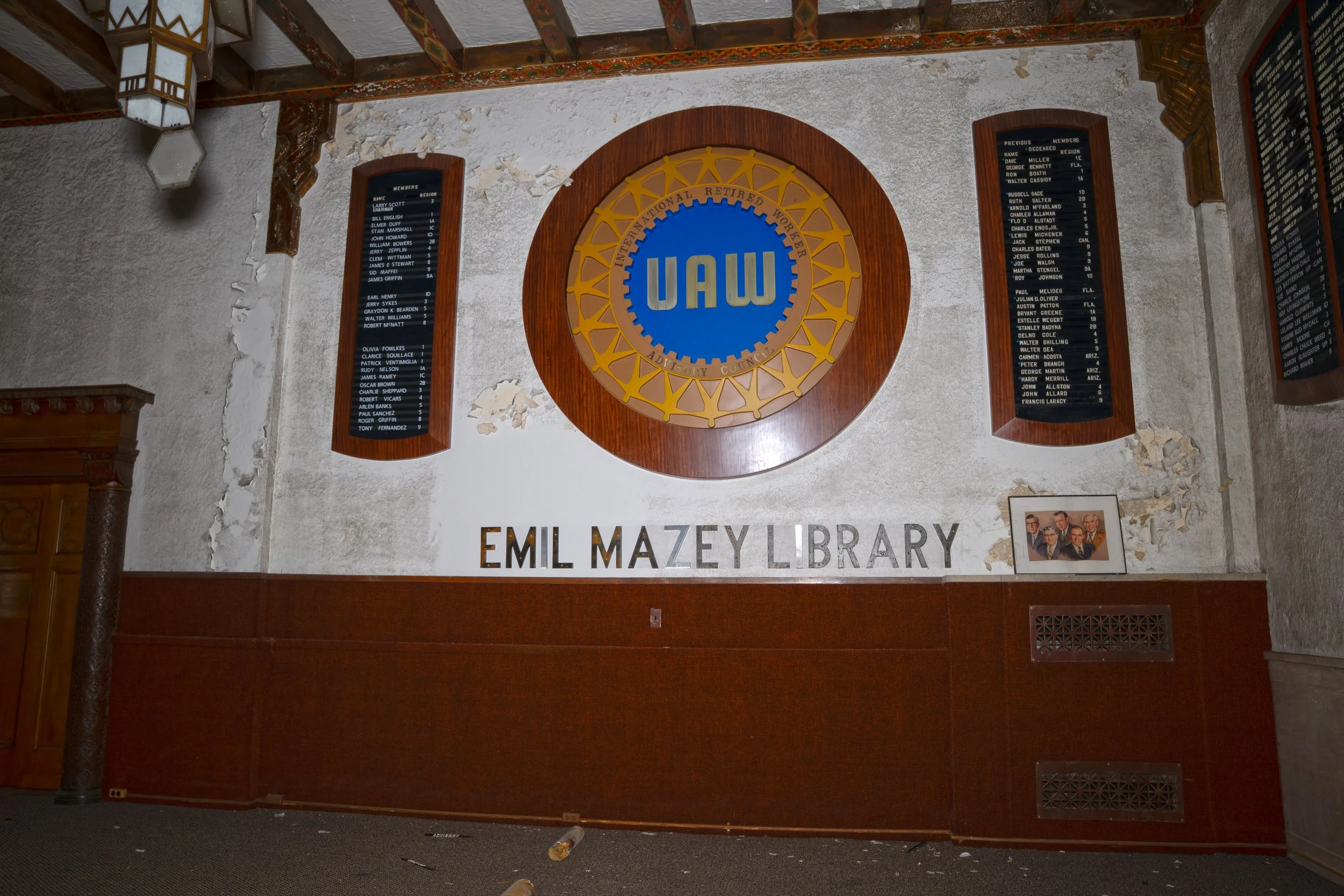
Library shot 5
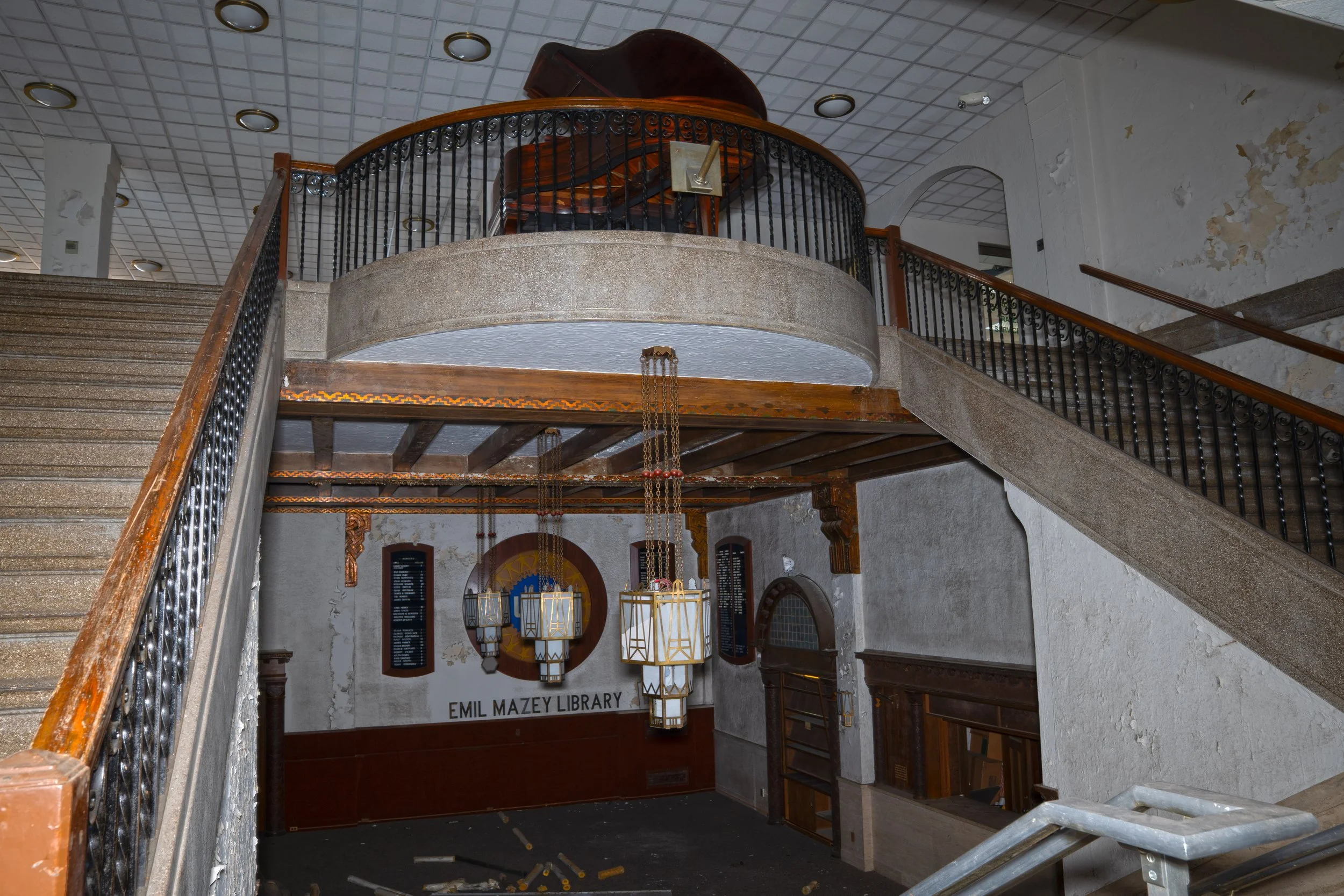
Library shot 6
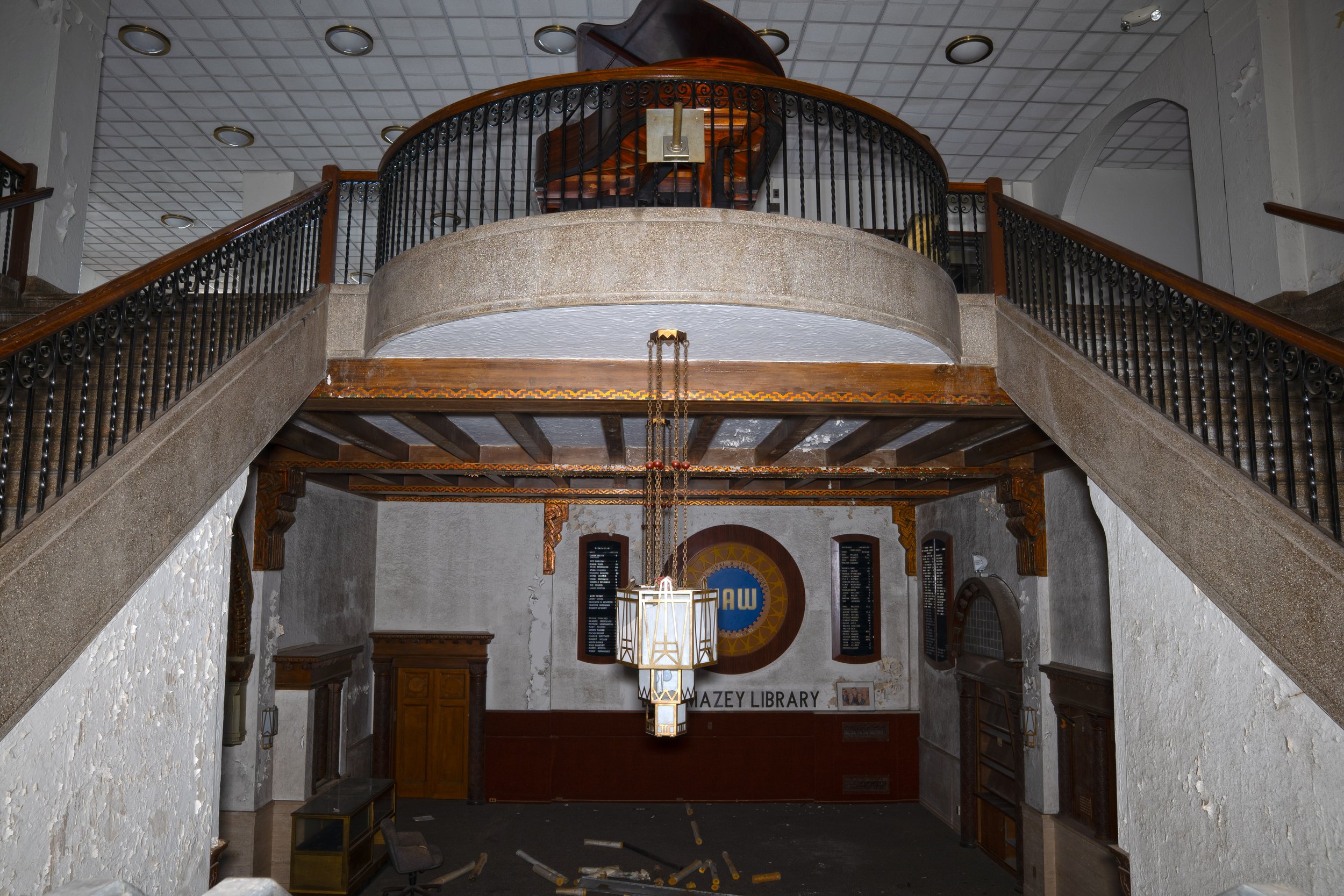
Library shot 7
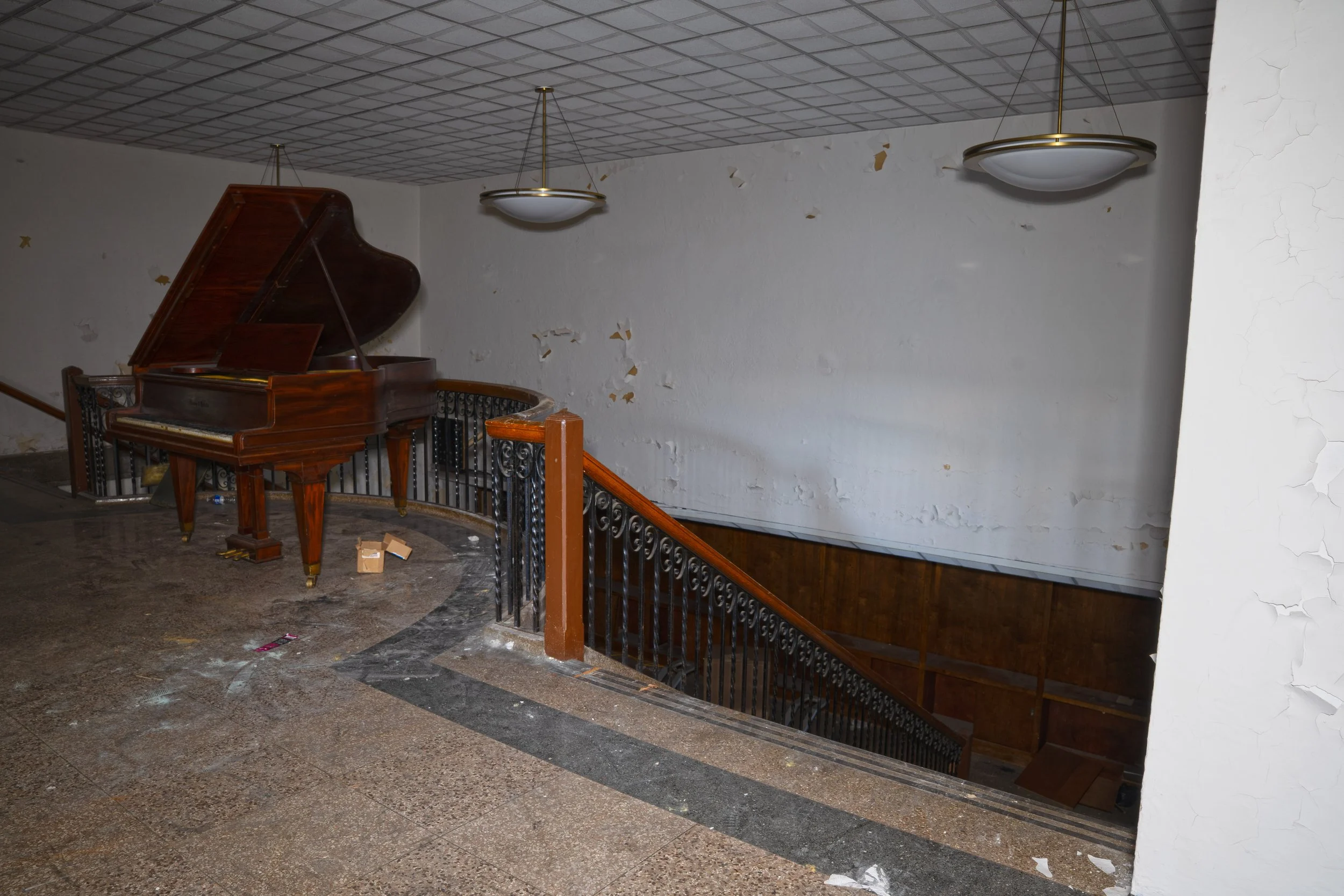
Floor directly above library (Note the piano still intact)
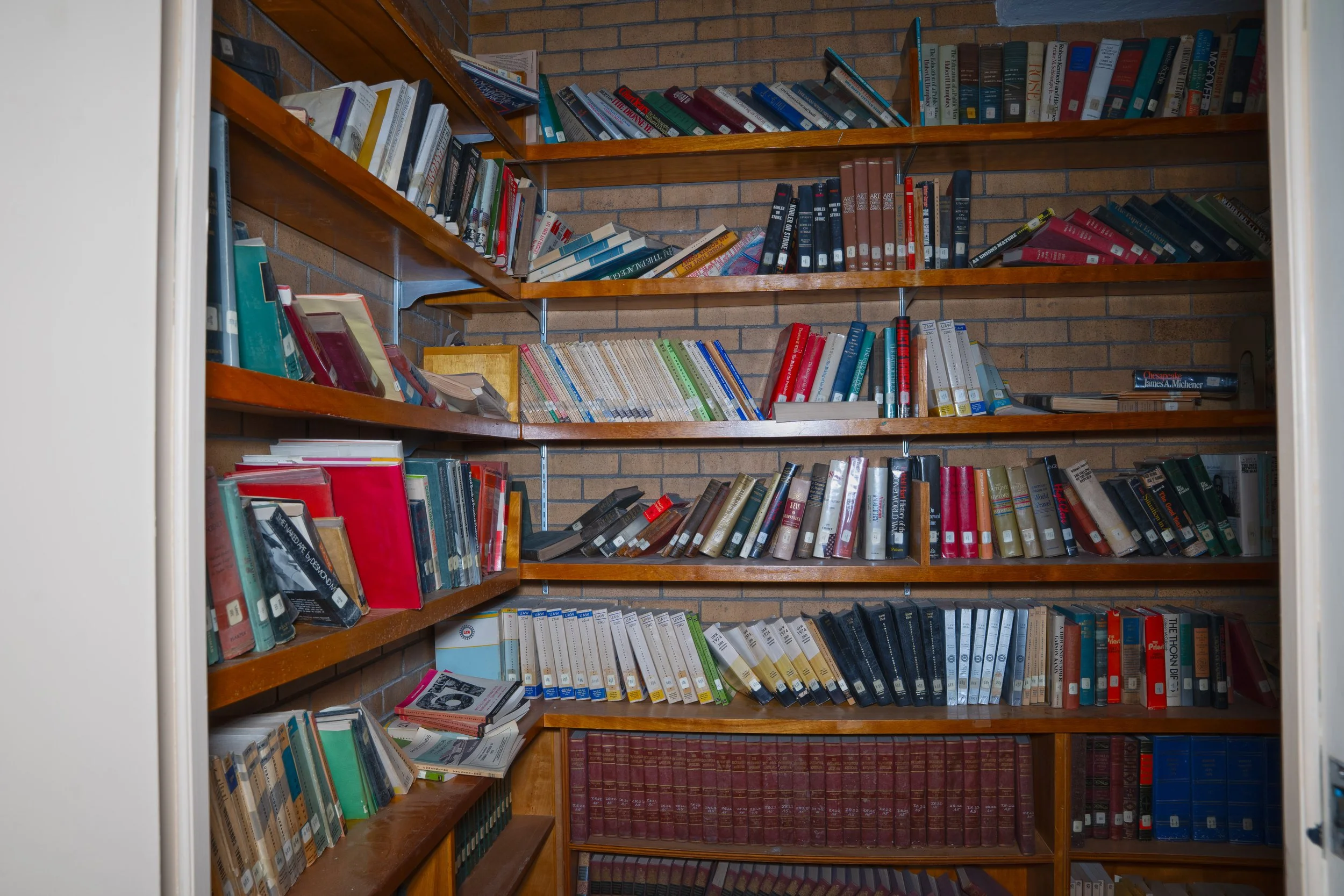
Library shot 7 (Side section to library)
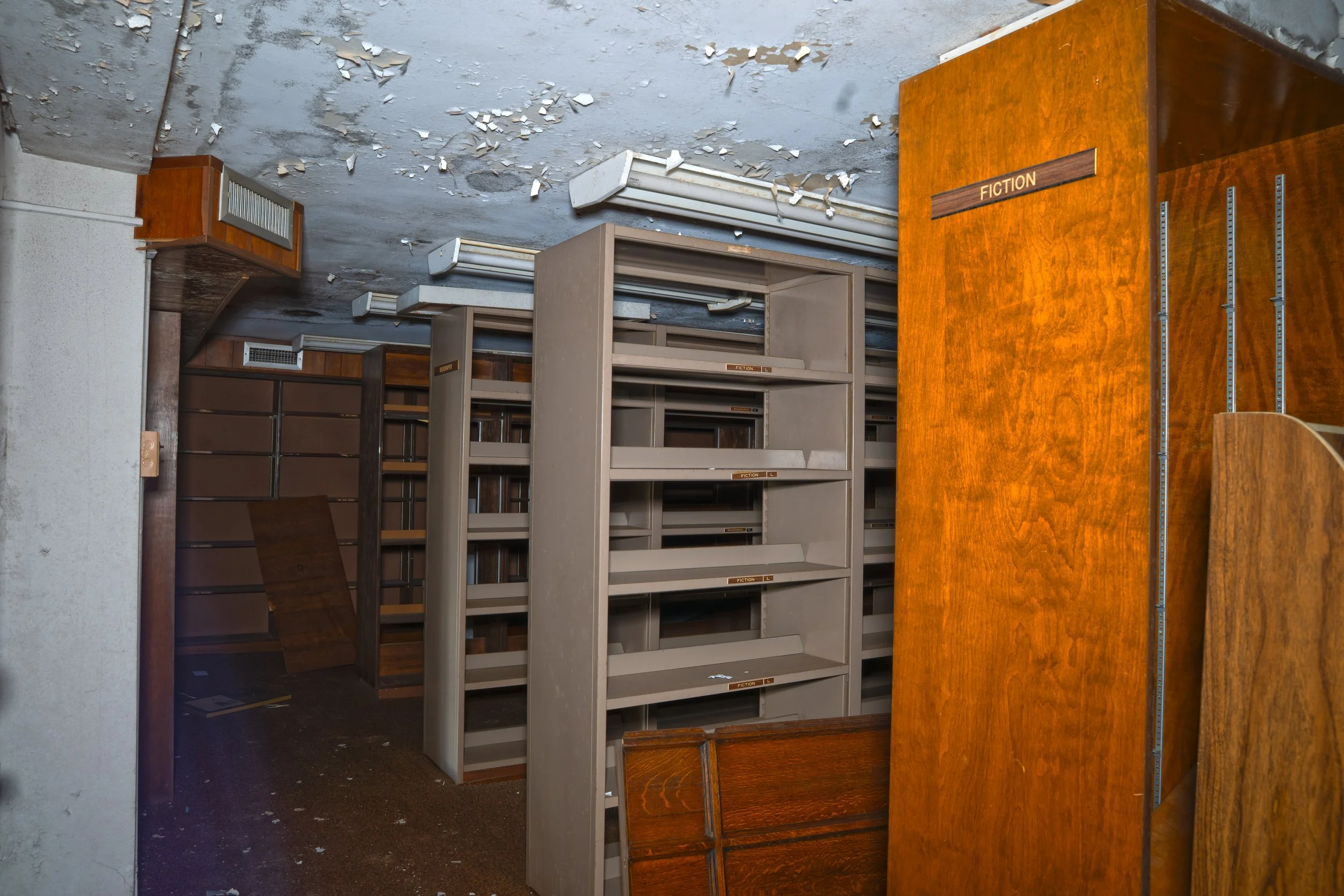
Library shot 8 (Side section to library connected to upper section of gymnasium)
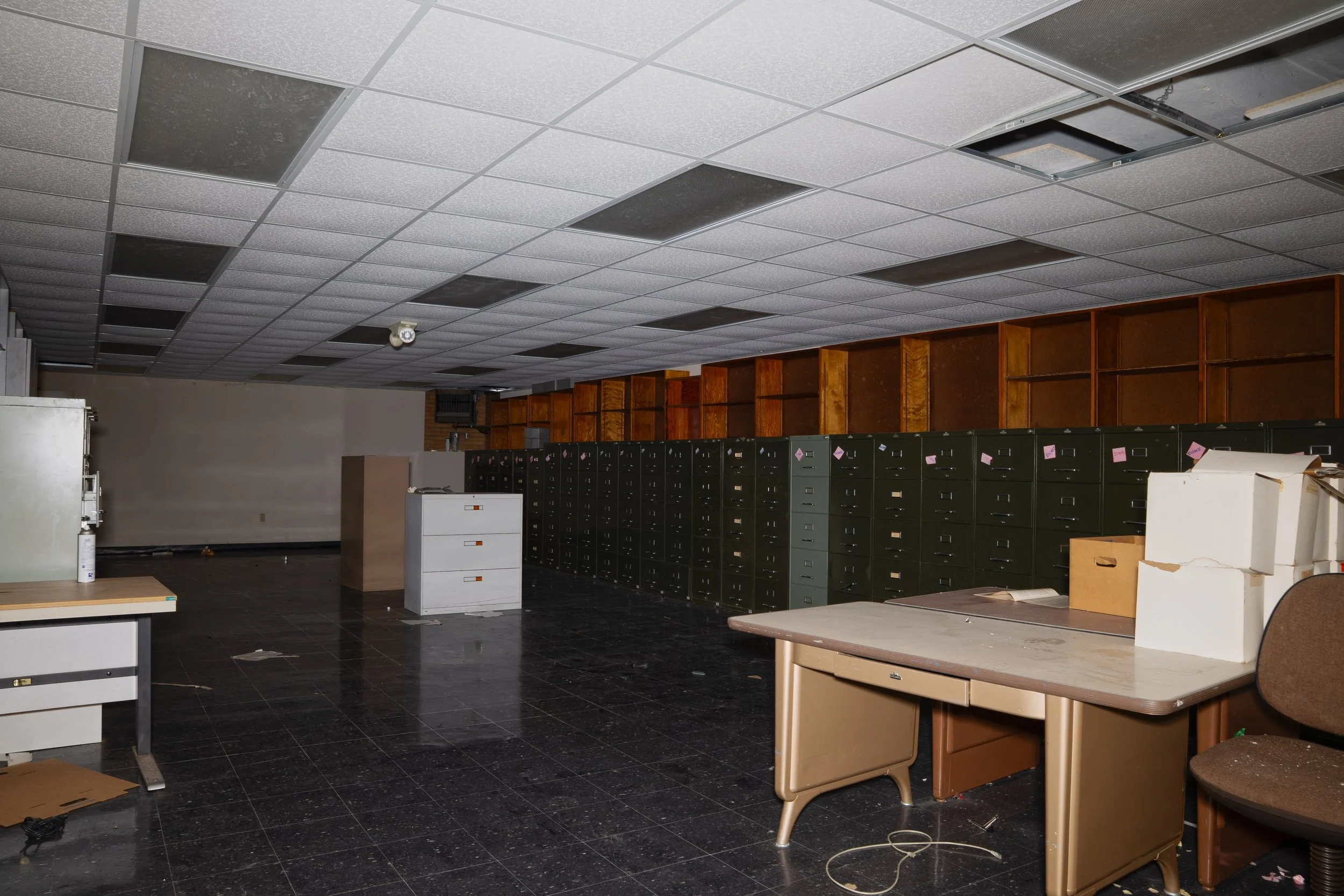
Likely a file storage room next to the gymnasium corridor on the 2nd floor
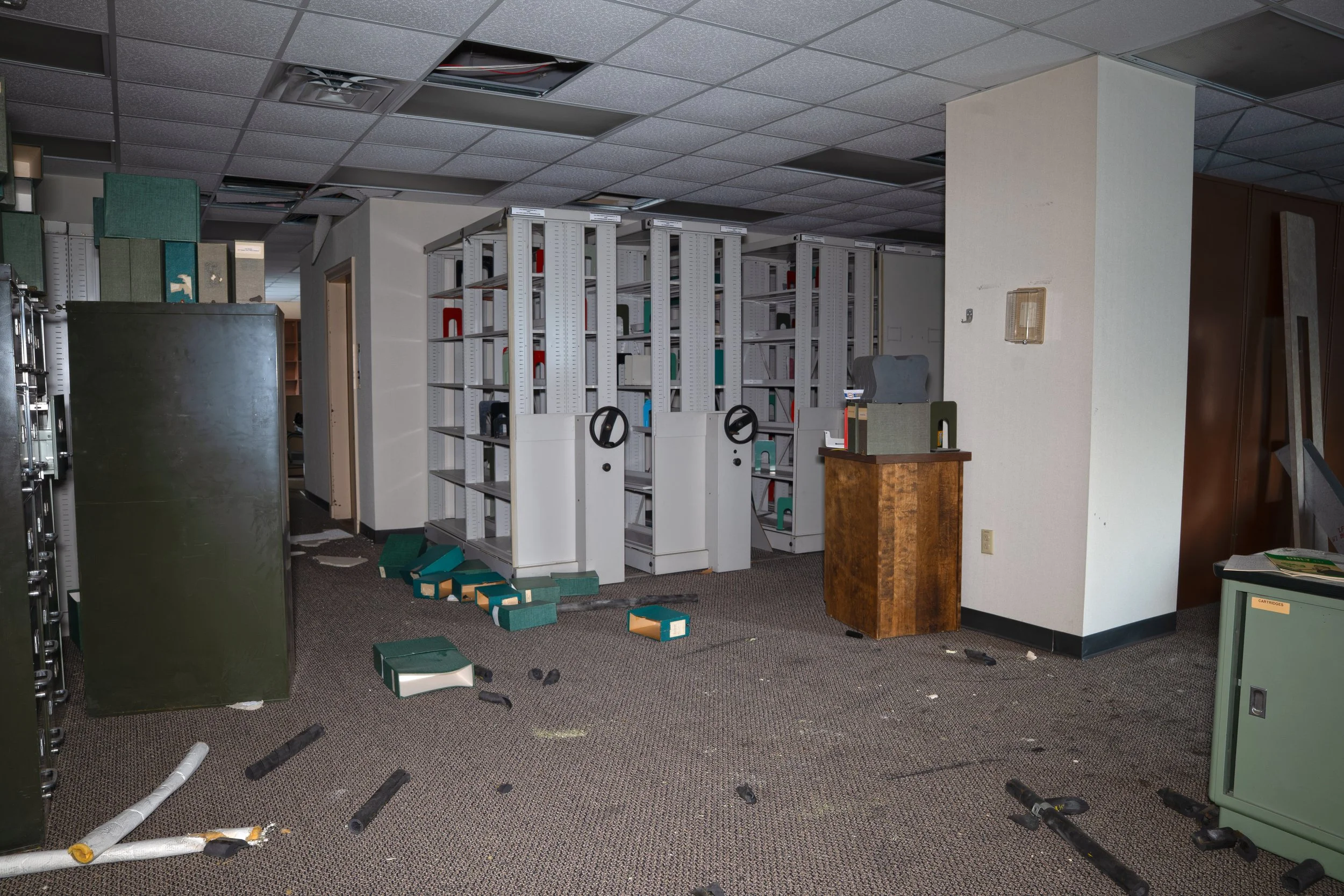
Storage room nearby to the gymnasium and library on 2nd floor
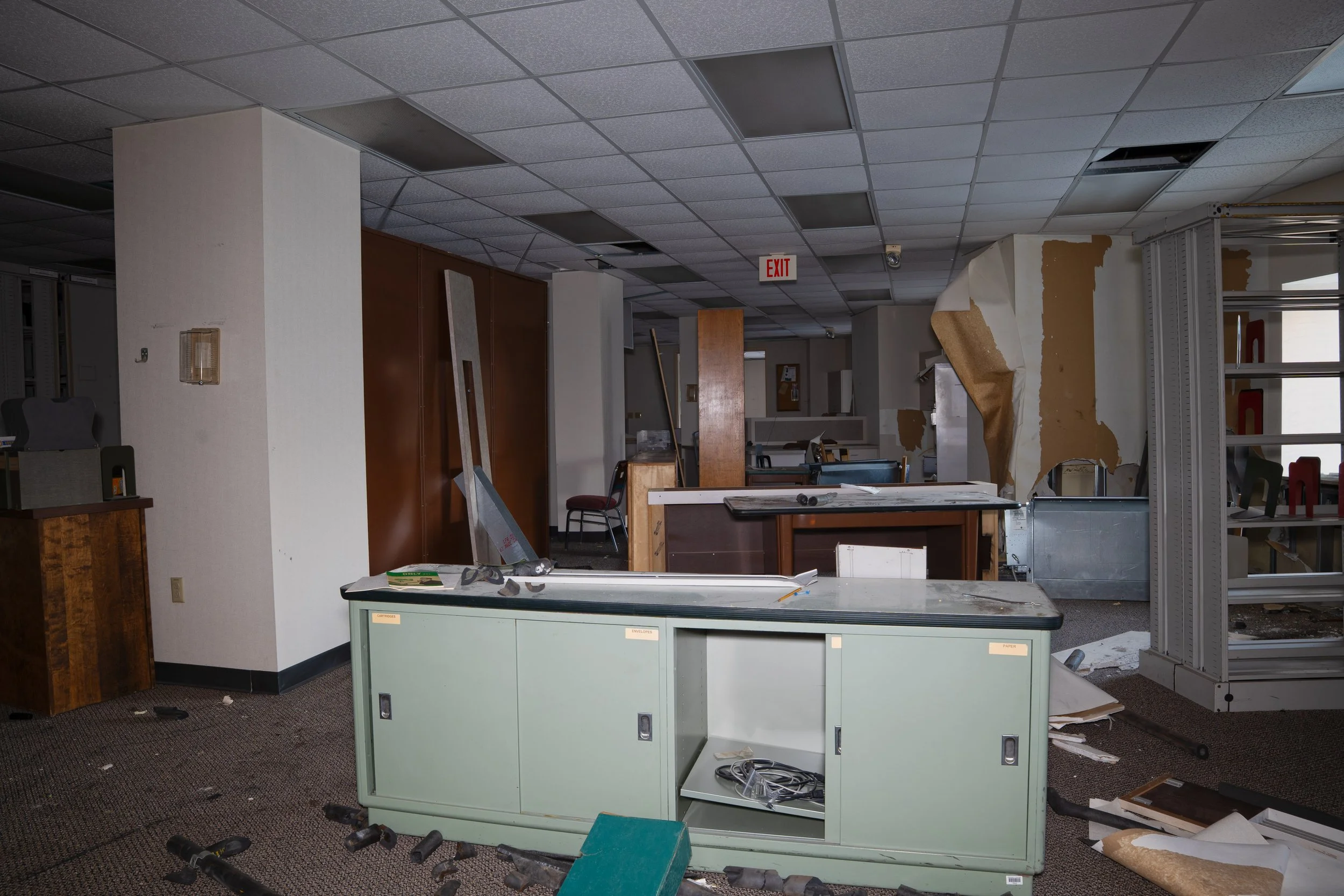
That same room
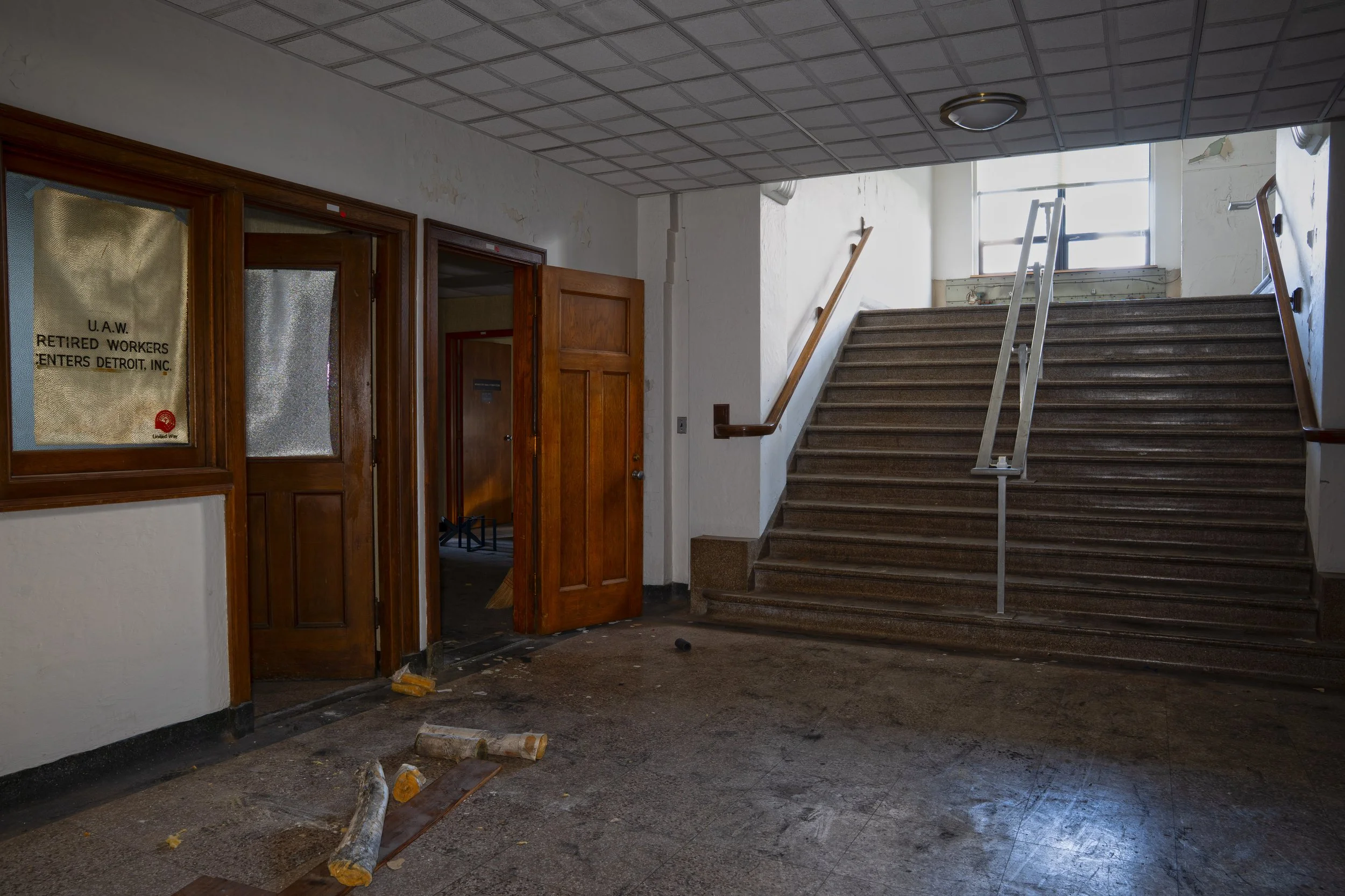
Staircase leading to 3rd floor office spaces
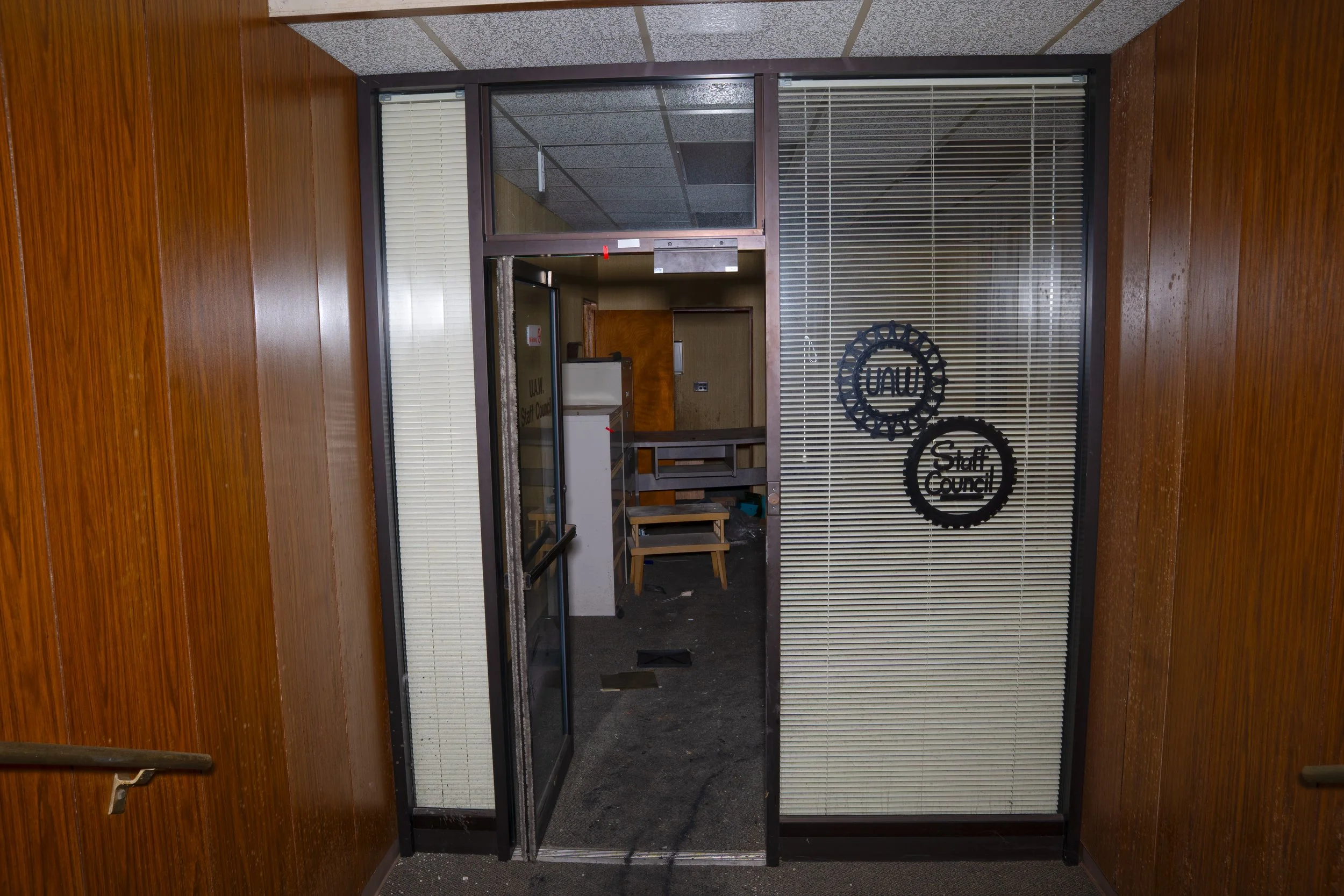
Office spaces next to library on 1st floor shot 1
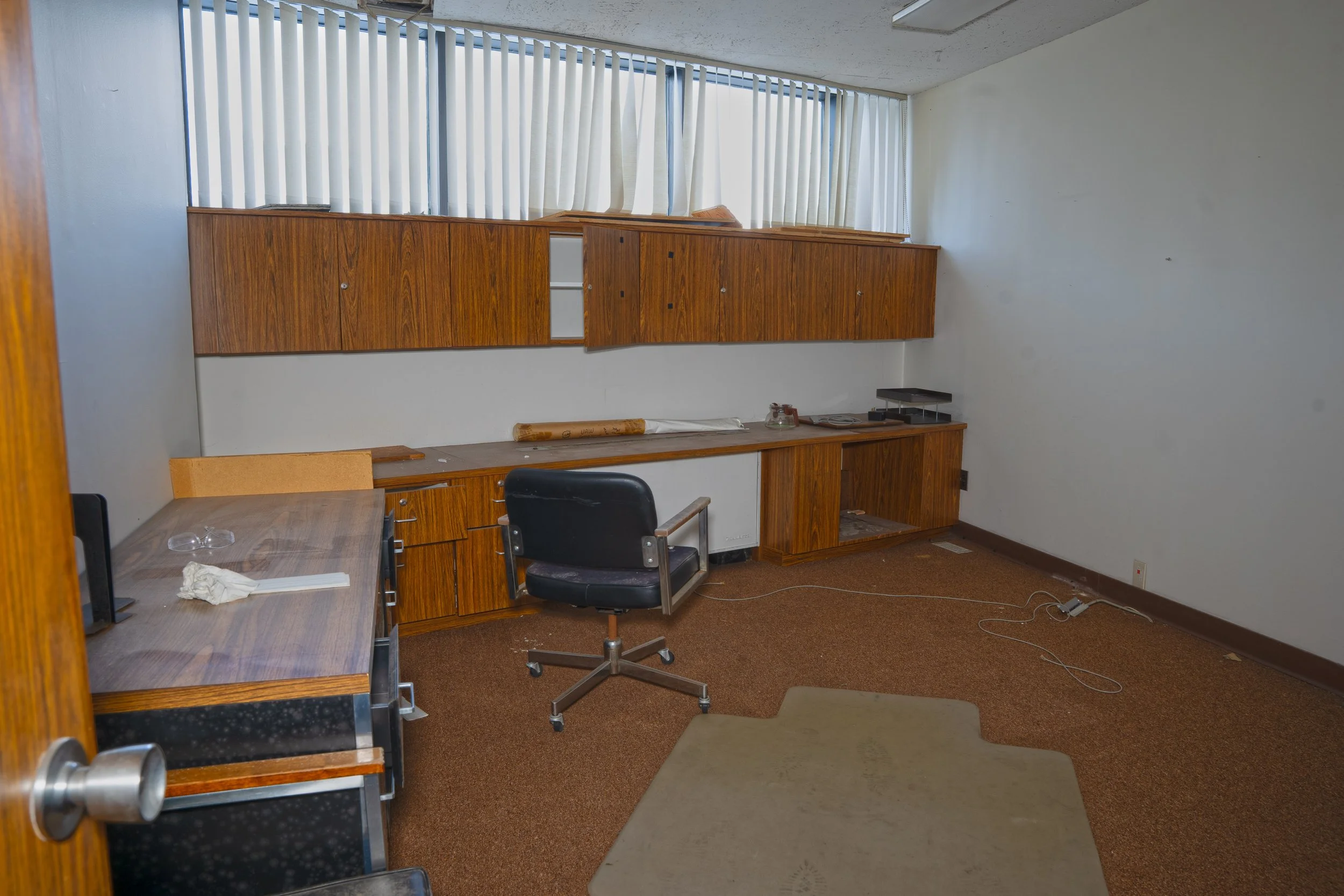
Office spaces next to library on 1st floor shot 2
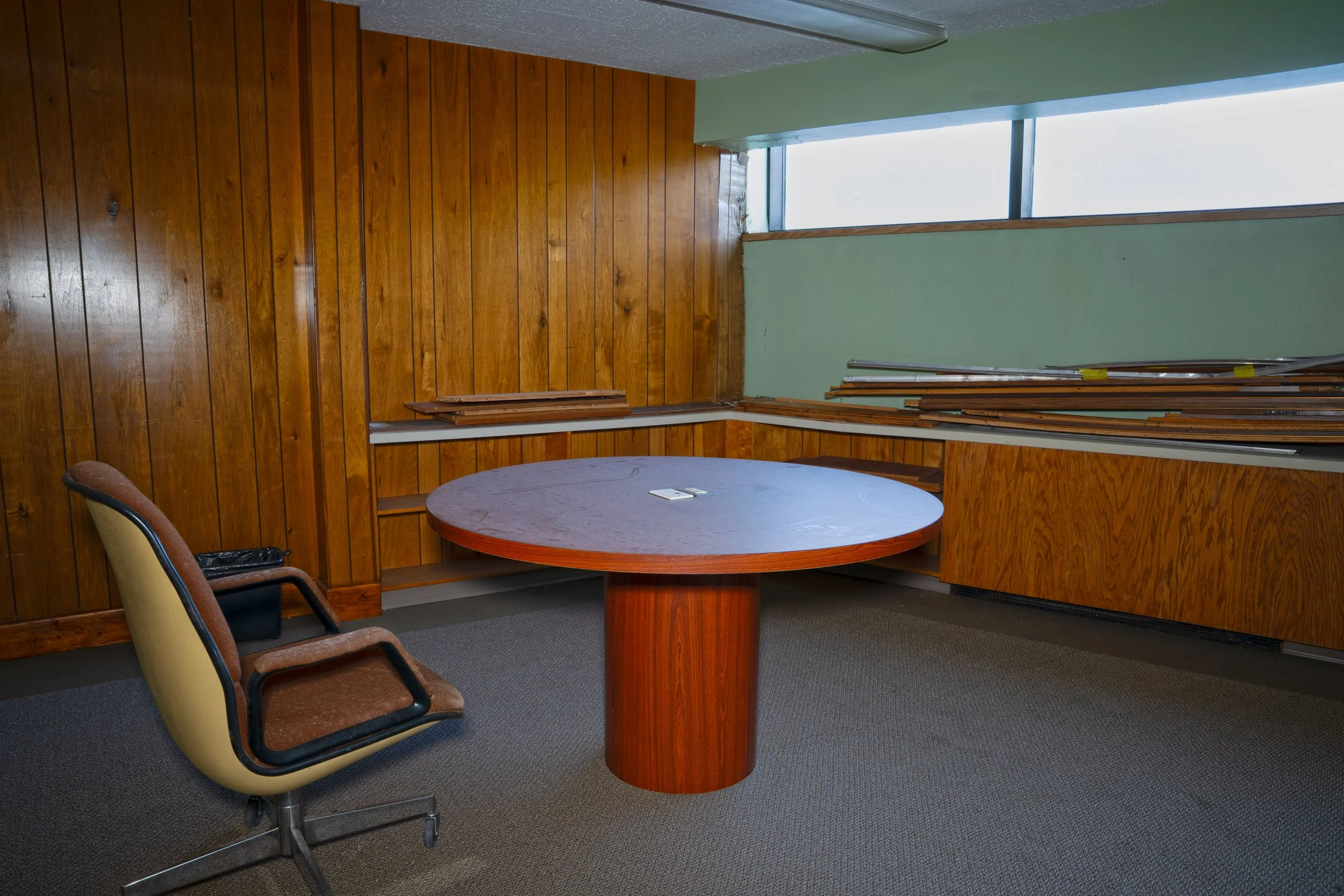
Office spaces next to library on 1st floor shot 3
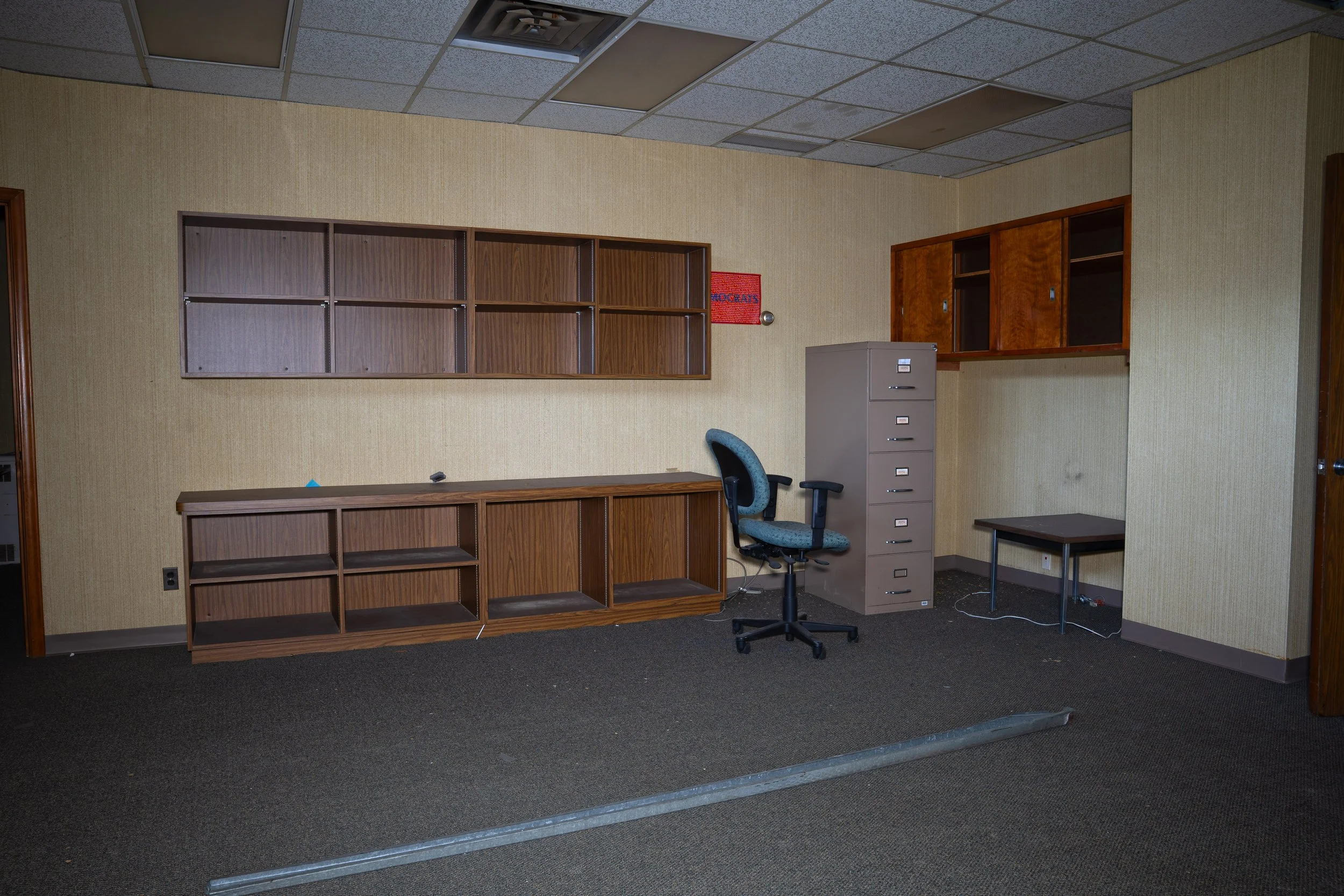
Office spaces next to library on 1st floor shot 4
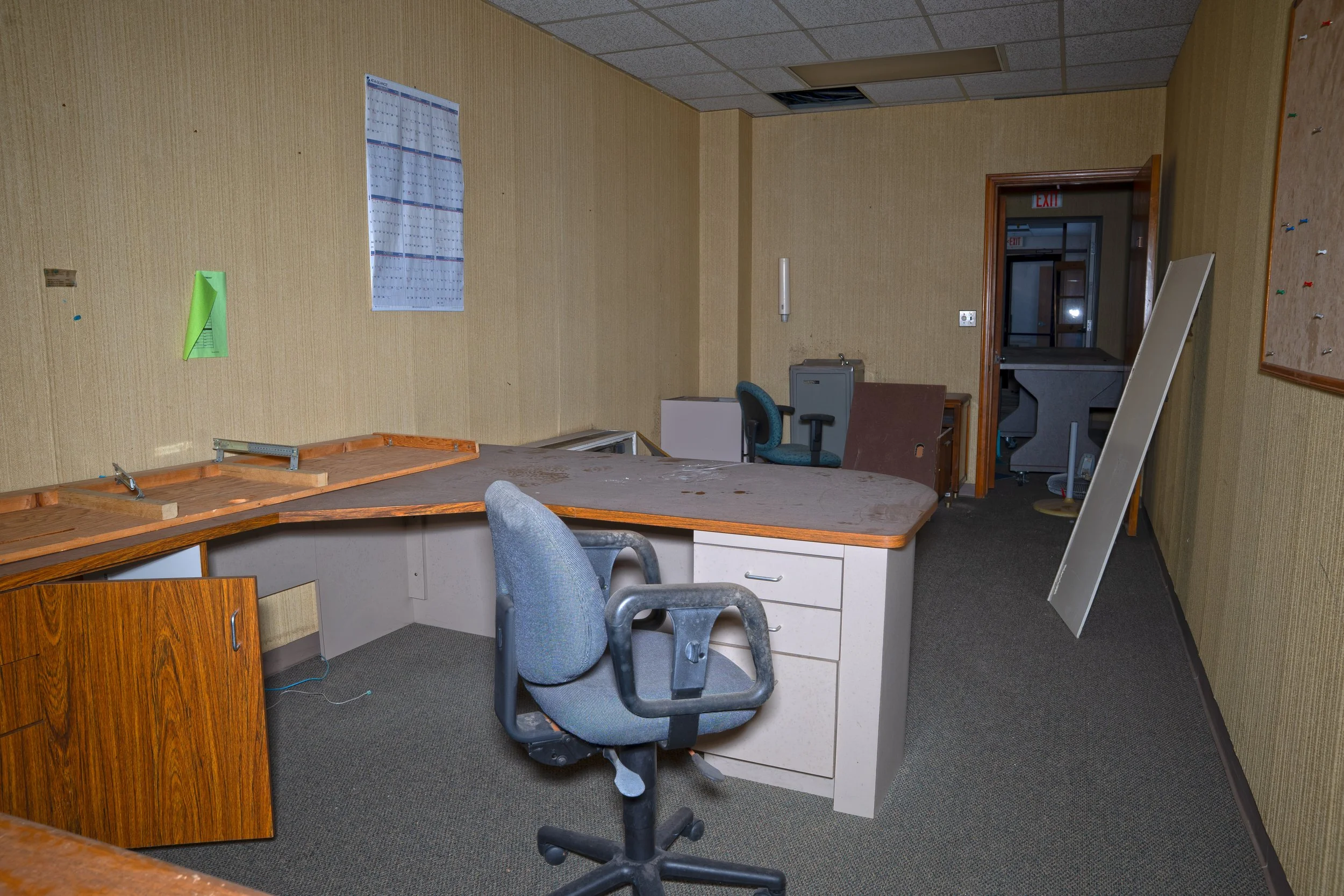
Office spaces next to library on 1st floor shot 5
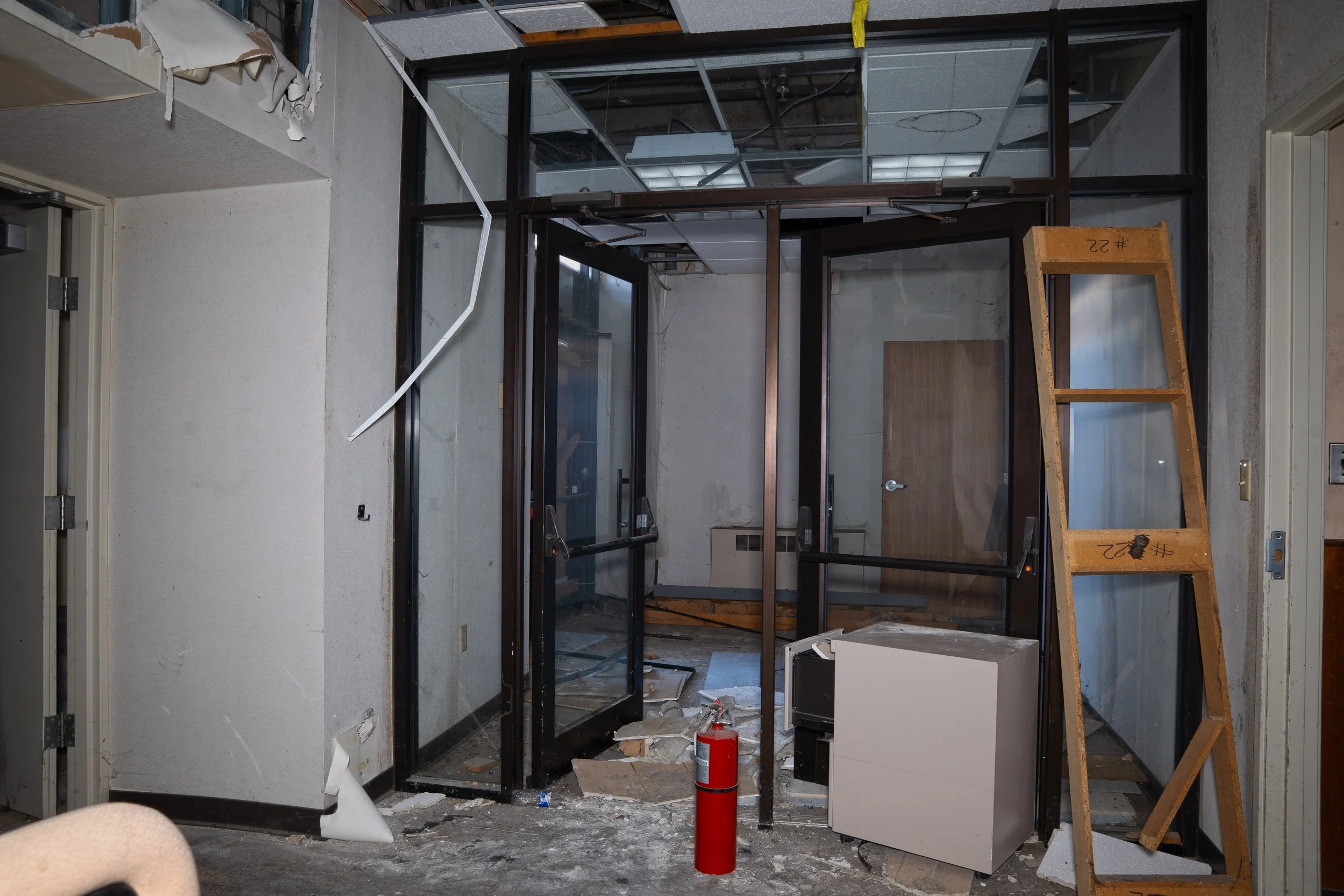
One of the side entrance to the building
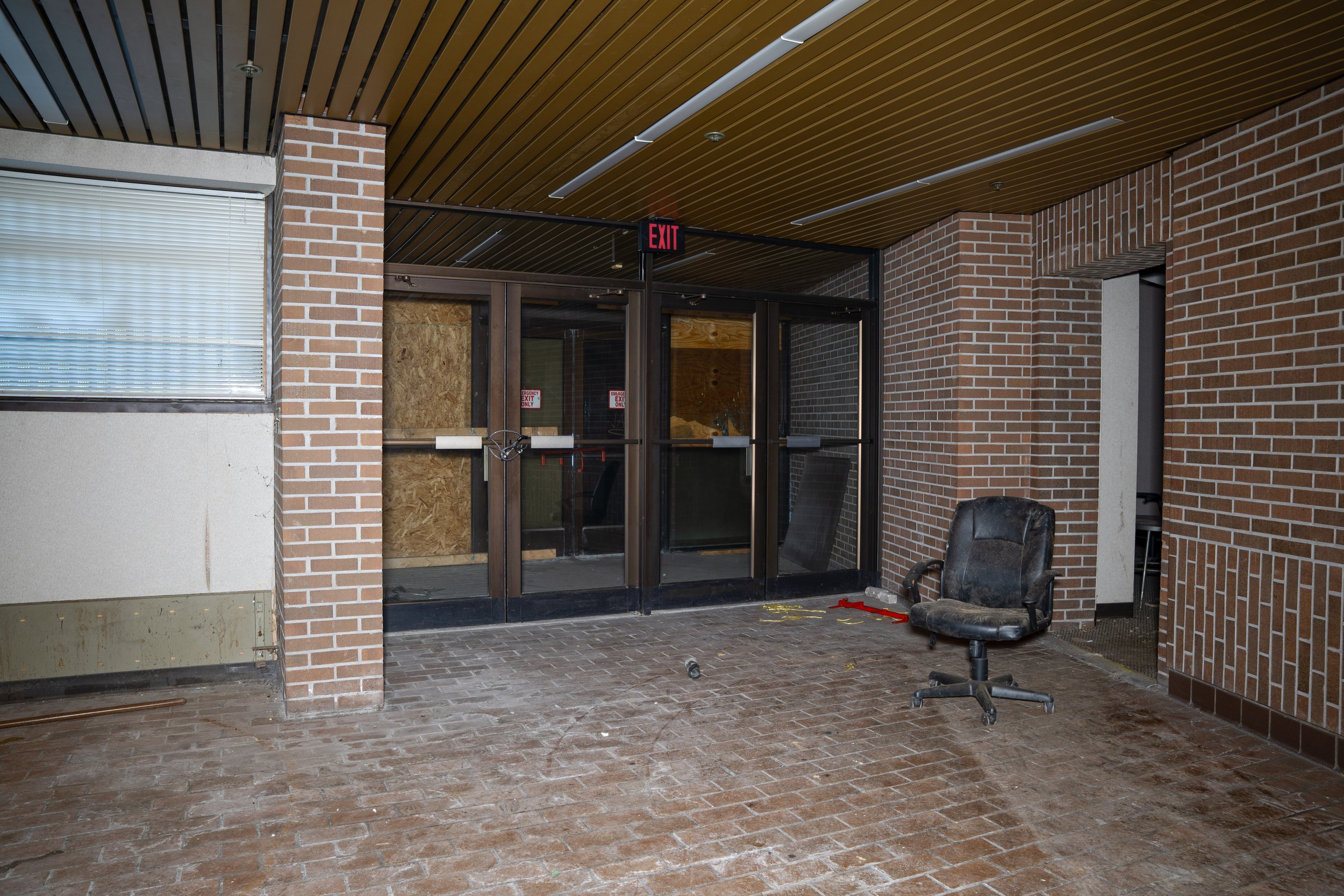
The 2nd entrance more main entrance facing Jefferson
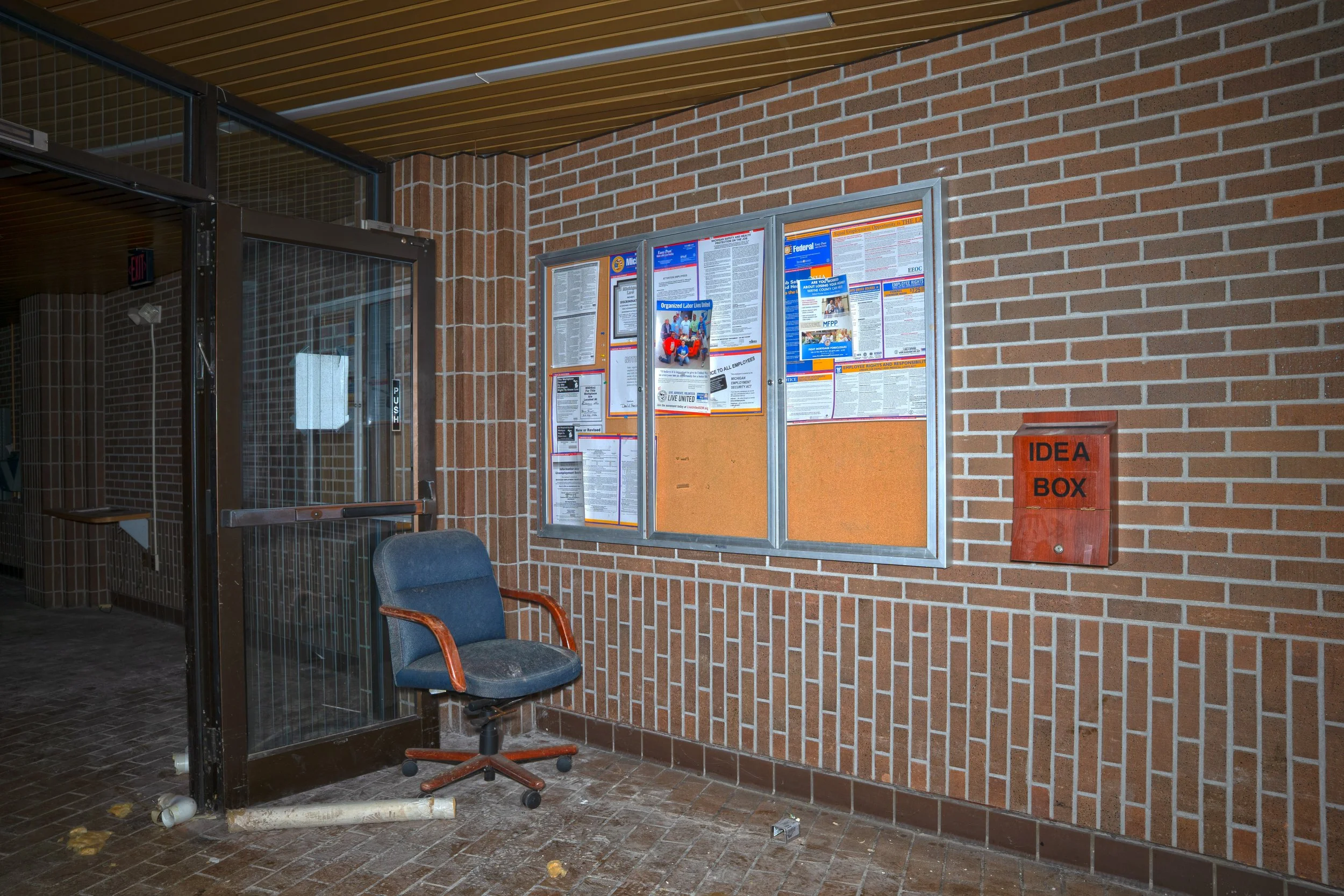
Union board in the hallway next to main entrance
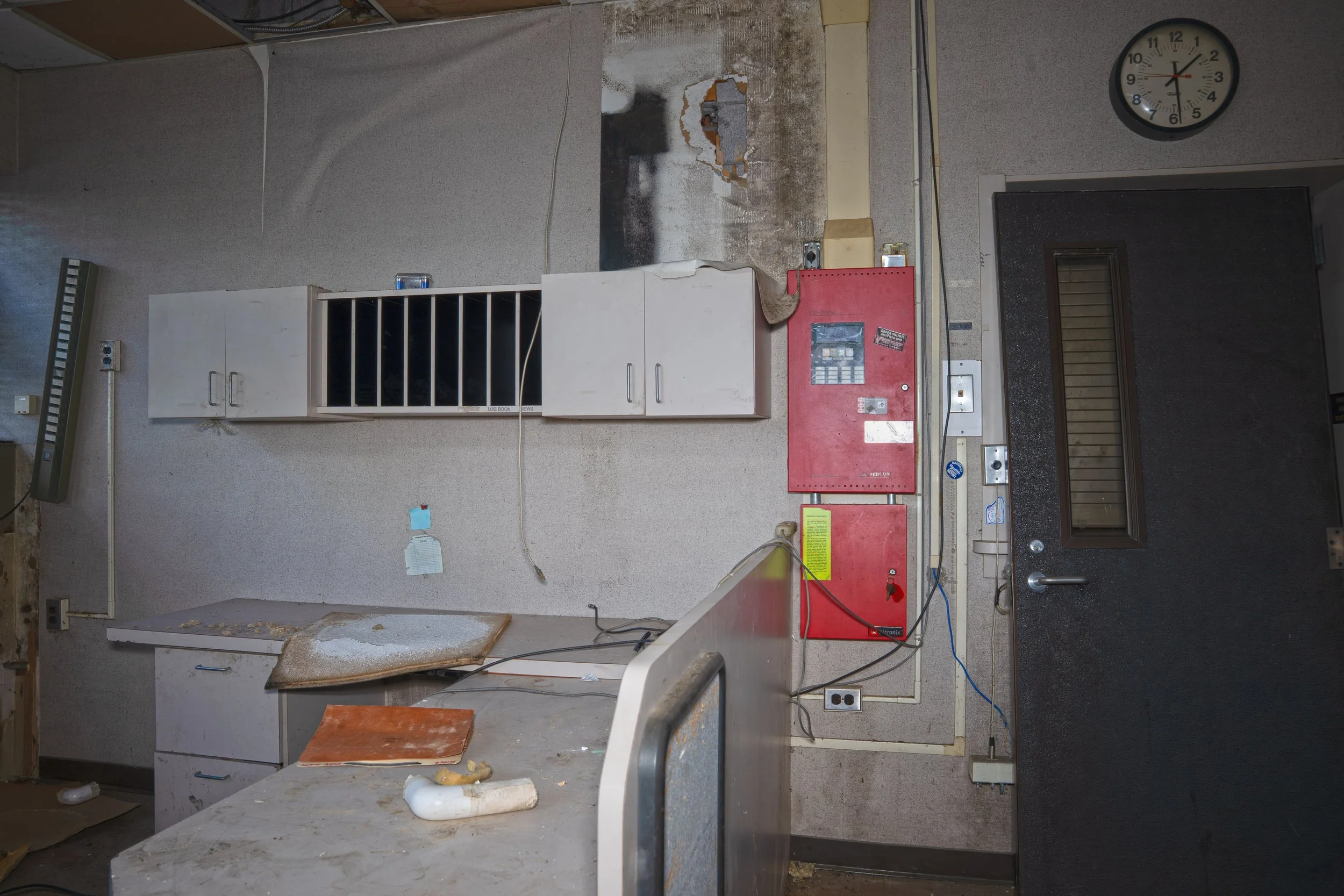
Security office
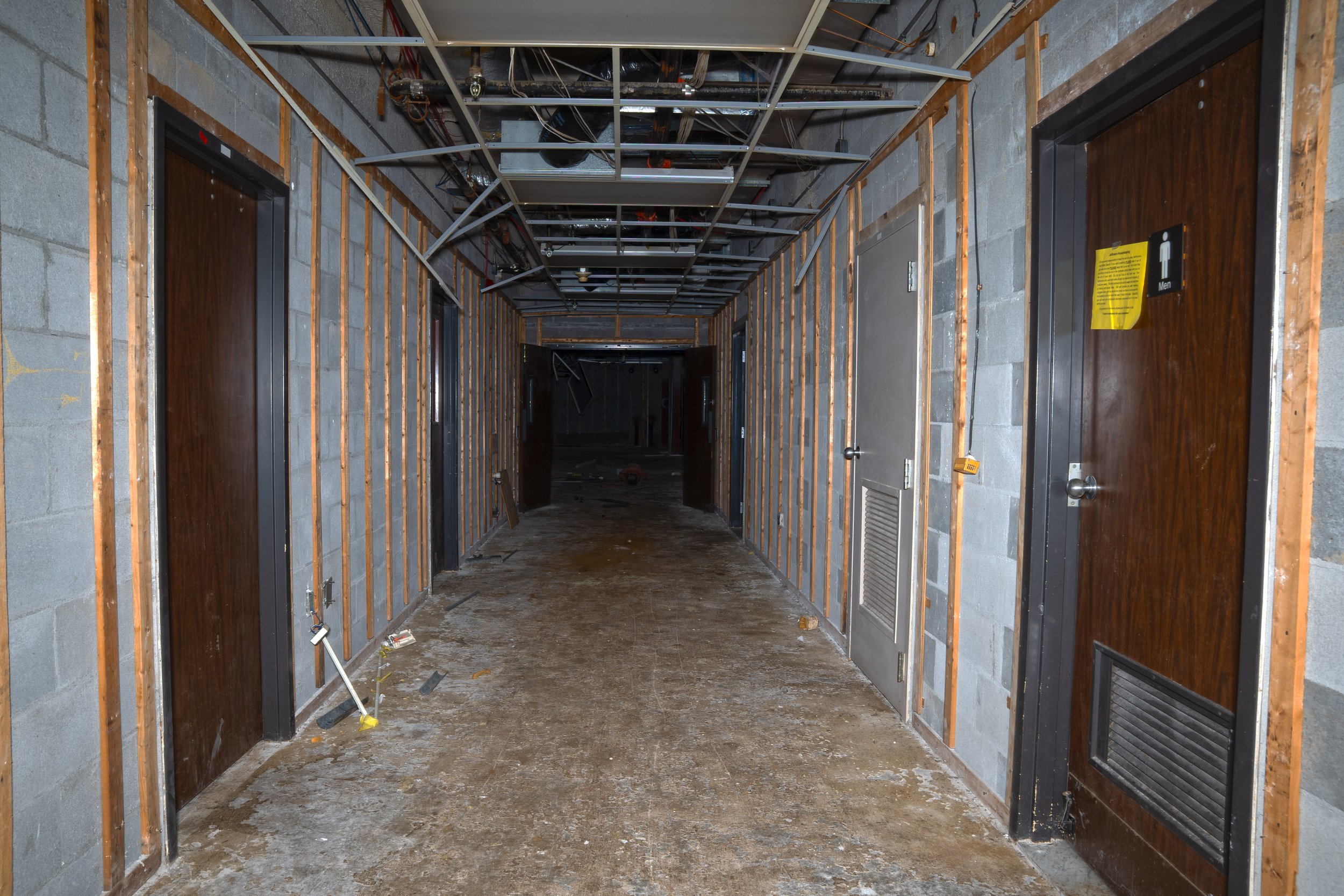
Office corridor on 1st floor
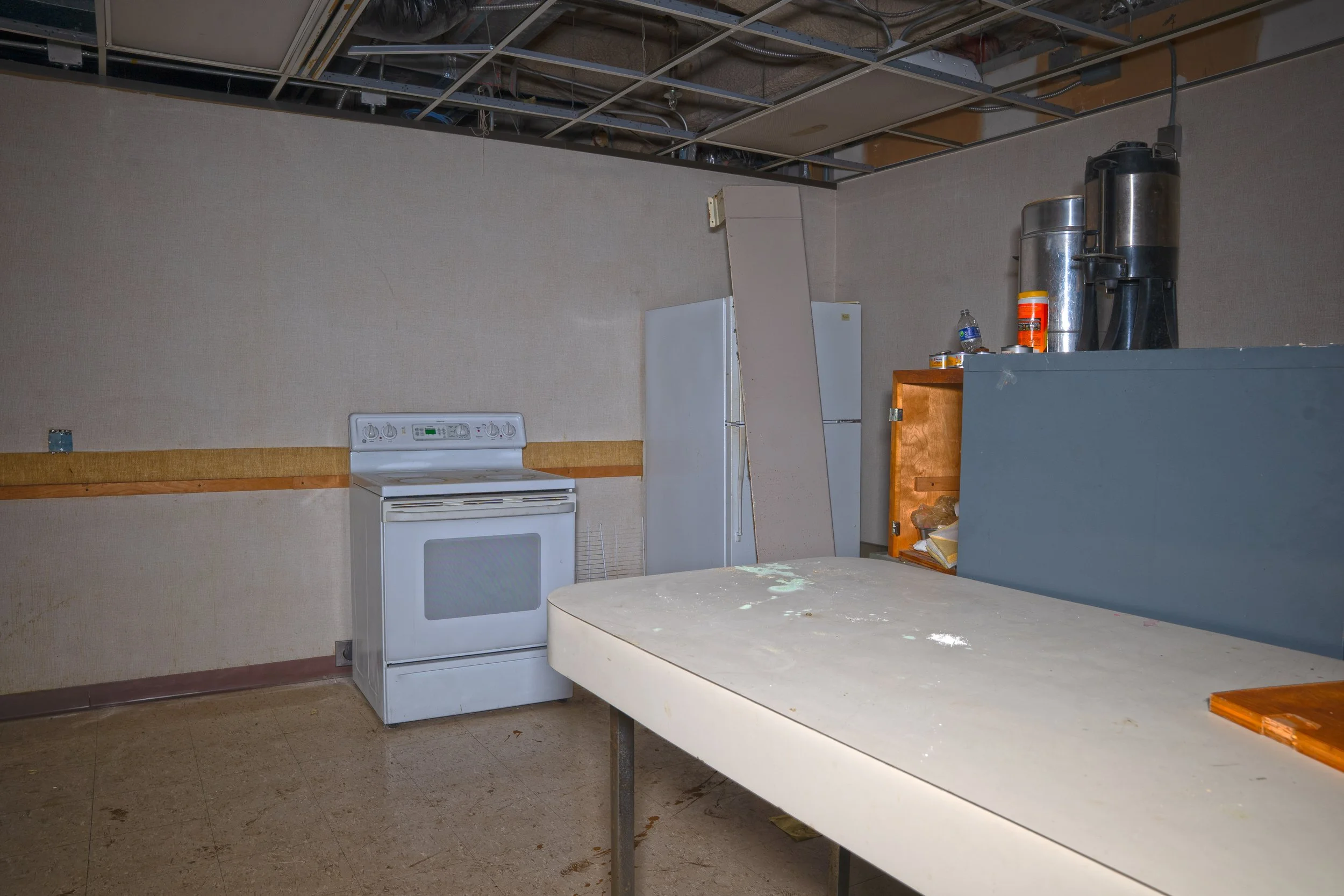
Break room on 1st floor in office corridor
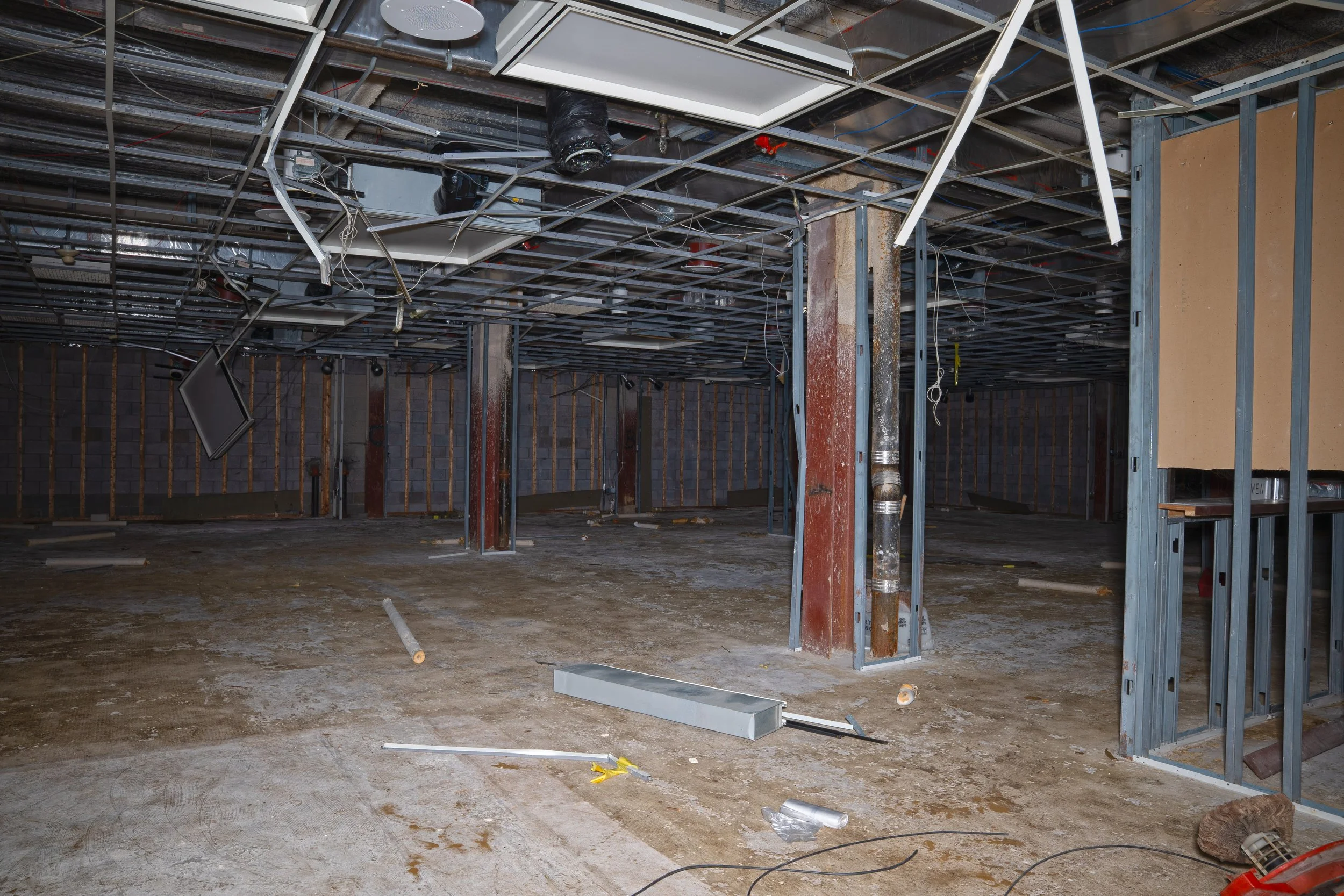
The dedicated office spaces have largely been gutted as is typical in office settings in vacancy
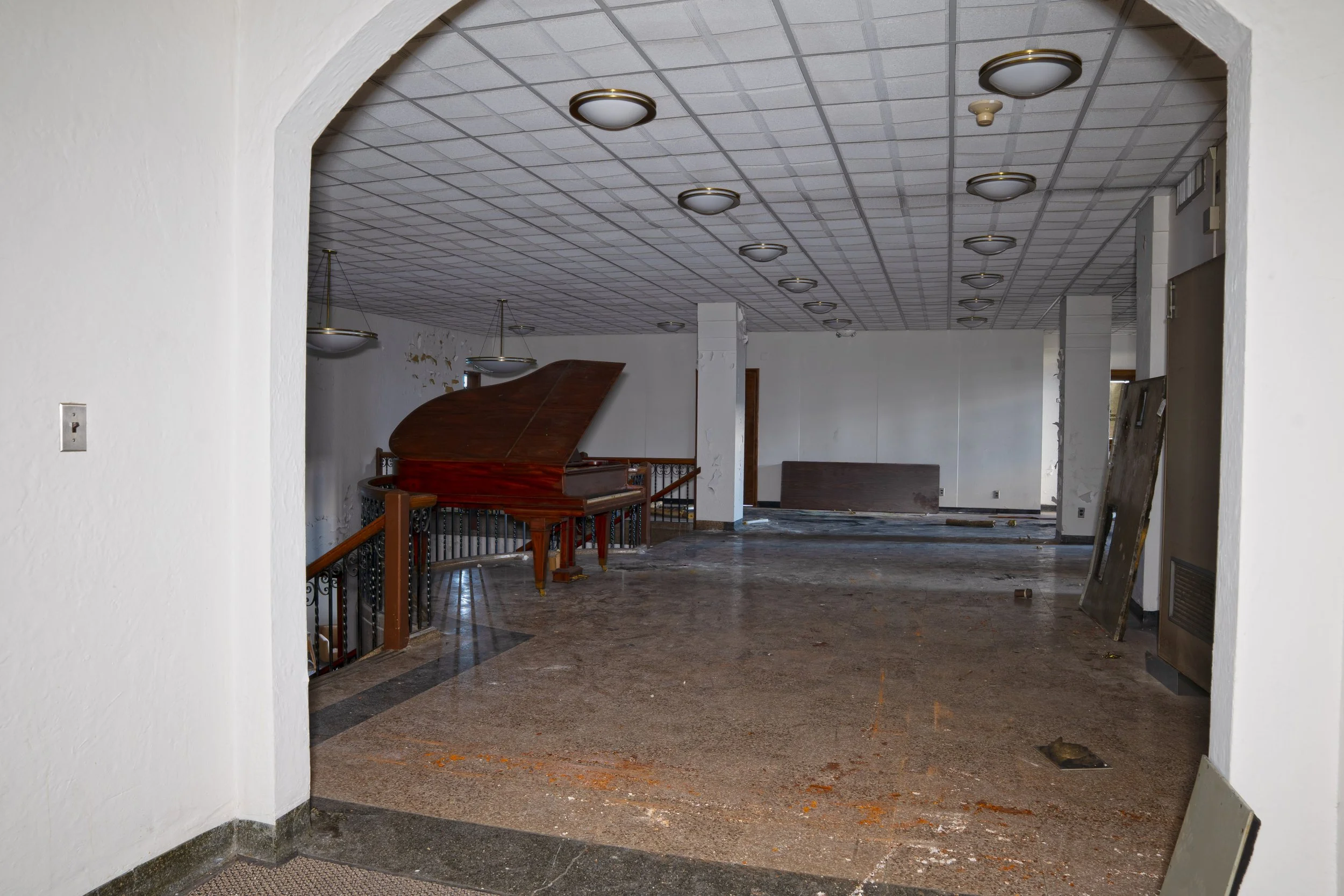
Following from the piano shown earlier on the 2nd floor the corridor behind is a section of 2nd floor office space below would be the library
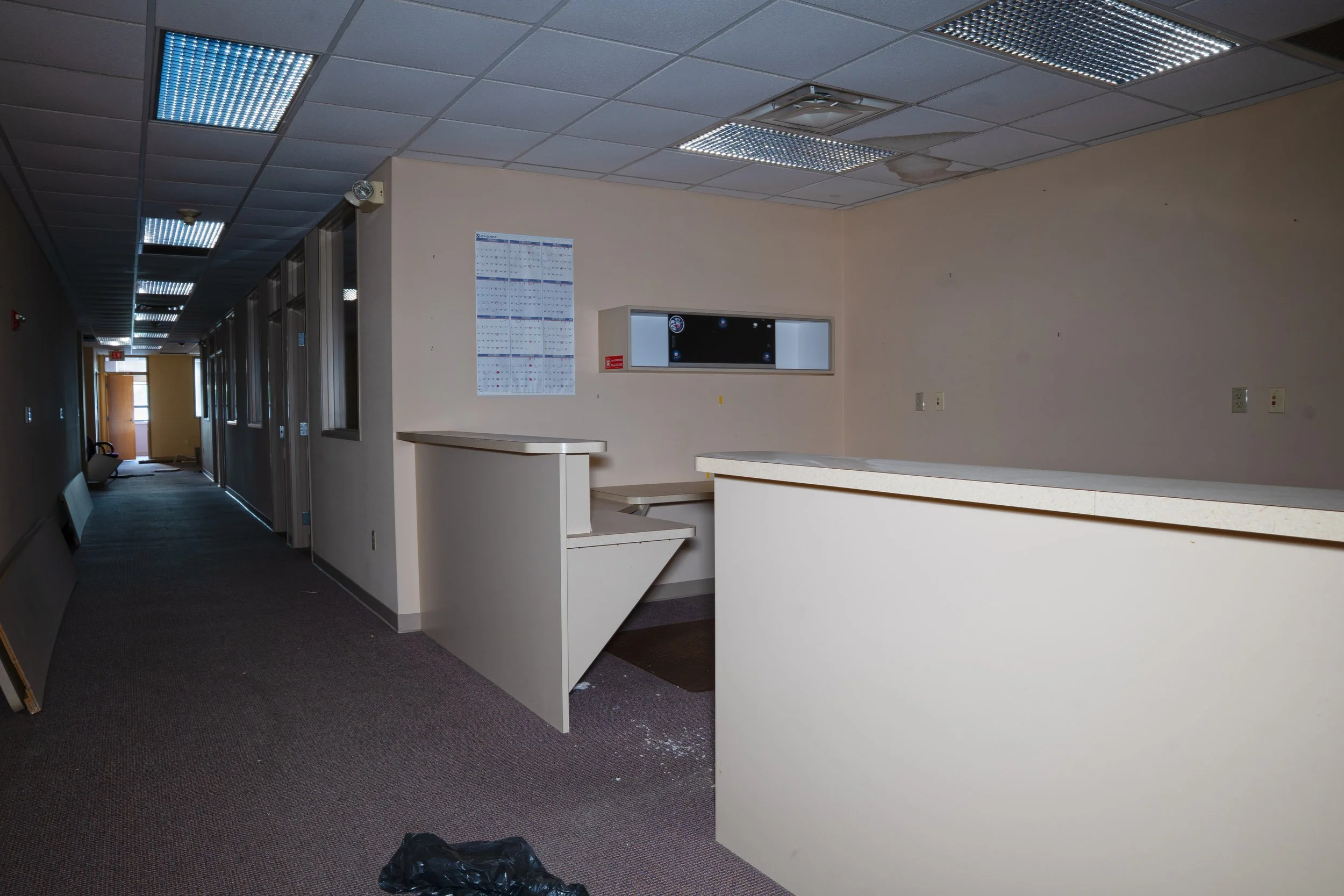
Office corridor on 2nd floor
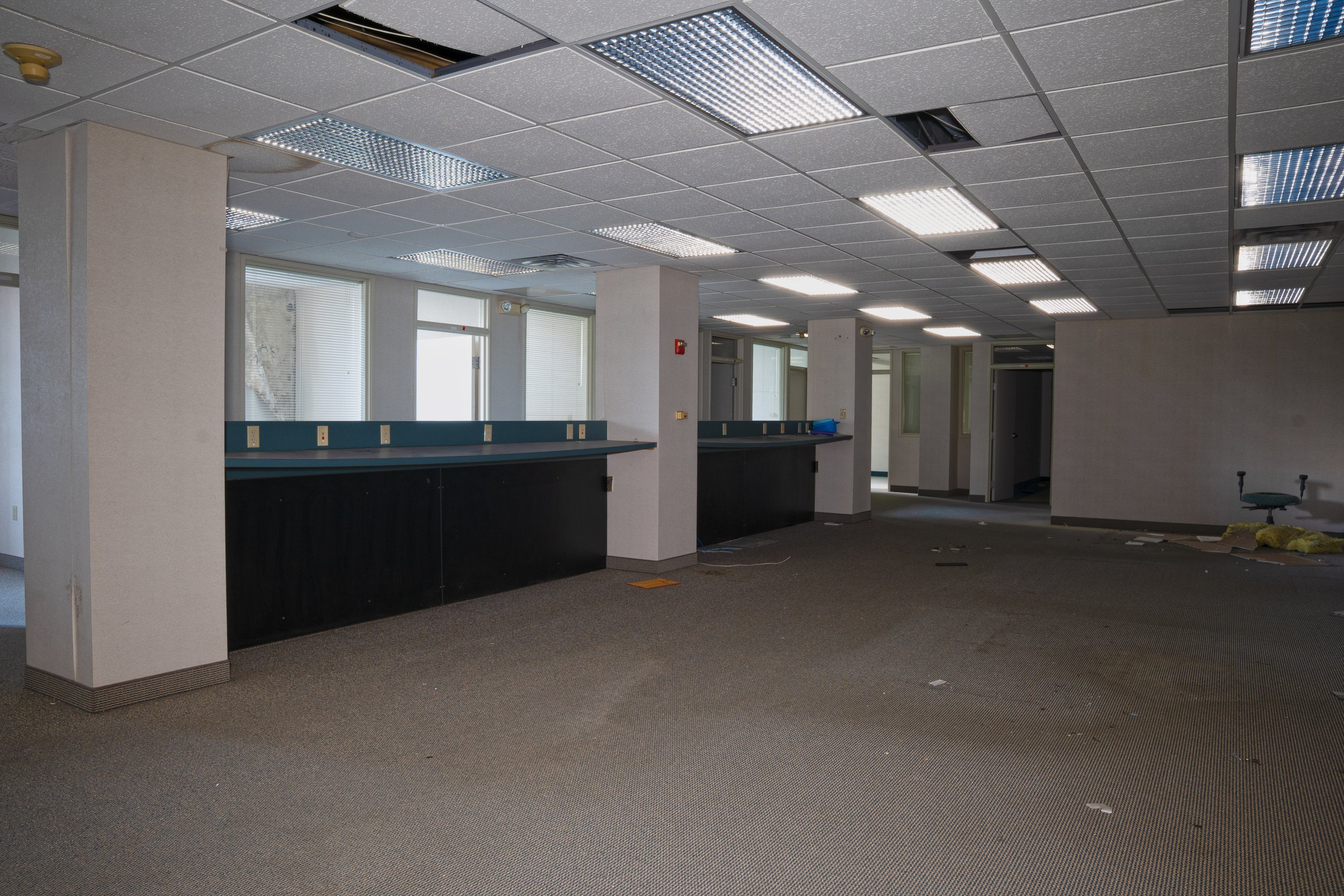
2nd floor office space
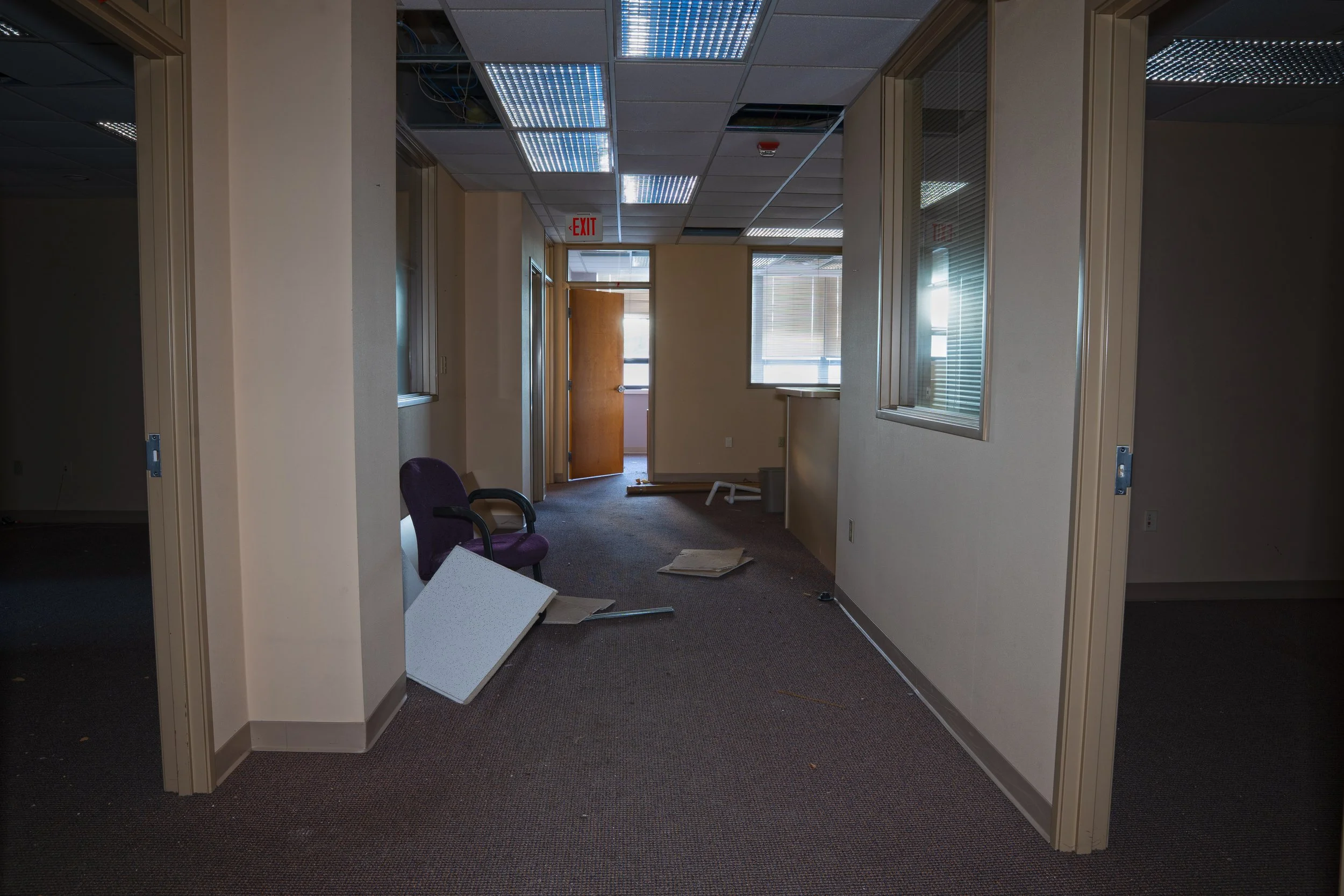
2nd floor office corridor
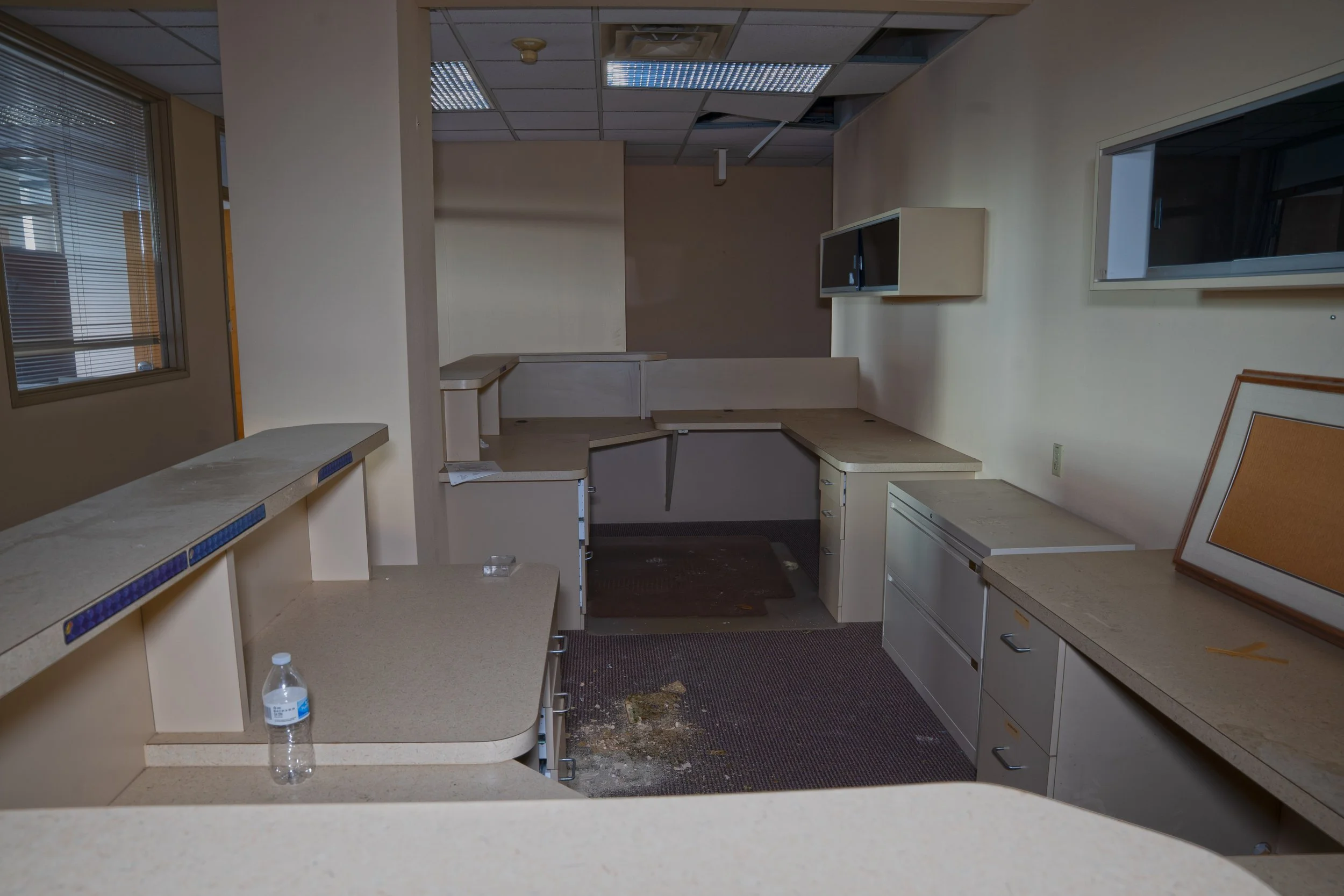
Office cubicles in the main office corridor on the 2nd floor
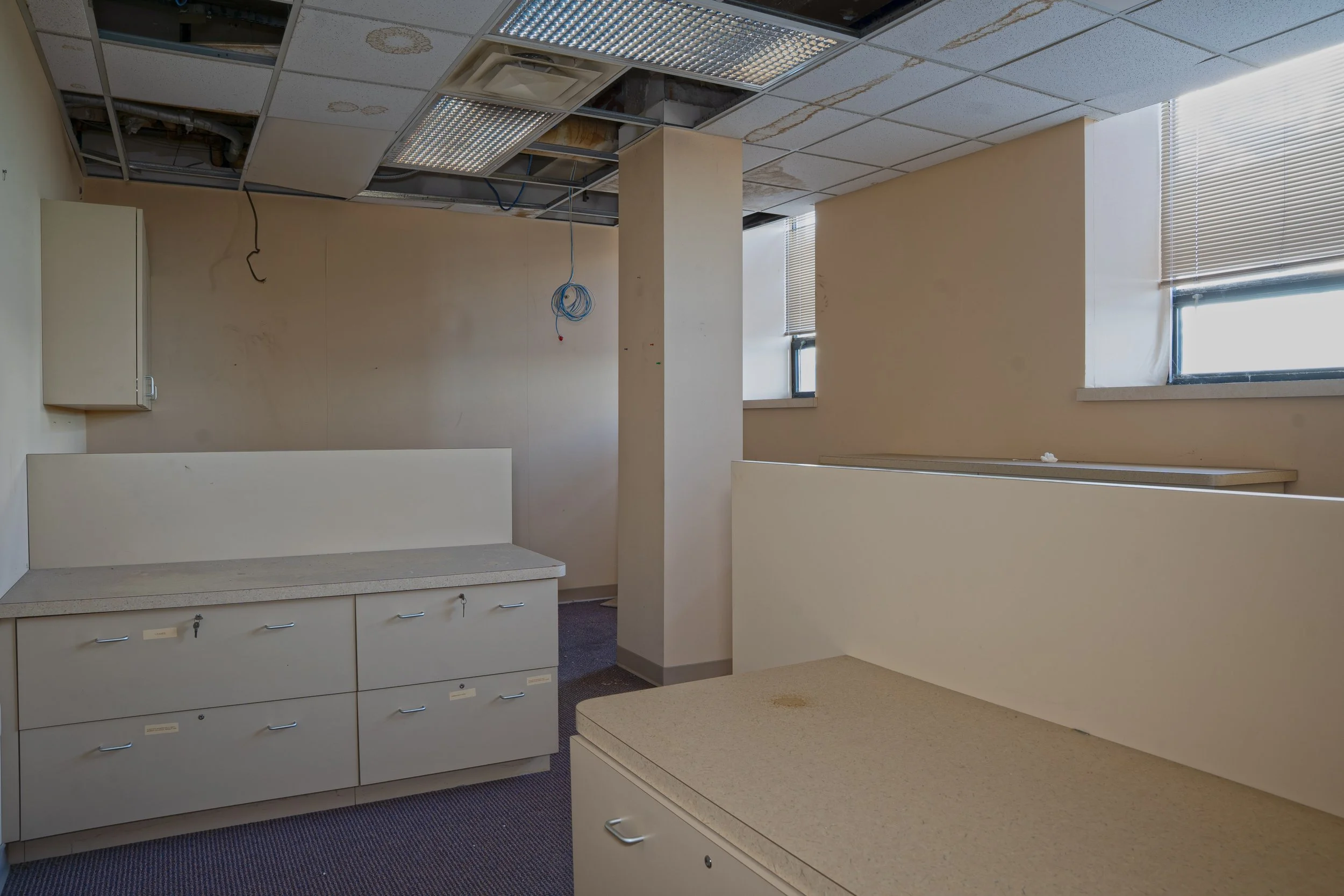
Office cubicles on the 2nd floor
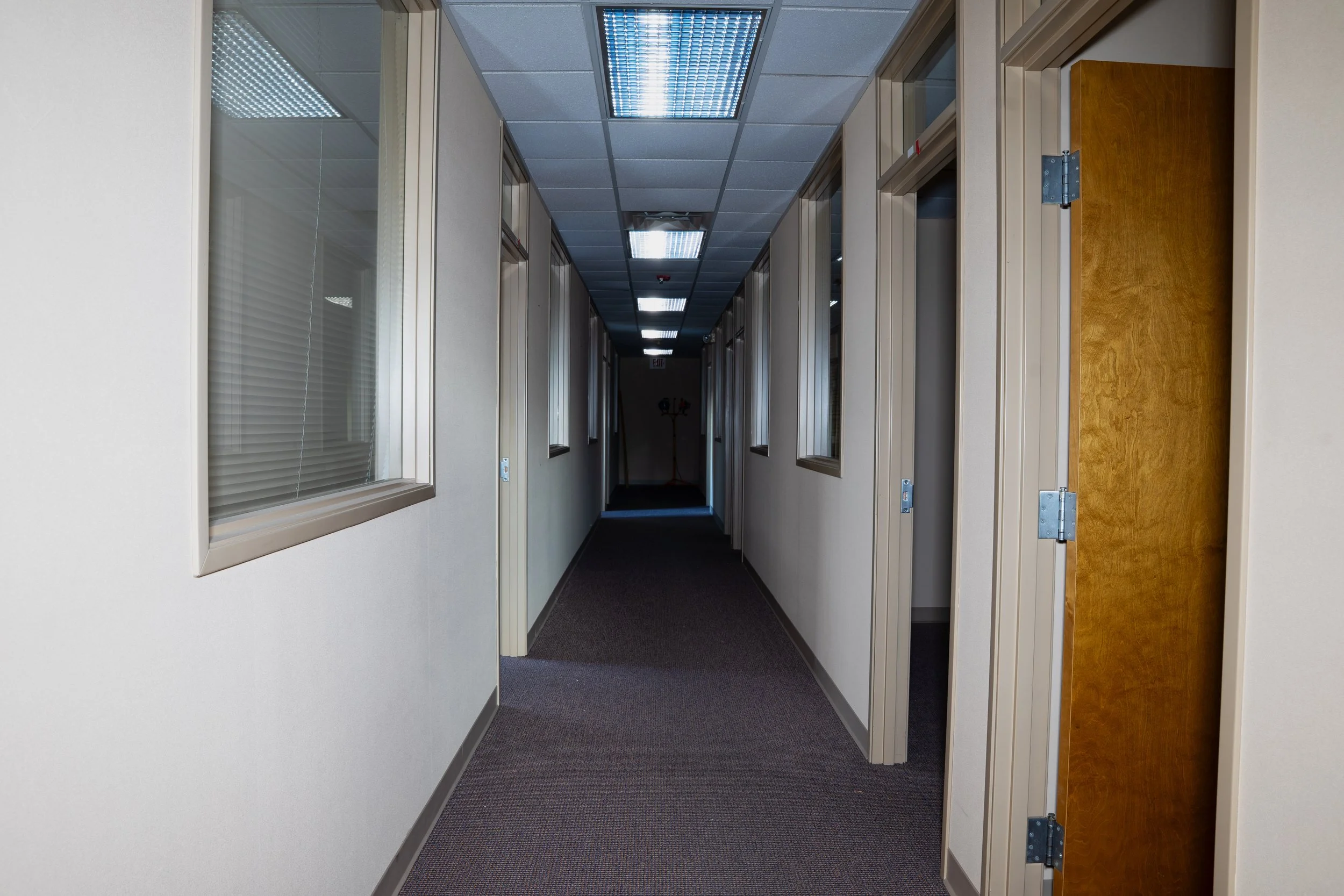
Office corridor on 2nd floor leading back towards library staircase
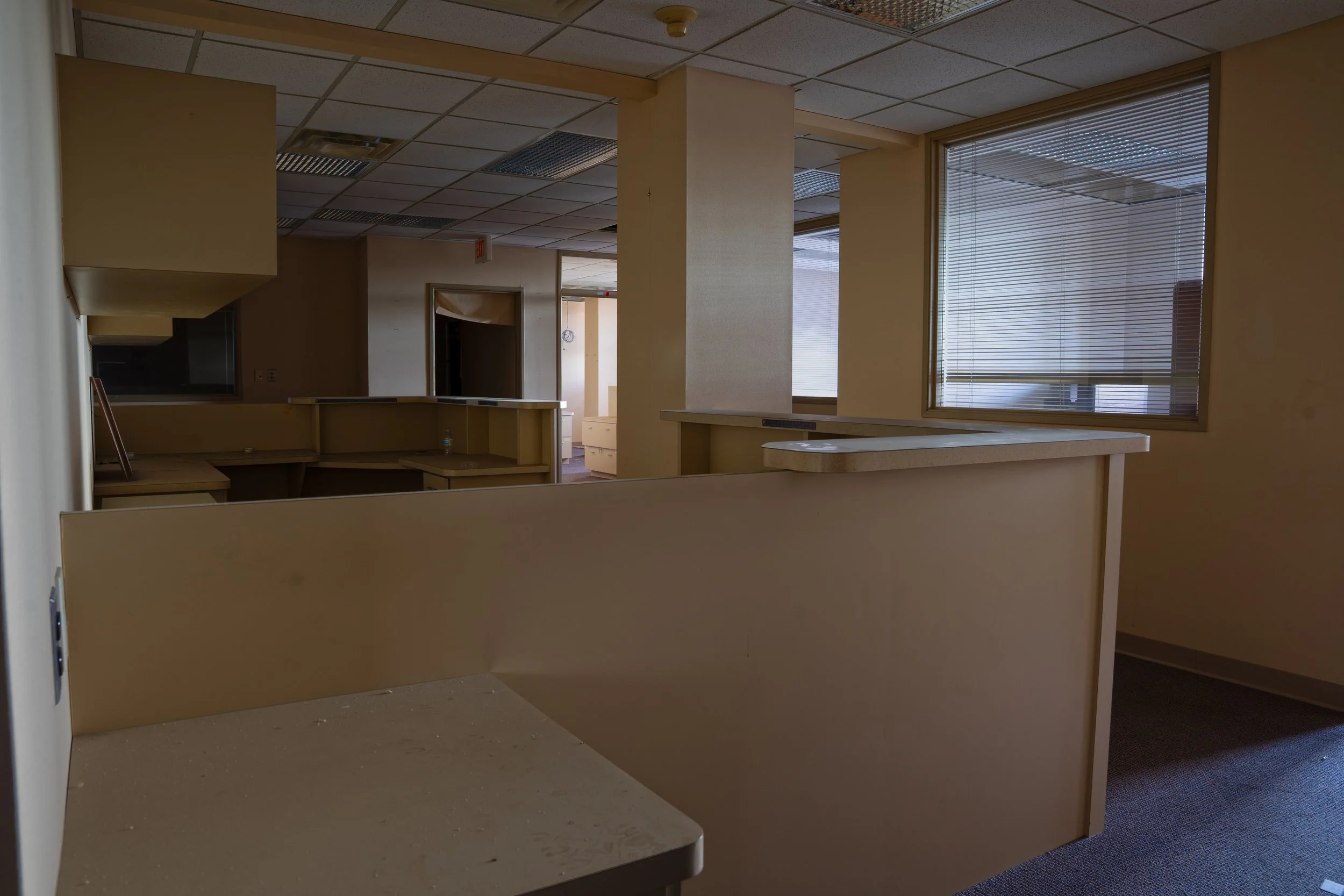
Office cubicles in the main office corridor on the 2nd floor
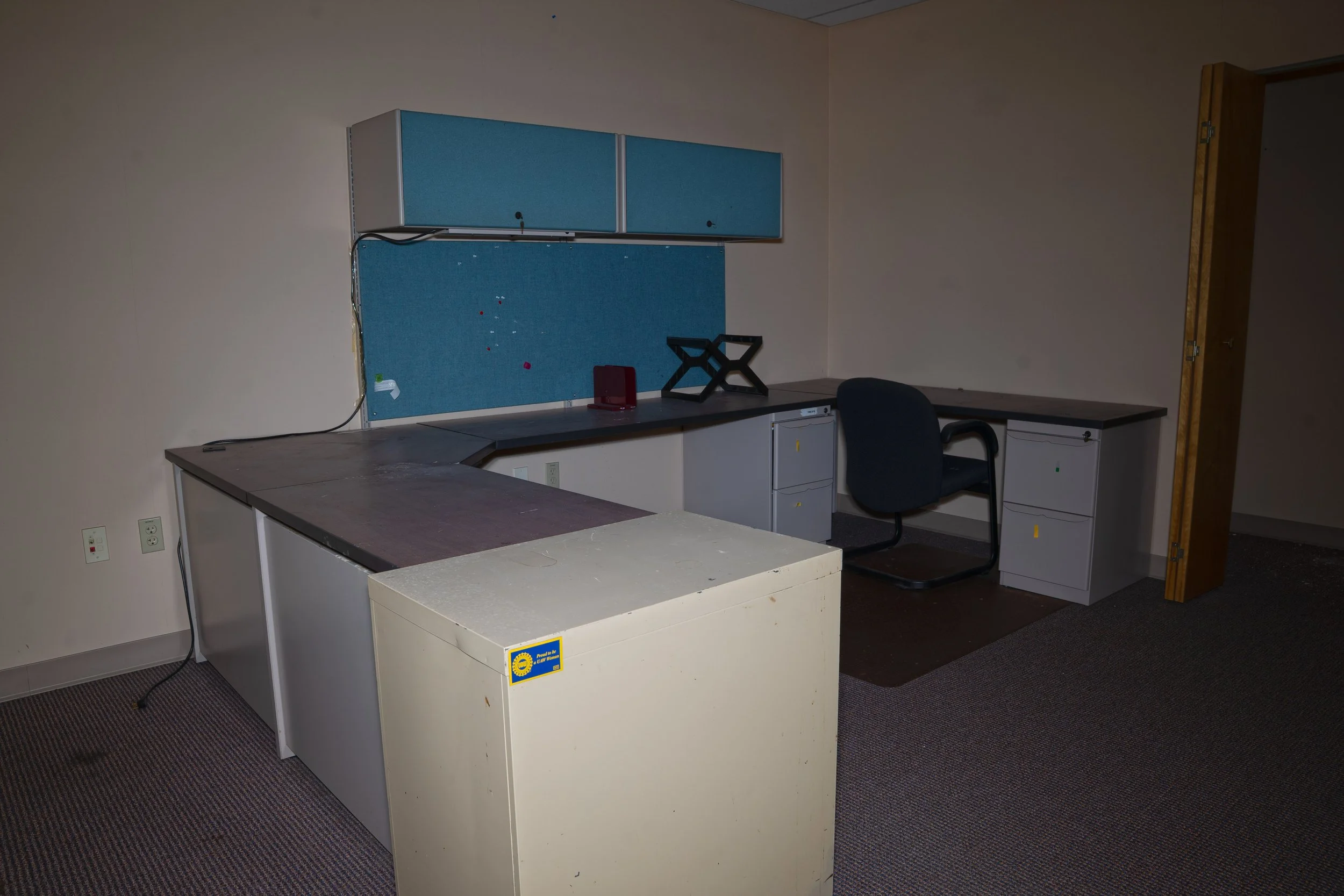
Office room
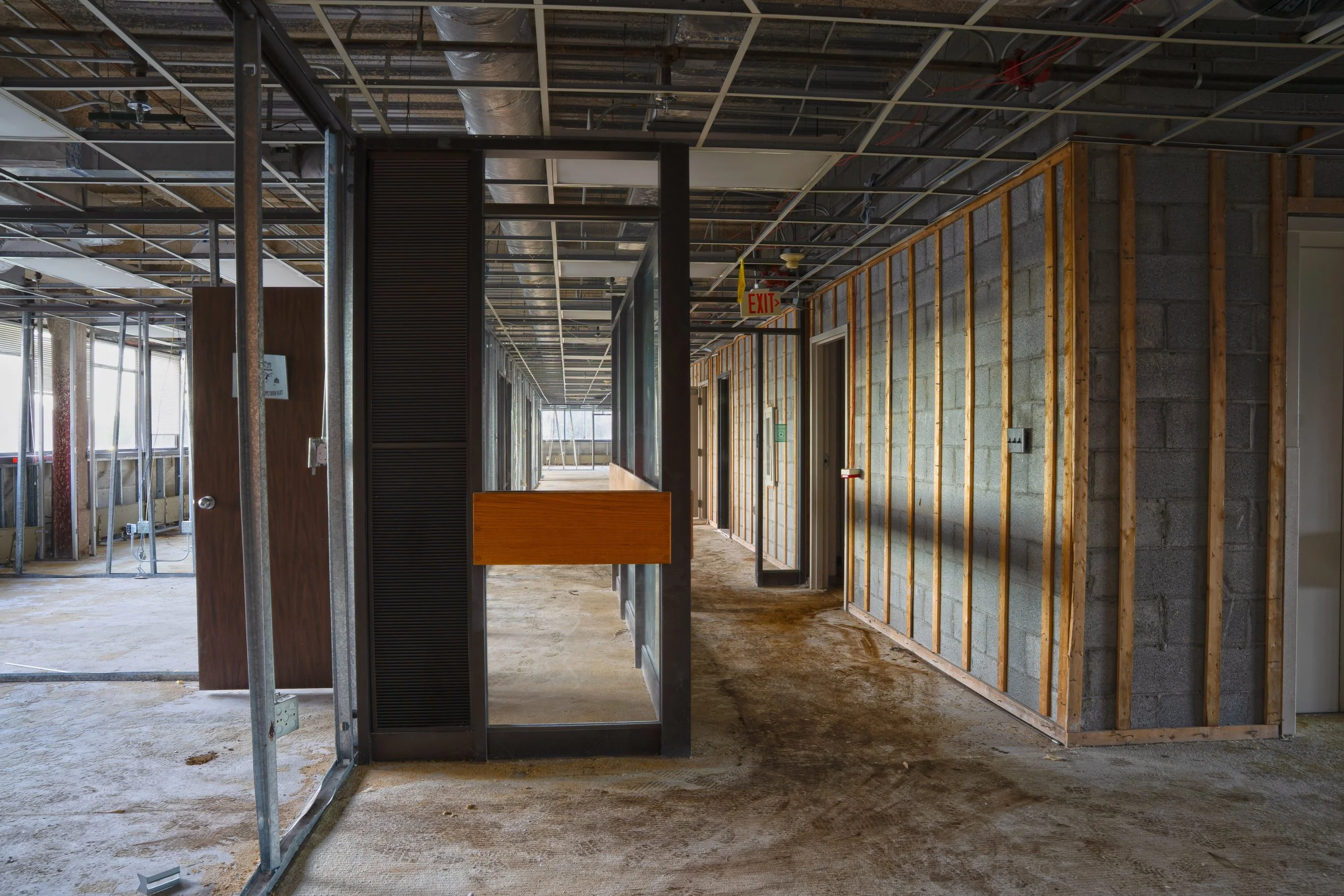
2nd floor gutted office space above the gutted 1st floor space shown before
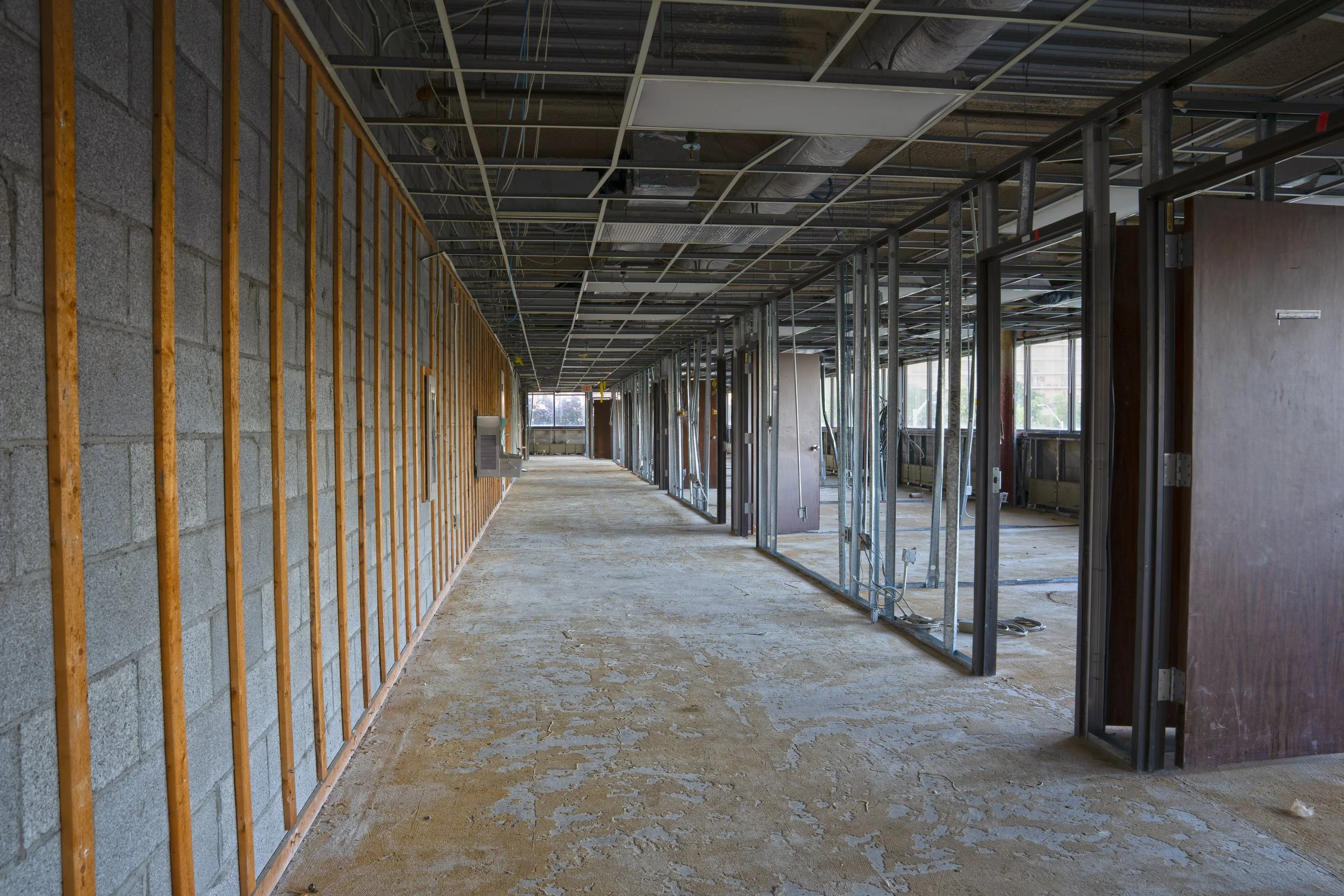
2nd floor gutted office space
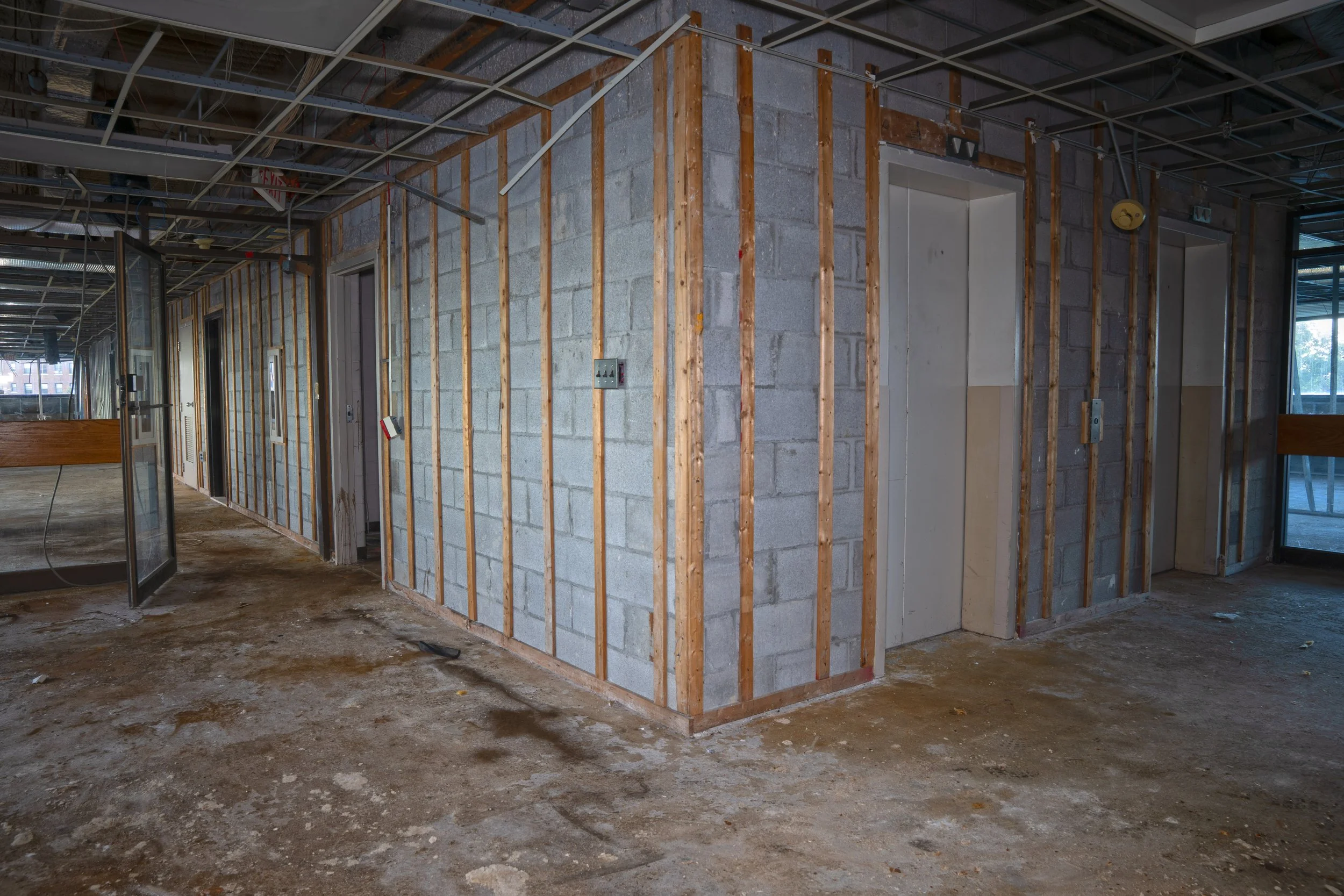
3rd floor gutted office space above the 2nd and 1st floor gutted office spaces
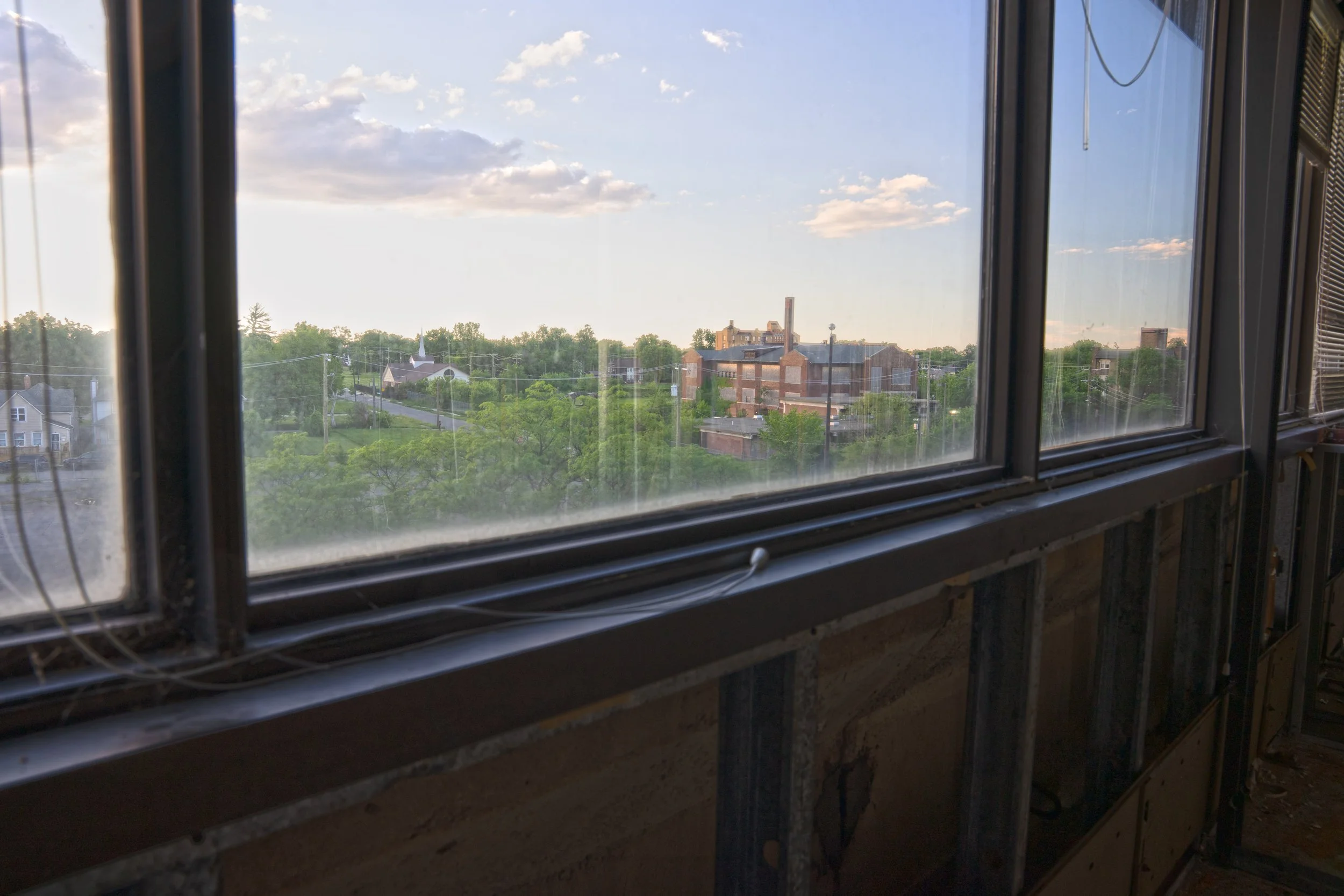
A previously explored on this page school the "Monteith / Trombly School" which holds the title as the 2nd oldest non converted school in the city
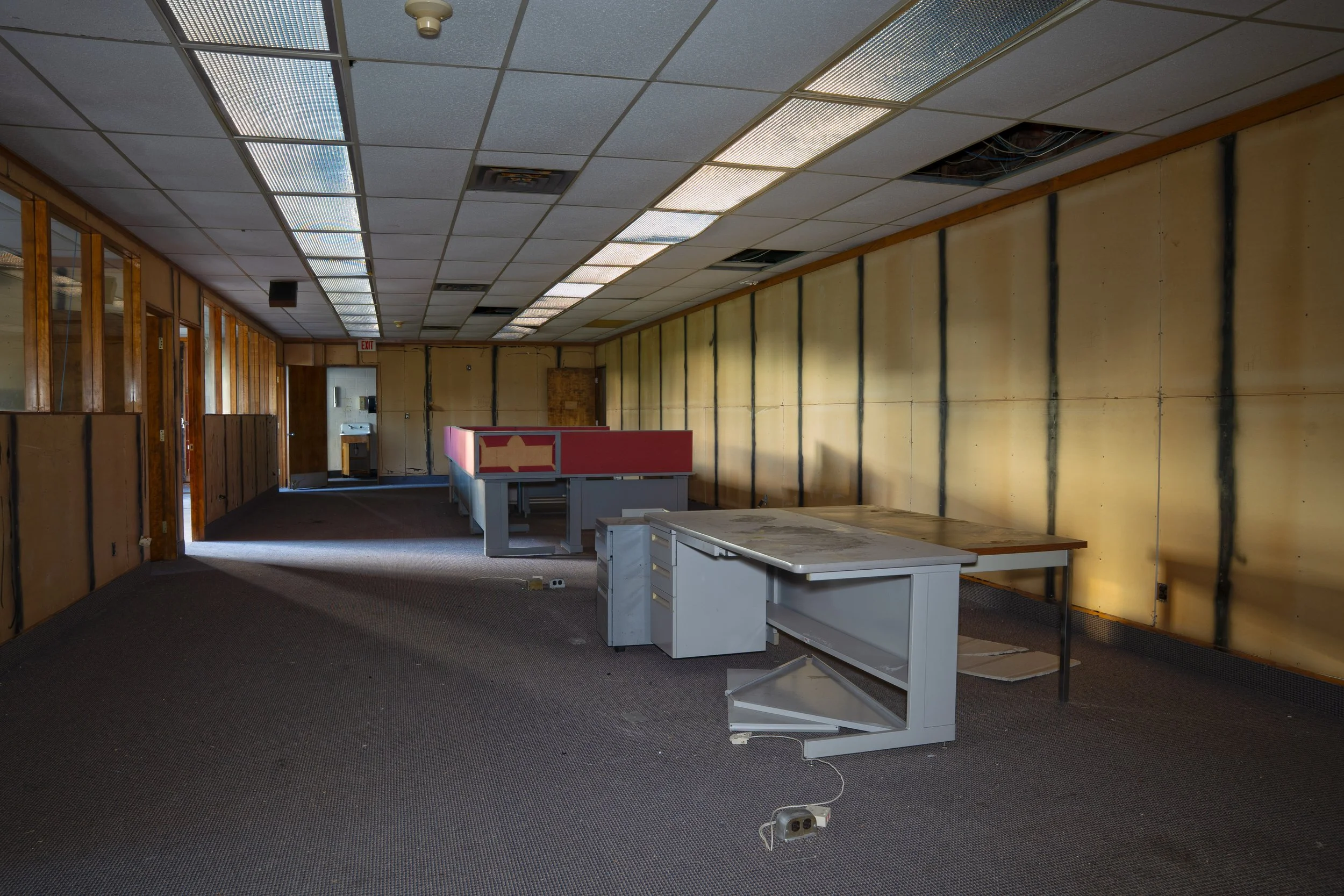
3rd floor office cubicles in the 3rd floor office corridor
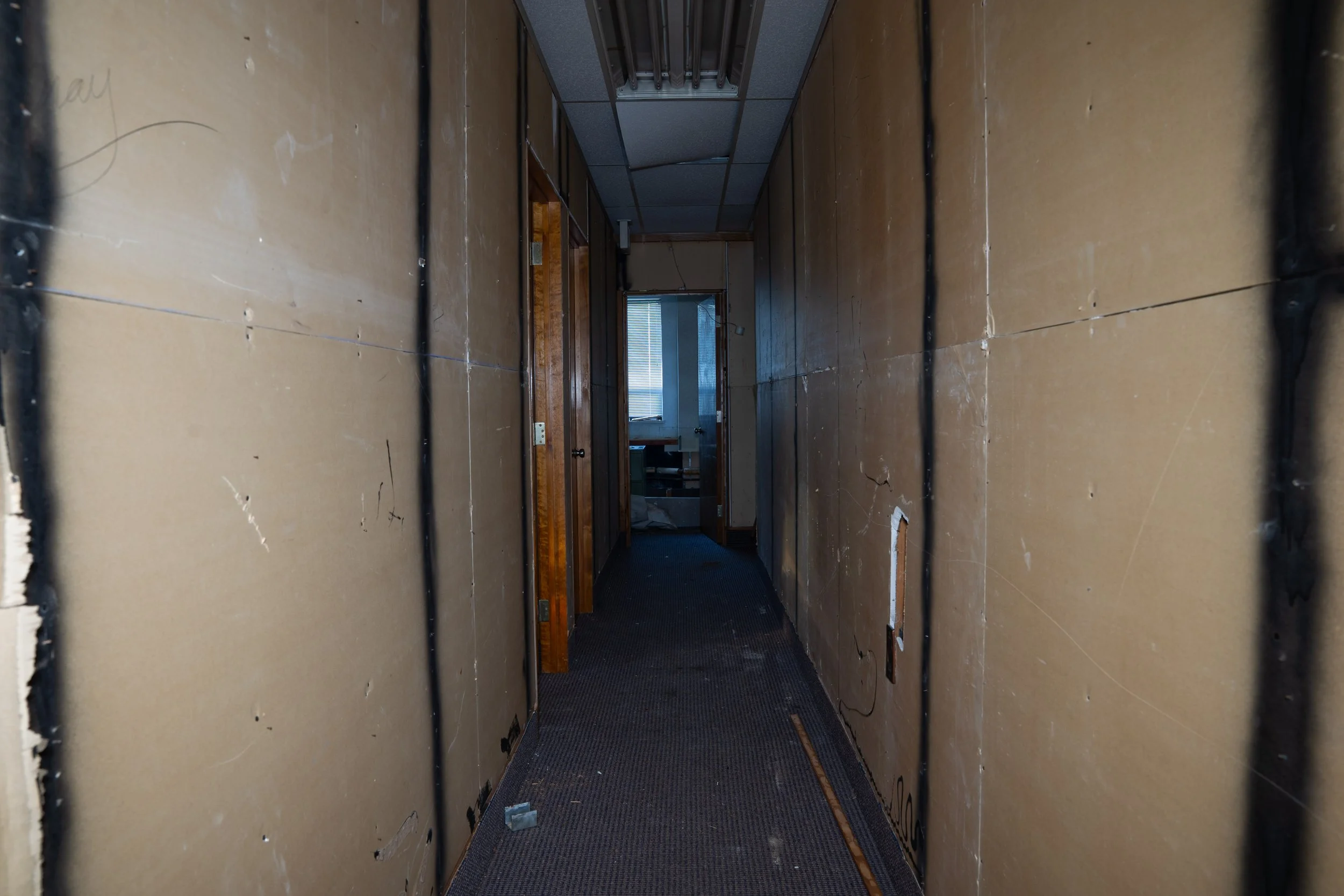
3rd floor office corridor
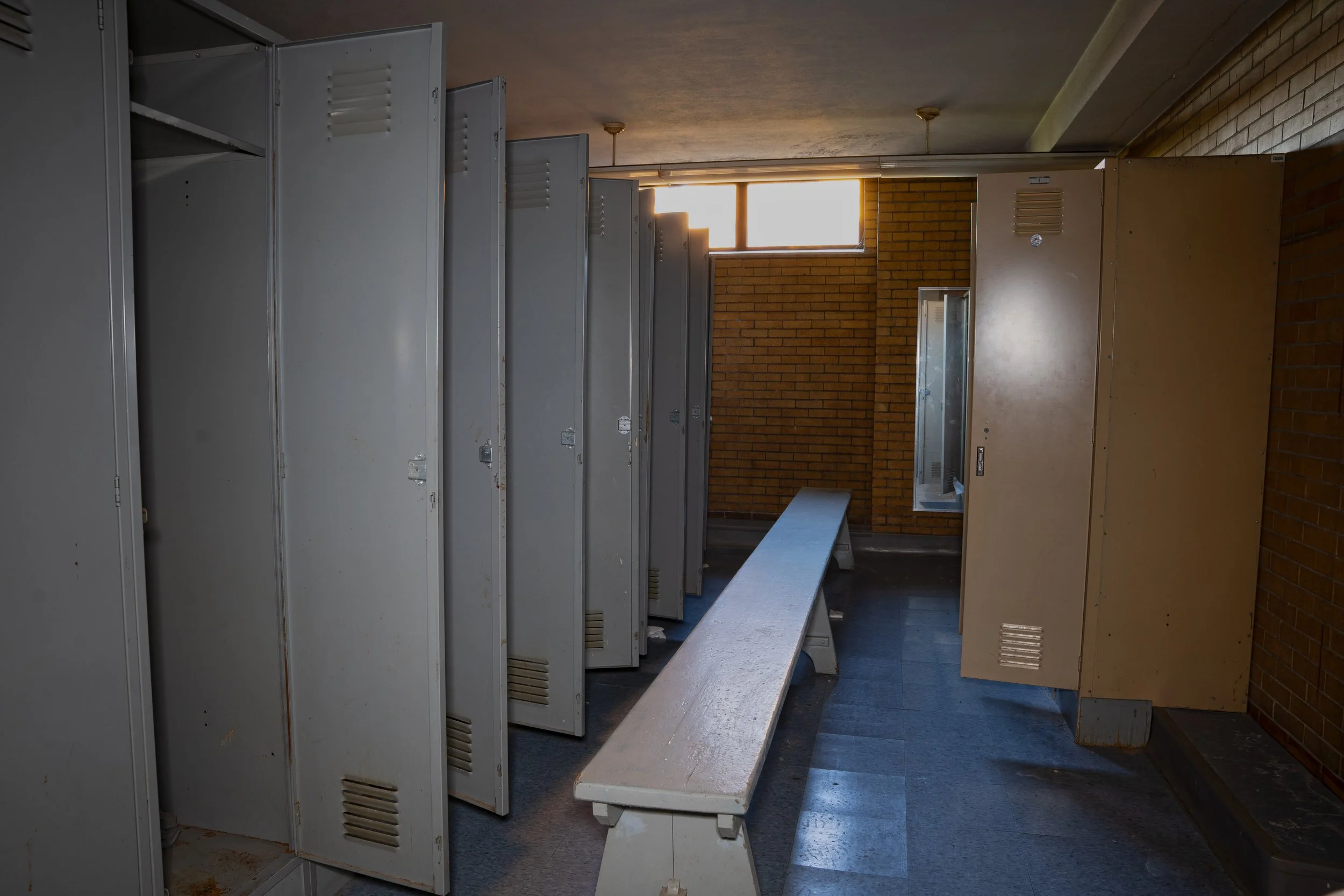
Locker room on 3rd floor
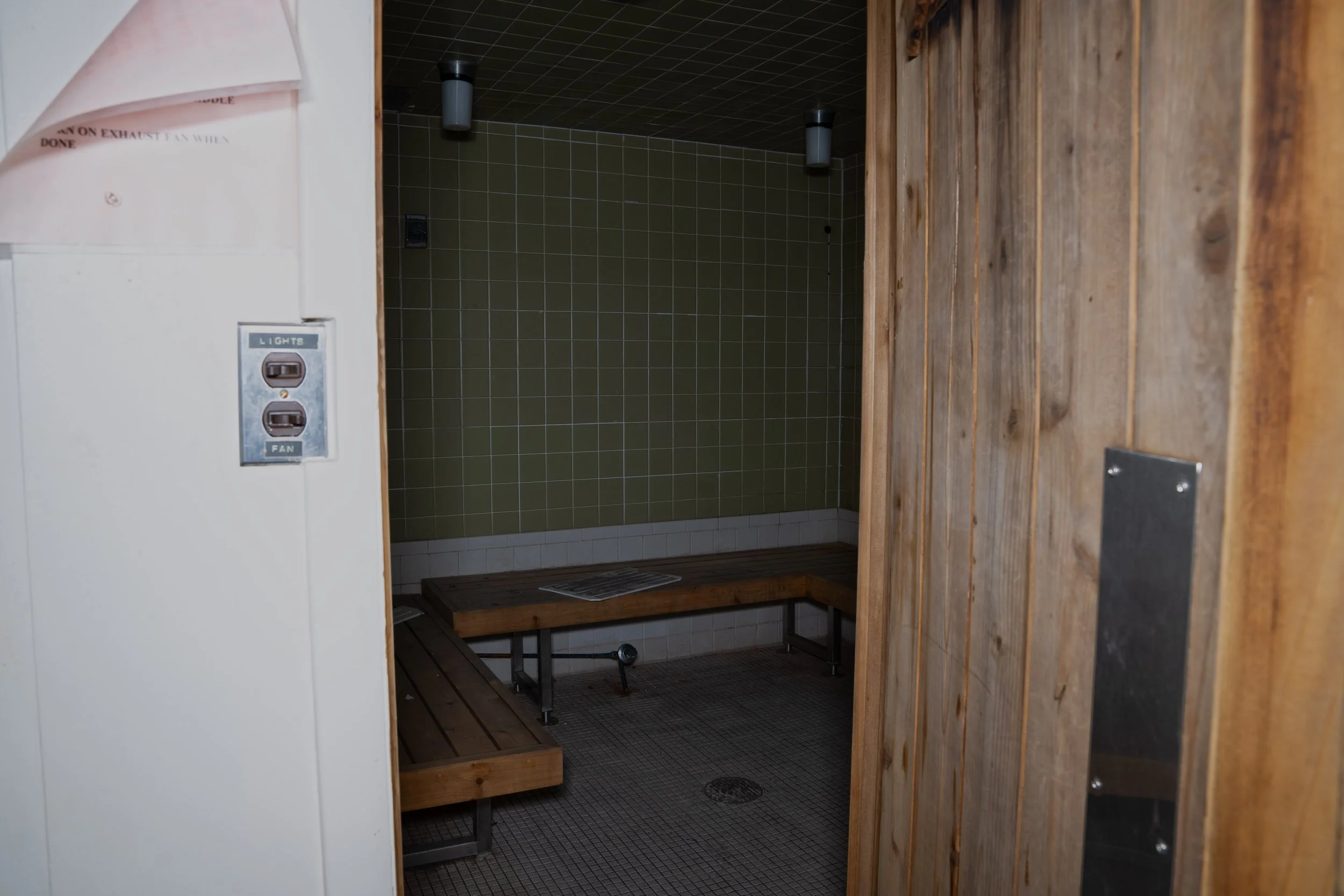
a pair of suana rooms is located on the 3rd floor above the weight room approximately
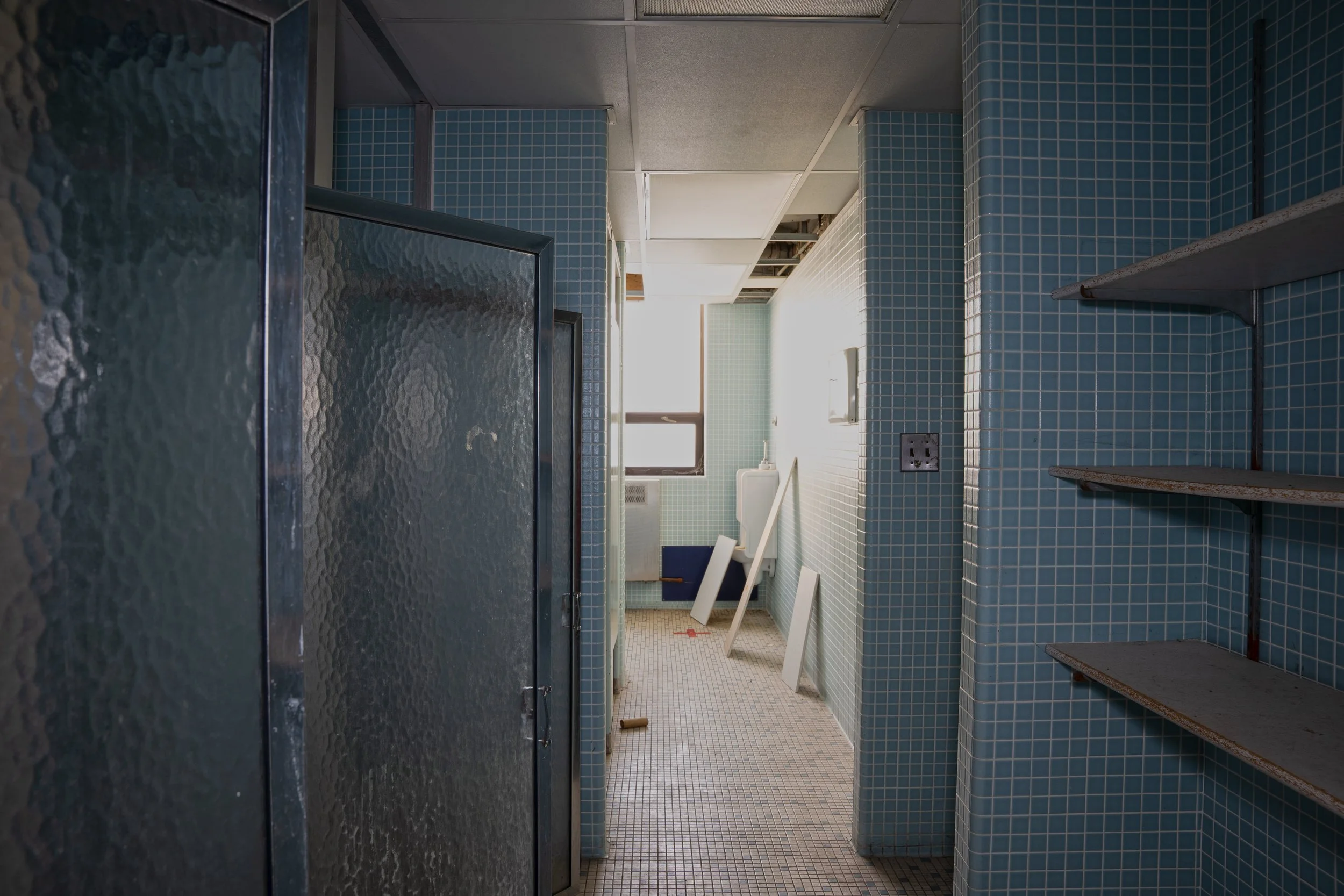
Bathroom next to suana rooms
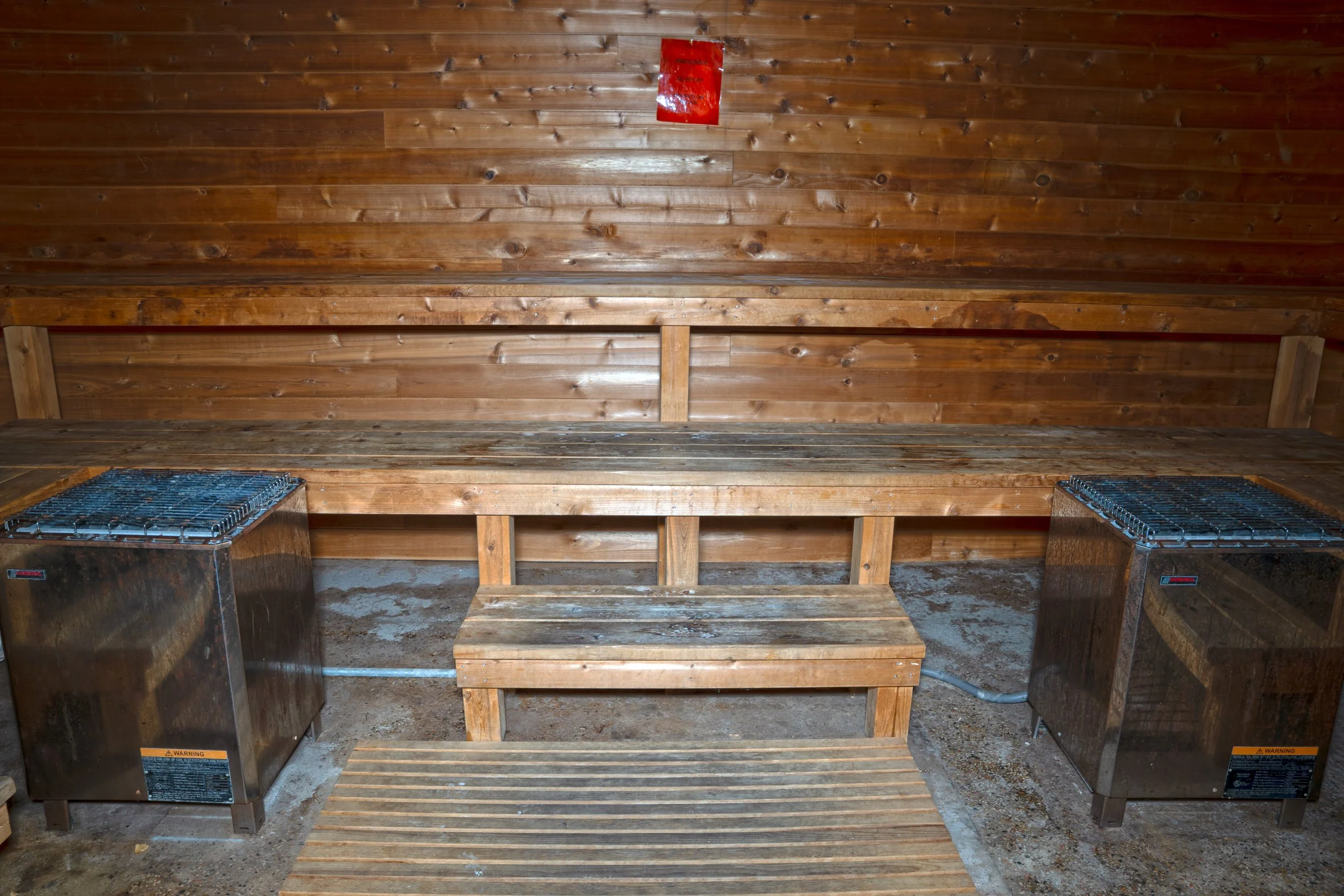
the 2nd suana room
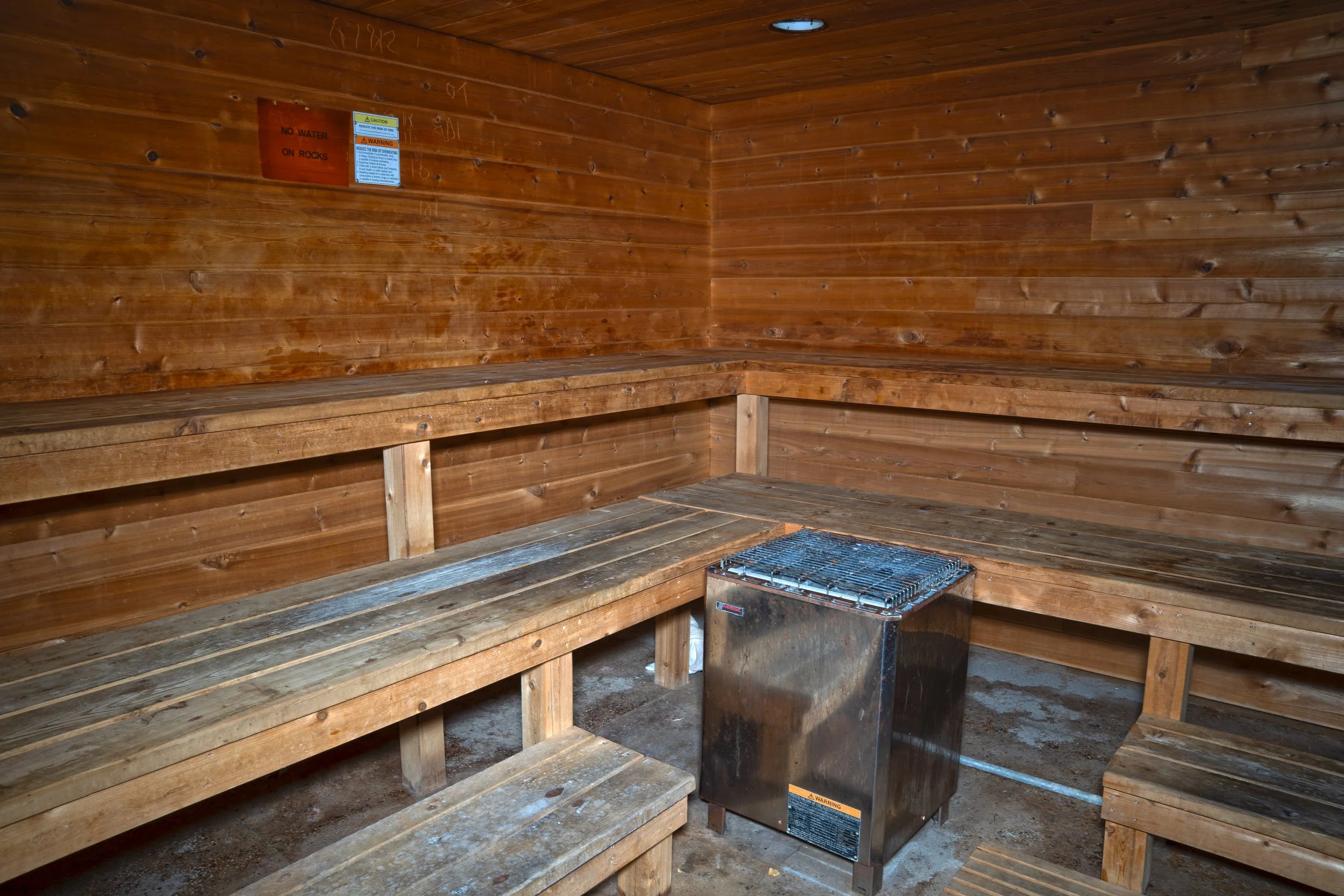
that same suana room