
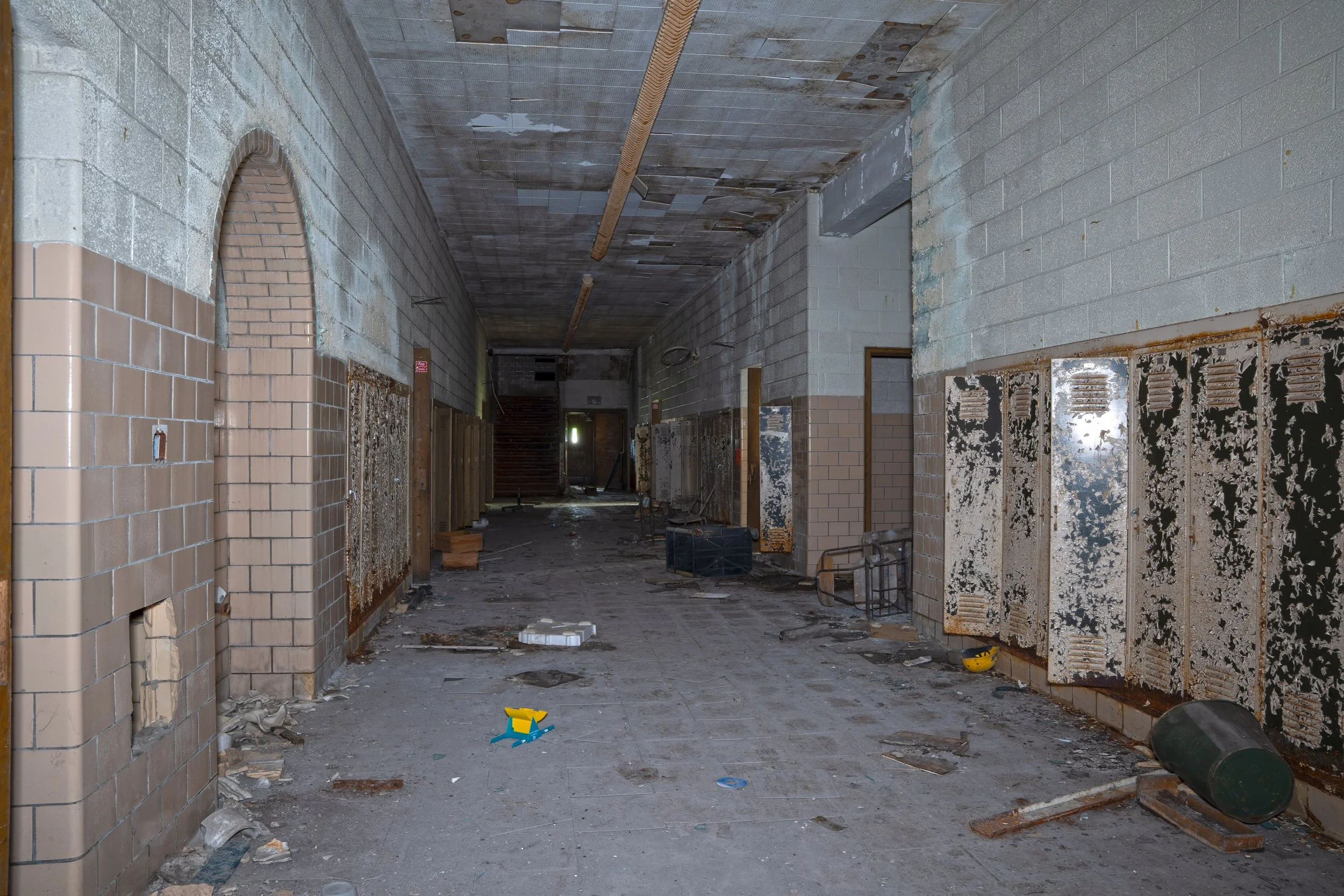
Parkman Elementary School
15000 MacKenzie St, Detroit, MI 48228
-Abandoned 2005
|High Resolution Page S+Tripod|
This location has confirmed porch sitters, in direct line of entrance to the school. They may call the police if seen entering the building.

Watch the Uncut Exploration
Date Recorded: 8/24/26
Out first only to abandonedcommercialdetroit.com viewers
Locate it!
History of Parkman Elementary School
By the 1920s the Fiskhorn neighborhood on Detroit’s west side had emerged as a densely populated enclave for working class and middle class industrial laborers. A temporary, portable classroom building, and later second portable unit was added the following year to handle the immediate overflow of students. In 1941 construction began on a permanent building named Francis Parkman Elementary School, named after Francis Parkman a American historian most notable for writing the most famous books about both the Oregon Trail, and the Great lakes region of the US among other installments in his over 10-11 books. It is very likely Parkman’s literature was the inspiration for the famous 1990 MSDOS game “The Oregon Trail”. Parkman traveled the Oregon trail himself in 1846, to observe Native American life firsthand as background research. Today it remains the most famous book related to the Oregon Trail. When Parkman was completed it featured 8 classrooms, 4 on each floor. In 1948 a 2nd addition was added as student enrollment reached 359 students and had overcrowded the school. This addition more than doubled the school's footprint, adding seven classrooms, a gymnasium/cafeteria, a library, a large home economics classroom, and the main administrative office. The final addition was completed in 1954 from a 1949 millage. This addition added a dedicated auditorium, eleven classrooms (including two specialized science rooms), and a kindergarten. In total the additions would make up 40,000 sf of space. Parkman was built entirely past the peak of Art Deco Architecture, however it uses a spin off of the style called streamlined moderne, Popular in the late 30s during the time period of the original construction. It is the only school in the city to use this architecture style. While many schools of the time period of Parkman’s construction used architecture styles such as Mid-Century Modern and Post War Institutional, and later International styles later being introduced in the 50s. Beginning in the 1950s, large flocks of white families moved to the suburbs as white flight began to affect Detroit Public Schools enrollment, by the 2000s many schools had became severely underfunded and suffered from declining enrollment, during Kenneth Burnley’s term as CEO of DPS, he saw the district lose over 40,000 students from the span of 2000-2005. In 2005 during his final year in office, Burnley and the school board initiated what was, at the time, the largest single mass school closing event in American history. Burnley argued for the closures from a purely macroeconomic and efficiency standpoint. In a statement to the Detroit Free Press in 2005, he declared: "We now have half as many students as we did in 1970 and nearly the same number of buildings... From a cost standpoint, it doesn't make sense. With these school closings, our district will become more efficient and more effective". That year 34 Detroit public schools permanently closed. 15 of the 34 closures were heavily influenced by the Bush administration's "No Child Left Behind" initiative, and were targeted specifically because they had failed to meet federal testing standards. Rather than providing underperforming schools in impoverished neighborhoods with increased funding and resources to improve, as Burnley had done in his early years as the CEO of DPS providing books to students among other resources, DPS responded to these academic failures in 2005 by punishing the schools with permanent closure. Since then Parkman has remained abandoned later being sold to the city of Detroit in 2015, largely because of its neighborhood it has remained in pretty good shape compared to many schools closed the same or following years. The library features mostly all the books intact, alongside seats in the auditorium being largely undisturbed in its over 20 years of abandonedment.
Recollection from the author
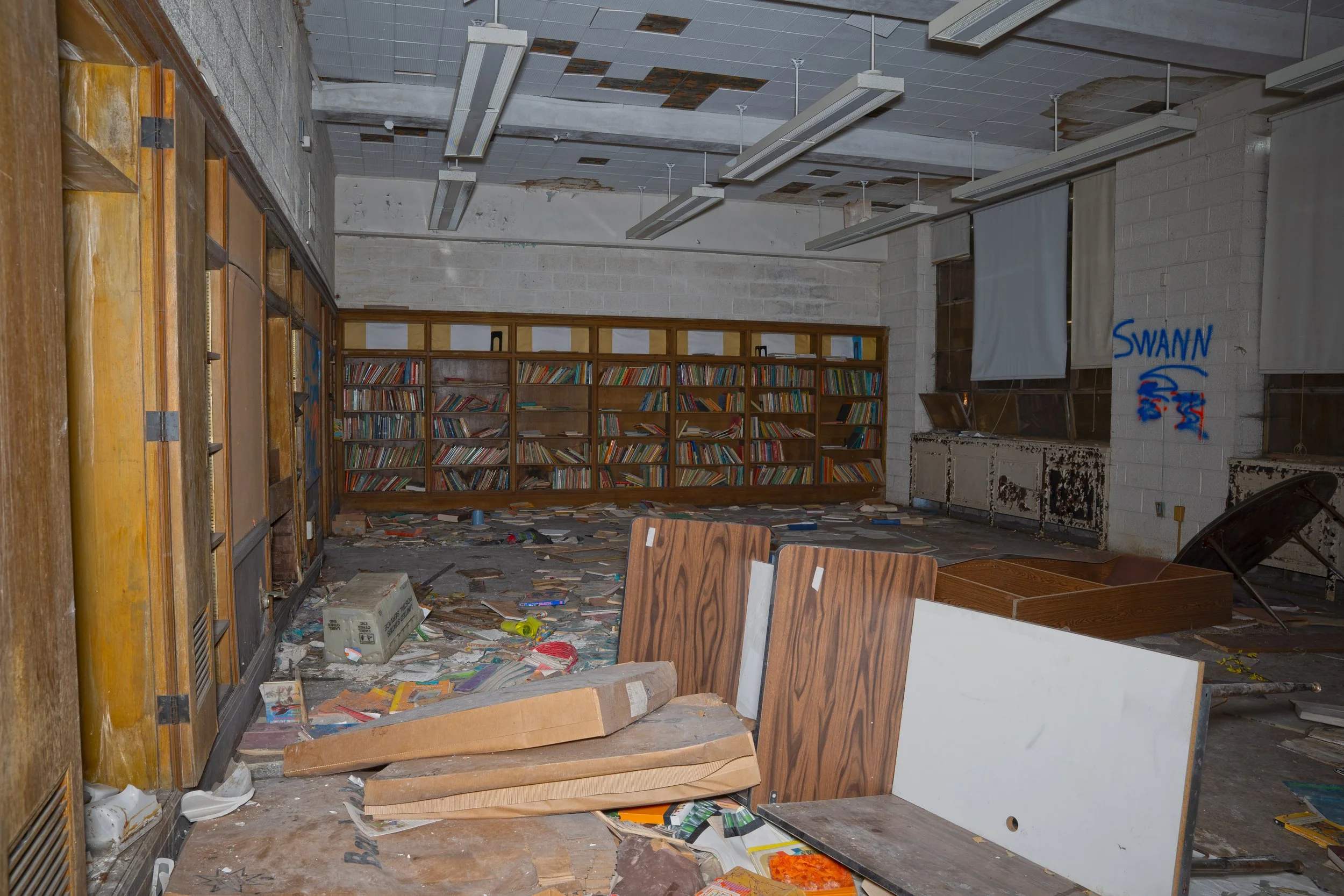
Parkman was more known for its neighborhood then the school itself. On the many attempts I had made on the school it had remained sealed or the neighborhood would be watching over it, in what I would best call “porch sitters” of which this neighborhood had a ton. While risky a short trip inside allowed a unique look into a school that is otherwise not very well documented online. It has large amounts of natural decay, with only small sections of scrapping inside. Rooms like the Library still retain almost all their books on the shelves.
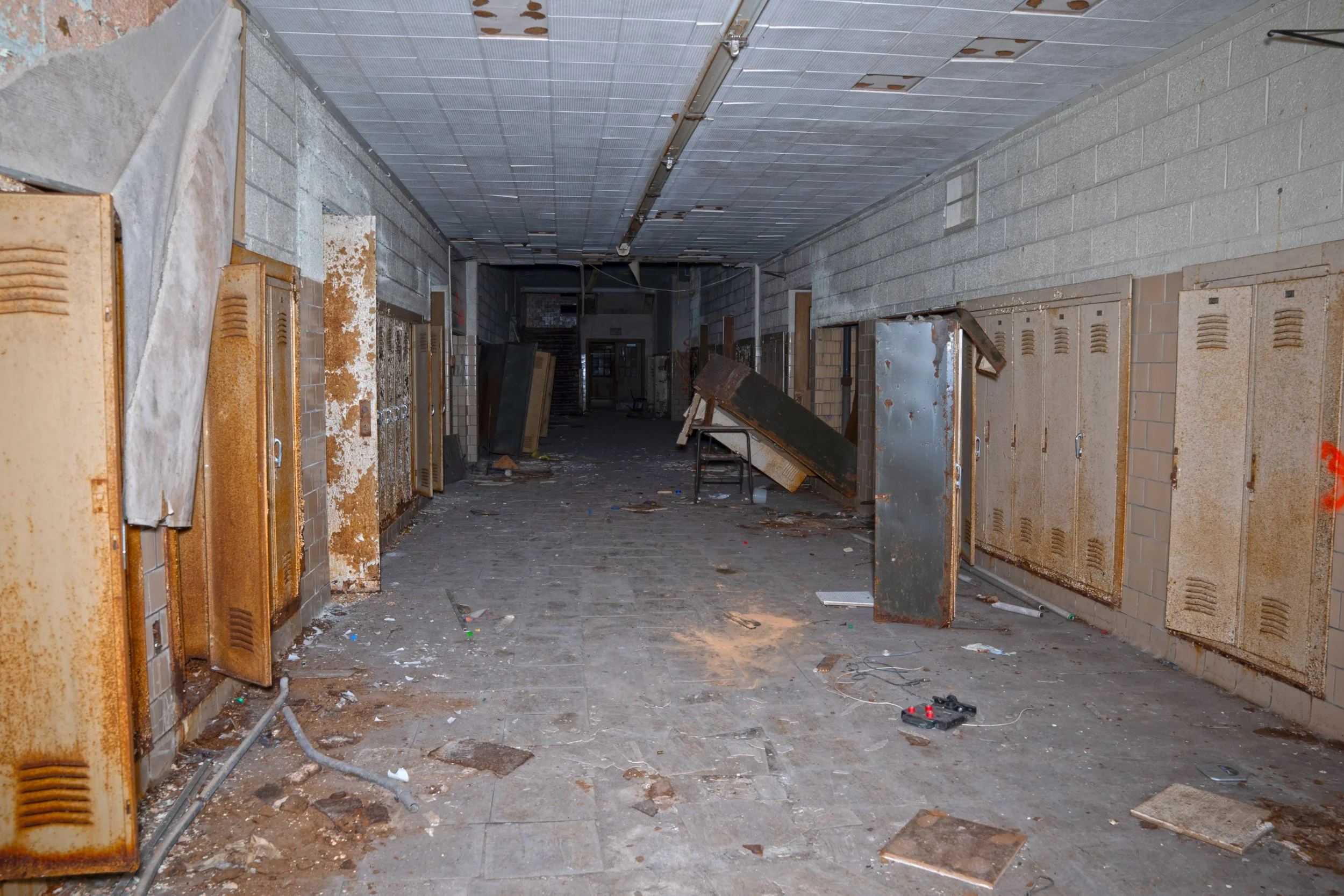
1st floor hallway shot 1
1st floor hallway shot 2
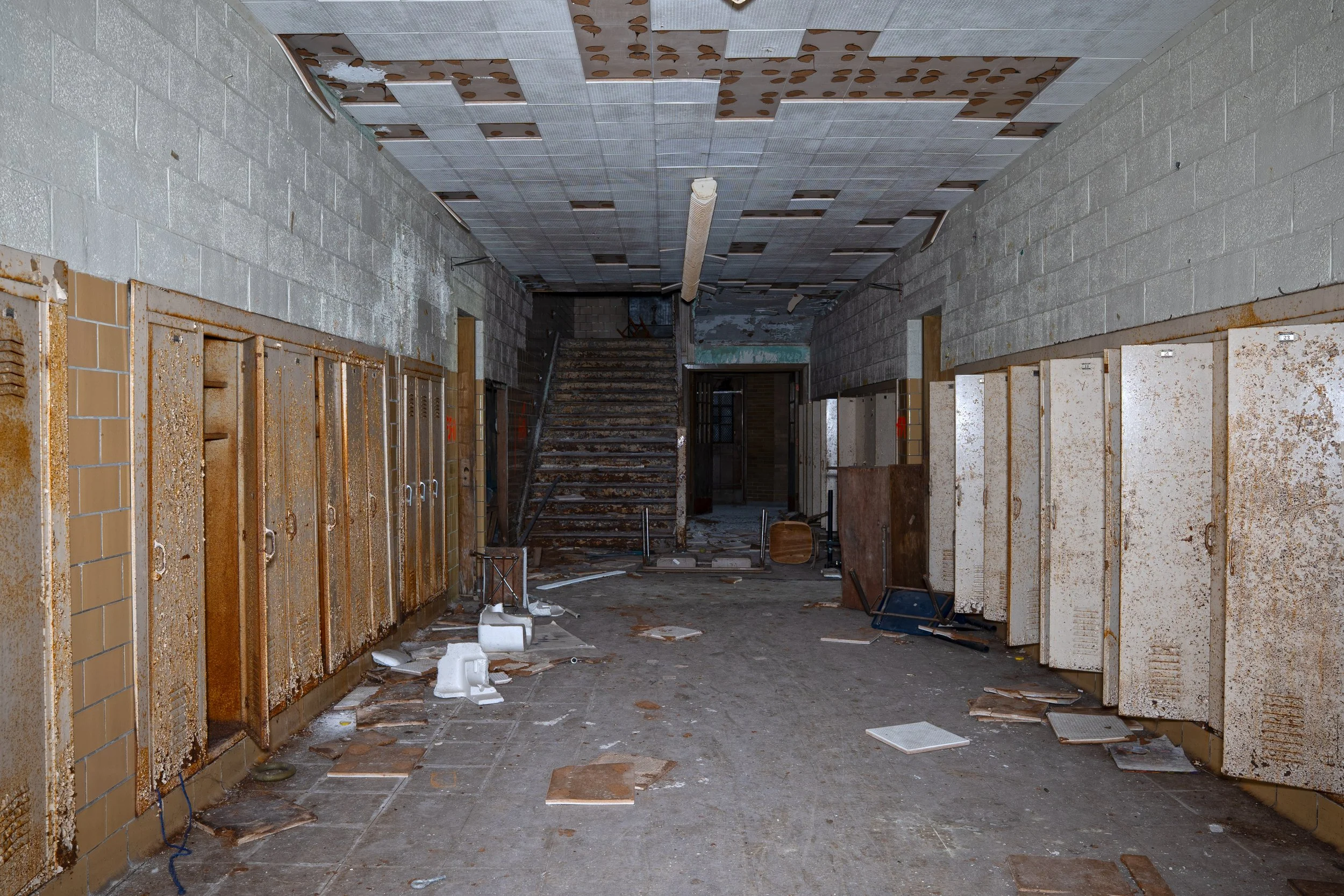
1st floor hallway shot 3
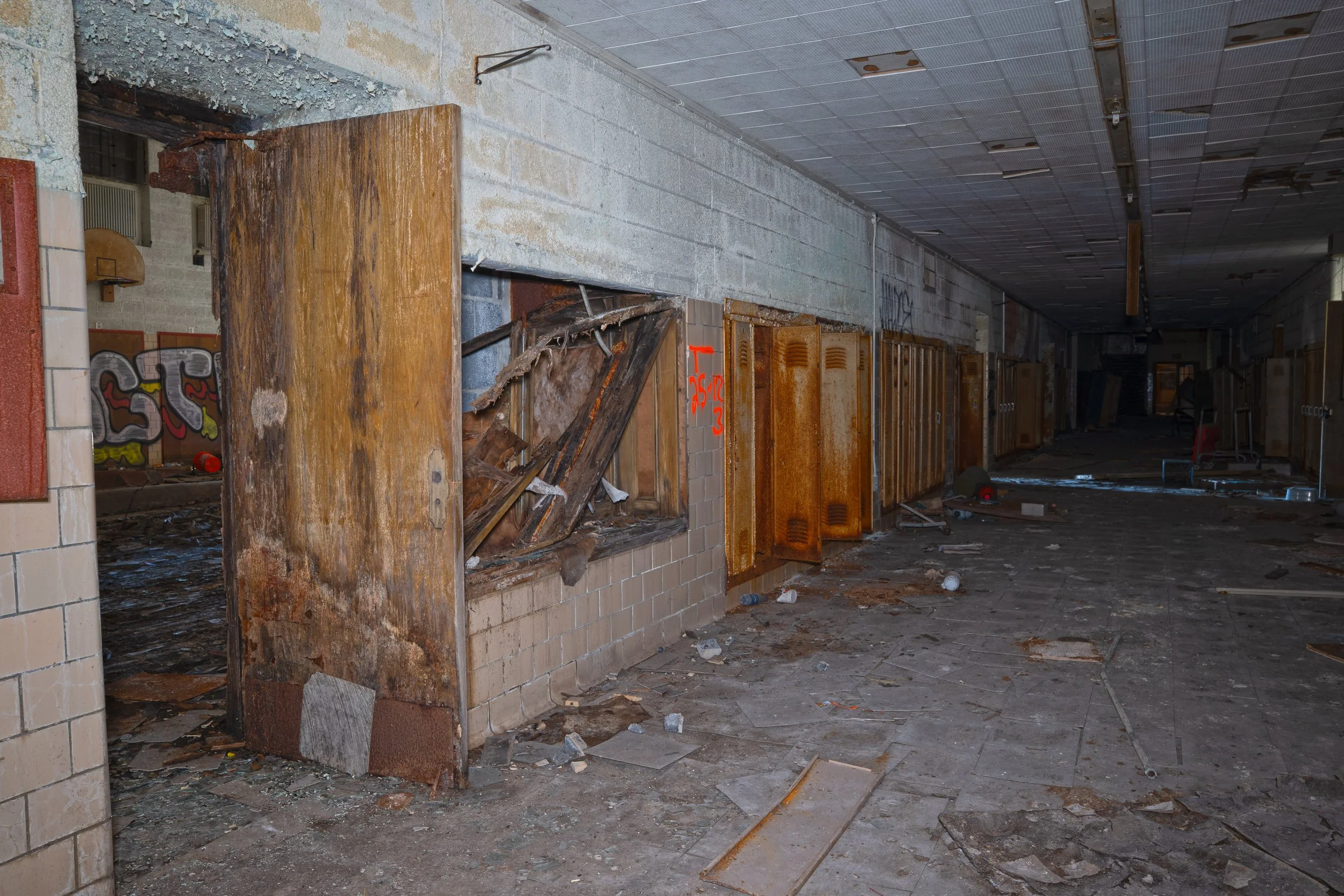
1st floor hallway shot 4
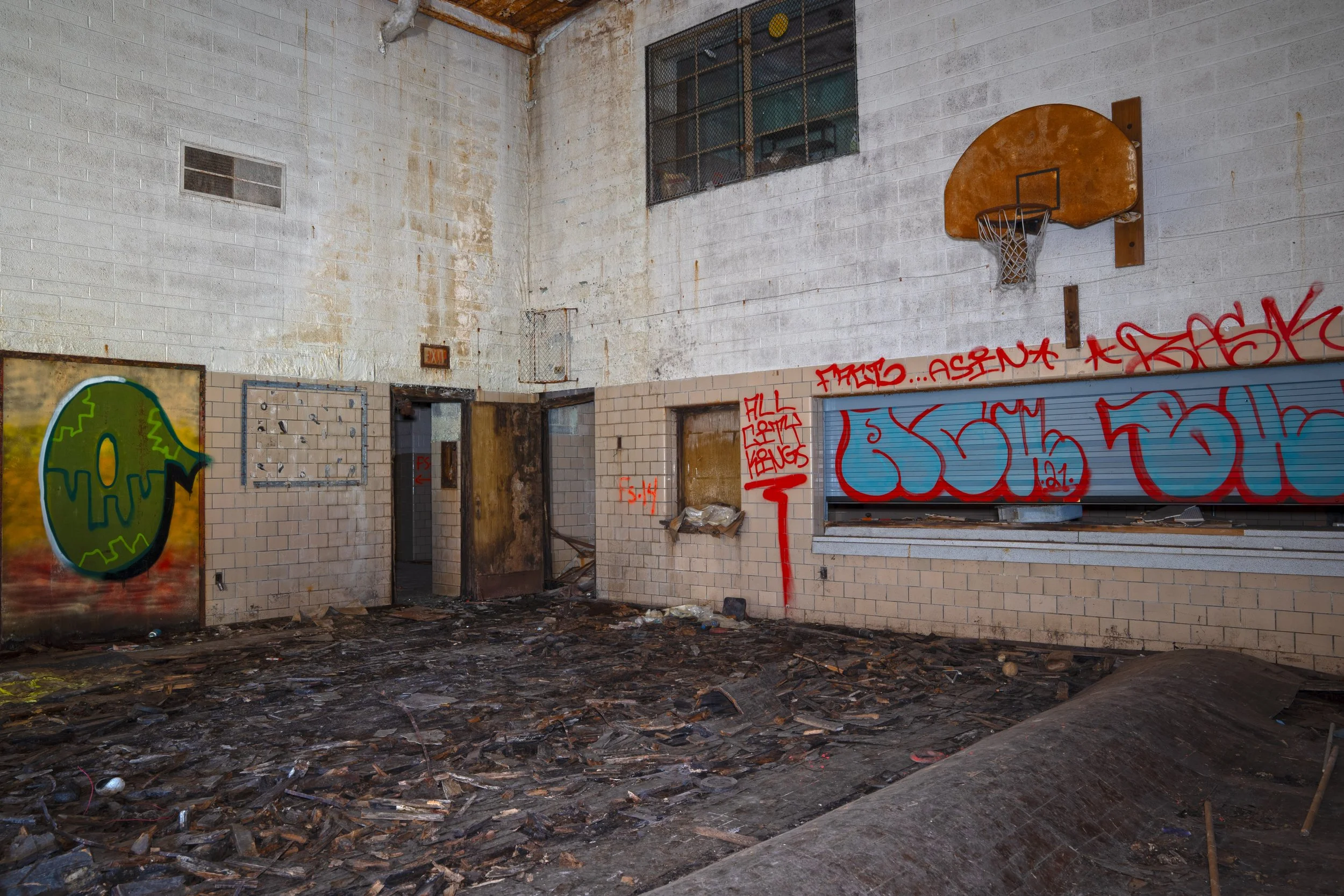
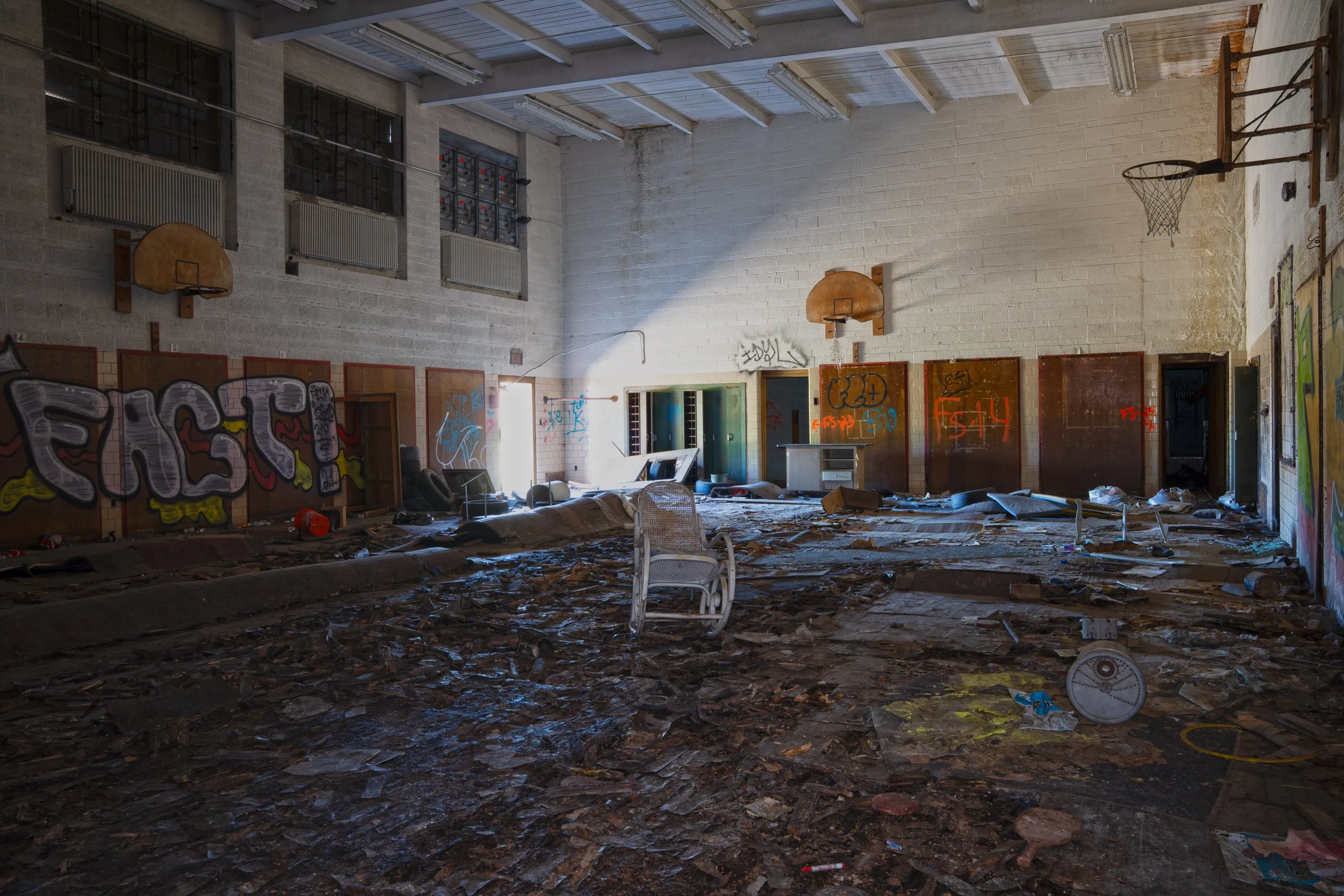
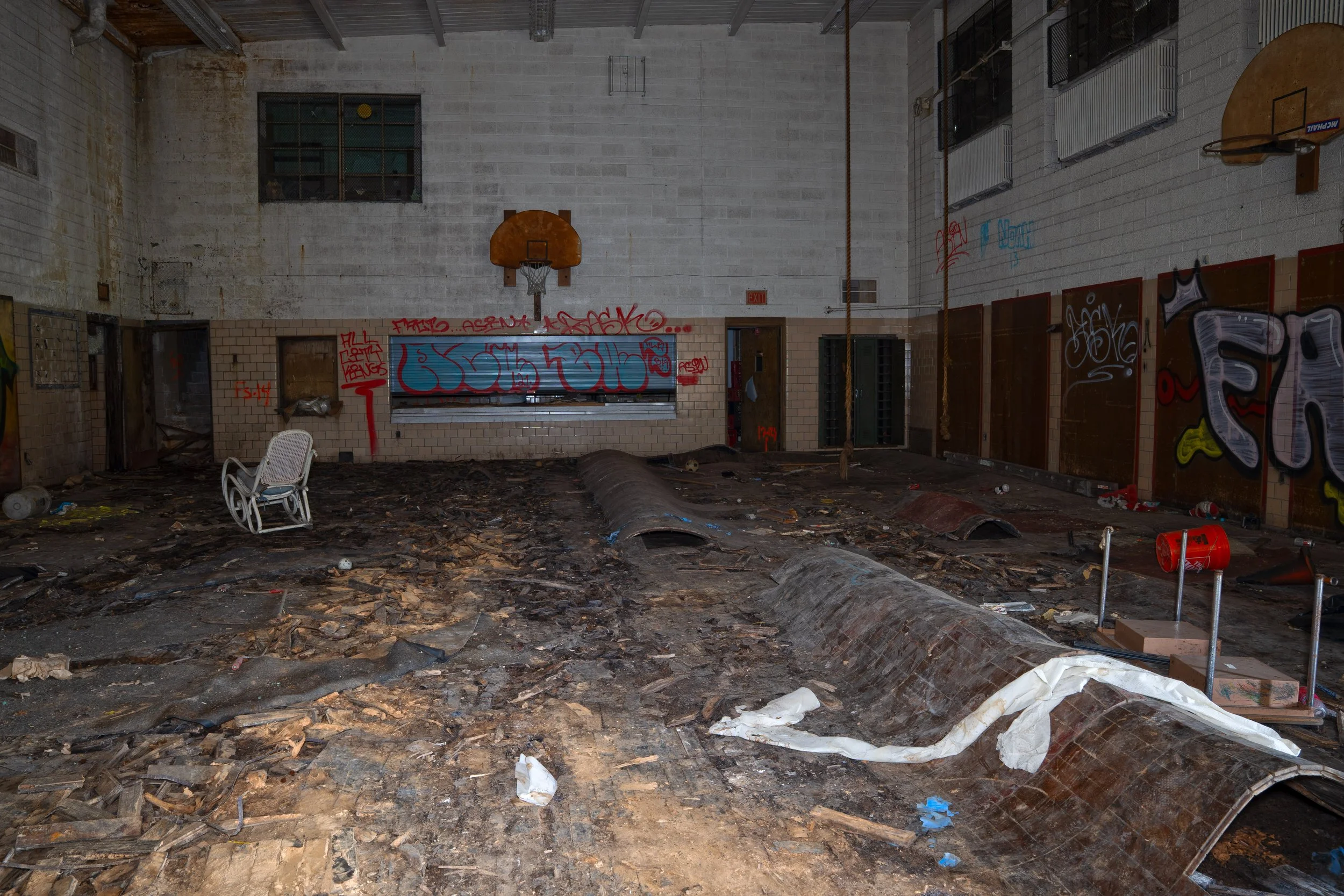
Gymnasium
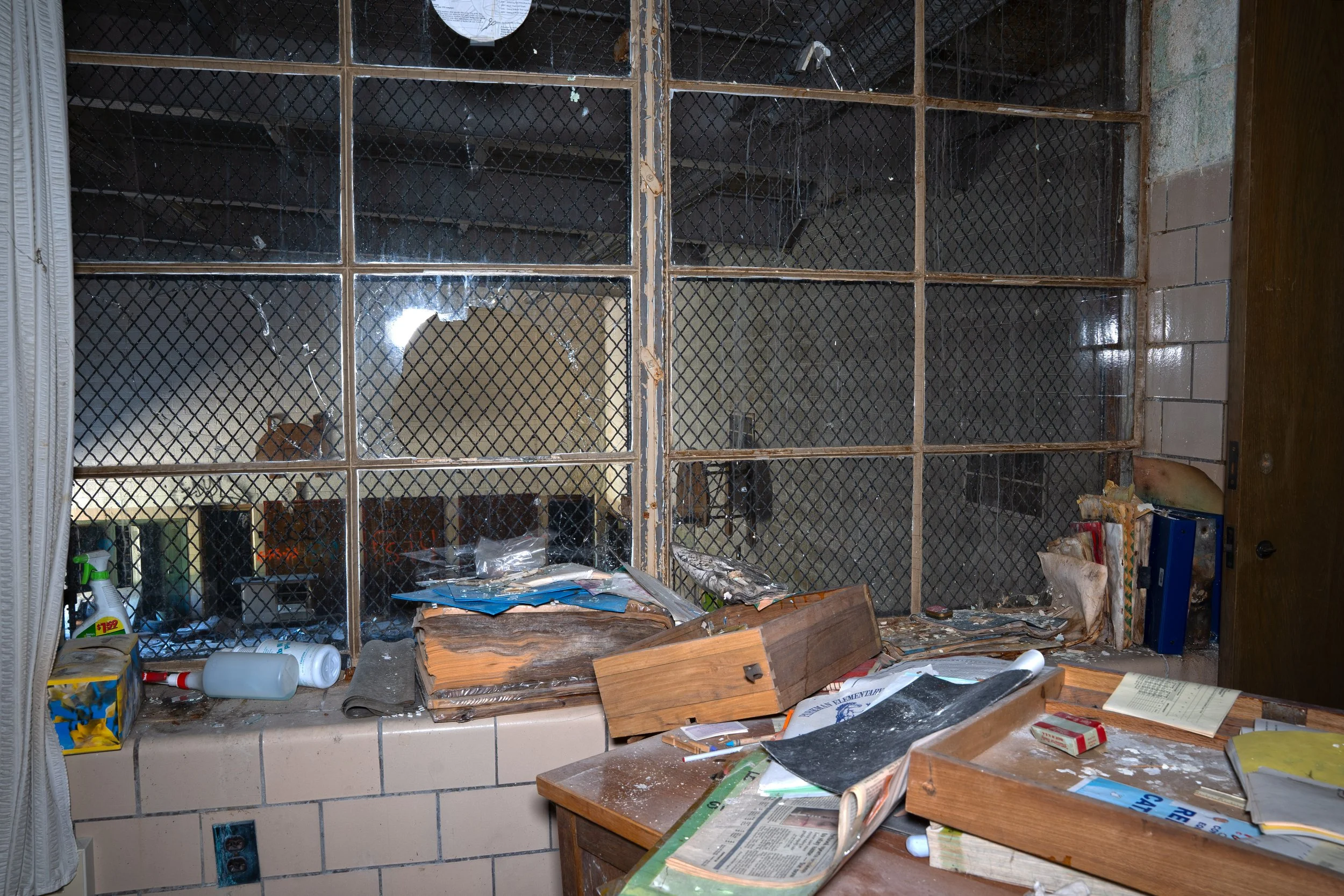
PE Office looking down on Gymnasium
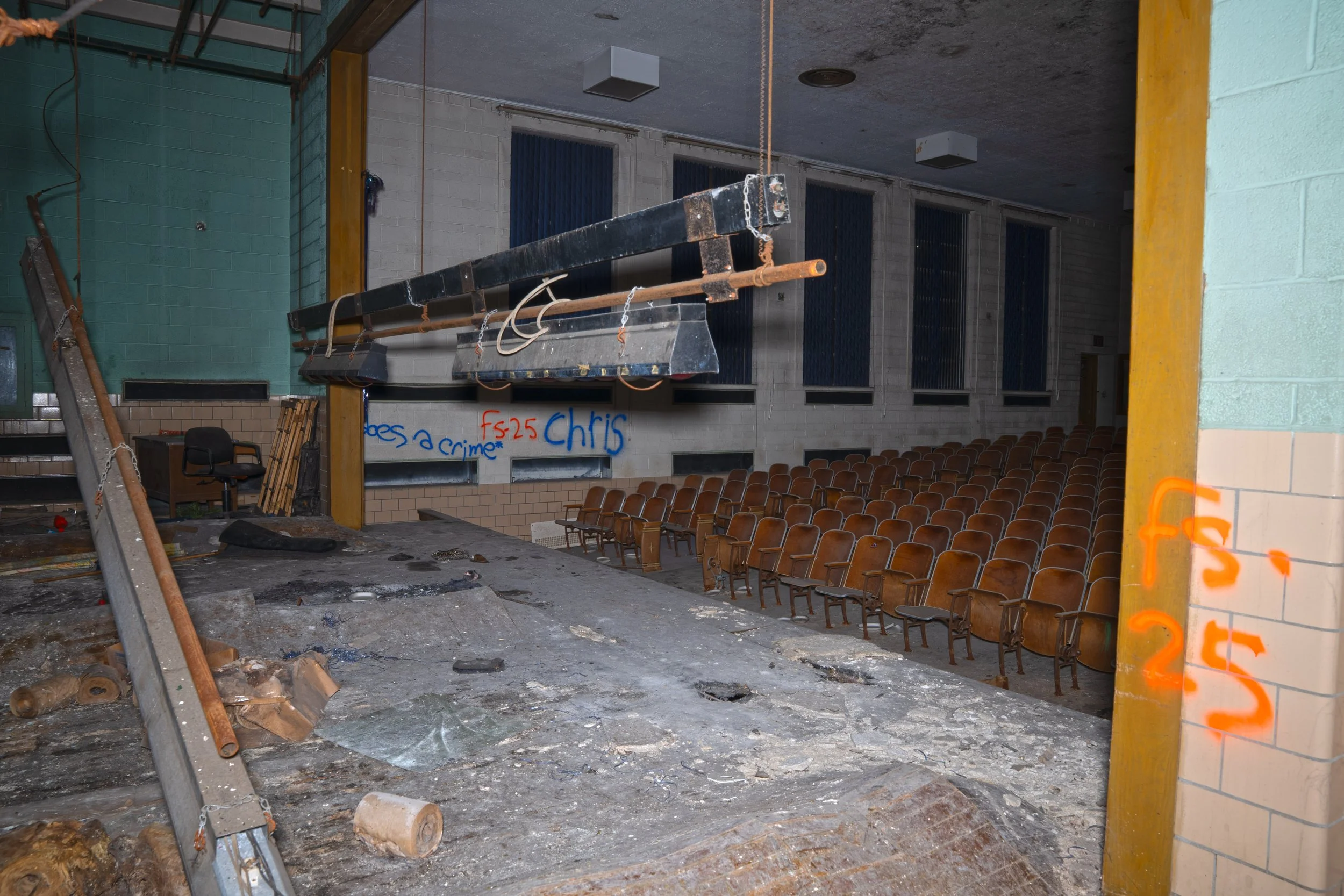
Auditorium shot 2
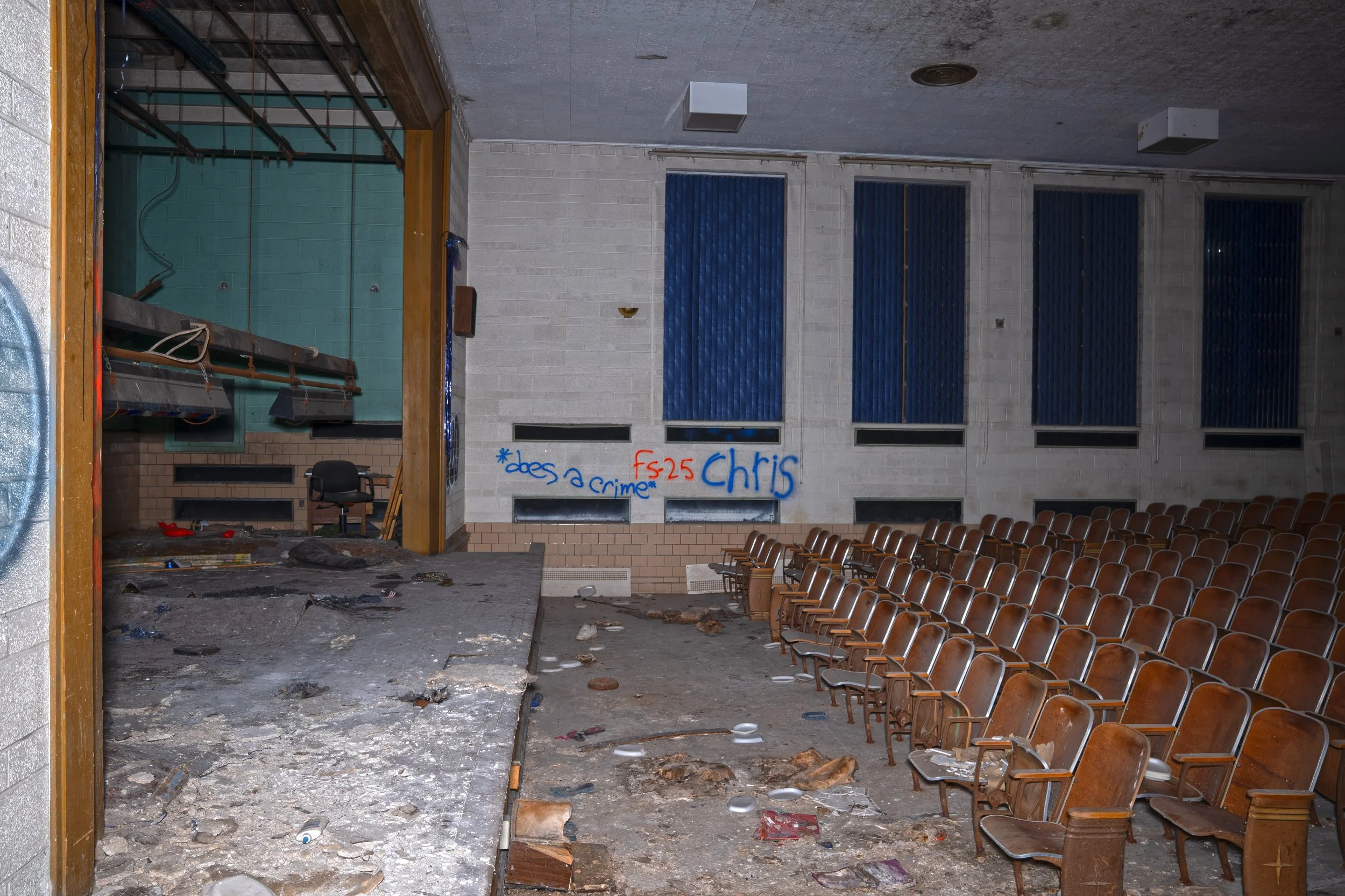
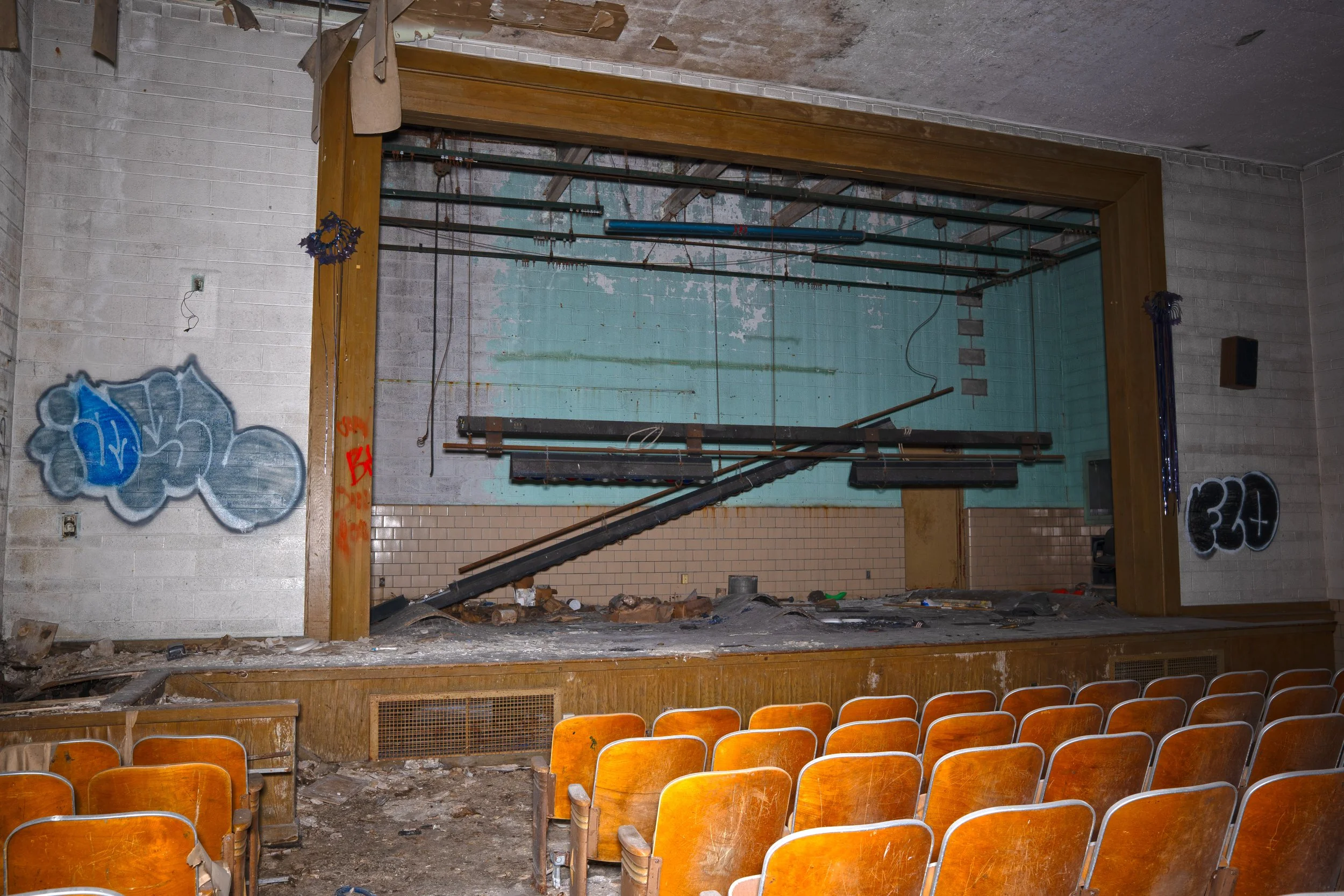
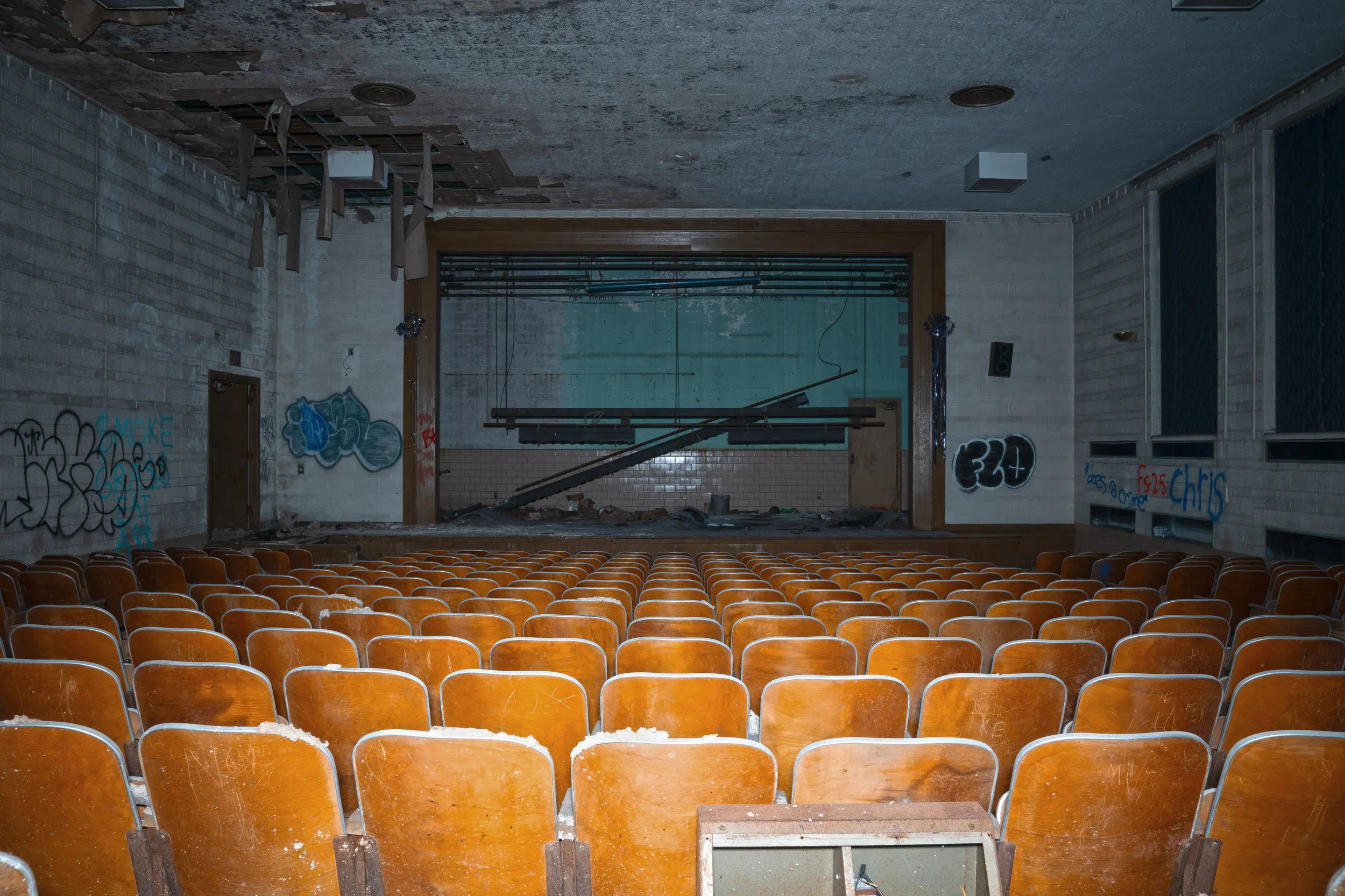
Auditorium shot 1
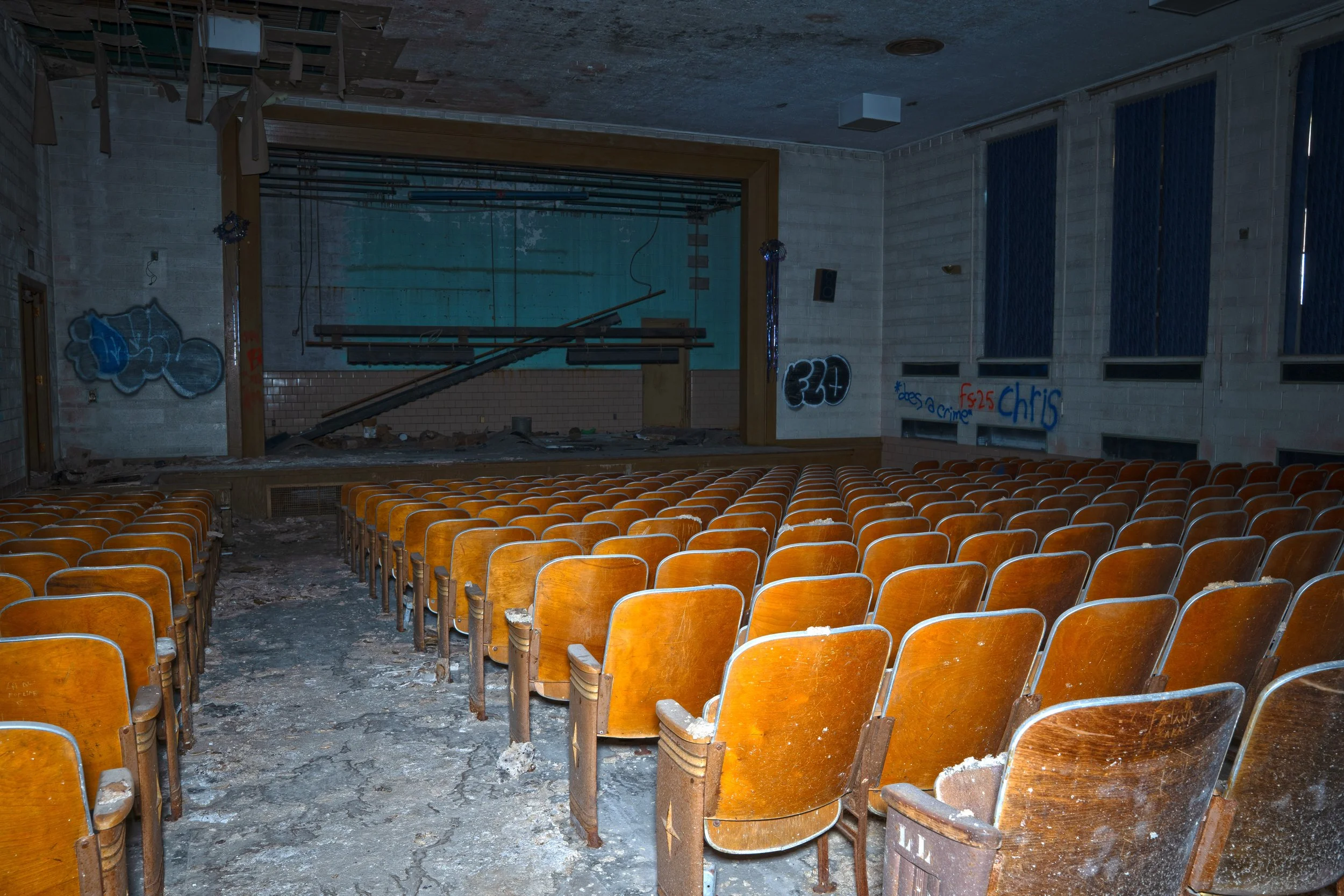
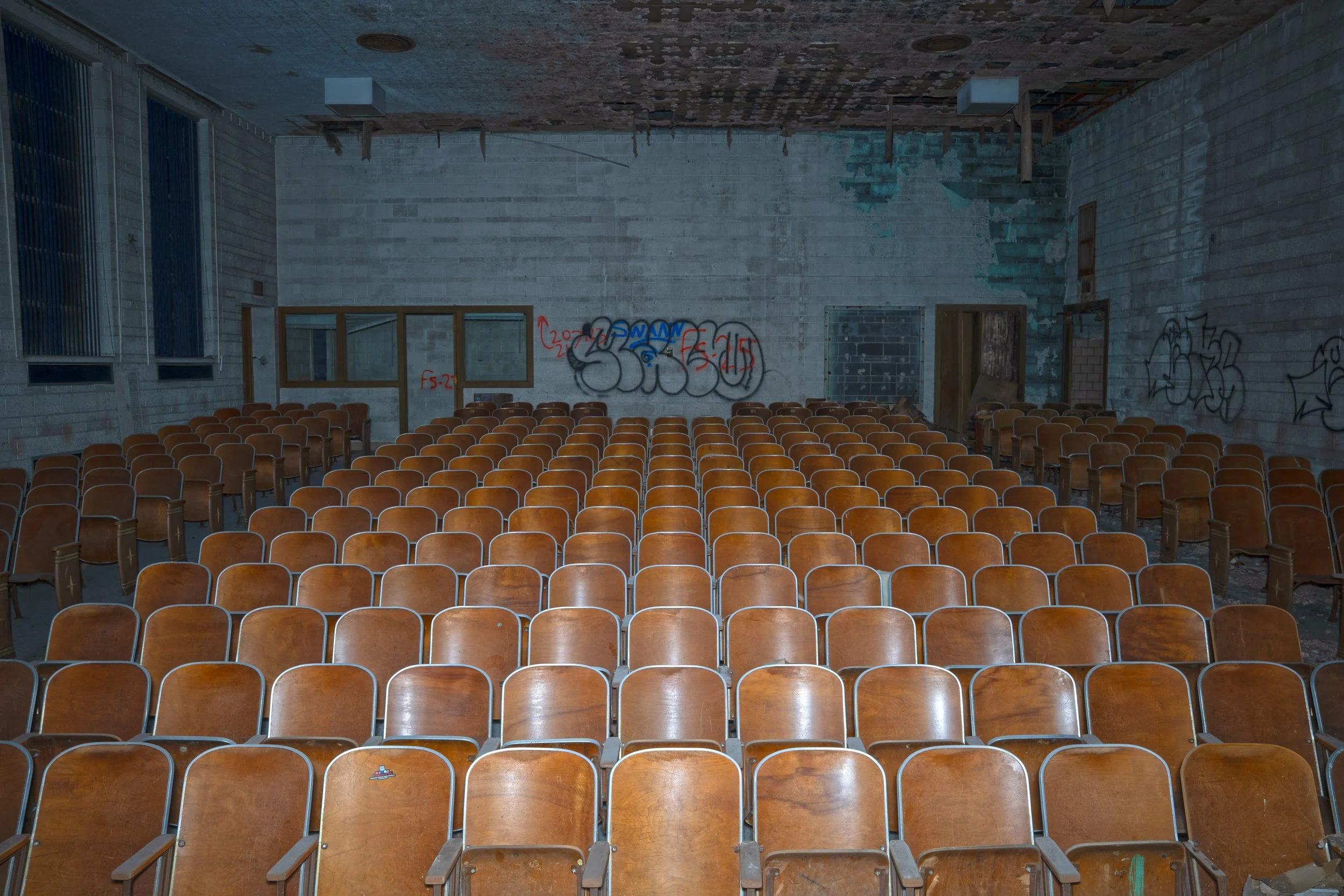
Library shot 1
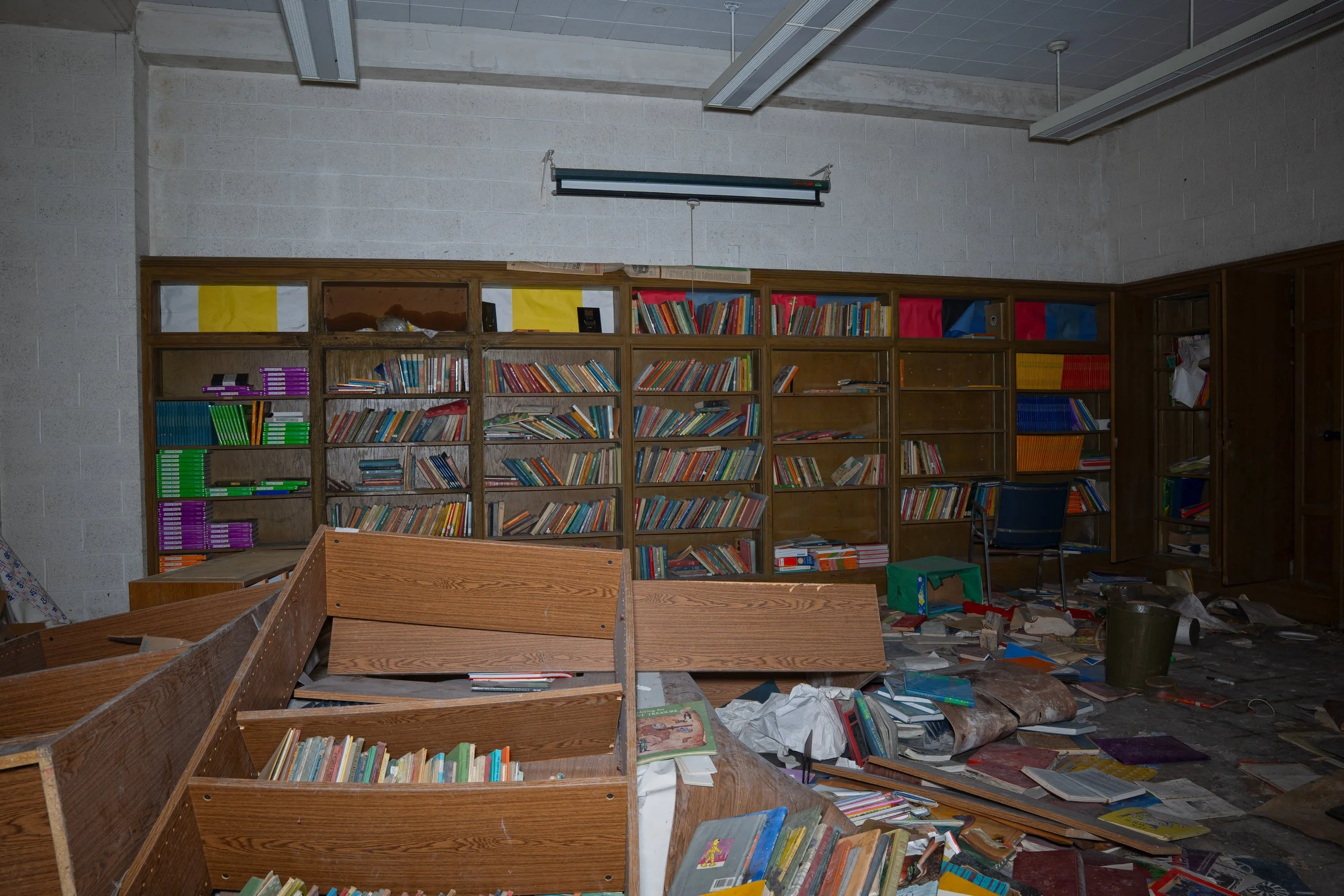
Library shot 2
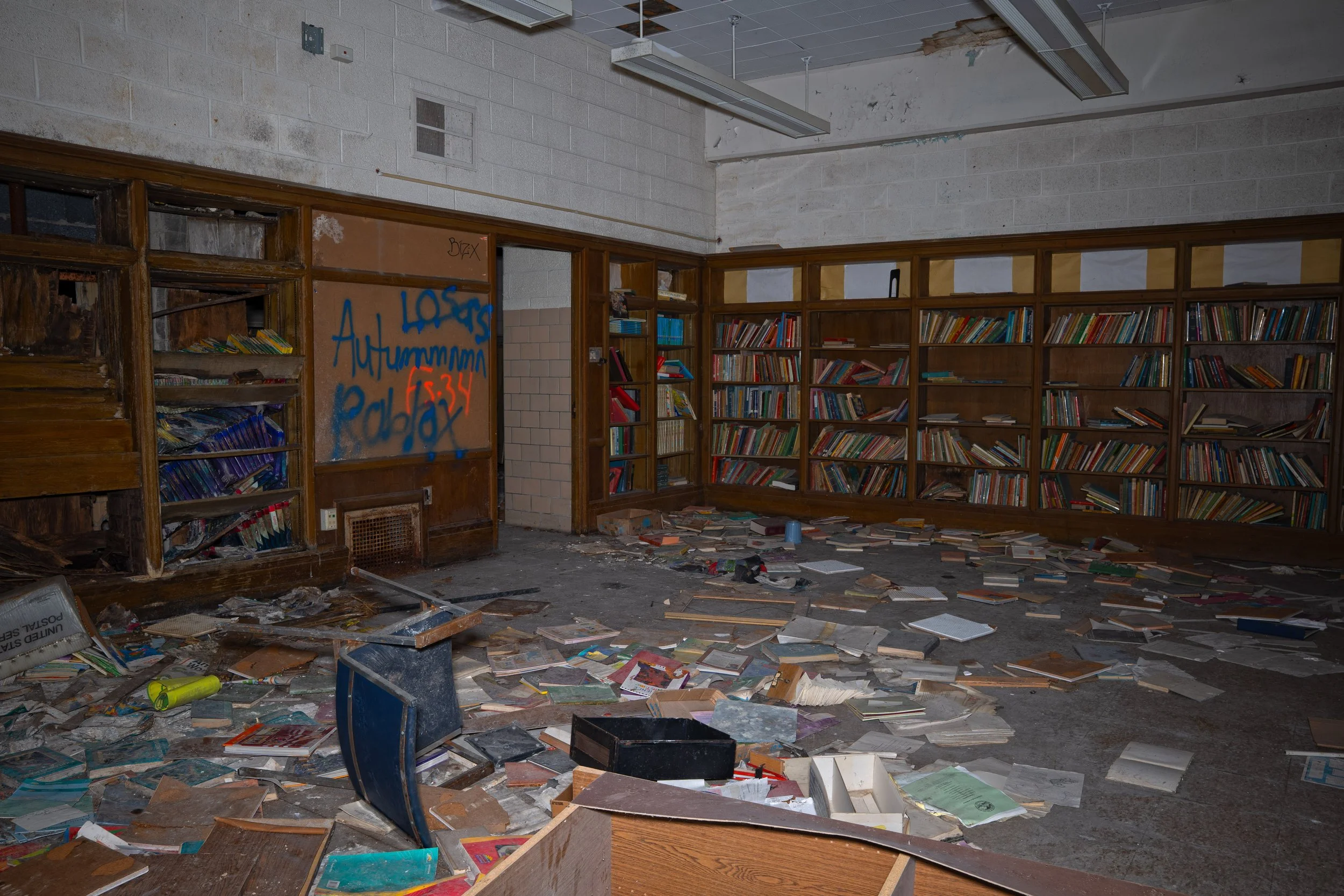
Library shot 3
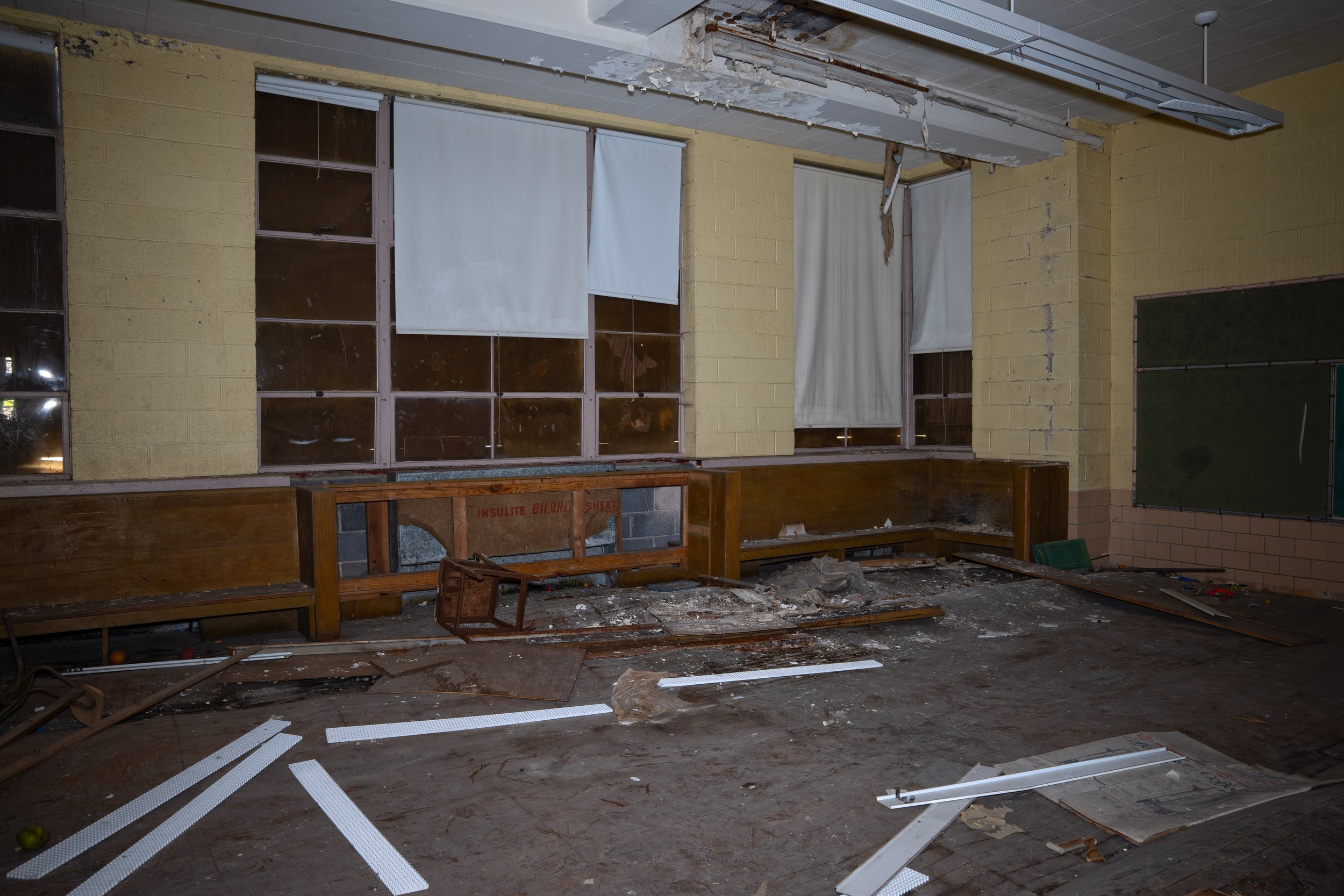
kindergarten room shot 1
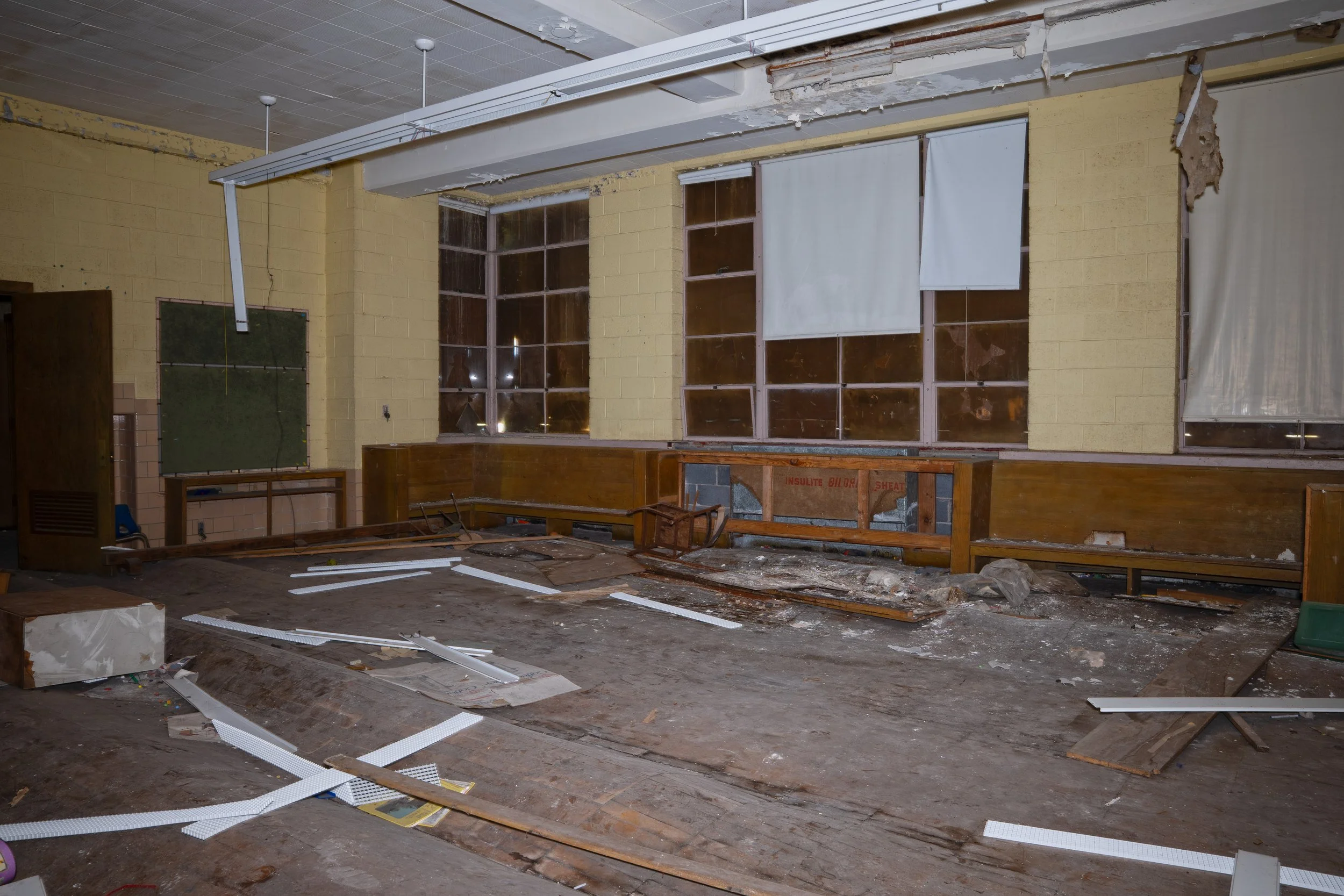
kindergarten room shot 2
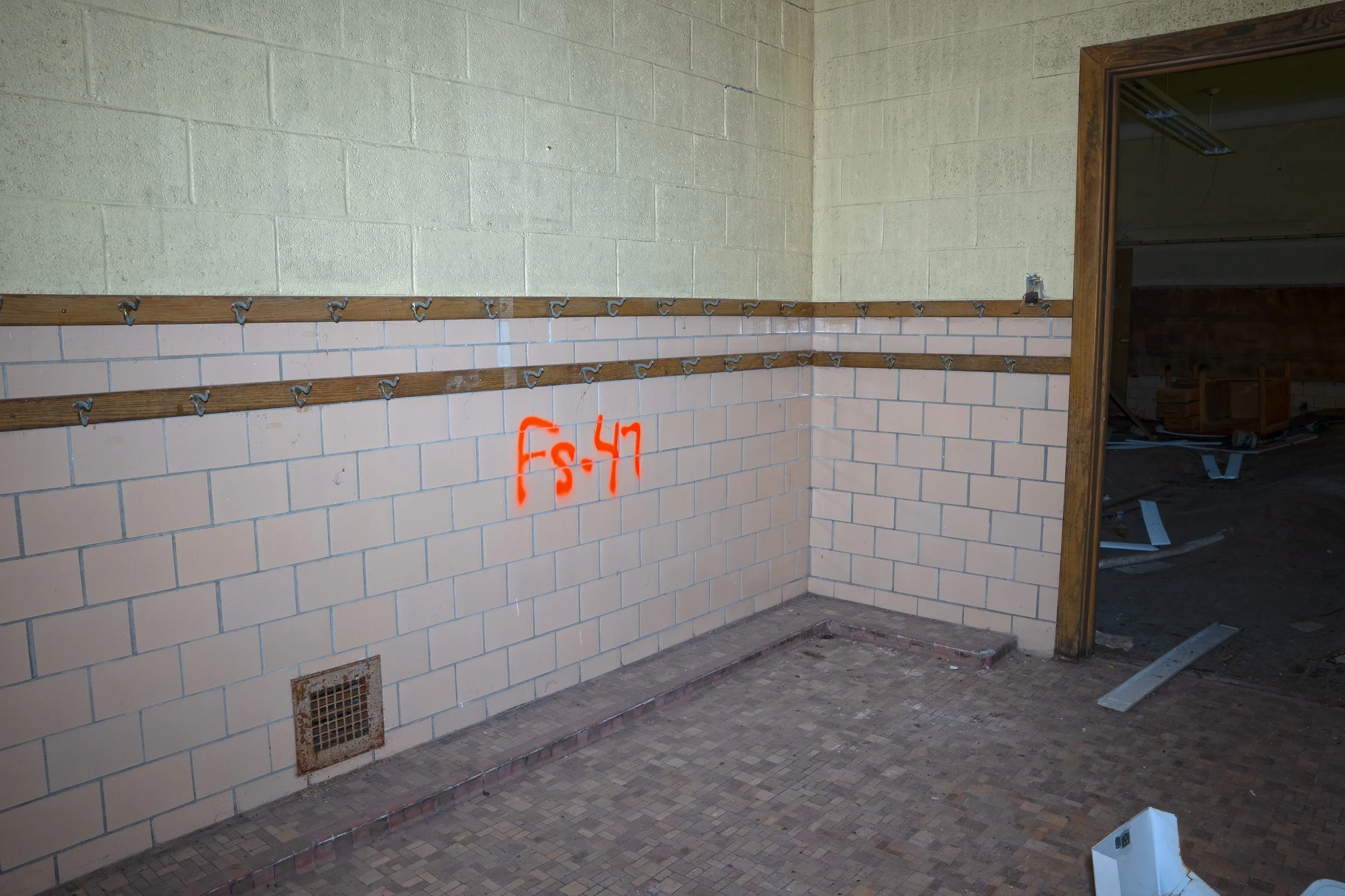
Coat room next to kindergarten room
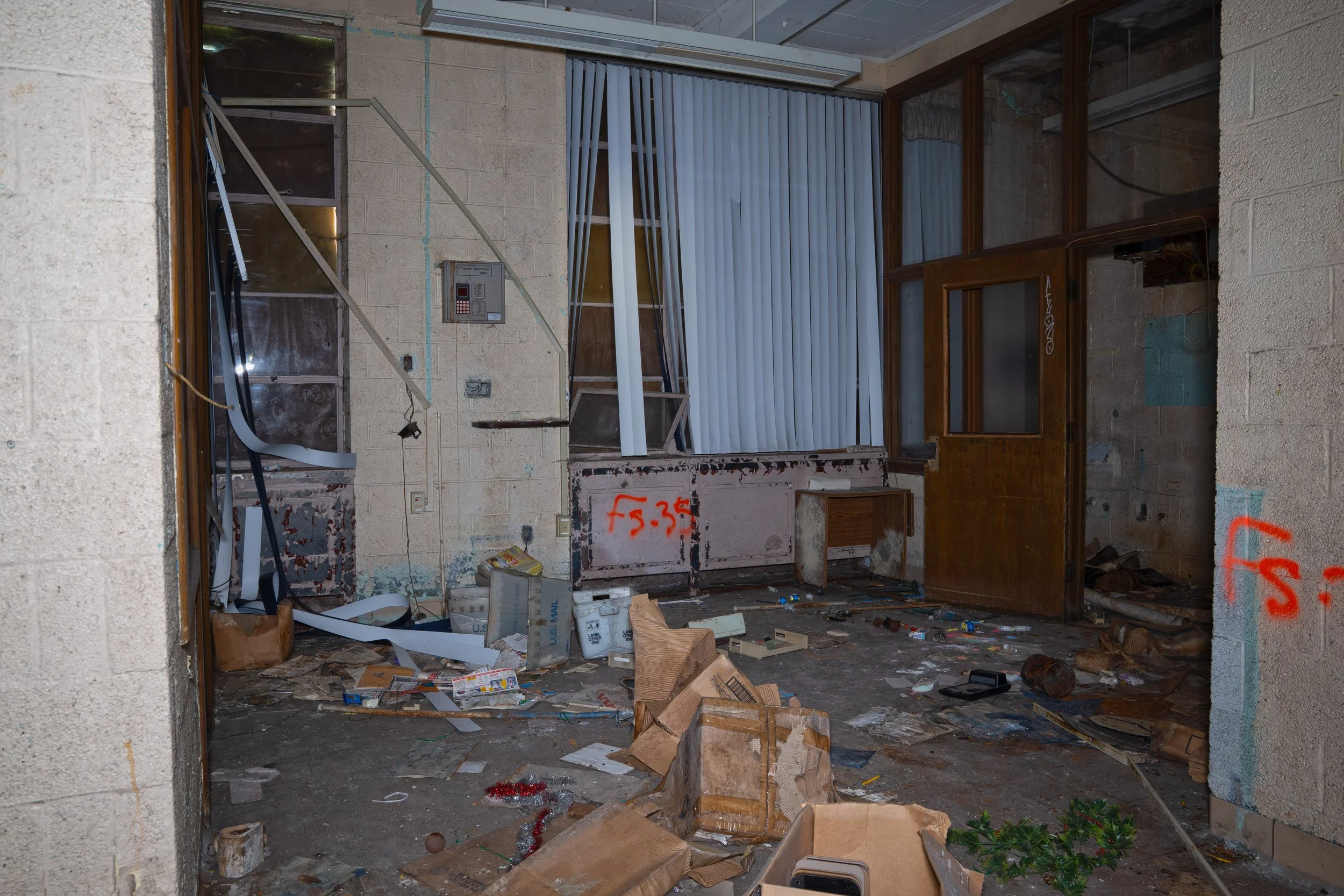
Office area on 1st floor shot 1
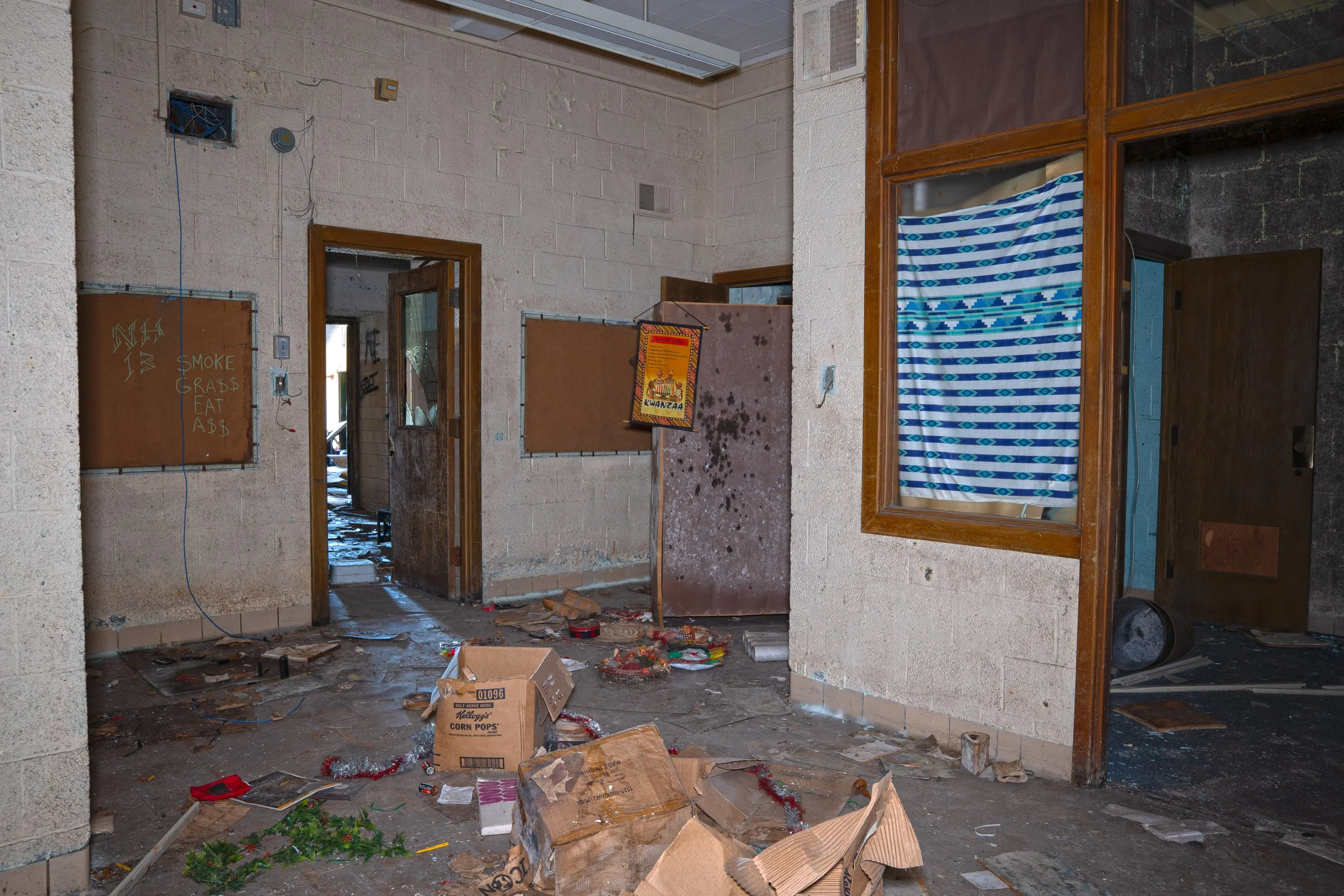
Office area on 1st floor shot 2
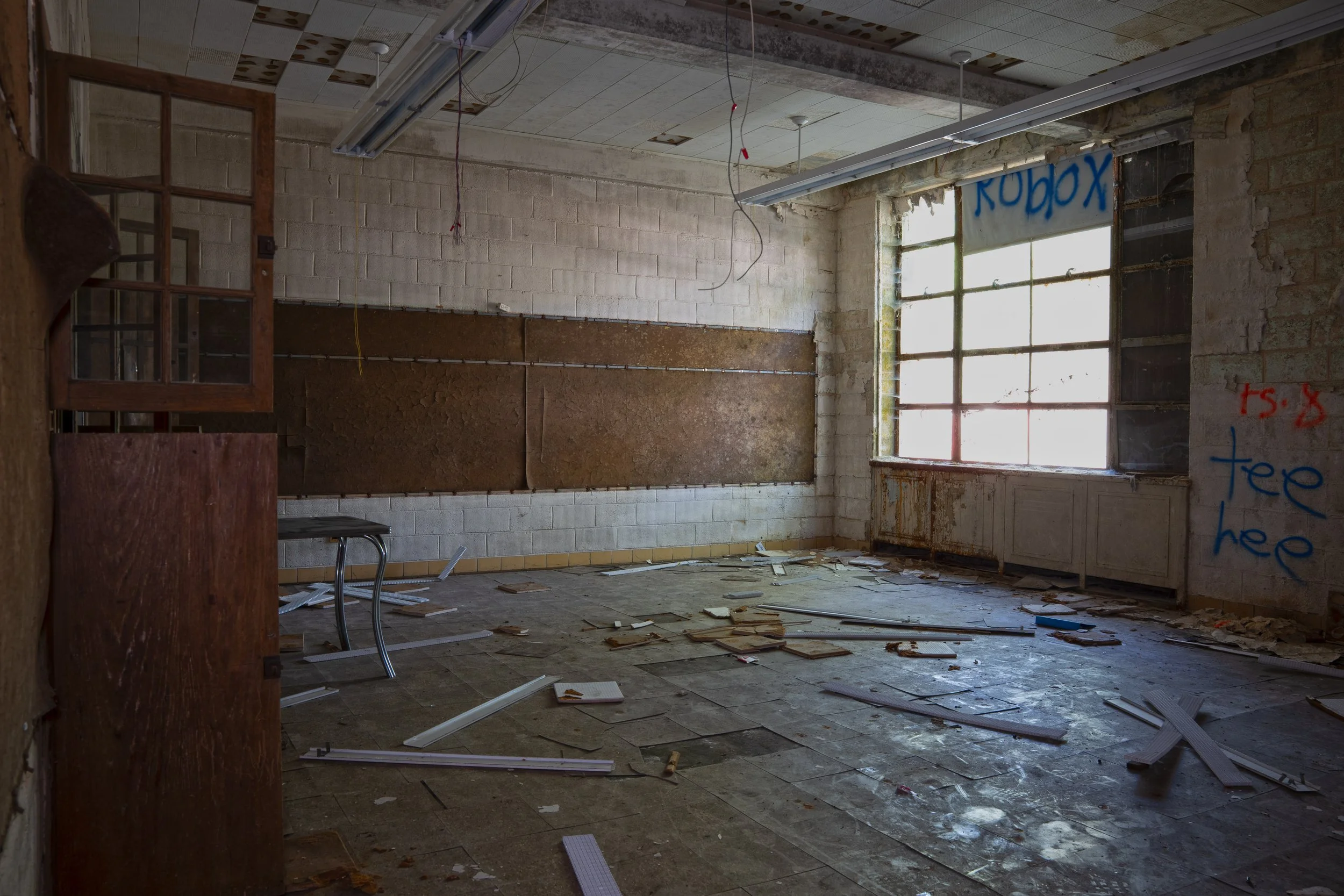
1st floor classroom
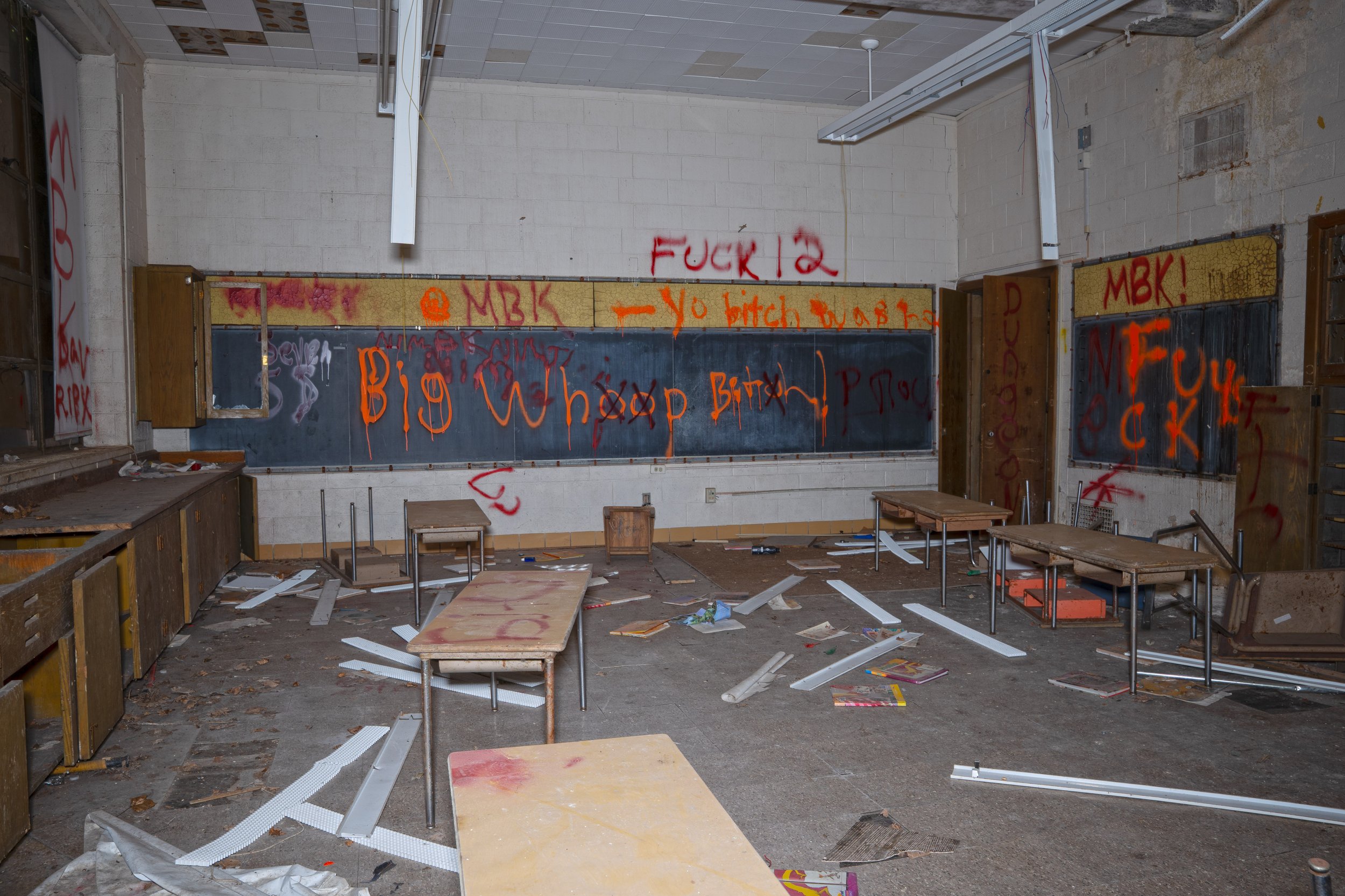
1st floor classroom
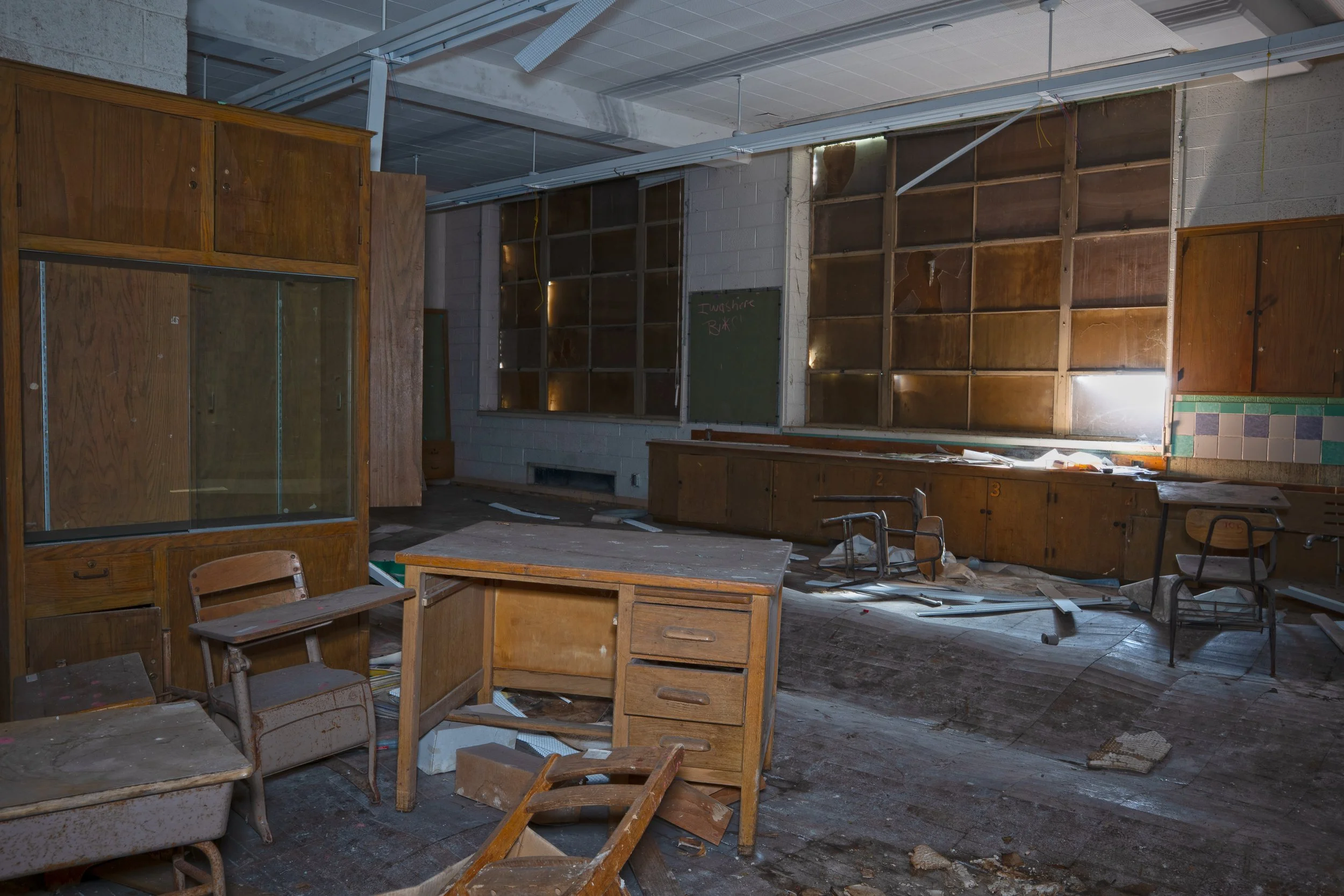
1st floor classroom
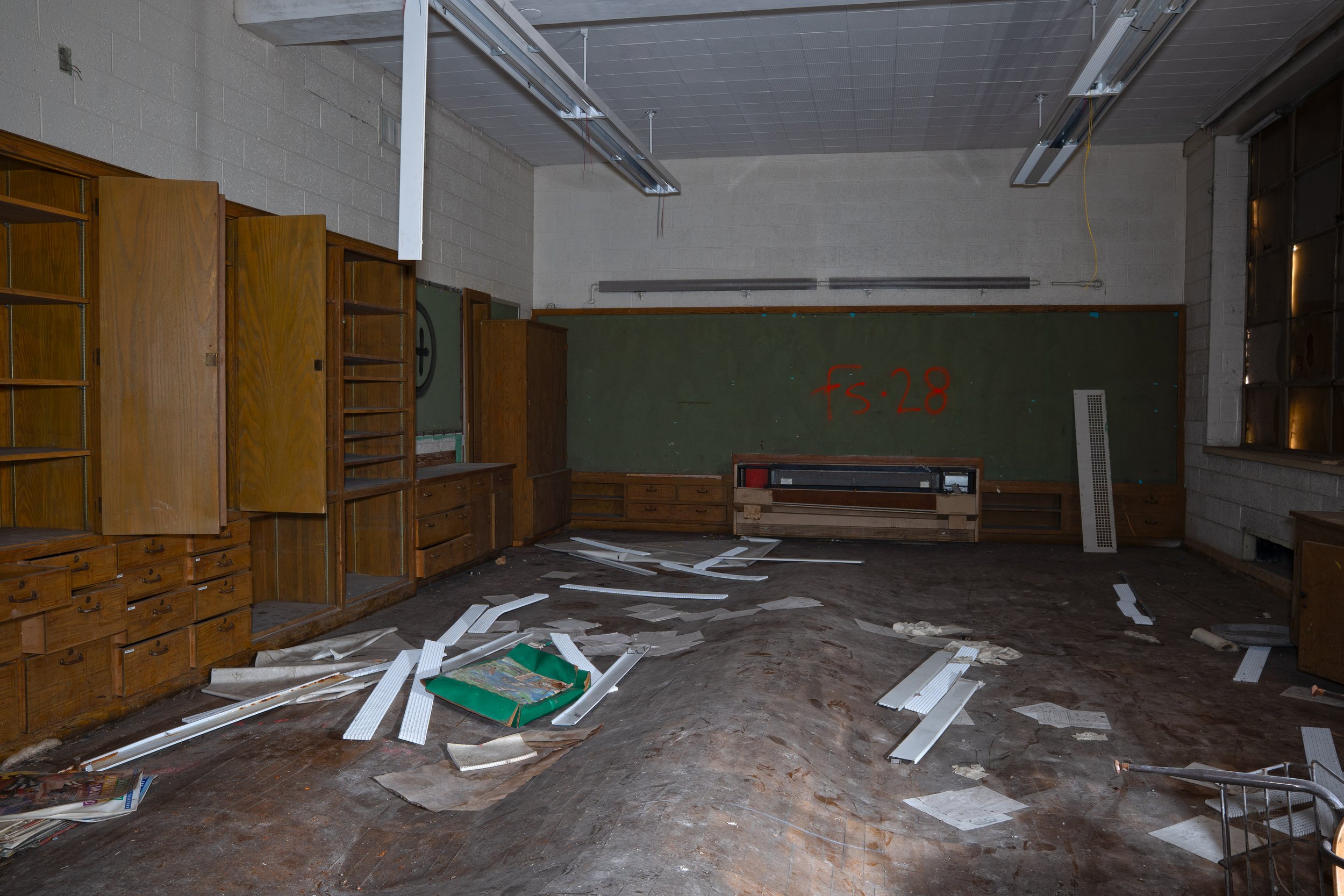
1st floor classroom
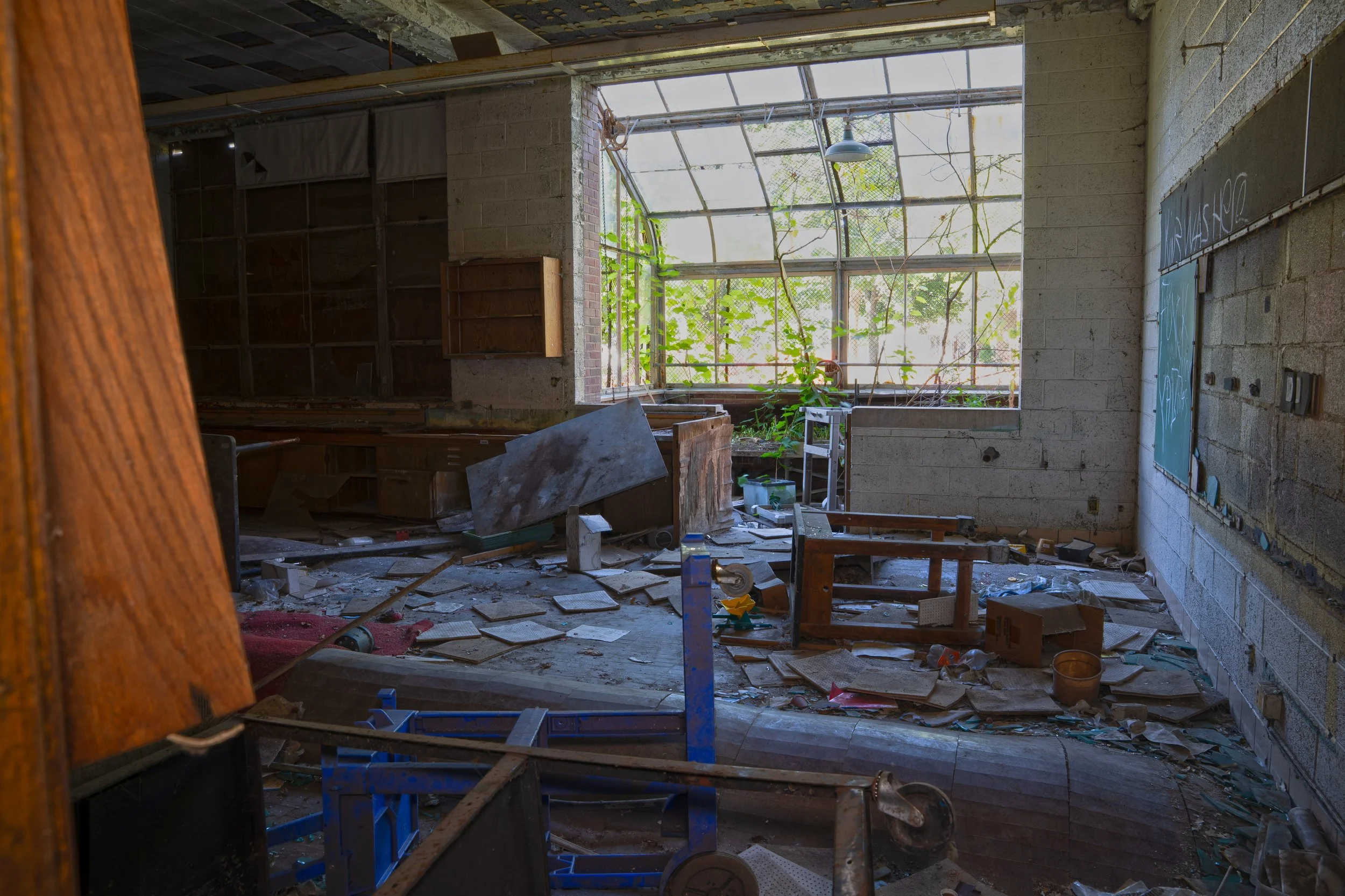
1st floor classroom with greenhouse
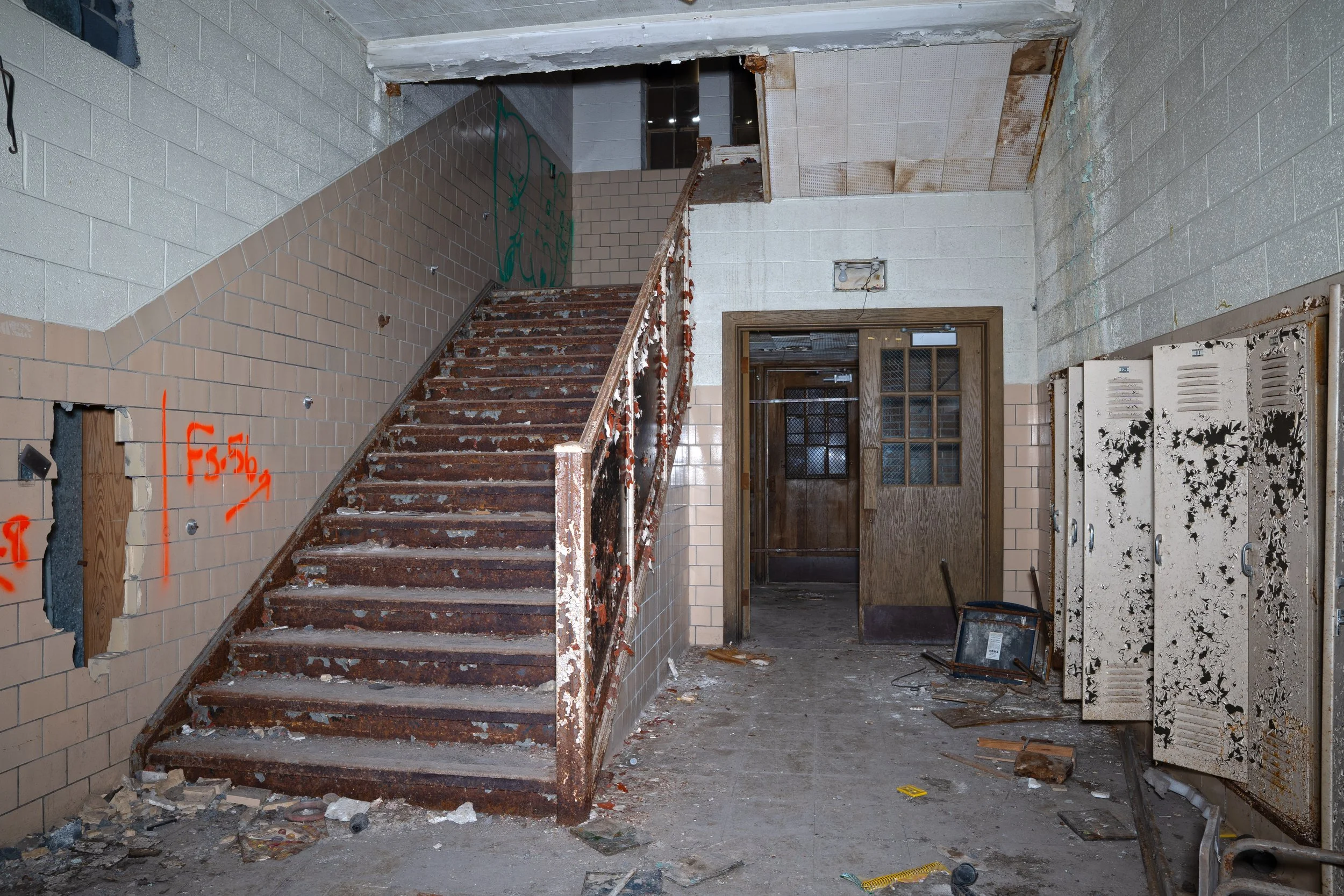
Staircase leading to 2nd floor
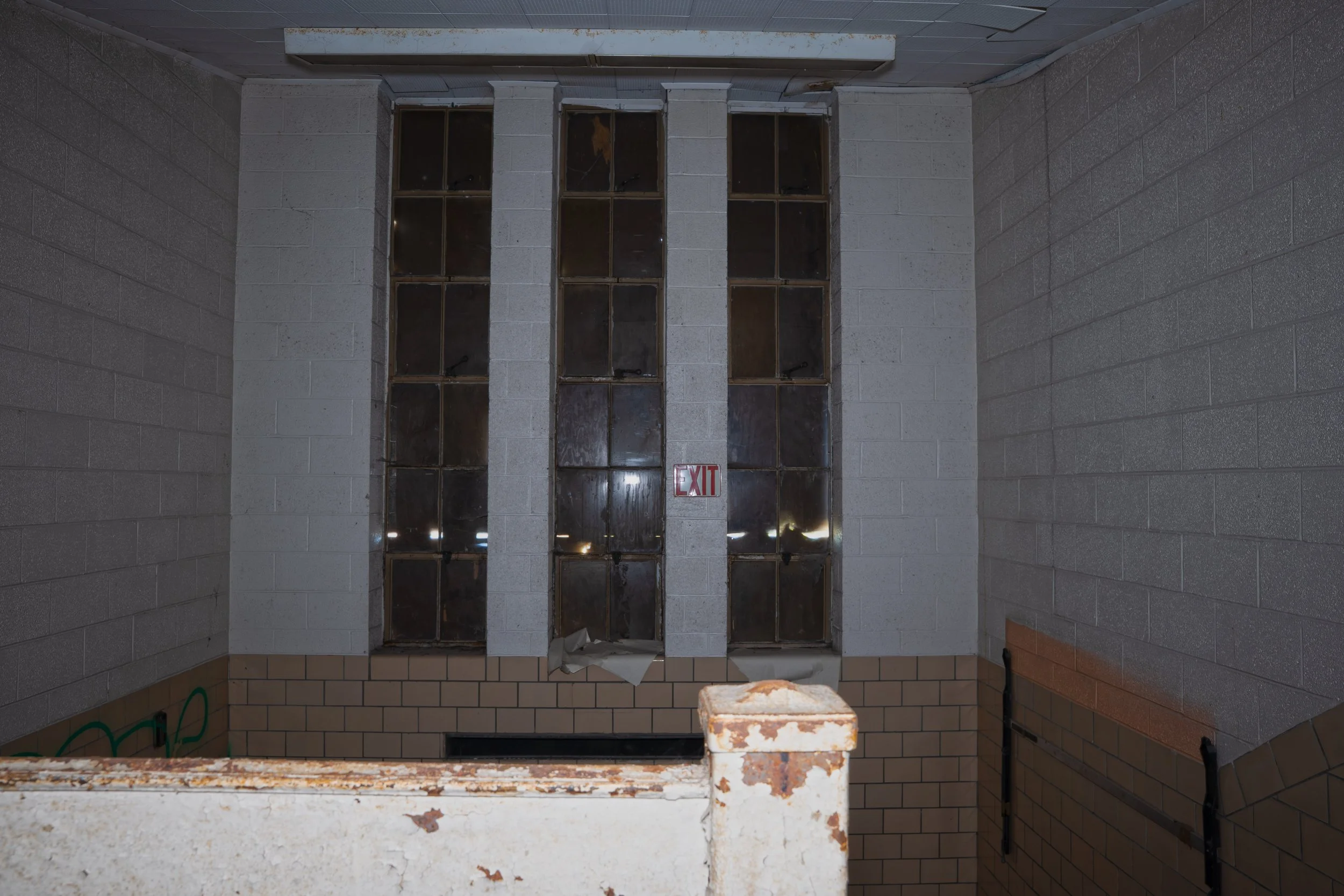
Window design in a stairwell of Parkman
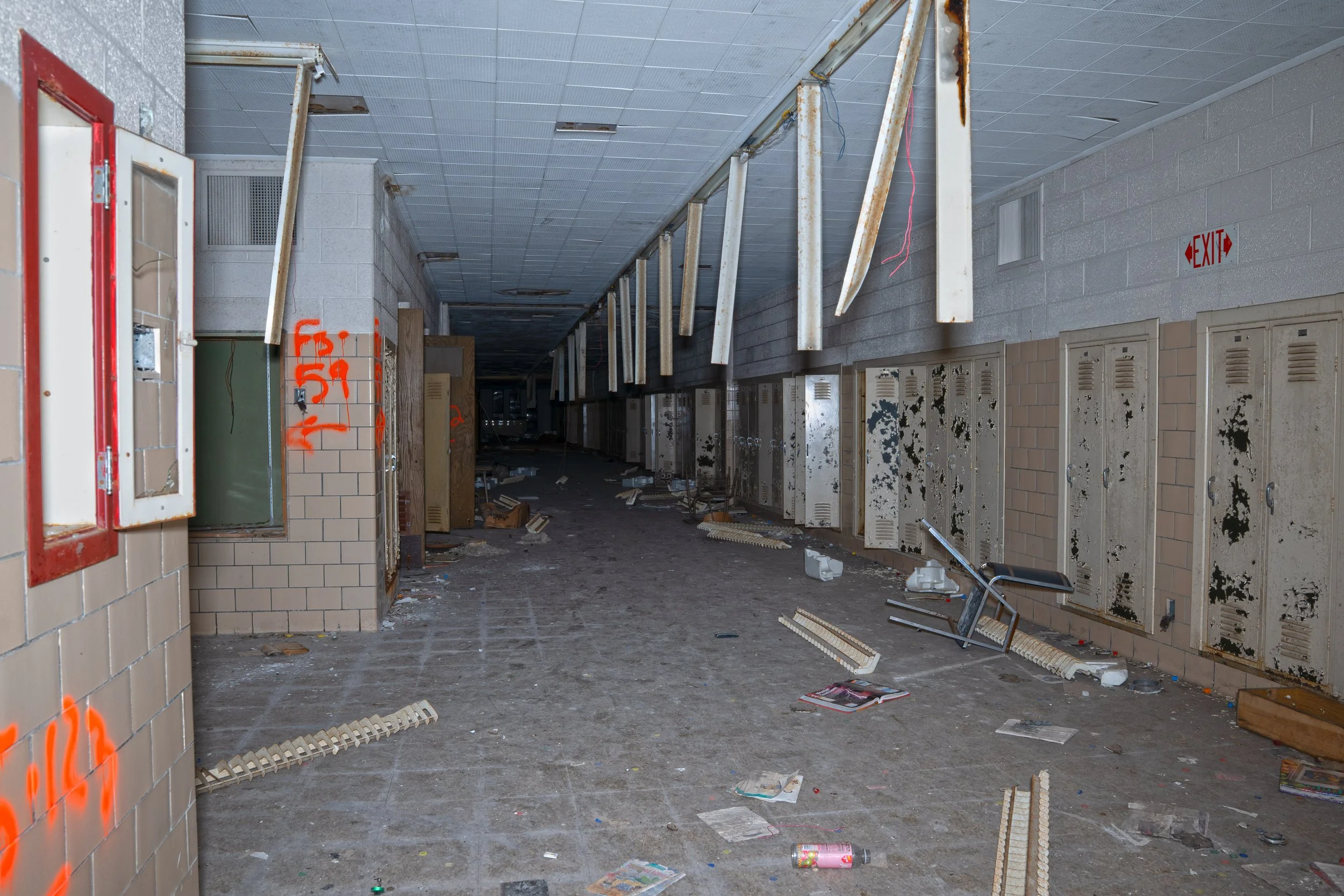
2nd floor hallway shot 1
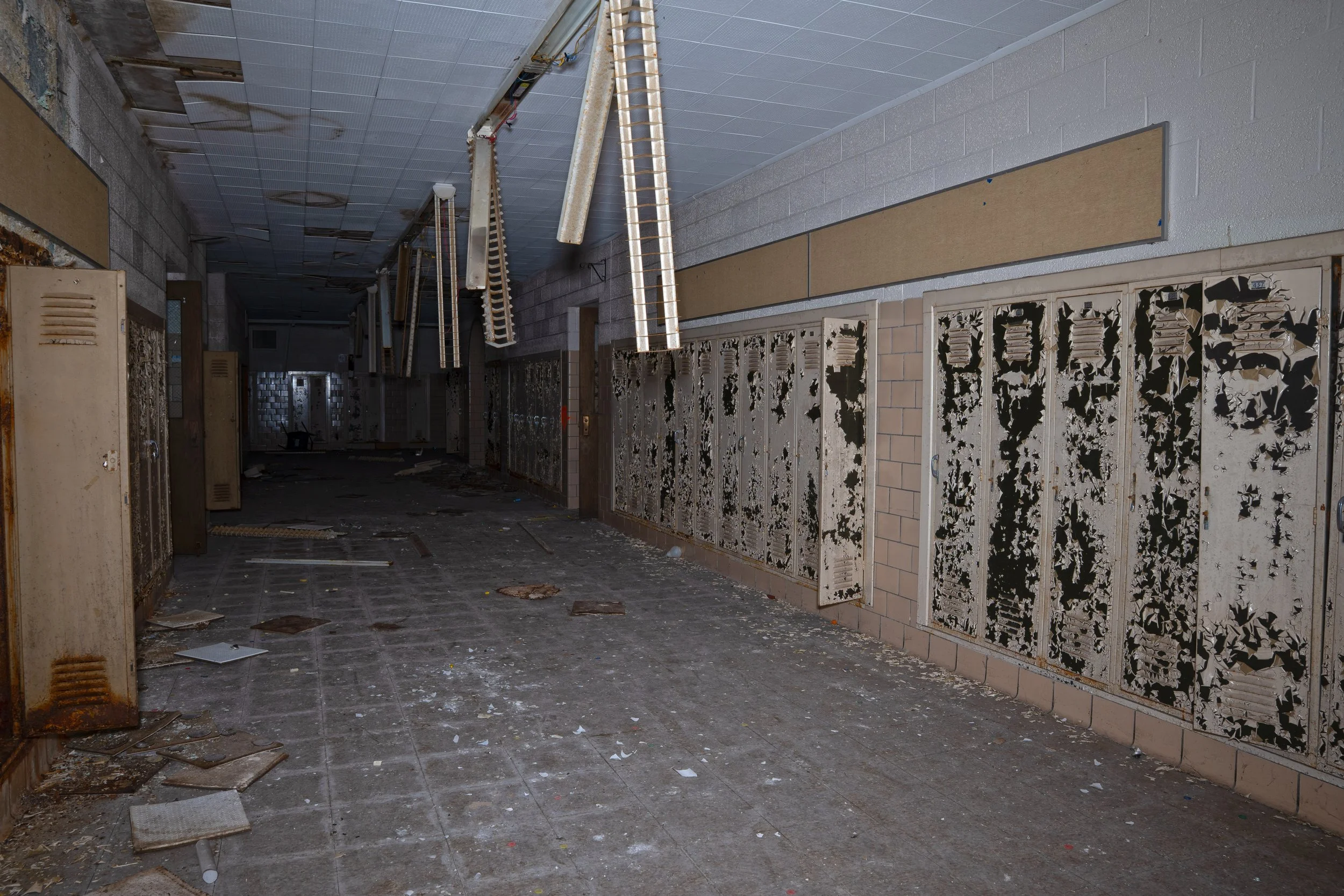
2nd floor hallway shot 2
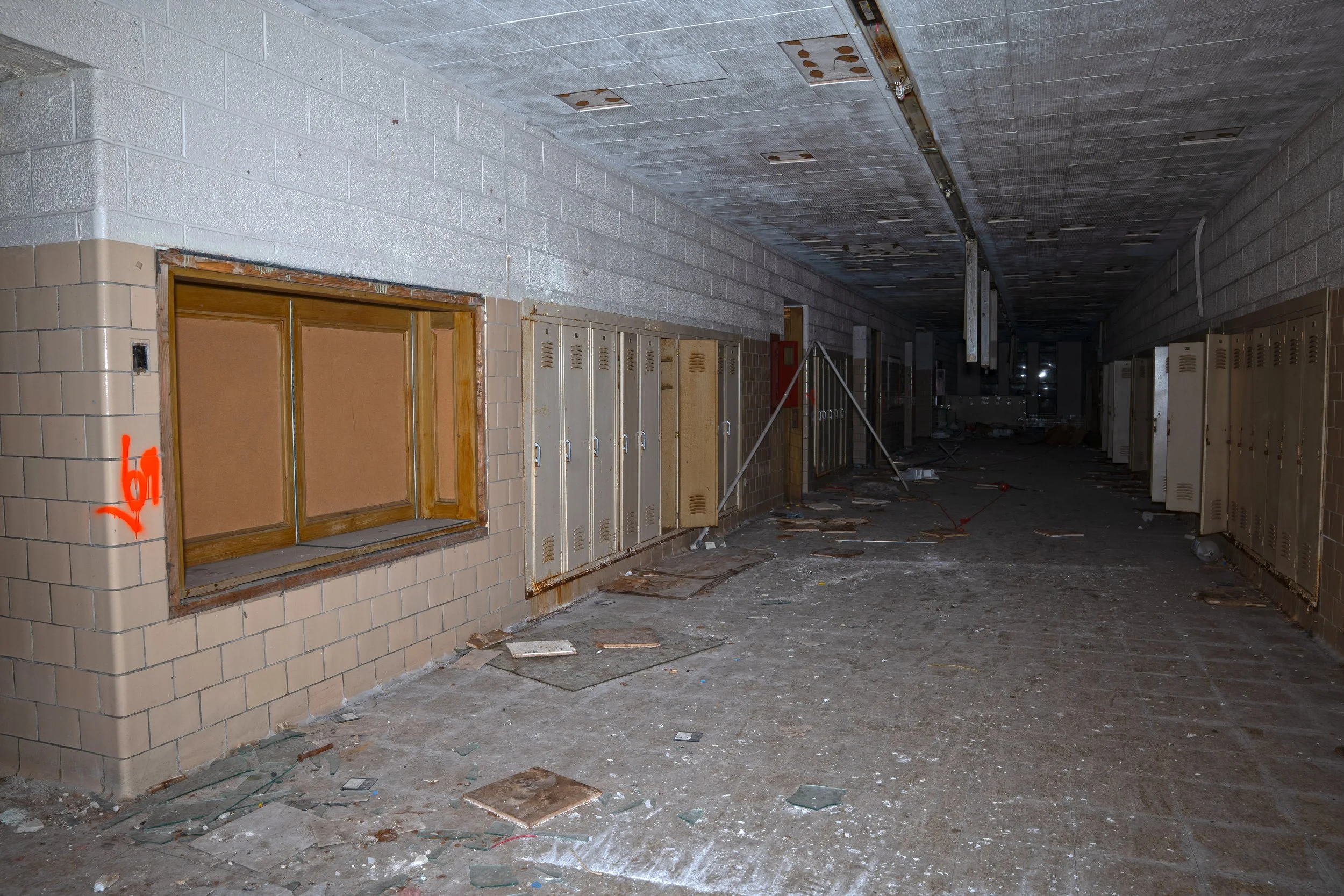
2nd floor hallway shot 3
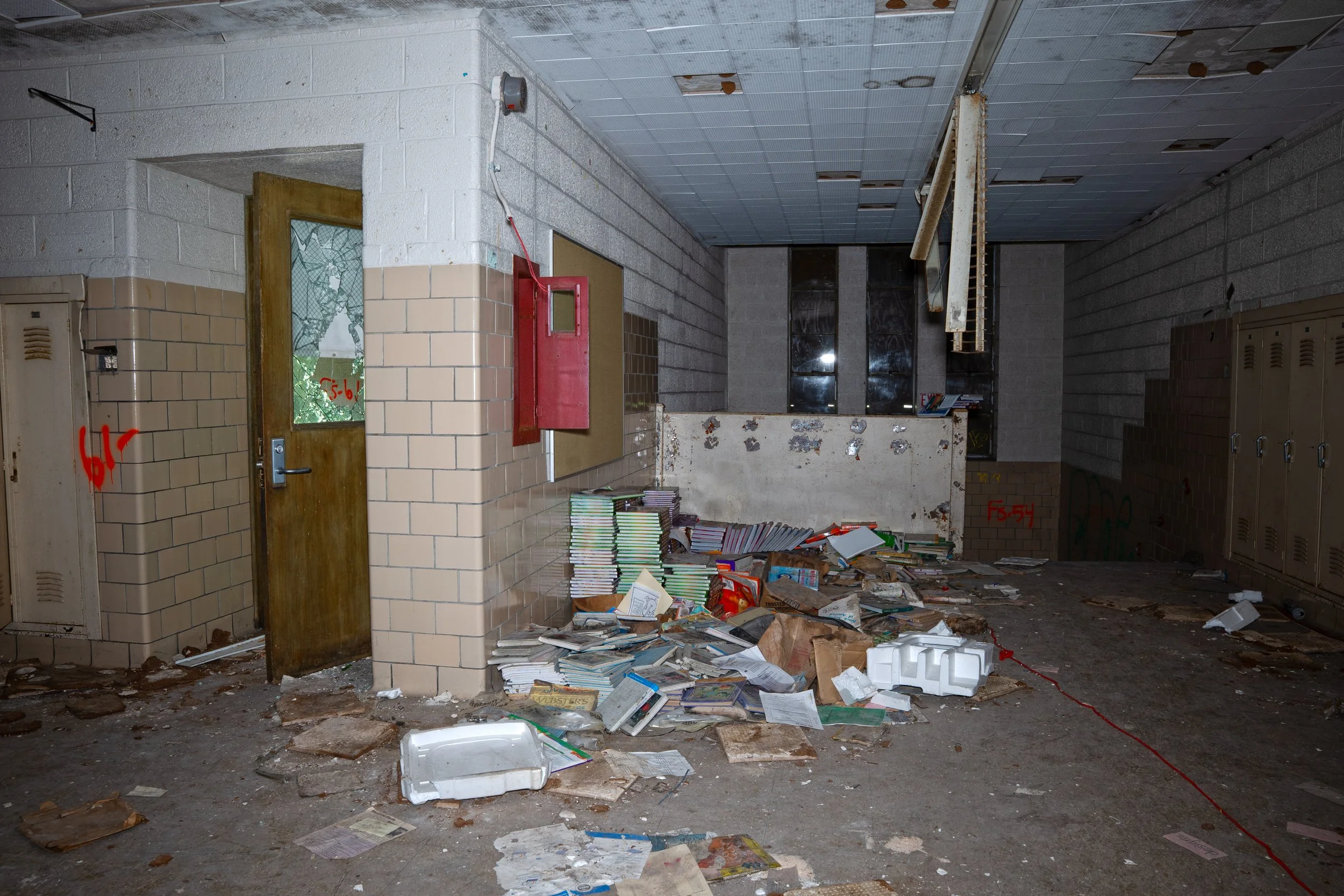
2nd floor hallway shot 4
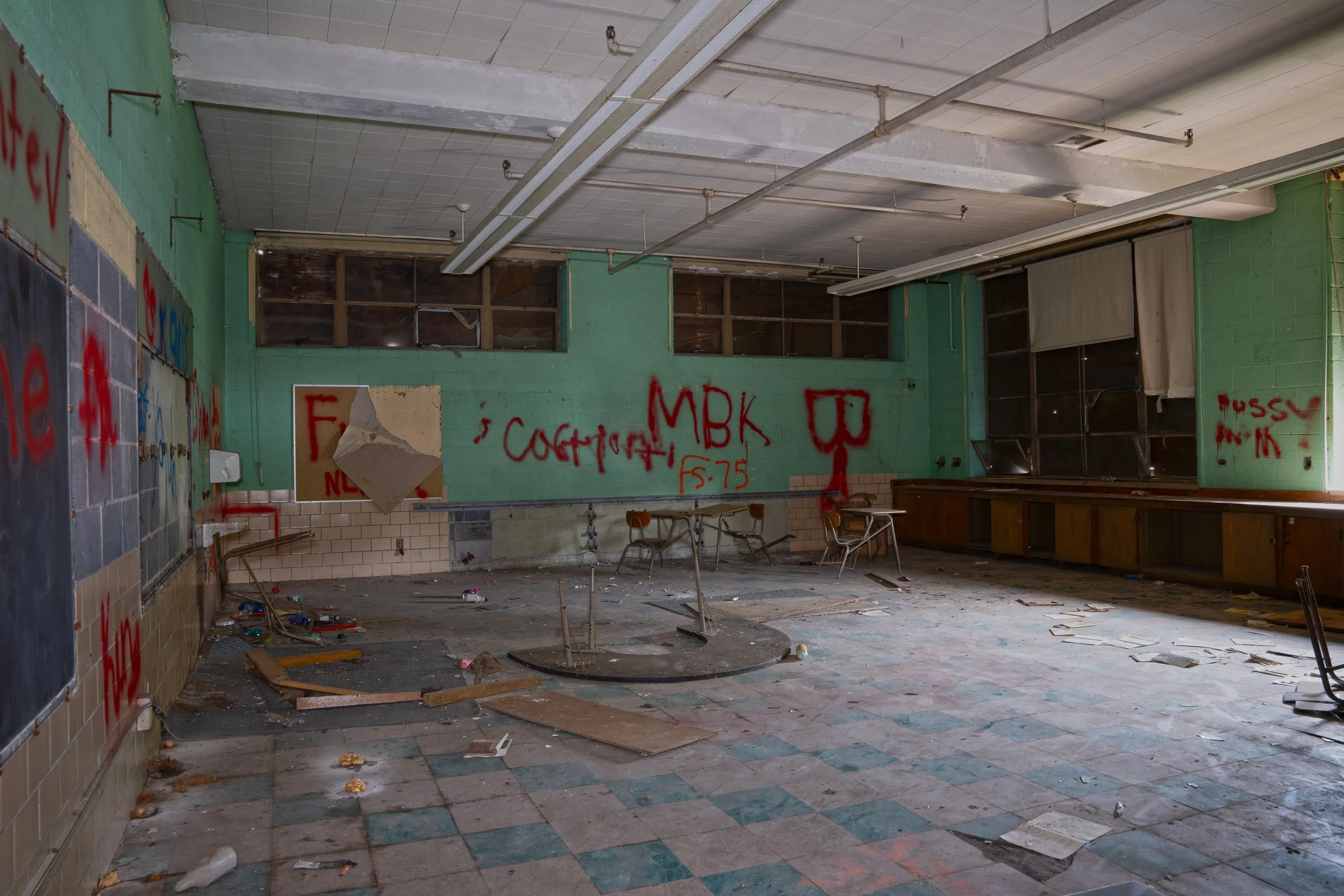
2nd floor dedicated science room
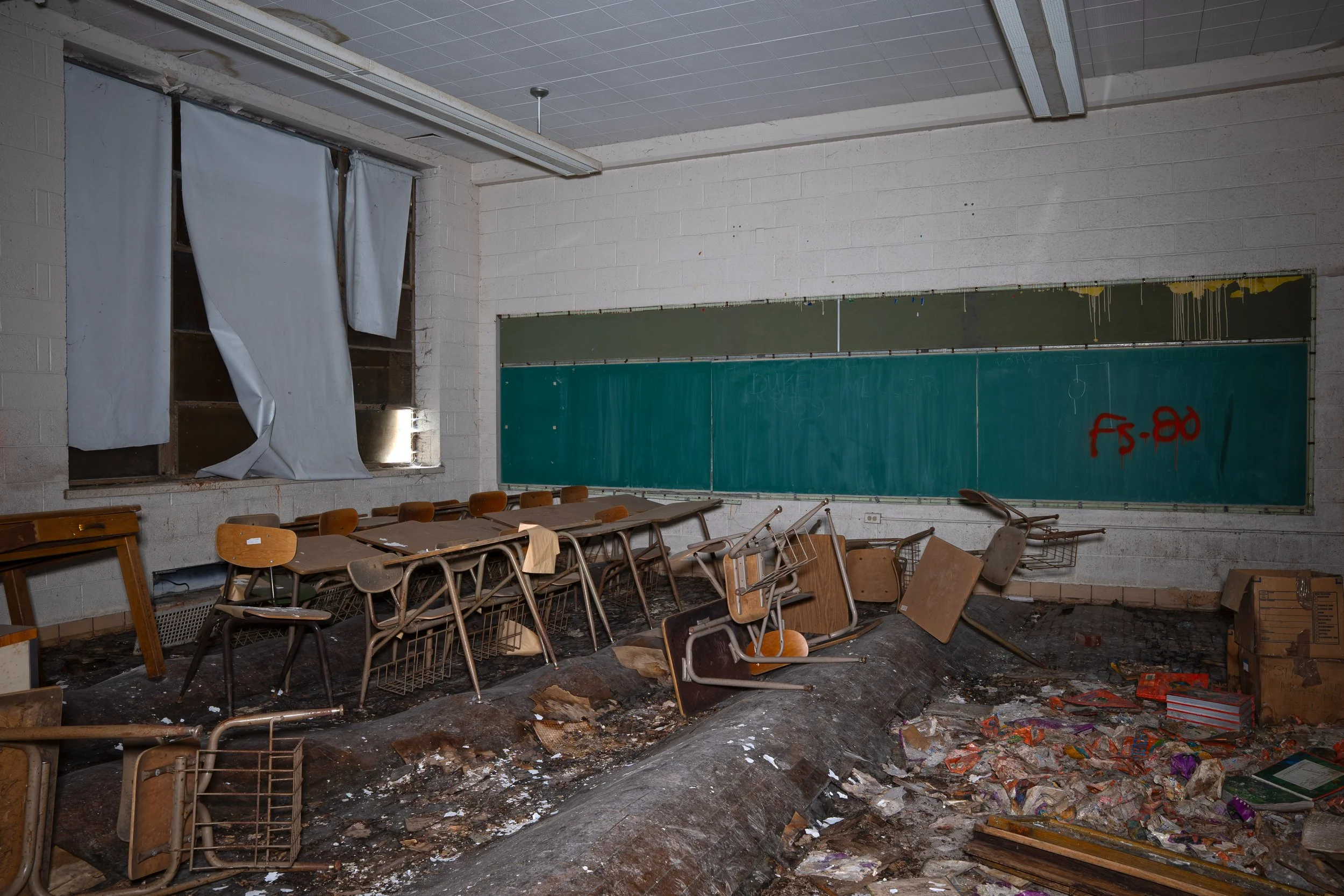
2nd floor classroom
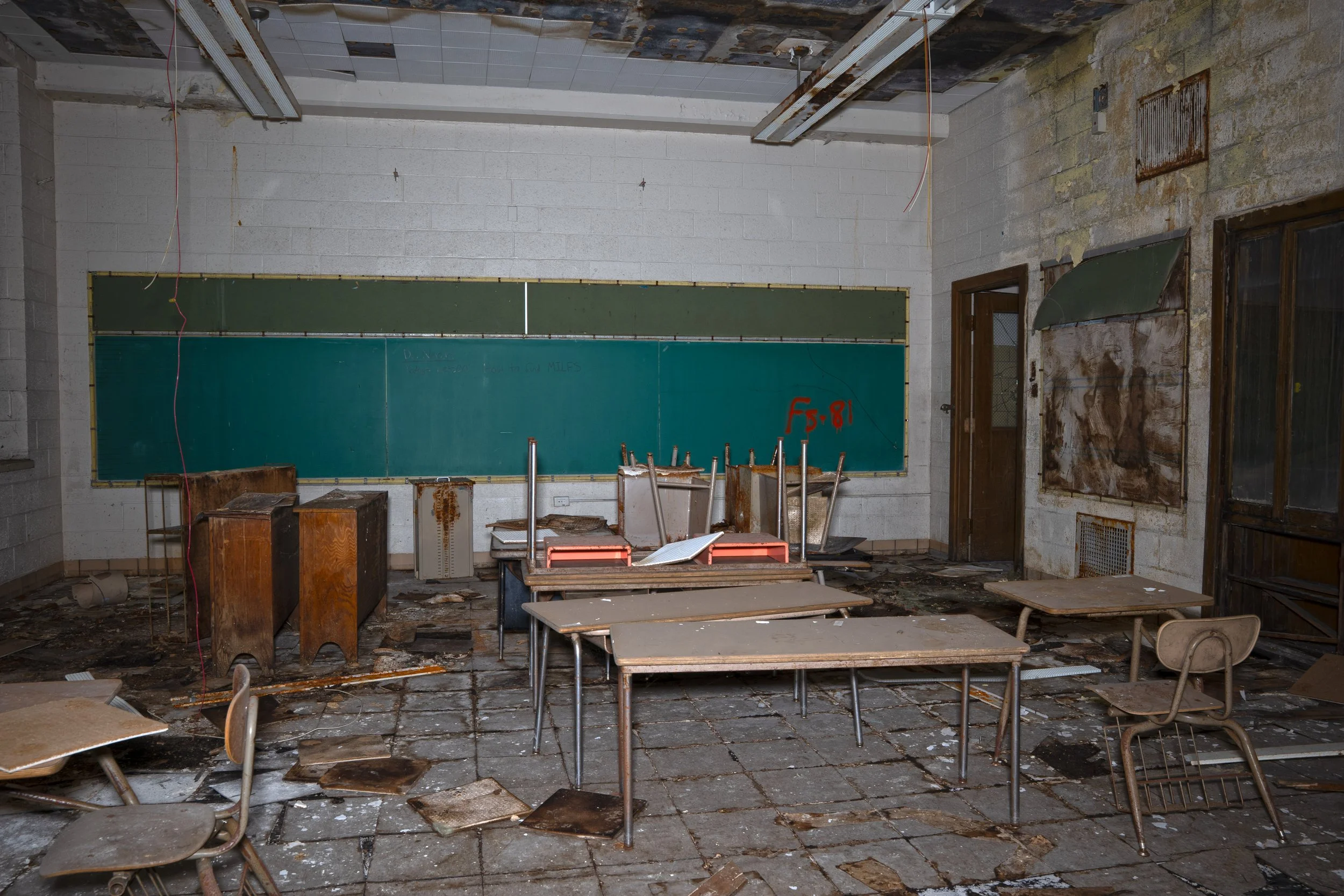
2nd floor classroom
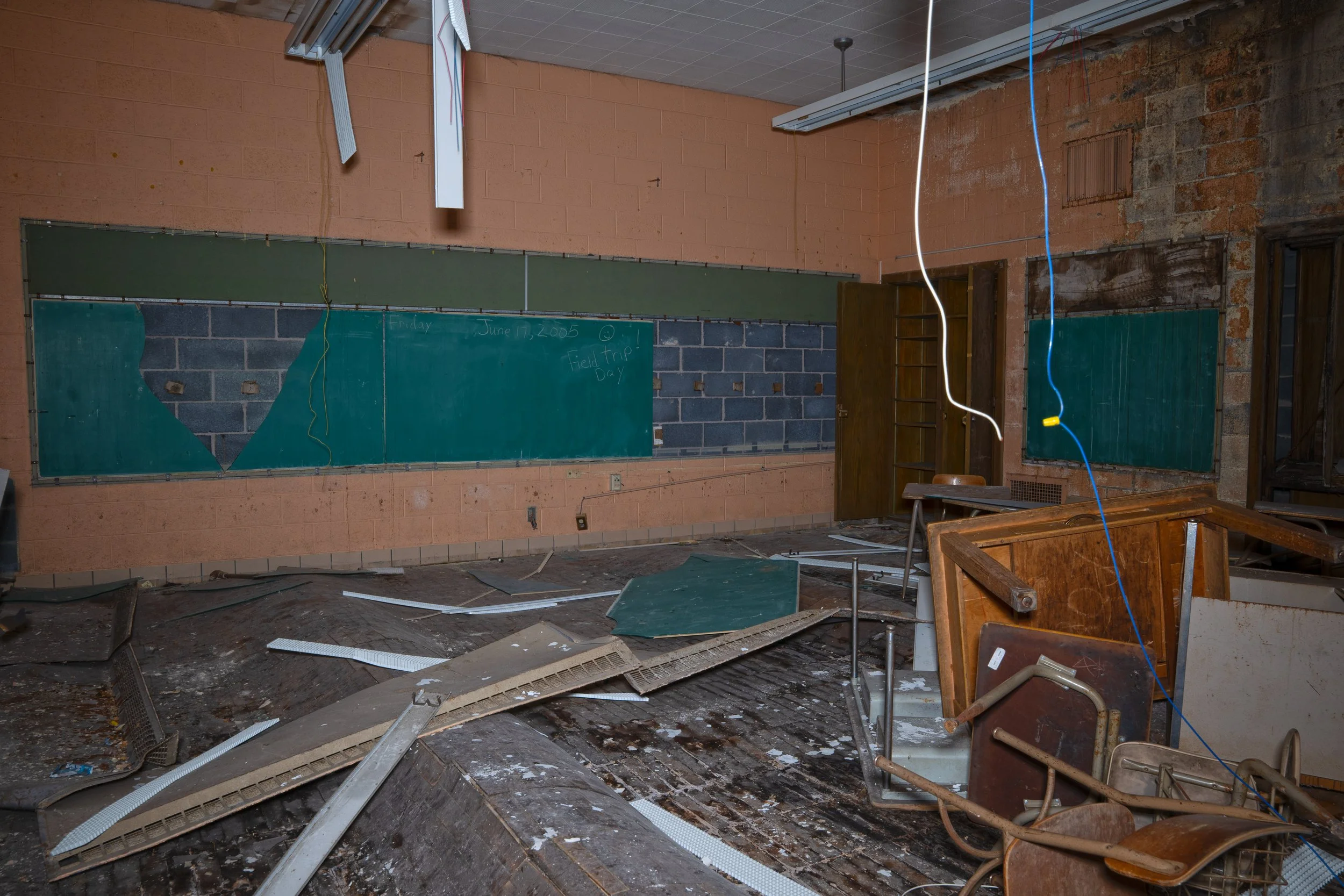
2nd floor classroom (Note the writing on the board, the last day of Detroit Public Schools in 2005 was indeed Friday June 17th, 2005, meaning this was one of the last messages left intact)
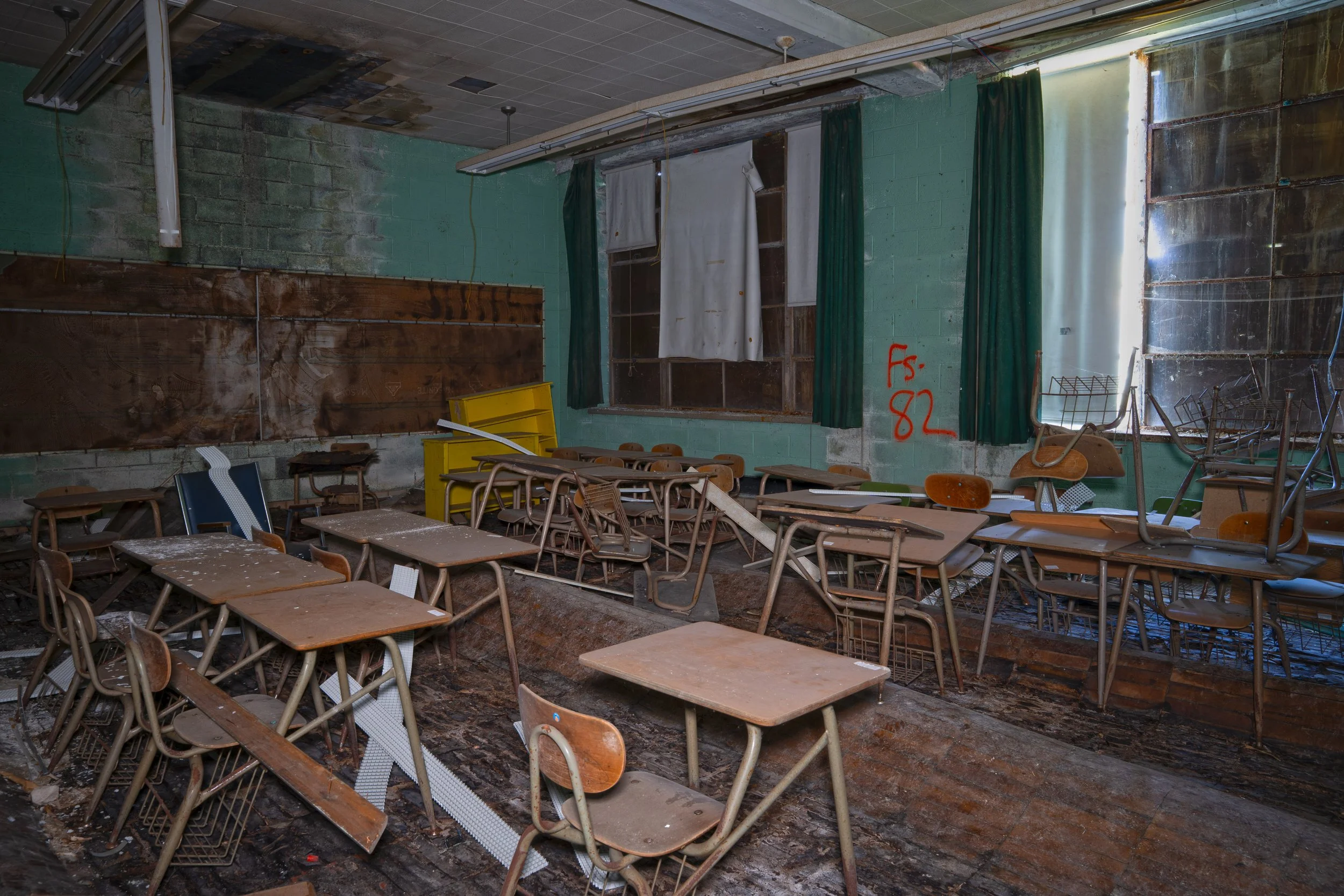
2nd floor classroom
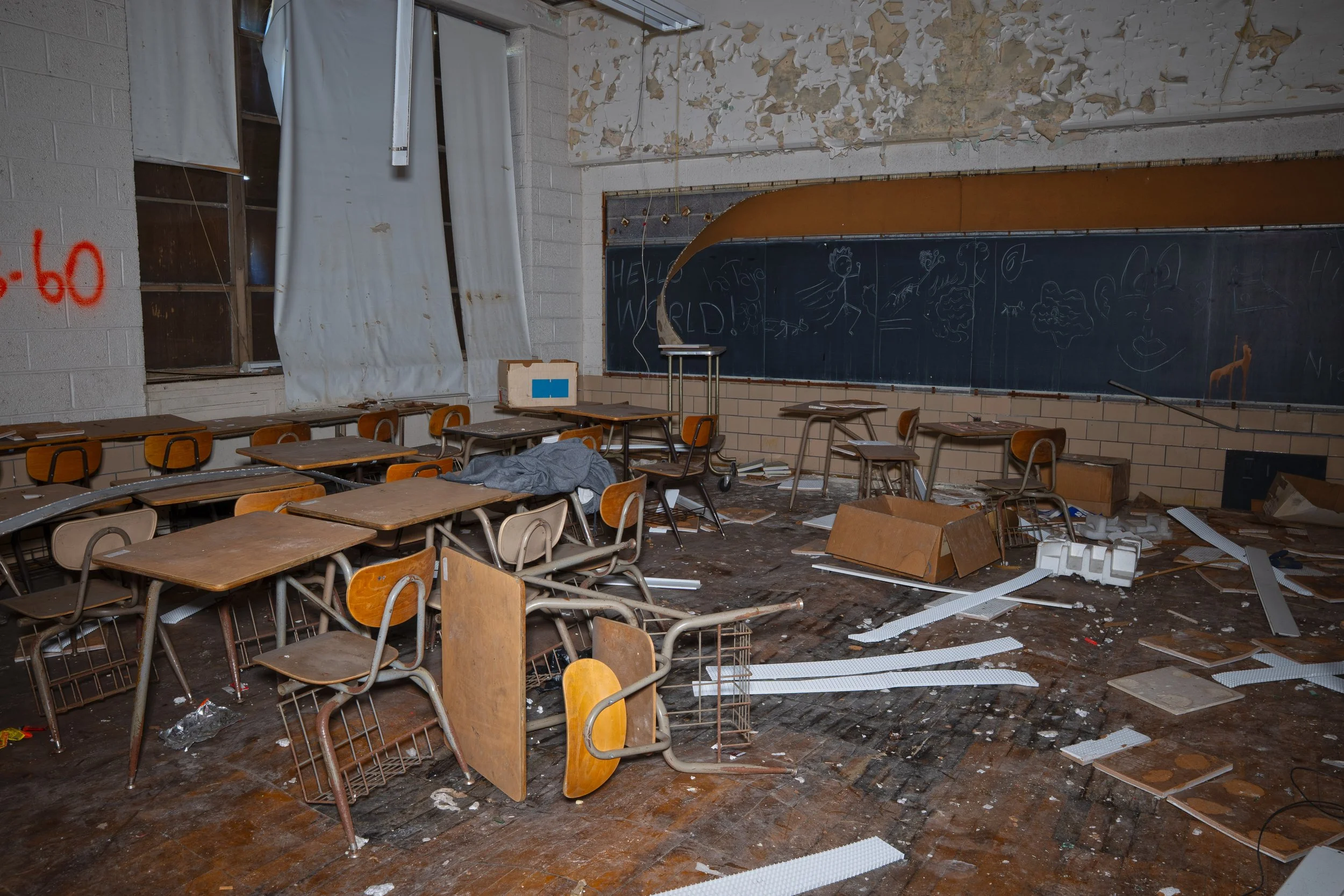
2nd floor classroom
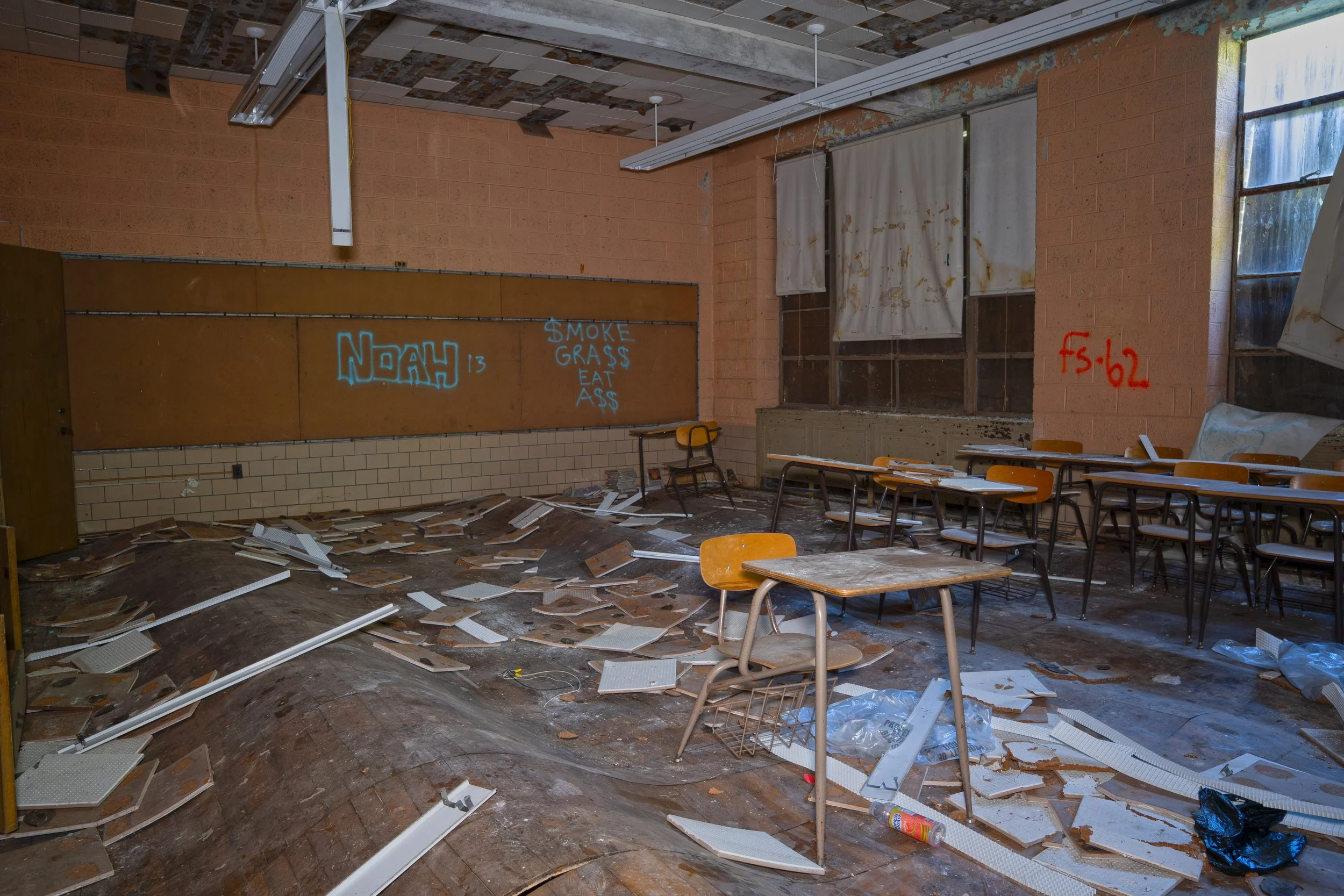
2nd floor classroom